Iconic music facts for Grammy Awards fans
Music’s biggest trophy show was never only about gold statues and thank-you talks. Right from the start, it quietly showed what the business truly cares for – sometimes even its flaws.
Fans do not fixate on victory alone; they remember flashes, albums, choices that stick around well past the closing credits.
Surprises pop up more than you might think when looking at Grammy history. Big names sometimes walk away empty handed.
Quiet milestones slip through without fanfare. A sound disappears only to come back later dressed differently.
These shifts color the story of music long after the trophies settle on shelves.
A peek behind the curtain of legendary music moments – Grammy lovers often stumble upon these details, yet each fact quietly reshapes how we see pop culture’s heartbeat.
What sticks isn’t just the trophies, but how those nights shift what songs stick around.
Grammy Awards began as an industry experiment

Back in 1959, the Grammys didn’t care about chart-toppers. Crafted by insiders of the business, the aim sat squarely on honoring skill and creativity – rock and roll still raised eyebrows then.
Traditional pop took center stage early on, also jazz, even full orchestras got their moment.
Out of that beginning came a pattern. As time passed, fresh styles found their way in – yet early roots left traces.
Because of how things started, progress and praise didn’t match step by step. Looking back makes clear why arguments linger now.
Beyoncé holds the most Grammy wins in history
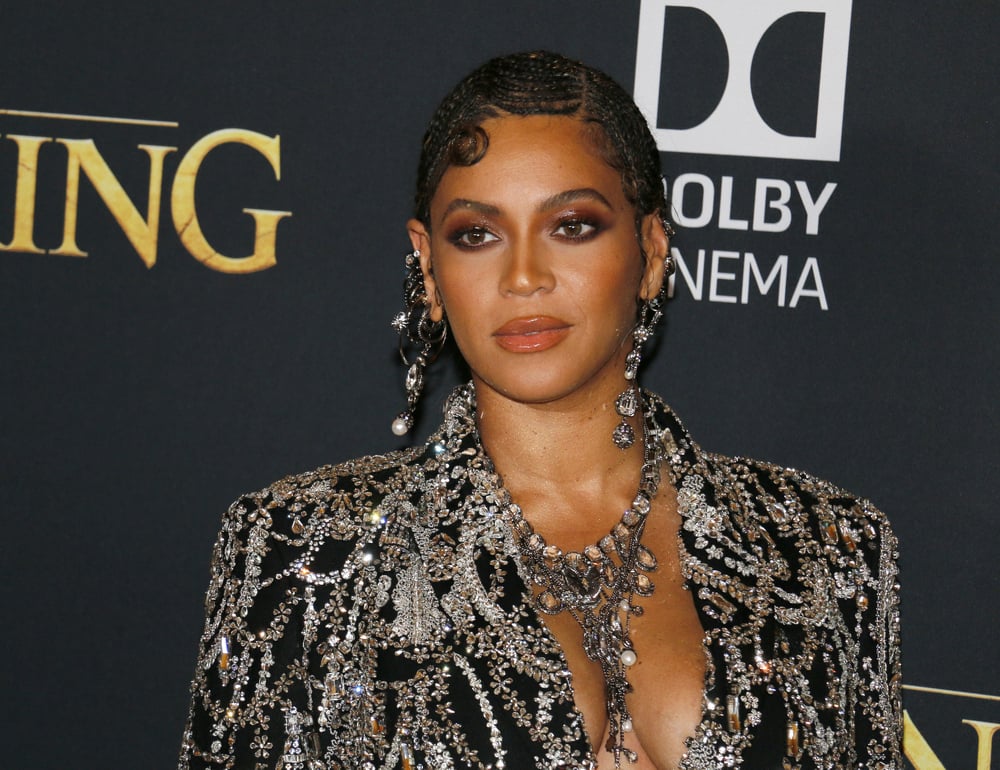
Beyoncé became the most awarded artist in Grammy history in 2023, surpassing a record that had stood for decades. Her wins span multiple genres, collaborations, and eras of her career, reflecting both longevity and adaptability.
What makes this achievement especially notable is how it contrasts with her relationship to the top categories. Despite her historic total, she has never won Album of the Year.
For fans, this fact captures a recurring Grammy tension, where influence and innovation do not always align with the ceremony’s highest honour.
Album of the Year has a complicated legacy

Album of the Year is often treated as the Grammys’ ultimate prize, yet its history is filled with decisions that still spark debate. Many albums now considered culturally definitive were overlooked in favour of safer or more traditional choices.
This pattern highlights how the award often reflects industry consensus at a specific moment rather than long-term impact. Over time, fans have come to see Album of the Year not as a final verdict, but as a snapshot of prevailing taste during a particular era.
Michael Jackson changed what a Grammy sweep looked like

Michael Jackson’s dominance at the 1984 Grammy Awards reshaped expectations of what one artist could achieve in a single night. Winning eight awards for Thriller, he transformed the ceremony into a platform for global spectacle and cultural celebration.
That night also marked a turning point in how pop music was treated by the Recording Academy. Pop was no longer peripheral to artistic recognition.
Jackson’s success helped reposition popular music as central to the Grammys’ identity rather than something to be cautiously acknowledged.
Genre categories tell a story of shifting values

The Grammys’ genre categories have changed constantly, often revealing more than official statements ever could. Categories have been renamed, merged, split, or removed as musical styles evolved and industry language struggled to keep up.
These adjustments reflect ongoing debates about classification, recognition, and legitimacy. For fans, tracking category changes offers insight into which styles were gaining acceptance and which were being reshaped to fit existing frameworks.
Adele has defined the modern Grammy ballad era

Adele’s Grammy success illustrates how traditional songwriting and vocal performance continue to resonate with voters. Her repeated wins in major categories reaffirmed the Academy’s appreciation for classic structures and emotional clarity.
At the same time, her dominance sparked conversation about representation and genre balance. For fans, Adele’s Grammy history underscores how timeless approaches often coexist with innovation rather than being replaced by it.
Some of the most influential artists were recognised late

Several artists now considered foundational to modern music were acknowledged by the Grammys only after years of influence. In some cases, lifetime achievement recognition arrived long after their peak cultural impact.
This pattern highlights how the Grammys sometimes follow influence rather than lead it. Fans often look back at these delayed acknowledgments as evidence that cultural importance cannot always be measured in real time.
Taylor Swift reshaped Album of the Year expectations

Taylor Swift became the first artist to win Album of the Year four times, a record that redefined what sustained success at the Grammys could look like. Her wins span different phases of her career, each marked by stylistic shifts and evolving narratives.
What stands out is how her recognition tracks personal reinvention. For Grammy fans, her record demonstrates how adaptability, storytelling, and audience connection can align with institutional recognition over time.
Grammy performances often matter more than the trophies

Some of the most remembered Grammy moments are performances rather than wins. These live appearances have launched careers, reframed artists’ images, and introduced global audiences to new sounds.
For fans, these performances often become cultural reference points. They remind viewers that the Grammys function not just as an awards ceremony, but as a live showcase capable of shaping music history in real time.
Kanye West changed how hip-hop was viewed at the Grammys

Kanye West’s early Grammy success signaled a shift in how hip-hop was perceived within the Recording Academy. His wins emphasised artistry, production, and experimentation, challenging narrow expectations of the genre.
Even so, hip-hop’s relationship with the Grammys has remained complex. For fans, West’s Grammy history reflects both progress and ongoing tension, illustrating how recognition and resistance often coexist within institutional spaces.
The Grammys have expanded beyond American borders

Starting in America, the Grammys slowly opened doors beyond borders. Across categories, names from faraway places show up more often these days.
Music travels fast now – boundaries blur when sounds mix and spread.
Now music travels farther than borders ever allowed. Fans see it differently – proof the Grammys inch toward reflecting how people actually listen today, guided by streams and online finds.
Why these Grammy facts still matter

Music history sticks around when ceremony highlights shift what we hear, see, live. These honors track more than fame or skill – instead, quiet tugs between old ways and new directions show through.
Wins or losses start making more sense when you know what’s behind them. Each moment fits into something bigger, shaped by the times we’re in.
What happens on stage reflects change, slow but clear. These details help fans see it not just as awards, but as snapshots of where music – and people – stand every single year.
More from Go2Tutors!

- The Romanov Crown Jewels and Their Tragic Fate
- 13 Historical Mysteries That Science Still Can’t Solve
- Famous Hoaxes That Fooled the World for Years
- 15 Child Stars with Tragic Adult Lives
- 16 Famous Jewelry Pieces in History
Like Go2Tutors’s content? Follow us on MSN.



