Strange Royal Traditions Practiced Across Old Europe
The history of European royalty reads like a collection of elaborate theater performances that somehow became real life. Across centuries of monarchies, noble families developed customs so peculiar that they make modern celebrity culture look restrained.
These weren’t just ceremonial flourishes — they were serious business that determined everything from succession rights to international diplomacy.
The French Court’s Elaborate Morning Ritual
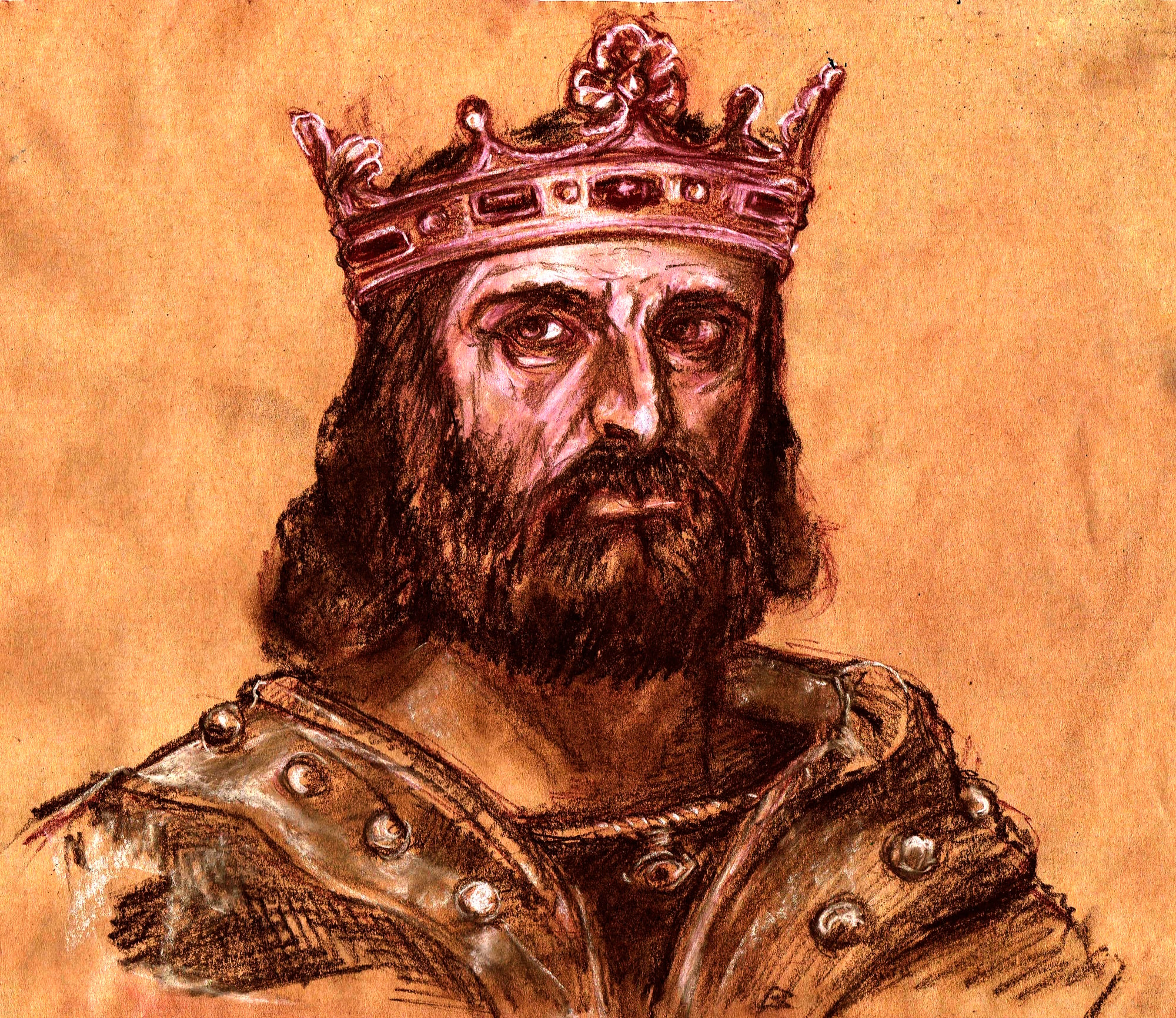
Getting dressed at Versailles wasn’t a private affair. The French king’s morning routine (called the “lever”) involved dozens of nobles competing for the honor of handing him his shirt.
Each piece of clothing had its designated presenter, ranked by social status. The Duke might hand over the royal stockings while a lesser noble got stuck holding the chamber pot.
This wasn’t about efficiency. Standing around watching someone get dressed for two hours was a privilege that courtiers literally fought over.
English Monarchs And Their Professional Food Tasters

Paranoia shaped royal dining habits in ways that would make modern food safety inspectors weep. English kings employed multiple people whose entire job was eating the royal meal first, then waiting to see if they dropped dead.
But here’s where it gets strange — the tasters had their own elaborate hierarchy, with different people specializing in different courses. The wine taster held a particularly prestigious position, partly because poisoning wine was considered an art form among medieval assassins.
These weren’t just servants grabbing a quick bite — they had specific rituals for how to taste, how long to wait, and what signs of distress to watch for. The whole process could stretch a simple dinner into a three-hour production, but nobody seemed to mind much since the alternative was potentially fatal indigestion.
The Habsburg Jaw And Strategic Inbreeding
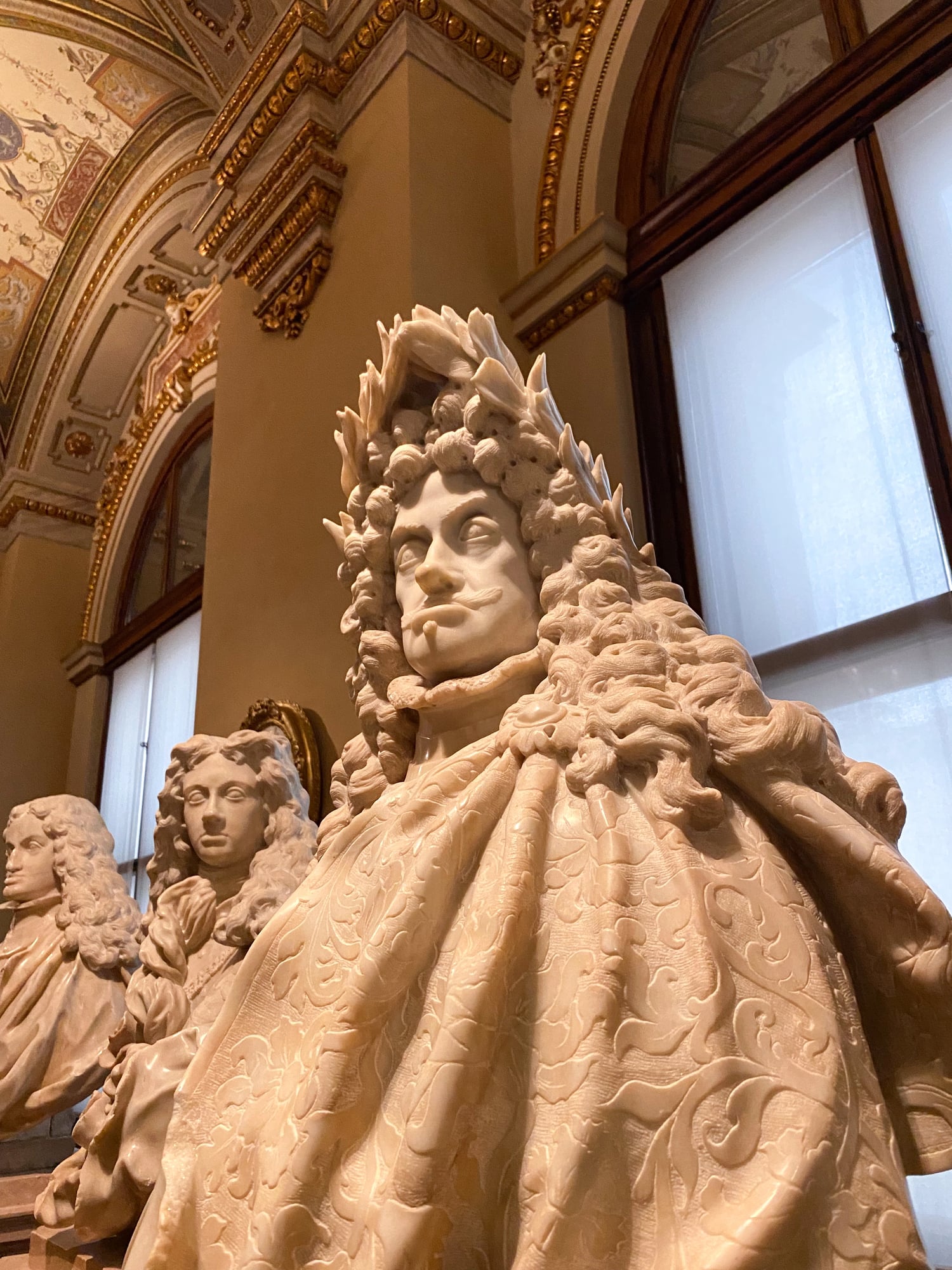
The Austrian Habsburgs turned family reunions into marriage negotiations with results that were visible from across a crowded throne room. Their commitment to keeping royal blood “pure” created a gene pool so shallow that family portraits started looking like medical textbooks.
The famous Habsburg jaw — a jutting lower jaw that made eating and speaking difficult — became more pronounced with each generation. Charles II of Spain represented the logical endpoint of this strategy.
His jaw was so severely deformed that he couldn’t chew food properly, and his tongue was reportedly too large for his mouth. Yet the family doubled down on the approach, treating physical deformity as a small price to pay for genetic superiority.
Russian Beard Taxes And Modernization

Peter the Great had strong opinions about facial hair. When he decided Russia needed to modernize, he started with the obvious place: everyone’s face.
The beard tax wasn’t a gentle suggestion — it was a serious policy requiring clean-shaven men to carry tokens proving they’d paid for the privilege of keeping their whiskers. Enforcement was thorough and personal.
Royal inspectors would corner bearded men on the street and either collect payment or shave them on the spot. The Orthodox Church considered beards religiously significant, which made this less a fashion statement and more a spiritual crisis for many Russians.
The Ritual Of Touching For Scrofula

European kings claimed the divine ability to cure diseases through touch, particularly scrofula (a form of tuberculosis affecting the lymph nodes). This wasn’t occasional faith healing — it was a regular royal duty with specific protocols.
English and French monarchs held formal ceremonies where hundreds of sick people would line up for the royal touch. The ritual required precise staging: the monarch would touch each person’s neck while saying specific prayers, then hang a gold coin around their neck.
The coins were considered part of the healing process, which was convenient since it meant people got something tangible for their trouble even if the medical results were questionable. Some kings performed this ceremony for thousands of people annually, turning miracle healing into something resembling a medieval assembly line.
Venetian Doges And The Marriage To The Sea
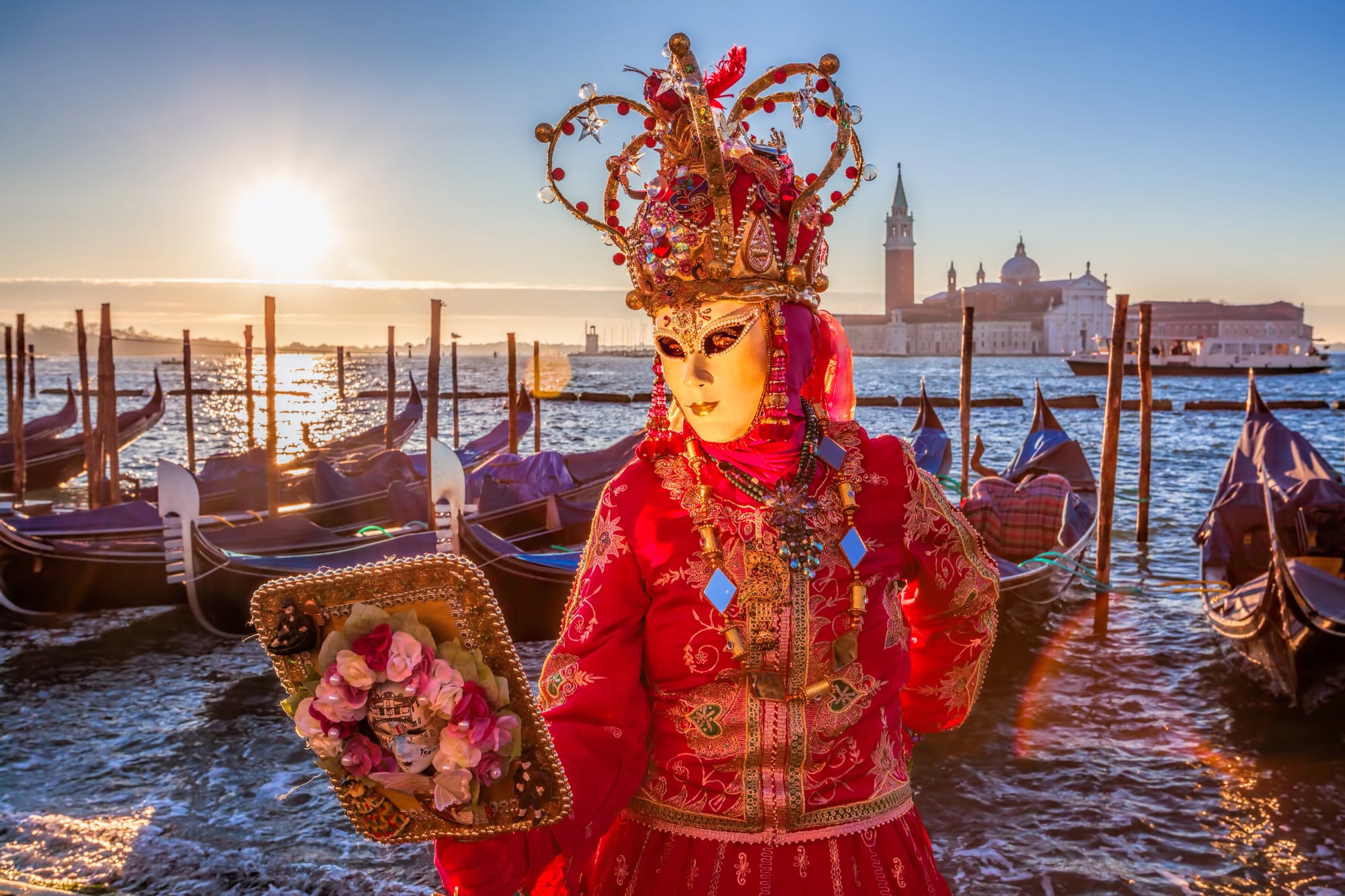
Venice took its relationship with water seriously enough to formalize it through marriage. Every year, the Doge (Venice’s ruler) would sail out into the Adriatic and throw a gold ring into the water while declaring the sea officially wedded to the city.
This wasn’t metaphorical — it was considered a binding contract that secured Venice’s maritime dominance. The ceremony required elaborate costumes, specific ships, and precise timing with the tides.
The ring itself was crafted specially each year and blessed by religious authorities before its aquatic destination. Skipping the ceremony was considered bad luck of the sort that could sink fleets and ruin trade routes.
Holy Roman Emperors And Their Crown Restrictions
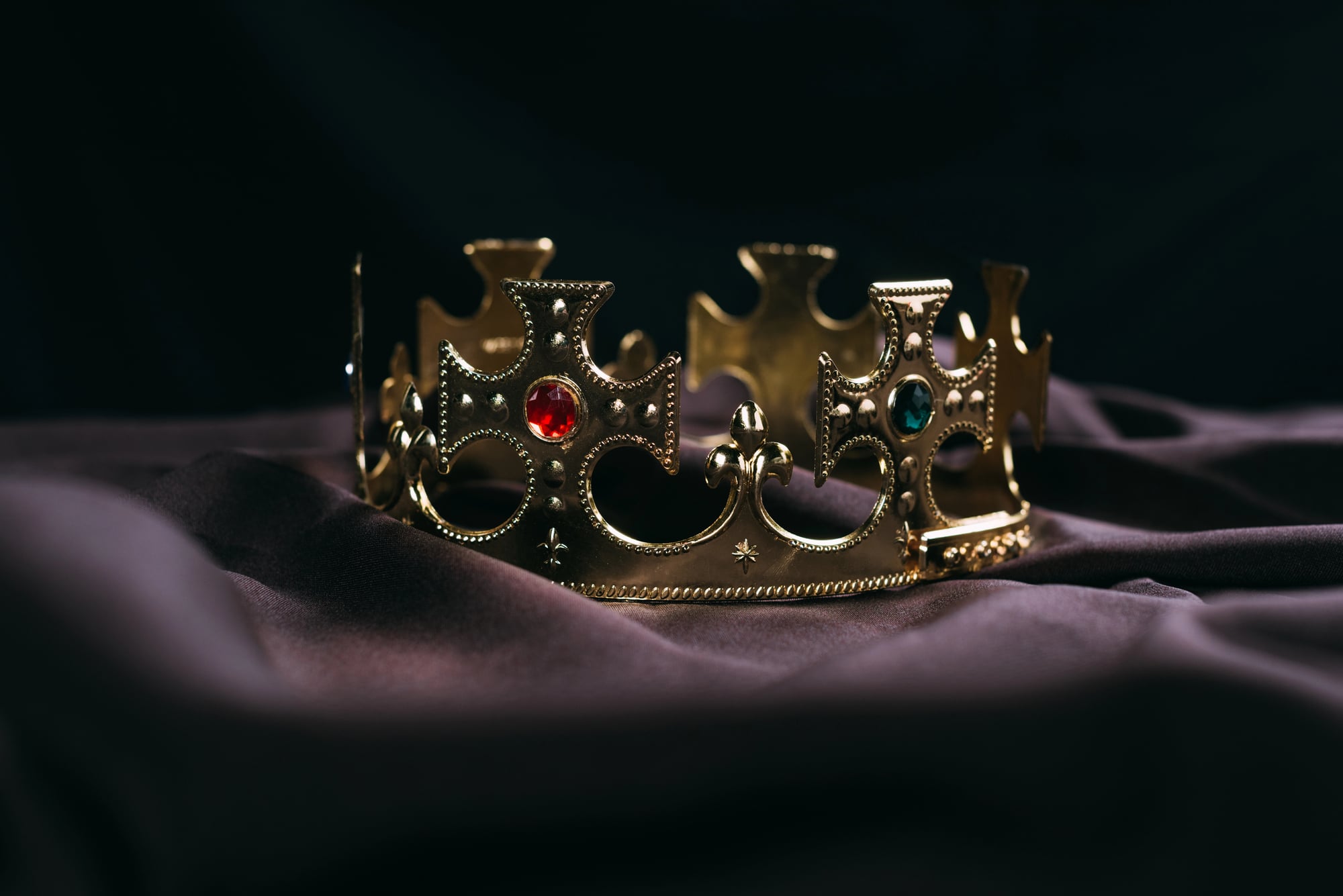
The Holy Roman Empire’s crown came with rules that would frustrate modern monarchs. The emperor could only wear the actual crown on specific occasions, determined by a complex calendar that mixed Christian holidays with political necessities.
Wearing it at the wrong time was considered both sacrilegious and legally invalid. But the restrictions went deeper than scheduling.
The crown could only be worn in certain cities, and only after specific rituals had been performed by particular clergy members. This meant emperors sometimes had to travel hundreds of miles just to put on their own hat legally.
Spanish Court Etiquette And Fatal Formality
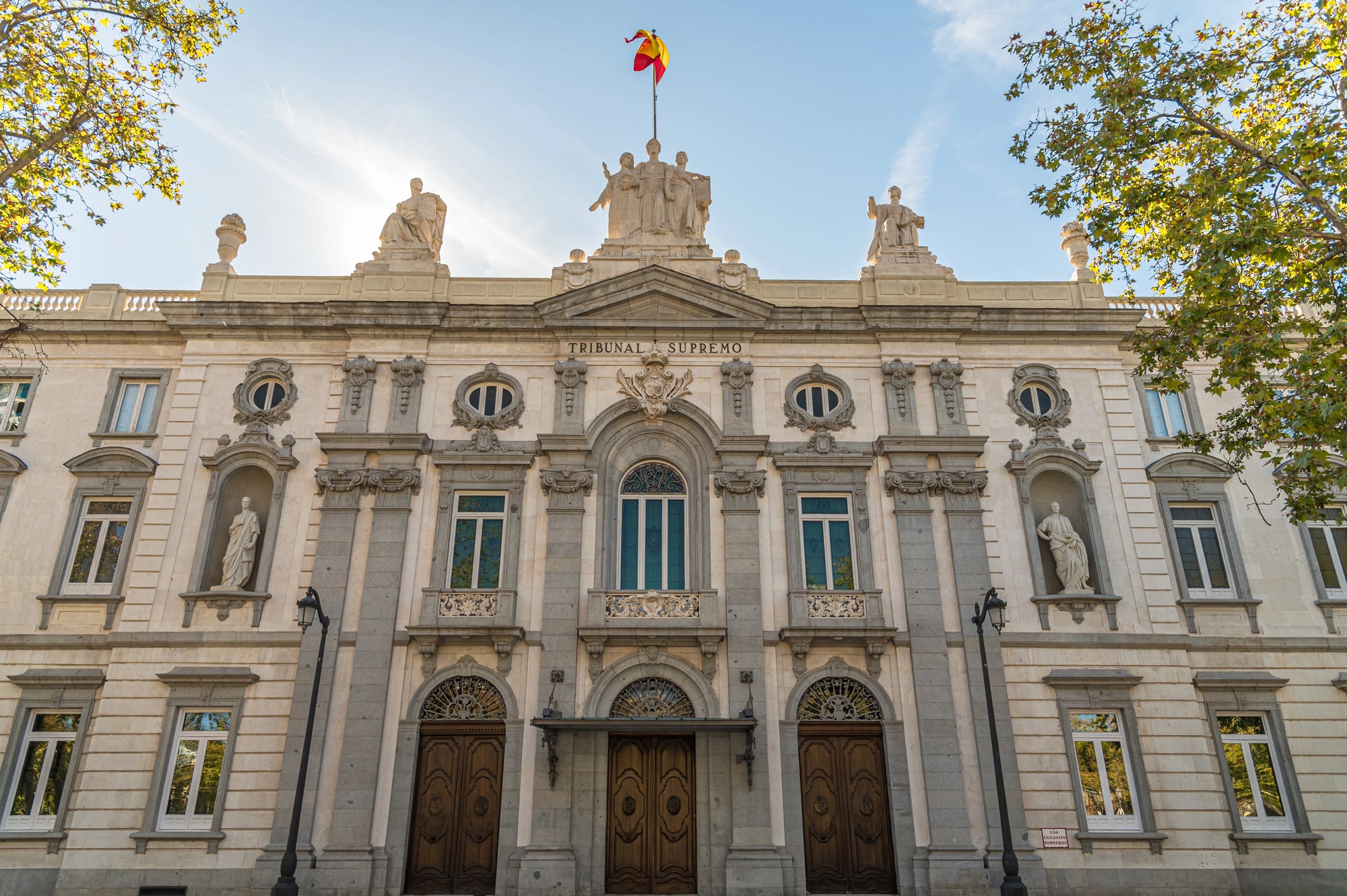
Spanish royal protocol was so rigid it occasionally killed people. The rules governing who could touch whom, when, and under what circumstances created situations where basic human needs became secondary to proper procedure.
Servants couldn’t approach royalty directly — everything had to go through intermediaries who were authorized for that specific type of contact. This led to the famous incident where a Spanish queen nearly burned to death because the person authorized to move her chair away from the fire wasn’t present.
Nobody else was permitted to touch royal furniture. The queen suffered severe burns rather than breach protocol, which tells you something about the relative importance of etiquette versus survival in the Spanish court.
Bohemian Kings And The Crown Of Saint Wenceslas
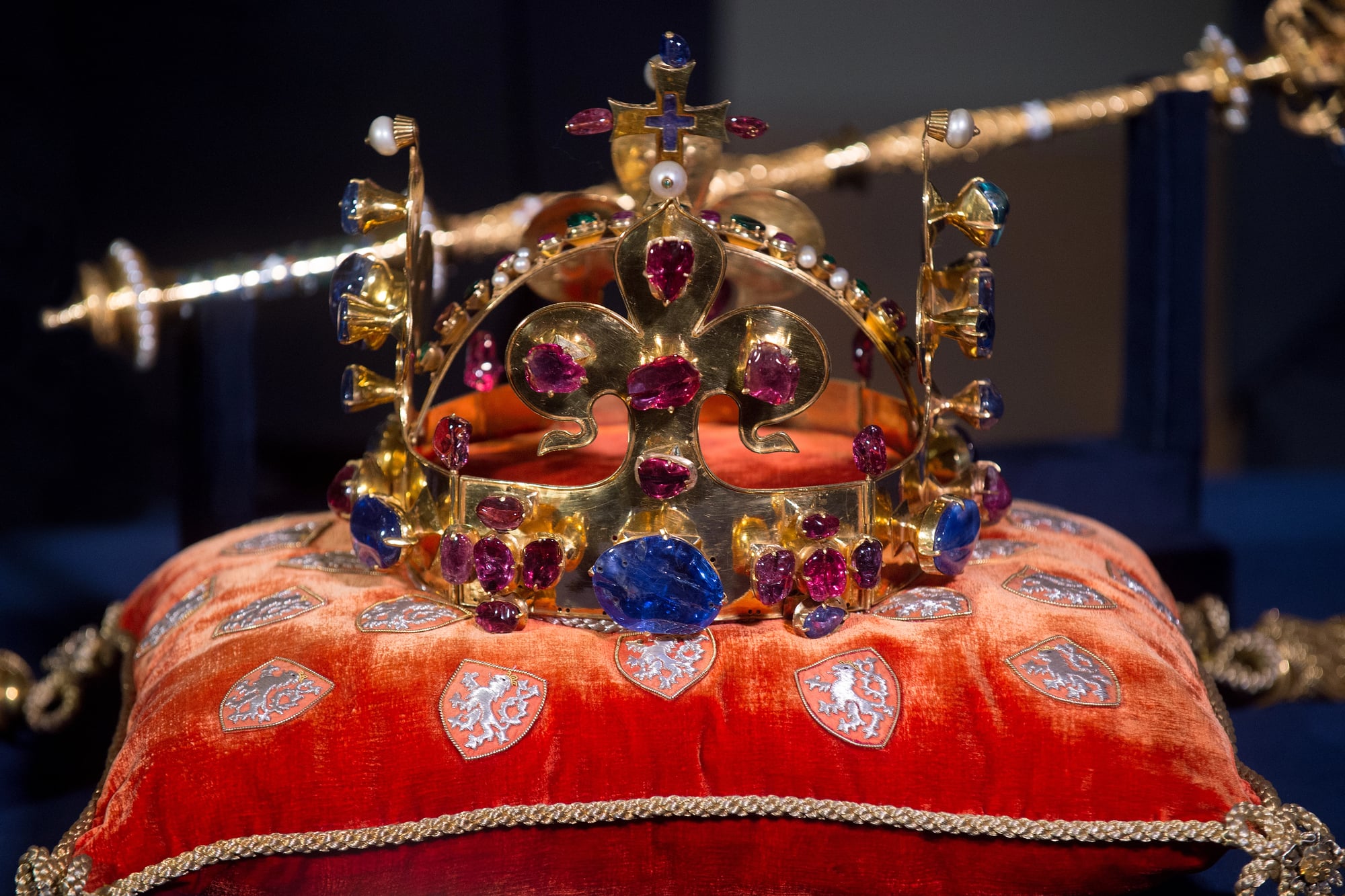
The Bohemian crown came with what might be history’s most specific curse. Legend held that anyone who wore it without legitimate claim would die within a year.
This wasn’t just folklore — it was taken seriously enough that even legitimate kings were cautious about putting it on casually. The crown was kept locked away and only brought out for coronations and the most formal state occasions.
Local tradition held that the curse extended to any unworthy wearer, though such claims typically outpaced documented evidence.
Saxon Electors And Wine Fountain Ceremonies

Saxon rulers marked special occasions by turning public fountains into wine dispensers. This wasn’t a small gesture — entire city squares would be converted into outdoor taverns with wine flowing from every available spout.
The logistics alone required months of planning, not to mention enormous quantities of wine and workers skilled in fountain modification. The tradition served multiple purposes beyond public entertainment.
It demonstrated the ruler’s wealth, generosity, and ability to organize complex civic projects. But mainly, it was an excuse to turn the town square into the world’s largest open bar, which was probably effective at maintaining public loyalty.
Norwegian Kings And The Naming Of Ships

Norwegian royalty developed elaborate ceremonies around ship launches that treated each vessel like a new member of the royal family. Every ship received formal names through religious ceremonies involving multiple clergy members, specific prayers, and the breaking of bottles containing wine mixed with water from sacred springs.
But the naming process extended beyond the ceremony itself — royal ships had to be addressed using formal titles and specific honorifics, as if they were nobility. Ship captains were required to learn these forms of address and use them in official communications.
The maritime bureaucracy was apparently as complex as the terrestrial version.
Polish-Lithuanian Monarchy And Elected Kings

Poland created the unusual tradition of electing their kings through massive outdoor parliaments called “sejms.” Thousands of nobles would gather in fields outside Warsaw for what was essentially a medieval political convention, complete with campaigning, vote trading, and backroom dealing.
Foreign candidates were welcome, which led to some interesting international complications. The election process could last for months, with nobles camping in temporary cities that sprang up around the voting grounds.
These gatherings became major social events, with entertainment, markets, and enough alcohol to float several ships. Some elections were decided less by political merit than by which candidate threw the better parties.
Bavarian Rulers And Beer Purity Laws

Bavarian dukes took beer seriously enough to create laws that are still enforced today. The Reinheitsgebot (beer purity law) specified exactly which ingredients could be used in brewing and established penalties for violations that ranged from fines to public shaming.
This wasn’t casual regulation — it was considered essential to public health and moral order. Enforcement involved royal beer inspectors who could shut down breweries and confiscate equipment for using unauthorized ingredients.
The law was so specific that it defined not just what could go into beer, but when it could be brewed, by whom, and under what conditions. Modern craft brewers would find the regulations either charmingly traditional or completely insane, depending on their relationship with authority.
When Tradition Meets Reality
These customs reveal something essential about the gap between royal image and practical governance. The elaborate ceremonies and bizarre restrictions weren’t just entertainment — they were serious attempts to create authority through performance.
Whether that performance involved getting dressed in front of an audience or marrying the ocean, it served the same basic function: making power visible and memorable. The strangest part might be how many of these traditions worked exactly as intended, lasting for centuries and creating the kind of loyalty that couldn’t be bought with simple competence.
Apparently, there’s something to be said for commitment to the theatrical, even when the theater occasionally becomes absurd enough to make reality look reasonable by comparison.
More from Go2Tutors!

- The Romanov Crown Jewels and Their Tragic Fate
- 13 Historical Mysteries That Science Still Can’t Solve
- Famous Hoaxes That Fooled the World for Years
- 15 Child Stars with Tragic Adult Lives
- 16 Famous Jewelry Pieces in History
Like Go2Tutors’s content? Follow us on MSN.