15 Things That Only Happen at the North Pole
The North Pole stands as one of Earth’s most extreme and inaccessible environments, a place where normal rules seem suspended and nature operates according to its unique playbook. This frozen realm at 90 degrees north latitude represents not just a geographical extreme but a place of scientific wonder and natural phenomena found nowhere else on our planet.
Here is a list of 15 fascinating things that occur only at the North Pole, making it one of the most distinctive locations on Earth despite its apparent emptiness.
Six Months of Darkness
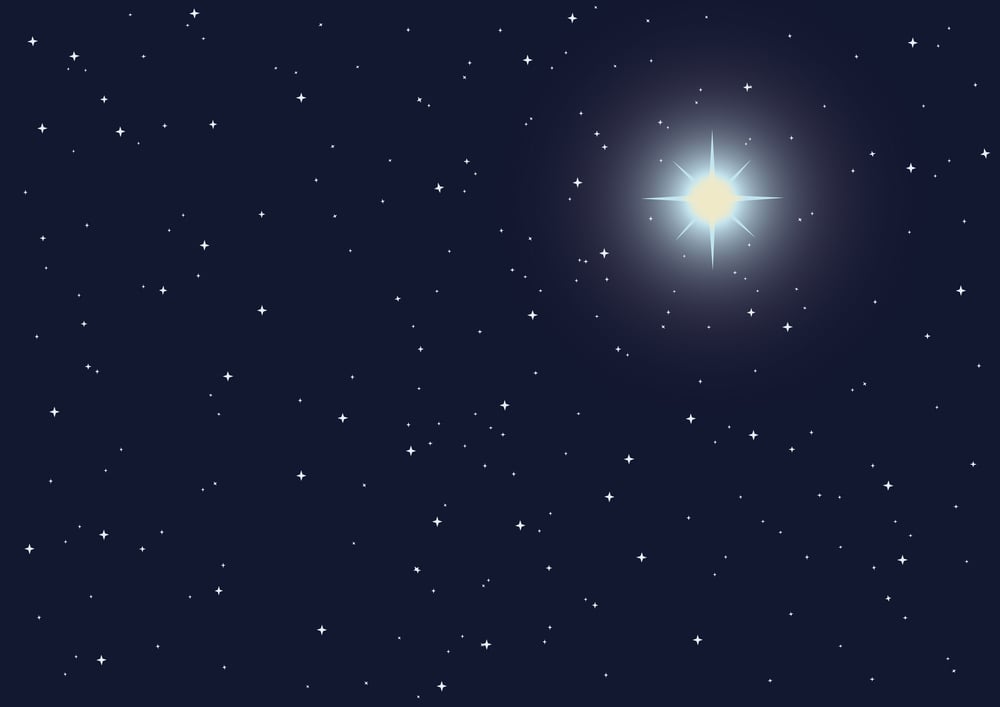
The North Pole experiences a phenomenon known as polar night, where the sun sets in September and doesn’t rise again until March. This creates nearly six months of complete darkness—something that happens nowhere else except its southern counterpart.
The darkness isn’t just an absence of sunlight but a profound environmental condition affecting everything from human psychology to animal migration patterns across the Arctic region.
Six Months of Daylight
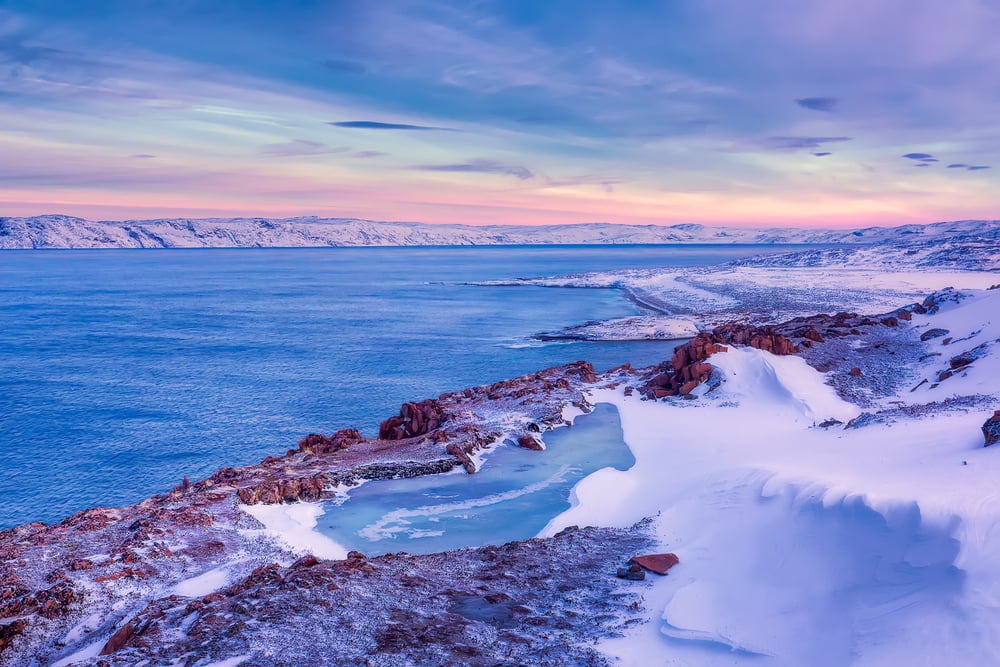
The flipside to polar night is the midnight sun—a period from March to September when the sun never sets below the horizon. During this time, the sun simply circles overhead, maintaining constant daylight.
This continuous illumination creates unusual sleep patterns for researchers stationed there, who often develop unique circadian rhythm adaptations that scientists study to better understand human sleep.
Like Go2Tutors’s content? Follow us on MSN.
Every Direction is South
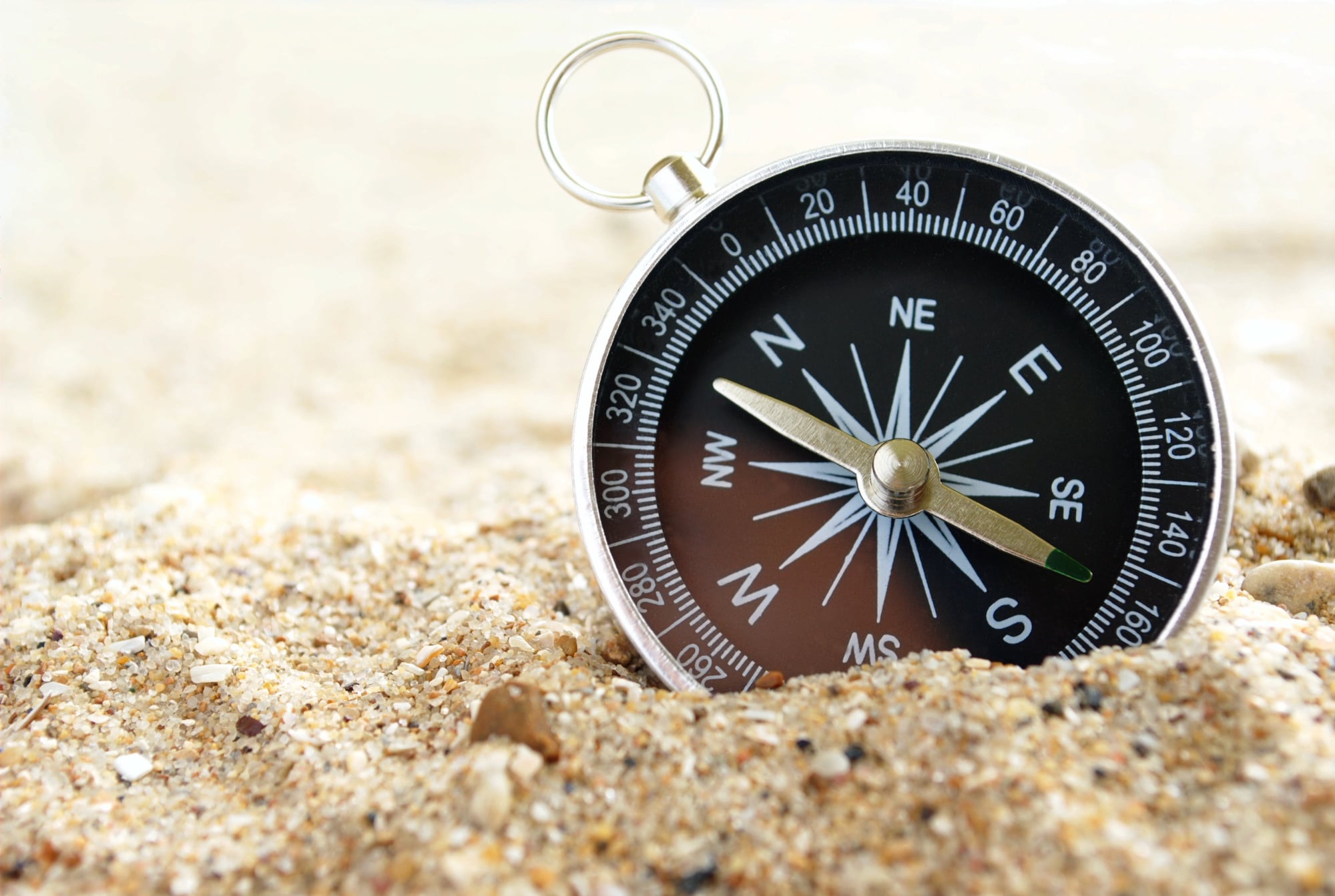
At the precise North Pole, every direction is technically south—creating a unique navigational challenge. Traditional magnetic compasses don’t work reliably because magnetic north is actually about 350 miles south in the Canadian Arctic.
GPS systems require special polar calibration, and explorers often use celestial navigation to orient themselves.
Walking Through All Time Zones

The North Pole sits at the convergence point of every time zone on Earth, meaning you could theoretically walk through 24 time zones in a few steps. Because of this, timekeeping becomes meaningless. Most research teams simply adopt Greenwich Mean Time (GMT) or the time zone of their home country for practical purposes.
Floating Ice Rather Than Land

Unlike Antarctica, the North Pole is not on solid land. Instead, it consists of floating sea ice that’s usually 6 to 10 feet thick and constantly moving. This drift—about 5 to 10 miles per day—means that anything placed directly at the Pole today will drift away tomorrow.
Research stations must regularly relocate and recalculate their exact position.
Like Go2Tutors’s content? Follow us on MSN.
Unique Atmospheric Halos

Extreme cold and airborne ice crystals create dazzling optical effects like sundogs, light pillars, and multi-ringed sun halos. These rare phenomena can appear all at once, forming atmospheric spectacles that early explorers once mistook for supernatural events.
Scientists and photographers continue to document these displays during limited daylight months.
Complete Absence of Land Plants
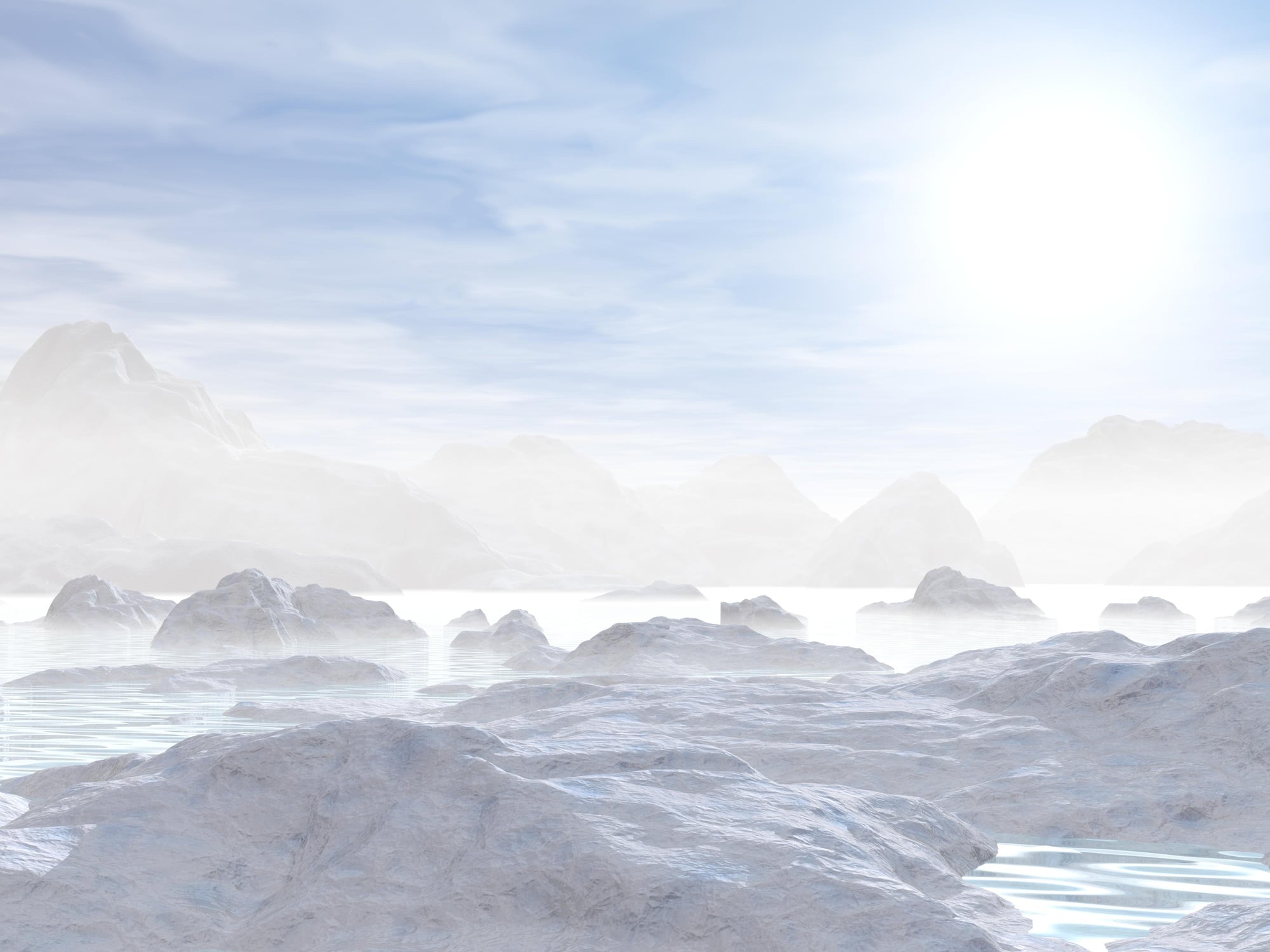
With no soil and constantly shifting ice, the North Pole supports no land-based plant life. This makes it a botanical desert despite abundant frozen moisture. The closest land plants exist hundreds of miles away on Arctic shores.
The ‘Breathing’ Ocean
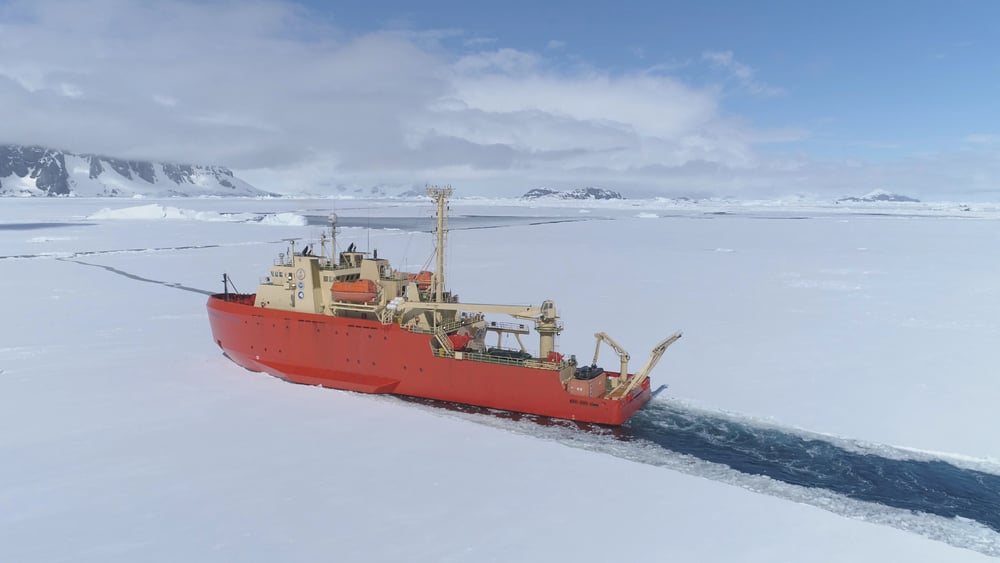
The Arctic Ocean appears to “breathe” when leads (cracks in the ice) open and close rapidly, sometimes within hours. These shifting openings can stretch hundreds of feet wide and slam shut with dangerous force, threatening equipment and explorers alike. Constant ice monitoring is vital for safety.
Like Go2Tutors’s content? Follow us on MSN.
Extremely Low Humidity
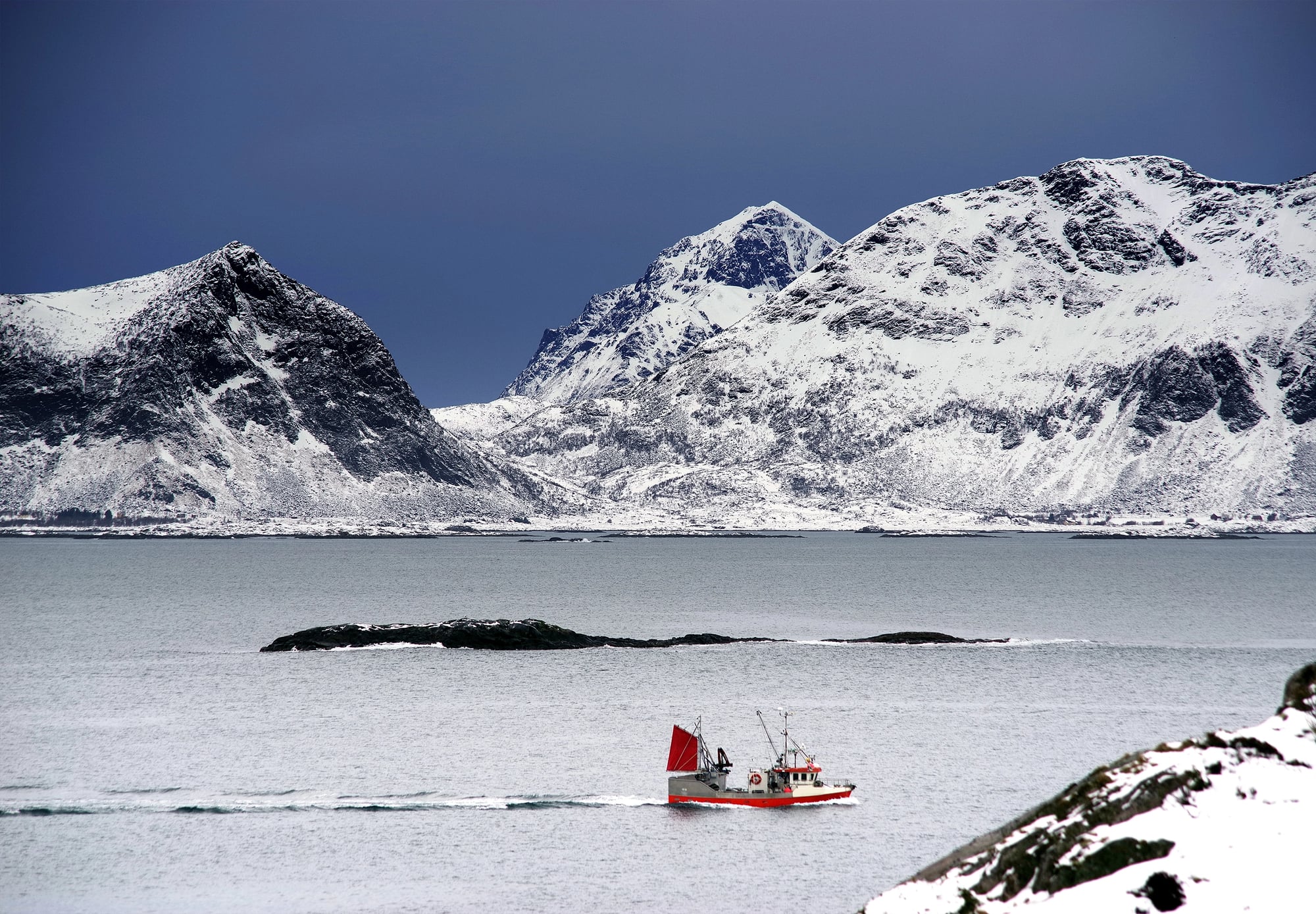
Though surrounded by frozen water, the air at the North Pole is one of the driest on Earth, comparable to a desert. This dryness causes static electricity, rapid dehydration, and unusual preservation of organic materials.
Electronics and human health both require special precautions.
Supersaturated Ocean Water
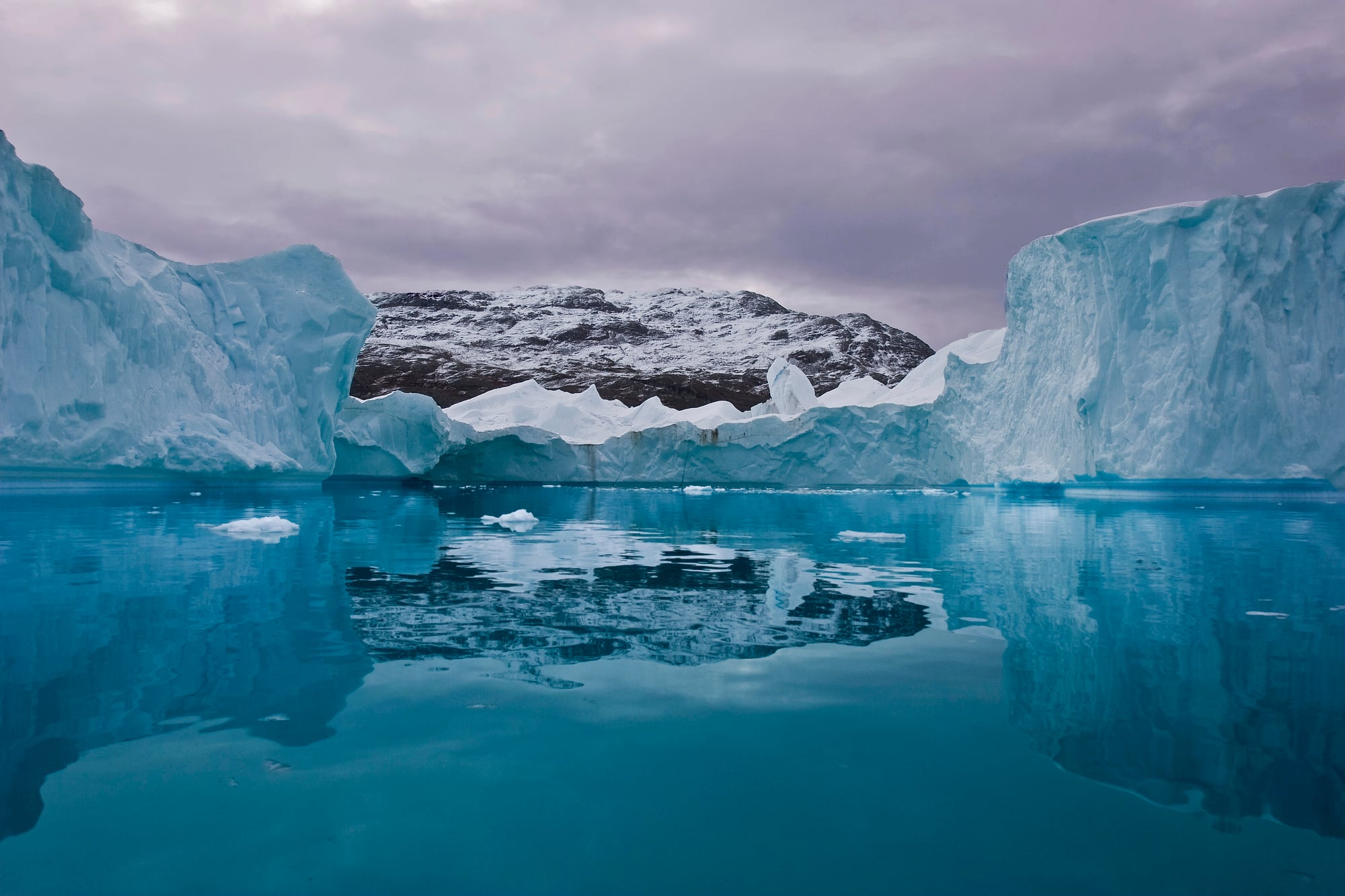
During winter, Arctic waters beneath the ice can become supersaturated with oxygen. As ice forms, it pushes dissolved gases into surrounding water, creating a rare condition that marine life in the region has uniquely adapted to survive.
Compass Needle Points Down

At the magnetic North Pole, a compass needle doesn’t point horizontally but dips straight down—a result of magnetic inclination. This disorienting effect confused early explorers and remains a challenge for modern navigation.
Like Go2Tutors’s content? Follow us on MSN.
Temperature Inversion

The North Pole regularly experiences temperature inversions, where air gets warmer with altitude—opposite the normal trend. These inversions can shift temperatures by 30°F in just a few hundred feet and affect sound travel, sometimes carrying voices across miles or muffling them completely.
Unique Aurora Viewing
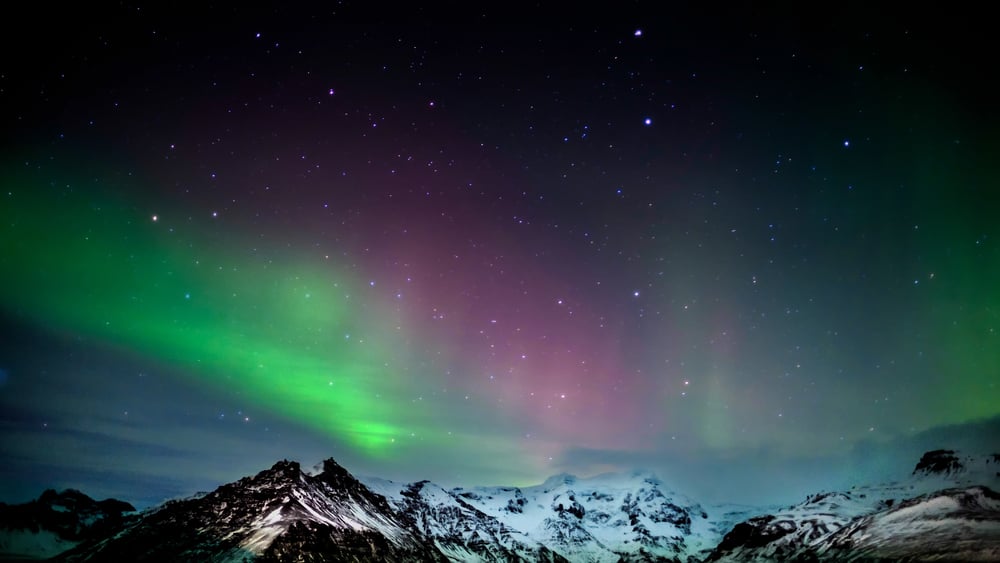
Because it sits directly under the auroral oval, the North Pole offers a one-of-a-kind aurora borealis experience. Instead of sweeping arcs, auroras appear as crown-like structures directly overhead—making observers feel as though they’re standing inside a cylinder of shifting light.
Specialized Sun Movements
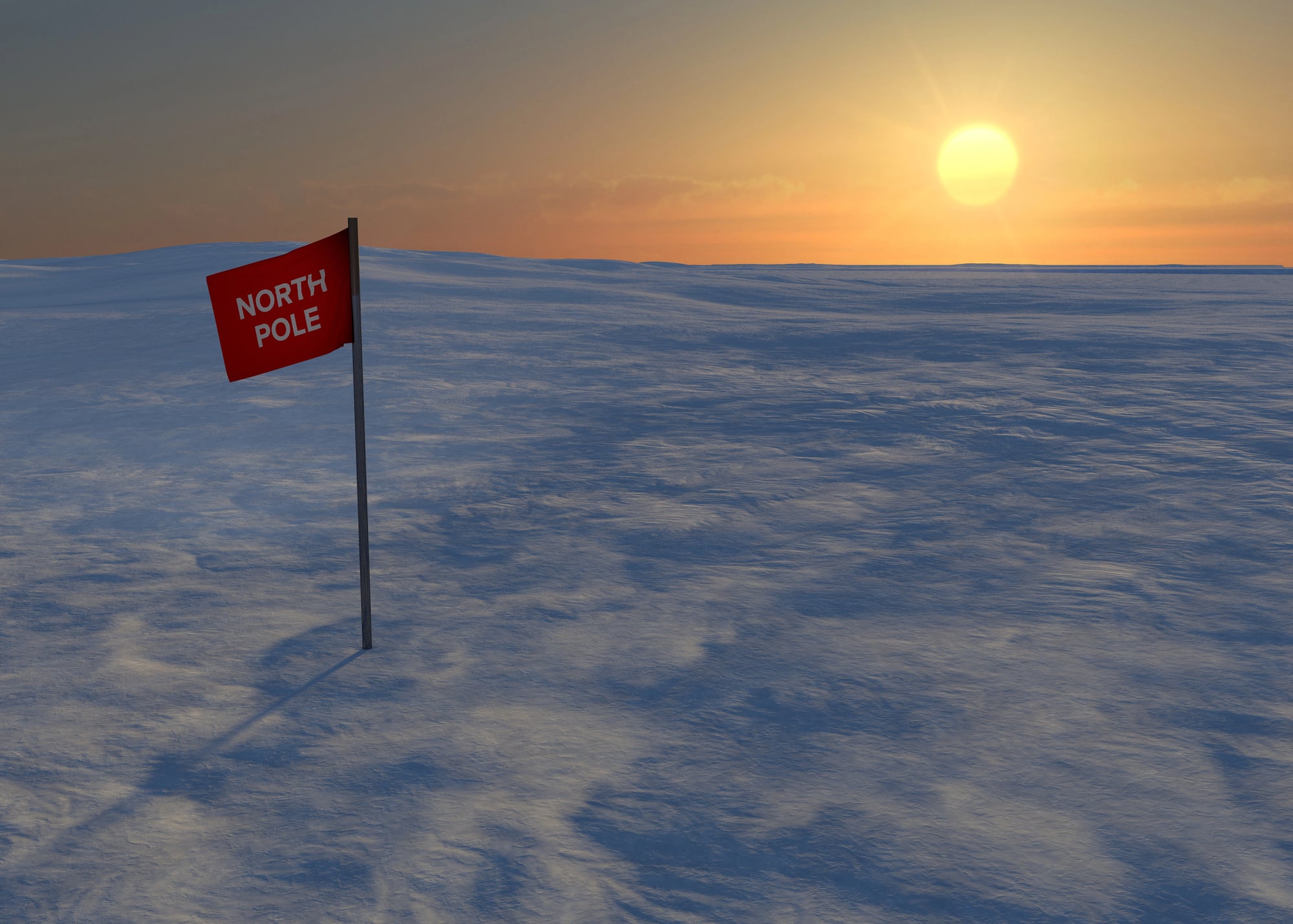
During transitions between full daylight and full darkness, the sun appears to move sideways across the horizon. This creates a prolonged sunrise/sunset effect lasting for days, drawing photographers eager to capture the surreal sight of twilight circling the pole.
Like Go2Tutors’s content? Follow us on MSN.
Extreme Seasonal Population Swings
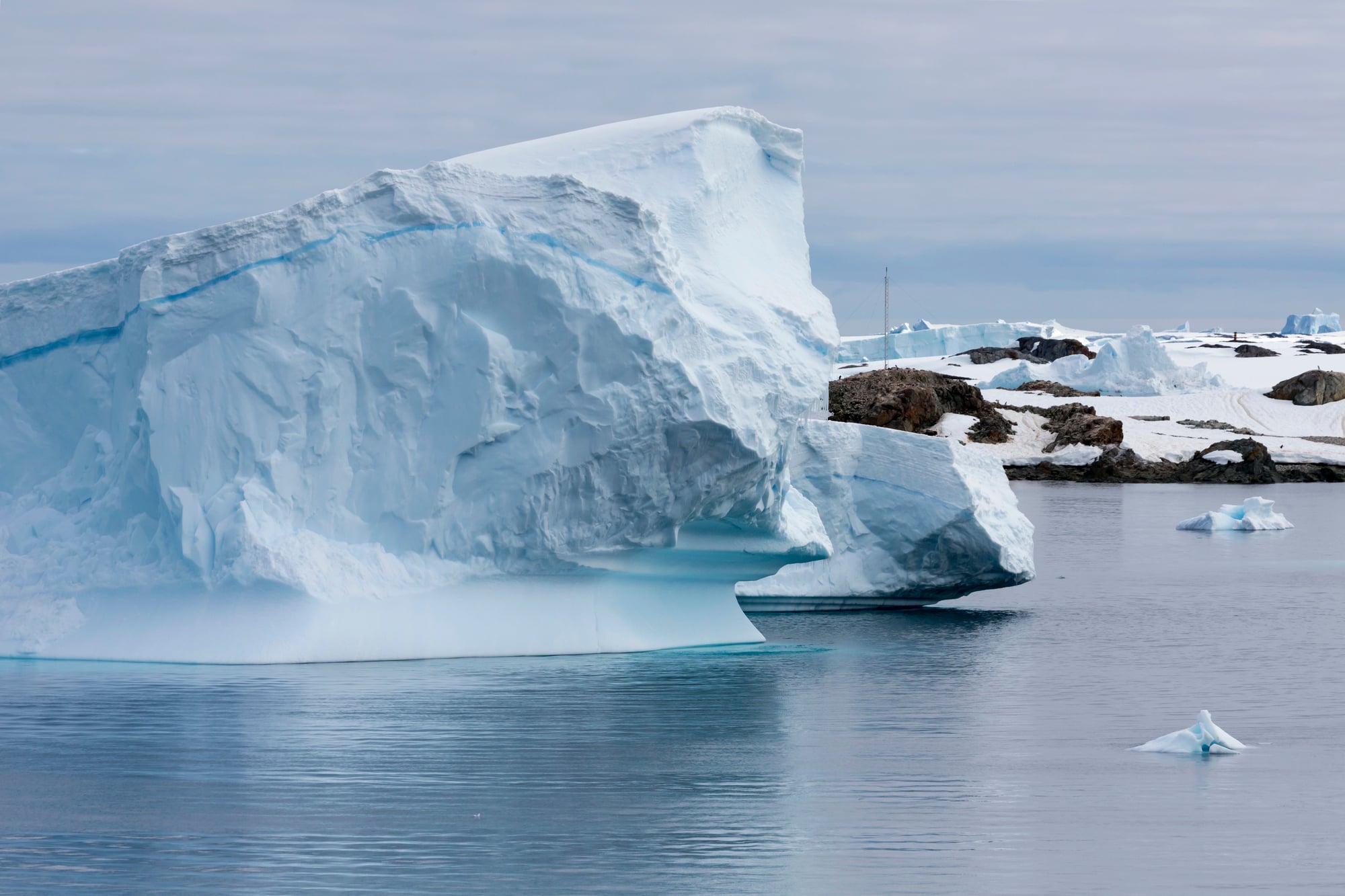
The North Pole sees dramatic population changes—from completely empty in winter to bustling with scientists and adventurers during summer. There’s no permanent settlement, but temporary research stations appear and disappear based on seasonal access and mission duration.
Frozen Frontiers
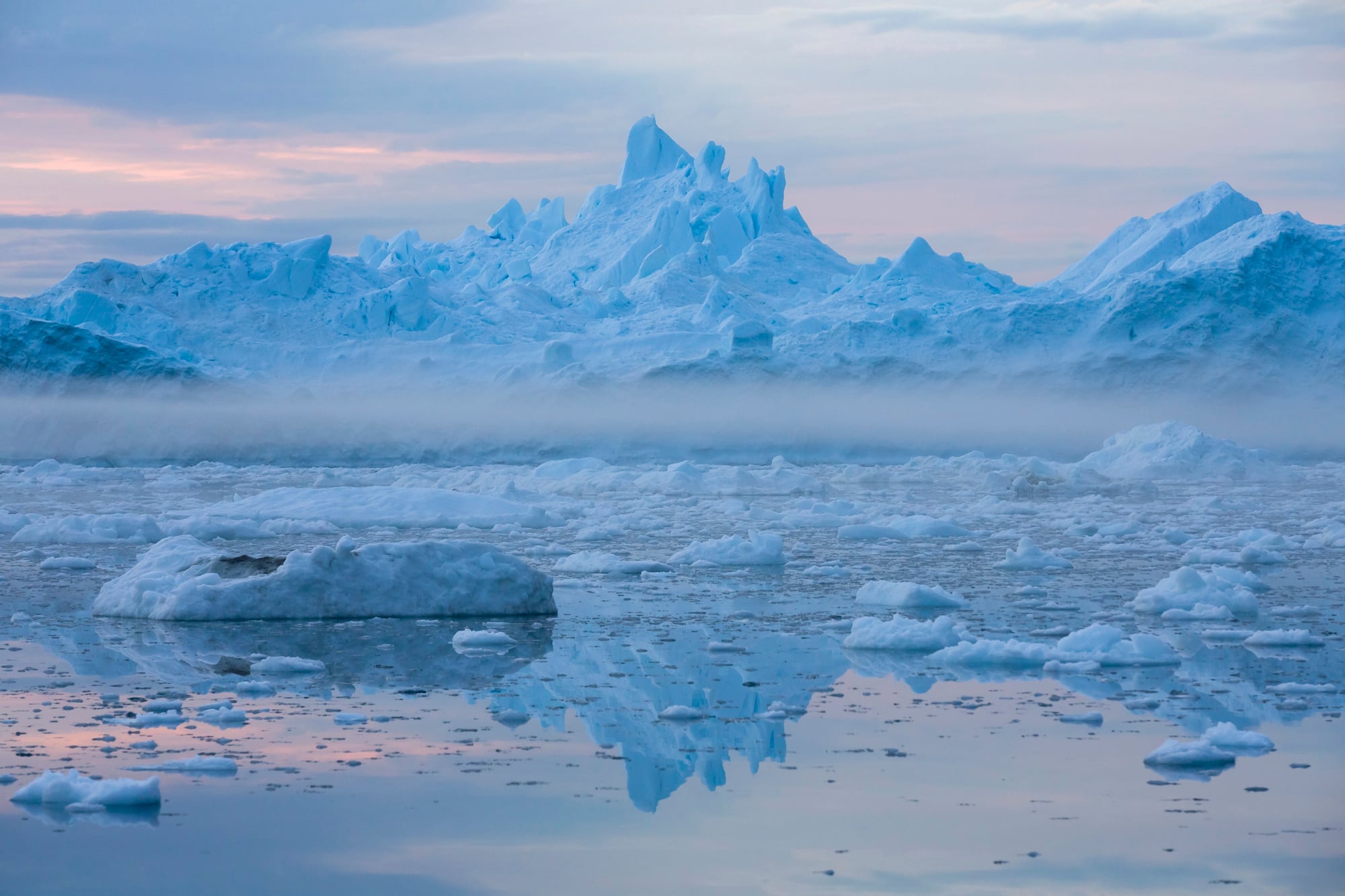
The North Pole remains one of Earth’s last great extremes—resisting permanent human settlement while offering critical insights into our climate systems. As warming accelerates ice loss, many of these unique features are at risk.
Yet the pole still stands as a symbol of natural wonder, where even the simplest facts defy expectations and challenge human understanding.
More from Go2Tutors!

- 16 Restaurant Chains That Went Too Fast
- 12 Things Sold in the 80s That Are Now Illegal
- 15 Strange Things People Have Tried to Ban (And Failed)
- 16 Collectibles People Tossed Out Too Soon
- 17 Myths from Your Childhood That Were Actually Based on Real Things
Like Go2Tutors’s content? Follow us on MSN.