Iconic Movie Outfits That Became Fashion Trends
Cinema quietly shaped fashion long before online trends took hold. Before live shows streamed worldwide, movies brought looks straight to viewers, painting them large on screen through figures folks looked up to, felt for, or tried copying later at home.
What people wore in those scenes never stayed separate from who they played. The fabric shifted with each step, soaked up every mood, standing in for boldness, hesitation, defiance, or cool control without needing words.
Something shifts when a costume steps out of the screen. Not flashiness, but ease makes it stick. Often it appears ordinary despite bold lines.
Timing matters – landing just as people start wondering about such things. A small twist, presented like it was always there. Suddenly it wears the culture, not the character.
A fresh peek into legendary film costumes shows how they shifted style well outside cinema. Some pieces didn’t just dress characters – they rewrote what people wore.
A single jacket, seen in shadow on a city rooftop, sparked trends across decades. These looks lived past their scenes, slipping into real streets and seasons. One glove, one hat, caught fire in ways no script could predict.
Audrey Hepburn’s Black Dress in Breakfast at Tiffany’s
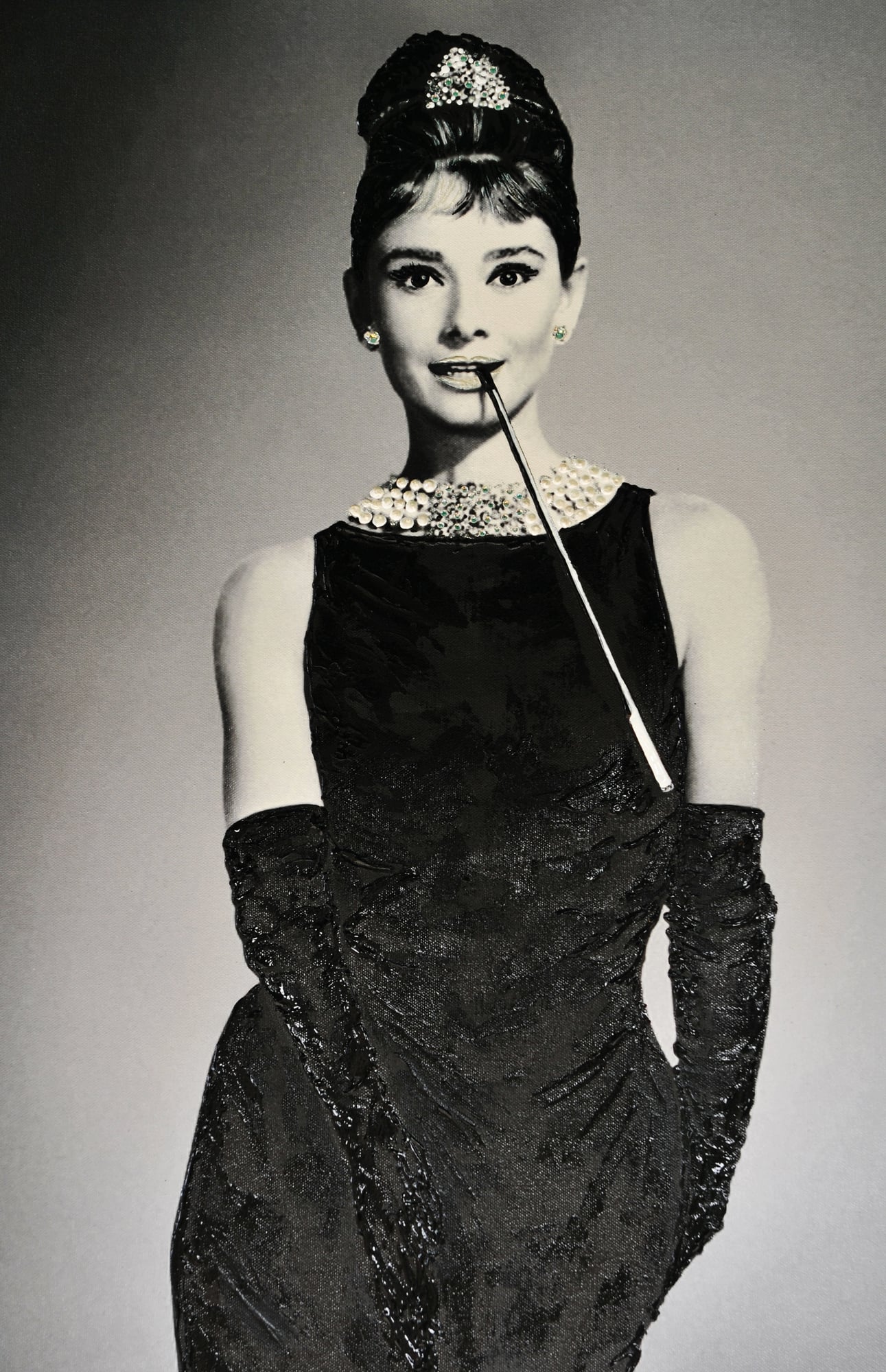
Audrey Hepburn’s black dress remains one of the most influential garments ever put on screen. Designed by Givenchy, the silhouette was understated, sleeveless, and perfectly proportioned.
It avoided excess, allowing elegance to come from simplicity rather than decoration. That restraint changed how people thought about formal dressing.
The dress helped establish the idea that a single, well-cut black piece could serve multiple occasions. It moved black clothing away from formality alone and into everyday sophistication.
Decades later, its influence still shows up in minimalist wardrobes and modern tailoring.
Diane Keaton’s Layered Tailoring in Annie Hall
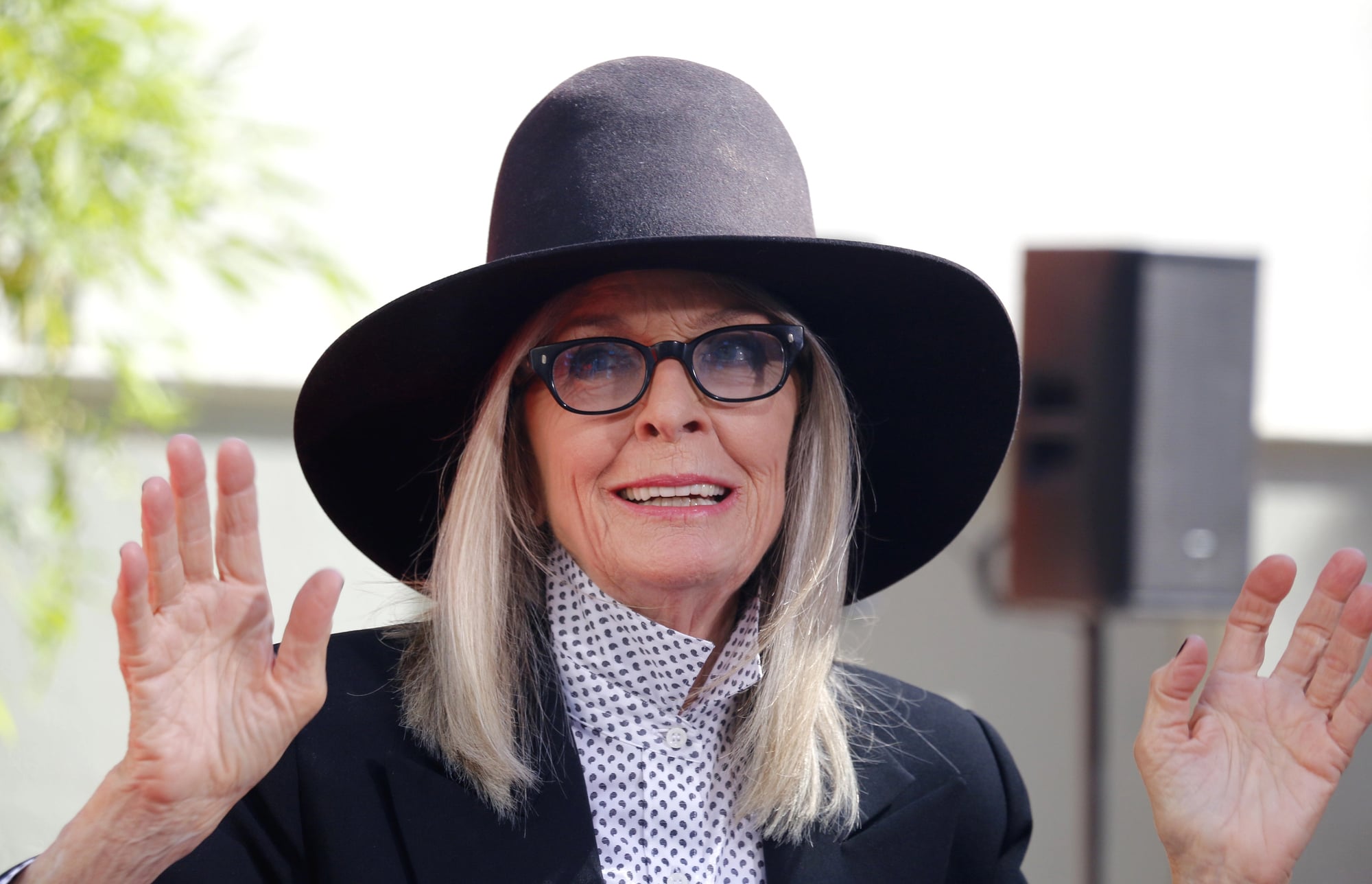
Diane Keaton’s wardrobe felt spontaneous, almost accidental, yet it was anything but careless. Loose trousers, oversized jackets, ties, and layered shirts created a look that rejected rigid femininity without replacing it with anything performative.
The clothing felt lived-in and personal. That authenticity mattered.
The film helped popularise relaxed tailoring and blurred the lines between traditionally masculine and feminine dressing. The influence extended into workwear and casual style, encouraging people to prioritise comfort, proportion, and individuality.
It reframed confidence as ease rather than polish.
John Travolta’s White Suit in Saturday Night Fever

The white suit worn by John Travolta became inseparable from movement. Its sharp cut, flared trousers, and bold colour worked in harmony with the dance floor, catching light and attention with every step.
It projected certainty and ambition without needing explanation. The suit’s impact reached far beyond disco culture.
It helped shift menswear toward expressive tailoring, where clothing enhanced personality rather than hiding behind neutrality. Monochrome dressing gained traction, and suits became tools for self-expression instead of strict formality.
Olivia Newton-John’s Final Look in Grease
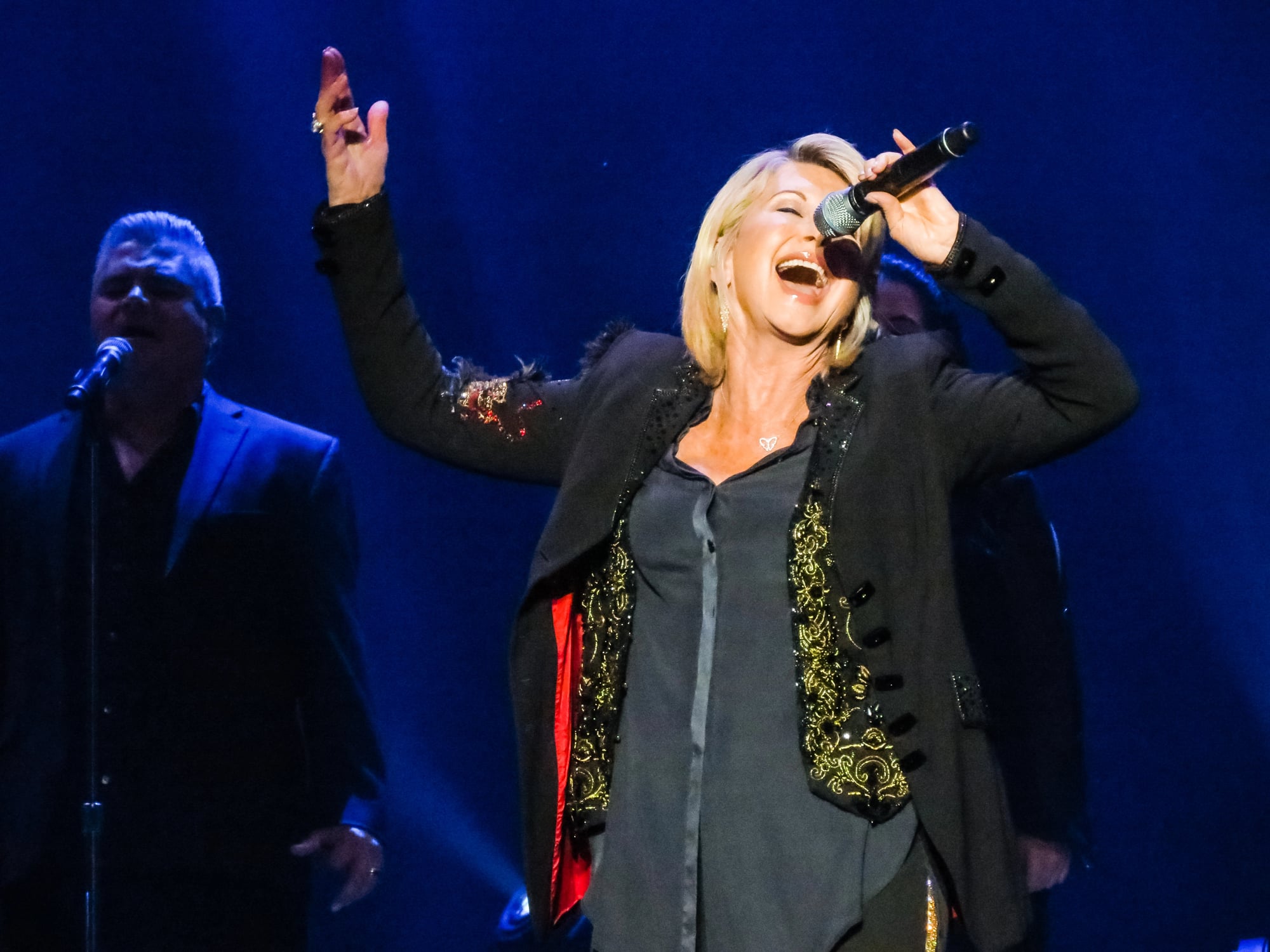
The transformation outfit worn by Olivia Newton-John communicated change instantly. Fitted black pieces replaced softness with structure, and styling choices reinforced confidence and self-assurance.
The look was visually simple but emotionally loaded. That simplicity made it influential.
It reinforced black as a colour of control and reinvention rather than severity. The outfit encouraged streamlined silhouettes in casual fashion and cemented the idea that clothing could signal personal evolution without excess styling or explanation.
Richard Gere’s Understated Wardrobe in American Gigolo
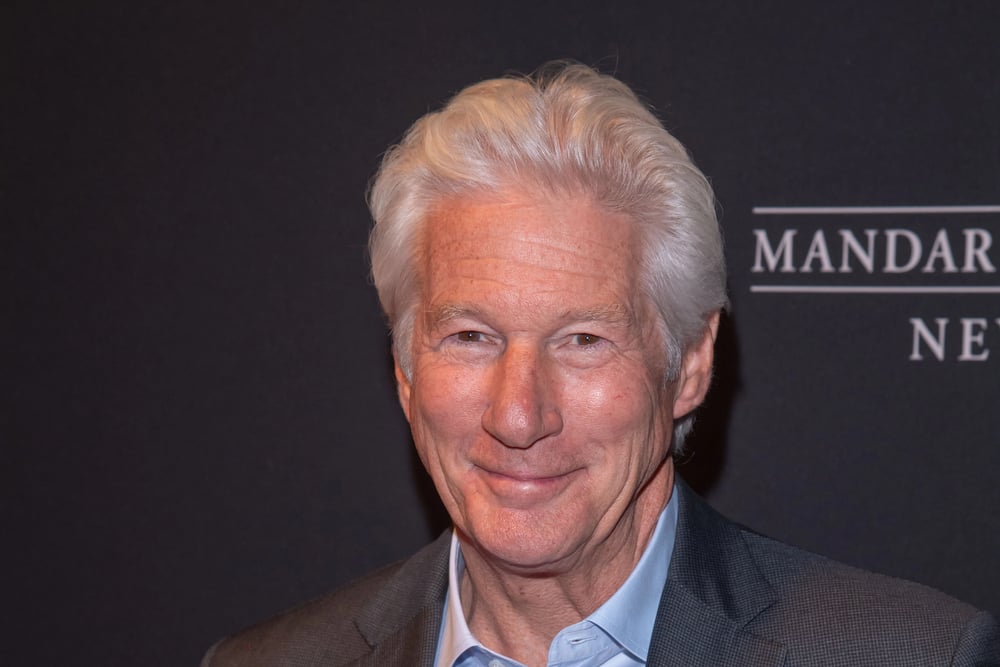
Richard Gere’s clothing projected refinement through restraint. Soft tailoring, muted tones, and relaxed fits defined the look.
With guidance from Giorgio Armani, the wardrobe rejected heavy structure in favour of fluid elegance. This approach reshaped menswear in the early 1980s.
Power dressing became less about stiffness and more about ease. Lightweight fabrics, neutral palettes, and subtle confidence gained popularity, influencing both formal and casual clothing in the decades that followed.
Tom Cruise’s Aviator Jacket in Top Gun
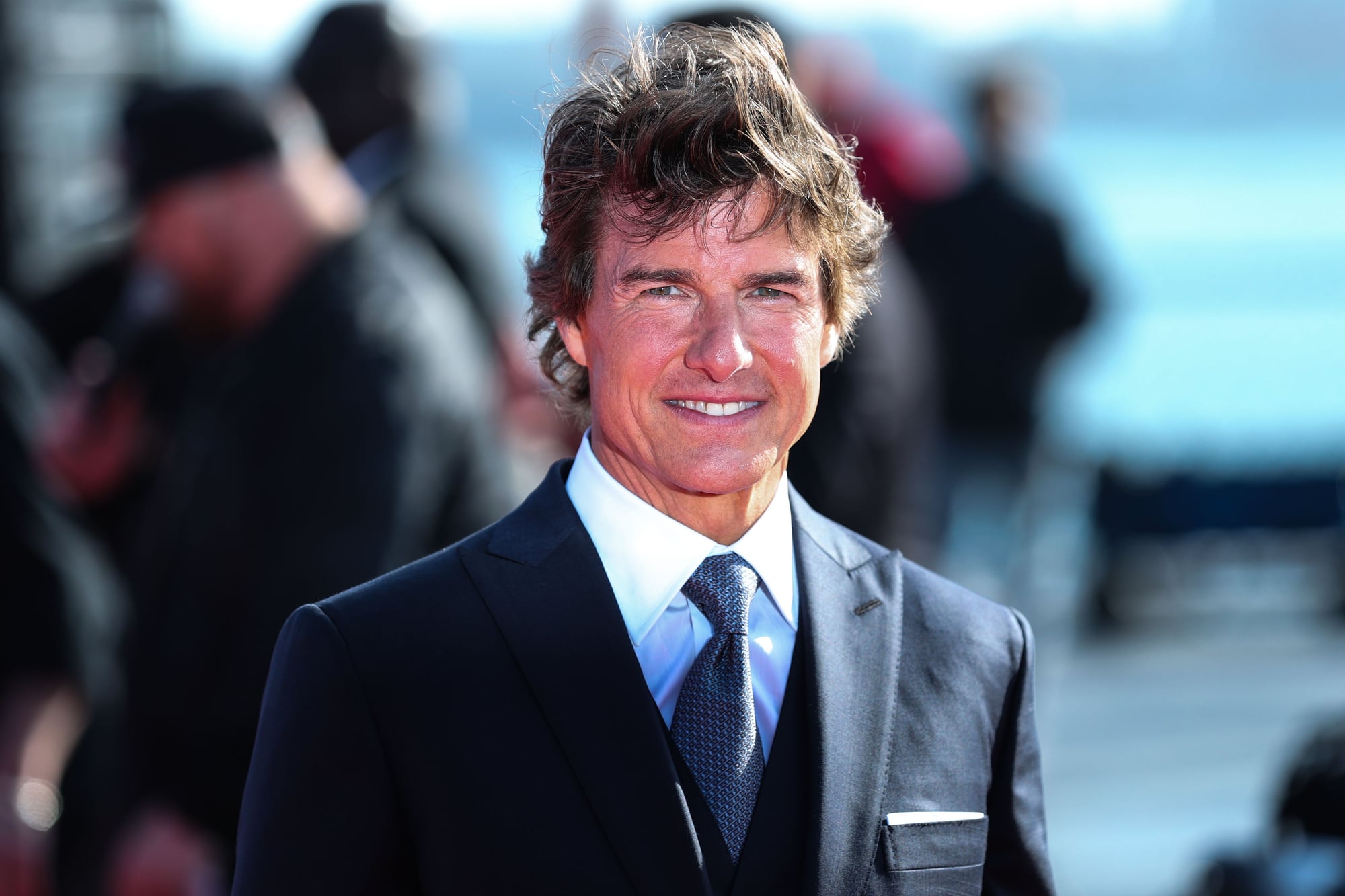
The aviator jacket balanced authority with accessibility. Structured yet relaxed, it felt purposeful without appearing costume-like.
Patches and texture added character, grounding the jacket in history while keeping it modern. Its influence was immediate and lasting.
The jacket moved from aviation contexts into everyday wardrobes, becoming a staple of casual outerwear. It demonstrated how functional clothing could carry emotional weight, making nostalgia wearable rather than theatrical.
Michelle Pfeiffer’s Tailored Minimalism in Scarface

Michelle Pfeiffer’s wardrobe communicated control through clean lines and neutral tones. Structured dresses, fluid fabrics, and restrained styling created an image of power that relied on precision rather than ornamentation.
The clothing felt deliberate, reflecting ambition and self-possession. That image resonated strongly in fashion.
The film contributed to the rise of sharp, minimalist silhouettes in womenswear, especially during the 1980s. It reinforced the idea that simplicity, when executed well, can project authority more effectively than excess.
Alicia Silverstone’s Coordinated Sets in Clueless

The fashion in Clueless embraced coordination unapologetically. Plaid skirts, matching jackets, knee-high socks, and bold accessories created outfits that were playful yet precise.
The styling was meticulous, presenting youth fashion as intentional rather than effortless. That approach shaped an entire decade of style.
Coordinated sets, statement patterns, and polished casualwear became widely adopted. The influence continues to resurface, proving that strong visual identity often outlives the era that introduced it.
Uma Thurman’s Yellow Tracksuit in Kill Bill: Vol. 1
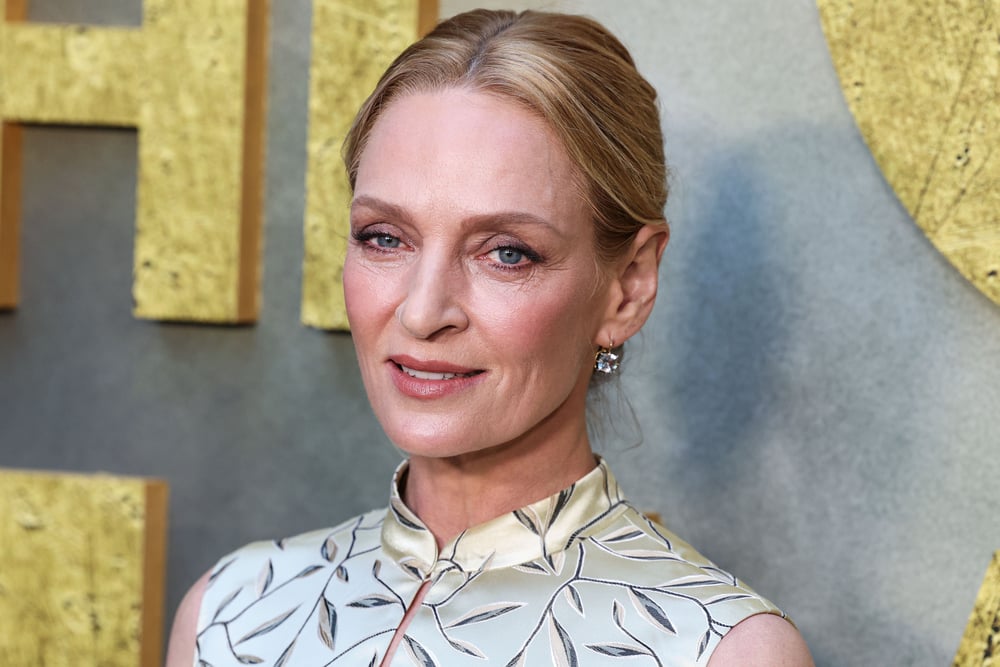
The yellow tracksuit delivered instant recognition. Its clean lines and vivid colour created a graphic presence that moved effortlessly with action.
The outfit avoided unnecessary detail, allowing colour and motion to do the work. Its broader influence helped push athletic-inspired clothing into mainstream fashion.
Functional pieces became acceptable as everyday wear, contributing to the rise of sport-influenced street style. The look reinforced the idea that strength and style could coexist without compromise.
Keira Knightley’s Green Dress in Atonement
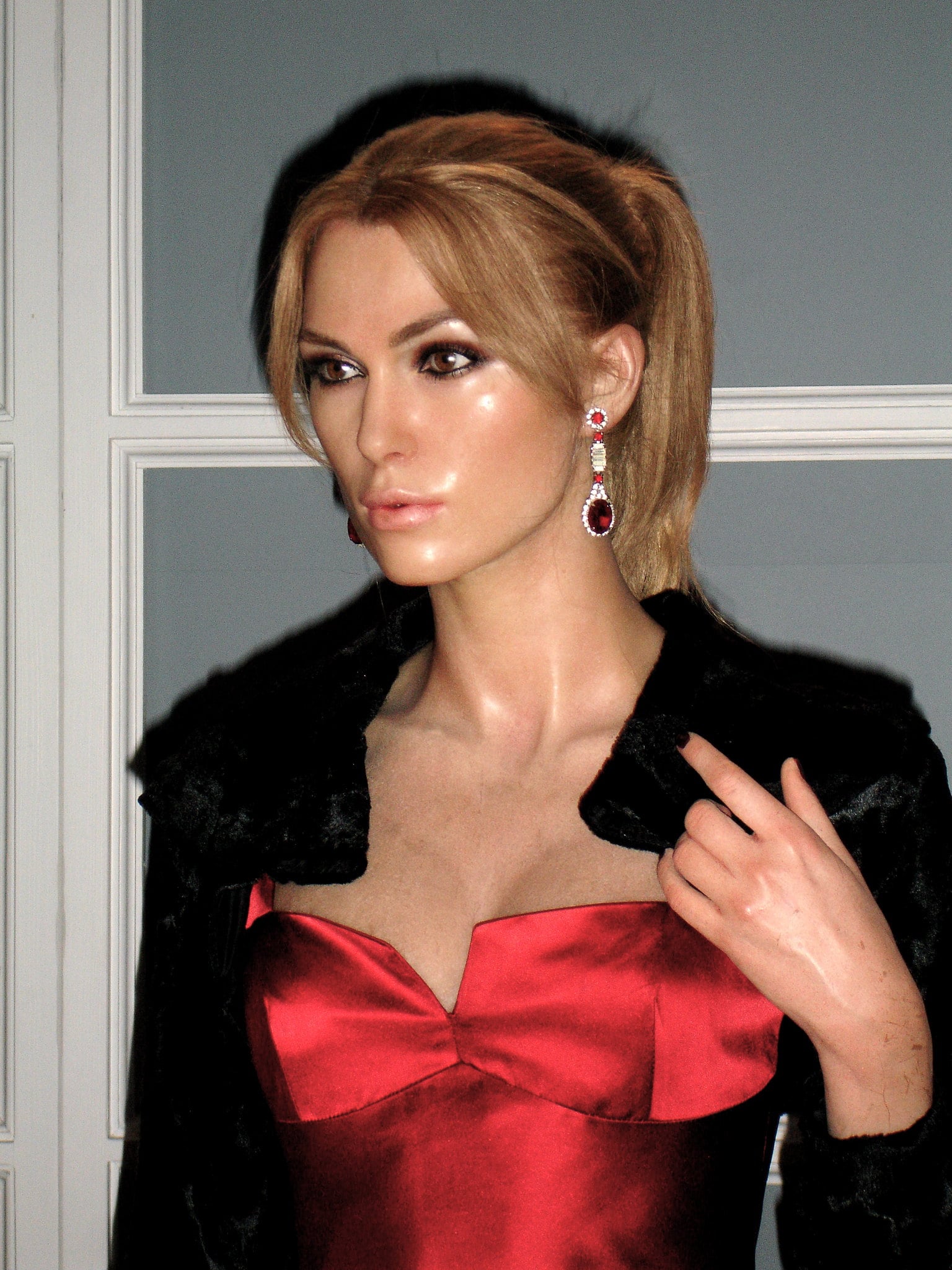
The green dress worn by Keira Knightley demonstrated the power of colour and movement. The fluid fabric, open back, and striking shade created a moment that felt modern despite its period setting.
The dress moved with intention, drawing attention without excess. Its impact extended into fashion almost immediately.
The shade of green became widely referenced, and the silhouette influenced eveningwear for years. It showed how a single visual moment can redefine elegance through simplicity and confidence.
Ryan Gosling’s Restrained Style in Drive

Ryan Gosling’s wardrobe relied on control rather than variety. Neutral tones, slim silhouettes, and careful layering defined the look.
The satin jacket acted as a focal point without overwhelming the overall aesthetic. This approach resonated with modern fashion sensibilities.
It reinforced the value of fit, cohesion, and selective statement pieces. The film encouraged a return to minimalism, where impact comes from restraint rather than accumulation.
Meryl Streep’s Polished Authority in The Devil Wears Prada

Meryl Streep’s wardrobe projected authority through impeccable tailoring and confident styling. Each outfit reinforced status and precision without relying on excess decoration.
The clothing communicated leadership through consistency and refinement. Its influence shaped professional fashion significantly.
Structured silhouettes, deliberate colour choices, and elevated basics gained renewed relevance. The film reframed workplace dressing as a tool for expression and control, not obligation.
Why Movie Outfits Continue to Shape Fashion
Familiarity grows when clothes stay on, not hung up. Through motion they follow feelings, shaped by moments that repeat again.
Viewed not as objects but part of what unfolds slowly. Worn-in tells more than new ever could.
Outfits last longer when they can shift with time. Every style here held a mirror to its moment, yet slipped easily into others.
Movies test clothing like little else does, showing how lasting trends aren’t always loud – just true in their first breath.
More from Go2Tutors!

- The Romanov Crown Jewels and Their Tragic Fate
- 13 Historical Mysteries That Science Still Can’t Solve
- Famous Hoaxes That Fooled the World for Years
- 15 Child Stars with Tragic Adult Lives
- 16 Famous Jewelry Pieces in History
Like Go2Tutors’s content? Follow us on MSN.