Army Machines That Found New Civilian Roles
The military has always been an unexpected breeding ground for civilian innovation. What starts as a tool designed for warfare often finds its way into everyday life, transformed from instrument of conflict into something that makes ordinary tasks easier, safer, or more efficient.
The transition isn’t always obvious — sometimes it takes decades for someone to realize that the machine built to solve one problem can solve an entirely different one.
Jeep
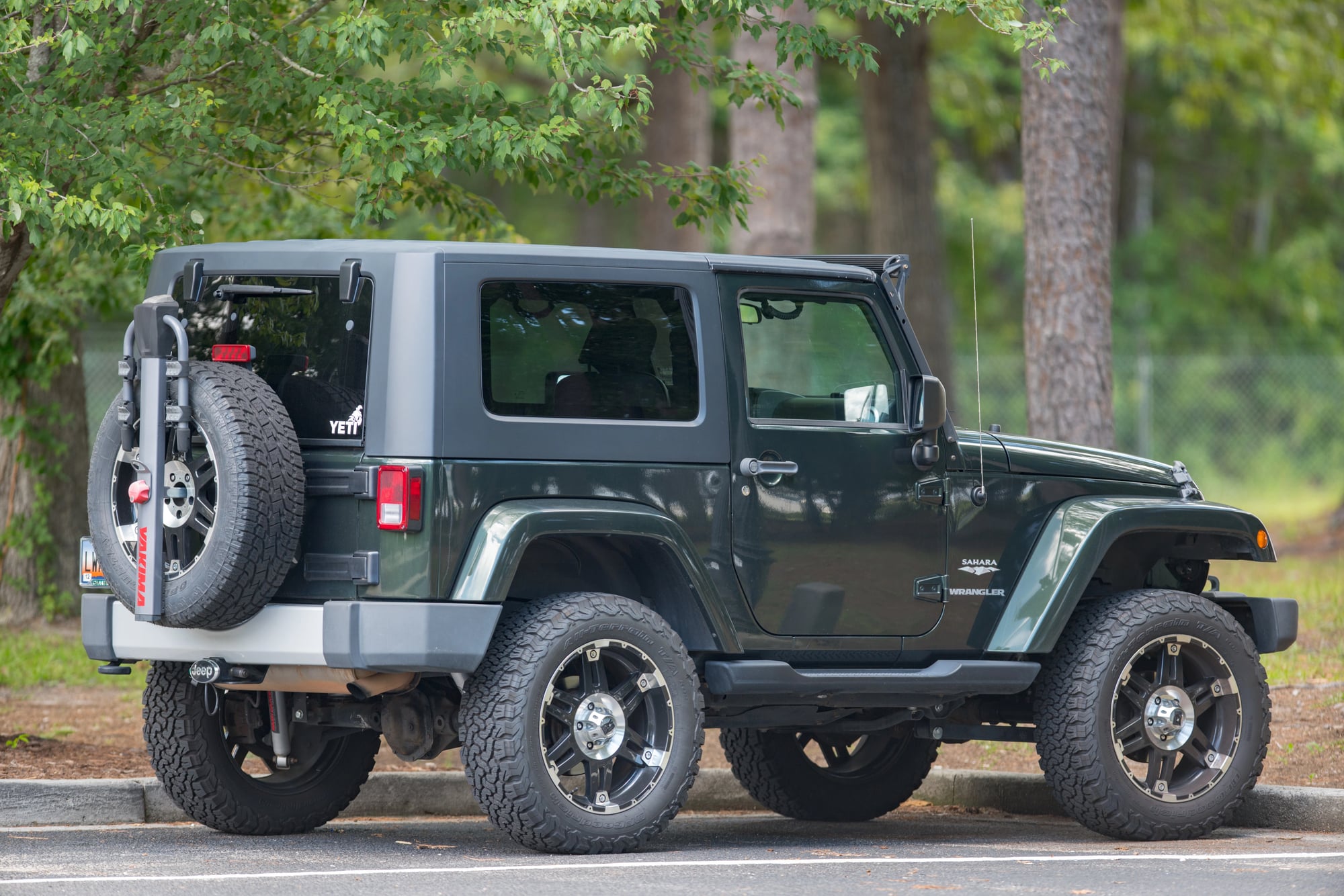
The Jeep began as the Willys MB, a lightweight reconnaissance vehicle built for World War II. Simple, sturdy, and capable of handling terrain that would stop other vehicles cold.
After the war, surplus Jeeps flooded the civilian market. Farmers bought them to navigate rough fields.
Hunters used them to reach remote areas. The rugged design that helped win a war turned out to be exactly what people needed for work that required getting places where roads didn’t exist.
Duct Tape
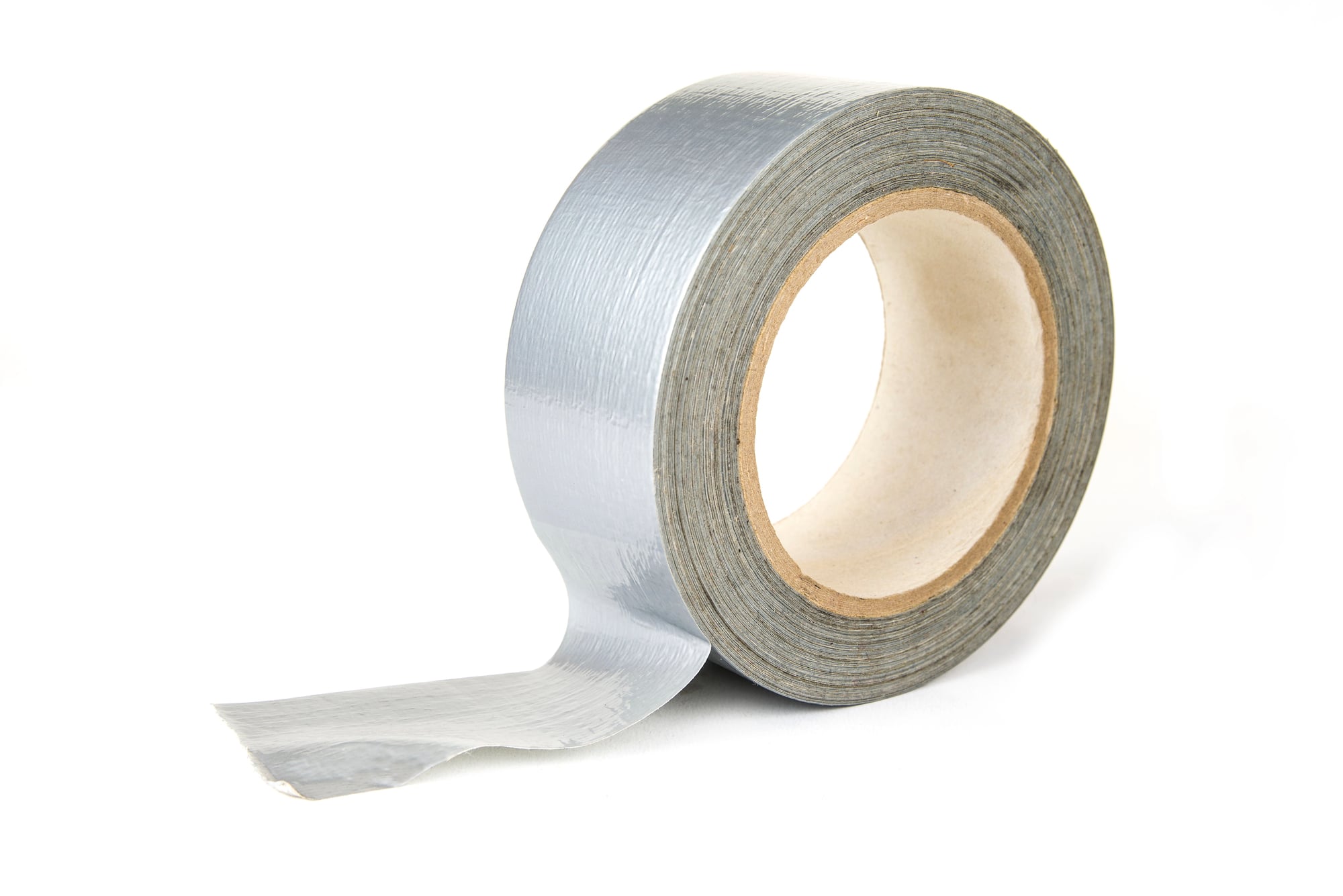
Developed during World War II as a waterproof tape for sealing ammunition cases, duct tape was originally called “duck tape” because water rolled off it like a duck’s back. The military needed something that would hold under battlefield conditions — moisture, temperature changes, rough handling.
Civilians discovered that a tape strong enough for military use could fix almost anything else (though, ironically, actual ductwork isn’t one of them — the adhesive fails under heat, and professional HVAC workers know better than to use it for its namesake purpose).
And yet every household seems to have a roll tucked away somewhere, waiting for the next thing that needs emergency repair.
Helicopters
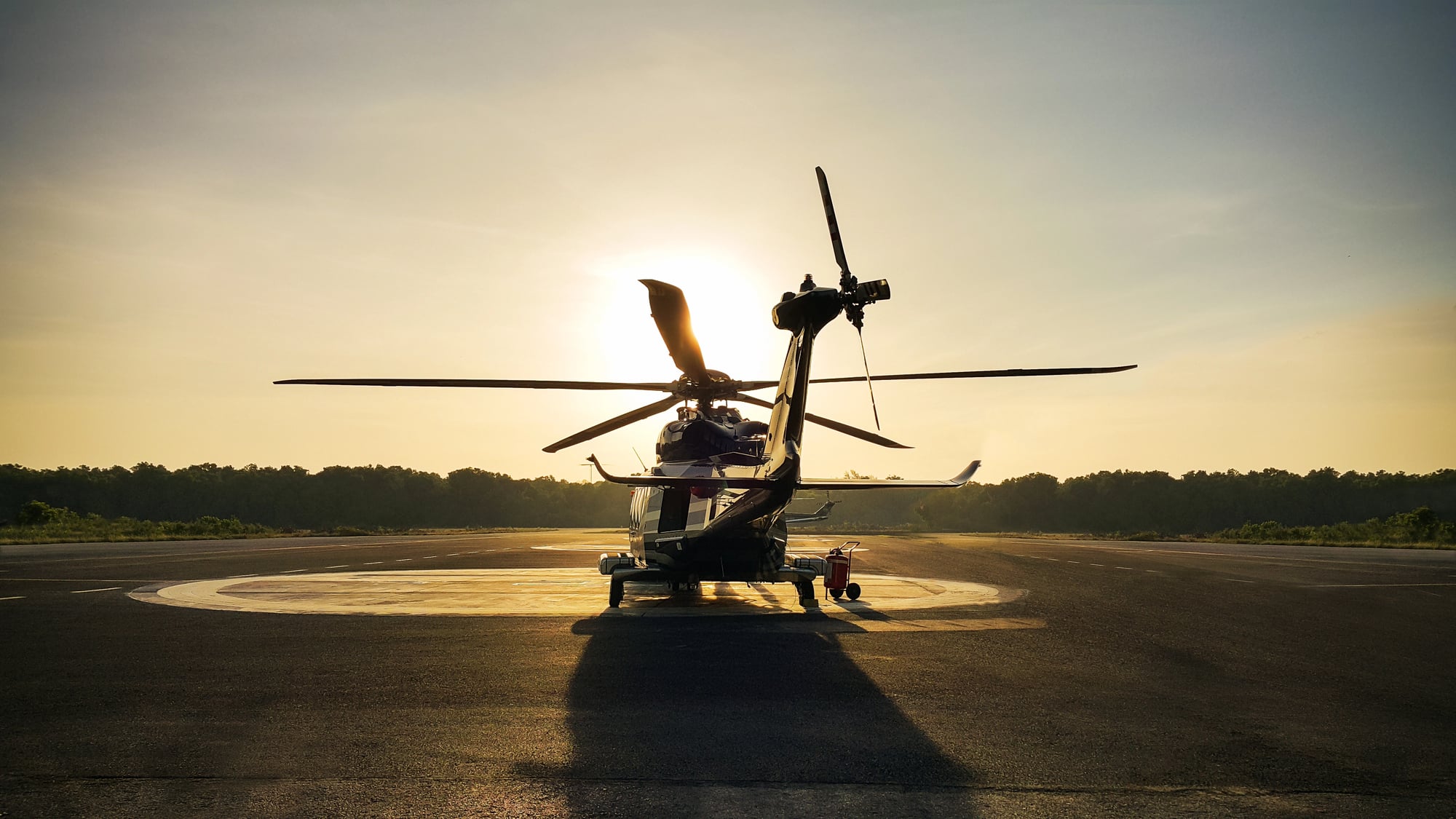
Military helicopters were born from the need to reach places fixed-wing aircraft couldn’t — tight landing zones, mountainous terrain, areas where building a runway wasn’t an option. The ability to hover and land vertically made them invaluable for reconnaissance and transport in challenging environments.
That same versatility translates to civilian life in ways both dramatic and mundane. News stations use helicopters to cover traffic and breaking stories from above.
Medical helicopters reach accident scenes faster than ground ambulances could navigate congested roads. Forest services rely on them for firefighting and rescue operations in terrain that would be impossible to reach otherwise.
Even the wealthy have embraced them as the ultimate solution to urban traffic — though that’s a luxury most people only see in movies.
GPS
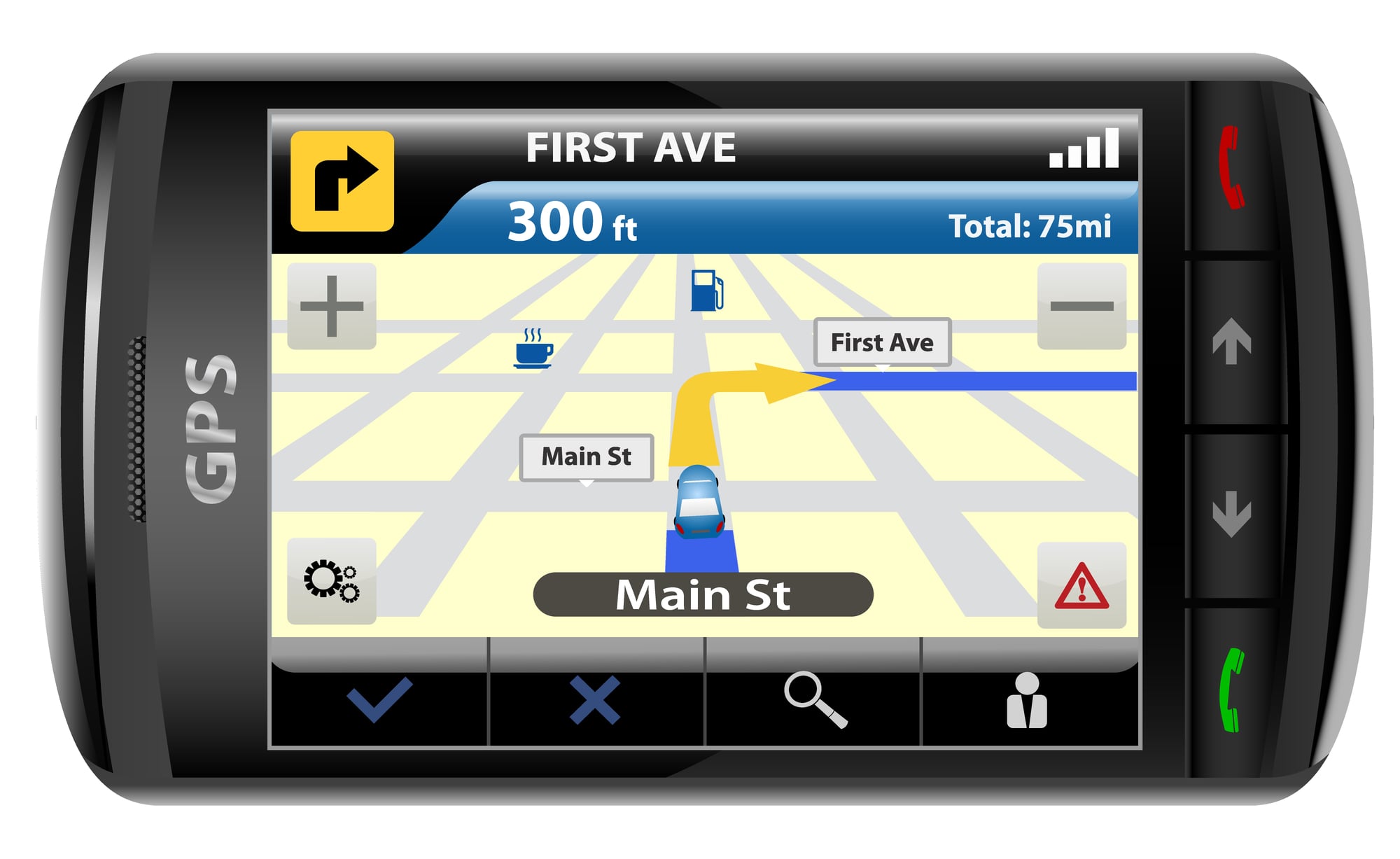
The Global Positioning System started as a military navigation tool, designed to help troops and equipment know exactly where they were anywhere on Earth. The Pentagon needed precision guidance for everything from troop movements to missile targeting.
GPS is everywhere now. Your phone uses it to tell you where to turn.
Delivery drivers rely on it to find addresses. Dating apps use it to suggest people nearby.
The same satellites that once guided military operations now help locate lost hikers and ensure your pizza arrives at the right address.
Microwave Ovens

Percy Spencer was working on military radar technology when he noticed that a chocolate bar in his pocket had melted while standing near an active magnetron — the device that generates microwave radiation for radar systems. Instead of dismissing it as an annoying accident, he wondered what else those microwaves might cook.
The first commercial microwave ovens were enormous and expensive, marketed primarily to restaurants and institutions. But the basic principle — using radar technology to heat food quickly and efficiently — eventually shrunk down to countertop size.
Every office break room and college dorm now contains a descendant of military radar equipment, reheating leftovers instead of detecting enemy aircraft.
Internet

ARPANET, the precursor to the modern internet, was developed by the Department of Defense as a communication network that could survive a nuclear attack. The idea was to create a decentralized system where information could find multiple routes to its destination — if one node was destroyed, the network would route around it.
That resilience turned out to be useful for more than surviving warfare. The internet’s ability to connect computers across vast distances revolutionized everything from commerce to entertainment to how people maintain relationships.
A network designed to withstand nuclear war now carries cat videos and social media arguments with equal reliability.
Cargo Pants

Military personnel needed clothing with enough pockets to carry equipment without requiring a separate bag or pack. The extra pockets had to be positioned where they wouldn’t interfere with movement or get caught on equipment, but still remain easily accessible.
Civilian adoption was inevitable once people realized that extra pockets are useful for more than military gear. Cargo pants became standard wear for anyone who needed to carry tools, supplies, or just preferred having space for more than keys and a wallet.
The utilitarian design that served soldiers in the field serves construction workers, hikers, and parents equally well.
Walkie-Talkies
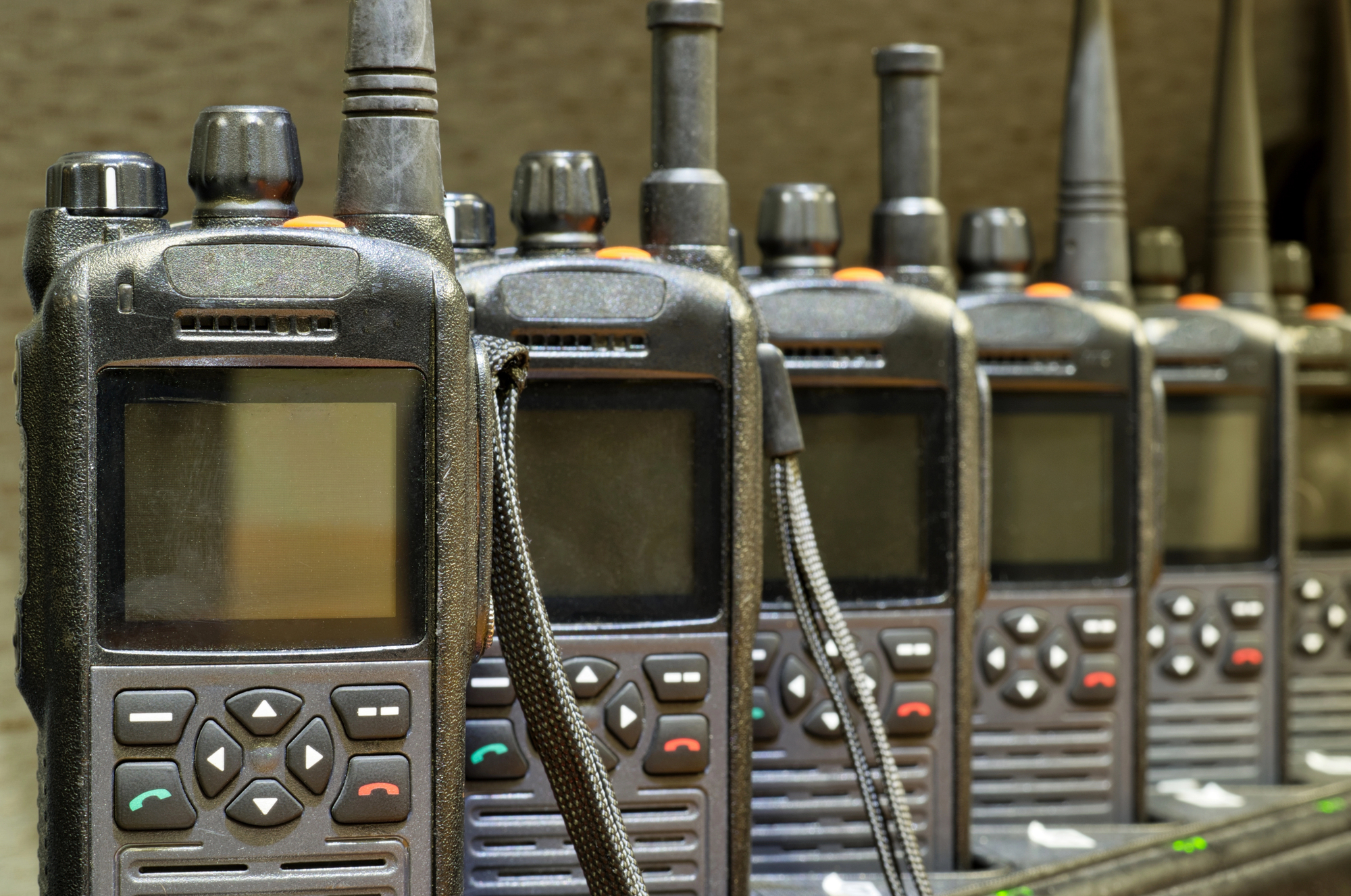
Portable radio communication was essential for coordinating military operations — troops needed to communicate across distances without relying on telephone lines that could be cut or monitored. The early versions were bulky and had limited range, but they provided instant communication when other methods weren’t practical.
The civilian applications emerged gradually, then suddenly seemed to be everywhere. Construction crews use them to coordinate work across large job sites.
Event organizers rely on them to manage logistics in real time. Parents give them to children as toys, though many adults have discovered they’re genuinely useful for staying in touch during hiking trips or when shopping in large stores.
Security guards, retail workers, and restaurant staff all benefit from the instant communication that military forces needed decades earlier.
Cargo Containers
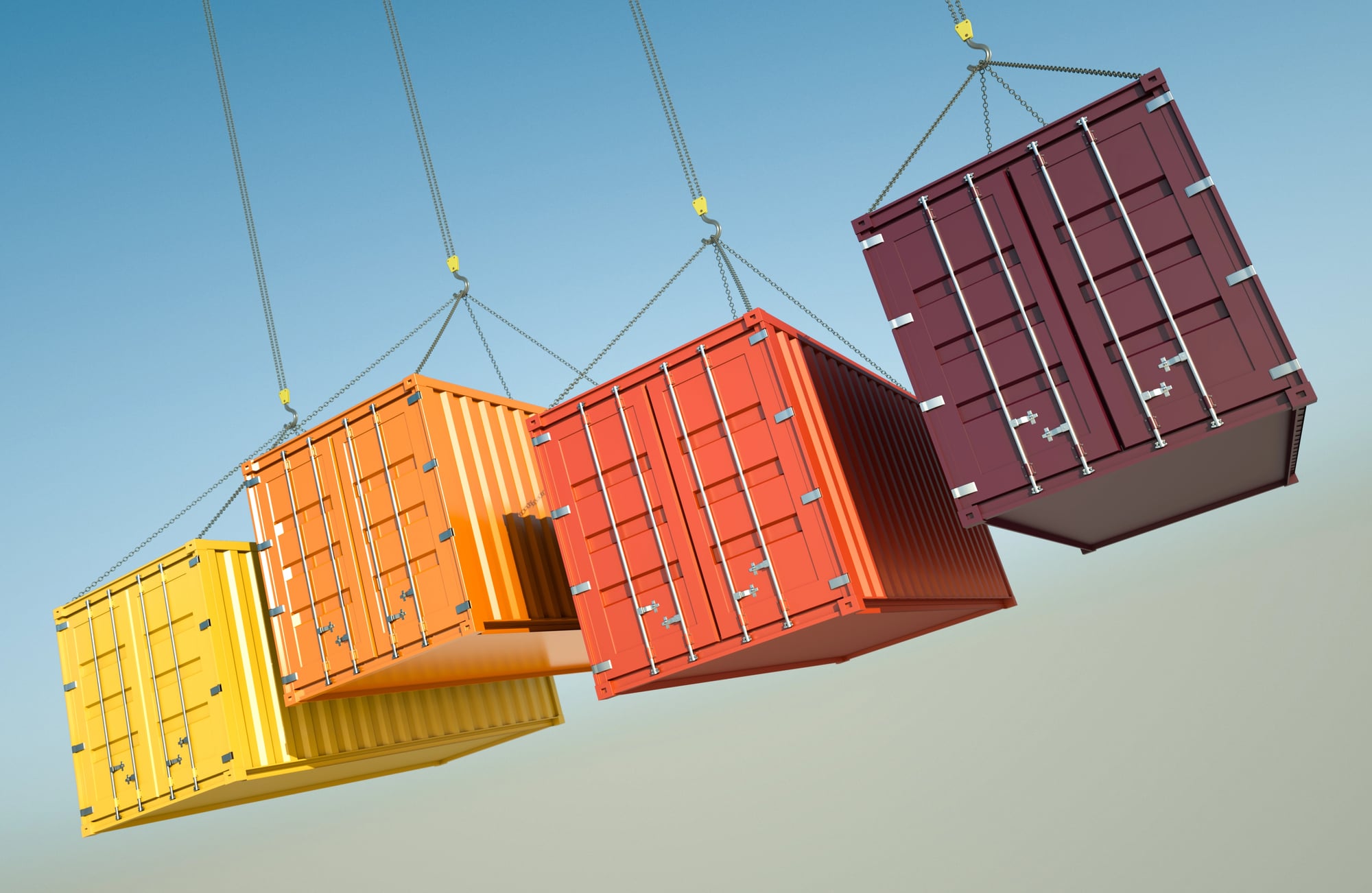
The military developed standardized shipping containers to streamline logistics — moving supplies efficiently from ports to battlefields required a system that could handle massive volumes of equipment with minimal handling. The containers had to be sturdy enough for rough transport and sized to work with existing ships, trucks, and cranes.
Those same standardized dimensions revolutionized global commerce by making shipping predictable and efficient. The rectangular steel boxes that once carried military supplies now carry everything from electronics to clothing to food across the world’s shipping routes.
But the story doesn’t end with traditional shipping — the sturdy, stackable design has found new life in civilian construction, where surplus containers are converted into homes, offices, and retail spaces.
Night Vision
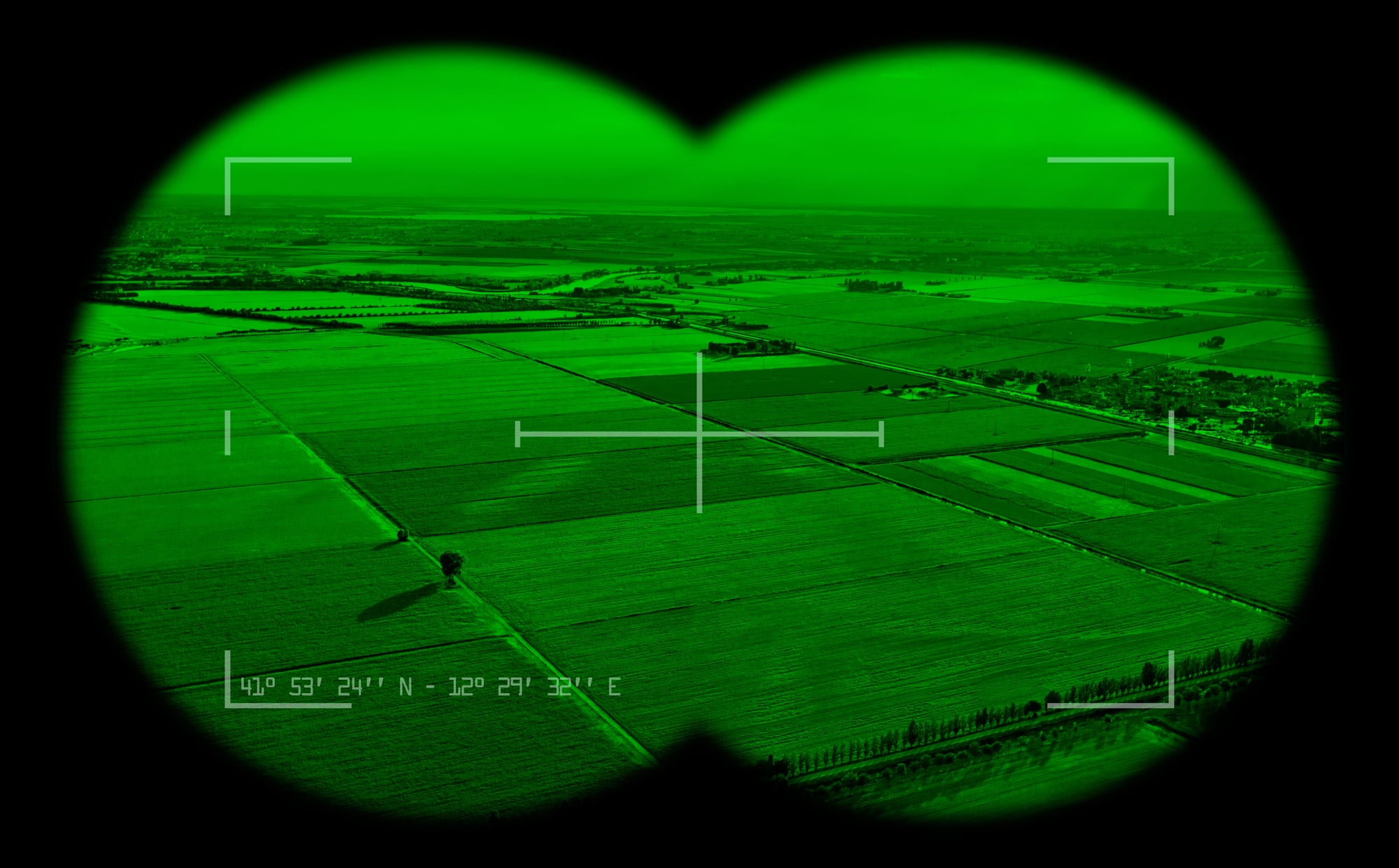
Military night vision technology was developed to give troops an advantage in low-light conditions — the ability to see clearly when the enemy couldn’t provided a significant tactical benefit. Early systems were bulky and expensive, but they offered capabilities that were impossible with natural vision alone.
The civilian market for night vision has expanded beyond what military planners probably imagined. Law enforcement uses it for surveillance and operations in dark environments.
Wildlife researchers rely on it to observe nocturnal animals without disturbing their behavior. Security professionals monitor properties after dark.
Even recreational users — hunters, campers, and photography enthusiasts — have embraced night vision technology for their own purposes.
Water Purification Tablets
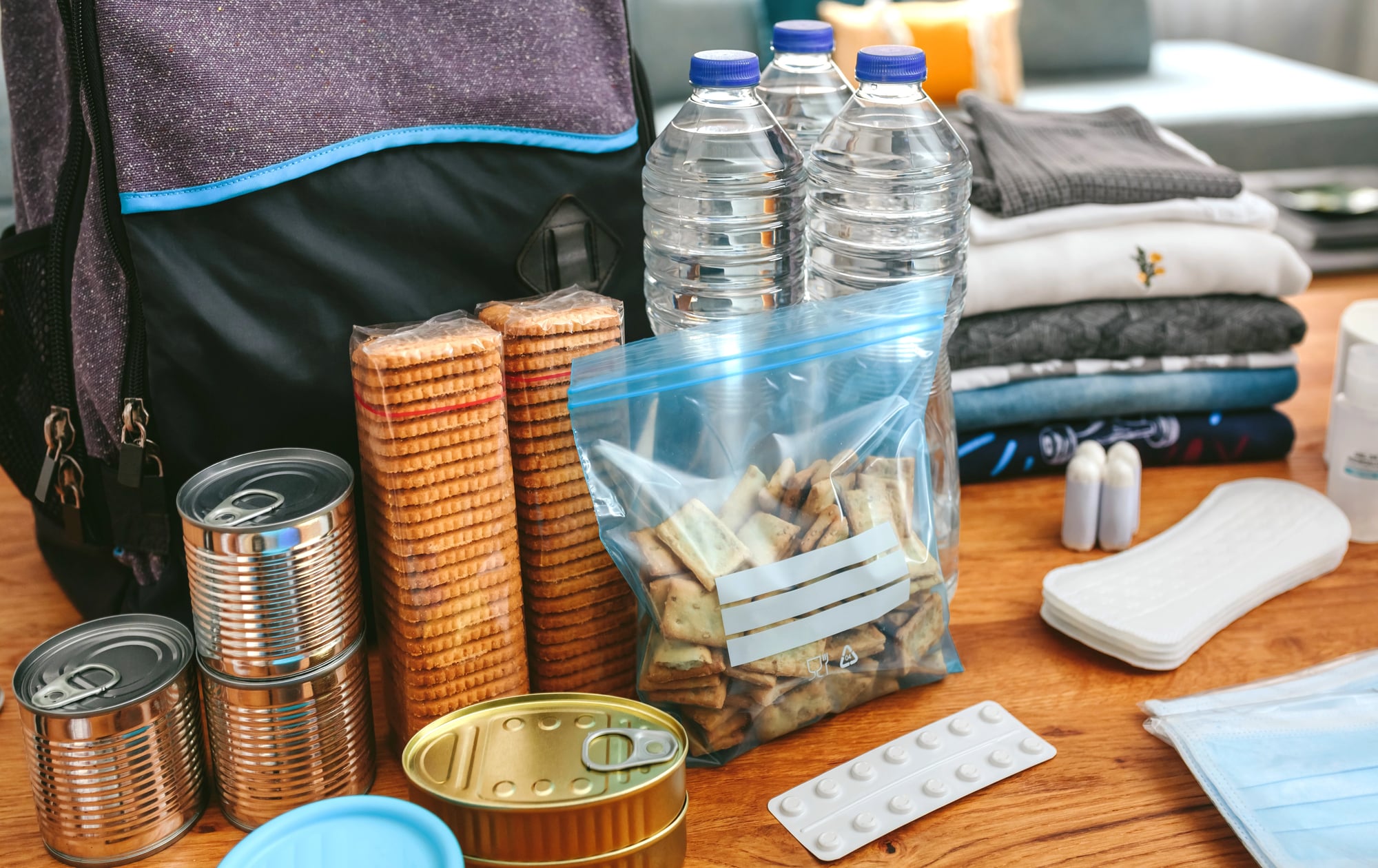
Military forces operating in remote areas needed a reliable way to make questionable water sources safe to drink. Water purification tablets provided a lightweight, shelf-stable solution that could eliminate bacteria and viruses without requiring electricity or complex equipment.
Hikers, campers, and international travelers have adopted the same technology for the same basic reason — sometimes the available water isn’t safe to drink, and carrying enough bottled water isn’t practical.
Emergency preparedness kits often include purification tablets because disasters can compromise municipal water systems. The tablets that kept soldiers healthy in the field now provide peace of mind for anyone venturing away from reliable water sources.
Freeze-Dried Food
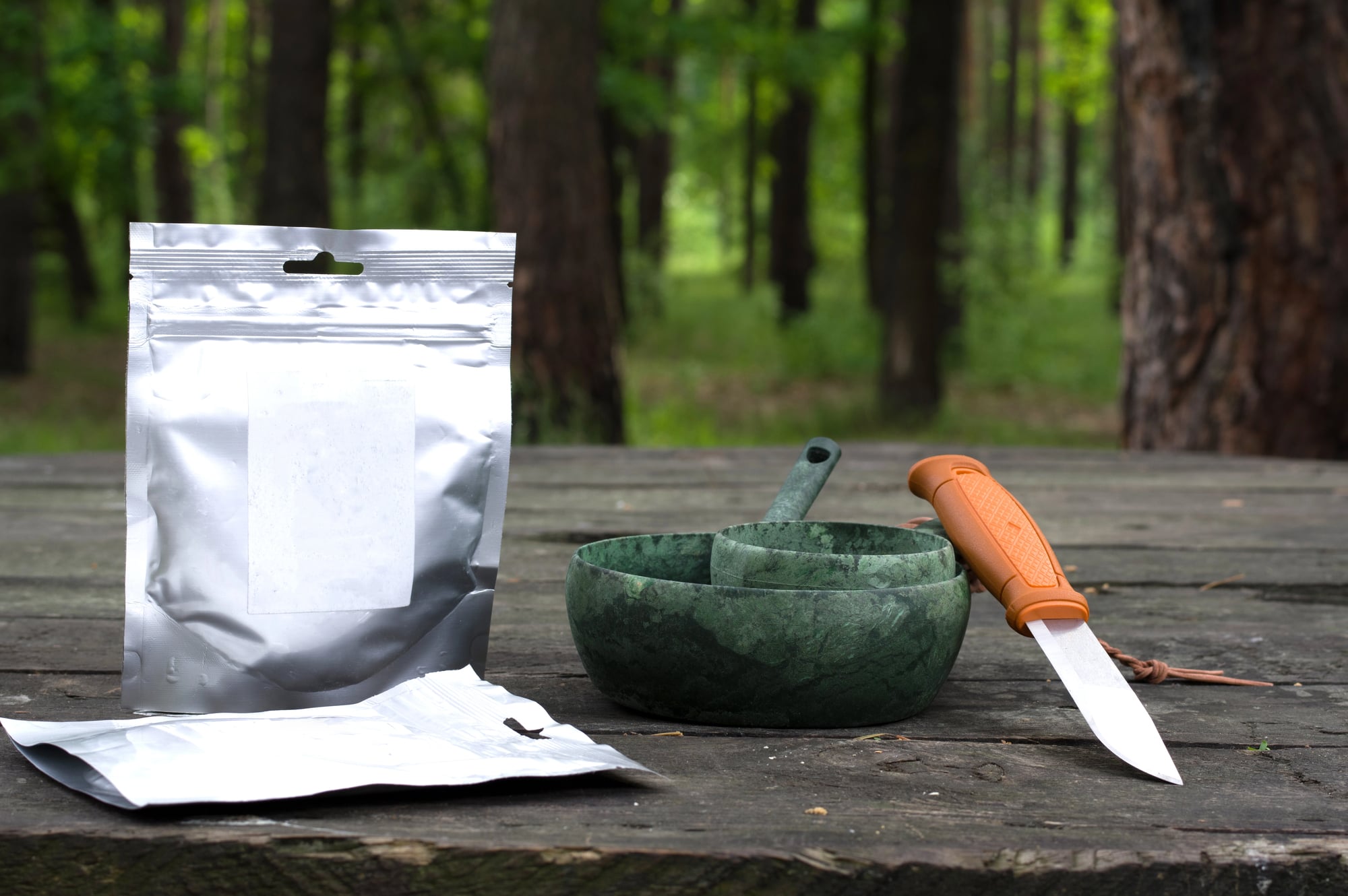
The military needed lightweight, shelf-stable rations that could provide proper nutrition under challenging conditions. Freeze-drying removes moisture while preserving nutritional value and flavor better than other preservation methods, creating food that weighs very little but retains most of its original properties when rehydrated.
Backpackers and campers quickly recognized that the same advantages that made freeze-dried food useful for soldiers made it ideal for their activities. Emergency preparedness enthusiasts stockpile it because it stores well and provides complete nutrition when fresh food isn’t available.
Space programs adopted it for astronauts facing their own version of remote deployment. The technology that fed troops in the field now feeds anyone who needs nutritious food in situations where fresh ingredients aren’t practical.
Multi-Tool
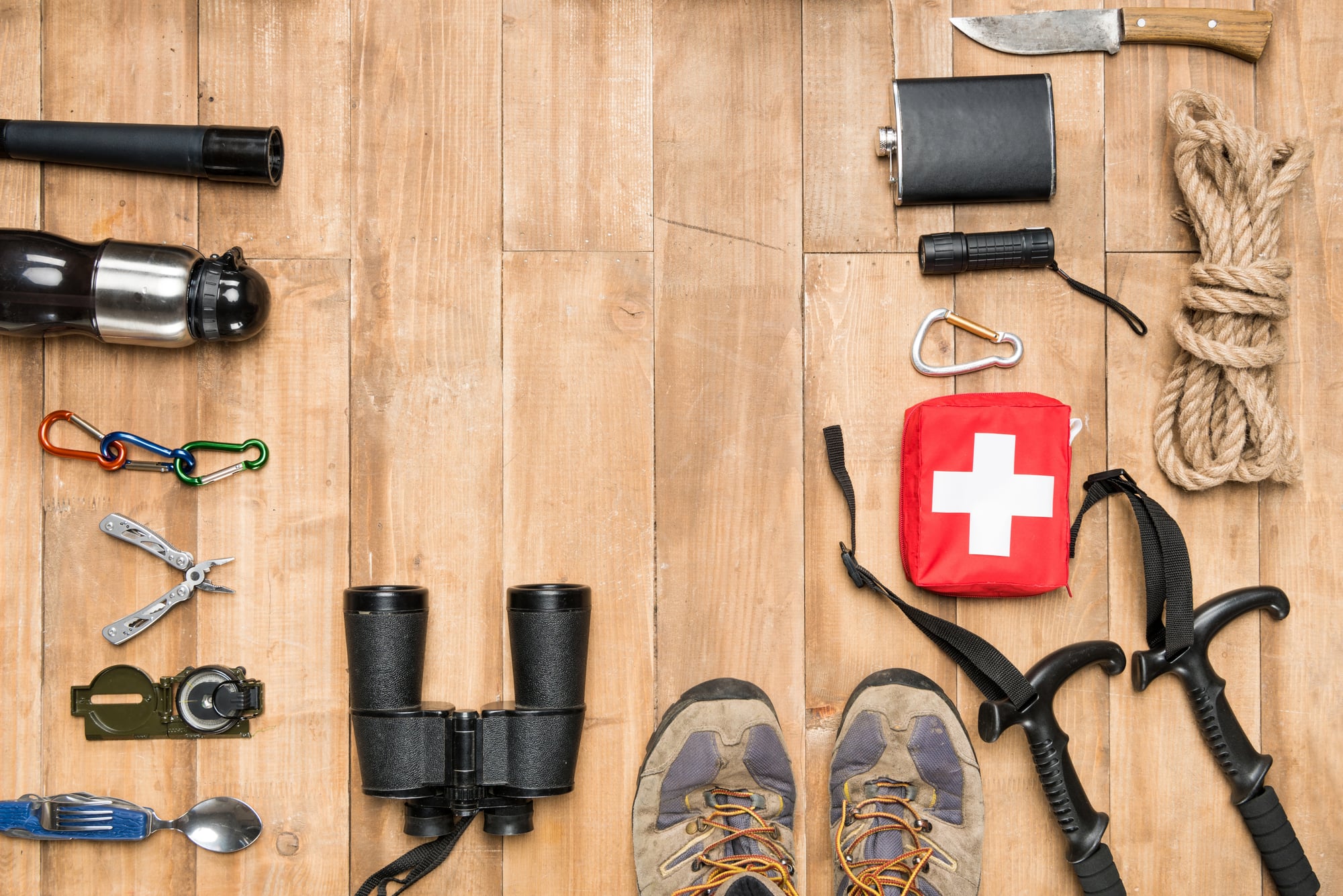
Military personnel needed compact tools that could handle multiple tasks without the weight and bulk of carrying separate implements. The Swiss Army knife was an early example, but modern multi-tools expanded the concept to include pliers, screwdrivers, knives, and other implements in a single folding device.
Professional tradespeople, outdoor enthusiasts, and ordinary people dealing with everyday problems have embraced multi-tools for the same reason the military developed them — having the right tool available when you need it, without carrying a toolbox everywhere.
The compact design that helped soldiers handle field repairs now helps civilians tackle problems ranging from gear maintenance to household fixes.
From Battlefield To Backyard
These machines tell a consistent story about human ingenuity. Military requirements often push technology in directions that civilian markets wouldn’t pursue on their own — the need for durability, portability, and reliability under extreme conditions creates innovations that turn out to be useful in ordinary life.
The transition from military to civilian use isn’t always immediate or obvious, but it happens because the fundamental problems these machines solve — communication, transportation, nutrition, navigation — matter just as much in peacetime as they do in war.
More from Go2Tutors!

- The Romanov Crown Jewels and Their Tragic Fate
- 13 Historical Mysteries That Science Still Can’t Solve
- Famous Hoaxes That Fooled the World for Years
- 15 Child Stars with Tragic Adult Lives
- 16 Famous Jewelry Pieces in History
Like Go2Tutors’s content? Follow us on MSN.