Why the School Book Fair Was the Most Exciting Shopping Event of Childhood
The school book fair represented a unique intersection of educational mission and pure consumer spectacle that made it genuinely thrilling for children accustomed to library-based literary access. Unlike typical retail shopping supervised by parents with specific budgets and practical restrictions, the book fair offered a different dynamic: permission to select items based on genuine desire rather than necessity, with parents often extending special allowances for the event.
The temporary nature of the fair—available for only one or two weeks annually—created genuine scarcity and urgency that made selection agonizing and meaningful. No other childhood shopping experience combined educational legitimacy with the pure joy of acquisition in quite the same way, making the book fair a distinct and irreplaceable form of retail experience that formed reading habits and consumer memories for generations.
Books Were Actually Affordable at Book Fair Prices
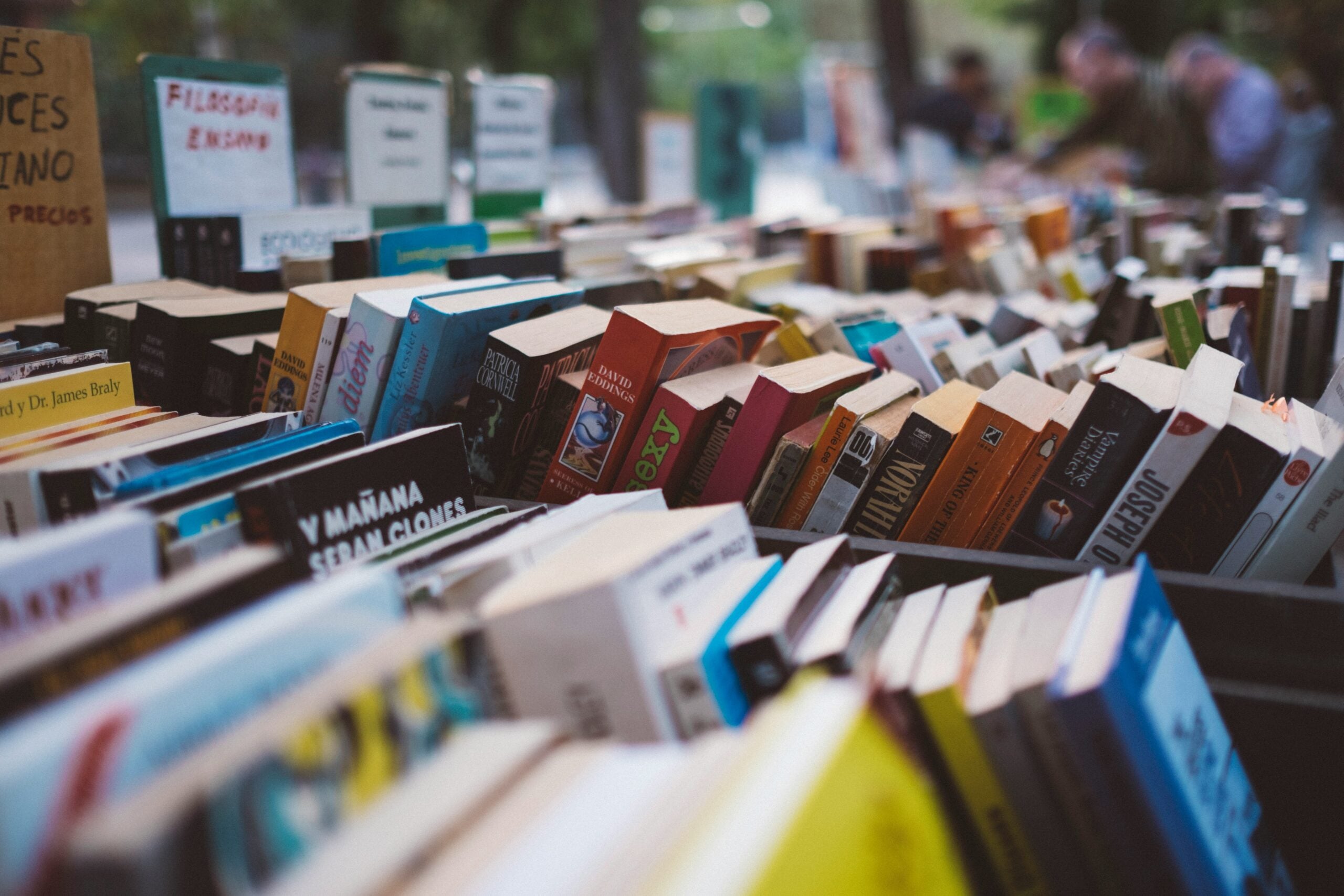
Unlike bookstores where paperback novels cost $5-7, book fair pricing often made books accessible through modest allowances. Parents who might balk at independent bookstore purchases would willingly provide $10-20 for book fair shopping, knowing the money was supporting school fundraising.
This pricing structure meant kids could actually afford multiple books, creating the rare childhood experience of abundance-based selection rather than scarcity-based compromise.
Parents Granted Unusually Generous Spending Allowances
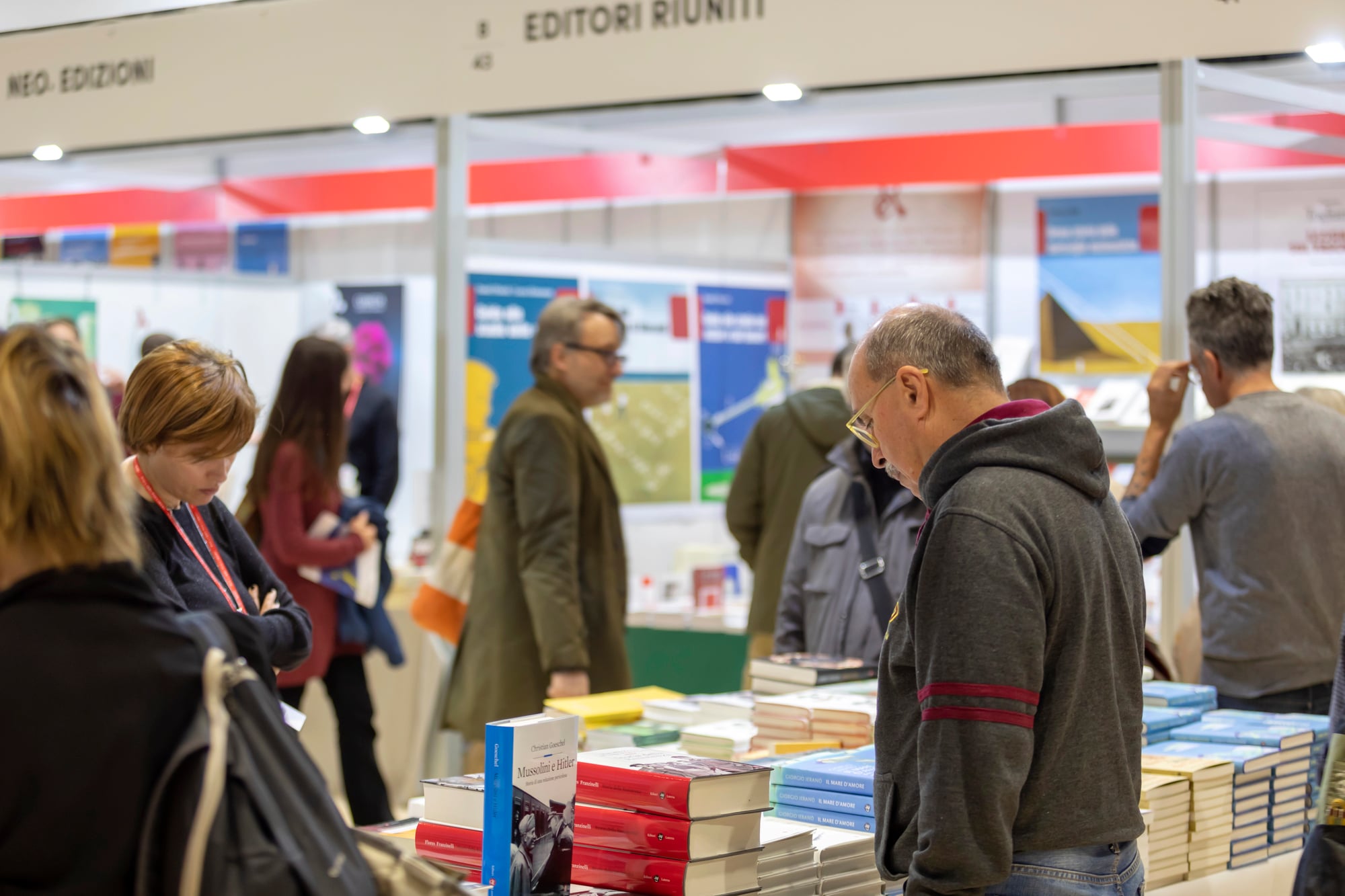
The book fair triggered parental behavior modification where normal budgets expanded as a gift to their children’s literacy. Parents would allocate funds they might otherwise reserve for practical purchases, treating the book fair as legitimate celebration of reading.
The combination of educational justification and school fundraising benefit made parents remarkably generous with book fair budgets specifically.
Posters and Merchandise Made It Feel Like an Actual Store Experience
Beyond books, tables overflowed with bookmarks, pencils, reading lights, and poster selections that transformed the school gymnasium or library into an actual retail environment. Children could select items that signaled reading identity—galaxy posters, literary character figurines, reading-related accessories that made purchasing feel sophisticated and intentional.
The Temporary Nature Created Urgent Scarcity
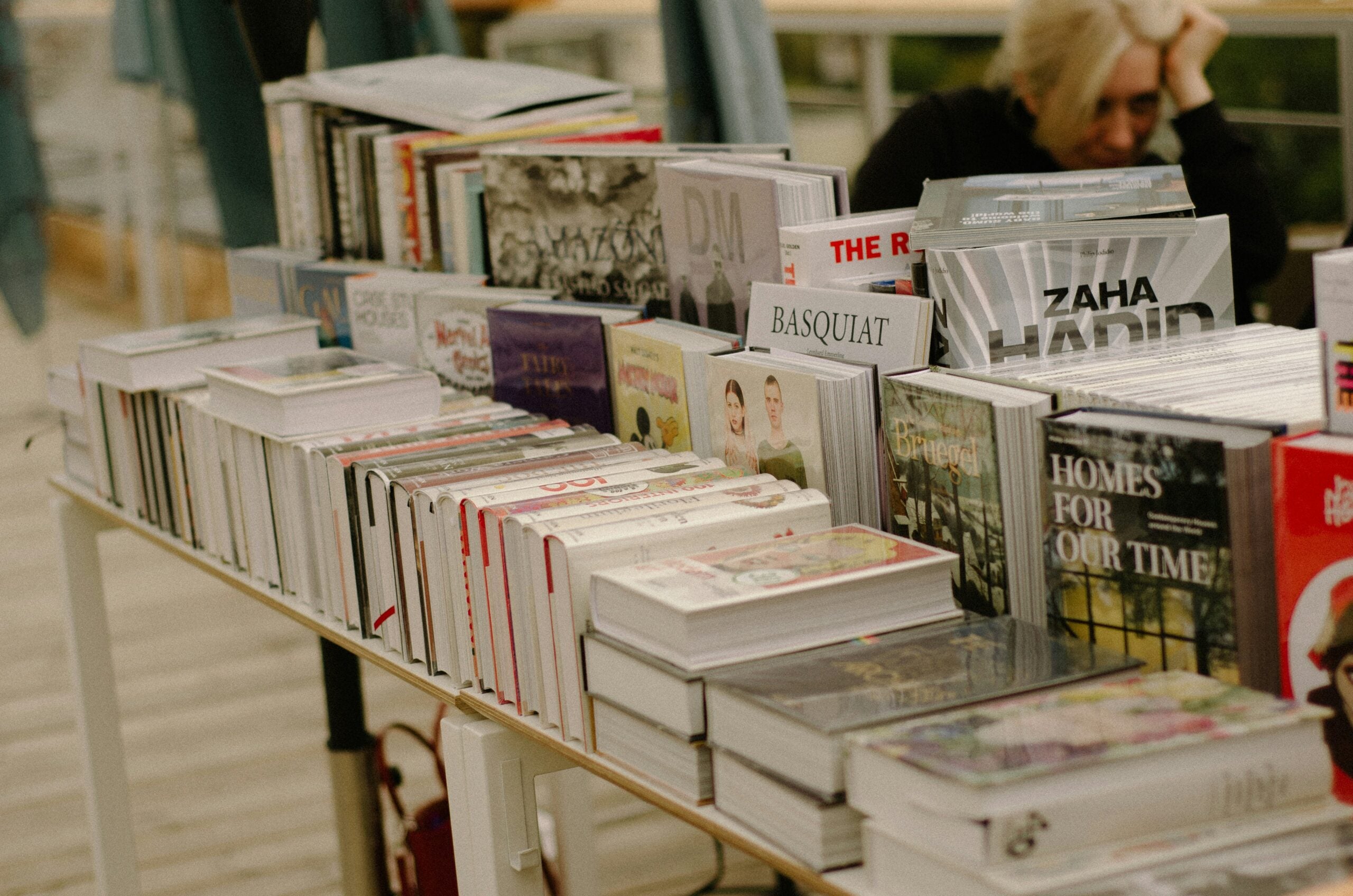
Book fairs appeared briefly then vanished, creating pressure that shaped childhood decision-making. Knowing the fair lasted only two weeks meant that indecision could result in favorites being sold out by the time parents visited.
This manufactured urgency made selection feel genuinely important rather than casual shopping.
Selection Felt Like Personal Expression Rather Than Consumption
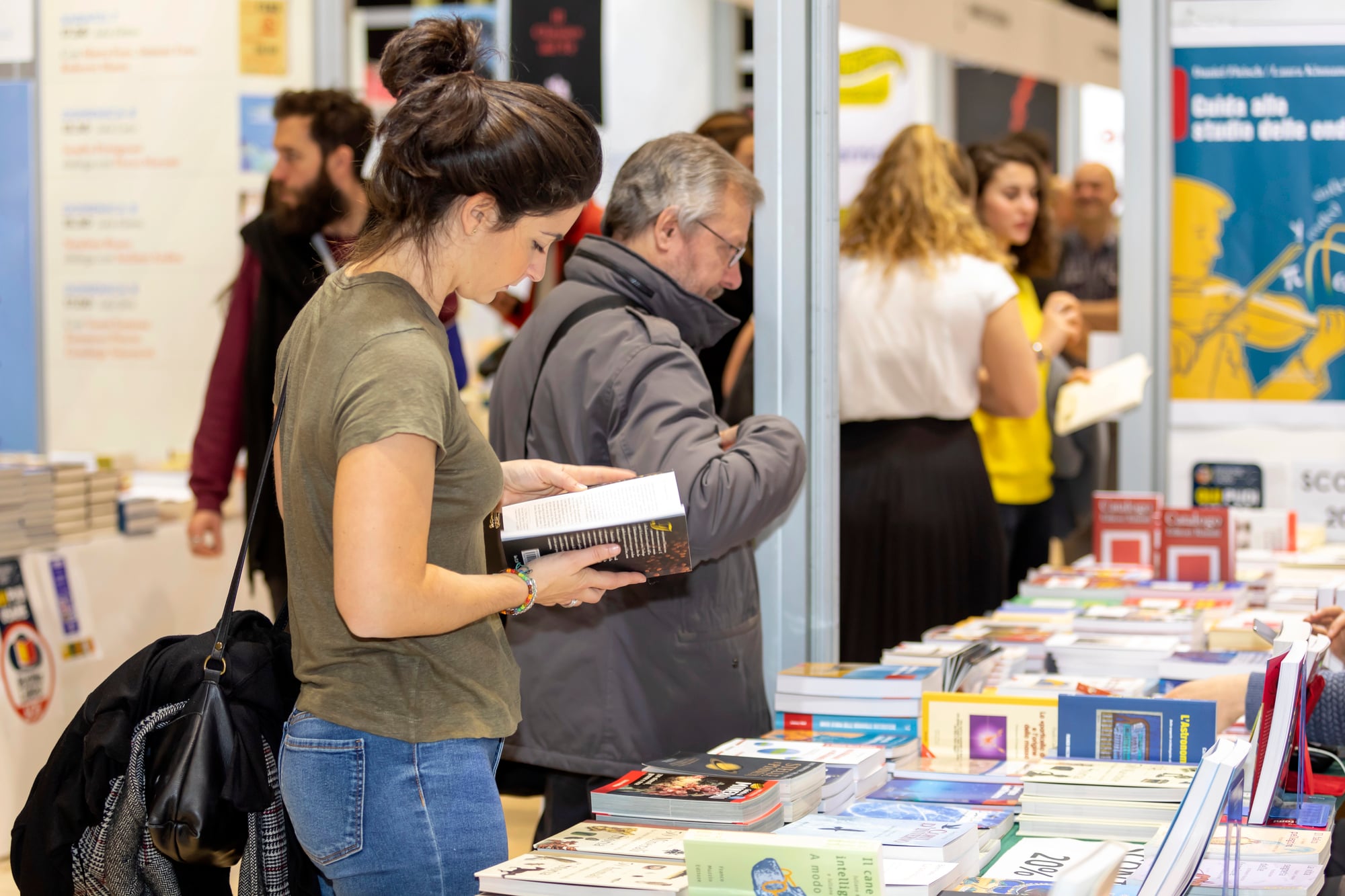
Unlike buying toys or clothes selected by adults, book selection represented genuine personal taste. Children experienced purchasing as direct reflection of interest and identity.
The books chosen communicated something about the child that toys or practical items didn’t, making purchase feel meaningful and identity-forming.
Teachers Carefully Curated Selection to Balance Appeal and Legitimacy
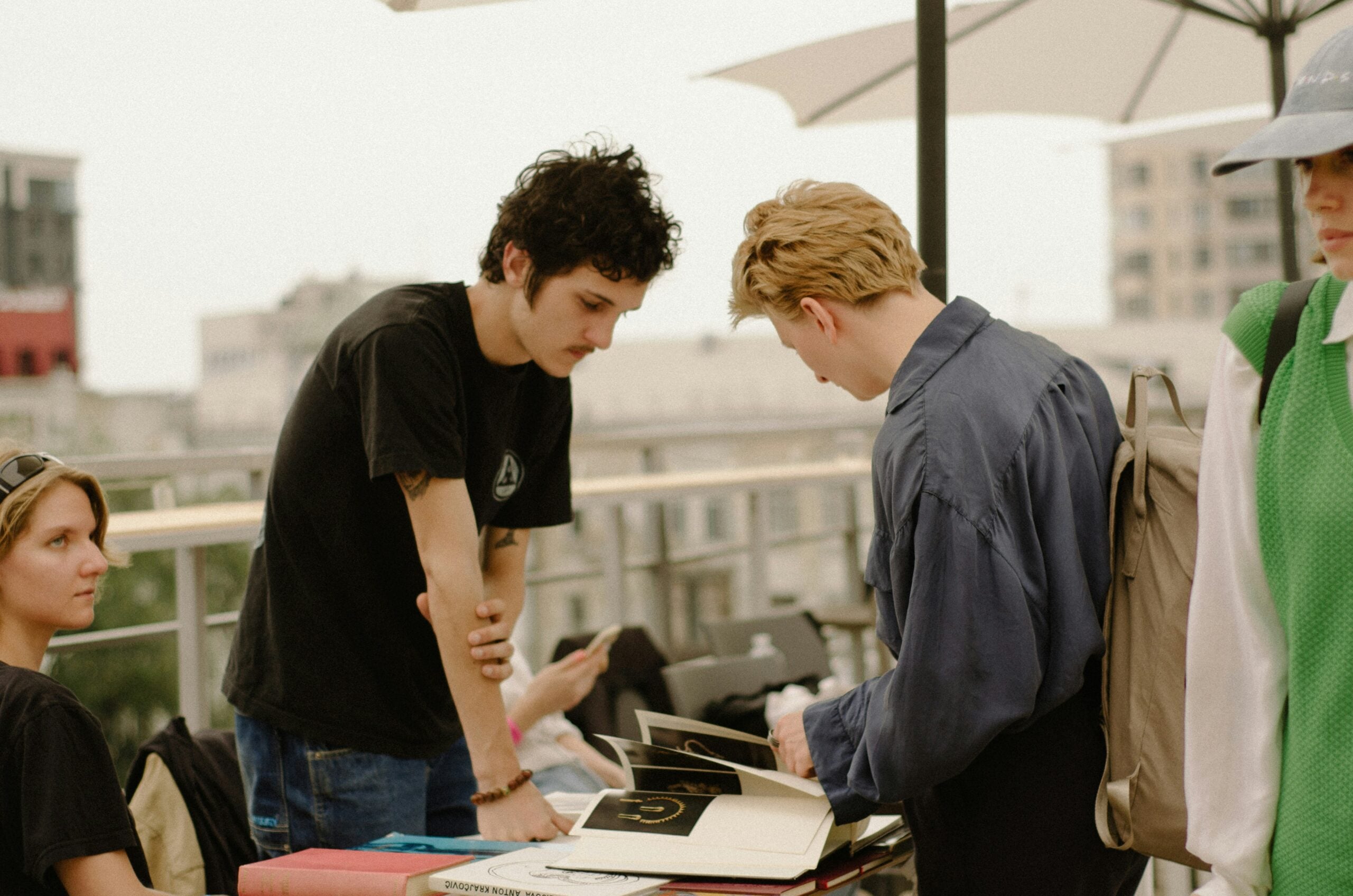
Book fair selections typically represented genuine literature rather than lowest-common-denominator appeal, creating discovery experience where children encountered books they wouldn’t have sought independently. Teachers and librarians selecting inventory meant book fairs offered quality gatekeeping that pure retail wouldn’t provide.
The Glamorous Book Fair Volunteers
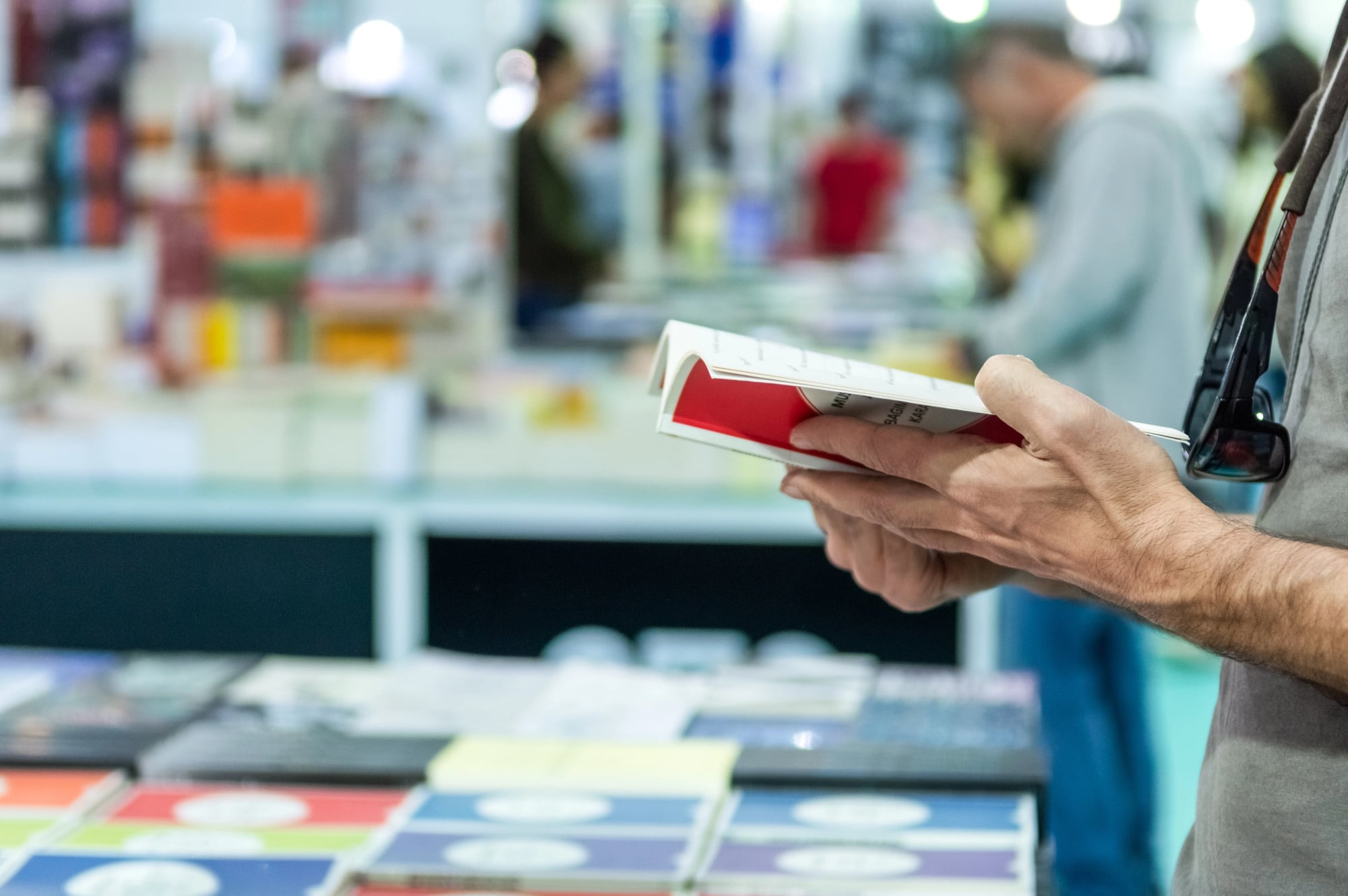
Adult volunteers staffed the book fair, creating impression of legitimate retail operation. These weren’t parents casually supervising but dedicated adults managing inventory, making recommendations, and conducting transactions that made shopping feel official and sophisticated.
Autographed Editions and Special Books Created Collectibility

Book fairs occasionally featured autographed copies or special editions that created collectibility beyond typical reading. A book signed by an author felt valuable and permanent in ways standard copies didn’t, making acquisition feel like genuine achievement.
The Book Fair Bag or Bookmark Souvenirs Lasted Years
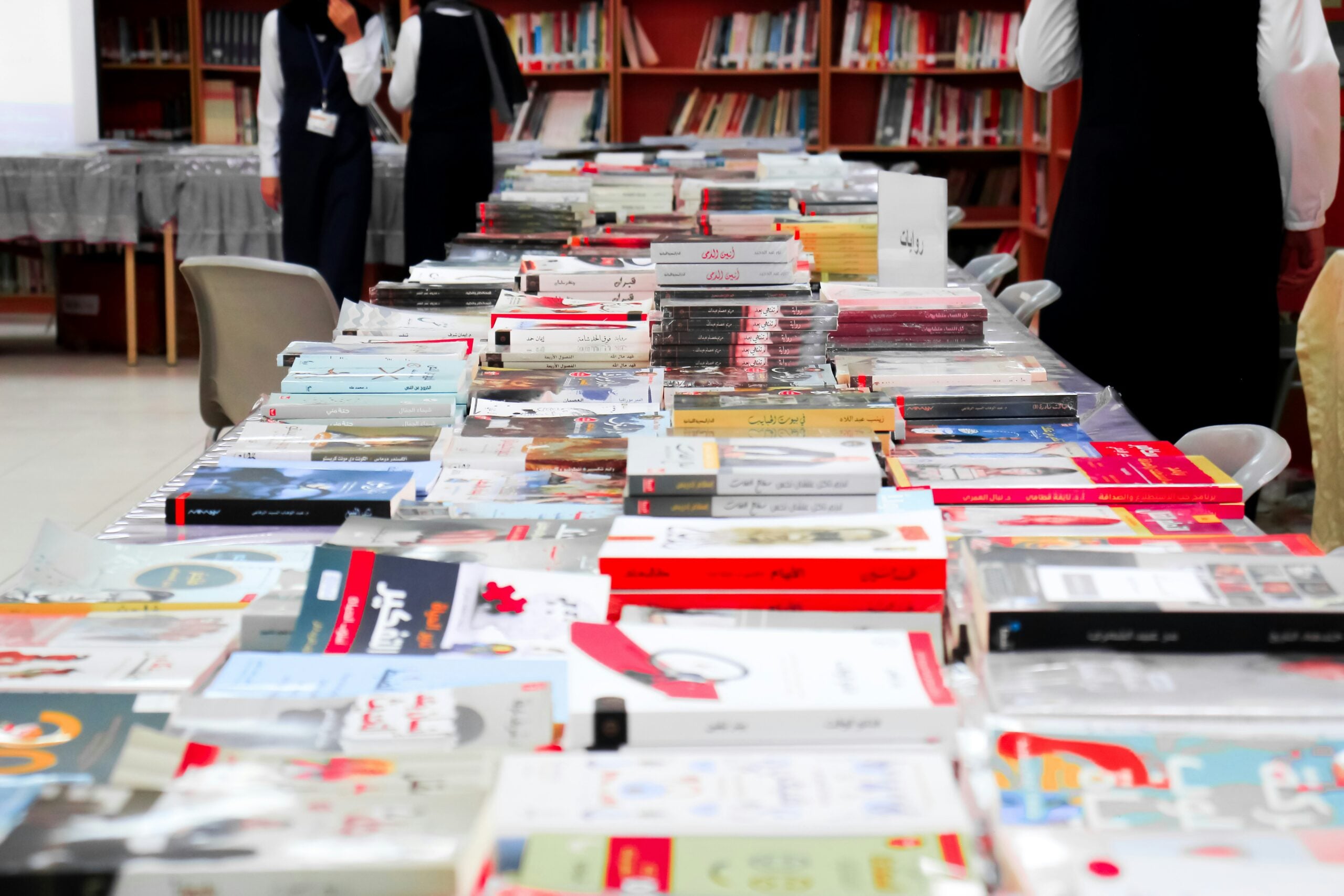
Tote bags, bookmarks, and materials from the book fair persisted in childhood for years, creating tangible memory objects. The branded bags became containers for books and schoolwork, serving as constant reminders of the fair’s experience.
Parents Participated Actively in Selection
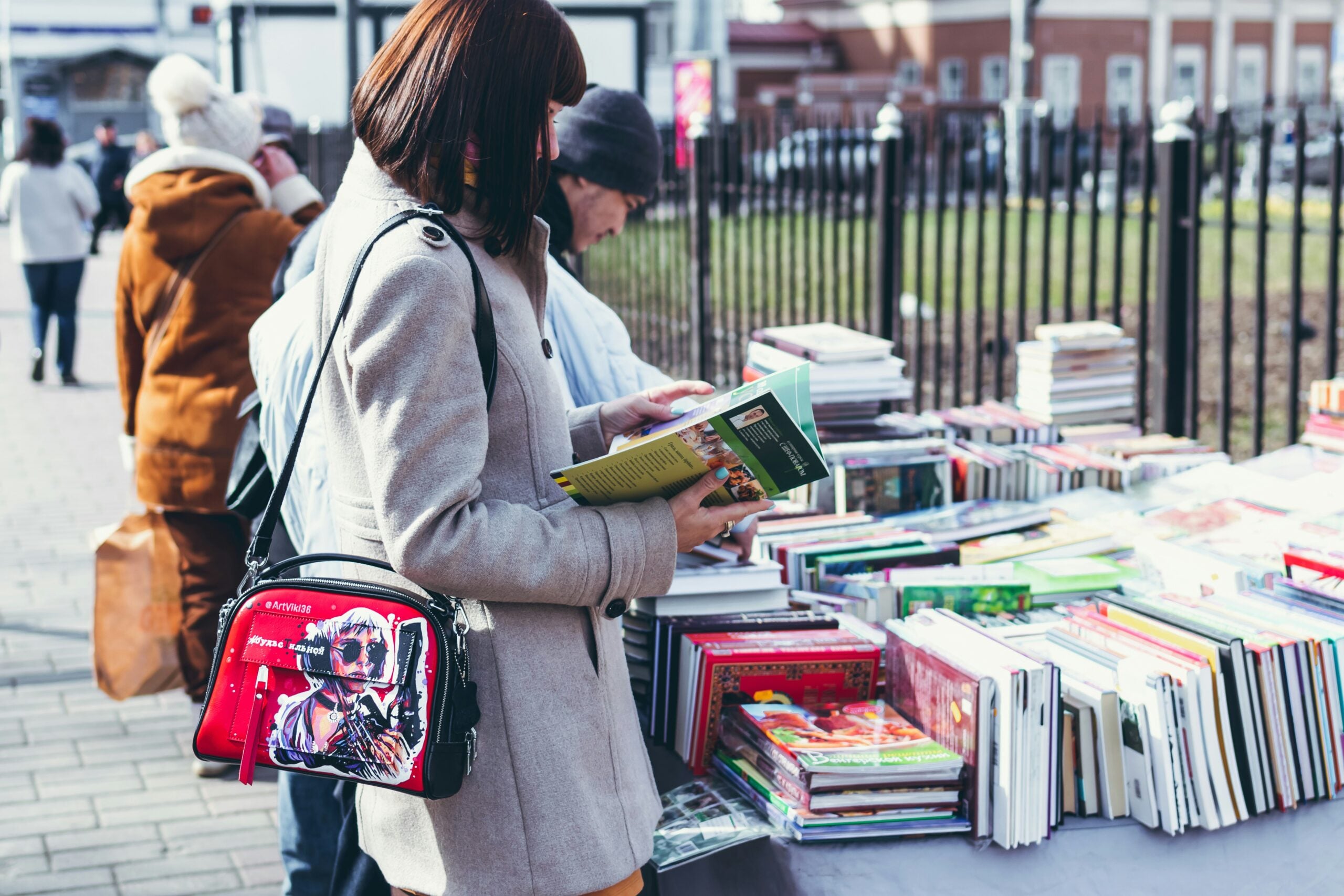
Unlike typical childhood shopping where parents made decisions, book fairs often involved genuine collaboration where parents explored selection alongside children, recommending series and titles while respecting children’s actual preferences. This shared decision-making made the experience relational rather than purely transactional.
The Book Fair Encouraged Serialized Series Collecting
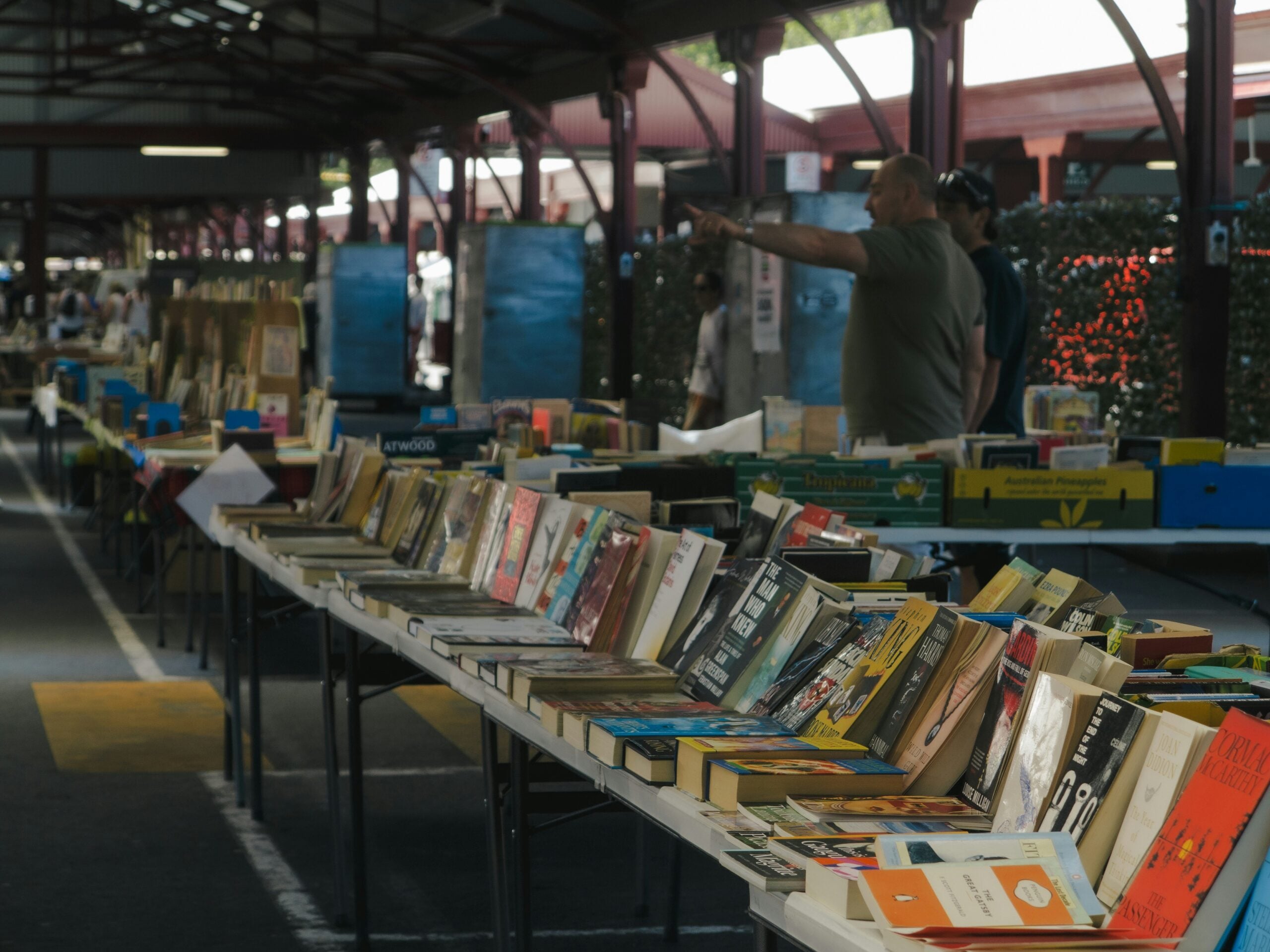
Book fairs typically stocked popular series entirely, allowing children to begin or continue following extended narratives. Kids could purchase multiple books in series rather than singular titles, creating investment in sustained reading that single-purchase retail couldn’t facilitate.
Reading Felt Prestigious During Book Fair
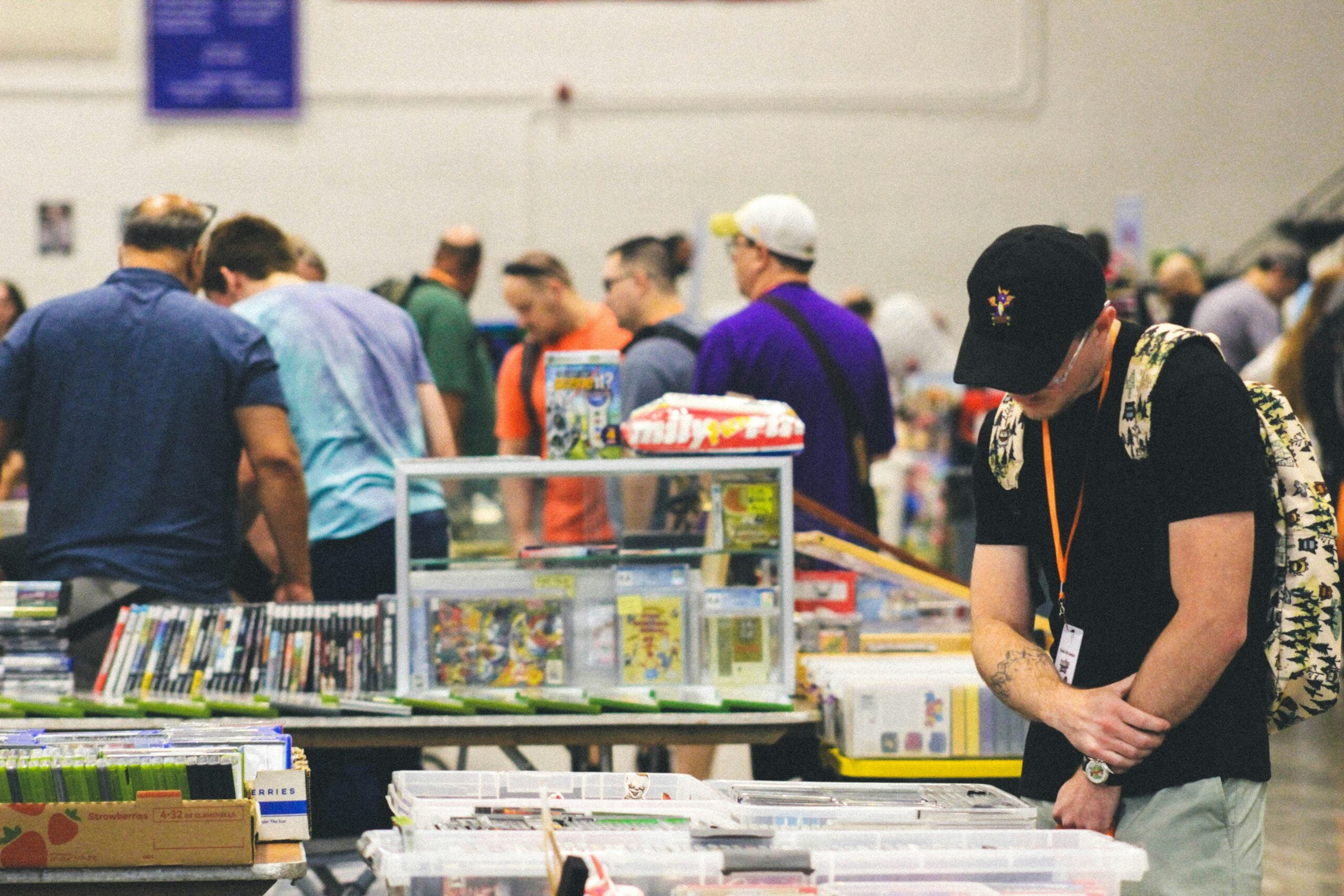
The educational framing and school-sanctioned nature made book purchasing feel distinctly more wholesome and sophisticated than other childhood shopping. Parents visibly approved of book fair purchases in ways they might not approve of toy store or candy acquisitions, lending reading genuine prestige.
The Democratic Mixing of Taste Levels
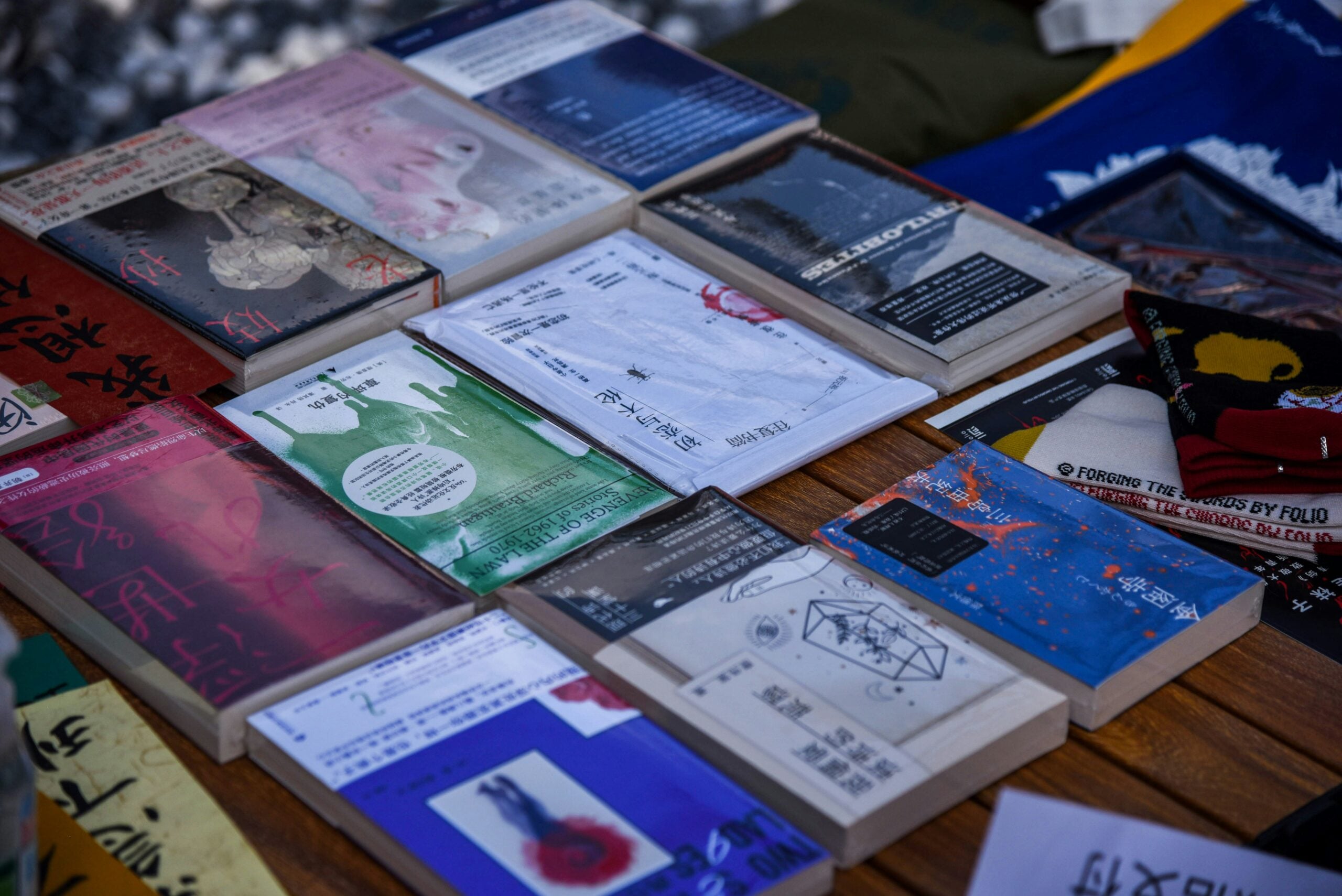
Book fairs carried everything from literary classics to popular entertainment novels without hierarchy, allowing children to purchase both serious literature and pure pleasure reading without judgment. This democratic approach to selection eliminated the shame or sophistication judgment that might accompany independent choices.
Quiet Browsing Time During School Hours
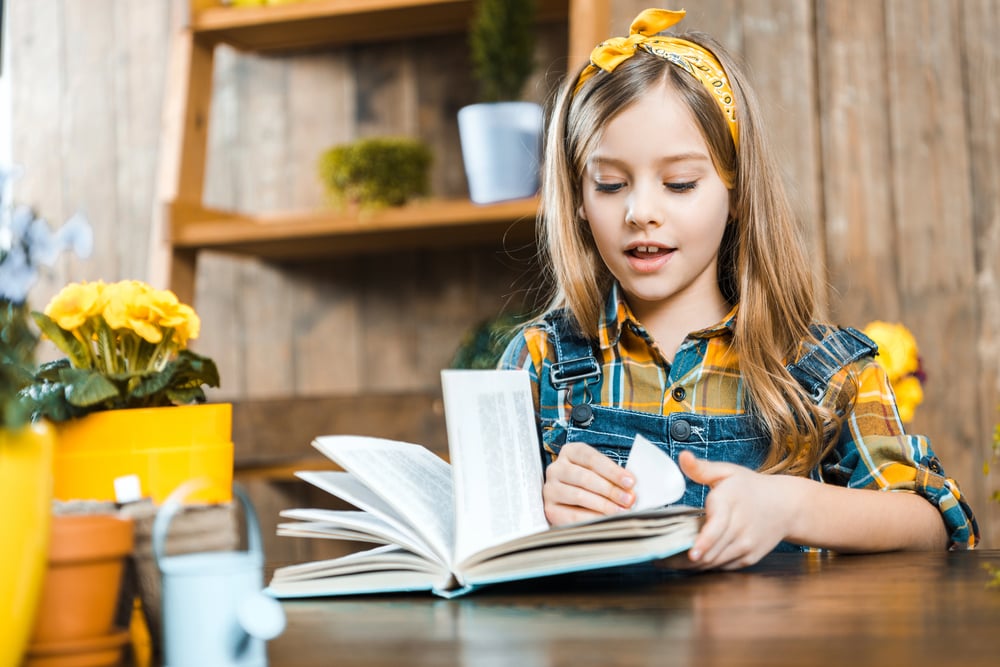
Book fair shopping often happened during school time, giving children unrushed opportunity to consider purchases. Unlike rushed retail environments, the calm school setting allowed genuine contemplation and careful selection rather than pressured decision-making.
The Book Fair Created Community Book Discussion
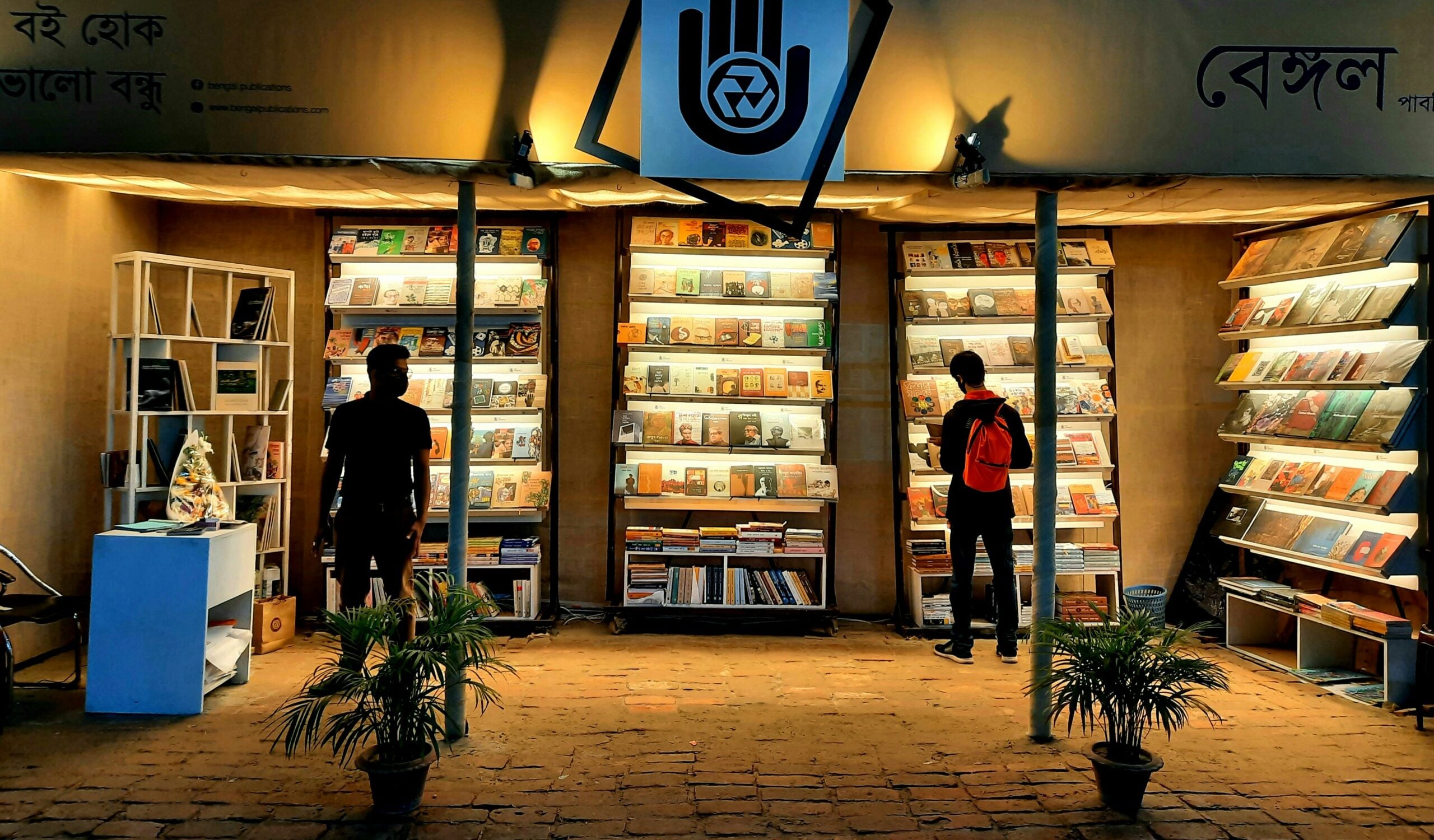
Children who attended book fairs with friends or classmates discussed selections and compared purchases, creating informal literary community. The shared experience of book fair shopping sparked conversations about reading that extended into friendships and classroom community.
Limited Inventory Made Rarity Feel Special
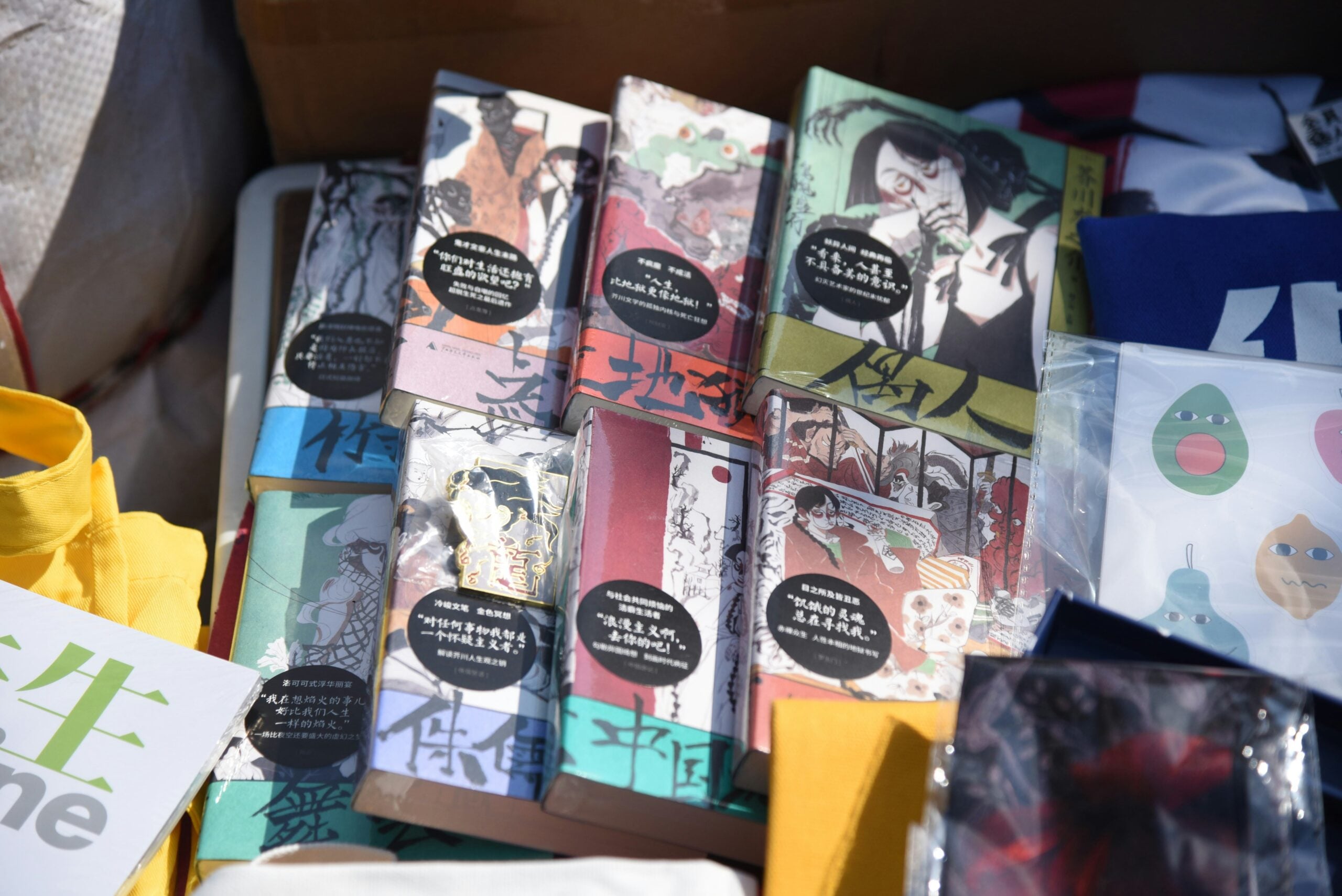
Unlike massive bookstores stocked endlessly, book fairs carried finite inventory. Items that sold out before parental visits became the ones that children particularly coveted, making availability itself part of selection appeal.
The Economic Lesson and Birthday Alternative
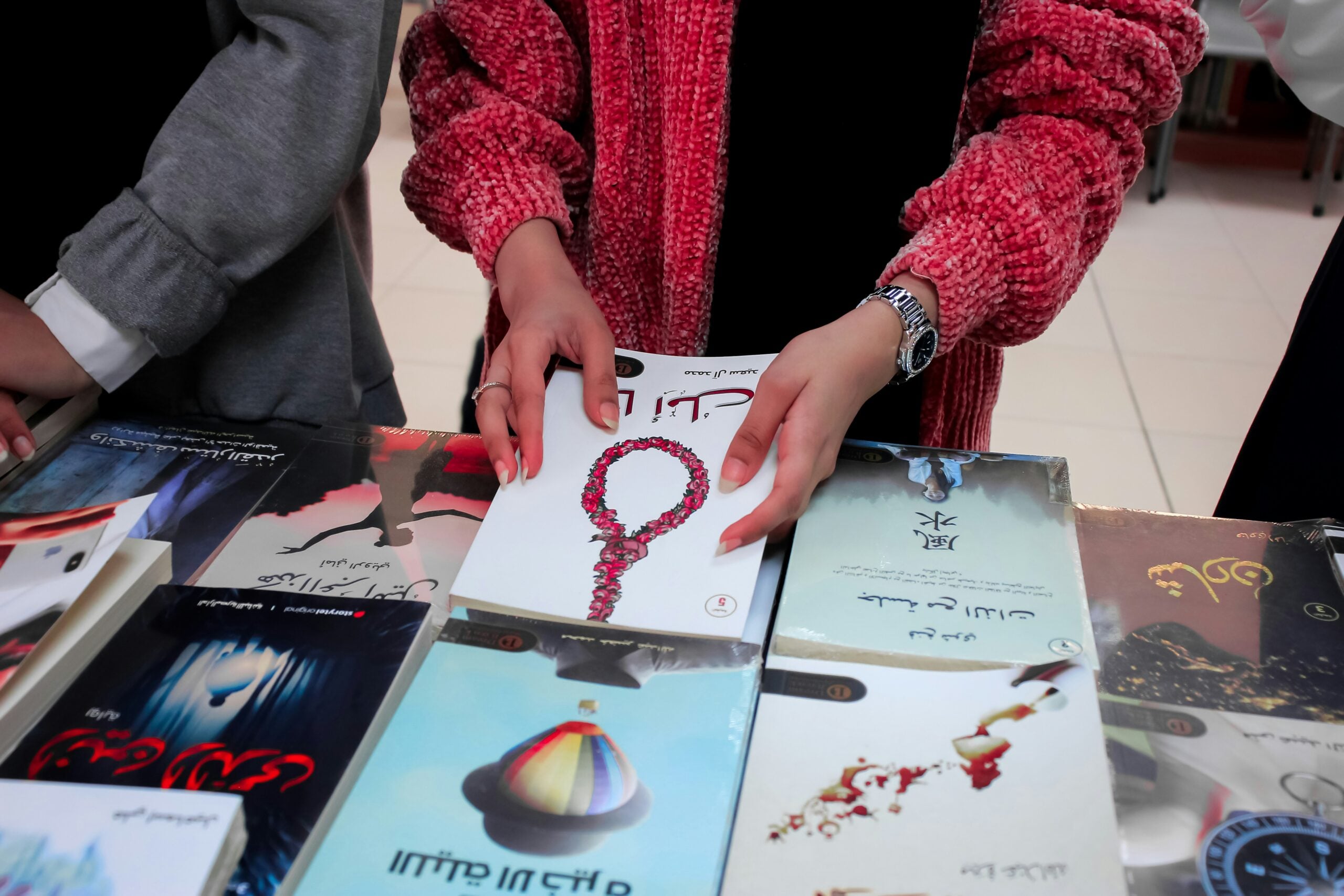
For families with limited spending, book fair represented genuine luxury that made it feel distinctly special. Children often saved book fair visits for birthdays or specific celebration occasions, making purchasing feel festive and meaningful rather than routine.
The Lasting Impact on Reading Habits
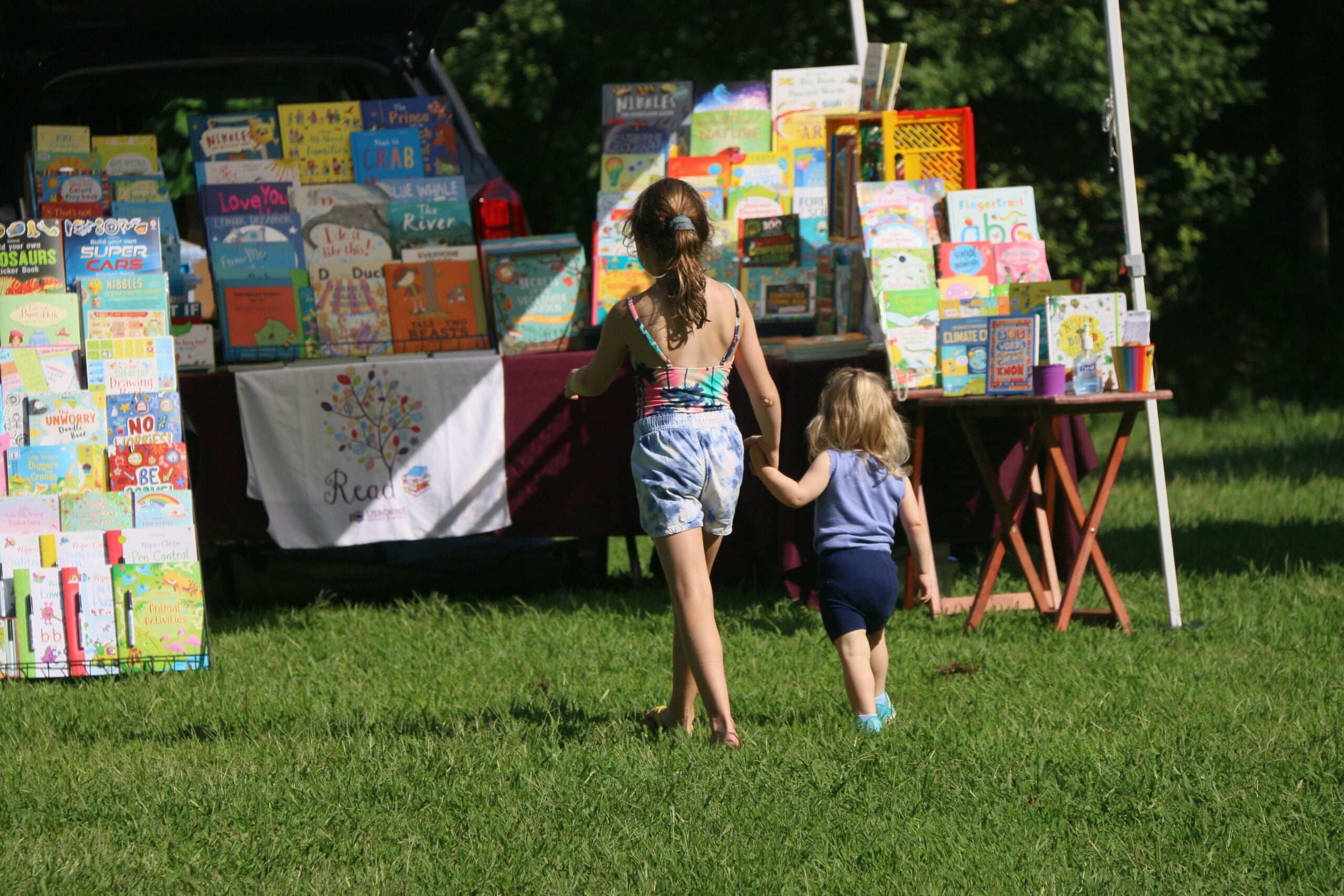
Books purchased at book fairs often became treasured possessions that children reread repeatedly, forming genuine attachment to specific titles. The acquisition experience transformed generic books into beloved items in ways casual purchases rarely accomplished.
Modern Loss of Book Fair Excitement
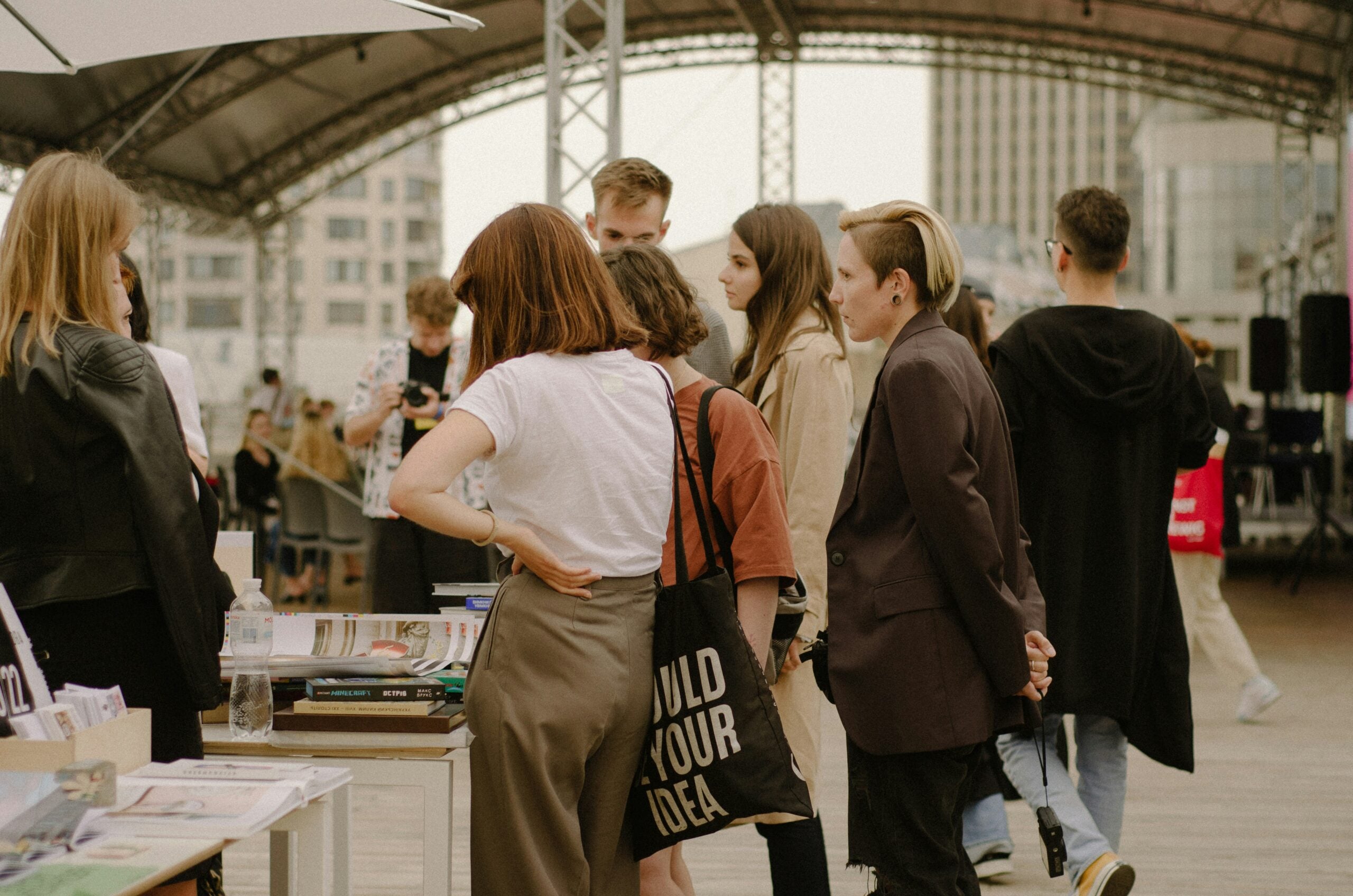
Contemporary children facing Amazon access to unlimited inventory and ebooks available instantly lack the scarcity-driven urgency and special occasion quality of traditional book fairs. The shift from temporary physical retail to infinite digital availability altered how children acquire reading, eliminating the particular joy of bounded choice and temporary availability that made book fairs genuinely special.
More from Go2Tutors!

- The Romanov Crown Jewels and Their Tragic Fate
- 13 Historical Mysteries That Science Still Can’t Solve
- Famous Hoaxes That Fooled the World for Years
- 15 Child Stars with Tragic Adult Lives
- 16 Famous Jewelry Pieces in History
Like Go2Tutors’s content? Follow us on MSN.



