Strange Jobs People Once Relied On
The job market has always been weird. Not weird in the way we think about it today—with tech startups offering chief happiness officers and professional cuddlers—but genuinely strange.
Before machines took over most tasks, people filled roles that sound completely absurd now. Someone had to wake others up before alarm clocks existed.
Someone collected dog waste for a living, and it was actually valuable. These weren’t side hustles or quirky hobbies.
They were real jobs that people depended on to feed their families.
Knocker-Uppers
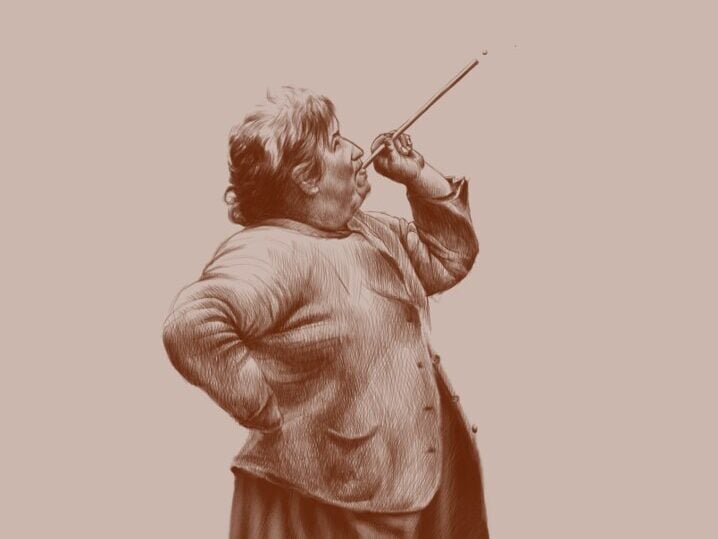
Before alarm clocks became affordable, people needed to wake up on time for factory shifts and jobs. Enter the knocker-upper.
These folks walked through neighborhoods in the early morning hours, tapping on windows with long sticks or shooting peas at bedroom windows to rouse sleeping workers. The job existed mainly in Britain and Ireland during the Industrial Revolution.
Factory workers couldn’t afford clocks, so they paid a small weekly fee to guarantee they’d wake up. Some knocker-uppers used bamboo poles that stretched several stories high.
Others kept dried peas in their pockets for harder-to-reach windows. You might wonder who woke up the knocker-uppers.
Most of them just never went to bed, or they worked late shifts that naturally kept them awake until early morning.
Rat Catchers
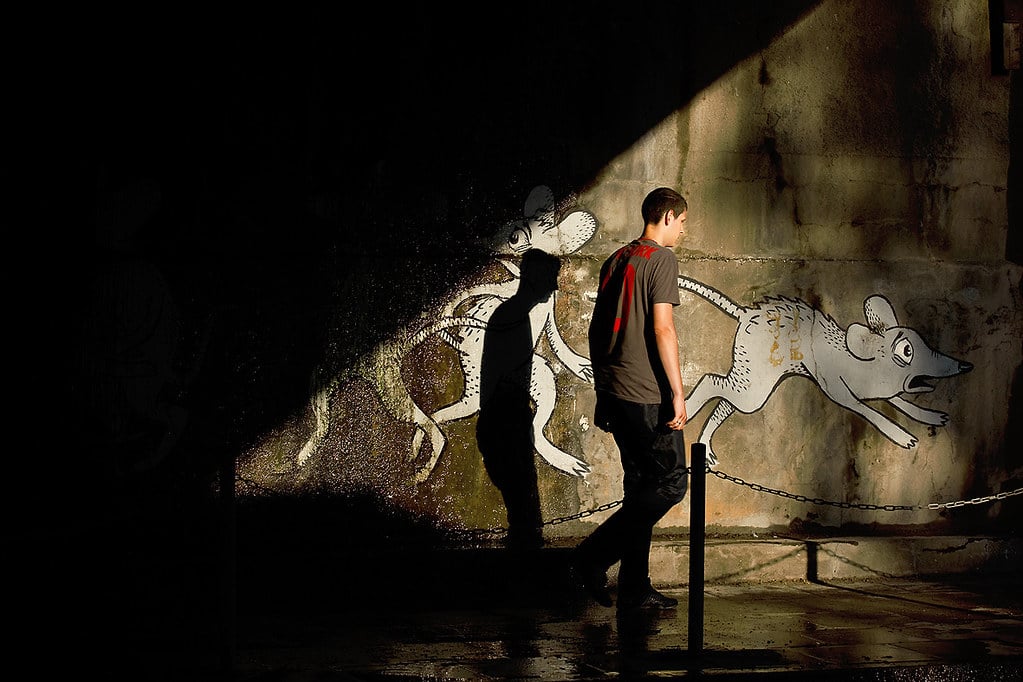
Cities in the 1800s were overrun with rats. Disease spread quickly, and something had to be done.
Rat catchers made their living hunting rodents in streets, sewers, and buildings. They carried cages, terrier dogs, and various traps.
Some rat catchers sold their catches to people who ran rat-baiting pits, where spectators bet on how quickly dogs could kill a pit full of rats. Others sold the rats to laboratories or used them to make rat poison.
The job required real skill. Rat catchers learned which techniques worked best in different environments.
They knew rat behavior, nesting patterns, and how to avoid getting bitten. Some became local celebrities, known for clearing out the worst infestations.
Groom of the Stool
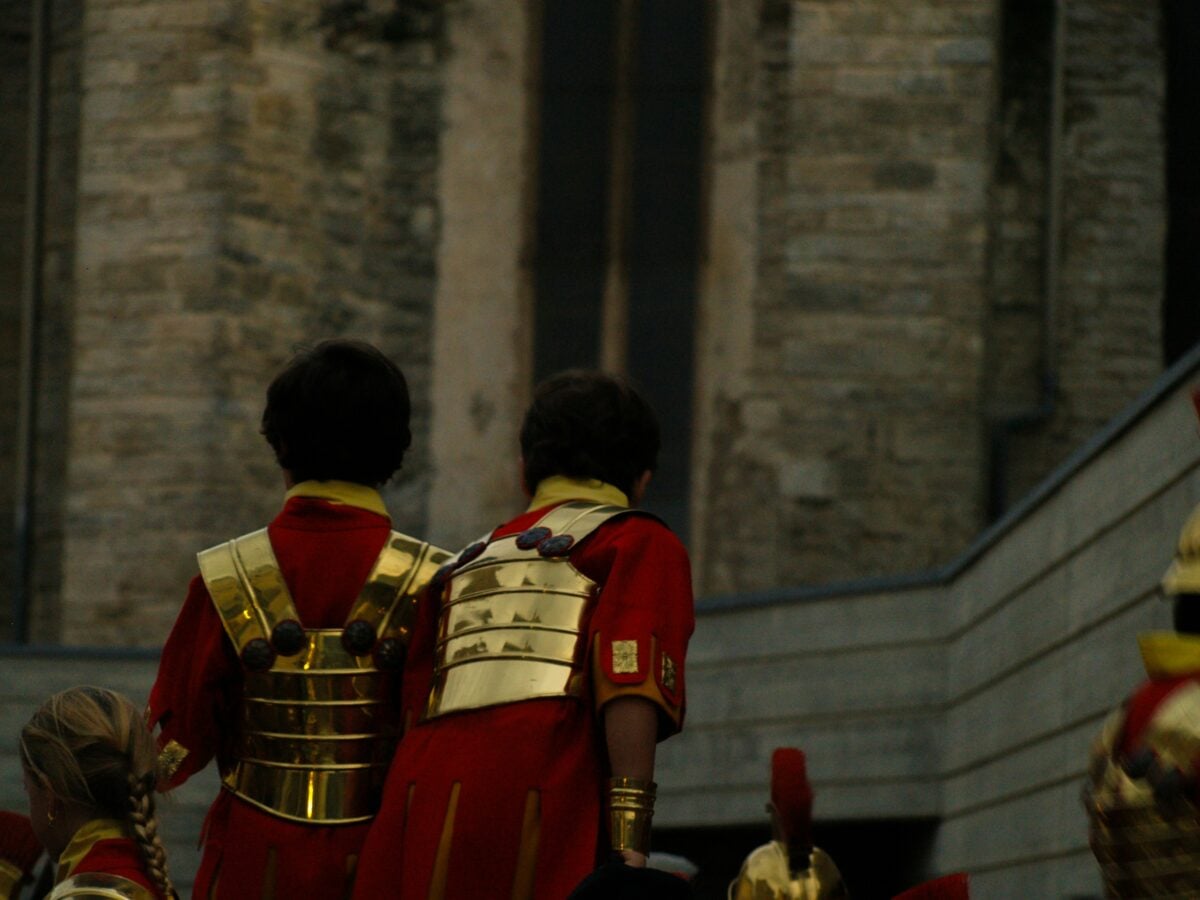
This job sounds disgusting because it was. The Groom of the Stool served English monarchs from the 1400s to the 1700s, and the primary duty involved assisting the king with bathroom activities.
Yes, really. But here’s the twist.
The position became one of the most powerful in the royal court. The Groom of the Stool spent private time with the king, which meant access and influence.
Many men who held this position went on to become key political advisors, nobles, and wealthy landowners. The job came with substantial pay and prestige.
Being responsible for the king’s most private moments meant being trusted completely. That trust translated to power in court politics and decision-making.
Leeches

No, not the blood-sucking worms. The people who collected them.
Medical practices in the 19th century relied heavily on leeches for bloodletting, which doctors believed could cure almost anything. Someone had to supply those leeches.
Leech collectors waded into ponds and marshes, letting the creatures attach to their bare legs. Once the leeches latched on, the collectors pulled them off and stored them in containers.
A good day meant dozens of leeches, sold to apothecaries and physicians. The work damaged their health.
Constant leech bites led to infections, weakness from blood loss, and exposure to waterborne diseases. But demand stayed high, and the pay was decent for someone without other options.
Resurrectionists

Medical schools needed cadavers for anatomy lessons, but legal sources were scarce. Enter the resurrectionists, also called body snatchers. They dug up freshly buried corpses and sold them to medical colleges.
The work happened at night in graveyards. Resurrectionists worked quickly, sometimes bribing gravediggers or watchmen.
They took only the body, leaving clothes and valuables in the grave to avoid charges of theft. Stealing a corpse wasn’t technically illegal in many places, but stealing belongings was.
Wealthy families started building elaborate security measures around graves. Iron cages called mortsafes protected burial sites. Some cemeteries hired armed guards.
The job became more dangerous as communities fought back, but the money was too good to stop.
Toad Doctors

Toad doctors claimed they could cure diseases by hanging dead toads around patients’ necks or placing live toads on infected areas. The practice was based on the belief that toads could absorb illnesses from the human body.
These practitioners traveled from village to village in medieval Europe, offering their services for various ailments. Some specialized in treating scrofula, a type of tuberculosis that affected the lymph nodes.
Others promised cures for skin conditions and fevers. The success rate was exactly what you’d expect.
But desperate people with limited medical options tried anything. Toad doctors made enough money to survive, and some built loyal followings in rural communities.
Pure Finders

Dog waste has never been a pleasant thing to encounter. But in the 1800s, it was valuable.
Pure finders collected dog feces from streets and sold it to tanneries, where it was used to soften leather. The collectors carried buckets and walked through neighborhoods, scraping up what they found.
The job ranked among the lowest in Victorian society. Pure finders were usually destitute women and children who had no other way to earn money.
Tanneries paid well for quality products, especially the white, calcified waste that worked best for treating leather. The smell was unbearable, and the social stigma was worse.
But it kept people alive when starvation was the alternative.
Powder Monkeys
Naval warfare in the age of sailing ships required constant ammunition delivery during battles. Powder monkeys were young boys, usually between 8 and 14 years old, who ran gunpowder from storage areas below deck to the gun crews above.
The job was incredibly dangerous. Ships caught fire easily.
Cannonballs tore through wooden hulls. Boys carrying explosive powder ran through combat zones where anything could ignite their cargo.
Many died in battle or from accidents. They were chosen because they were small, fast, and could navigate tight spaces on crowded warships.
The pay was minimal, but naval service offered meals and a career path. Some powder monkeys eventually became sailors and officers.
Flagellants for Hire
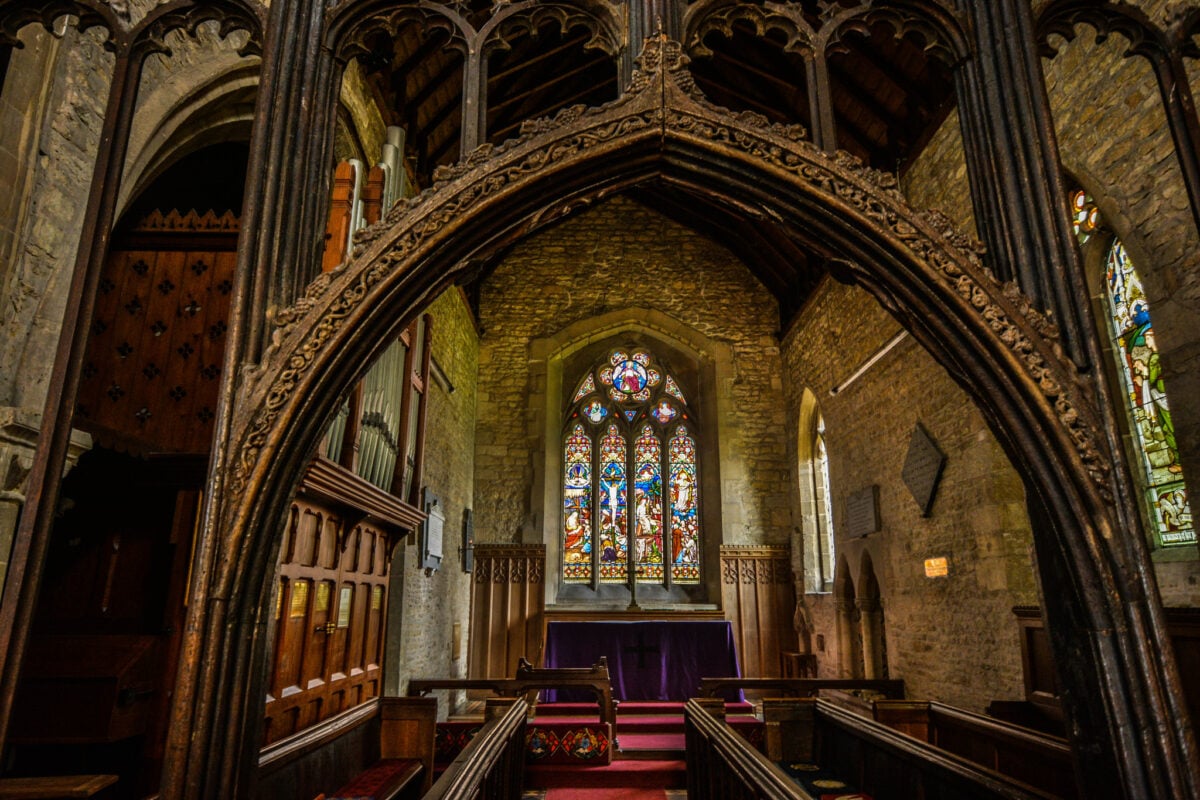
In medieval Europe, wealthy sinners who wanted to demonstrate penitence but didn’t want to endure physical punishment themselves could hire someone to take the beating for them. Professional flagellants accepted payment to be whipped on behalf of their clients.
Religious authorities offered mixed opinions on the practice. Some considered it a legitimate form of penance by proxy.
Others saw it as a way for the rich to avoid genuine suffering and spiritual growth. The job attracted desperate people willing to endure pain for money.
Rates varied based on the severity and duration of the whipping. Some flagellants worked for churches, while others operated independently.
Mudlarks

The Thames River in London was filthy, but it was also full of valuable items. Mudlarks waded through the toxic mud at low tide, searching for anything they could sell.
Coins, metal scraps, coal, rope, nails, and bones all had value. Most mudlarks were children or elderly people too poor for other work.
They worked in freezing water contaminated with industrial waste and sewage. The mud could trap them, and the rising tide was always a threat.
Some mudlarks developed expertise in knowing where valuable items tended to wash up. They knew which parts of the river bottom held the best finds.
The work was miserable, but it was work.
Pinsetter

Bowling alleys existed long before automatic pin-setting machines. Someone had to manually reset the pins after each throw and roll the orbs back to players.
Pinsetters, often young boys, sat in the pit at the end of the lane. The job was dangerous. Bowling orbs flew down the lane at high speeds.
Pinsetters had to be quick to avoid getting hit. Injuries were common, ranging from broken fingers to concussions.
The work was also tedious and poorly paid. Pinsetters worked long hours in smoky bowling alleys, resetting pins hundreds of times per shift.
The job disappeared almost overnight when automatic pinsetters were invented in the 1950s.
Whipping Boys

Young princes avoided beatings when they acted up – royal blood shielded them from pain. To fix this, a substitute took the lash – a kid from nobility trained beside the heir.
If the prince messed up, discipline fell on that companion instead. The idea?
The prince’d see his friend hurting, get guilt-tripped, then change how he acted. Once in a while – sure, it clicked.
Most times? Nah, flopped completely.
Whipping boys were picked from high-born families – this role gave them schooling plus access to the king or queen. Some later gained power at court instead of fading away.
Still, their early years involved constant punishment for errors they didn’t make.
The Echo of Lost Work
Stroll through a city today – you’ll never spot knocker-uppers, pure finders, or mudlarks. Not anymore.
Tech took over, rules shifted, priorities changed; those jobs vanished overnight. Yet their missing presence lingers – proof that work molds itself to what folks demand.
It’s been bizarre, risky, humiliating, sometimes plain weird. The jobs vanished, yet people still gotta find ways to get by.
Each odd gig used to feel right for whoever relied on it.
More from Go2Tutors!

- 16 Historical Figures Who Were Nothing Like You Think
- 12 Things Sold in the 80s That Are Now Illegal
- 15 VHS Tapes That Could Be Worth Thousands
- 17 Historical “What Ifs” That Would Have Changed Everything
- 18 TV Shows That Vanished Without a Finale
Like Go2Tutors’s content? Follow us on MSN.



