Pioneer Laundry Methods Compared to Modern Tech
Washing clothes used to be an all-day affair that demanded physical strength, careful timing, and more than a little patience. Today, you toss a load into a machine, add detergent, and walk away.
The transformation from washboard to washing machine represents one of the most dramatic shifts in domestic life, yet most people barely think about what came before the gentle hum of modern appliances.
Hand washing and scrub boards
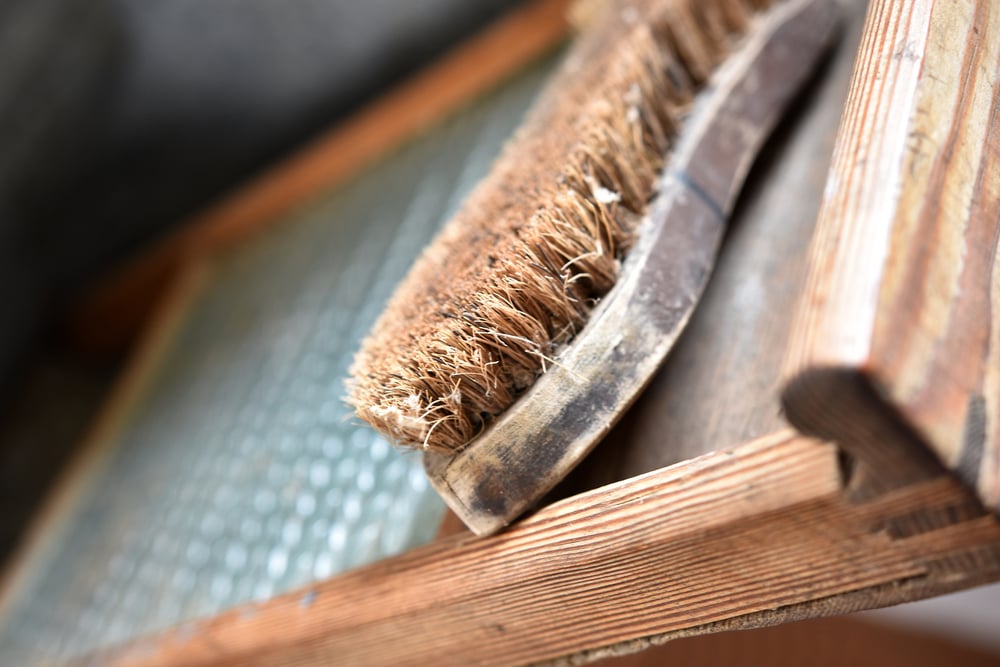
Hand washing meant commitment. No shortcuts, no gentle cycles.
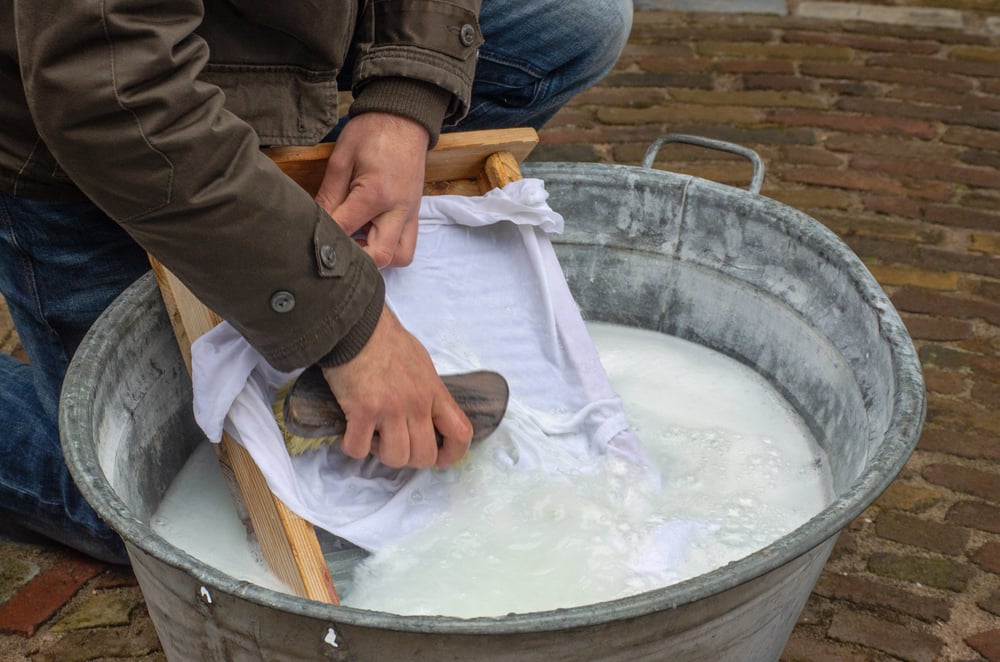
You filled a tub with water you’d heated yourself, dunked the clothes, and worked every stain by hand. The scrub board — that rigid metal surface mounted in a wooden frame — became your primary tool, and your knuckles paid the price.
Soap making from scratch
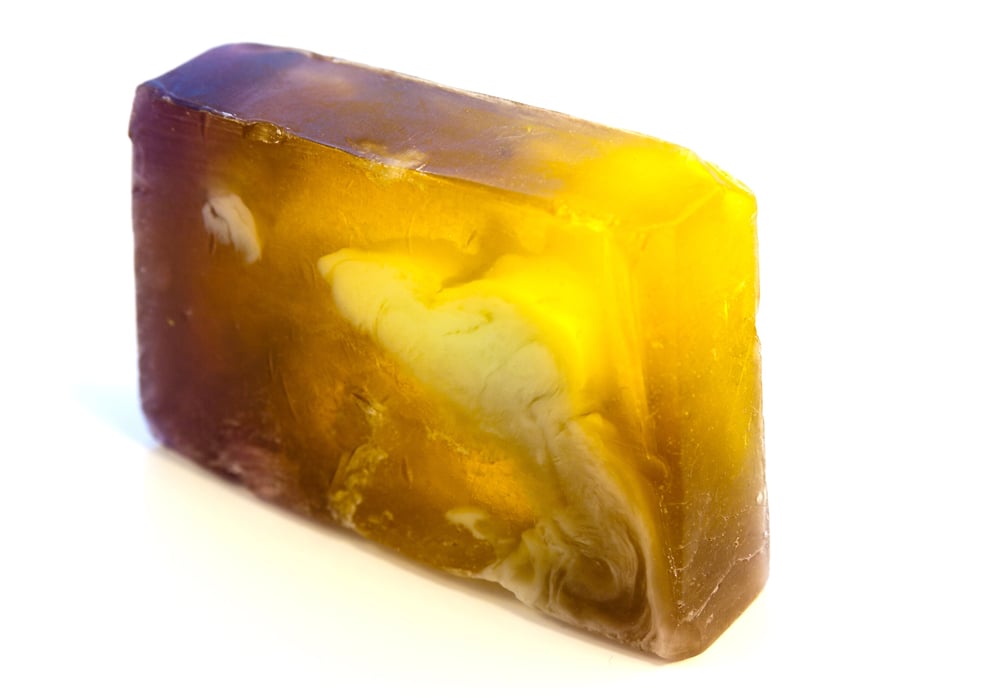
Pioneer families couldn’t run to the store for detergent, so they made their own soap using lye (derived from wood ash) and animal fat. The process was dangerous (lye could burn skin badly) and the timing had to be perfect, but it produced a harsh, effective soap that could tackle the kind of dirt that came from outdoor labor and limited clothing changes.
Modern detergents, by comparison, are chemical marvels engineered for specific stain types, fabric care, and even scent preferences — though they’ve lost that raw, no-nonsense effectiveness that came from knowing exactly what went into your cleaning agent.
Washday schedules
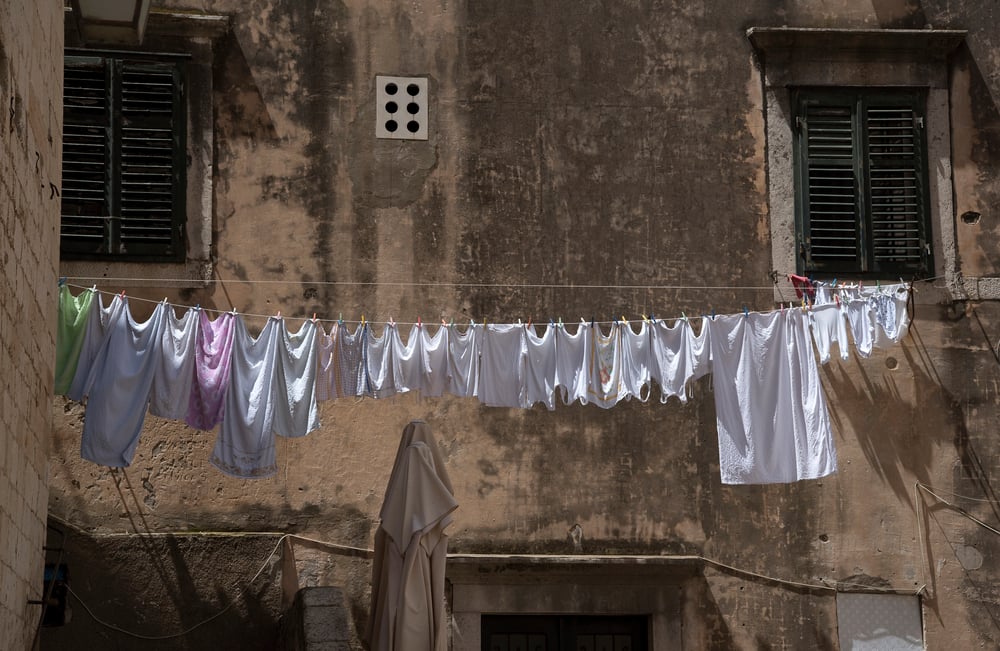
Monday was washday, and that wasn’t negotiable. The entire household revolved around this weekly marathon that could stretch from dawn to dusk.
Women (and it was almost always women) planned meals around the washday schedule, knowing they’d be tied to tubs and lines for hours. Weather dictated everything — rain meant wet clothes hanging indoors for days, turning homes into humid, soap-scented caves.
But here’s what’s interesting about those rigid schedules: they created a rhythm that modern convenience has completely erased, and maybe that’s not entirely good. There was something to be said for the way washday forced families to think ahead, to coordinate, to understand that cleanliness required genuine effort and couldn’t be taken for granted.
So when people today complain about doing laundry (which takes maybe twenty minutes of actual work), it’s worth remembering that your great-great-grandmother would have found that complaint pretty amusing.
Water heating and carrying
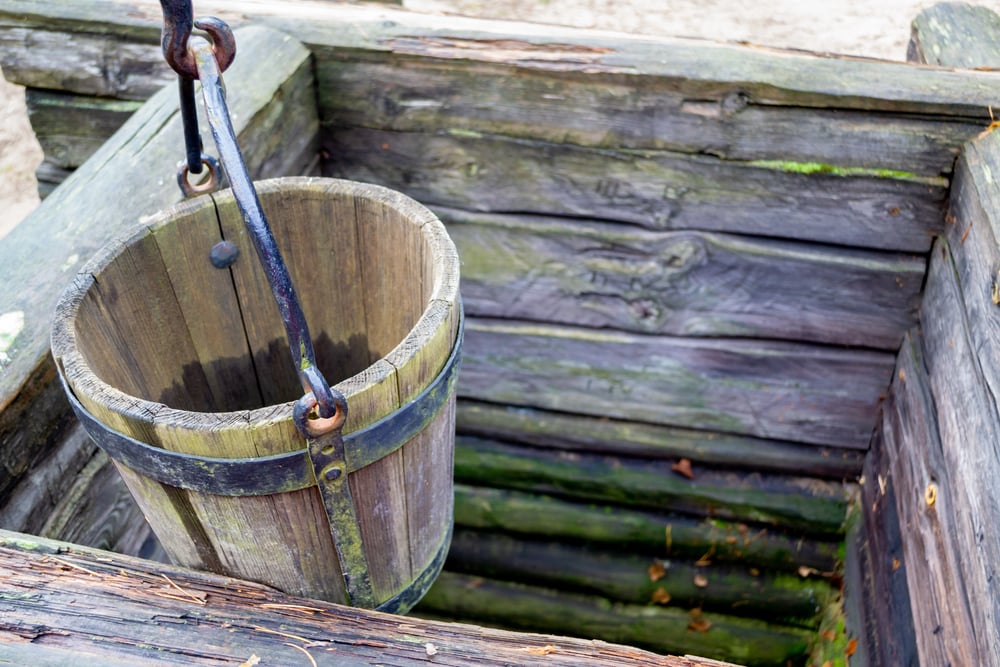
Water doesn’t heat itself, and it certainly doesn’t flow from a tap at the perfect temperature. Pioneer laundry began with hauling buckets from wells or streams, then heating them over wood fires — a process that could take hours depending on how much washing needed to be done.
The sheer physical labor involved meant that every drop mattered, every bucket was precious, and nothing got wasted. Modern washing machines use heated water on demand, with precise temperature controls that adjust automatically based on fabric type and soil level.
The machine handles water intake, heating, agitation, and drainage without any human intervention beyond pressing a button. It’s the difference between conducting an orchestra and listening to a recording.
Boiling and bleaching techniques
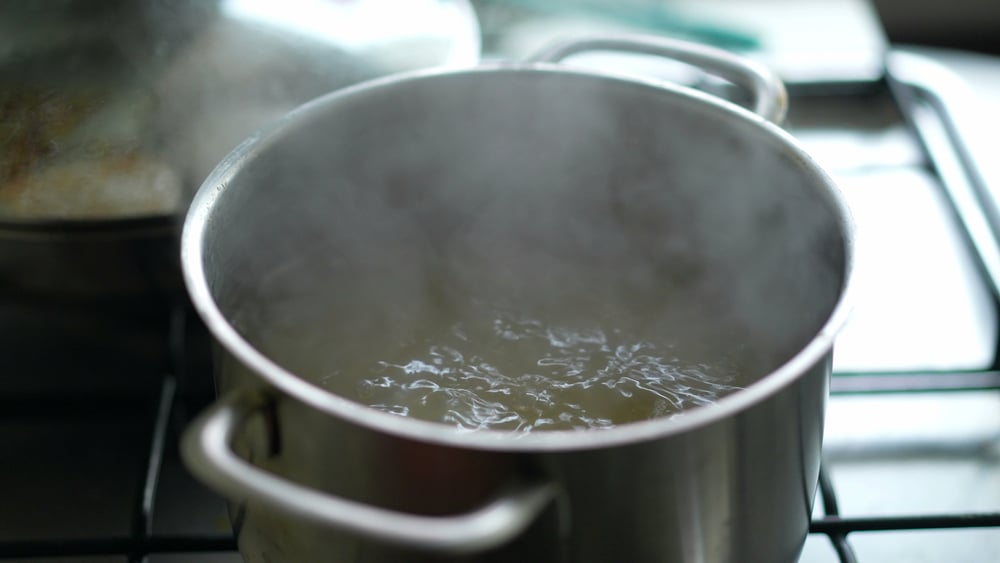
Stubborn stains and whites that had gone gray required boiling — literally cooking clothes in large pots over open fires. This wasn’t gentle treatment; it was textile warfare designed to destroy dirt and bacteria through sheer heat and agitation.
Bleaching happened through sun exposure, with wet whites spread across grass or bushes to catch maximum sunlight, a process that could take days but produced results that chemical bleaches struggle to match.
Wringing and drying methods
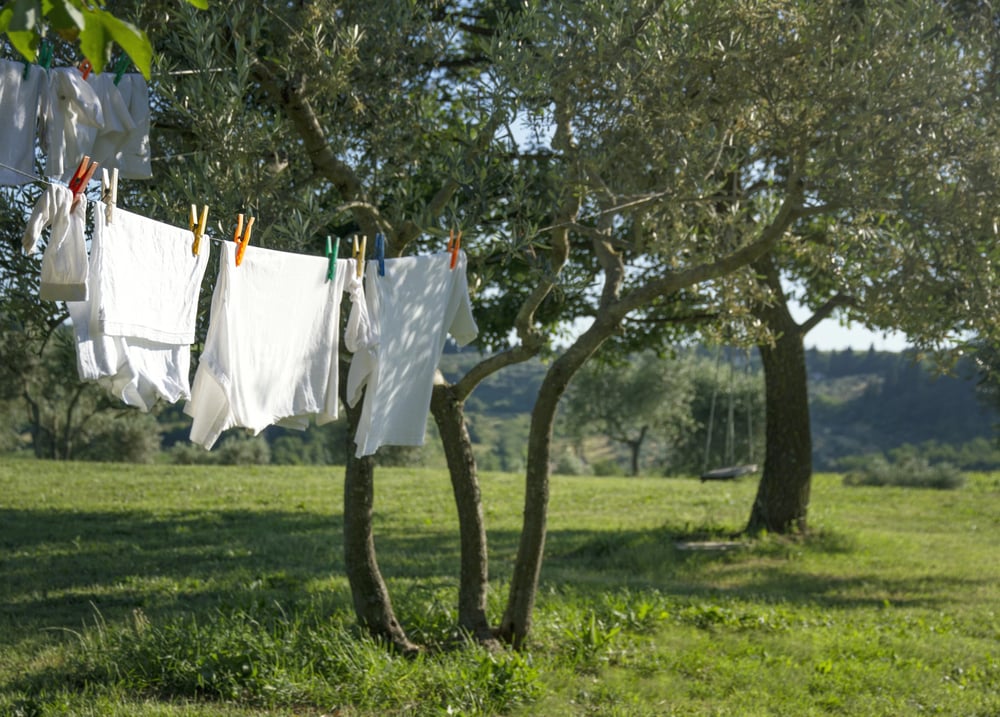
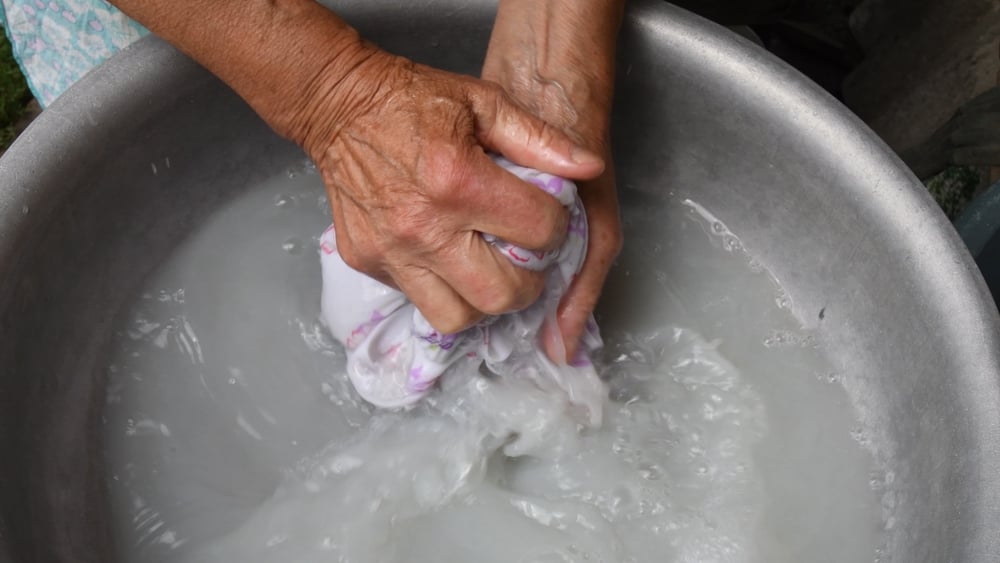
Wet clothes are heavy, and getting water out of them without mechanical help requires serious upper body strength. Pioneer women twisted and wrung each piece by hand, squeezing out as much water as possible before hanging items on lines or draping them over bushes and fences.
Winter presented particular challenges — clothes might freeze solid on the line, requiring careful timing to catch brief warming periods. The physical toll was real. Hands stayed red and cracked from constant exposure to harsh soap and water, and the repetitive motions of wringing and hanging left many women with chronic joint pain.
Modern spin cycles remove water through centrifugal force, extracting moisture far more effectively than human hands ever could while sparing the fabric from excessive twisting and stretching.
Ironing with heated metal
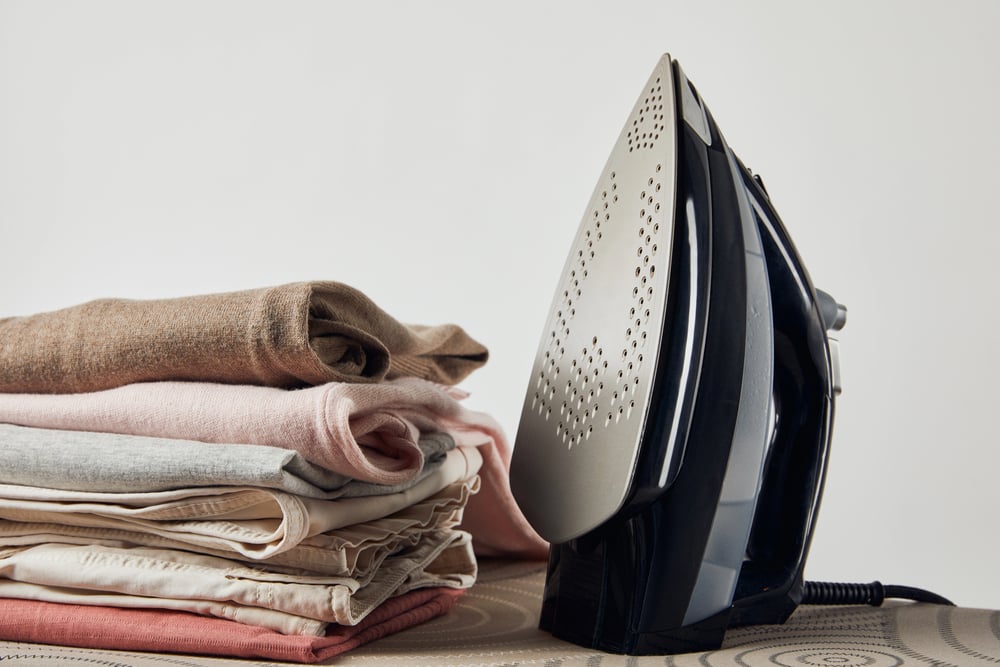
Smoothing wrinkles meant heating heavy iron blocks over fires and hoping they held their temperature long enough to finish a garment. The irons had to be hot enough to press out creases but not so hot they’d scorch the fabric — a balance that required experience and constant attention.
Multiple irons were essential since they cooled quickly, and burns were common occupational hazards. And yet there’s something almost meditative about the weight and purpose of those old irons, the way they demanded your full attention and rewarded skill with crisp, precise results.
Modern steam irons are undeniably more convenient and safer, but they’ve also made the process so effortless that it’s lost the satisfying sense of craft that came with mastering a genuinely difficult tool.
Starch preparation and application
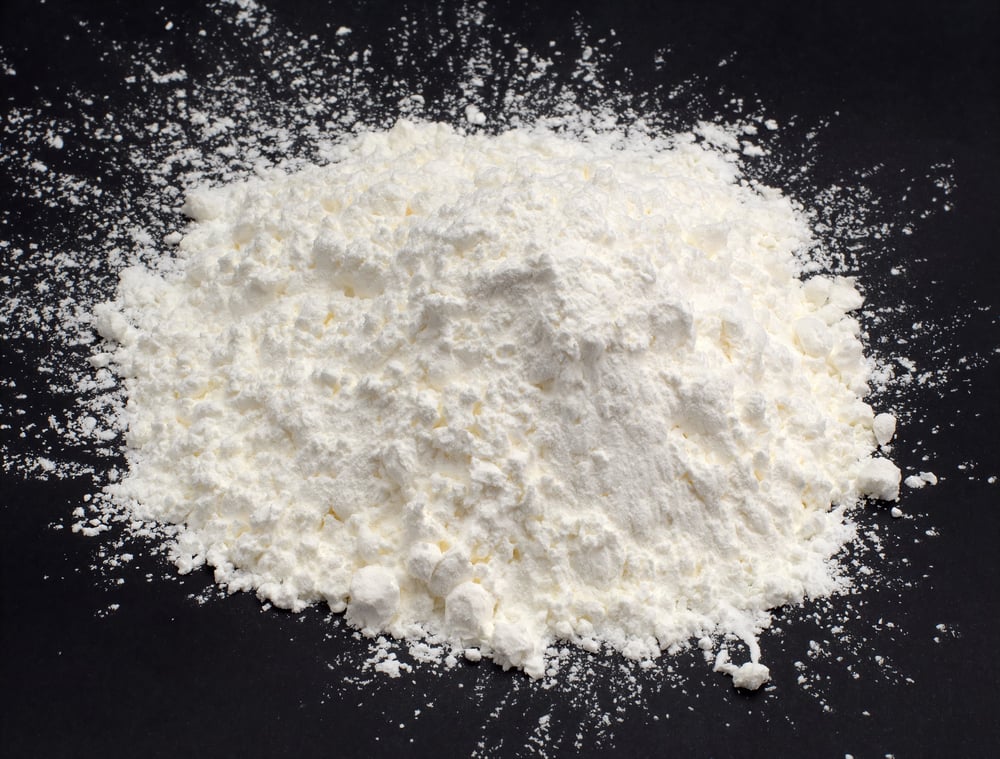
Stiffening collars and cuffs required making starch from scratch, usually by boiling down potatoes or corn until they released their natural thickeners. The mixture had to be the right consistency — too thick and it would flake off, too thin and it wouldn’t provide enough stiffening.
Clothes were dipped in the starch solution, then carefully shaped while drying to achieve the desired crispness. Commercial starch sprays today deliver consistent results with minimal effort, but they’ve also contributed to the decline of clothing that actually holds its shape.
There’s a reason vintage photographs show people whose collars stayed put and whose shirts maintained clean lines throughout the day — they understood that appearance required preparation, not just convenience.
Seasonal washing variations
Winter laundry was a gamble against weather and frozen water sources. Summer brought different challenges — intense heat made the physical labor more exhausting, but clothes dried quickly and completely.
Spring offered the best conditions, with mild temperatures and longer daylight hours, while fall required rushing to get clothes washed and dried before winter set in. These seasonal rhythms shaped how people thought about clothing and cleanliness.
Garments were worn longer between washings in winter, and families planned clothing purchases around the washing challenges each season would bring. Modern climate-controlled homes and heated water supplies have eliminated these considerations entirely, allowing year-round laundry routines that our ancestors would have envied.
Fabric care knowledge
Pioneer women developed an encyclopedic knowledge of how different fabrics responded to washing, which materials could withstand boiling, and what treatments would extend a garment’s life. This wasn’t academic knowledge — it was economic survival, since replacing clothing was expensive and time-consuming.
They understood fiber properties intuitively, knowing that wool required different handling than cotton, and that silk demanded careful temperature control. Modern care labels and washing machine settings have replaced this hands-on expertise, making laundry more accessible but also more detached.
The result is that most people today know very little about the clothes they wear or how to properly maintain them, leading to shorter garment lifespans despite having superior tools for care.
Community washing practices

Laundry often became a social activity, with women gathering at streams or shared washing facilities to work together and share the physical burden. These washing bees provided opportunities for conversation, advice-sharing, and mutual support during what was otherwise isolating domestic work.
The community aspect helped offset some of the drudgery while creating informal networks of knowledge and assistance. But these gatherings served practical purposes too: multiple families could share the work of hauling and heating water, and experienced washers could teach techniques to newcomers.
The social element wasn’t just pleasant company — it was an essential part of maintaining household skills and community bonds that modern individual washing has largely eliminated.
Cost and resource management

Every aspect of pioneer laundry carried costs that had to be carefully managed. Soap ingredients were precious, fuel for heating water was limited, and time spent washing meant time away from other essential tasks like cooking, gardening, or child care.
Families developed strategies for maximizing efficiency — washing similar items together, reusing wash water for multiple loads, and timing laundry around other household activities that generated heat or hot water. This resource consciousness created habits that seem almost foreign today: wearing clothes until they were genuinely dirty rather than after a single use, spot-cleaning stains instead of washing entire garments, and prioritizing which items truly needed the full washing treatment.
Modern abundance has made these considerations seem quaint, but they reflect a more thoughtful relationship with both clothing and the resources required to maintain it.
What endures beyond convenience
The gap between then and now isn’t just technological — it’s philosophical. Pioneer laundry required planning, physical strength, and intimate knowledge of materials and processes.
Modern laundry requires working buttons and remembering to move clothes from washer to dryer. The convenience is undeniable, but something valuable got lost in that transition: the understanding that cleanliness has a cost, that maintenance requires skill, and that the mundane work of daily life connects us to larger rhythms of season, community, and resource management that convenience alone can never quite replace.
More from Go2Tutors!

- The Romanov Crown Jewels and Their Tragic Fate
- 13 Historical Mysteries That Science Still Can’t Solve
- Famous Hoaxes That Fooled the World for Years
- 15 Child Stars with Tragic Adult Lives
- 16 Famous Jewelry Pieces in History
Like Go2Tutors’s content? Follow us on MSN.