18 Viral Swimming Records That Stunned Fans
Swimming has always been about pushing human limits, but some performances defy belief entirely. When athletes shatter long-standing records or achieve seemingly impossible feats, the swimming world stops to watch. Here are 18 viral swimming records that left fans speechless and changed the sport forever.
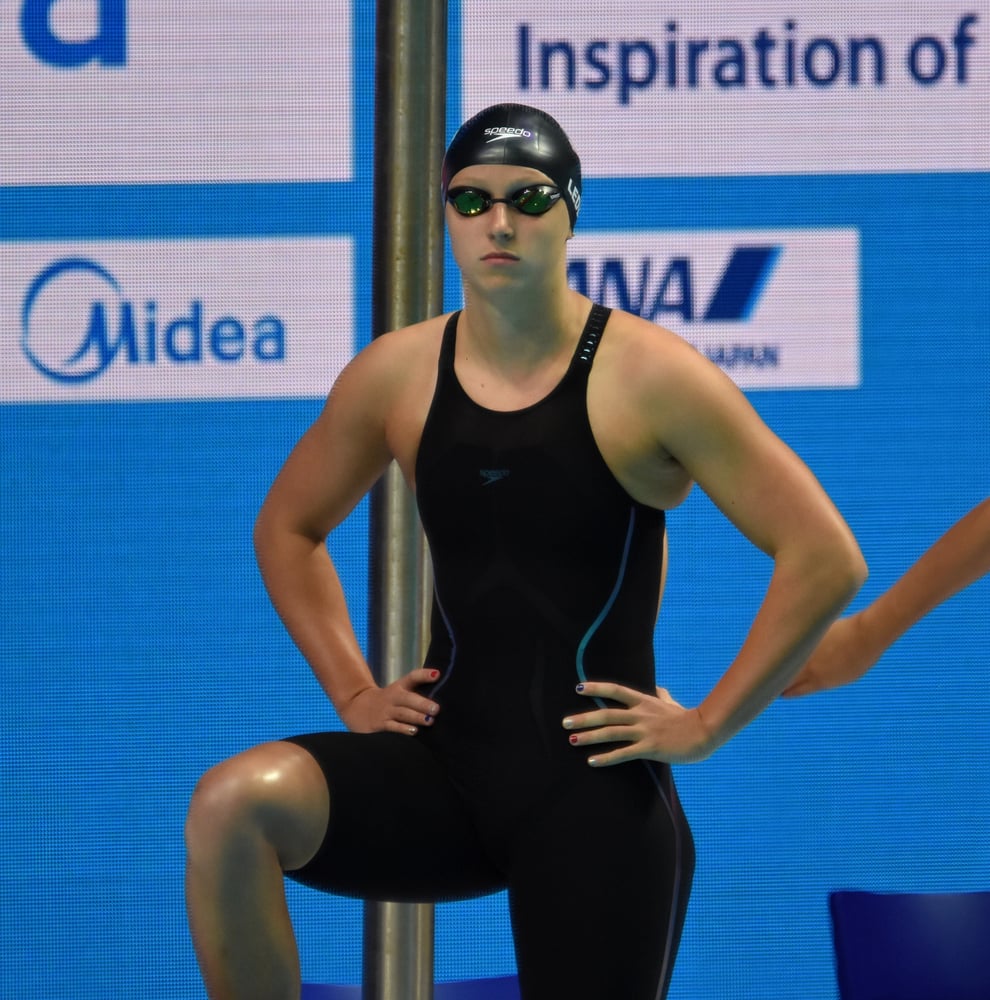
Katie Ledecky’s 1500m Freestyle Dominance
— Photo by katacarix
Ledecky didn’t just win the 1500m freestyle at major competitions. She obliterated the field by margins that seemed almost unfair to other swimmers.
Her world record of 15:20.48 stands as one of the most untouchable marks in swimming. The gap between her and second place often exceeded what separates second from eighth in most races.
Caeleb Dressel’s 50m Butterfly Lightning
— Photo by katacarix
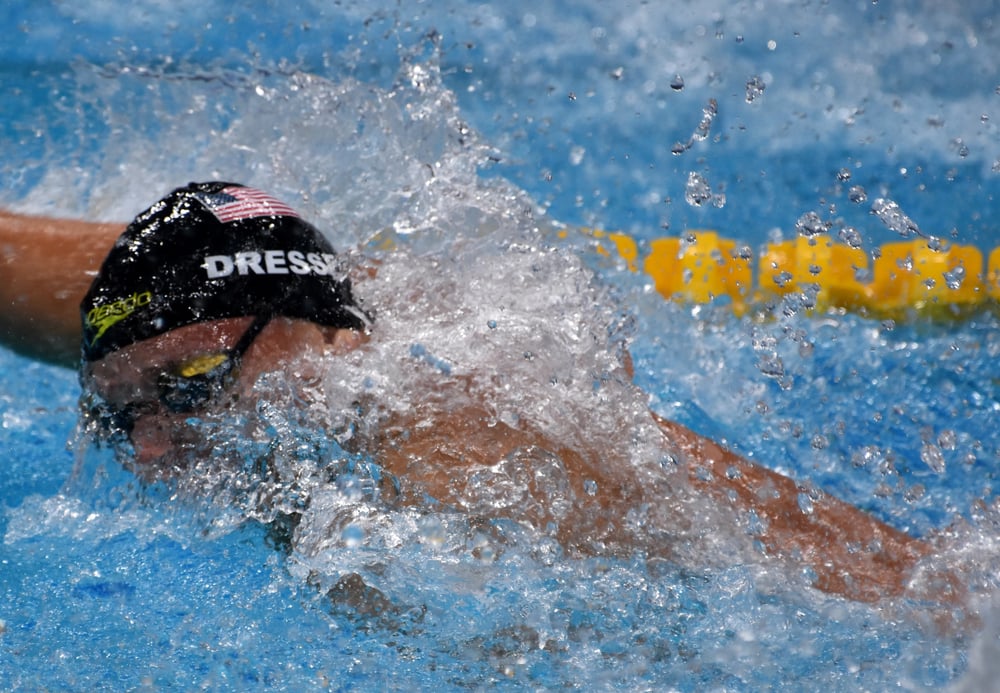
Pure speed incarnate. Dressel’s 21.75 world record in the 50m butterfly showcased explosive power that few humans possess.
The race lasts barely 20 seconds, yet every hundredth matters. His stroke rate and underwater dolphin kicks created a technique blueprint that coaches still analyze frame by frame.
Adam Peaty’s Breaststroke Revolution
— Photo by katacarix
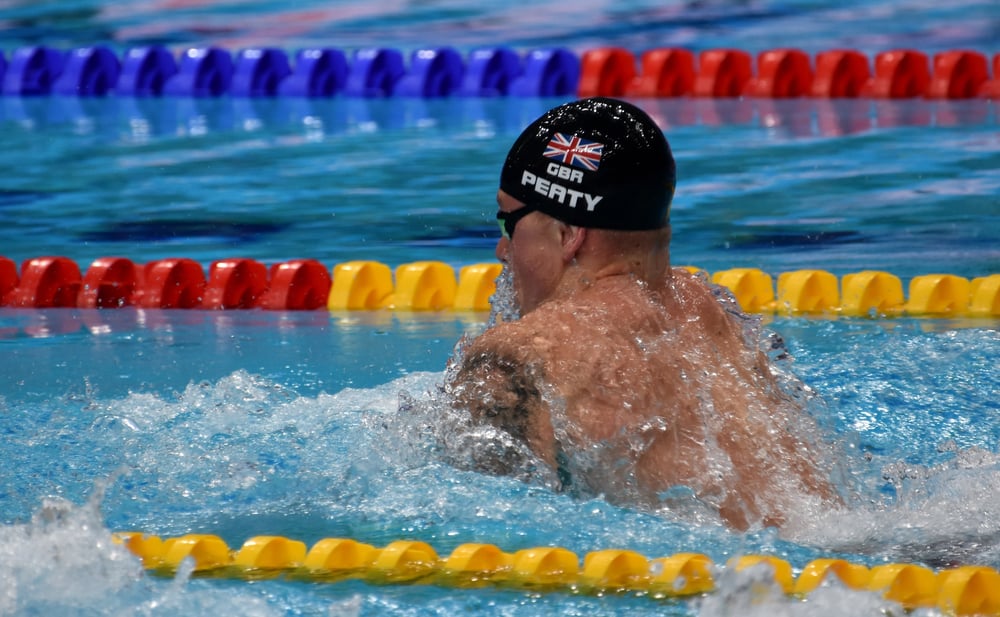
Peaty transformed breaststroke from the slowest stroke to an event of raw power. His 56.88 in the 100m breaststroke shattered previous conceptions of what was possible.
And he did it with a stroke technique that emphasized strength over traditional gliding efficiency. Sometimes the old textbooks need rewriting.
Sarah Sjöström’s Butterfly Mastery
— Photo by katacarix
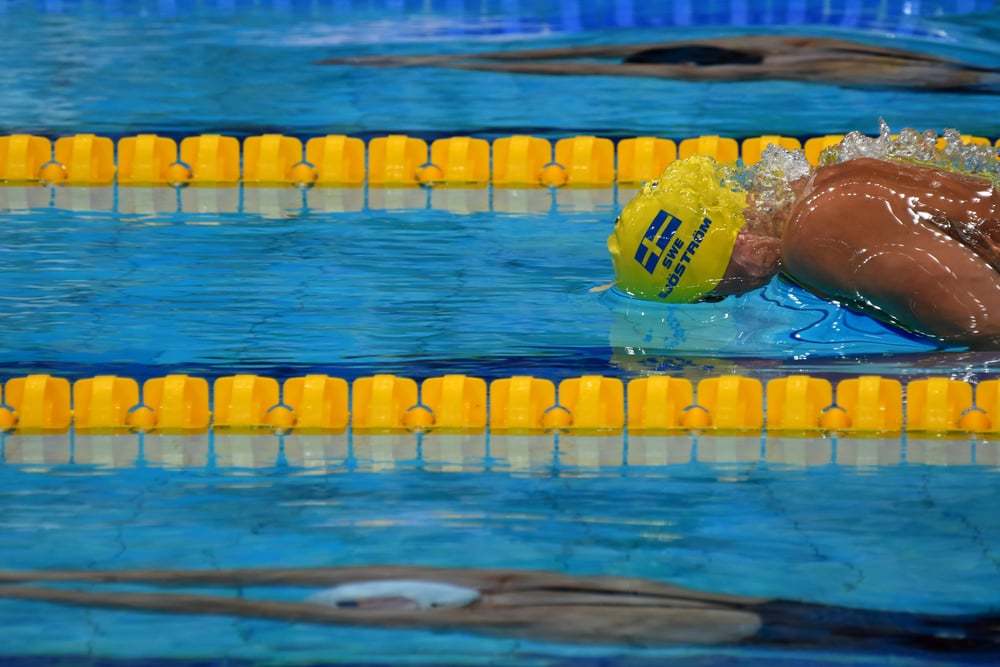
The Swedish speedster made butterfly look effortless while setting multiple world records. Her 55.48 in the 100m butterfly combined technical precision with devastating finishing speed.
Sjöström’s ability to maintain stroke length while increasing tempo set her apart from competitors who typically sacrificed one for the other.
Ryan Murphy’s Backstroke Perfection
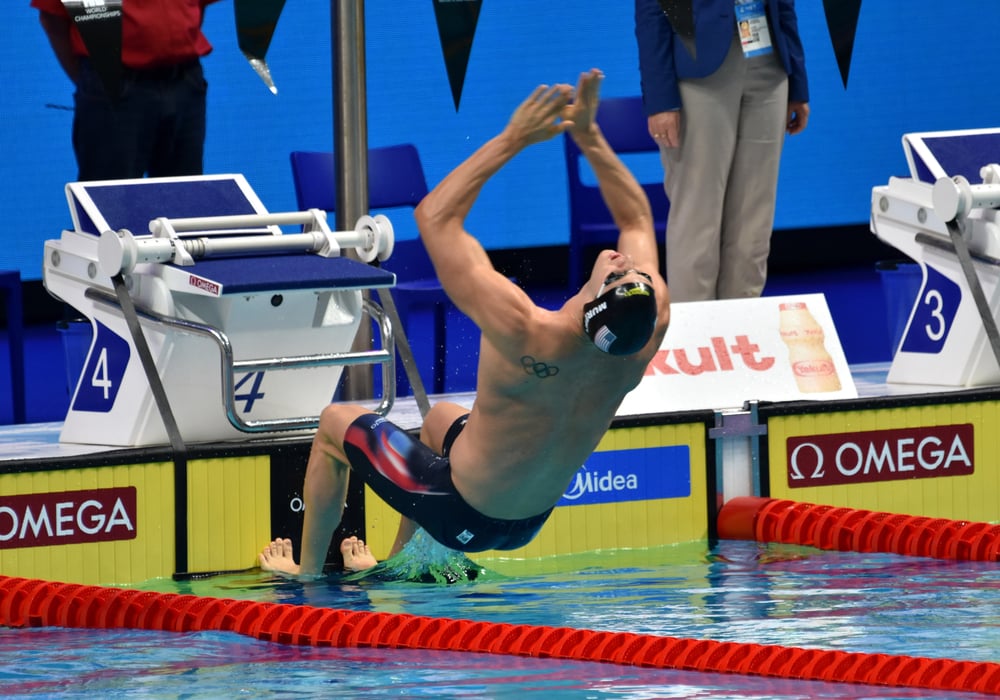
— Photo by katacarix
Murphy’s backstroke technique approached mechanical perfection. His world records in both 100m and 200m backstroke demonstrated consistency that bordered on robotic precision.
But backstroke isn’t just about technique. The mental challenge of swimming blind, trusting stroke count and pool markers, adds psychological pressure that Murphy handled masterfully.
Regan Smith’s Record-Breaking Relay Split
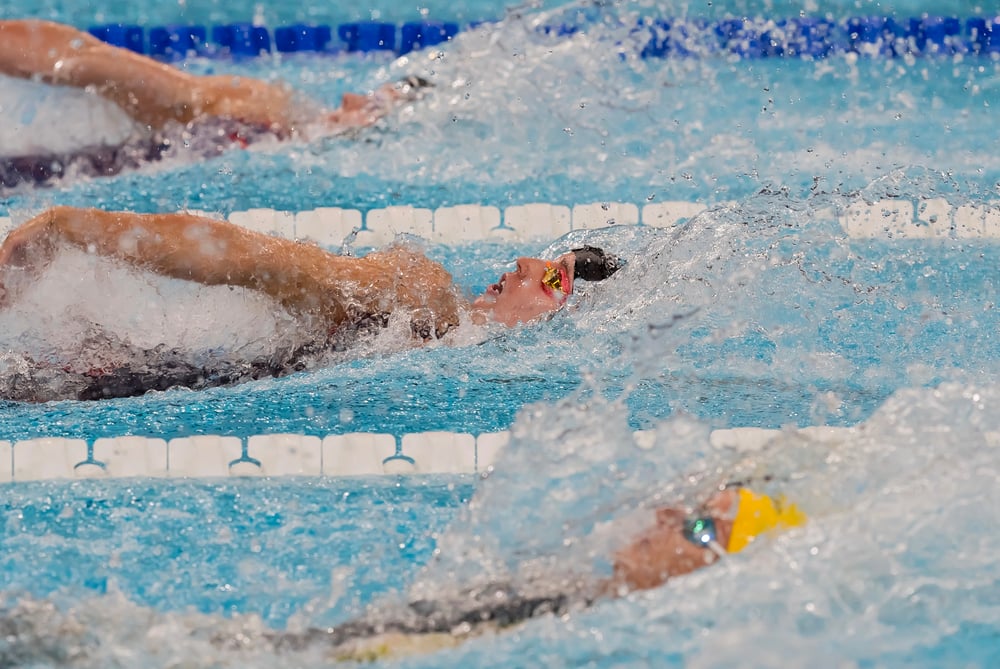
— Photo by actionsports
Smith’s 56.96 backstroke split during a relay broke the individual world record without even swimming an individual race. The relay atmosphere somehow unlocked another level of performance.
Relay splits often produce faster times than individual swims due to:
- Flying starts instead of stationary starts
- Team energy and momentum
- Reduced pre-race pressure
- Strategic race positioning
Bobby Finke’s Distance Revolution
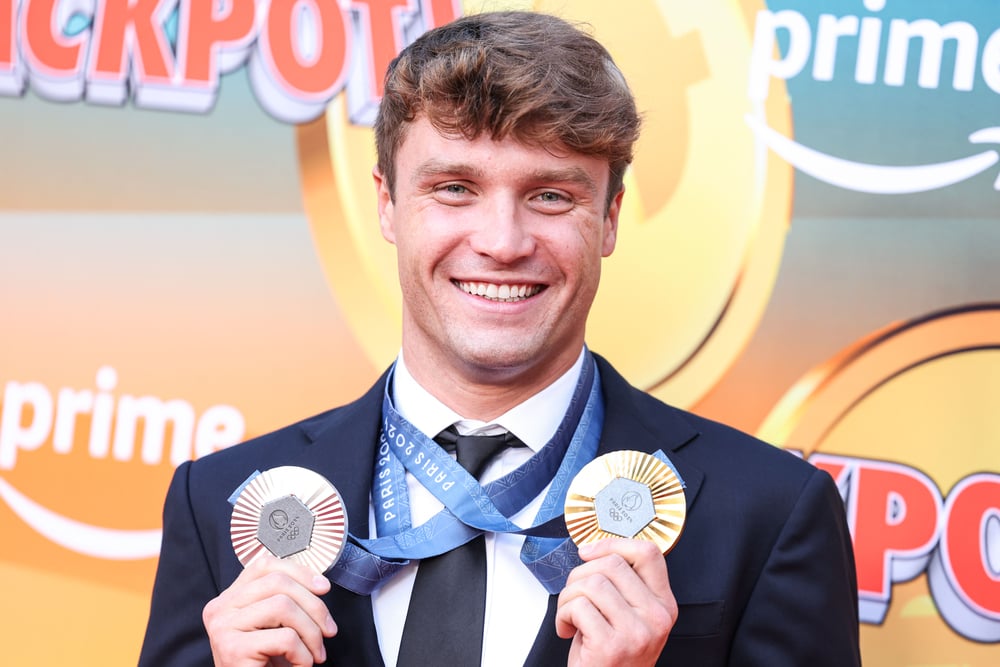
Finke brought middle-distance tactics to traditional distance events. His negative splitting strategy in the 1500m freestyle challenged conventional pacing wisdom.
Going out conservatively and finishing with devastating speed flipped distance swimming strategy. Not everyone agreed with the approach initially.
Lilly King’s Breaststroke Wars
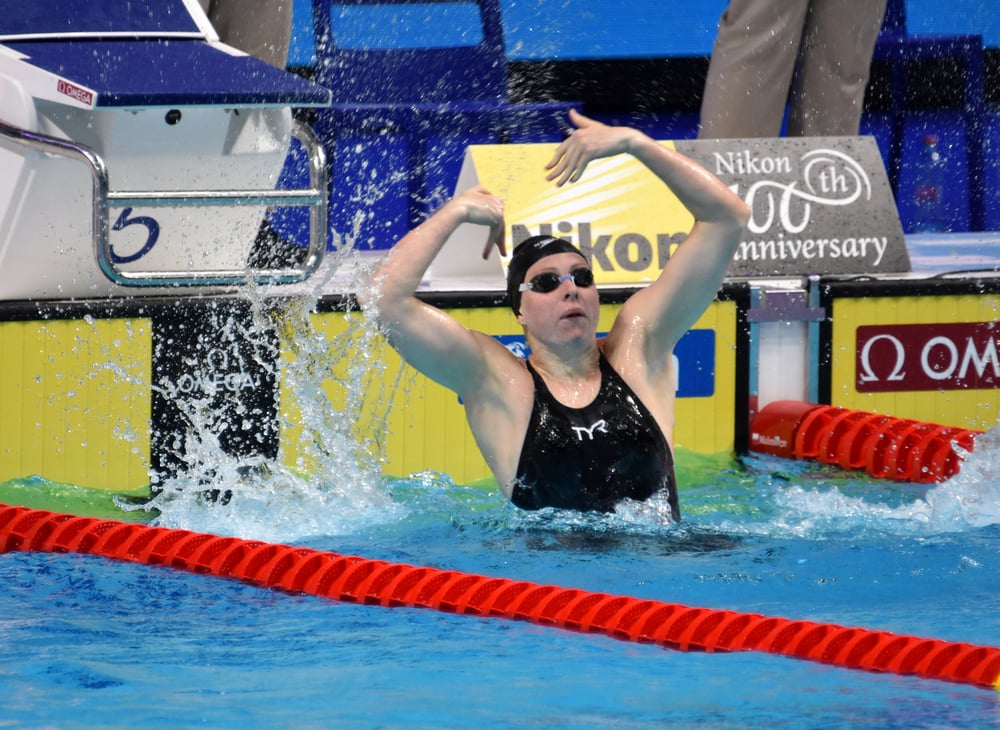
— Photo by katacarix
King’s rivalry-fueled performances elevated women’s breaststroke to new heights. Her 1:04.13 in the 100m breaststroke came during peak competitive tension with international rivals.
Sometimes external motivation produces internal breakthroughs. The pool deck energy that day was electric enough to power the arena lights.
Kristof Milak’s Butterfly Explosion
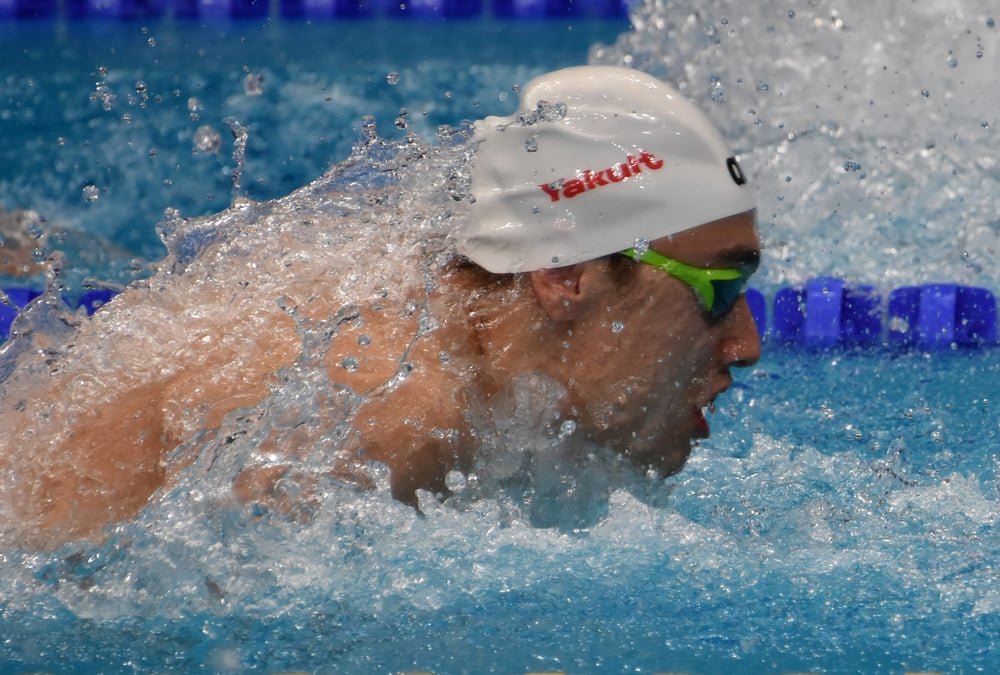
— Photo by katacarix
Milak’s 200m butterfly world record of 1:50.73 broke Michael Phelps’ seemingly unbreakable mark. The Hungarian swimmer combined Phelps’ race strategy with his own devastating speed.
Still, breaking a Phelps record carries psychological weight that extends beyond the time itself.
Kate Douglass’s Individual Medley Surge
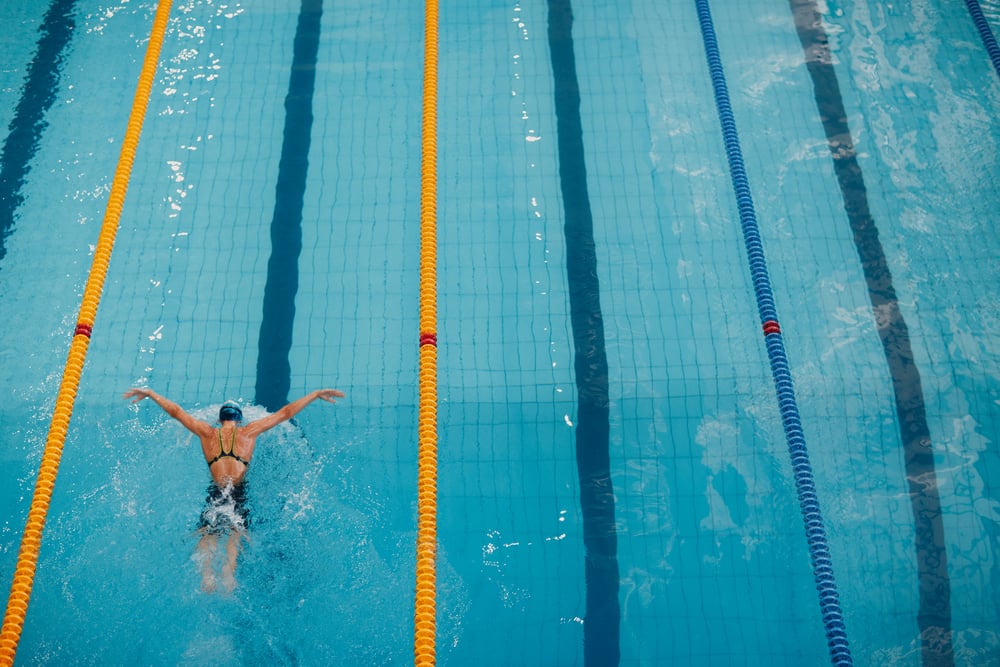
Douglass emerged as a versatile threat across multiple events, but her individual medley performances showcased complete swimming mastery. Four strokes, one race, no weaknesses.
Her ability to excel in completely different stroke techniques within a single race highlighted rare athletic versatility.
David Popovici’s Freestyle Phenomenon
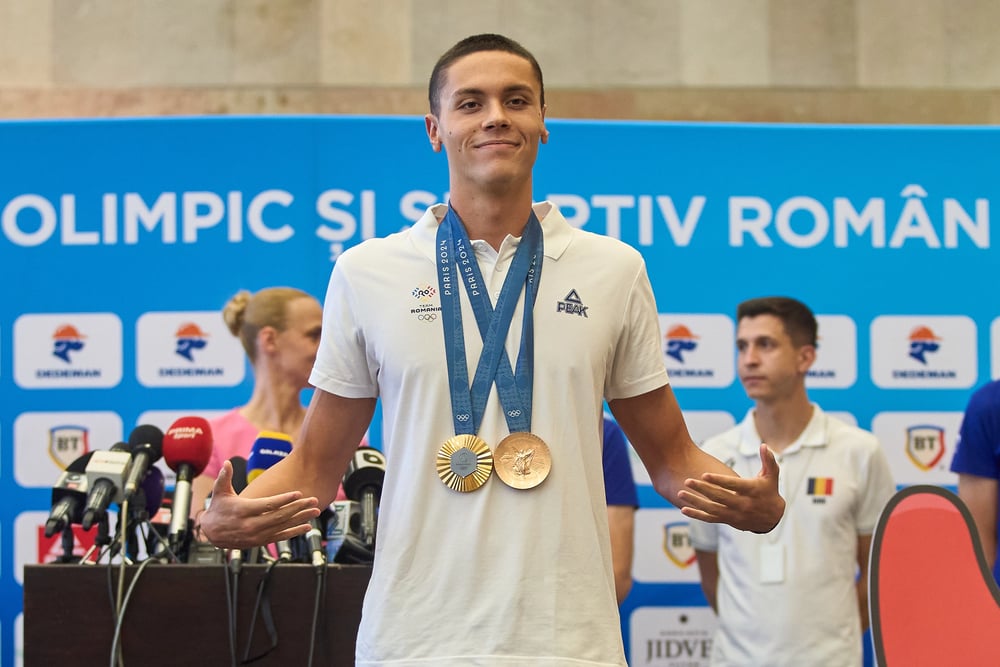
— Photo by llcv
The Romanian teenager burst onto the scene with freestyle times that seasoned veterans envied. His 200m freestyle world record demonstrated that age means nothing when talent meets opportunity.
Popovici’s stroke efficiency at such a young age suggested years of technical refinement ahead. Scary thought for his competition.
Summer McIntosh’s Multi-Event Excellence
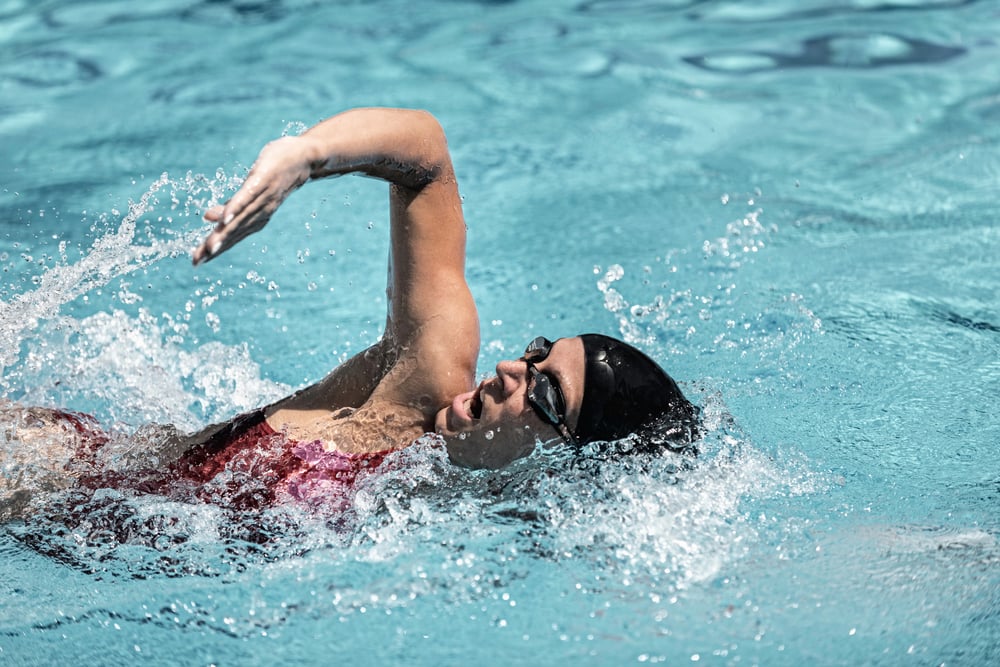
McIntosh collected world records across different distances and strokes while still in her teens. Her 400m individual medley performances particularly stunned swimming analysts.
And she made it look routine. The casual way she approached record-breaking swims suggested an athlete operating on a different competitive level entirely.
Pan Zhanle’s Sprint Breakthrough
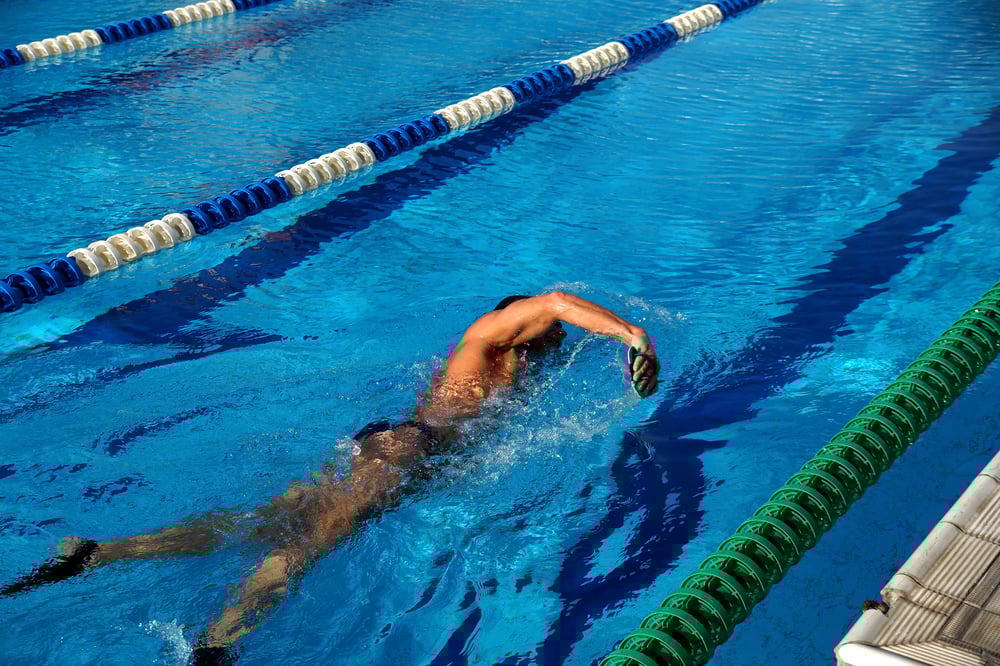
Pan’s emergence in sprint freestyle events brought new international competition dynamics to the sport. His 100m freestyle performances shifted global sprint hierarchies almost overnight.
The technical adjustments he made between seasons demonstrated rapid adaptation capabilities that coaches found remarkable.
Mollie O’Callaghan’s Freestyle Flexibility
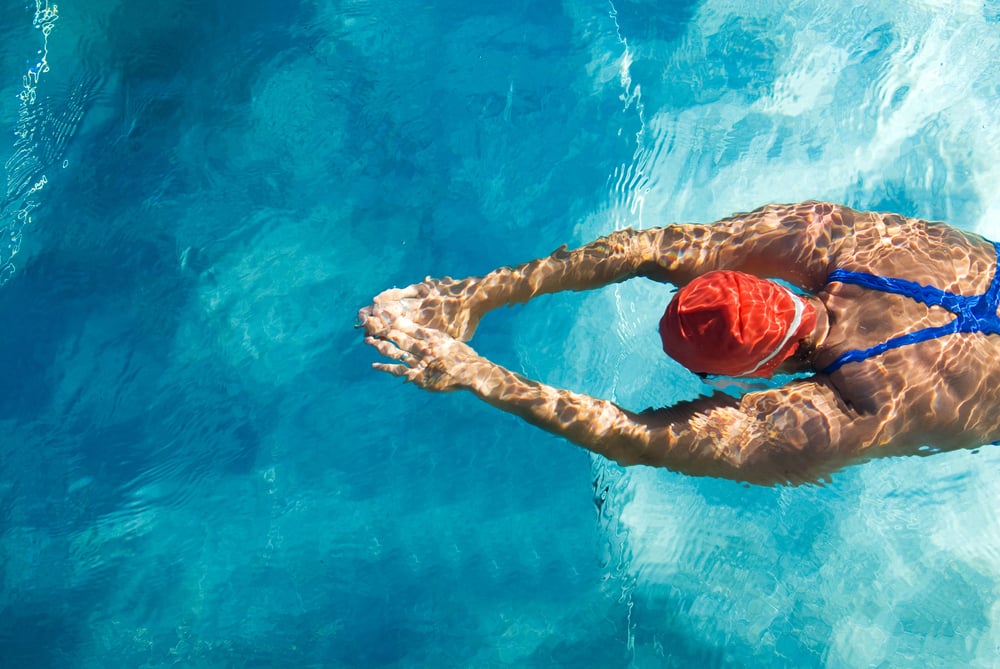
O’Callaghan proved equally dangerous in 100m and 200m freestyle events, a rare combination in modern swimming specialization. Her range challenged traditional training philosophy.
Most swimmers pick a distance and optimize everything around it. O’Callaghan succeeded by refusing to choose.
Leon Marchand’s Home Pool Magic
Marchand’s performances at the Paris Olympics, swimming in front of home crowds, produced times that even he seemed surprised by afterward. The crowd noise was measurable on audio equipment.
Individual medley events typically favor consistent, technical swimmers over pure speedsters. Marchand somehow managed to be both.
Ahmed Hafnaoui’s Olympic Shock
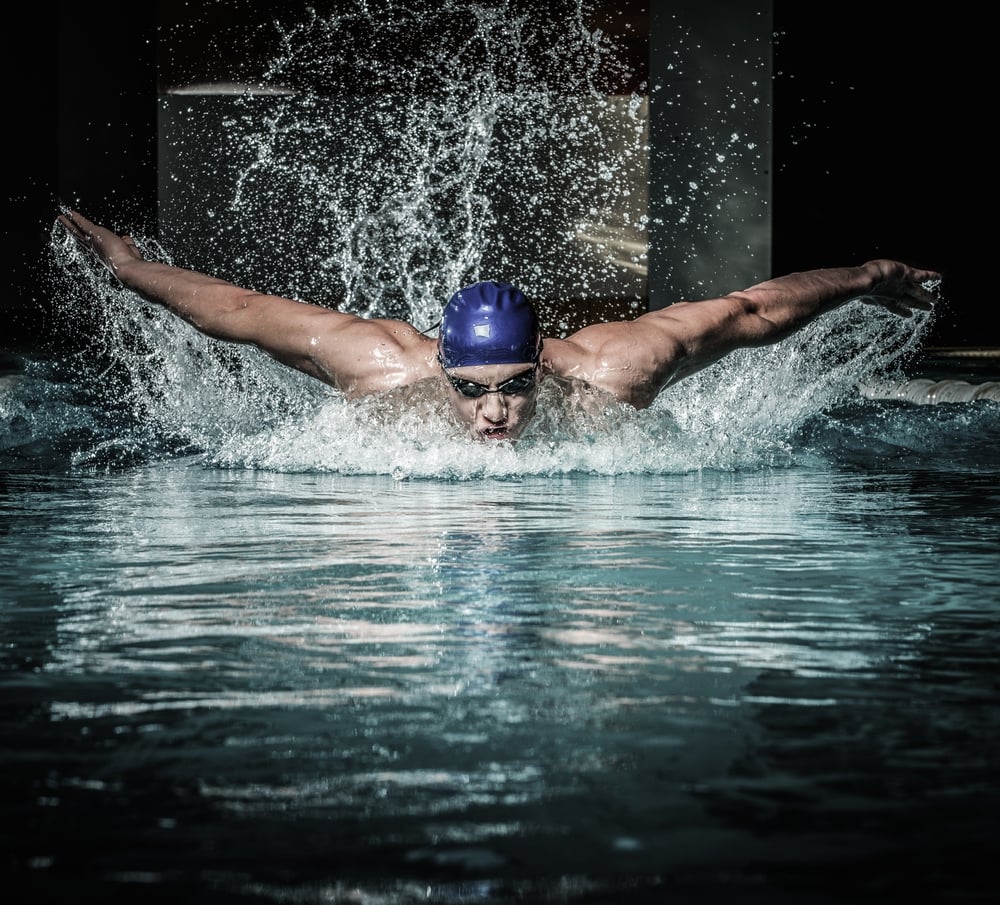
Swimming from lane eight, Hafnaoui produced one of the most unexpected victories in Olympic swimming history. His 1500m freestyle gold came from the worst qualifying position.
Lane assignments matter less in distance events, but psychological factors still play significant roles in race outcomes.
Torri Huske’s Butterfly Breakthrough
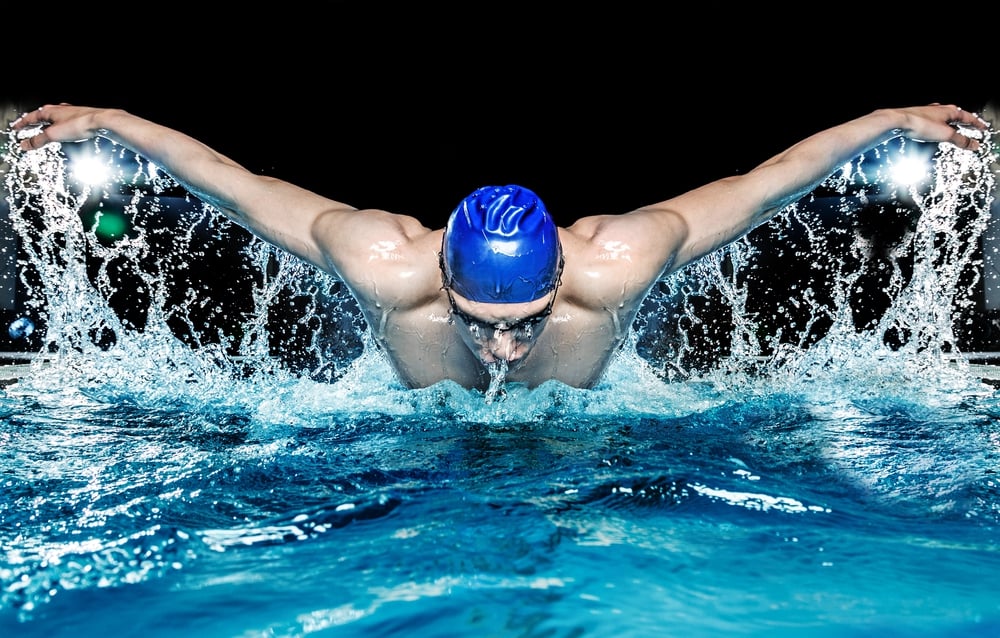
Huske’s butterfly technique refinements led to dramatic time drops that coincided with major championship success. Her 100m butterfly swims showcased years of technical development finally clicking.
Sometimes breakthrough performances result from tiny adjustments rather than revolutionary changes.
Claire Curzan’s Backstroke Precision
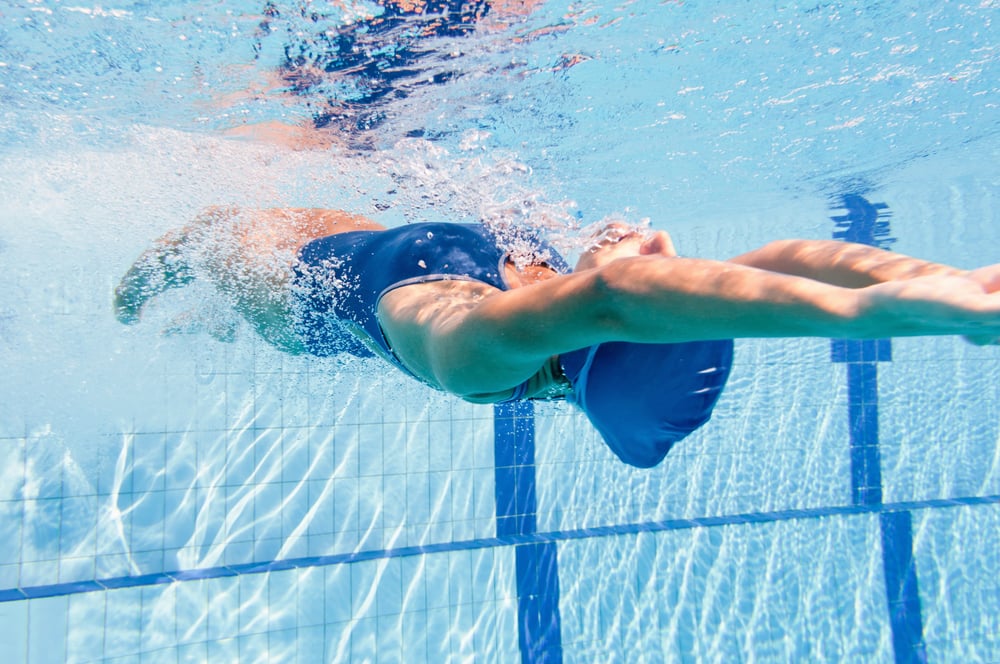
Curzan’s backstroke world records demonstrated that technical perfection could overcome raw power in certain events. Her stroke mechanics became teaching tools for age group coaches worldwide.
Records That Rewrite History
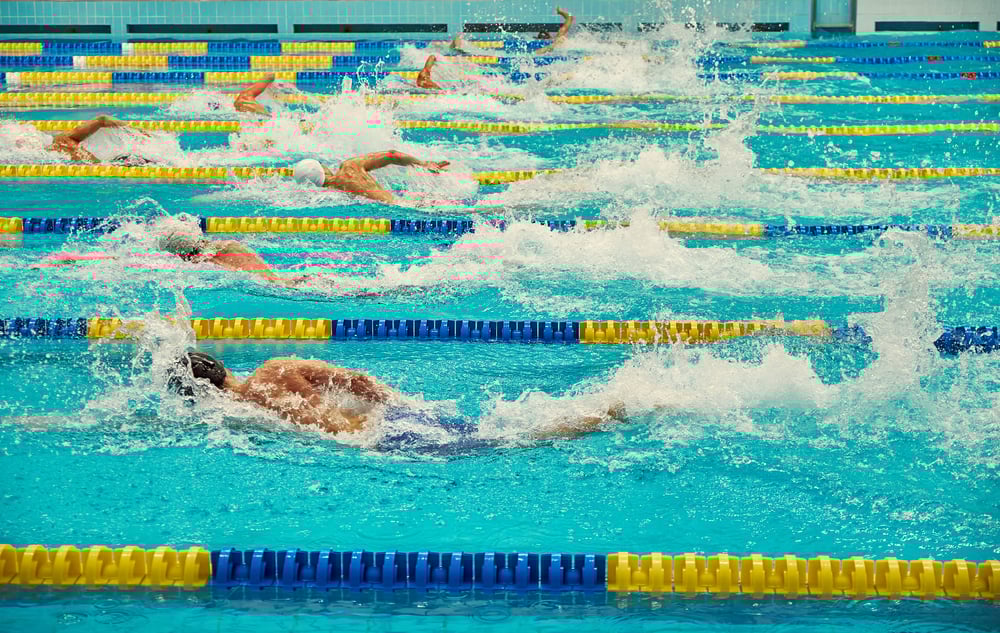
These performances didn’t just break records—they redefined what swimmers thought possible. Each time represents countless hours of preparation, sacrifice, and the courage to attempt something that might fail spectacularly. But when everything aligns perfectly, the results can leave an entire sport stunned.
More from Go2Tutors!

- 16 Historical Figures Who Were Nothing Like You Think
- 12 Things Sold in the 80s That Are Now Illegal
- 15 VHS Tapes That Could Be Worth Thousands
- 17 Historical “What Ifs” That Would Have Changed Everything
- 18 TV Shows That Vanished Without a Finale
Like Go2Tutors’s content? Follow us on MSN.