17 Remote Settlements That Developed Unique Languages
When communities become isolated from the wider world, something fascinating happens to the way they communicate. Cut off from outside influences, these settlements often develop their own distinct dialects, creoles, or entirely new languages that reflect their unique experiences and environment.
Here’s a list of 17 remote settlements where isolation sparked remarkable linguistic evolution, creating communication systems found nowhere else on Earth.
Pitcairn Island

The descendants of HMS Bounty mutineers created Pitkern, a blend of 18th-century English and Tahitian that sounds like no other language today. With fewer than 50 speakers remaining on this tiny Pacific island, Pitkern mixes nautical terms with Polynesian grammar in ways that would puzzle both English and Tahitian speakers.
The language captures the island’s unique history, where British sailors and Tahitian women built a society that needed words for experiences neither culture had faced alone.
Tristan da Cunha
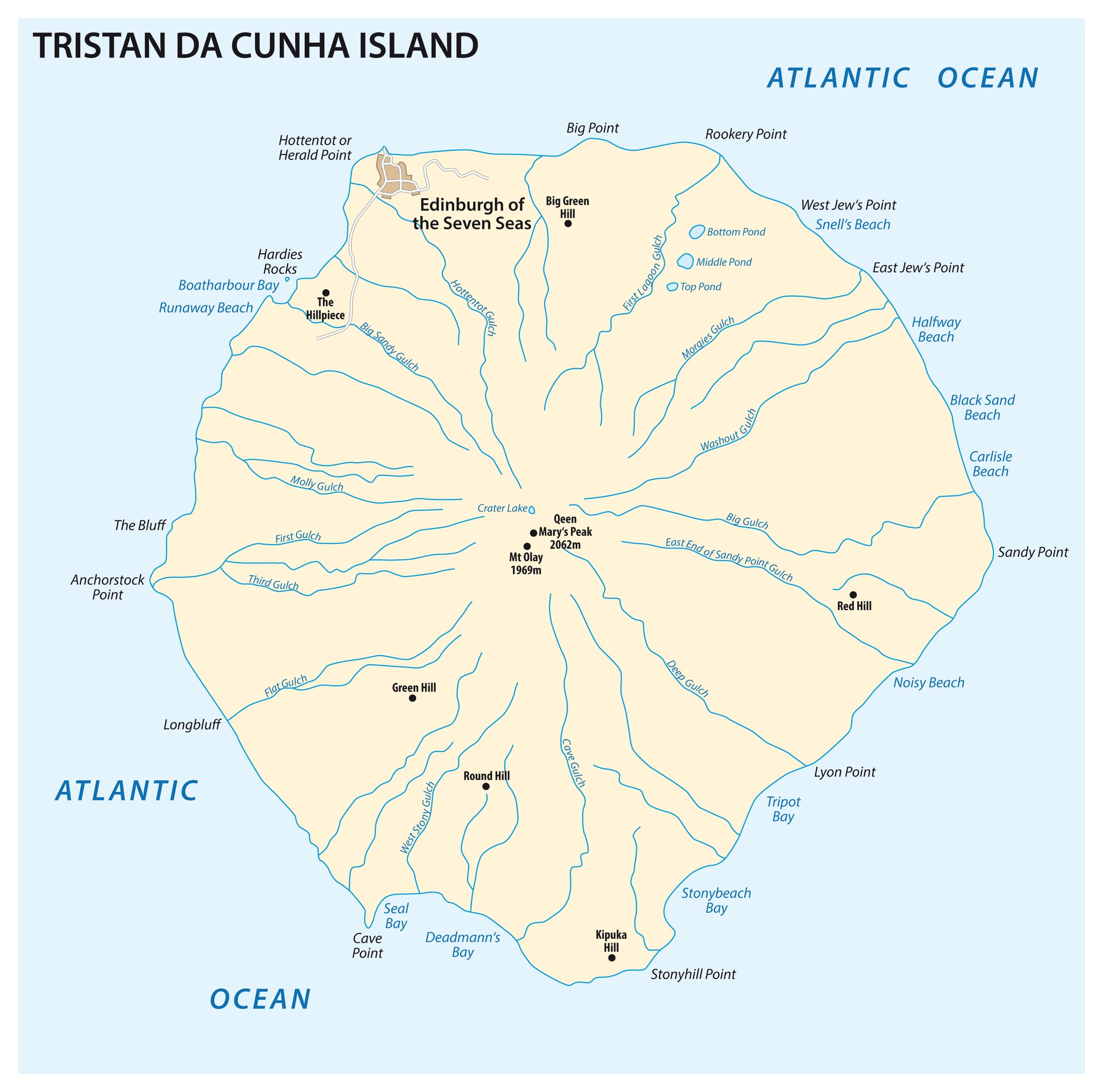
On what’s often called the world’s most remote inhabited island, roughly 270 people speak a dialect so distinct that outsiders struggle to understand it. The Tristan dialect evolved from a mix of English, Scottish, Irish, and Dutch influences, with some words that exist nowhere else on the planet.
Islanders use terms like ‘firewood’ to mean any kind of fuel and have developed unique grammatical patterns that reflect their isolation 1,500 miles from the nearest populated land.
St. Helena

This South Atlantic island developed its own English dialect that incorporates influences from the many different groups who settled there over centuries. Saints, as locals call themselves, speak with pronunciations and use phrases that blend British English with contributions from Chinese, Malay, and various African languages.
The dialect includes unique expressions and a distinctive accent that immediately identifies someone as being from this remote British territory.
Like Go2Tutors’s content? Follow us on MSN.
Gullah Communities
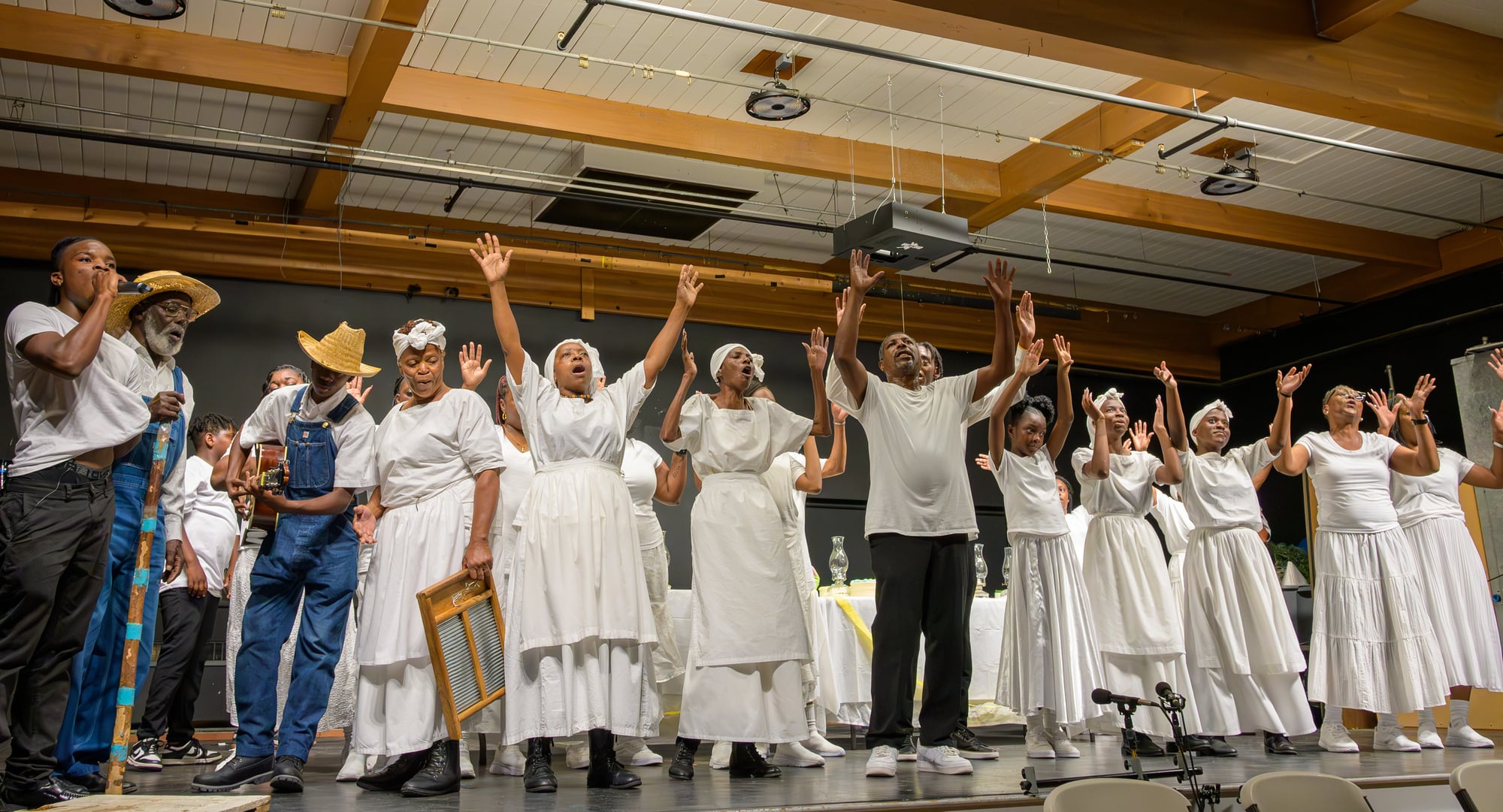
The Sea Islands off South Carolina and Georgia became home to Gullah, a creole language that African Americans developed during centuries of relative isolation. Gullah preserves more African linguistic features than perhaps any other language in the Americas, with grammar structures and vocabulary that directly trace back to West and Central African languages.
Today, tens of thousands of people still speak Gullah, making it one of the most vibrant examples of how geographic isolation can preserve and transform linguistic heritage.
Norfolk Island
Norfolk developed its own language called Norfuk, which blends 18th-century English with Tahitian in ways similar to but distinct from Pitcairn’s Pitkern. The language emerged when Pitcairn Islanders relocated to Norfolk in 1856, then evolved separately as the community adapted to their new environment.
Norfuk includes unique terms for local flora and fauna and maintains grammatical features that disappeared from standard English centuries ago.
Faroese Islands

Though not technically a settlement language, Faroese evolved in remarkable isolation to become one of the most conservative Germanic languages in the world. The language preserves features of Old Norse that disappeared elsewhere centuries ago, while also developing unique characteristics shaped by the islands’ harsh maritime environment.
Faroese speakers maintain a vocabulary rich in terms for weather, seafaring, and survival that reflects their ancestors’ struggle to thrive in one of Europe’s most challenging locations.
Like Go2Tutors’s content? Follow us on MSN.
Rapa Nui

Easter Island’s isolation allowed Rapa Nui to develop independently from other Polynesian languages for over a millennium. The language includes unique features and vocabulary that reflect the island’s distinctive culture and environment, including specific terms related to the famous moai statues and island ecology.
Though the language faced near extinction in the 20th century, revitalization efforts have helped preserve this linguistic treasure that developed in one of the world’s most isolated inhabited places.
Ascension Island
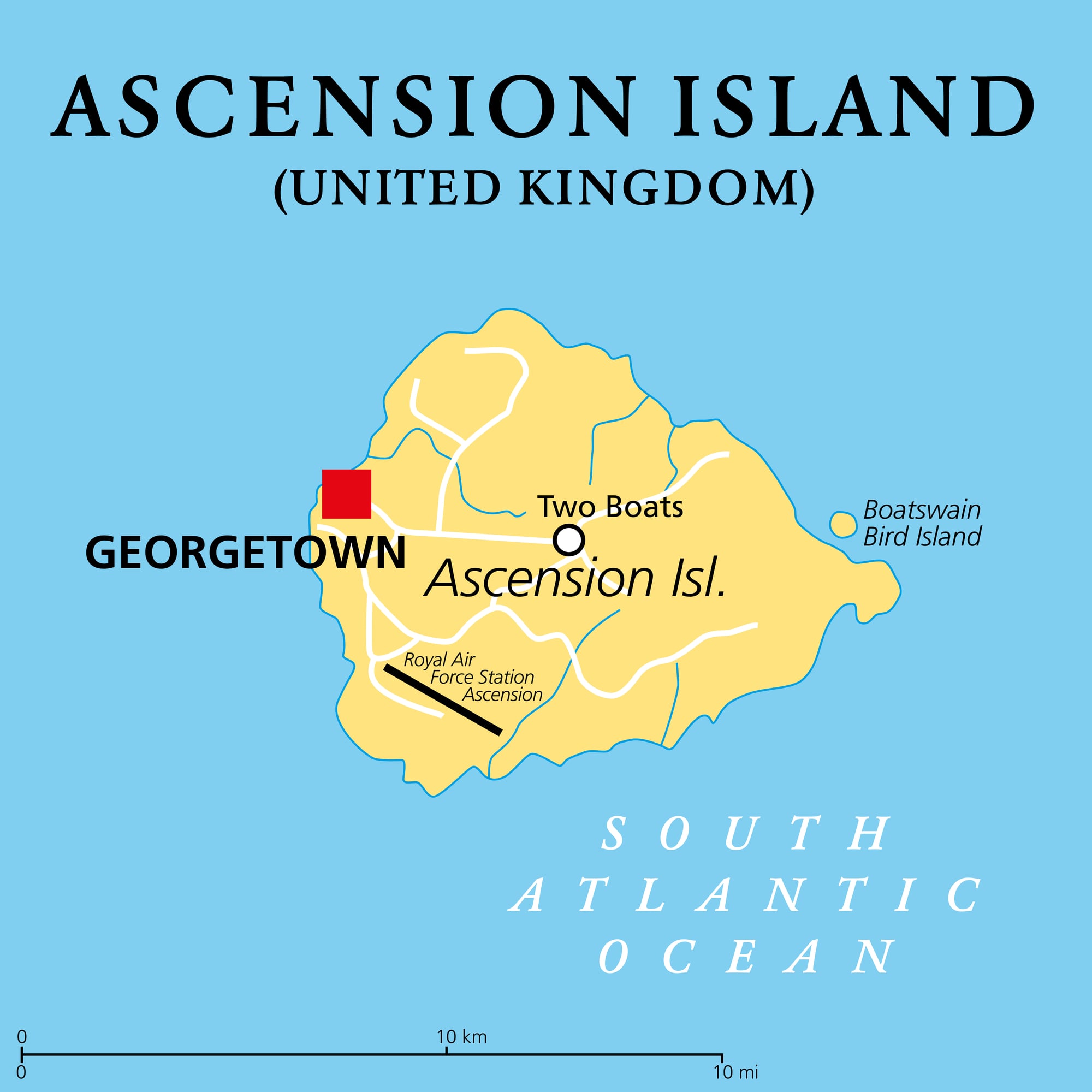
This remote South Atlantic island developed its own English dialect among the diverse community of workers and military personnel stationed there. The Ascension dialect incorporates influences from Saint Helena English, along with terms borrowed from the various nationalities who have called the island home.
Islanders developed unique expressions for local phenomena and created a linguistic identity that reflects their unusual community’s multicultural makeup.
Albanian Communities in Southern Italy
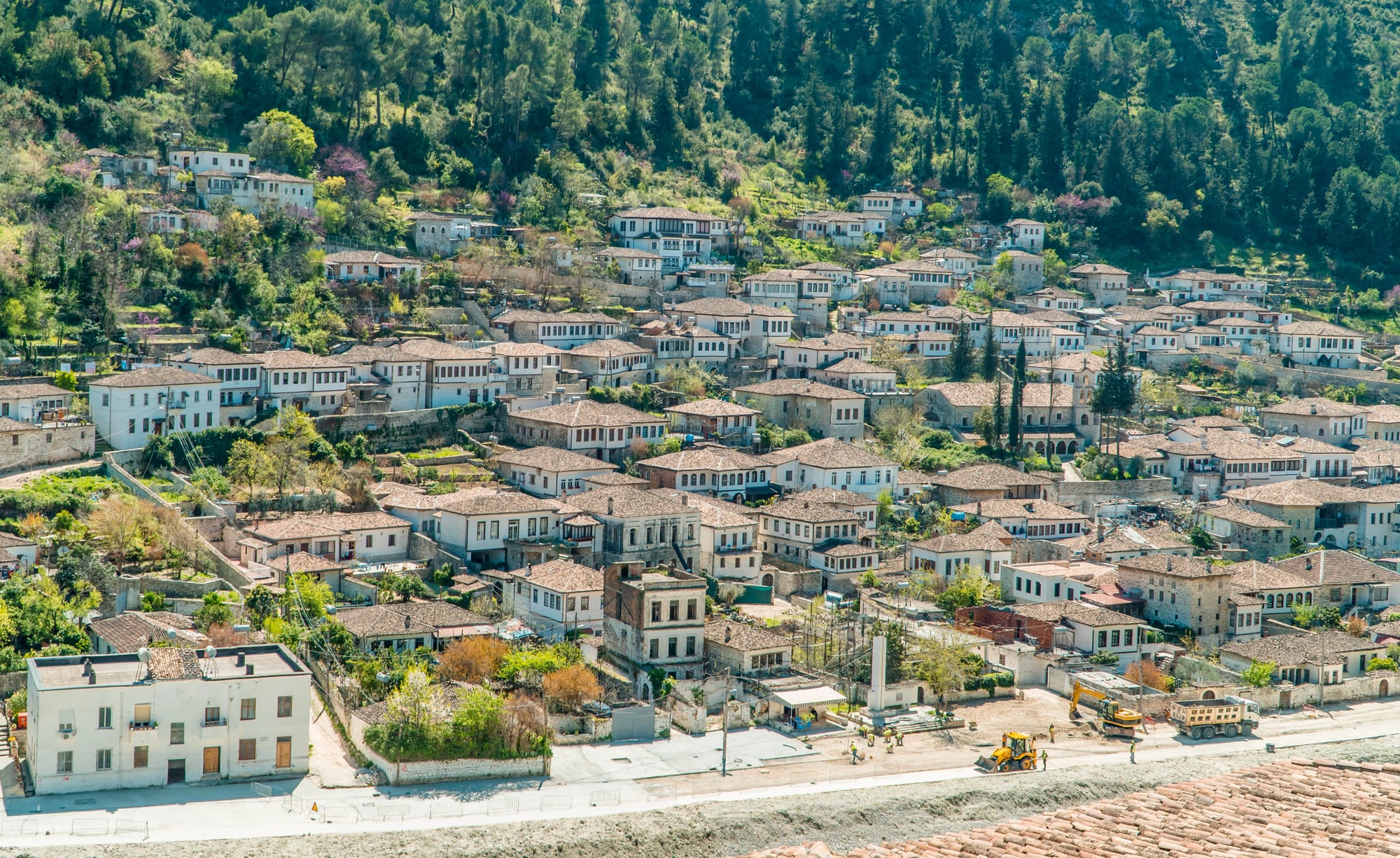
Arbëreshë communities in southern Italy have maintained Albanian dialects that evolved separately from mainland Albanian for over 500 years. These communities, established by Albanian refugees in the 15th and 16th centuries, developed unique linguistic features while preserving ancient Albanian elements that disappeared in Albania itself.
The Arbëreshë dialects include Italian influences but maintain grammatical structures and vocabulary that provide a window into medieval Albanian.
Like Go2Tutors’s content? Follow us on MSN.
Seto Communities
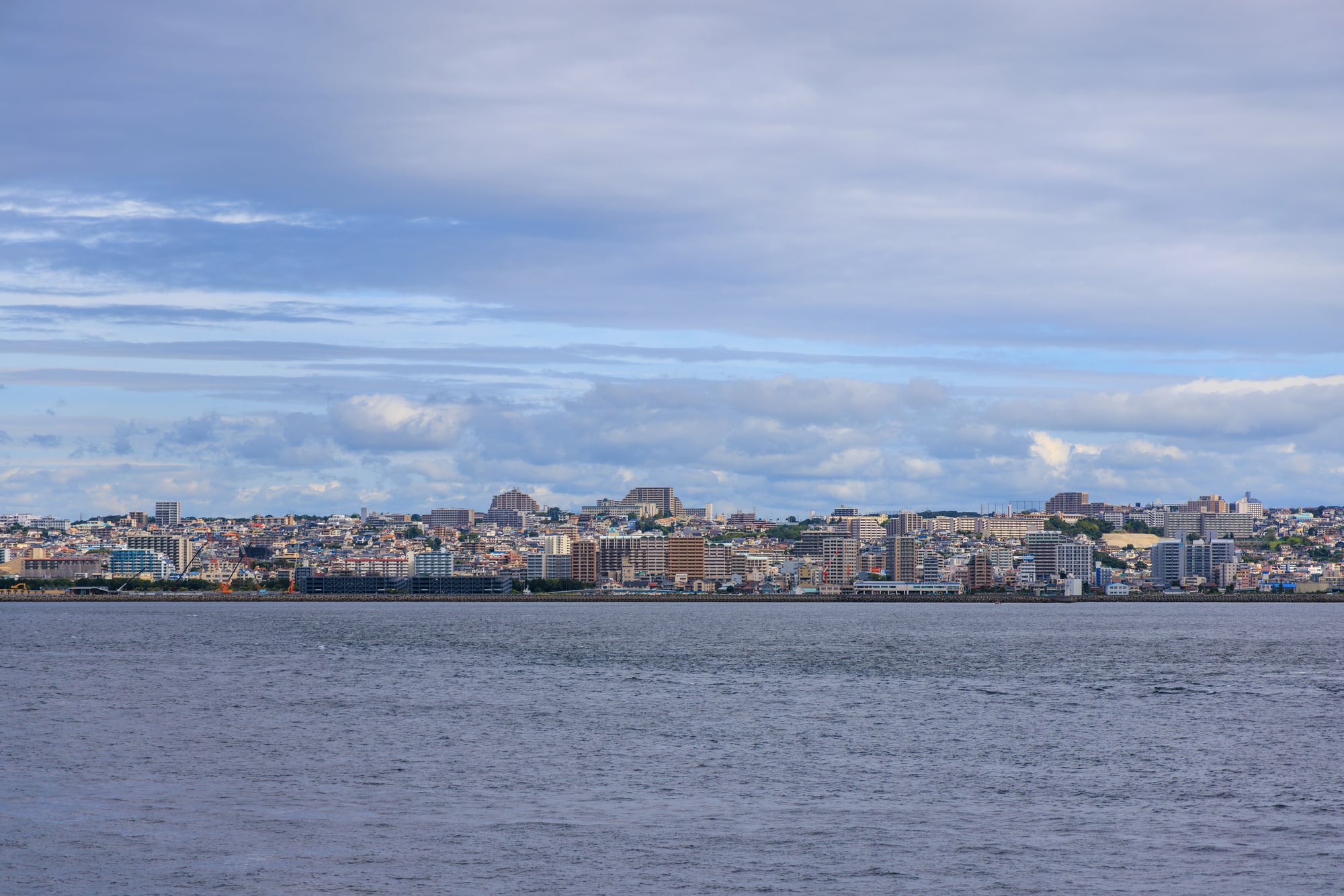
The Seto people, living along the Estonian-Russian border, developed their own language that blends Estonian and Russian influences in unique ways. Seto incorporates distinctive musical elements, as the language is closely tied to the community’s traditional polyphonic singing culture.
The language includes specific vocabulary for traditional practices and customs that exist only in Seto communities.
Rusyn Mountain Communities

Scattered across the Carpathian Mountains, Rusyn communities developed dialects that differ significantly from standard Ukrainian, Polish, or Slovak. These mountain settlements preserved linguistic features that disappeared in lowland areas while developing unique vocabulary for their highland lifestyle.
Rusyn includes distinctive terms for mountain agriculture, traditional crafts, and customs that reflect centuries of relative isolation in some of Europe’s most remote valleys.
Jersey French
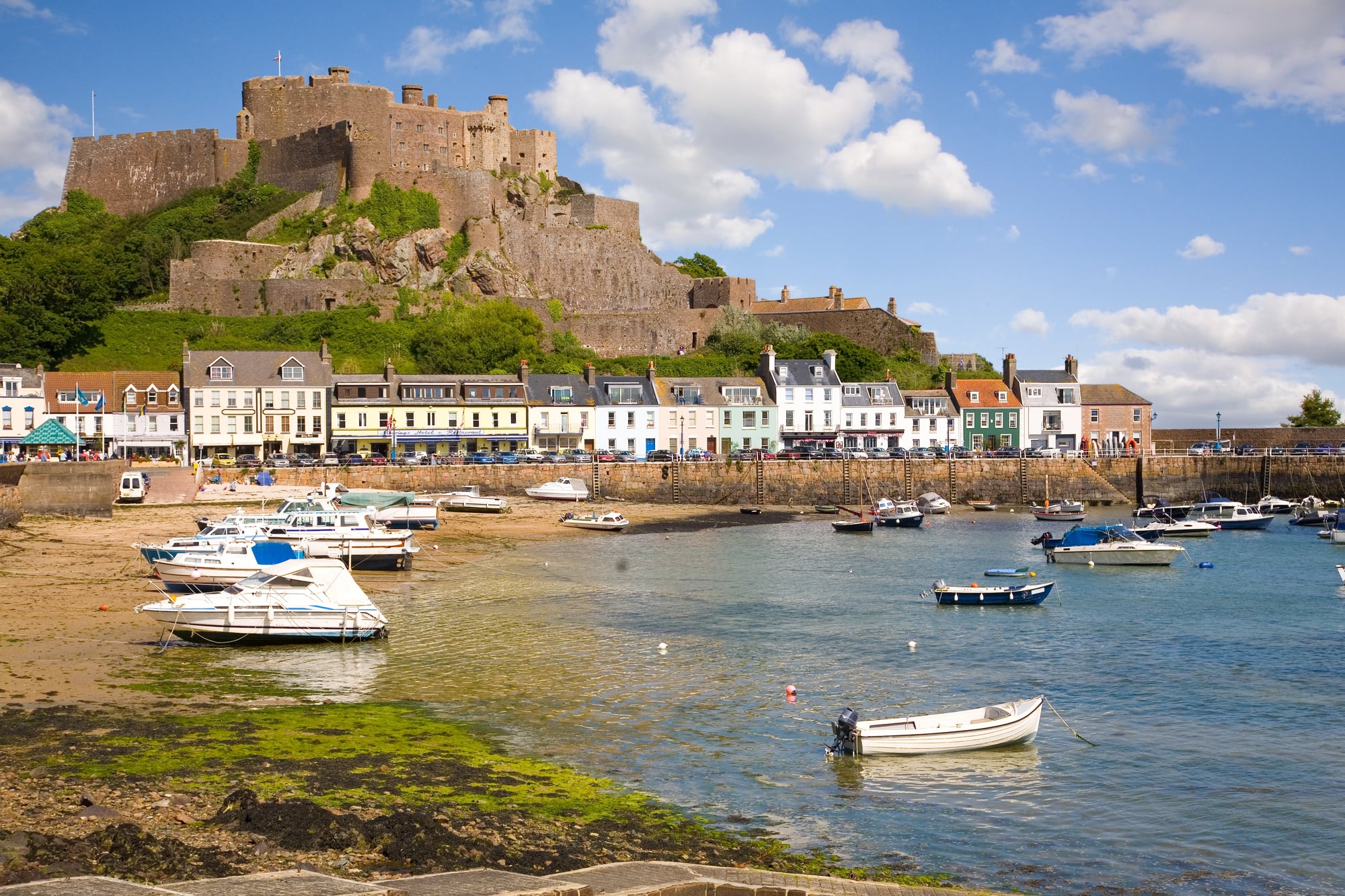
On the Channel Island of Jersey, a unique variety of Norman French called Jèrriais evolved in isolation from continental French. The language preserves medieval Norman features while incorporating English influences from centuries of contact.
Jèrriais includes maritime vocabulary and expressions that reflect the island’s seafaring culture, along with terms for local traditions and customs found nowhere else.
Like Go2Tutors’s content? Follow us on MSN.
Karelian Communities

Finnish Karelians developed their own language varieties in communities along the Finnish-Russian border, creating dialects distinct from both Finnish and Russian. These communities maintained unique linguistic features while adapting to their position between two larger language groups.
Karelian includes vocabulary specific to traditional forest culture and Orthodox religious practices that reflect the community’s distinctive identity.
Torres Strait Creole
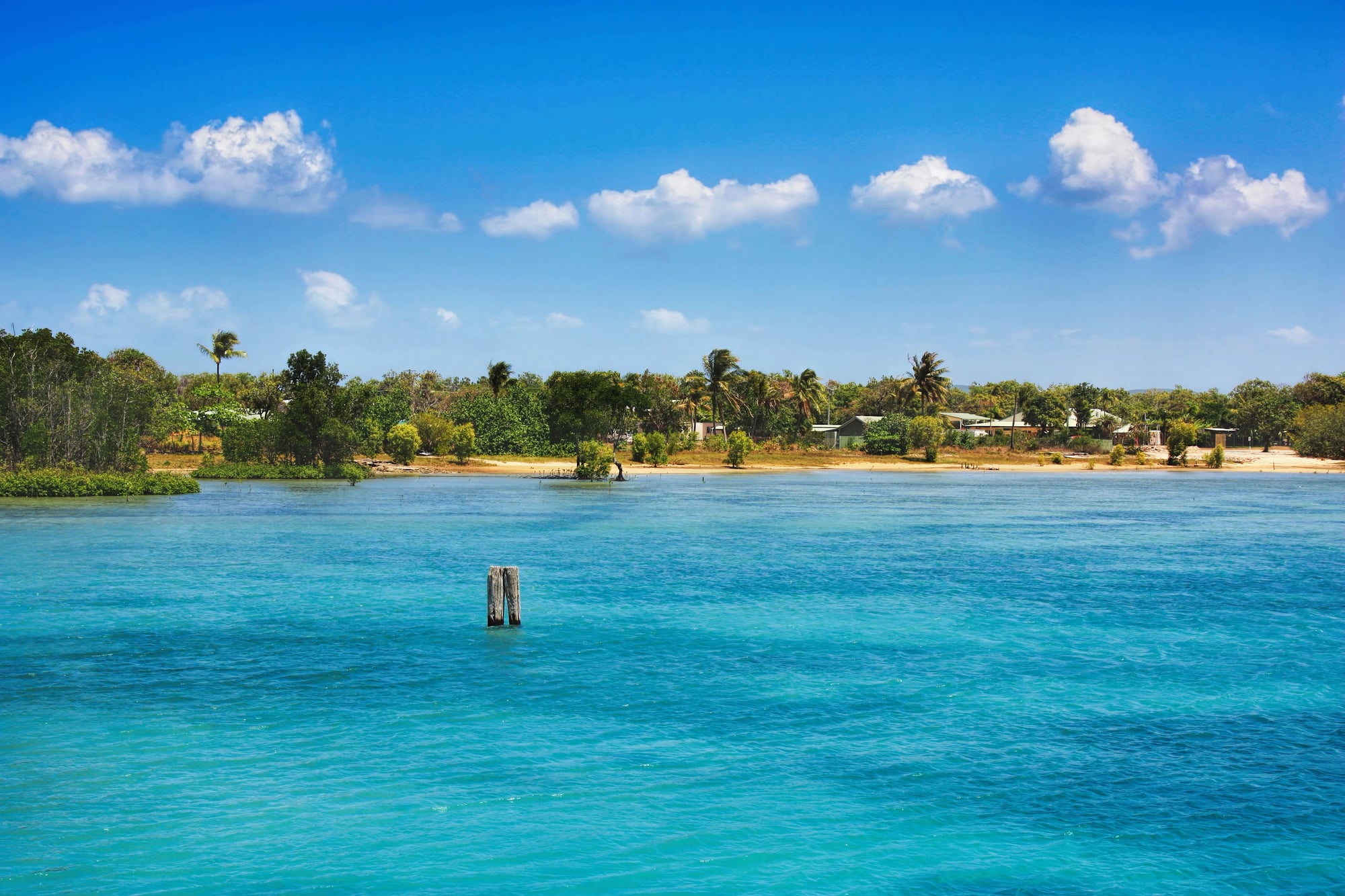
In the waters between Australia and Papua New Guinea, Torres Strait Islander communities developed their own creole that combines English with local indigenous languages. Torres Strait Creole, or Yumplatok, includes unique grammatical features and vocabulary that reflect the islanders’ maritime culture and their position between two larger landmasses.
The language serves as a linguistic bridge between Australian Aboriginal and Melanesian cultures.
Michif

The Métis people of Canada and the northern United States created Michif, a unique language that combines French and Cree in unprecedented ways. Unlike typical creoles, Michif maintains complex grammatical systems from both parent languages, with French providing most nouns and Cree contributing verbs and phonology.
This linguistic fusion reflects the Métis community’s mixed French-Indigenous heritage and their role as cultural intermediaries on the North American frontier.
Like Go2Tutors’s content? Follow us on MSN.
Pennsylvania Dutch
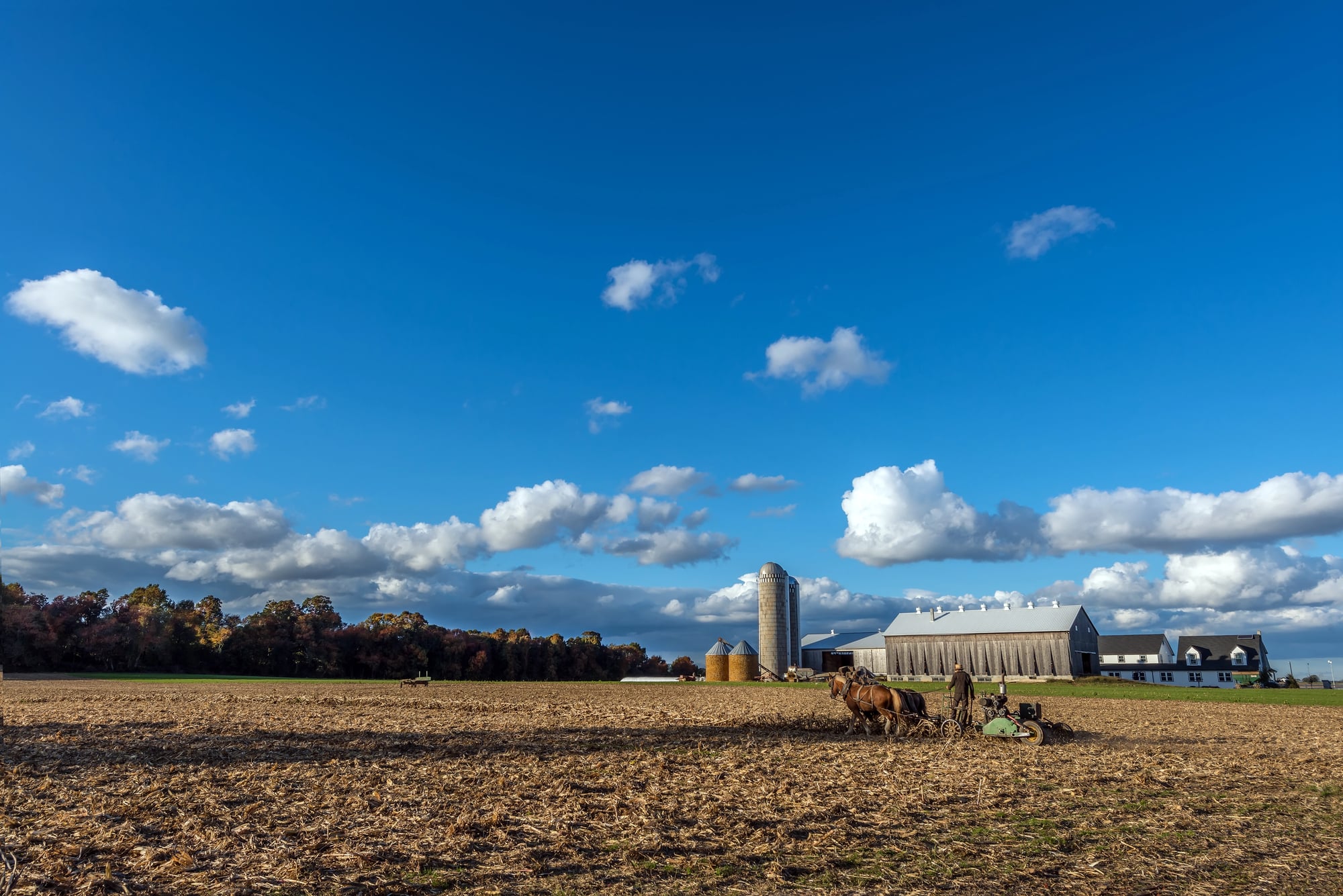
German-speaking communities in Pennsylvania developed Pennsylvania Dutch, which evolved separately from standard German for over 300 years. The language incorporates English influences while preserving German dialectal features that disappeared in Germany itself.
Pennsylvania Dutch includes unique vocabulary for American farming practices, technology, and cultural concepts that German immigrants encountered in their new homeland.
Papiamento
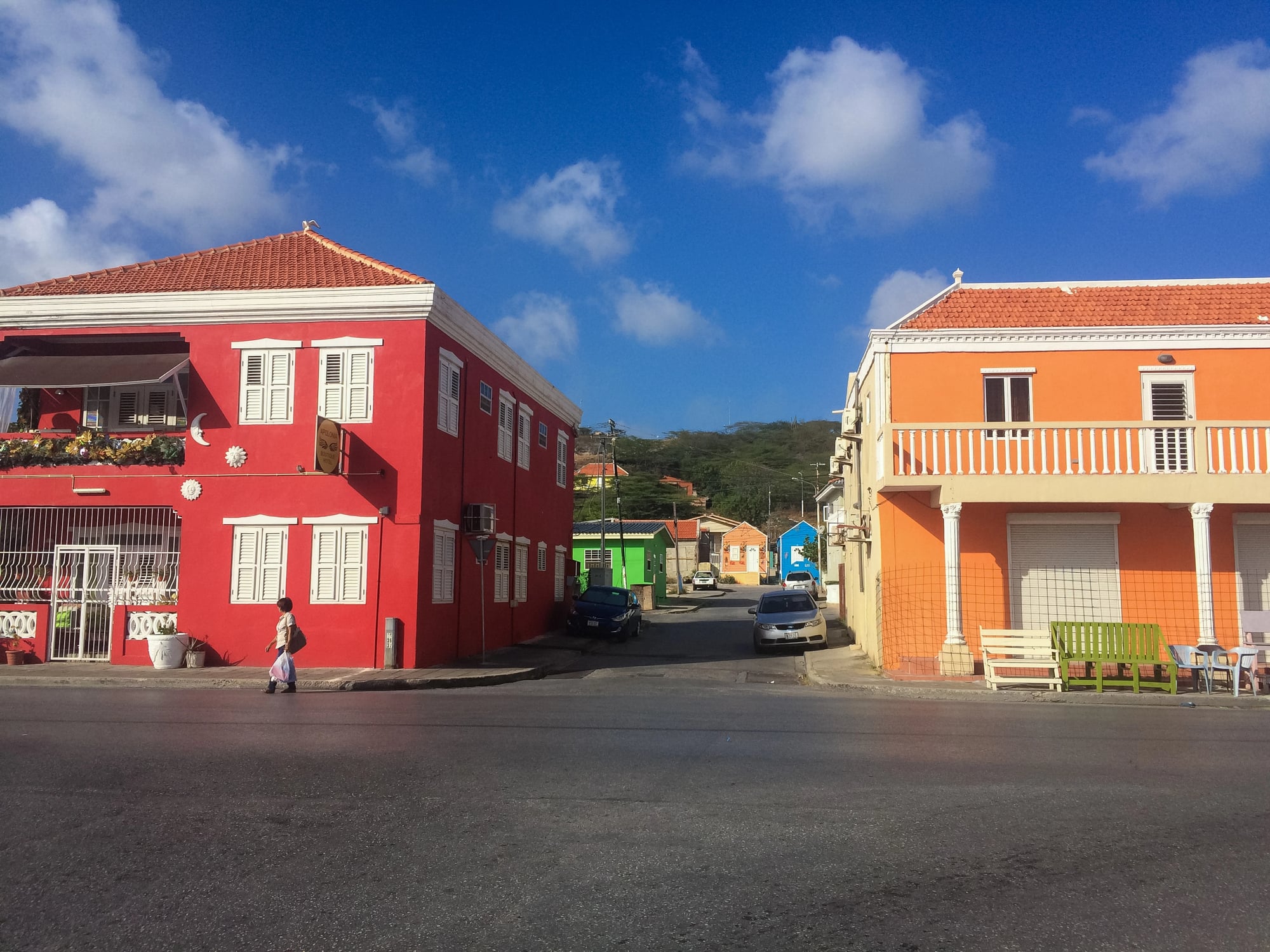
In the Caribbean islands of Aruba, Bonaire, and Curaçao, communities developed Papiamento, a creole that blends Portuguese, Spanish, Dutch, and African influences. The language evolved as enslaved Africans, European colonizers, and indigenous peoples created a communication system for their multicultural society.
Papiamento includes unique grammatical features and vocabulary that reflect the complex cultural mixing that occurred in these Dutch Caribbean colonies.
Languages That Bridge Worlds

These remote communities remind us that language isn’t just about communication—it’s about identity, survival, and creativity in the face of isolation. Each of these linguistic developments represents a human community’s response to being cut off from the mainstream, creating something entirely their own in the process.
While globalization threatens many of these unique languages today, they stand as testaments to human adaptability and the endless creativity of communities determined to maintain their distinct voice in the world.
More from Go2Tutors!

- 18 Unexpectedly Valuable Collectibles You Might Have Lying Around
- 20 Little-Known Historical Battles That Had Huge Consequences
- 20 Historical Artifacts That Scientists Can’t Explain
- 15 Inventions That Were Immediately Banned After Being Created
- 20 Actors Who Were Almost Cast in Iconic Roles
Like Go2Tutors’s content? Follow us on MSN.