Most Haunted Lakes In The United States
There’s something unsettling about still water. Maybe it’s the way lakes hold secrets beneath their surface, or how they reflect the sky while hiding everything below.
Whatever the reason, America’s lakes have collected more than their share of ghost stories over the centuries. From Native American legends to modern-day sightings, these bodies of water seem to hold onto the past in ways that solid ground simply can’t manage.
Lake Champlain
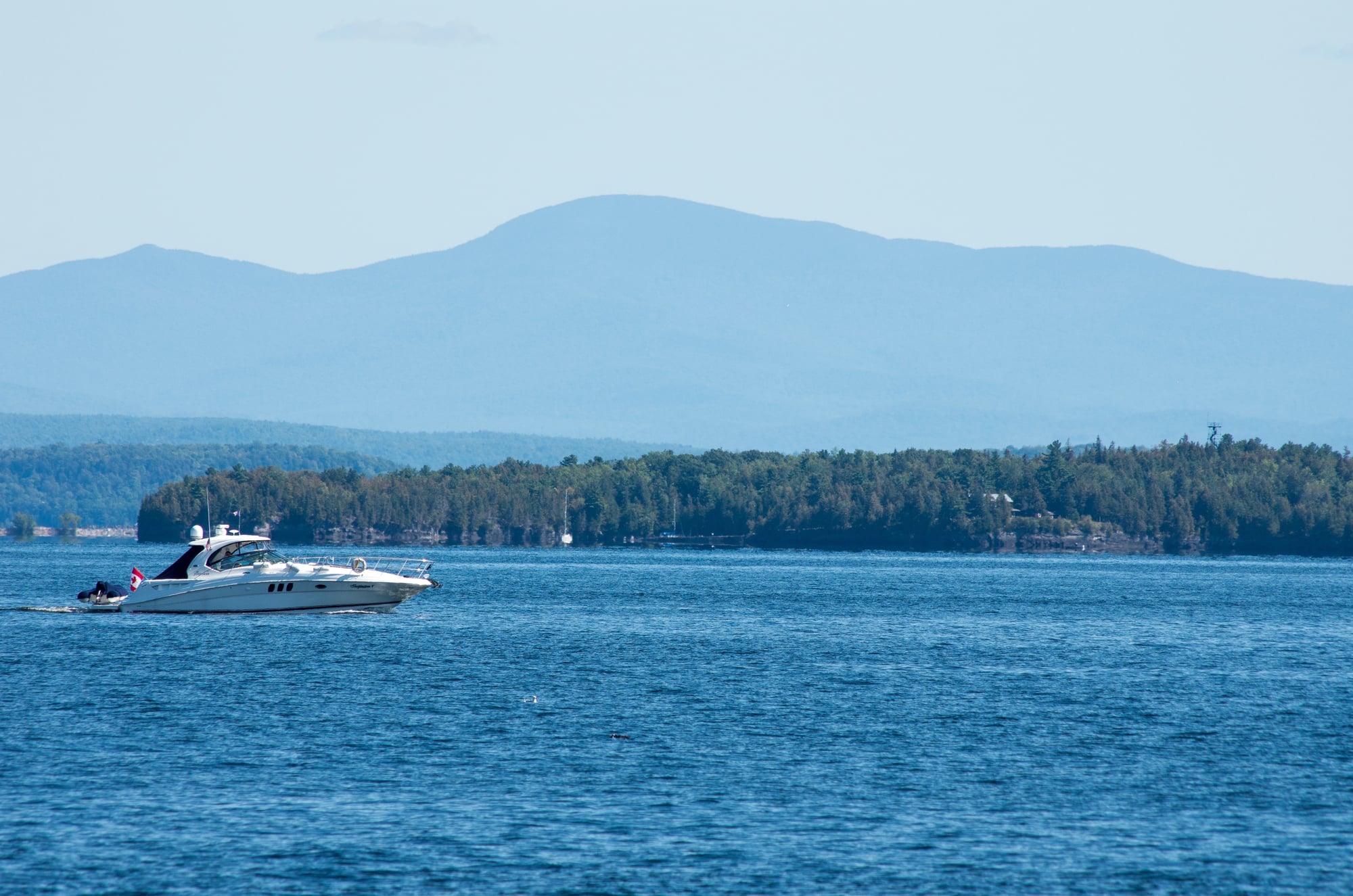
The lake holds its mysteries close. Champ, the legendary creature, gets most of the attention.
But the real hauntings run deeper than any lake monster ever could.
Revolutionary War soldiers still patrol these waters, according to locals who’ve seen them. Their boats appear in the early morning mist, then vanish when the sun climbs higher.
Lake Lanier
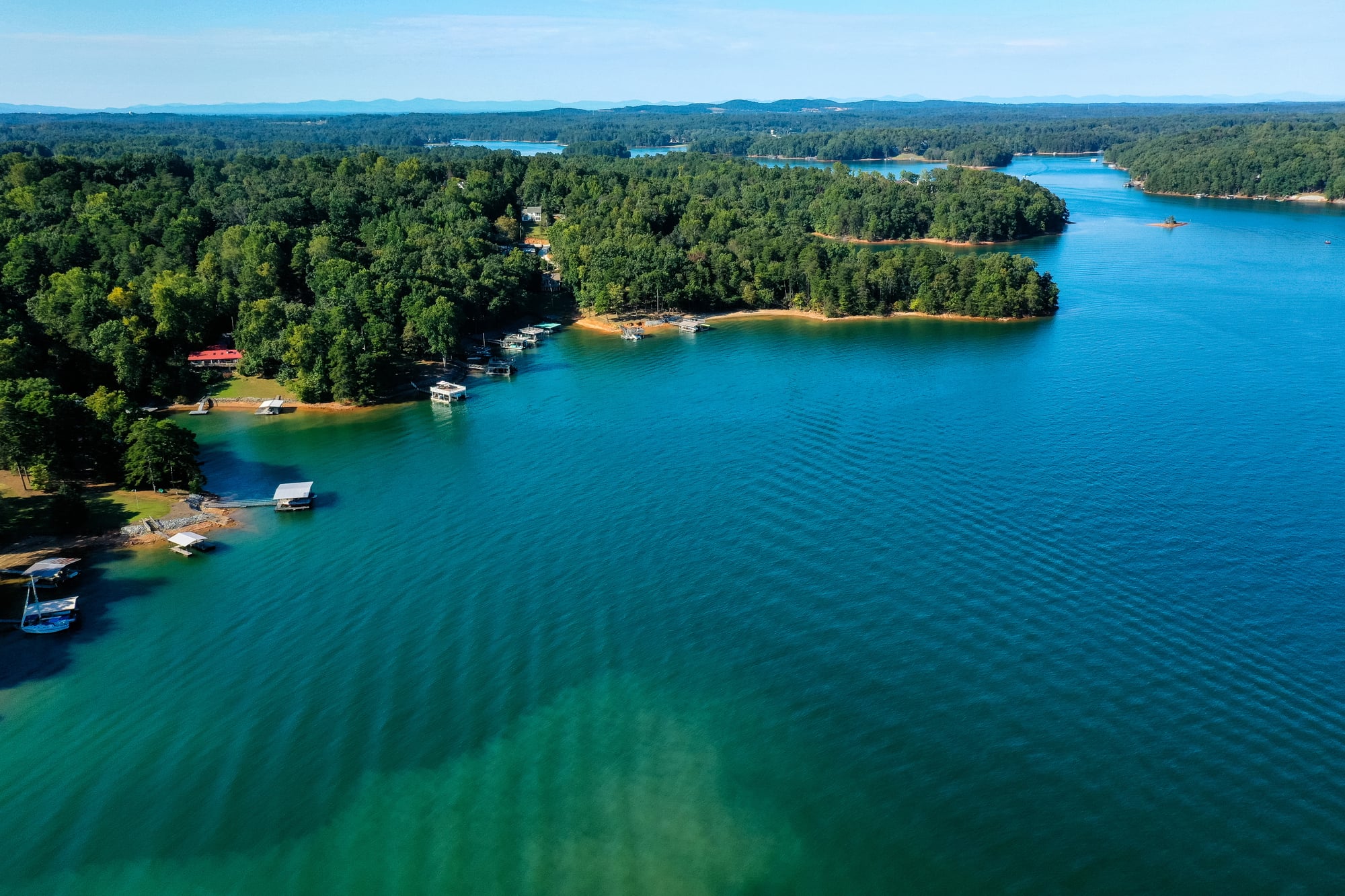
Lake Lanier drowns a town that never really died, and the displaced residents (the ones who stayed behind, anyway) make their presence known in ways that range from unsettling to downright terrifying. Before the Army Corps of Engineers flooded the valley in 1956, Oscarville thrived here — a community with its own stories, its own ghosts, its own unfinished business.
So when the water rose and swallowed houses, churches, and graveyards whole, it’s not exactly surprising that some folks refused to move on, even in death. The lake claims more drowning victims than any other in Georgia, which locals attribute to more than just recreational accidents or dangerous currents.
And the hands that grab at swimmers’ ankles? Those belong to the town that refuses to stay buried.
The peculiar thing about Lanier’s hauntings is how they cluster around the submerged structures — the old bridge that disappears into murky water, the church steeple that occasionally breaks the surface during droughts. But even more unsettling are the reports from divers who’ve gone down to explore: they describe a ghostly woman in a blue dress who appears near the lake’s bottom, arms outstretched as if she’s still trying to save someone.
Or maybe she’s the one who needs saving.
Crater Lake
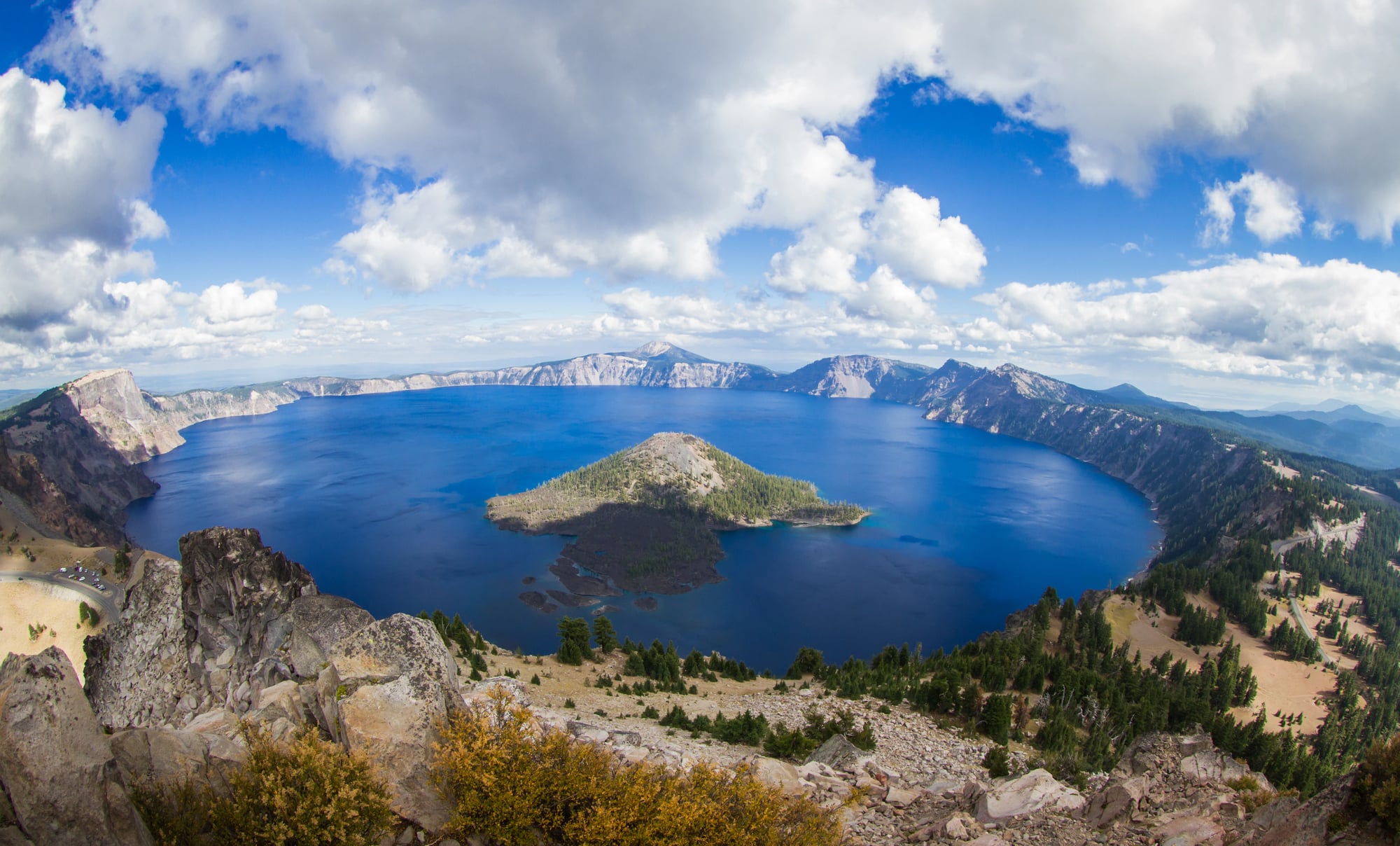
Spirits don’t follow park service schedules. This caldera holds water so blue it looks artificial, so deep it swallows sound.
The Klamath tribes knew better than to stare too long at its surface.
Their legends speak of a battle between sky and underworld spirits that ended with the mountain collapsing inward. Modern visitors report seeing faces in the water that aren’t reflections.
The Old Man of the Lake — a floating tree stump that’s bobbed vertically for over a century — moves against wind and current. Some say it’s not driftwood at all.
Lake Superior
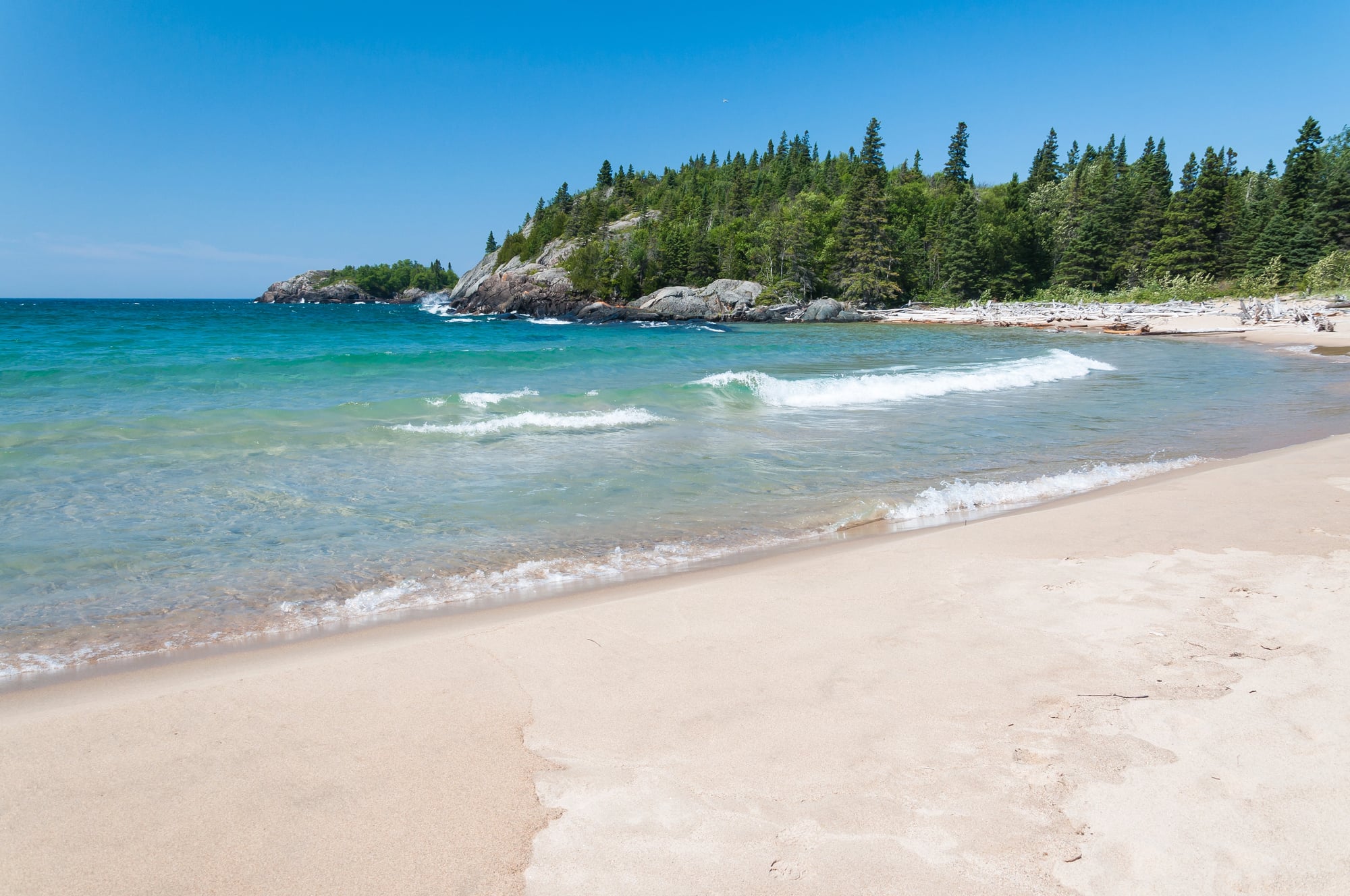
Lake Superior never gives up her dead, they say, and the water temperature explains the science of it — bodies don’t decompose and rise in water that cold. Still doesn’t make the ghost ships any less real.
The Edmund Fitzgerald goes down in 1975 during a November storm. Witnesses still report seeing her lights cutting through fog on nights when the weather turns rough.
The lake remembers every ship it’s claimed, and apparently decides to replay the worst ones. Native tribes called it Gitche Gumee and spoke of underwater spirits long before European sailors learned to fear its sudden squalls.
Great Salt Lake
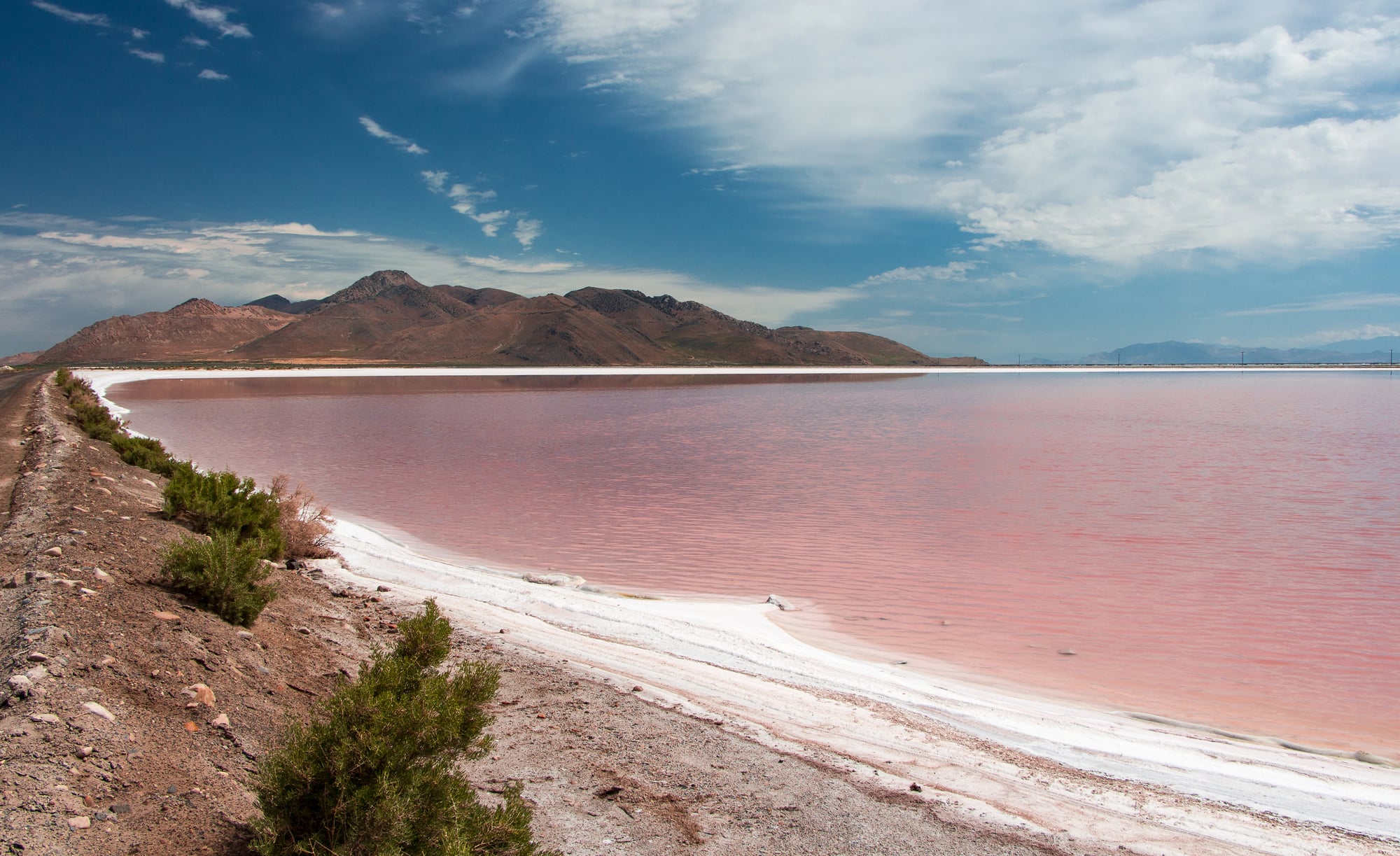
The water here refuses most life, but death seems to thrive just fine. Salt preserves everything — including memories that should have faded decades ago.
Antelope Island sits in the middle of the lake like a monument to isolation. Visitors report hearing voices carried on the wind, speaking in languages that died out with the indigenous tribes who once used this place for ceremonies.
The salt flats stretch beyond the shoreline, white as bone under the desert sun. At night, figures walk across them, leaving no footprints in the crystallized mineral crust.
Tahoe
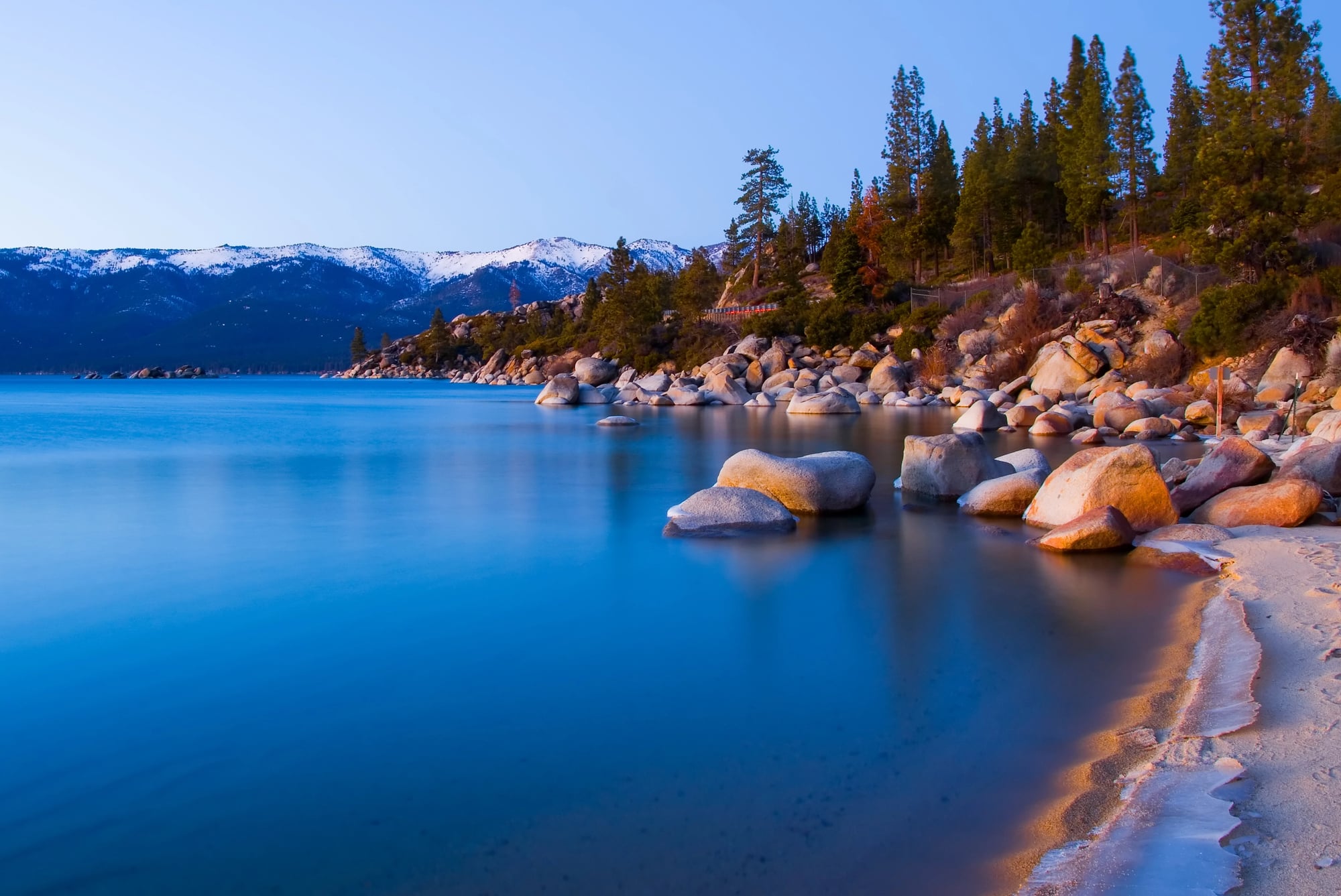
Tahoe’s water stays cold enough to preserve whatever sinks to the bottom, and according to local diving instructors (who know these depths better than anyone), the lake’s floor resembles an underwater museum of things that were never meant to be seen again. The clarity of the water — you can see down a hundred feet on a good day — makes the preservation even more unsettling, because what’s down there looks fresh, recent, almost alive.
Bodies from decades past sit upright in the deep, perfectly maintained by the frigid temperature and lack of bacteria. But it’s not just the physical remains that refuse to decompose; the lake seems to hold onto the emotional residue as well.
Frank Sinatra’s old stomping grounds at Cal Neva Resort straddle the California-Nevada border, and the stories from that place alone could fill a book (though most people who worked there knew better than to talk). And then there are the Native American legends about the lake being a sacred place, a portal between worlds — which makes sense when you consider how many visitors report seeing things that shouldn’t be there, floating just below the surface or standing on the shore at dawn when no one else is around.
The water doesn’t just reflect the sky; it seems to reflect the past.
Flathead Lake
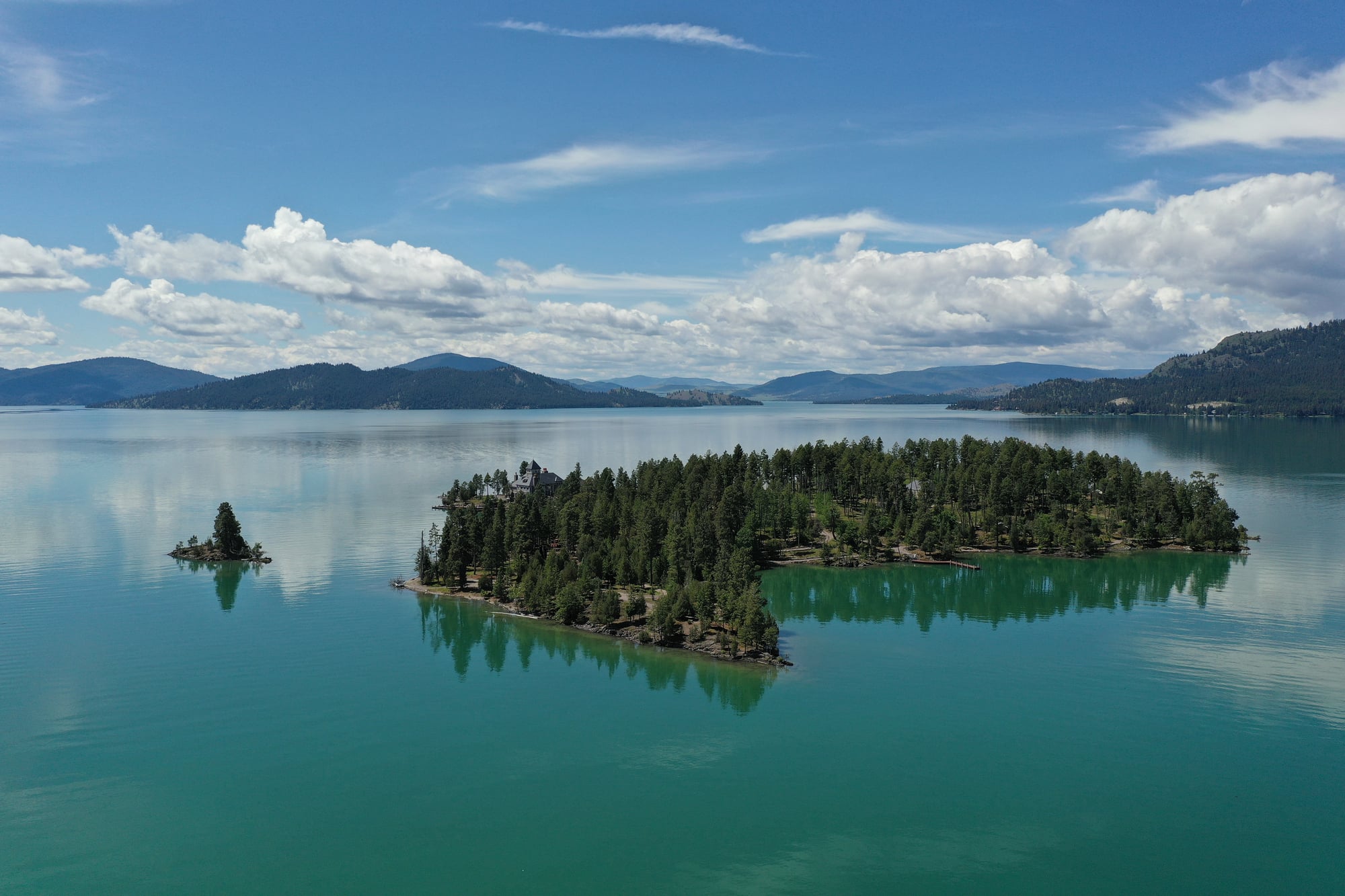
Montana’s largest natural freshwater lake runs deeper than anyone wants to admit. The Salish and Kootenai tribes have stories about spirits that live beneath the surface, and recent visitors suggest those stories weren’t just folklore.
Unipne — the lake monster — supposedly dwells in the deepest parts. But the human ghosts pose more immediate concerns.
Swimmers report being pulled downward by invisible hands. Boats experience sudden equipment failures in the lake’s center, far from shore.
The water temperature drops without warning, even in summer, as if something large just passed beneath.
Devils Lake
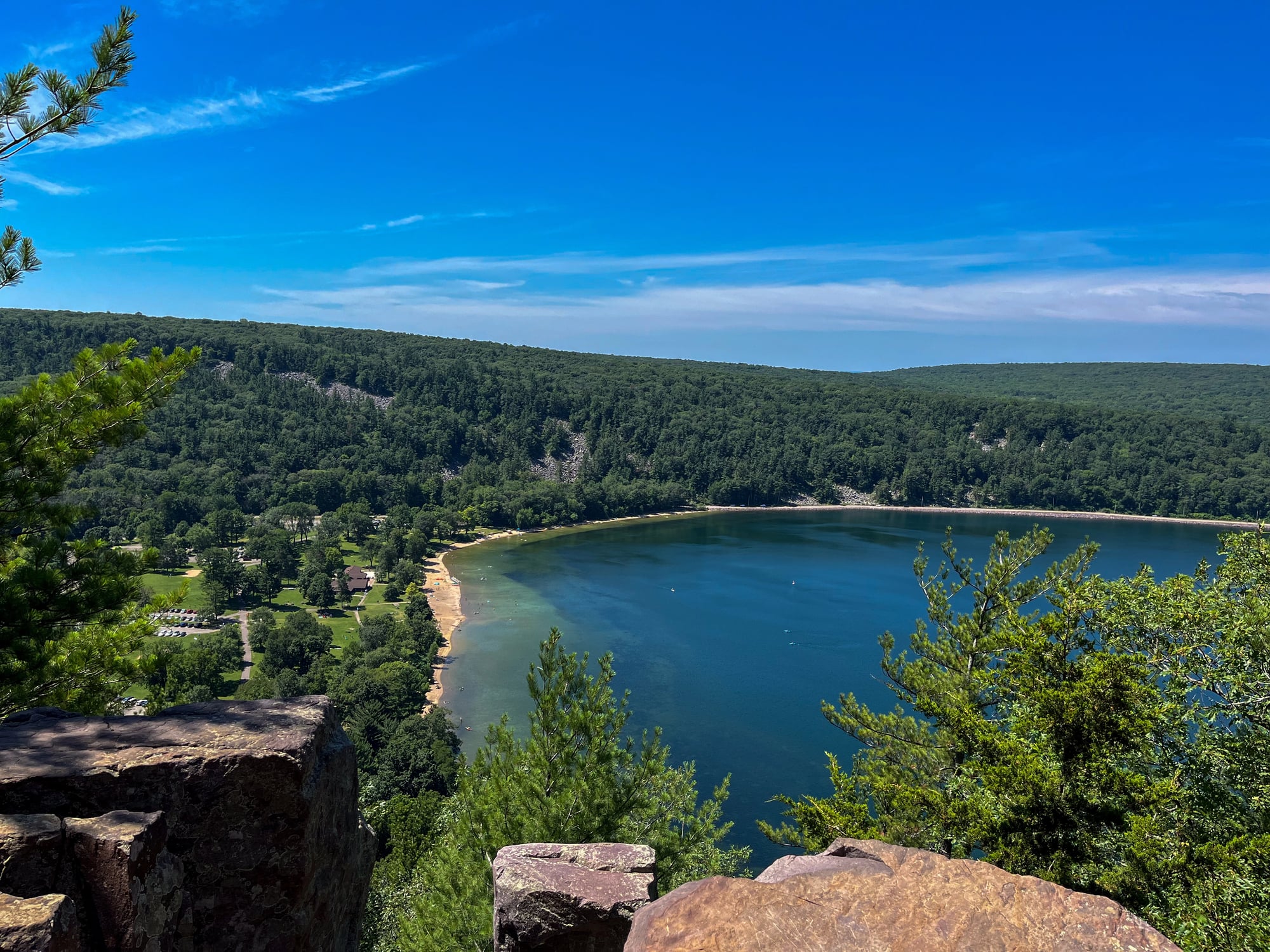
The name tells you everything you need to know, and the Dakota who lived here first weren’t being dramatic when they named it. This lake sits in a basin with no natural outlet — water flows in but never flows out, which creates a kind of spiritual stagnation that mirrors the physical reality.
The mineral content rises year after year, making the water increasingly hostile to life, and the lake level fluctuates wildly based on rainfall and drought cycles that follow no predictable pattern. So you have this body of water that seems to exist outside normal rules, getting saltier and stranger with each passing decade.
The fishing cabins that dot the shoreline get flooded out regularly, then sit empty for years until the water recedes, then get flooded again — a cycle that’s repeated so many times that some of these structures seem permanently caught between being abandoned and being occupied. And that’s where the hauntings concentrate: in these half-drowned buildings that can’t quite commit to being ruins.
Visitors report lights in windows of cabins that should be empty, voices calling across the water on still nights, and the sound of doors slamming in houses that have been underwater for months.
Lake George
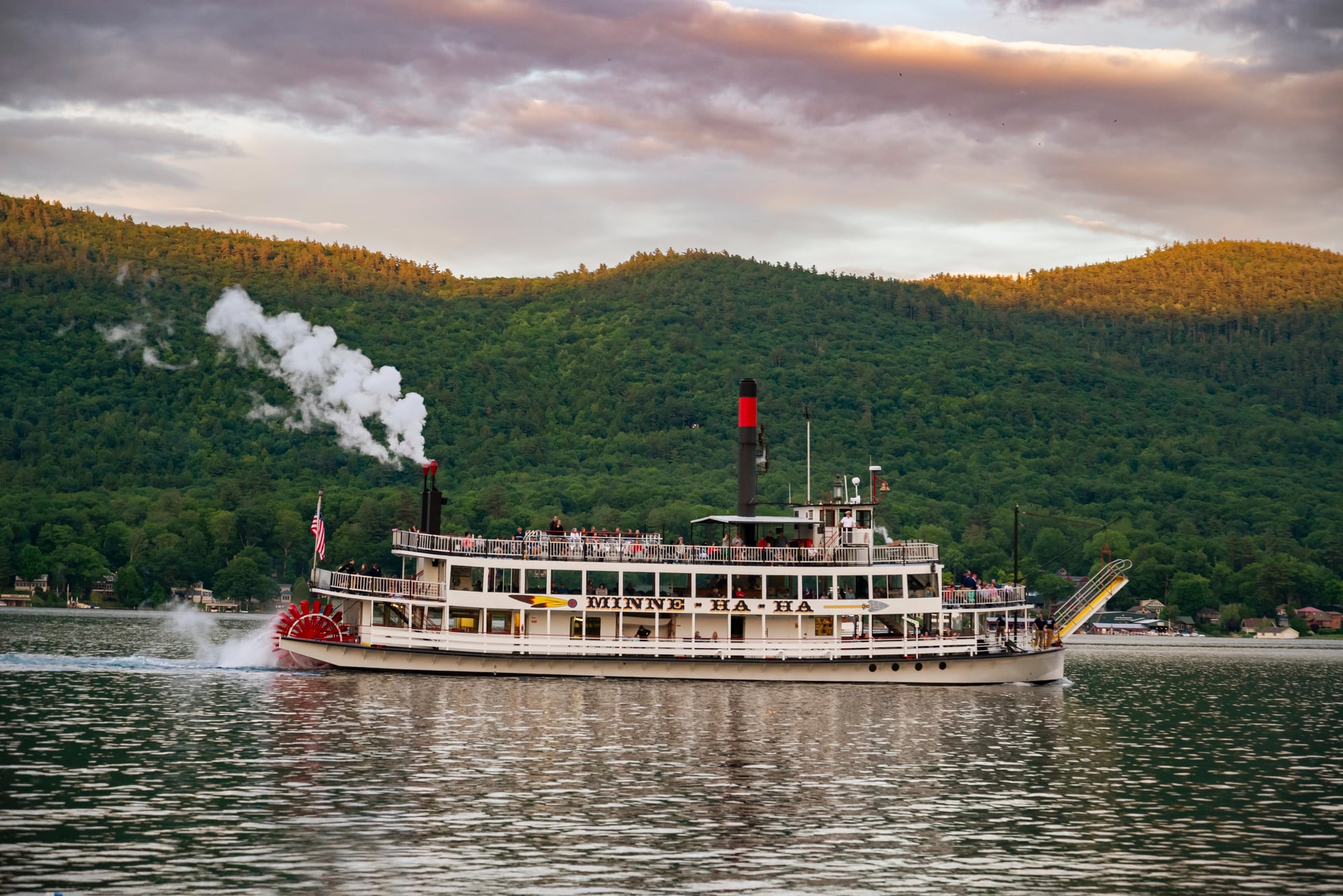
The lake earned its ghostly reputation during the French and Indian War, when battles raged along its shores and bodies were dumped into water that was supposed to wash the evidence away. Instead, Lake George seems to have collected every violent death and stored them like some kind of macabre archive.
Fort William Henry’s massacre in 1757 left the deepest spiritual scar. Hundreds died, and many were thrown into the lake’s southern end.
The water there runs darker than the rest, even on sunny days. Boaters report their engines cutting out near the fort’s ruins.
Divers refuse to explore the lake’s bottom — those who’ve tried describe an overwhelming sense of panic that forces them to surface early.
Mono Lake
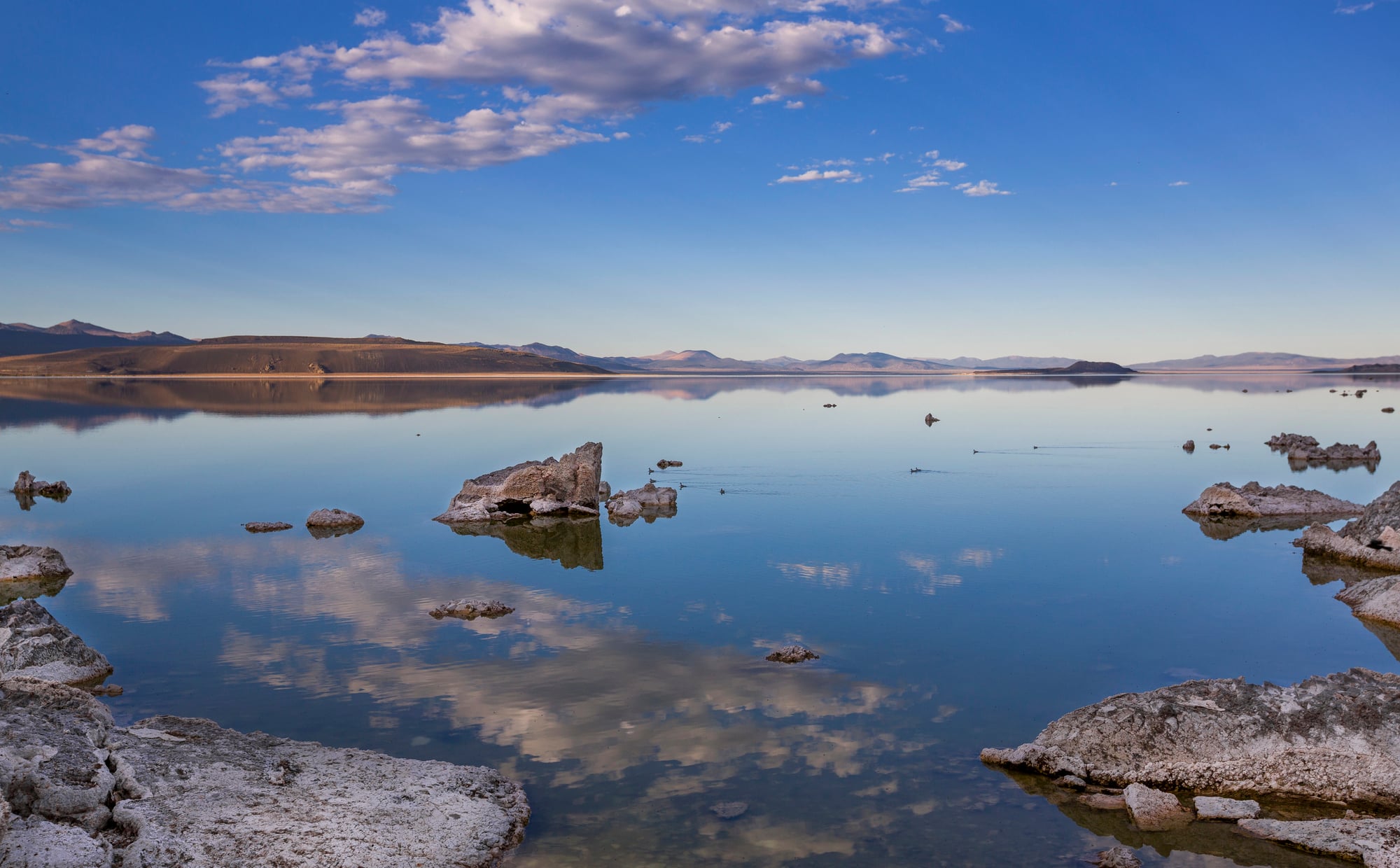
Ancient doesn’t begin to describe this place. Mono Lake has been here for over a million years, collecting salt and minerals until it became something closer to a chemistry experiment than a natural body of water.
The limestone towers that rise from its surface look like the ruins of some prehistoric civilization, which might not be far from the truth given how long indigenous peoples considered this area sacred. The alkali content makes the water hostile to most life — only brine shrimp and alkali flies can survive here, which means the lake exists in an almost alien ecosystem that operates by different rules than anywhere else.
The ghost stories feel different here too, older and stranger than the typical drowned-settler tales you hear at other lakes. Paiute legends describe spirits that predate human memory, and modern visitors report encounters that don’t fit standard ghost categories — figures that seem more elemental than human, sounds that don’t match any known language, lights that move beneath the water in patterns that suggest intelligence but not necessarily human intelligence.
The air itself feels charged, probably due to the mineral content, but the effect adds to the sense that normal physics don’t quite apply here.
Lake Crescent
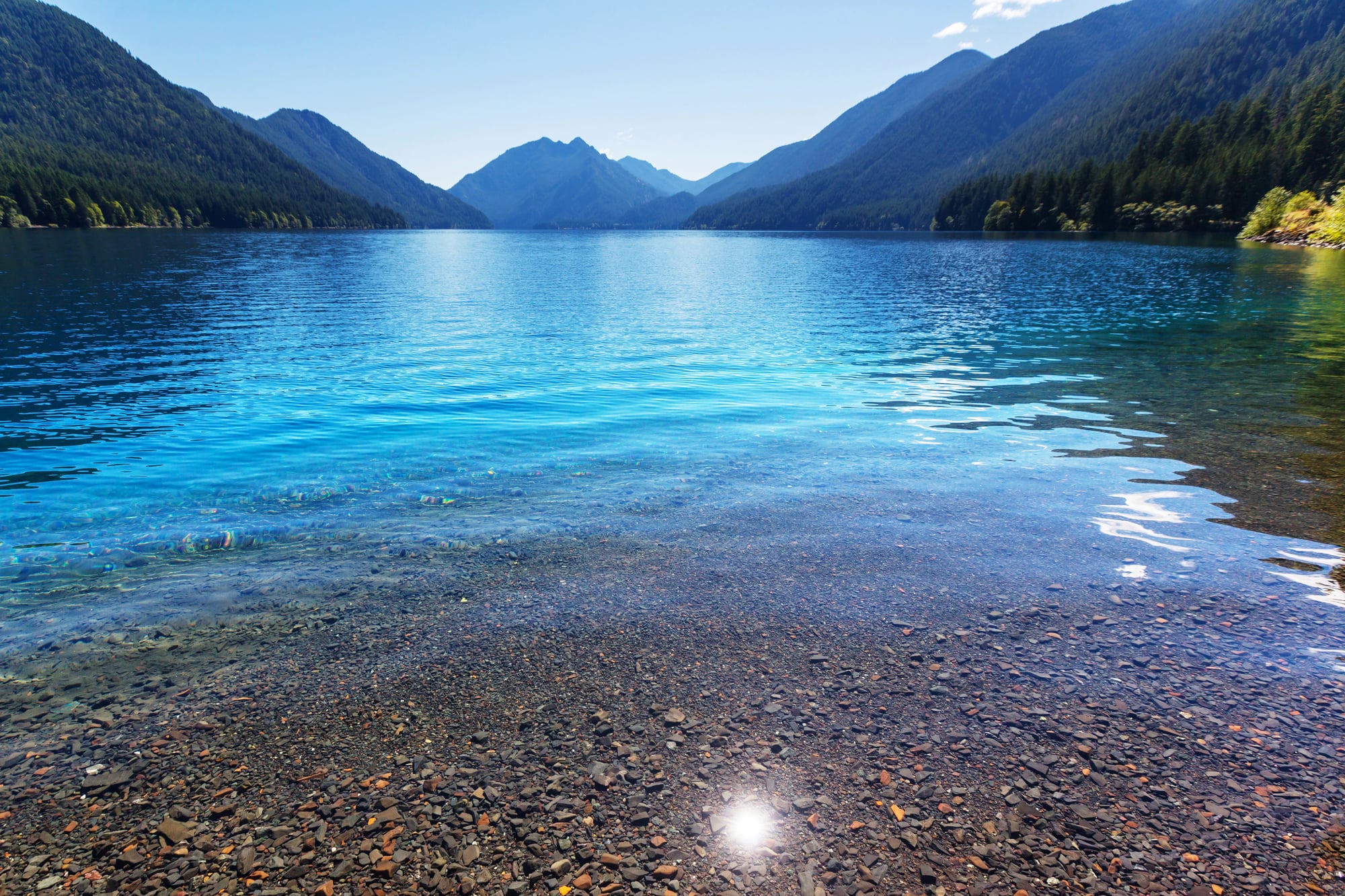
Olympic Peninsula fog rolls across this crescent-shaped lake like clockwork, and when it does, the boundary between present and past gets uncomfortably thin. The water here runs so deep and so cold that when someone drowns, they stay down — the lake doesn’t give up its dead, which means decades of missing persons remain somewhere in the depths, perfectly preserved by the glacial runoff that feeds these waters.
The most famous ghost belongs to Hallie Illingworth, whose body was discovered in 1940, four years after she disappeared in 1936, perfectly mummified by the lake’s unique chemistry. But she’s not the only one down there, and she’s certainly not the only one who occasionally makes appearances on the surface.
Kayakers report seeing faces looking up at them from the depths, just clear enough to be unsettling but never clear enough to identify. The Lake Crescent Lodge sits right on the shoreline, and guests in certain rooms report being awakened by the sound of someone swimming laps in the lake — slow, methodical strokes that continue for hours, even though no one is ever visible in the water.
Pyramid Lake
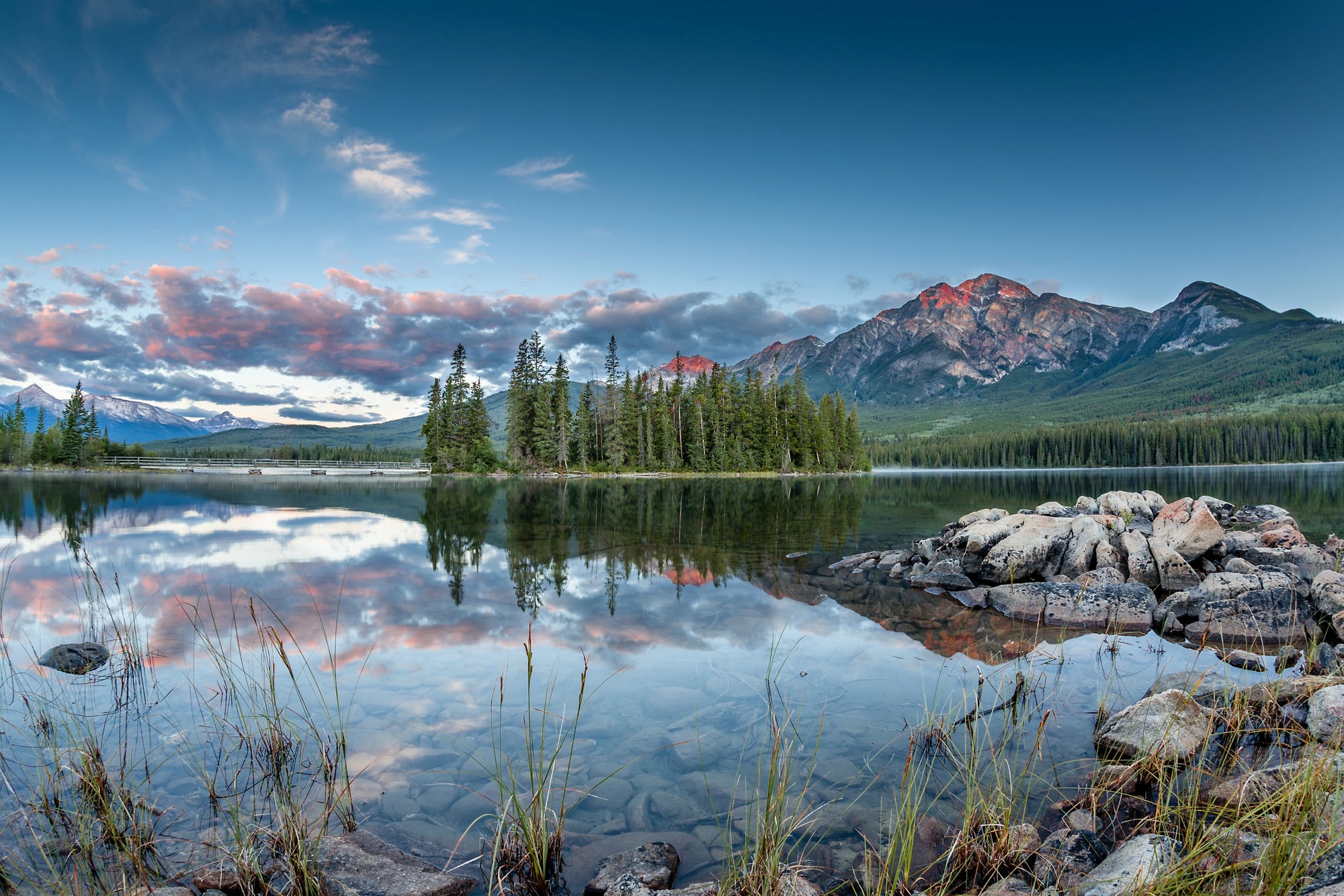
Nevada’s desert lake sits like a blue jewel in an otherwise hostile landscape, fed by the Truckee River and surrounded by rock formations that look like ancient monuments. The Paiute tribe calls it the lake of the crying mountain, and once you hear the story behind that name, the constant sound of waves against the shore starts to feel more like sobbing than simple physics.
The legend tells of a mother whose children were killed in a tribal conflict. Her tears created the lake, and she still mourns beneath its surface.
Modern visitors report hearing crying that seems to come from the water itself, particularly near the pyramid-shaped rock that gives the lake its name. The acoustics here play tricks — sounds carry impossibly far across the water, and conversations from distant shores arrive as whispers that seem to originate right beside you.
But the crying sounds different, more immediate and more heartbroken than any echo should be.
Caddo Lake
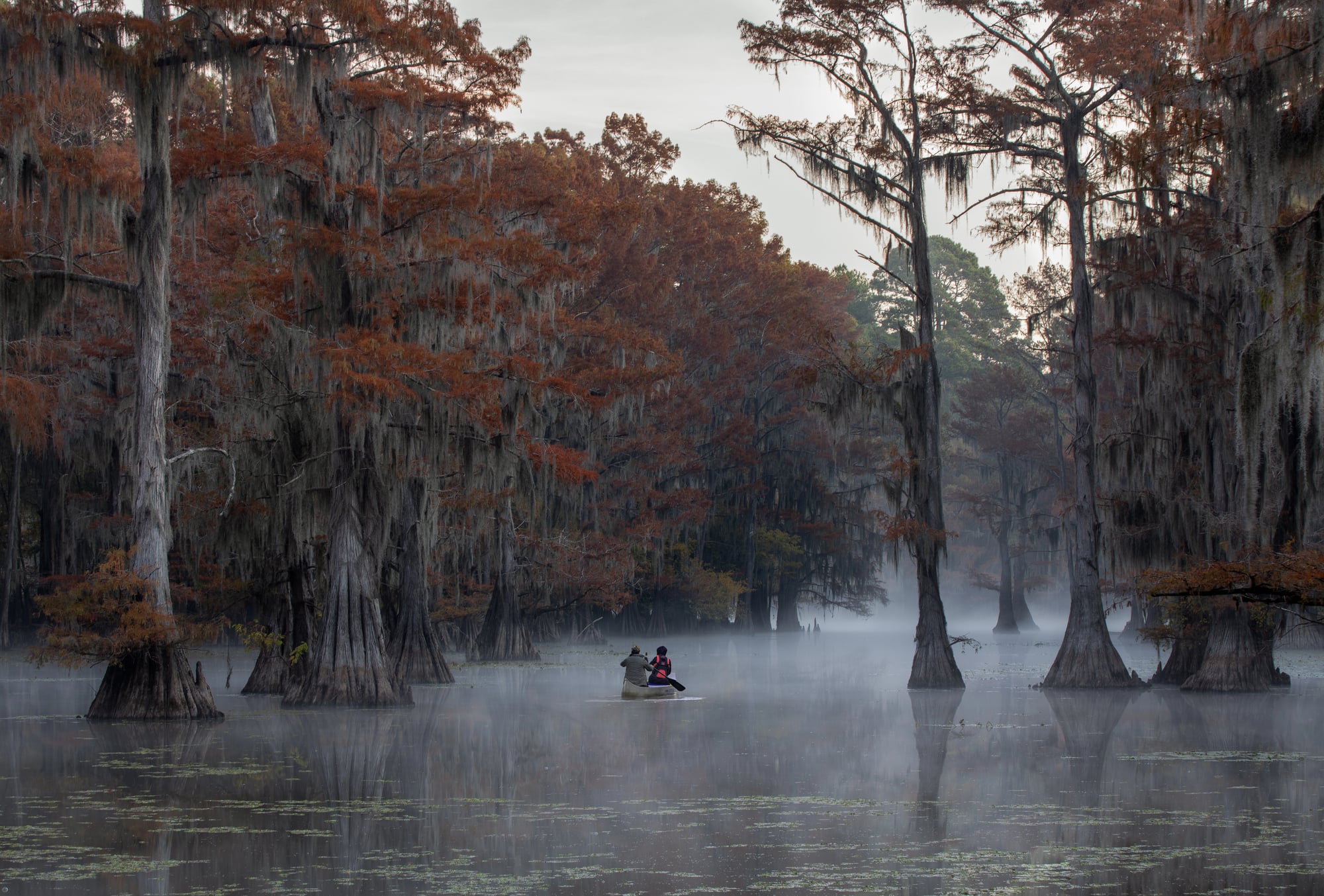
Louisiana swamp meets Texas lake in this maze of cypress trees and Spanish moss, where the water level shifts with seasonal floods and the boundary between land and lake changes monthly. The result is a landscape that feels perpetually in transition, never quite settling into one form or another, and that instability extends to the spiritual activity here as well.
The ghost stories at Caddo Lake don’t follow typical patterns because the place itself resists categorization — is it a lake, a swamp, a wetland, a bayou? The answer changes depending on rainfall, season, and which channel of water you’re following through the cypress forest.
But the one constant is the presence of something watching from deeper in the swamp, something that predates the oil derricks and steamboat traffic that once made this area prosperous. Native American burial mounds dot the higher ground around the lake, and when the water rises during flood season, it sometimes uncovers artifacts that were meant to stay buried.
That’s when the activity intensifies — voices in languages no one recognizes, lights moving through the trees at night, and boats that get turned around in channels their operators have navigated for years.
When The Water Remembers
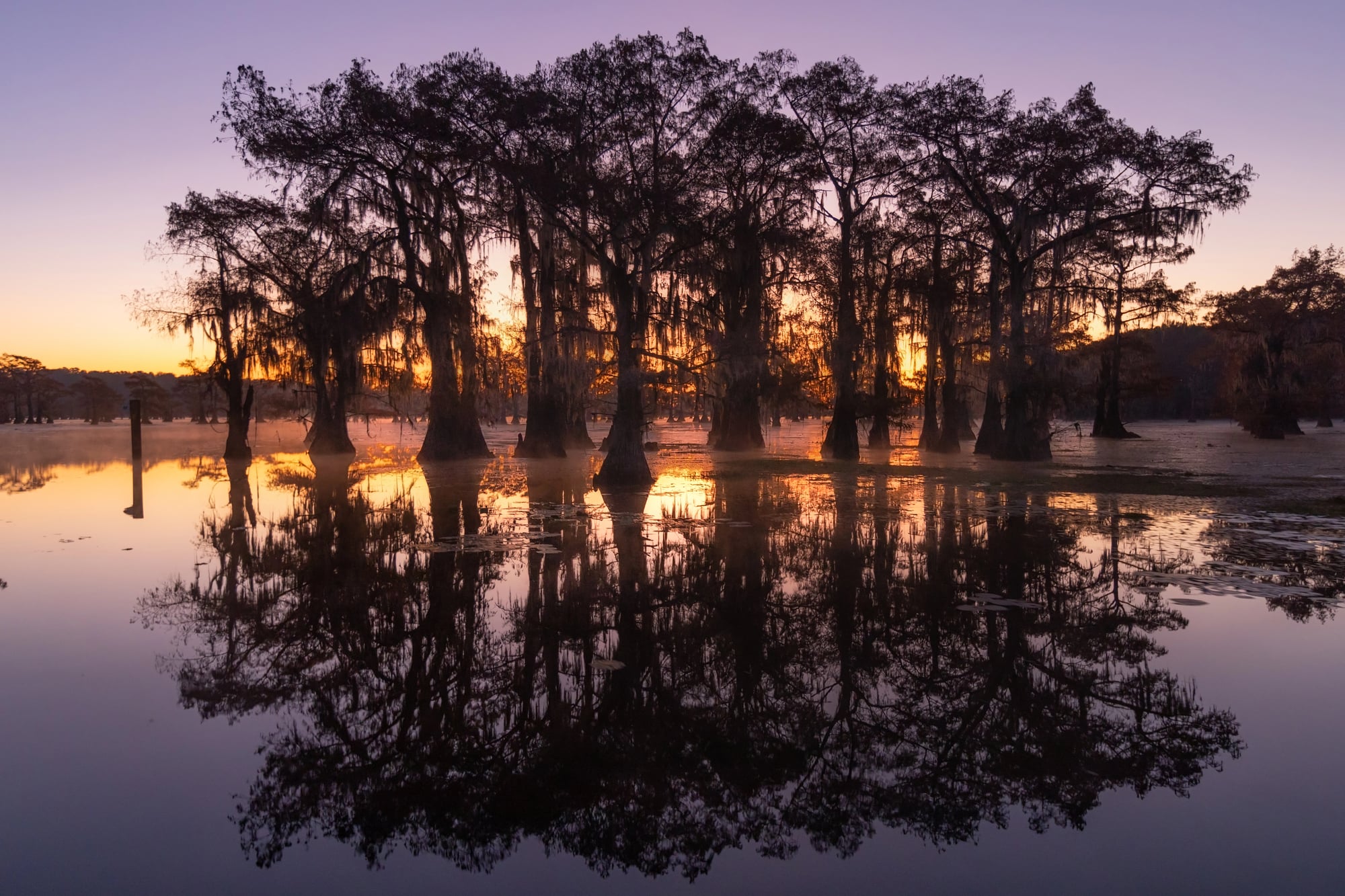
Lakes don’t forget the way rivers do. Moving water carries things away, washes them downstream, delivers them to the ocean where they dissolve into something larger.
But still water holds everything — every story, every tragedy, every moment of violence or sorrow that occurred along its shores. These haunted lakes across America serve as liquid archives, preserving the past in ways that feel almost intentional.
The common thread isn’t geography or climate or even the specific tragedies that created the hauntings. It’s the stillness itself, the way these bodies of water catch and hold whatever falls into them — including memories that refuse to fade.
Whether that’s simple folklore or something deeper, these lakes continue to draw visitors who leave with stories they can’t quite explain and dreams they’d rather forget.
More from Go2Tutors!

- The Romanov Crown Jewels and Their Tragic Fate
- 13 Historical Mysteries That Science Still Can’t Solve
- Famous Hoaxes That Fooled the World for Years
- 15 Child Stars with Tragic Adult Lives
- 16 Famous Jewelry Pieces in History
Like Go2Tutors’s content? Follow us on MSN.