Fashion Trends That Caused Injuries
Fashion has always been about looking good, but throughout history, some trends took this goal way too far. People have suffered broken bones, poisoning, burns, and worse, all in the name of staying stylish.
From crushed ribs to twisted ankles, these fashion choices show that beauty really can be painful. Let’s explore some of the most dangerous trends that put fashion before safety and left a trail of injuries behind.
Crinoline skirts trapped women in deadly fires
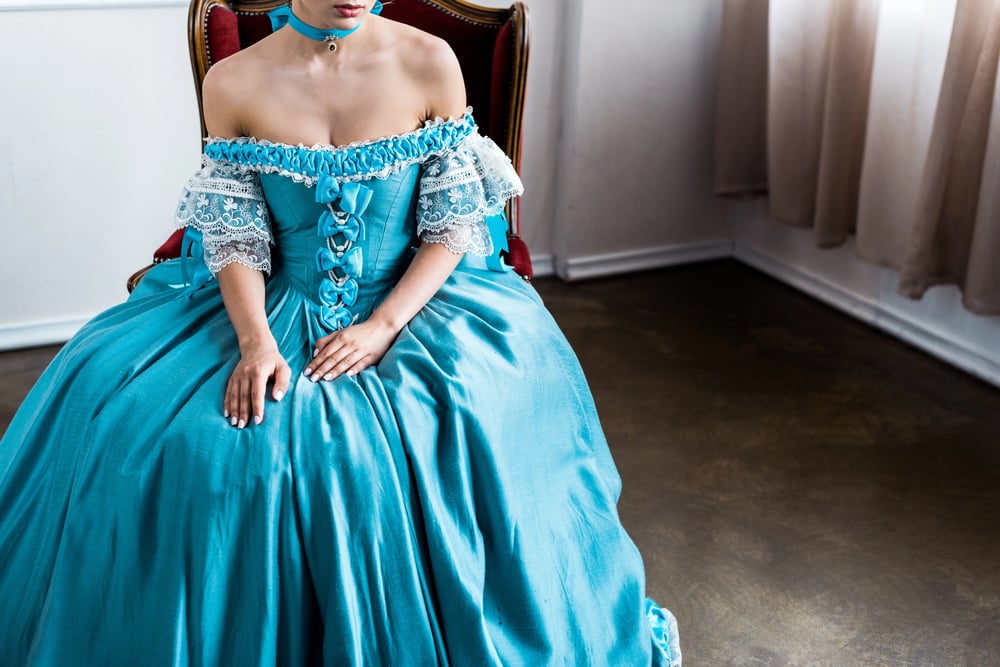
The crinoline, introduced in the summer of 1856, killed around 3,000 women during its peak popularity. These huge cage-like skirts made from steel wire and horsehair were so wide that women couldn’t move quickly through doorways or around furniture.
The real danger came from open flames in homes and public spaces.
Tight-lacing corsets crushed internal organs
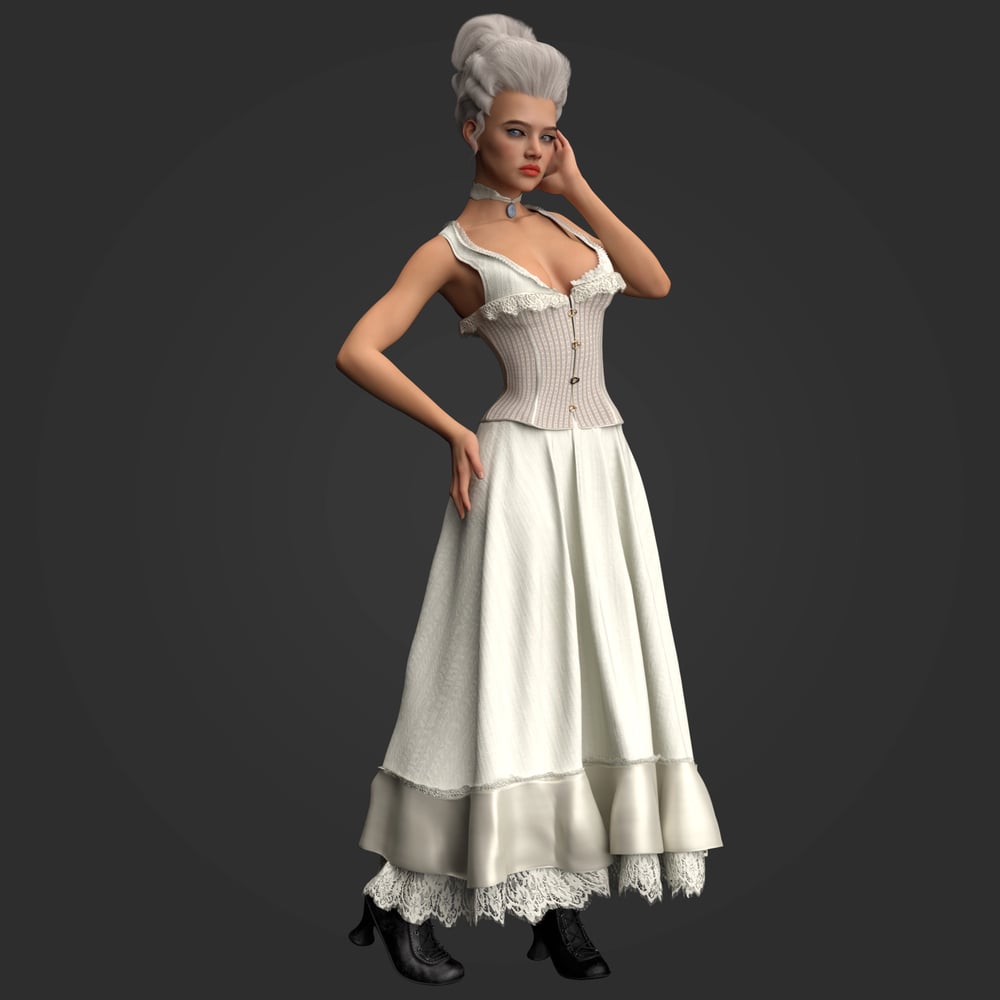
Tight-lacing corsets compressed internal organs and restricted breathing, with long-term use deforming ribcages and causing fainting, digestive issues, and sometimes even permanent organ displacement. Victorian women pulled these garments so tight that their waists measured as little as 13 inches around.
The constant pressure shifted the liver, stomach, and lungs into unnatural positions. Women frequently fainted because they couldn’t breathe properly, and many developed chronic digestive problems that lasted their entire lives.
Like Go2Tutors’s content? Follow us on MSN.
Chinese lotus shoes required breaking foot bones
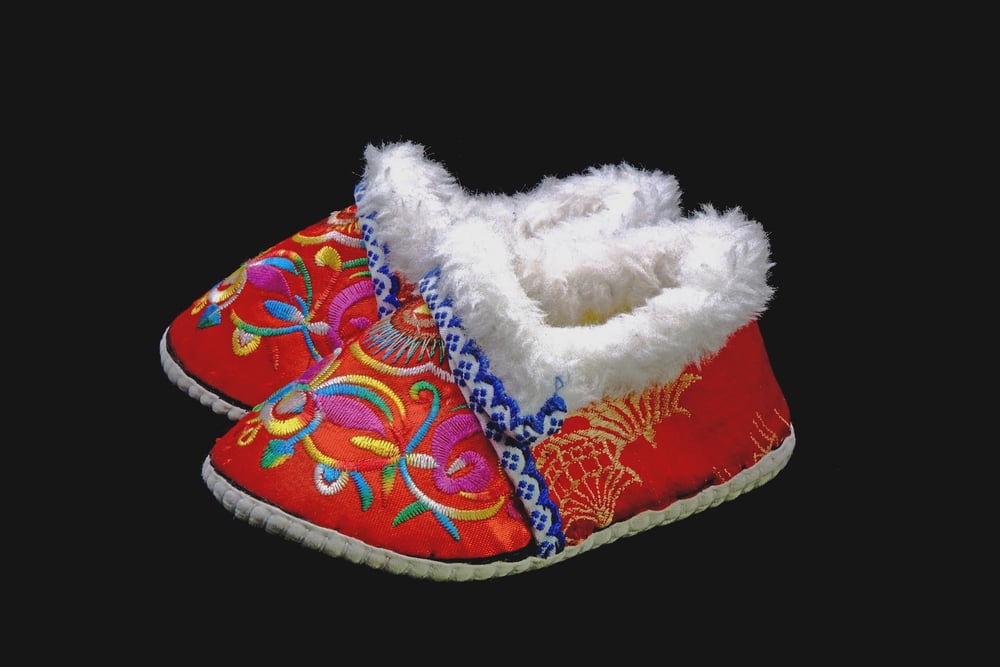
Women practiced a footbinding ritual by tightly wrapping their 6- to 8-year-old daughters’ feet into a “lotus” shape by folding the four toes under the arch, and the practice consisted of wrapping the feet with bindings to bend the toes under, break the bones, and make the front and back of the foot touch. This process created feet that were only 3-4 inches long and required specially made tiny shoes.
As the practice spread, these bindings became progressively tighter until most women were permanently handicapped and limited in mobility. Walking became painful and difficult for the rest of their lives.
Medieval pointed shoes caused battlefield disasters
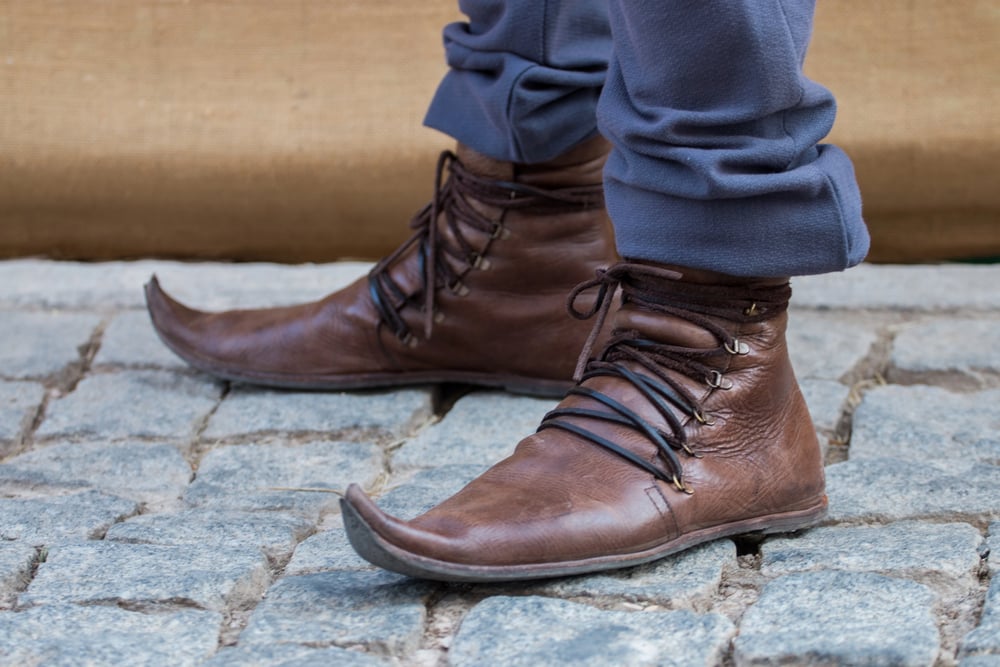
During the period that poulaines were in fashion, the sabatons sometimes became similarly awkwardly long or pointed and interfered with soldiers’ ability to walk or run. These extremely pointed shoes, sometimes extending up to 24 inches beyond the toes, made normal movement almost impossible.
At the 1386 Battle of Sempach, it became necessary for soldiers to cut off the points of their shoes so they could fight effectively. Knights literally had to choose between fashion and survival on the battlefield.
Arsenic green dresses poisoned entire families
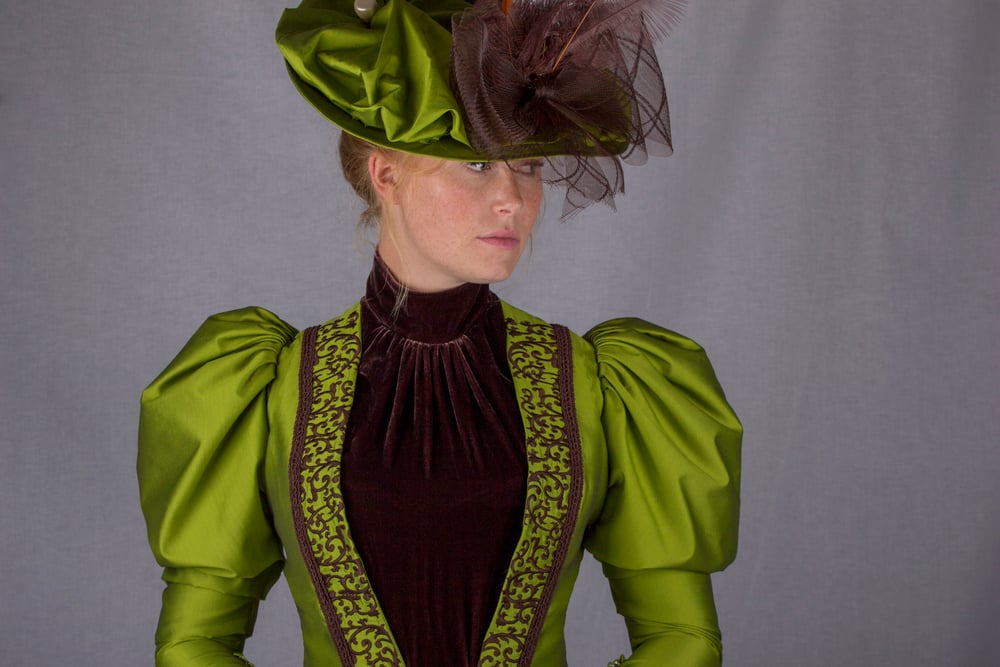
Victorian-era green dresses were dyed with a copper arsenic compound that slowly poisoned everyone who came near them. The toxic powder would flake off the fabric and contaminate the air in rooms where the dresses were stored.
Women who wore these gowns developed skin rashes, hair loss, and breathing problems. Even family members got sick from touching the contaminated clothing or breathing the poisoned air in their homes.
Like Go2Tutors’s content? Follow us on MSN.
Lead-based makeup caused brain damage and death

Venetian ceruse, a popular white face paint, contained deadly amounts of lead that absorbed through the skin over time. Women who used this makeup regularly developed tremors, memory loss, and severe mental health problems as the lead accumulated in their brains.
The cosmetic created the pale, ghostly look that was fashionable among wealthy women, but it literally drove many users insane. Some died from lead poisoning after years of daily use.
Platform shoes from the 1970s caused serious falls
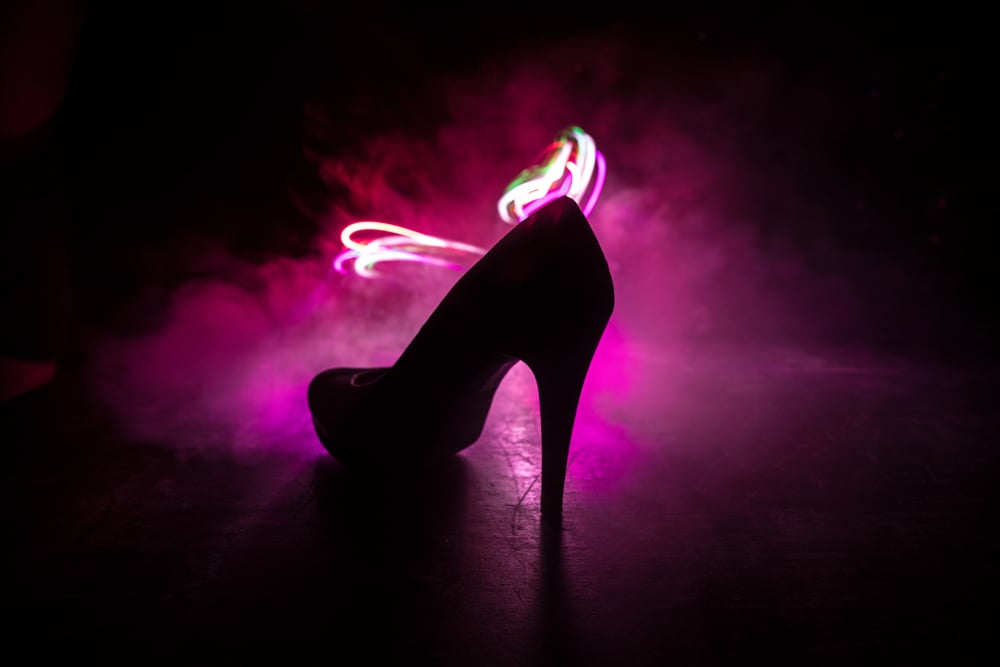
Some platform shoes were four inches (ten cm) high, and cobblers were sometimes asked to hollow out the soles to make the shoes lighter. These towering shoes became popular during the disco era but created major balance problems for wearers.
Raising the ankle increases the risk of a sprained ankle. Emergency rooms saw countless patients with broken ankles, twisted knees, and head injuries from people toppling off their platforms.
Radium jewelry gave women radiation sickness
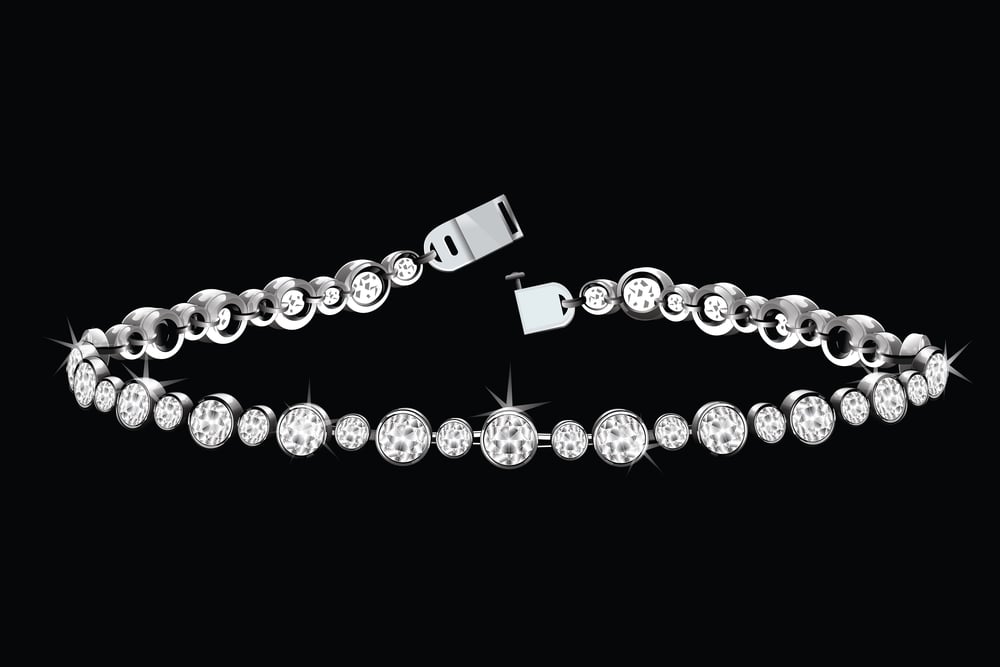
In the early 1900s, radium was considered a wonder element and was added to jewelry, watches, and cosmetics to make them glow in the dark. Women wore radium-laced accessories without knowing they were exposing themselves to deadly radiation.
Factory workers who painted radium on watch dials got especially sick because they licked their brushes to make fine points. Many developed jaw cancer, bone decay, and other radiation-related illnesses that killed them slowly and painfully.
Like Go2Tutors’s content? Follow us on MSN.
Hobble skirts caused women to fall and break bones
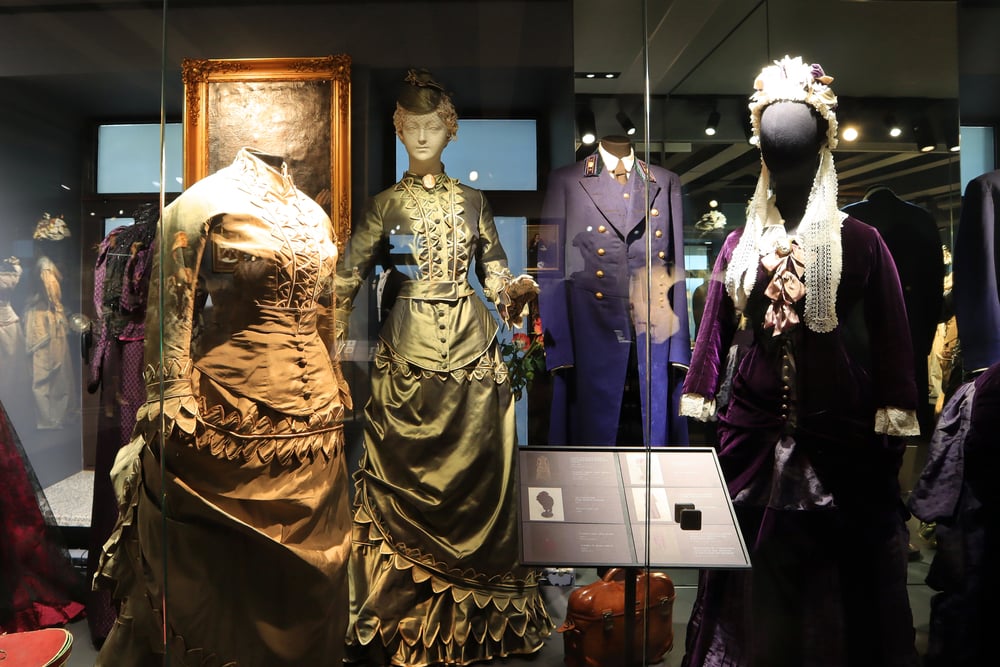
These narrow skirts were so tight around the legs that women could only take tiny steps of about 3 inches at a time. The restrictive design made it nearly impossible to walk up stairs, step over obstacles, or move quickly in emergencies.
Women frequently tripped and fell because they couldn’t lift their feet properly. The fashion lasted only a few years because it proved so impractical and dangerous for daily life.
Mercury hat treatments drove hat makers insane
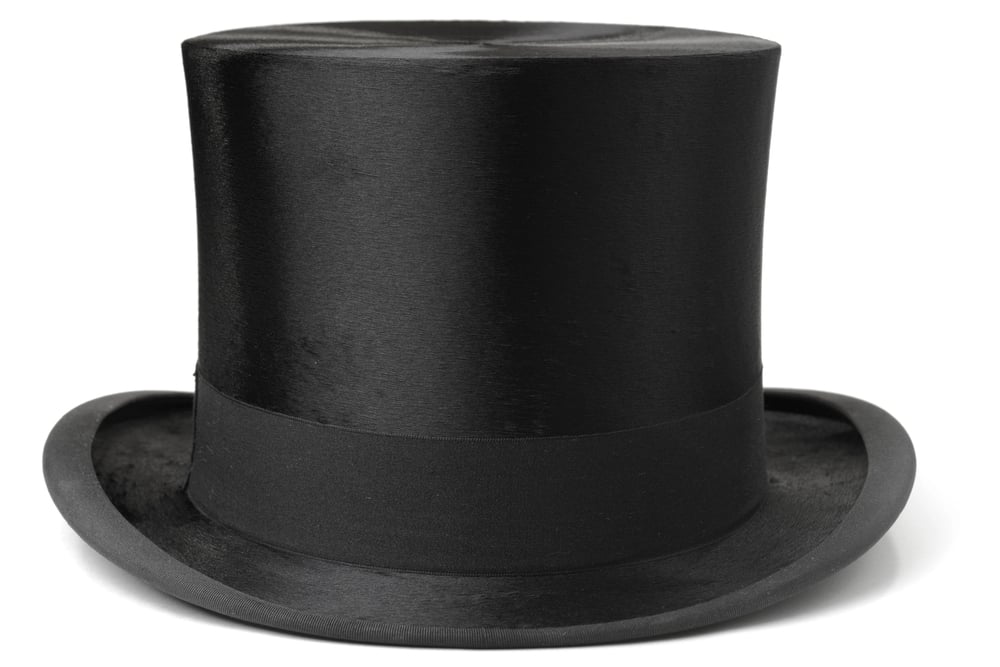
The phrase “mad as a hatter” comes from the real mental health problems that hat makers developed from working with mercury. This toxic metal was used to treat felt for top hats and other fashionable headwear.
Workers who handled the mercury-treated materials daily developed severe neurological symptoms including tremors, mood swings, and hallucinations. Many hat makers ended up in mental hospitals, not knowing that their work materials were slowly poisoning their brains.
Chopines platform shoes reached deadly heights
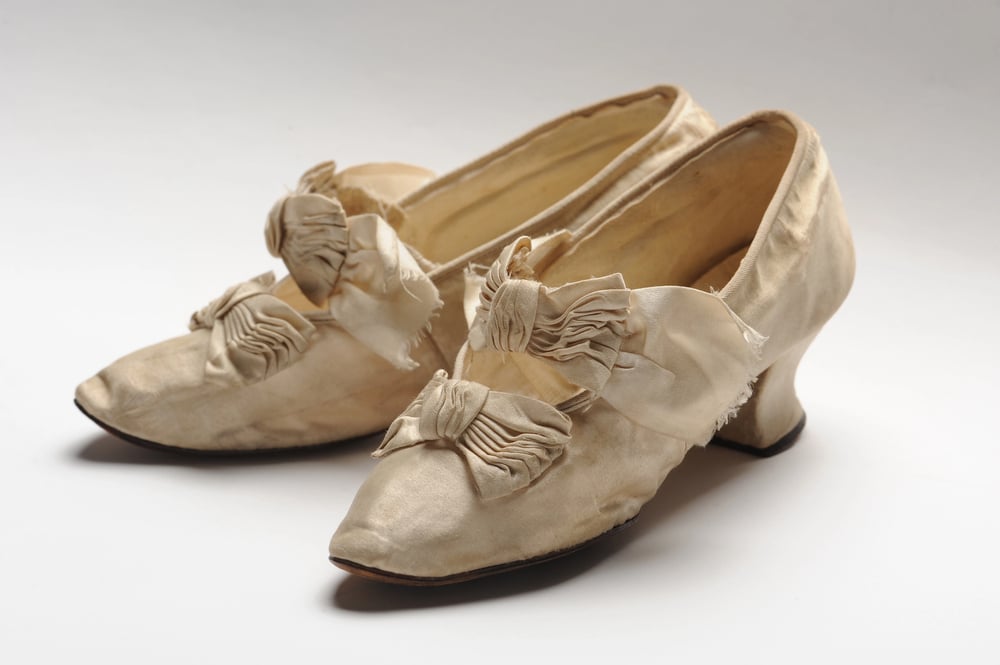
These extreme platform shoes from Renaissance Italy could be up to 30 inches tall, making them taller than many modern stilts. Women needed servants to help them walk because the shoes made normal movement impossible.
Falls were common and often resulted in serious injuries or death. The shoes became a symbol of wealth because only rich women could afford the servants needed to help them move around safely.
Like Go2Tutors’s content? Follow us on MSN.
Modern high heels send thousands to emergency rooms annually
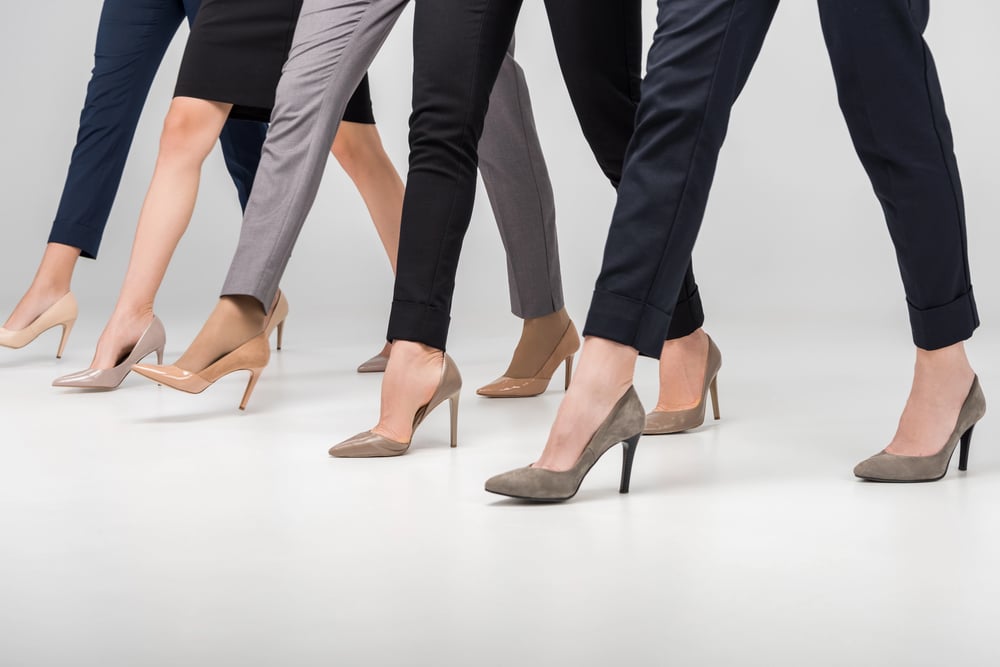
UAB study shows that injury rates from wearing high-heeled shoes have doubled in recent years. Stiletto heels that are 4 or 5 inches or more offer virtually no foot support, put a tremendous amount of strain on the bottom of the foot, and increase the likelihood of an ankle sprain or inversion injury.
Emergency departments treat thousands of high heel injuries every year, ranging from simple sprains to serious fractures. The combination of height, narrow heel base, and forward weight distribution creates a perfect recipe for accidents.
Flammable celluloid hair accessories caused severe burns
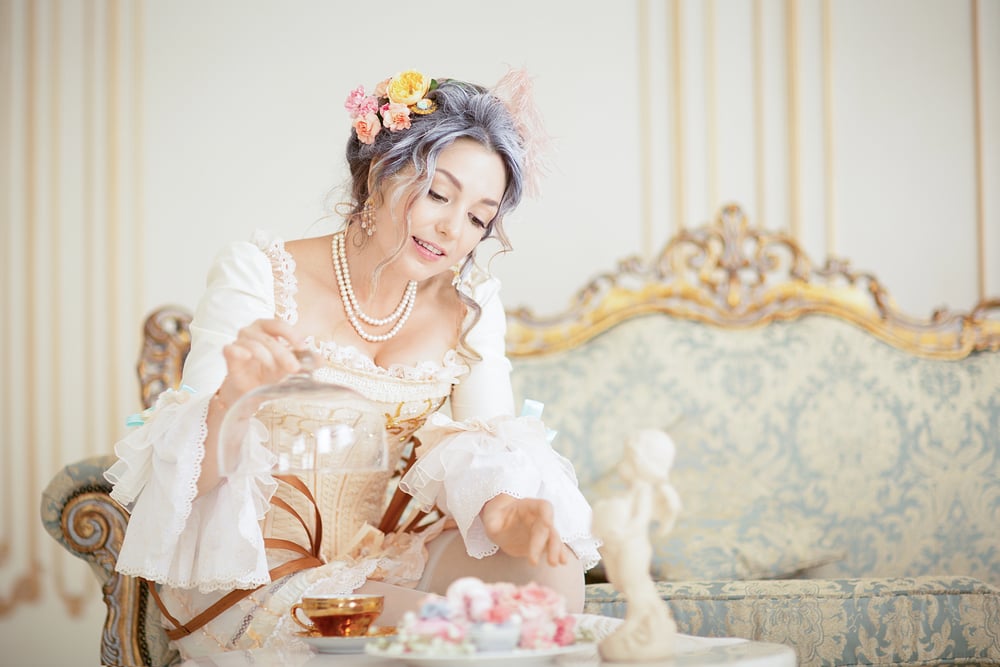
Early plastic hair combs, barrettes, and decorative accessories were made from celluloid, which was extremely flammable and could ignite from the smallest spark. Women sitting near fireplaces, gas lamps, or even hot hair curling tools risked having their hair accessories catch fire instantly.
The burning plastic would stick to skin and hair, causing severe burns that were difficult to treat. Many women suffered permanent scarring and hair loss from these accidents.
Whalebone stays punctured organs and caused infections
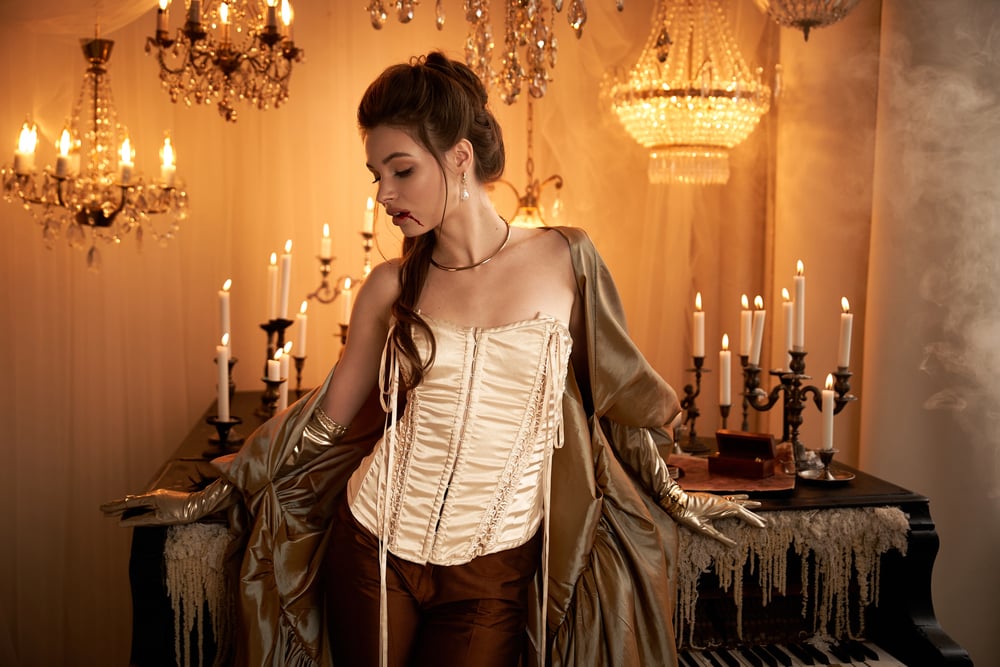
Before modern corsets, women wore stays reinforced with sharp pieces of whalebone that could break and stab through the fabric. These bone fragments would pierce the skin and sometimes puncture internal organs, causing serious infections.
The rigid stays also restricted movement so severely that women couldn’t bend, reach, or turn their bodies naturally. Physical activities became dangerous because the inflexible garments prevented normal body movement and balance.
Like Go2Tutors’s content? Follow us on MSN.
Weighted jewelry caused neck and spine injuries

Heavy ceremonial jewelry, including massive gold collars and layered necklaces, put so much strain on the neck and shoulders that wearers developed chronic pain and spinal problems. Ancient Egyptian and medieval nobles wore jewelry that weighed several pounds, constantly pulling their heads forward and creating unnatural posture.
Long-term wear led to compressed vertebrae, pinched nerves, and permanent changes to the spine’s natural curve.
From ancient dangers to modern awareness
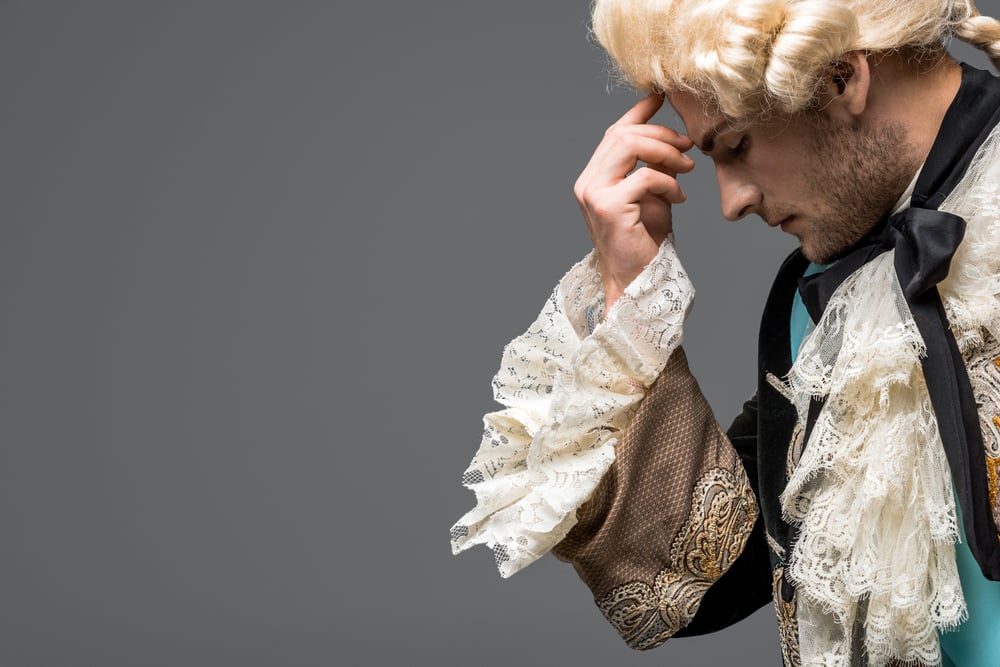
The history of dangerous fashion shows how much our understanding of safety has improved over the centuries. While people once accepted injuries as the price of beauty, today’s designers work to create styles that are both attractive and safe to wear.
Research has indicated that walking in high-heeled shoes has been shown to significantly reduce ankle muscle movement, step length, total range of movement and balance control. Modern safety regulations prevent the use of toxic materials like lead and mercury in clothing and cosmetics.
Though fashion still sometimes prioritizes appearance over comfort, we now have the knowledge to make smarter choices about what we put on our bodies.
More from Go2Tutors!

- 16 Historical Figures Who Were Nothing Like You Think
- 12 Things Sold in the 80s That Are Now Illegal
- 15 VHS Tapes That Could Be Worth Thousands
- 17 Historical “What Ifs” That Would Have Changed Everything
- 18 TV Shows That Vanished Without a Finale
Like Go2Tutors’s content? Follow us on MSN.



