15 Survival Facts About the Amazon Jungle
The Amazon rainforest spans over 2.7 million square miles across nine countries and contains the most biodiverse ecosystem on our planet. This lush paradise houses approximately 10% of all known species on Earth and generates about 20% of our global oxygen supply, earning it the nickname “the lungs of our planet.”
But beyond its ecological importance, the Amazon presents one of the most challenging environments for human survival. Here is a list of 15 essential survival facts about the Amazon jungle that might surprise you—and could save your life if you ever find yourself venturing into this magnificent but unforgiving wilderness.
Drinking Water From Vines
When lost in the Amazon, finding clean drinking water is your top priority. Many large vines in the rainforest contain potable water.
Cut a section about three feet long, hold it vertically, and water will drip from the bottom. The taste isn’t great—slightly bitter and plant-like—but it’s safe to drink and can prevent dehydration.
Not all vines contain water though, so look for the thicker ones with rough bark.
River Dangers
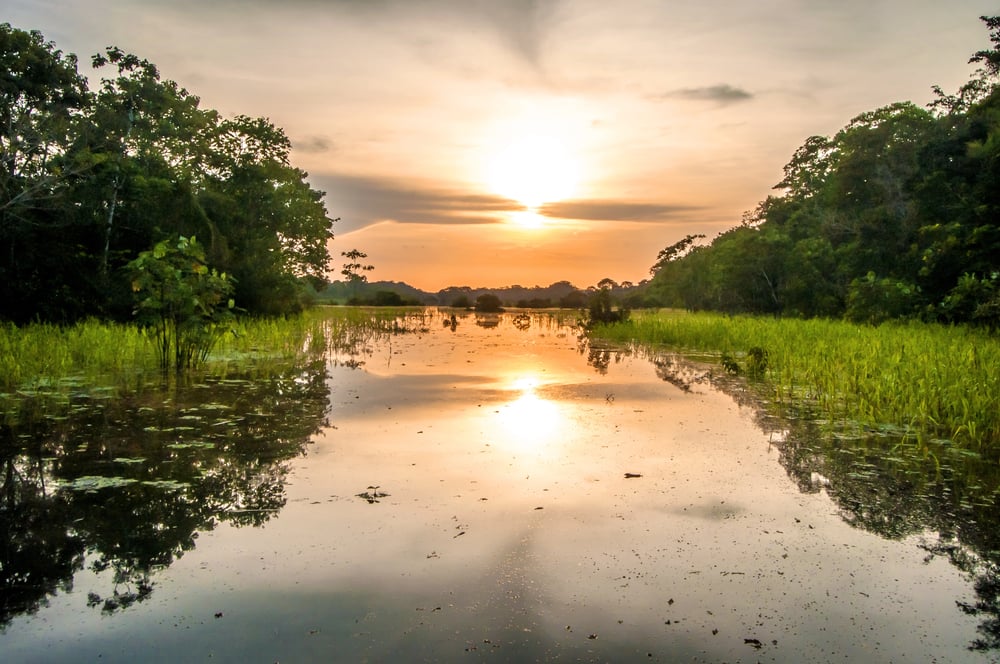
The Amazon River and its tributaries might seem like helpful navigation tools, but they harbor numerous hazards. Electric eels can deliver shocks up to 600 volts, while candiru fish are infamous for their parasitic behavior.
Piranha attacks on humans are rare but possible during dry seasons when food is scarce. The safest approach is to carefully inspect any water before entering and never assume a calm-looking river is safe.
Like Go2Tutors’s content? Follow us on MSN.
Deadly Tree Sap
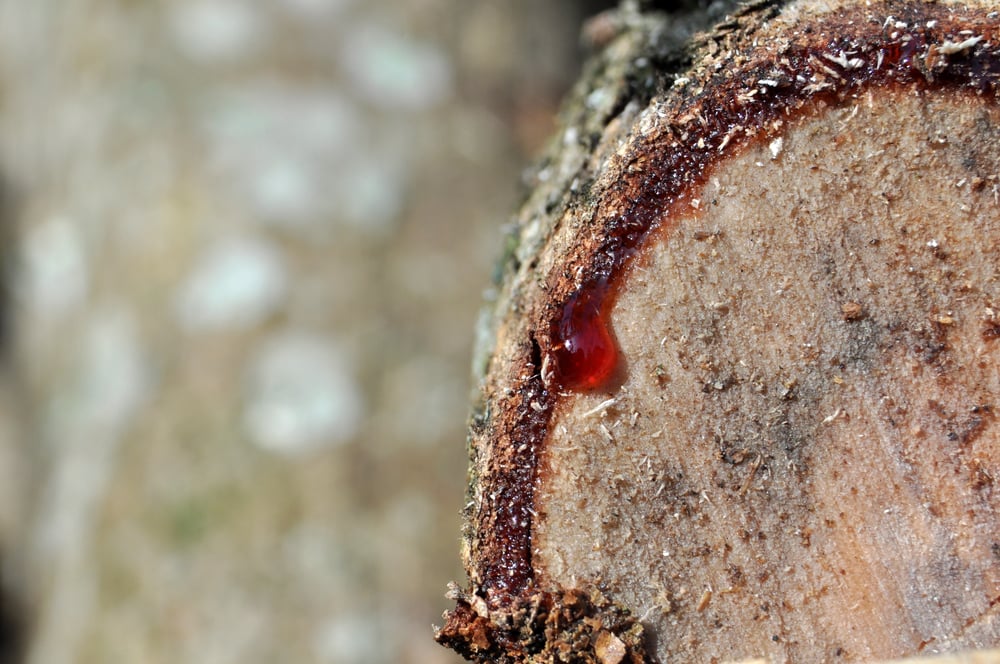
Not all natural resources in the Amazon are beneficial. Some trees produce highly toxic sap that causes severe skin reactions or respiratory distress if inhaled. The manchineel tree, sometimes found in coastal areas of the Amazon, produces sap so caustic it can cause blindness if it contacts your eyes.
Always wear gloves when gathering materials, and never burn unknown wood, as the smoke could contain these toxins.
Insect Protection

Insects pose one of the most persistent threats in the Amazon, transmitting diseases like malaria, yellow fever, and dengue. Creating natural repellents from certain plants can provide some protection.
Crushing and rubbing leaves from the wild basil plant directly onto exposed skin releases oils that repel mosquitoes. Finding these aromatic plants near riverbanks and clearings can be a lifesaver when commercial repellents aren’t available.
The Safest Sleeping Locations
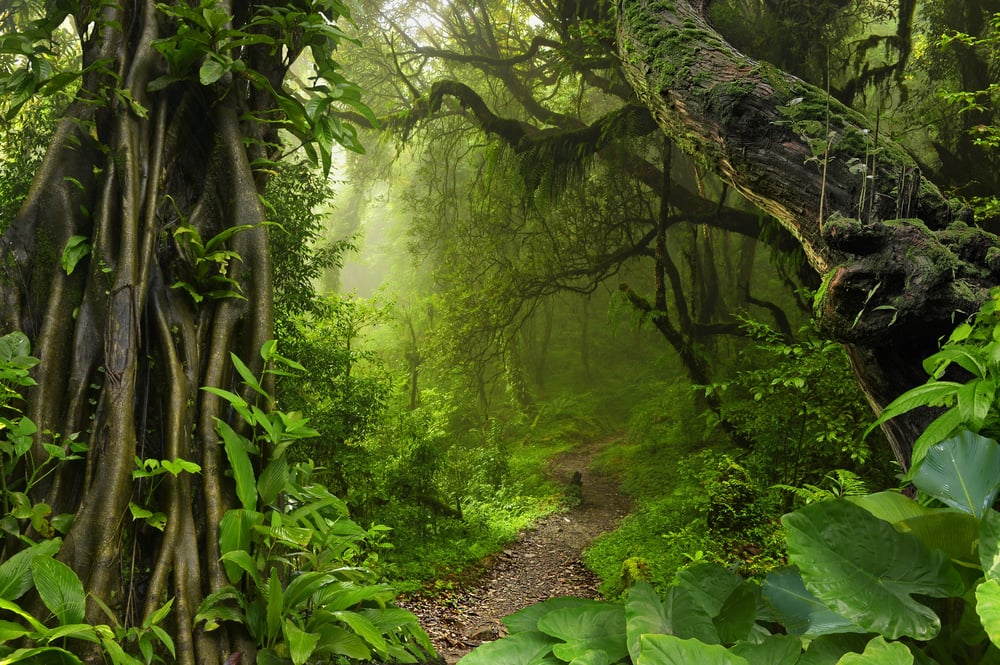
Selecting the right spot to rest can mean the difference between life and death in the Amazon. The forest floor teems with dangers from venomous creatures to big cats hunting at night.
Hammocks tied at least 6-8 feet above ground provide reasonable safety from ground-dwelling threats. Always inspect trees for ant nests or other hives before securing your hammock, and use vines or paracord to hang food supplies away from your sleeping area.
Like Go2Tutors’s content? Follow us on MSN.
Navigational Techniques

Getting lost is surprisingly easy in the dense, uniform vegetation of the rainforest. Without GPS or a compass, you can navigate using natural markers. Most large rivers in the Amazon flow eastward toward the Atlantic Ocean.
Moss typically grows more abundantly on the north side of trees in the southern Amazon. Learning these natural directional indicators before your journey could prevent days of wandering in circles.
Edible Plants Identification

Amazon offers thousands of edible plants, but many poisonous species closely resemble safe ones. As a general rule, white and milky sap often indicates toxicity.
Palms are among the safest plant families—the heart of palm is edible in nearly all species. The açaí palm produces nutritious berries, while the base of many palm fronds contains starchy, calorie-rich pith that can sustain you during extended survival situations.
Fire Starting Challenges
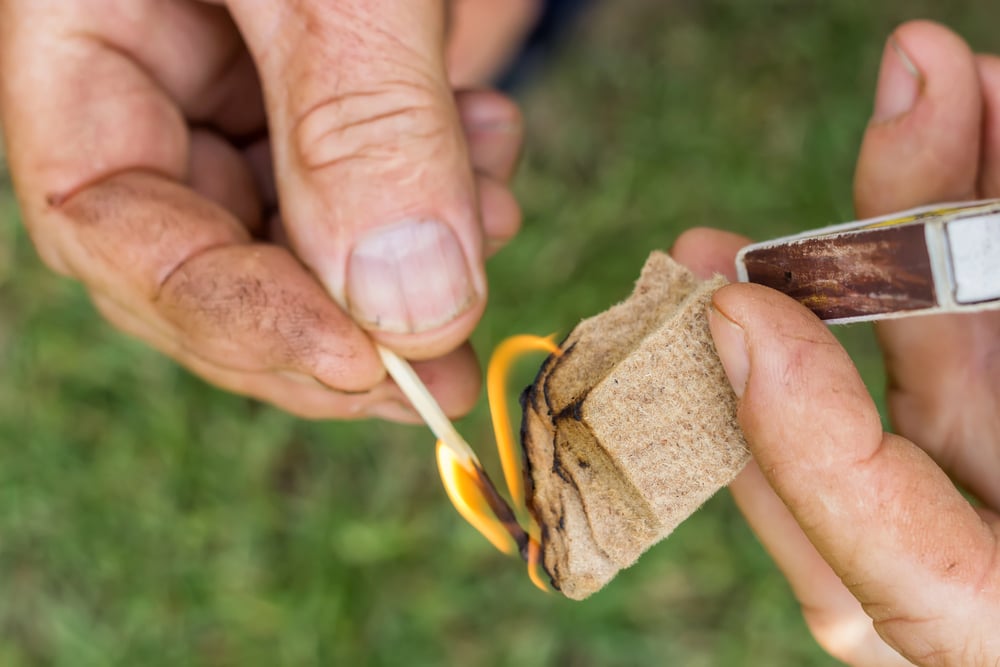
Creating fire in the perpetually damp environment of the Amazon requires special techniques. The inner bark of the ceiba tree remains dry even during rainy seasons and makes excellent tinder.
Find deadwood caught in branches above ground level, as it’s more likely to be dry enough to burn. Creating a small platform of sticks elevates your fire materials off the moist ground, increasing your chances of successful ignition even after heavy rainfall.
Like Go2Tutors’s content? Follow us on MSN.
Animal Tracking
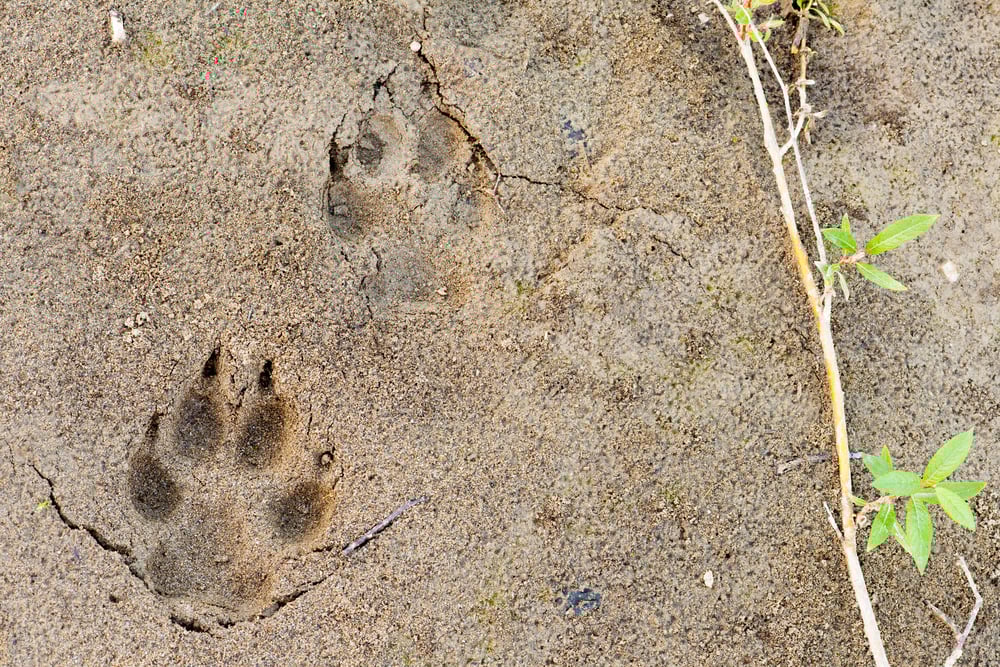
Understanding animal behavior provides critical survival information. Fresh tracks leading to water sources can help you locate drinking water. Areas with abundant animal droppings often indicate nearby fruit trees or other food sources.
Learning to recognize jaguar tracks—which resemble large cat prints about 4 inches wide—can alert you to potential danger zones where you shouldn’t camp or might need to be especially vigilant.
Shelter Construction
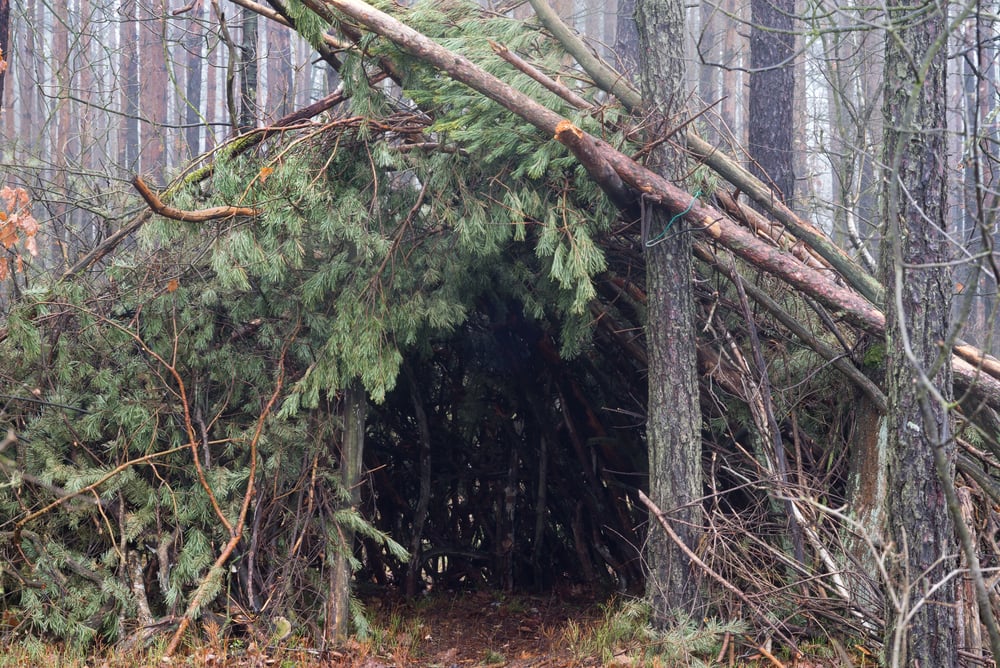
In the Amazon’s frequent downpours, proper shelter prevents hypothermia despite the tropical temperatures. The large leaves of the Heliconia plant shed water effectively and can be layered like shingles.
Palm fronds woven together create waterproof panels for roofing. Building your shelter on slightly elevated ground prevents flooding, while constructing a raised platform of branches keeps you off the wet ground and away from crawling insects and snakes.
Medicinal Plants Knowledge

The Amazon contains nature’s pharmacy if you know where to look. The latex from dragon’s blood trees works as a natural antiseptic for wounds. Cinchona bark contains quinine, which helps treat malaria symptoms.
Cat’s claw bark can reduce inflammation and fight infection. Indigenous peoples have used these remedies for centuries, and modern science has confirmed many of their medicinal properties.
Learning even a few key medicinal plants could save your life during extended survival scenarios.
Like Go2Tutors’s content? Follow us on MSN.
Safe River Crossing

Crossing rivers safely requires careful assessment and technique. Never attempt to cross where the water appears dark or still—these areas are often surprisingly deep.
Instead, look for stretches where water flows over visible rocks, indicating shallower depths. Using a sturdy walking stick to probe the riverbed ahead helps detect sudden drop-offs.
Crossing early in the morning generally means lower water levels and reduced chance of afternoon storms raising water levels while you’re mid-crossing.
Signal Creation

Making yourself visible to potential rescuers presents unique challenges in the dense canopy. Creating three of anything—smoke columns, ground markings, or sound signals—is the international distress pattern.
Bright-colored clothing or equipment placed in clearings or riverbanks increases visibility from aircraft. Certain palm trees contain oily kernels that produce thick black smoke when burned, making effective aerial signals that stand out against the green canopy.
Indigenous Plant Ropes

Cordage is essential for numerous survival tasks from shelter building to tool creation. The fibers from the inner bark of the cecropia tree create strong natural rope when twisted together.
Climbing plants like lianas can be split lengthwise and used for lashing without additional processing. These natural materials often prove stronger than improvised alternatives and require minimal processing compared to making cordage from scratch.
Like Go2Tutors’s content? Follow us on MSN.
The Greatest Survival Tool

Despite all the physical techniques and knowledge that might keep you alive in the Amazon, maintaining a positive mental attitude remains the most powerful survival tool. People with strong mental resilience outlast those with superior physical strength but pessimistic outlooks.
Breaking survival down into small, achievable goals—finding water, creating shelter, signaling for rescue—prevents overwhelming feelings of hopelessness. The human will to survive has overcome seemingly impossible Amazon scenarios numerous times throughout history.
Nature’s Delicate Balance

The Amazon jungle represents a masterful lesson in adaptation and resilience. Every creature and plant has evolved specific strategies for survival in this competitive environment.
Human visitors who approach the forest with respect and preparation can temporarily integrate into this complex system. The jungle doesn’t forgive carelessness or arrogance, but it rewards careful observation and adaptive thinking. By studying how indigenous communities have thrived here for thousands of years, modern explorers can learn to work with—rather than against—the powerful forces of the Amazon.
More from Go2Tutors!

- 18 Unexpectedly Valuable Collectibles You Might Have Lying Around
- 15 Things Every Teenager in the ’70s Did That Teens Today Wouldn’t Understand
- 15 Strange Things People Have Tried to Ban (And Failed)
- 15 Inventions That Were Immediately Banned After Being Created
- 20 Actors Who Were Almost Cast in Iconic Roles
Like Go2Tutors’s content? Follow us on MSN.



