16 Historical Leaders Who Were Secretly Terrible People Behind Closed Doors
History has a way of polishing reputations. The textbooks emphasize the victories, the monuments celebrate the achievements, and the messy human details get swept under the rug.
But sometimes those messy details tell a completely different story than the one carved in marble.
These leaders changed the course of nations, shaped civilizations, and earned their places in history books. They also happened to be deeply flawed individuals whose private behavior would shock anyone who only knew their public personas.
The gap between legend and reality can be startling.
Thomas Jefferson
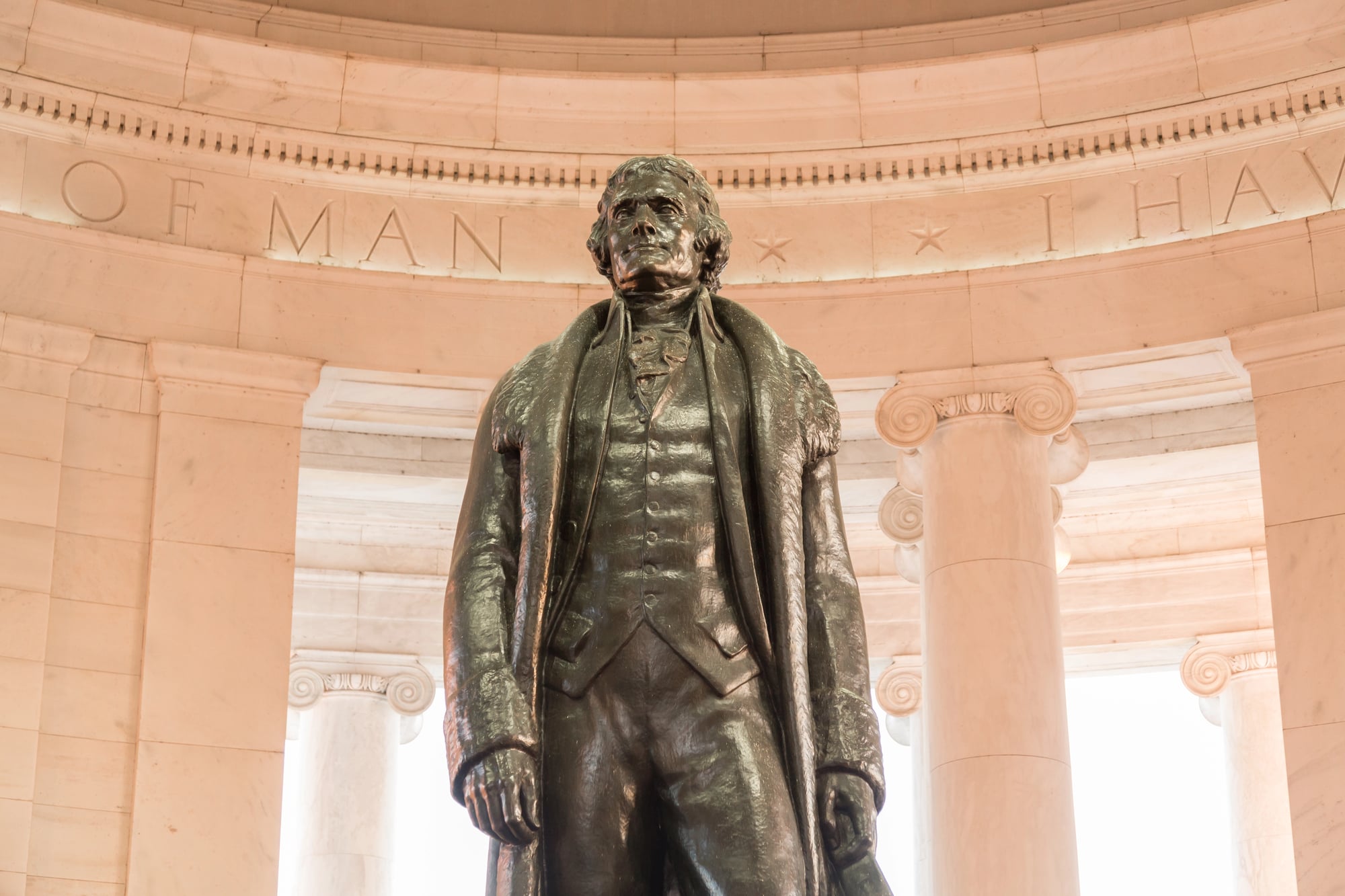
The man who wrote “all men are created equal” owned over 600 enslaved people throughout his lifetime. Jefferson sold human beings to pay his debts, separated families when it suited his financial needs, and likely fathered children with Sally Hemings, an enslaved woman who had no legal right to refuse him.
His personal writings reveal someone who intellectually opposed slavery but couldn’t bring himself to give up the wealth it provided. He freed only a handful of people in his will — mostly those related to him through Sally Hemings.
Theodore Roosevelt
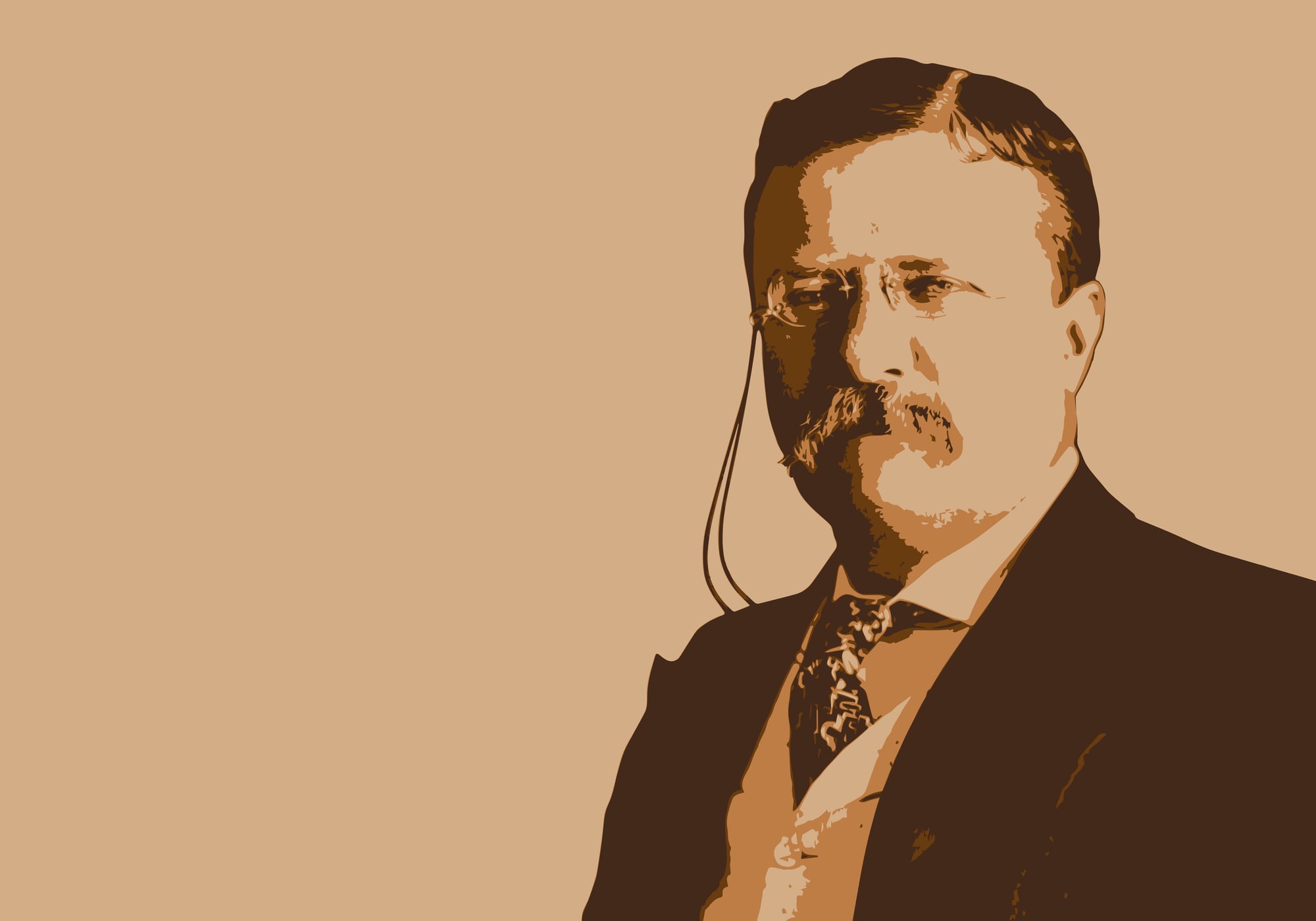
Roosevelt’s presidency built him a reputation as a champion of conservation and progressive reform, but his personal views (particularly when it came to race and imperialism) were harsh enough to make even his contemporaries uncomfortable. He openly advocated for what he called “racial purity” and believed that some cultures were simply superior to others — views that went far beyond the casual prejudices of his era.
And his famous charge up San Juan Hill? Turns out it involved abandoning wounded soldiers and taking credit for a victory that belonged largely to African American regiments — regiments he later described in dismissive terms despite their crucial role in the battle.
But Roosevelt never let facts interfere with a good story about himself.
Gandhi
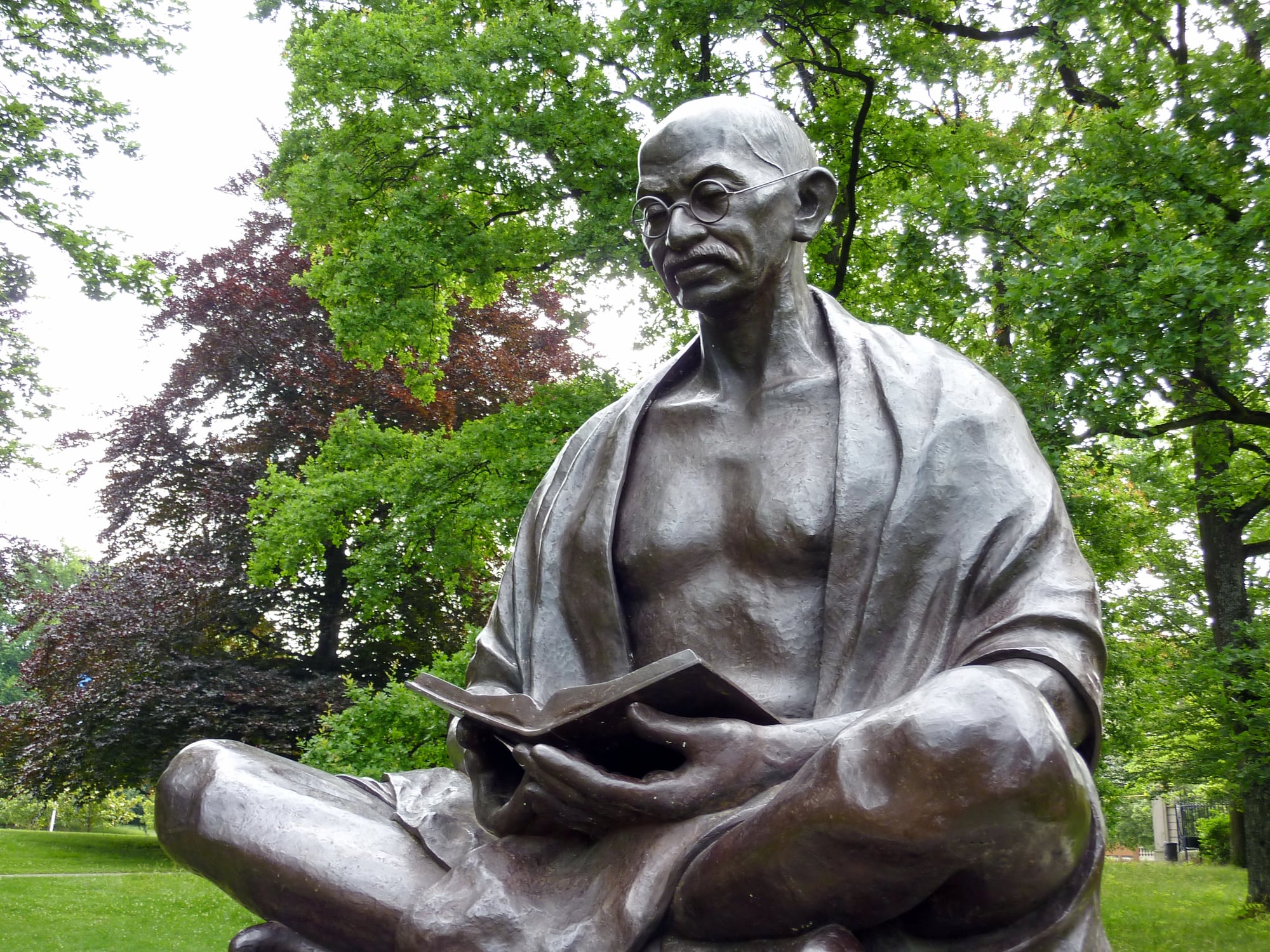
The man who preached nonviolence and simple living had a peculiar relationship with both principles when it came to his personal life. Gandhi regularly tested his commitment to celibacy by sleeping next to unclothed young women, including his own grandnieces — behavior that disturbed even his closest supporters and drove his wife to despair.
His attitudes toward race during his early years in South Africa were troubling in ways that complicate his later reputation as a champion of human rights. He wrote extensively about the superiority of Indians over black Africans and seemed genuinely offended when colonial authorities treated Indians and black South Africans as equals.
The transformation into the Gandhi of popular memory came much later, and even then, his private experiments in self-control remained deeply problematic.
Winston Churchill
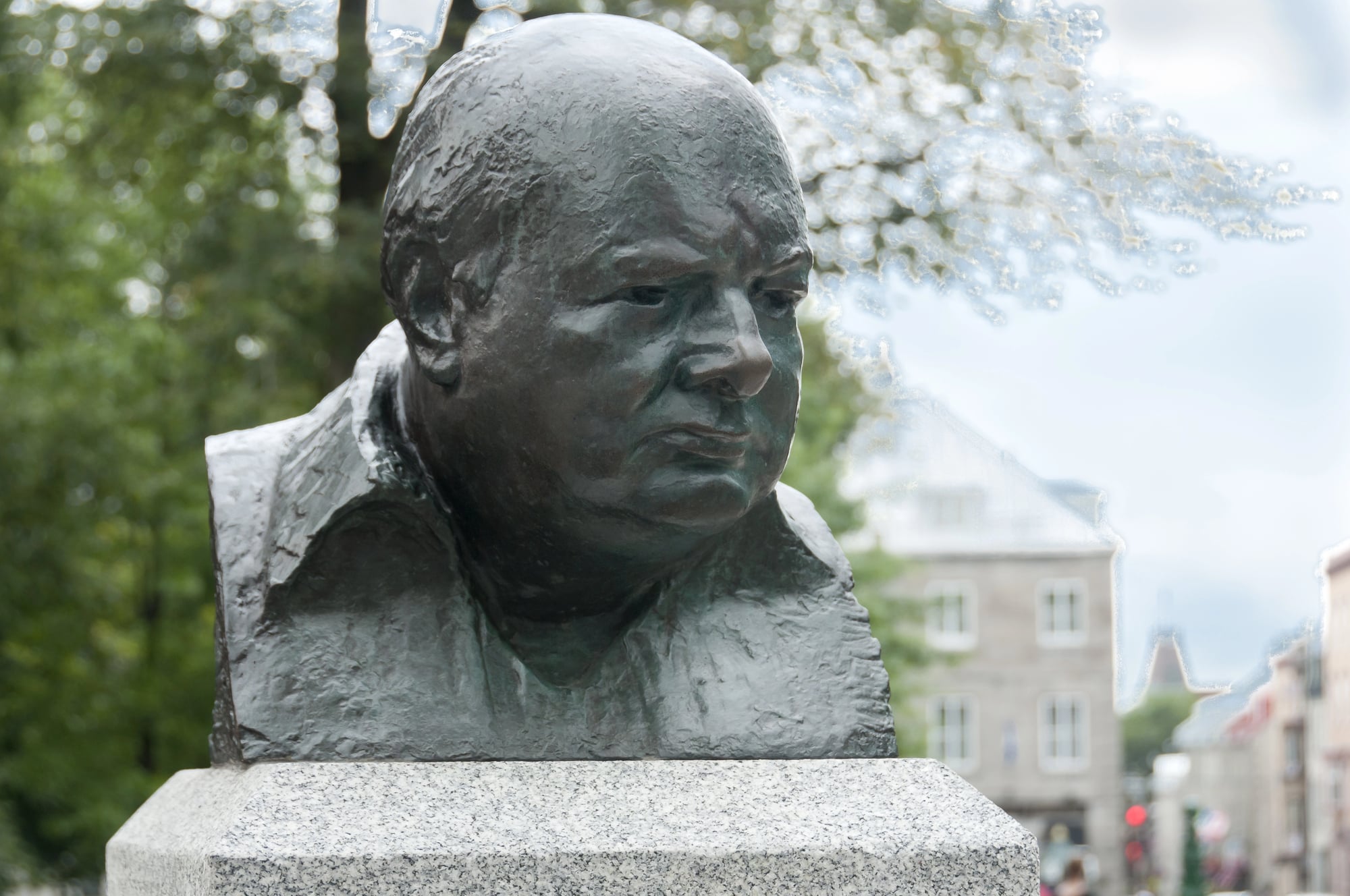
Churchill’s wartime leadership earned him a permanent place among history’s heroes, but his peacetime record tells a different story. His casual racism extended far beyond the usual prejudices of his class and era.
He actively advocated for using chemical weapons against “uncivilized tribes” and dismissed the Bengali famine of 1943 — which killed millions — by asking why Gandhi hadn’t died yet if conditions were really so bad.
The man who stood firm against fascism in Europe had no problem supporting policies that would be considered genocidal when applied to people he deemed inferior. His own party voted him out of office immediately after the war ended, which says something about how his contemporaries viewed his fitness for leadership during peacetime.
John F. Kennedy
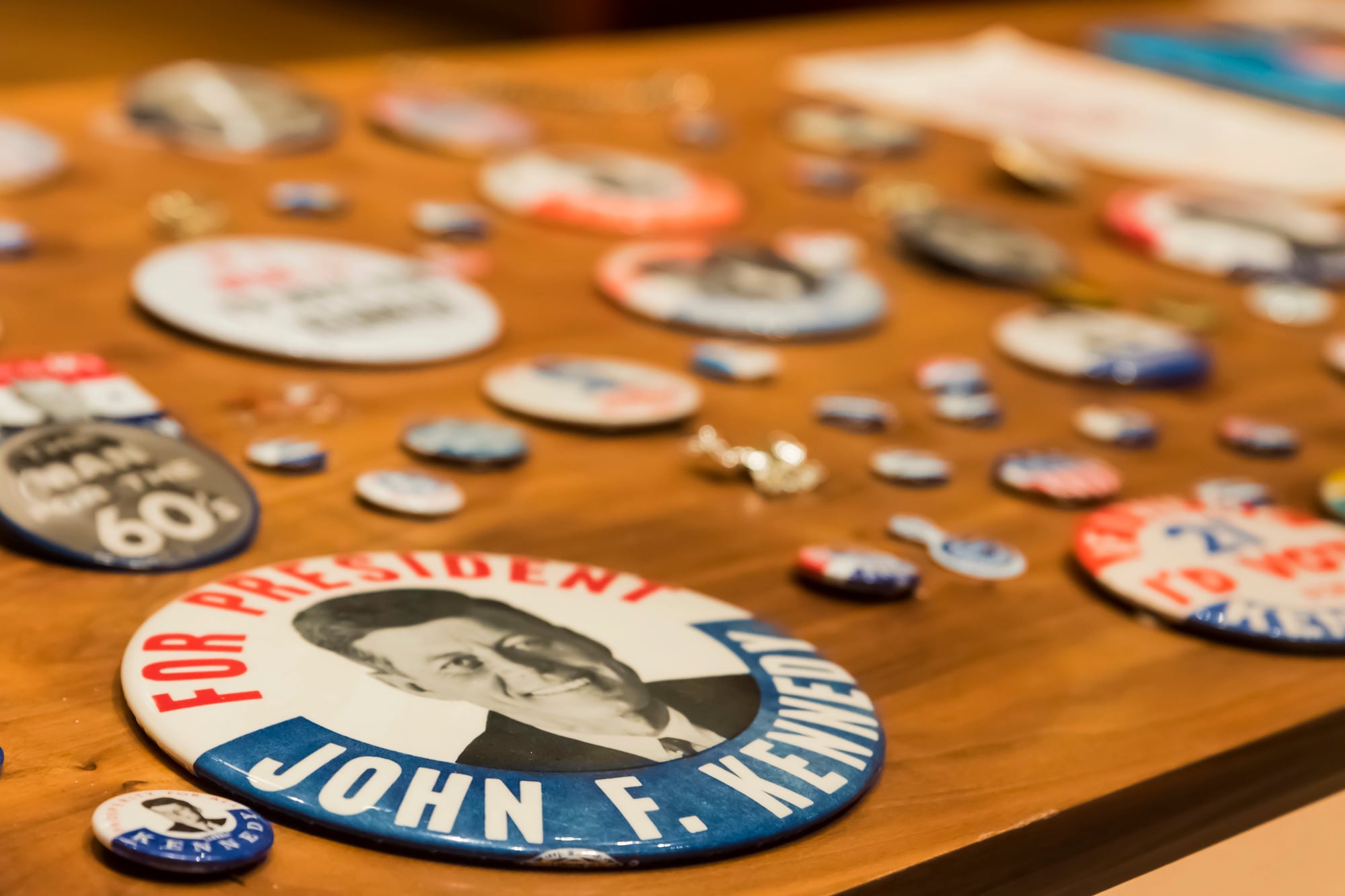
Kennedy’s public image was carefully crafted around youth, vigor, and family values. The reality involved a level of reckless behavior that would have destroyed his presidency if the press had been less protective.
His affairs were numerous enough to require staff coordination, and some involved women with questionable connections to organized crime figures. He brought call girls into the White House.
He shared a mistress with a known mob boss. And he did all of this while taking medications for various health problems that he kept hidden from the public — medications that may have affected his judgment during some of the most dangerous moments of the Cold War.
The Cuban Missile Crisis takes on a different character when you consider that the president may not have been thinking clearly.
Napoleon Bonaparte
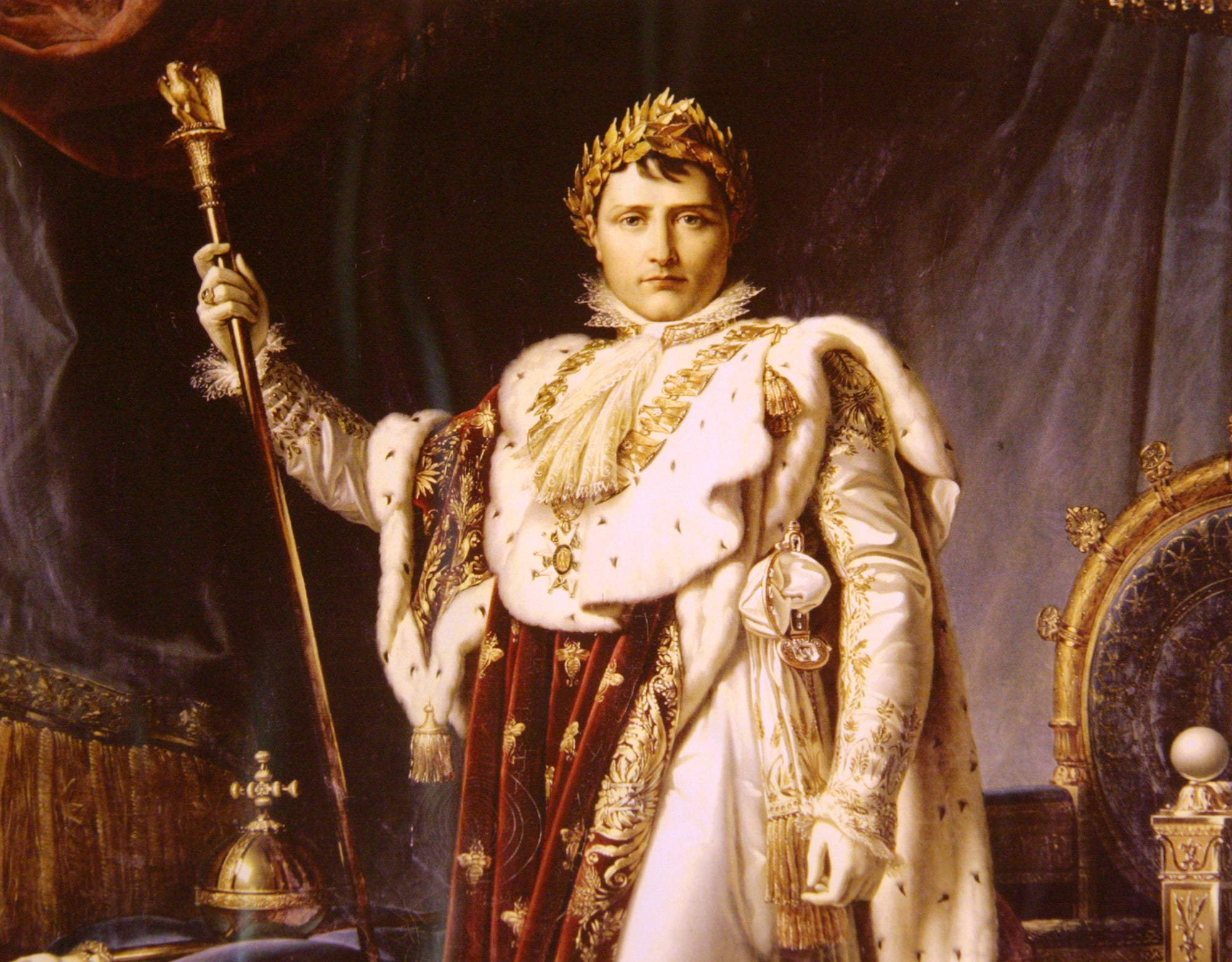
Napoleon’s military genius and legal reforms overshadowed his personal cruelty, but the cruelty was extensive. He reinstituted slavery in French colonies after it had been abolished, purely for economic reasons.
His treatment of prisoners of war violated even the loose standards of his era — he ordered the execution of thousands of captured soldiers who should have been protected under military customs.
The man who claimed to champion merit over birth spent his later years installing his relatives as monarchs across Europe. His retreat from Moscow involved abandoning his own army to save himself, leaving hundreds of thousands of soldiers to die in the Russian winter while he raced back to Paris to protect his political position.
Julius Caesar
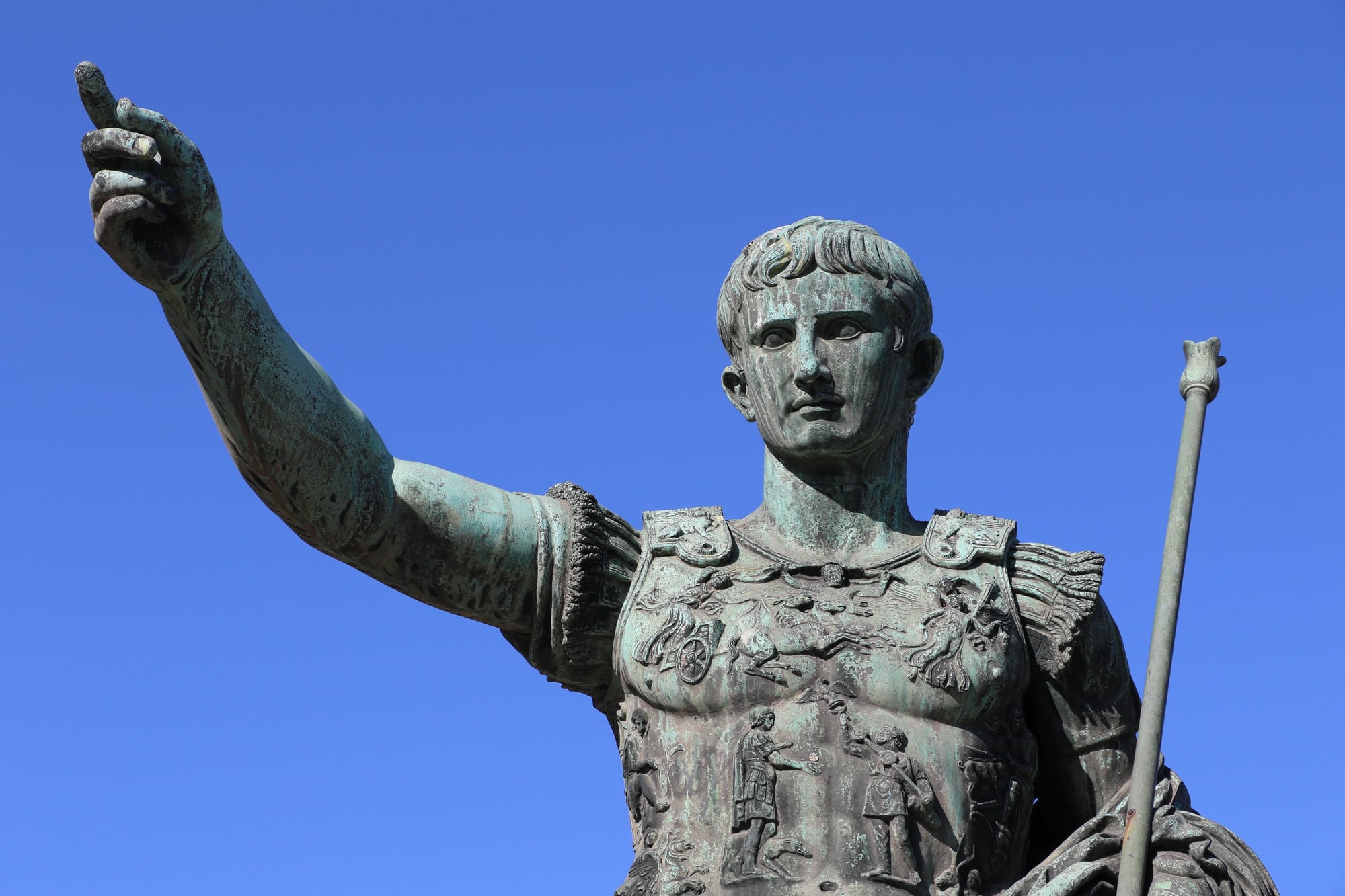
The leader who expanded Roman civilization across Europe also normalized political violence in ways that ultimately destroyed the Roman Republic. His rise to power involved forming illegal alliances, bribing officials on a massive scale, and using military force against his own government when legal means didn’t work.
Caesar’s conquest of Gaul involved the systematic enslavement of entire populations and the near-genocide of several Celtic tribes. His own writings describe these campaigns with a casual brutality that shocked even Romans, who weren’t particularly squeamish about violence.
The man who claimed to bring civilization to barbarians was often more barbarous than the people he conquered.
Henry VIII
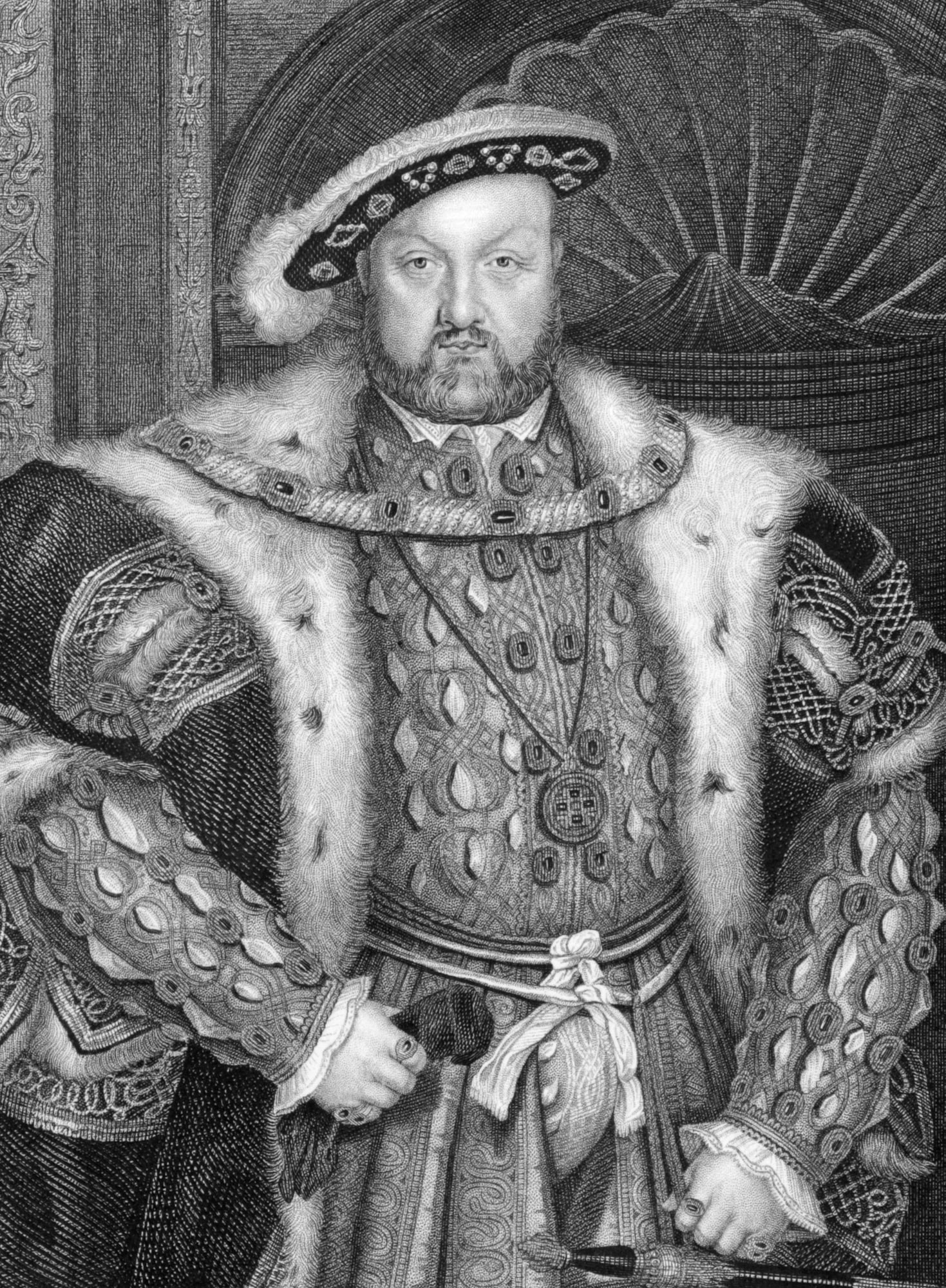
Henry VIII’s marital problems are well-documented (it’s hard to keep six wives secret), but the casual nature of his violence extended far beyond his domestic arrangements. He executed an estimated 72,000 people during his reign — roughly two percent of England’s entire population at the time — and many of these deaths came from policy disagreements rather than actual crimes.
His break with Rome wasn’t driven by religious conviction so much as personal convenience. When the Pope wouldn’t grant him a divorce, Henry simply declared himself head of the English church and executed anyone who disagreed with this arrangement.
The man who wanted to be remembered as a scholar and theologian was mainly interested in getting his own way, regardless of the cost to others. And those infamous mood swings?
They got worse with age, possibly due to a brain injury from a jousting accident that left him increasingly paranoid and violent.
Franklin D. Roosevelt
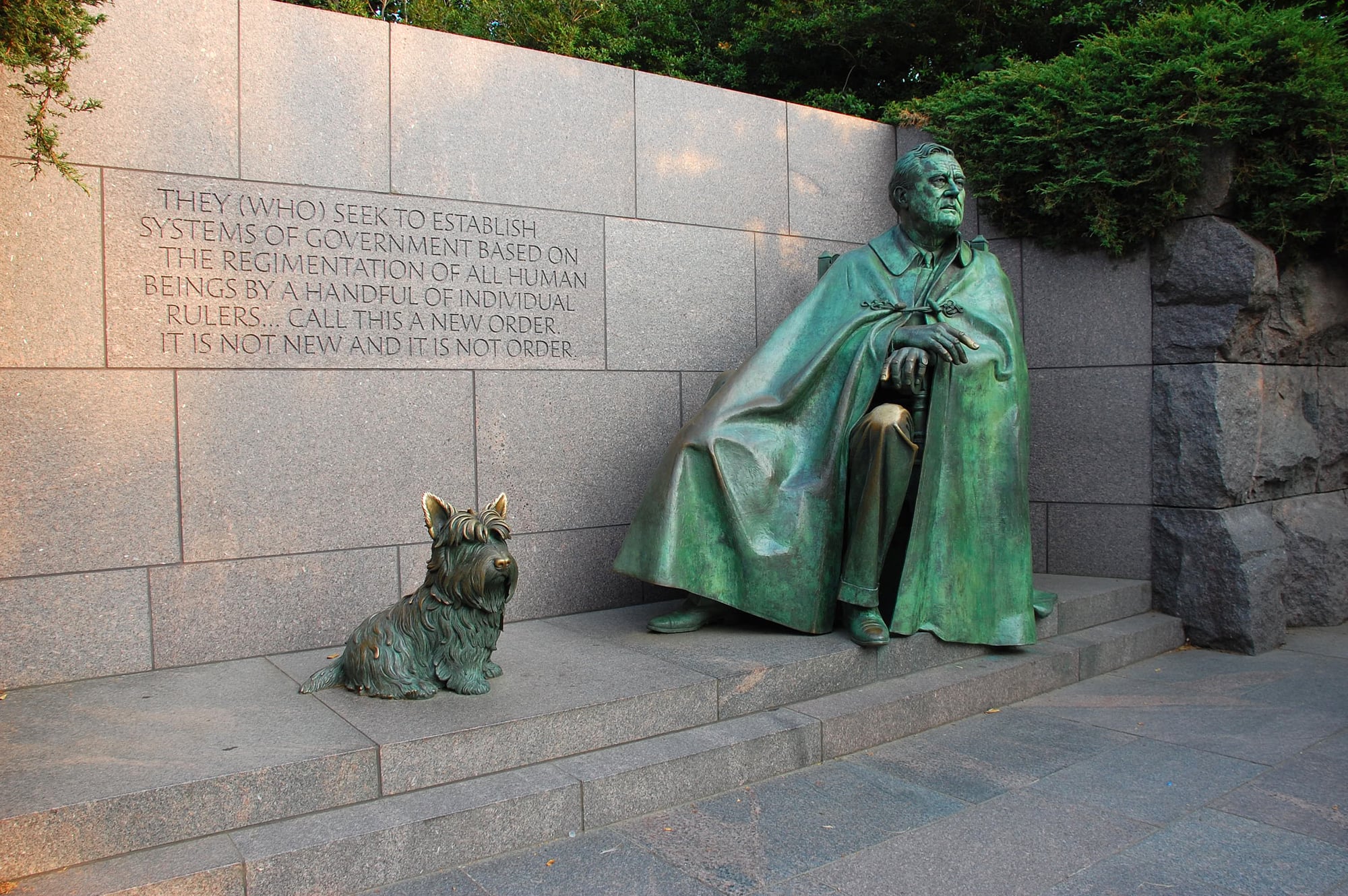
Roosevelt’s leadership during the Depression and World War II built his reputation as a champion of the common person, but his treatment of Japanese Americans during the war revealed a different side of his character. Executive Order 9066, which authorized the internment of over 120,000 people based solely on their ancestry, was issued despite clear evidence that Japanese Americans posed no security threat.
Even his own intelligence agencies told him the internment wasn’t necessary. Roosevelt signed the order anyway, and when questioned about it later, showed little concern for the families whose lives were destroyed.
The man who spoke eloquently about freedom and democracy was willing to abandon both when it seemed politically convenient. His private correspondence reveals someone who viewed civil liberties as negotiable during wartime — a position that would have horrified the founders he claimed to admire.
Andrew Jackson
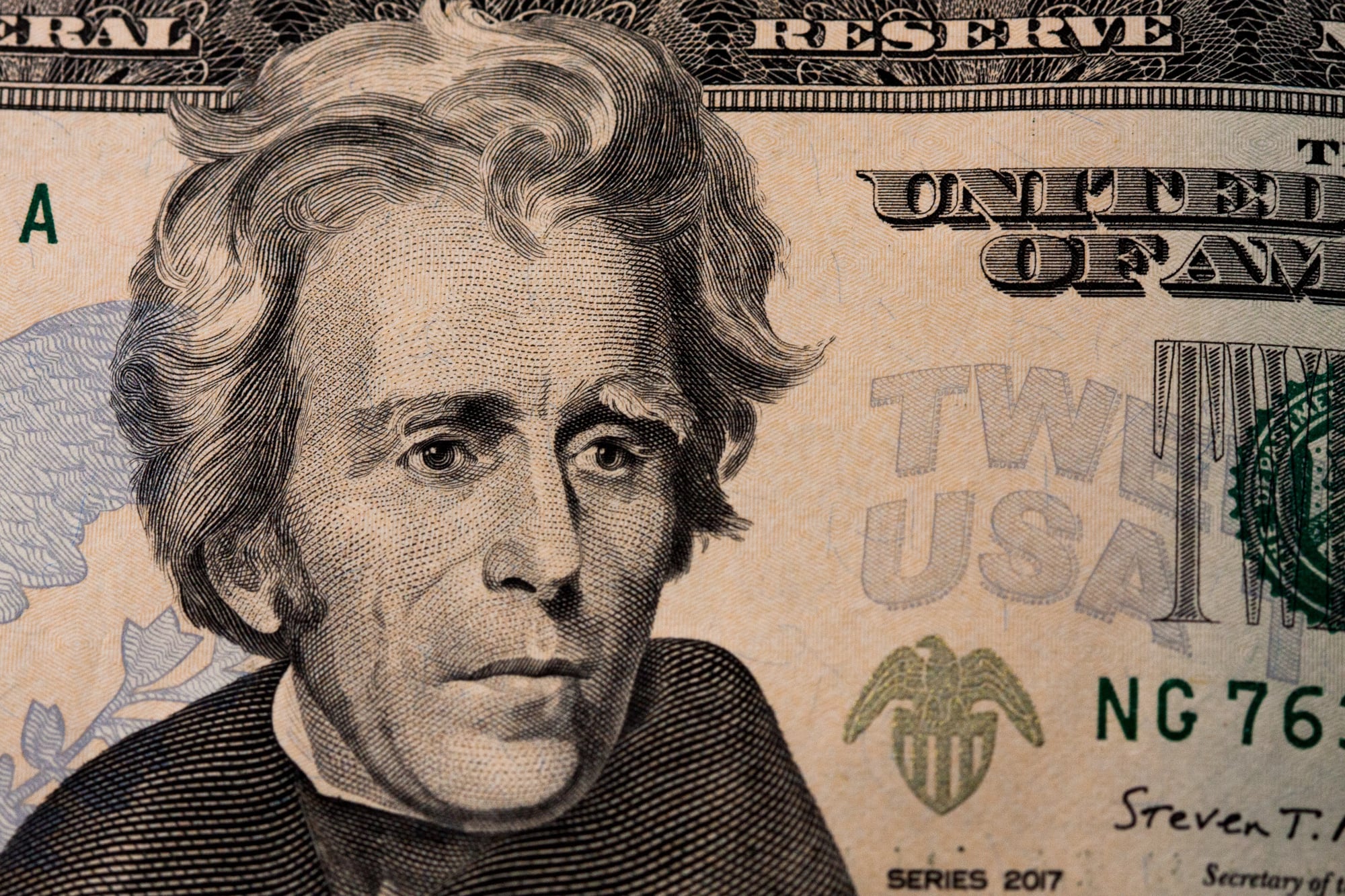
Jackson’s presidency was built on his reputation as a man of the people, but his definition of “people” was notably narrow. His role in implementing the Indian Removal Act led directly to the Trail of Tears and the deaths of thousands of Native Americans who were forced from their ancestral lands to make room for white settlers.
The general who had built his fame fighting Native Americans in the Creek War was known for his brutality even by the standards of frontier warfare. He regularly executed soldiers under his command for minor infractions, and his dueling habit (he fought at least 5 formal duels) suggests someone with serious anger management issues.
The general who had built his fame fighting Native Americans in the Creek War was known for his brutality even by the standards of frontier warfare. He regularly executed soldiers under his command for minor infractions, and his dueling habit (he fought at least 5 formal duels) suggests someone with serious anger management issues.
Jackson’s personal correspondence reveals a man who viewed violence as a first resort rather than a last one, and who never seemed particularly bothered by the suffering his policies caused.
King Leopold II
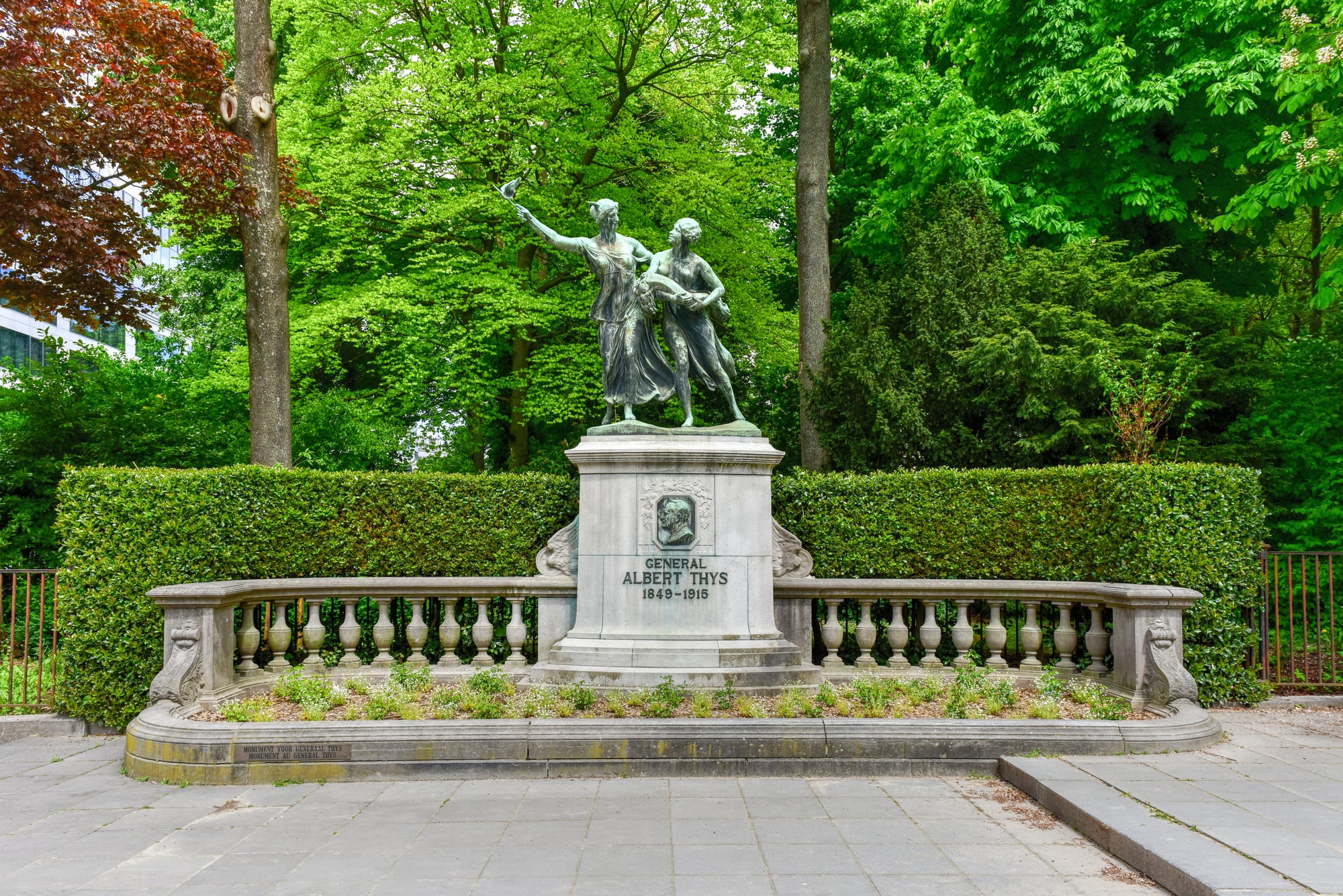
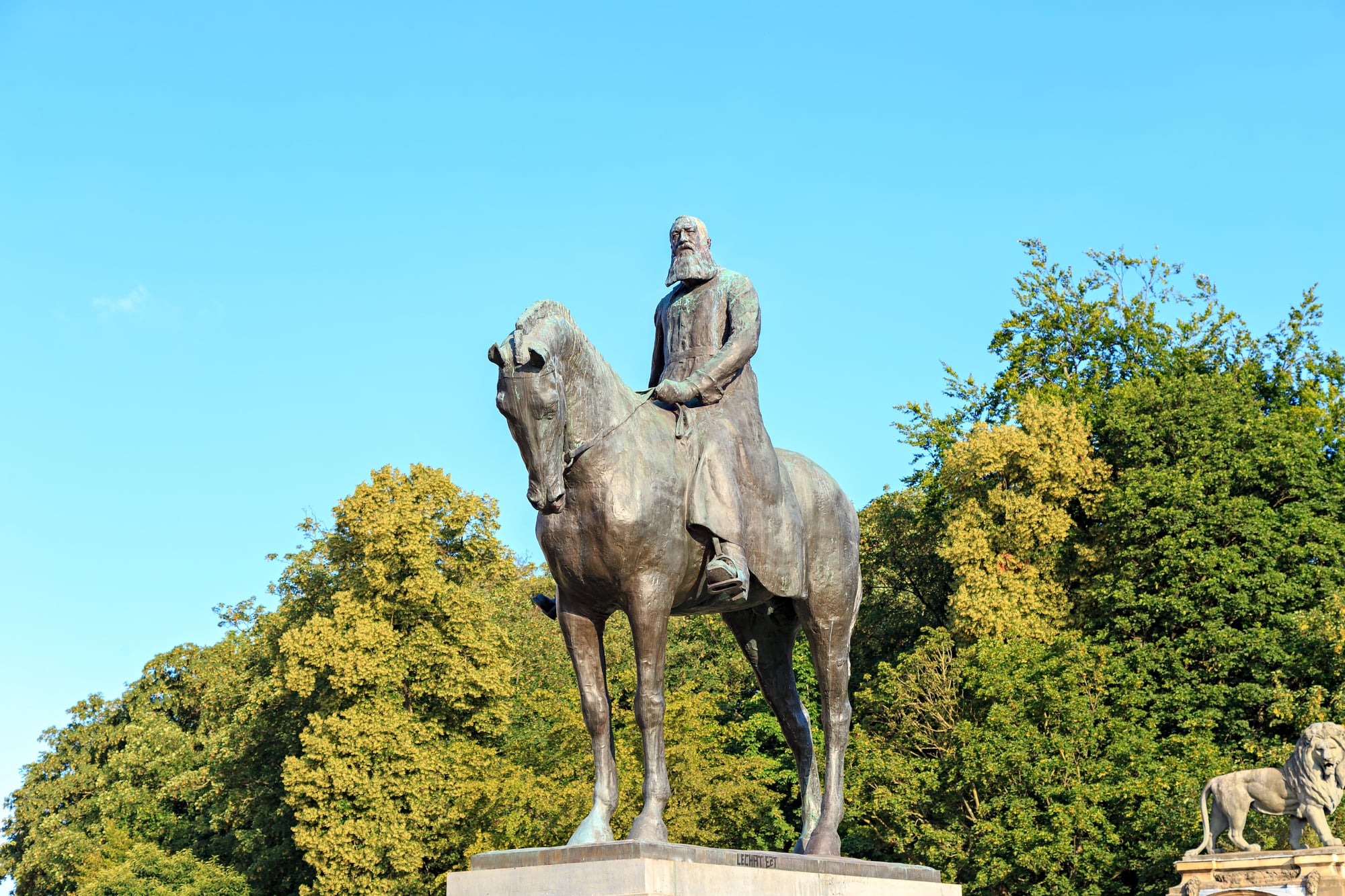
Leopold’s public persona as a humanitarian monarch masked one of history’s most devastating examples of colonial exploitation. His rule over the Congo Free State resulted in the deaths of an estimated 10 million Africans through forced labor, systematic violence, and deliberate starvation policies designed to maximize rubber production.
So thorough was the destruction that the population of the Congo was cut in half during Leopold’s reign. And he managed all of this while maintaining his reputation in European society as a patron of exploration and civilization.
The king who claimed to be bringing Christianity and commerce to Africa was actually running a death camp the size of Western Europe. Belgian officials who tried to report the atrocities were silenced or removed from their positions.
Oliver Cromwell
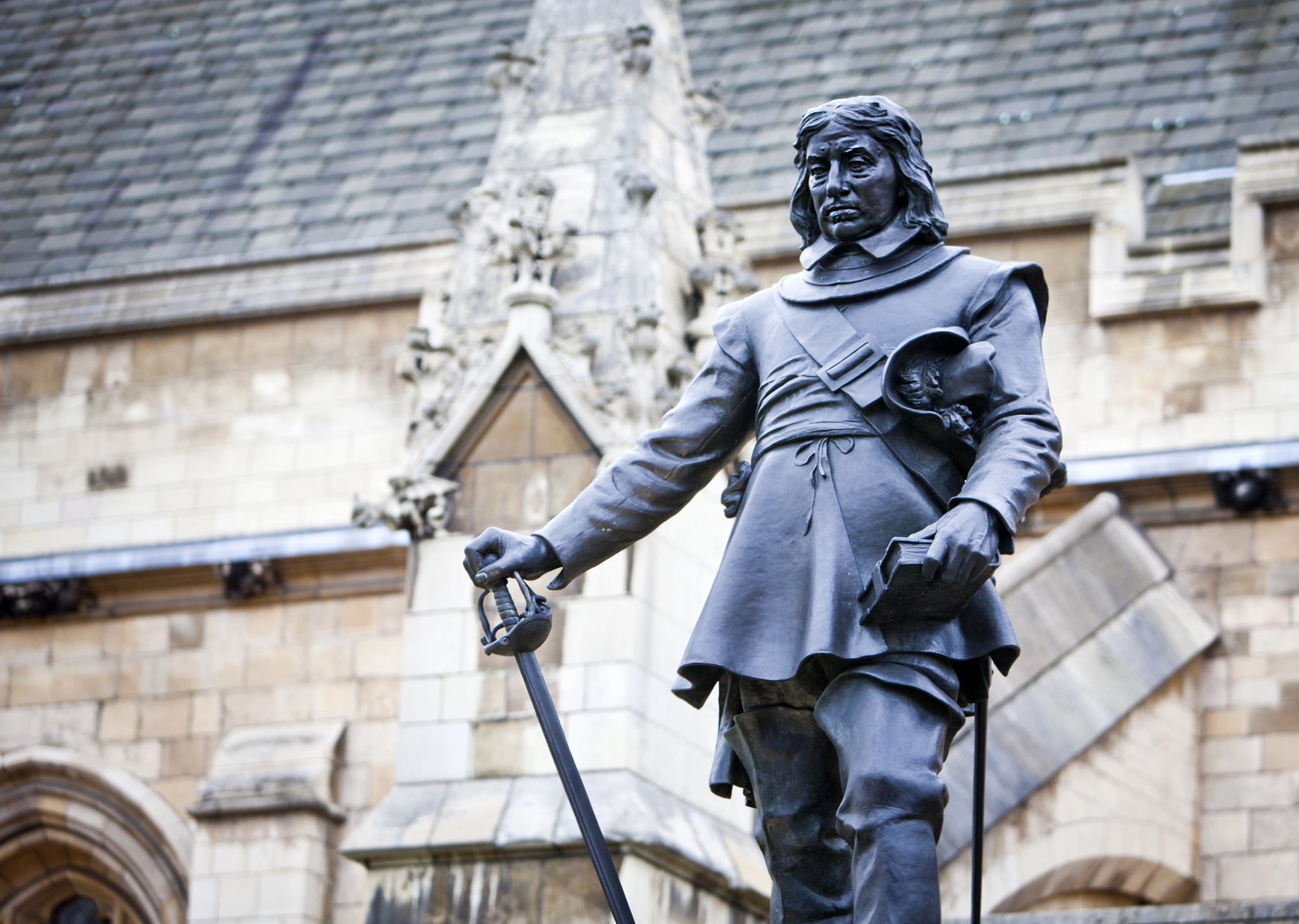
Cromwell’s role as a champion of parliamentary government and religious freedom in England contrasts sharply with his behavior in Ireland, where his military campaigns involved what can only be described as ethnic cleansing. His siege of Drogheda resulted in the massacre of nearly the entire population, including civilians and Catholic priests who had surrendered under promise of safe passage.
His Puritan beliefs, which emphasized moral behavior and social reform in England, apparently didn’t extend to Irish Catholics, whom he viewed as subhuman. Cromwell’s own letters describe his Irish campaigns with a level of religious fanaticism that disturbed even his supporters.
The man who opposed royal tyranny had no problem imposing his own version of tyranny when it served his purposes.
Catherine The Great
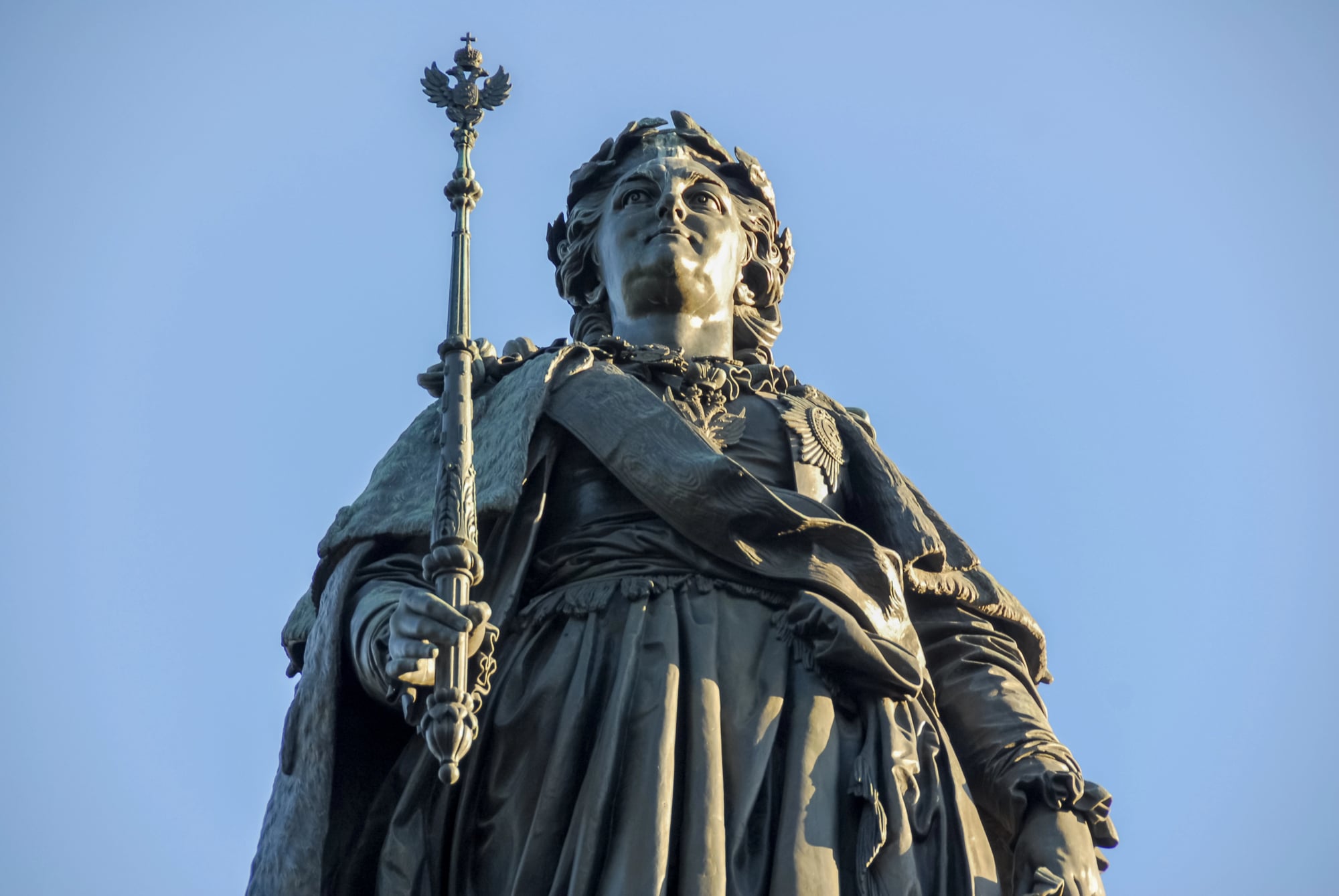
Catherine’s reputation as an enlightened monarch who modernized Russia sits oddly alongside her treatment of serfs, whose conditions actually worsened during her reign. While she corresponded with Enlightenment philosophers about human rights and dignity, she was expanding serfdom to new territories and increasing the power of nobles over their human property.
The empress who claimed to be guided by reason and humanitarian principles crushed peasant rebellions with extraordinary brutality. Pugachev’s Rebellion ended with mass executions and the display of severed heads as warnings to other potential rebels.
Catherine’s private letters reveal someone who viewed the vast majority of her subjects as expendable resources rather than human beings deserving of basic rights.
Peter The Great
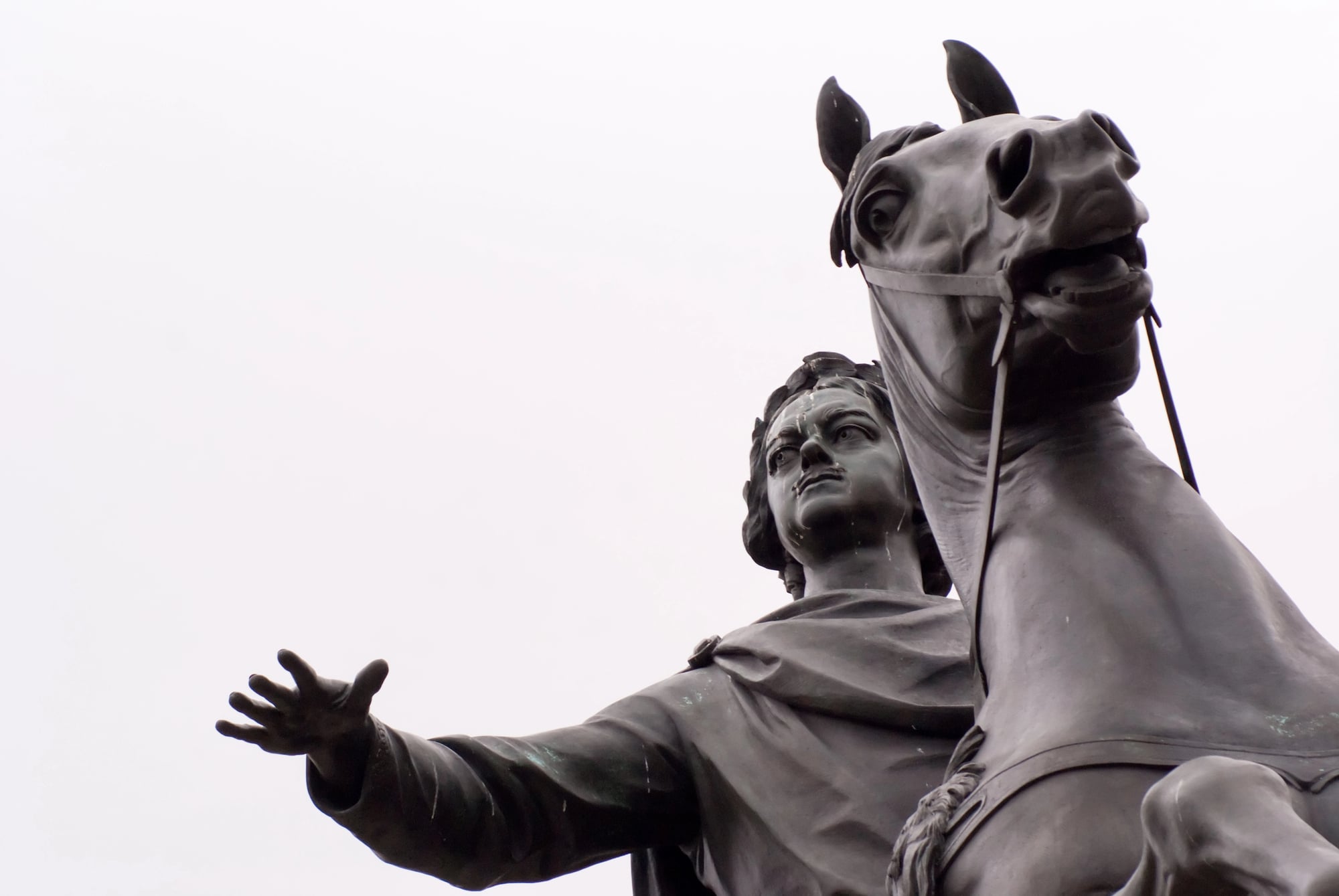
Peter’s modernization of Russia came at a human cost that was staggering even by the standards of absolute monarchy. His construction of St. Petersburg killed an estimated 100,000 workers, many of whom were serfs forced to labor in impossible conditions.
When workers died, they were simply replaced with new conscripts.
His treatment of his own family was particularly ruthless. Peter had his son Alexei tortured to death for opposing his reforms, and showed no remorse when told of the young man’s death.
The tsar who wanted to drag Russia into the modern world was willing to use medieval methods to achieve his goals, and his personal involvement in the torture of prisoners suggests someone who enjoyed cruelty for its own sake.
Alexander Hamilton
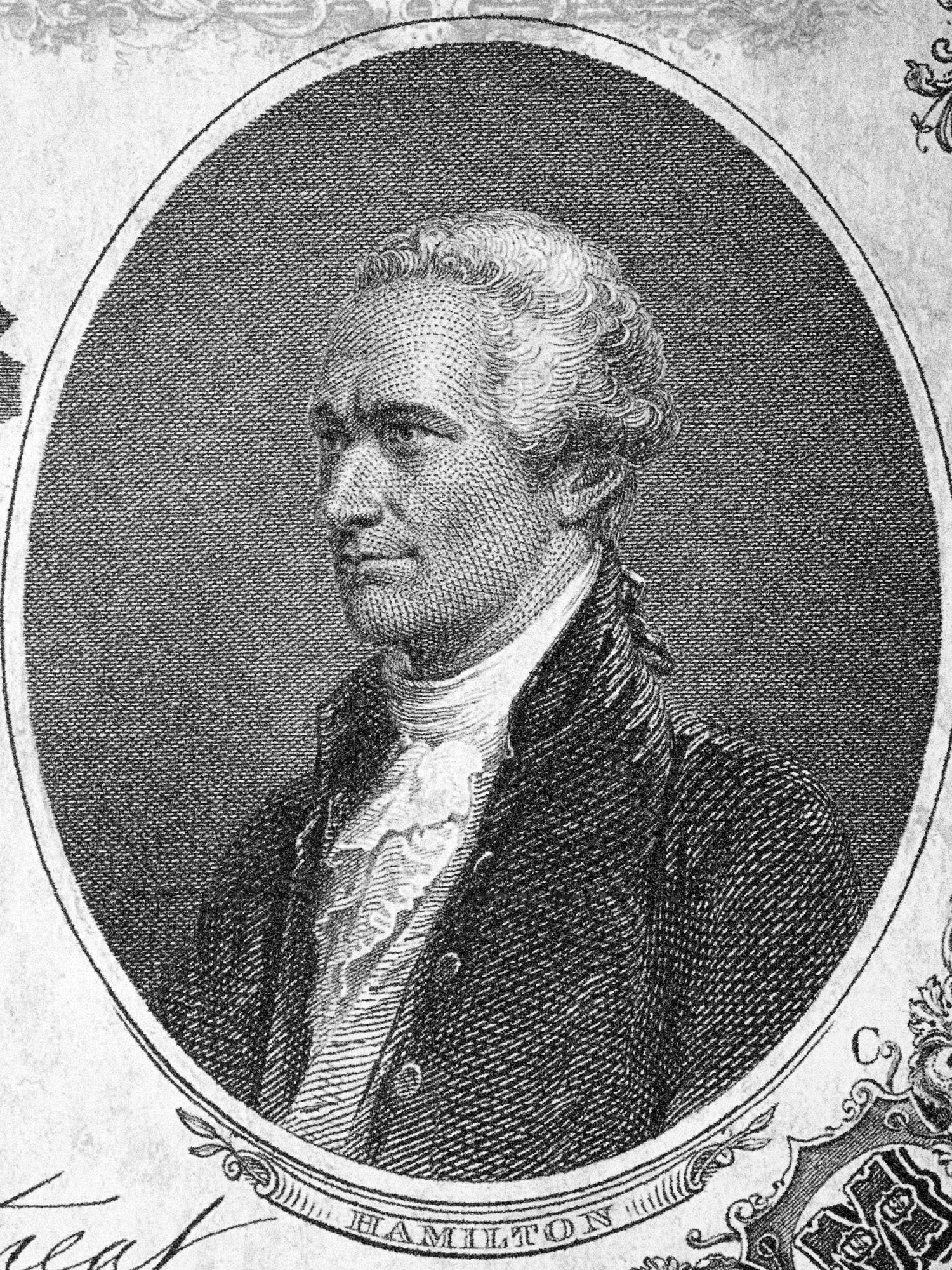
Hamilton’s financial genius and role in establishing American government institutions overshadowed his personal behavior, which included the first major political scandal in American history. His affair with Maria Reynolds involved payments that looked suspiciously like embezzlement of government funds — charges he avoided only by admitting to adultery and publishing the details of his extramarital relationship.
His political maneuvering often crossed ethical lines that troubled even his allies. Hamilton’s willingness to work behind the scenes to undermine Thomas Jefferson’s presidential campaign involved spreading rumors he knew to be false and using his position as Treasury Secretary to influence state elections.
The man who helped design American democracy spent much of his career trying to subvert it when the results didn’t match his preferences.
Andrew Carnegie
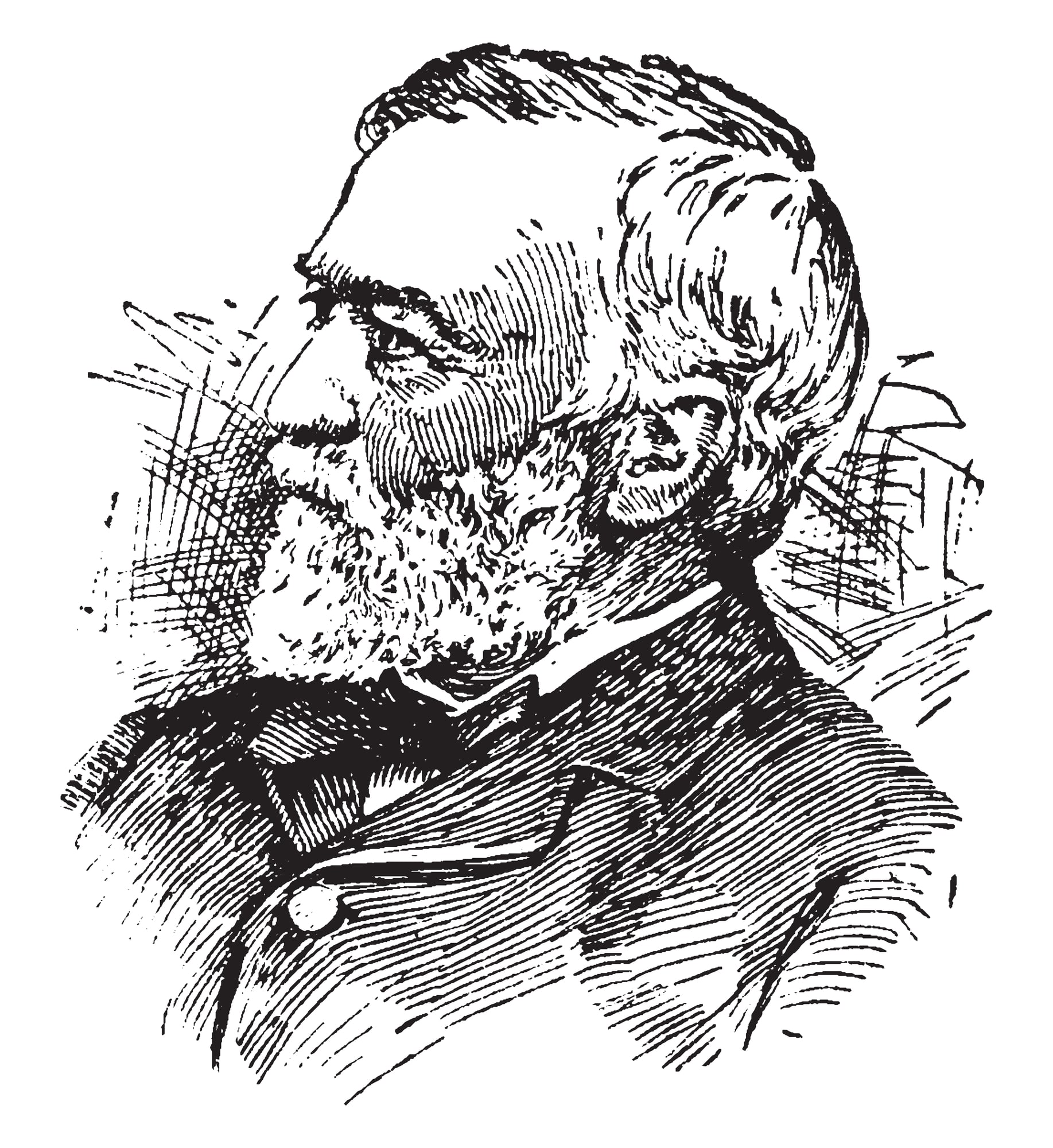
Carnegie’s reputation as a philanthropist who gave away most of his fortune tends to overshadow how he acquired that fortune in the first place. His steel empire was built on labor practices that were brutal even by Gilded Age standards, and his response to worker organizing involved private armies and violence that shocked the American public.
The Homestead Strike of 1892 revealed Carnegie’s true attitude toward the workers who made his wealth possible. While publicly maintaining his image as a friend of labor, he authorized the use of armed guards against striking workers, leading to a battle that left several dead and many more wounded.
Carnegie managed to avoid personal blame by being conveniently absent during the violence, but his fingerprints were all over the orders that led to bloodshed.
Woodrow Wilson
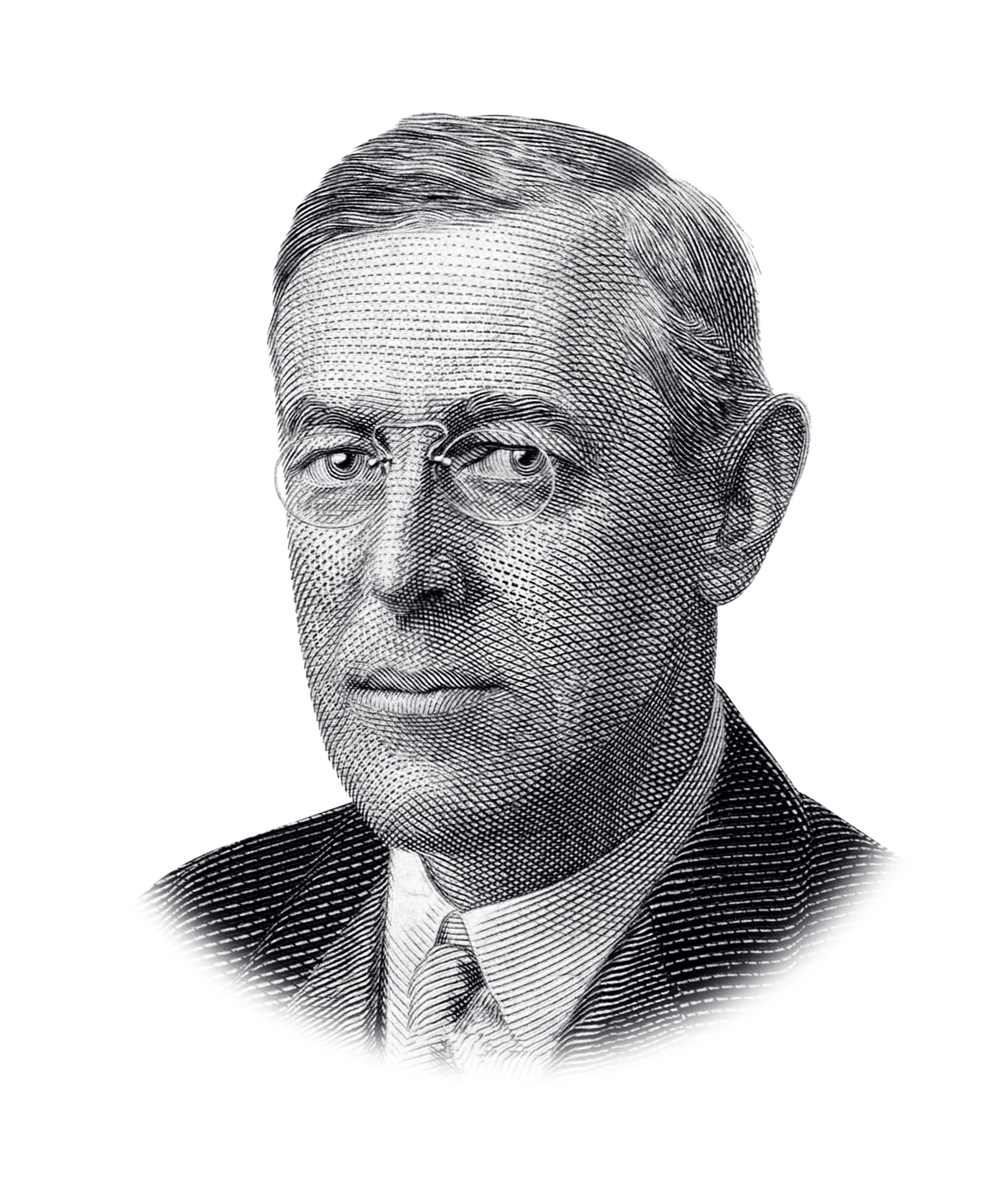
Wilson’s presidency is remembered for progressive domestic reforms and his leadership during World War I, but his racial policies represented a significant step backward for civil rights in America. He systematically segregated federal employment, removed African Americans from positions they had held since Reconstruction, and screened “The Birth of a Nation” at the White House — a film that glorified the Ku Klux Klan.
His international idealism, expressed in his Fourteen Points and support for the League of Nations, didn’t extend to people he considered racially inferior. Wilson’s private comments about African Americans and immigrants revealed views that were extreme even for his era, and his policies reflected those views in ways that damaged American democracy for decades.
The Weight Of Legacy
These revelations don’t erase the historical significance of these leaders or their genuine accomplishments. They do, however, remind us that the people who shape history are still people — complex, flawed, and capable of behavior that contradicts their public principles.
The gap between public image and private reality has always existed, but it seems particularly stark when examining figures whose reputations have been polished by time and selective memory.
Perhaps that’s the real lesson here. The leaders we celebrate were products of their times, certainly, but many of their worst behaviors were recognized as problematic even by their contemporaries.
History has a way of emphasizing the achievements while quietly forgetting the character flaws, but both deserve to be remembered if we want to understand how power actually works.
More from Go2Tutors!

- The Romanov Crown Jewels and Their Tragic Fate
- 13 Historical Mysteries That Science Still Can’t Solve
- Famous Hoaxes That Fooled the World for Years
- 15 Child Stars with Tragic Adult Lives
- 16 Famous Jewelry Pieces in History
Like Go2Tutors’s content? Follow us on MSN.