27 School Lunches That Sparked the Wildest Trades in the Cafeteria
The cafeteria table was never just a place to eat. From the moment the lunch bell rang, it transformed into something closer to a trading floor — a place where social standing could shift based on what you pulled out of your bag, and where a single Dunkaroo could be leveraged into a week’s worth of goodwill.
The rules were unspoken but universally understood: some things were currency, some things were charity cases, and some things were so good they were never on the table at all. What made the cafeteria economy so fascinating was that it had nothing to do with actual cost.
A 30-cent pack of Gushers could command more respect than a full hot lunch. The kid with the Lunchable wasn’t necessarily rich — they were just strategically positioned.
These are the items that turned a 25-minute lunch period into the most charged negotiation of any school day.
Dunkaroos
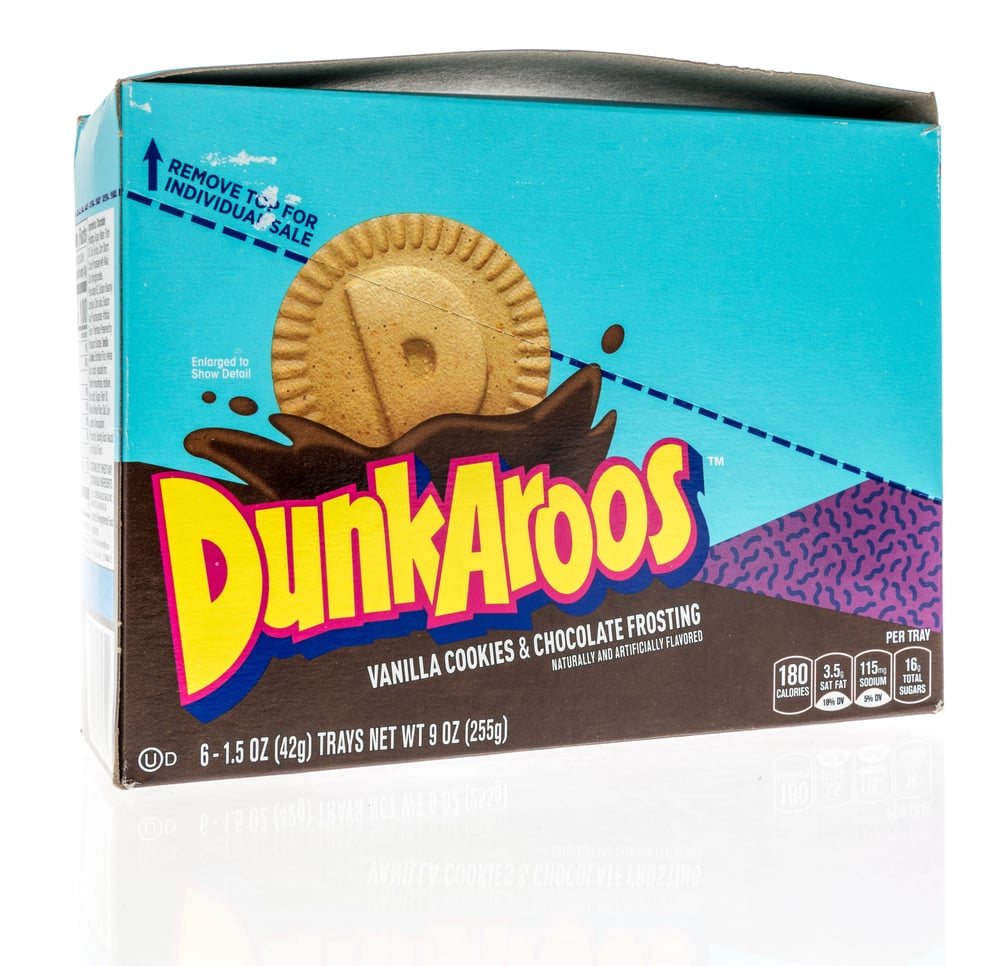
No single item commanded more cafeteria respect than a pouch of Dunkaroos. The combination of tiny kangaroo-shaped cookies and a separate tub of frosting for dipping made them feel almost decadent by elementary school standards, and the commercials — which basically positioned them as contraband — only added to the mystique.
Trading one pouch was considered a significant gesture. Trading two meant you either liked someone a lot or you were after something very specific.
Lunchables
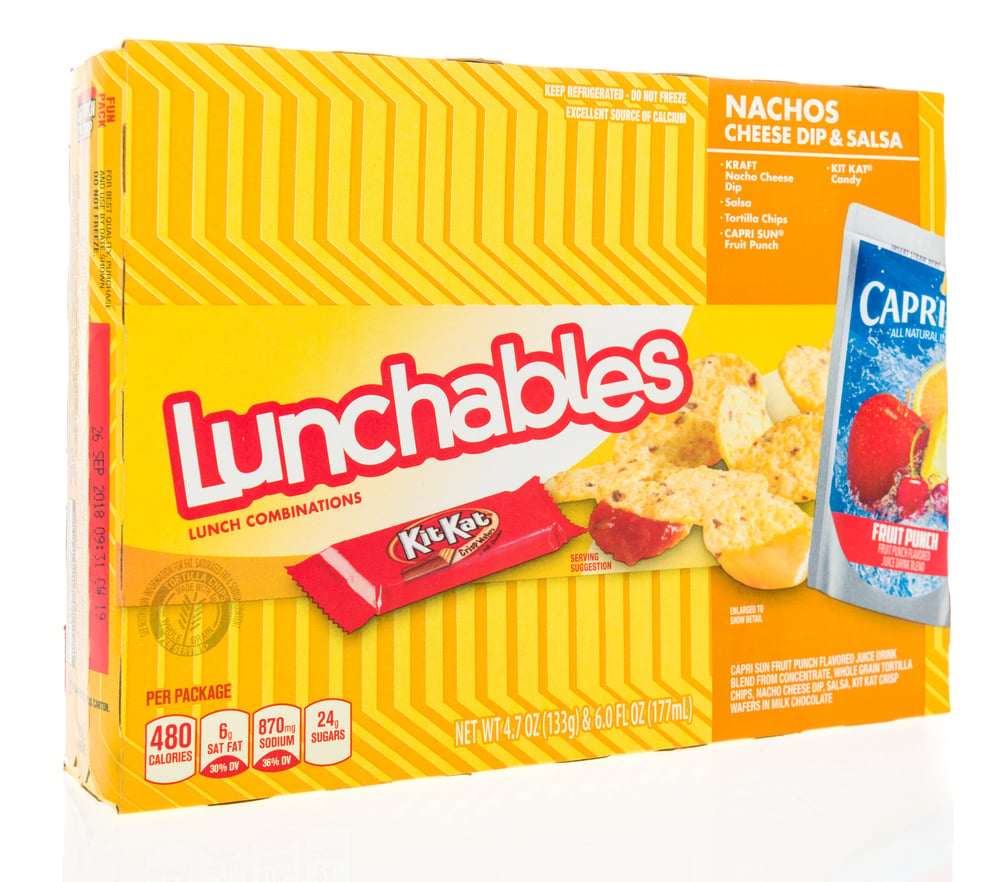
The genius of Lunchables wasn’t the food itself — it was the performance. Watching a classmate assemble their mini pizza or cracker stack with the focus of a professional was enough to make anyone want in on the action.
The versions that came with a Capri Sun and a small candy bar were considered the prestige tier, and getting your hands on one through trade required giving up something you probably should have kept.
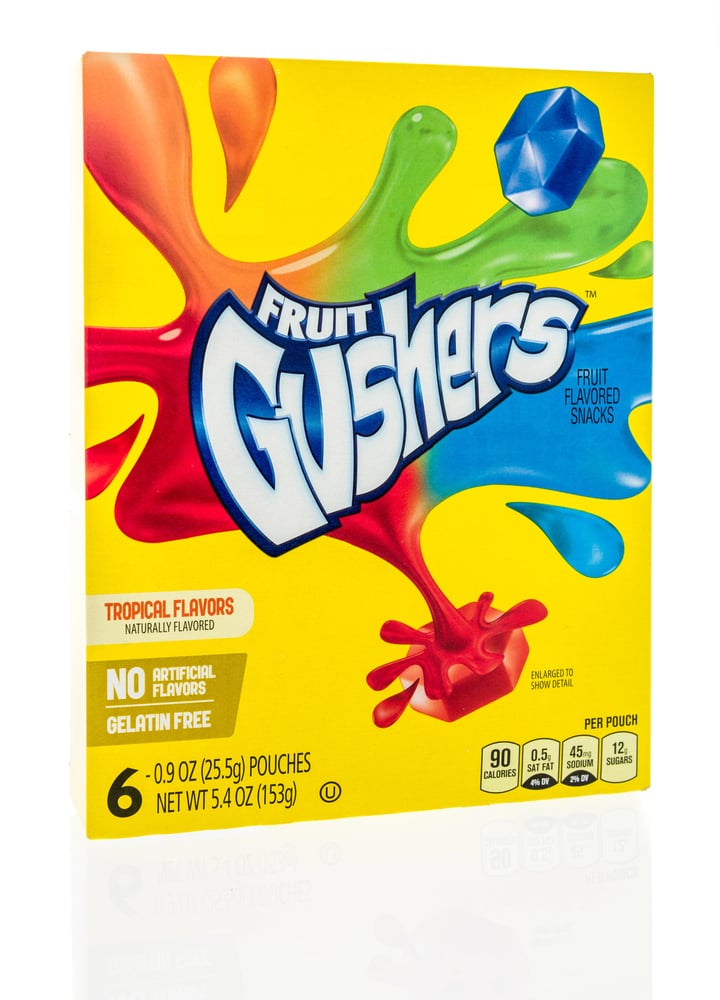
Gushers
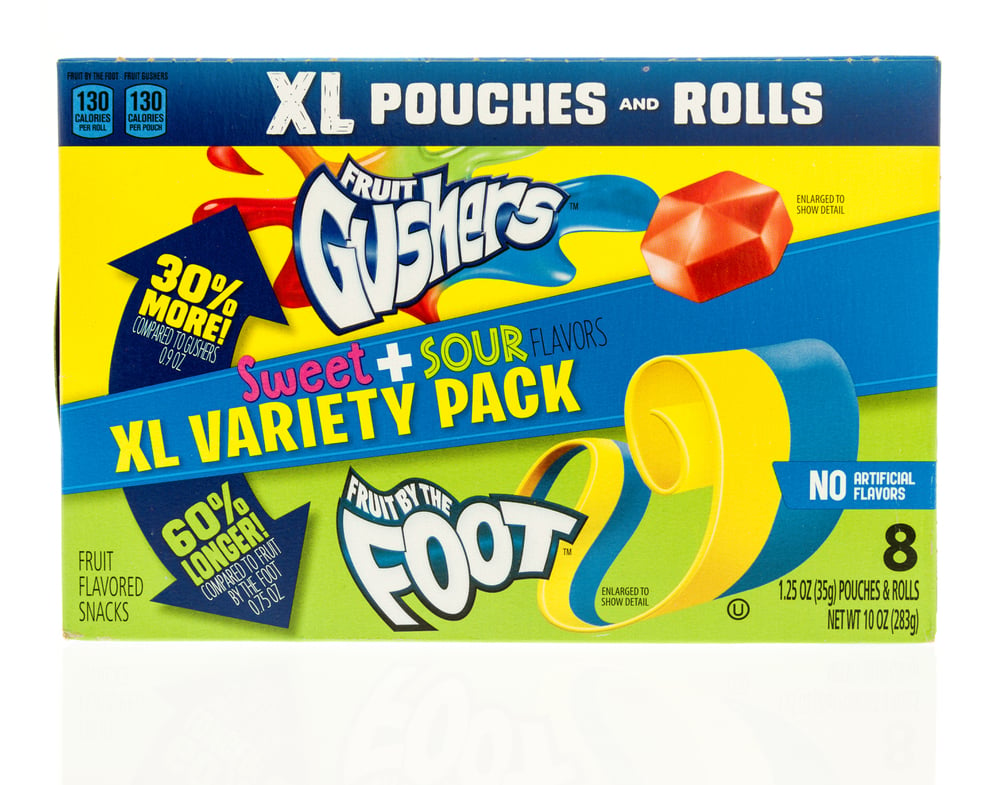
Gushers occupied a strange and powerful position in the cafeteria hierarchy. They were widely desired but not universally packed, which made them aspirational.
The burst of liquid filling inside each piece was the kind of sensory payoff that felt genuinely surprising every single time, which is not something you could say about most of the competition. Kids routinely offered full sandwiches for a single small bag.
Fruit Roll-Ups
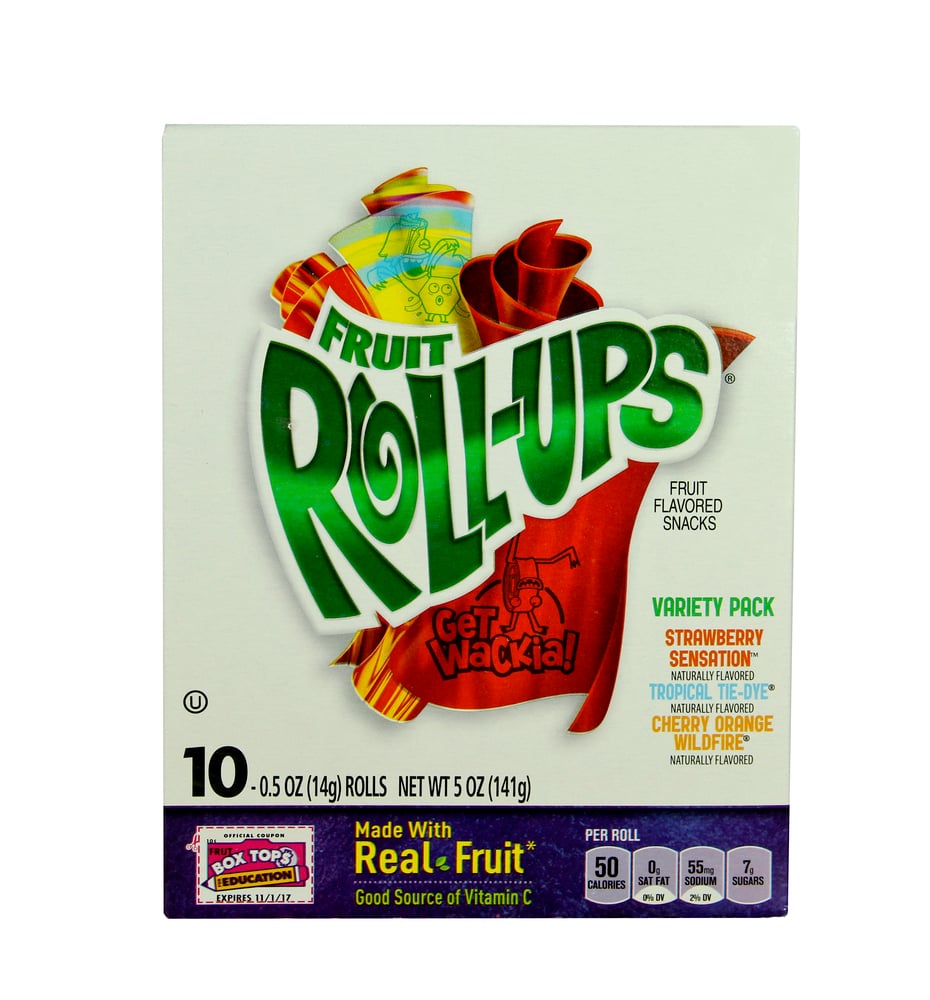
The appeal of Fruit Roll-Ups extended beyond taste into the realm of entertainment. You could unroll one slowly, wear it on your tongue, press it flat, or peel shapes from it — none of which had anything to do with eating it.
That playability factor made it one of the more reliably tradeable items, especially among younger kids who hadn’t yet developed a strong opinion on flavor.
Capri Sun
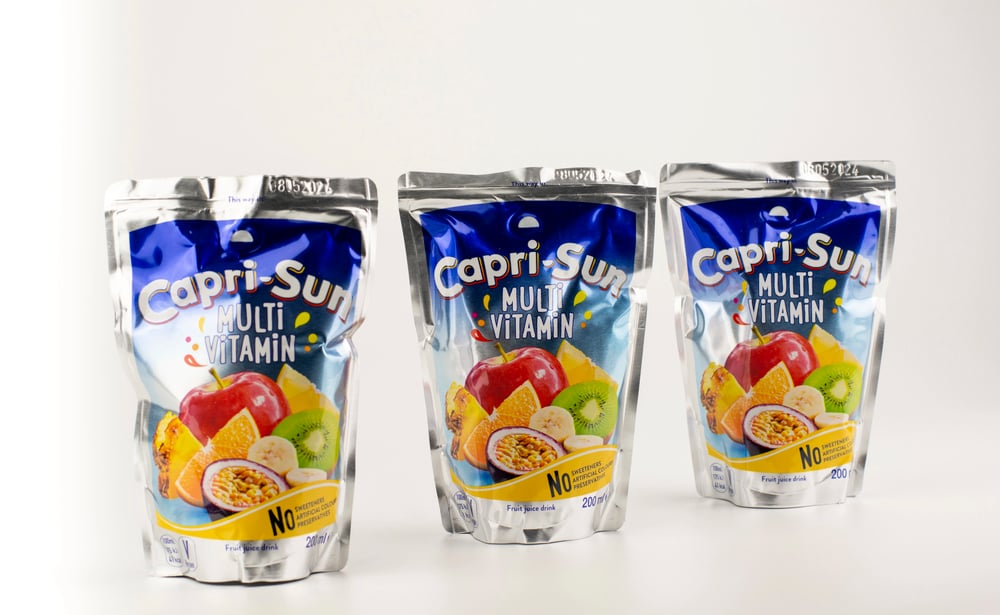
A Capri Sun was worth having not just for the taste but for the ritual: stabbing the straw through that tiny silver circle with enough force to actually land it on the first try. Failure was public and slightly humiliating.
Success was oddly satisfying. The tropical punch flavor sat at the top of the pack, and if you had one and someone else had a generic juice box, the conversation started immediately.
Pizza Lunchables
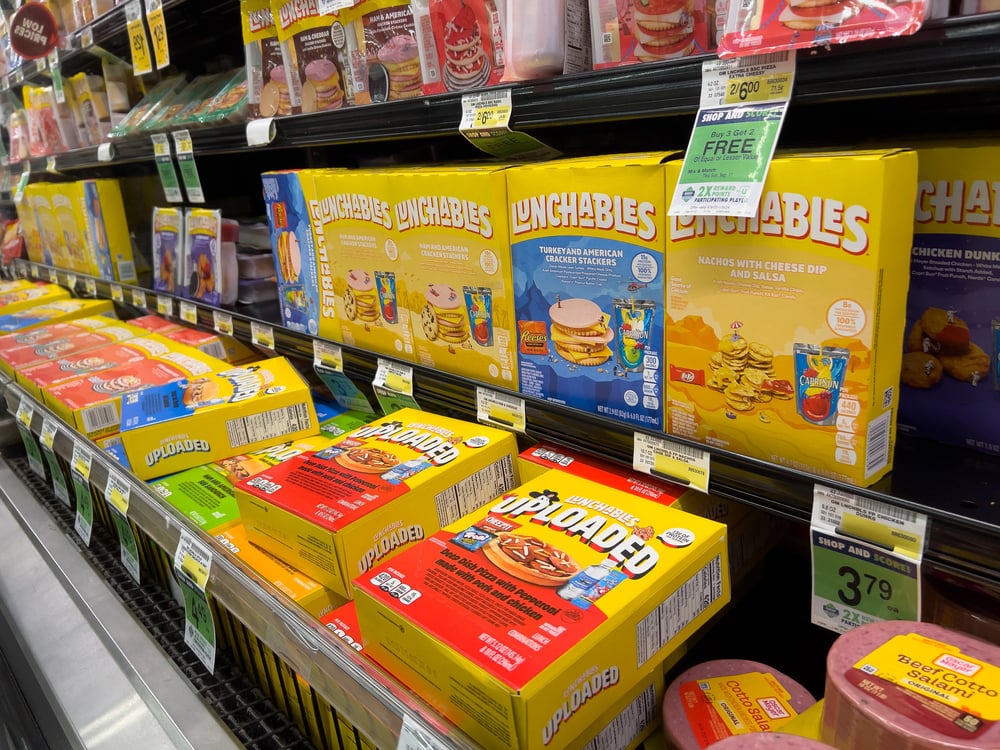
Separate from the standard cracker stack variety, the pizza Lunchables had a dedicated following. Spreading the tiny ladle of sauce, placing the minimal toppings, and pressing everything together on a miniature crust created a sense of culinary accomplishment that kids genuinely enjoyed.
They were also slightly harder to find in lunch bags, which bumped their trade value accordingly.
Cosmic Brownies
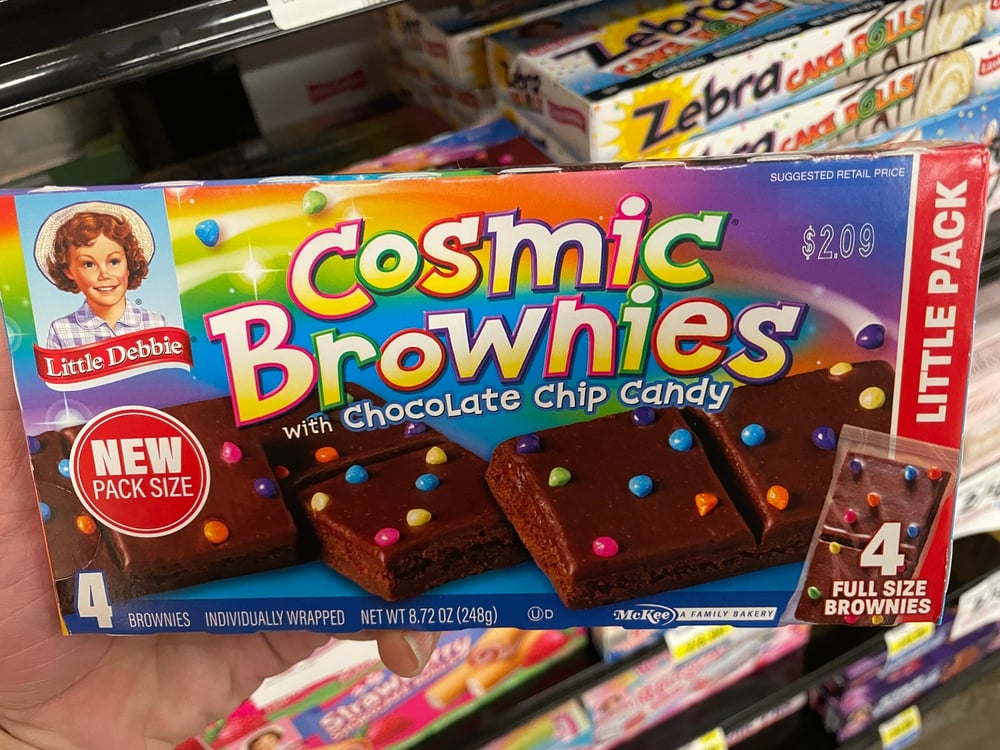
Little Debbie’s Cosmic Brownies — dense, fudgy rectangles covered in rainbow candy-coated chips — had an almost fanatic following. They were sweet in a way that felt almost excessive, which was exactly why kids wanted them.
A single wrapped Cosmic Brownie could clear out a table’s worth of fruit and vegetable sides without much discussion.
Oatmeal Creme Pies
The Oatmeal Creme Pie was the older, slightly more dignified member of the Little Debbie lineup. It was less flashy than a Cosmic Brownie but had a devoted base that swore by the soft cookie-to-filling ratio.
Kids who packed them were not showing off — they genuinely loved them — which sometimes made trading one feel like a real sacrifice, and made the person receiving it feel genuinely lucky.
Tater Tots
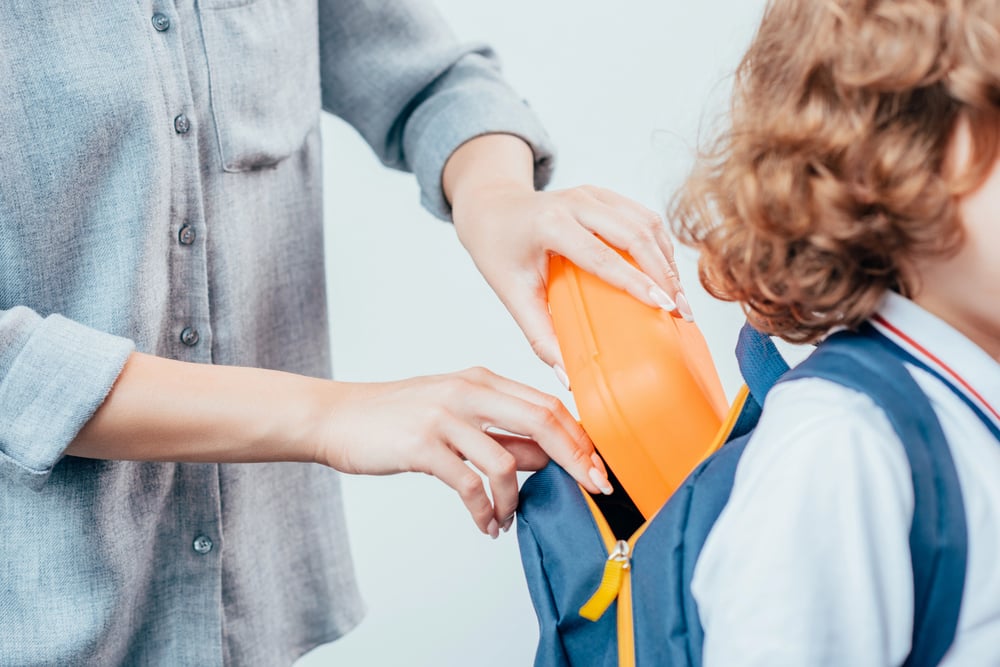
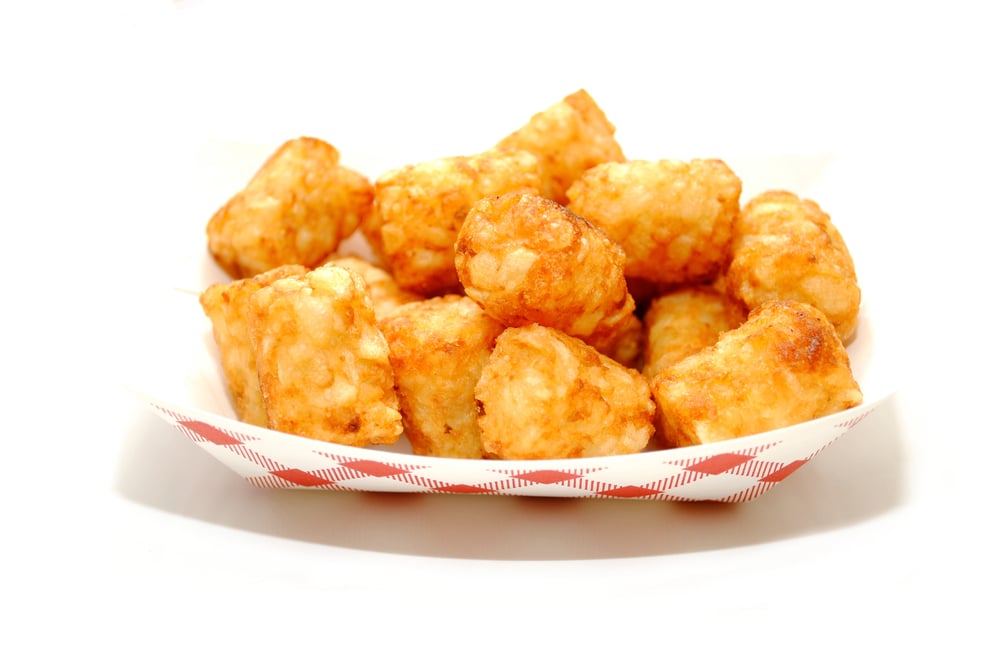
On hot lunch days when tater tots appeared on the menu, the side dish outclassed everything else on the tray. They were portioned carefully by the lunch staff, which meant the number on your plate was fixed — and any attempt to get more involved trading something from your own bag.
Kids counted their tots. Losing one felt personal.
The Fruit Cocktail Cup
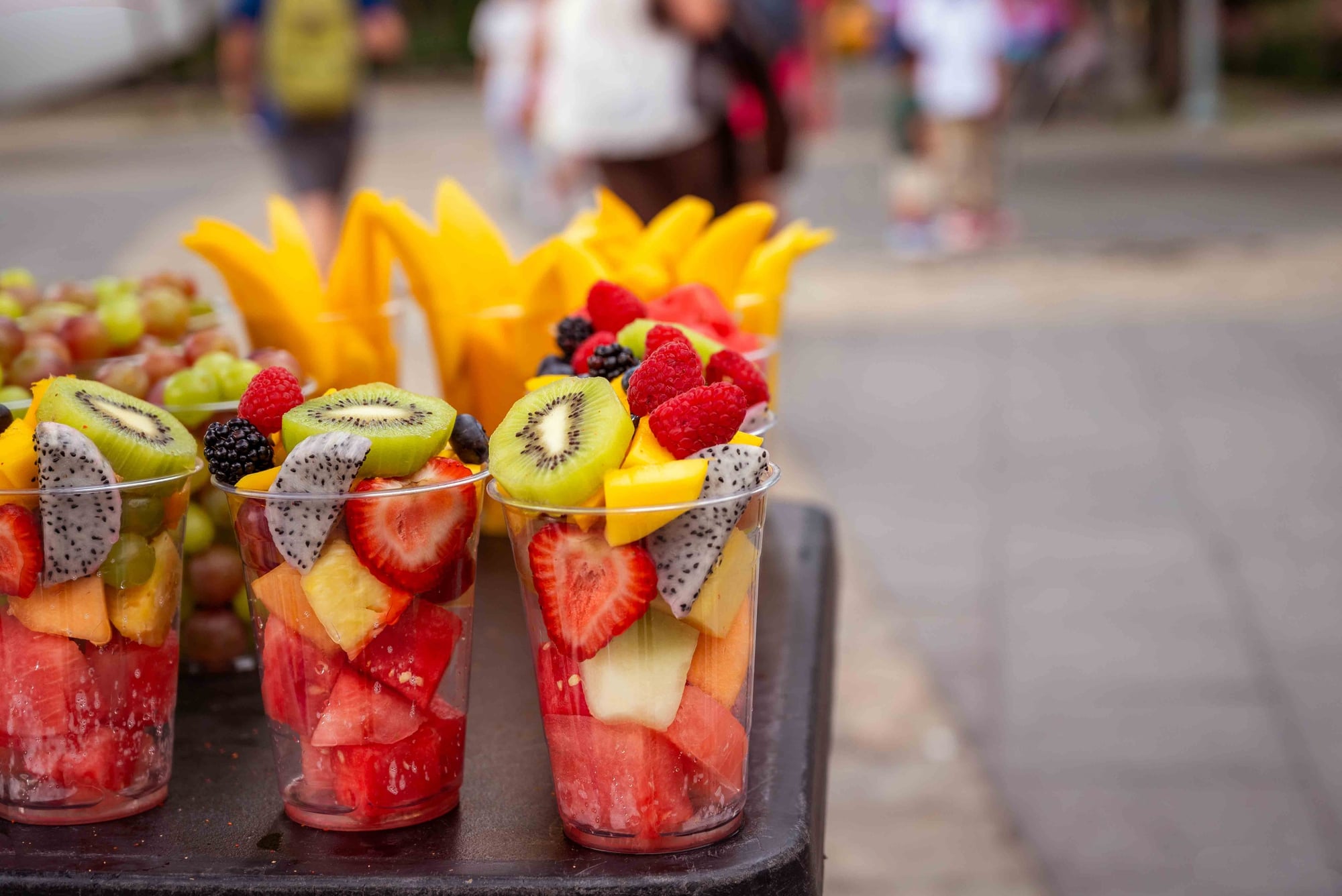
Those small plastic cups of canned fruit cocktail had one feature that made them worth digging through: the single maraschino cherry sitting at the bottom. Everyone knew it was there.
Everyone ate through the mushy pears and pale grapes to get to it. Trading the whole cup away meant you were either very generous or very full — and the recipient always felt like they’d won something.
Hostess Twinkies
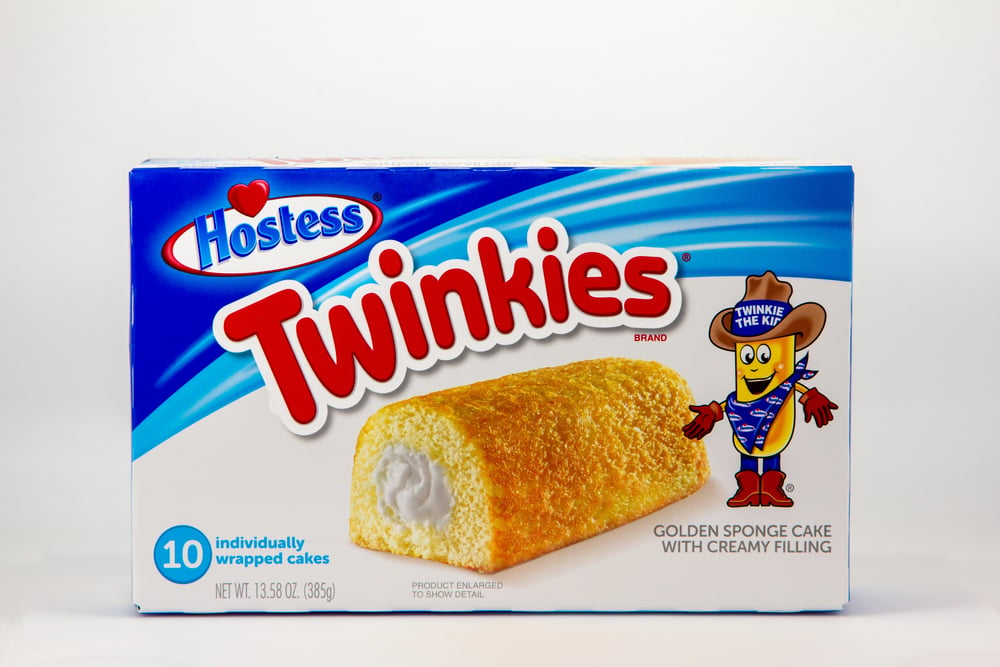
Twinkies carried a reputation that preceded them. They were rumored to last forever, though that was never true, and the sponge cake with cream filling was simple enough that almost anyone liked them.
The foil wrapper and the distinctive yellow color made them immediately recognizable across the table, and spotting one in someone else’s bag was enough to start a conversation.
String Cheese
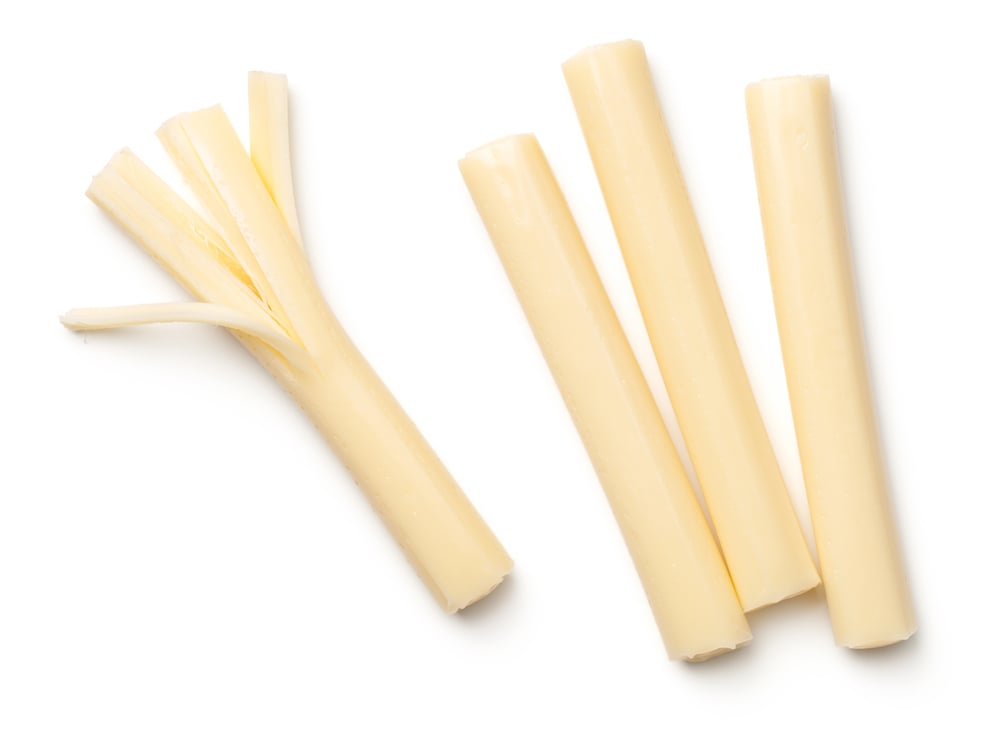
String cheese was the one healthy item that actually held trade value. The peeling ritual was the draw — pulling thin strands and eating them one at a time turned a two-minute snack into a ten-minute activity.
Kids who packed multiple sticks were popular, and the ones who could peel theirs in perfectly even strips without snapping were treated with a specific kind of quiet admiration.
Peanut Butter Crackers (The Orange Ones)
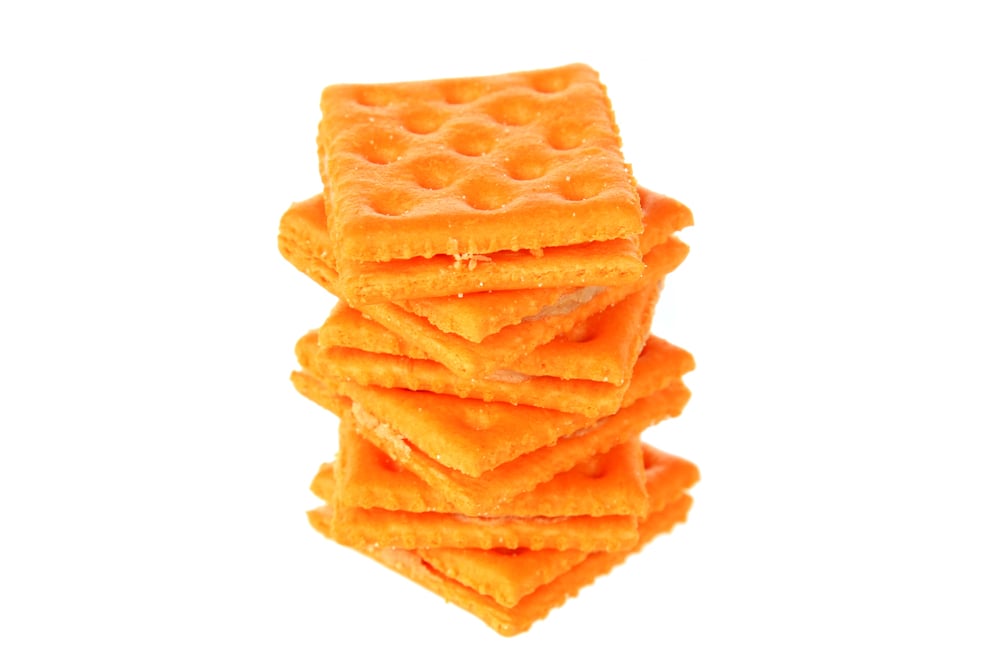
The individually wrapped packs of peanut butter crackers — the ones with orange crackers and slightly synthetic peanut butter filling — were reliable cafeteria currency precisely because they were so shelf-stable and common. Almost everyone had tried one.
Almost everyone would eat one. They weren’t exciting enough to be coveted, but consistent enough that they always found a home in a trade.
Pizza Rolls (Hot Lunch)
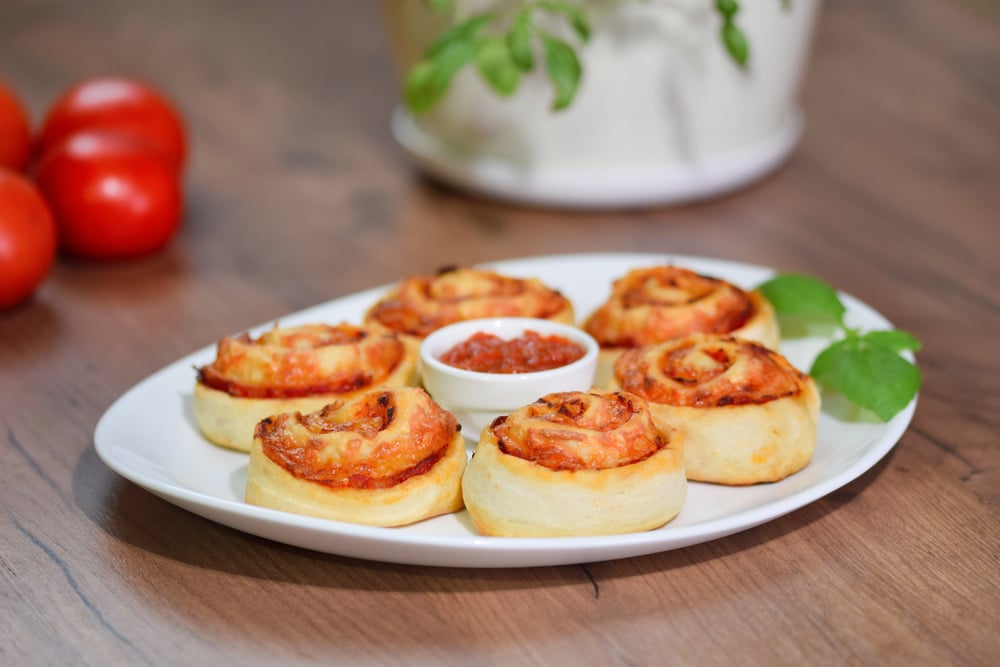
On the specific days the cafeteria served pizza rolls, attendance at the hot lunch line spiked noticeably. The exterior crunch and the molten filling inside put them in a different category from other cafeteria pizza variations, and kids who had already eaten them before knew to arrive early.
Convincing someone to trade their pizza rolls away was considered a real accomplishment.
Rice Krispies Treats
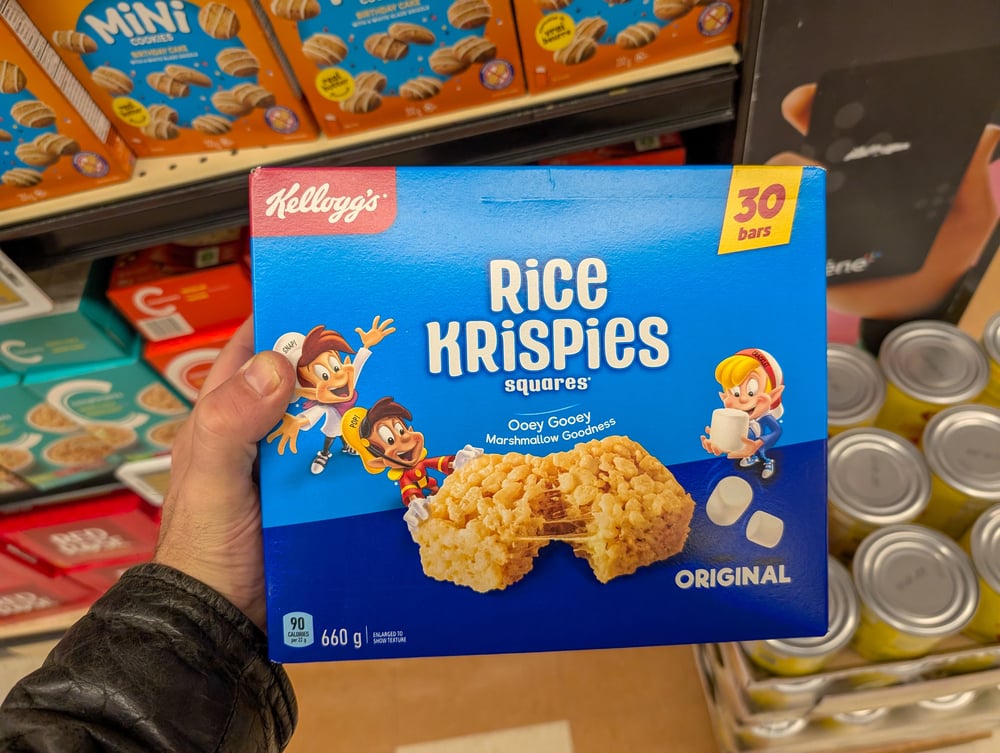
The homemade version of a Rice Krispies treat — one a parent had pressed into a square and wrapped in plastic wrap — was a different animal from the packaged kind. It was softer, thicker, and carried an implied effort that the store-bought version didn’t.
Cafeteria traders always asked: “Is that homemade?” The answer affected the negotiation significantly.
Zebra Cakes
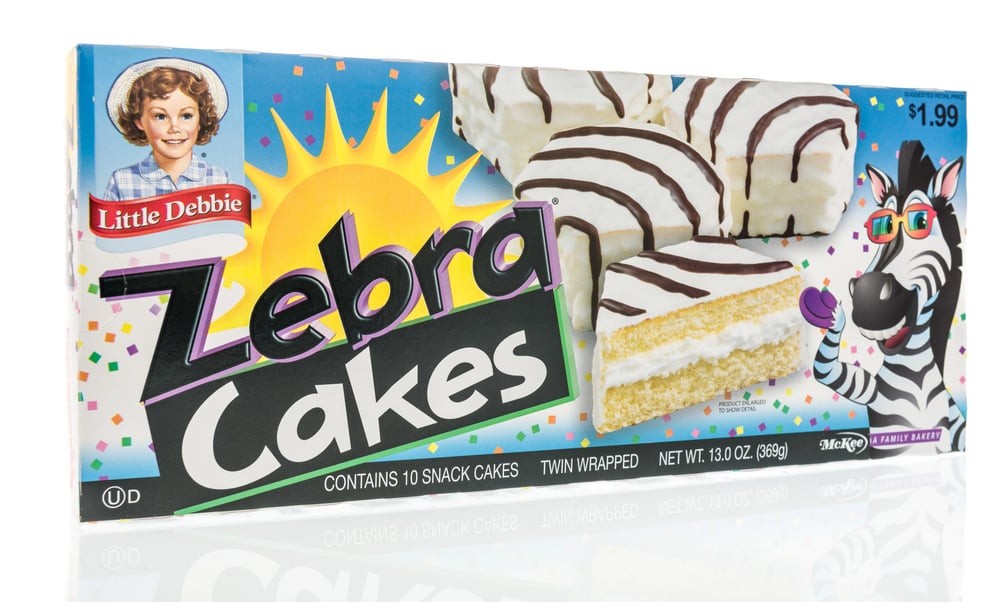
Little Debbie’s Zebra Cakes — white cake with white icing and chocolate drizzle — were not as well known as some of their counterparts, which somehow made them more interesting. Kids who packed them were either deeply loyal to the brand or had a parent who rotated snacks unpredictably.
Either way, they showed up infrequently enough that trading for one felt like encountering something slightly rare.
Squeeze Applesauce Pouches
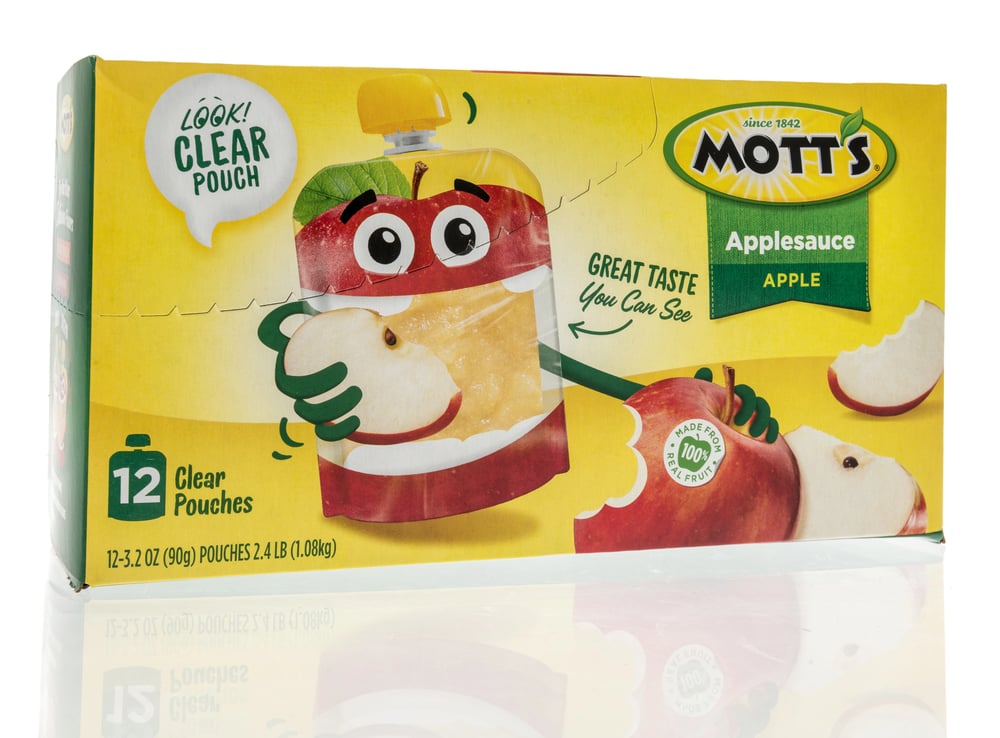
Squeeze applesauce pouches were the item no one admitted to wanting but everyone accepted in a trade. The convenience of drinking it straight from the pouch rather than spooning it from a cup made it feel more modern than it had any right to, and the sweetened versions — especially the strawberry ones — went fast among younger kids who were happy enough just to have something to sip.
Animal Crackers
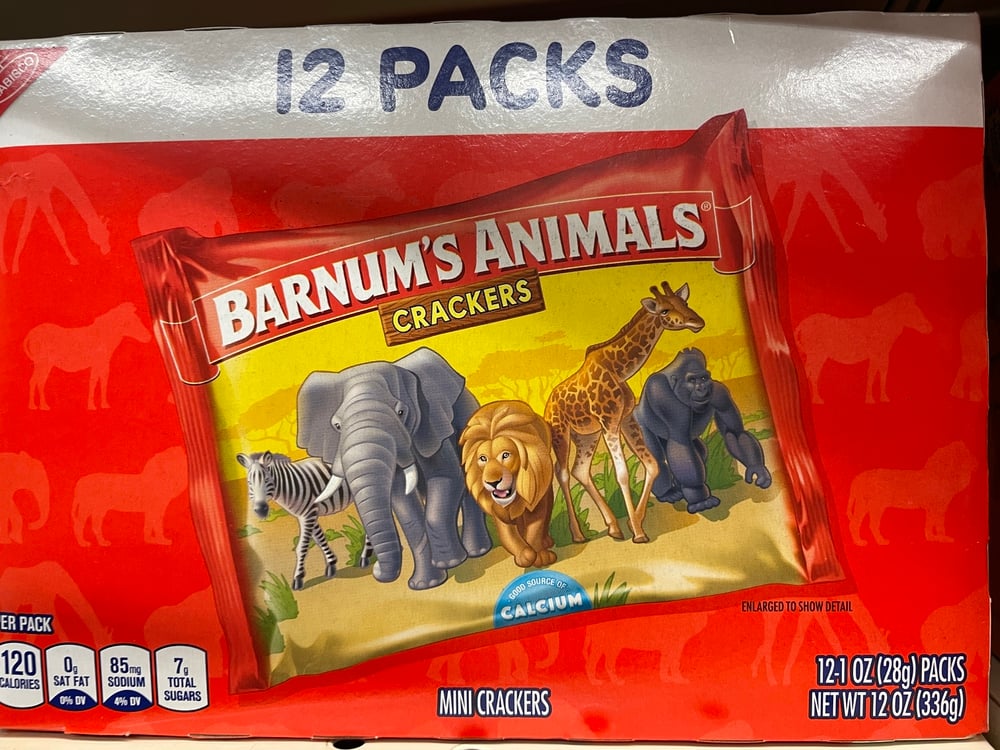
The pink and white frosted animal crackers in the cardboard tub with the string handle occupied a sentimental tier of the cafeteria economy. They weren’t particularly flavorful but they were visually distinctive and came in enough variety that sorting them by animal shape was its own pastime.
The string handle, technically designed for carrying, was mostly used for swinging the tub in slow circles while waiting for lunch to end.
Ants on a Log (Homemade)
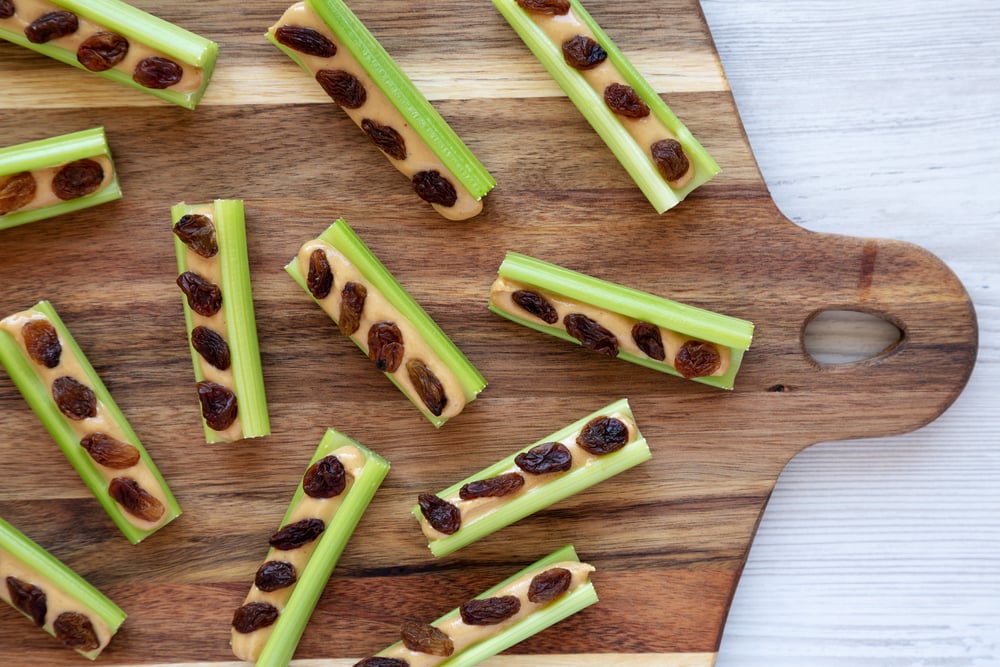
A parent who sent their kid to school with celery sticks filled with peanut butter and dotted with raisins was operating on a different philosophy than most cafeteria parents. The “ants on a log” configuration was immediately recognizable and generated a response that split the table: about half the kids found it charming, and the other half offered to take it off their hands.
Either way, it never sat untouched.
Swiss Rolls
Little Debbie’s Swiss Rolls — chocolate cake rolled around a cream center, coated in a thin layer of chocolate — were elegant by cafeteria standards. They came two to a pack, which created an instant trading opportunity: keep one, offer one.
That single built-in unit of generosity made Swiss Rolls one of the more socially useful items in anyone’s lunch bag.
Chocolate Milk Carton
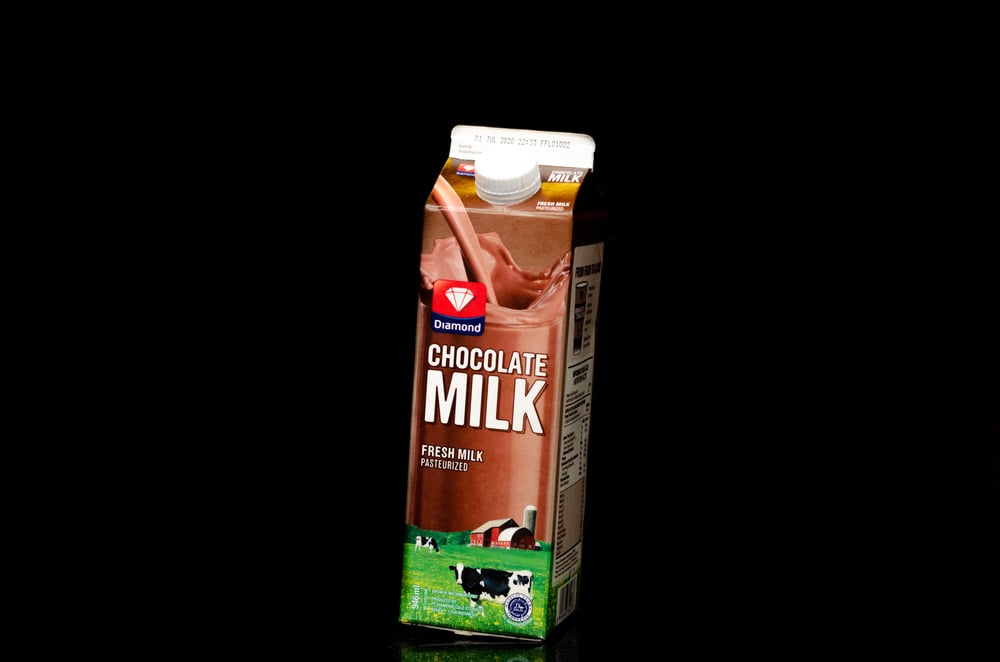
On days the cafeteria ran out of chocolate milk before you got to the front of the line, it registered as a genuine loss. The standard white milk carton was fine.
Chocolate milk was an event. Kids who had packed lunch sometimes traded specifically for one, and cafeteria workers who moved the chocolate cartons to the back of the cooler were the subject of playground conspiracy theories for years.
Pudding Cups
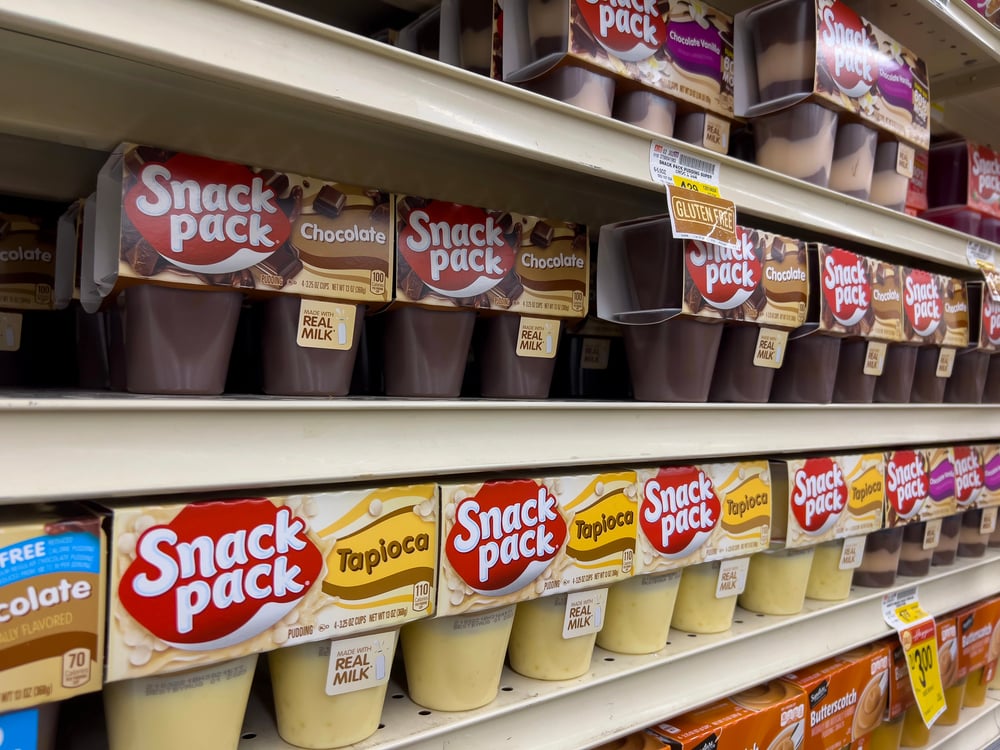
Individually portioned pudding cups — chocolate, vanilla, or the ambitious butterscotch — were soft, sweet, and slow to eat, which made them ideal for the last stretch of lunch when no one was in a hurry. The plastic lid doubled as a scraper for getting every last bit out, and anyone willing to go through that process at the table was clearly committed to the experience.
Sunflower Seeds
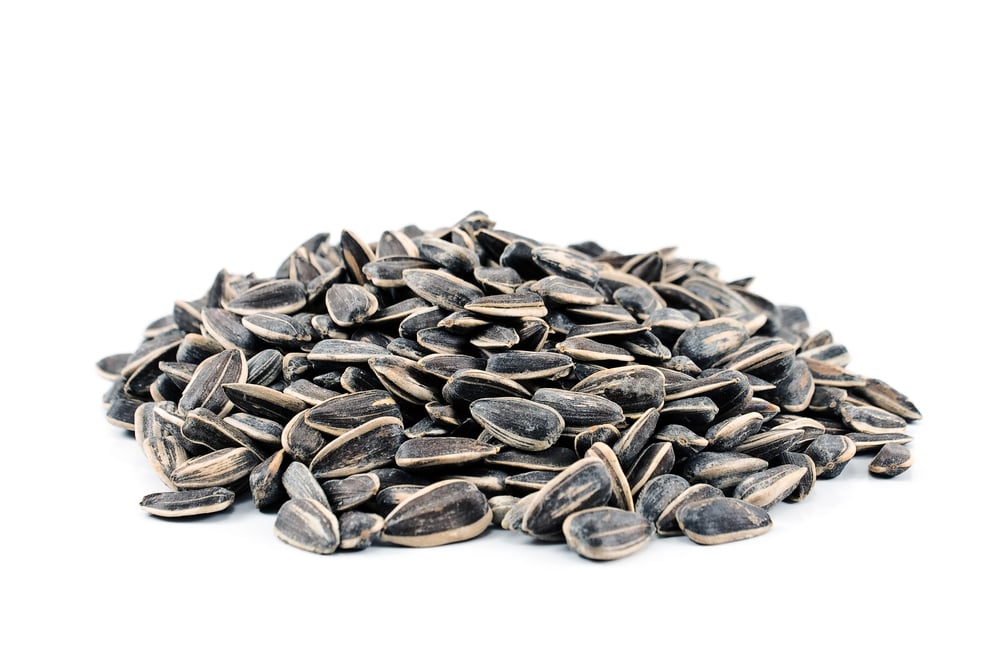
Sunflower seeds were polarizing in the best way. Kids who loved them carried small bags and cracked the shells with a focus that bordered on meditative.
Kids who didn’t love them were baffled by the effort involved. Still, they traded — mostly from the seed-lovers who had too many to finish and were happy to swap a portion for something that required no shell removal at all.
Cold Pizza From Home
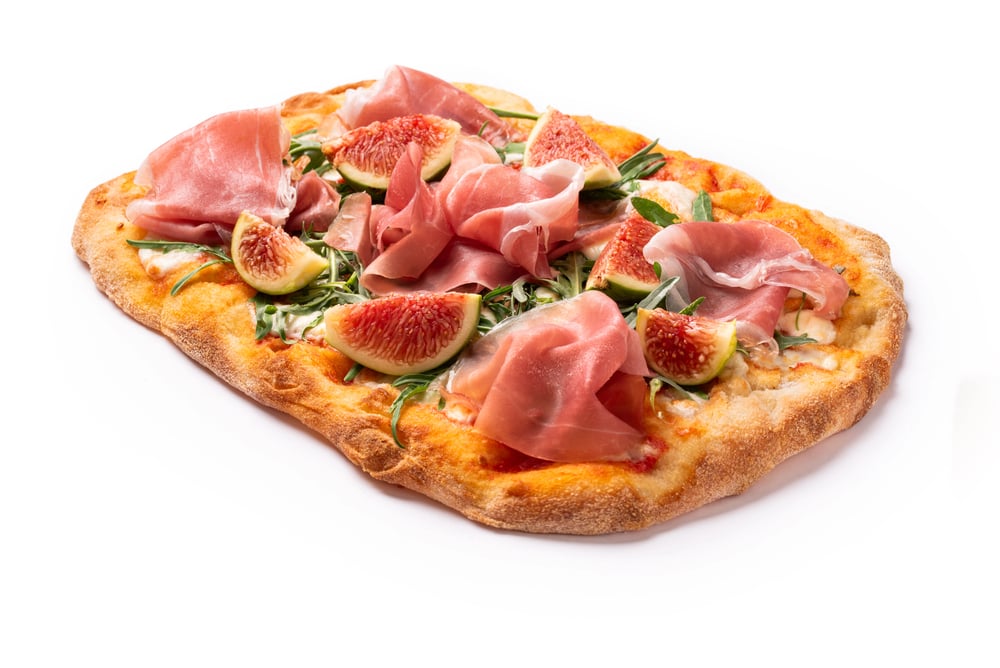
A slice of leftover pizza packed cold in a zip-lock bag was the stealth candidate of the cafeteria economy. It didn’t look impressive — slightly congealed, a little flattened — but it was real pizza, identifiable and familiar, and it was almost always better than whatever the hot lunch equivalent turned out to be.
The kid eating cold pizza at the cafeteria table was quietly respected.
Fruit by the Foot
Fruit by the Foot was the endurance athlete of cafeteria snacks — three feet of chewy fruit flavoring that took real commitment to finish. The goal was always to see who could eat theirs the slowest, which meant it was more of a time-based activity than a snack.
Trades usually happened before it was fully unrolled, because once it was out and partially eaten, the negotiating power dropped significantly.
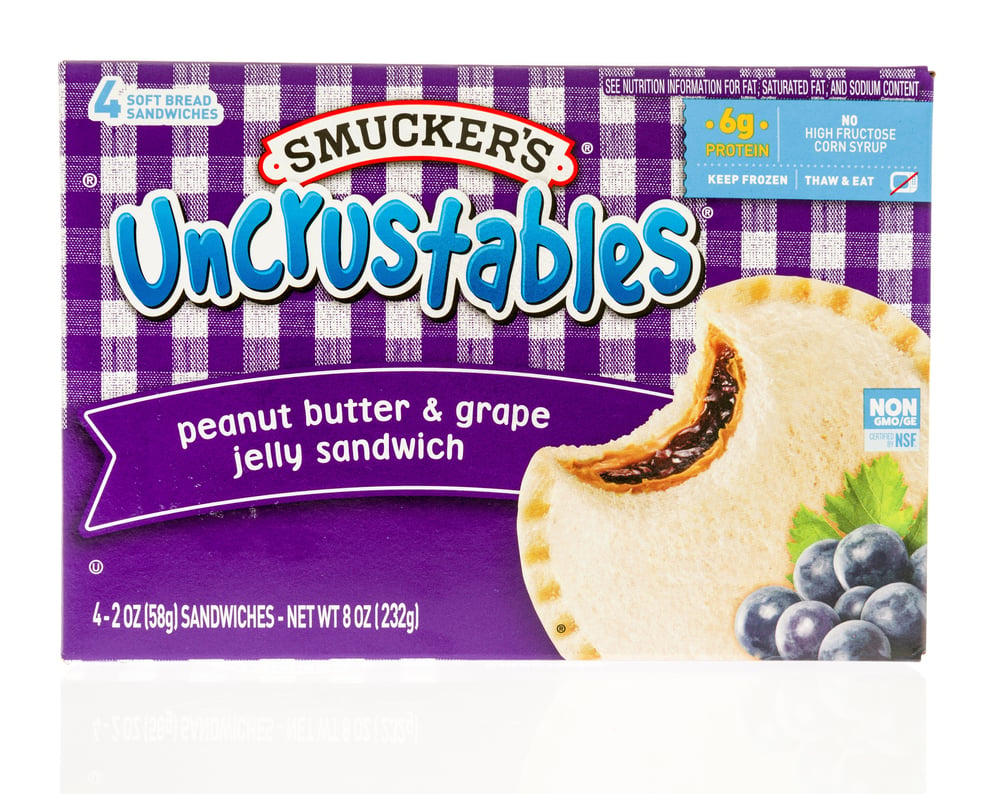
Uncrustables
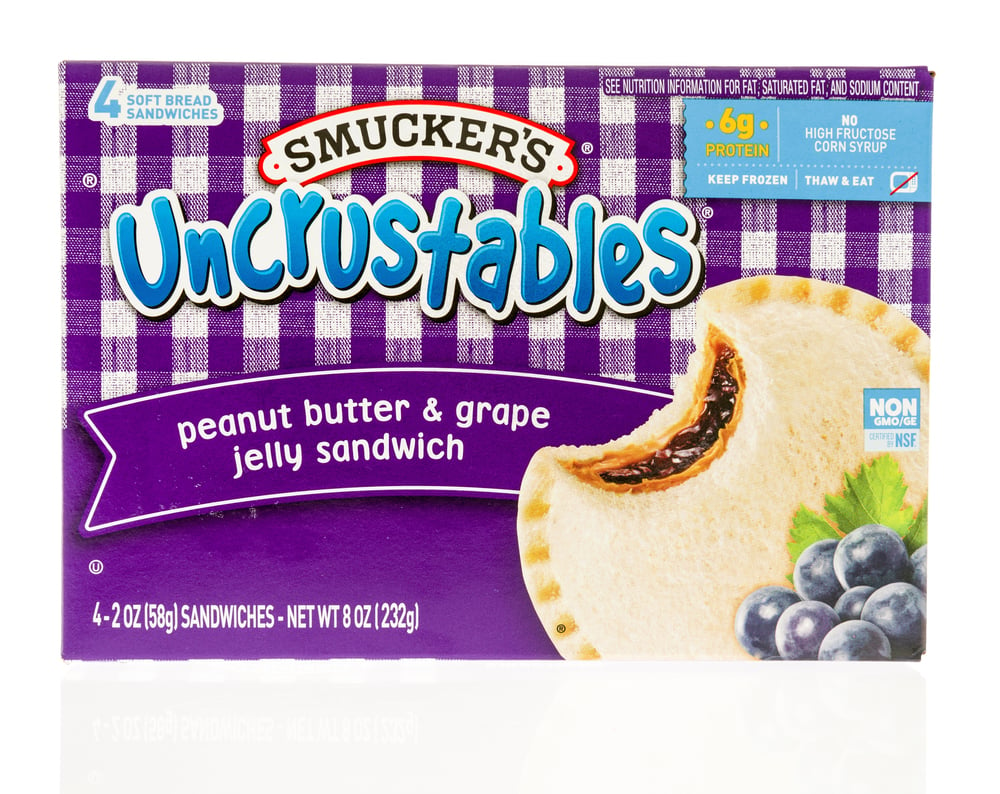
Uncrustables — the factory-sealed, crustless peanut butter and jelly rounds — were considered almost cheating by the kids whose parents cut crusts off regular sandwiches by hand. The perfectly sealed edges and soft, slightly sweet bread made them feel machine-designed for maximum palatability, which they essentially were.
Kids who had never tried one always wanted to. Kids who had one always thought carefully before trading it.
The Homemade Cookie
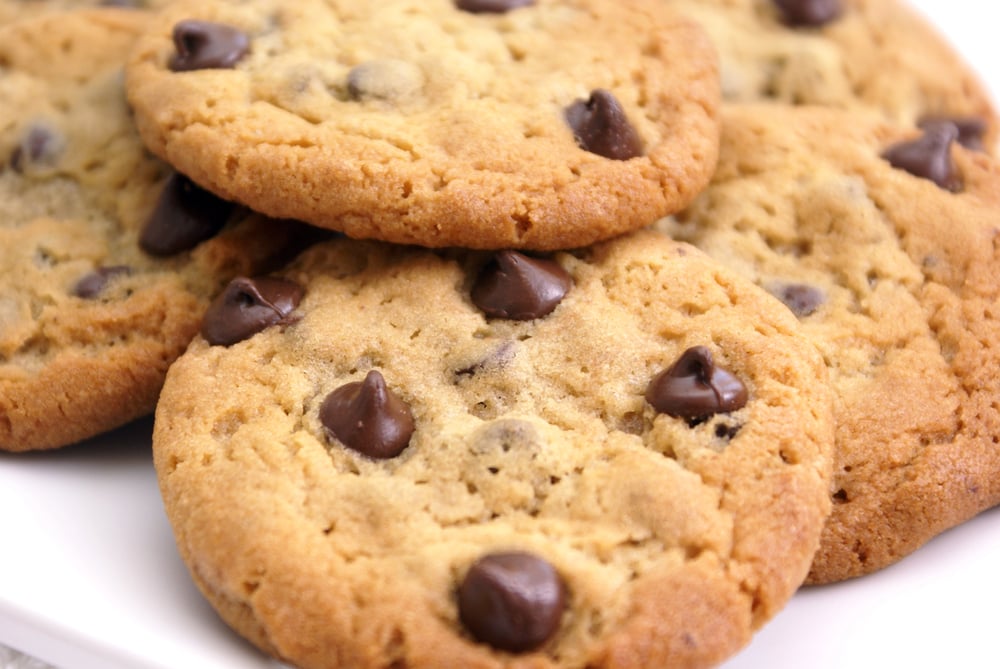
A single homemade cookie, especially a chocolate chip one that had been packed while still slightly warm and had left a small grease stain on the wax paper, occupied a category of its own. It wasn’t flashy.
It couldn’t be resold. But it carried an implied love that packaged snacks simply couldn’t replicate, and the kid eating one at the table was inevitably surrounded by people asking if their mom had sent extras.
The Cafeteria as a First Classroom
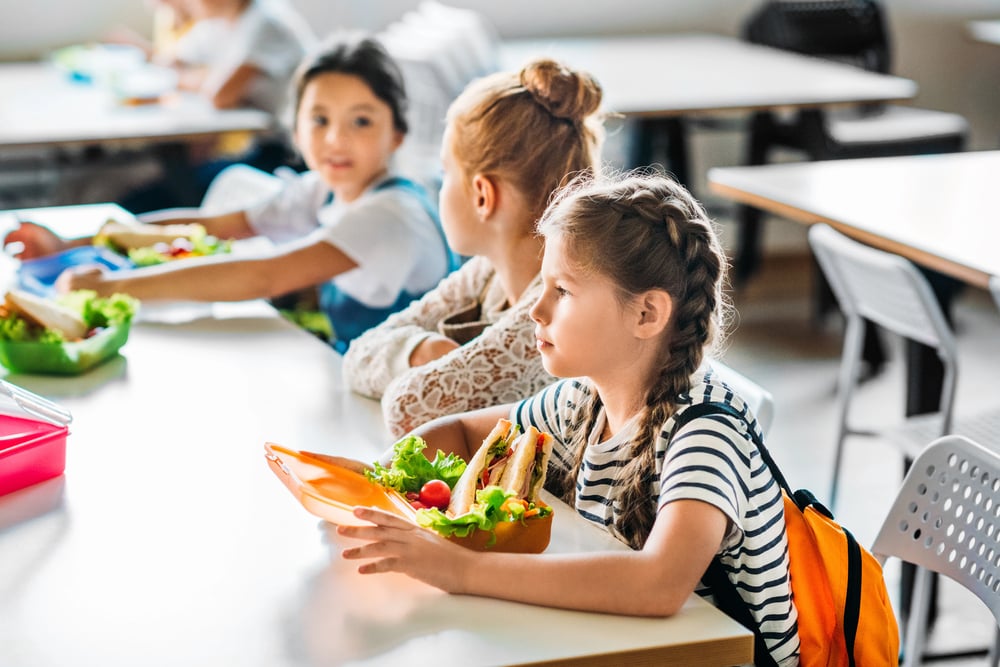
The trades that happened at the lunch table were not just about food. They were early experiments in value, negotiation, and the strange social math of making someone feel like they won when both parties walked away with something they wanted.
The kid who managed to flip a bag of carrot sticks into a Cosmic Brownie wasn’t being manipulative — they were practicing something. Every adult who has since sat across a desk and negotiated something real, something with actual stakes, probably did a version of it first with a bag of Gushers and fifteen minutes before the bell rang.
The cafeteria taught that value is subjective, timing matters, and reading the room is a skill that can be developed early. Lunch was always shorter than it should have been.
The lessons lasted considerably longer.
More from Go2Tutors!

- The Romanov Crown Jewels and Their Tragic Fate
- 13 Historical Mysteries That Science Still Can’t Solve
- Famous Hoaxes That Fooled the World for Years
- 15 Child Stars with Tragic Adult Lives
- 16 Famous Jewelry Pieces in History
Like Go2Tutors’s content? Follow us on MSN.



