29 Things About Riding the School Bus That Stuck With People for LifeSchool Bus29 Things About Riding the School Bus That Stuck With People for Life
The school bus was the first place most kids encountered a social world they hadn’t chosen. At home, you picked your company; in the classroom, a teacher managed the order. On the bus, you were on your own, seated next to whoever happened to live near you and governed by a largely unspoken hierarchy. It was a twenty-minute trip in each direction, five days a week, for years.
The school bus didn’t try to teach you anything. It just put you somewhere and let things happen, which is often when the things that stay with you longest actually do.
The Smell That Hit You the Moment the Doors Opened
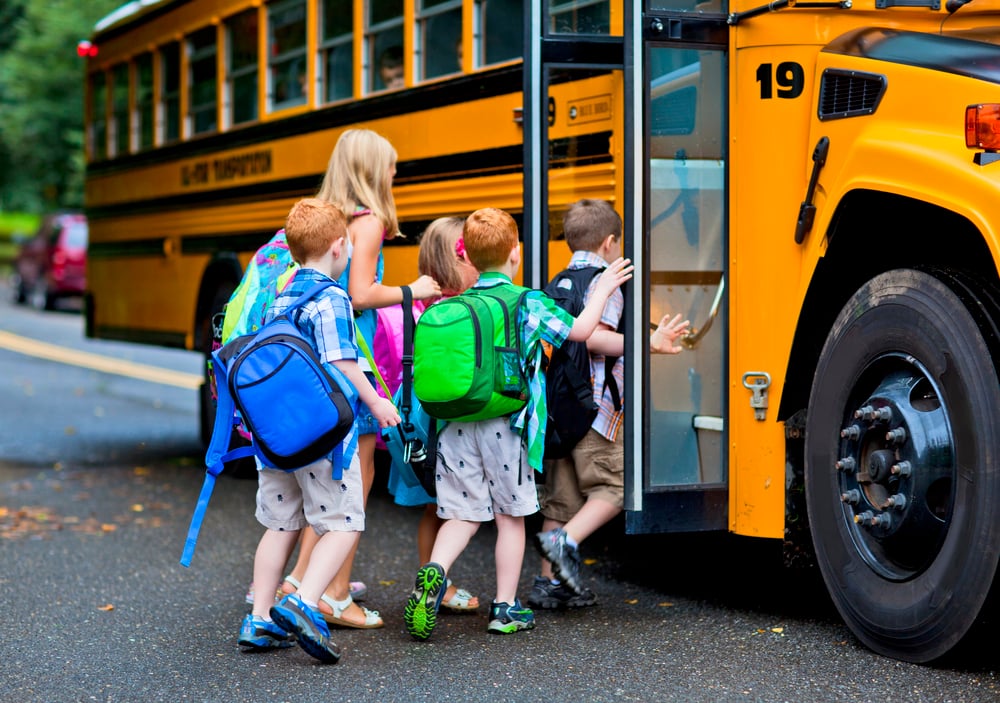
Every school bus had a smell that was entirely its own — a combination of diesel, rubber, and synthetic seat material. It was not a pleasant smell, but it was one of the most reliable sensory triggers in existence. Some smells become memory anchors without anyone asking them to.
Finding the Right Seat Without Looking Like You Were Trying
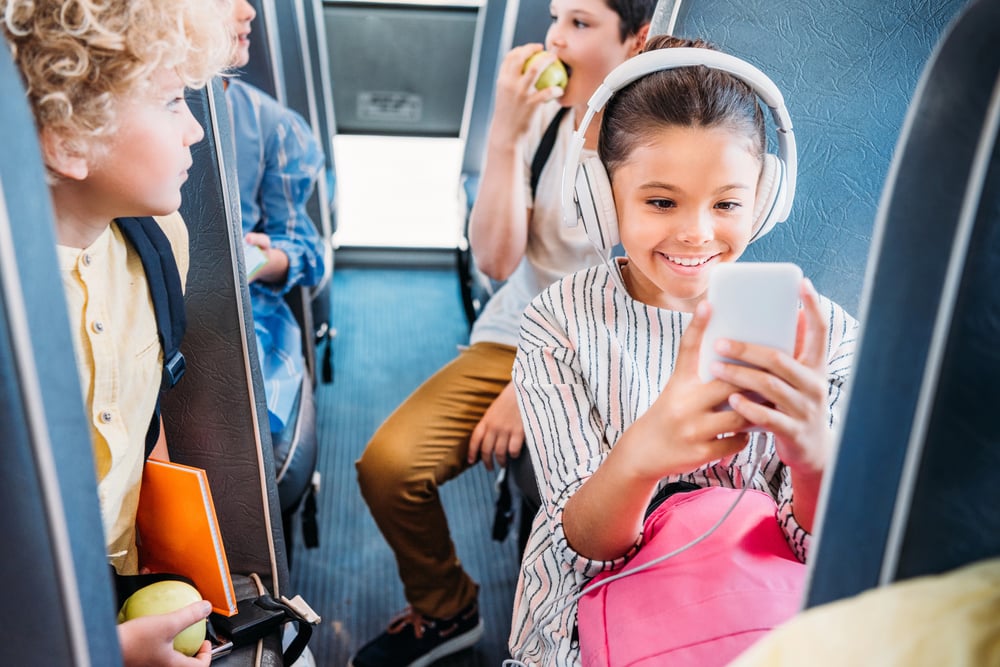
The daily seat selection was a social calculation performed in about four seconds while walking down the aisle. Kids had to read the room quickly to decide where to sit without drawing unnecessary attention to themselves. Those who nailed this every morning were operating on a kind of social intelligence no curriculum has ever formally taught.
The Driver Who Knew Everyone’s Name
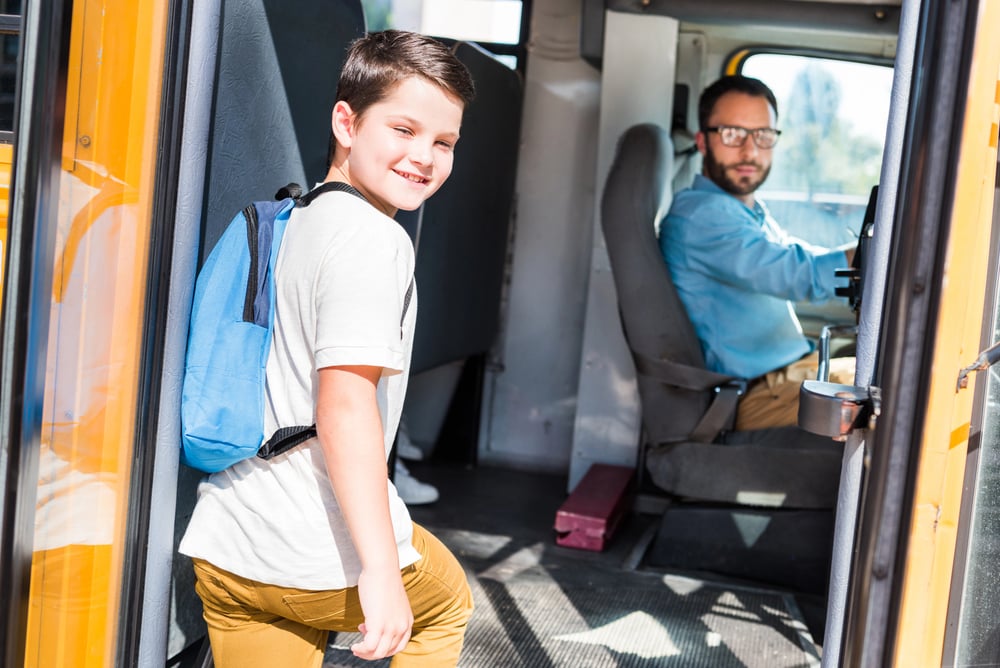
Some bus drivers knew every kid on their route by name and greeted each one at the door. These drivers were remembered specifically and named in conversations about childhood decades later. The ones who called out a name from the front without turning around inspired a particular kind of affectionate awe.
The Unwritten Rule About the Back Seat
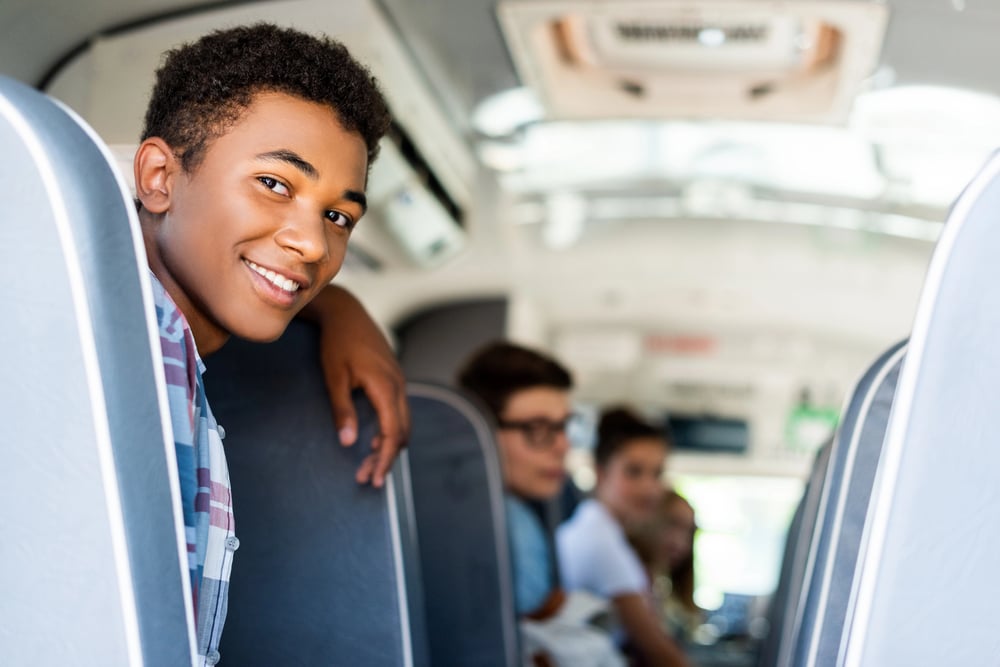
The back row of the school bus operated under a different set of social conditions from the rest of the vehicle. It was louder, less supervised, and occupied by whoever was currently considered the most socially established. The back seat was a small, mobile social institution with its own entrance requirements and atmosphere.
Fogging Up the Window and Drawing in It
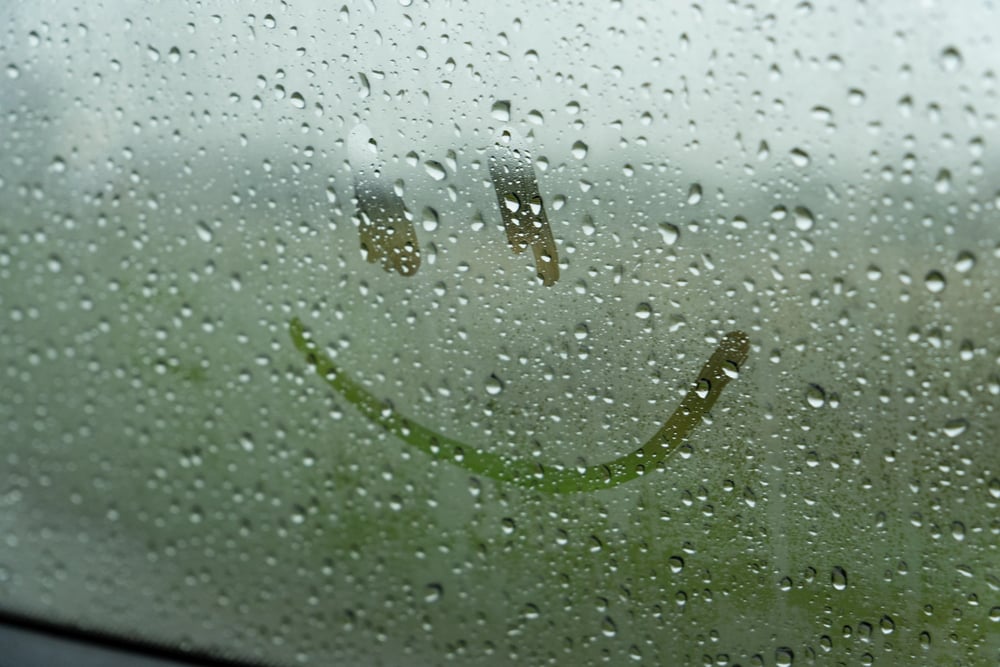
Cold mornings produced condensation on the inside of the bus windows, and condensation was an invitation. Kids drew faces, wrote names, and developed quick fog-glass art that vanished within a minute. A drawing that lasted long enough to be seen by the person in the next seat felt like a small success.
Counting Stops Until Yours
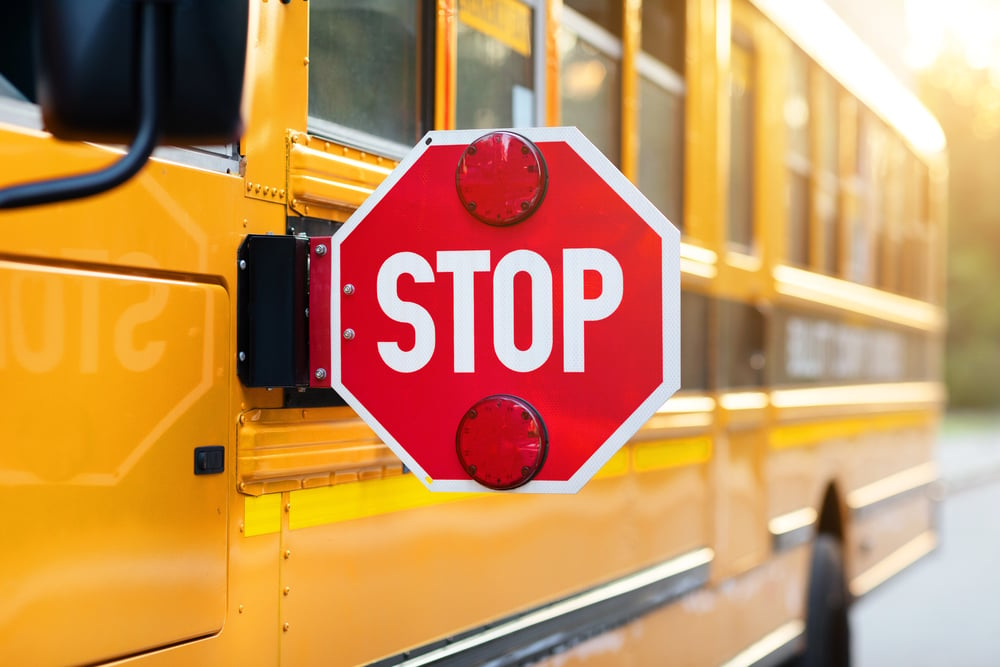
Every regular bus rider knew the sequence of stops on their route the way they knew the TV schedule. You knew which stops came before yours and roughly how long each segment took. On difficult school days, the stop count was a personal countdown toward home.
The Game That Started Somewhere in the Middle
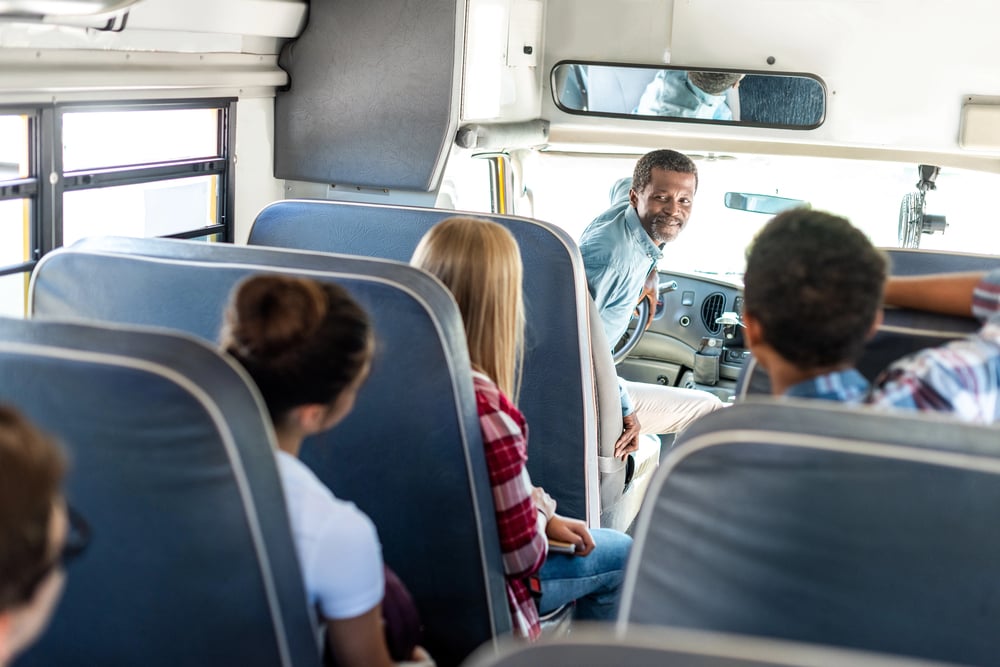
Bus games were invented out of necessity during long stretches of road with nothing to look at. Kids played twenty questions, counted red cars, or tapped rhythms on the seats in front of them. These were just the things that happened when kids were left with time and each other.
That One Particularly Bumpy Stretch of Road
Every bus route had a potholed section or aggressive speed bump that sent passengers briefly airborne if they weren’t holding on. Kids who knew the route braced themselves, while new passengers received a brief education in why the overhead rail existed. That section of road was always known to everyone on the bus and slightly anticipated.
The Hierarchy of Who Got On First
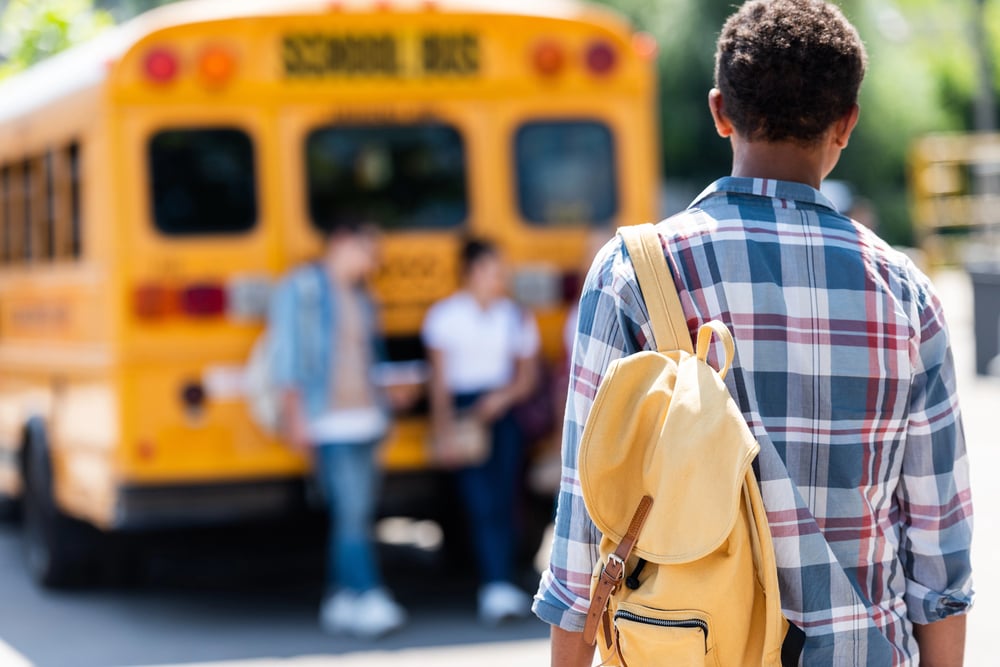
The order in which stops fell on the route determined who had the most time on the bus and the most social flexibility. First stops meant choice of seat but a longer ride, while later stops meant fitting into whatever space was left. Kids who got on early sometimes fell asleep, while late arrivals had to take whatever remained.
Overhearing Conversations You Weren’t Part Of
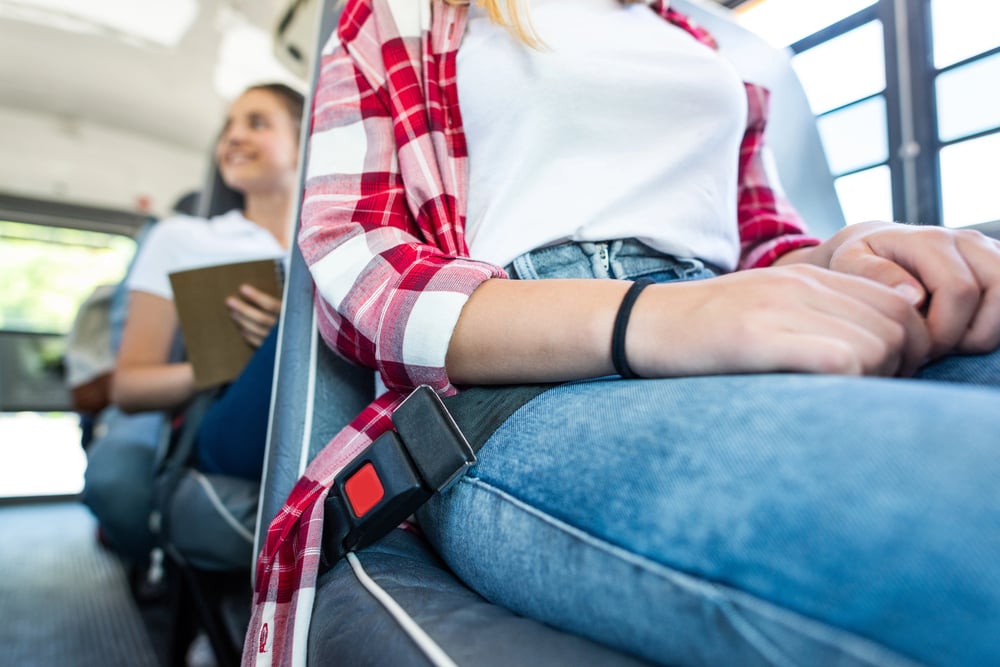
The proximity of bodies on a school bus made it impossible to be unaware of what the people around you were talking about. Older kids discussed things younger kids didn’t fully understand, and conversations drifted across the aisle without any filtering. A lot of information arrived this way, occasionally proving to be transformative.
The Morning Quiet on the Earliest Pickup
The very first stop on a long route in the morning sometimes happened before most other kids were awake. Boarding in near-darkness into a quiet bus had a completely different quality from the afternoon chaos. Some kids who grew up to value early mornings trace it back to those silent first legs of the route.
When Someone Threw Something Out the Window
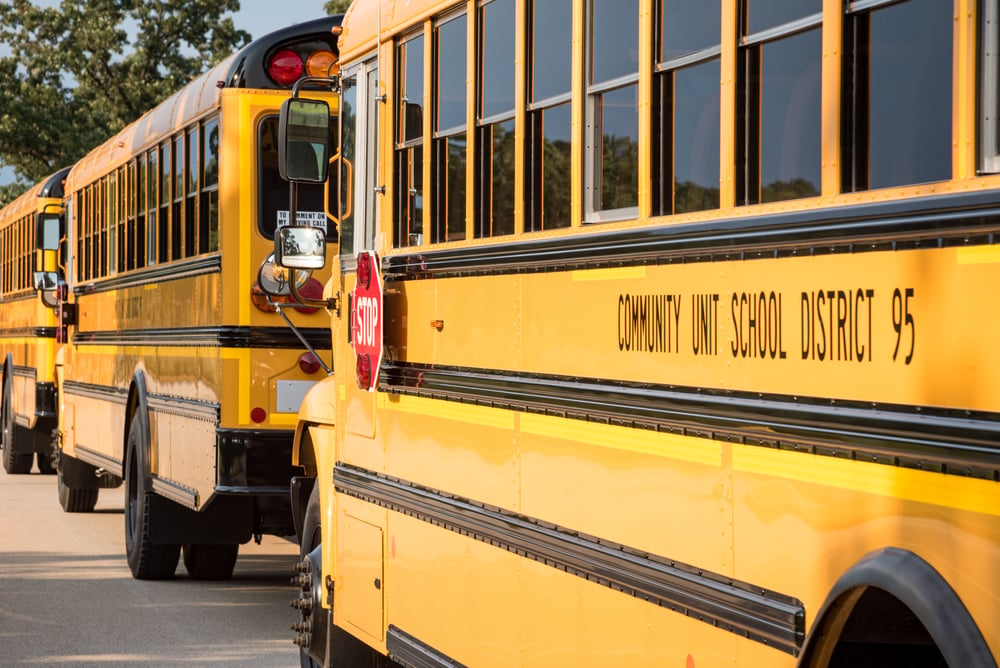
The open window on a school bus in warm weather was a temptation that some kids could not resist. Paper scraps, wrappers, or apple cores went out, and everyone waited to see if the driver noticed. Drivers who caught these events using their mirrors seemed almost supernatural to a nine-year-old.
The Ritual of Saying Goodbye at Your Stop
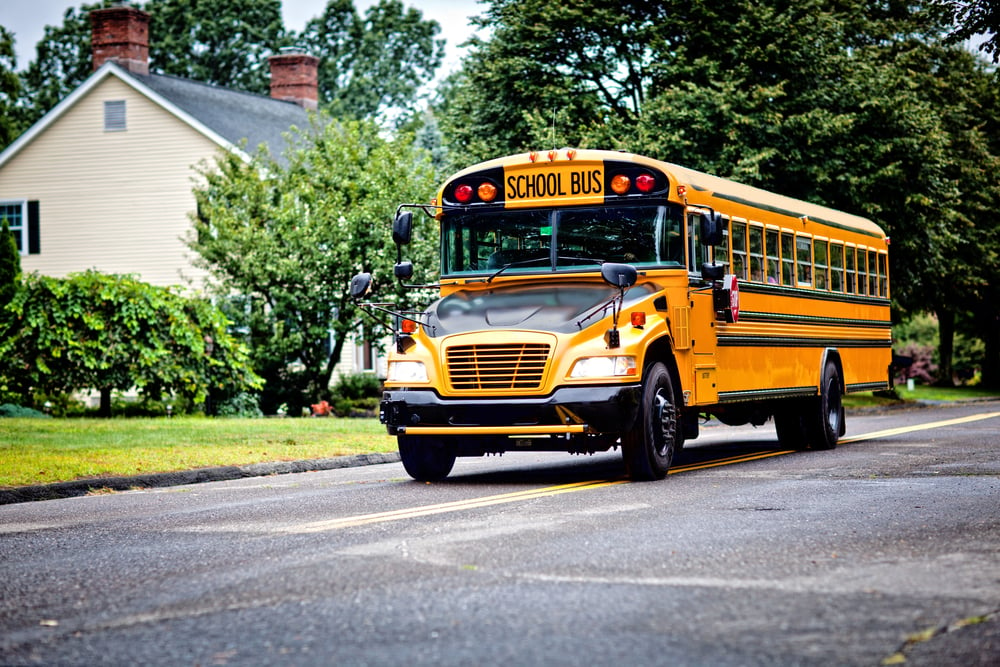
Getting off the bus had a protocol that varied by age and personality. Some kids waved, some bolted, and others exchanged a specific look with their seatmate. The friend you sat next to every morning was connected to you by geography, making them close through daily contact.
The Long Route Home That Felt Twice as Long as the Morning
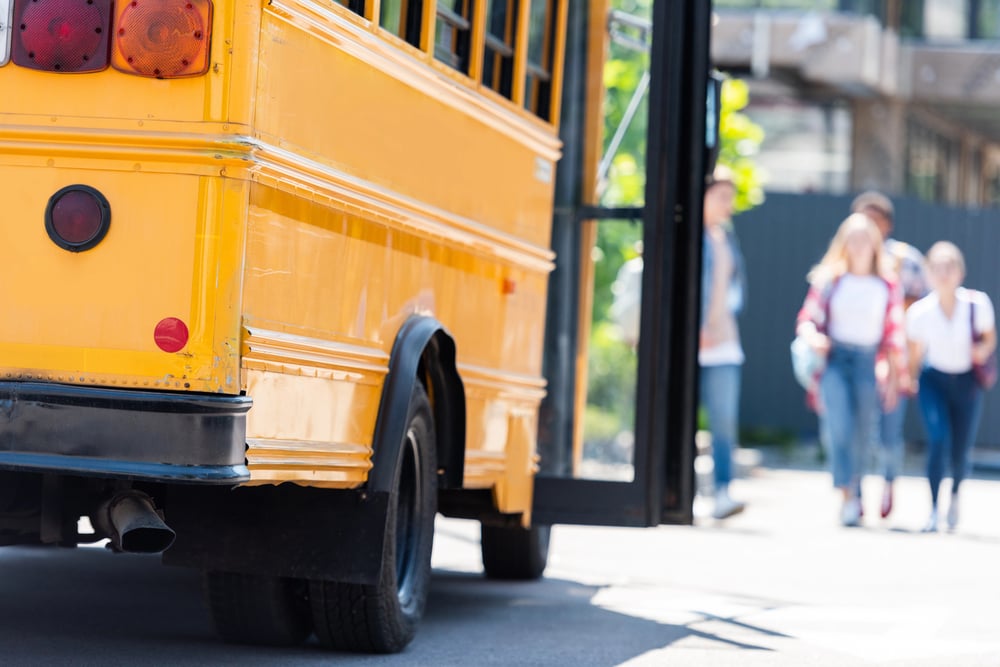
The afternoon route was always experienced as longer than the morning route, even when identical in length. Morning had the propulsive quality of going somewhere, while afternoon felt stretched out after a long day. Kids sitting by the window in the afternoon watched the neighbourhood in a much slower, observational mode.
Seeing Parts of the Neighbourhood You Didn’t Walk Through
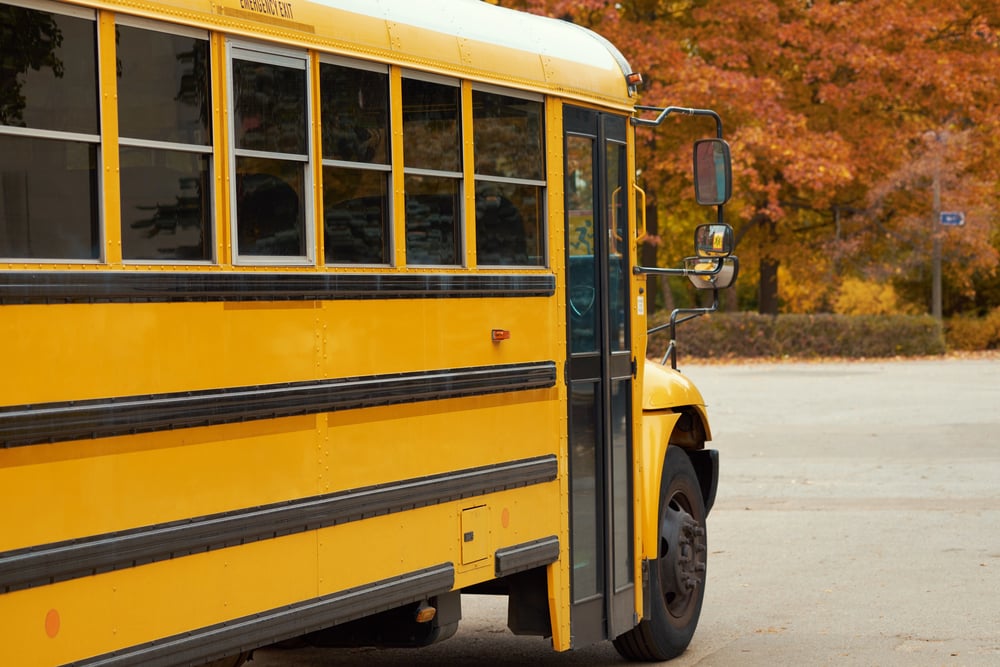
The bus route covered ground that most kids wouldn’t have encountered on their own. Looking out the window at someone else’s street was an early lesson in geography and social differences. It showed that the same school could draw from places that looked nothing like where you came from.
The Sound of the Brakes
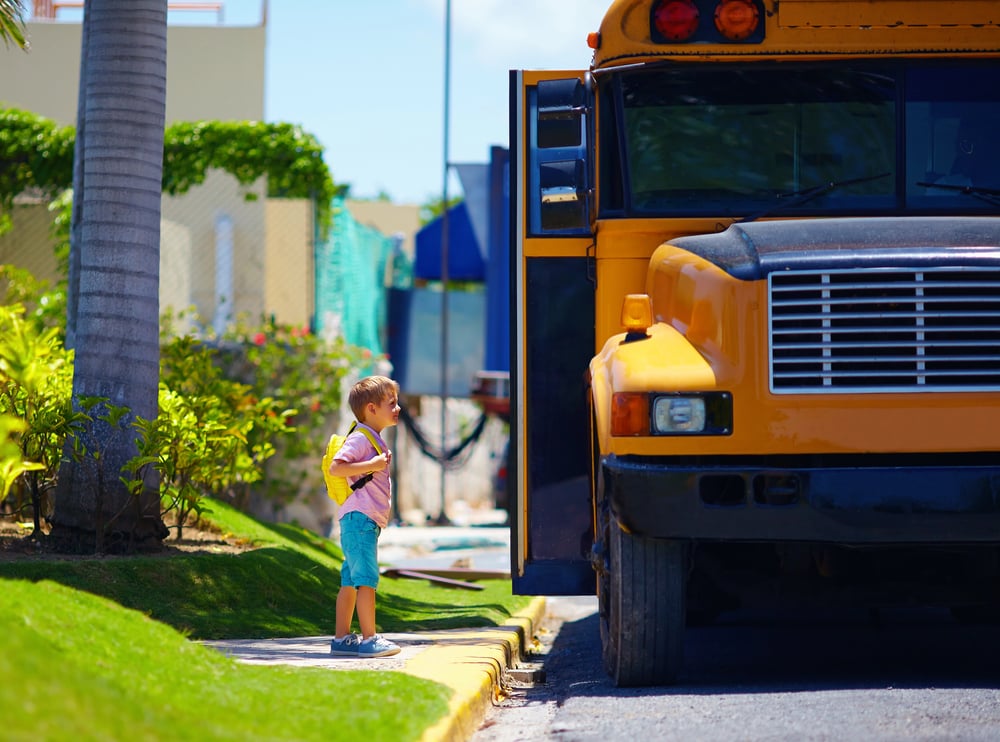
A school bus had a specific brake sound — a long, pressurised hiss that preceded every stop. Kids who had ridden long enough anticipated it, leaning forward slightly as conversations paused. Few sounds are more specifically remembered than the one that announced your stop was coming.
Trading Things on the Bus
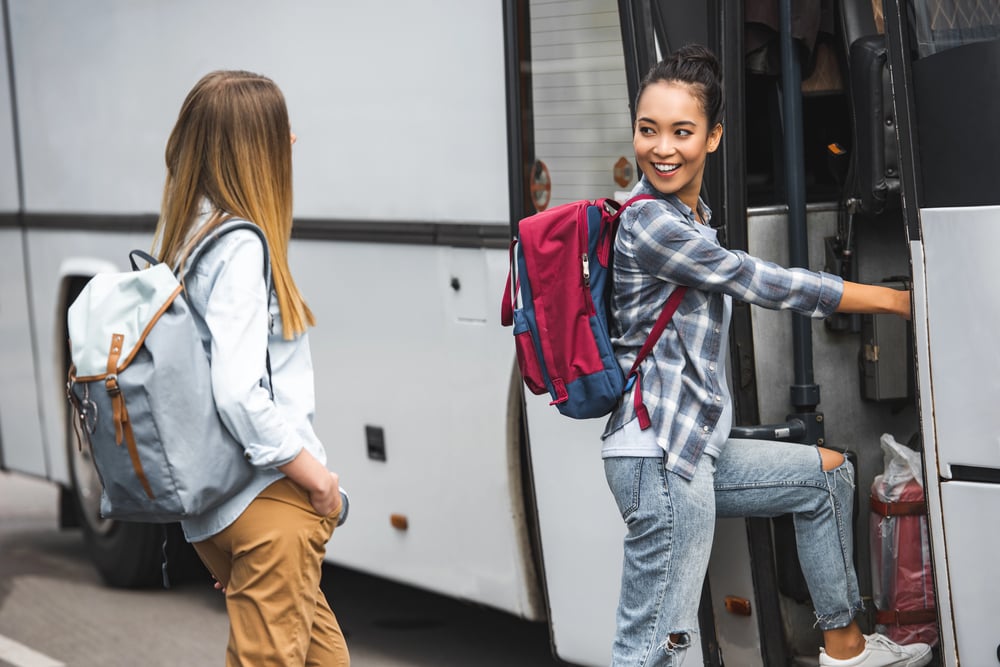
The bus was a secondary market for everything that had been acquired at school. Cards, stickers, pencils, and snacks were traded in the fifteen minutes between pickup and arrival home. These trades happened fast, under the seat, and were occasionally regretted by the time you got home.
The Moment the Bus Broke Down
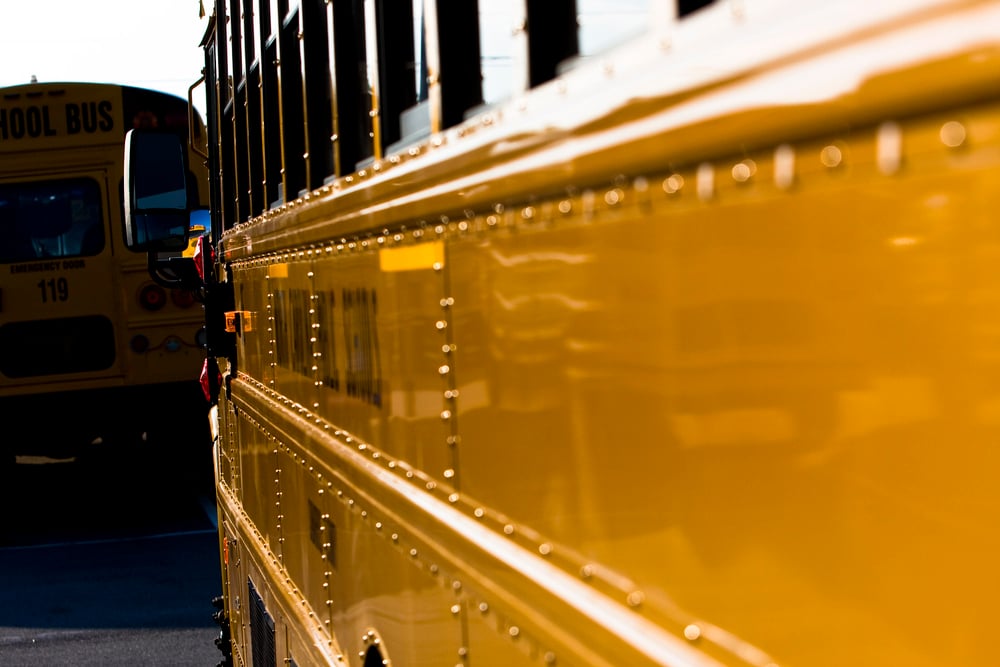
A bus breakdown was a school day event of genuine significance. The engine stalling and the driver on the radio created the specific reality of an unexpected interruption. Whether waiting for a replacement bus or being delayed on the side of the road, it was an unusual experience of collective patience.
The Songs That Went Around the Whole Bus
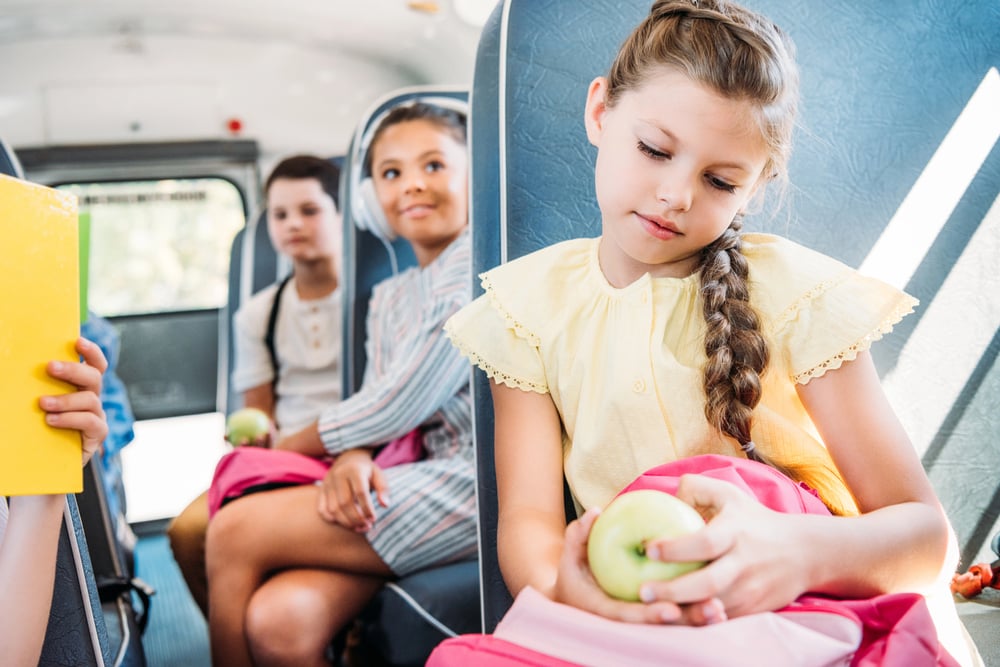
Simple and repetitive songs could spread from one end of the bus to the other on the right kind of afternoon. The driver either joined in or said nothing, which was considered sufficient permission to keep going. A bus full of children singing to pass the time was one of the most harmonious sounds the vehicle could produce.
The Bus on Field Trip Days
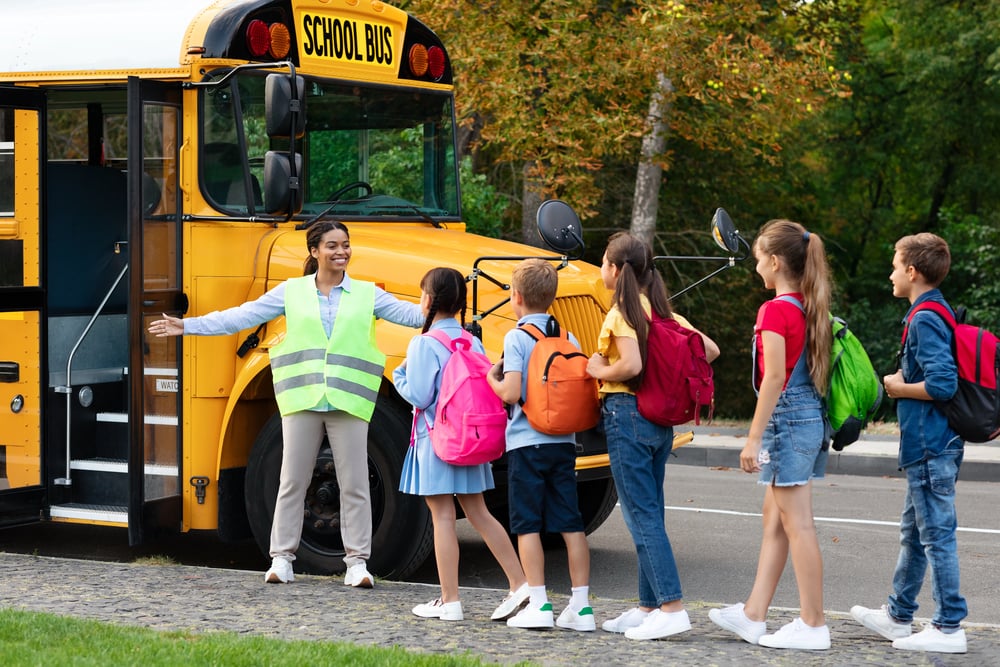
A field trip transformed the bus entirely. The trip out was full of noise and anticipation, while the trip back was quieter and tired in a good way. These buses smelled different too, filled with the scent of sunscreen rather than diesel.
When a New Kid Got On
A new student appearing at an existing stop changed the established order by one seat. The social question of who would speak to them first was answered by whoever happened to be nearest. It was an arbitrary way to begin a friendship, but an extremely common one.
The Winter Ride When the Heater Worked
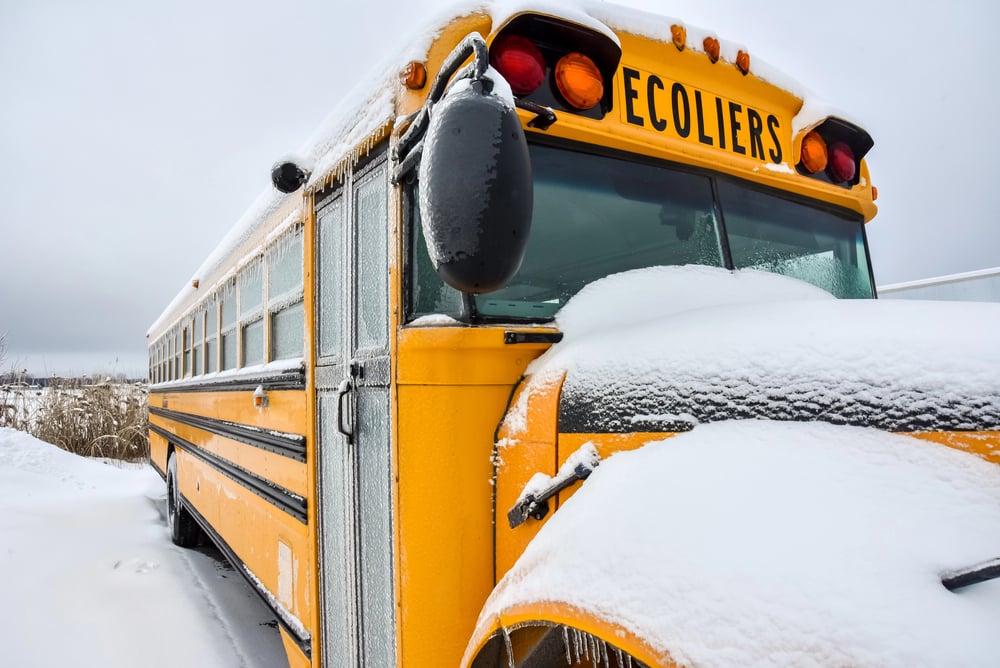
On cold mornings when the bus heater worked properly, the interior warmed to a pleasant temperature within ten minutes. There was a specific comfort to sitting inside a warm vehicle while the world outside was cold and grey. The morning had a cozy quality on those days, briefly insulating everyone from the outside world.
The Winter Ride When the Heater Didn’t
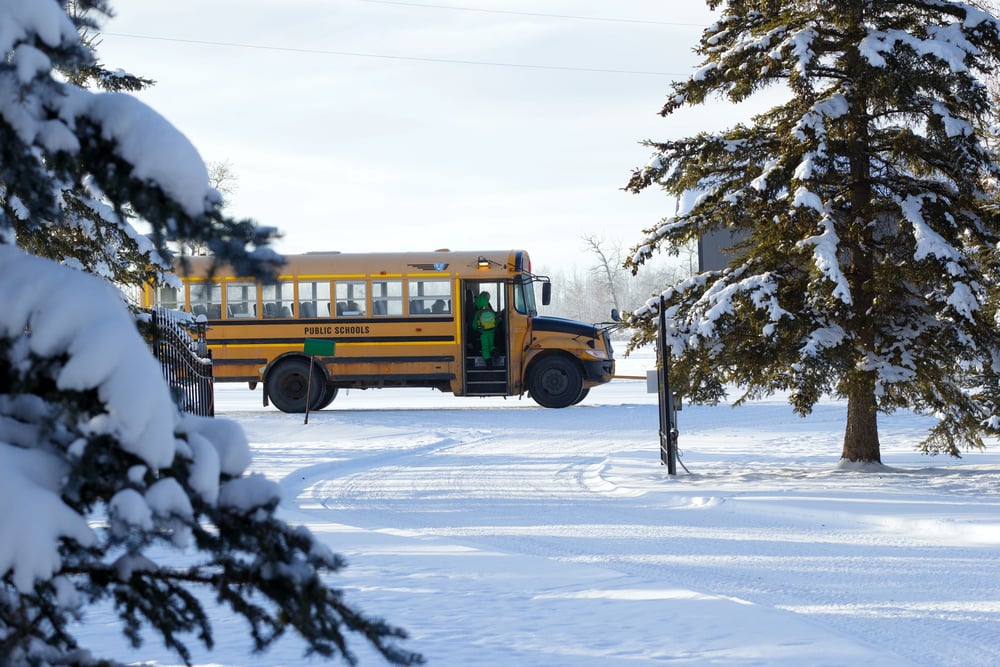
This was equally memorable, though for the exact opposite reason. Sitting in the freezing cold made for a miserable and unforgettable journey.
Waiting at the Stop in the Dark
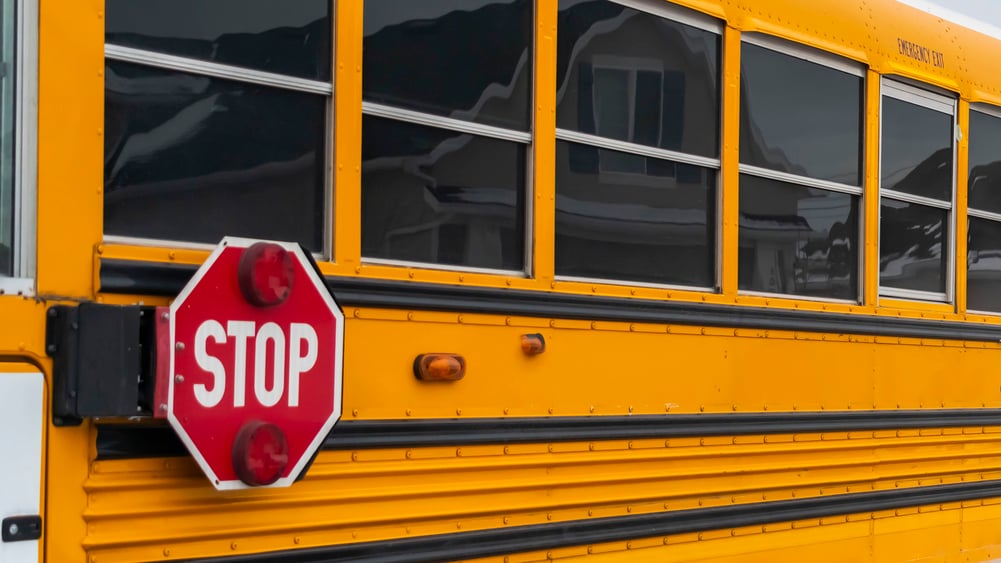
Winter bus stops before sunrise meant standing on a corner in near-complete darkness, watching for approaching headlights. The wait had no guaranteed duration, making the cold and uncertainty feel like a daily hardship. In hindsight, that peculiar routine produces a strange sense of affection.
The Driver Who Played the Radio
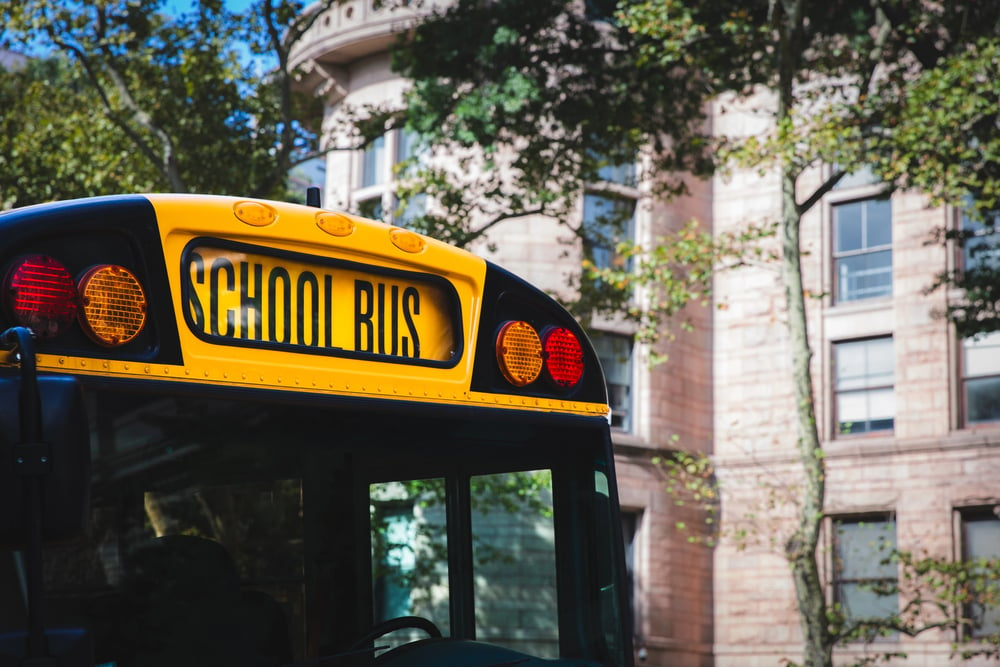
A driver who kept the radio on transformed the atmosphere of the whole vehicle. It gave the morning a soundtrack and introduced kids to songs they might not have heard elsewhere. Many people can identify the exact decade of their childhood by the songs associated with those bus rides.
The Year You Moved to the High School Bus
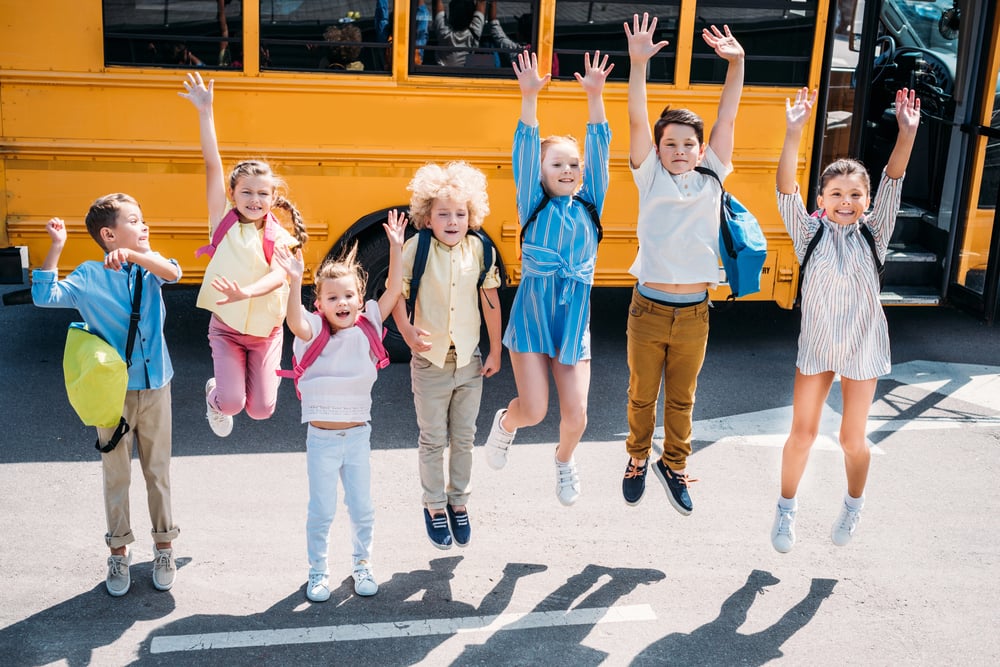
The transition to the high school route was a complete social recalibration. The entire established hierarchy reset, forcing everyone to figure out a new order. Some kids never quite adjusted, while others thrived on the clean start.
That One Ride Home on the Last Day of Term
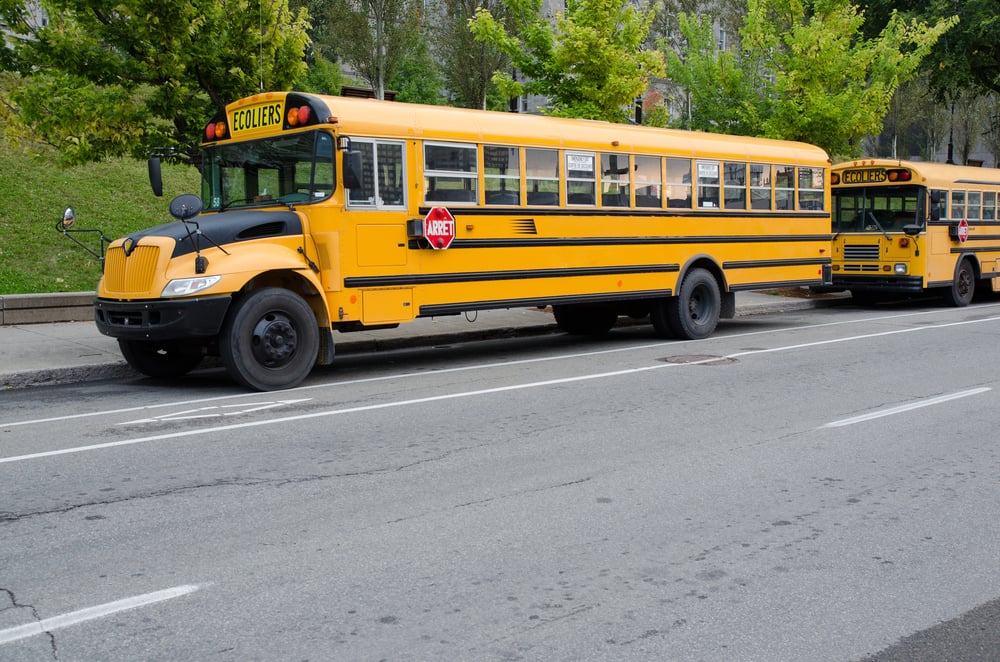
The bus on the last day of school before a long break was a completely different vehicle. The energy was high, and people who barely spoke all year said things they’d been saving. Knowing the next ride was weeks away made the current one feel momentarily precious.
Recognising the Bus from Inside the School
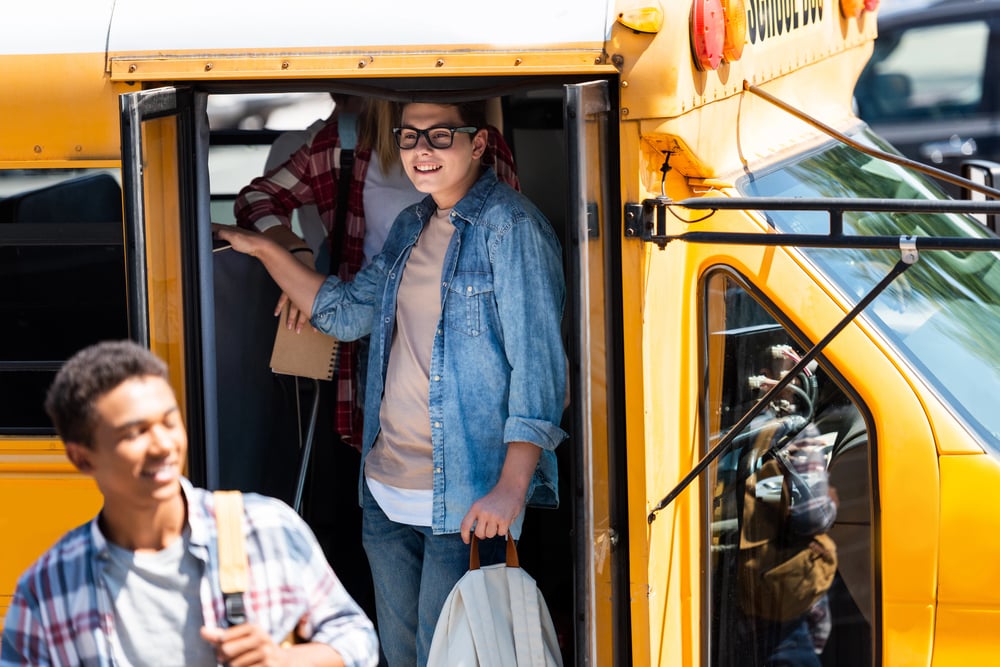
Standing at the window at the end of a rainy school day and watching the buses pull in was its own minor ritual. Knowing which bus was yours and where it stopped was essential knowledge for ending the day. The bus was the boundary between school and home, signaling that the day was officially over.
What the Bus Actually Taught
The school bus was a unique social environment operated by one adult and populated by a wide age range of kids. It was one of the first places children navigated without a parent, requiring small acts of independent judgment. The lessons learned there were not listed in any curriculum, but they stuck for life.
More from Go2Tutors!

- The Romanov Crown Jewels and Their Tragic Fate
- 13 Historical Mysteries That Science Still Can’t Solve
- Famous Hoaxes That Fooled the World for Years
- 15 Child Stars with Tragic Adult Lives
- 16 Famous Jewelry Pieces in History
Like Go2Tutors’s content? Follow us on MSN.



