15 Ways Old Families Made One Pound Of Meat Last
Making a single pound of meat stretch to feed an entire family wasn’t just thrift — it was survival. Before supermarkets and credit cards, families developed clever methods to turn small amounts of protein into satisfying meals that could last for days.
These techniques weren’t born from choice but from necessity, passed down through generations who understood that wasting food meant going hungry.
Stretching With Grains And Starches
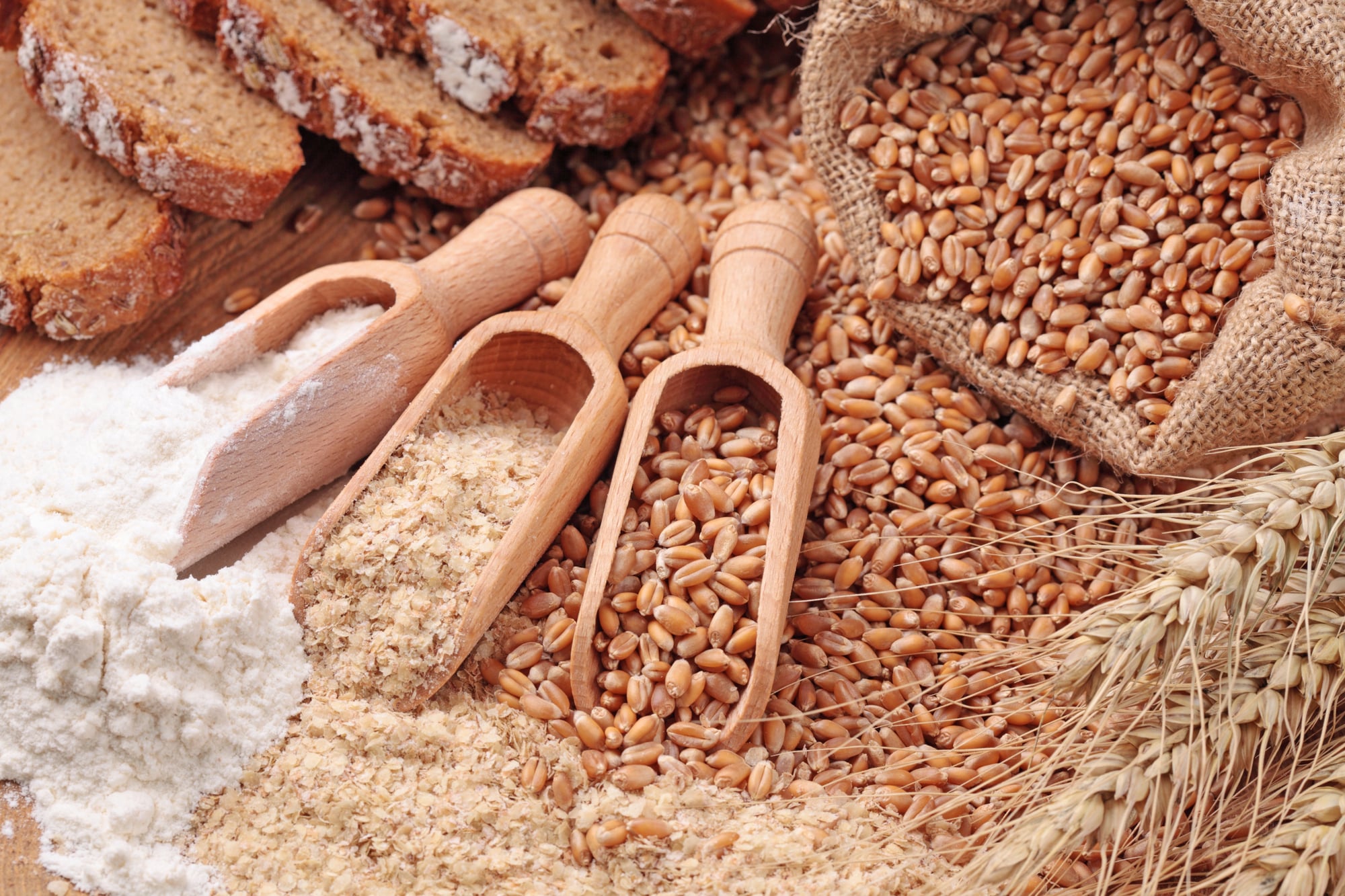
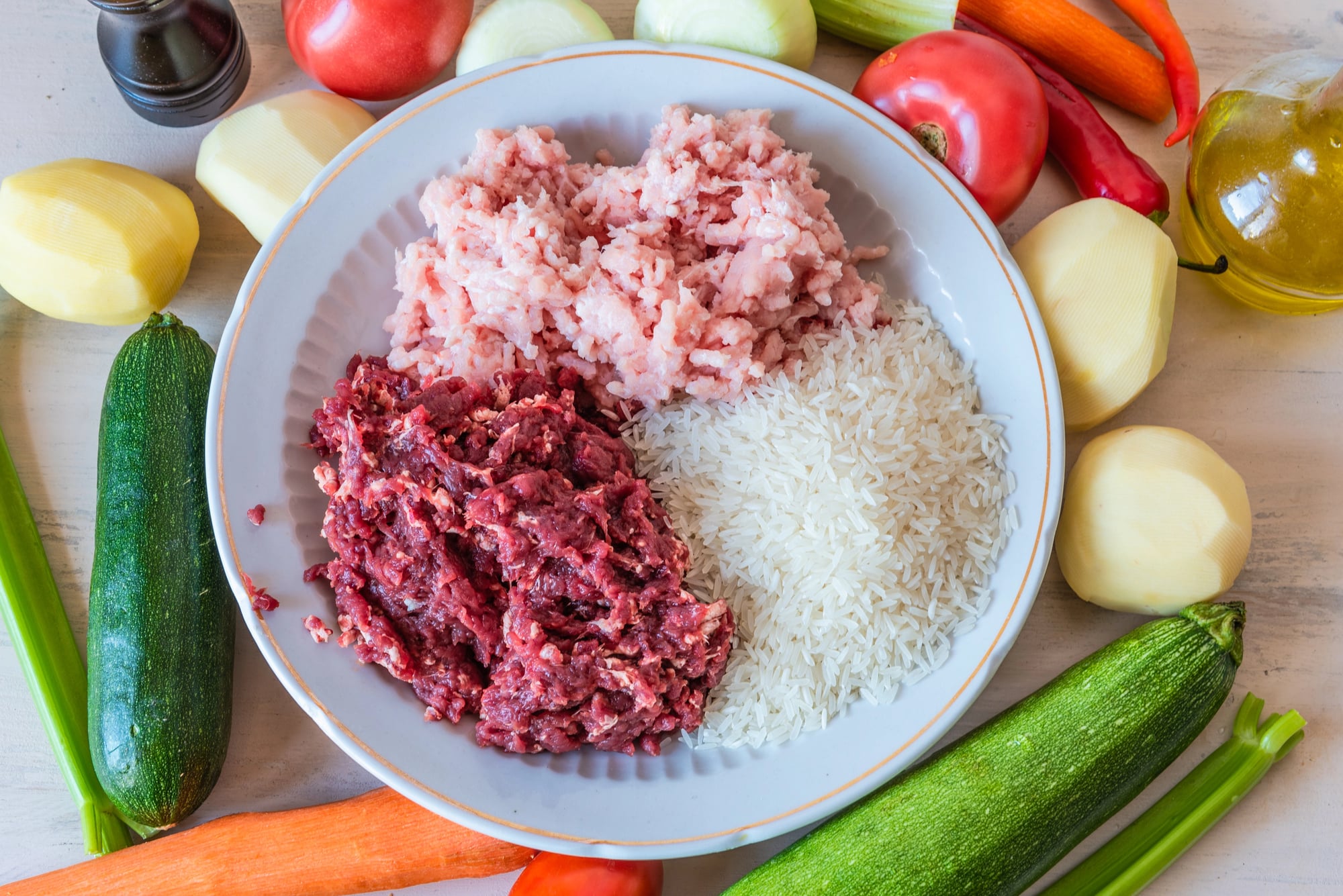
Rice, potatoes, and bread weren’t side dishes — they were the foundation. A pound of ground beef mixed with two cups of cooked rice could feed eight people instead of four.
The meat provided flavor and some protein, while the starch provided bulk and kept stomachs full longer.
Making Stocks And Broths From Bones
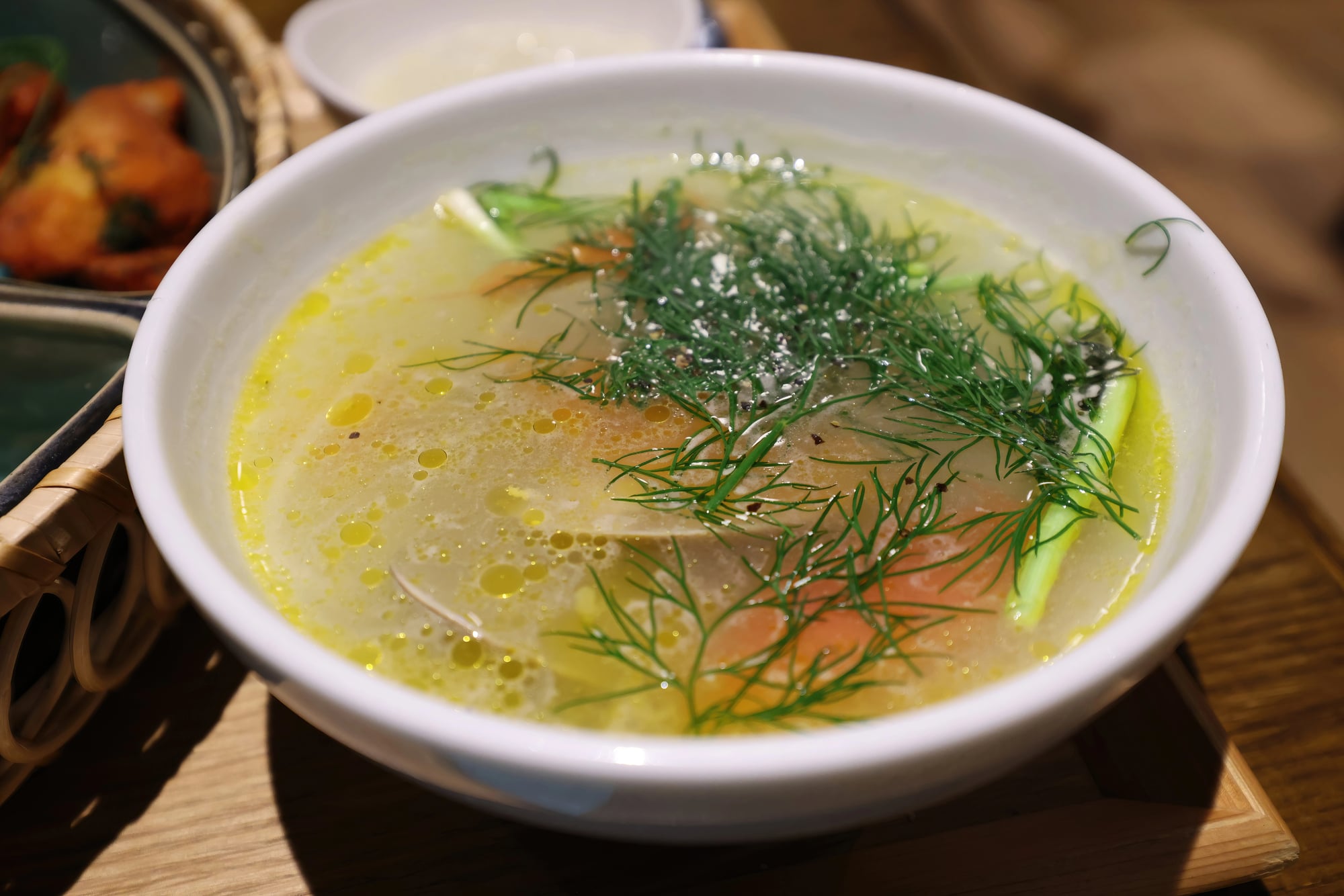
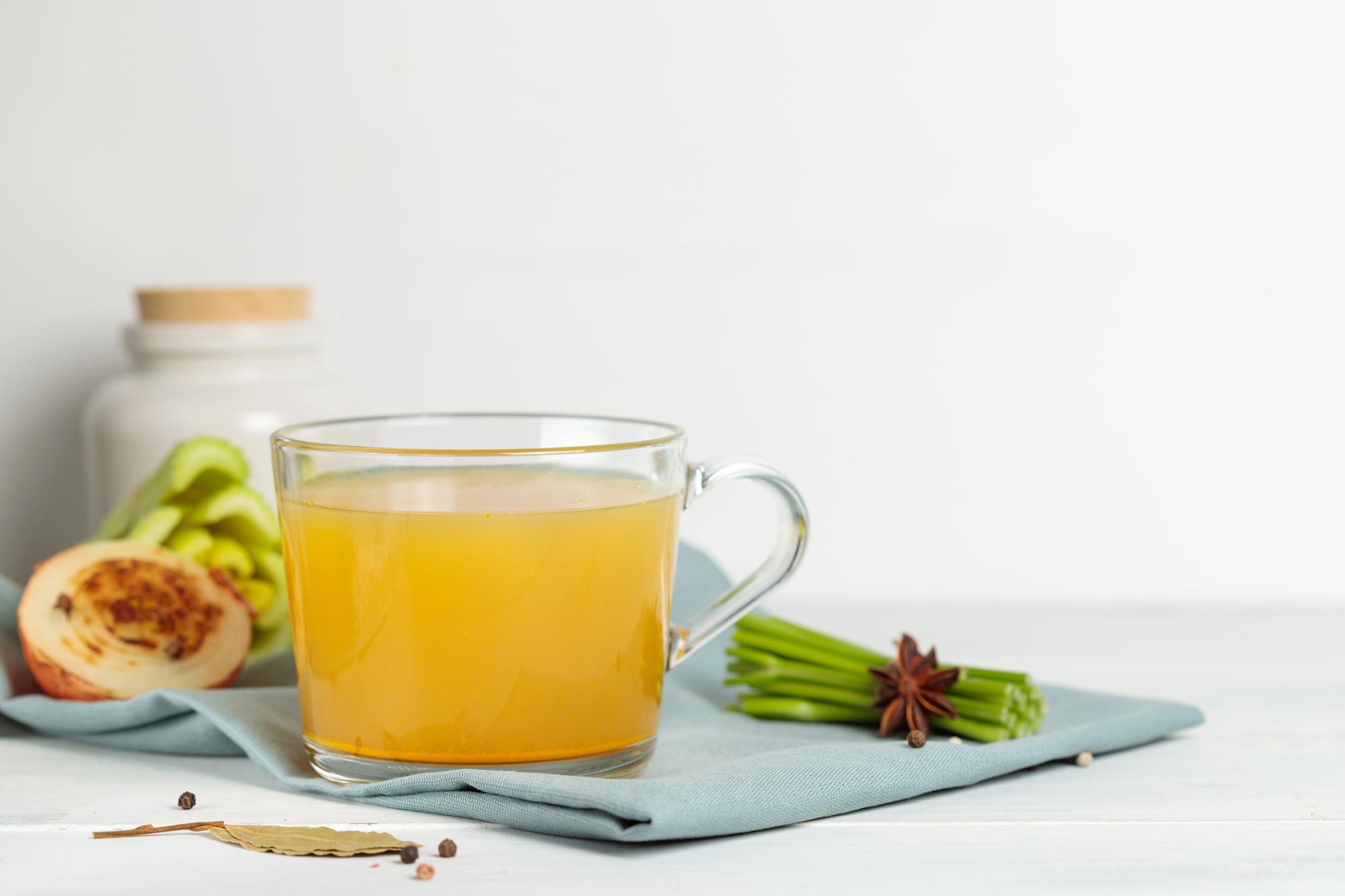
Every bone went into the pot. Chicken bones, beef bones, even the bones from Sunday’s pork chops got simmered with water, onions, and whatever vegetables were starting to wilt.
The resulting broth became the base for soups that could stretch a few scraps of meat into meals for the whole week.
Grinding And Mixing With Vegetables

The meat grinder (and later, those hand-crank contraptions that lived in every kitchen drawer) turned expensive cuts into ground meat that mixed easily with chopped onions, carrots, and celery. What started as a small piece of beef became a filling that could stuff peppers, make meatloaf, or become the protein in a casserole — and the vegetables weren’t just filler, they added their own nutrition to meals that might otherwise lack it.
Creating Hearty Stews And Casseroles
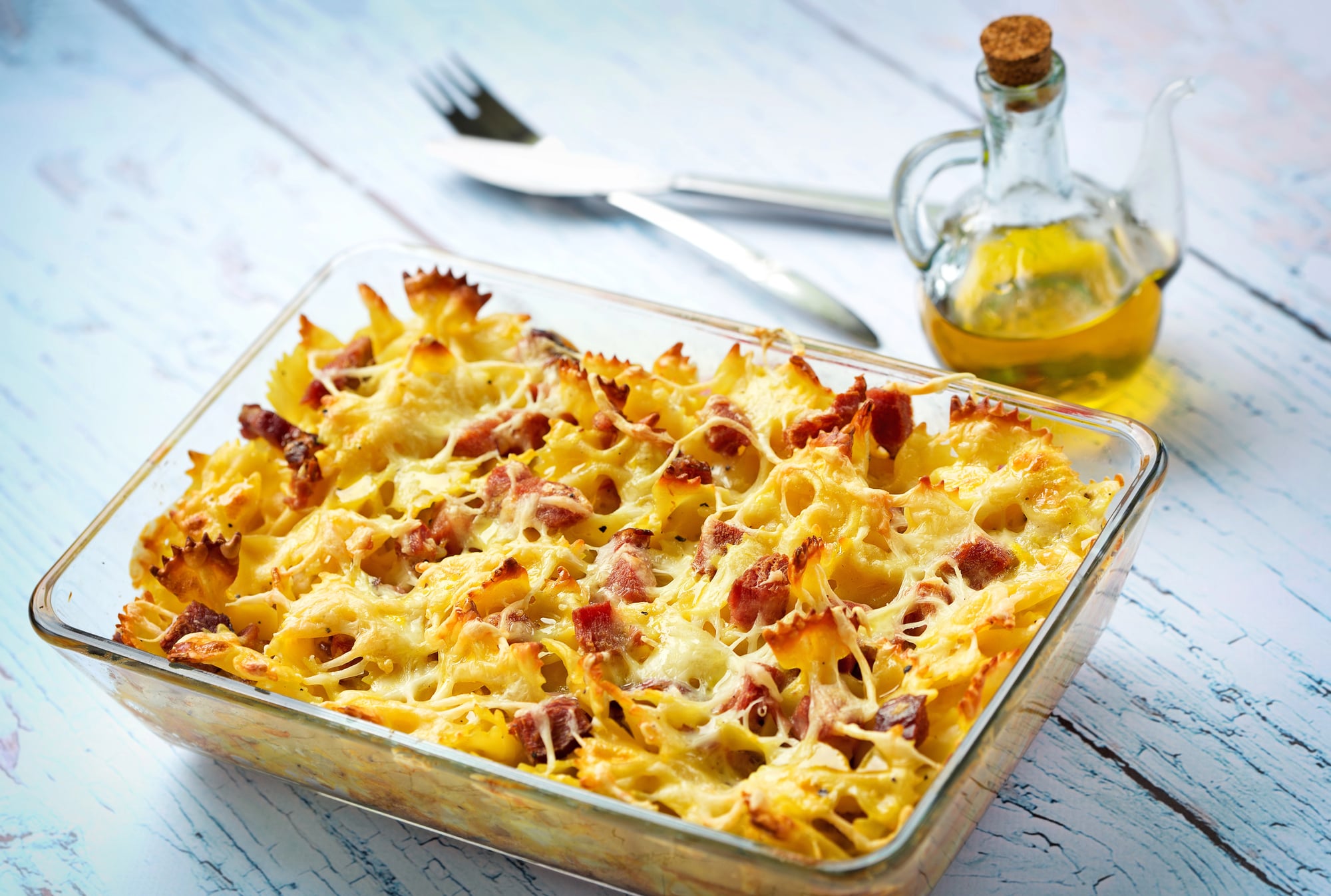
Stew meat wasn’t about tender cuts — it was about making tough, cheap pieces of protein soft through long, slow cooking, and then surrounding them with enough potatoes, carrots, and whatever else was available to make the meat seem more plentiful than it actually was (which, when you consider that a proper stew could simmer for hours, filling the house with the smell of cooking food even when there wasn’t much food to be had, served a psychological purpose as much as a nutritional one). Those one-pot meals meant fewer dishes to wash, less fuel for cooking, and more importantly, they meant that every bit of flavor from the meat got absorbed by the other ingredients.
Nothing escaped.
But stews also taught patience — something modern kitchens have largely forgotten.
Curing For Preservation
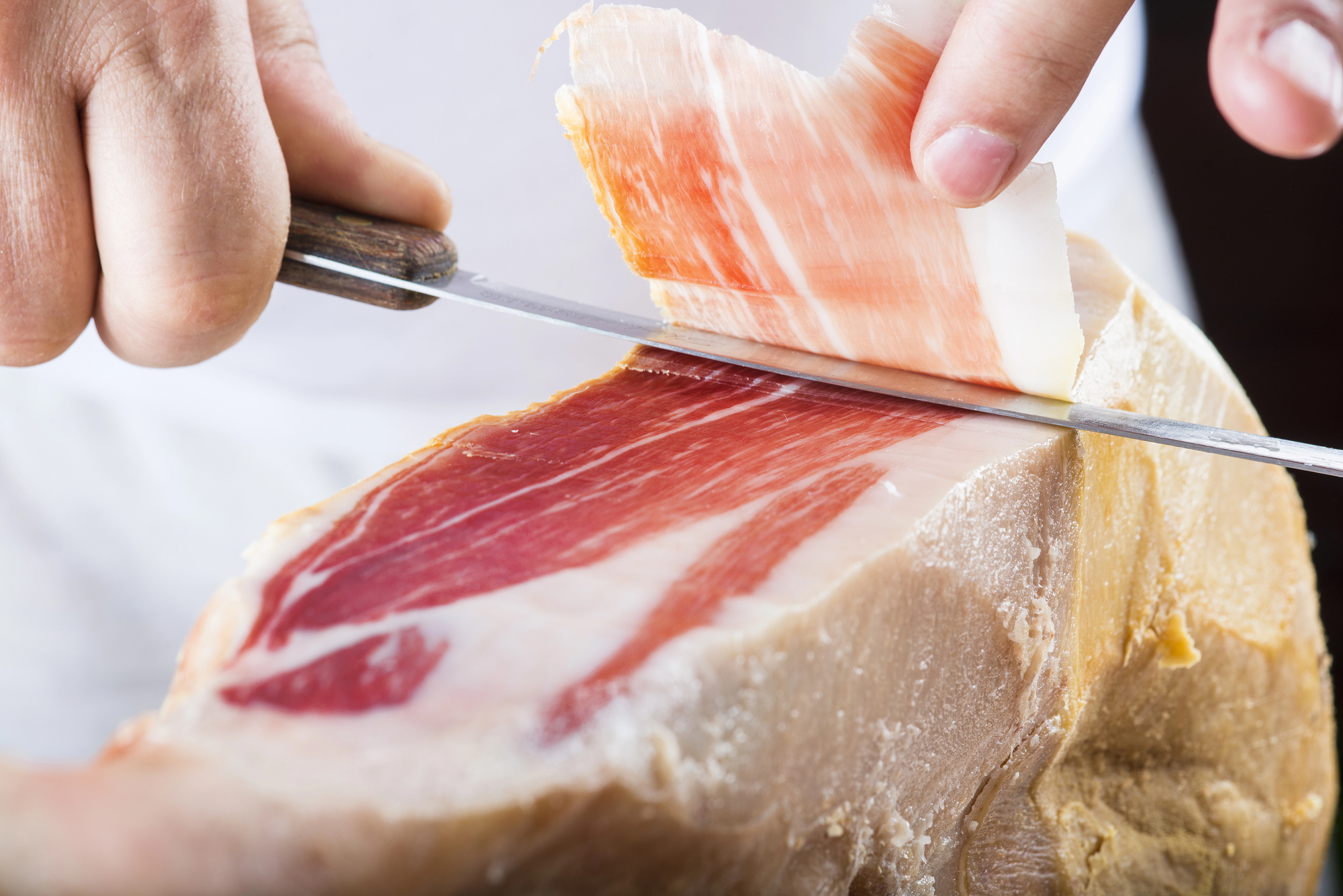
Before refrigeration became reliable, preservation meant the difference between eating and starving. Families would smoke or salt-cure meat to make it last months instead of days.
A single ham could be portioned out in small amounts throughout winter, adding flavor to beans, seasoning vegetables, or providing the protein base for soup.
Using Every Part Of The Animal
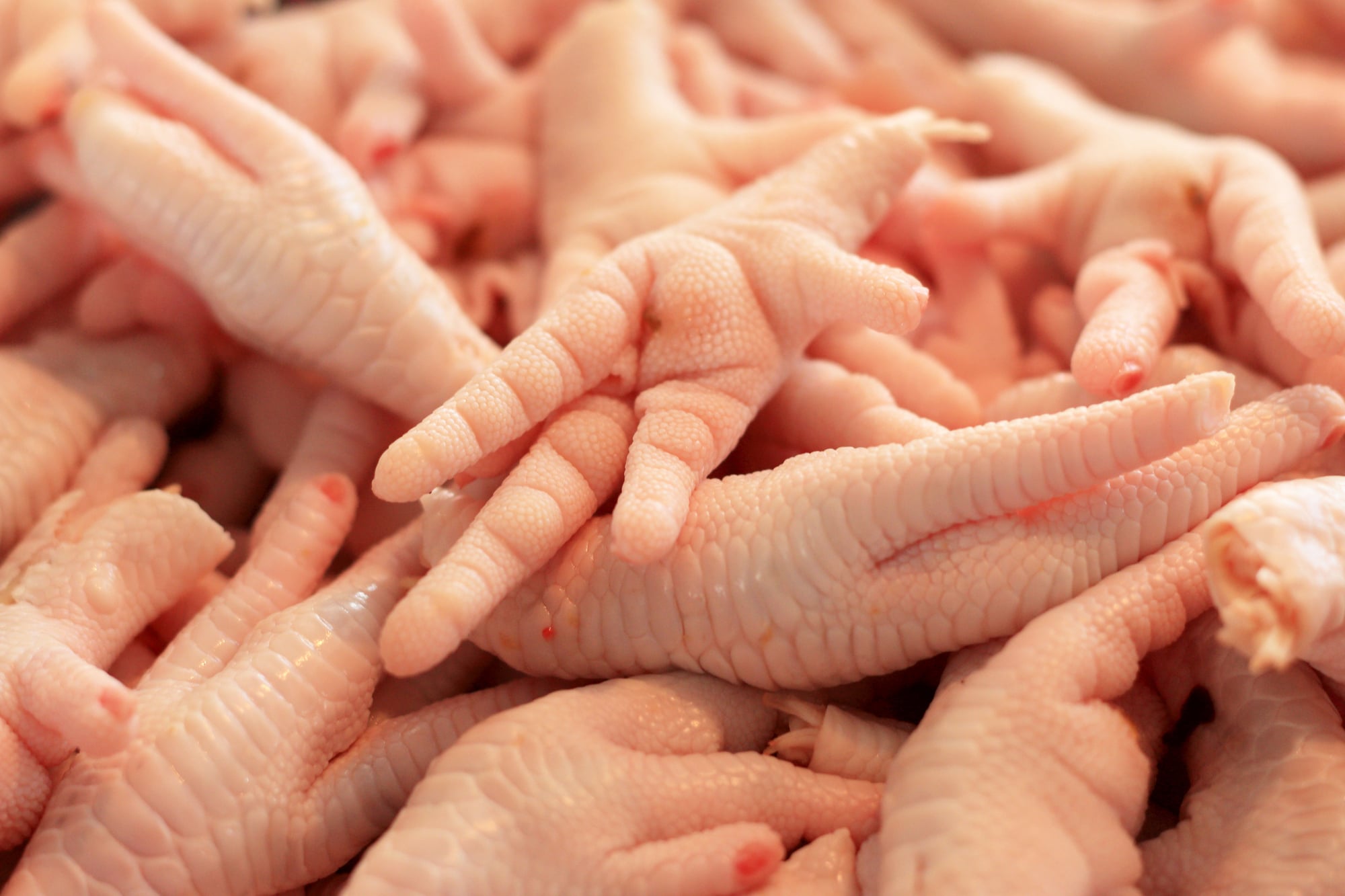
Nose-to-tail eating wasn’t trendy — it was practical. Hearts became stuffing.
Livers were fried for dinner or chopped into pâté that spread across many meals. Kidneys went into pies.
Even intestines became sausage casings, allowing families to mix small amounts of meat with spices and fillers to create protein that stretched further than the original cuts ever could.
Turning Scraps Into Hash
Hash was the great recycling system of old kitchens — any leftover meat, no matter how small the amount, got chopped fine and mixed with potatoes, onions, and whatever vegetables needed to be used up before they spoiled, then fried into something that felt like a complete meal rather than leftovers (though everyone knew exactly what it was, and nobody complained because hash done right could taste better than the original meal that provided the scraps). It was the kitchen equivalent of making something from nothing.
Which, when you think about it, is what most good cooking has always been about.
Creating Filling Soups
A few ounces of meat became the foundation for soup that could feed a crowd. The meat got browned first to develop flavor, then water or broth was added along with vegetables, beans, and grains.
The result was a meal that provided protein, carbohydrates, and vitamins all in one bowl. Families would make large pots that provided lunches and dinners for several days.
Making Dumplings And Pasta Fillings
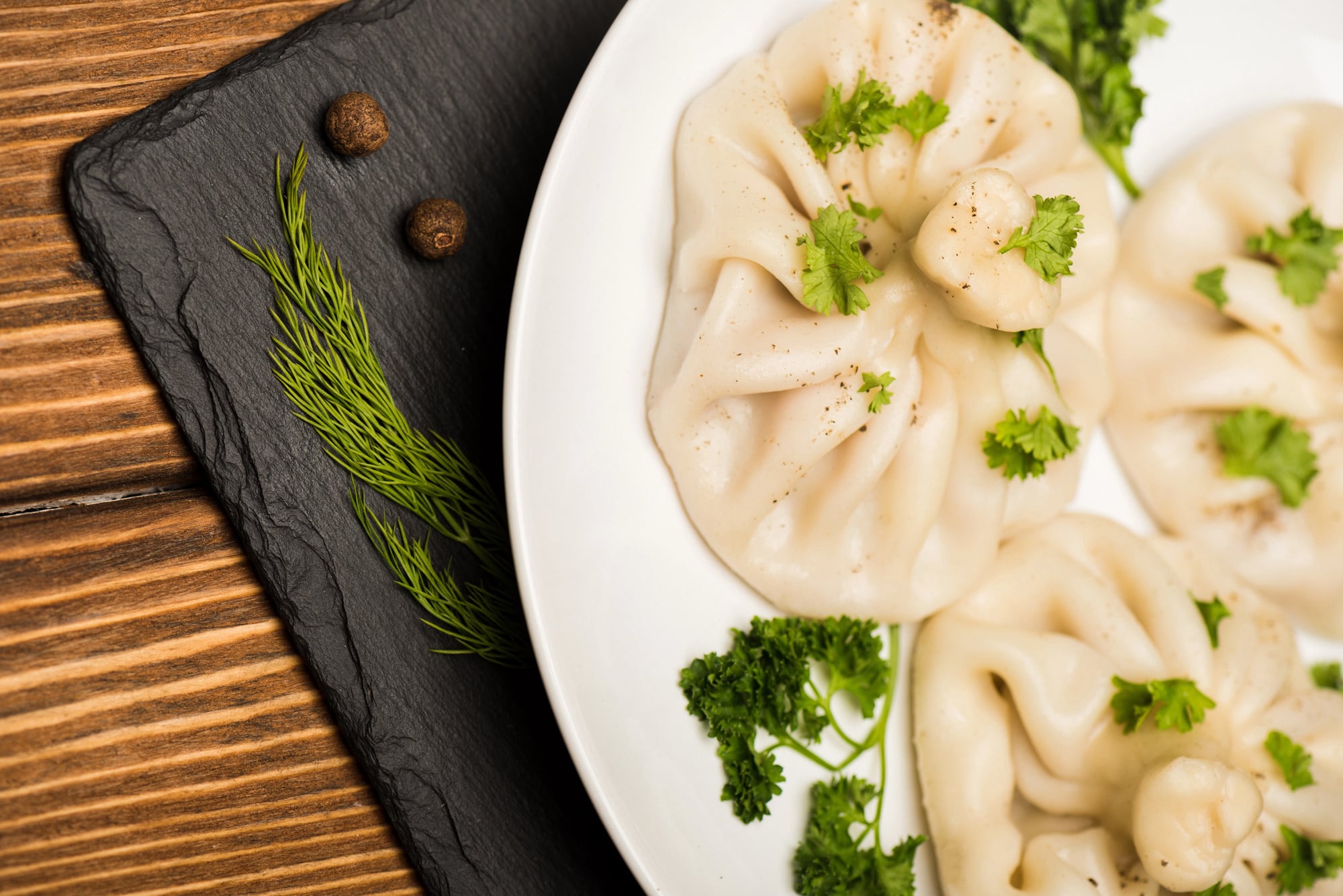
Small amounts of cooked meat mixed with herbs, vegetables, or cheese became fillings for dumplings, ravioli, or pierogi. The dough provided bulk and satisfaction, while the meat filling provided the protein and flavor that made the meal feel complete.
One pound of meat could fill enough dumplings to feed a large family for multiple meals.
Seasoning Beans And Legumes
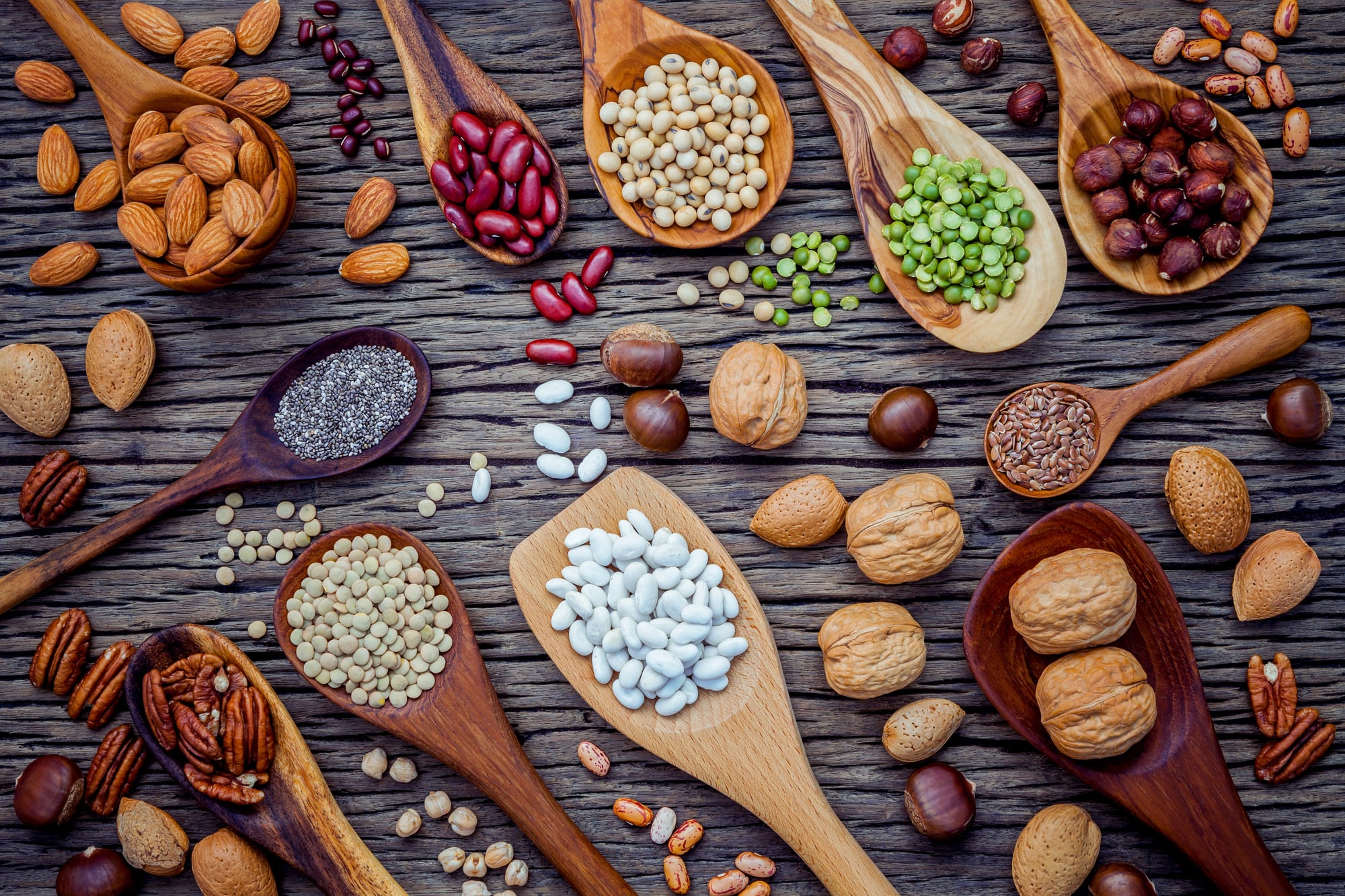
Dried beans were cheap protein, but they were bland without help. A small amount of meat — often just a ham hock or a few strips of bacon — could flavor an entire pot of beans, creating a complete protein when combined with the legumes.
This technique was particularly common in the American South and among immigrant communities who brought these methods from their home countries.
Creating Meat-Flavored Gravies
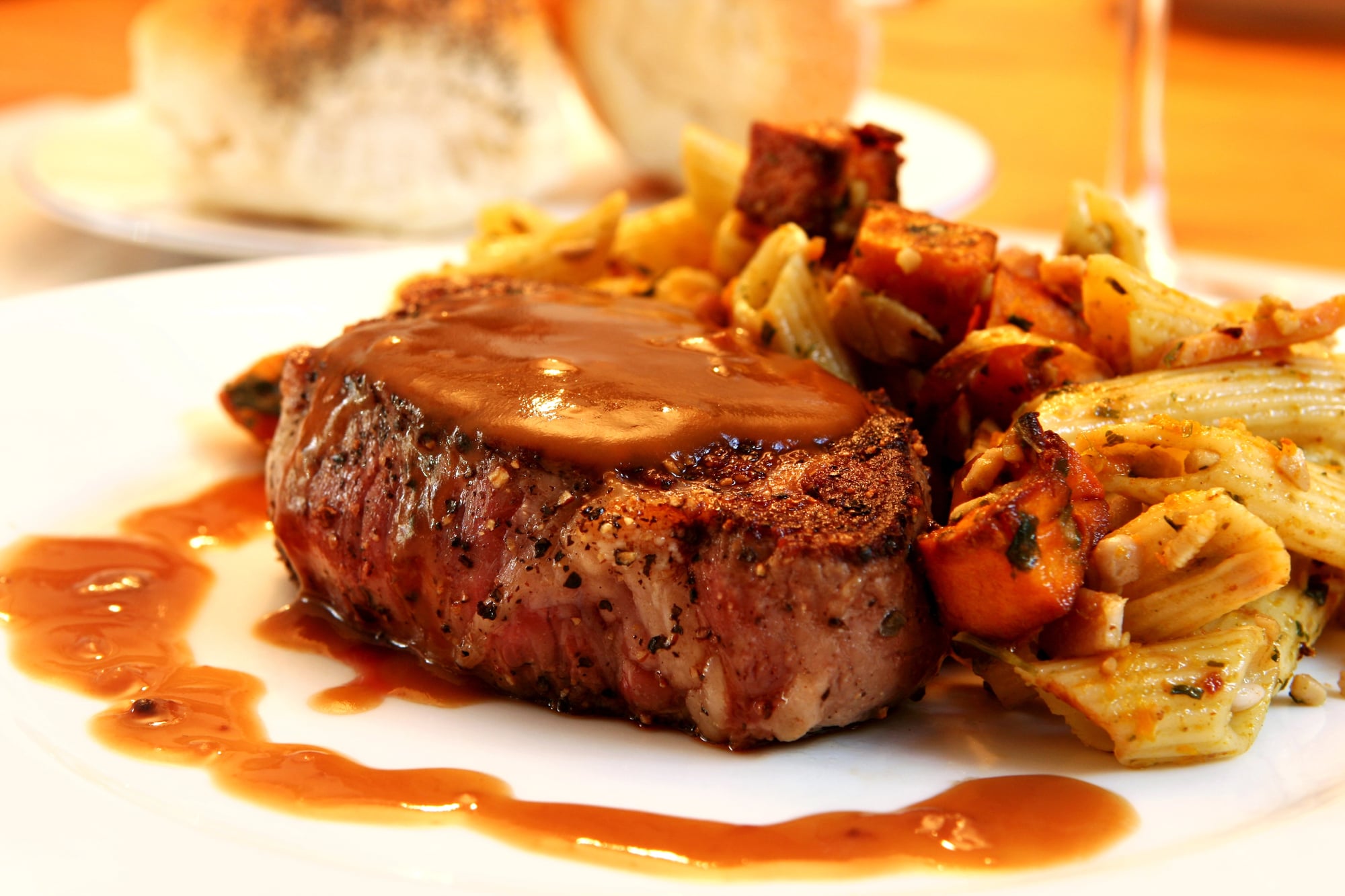
Even when the meat was gone, the drippings remained. Those brown bits stuck to the bottom of the pan became gravies that could be poured over potatoes, biscuits, or vegetables to give them the taste of meat even when no actual meat was present.
A tablespoon of meat drippings could make a plain potato feel like part of a meat-and-potatoes dinner.
Mixing Into Grain Salads And Pilafs
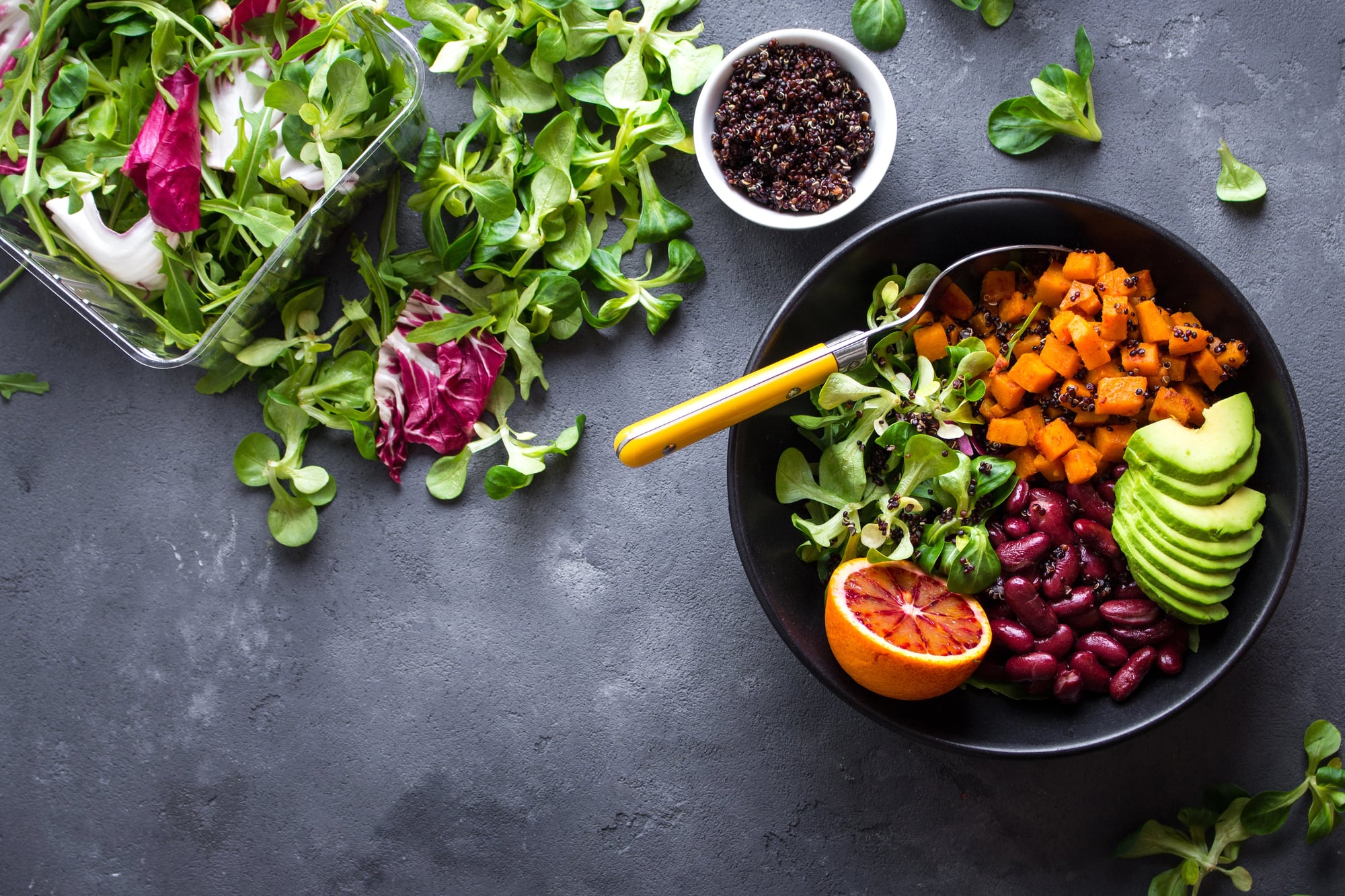
Cooked grains like barley, wheat berries, or rice became the base for hearty salads when mixed with small amounts of chopped cooked meat, vegetables, and simple dressings. These grain-based dishes were filling and nutritious, with the meat providing flavor and some protein while the grains provided the bulk that kept people satisfied.
Making Savory Pies With Thin Layers
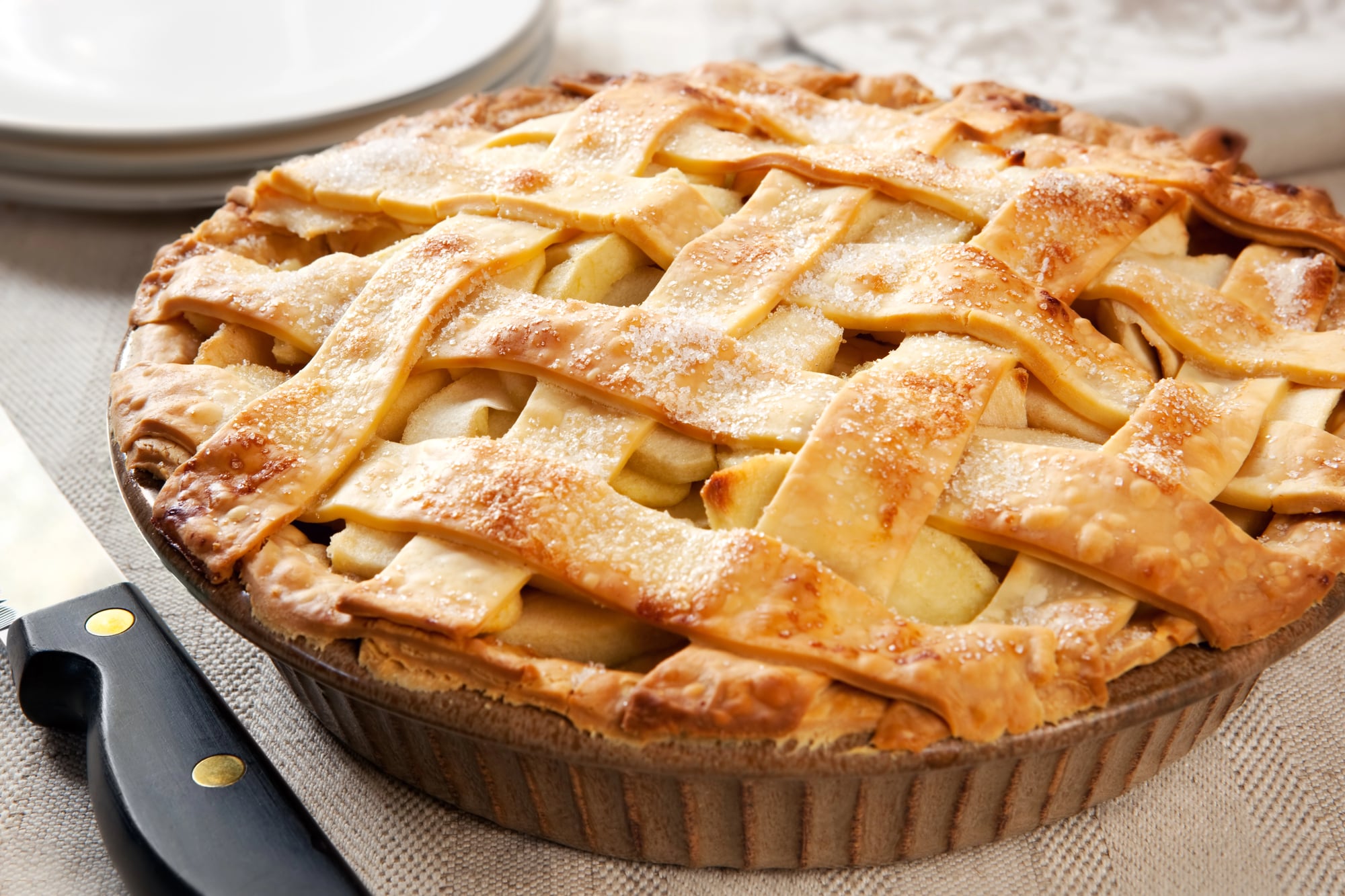
Meat pies weren’t packed with protein — they were engineered to make small amounts of meat seem generous through careful layering with vegetables, gravy, and sometimes additional fillers like hard-boiled eggs or cooked grains. The pastry crust added calories and made the meal feel substantial, while the thin layer of meat throughout provided flavor and the impression of abundance.
Creating Jerky And Dried Meat Snacks
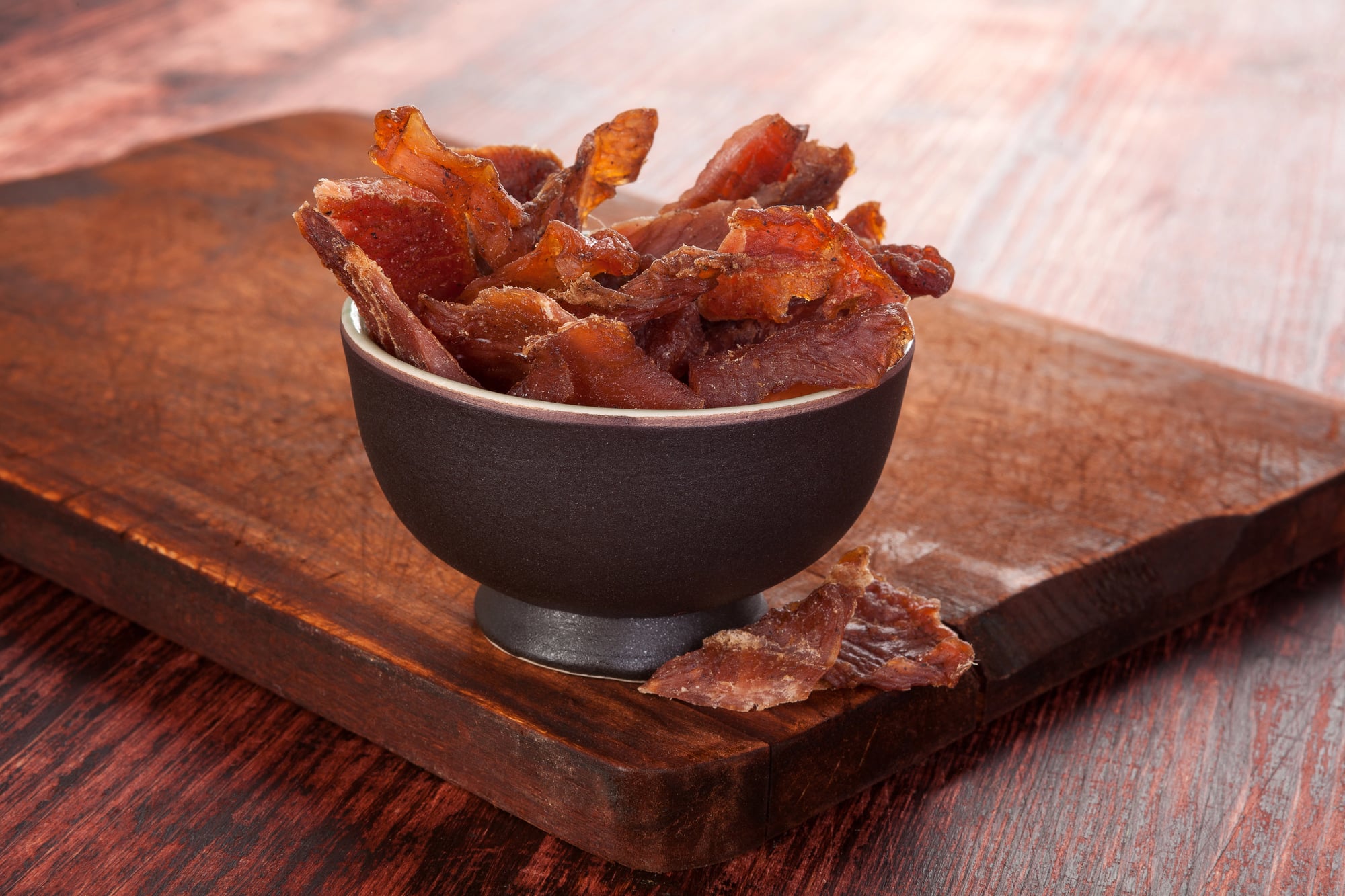
Drying meat removed water weight, concentrating flavor and creating shelf-stable protein that could be eaten in small amounts or added to other dishes for flavoring. A pound of fresh meat became several ounces of jerky that could flavor soups, be mixed into trail mixes with dried fruits and nuts, or provide portable protein for working family members.
Rendering Fat For Cooking And Flavoring
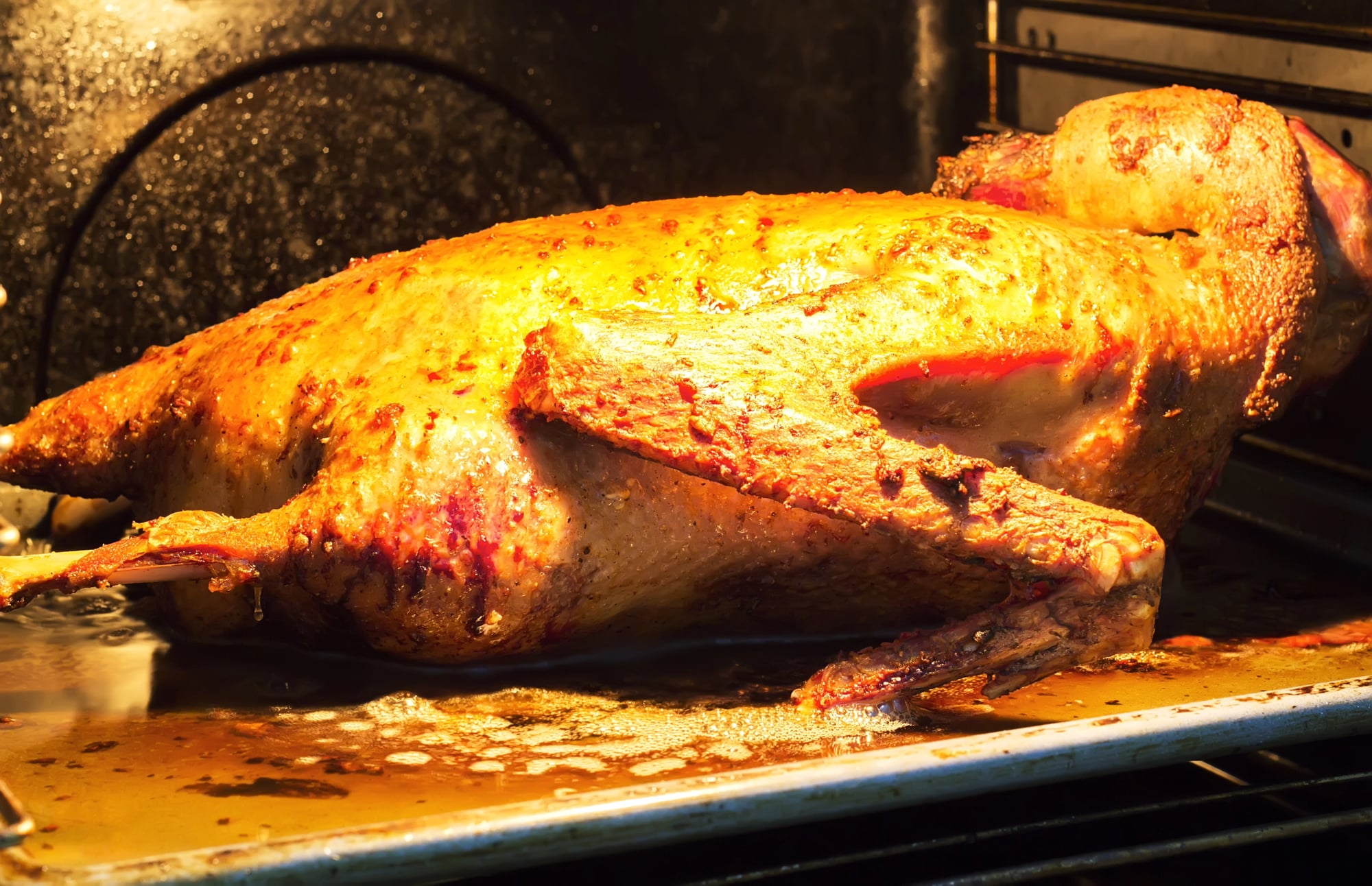
The fat from meat was as valuable as the protein. Rendered beef fat, pork fat, or chicken fat became the cooking medium for other foods, adding meat flavor to vegetables, grains, and other ingredients.
A little bit of rendered fat could make a pan of fried potatoes taste like they were cooked alongside meat, even when no meat was present in the dish.
Lessons That Still Matter
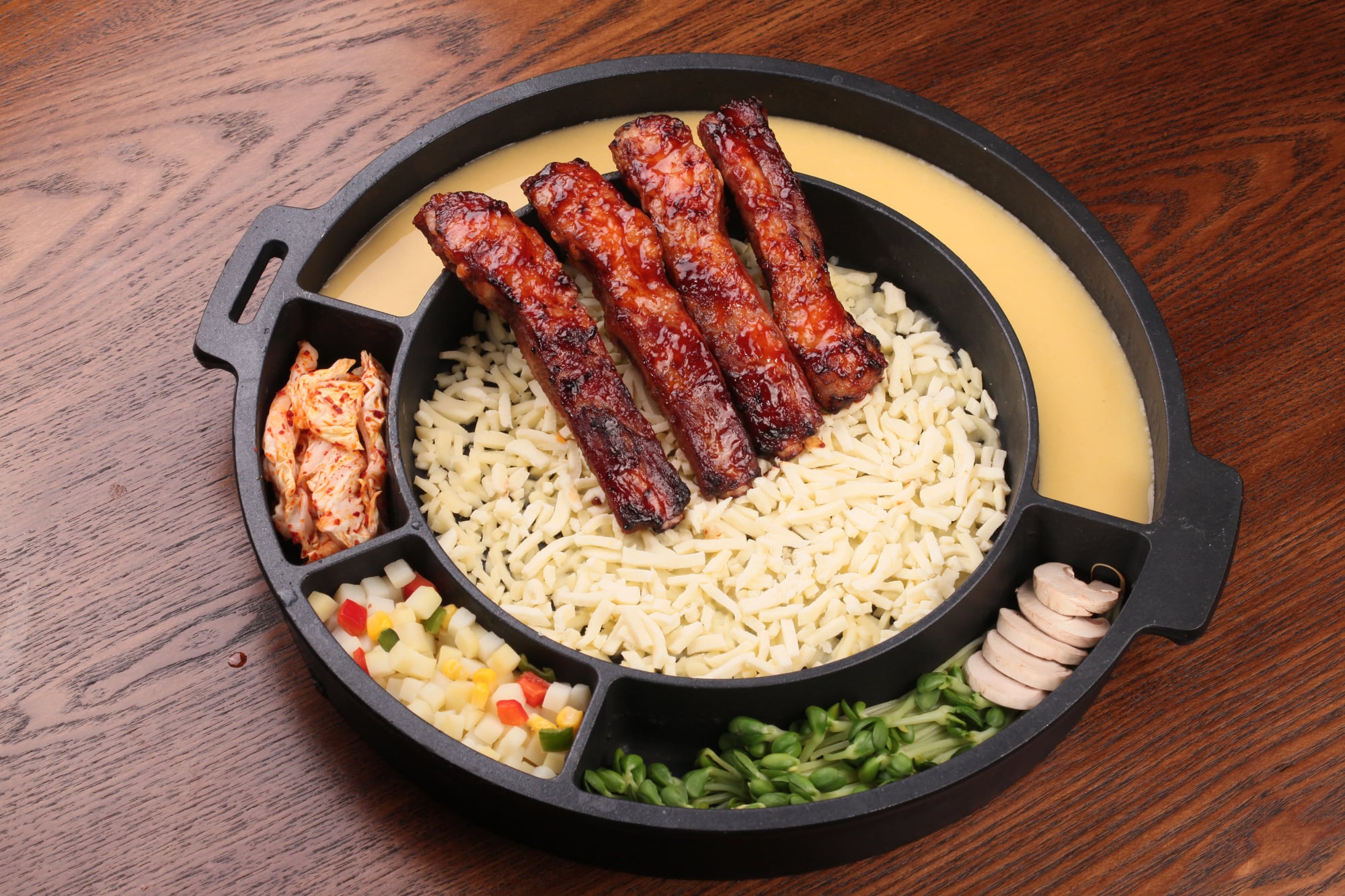
These methods weren’t about deprivation — they were about resourcefulness. Families who mastered these techniques ate well despite having little, because they understood how flavors work together and how to build satisfying meals from simple ingredients.
Modern kitchens might have more options, but the principles remain useful for anyone who wants to cook economically without sacrificing nutrition or satisfaction.
More from Go2Tutors!

- The Romanov Crown Jewels and Their Tragic Fate
- 13 Historical Mysteries That Science Still Can’t Solve
- Famous Hoaxes That Fooled the World for Years
- 15 Child Stars with Tragic Adult Lives
- 16 Famous Jewelry Pieces in History
Like Go2Tutors’s content? Follow us on MSN.



