Rare Airline Memorabilia Items Sought By Collectors
The world of airline memorabilia collecting exists in that curious space between nostalgia and obsession, where a forgotten boarding pass from 1978 can spark the same excitement as finding buried treasure. What started as saving ticket stubs has evolved into a sophisticated market where collectors hunt for everything from vintage safety cards to retired aircraft parts, each item carrying stories of aviation’s golden age and the romance of flight that somehow feels more distant with every TSA checkpoint.
Vintage Safety Cards
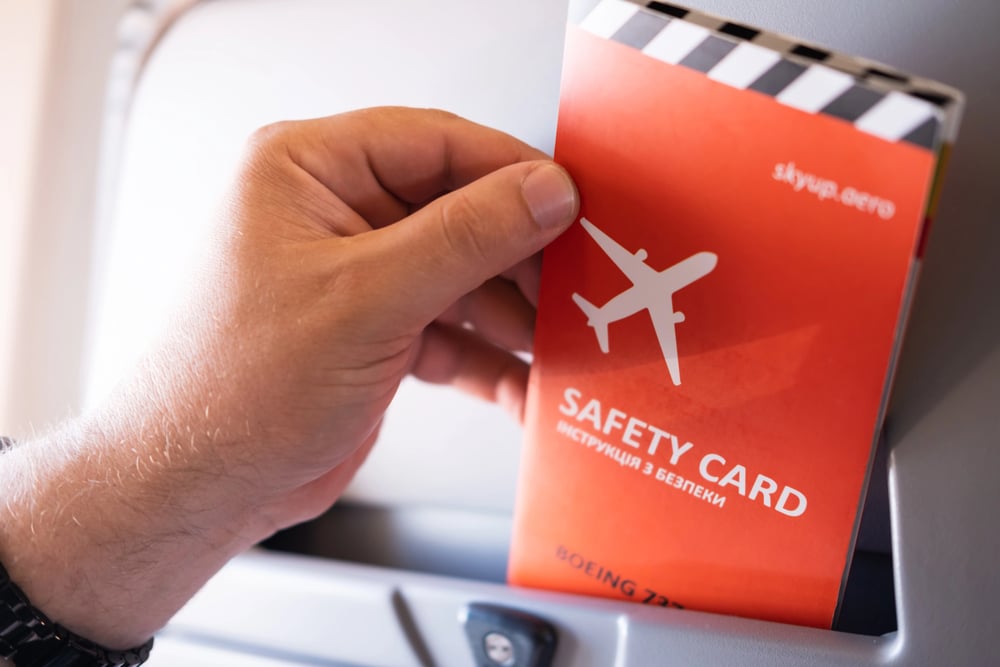
Safety cards from defunct airlines command serious money. Pan Am cards from the 1960s sell for hundreds of dollars, especially ones featuring the Boeing 707 or early 747s.
Eastern Airlines, TWA, and Braniff cards follow close behind. The appeal goes beyond nostalgia.
These cards captured design sensibilities of their era — clean lines, optimistic colors, passengers dressed like they were heading to dinner rather than cramming into middle seats. Collectors prize cards in mint condition, though even worn examples from major carriers find eager buyers.
Aircraft Ashtrays And Accessories
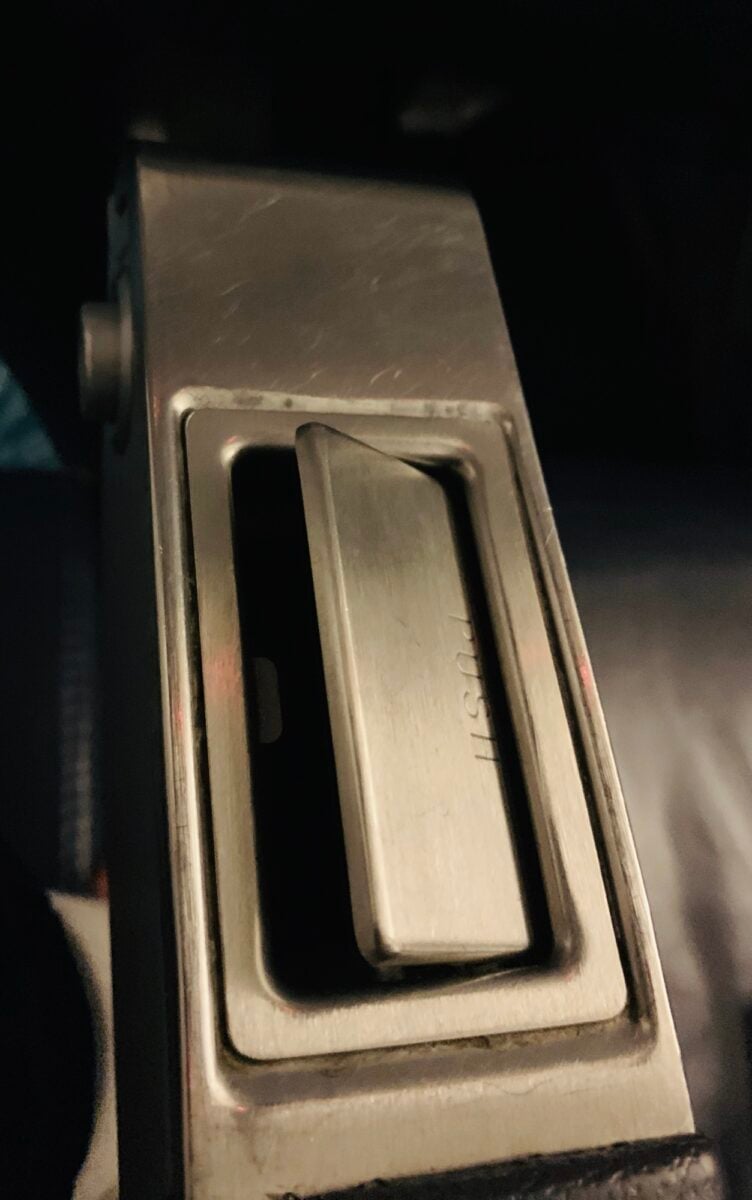
Here’s where collecting gets strange: people pay top dollar for airplane ashtrays. Not because they smoke (though some might) but because these artifacts represent an entirely different era of air travel — one where lighting up at 30,000 feet was not just permitted but expected.
Concorde ashtrays fetch the highest prices, sometimes reaching four figures for pristine examples. First-class ashtrays from major carriers like United, American, and Delta command hundreds.
Even economy ashtrays from well-known airlines find buyers, though the prices drop considerably. The irony isn’t lost on collectors that items once considered disposable now represent some of the most coveted pieces in aviation memorabilia.
Airline China And Glassware
The ritual of proper service at altitude once meant real china, actual glassware, and meals that arrived on something other than plastic trays, and collectors now chase these remnants of aviation elegance with the dedication of archaeologists hunting for lost civilizations (which, in a way, they are — the civilization of comfortable air travel having largely vanished sometime around the turn of the century). Airlines commissioned custom designs from respected manufacturers: TWA’s red and white patterns, Pan Am’s globe logo pieces, and United’s distinctive Mainliner service ware tell the story of when flying was still an event rather than an ordeal, when passengers dressed up and airlines competed on service rather than baggage fees.
And yet the most valuable pieces often come from airlines that failed spectacularly — Eastern’s china commands premium prices precisely because the company’s dramatic collapse in 1991 means no new pieces will ever be produced. So it goes with collecting: scarcity drives desire, and corporate failure creates collectible gold.
Wing Pins And Service Pins

Airlines handed out wings like business cards. Flight attendant wings, pilot wings, junior pilot wings — each airline had variations, and collectors want them all.
The older and rarer, the better the price. Pan Am wings top the list, but TWA, Eastern, and Braniff pins sell well too.
Military airline wings from carriers like Air Transport Command bring serious money. Even modern pins from defunct carriers find buyers, though the vintage pieces drive the market.
First Flight Covers And Postal Items

The intersection of aviation and postal history creates a collecting category that draws enthusiasts from both worlds, where first flight covers (envelopes carried on inaugural routes) serve as witnesses to moments when new destinations joined the map of possibility. Airlines understood the significance of these flights and often collaborated with postal services to create commemorative cachets — special postmarks and envelope designs that would mark the historic nature of the journey, though today the real value lies in the stories these covers tell: the optimism of new routes, the expansion of airline networks, and the steady shrinking of the world through aviation.
Some covers commemorate routes that failed within months. Others mark the beginning of connections that still operate today.
The failed routes, naturally, command higher prices — there’s something poetic about owning a piece of aviation ambition that didn’t quite work out, a reminder that not every grand plan survives contact with reality.
Vintage Timetables
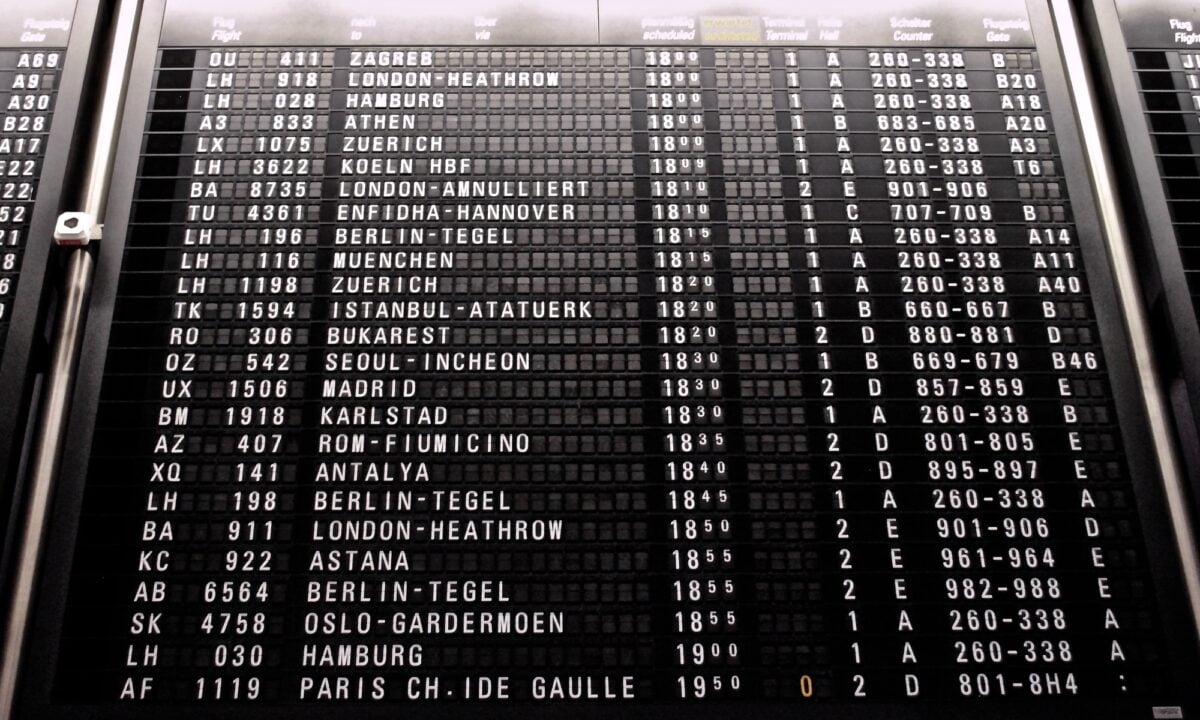
Timetables represent aviation at its most optimistic. Every route confidently scheduled, every connection promised, every destination presented as easily reachable.
Collectors pay serious money for these artifacts of airline confidence. Pre-war timetables fetch the highest prices, especially from airlines that didn’t survive.
Pan Am’s Pacific routes, TWA’s transcontinental schedules, and early jet-age timetables from carriers like Braniff command hundreds of dollars. Even common timetables from the 1960s and 70s find buyers, though prices vary widely based on airline and condition.
Aircraft Seat Tags And Placards
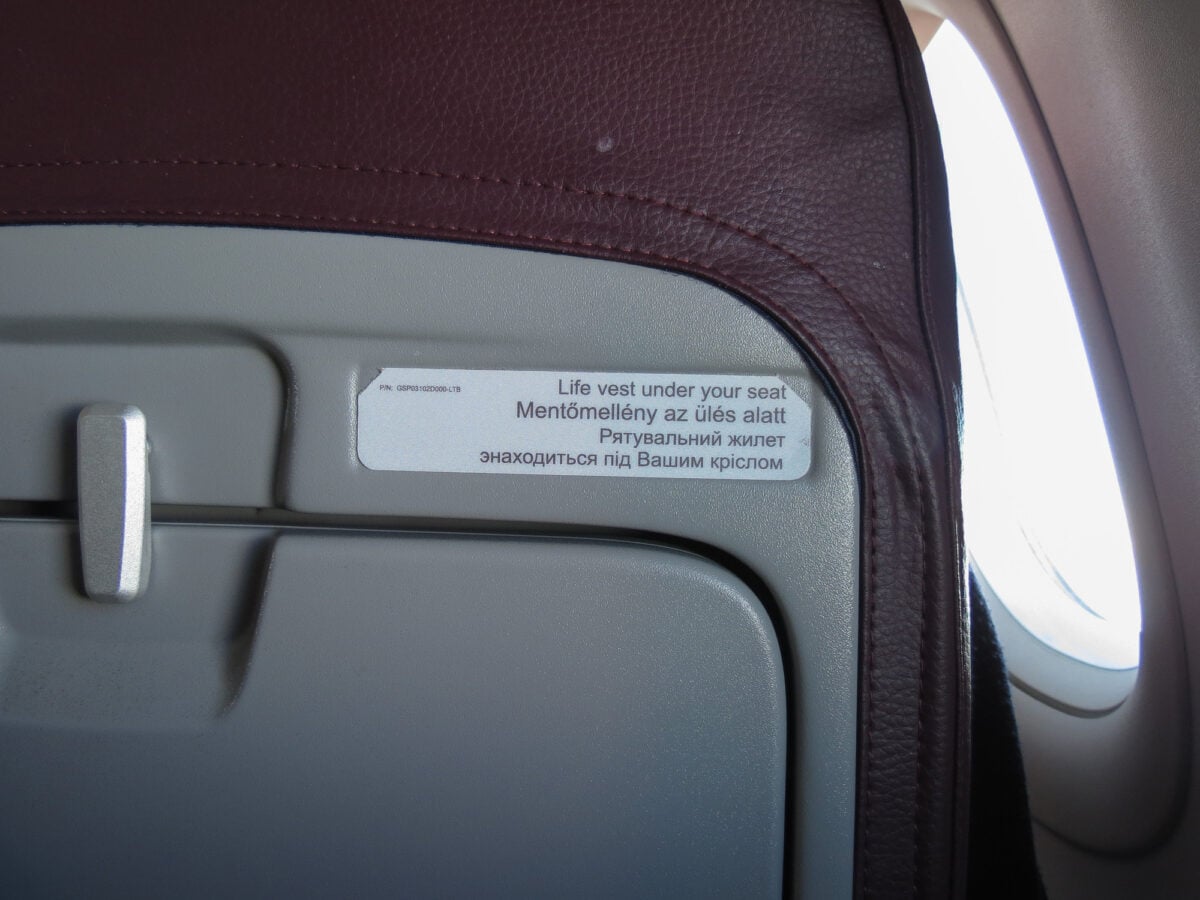
The small signs that made aircraft function — “Fasten Seat Belt,” “Lavatory” — now hang in collectors’ dens and basement offices, divorced from their utilitarian origins and elevated to the status of art (or at least expensive decoration). These placards lived hard lives aboard working aircraft, subjected to constant handling, cleaning chemicals, and the general abuse that comes with commercial service, which means finding examples in good condition requires patience and luck in roughly equal measure.
Concorde placards command the highest prices, naturally — anything connected to supersonic passenger service carries that particular mystique that comes with technological achievement that was later abandoned. But even humble placards from domestic carriers find buyers, especially if they’re from airlines that no longer exist or aircraft types that have been retired.
There’s something quietly moving about a “Return Seat to Upright Position” sign that will never again return anyone’s seat to anything.
Uniform Items And Accessories

Flight attendant uniforms tell the story of changing times. The glamorous designs from the 1960s and 70s — when airlines competed on style as much as service — command premium prices, especially pieces from high-profile carriers or famous designers.
Pan Am uniforms consistently bring top dollar. TWA’s designer pieces, particularly from the airline’s stylish 1960s period, sell well too.
Even accessories like scarves, wings, and caps find buyers. The condition matters tremendously — airline uniforms lived hard working lives, and finding pieces that survived decades without significant wear requires patience.
Route Maps And Destination Posters
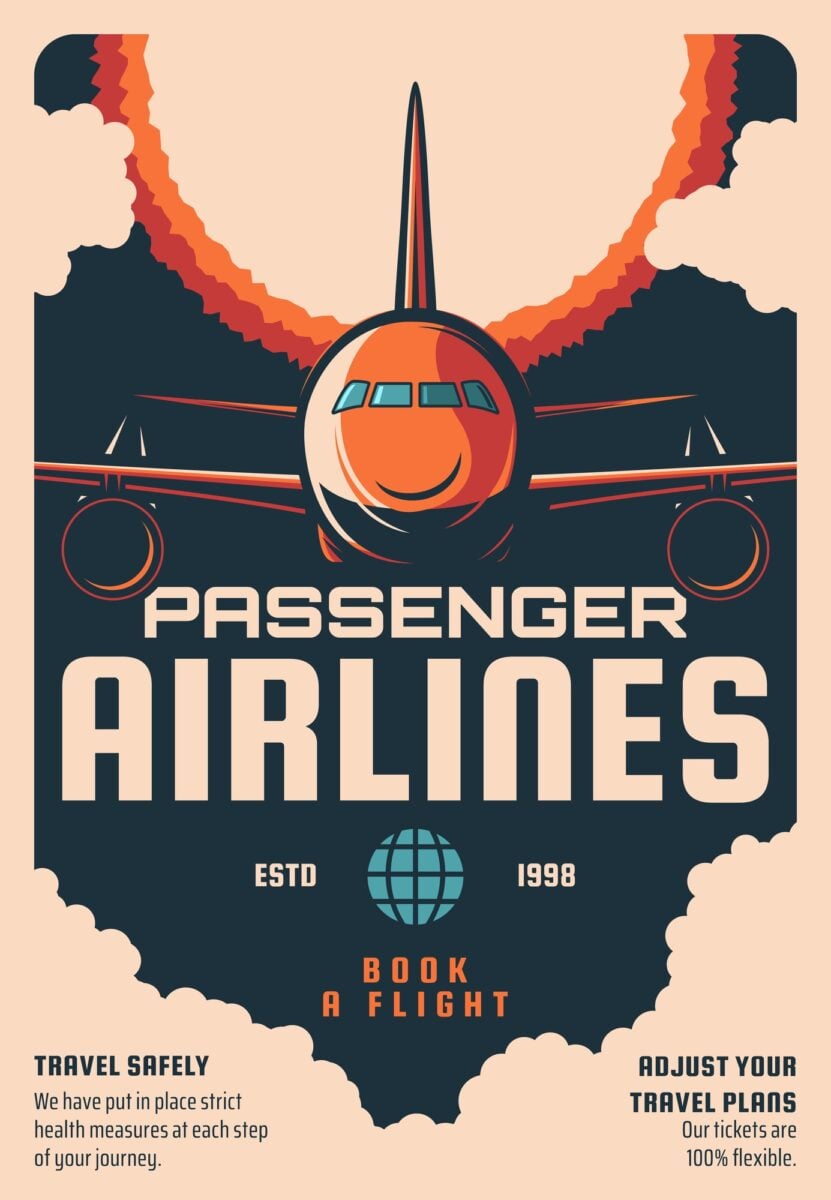
Airlines once sold dreams through their marketing materials, and nowhere was this more evident than in the colorful route maps and destination posters that promised adventure just a ticket purchase away, back when airline marketing departments employed actual artists rather than stock photo libraries and when advertising budgets allowed for illustration and imagination rather than endless variations on business travelers typing on laptops while smiling inexplicably. These posters weren’t just functional — they were invitations to a larger world, rendered in the confident visual language of mid-century optimism.
The best examples came from the golden age of airline poster design, roughly 1950 to 1980, when carriers like TWA, Pan Am, and BOAC commissioned artwork that could hang in galleries without looking out of place. And the most valuable pieces today?
Those promoting routes that no longer exist, destinations that proved too exotic or optimistic for long-term viability, reminders that the airline industry’s grand plans don’t always survive economic reality.
Aircraft Models And Promotional Items
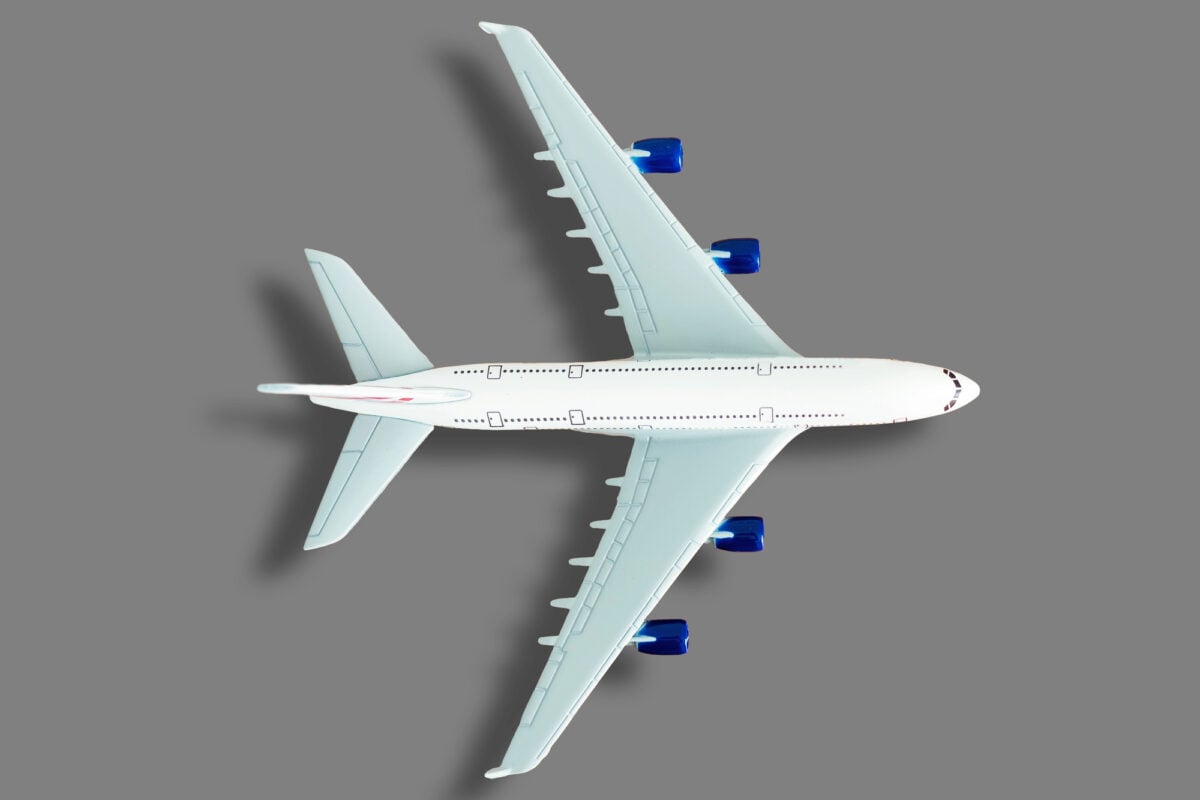
Not just any aircraft models make the cut — collectors want the promotional pieces airlines gave away or sold in their gift shops. These weren’t toys but marketing tools, often manufactured to exacting standards and featuring accurate airline liveries.
Models from defunct carriers command the highest prices. Pan Am 747s, TWA Constellations, and Eastern L-1011s all find eager buyers.
The scale matters too — larger models, typically 1:100 or 1:200 scale, bring more money than smaller pieces. Condition is crucial; these models often spent years in airline offices or travel agencies before making their way to collectors.
Galley Equipment And Service Items
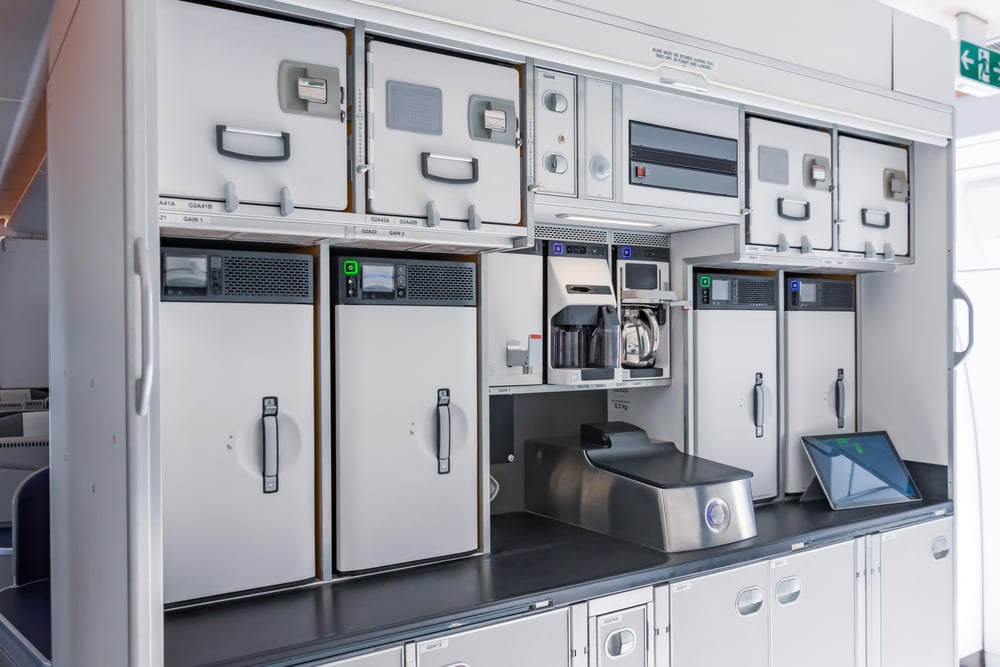
The tools that made airline service possible now occupy display shelves in collector homes. Coffee pots, serving trays, food containers — if it lived in an aircraft galley, someone collects it.
Items from prestigious carriers or aircraft command premium prices. Concorde galley equipment tops the list, followed by pieces from Pan Am’s first-class service and TWA’s international routes.
Even humble serving pieces from domestic carriers find buyers, though prices vary significantly based on airline and rarity.
Luggage Tags And Baggage Stickers
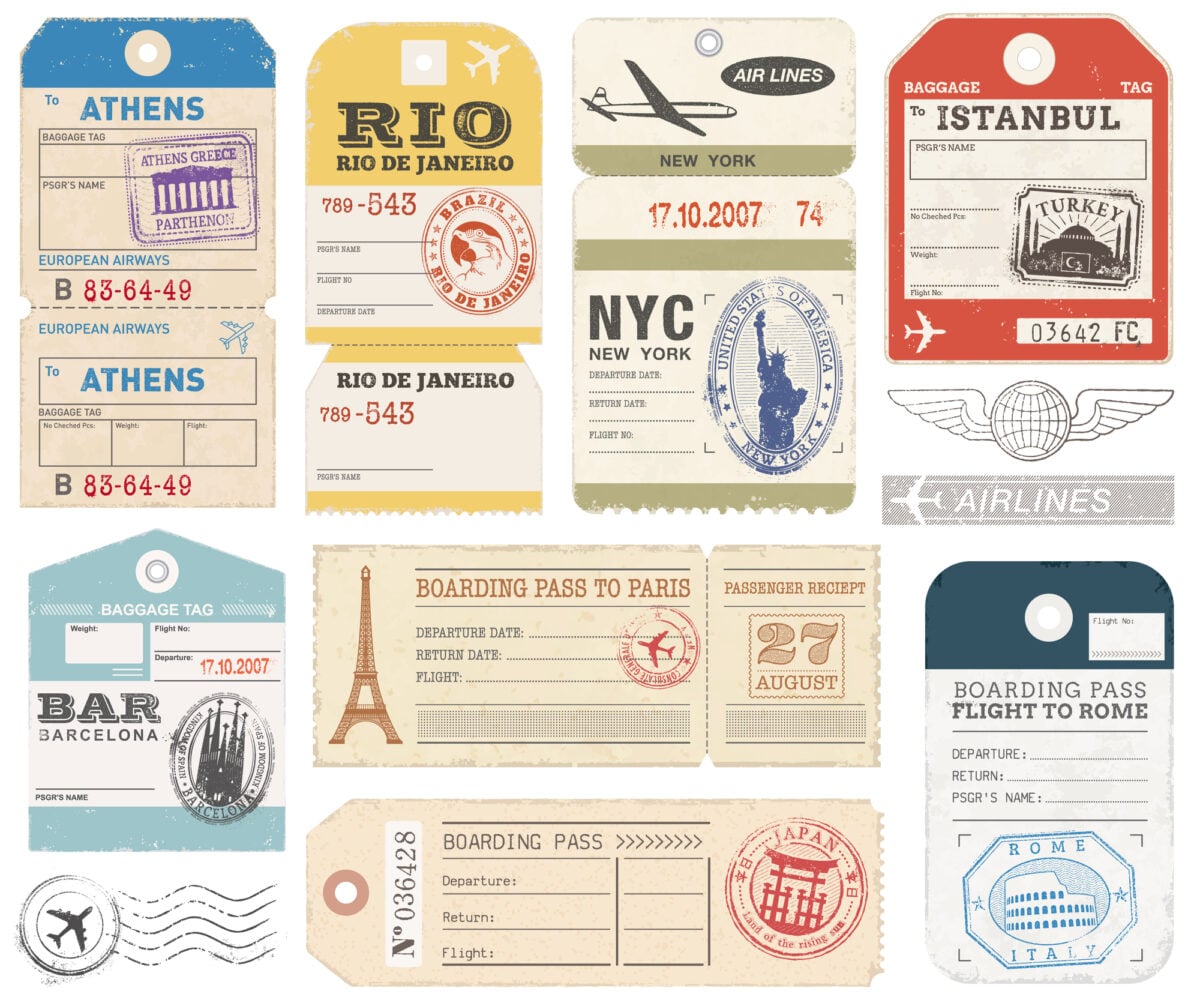
Before boarding passes went digital and luggage tracking became electronic, airlines relied on paper tags and adhesive stickers that told the story of each journey — where bags started, where they were headed, and which connections they needed to make along the way, creating a paper trail that modern collectors now pursue with the intensity of detectives following leads (which makes sense, given that these small pieces of paper are often the only surviving evidence of specific flights and routes from aviation’s past). The most valuable tags come from airlines that failed or routes that no longer exist, turning what was once functional paperwork into archaeological artifacts.
Unused sheets of baggage stickers command particularly high prices because they represent potential journeys that were never taken. There’s something haunting about a pristine sheet of destination tags for an airline that went bankrupt before all the stickers could be used.
They’re promises that could never be kept, dreams that ran out of runway.
Menu Collections
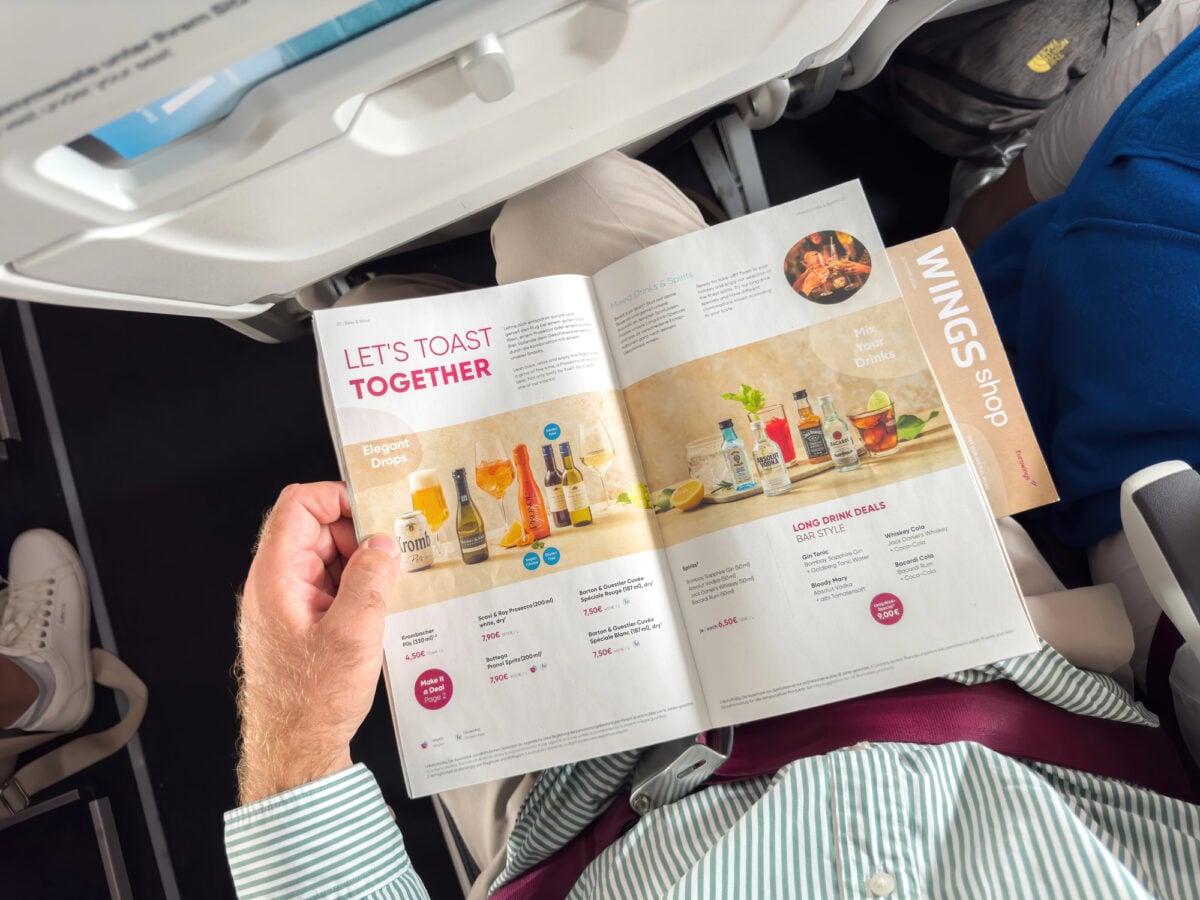
Airline menus document the evolution of in-flight dining from genuine cuisine to whatever passes for food service today. First-class menus from the 1960s and 70s read like restaurant offerings, complete with wine pairings and multi-course presentations.
Pan Am first-class menus bring serious money, especially from international routes. TWA’s Ambassador Class and United’s first-class service menus follow close behind.
Even economy menus from the golden age find buyers — they represent a time when airlines served actual meals rather than snack boxes, when flying included dinner whether you wanted to pay extra for it or not.
A Legacy Written In Small Things

The objects that collectors seek tell a larger story about what air travel once was and what it has become. Each safety card, menu, and wing pin represents a moment when flying felt different — more formal, more special, more like an event worth dressing up for rather than an ordeal to endure.
These artifacts survived not because they were intended to last, but because someone recognized their significance and decided to save them from the trash bins of history. In their quiet way, they preserve the memory of aviation’s golden age, when the journey mattered as much as the destination.
More from Go2Tutors!

- The Romanov Crown Jewels and Their Tragic Fate
- 13 Historical Mysteries That Science Still Can’t Solve
- Famous Hoaxes That Fooled the World for Years
- 15 Child Stars with Tragic Adult Lives
- 16 Famous Jewelry Pieces in History
Like Go2Tutors’s content? Follow us on MSN.


