Photos Of Store Chains That Vanished in the 2000s
Take a stroll through any shopping mall today, and it’s easy to forget how vastly different the face of retail used to be. Even as early as the early 2000s, there was an abundance of large-box stores, specialty store chains, and traditional mall stores that seemed as though they were going to be around forever.
Vibrant signage, unique store designs, and even store layouts helped to create a sense of familiarity that transcended cities and even countries. However, things have changed.
Consumer behavior, the rise of online shopping, and the economy have all combined to quietly eliminate many iconic store chains that consumers have come to know and love. All that’s left today are the memories – and those can be seen in old pictures of stores, shopping aisles, and even shopping bags that instantly take consumers back to another time.
Here’s a closer look at store chains that consumers may have seen as early as the early 2000s but have since disappeared.
Circuit City

Circuit City was once a dominant force in consumer electronics retail. Its large stores, red branding, and neatly organized aisles made it a go-to destination for televisions, computers, and home audio systems.
Weekend visits often meant browsing rows of screens or testing out the latest gadgets. However, increased competition and shifting retail strategies made it difficult to keep up.
As online retailers gained traction, foot traffic declined, and the business struggled to adapt. Still, photos of Circuit City stores capture a time when buying electronics was a hands-on experience.
Customers expected to see, touch, and compare products in person before making a decision.
Borders

Borders bookstores offered more than just books. They were quiet, inviting spaces where people could browse for hours, sit with a coffee, and explore music and magazines alongside novels.
The layout encouraged wandering, with shelves that seemed to stretch endlessly. The company faced growing pressure as digital reading and online book sales expanded.
Maintaining large physical stores became increasingly difficult in a changing market. That said, images of Borders stores still evoke a sense of calm.
They reflect a slower, more tactile way of discovering stories, where the experience mattered as much as the purchase.
Blockbuster
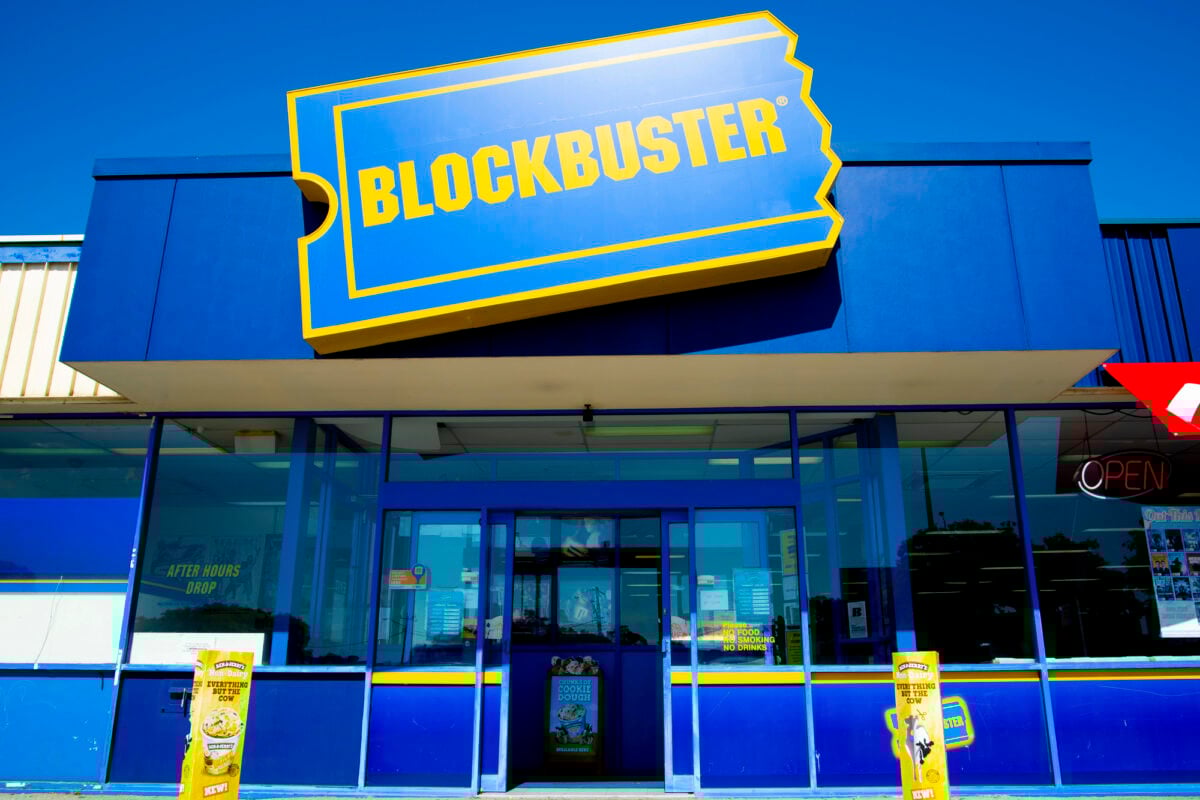
Blockbuster was once a Friday night ritual for many households. Bright blue and yellow signage marked stores filled with shelves of movie cases, each one representing a potential evening’s entertainment.
The process of choosing a film was part of the experience. As streaming services began to emerge, the model of physical rentals quickly lost ground.
Convenience shifted toward instant access, and the need to visit a store faded. Even so, photos of Blockbuster aisles remain instantly recognizable.
They capture a moment when entertainment required a bit of effort, and the anticipation of watching something new felt more tangible.
Toys ‘R’ Us
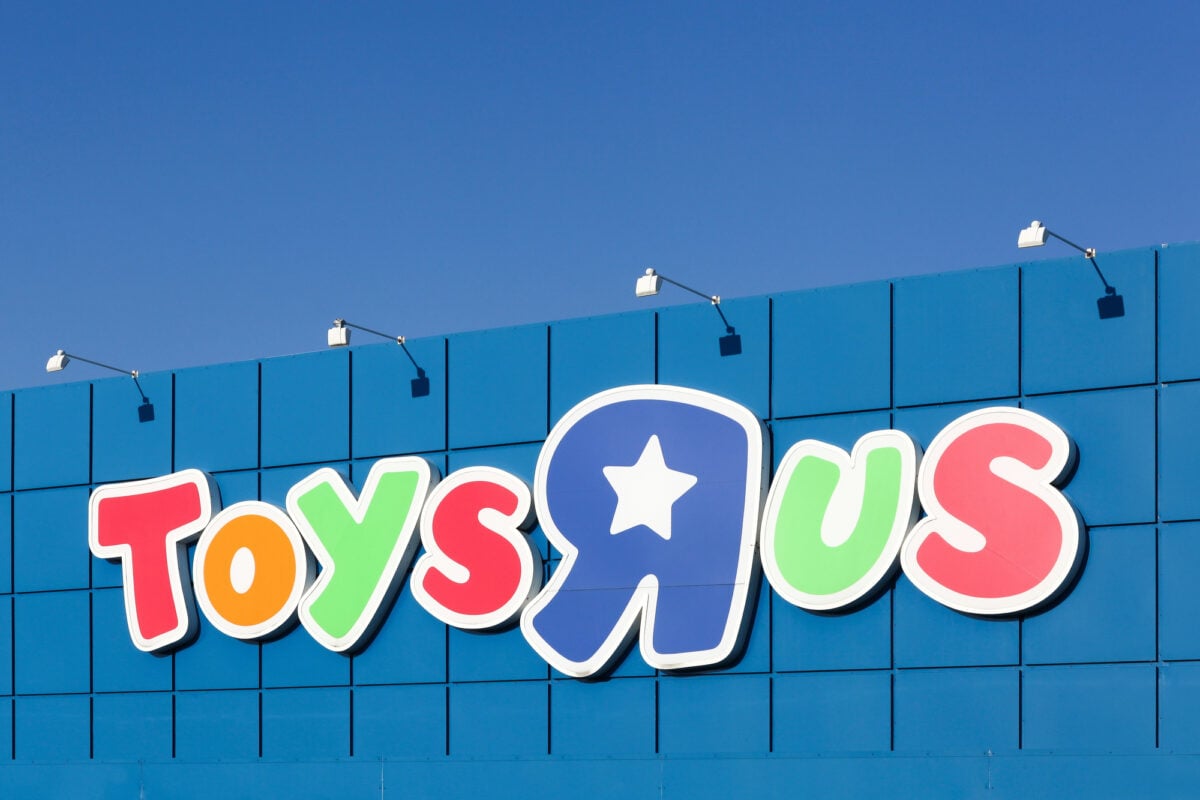
Toys ‘R’ Us was a landmark for children and parents alike. Large aisles packed with toys created a sense of excitement that felt almost endless.
The store was designed to overwhelm in the best way, offering everything from action figures to board games. Changing retail trends and financial pressures eventually led to its decline in many markets.
Online shopping and competition from larger retailers made it harder to maintain such expansive physical locations. Still, images of Toys ‘R’ Us stores carry a strong sense of nostalgia.
They reflect a time when shopping for toys was an event, not just a quick transaction.
Linens ‘N Things

Linens ‘n Things specialized in home goods, offering everything from bedding to kitchenware. Its stores were neatly arranged, with displays designed to inspire customers to imagine their own living spaces.
The company struggled during the economic downturn of the late 2000s, and increased competition made recovery difficult. As a result, many of its stores closed, leaving a gap in the home goods market.
Even so, photos of its aisles reveal a retail style focused on presentation. The store aimed to create a sense of aspiration, showing customers how small changes could transform their homes.
CompUSA
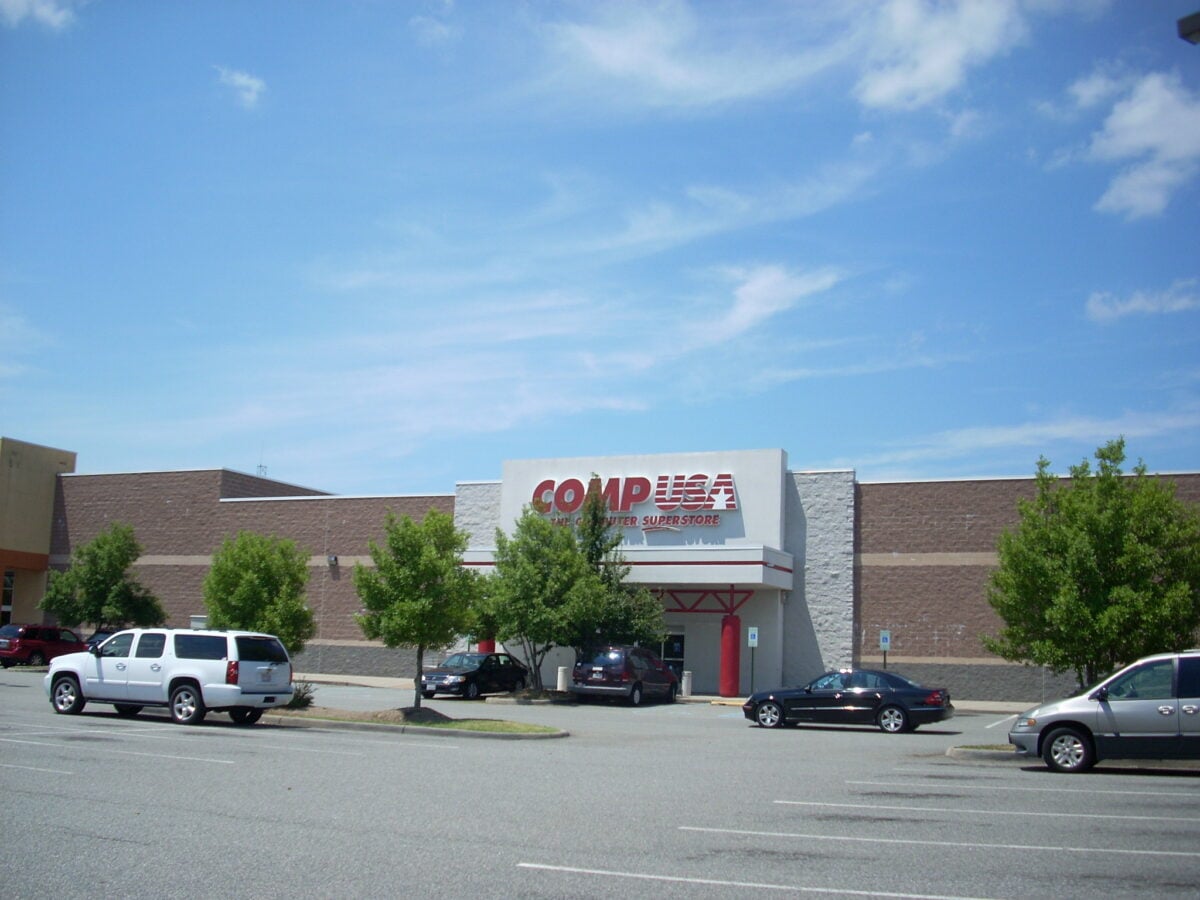
CompUSA was a key destination for computer enthusiasts during the early days of personal computing. Its stores were filled with hardware, software, and accessories that catered to both beginners and experts.
As technology became more accessible and online retailers expanded, the need for large specialty stores declined. The company faced challenges adapting to a rapidly changing market.
That said, images of CompUSA stores highlight a time when buying a computer felt like a major event. Customers often relied on in-store guidance to make decisions.
Mervyn’s

Mervyn’s was a mid-range department store that offered clothing, home goods, and seasonal items. Its stores were familiar and approachable, often located in suburban shopping centers.
The brand struggled to compete with both discount retailers and higher-end department stores. As consumer preferences shifted, it became harder to maintain its position in the market.
Still, photos of Mervyn’s stores reflect a kind of everyday retail experience. It was not flashy, but it was reliable, serving as a staple for many families.
Tower Records
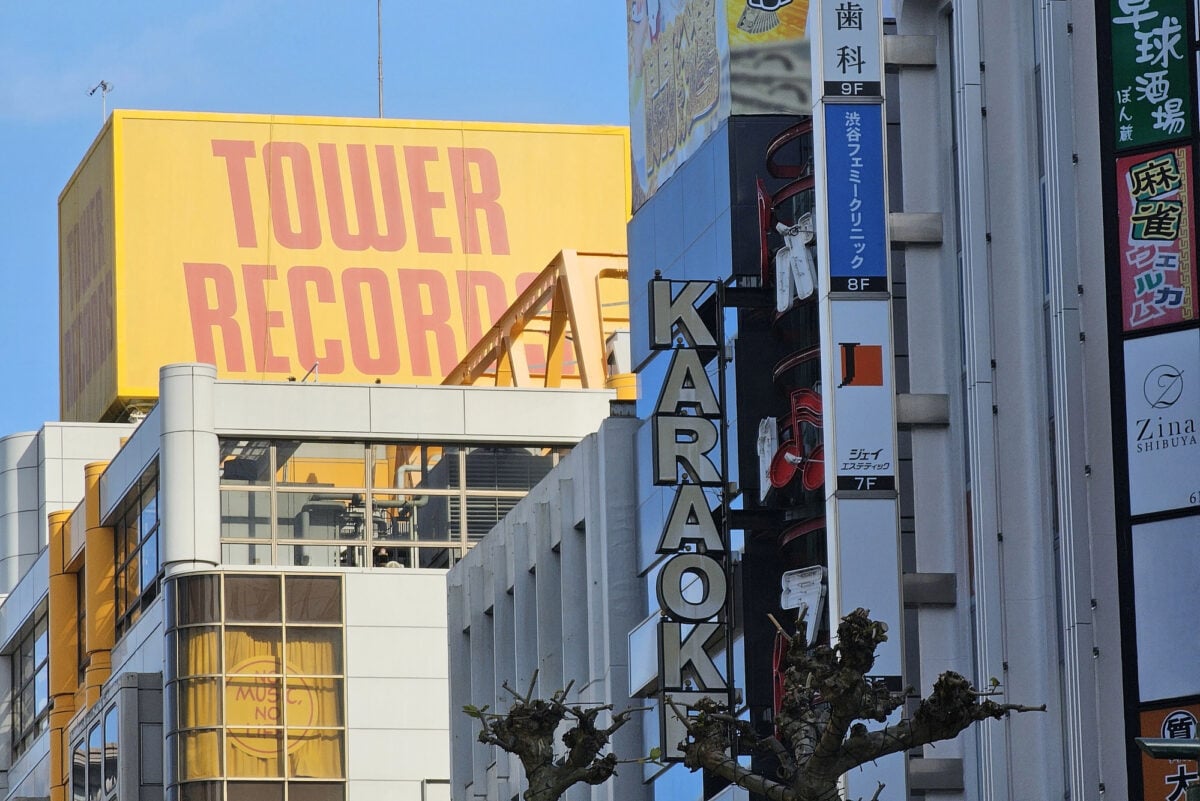
Tower Records was a cultural hub for music lovers. Its stores featured vast collections of CDs, vinyl, and merchandise, often arranged in ways that encouraged exploration.
Listening stations allowed customers to sample music before buying. The rise of digital music changed everything.
As downloads and streaming became more common, physical music sales declined sharply. Even so, images of Tower Records capture a vibrant era in music culture.
The stores were more than retail spaces—they were places where people discovered new artists and shared interests.
Hollywood Video
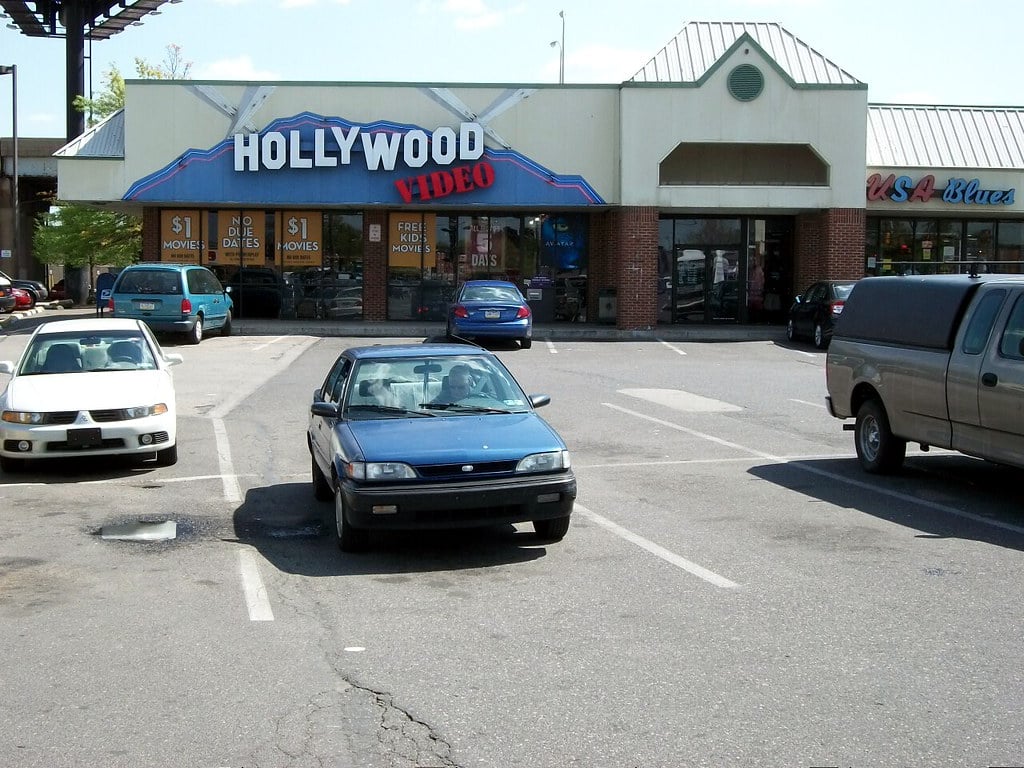
Hollywood Video operated alongside other rental chains, offering an alternative for movie rentals. Its stores featured similar layouts, with rows of cases and a focus on accessibility.
Competition within the rental market, combined with the rise of digital platforms, made it difficult to sustain the business. Over time, locations closed and the brand faded from view.
Still, photos of Hollywood Video stores reflect a shared experience across communities. The ritual of browsing for a movie created a sense of anticipation that digital platforms rarely replicate.
KB Toys
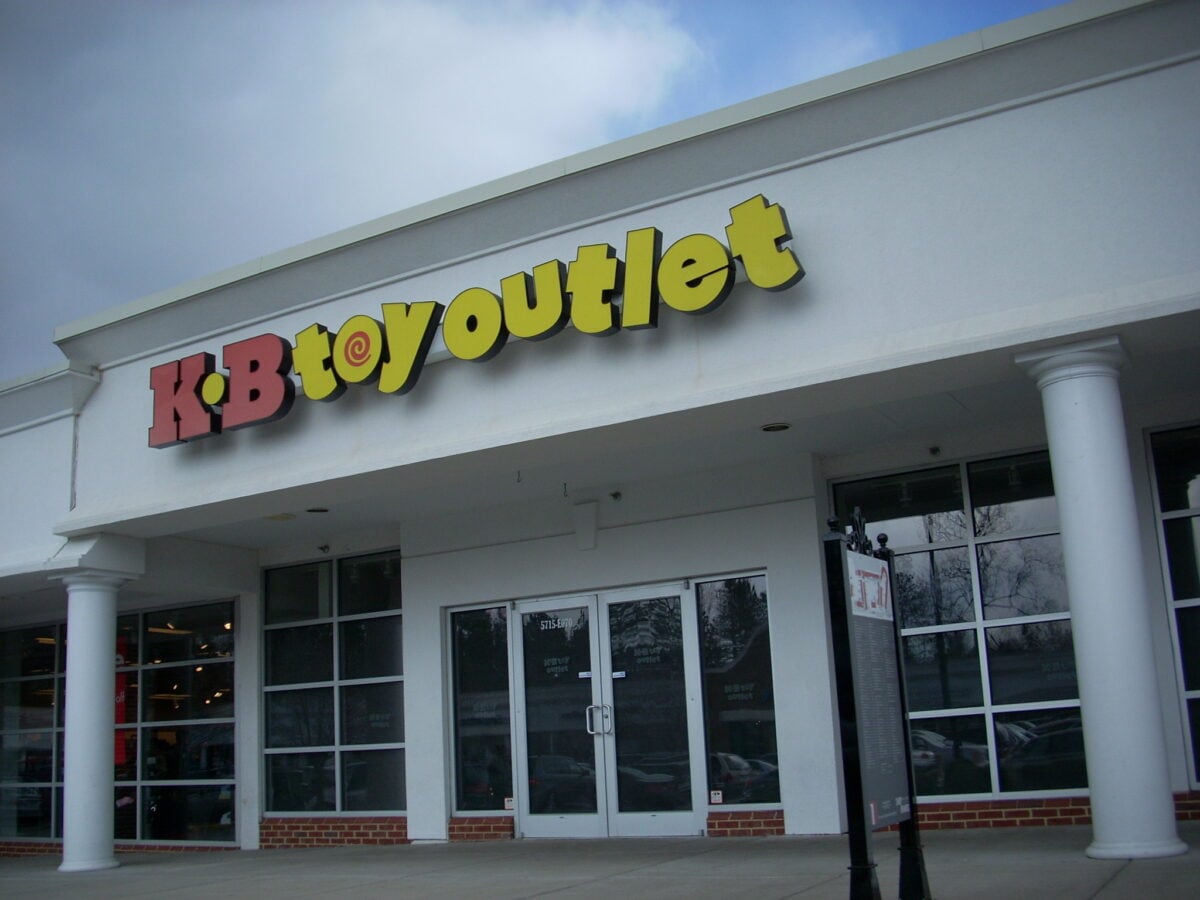
KB Toys was a staple in many shopping malls, offering a smaller, more compact toy store experience compared to larger chains. Its shelves were packed tightly, giving it a busy, energetic feel.
As malls began to decline and competition increased, KB Toys struggled to maintain its presence. The shift toward larger retailers and online options further impacted its business.
That said, images of KB Toys stores highlight the charm of smaller retail spaces. The sense of discovery came from navigating packed aisles and finding unexpected items.
When Retail Spaces Become Memories

The disappearance of these stores is more than just the changing business environment. It is the changing way people shop and use their time.
The early 2000s were a time of transition. Traditional retail was still the norm, but the changing way people shop and use their time had already begun.
Photos of these stores are a snapshot of the time. They are the colors and the way people used to shop that once seemed so permanent but are now part of retail’s past.
Ultimately, the disappearance of these stores is a reminder that nothing stays the same. What once seemed so normal and part of the daily routine has slowly become something out of the past, something that exists only in old photos and the way they make people feel.
More from Go2Tutors!

- The Romanov Crown Jewels and Their Tragic Fate
- 13 Historical Mysteries That Science Still Can’t Solve
- Famous Hoaxes That Fooled the World for Years
- 15 Child Stars with Tragic Adult Lives
- 16 Famous Jewelry Pieces in History
Like Go2Tutors’s content? Follow us on MSN.



