Why Certain National Anthems Were Banned by Their Own Countries
There’s something deeply unsettling about a country turning against its own song. National anthems are supposed to be sacred — the musical embodiment of shared identity, sung at sporting events and state ceremonies with hands over hearts.
Yet history is littered with nations that looked at their anthems and decided they couldn’t stomach them anymore. Sometimes the lyrics became politically toxic.
Sometimes the melody carried too much baggage from a discredited past. And sometimes, the song just reminded people of everything they were trying to forget.
These aren’t stories about foreign powers imposing their will. These are nations essentially firing their own soundtrack, often in moments of profound political upheaval or moral reckoning.
The reasons are as varied as they are revealing.
Germany
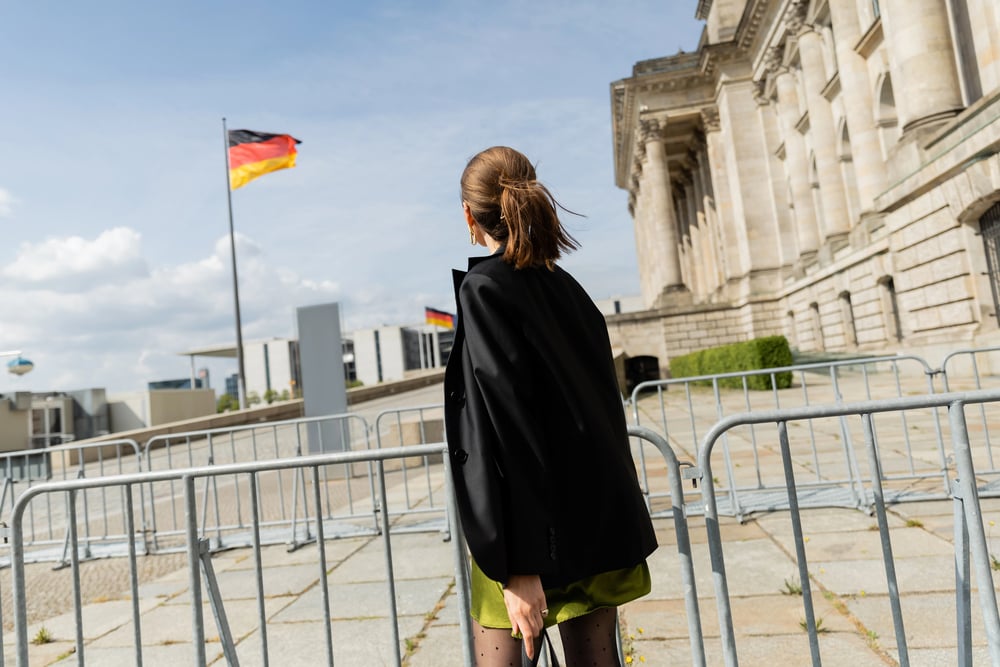
“Deutschland über alles” became impossible to stomach after World War II. The song itself, “Das Lied der Deutschen,” wasn’t inherently evil — it was written in 1841 as a plea for German unification. But the Nazis had weaponized the first verse, turning “Germany above all” into something that sounded like a threat to the rest of the world.
West Germany banned the full anthem in 1945, keeping only the third verse about “unity and justice and freedom.” Even that felt awkward for decades. The country had to rebuild its entire identity from scratch, and singing about German greatness — even the innocent kind — was not going to help with that project.
South Africa
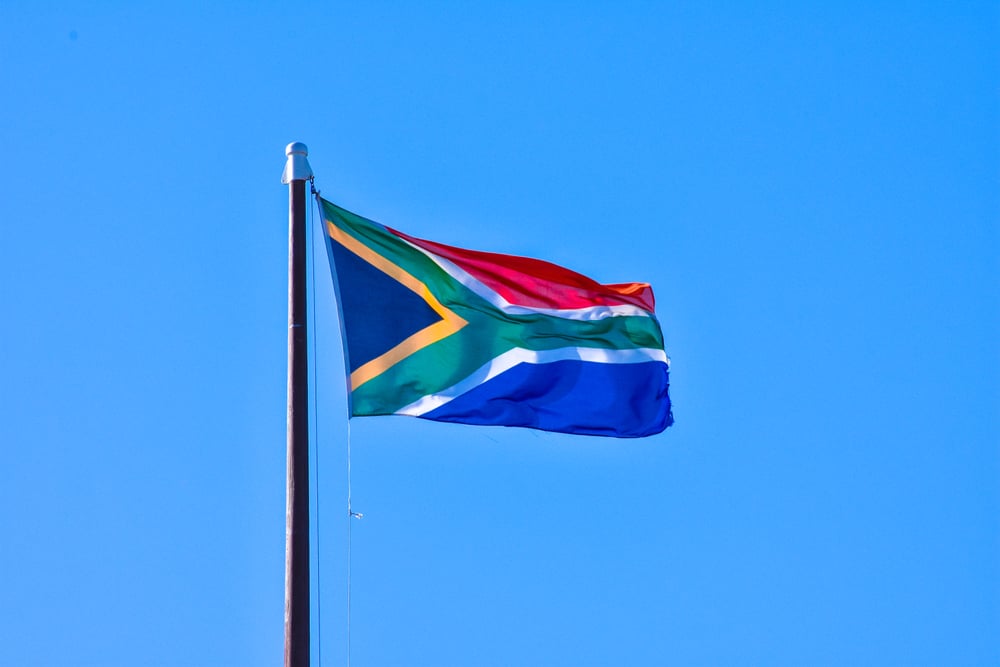
The apartheid anthem “Die Stem van Suid-Afrika” (“The Call of South Africa”) got scrapped the moment Nelson Mandela took power. This wasn’t subtle political evolution — it was a complete rejection of everything the old regime represented.
The song had been the musical backdrop to decades of institutionalized racism, and there was no rehabilitating it (though the process took some time, and the old anthem technically lingered in official use until 1997 when a new hybrid anthem was adopted).
But here’s what’s interesting: instead of simply banning the old song and moving on, South Africa created something entirely new. They blended multiple languages and musical traditions into a single anthem that actually sounds like the country they were trying to become.
Most nations don’t have that kind of imagination when they’re rewriting their musical identity.
Russia
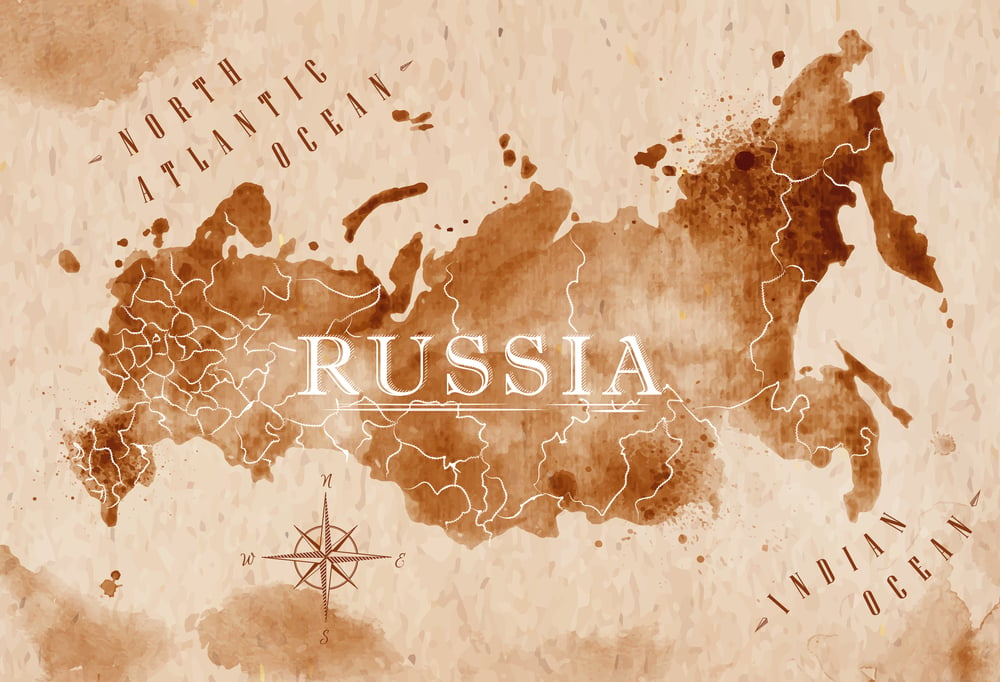
So the Soviet Union collapses in 1991, and suddenly Russia has to figure out what song represents them now — because it sure isn’t going to be the old Soviet anthem with all that talk about Lenin and the Communist Party leading them to triumph. And yet, ten years later (in 2000), they brought back the same melody with different words, which tells you something about how complicated national identity really is.
Putin apparently decided the tune was too stirring to abandon, even if the ideology behind it had to go. The brief period from 1991 to 2000 when Russia used Glinka’s “Patriotic Song” — which had no official lyrics and barely anyone could hum — shows what happens when you ban an anthem without having a decent replacement ready. The whole thing felt tentative, like a placeholder that everyone knew wouldn’t last. And it didn’t.
Spain

Spain’s relationship with its anthem remains beautifully stubborn. “Marcha Real” has been around since the 18th century, but it’s one of the few national anthems in the world with no official lyrics. Various regimes have tried to add words over the years — the fascist Franco government had a version — but each attempt gets discarded when the political winds shift.
The result is a country that effectively bans its own anthem from having words. Every time someone suggests adding lyrics, the debate becomes so contentious that they just give up. So Spanish athletes stand silently during medal ceremonies while other countries belt out their songs. There’s something admirably stubborn about this approach — better no words than the wrong words.
Cambodia
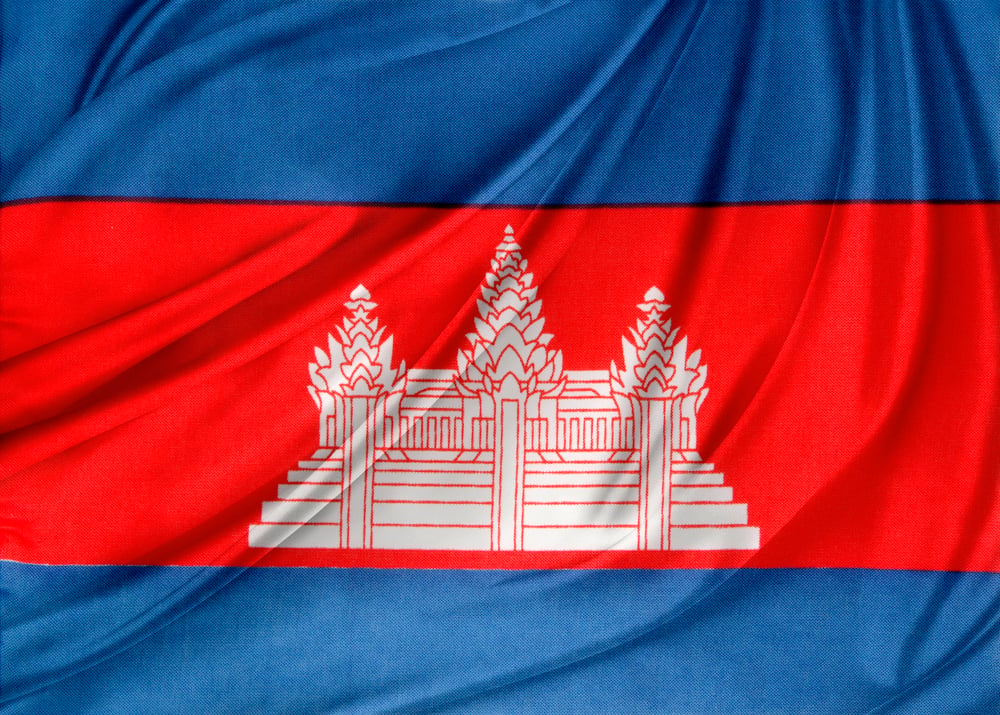
The Khmer Rouge anthem “Dap Prampi Mesa Chokchey” disappeared along with the regime in 1979, and for obvious reasons. Any song associated with Pol Pot’s government was going to be radioactive for generations. The lyrics praised revolutionary struggle and the glory of the agrarian revolution — which sounds innocuous enough until you remember that this “revolution” involved murdering a quarter of the population.
Cambodia went through several anthem changes in the following decades, each reflecting whoever happened to be in power. But the Khmer Rouge version stayed buried. Some songs are too soaked in blood to ever rehabilitate, and this was one of them.
East Germany
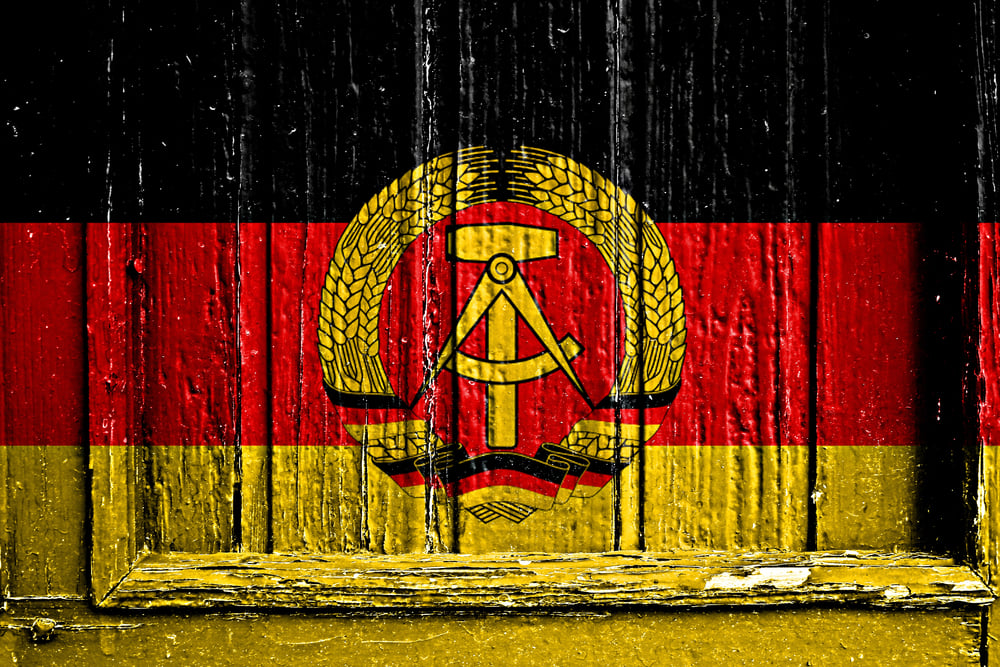
When the Berlin Wall fell in 1989, East Germany’s anthem “Auferstanden aus Ruinen” (“Risen from Ruins”) became an immediate casualty. The irony wasn’t lost on anyone — a song about rising from the ruins was itself getting buried in the rubble of a collapsing state. The East German government had actually stopped playing the lyrics years earlier because they contained references to “Deutschland einig Vaterland” (Germany united fatherland), which became awkward when the country was literally divided by a wall.
So they had been playing an instrumental version of their own anthem because the words were too embarrassing. When reunification came, the whole thing got scrapped without ceremony. Sometimes an anthem dies not with a bang but with the quiet admission that nobody wants to sing it anymore.
Chile

Pinochet’s military government never officially changed Chile’s anthem, but they might as well have banned it in spirit. “Himno Nacional” contains lines about breaking the chains of oppression and overthrowing tyrants — which becomes problematic when you are the tyrant.
The regime kept the song but discouraged public performances and removed it from many official ceremonies. This created the strange situation of a dictator essentially suppressing his own country’s anthem because it was too democratic. The song survived, but it spent seventeen years in a kind of official limbo, waiting for a government that could sing it with a straight face.
Portugal
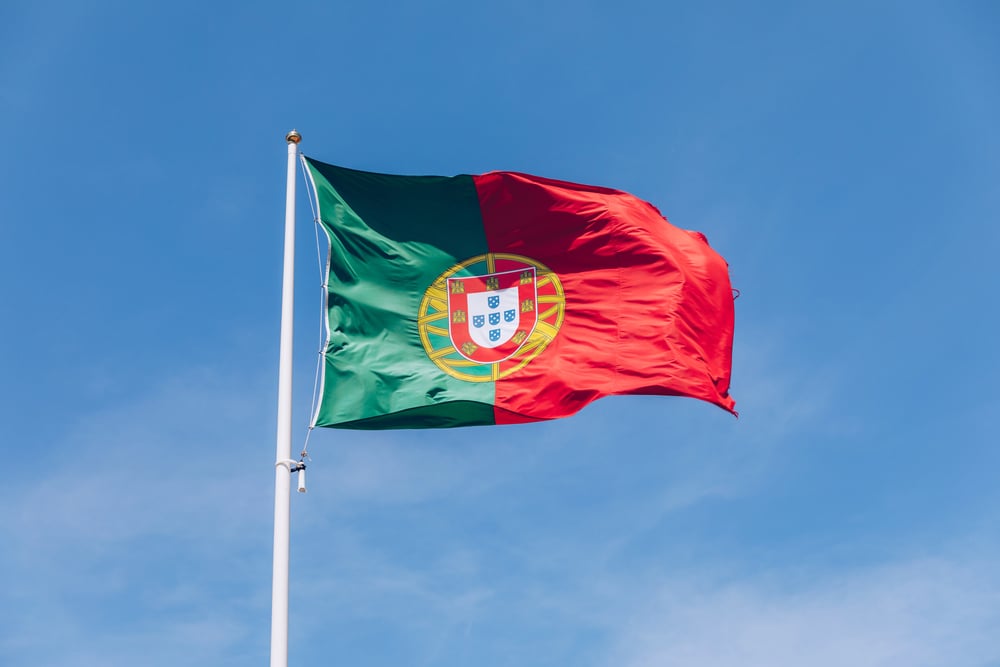
The transition from “Hino da Carta” to “A Portuguesa” in 1910 happened when Portugal overthrew its monarchy and declared itself a republic. The old royal anthem got banned not because it was particularly offensive, but because it represented a form of government that no longer existed. Singing about the glory of the king becomes awkward when you’ve just thrown the king out.
But revolutions have a way of making these decisions easy. Nobody was going to fight to preserve a monarchist anthem in a country that had just voted to abolish monarchy. Sometimes an anthem dies simply because the world it described has vanished.
Iraq
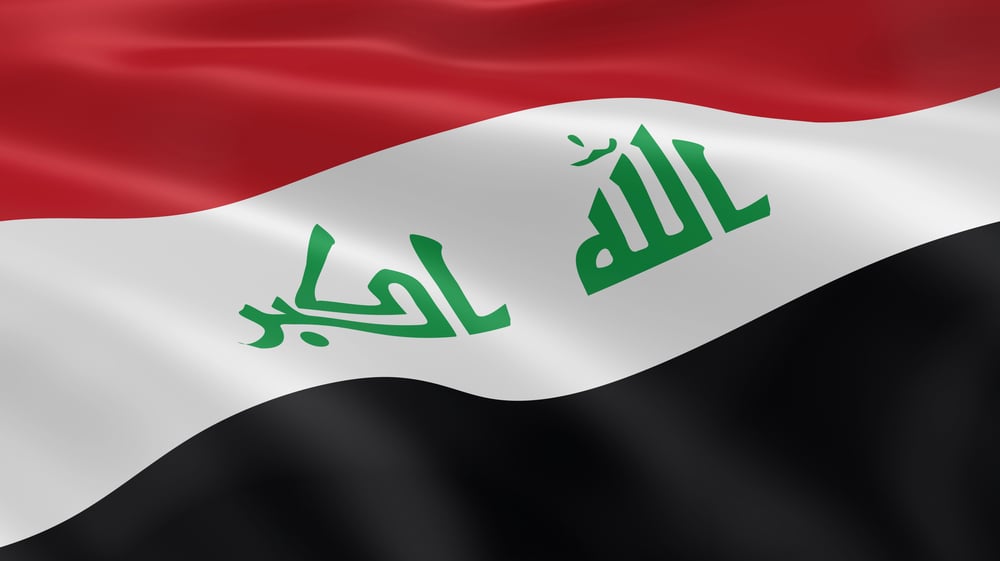
Saddam Hussein’s Iraq went through multiple anthem changes, each reflecting the regime’s evolving ideology and alliances. “Mawtini” became the anthem in 2004 after the U.S. invasion, replacing “Ardulfurataini Watan” which had been used during Saddam’s rule.
But the earlier song “Mawtini” had actually been banned during parts of Saddam’s reign because of its associations with Arab nationalism that didn’t align with his particular brand of Iraqi nationalism. The result was a country that kept banning and unbanning the same songs depending on which political faction was in power. Iraq’s anthem history reads like a musical chairs game where the chairs keep getting thrown out the window and replaced.
Yugoslavia
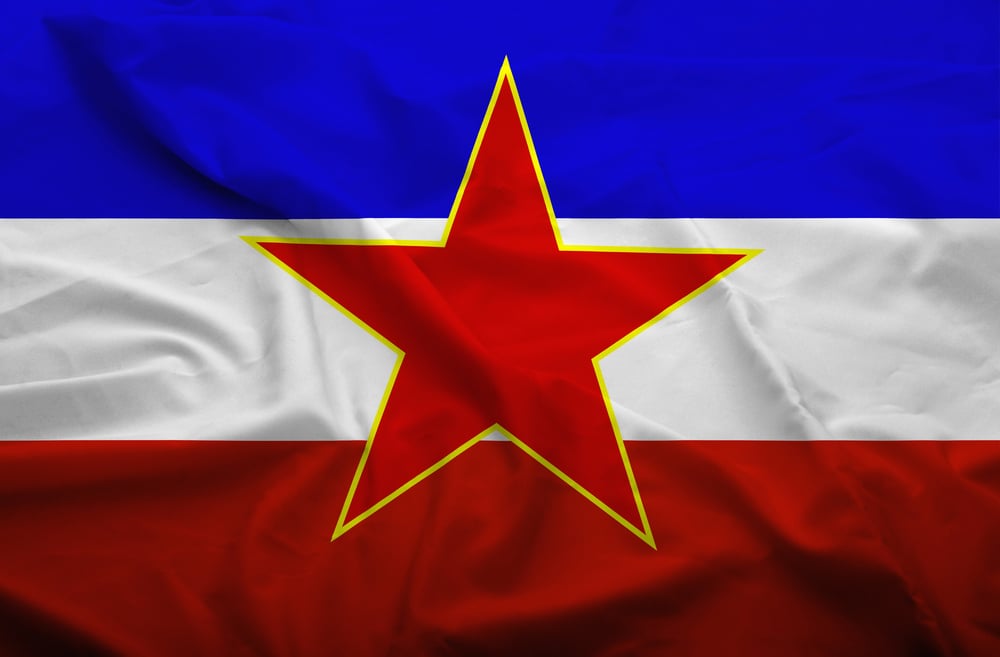
When Yugoslavia disintegrated in the 1990s, “Hej, Slaveni” (“Hey, Slavs”) died with it. The song had been adopted in 1945 as a symbol of South Slavic unity, but by the time the country was tearing itself apart in ethnic warfare, singing about Slavic brotherhood had become either naive or obscene. Each of the successor states needed its own anthem — preferably one that didn’t remind anyone of the federation they had just fought a war to escape.
The song wasn’t officially banned so much as abandoned. When the country ceased to exist, its anthem became an orphan. Some melodies are too tied to failed political projects to survive the wreckage.
Iran
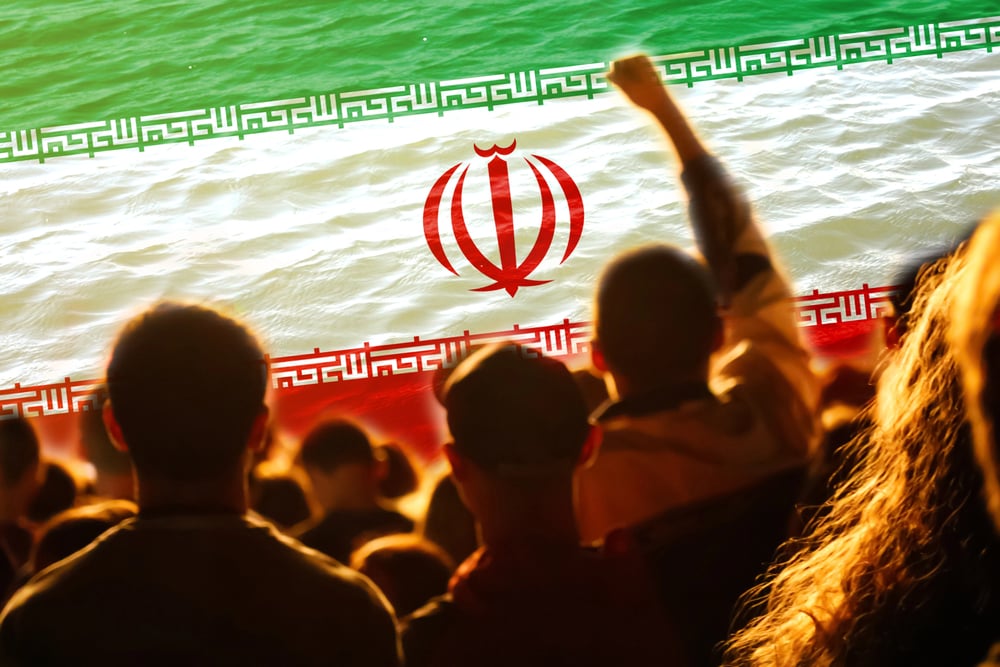
The Islamic Revolution of 1979 made short work of “Sorood-e Shahanshah Iran,” the anthem of the Shah’s regime. The old anthem praised the monarchy and the peacock throne — which was exactly the symbolism the revolutionaries wanted to destroy.
The new government didn’t just ban the song; they made possession of recordings a criminal offense for a time.
The replacement, “Ey Iran,” lasted only briefly before being replaced again with the current anthem. Revolutionary governments often burn through anthems quickly, each song representing a slightly different vision of what the new country should become.
Iran went through three anthems in two years, which suggests they were figuring out their identity as they went along.
Afghanistan
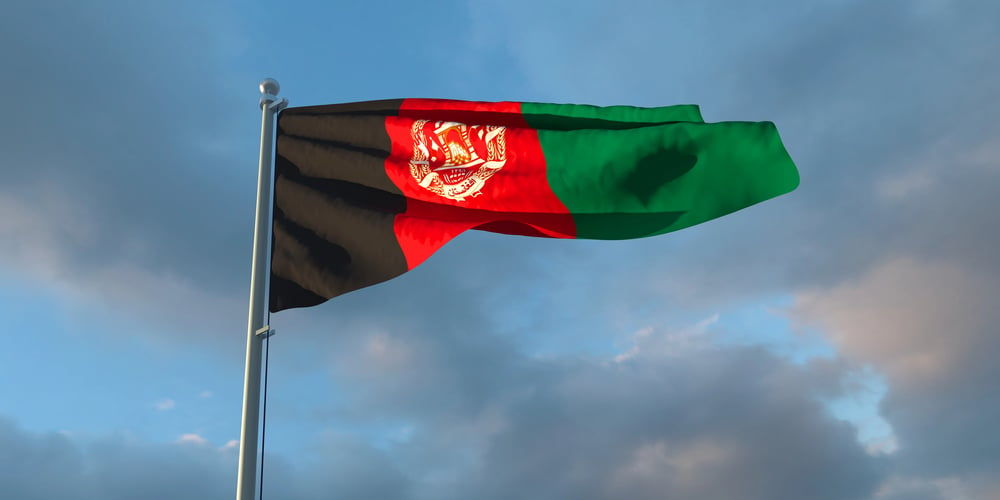
Afghanistan’s anthem situation has been chaos for decades. The Taliban banned music entirely during their first rule (1996-2001), which meant no anthem at all — just silence where the song was supposed to be.
When they returned to power in 2021, they initially kept using the former government’s anthem before eventually declaring it un-Islamic and banning it. A country without an anthem is a strange thing. State ceremonies become awkward affairs where everyone stands at attention to listen to nothing. It’s the musical equivalent of a flag with no design — technically possible, but it feels like something essential is missing.
Hungary
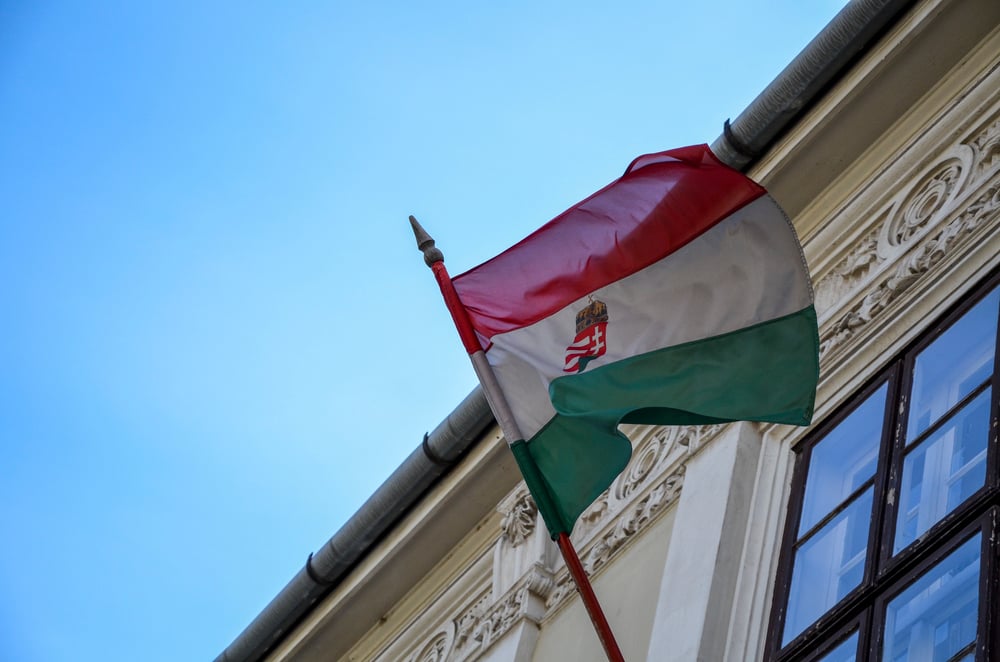
The Communist-era anthem “Himnusz” never got officially banned, but the government discouraged its performance because the lyrics were too nationalistic and too religious for a socialist state. The song asks God to bless the Hungarians and references the country’s Christian history — themes that didn’t align with official atheism and internationalism.
So Hungary spent decades with an anthem that existed on paper but rarely got performed. The government preferred instrumental versions or simply skipped the anthem altogether at many events. When communism fell in 1989, the country was able to reclaim its original song without having to write a new one.
The Echoes That Remain

The strangest thing about banned anthems is how they linger. Even after governments officially prohibit them, the melodies survive in cultural memory, sometimes for generations. Former East Germans still recognize their old anthem. Russians who lived through the Soviet era can sing the Communist version from memory, even though it’s been gone for over three decades.
These ghost songs reveal something uncomfortable about national identity: it’s never as clean or permanent as governments want it to be. Countries ban their anthems to draw a line between past and present, but the line never holds completely. The old songs leak through anyway, hummed quietly by people who remember when the world was different.
More from Go2Tutors!

- The Romanov Crown Jewels and Their Tragic Fate
- 13 Historical Mysteries That Science Still Can’t Solve
- Famous Hoaxes That Fooled the World for Years
- 15 Child Stars with Tragic Adult Lives
- 16 Famous Jewelry Pieces in History
Like Go2Tutors’s content? Follow us on MSN.