Jobs That Paid Extremely Well in the 1980s But Barely Exist Today
The 1980s represented a unique moment in economic history when certain careers commanded impressive salaries but technology hadn’t yet reshaped entire industries. Many professionals enjoyed lucrative positions that seemed permanent fixtures of the American economy.
These weren’t niche roles—they were mainstream careers that attracted ambitious workers seeking financial stability and social status. Today, automation, digital transformation, and changing consumer habits have rendered many of these once-prestigious positions nearly obsolete.
The workers who built comfortable middle-class lives around these jobs watched entire professions fade away, often taking decades of specialized knowledge with them.
Travel Agent

Travel agents commanded serious respect in the 1980s. They possessed exclusive access to airline reservation systems and insider knowledge about destinations that ordinary travelers couldn’t obtain elsewhere.
A successful agent could earn $50,000 to $80,000 annually—substantial money when the median household income hovered around $20,000. The internet obliterated this monopoly on travel information.
Online booking platforms eliminated the need for intermediaries, and airlines began incentivizing direct bookings by cutting agent commissions. Most travelers now research and book their own trips using websites that provide instant price comparisons and reviews.
Film Projector Operator

Operating film projectors required genuine skill. Projectionists needed to thread 35mm film correctly, monitor sound levels, and execute seamless reel changes during screenings.
Union positions at major theater chains often paid $40,000 to $60,000 annually, plus benefits that rivaled manufacturing jobs. Digital cinema systems ended this profession almost entirely.
Modern theaters use computer servers that require minimal human intervention—one person can now oversee multiple screens simultaneously. The craft of physical film handling disappeared along with the jobs.
Typesetter

Before desktop publishing, typesetting was both an art and a science that commanded premium wages. Skilled typesetters who could operate Linotype machines or phototypesetting equipment earned $35,000 to $55,000 in the 1980s—impressive compensation for what many considered a blue-collar trade.
The profession required years of apprenticeship to master (learning font spacing, kerning, and layout principles that separated amateur work from professional quality), and experienced operators could command even higher salaries at prestigious publishing houses or advertising agencies. But desktop publishing software like PageMaker and QuarkXPress democratized typesetting, allowing designers and writers to handle typography themselves.
And yet the irony persists: while anyone can now adjust fonts and spacing, most people do it poorly—the expertise just isn’t valued enough to pay for anymore.
Telephone Operator

Long-distance telephone operators earned solid middle-class wages in the 1980s, particularly those handling international calls or specialized services. Experienced operators at major telecommunications companies could earn $30,000 to $45,000 annually with excellent benefits and job security that seemed unshakeable.
Direct dialing technology and automated switching systems eliminated most operator positions. The few remaining operators handle only emergency services or specialized assistance calls—a fraction of the workforce that once connected calls manually.
Stockbroker

There’s something almost ceremonial about how stockbrokers used to work—the frantic phone calls, the handwritten order tickets, the elaborate networks of personal relationships that determined who got the best information first. These weren’t just financial professionals; they were the high priests of an information economy where knowledge moved slowly and personal connections meant everything.
Commission structures in the 1980s made successful brokers genuinely wealthy. A broker handling affluent clients could easily earn six figures when that still meant something substantial.
The job required equal parts financial acumen and social skill—reading people as carefully as reading markets. Online trading platforms and discount brokerages have largely replaced traditional stockbrokers.
Individual investors can now execute trades instantly for a few dollars, eliminating the need for human intermediaries in most transactions.
Computer Programmer

Programming paid exceptionally well in the 1980s because so few people possessed the necessary skills. Companies desperately needed programmers to handle COBOL, FORTRAN, and early database systems.
Experienced programmers often earned more than their managers, sometimes reaching $70,000 to $100,000 annually. The field hasn’t disappeared, but it has fundamentally changed.
Modern programming tools, frameworks, and online resources have made basic programming accessible to millions. The premium once paid for scarce technical knowledge has largely evaporated as coding became commoditized.
Film Developer

Professional film development required darkroom expertise and chemical knowledge that took years to master properly. Studio photographers and commercial labs employed skilled technicians who earned $35,000 to $50,000 annually—decent money for hands-on technical work.
Digital photography eliminated the need for chemical film processing entirely. Photo labs closed by the thousands as consumers began printing photos at home or viewing them exclusively on screens.
Switchboard Operator

Large corporations and government agencies employed teams of switchboard operators who manually routed calls throughout sprawling office complexes. These operators needed to memorize hundreds of extensions and department names while managing multiple calls simultaneously.
The job paid $25,000 to $40,000 annually with stable employment prospects. Modern phone systems route calls automatically using computerized directories.
Voice mail and direct phone numbers eliminated the need for human call routing in most organizations.
Word Processor

Typing pools and word processing departments were standard features in major corporations during the 1980s, and skilled word processors earned respectable salaries—often $28,000 to $42,000 annually for fast, accurate typing combined with document formatting expertise. These weren’t simple secretarial positions; they required mastery of dedicated word processing systems like Wang or IBM DisplayWriter that cost thousands of dollars and demanded specialized training.
So when personal computers arrived with user-friendly software, the economics shifted completely: it became cheaper to have professionals type their own documents than maintain entire departments of specialist operators. The irony runs deeper than most people realize—executive assistants today often possess superior technical skills compared to their 1980s predecessors.
But the work pays less because everyone is expected to handle their own word processing.
Insurance Adjuster

Insurance adjusters in the 1980s commanded respect and substantial salaries because they possessed specialized knowledge that couldn’t be easily replicated. Property damage assessment required years of experience to master, and senior adjusters often earned $45,000 to $65,000 annually while enjoying considerable autonomy in their work.
Automated claim processing systems and digital damage assessment tools have streamlined the adjustment process. Many claims that once required human expertise can now be processed using photographs and algorithmic analysis.
Map Maker
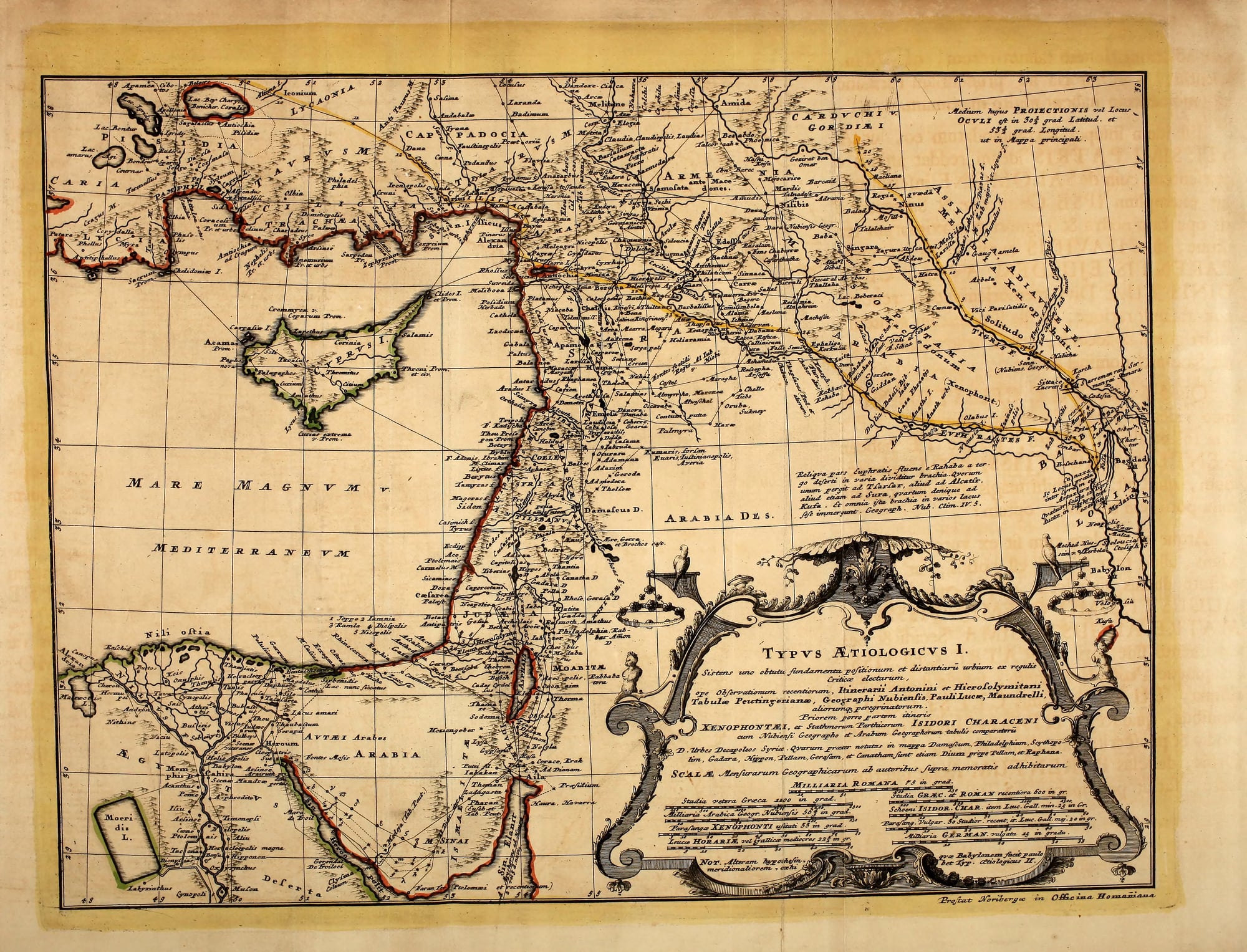
Creating accurate maps required cartographic expertise that blended artistry with technical precision. Professional cartographers working for government agencies, atlas publishers, or surveying companies earned $40,000 to $60,000 annually—solid compensation for specialized knowledge.
Geographic Information Systems (GIS) and satellite mapping have largely automated cartographic work. Digital mapping platforms continuously update themselves using real-time data, eliminating the need for manual map creation and revision.
Elevator Operator

High-end department stores, office buildings, and hotels employed elevator operators who provided both transportation and customer service. These positions often paid union wages with benefits, particularly in major metropolitan areas where the job could provide $30,000 to $45,000 annually.
Automatic elevator systems made human operators unnecessary for transportation purposes. The few remaining elevator operators work in luxury settings where personal service is part of the building’s character rather than a functional necessity.
Darkroom Technician

Professional darkroom work was both technically demanding and artistically rewarding, requiring mastery of chemical processes, timing, and quality control that separated amateur photography from professional work. Skilled technicians at newspapers, magazines, and commercial photo labs could earn $35,000 to $55,000 annually.
Digital photography eliminated the need for chemical darkrooms in most professional settings. Photo editing now occurs on computers using software that provides more control and flexibility than traditional darkroom techniques.
Textile Designer

Pattern making and textile design in the 1980s required artistic talent combined with technical knowledge of manufacturing processes. Designers working for major fashion houses or fabric manufacturers could command salaries of $40,000 to $70,000, depending on their reputation and the prestige of their employer.
Computer-aided design software and digital printing have transformed textile design into a largely automated process. While creative positions still exist, the specialized technical knowledge once required for pattern creation has been largely replaced by software tools.
Audio Engineer

Recording studios employed teams of audio engineers who operated complex analog mixing boards and tape machines that required years of training to master properly. These engineers combined technical expertise with musical knowledge, often earning $35,000 to $60,000 annually in major markets.
Digital audio workstations have democratized music production, allowing musicians to record and mix professional-quality audio using laptop computers. While high-end audio engineering still exists, the market for mid-level studio engineers has largely disappeared.
Statistical Analyst

Before spreadsheet software and statistical packages became widely available, companies employed statisticians and analysts to perform complex calculations manually or using primitive computers. These positions required advanced mathematical knowledge and often paid $40,000 to $65,000 annually.
Modern software allows non-specialists to perform sophisticated statistical analysis using point-and-click interfaces. The premium once paid for statistical expertise has diminished as analytical tools became accessible to general business users.
Library Research Specialist

Major corporations and law firms employed research specialists who could navigate complex information systems and locate obscure documents or data that executives needed for strategic decisions. These professionals combined detective skills with subject matter expertise, often earning $35,000 to $55,000 annually.
Internet search engines and digital databases have made most research tasks accessible to end users. While specialized research positions still exist, the general need for human information retrieval has largely disappeared.
Technical Writer

Creating user manuals and technical documentation in the 1980s required specialized writing skills combined with the ability to understand complex technical systems without software assistance. Experienced technical writers working for technology companies or government contractors could earn $40,000 to $65,000 annually.
While technical writing still exists, much of the routine documentation work has been automated or simplified. Software applications now generate help files automatically, and user interface design has reduced the need for extensive written instructions.
What We Lost When These Jobs Disappeared

The vanishing of these careers represents more than economic evolution—it marks the end of entire knowledge traditions that once defined American middle-class prosperity. These weren’t just jobs; they were pathways to financial stability that required dedication but not necessarily advanced degrees.
A talented individual could master a trade, build expertise over decades, and support a family comfortably. Modern efficiency often means fewer opportunities for specialized human knowledge to command premium compensation.
The skills that once took years to develop can now be replicated by software, leaving workers to compete in an economy that values adaptability over mastery.
More from Go2Tutors!

- The Romanov Crown Jewels and Their Tragic Fate
- 13 Historical Mysteries That Science Still Can’t Solve
- Famous Hoaxes That Fooled the World for Years
- 15 Child Stars with Tragic Adult Lives
- 16 Famous Jewelry Pieces in History
Like Go2Tutors’s content? Follow us on MSN.