18 Nostalgic Holiday Traditions We’ve Lost
The holidays used to feel different. Something magical existed in the way families celebrated decades ago—rituals that brought people together in ways smartphones and streaming services simply can’t replicate. Modern convenience has made our lives easier, yet it’s also quietly erased many of the traditions that once defined the season.
These lost customs weren’t just activities; they were the heartbeat of holiday celebration. Here is a list of 18 nostalgic holiday traditions that have largely disappeared from American homes.
Door-to-Door Caroling

Caroling used to be as common as putting up Christmas lights. Neighbors would bundle up, grab their songbooks, then wander through their communities spreading holiday cheer one doorstep at a time. The tradition created genuine connections between neighbors who might otherwise never speak to each other.
Most people today would be genuinely surprised—possibly even suspicious—if a group of carolers showed up at their door. Safety concerns plus our increasingly isolated lifestyles have made this once-beloved tradition feel awkward, even outdated.
Handwritten Holiday Cards

Before email and social media existed, sending holiday cards was serious business. Families spent entire evenings addressing envelopes by hand, often including personal notes plus updates about their year. The mailbox would overflow with beautiful cards that people displayed proudly throughout the season.
Now most holiday greetings arrive as digital images or brief text messages. The personal touch of selecting, writing, then mailing physical cards has become a rarity—replaced by the convenience of instant digital communication.
Making Homemade Ornaments

Crafting ornaments was once a cherished family activity that stretched across generations. Parents and children would gather around kitchen tables with construction paper, glue, plus glitter to create unique decorations. Each ornament told a story while holding memories that lasted for years.
Store-bought ornaments have largely replaced these homemade treasures. Though mass-produced decorations are certainly prettier and more durable, they lack the personal history—that imperfect charm that made handmade ornaments so special.
Christmas Morning Milk Delivery

The milkman was a regular part of American life, though Christmas morning deliveries added extra magic to the holiday. Families would find special holiday bottles on their doorstep, often with seasonal messages or decorative labels. It was a small yet meaningful way to start Christmas day.
Home milk delivery disappeared from most neighborhoods by the 1970s—taking with it this simple holiday tradition. The convenience of grocery store shopping replaced the personal service that once connected families to their local dairy.
Family Sing-Alongs Around the Piano

Before entertainment came through screens, families created their own music. The piano served as the centerpiece for holiday gatherings—relatives crowding around to belt out Christmas carols plus popular songs. Everyone participated, regardless of musical ability.
Modern homes rarely have pianos, though when they do, they often sit unused. Streaming music has made it easier to hear perfect performances, yet it’s eliminated the joy and bonding that came from making music together, however imperfectly.
Christmas Cookie Exchanges
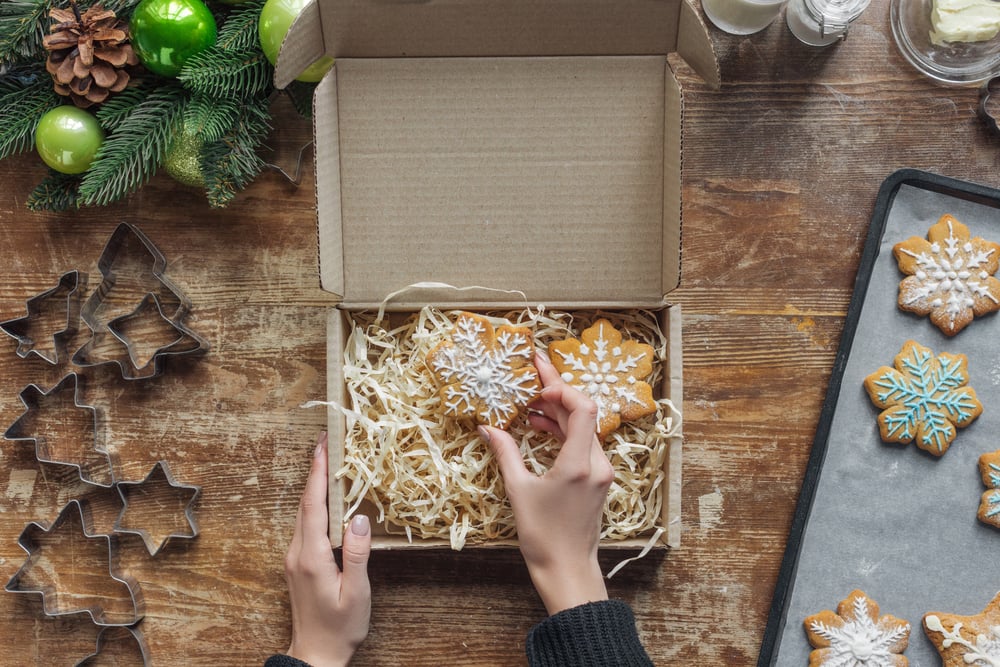
Neighborhood cookie exchanges were elaborate affairs where women would gather to trade dozens of different homemade cookies. Each participant brought several dozen of one type—leaving with a variety of treats. These events were social gatherings that strengthened community bonds.
Busy schedules plus dietary restrictions have made cookie exchanges increasingly rare. Store-bought treats and concerns about food allergies have largely replaced the trust—that generosity which made these exchanges possible.
Holiday Window Shopping

Strolling through downtown areas to admire elaborate holiday window displays was a beloved tradition for many families. Department stores would spend weeks creating magical scenes that drew crowds of admirers. The windows became destinations in themselves.
Online shopping plus the decline of downtown shopping districts have made window shopping nearly obsolete. The few remaining elaborate displays can’t compete with the convenience of browsing from home—though they lack the communal experience of sharing wonder with strangers on the sidewalk.
Christmas Eve Church Services
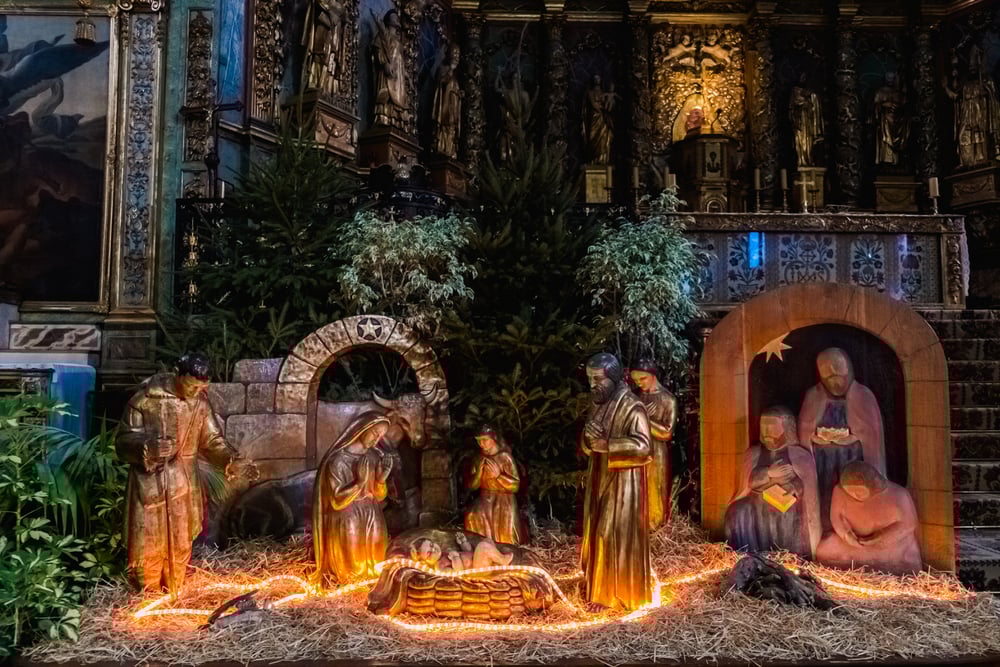
Attending midnight mass or Christmas Eve services was once a nearly universal tradition, even among families who weren’t particularly religious the rest of the year. These services provided a spiritual foundation for the holiday while bringing communities together in shared reverence.
Church attendance has declined significantly. Many families now treat Christmas as primarily a secular celebration. The quiet reflection plus community gathering that these services provided has been replaced by more commercial activities.
Homemade Holiday Candy

Making candy at home was a holiday tradition that required skill, patience—lots of family involvement. Grandmothers would teach their techniques for perfect fudge or brittle, while the process itself became as important as the final product. Kitchens would be filled with the aromas of boiling sugar plus chocolate.
Store-bought candy has largely replaced homemade sweets. The time plus skill required for candy-making, combined with readily available alternatives, have made this tradition feel unnecessarily complicated for modern families.
Christmas Pudding
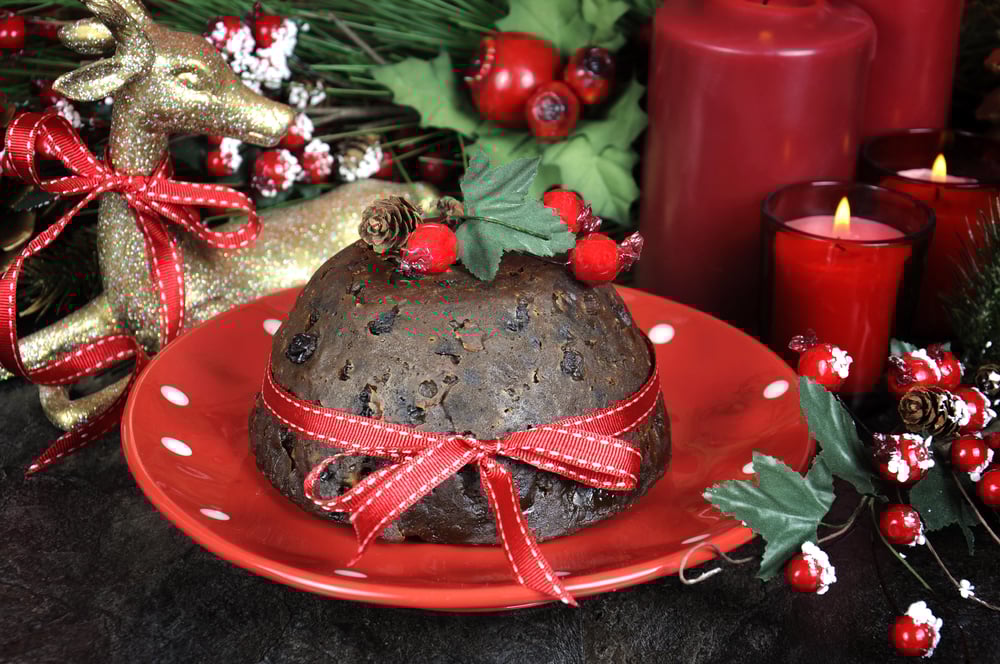
Traditional Christmas pudding was a rich, dense dessert that families would prepare weeks in advance. The pudding would be aged—family members taking turns stirring while making wishes. Serving it involved dramatic presentations with flaming brandy.
American tastes have shifted toward lighter desserts, and the time required for proper Christmas pudding preparation doesn’t fit modern schedules. Pies and cakes have replaced this dense, ceremonial dessert that once concluded Christmas dinner.
Reading Christmas Stories Aloud
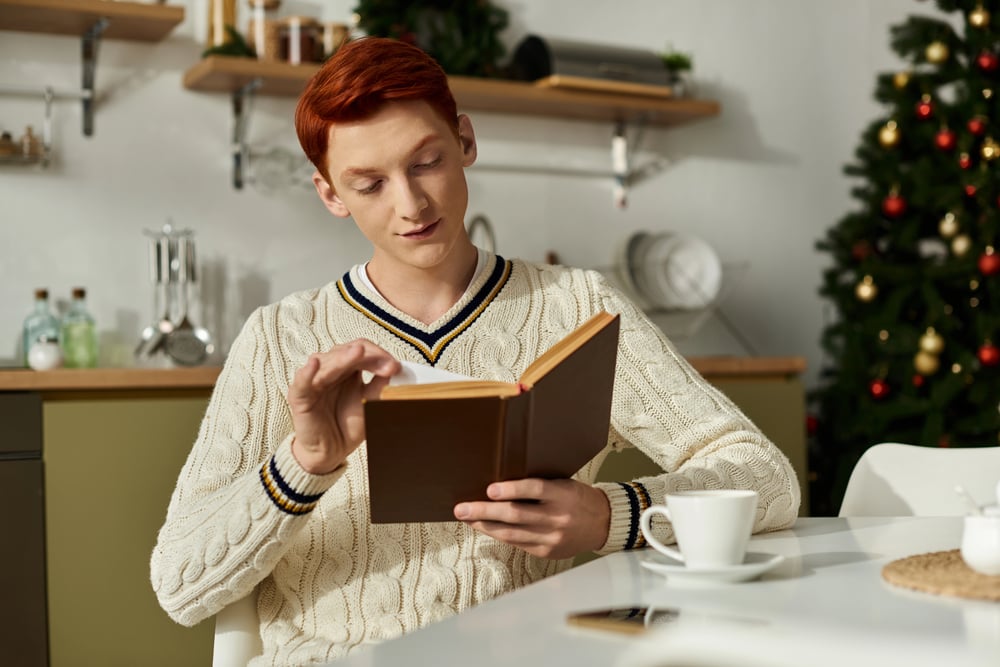
Families would gather in living rooms for dramatic readings of classic Christmas stories. Parents would take turns reading chapters from ‘A Christmas Carol’ or other seasonal tales, creating shared experiences that brought literature to life. These readings were performances that engaged the whole family.
Television and individual entertainment have replaced communal storytelling. While audiobooks and movies tell the same stories, they lack the interactive element and family participation that made reading aloud so engaging.
Christmas Breakfast Traditions

Christmas morning used to begin with elaborate breakfast spreads that were as important as Christmas dinner. Families would prepare special dishes that only appeared during the holidays, creating anticipation and marking the day as truly special. The meal was slow and ceremonial.
Quick breakfast options and the rush to open presents have simplified Christmas morning meals. Many families now grab something quick so they can get to the main event, losing the ceremonial start that breakfast once provided.
Wassailing

Wassailing involved going door-to-door with a bowl of spiced cider, sharing drinks with neighbors and singing traditional songs. This tradition combined elements of caroling with community hospitality, creating connections between households throughout the neighborhood.
Modern liability concerns and changing social customs have made sharing homemade drinks with neighbors feel inappropriate. The communal aspect of wassailing, where hospitality flowed freely between homes, no longer fits our more cautious social environment.
Christmas Orange in the Stocking

Placing an orange in the toe of Christmas stockings was a tradition that dated back to times when fresh fruit was a rare winter treat. The orange represented abundance and was often the most valuable item in a child’s stocking. It symbolized the precious nature of simple gifts.
Year-round availability of fresh fruit has made oranges seem ordinary rather than special. Children today are more likely to find expensive electronics in their stockings, and the symbolism of the precious orange has been lost.
Holiday Train Sets

Setting up elaborate train sets was a holiday tradition that captivated children and adults alike. Fathers would spend hours creating miniature worlds under the Christmas tree, complete with tiny buildings and landscapes. The trains would run throughout the holiday season.
Video games and digital entertainment have largely replaced physical train sets. The patience required to build and maintain these displays doesn’t match modern expectations for instant gratification, though they provided hours of quiet fascination.
Christmas Pageants

Local Christmas pageants were community events that brought neighborhoods together. Churches, schools, and community groups would produce elaborate productions featuring local children and adults. These weren’t professional performances but heartfelt community celebrations.
Liability concerns and busy schedules have made community pageants less common. Professional entertainment options have raised expectations for production values, making amateur community performances seem inadequate by comparison.
Christmas Calling Cards

Formal visiting during the holidays involved leaving calling cards and making scheduled social calls. Families would open their homes to receive visitors throughout the holiday season, following specific social protocols that governed these interactions. The tradition emphasized hospitality and social connection.
Informal communication and casual socializing have replaced formal visiting customs. The structured nature of calling cards and scheduled visits feels unnecessarily rigid in our more casual social environment.
Christmas Seals
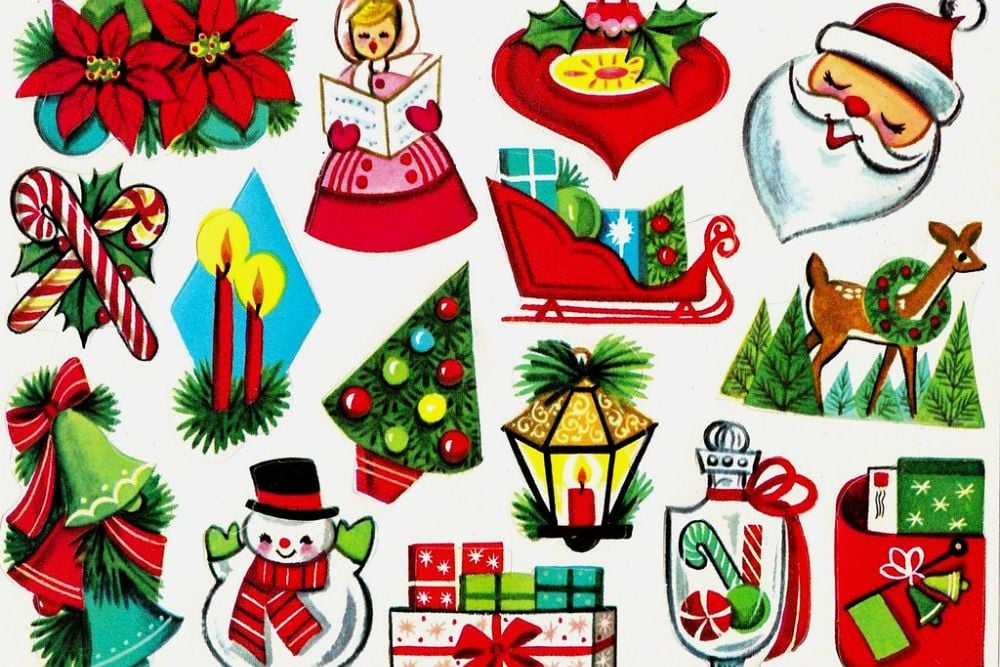
Christmas Seals were decorative stamps sold to raise money for tuberculosis research and treatment. Families would purchase sheets of these colorful seals and use them to decorate their holiday mail. The tradition combined charity with holiday decoration.
The eradication of tuberculosis and the decline of holiday card sending have made Christmas Seals obsolete. Modern charity campaigns lack the personal involvement and seasonal decoration that made Christmas Seals so appealing to families.
The Magic Lives On

While these traditions may have faded, they remind us that the best holiday memories often came from simple activities that brought people together. Modern celebrations might be more convenient, but they can’t replace the personal connections and shared experiences that defined holidays of the past.
The challenge isn’t to recreate these exact traditions, but to find new ways to build the same kind of meaningful connections that made the holidays feel truly special. Perhaps the real gift isn’t in the specific customs we follow, but in taking time to create moments that matter with the people we love.
More from Go2Tutors!

- The Romanov Crown Jewels and Their Tragic Fate
- 13 Historical Mysteries That Science Still Can’t Solve
- Famous Hoaxes That Fooled the World for Years
- 15 Child Stars with Tragic Adult Lives
- 16 Famous Jewelry Pieces in History
Like Go2Tutors’s content? Follow us on MSN.