28 Ancient Celebrations That Lasted For Weeks And Shaped The Cultures That Held Them
The modern world tends to compress celebration into a single evening, maybe a long weekend if the occasion is significant enough. Ancient cultures operated differently.
Their most important festivals ran for days, sometimes weeks, eating through the calendar with a seriousness that makes contemporary festivities look rushed. These weren’t holidays in any casual sense — they were technologies for maintaining cosmic order, legitimising power, managing fear, and binding communities together through shared ritual.
What follows is a selection from across the ancient world: celebrations that demanded time, that reshaped societies in the act of conducting them, and whose traces still run through the festivals, ceremonies, and calendars people observe today.
Akitu — Babylonian New Year (Mesopotamia, From C. 2000 BCE)
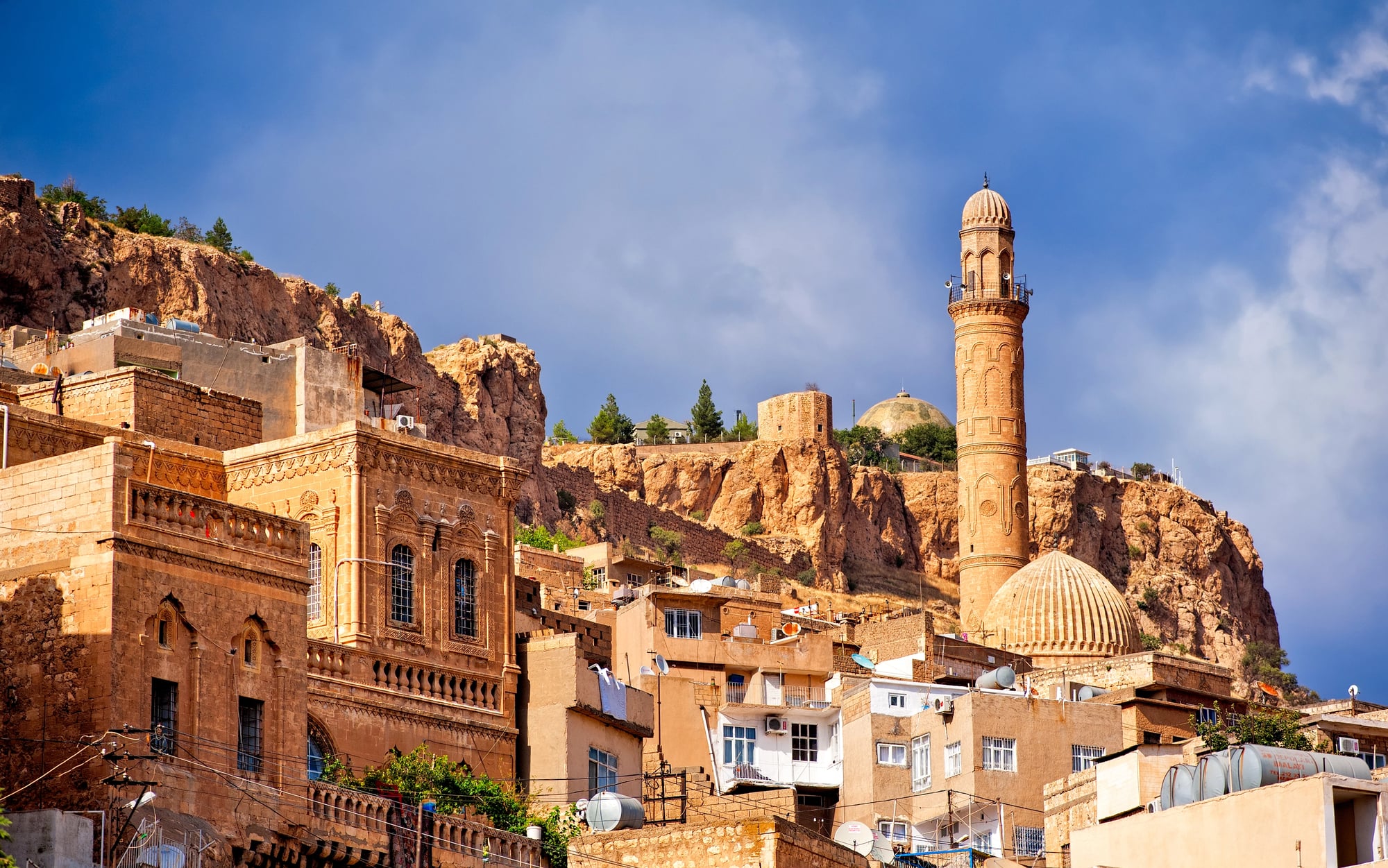
The Akitu festival ran for twelve days each spring in Babylon and was arguably the single most politically significant festival in the ancient Near East. On the fifth day, a sheep was ritually beheaded, its body cast into the river and its head taken into the wilderness as a purification rite.
The Babylonian king was required to kneel before the statue of the god Marduk, be stripped of his royal insignia, and have his ear pulled by a high priest — after which he was slapped across the face. If he wept during this process, it was read as a sign of divine favour.
The Enuma Elish, the Babylonian creation epic, was recited on the fourth night to remind the entire city that order had once emerged from chaos and might do so again.
The festival didn’t merely mark the new year — it ritually recreated the world.
Saturnalia — Festival Of Saturn (Rome, December)
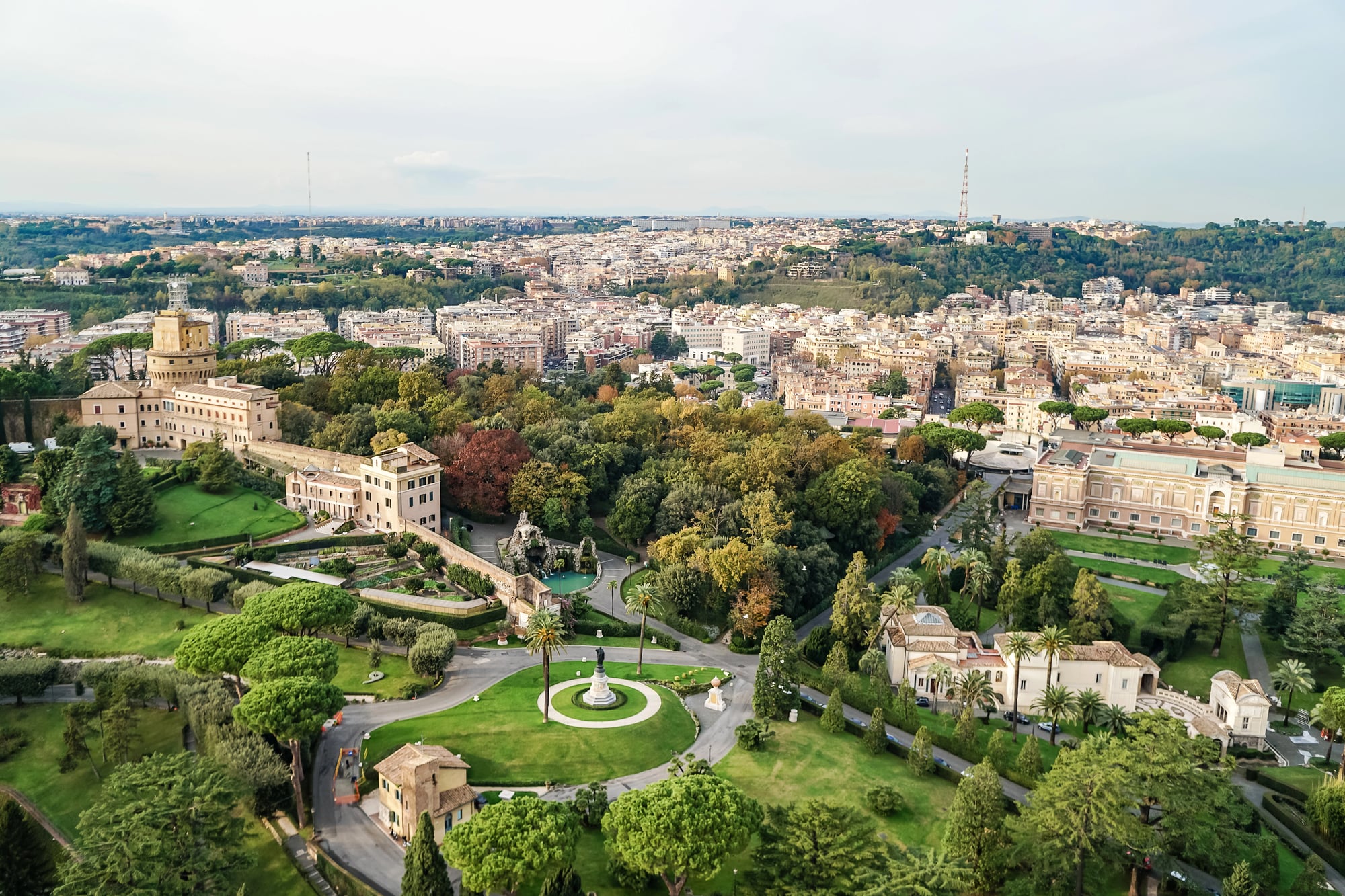
Originally a single day, Saturnalia expanded over the centuries until it consumed the better part of a week. The Roman philosopher Seneca noted with mild exasperation that his neighbours began celebrating well before the official start.
What made Saturnalia remarkable was its inversion of the normal social order: enslaved people ate with their masters, were sometimes waited on by them, and could not be punished during the festival period.
A mock king called the Saturnalicius princeps was elected to preside over the chaos. When Augustus attempted to limit the festival to three days and Caligula extended it to five, the population simply ignored both emperors and celebrated for the full seven.
The tradition of the Lord of Misrule, which persisted through medieval European Christmas celebrations, almost certainly descended directly from Saturnalia.
The Opet Festival (Egypt, New Kingdom Period)
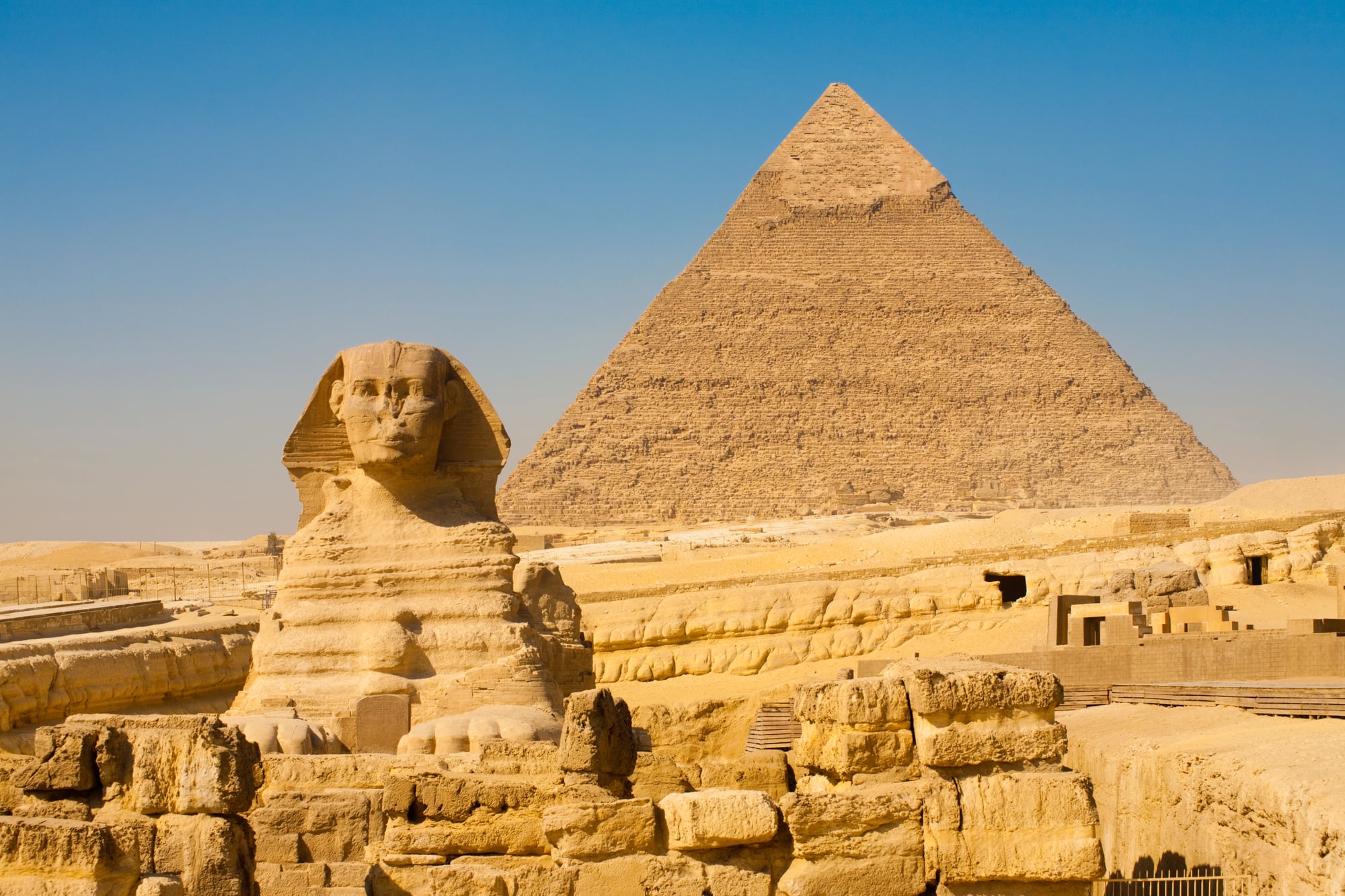
Held annually at Thebes, the Opet Festival stretched across eleven to twenty-seven days depending on the era, with the later New Kingdom pharaohs extending it considerably.
During this period, the sacred barques carrying the statues of Amun, Mut, and Khonsu were transported from the Karnak temple complex to the Luxor temple, travelling either overland or by boat along the Nile.
The journey was accompanied by music, acrobatics, and public feasting. The king entered the innermost sanctuary of the Luxor temple alone, and emerged transformed — his reign spiritually renewed and his divine authority reconfirmed.
The crowds who lined the processional route received food distributed by the temples, which meant the festival also functioned as an annual moment of redistribution in a tightly controlled economy.
The Sed Festival (Egypt, Commemorating Thirty Years Of Rule)
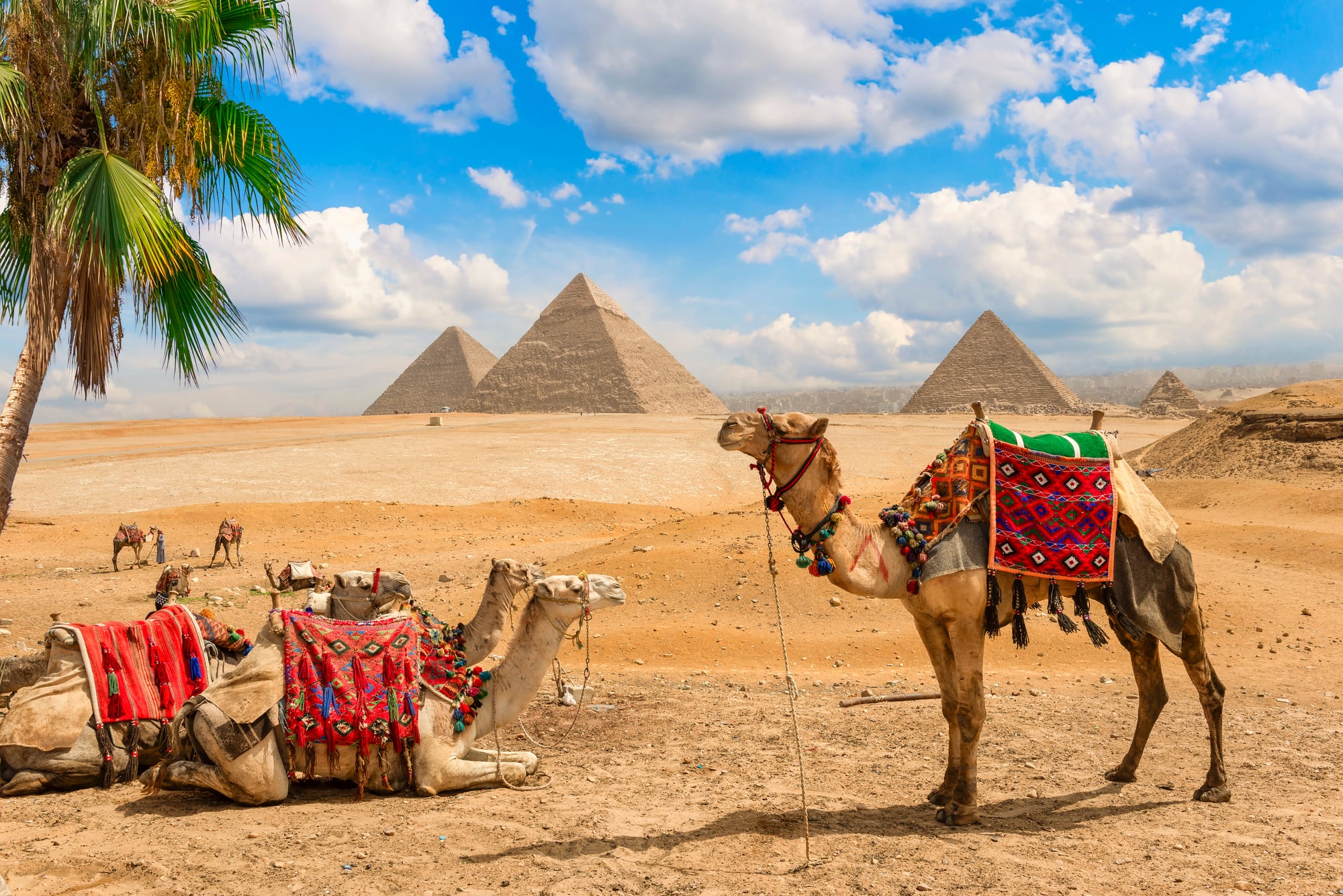
The Sed festival, also called Heb-Sed, was scheduled after a pharaoh had ruled for thirty years, and then at irregular intervals thereafter.
Ramesses II, who ruled for over sixty years, celebrated more than a dozen of them.
The festival was originally thought to have replaced an earlier practice of killing a king who had become too old to rule effectively — the Sed ceremony substituting symbolic death and rebirth for the actual event.
Key rituals included the pharaoh running a ritual course between two sets of boundary markers to demonstrate physical fitness, and the ceremonial raising of the djed pillar.
Akhenaten and Hatshepsut both held Sed festivals ahead of the traditional schedule, which scholars have taken as evidence of political insecurity rather than merely eagerness.
The Great Dionysia (Athens, From C. 534 BCE)
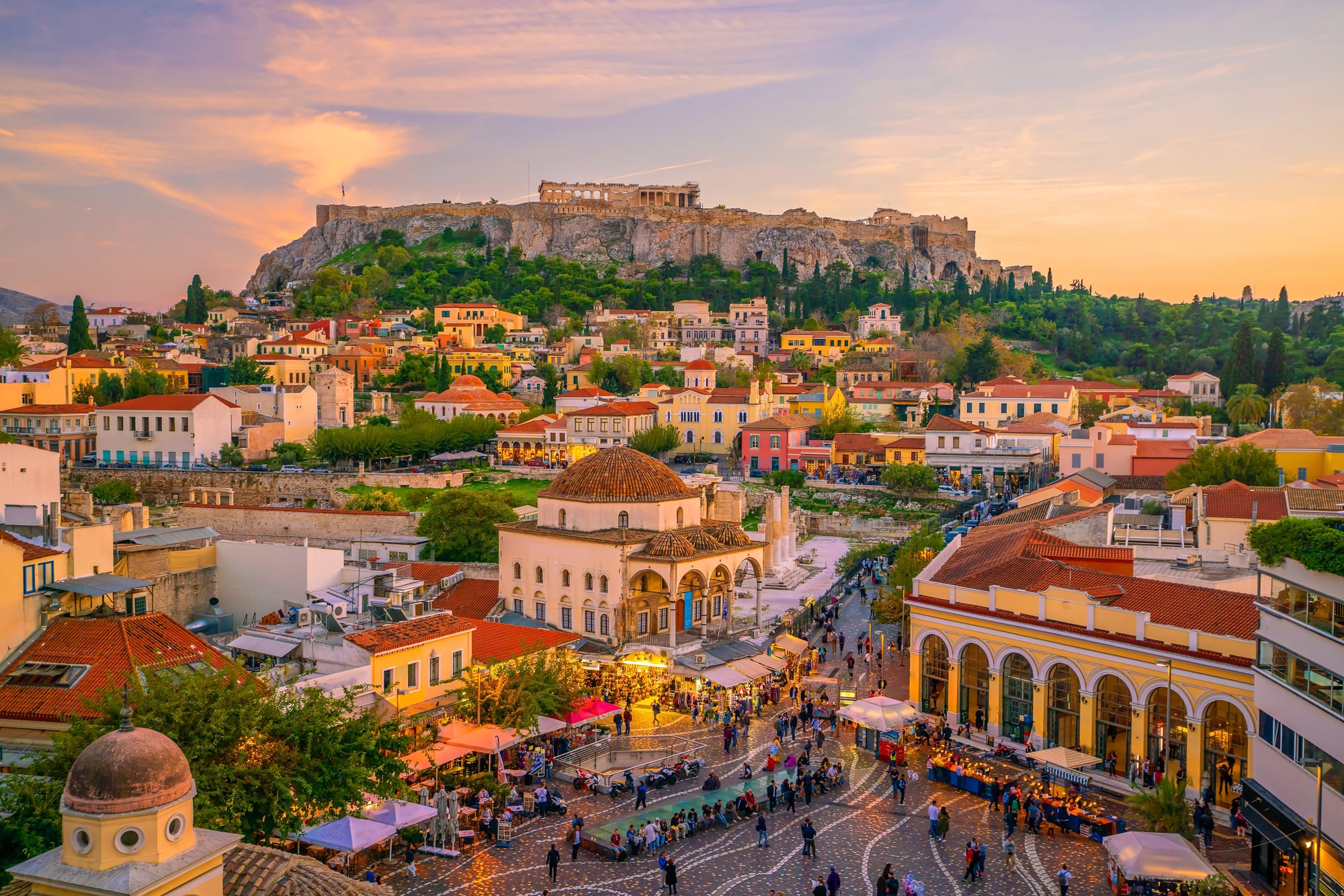
The Great Dionysia lasted five or six days in early spring, but its significance extended well beyond its duration.
Three tragic playwrights competed, each presenting three tragedies and a satyr play — totalling twelve plays performed across consecutive days before enormous public audiences.
Works by Aeschylus, Sophocles, and Euripides received their first performances at the Great Dionysia.
The festival opened with a ceremony in which the tribute payments from Athens’s allied cities were displayed in the theatre — a pointed reminder, before the entertainment began, of the city’s imperial position.
Theatre critics sometimes forget that Greek drama was born inside a religious festival with a strong political dimension.
The plays the Athenians watched were inseparable from the civic occasion that presented them.
The Greater Panathenaia (Athens, Every Four Years)
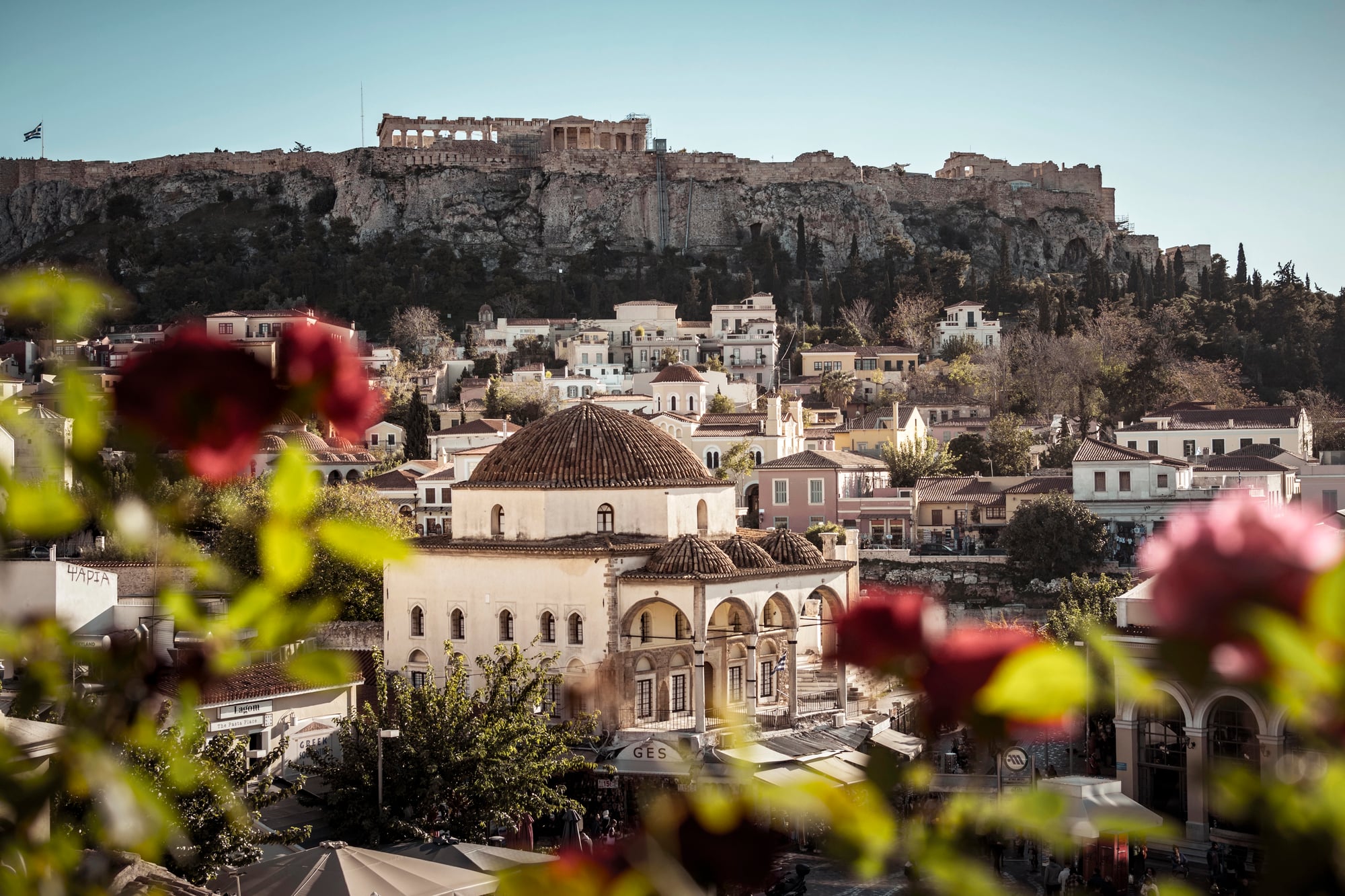
The Greater Panathenaia occupied at least eight days and included athletic competitions, musical contests, recitations of Homeric poetry, torch relay races, and a grand procession up the Acropolis.
The central ritual was the presentation of a new peplos — a robe woven over the preceding months by selected Athenian women — to the ancient olive-wood statue of Athena housed in the Erechtheion.
The Parthenon frieze depicts this procession, though scholars debate whether it represents a specific historical event or an idealised composite.
The games were prestigious enough that winners received amphoras of olive oil, sometimes hundreds of them, worth substantial fortunes.
Athletes and musicians came from across the Greek world to compete.
The Thesmophoria (Greece, For Married Women)
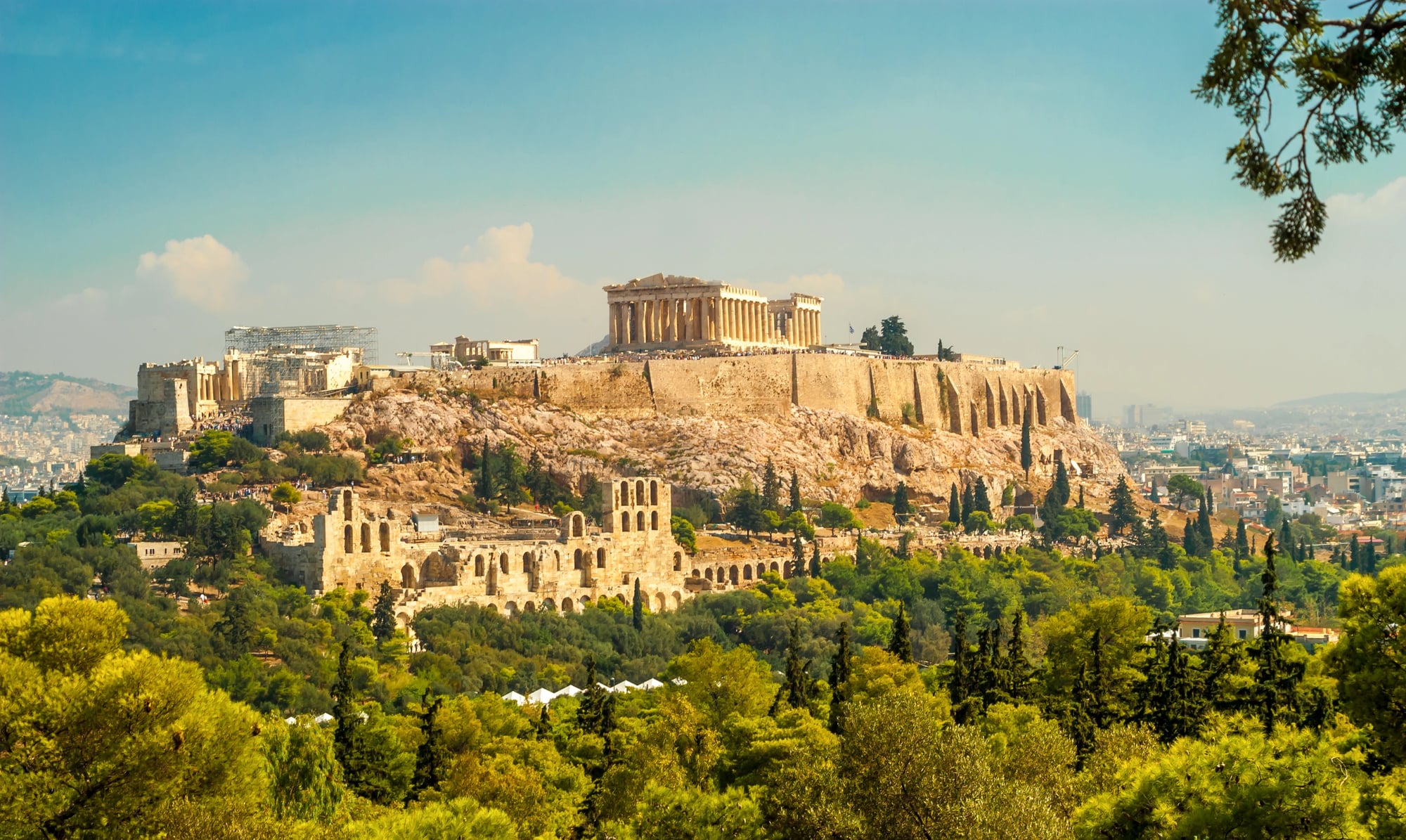
Held over three days in most cities but extending to ten days in Syracuse, the Thesmophoria was one of the most widely observed festivals of the ancient Greek world — and one of the least documented, because men were excluded from its rituals and evidently found this exclusion genuinely troubling.
The festival honoured Demeter and Persephone and involved several days of strict fasting, the retrieval of decomposed pig remains that had been deposited in underground pits during a prior ceremony, and rites believed to ensure agricultural fertility.
Aristophanes parodied it in his comedy Thesmophoriazusae, which reveals more about male anxiety concerning the festival than about its actual content.
The secrecy of the rites was so effectively maintained that modern scholars still debate many of the specifics.
The Eleusinian Mysteries (Attica, Nine Days)
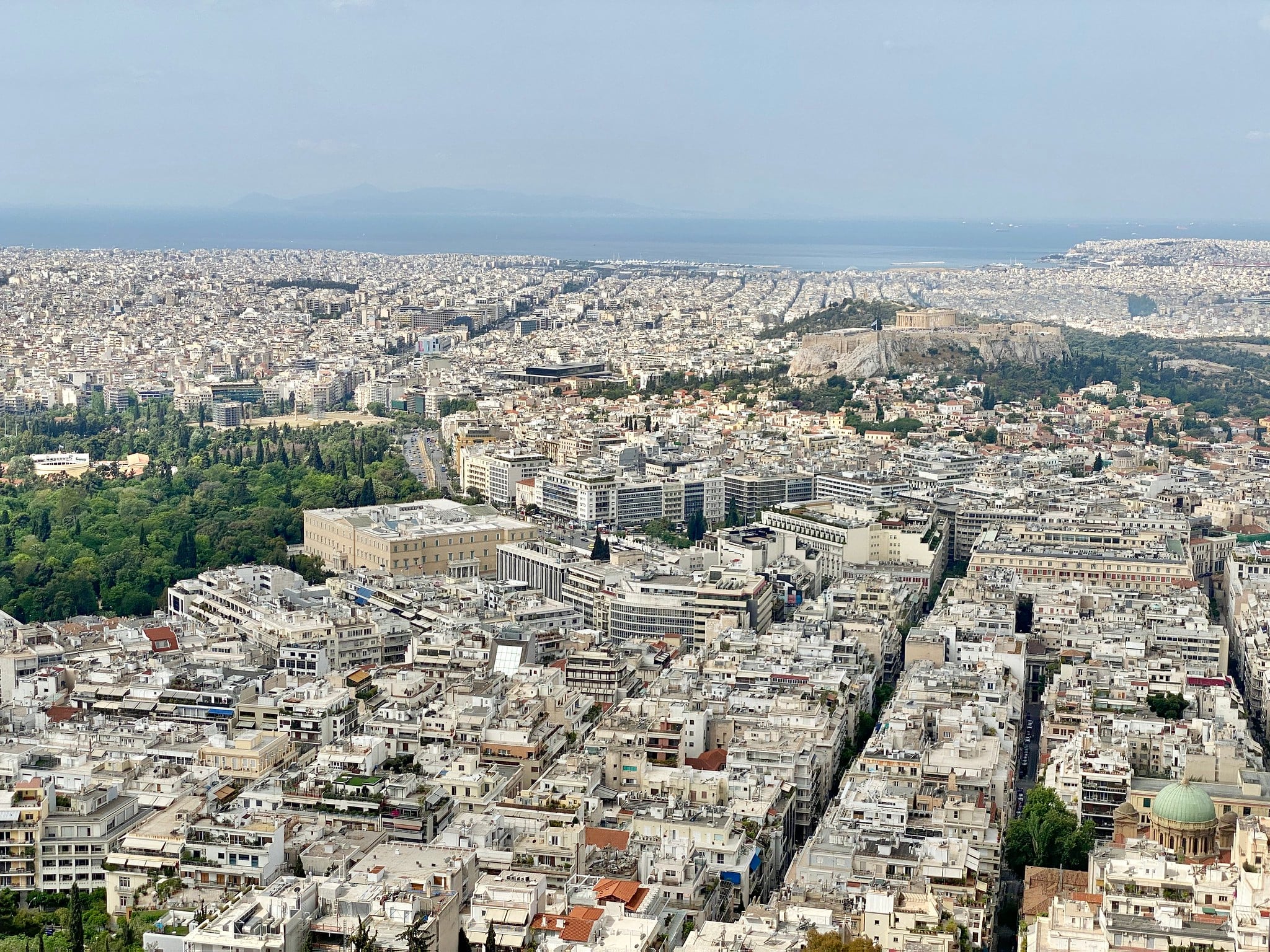
Held annually in the month of Boedromion (September–October), the Eleusinian Mysteries were technically a nine-day initiation process but in practice drew participants from across the Mediterranean world, some of whom had travelled for weeks to attend.
The preliminary ceremonies were held in Athens before the initiates walked in procession fourteen miles to Eleusis, arriving after dark.
What happened inside the sanctuary was, famously, never written down — the penalty for revealing the Mysteries was death, and the secrecy held for nearly two thousand years.
What is known is that initiates emerged reporting a transformation that had permanently altered their understanding of death.
The Roman orator Cicero, not a credulous man, wrote that the Mysteries had taught Athens to civilise the rest of humanity.
Inti Raymi — Festival Of The Sun (Inca Empire)
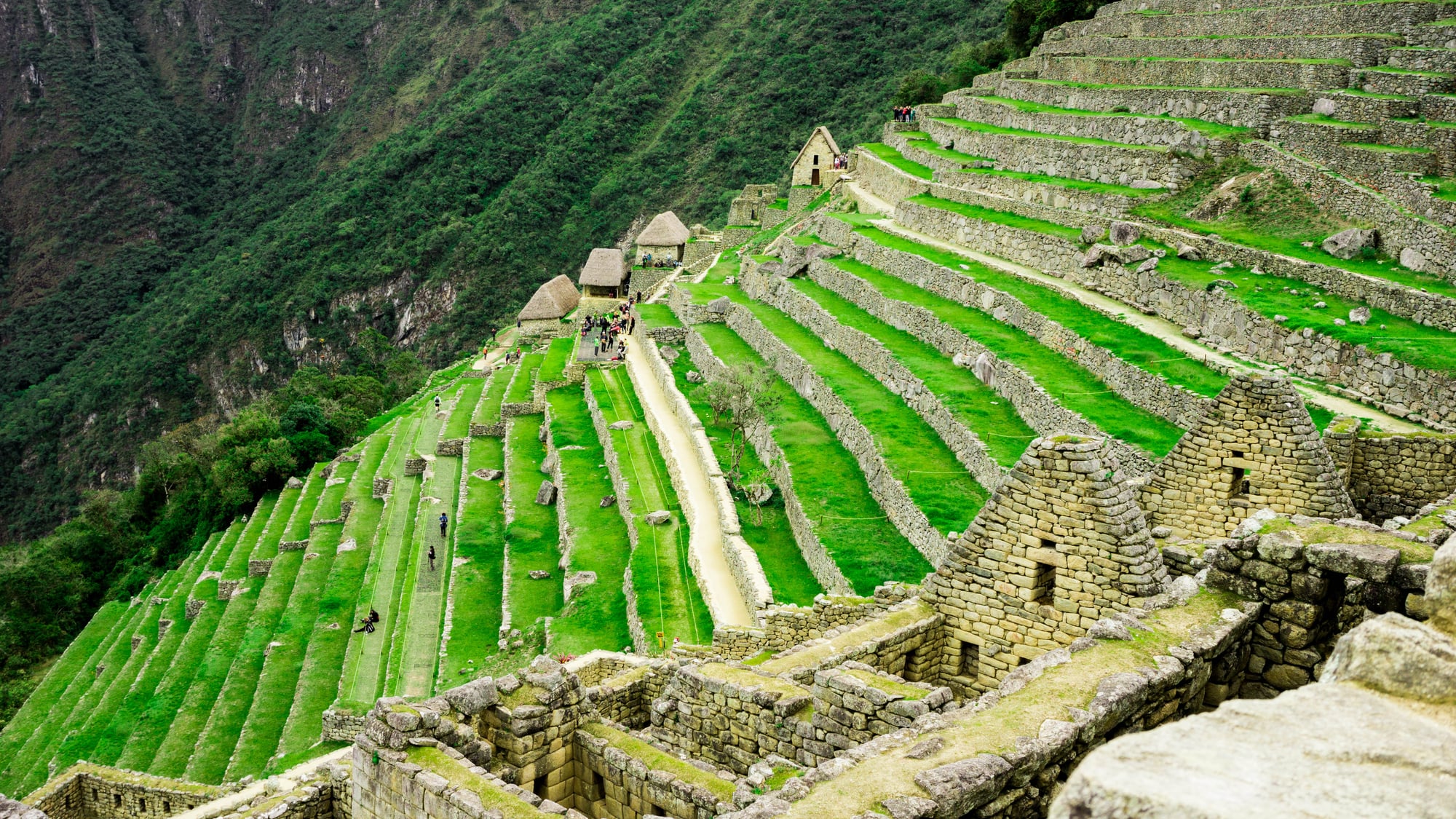
The Inti Raymi, held at the winter solstice, formally lasted nine days but was preceded and followed by weeks of preparation and concluding ceremonies that made the total period of celebration considerably longer.
Three daily sacrifices of camelids were made throughout the surrounding month at sacred sites across the Cusco region, while priests offered baskets of coca and figurines at points along the empire’s ritual landscape.
The Inca emperor, accompanied by the mummified remains of his predecessors, presided over a ceremony in Cuzco’s main plaza.
Spanish colonisers banned the festival in 1572, but it was revived in 1944 and is now held annually on June 24th in Cusco with hundreds of performers.
Nawruz — Persian New Year (Persia, From C. 550 BCE)
Nawruz, marking the spring equinox, predates the Achaemenid Persian Empire and may be several thousand years older than its first recorded observation.
At the Persian court, the new year period extended across several weeks, with the major celebrations concentrated in the first thirteen days.
Delegations from across the empire brought tribute to the king at Persepolis during this period, as depicted in relief carvings that line the Apadana staircase.
The gifts included everything from Nubian gold to Bactrian camels.
Nawruz survived the fall of the Achaemenid, Parthian, and Sassanid empires, the Arab conquest of Persia, and the subsequent Islamisation of the region.
It remains observed today across a vast swath of the world stretching from the Balkans to Central Asia.
The Sed Festival Of Amenhotep III (Egypt, C. 1353 BCE)
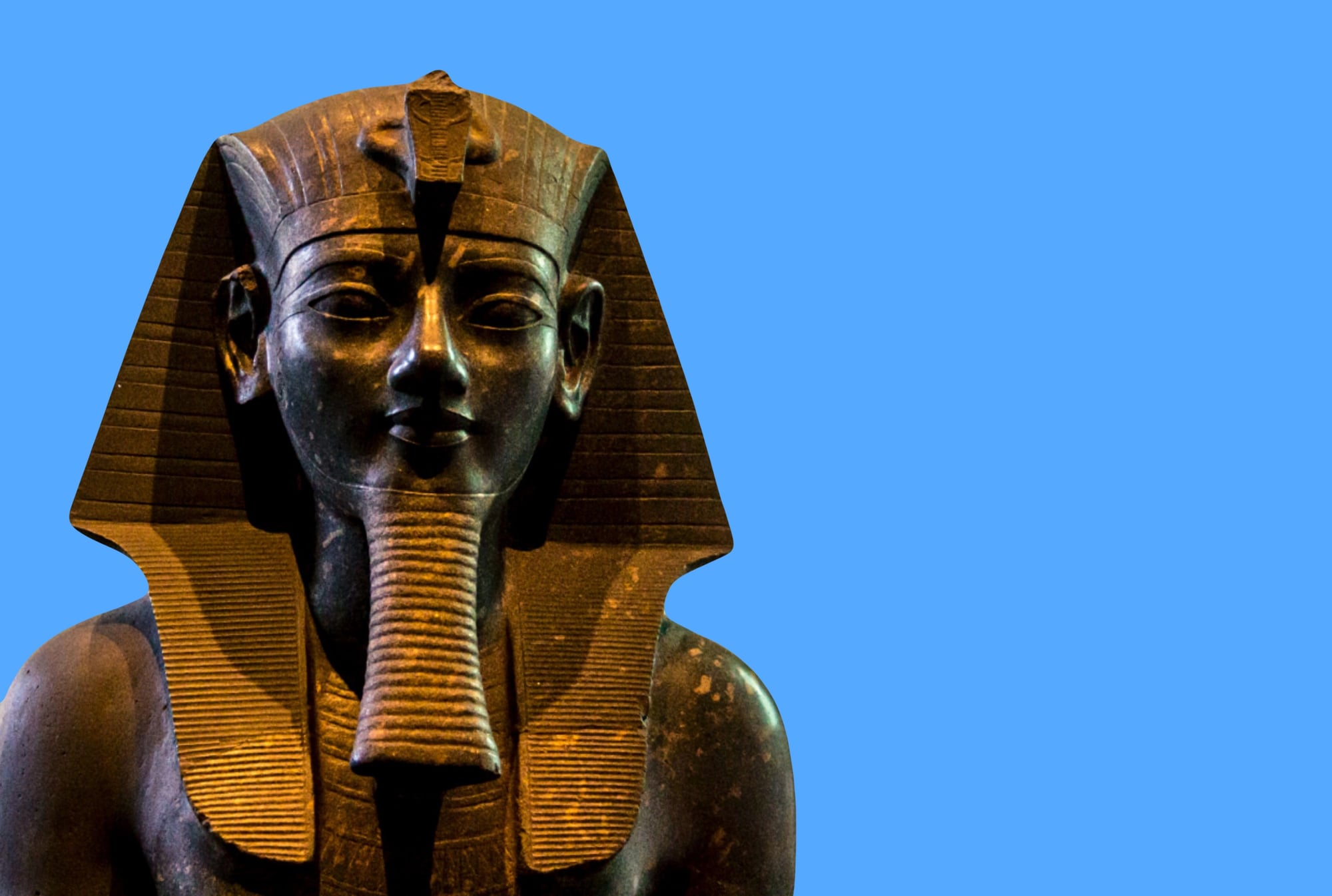
While the Sed festival has its own entry above, the specific celebrations of Amenhotep III deserve separate mention.
He held three Sed festivals during his reign, constructing an artificial lake at his Malkata palace complex to serve as the setting for the boat procession that was central to the ritual.
The lake, excavated in the late nineteenth century, measured roughly 1.5 kilometres long by half a kilometre wide — built specifically for a ceremony.
This tells you something about the scale at which ancient Egyptian festivals could be conducted when the political will and resources existed.
The Roman Ludi (Rome, Various Months)
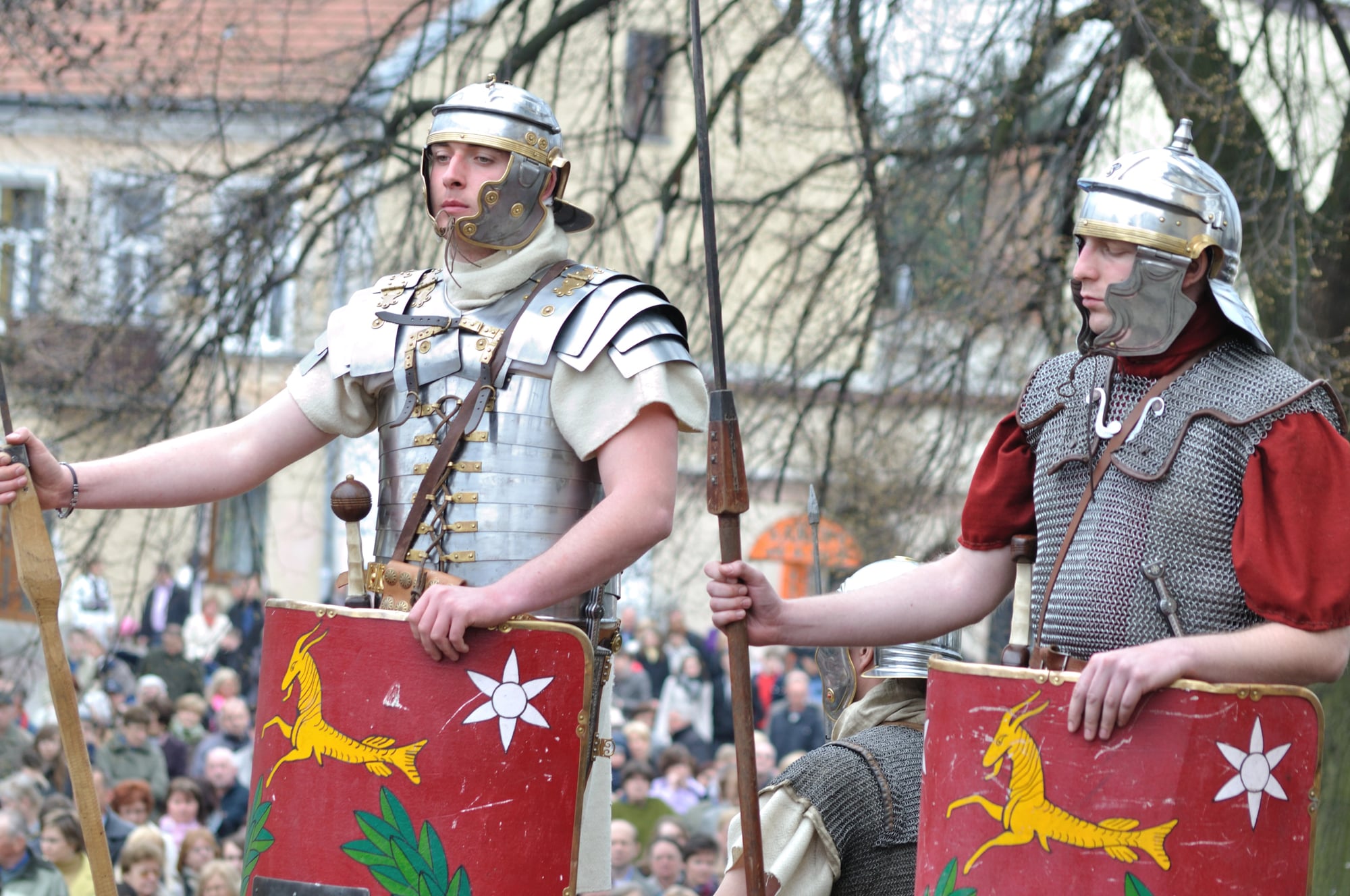
The Roman ludi — public games — grew from a single day in the mid-Republic to over sixty days per year by the end of the first century BCE.
The Ludi Romani alone occupied fifteen days in September.
The Ludi Megalenses, Florales, Apollinares, and Plebeii added further tranches across the calendar.
These were not optional: attendance was a civic duty.
The games included chariot racing at the Circus Maximus, theatrical performances, gladiatorial combat, and, during the Floralia, theatrical events of a notably uninhibited character.
Julius Caesar added further games to celebrate his military victories.
By the imperial period, Roman citizens spent roughly a third of the year watching official public entertainment, a fact that concerned moralists without noticeably reducing attendance.
The Aztec Veintena System (Mesoamerica)
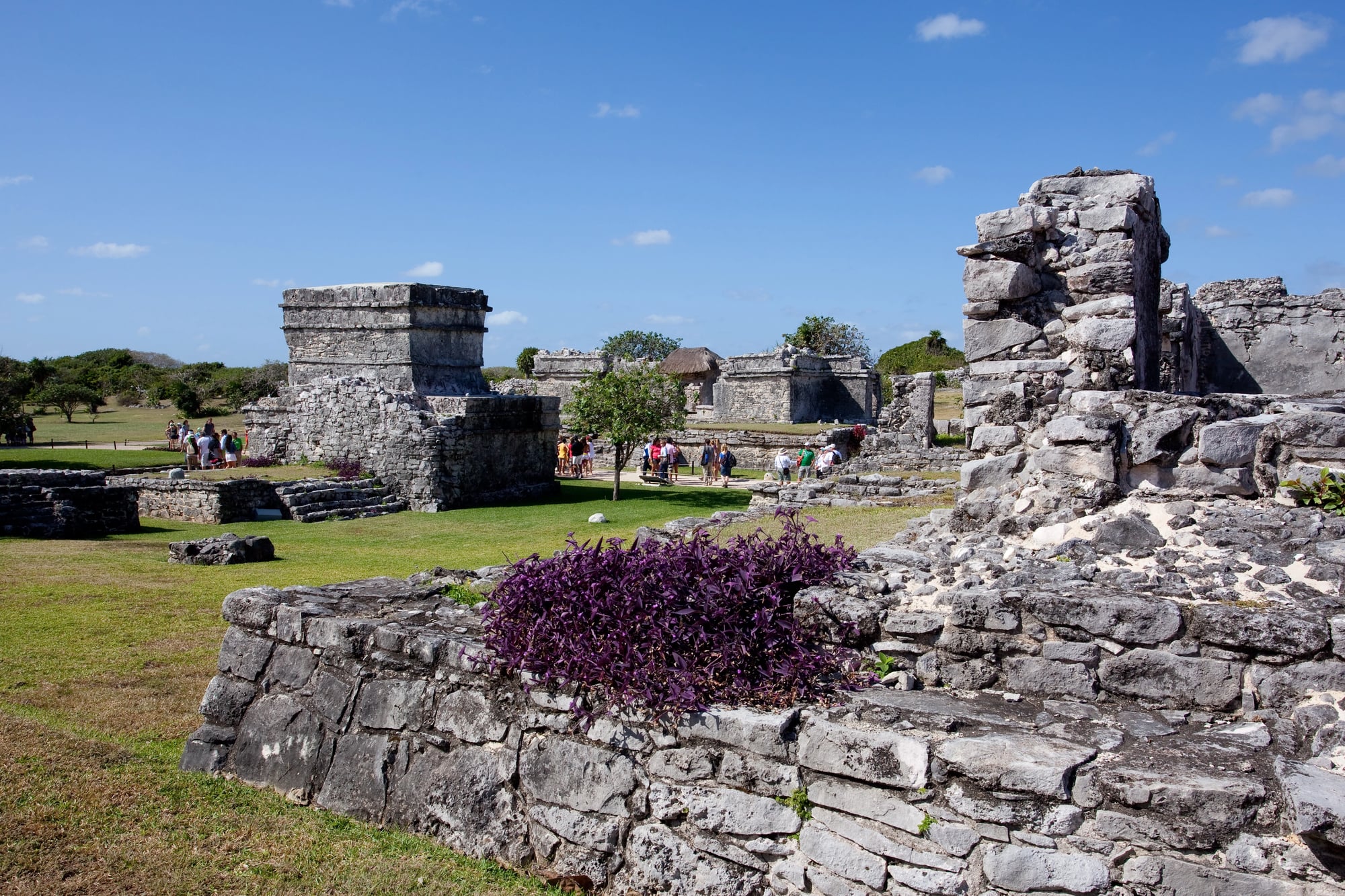
The Aztec ritual calendar divided the solar year into eighteen months of twenty days each, with each month accompanied by a specific festival dedicated to specific deities.
Rather than individual celebrations scattered across a calendar, the Aztec system was almost continuous — one festival ending as preparations for the next began.
The Panquetzaliztli, held in the month corresponding to late November or December, lasted twenty days and included great processions, paper banners hung across the city, and rituals at the Templo Mayor.
The Toxcatl festival, similarly twenty days in duration, involved the sacrifice of a young man who had spent the previous year living as the embodiment of the god Tezcatlipoca — housed in luxury, given four beautiful wives, and treated as divine before being killed on the festival’s final day.
The Celtic Samhain (Ireland And Britain, Late October)
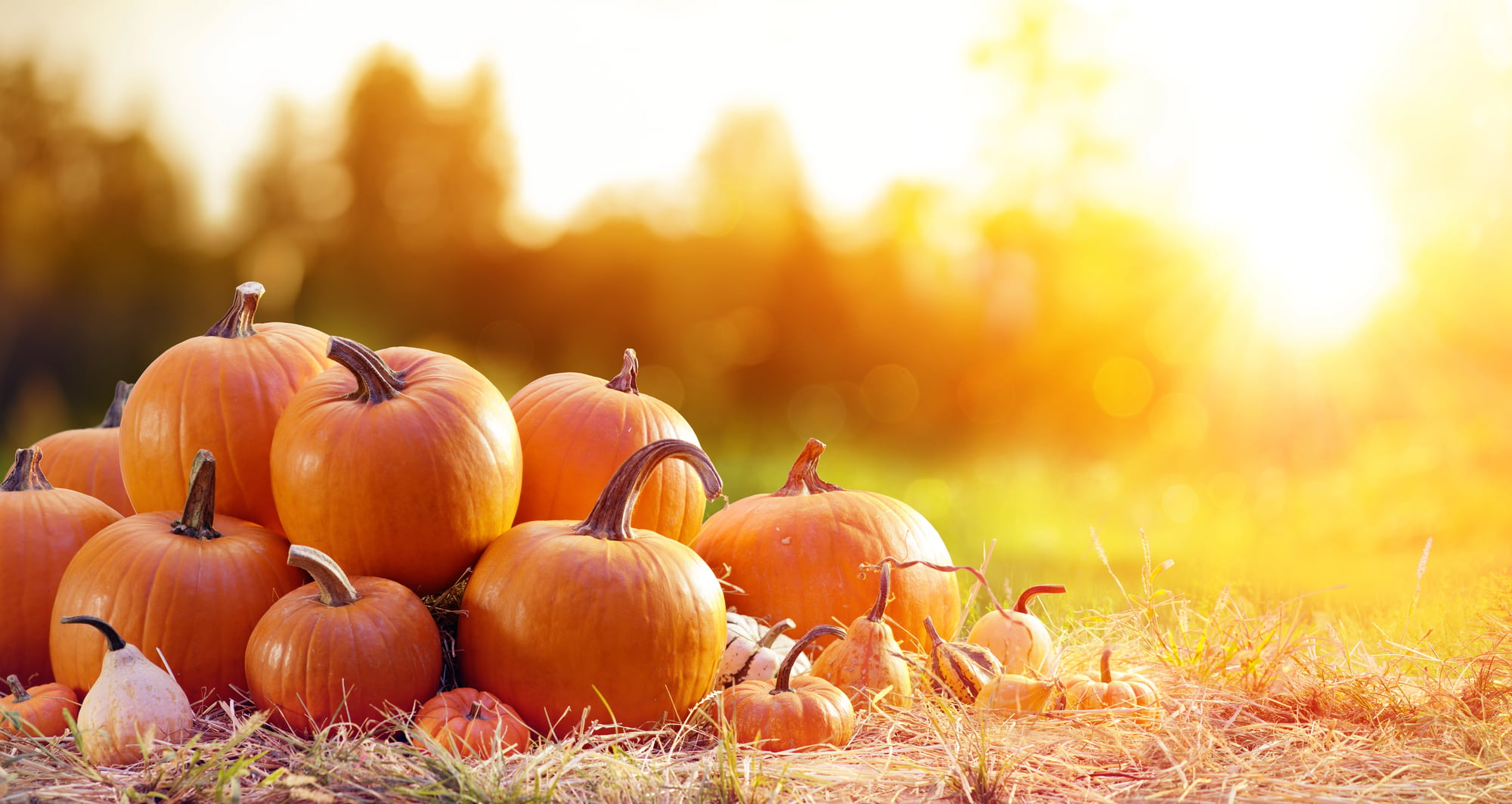
Samhain marked the end of the harvest season and the beginning of winter and occupied a period of three days on either side of what is now November 1st, with the boundary between the worlds of the living and the dead considered especially permeable throughout.
Livestock were slaughtered and provisions stored for winter. Ritual bonfires were lit on hilltops.
The bones of slaughtered animals were cast into the fires — the term “bonfire” derives from the Old English “bone fire.”
The feast that followed was communal, and the presence of the dead was considered real rather than metaphorical.
Samhain was the most spiritually significant of the four major Celtic seasonal festivals and was later absorbed, in modified form, into the Christian calendar as All Hallows Eve.
The Hindu Festival Of Navaratri (India)
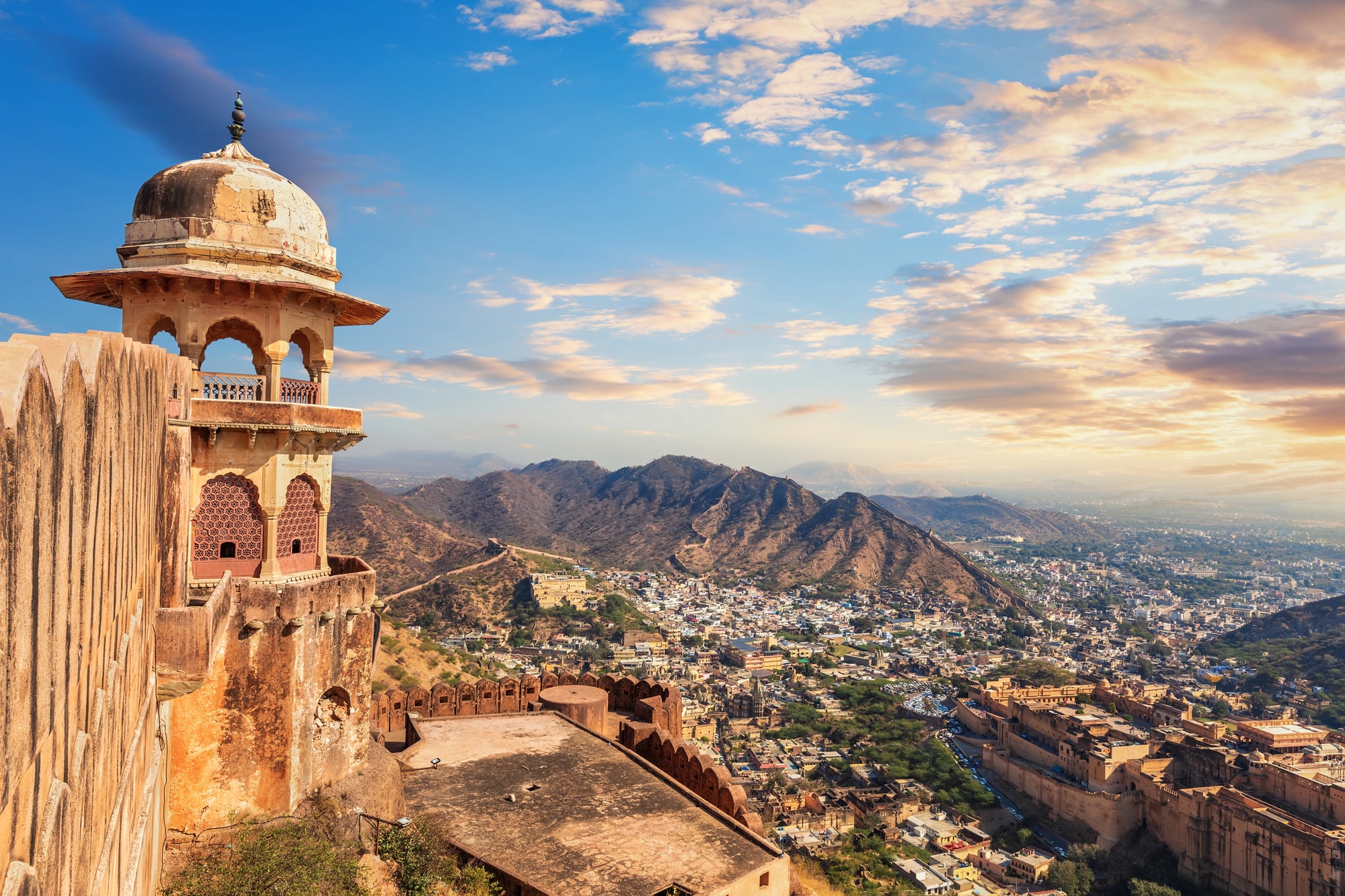
Navaratri — meaning “nine nights” — is one of the oldest documented festivals in the Indian subcontinent, with its origins traceable through the earliest Sanskrit texts.
The festival honours the goddess Durga across nine consecutive nights, with different manifestations of the deity worshipped on successive days.
Regional variations are pronounced enough that the Navaratri observed in Gujarat, where mass communal dancing continues through the night, looks almost nothing like the version observed in Bengal, where elaborate clay statues are paraded through cities before being immersed in rivers at the festival’s conclusion.
The tenth day, Vijayadashami, has been used for millennia as an auspicious occasion for beginning new ventures, starting education, or opening military campaigns.
The Japanese Gion Matsuri (Kyoto, From 869 CE)
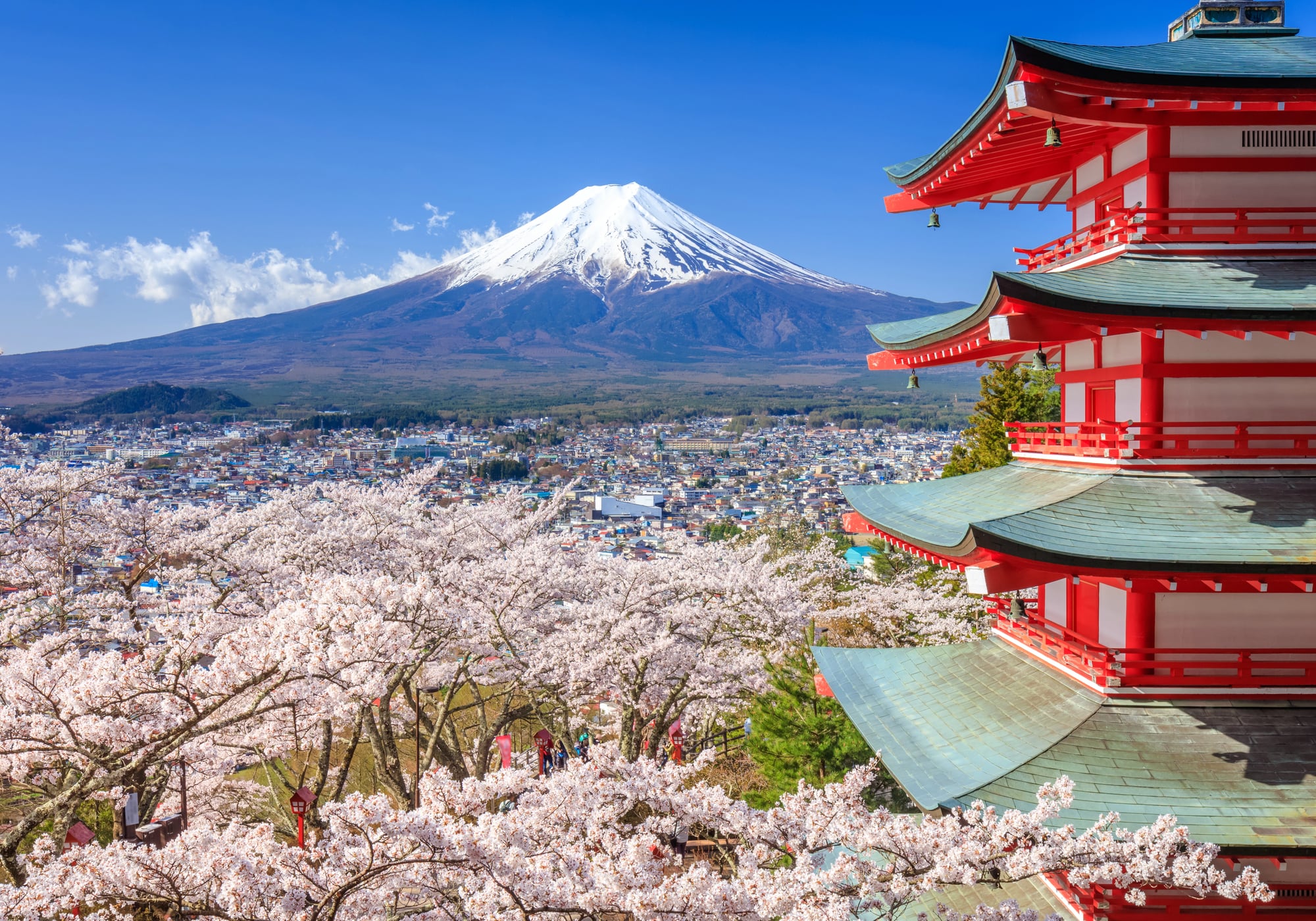
The Gion Matsuri originally lasted seven days but has expanded to fill the entire month of July in its current form.
It began as a purification ritual following a devastating plague, with sixty-six ceremonial halberds erected in Shinsen-en garden to represent the sixty-six provinces of Japan.
The massive festival floats — the yamaboko — are among the most technically demanding wooden constructions in Japanese traditional craft, assembled without nails using a centuries-old joinery system.
The floats carry musicians who play the distinctive Gion hayashi music continuously during the processions.
Kyoto essentially reorganises itself around the festival for the entire month, with the elaborate pre-parade ceremonies nearly as important as the procession itself.
The Roman Floralia (Late April To Early May)
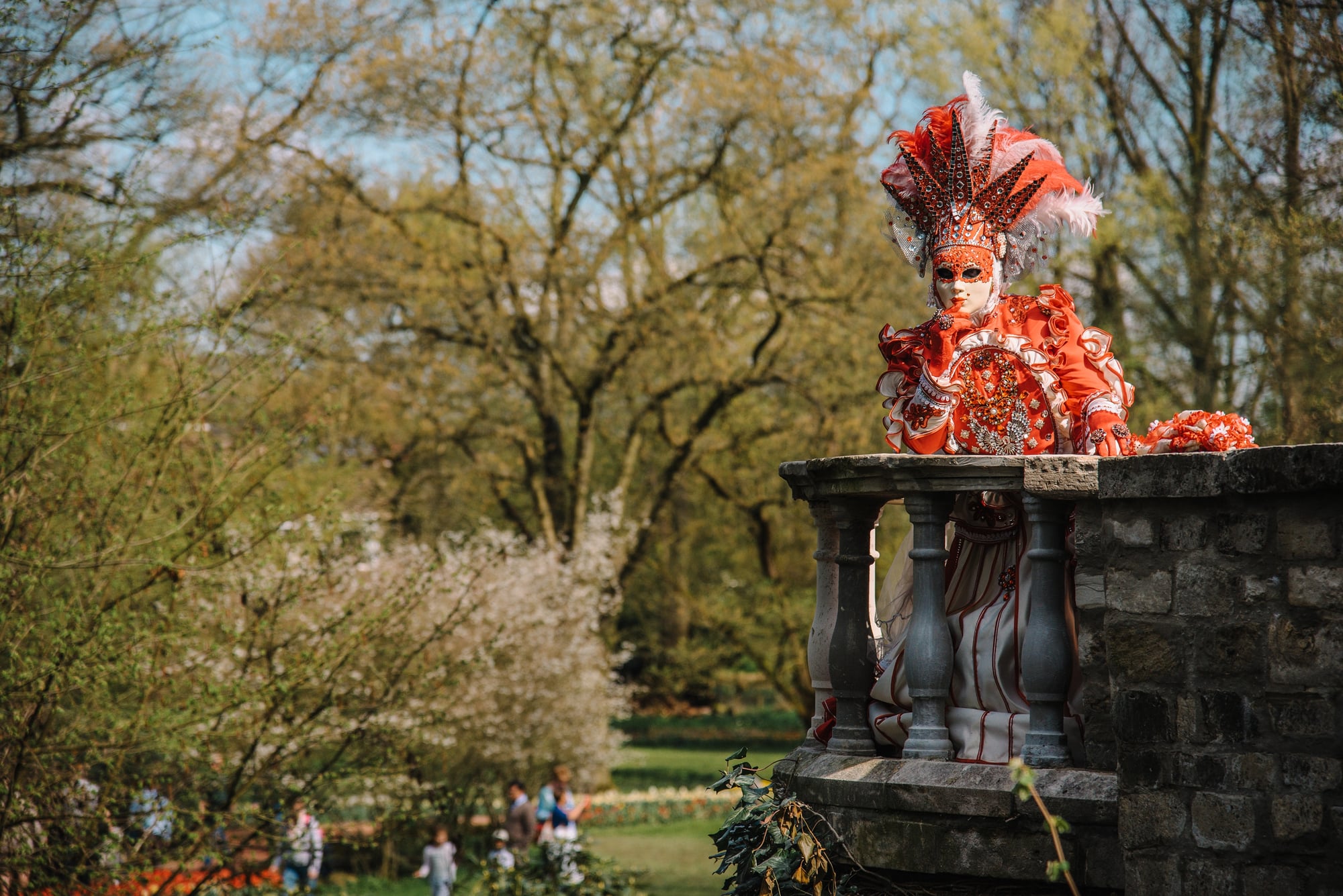
The Floralia lasted six days and was held in honour of Flora, goddess of flowers and spring.
It was notable for being explicitly theatrical in ways that contrasted sharply with more decorous Roman religious occasions — Seneca refused to attend, and Roman moralists generally treated it with distaste.
When the audience at a theatrical performance during the Floralia requested that a mime actress remove her costume, the senator Cato, who happened to be in attendance, reportedly left the theatre — which prompted the audience to beg him to come back so that the performance could resume.
Whether this story is true or embellished, it illustrates the festival’s reputation.
Hares and goats were released into the theatre as symbols of fertility, and the games ended with five days of chariot racing.
The Aztec Tlaxochimaco (Mesoamerica, August)
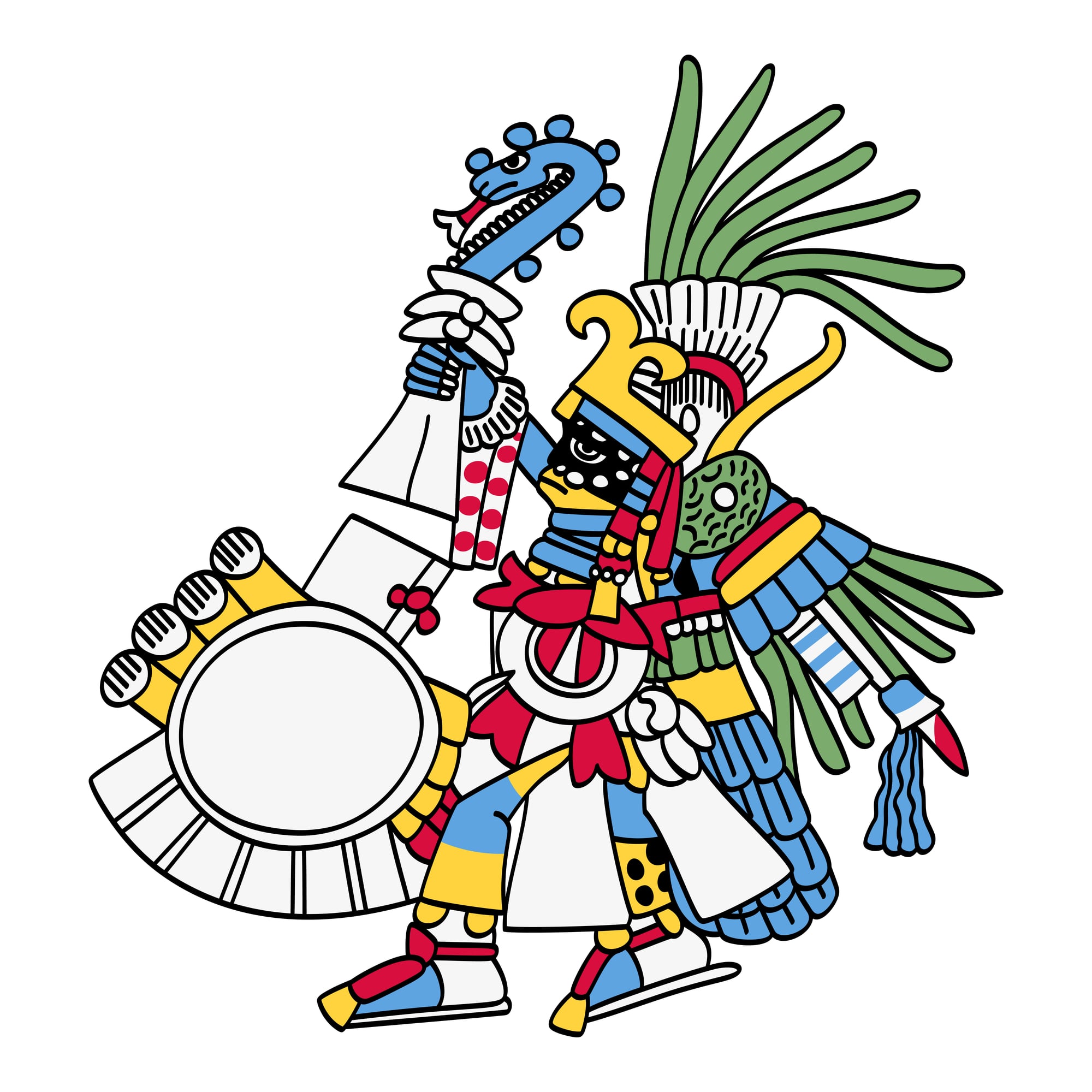
This twenty-day festival was dedicated to Huitzilopochtli, the Aztec god of war and the sun, and involved the ceremonial gathering of flowers over many days, the fashioning of elaborate floral arrangements that adorned the statues of deities, and feasting that extended across the entire period.
The Spanish friar Bernardino de Sahagún documented this and other Aztec festivals in extraordinary detail in the sixteenth century, producing a record that remains the primary source for understanding the Aztec ceremonial calendar.
His account makes clear that the twenty-day month was not simply a unit of time but an integrated package of ritual obligation — everything that needed to happen in a given month happened within it.
The Egyptian Wepet-Renpet (Egypt, New Year’s Day Festival)

Wepet-Renpet marked the Egyptian New Year, tied to the heliacal rising of the star Sopdet (Sirius) and the onset of the Nile flood.
The associated celebrations extended across several days.
The Festival of Drunkenness, held in the same period, commemorated the myth of the Eye of Ra — a version of Hathor who had gone on a destructive rampage and was pacified by being tricked into drinking vast quantities of red-coloured beer.
The festival was observed with communal drinking on a scale the ancient sources describe as staggering, music, and rituals intended to appease a goddess who could, in the mythology, destroy humanity without apparent difficulty.
The logic was essentially preventive: celebrate wildly enough, and nothing terrible happens.
The Roman Parentalia (February)
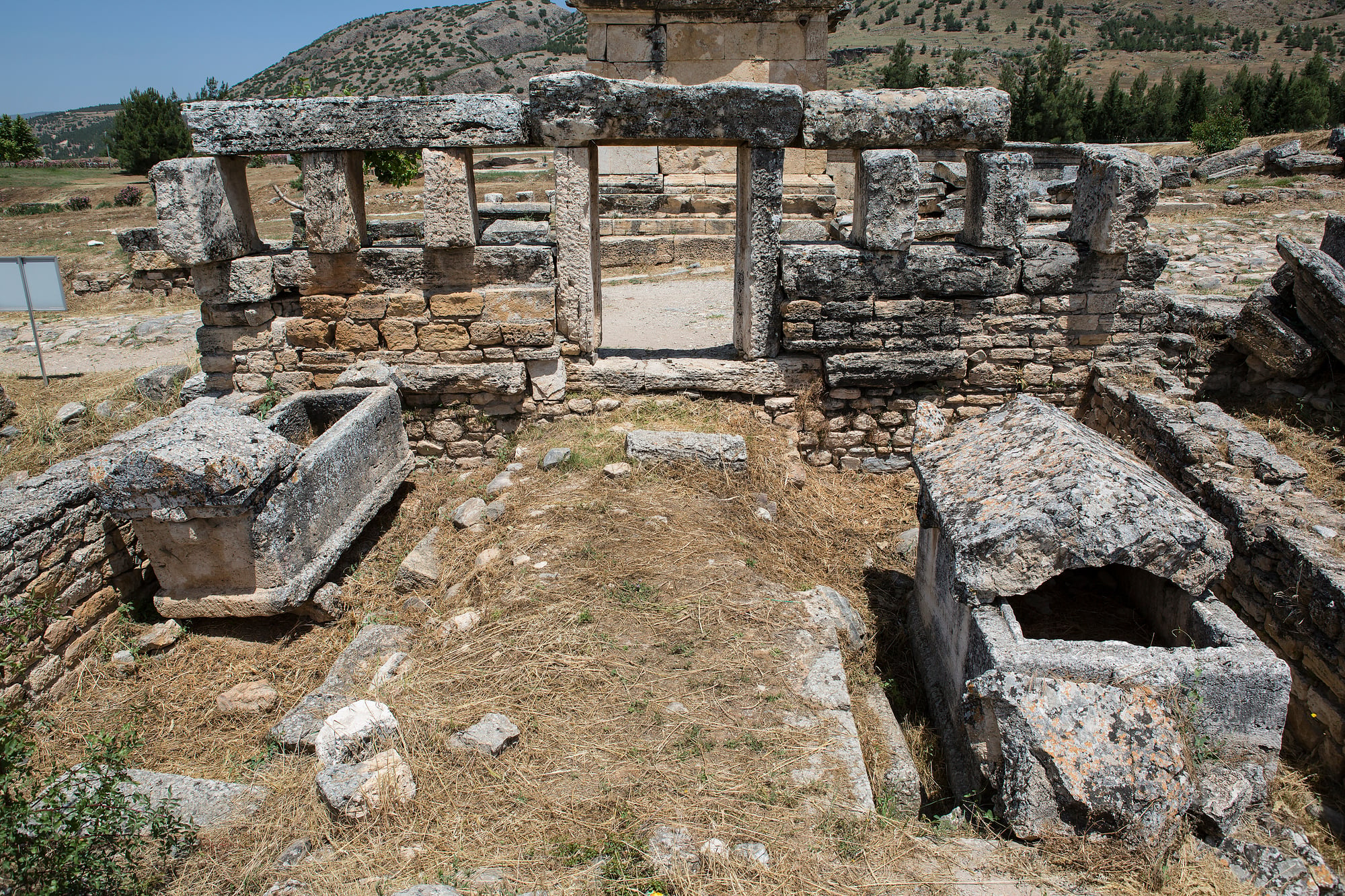
The Parentalia was a nine-day festival honouring the dead ancestors of Roman families, running from February 13th to 21st.
During this period, temples were closed, marriages could not be conducted, and magistrates did not wear their insignia of office.
Families visited tombs and left offerings of wine, milk, honey, oil, and garlands of flowers.
The final day, the Feralia, was a public ceremony of closure.
The following day, February 22nd, marked the Caristia — a family reunion at which the living members ate together and resolved disputes.
The sequence moved from public mourning for the dead to active reconciliation among the living, which suggests a sophisticated understanding of what grief ceremonies were actually for.
The Mesopotamian Zagmuk (Sumer, C. 3000 BCE)
Zagmuk, a Sumerian predecessor of the Babylonian Akitu, ran for twelve days and was one of the earliest documented new year festivals anywhere in the world.
Like the later Akitu, it centred on the struggle of the chief deity against the forces of chaos, and the king was required to participate in rituals that reaffirmed his divine mandate.
The twelve-day structure of the celebration is thought by some historians to have influenced later festival traditions including, indirectly, the twelve days of Christmas in the European tradition, though this connection is contested.
The Celtic Imbolc (Ireland And Scotland, Early February)

Imbolc marked the first stirrings of spring in the Celtic calendar and occupied a period around February 1st, with rituals extending across several days.
The festival was associated with the goddess Brigid and with the purification of the land after winter.
Fires were lit. Straw figures of Brigid — the Brideog — were carried from house to house.
The first ewes began to produce milk at this time of year, providing the most concrete sign that the hardest part of winter had passed.
When Christianity converted the Celtic territories, Imbolc became Saint Brigid’s Day, observed on February 1st — one of the more direct survivals of pre-Christian observance into the Christian calendar.
The Great City Dionysia Dramatic Competitions (Athens, Continued)
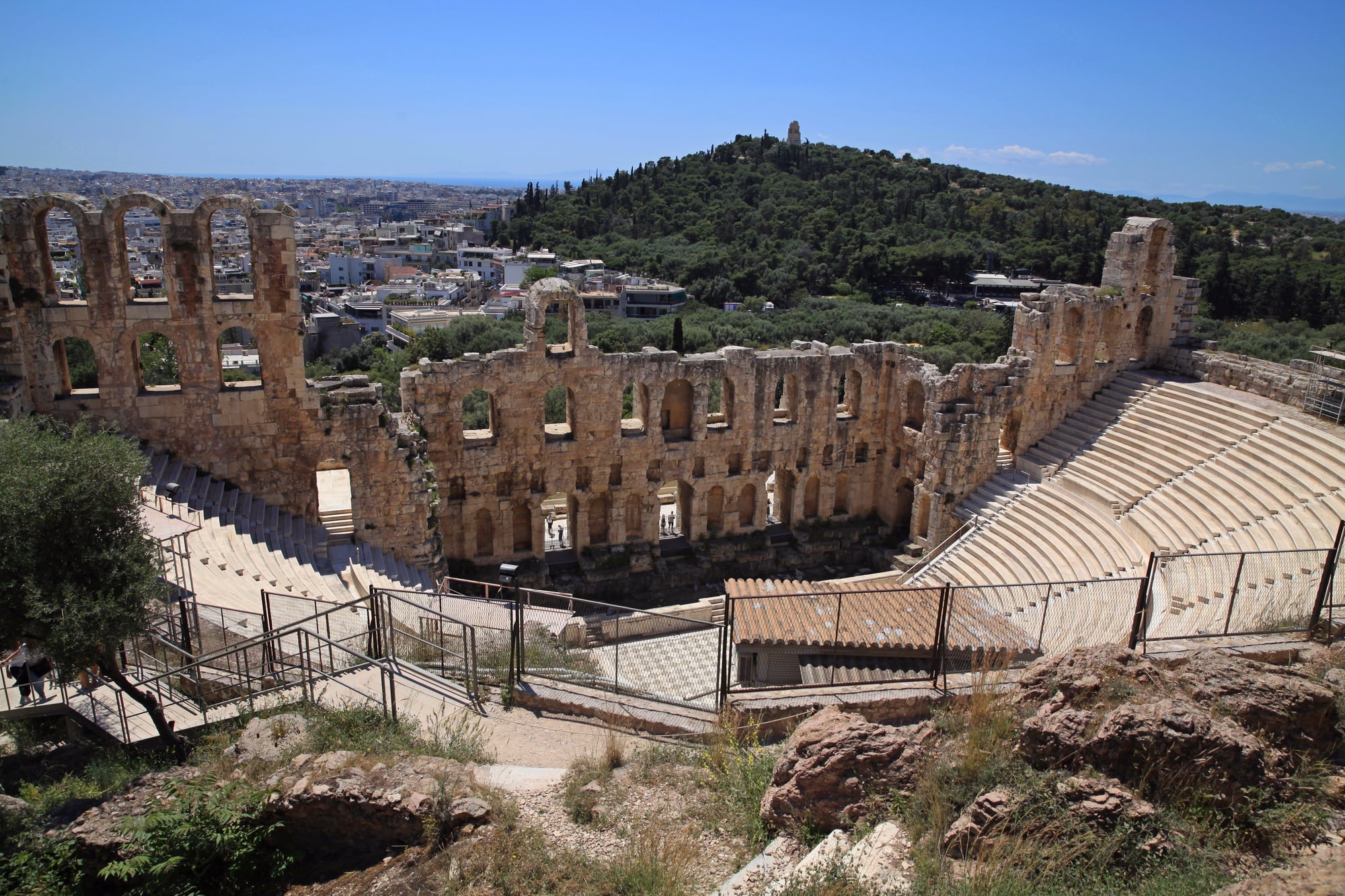
What distinguished the Great Dionysia from purely religious festivals was its competitive structure.
Three playwrights were selected by the city’s chief magistrate to present their work, and a panel of judges selected by lot awarded prizes at the festival’s conclusion.
The audience numbered in the tens of thousands.
Foreign visitors attended as official guests.
The works produced for this festival constitute the entire surviving canon of ancient Greek tragedy.
Every play by Sophocles, Aeschylus, and Euripides that still exists was written for competition at the Great Dionysia — making the festival not just a cultural event but the specific occasion responsible for the survival of an entire literary tradition.
The Norse Dísablót (Scandinavia, Late Winter)

The Dísablót was a Scandinavian festival held in late winter, dedicated to female spirits called the Dísir, who were associated with fertility, fate, and the protection of the family.
It involved sacrifice and communal feasting and extended across several days.
In Sweden, a related fair — the Disting — grew up around the festival and persisted well into the medieval period, suggesting that the annual gathering for ritual purposes also served commercial and social functions.
Uppsala was a major centre for these celebrations.
Adam of Bremen, writing in the eleventh century, described the Uppsala festival with a mixture of fascination and horror that tells the modern reader more about his own perspective than about the actual ceremony.
The Carnival Tradition (Venice And Wider Europe, From Medieval Period Onward)

Venetian Carnival as formalised in the medieval period ran for weeks, beginning on December 26th and ending at midnight on Shrove Tuesday — a period that in some years exceeded six weeks.
During this time, the wearing of masks was not merely permitted but expected, and the legal latitude extended to behaviour that would otherwise have been criminal.
Venetian authorities used the mask as a way of managing social tension: if the rigid class hierarchies of the city were occasionally scrambled, and if regulated excess replaced unregulated insurrection, the system held.
The masks themselves were subject to strict rules — certain masks were forbidden to members of the clergy, and masks could not be worn inside churches — which tells you something about the careful architecture of officially sanctioned subversion.
The Chinese Lantern Festival (China, From The Han Dynasty)
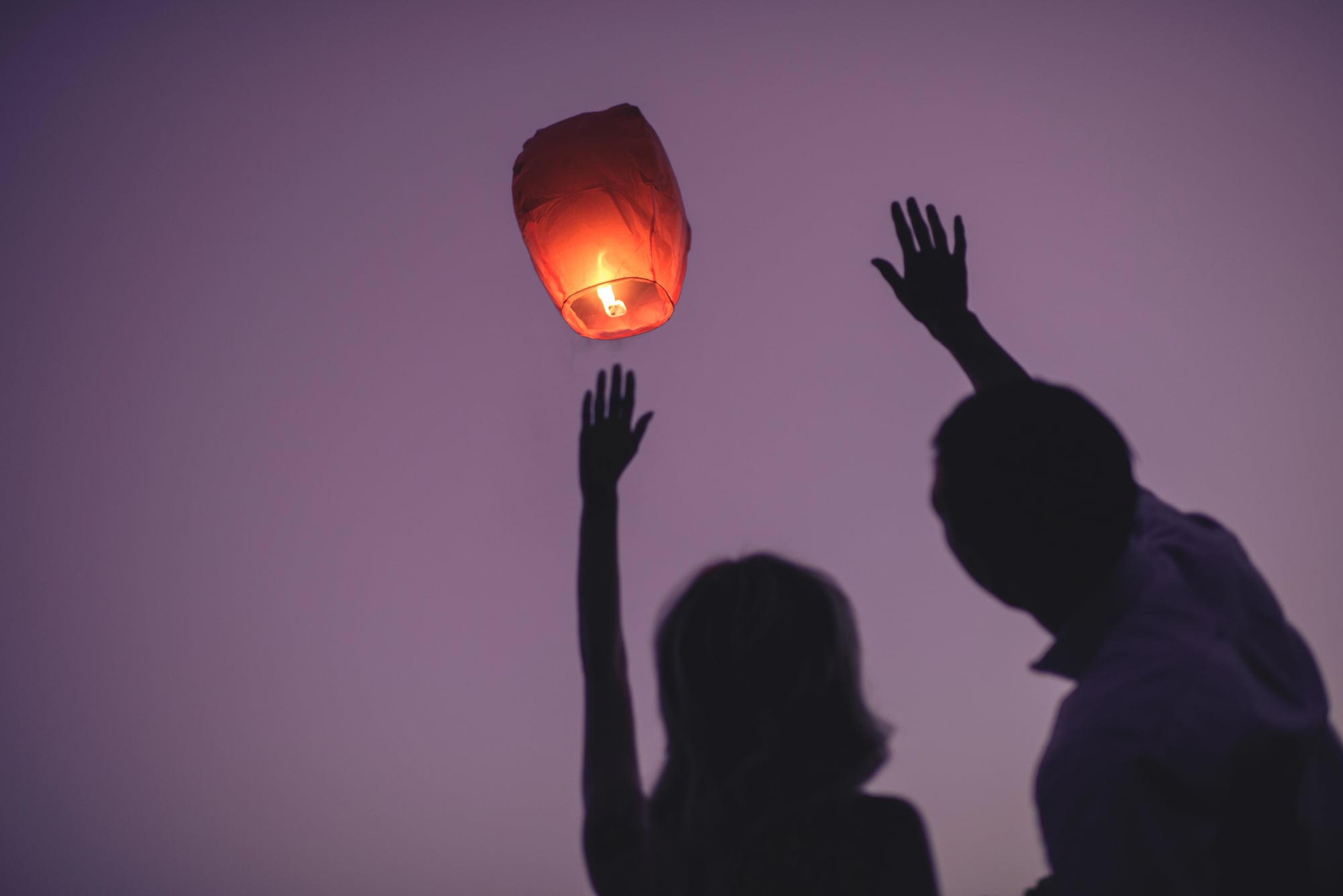
The Lantern Festival traditionally marks the final day of the Chinese New Year celebrations, falling on the fifteenth day of the first lunar month.
But the entire Spring Festival period of which it forms the culmination runs for roughly fifteen days, beginning on New Year’s Eve.
During this time, businesses close, families reunite, fireworks are set off across the country, red envelopes containing money are exchanged, and specific foods are eaten on specific days for their symbolic properties.
The lanterns released on the festival’s final evening represent the letting go of the past year and the illumination of the year ahead.
Han Dynasty records describe the festival’s origins in imperial torch-light ceremonies; by the Tang Dynasty, it had become a public event of a scale that drew visitors to the capital from hundreds of miles away.
The Roman Lupercalia (February 13–15)
Lupercalia was a three-day Roman festival of such antiquity that the Romans themselves were uncertain about its origins.
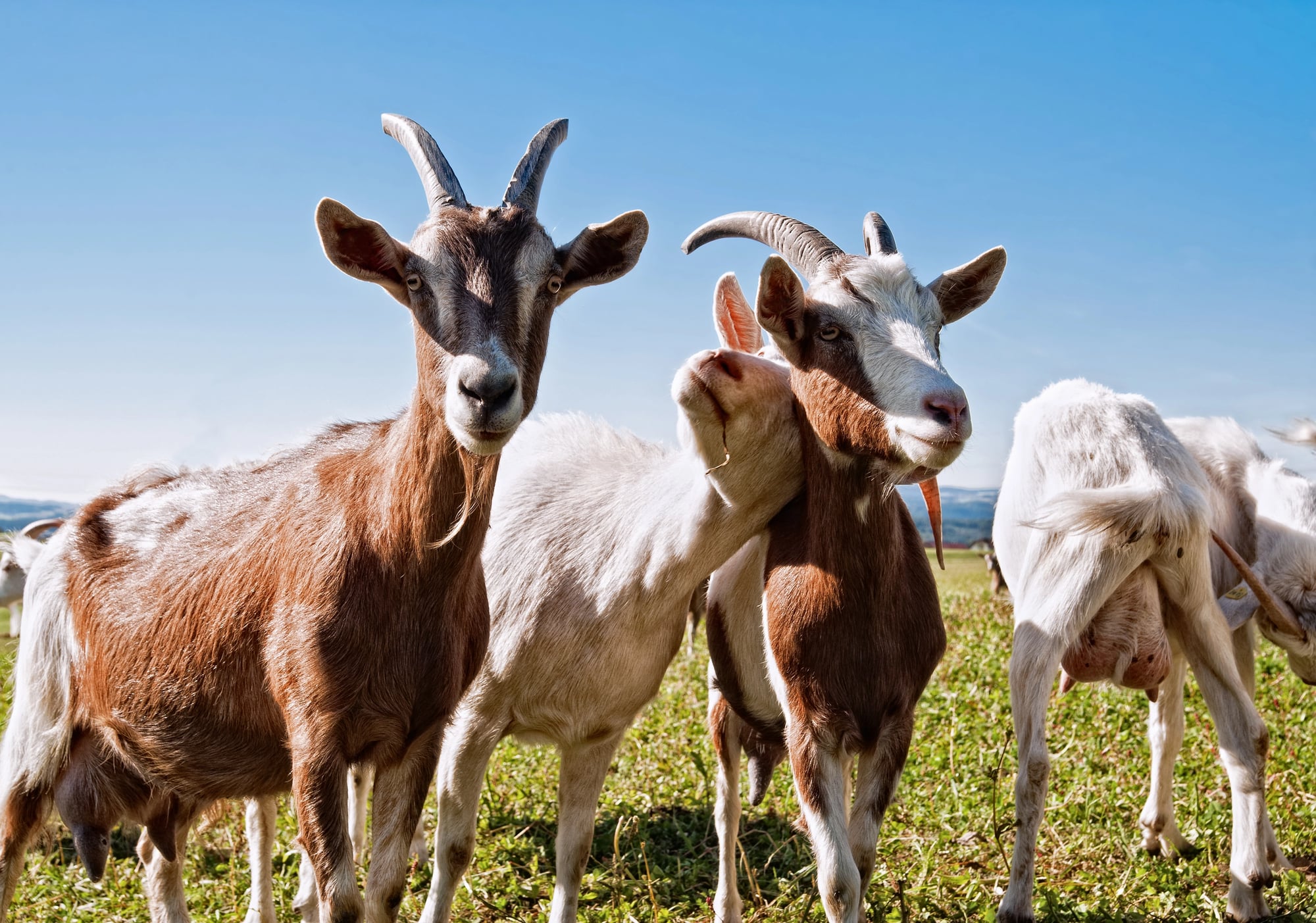
It was held on February 13th to 15th — the middle of the Parentalia period — and involved the sacrifice of goats and a dog in a cave on the Palatine Hill where wolves were said to have suckled Romulus and Remus.
Strips of hide from the sacrificed goats were carried by young men called Luperci who ran around the base of the Palatine, striking anyone they encountered.
Women who wished to become pregnant reportedly sought out this contact.
Julius Caesar’s assassination took place on the Ides of March, just days after the festival, and Mark Antony’s famous offer of the crown to Caesar at Lupercalia — which Caesar declined — is recorded in Shakespeare’s Julius Caesar as an act of deliberate theatre, whatever its actual historical character.
The Kumbh Mela (India, Rotational Schedule)
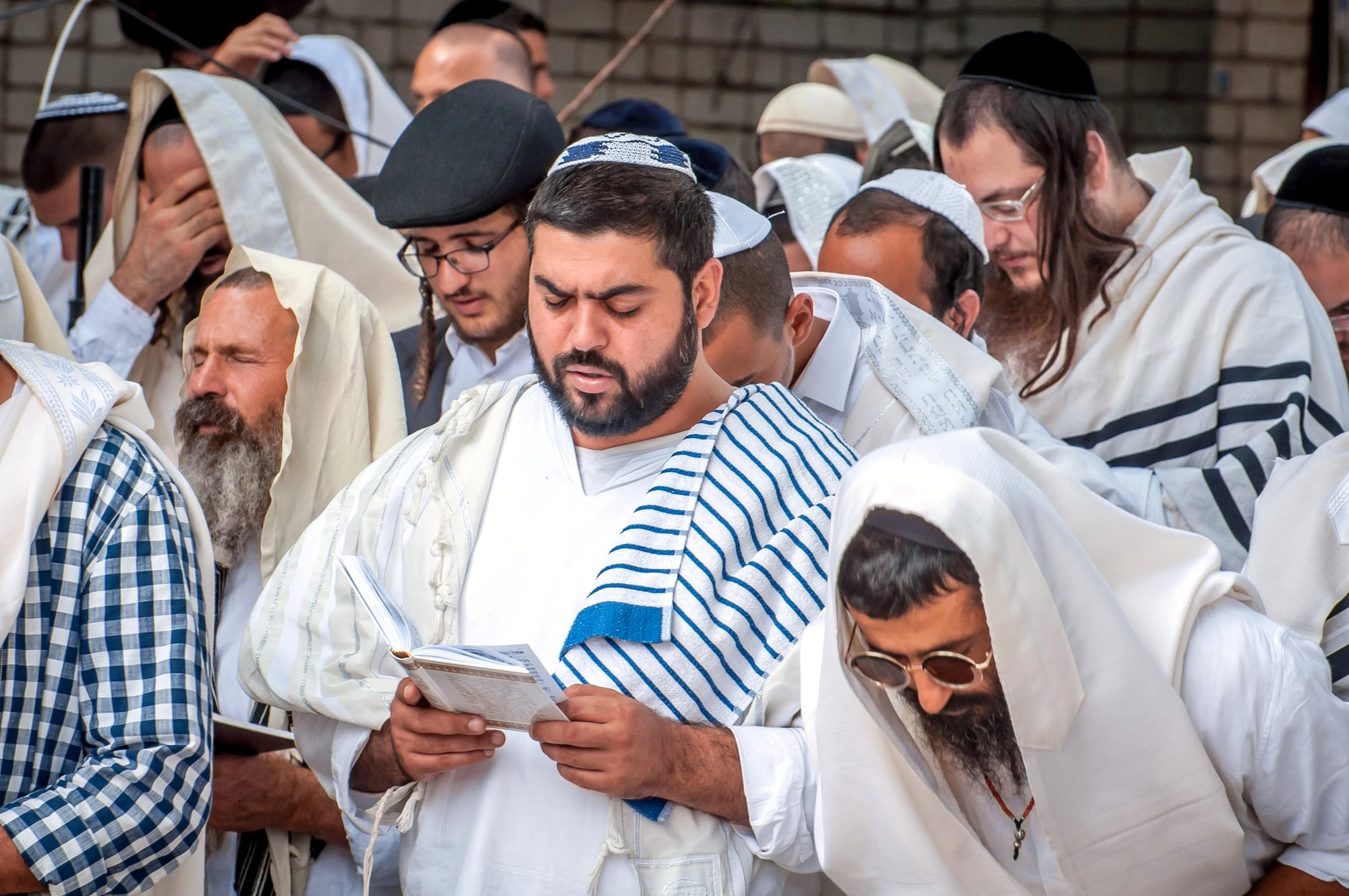
The Kumbh Mela is the largest recurring gathering of human beings on Earth, held at rotating locations on the banks of sacred rivers in a cycle of twelve years.
The full Maha Kumbh Mela, held at Prayagraj, runs for approximately forty-five days, during which tens of millions of pilgrims arrive to bathe in the confluence of the Ganges, Yamuna, and the mythological Saraswati rivers.
The 2013 Kumbh Mela at Allahabad was attended by an estimated 120 million people over its duration, making it visibly detectable in satellite imagery.
The festival’s origin is traced to the Hindu myth of the churning of the cosmic ocean, during which drops of amrita — the nectar of immortality — fell to earth at four specific locations.
Bathing at those locations at astrologically determined moments is believed to cleanse accumulated sin across multiple lifetimes.
What Long Festivals Actually Were
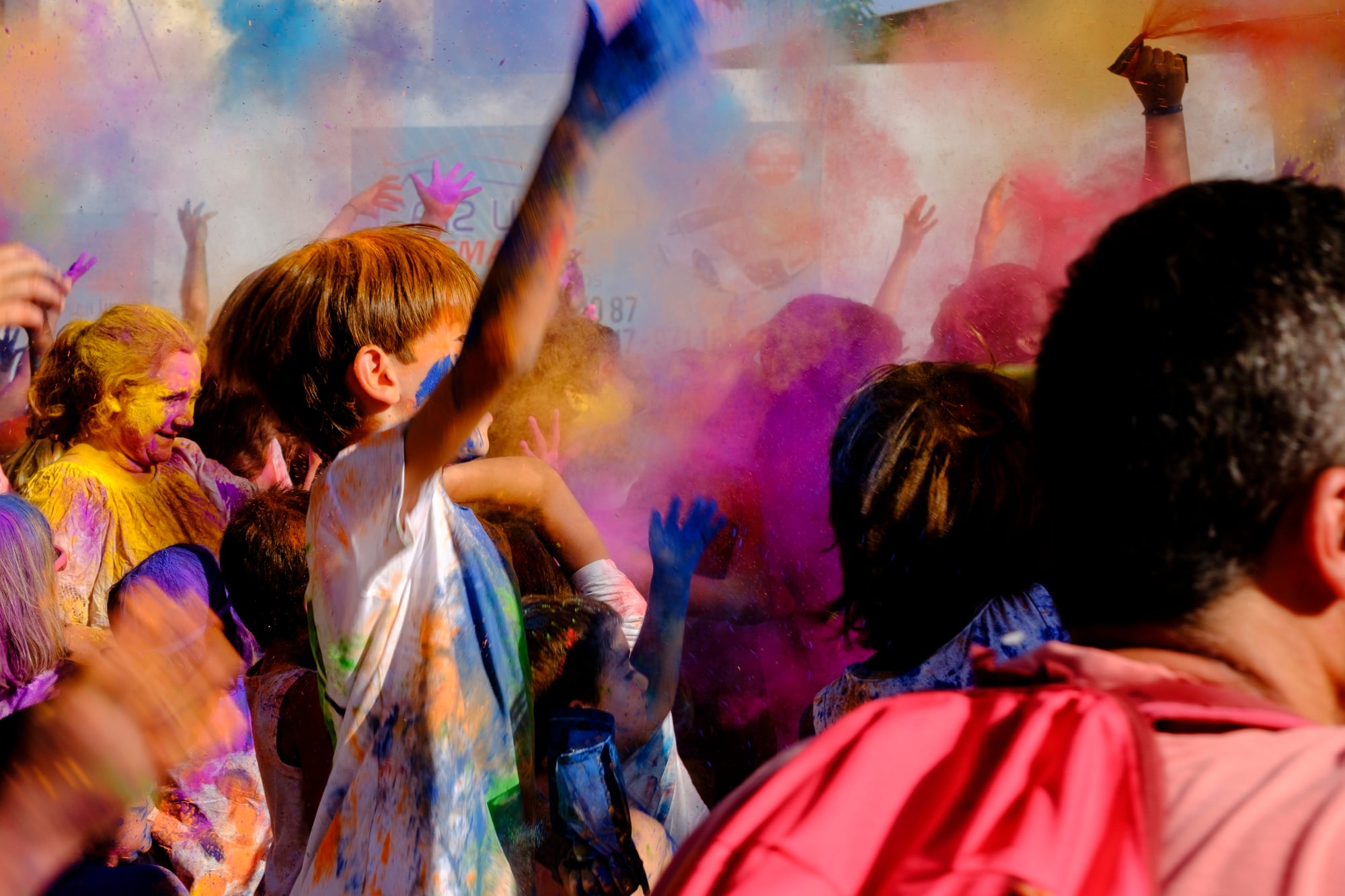
Looking across these examples from Babylon, Athens, Rome, Cusco, Kyoto, and the Ganges, a pattern becomes visible that isn’t immediately obvious when each festival is examined in isolation.
The ones that lasted longest were almost never the ones held purely for enjoyment.
The extended duration served a function: it gave the ritual time to work.
It created a period in which normal rules were suspended long enough that their suspension could be felt — and normal time, when it resumed, felt different because of the contrast.
Modern cultures have kept the calendar markers without keeping the duration, and in doing so have changed what the festivals actually do.
A single-day Christmas can commemorate the birth of Christ.
Only a ten-day Saturnalia can suspend the class system long enough for people to notice it existed.
The ancient world understood, with a practical wisdom that was also deeply religious, that transformation takes time — and that time spent in collective ritual was not time wasted, but time doing some of the most important work a society could do.
More from Go2Tutors!

- The Romanov Crown Jewels and Their Tragic Fate
- 13 Historical Mysteries That Science Still Can’t Solve
- Famous Hoaxes That Fooled the World for Years
- 15 Child Stars with Tragic Adult Lives
- 16 Famous Jewelry Pieces in History
Like Go2Tutors’s content? Follow us on MSN.



