15 One-Hit Wonders Who Were More Talented Than Anyone Gave Them Credit For
There’s something cruel about the term “one-hit wonder.” It reduces an entire artistic career to a single moment of commercial success, as if everything else the artist created simply vanished the moment their chart-topper stopped getting radio play.
The reality is far more complicated. Behind many of those supposedly flash-in-the-pan hits were musicians with deep wells of talent, complex artistic visions, and catalogs that deserved far more attention than they ever received.
The music industry has always been a fickle beast, and timing, marketing budgets, and plain old luck often matter more than raw ability when it comes to sustained commercial success.
Dexys Midnight Runners
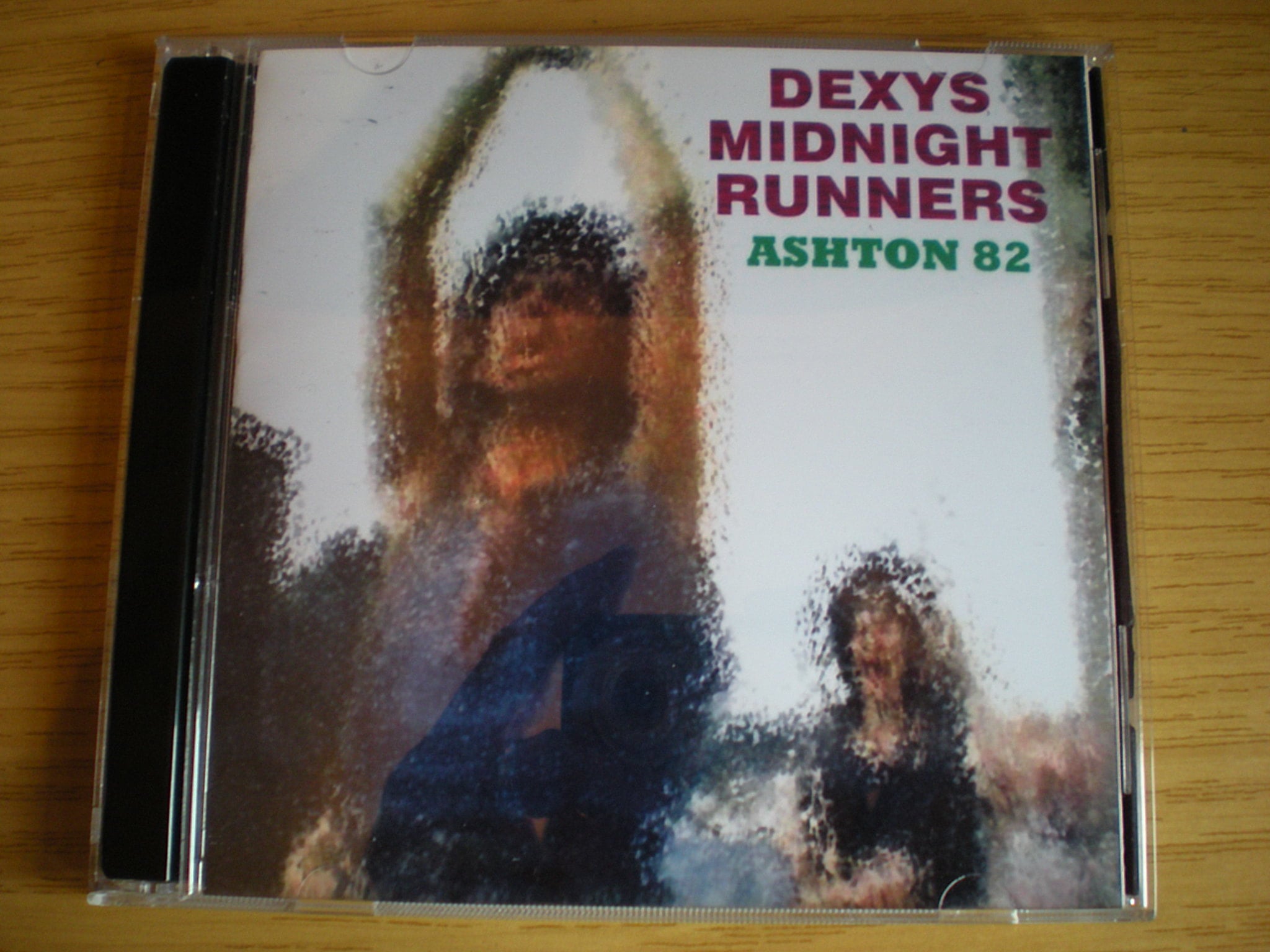
“Come On Eileen” turned Dexys Midnight Runners into dungaree-wearing curiosities for most people. The fiddle-driven anthem was impossible to escape in 1982, but it also became their artistic prison.
Kevin Rowland’s band was far more sophisticated than that one song suggested — their debut album “Searching for the Young Soul Rebels” was a masterclass in brass-heavy soul revival that critics adored. They reinvented themselves completely between albums, which confused record labels but showed remarkable creative courage.
Most one-hit wonders would have spent decades chasing another “Come On Eileen.” Rowland refused to play that game.
A-ha
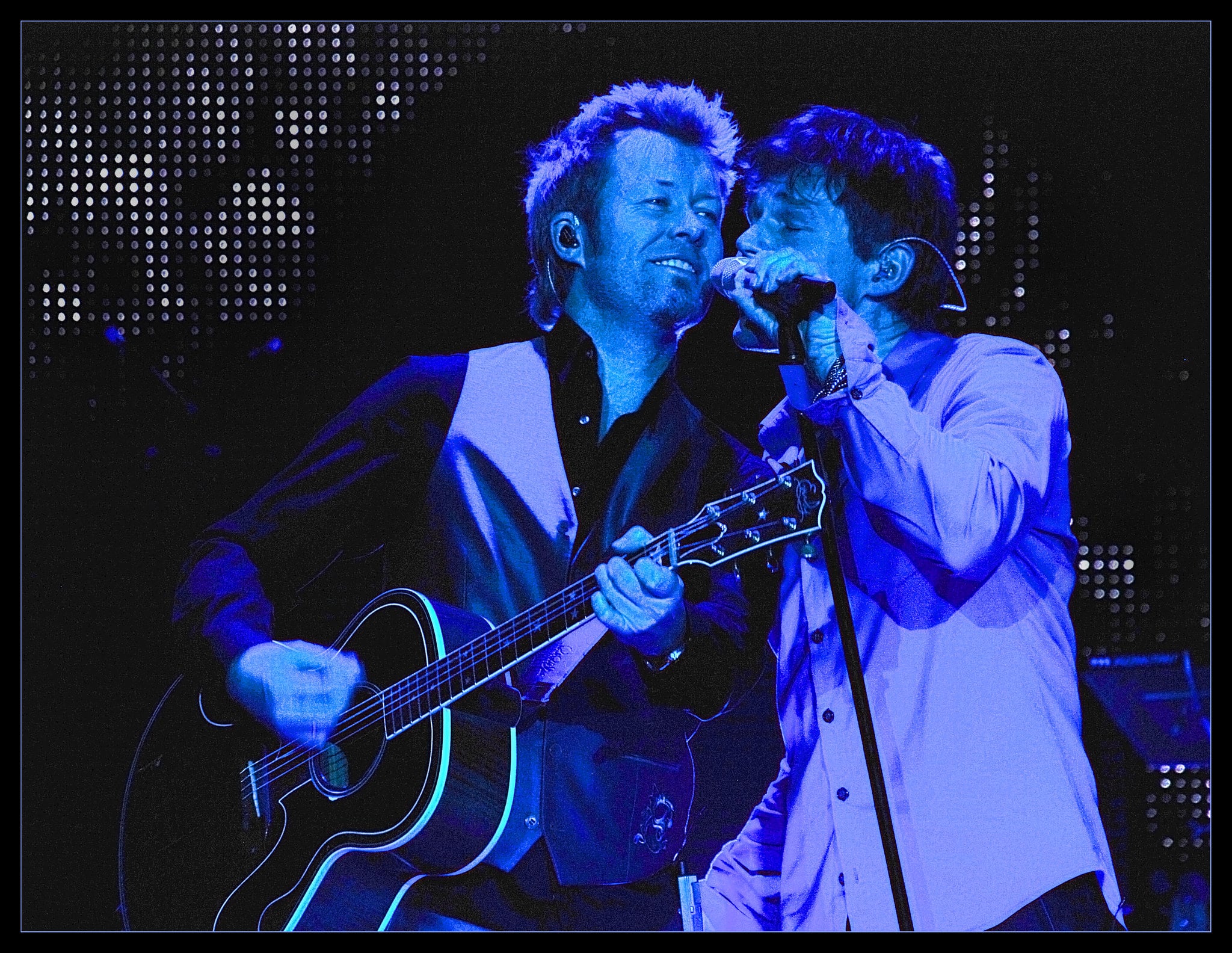
Dismissing A-ha as synth-pop pretty boys because of “Take On Me” ignores the fact that they became one of the biggest bands in the world outside of America. And even that success required the most expensive music video ever made at the time, which tells you something about how the industry works.
Morten Harket possessed one of the most distinctive voices in pop music, capable of hitting notes that most singers wouldn’t even attempt. The songwriting partnership between Magne Furuholmen and Pål Waaktaar-Savoy produced albums that mixed melancholy with soaring melodies in ways that influenced a generation of European musicians.
But American audiences moved on after the pencil-sketch video stopped being novel. That became their entire legacy here.
Chumbawamba
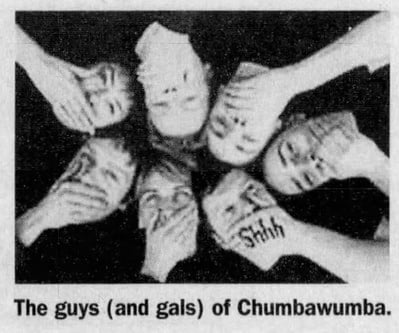
The story of “Tubthumping” is actually the story of a band that spent fifteen years as uncompromising anarchist punks before accidentally writing a stadium singalong about resilience and drinking. Chumbawamba had been making politically charged music since 1982 — anti-war songs, anti-capitalist manifestos, experimental folk punk that challenged everything about the music industry they eventually conquered.
When “Tubthumping” became massive, it felt like cosmic irony. The most mainstream song they’d ever written came from the most radical band on the charts.
They donated portions of their royalties to striking workers and used their sudden platform to promote causes that major labels typically avoided. Which explains why the industry was happy to let them fade back into obscurity.
Toni Basil

“Mickey” made Toni Basil look like a cheerleader with a recording contract, but the truth is far more interesting than that. She was already a respected choreographer and dancer who had worked with some of the biggest names in entertainment, including David Bowie and Talking Heads.
She choreographed the “Once in a Lifetime” video, among others. The song itself was actually a cover — she reworked “Kitty” by a British band called Racey, changing the gender and adding her own choreographic vision.
Her background in avant-garde theater and dance gave her an artistic credibility that the bubblegum pop success completely overshadowed. Her subsequent work in film and television showed range that radio never bothered to explore.
Right Said Fred

“I’m Too Sexy” sounds like a novelty record, and to be fair, it pretty much was one. But Richard and Fred Fairbrass were accomplished musicians long before they stumbled onto that particular cultural moment.
Richard had worked as a session bassist for artists across multiple genres, while both brothers understood how to craft hooks that lodged themselves permanently in listeners’ heads. That skill is rarer and more valuable than it appears.
The song’s success came from perfect timing. It arrived just as dance music was crossing into mainstream pop.
Most importantly, they wrote it themselves, which means they understood exactly what they were doing when they created one of the most memorable earworms of the decade.
Mambo No. 5 (Lou Bega)

Lou Bega’s “Mambo No. 5” was everywhere in 1999, and then nowhere just as quickly. The song sampled Pérez Prado’s 1949 original, but Bega’s contribution was more substantial than most people realized at the time — he essentially created a bilingual party anthem that worked across cultural lines in ways that few pop songs manage.
Born in Munich to a Sicilian mother and Ugandan father, Bega had been performing Latin-influenced music for years before landing on the formula that made him briefly famous. And yet here’s where the industry’s attention span shows itself.
His follow-up singles demonstrated genuine range and musical knowledge that extended far beyond mambo pastiche. But radio had already moved on to the next temporary obsession.
Los Del Rio

“Macarena” became a global phenomenon, but it also reduced Los Del Rio to a punchline about wedding receptions and baseball games. Rafael Ruiz and Antonio Romero Monge had been performing together since 1962, building a catalog of flamenco-influenced pop that made them superstars throughout Spain and Latin America decades before American audiences discovered them.
The dance craze version of “Macarena” wasn’t even their original. They’d recorded a traditional flamenco version years earlier that bore little resemblance to the remix that conquered the world.
Their longevity in Spanish-speaking markets proved they possessed far more artistic substance than their brief American fame suggested. But English-speaking audiences never bothered to investigate further.
Spacehog

“In the Meantime” hit alternative rock radio in 1996 like a sledgehammer wrapped in velvet. Royston Langdon’s vocals soared over riffs that managed to sound both crushing and melodic simultaneously.
The band’s approach to dynamics — quiet verses exploding into massive choruses — influenced countless grunge and post-grunge acts. But they arrived just as the music industry was losing interest in guitar-heavy rock.
Spacehog’s British art-rock sensibilities clashed with the more straightforward approach that American labels preferred. Their subsequent albums showcased experimental tendencies that radio programmers found challenging.
Langdon’s voice alone should have guaranteed them a longer career. Few singers could navigate the technical demands of their material while maintaining the emotional intensity that made “In the Meantime” so compelling.
OMC
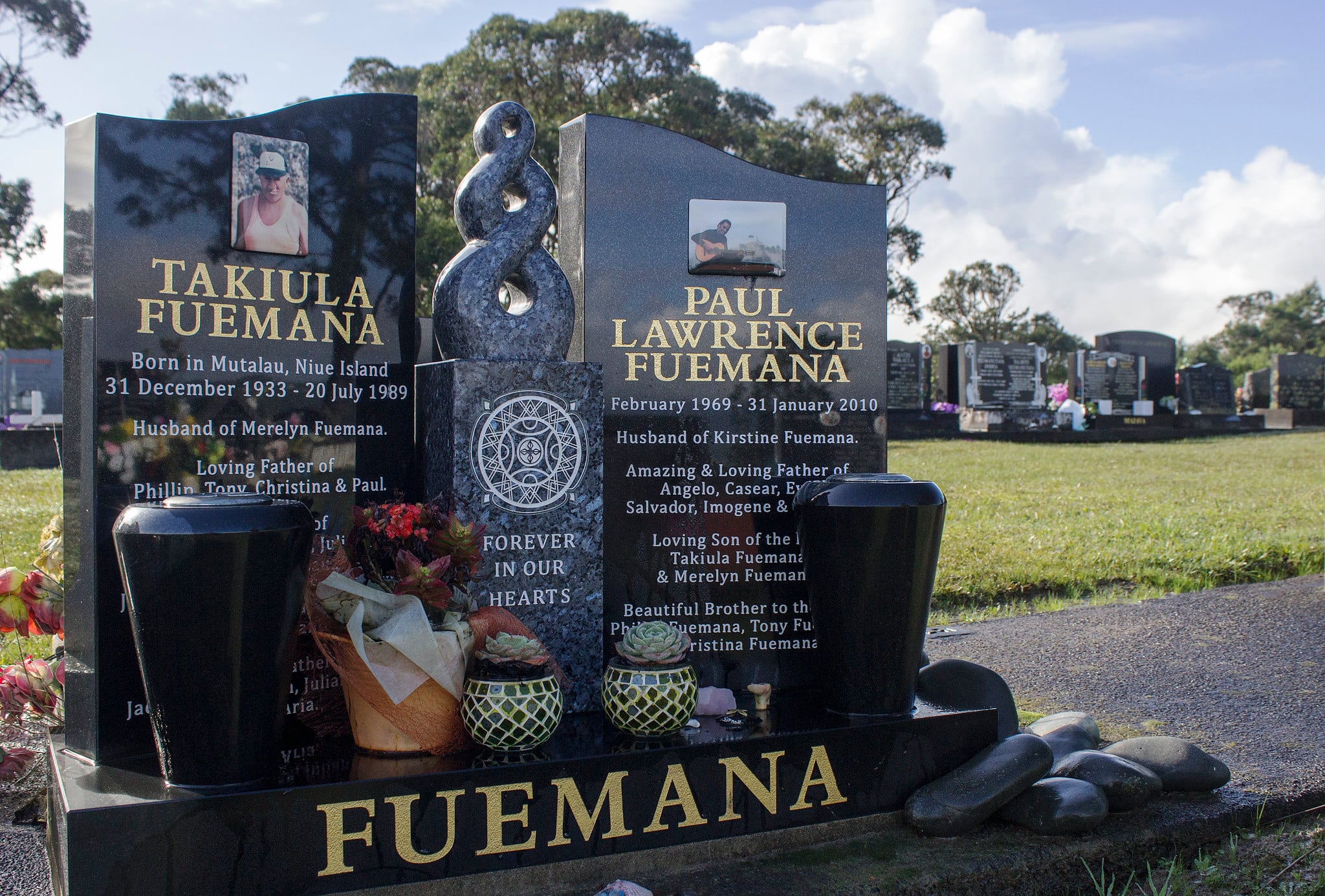
“How Bizarre” was one of the strangest hits of the 1990s, a stream-of-consciousness narrative over a hypnotic groove that somehow became a worldwide phenomenon. Pauly Fuemana, the New Zealand musician behind OMC, had been experimenting with Pacific Island music fused with hip-hop and electronic elements for years before stumbling onto that particular combination of ingredients.
The song’s success opened doors for Pacific Island artists in ways that the music industry had never seen before. But Fuemana struggled with the sudden fame and the pressure to recreate lightning in a bottle.
His musical background was far more diverse than “How Bizarre” suggested. He understood reggae, traditional Maori music, and contemporary R&B well enough to synthesize them into something genuinely original, which is more difficult than it sounds.
Deep Blue Something
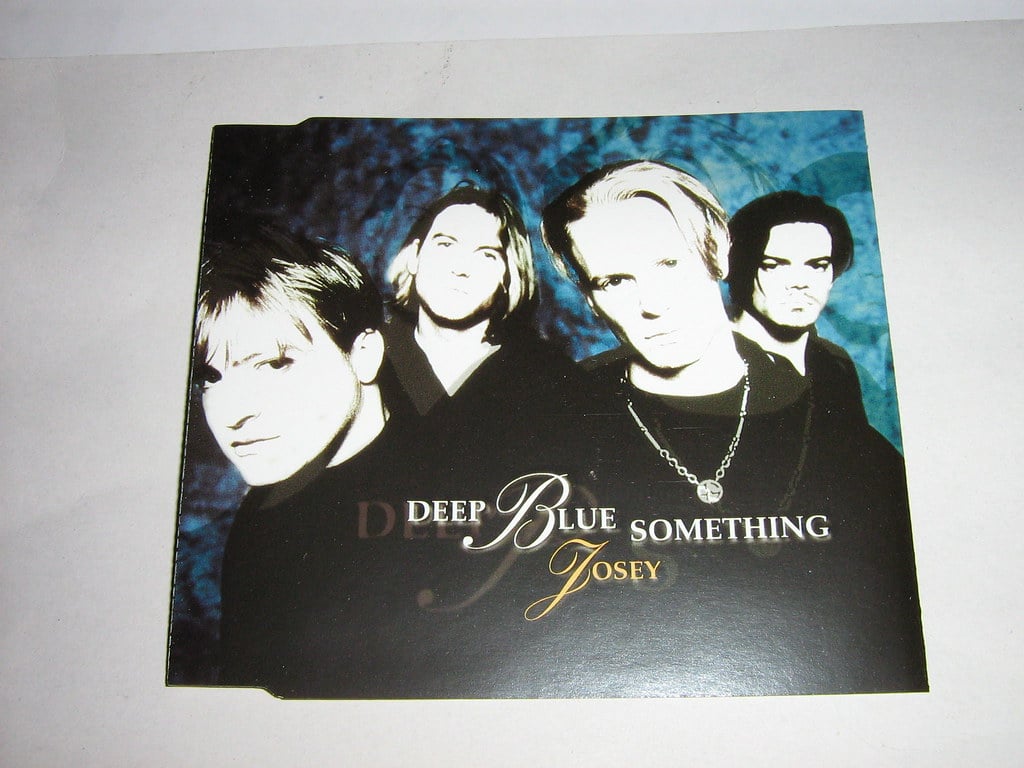
Reducing Deep Blue Something to “Breakfast at Tiffany’s” misses the point entirely. That song succeeded precisely because it wasn’t trying to be profound — it was about two people discovering they had nothing in common except a shared memory of watching a movie.
Todd Pipes wrote it in about ten minutes, but the band’s ability to turn that throwaway moment into something that felt universally relatable showed sophisticated understanding of how pop songs actually work. Their albums revealed a group comfortable with both jangly alternative rock and more experimental approaches.
But the music industry wanted more movie-reference singalongs, not artistic growth. The irony is that “Breakfast at Tiffany’s” worked because it was honest about relationship mundanity, which takes more skill than writing generic love songs.
Marcy Playground
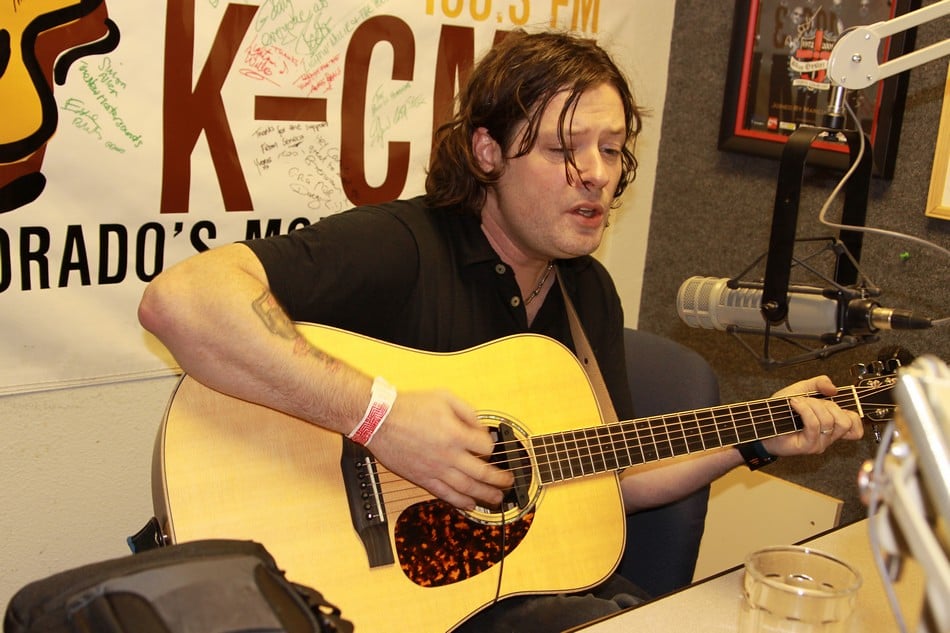
Their song emerged from the late-1990s alternative rock landscape like fever dream imagery set to music, but John Wozniak’s songwriting was far more literate than most people realized. The song’s success came from its ability to sound simultaneously familiar and completely alien.
The chord progression was accessible, but the lyrics operated on dream logic that resisted literal interpretation. Wozniak had been influenced by everything from The Beatles to Bauhaus, and his approach to melody showed understanding of pop songcraft that extended far beyond grunge pastiche.
Marcy Playground’s subsequent releases revealed a willingness to experiment with acoustic arrangements, electronic elements, and unconventional song structures. They should have appealed to critics looking for artists pushing boundaries.
But the music industry had already categorized them as one-hit wonders. That became a self-fulfilling prophecy.
Fastball
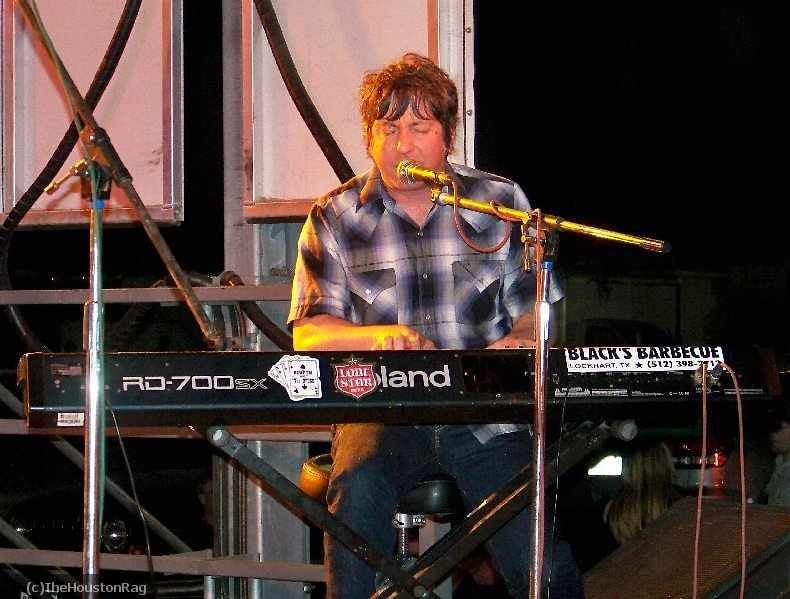
“The Way” told the story of an elderly couple who disappeared during a road trip, inspired by a real news story that Tony Scalzo transformed into something that felt both heartbreaking and hopeful. The song’s success came from its ability to sound like classic pop while addressing themes that most radio-friendly music avoided entirely.
Fastball’s musicianship was exceptional. All three members were accomplished songwriters and multi-instrumentalists.
Their albums showcased range that extended from power pop to country-influenced ballads. Miles Zuniga’s guitar work alone should have guaranteed them respect in music circles that valued technical ability.
But the industry’s attention had already shifted elsewhere by the time their follow-up singles reached radio.
Primitive Radio Gods
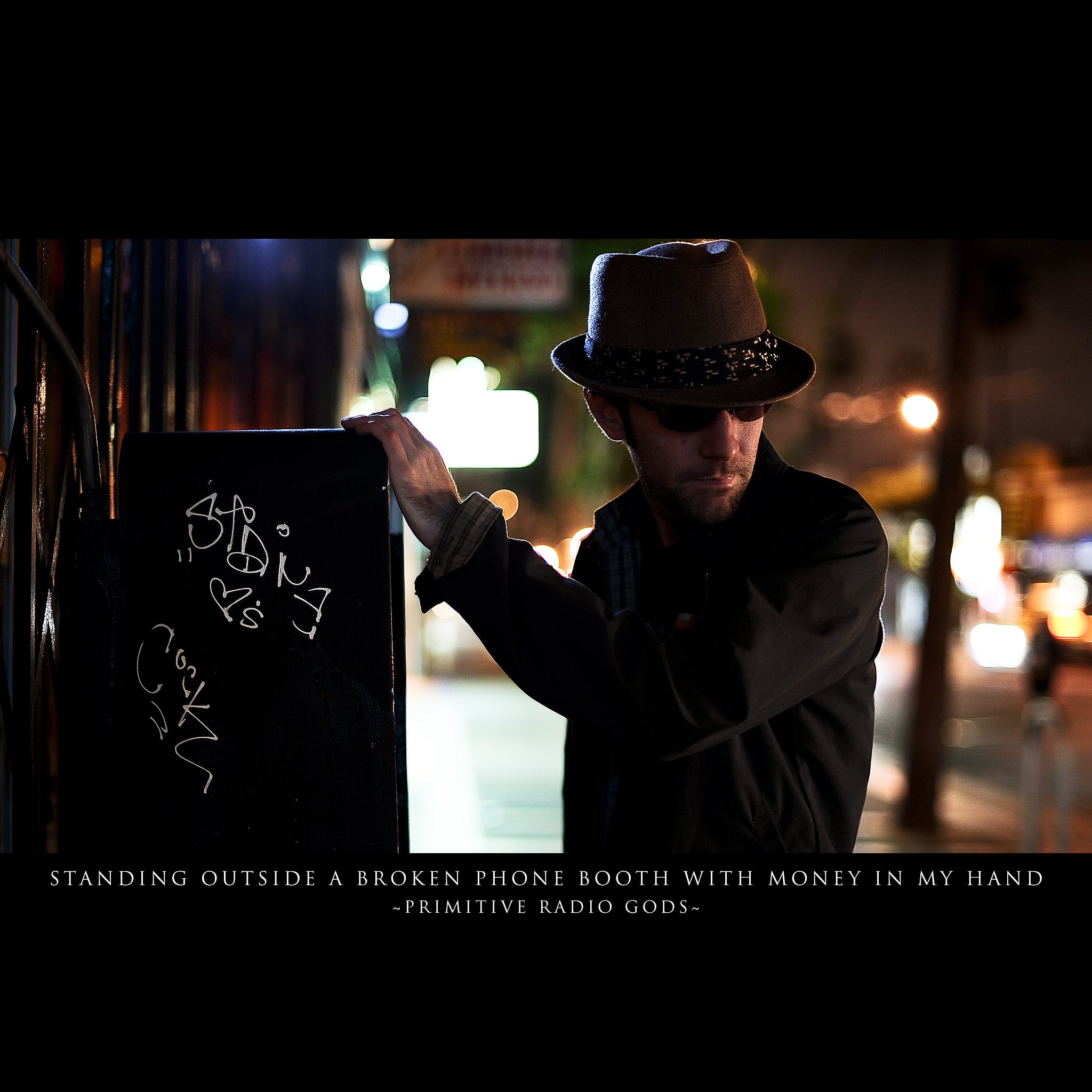
“Standing Outside a Broken Phone Booth” built an entire song around a sample from a B.B. King recording, but Chris O’Connor’s contribution was far more substantial than simple appropriation. The track’s hypnotic groove and stream-of-consciousness lyrics created something that felt both nostalgic and futuristic.
That perfectly captured the mid-1990s cultural moment when alternative rock was absorbing influences from hip-hop and electronic music. O’Connor had been working in various musical contexts for years before landing on the formula that made Primitive Radio Gods briefly famous.
His understanding of how different genres could be combined without losing their essential character showed genuine artistic vision. The song’s success proved that radio audiences were hungry for experimentation.
But the music industry’s inability to categorize his sound made sustained success nearly impossible.
Geggy Tah
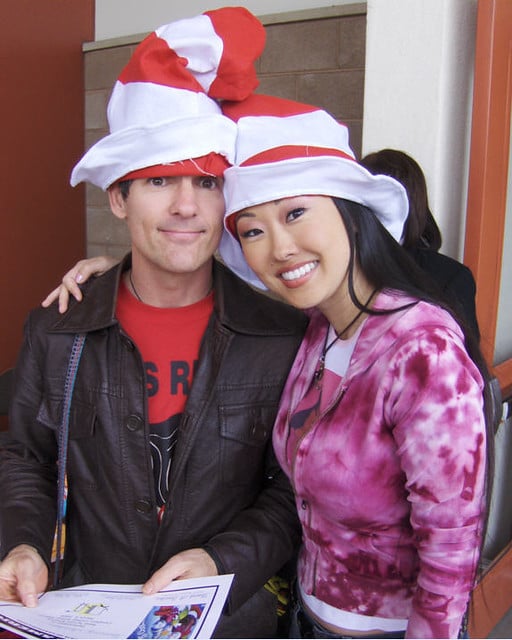
“Whoever You Are” sounded like nothing else on radio in 1996, which was both its greatest strength and its commercial limitation. Tommy Jordan and Greg Kurstin created music that combined elements of alternative rock, electronic experimentation, and pop songcraft in ways that defied easy categorization.
The song’s infectious melody and positive message made it impossible to ignore. Kurstin would later become one of the most successful producers in popular music, working with Adele, Beck, and countless others.
That suggests his musical instincts were far more sophisticated than their brief moment of fame indicated. Geggy Tah’s willingness to embrace both accessibility and artistic ambition should have made them critics’ favorites.
But the music industry prefers artists who can be easily marketed to specific demographics.
Marvelous 3

“Freak of the Week” showcased Butch Walker’s ability to write hooks that sounded effortless while addressing the social dynamics of high school with more insight than most pop songs attempted. The band’s power pop approach was rooted in classic rock traditions, but their energy and attitude felt completely contemporary.
That should have made them appealing to multiple generations of listeners. Walker’s subsequent career as a producer and solo artist proved that his musical abilities extended far beyond three-chord rock songs.
He understood arrangement, melody, and emotional dynamics well enough to help other artists achieve their creative goals. Marvelous 3’s brief success came during a period when radio was dominated by nu-metal and teen pop.
That left little room for straightforward rock music that prioritized songwriting over spectacle.
Music That Defies Time

The tragedy of the one-hit wonder isn’t just that talented artists got reduced to single songs — it’s that the music industry’s short attention span prevented audiences from discovering the depth that existed beyond those fleeting moments of fame. These artists created catalogs that deserved exploration, developed sounds that influenced others, and possessed skills that should have guaranteed longer careers.
But commercial success has always been about timing and luck as much as talent, and the difference between sustained fame and brief visibility often comes down to factors that have nothing to do with artistic merit. The real measure of these musicians isn’t whether they managed to repeat their biggest hits, but whether their work holds up when removed from the cultural moment that made them temporarily famous.
Most of it does.
More from Go2Tutors!

- The Romanov Crown Jewels and Their Tragic Fate
- 13 Historical Mysteries That Science Still Can’t Solve
- Famous Hoaxes That Fooled the World for Years
- 15 Child Stars with Tragic Adult Lives
- 16 Famous Jewelry Pieces in History
Like Go2Tutors’s content? Follow us on MSN.