MTV Moments From The ’80s That Changed How A Whole Generation Listened To Music
The first generation to grow up with MTV didn’t just watch music videos. They lived inside them.
Between 1981 and 1989, something fundamental shifted in how young people connected with sound, rhythm, and melody. Music stopped being something that happened in your ears and became something that happened in your entire body, your imagination, your sense of what was possible.
Those grainy, electric moments broadcast into living rooms across America weren’t just entertainment. They were blueprints for a new way of experiencing art.
The artists who understood this first changed everything.
The Buggles – “Video Killed The Radio Star”
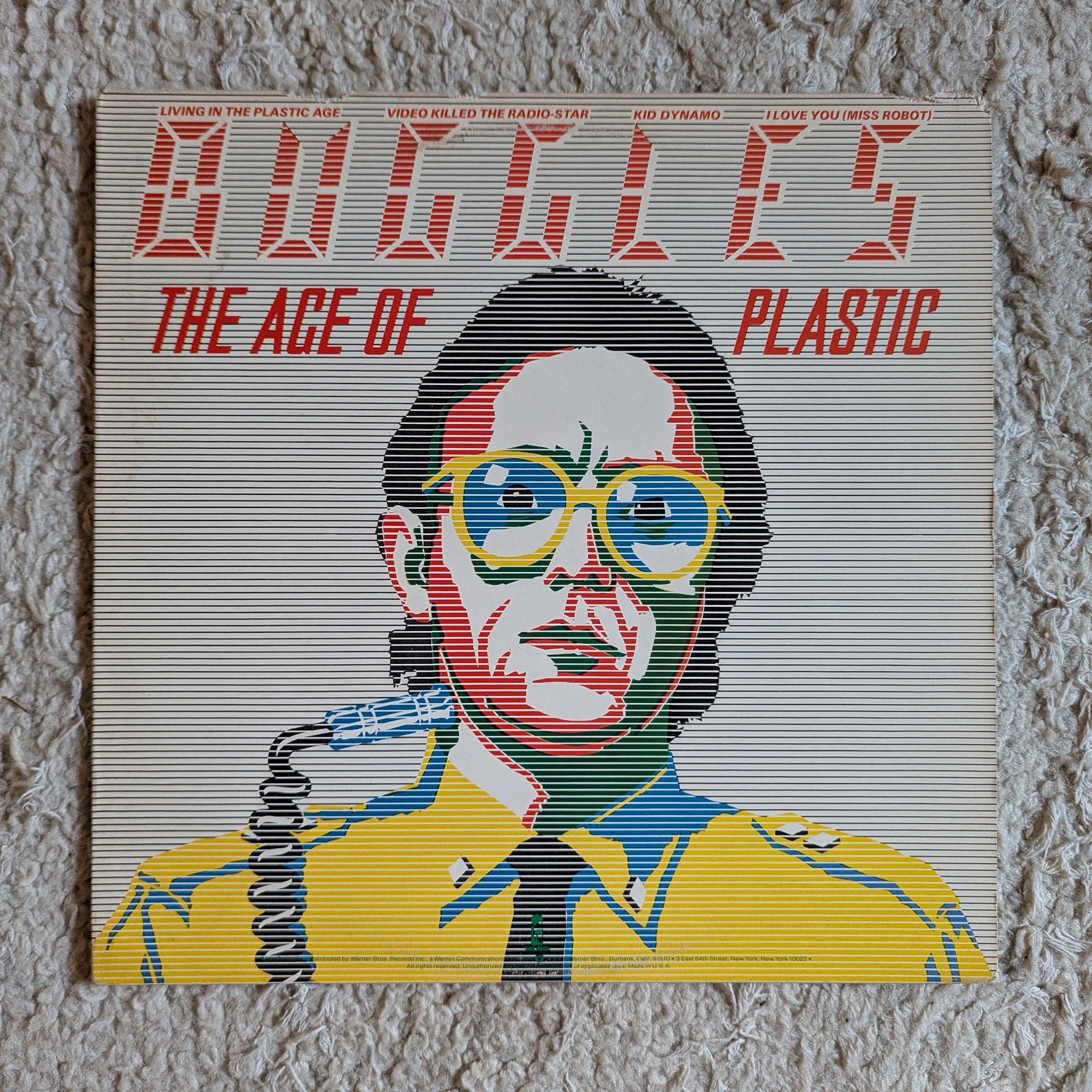
MTV needed a first video. They picked the obvious choice.
“Video Killed the Radio Star” launched the network at 12:01 AM on August 1, 1981. The irony was perfect, the message clear.
Music would never be the same.
Duran Duran – “Hungry Like The Wolf”
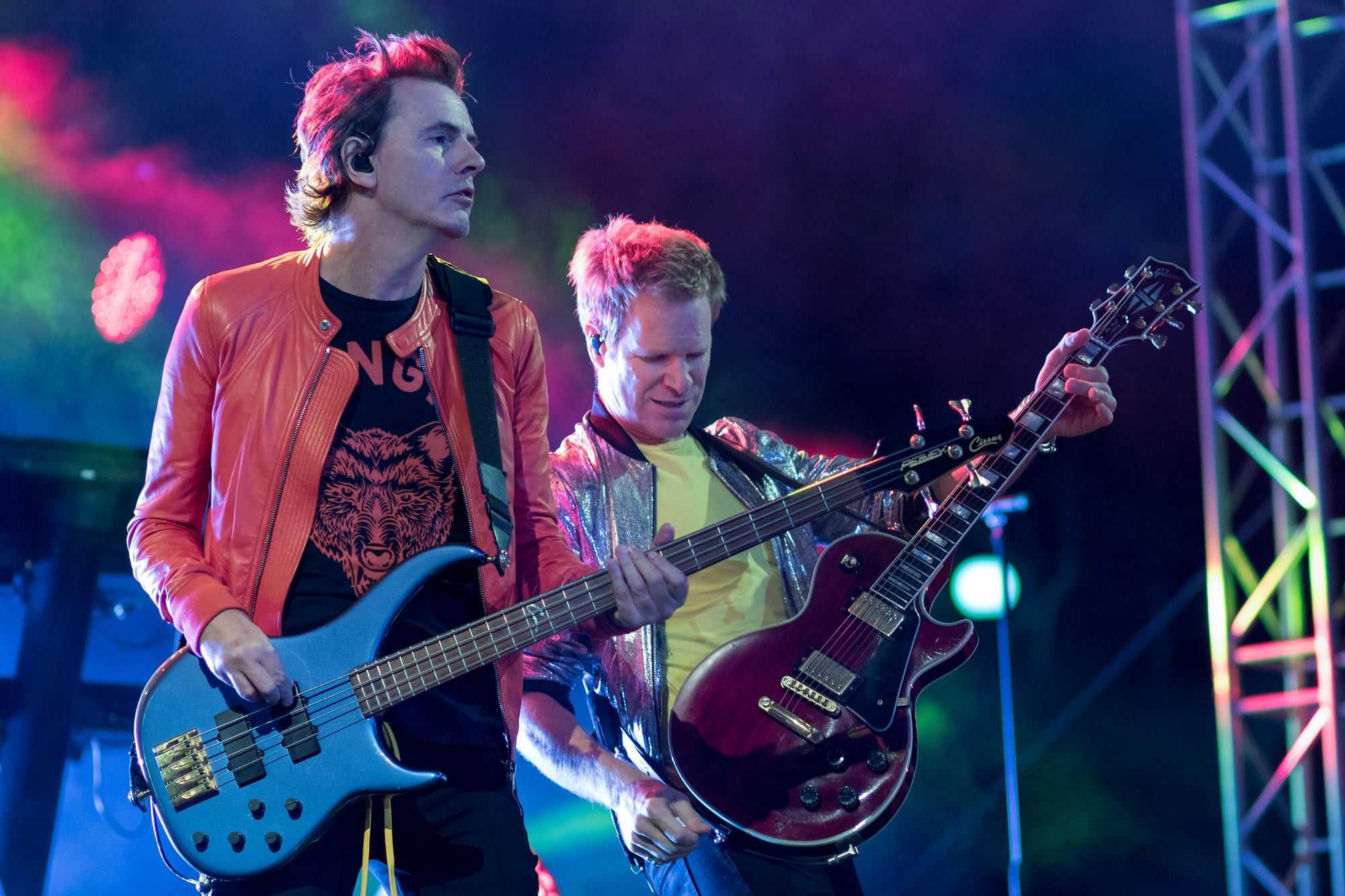
Here’s where MTV discovered something nobody expected: British bands made better videos than American ones. The Duran Duran boys didn’t just perform their song (which would have been enough for most artists at the time) — they created an entire cinematic world around it, complete with exotic locations, mysterious plotlines, and enough visual swagger to make viewers forget they were watching what was essentially a commercial for an album.
The band understood something crucial that many American artists initially missed: the video wasn’t supposed to illustrate the song, it was supposed to become inseparable from it. You couldn’t hear “Hungry Like the Wolf” after seeing that video without picturing Simon Le Bon prowling through Sri Lankan markets and jungles, and that fusion of sound and image created a deeper, stickier kind of memory than either medium could achieve alone.
So MTV found itself with a new category of programming that was part music, part travel documentary, part fever dream — and audiences couldn’t get enough of it. And yet the real revolution wasn’t in the exotic locations or the cinematic production values.
It was in how the video made viewers feel like they were inside the song rather than just listening to it.
Michael Jackson – “Billie Jean”
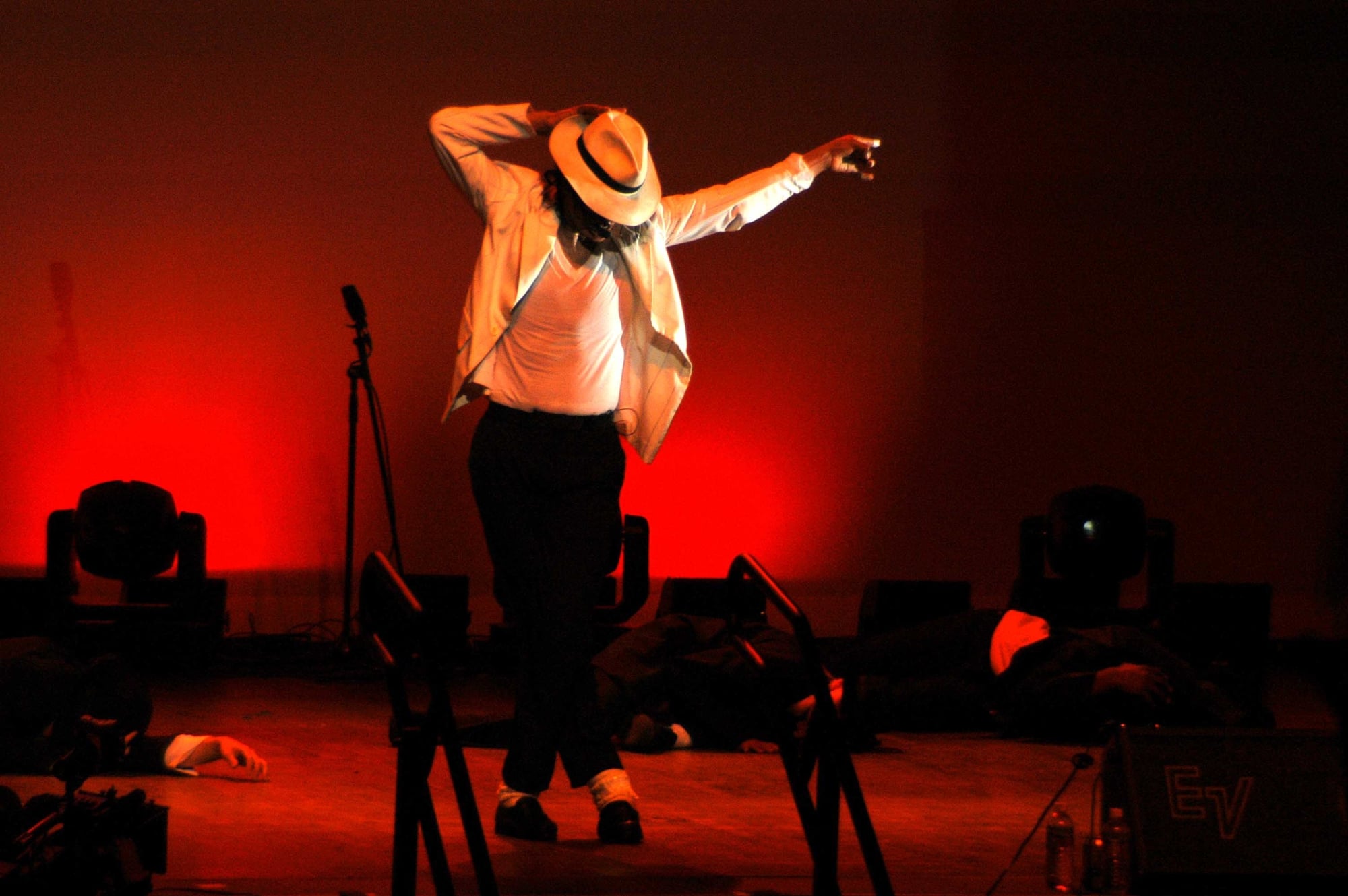
MTV had a problem. The network claimed to play music videos, but somehow very few Black artists made it into rotation.
Michael Jackson changed that by making it impossible to ignore him. “Billie Jean” forced MTV to confront its own limitations — and when they finally aired it, the video became one of the most iconic moments in the channel’s history.
Madonna – “Like A Virgin”
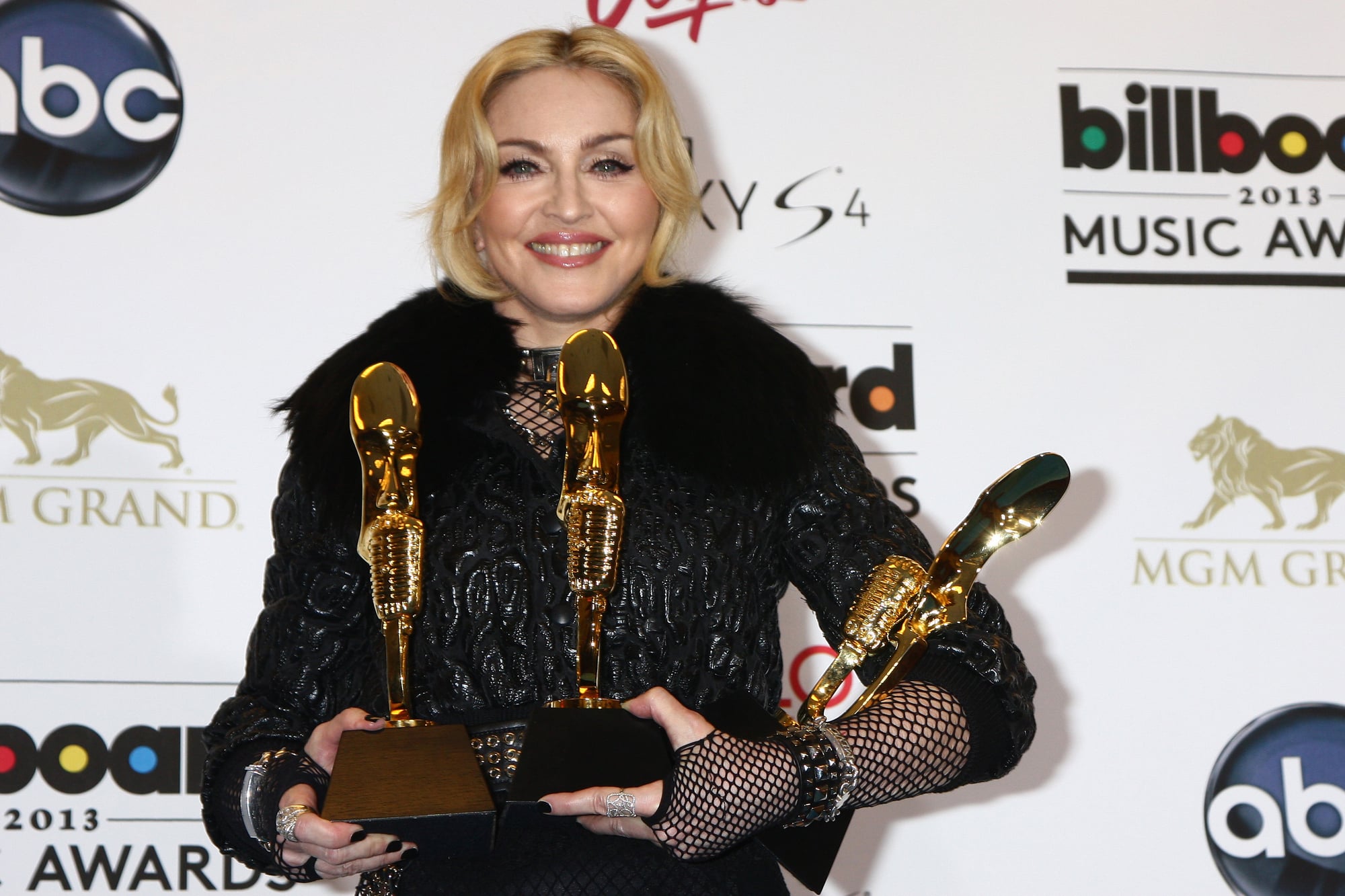
Madonna’s wedding dress video proved that controversy worked better than talent. The performance was deliberately intriguing, mixing religious imagery with suggestive choreography in ways that made parents uncomfortable and teenagers obsessed.
MTV discovered it had created something beyond a music channel. It had created a cultural battleground where artists could push boundaries that radio never would have tolerated.
Def Leppard – “Pour Some Sugar On Me”
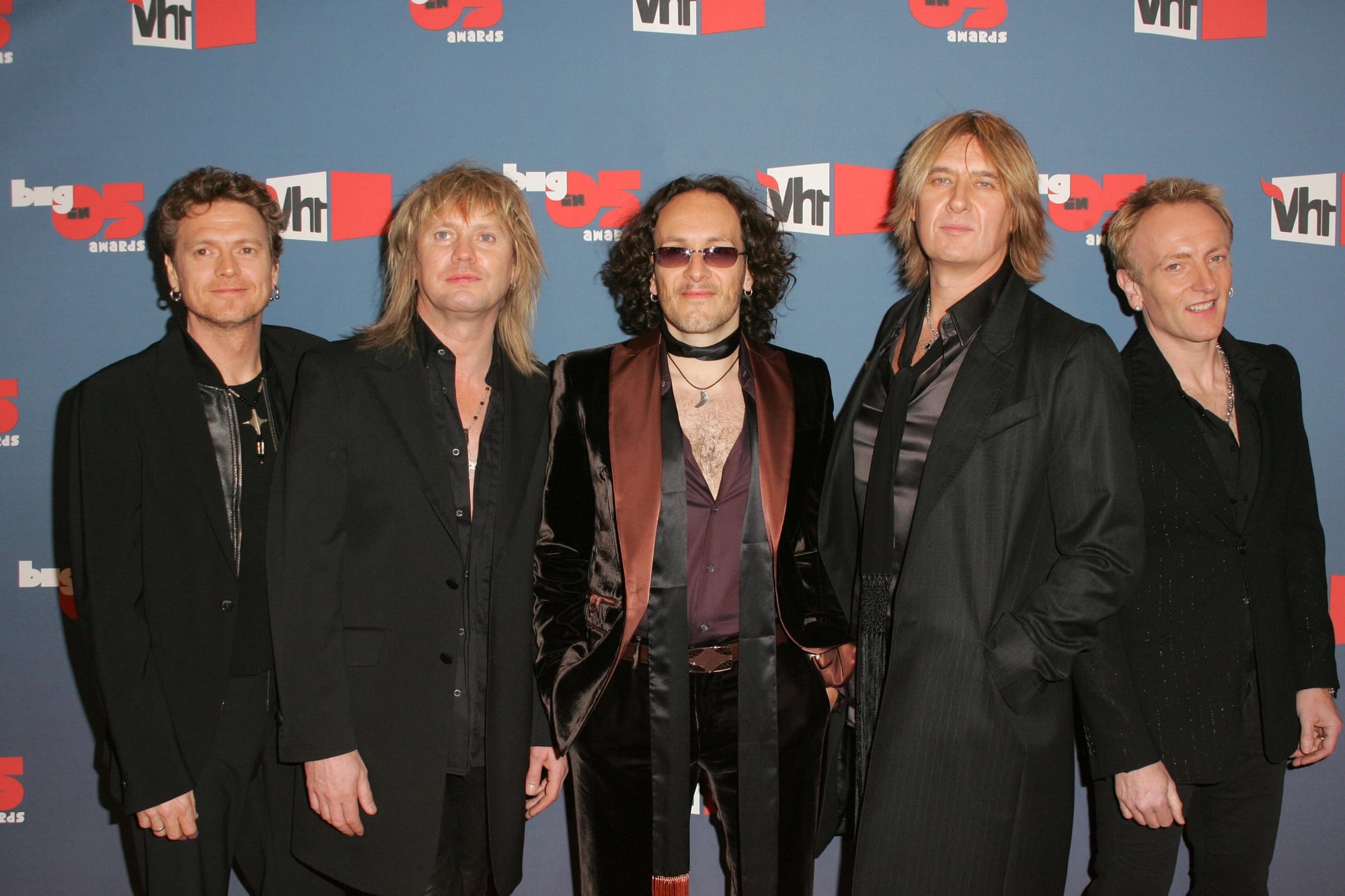
The difference between hearing Def Leppard and seeing Def Leppard was the difference between liking a song and needing to learn guitar. Their videos captured something that audio alone never could: the physical joy of making loud music with your friends, the way a great riff looks when someone’s actually playing it, the tribal energy that happens when five people lock into the same rhythm and refuse to let go.
Before MTV, you had to go to concerts to see that kind of musical chemistry in action, and concerts were expensive, infrequent, and often disappointing when the sound system wasn’t quite right or the band was having an off night. But videos let you witness peak performance whenever you wanted it, and for a generation of kids learning to play instruments, that visual component became as important as the songs themselves.
They weren’t just learning how the music sounded — they were learning how it moved, how it felt, how it looked when someone played it like they meant it. So suburban teenagers started forming bands not just because they wanted to write songs, but because they wanted to inhabit that same physical space they’d seen on their television screens.
A-Ha – “Take On Me”
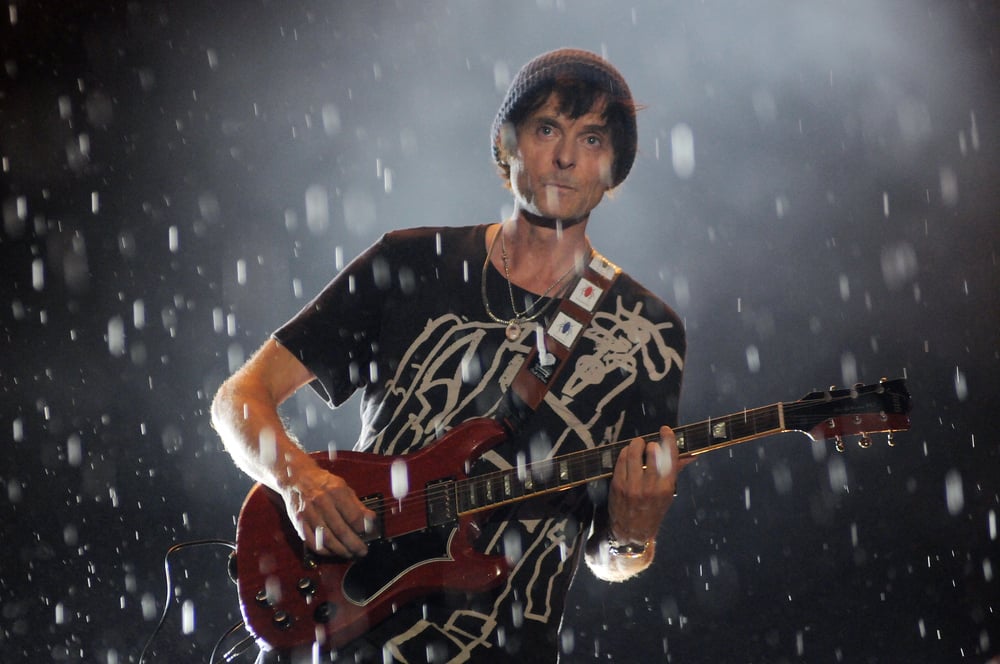
Sometimes a video becomes more famous than the song it was meant to promote. A-ha’s pencil-sketch animation grabbed attention in ways that a straightforward performance never could have.
The video taught MTV something valuable about the medium. Animation could do things that live action couldn’t.
Fantasy became just as important as reality.
Cyndi Lauper – “Time After Time”
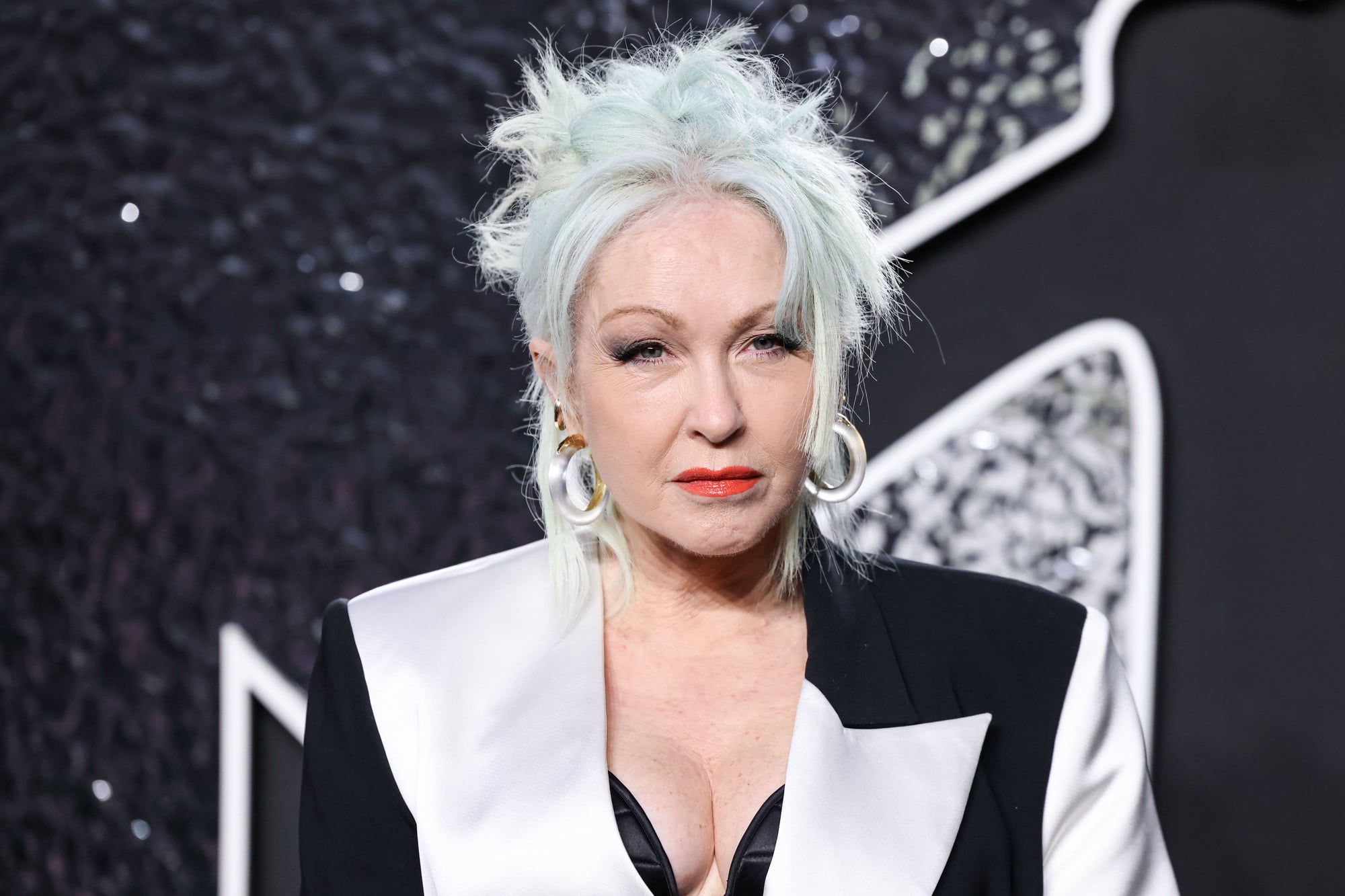
Not every great MTV moment was about spectacle. Cyndi Lauper’s “Time After Time” proved that sometimes the most powerful videos were the quietest ones.
The simple story of a relationship falling apart resonated because it felt real. MTV learned that emotional authenticity could be just as compelling as elaborate production.
Prince – “Purple Rain”
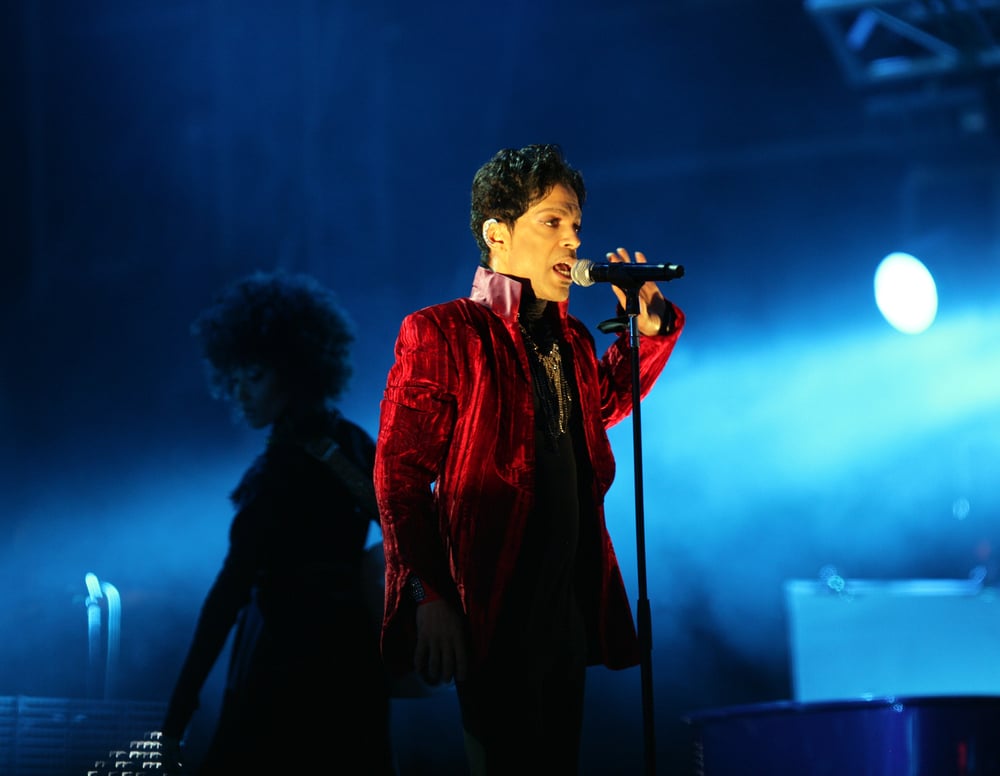
Prince understood performance in ways that most artists never figured out. His videos weren’t just promotional tools — they were extensions of his live shows, capturing the intensity and unpredictability that made his concerts legendary.
MTV gave Prince a way to bring that concert experience into people’s homes. The result was electric.
Van Halen – “Jump”
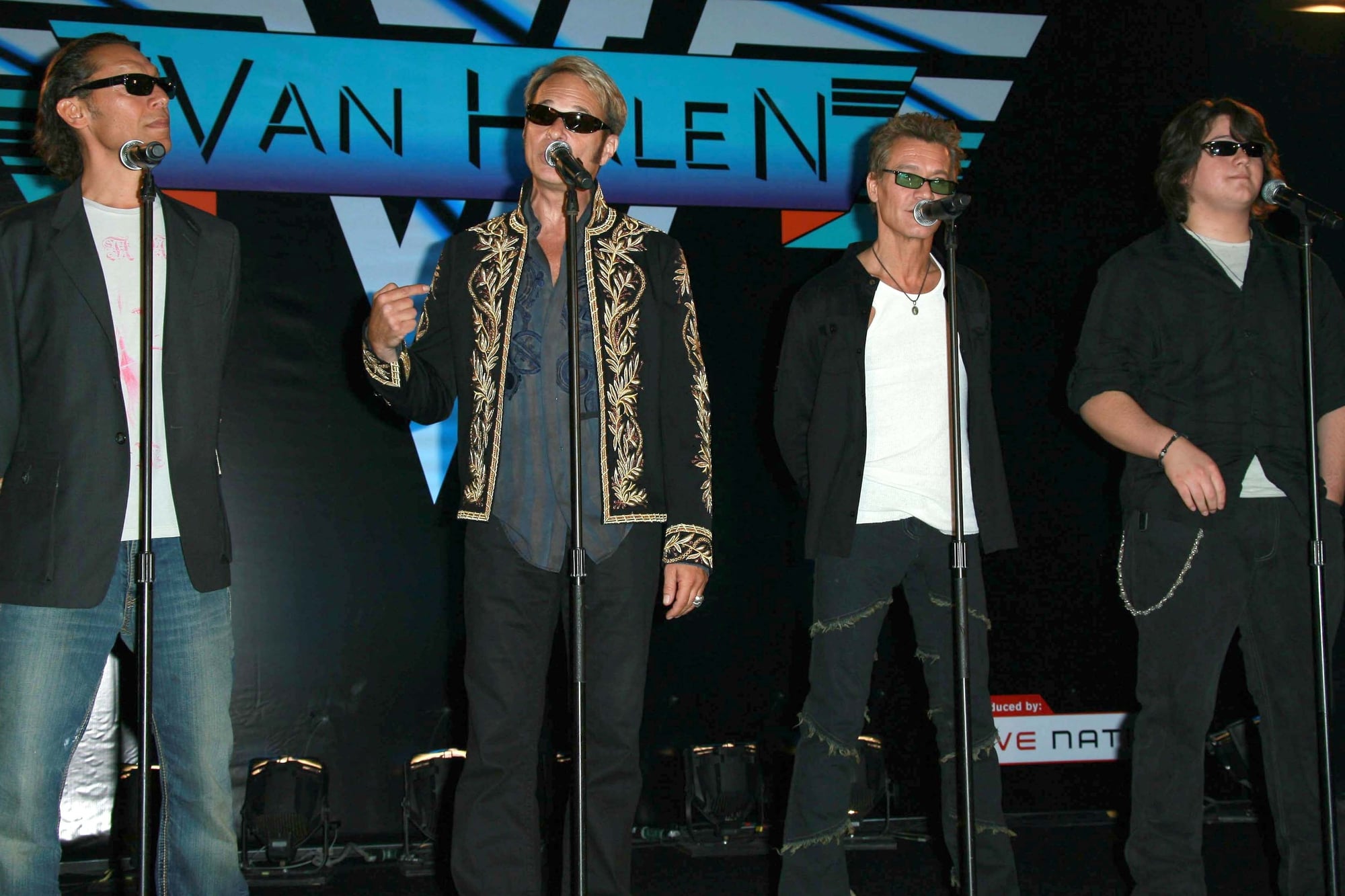
Before MTV, Van Halen was known for Eddie’s guitar wizardry. The “Jump” video revealed something different: David Lee Roth’s complete commitment to being ridiculous, his willingness to throw himself around like a human cartoon character, his understanding that rock and roll worked best when nobody was taking themselves too seriously.
The video became a masterclass in charisma, showing how personality could be just as important as musical skill when it came to connecting with an audience. Roth’s high kicks and theatrical facial expressions gave the song an energy that the studio recording, good as it was, couldn’t quite capture on its own.
And for a generation of viewers, that visual component became permanently fused with the music — you couldn’t hear those synthesizer stabs without seeing Roth’s acrobatic enthusiasm. But the deeper lesson was about authenticity within performance.
Roth wasn’t trying to be cool or mysterious; he was trying to entertain, and his genuine joy in doing so came through the screen.
Herbie Hancock – “Rockit”
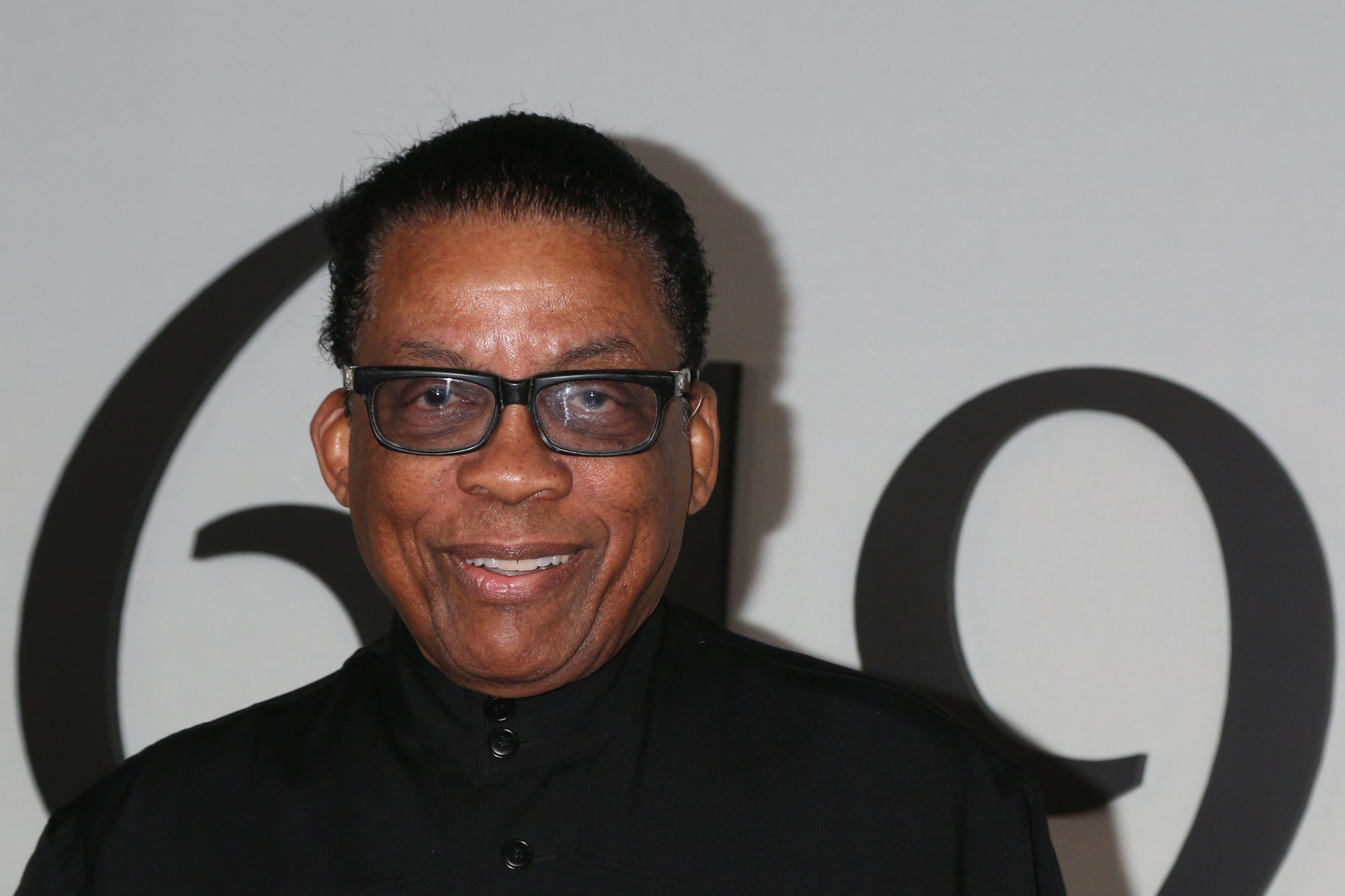
MTV needed weird sometimes. Herbie Hancock’s robot-filled video for “Rockit” provided exactly that — a glimpse into a future where technology and music merged in unsettling ways.
The video pushed boundaries about what music television could look like. Animation, robotics, and avant-garde visuals all became part of MTV’s vocabulary.
Talking Heads – “Once In A Lifetime”
David Byrne’s strange, jerky movements in the “Once in a Lifetime” video captured something that conventional performance videos missed. The awkwardness was the point.
MTV discovered that weirdness could be compelling. Not every video needed to make immediate sense to work.
Peter Gabriel – “Sledgehammer”
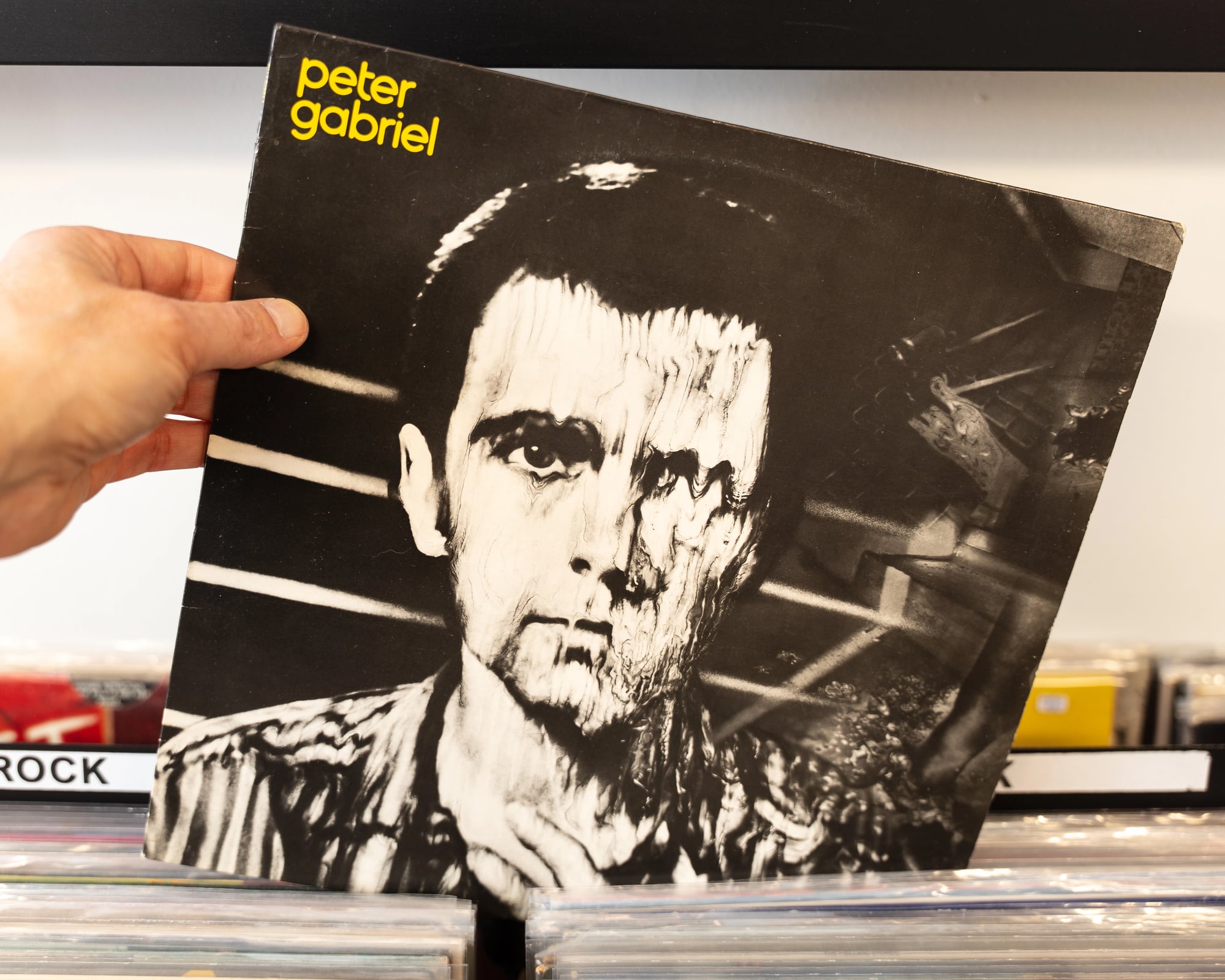
Stop-motion animation had never looked quite like this. Peter Gabriel’s “Sledgehammer” video used claymation and time-lapse photography to create something that felt like a fever dream.
The video proved that music television could be genuinely artistic, not just commercial. MTV started to see itself as a platform for visual experimentation.
The Cars – “You Might Think”
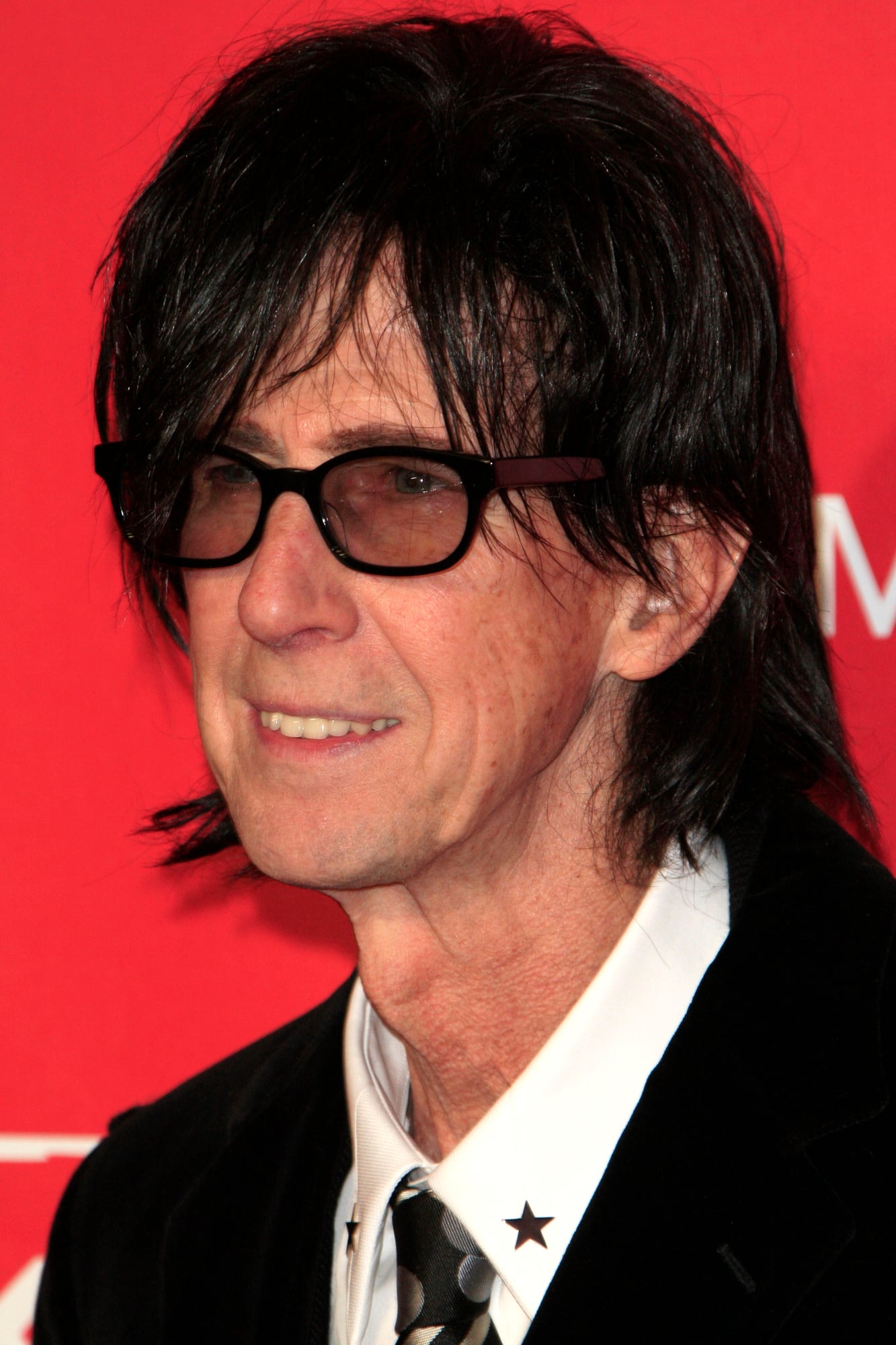
Early computer graphics looked primitive, but The Cars didn’t care. Their “You Might Think” video embraced the artificial quality of digital effects, using them to create something playfully surreal.
MTV learned that new technology could be a selling point even when it wasn’t perfect yet.
Twisted Sister – “We’re Not Gonna Take It”
Some videos worked because they told stories that connected with their audience’s actual lives. Twisted Sister’s suburban rebellion fantasy spoke directly to teenagers who felt misunderstood by their parents.
MTV realized it could be a voice for generational conflict, giving young people a way to express frustration through music.
Devo – “Whip It”

Devo’s commitment to being strange paid off in the MTV era. Their “Whip It” video was deliberately odd, featuring the band in their signature red hats performing synchronized movements.
The video proved that originality mattered more than conventional attractiveness. MTV gave space to artists who refused to fit normal categories.
Dire Straits – “Money For Nothing”
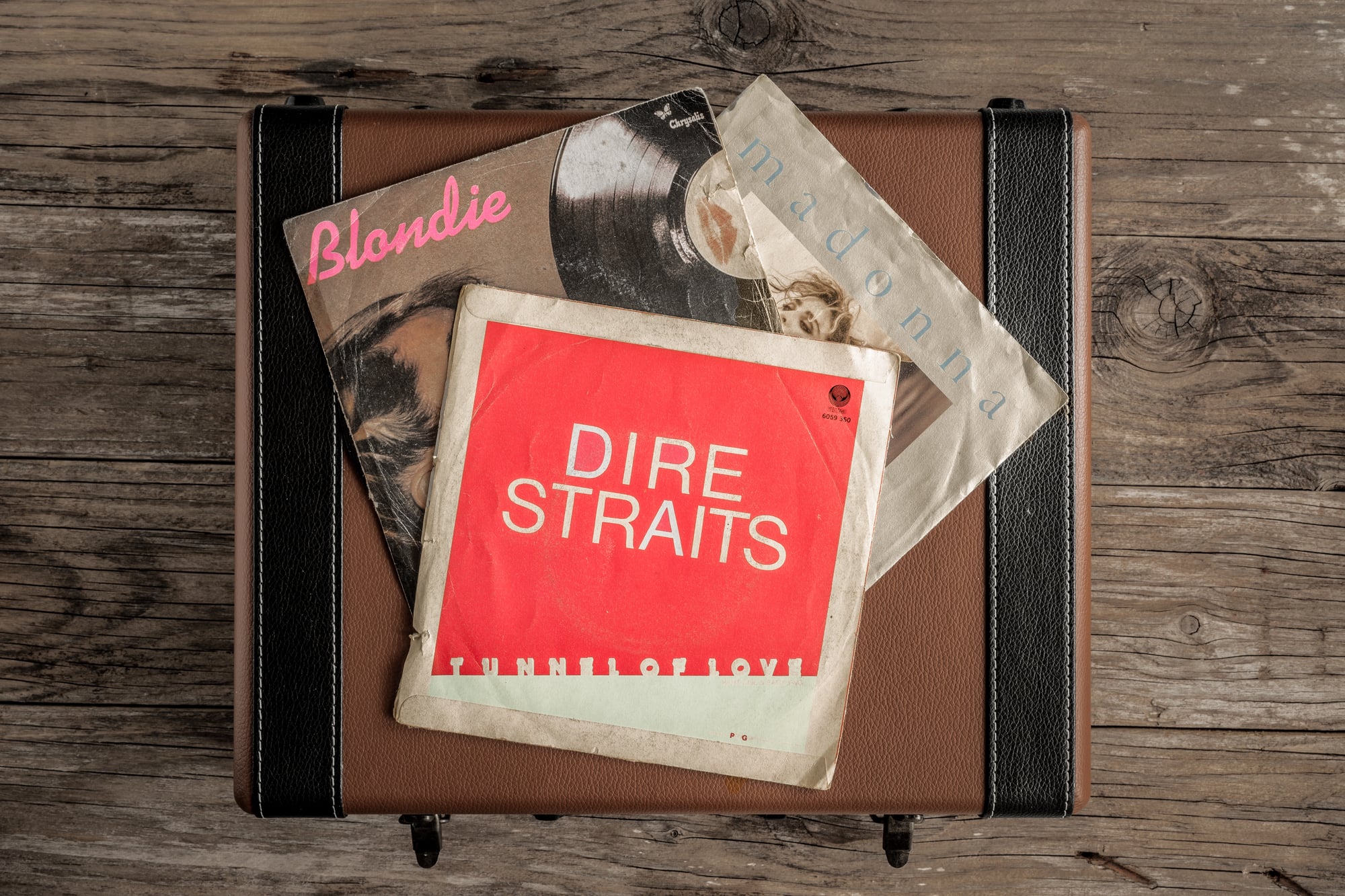
The computer-animated characters in “Money for Nothing” looked like nothing anyone had seen before. Dire Straits used cutting-edge graphics to create a video that felt futuristic.
MTV embraced technology as a creative tool. The channel became a showcase for what was possible when music and visual innovation worked together.
ZZ Top – “Legs”
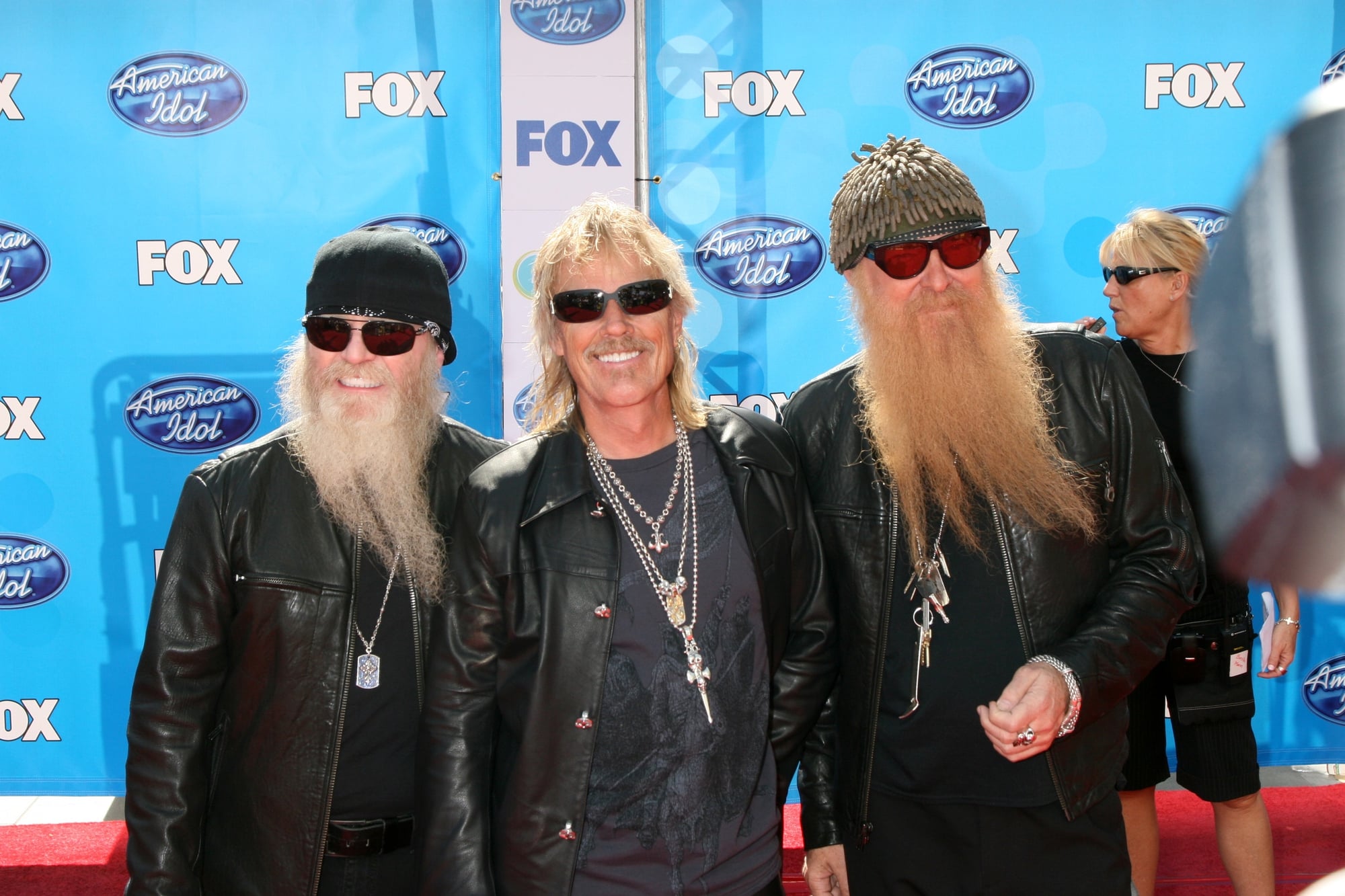
ZZ Top’s videos created a whole mythology around the band. The bearded trio became characters in their own stories, with recurring themes and visual motifs that connected their songs.
MTV learned that consistency could be as powerful as novelty. Artists who developed their own visual language could build stronger connections with audiences.
Blondie – “Heart Of Glass”
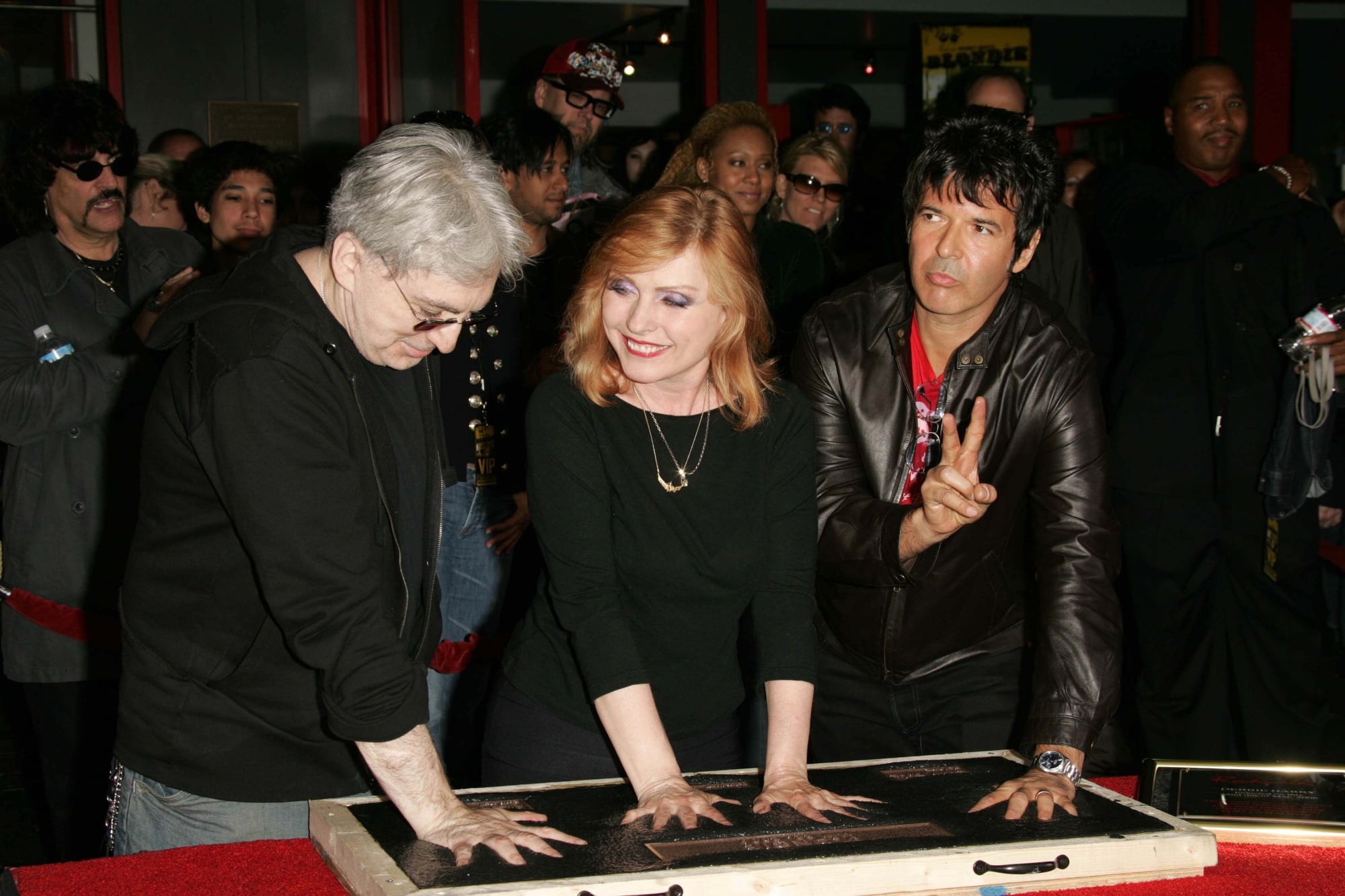
Debbie Harry’s presence commanded attention in ways that audio couldn’t capture. The “Heart of Glass” video showcased her charisma while the band performed with understated cool.
MTV discovered that some artists were simply more compelling to watch than others. Star quality became a measurable asset.
Pat Benatar – “Love Is A Battlefield”

The video told a complete story — small-town girl escapes to the city and finds empowerment through dance. Pat Benatar’s powerful vocals got a visual narrative that matched their emotional intensity.
MTV proved it could handle themes beyond typical rock and roll subjects. Social commentary became part of the channel’s repertoire.
Eurythmics – “Sweet Dreams (Are Made Of This)”
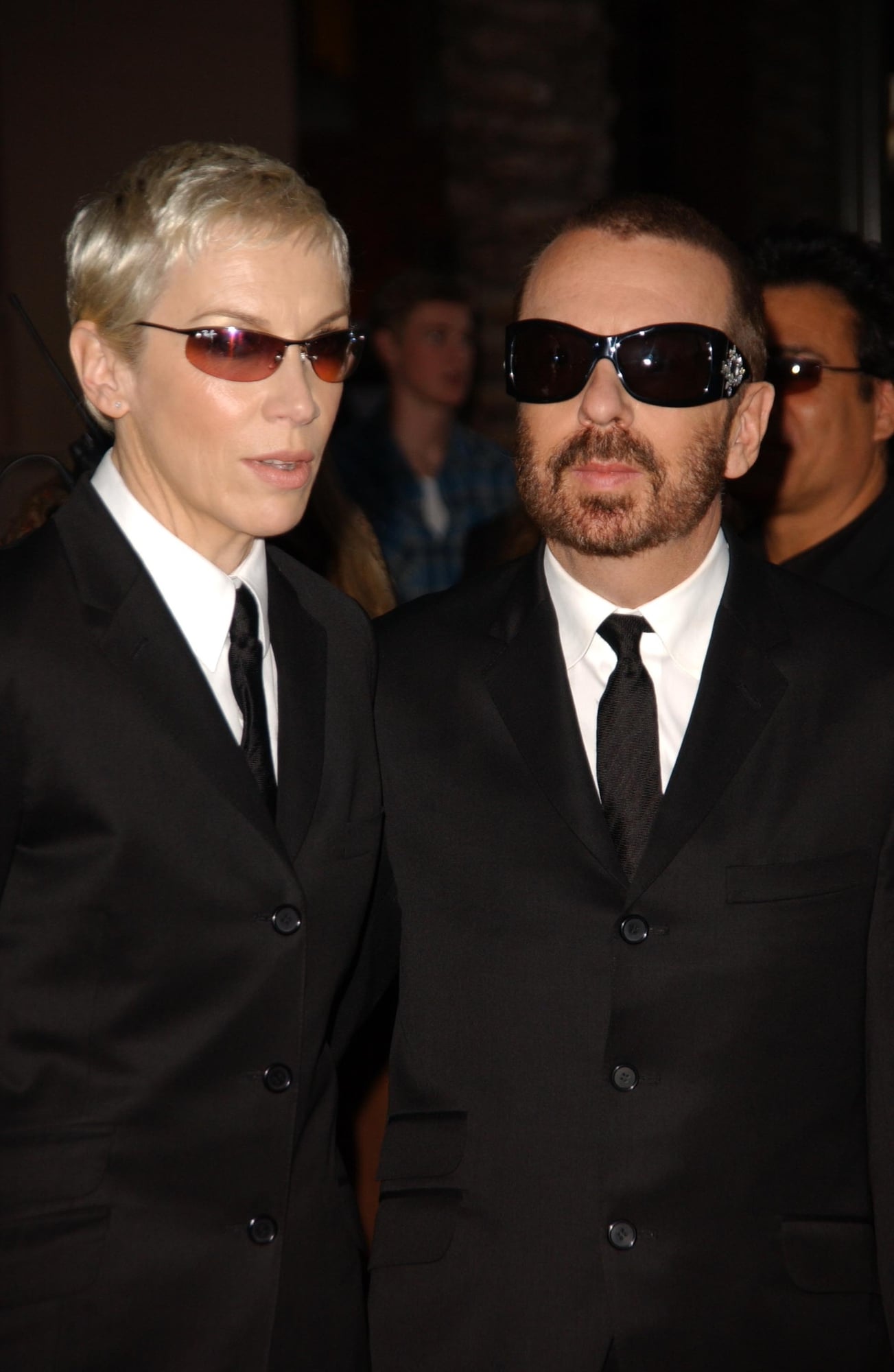
Annie Lennox’s androgynous appearance and powerful voice created a striking visual-audio combination. The video’s surreal imagery matched the song’s hypnotic quality.
MTV showed it could handle artists who challenged conventional gender presentations. Visual ambiguity became another tool for artistic expression.
Billy Idol – “White Wedding”

Billy Idol’s sneer and platinum hair made him perfect for the MTV era. The “White Wedding” video captured his punk attitude while telling a darkly humorous story.
MTV learned that attitude could be as important as musical skill. Personality-driven videos became a staple of the channel’s programming.
Duran Duran – “Rio”
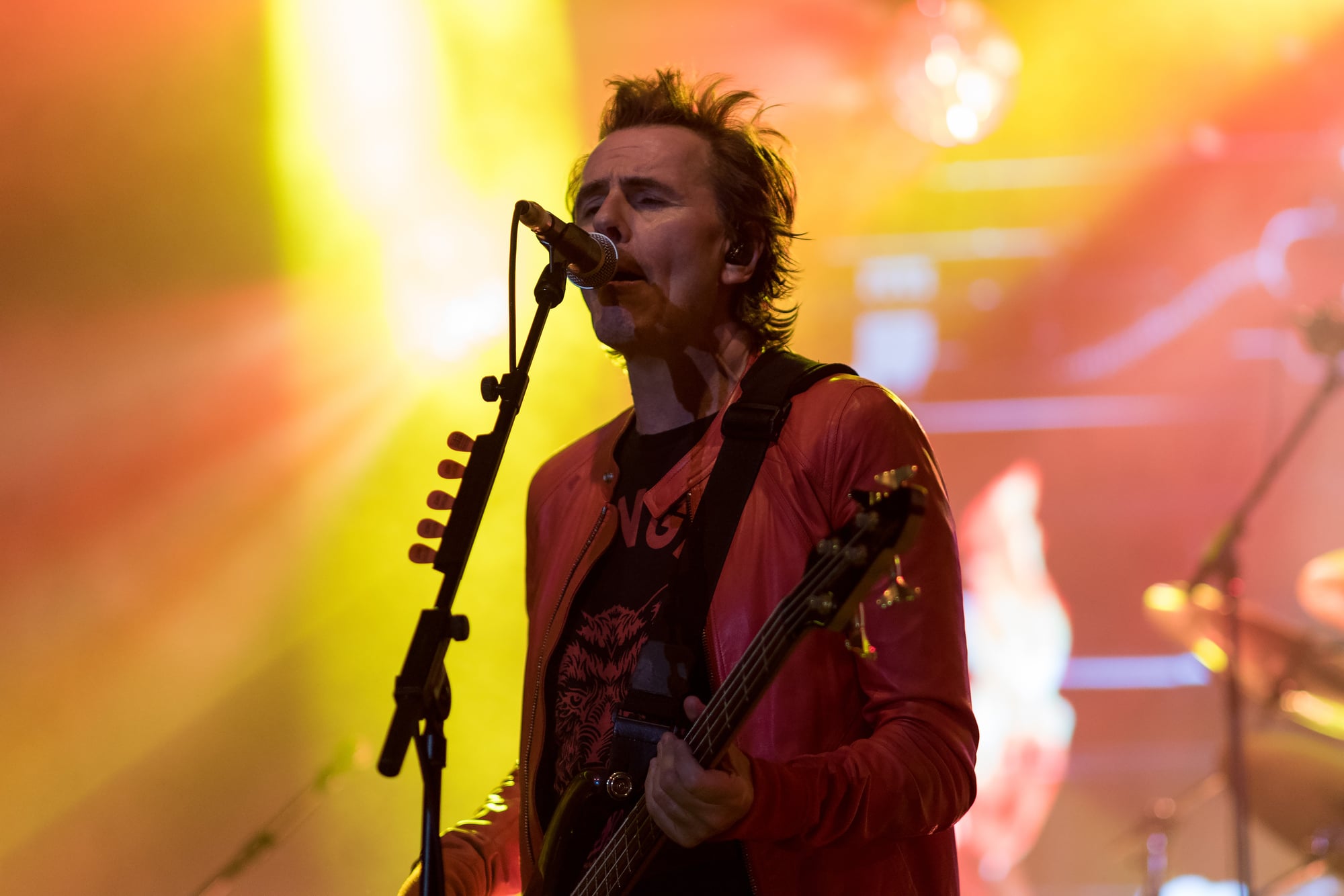
The band returned to MTV with another visually stunning video. “Rio” featured the iconic Patrick Nagel artwork and showcased the band’s continued commitment to high-production-value visuals.
MTV had found artists who understood the medium and kept pushing it forward. Visual consistency became part of building a brand.
The Go-Go’s – “We Got The Beat”
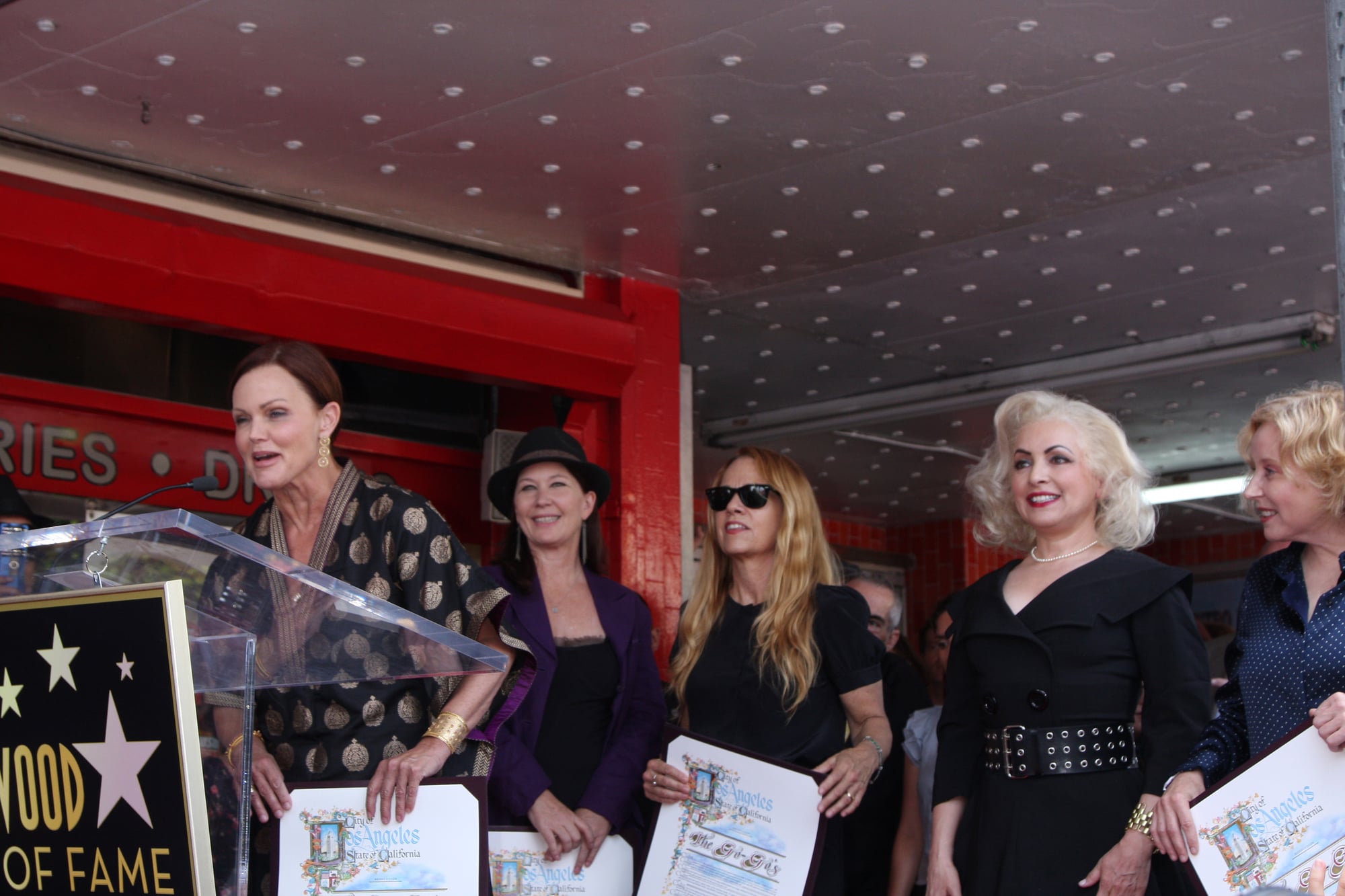
An all-female band playing their own instruments wasn’t common on MTV. The Go-Go’s brought energy and authenticity that felt refreshing compared to more produced videos.
MTV discovered it needed diversity not just for social reasons, but because different perspectives created better content.
Thomas Dolby – “She Blinded Me With Science”
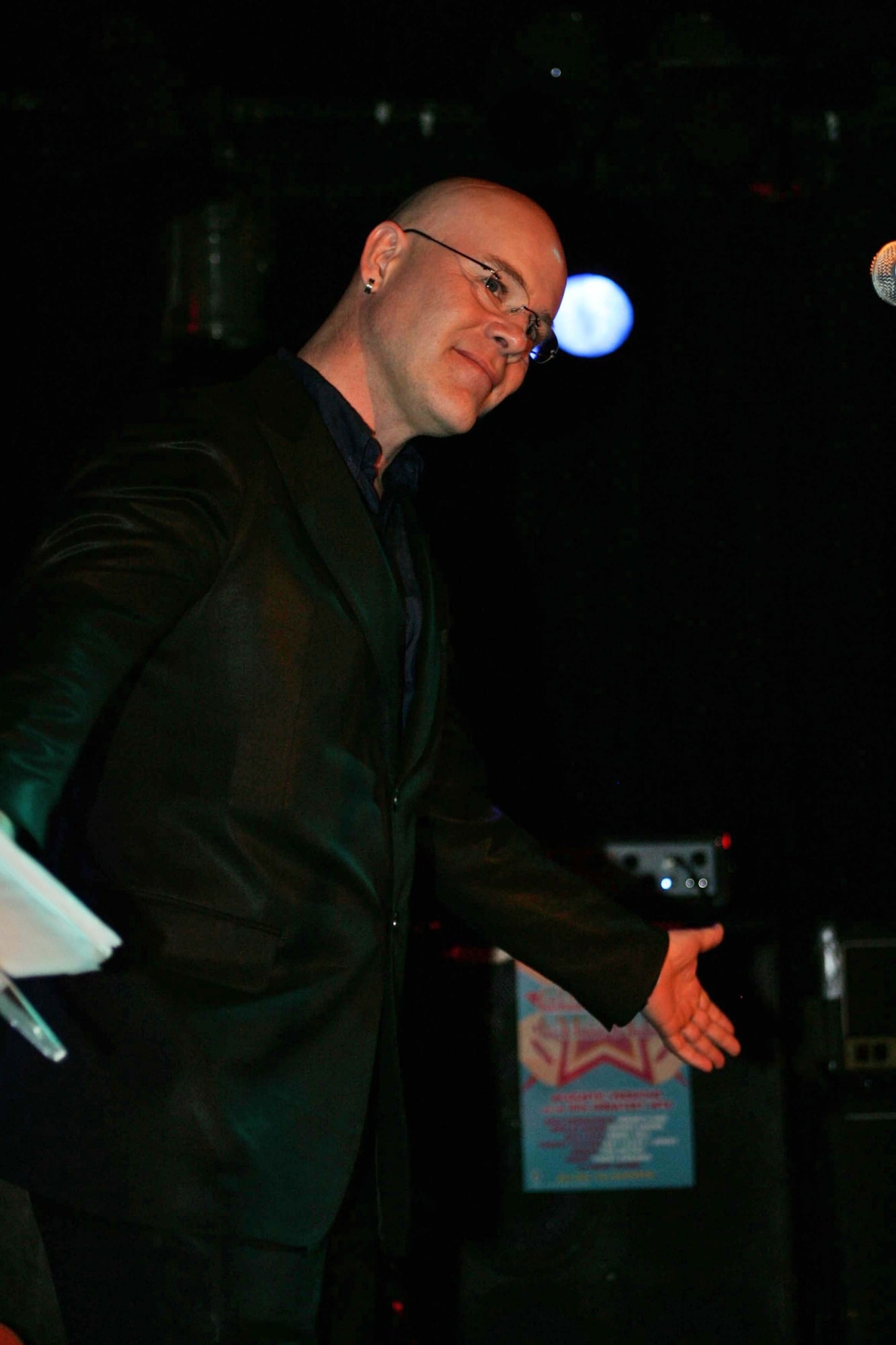
The mad scientist theme perfectly matched Dolby’s synthesizer-heavy sound. The video used humor and visual gags to create something memorably entertaining.
MTV learned that comedy could work as well as drama or spectacle. Entertainment value trumped genre restrictions.
Culture Club – “Karma Chameleon”

Boy George’s unique appearance and the band’s colorful aesthetic created videos that stood out in MTV’s rotation. Their visual boldness matched their musical creativity.
MTV embraced artists who refused to fit into standard categories. Visual distinctiveness became a pathway to success.
When The Music Stopped Being Just Music

MTV didn’t just change how people watched music videos. It fundamentally altered how an entire generation connected with songs themselves.
By the end of the ’80s, hearing a track without seeing it felt incomplete — like reading a book with half the pages missing. The channel had created something unprecedented: a medium where sound and vision became permanently fused, where artists had to think cinematically, and where audiences expected a complete sensory experience rather than just melody and lyrics.
That shift rippled outward in ways nobody predicted, influencing everything from concert staging to album artwork to how musicians moved on stage. The kids who grew up with MTV didn’t just become different listeners — they became different kinds of performers, creators, and dreamers.
More from Go2Tutors!

- The Romanov Crown Jewels and Their Tragic Fate
- 13 Historical Mysteries That Science Still Can’t Solve
- Famous Hoaxes That Fooled the World for Years
- 15 Child Stars with Tragic Adult Lives
- 16 Famous Jewelry Pieces in History
Like Go2Tutors’s content? Follow us on MSN



