Most Expensive Coffees to Try
A morning staple for millions, coffee transforms when you reach the top tier. Grown in isolated highlands, some varieties come from minuscule harvests.
Because they’re handled with unusual care, scarcity drives value. What lands in your mug might cost more than a meal.
Rare methods shape rarity. Price shifts when supply shrinks this much.
Some places charge more because of where they are, how beans get made, or just how rare they happen to be. These coffees became famous worldwide – not only due to high prices, yet also because each sip carries its own history.
A taste of luxury hides in certain coffees – rare ones that cost more than most would expect. Some come from beans eaten by animals then collected afterward.
Others grow on remote mountains where only a few farms can manage the terrain. Each cup carries a story different from ordinary morning brews.
Worth trying, perhaps, if curiosity outweighs the price.
Kopi Luwak
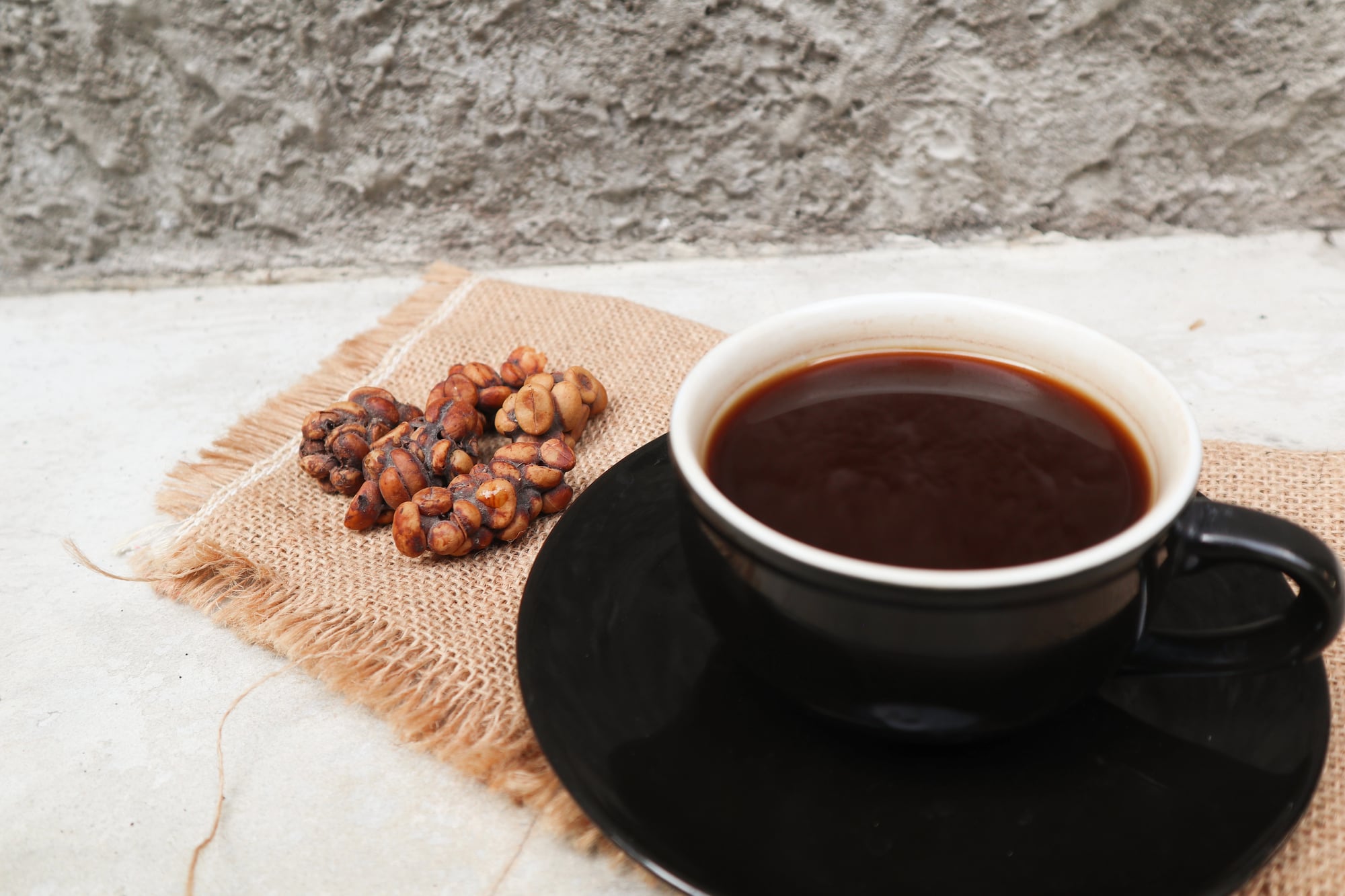
Kopi Luwak from Indonesia is perhaps the most famous luxury coffee in the world. The beans come from coffee cherries that have been eaten by Asian palm civets, small tree-dwelling mammals that roam coffee plantations at night.
During digestion, natural enzymes alter the beans’ composition, which many enthusiasts say softens bitterness and creates a smoother flavor.
After the beans are collected, cleaned, and roasted, they develop a rich profile often described as earthy with subtle chocolate notes. Still, authentic Kopi Luwak is rare because production depends on wild civets and careful sourcing.
That scarcity has helped push prices to extraordinary levels, especially for beans certified as ethically gathered in natural habitats.
Black Ivory Coffee
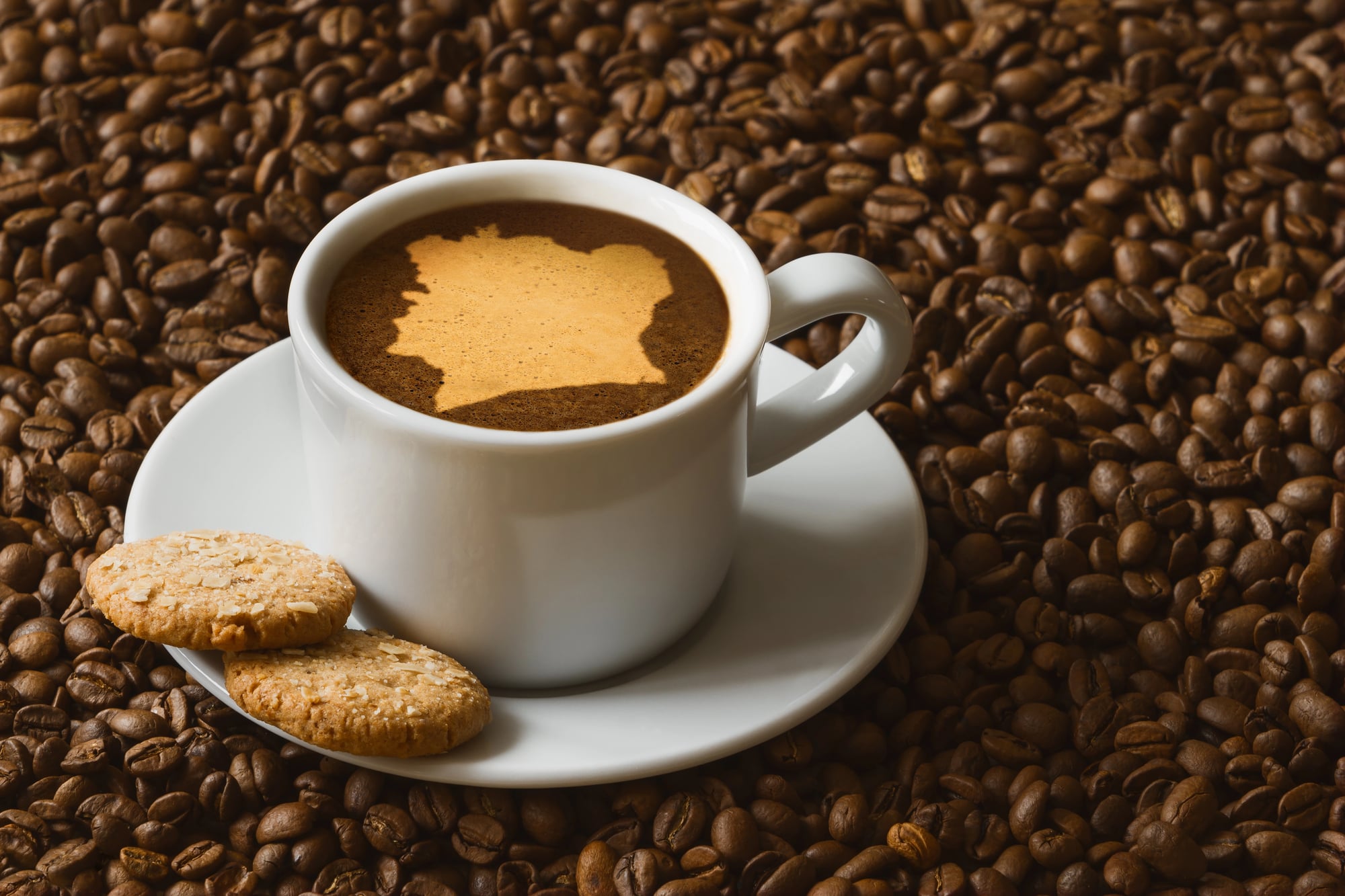
Black Ivory Coffee from Thailand is one of the rarest brews on Earth, produced in extremely small quantities each year. The process involves elephants consuming carefully selected coffee cherries, after which the beans are recovered, washed, and roasted.
The digestion process breaks down certain proteins responsible for bitterness, producing a remarkably smooth cup with hints of cocoa and spice. Even so, the high price comes largely from the amount of fruit required to produce a small batch of beans.
Dozens of pounds of cherries may yield only a fraction of that weight in finished coffee, making every pound of Black Ivory exceptionally scarce.
Hacienda La Esmeralda Geisha

In the mountains of Panama grows one of the most celebrated beans in specialty coffee: the Geisha variety cultivated at Hacienda La Esmeralda. This farm helped introduce the world to Geisha coffee when its beans stunned judges at international tasting competitions in the early 2000s.
The beans thrive in cool high-altitude conditions that slow the ripening process and concentrate delicate flavors. Roasted lightly, they often reveal floral aromas and bright citrus notes that resemble tea more than traditional coffee.
That said, auction prices for top lots regularly reach astonishing figures, with some batches selling for hundreds of dollars per pound.
Jamaican Blue Mountain Coffee

Jamaican Blue Mountain Coffee has been synonymous with luxury for decades. Grown in the misty Blue Mountains of Jamaica, these beans benefit from rich volcanic soil, steady rainfall, and cool temperatures that encourage slow, careful growth.
The resulting coffee is prized for its balanced character. It tends to feature gentle acidity, mild sweetness, and a remarkably smooth finish that appeals even to people who normally find coffee too intense.
Production is limited because only beans grown within a specific elevation range qualify for the official designation. As a result, demand from international buyers often exceeds supply.
St. Helena Coffee
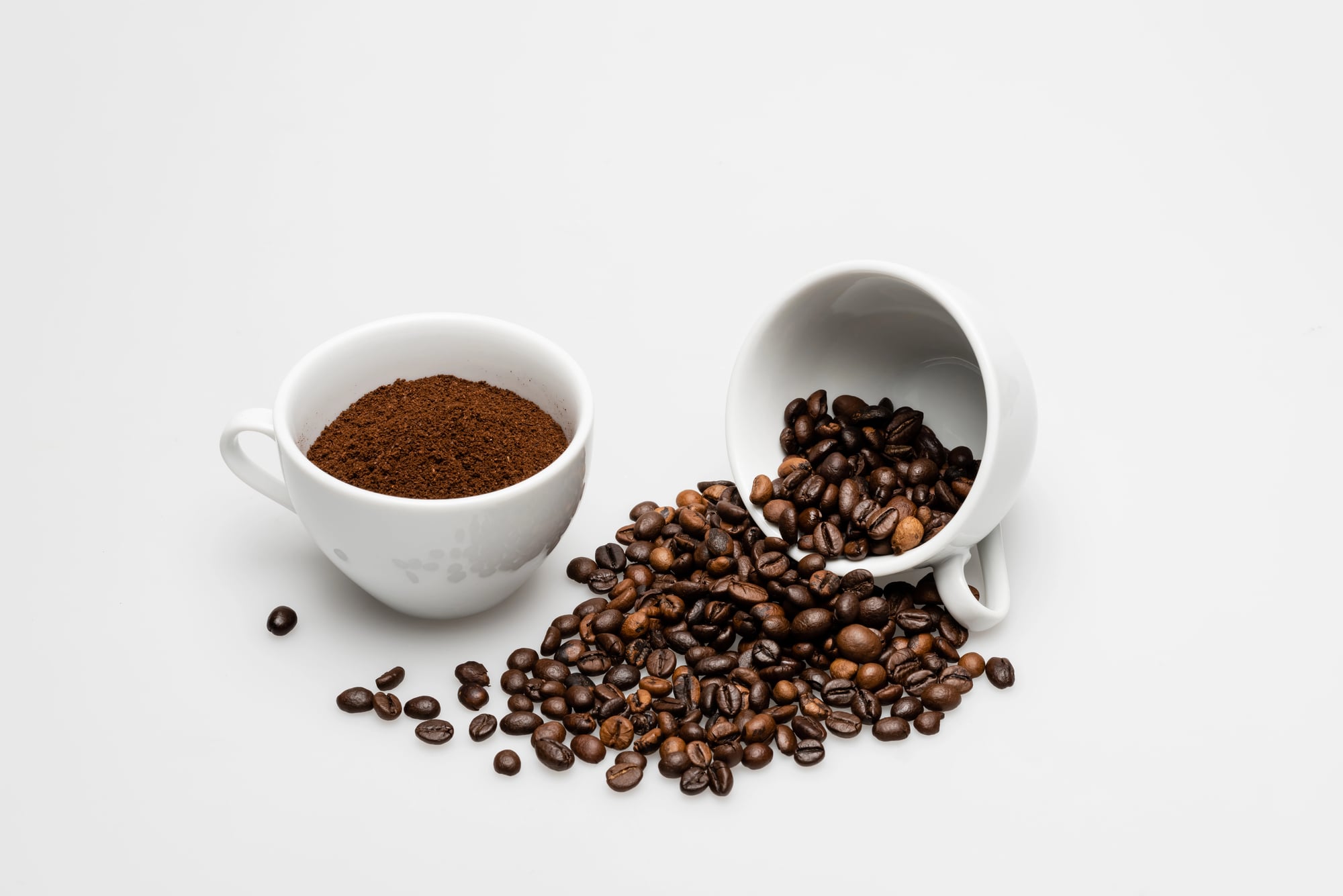
On a remote island in the South Atlantic, St. Helena produces one of the world’s most unusual coffees. The volcanic island lies more than a thousand miles from the nearest mainland, and its isolation has helped preserve a unique growing environment for Arabica beans.
Coffee was first planted there in the 1700s, and the island quickly earned a reputation for exceptional quality. The beans produce a cup with bright citrus notes and a refined sweetness that many tasters compare to high-end tea.
Even so, shipping from such a remote location adds to the cost, and production remains extremely limited.
Finca El Injerto Coffee
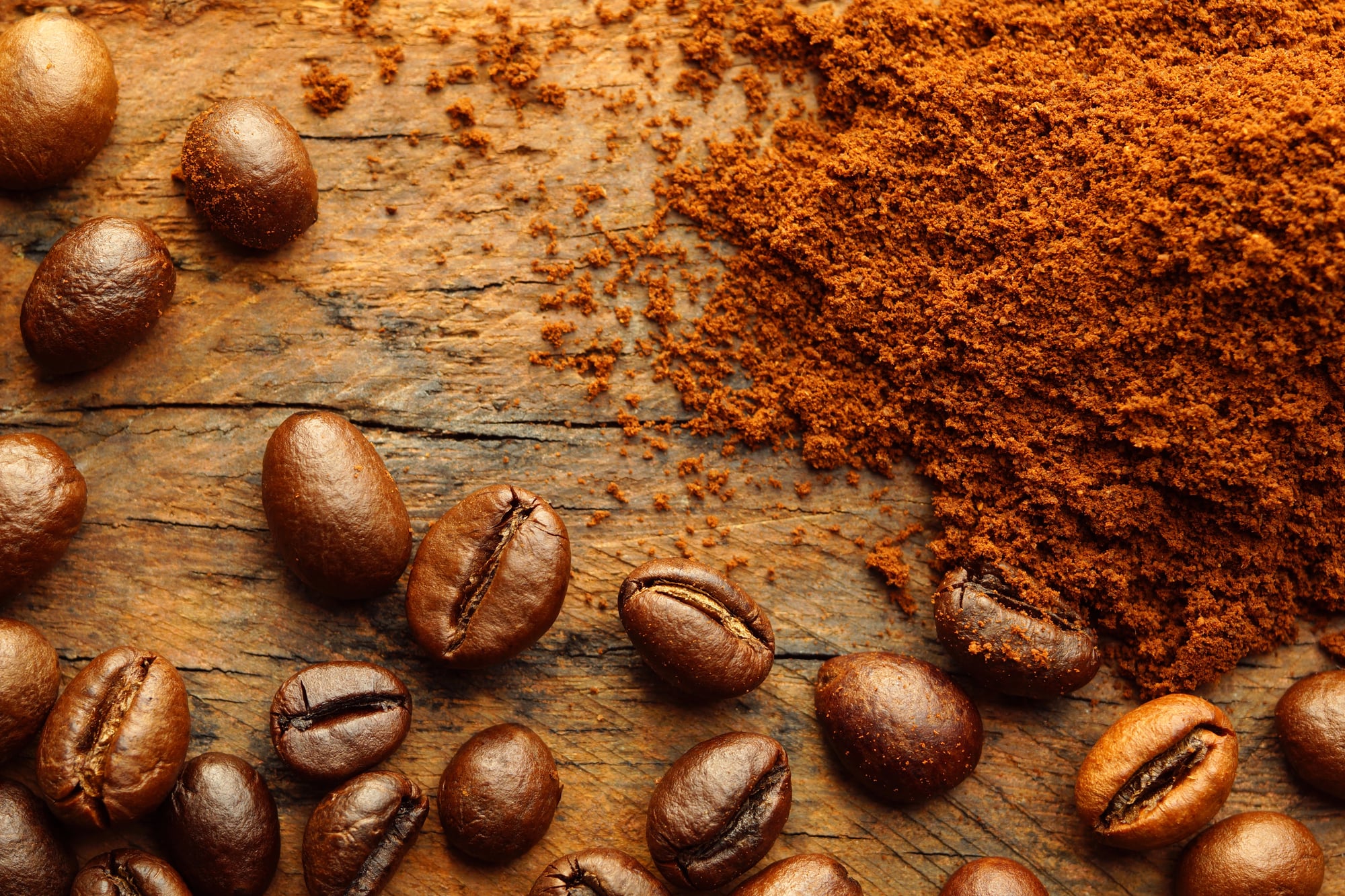
Finca El Injerto in Guatemala has become legendary among specialty coffee buyers. The family-run estate sits in the Huehuetenango region, a high-altitude area known for producing complex and aromatic beans.
What sets this coffee apart is meticulous attention to detail at every stage of cultivation. Farmers select only perfectly ripened cherries and process them using precise methods designed to highlight natural sweetness and fruit-like flavors.
Over the years, the farm has repeatedly won international competitions, helping its beans command premium prices. For many enthusiasts, a cup from Finca El Injerto represents the pinnacle of carefully crafted coffee.
Los Planes Coffee

In the mountains of El Salvador lies Los Planes, a farm whose beans have consistently ranked among the most valuable in global coffee auctions. The estate focuses heavily on quality, experimenting with different processing techniques that highlight the natural character of each harvest.
Many of the beans grown here belong to the Pacamara variety, known for producing large seeds and bold flavor profiles. When roasted, the coffee often reveals notes of tropical fruit, caramel, and bright acidity.
That combination of complexity and rarity has helped Los Planes coffees achieve record-breaking auction prices, attracting buyers from specialty roasters around the world.
Molokai Coffee
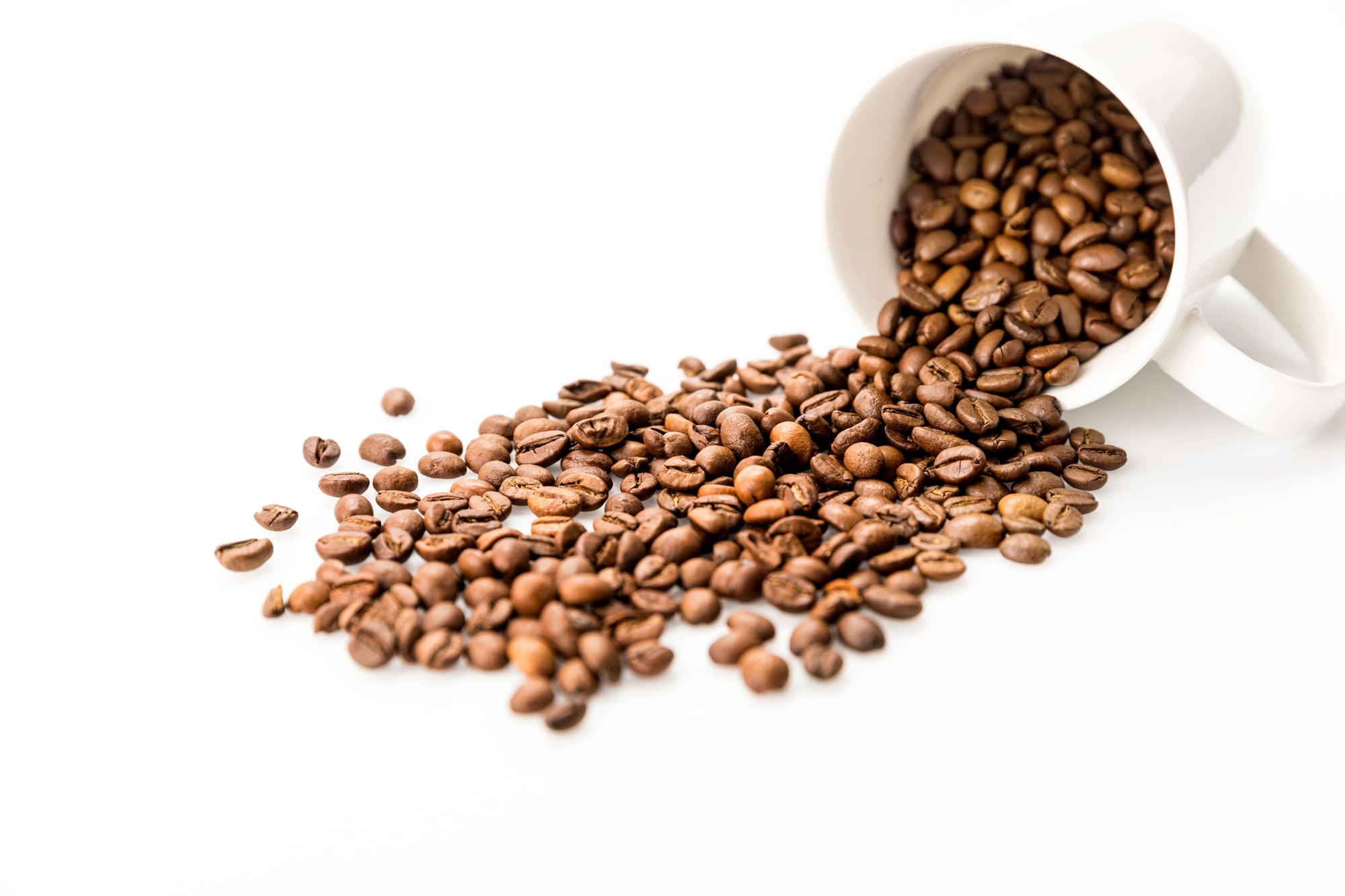
Molokai Coffee from Hawaii offers a different expression of luxury coffee. While Hawaii is better known for Kona beans, the island of Molokai has quietly developed its own reputation for high-quality production.
The island’s warm climate, mineral-rich soil, and steady ocean breezes create favorable conditions for growing Arabica coffee. Farms there tend to operate on a smaller scale, which allows growers to focus closely on quality.
The resulting brew often features smooth body and gentle sweetness with subtle nutty undertones. That said, limited land and high production costs contribute to prices that place Molokai beans among the most expensive in the United States.
Panama Elida Geisha

Another standout from Panama comes from Elida Estate, a farm located high in the Boquete mountains. The estate produces exceptional Geisha beans that have repeatedly broken auction records within the specialty coffee industry.
The farm’s elevation and cool microclimate allow cherries to mature slowly, intensifying delicate aromatic compounds within the beans. Once roasted, the coffee often displays remarkable clarity of flavor, including floral notes and hints of tropical fruit.
Still, production is extremely small compared with global demand. Collectors and specialty roasters regularly compete for the limited supply, driving prices upward year after year.
Kona Coffee
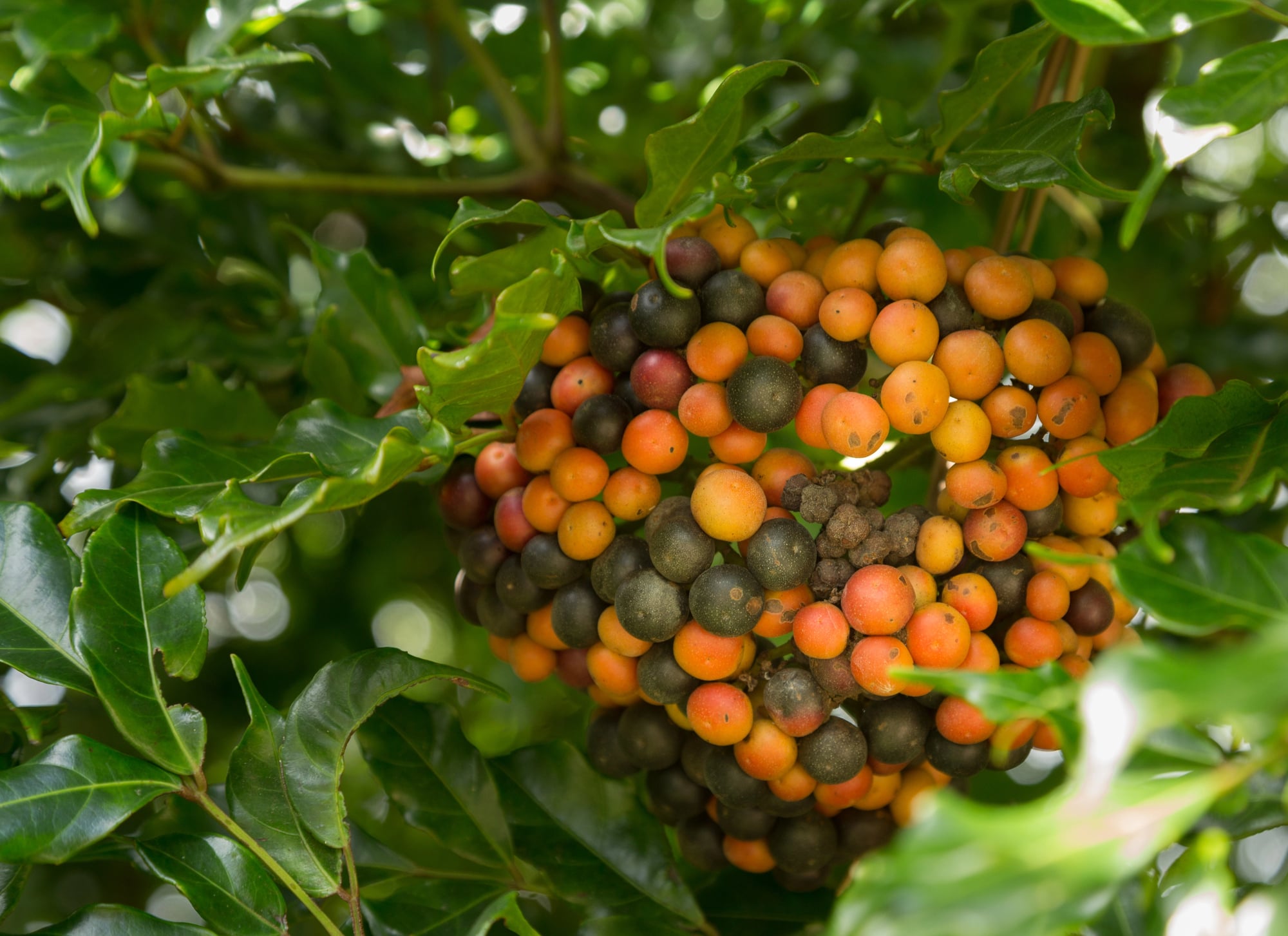
Kona Coffee from Hawaii’s Big Island remains one of the most recognized premium coffees in the world. The beans grow along the slopes of the Mauna Loa volcano, where sunny mornings, cloud cover in the afternoon, and rich volcanic soil create near-ideal conditions for cultivation.
Farmers in the Kona region typically harvest cherries by hand, selecting only those that have reached peak ripeness. That careful process produces beans known for their smooth body and balanced flavor with gentle hints of chocolate and nuts.
Even so, the limited size of the Kona growing region means authentic beans are always in short supply, which helps sustain their reputation as a luxury coffee.
Why These Coffees Still Fascinate Drinkers
Out of nowhere, luxury coffee shifted from oddity to worldwide ritual. Taste matters, although so does the journey – soil, weather, people tending crops season after season.
Some priciest beans earned fame long back, still drawing interest as more folks dive deep into craft brews. Popularity climbs, even though roots trace to older times.
Nowhere else does taste tell such a layered story as in what we sip each day. Not just fuel to start the hours, coffee now speaks of method, origin, because attention has shifted toward detail.
These high-priced brews? More than scarcity drives their value. Each pour holds echoes of misty hillsides, family hands shaping harvests across decades.
More from Go2Tutors!

- The Romanov Crown Jewels and Their Tragic Fate
- 13 Historical Mysteries That Science Still Can’t Solve
- Famous Hoaxes That Fooled the World for Years
- 15 Child Stars with Tragic Adult Lives
- 16 Famous Jewelry Pieces in History
Like Go2Tutors’s content? Follow us on MSN.