Things That Were Once Banned in America That Most People Have Forgotten
The United States has always prided itself on being the land of the free, but freedom hasn’t always extended to the things we take for granted today. Throughout American history, lawmakers, moral crusaders, and various authorities have banned everything from harmless games to basic forms of entertainment.
Most of these prohibitions seem absurd now, relics of different times when different fears ruled public policy. What’s fascinating isn’t just what was banned, but how completely these restrictions have vanished from collective memory.
Pinball Machines
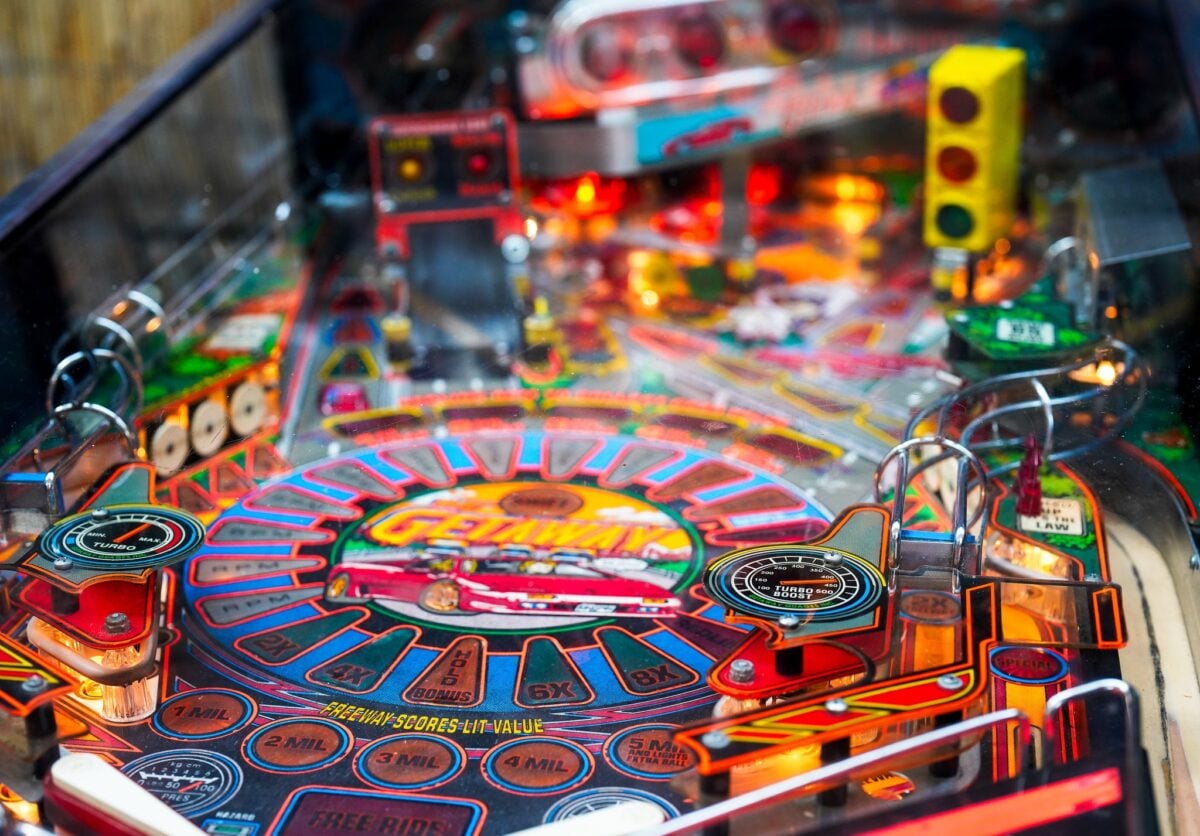
Pinball was once considered a gateway to juvenile delinquency. New York City banned pinball machines in 1942, and the prohibition lasted until 1976.
The reasoning? City officials believed pinball was pure gambling that corrupted America’s youth and lined the pockets of organized crime. The ban was so thorough that police raids would confiscate machines and destroy them with sledgehammers.
Mayor Fiorello La Guardia himself posed for photos while smashing pinball machines into scrap metal. Other cities followed suit, treating pinball parlors like speakeasies.
Christmas

The Puritans weren’t having it. From 1659 to 1681, Massachusetts banned Christmas celebrations entirely. Anyone caught celebrating faced a fine of five shillings, which was serious money at the time.
The Puritans viewed Christmas as a pagan holiday dressed up in Christian clothing. They pointed out that the Bible never mentioned December 25th as Christ’s birthday and saw the festivities as an excuse for drunkenness and disorder.
To them, every day should honor God equally — no special feast days required.
Dancing
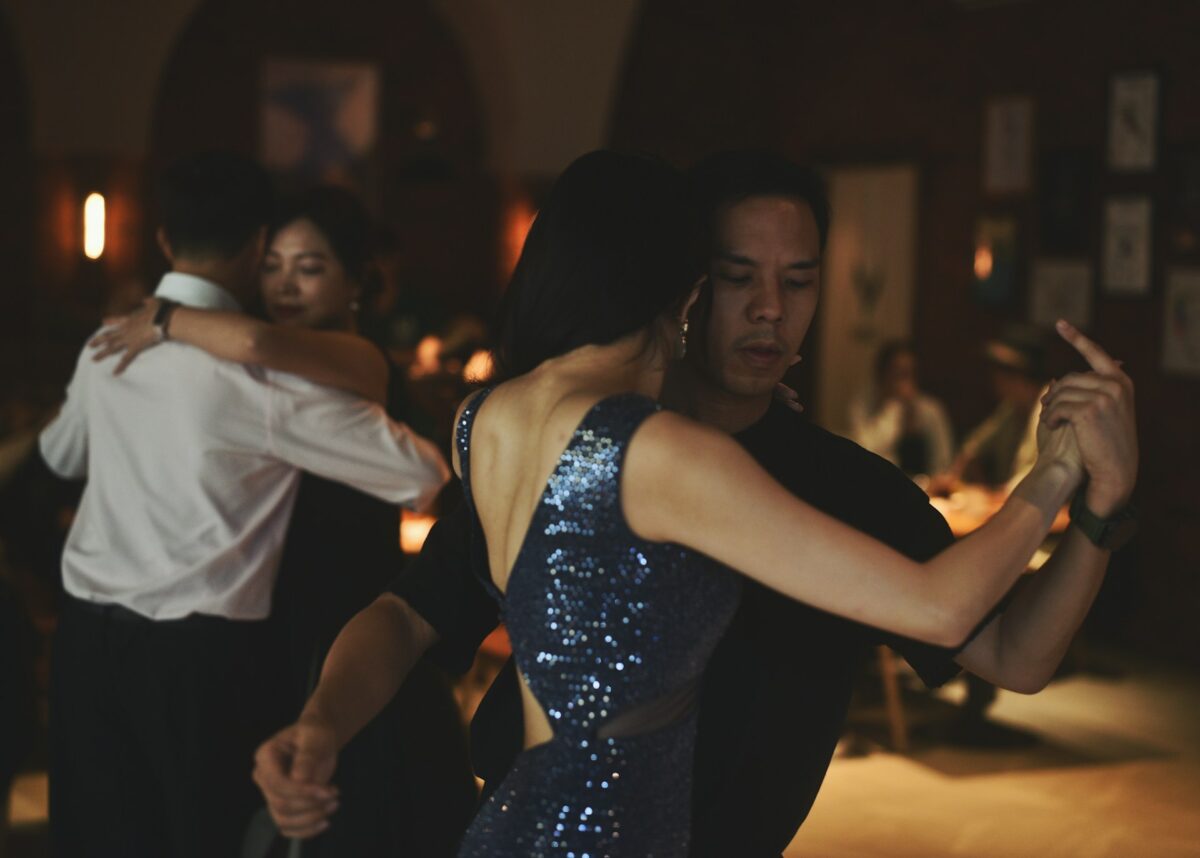
Dancing has been banned at various times and places across America, though the prohibition was never quite as dramatic as the movies make it seem. But it did happen (certain towns in the South and Midwest genuinely outlawed public dancing well into the 20th century, particularly any dancing that brought unmarried people into close physical contact, which was basically all of it).
These weren’t just religious communities making these rules — regular municipalities decided that dancing led to moral corruption and needed to be stopped. The logic went something like this: dancing leads to touching, touching leads to arousal, arousal leads to sin.
So eliminate dancing and you eliminate the entire chain of temptation. Which sounds reasonable enough until you realize people figured out how to sin without dancing lessons.
Ice Cream Sodas on Sundays

Blue laws in the late 1800s banned the sale of ice cream sodas on Sundays because they were considered too indulgent for the Sabbath. The solution? Remove the carbonated water and serve just ice cream with syrup.
That’s how the sundae was born. Spelled with an “e” to avoid directly referencing the holy day, but still clearly named after the day it was created to circumvent the law. Some towns were so strict about Sunday soda sales that they’d arrest shop owners who violated the ban.
Comic Books
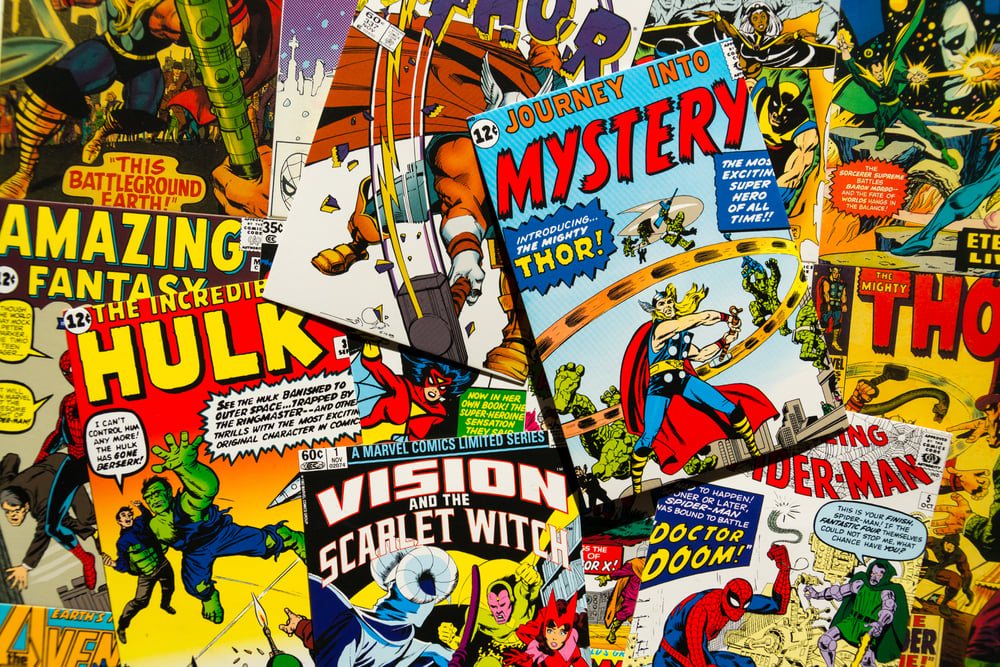
The 1950s brought a full-scale moral panic about comic books corrupting American children. While an outright federal ban never materialized, local communities across the country banned comic books from being sold to minors or removed them from libraries and schools entirely.
Dr. Fredric Wertham’s book “Seduction of the Innocent” claimed that comic books caused juvenile delinquency, prompting Senate hearings and massive public outcry. Parents held comic book burnings.
The industry nearly collapsed under the pressure.
Margarine
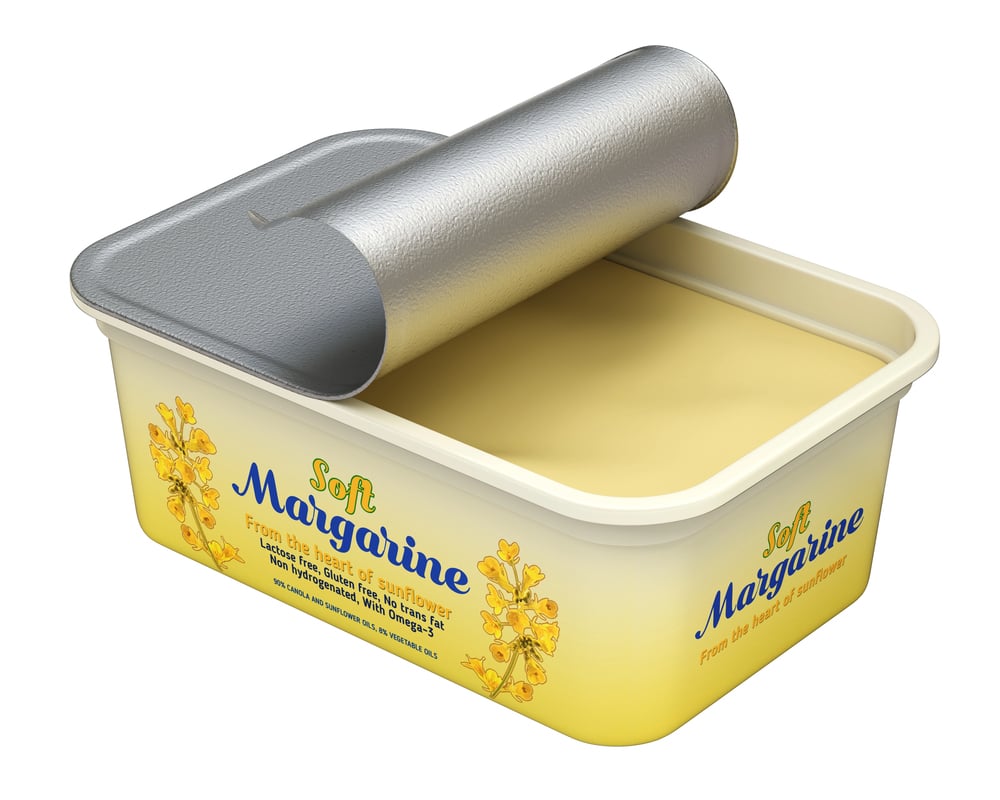
Wisconsin banned margarine completely until 1967. Other states required it to be dyed pink or black to make it look unappetizing, or banned restaurants from serving it without explicitly warning customers.
The dairy lobby was powerful, and margarine threatened their business. Laws required margarine to be sold white with a packet of yellow dye that consumers had to mix in themselves.
Some states made it illegal to serve margarine in schools, prisons, or hospitals. The butter versus margarine war lasted decades.
Sliced Bread

During World War II, the U.S. government briefly banned pre-sliced bread in January 1943. The reasoning involved conserving resources — supposedly the machinery, packaging materials, and steel used for slicing bread were needed for the war effort.
Americans hated this ban more than almost any other wartime restriction. Housewives complained that slicing bread by hand wasted more bread than the pre-sliced loaves did.
The ban was so unpopular that it was reversed within three months. The government quietly admitted that the resource savings were minimal anyway.
Kinder Eggs

The FDA has banned Kinder Surprise eggs since their introduction to the American market in the 1970s because of a law (enacted in 1938) prohibiting non-food items inside food products. The tiny toys inside the chocolate eggs are considered a choking hazard, making them illegal to import or sell.
This isn’t some forgotten historical ban — it’s still active today. Customs agents confiscate Kinder Eggs at borders.
People have been fined for bringing them into the country. The fact that children in dozens of other countries manage to eat Kinder Eggs without widespread casualties doesn’t seem to matter.
Pool and Billiards

Many American cities banned pool halls entirely during the early 1900s, viewing them as dens of gambling and vice. The game itself wasn’t illegal, but public establishments where people gathered to play were shut down.
Pool halls were associated with drinking, gambling, and “undesirable” social mixing. Cities worried that respectable citizens, particularly young men, would be corrupted by the atmosphere.
Some places allowed private clubs to have pool tables but banned commercial pool halls outright.
Tattoos

New York City banned tattooing from 1961 to 1997 due to a hepatitis outbreak linked to unsanitary tattoo parlors. Other cities and states imposed similar bans throughout the latter half of the 20th century.
The ban was so complete that people had to travel to other states to get tattoos. This drove the practice underground in many places, ironically making it less safe.
Massachusetts didn’t legalize tattooing until 2000. Oklahoma held out until 2006.
Fortune Telling

Across American cities, fortune telling has been banned as fraud, with many municipalities treating tarot card readings, palm reading, and crystal orb gazing as criminal activities designed to separate gullible people from their money. These laws often remain on the books even today, though enforcement varies widely.
Some cities require fortune tellers to post signs disclaiming that their services are “for entertainment only.” Others ban the practice entirely, classifying it alongside other forms of fraud or confidence games.
Arcade Games

Video arcades faced widespread bans in the 1980s as communities worried about their effect on children. Towns across America banned arcade games outright or restricted them so heavily that arcades couldn’t operate profitably.
The concern was that arcades attracted truants, encouraged gambling-like behavior, and exposed children to unsavory influences. Some communities banned anyone under 18 from entering arcades during school hours.
Others required arcade owners to hire security guards or limit the number of games per establishment.
Alcohol Sales to Women

Before and even after Prohibition, many states banned the sale of alcohol to women or prohibited women from drinking in public establishments. These laws persisted in some places well into the 1970s.
The reasoning combined paternalistic protection with moral judgments about proper feminine behavior. Women were thought to be more susceptible to alcohol’s corrupting influence and needed legal protection from their own poor judgment.
Bars that served women faced fines or license revocation.
When Fear Writes the Laws
Looking back at these forgotten prohibitions reveals something uncomfortable about how quickly societies can convince themselves that perfectly harmless activities pose existential threats. The same moral certainty that banned pinball machines and Christmas celebrations continues to shape policy today — just focused on different targets.
What seems obviously ridiculous now once commanded serious legislative attention and genuine public support. Which makes you wonder what current prohibitions will seem equally absurd to future generations thumbing through our own list of inexplicable fears.
More from Go2Tutors!

- The Romanov Crown Jewels and Their Tragic Fate
- 13 Historical Mysteries That Science Still Can’t Solve
- Famous Hoaxes That Fooled the World for Years
- 15 Child Stars with Tragic Adult Lives
- 16 Famous Jewelry Pieces in History
Like Go2Tutors’s content? Follow us on MSN.