Empires That Collapsed Entirely Because of One Catastrophic Mistake
History has a way of humbling even the mightiest civilizations. Empires that once seemed invincible — controlling vast territories, commanding millions of subjects, and wielding power that stretched across continents — can crumble with shocking speed when the wrong decision meets the wrong moment.
These aren’t gradual declines that historians debate for centuries. These are empires that made one catastrophic mistake and watched their entire world collapse as a direct result.
The lesson here isn’t just about bad judgment. It’s about how empires, despite all their resources and advisors, can become so isolated from reality that they mistake a death sentence for a clever strategy. When you’re used to winning, the idea that one decision could end everything becomes unthinkable — right up until it happens.
The Aztec Empire
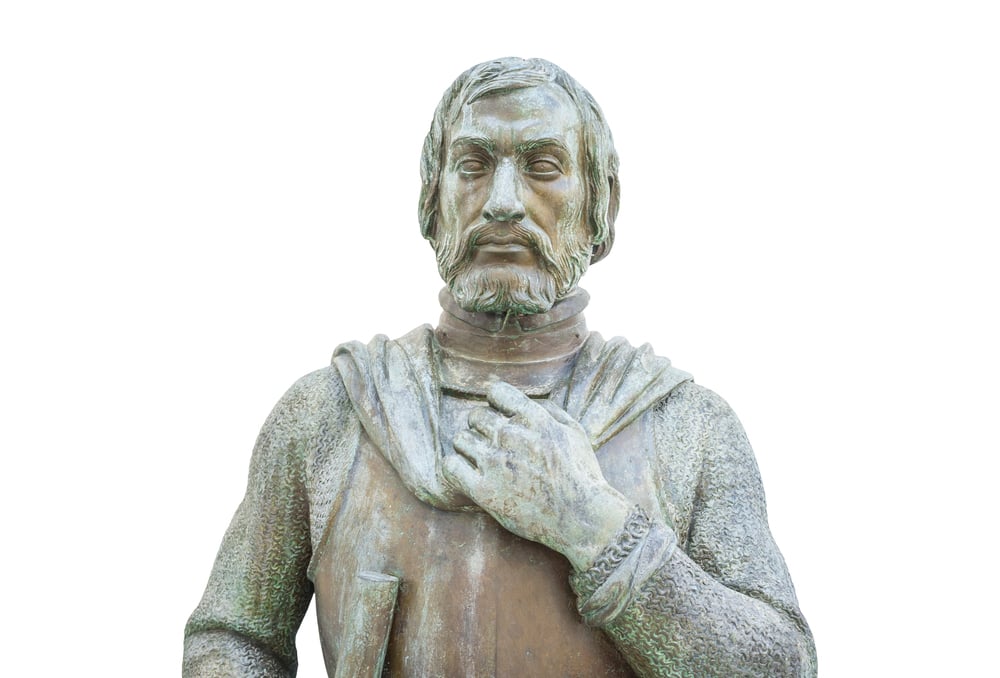
Moctezuma II had every reason to be confident. His empire controlled central Mexico with an iron grip, commanded tribute from dozens of city-states, and maintained one of the most sophisticated military machines in the Americas. When strange men with pale skin arrived on ships, he faced a choice that would determine whether his civilization survived or vanished entirely.
The catastrophic mistake wasn’t underestimating Spanish military technology or failing to recognize the threat of smallpox. It was something far more fundamental: Moctezuma chose to welcome Cortés into Tenochtitlan as an honored guest instead of crushing the tiny Spanish force while he still held every possible advantage.
The numbers were absurd. Moctezuma commanded hundreds of thousands of warriors. Cortés had fewer than 600 men, thousands of miles from any reinforcement.
A quick, decisive strike would have ended the Spanish expedition before it truly began. Instead, Moctezuma opened the gates of his capital city and invited his destroyers inside. Within two years, the Aztec Empire had ceased to exist.
The Western Roman Empire
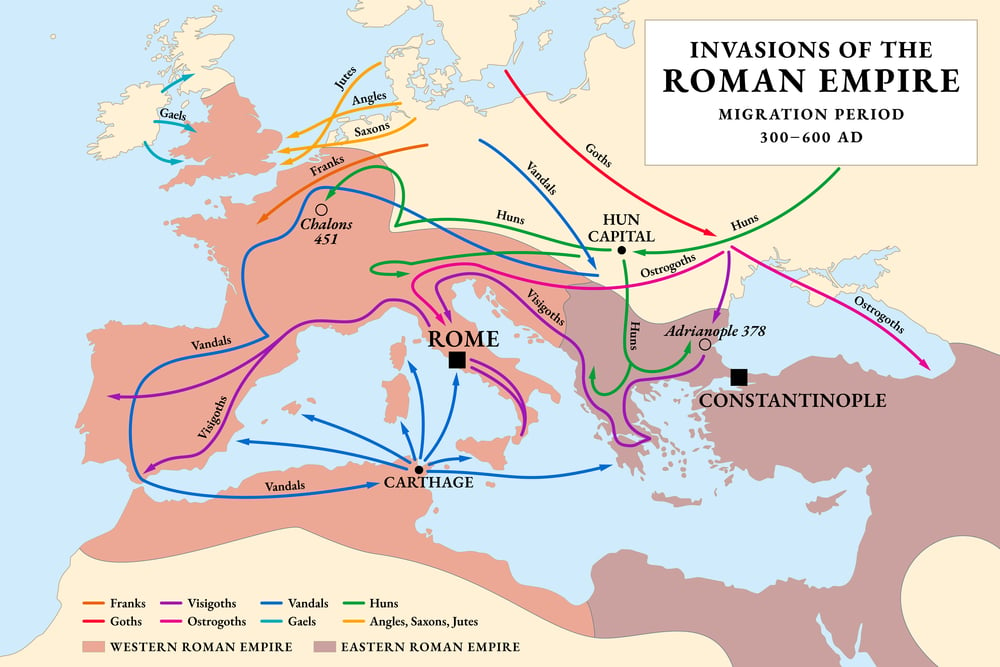
The sack of Rome in 410 AD wasn’t the end — it was a symptom. The Western Roman Empire had been declining for decades, losing territory and influence across Europe.
But the empire still controlled vast resources and maintained the administrative machinery that had governed the known world for centuries. One decision by Emperor Honorius turned a manageable crisis into an irreversible collapse.
Honorius chose to have Stilicho executed. Stilicho wasn’t just any general — he was the most competent military commander the empire had, the man who had successfully held back barbarian invasions for years, and quite possibly the last person capable of holding the Western Empire together.
Honorius killed him anyway, driven by paranoia and court politics. The barbarian invasions that followed weren’t unstoppable forces of nature.
They were predictable consequences of removing the one man who knew how to stop them. Without Stilicho, the empire had no coherent military strategy, no experienced leadership, and no hope of preventing the Germanic tribes from carving up Roman territory.
The Western Roman Empire limped along for another 68 years, but Honorius had effectively signed its death warrant in 408 AD.
The Inca Empire
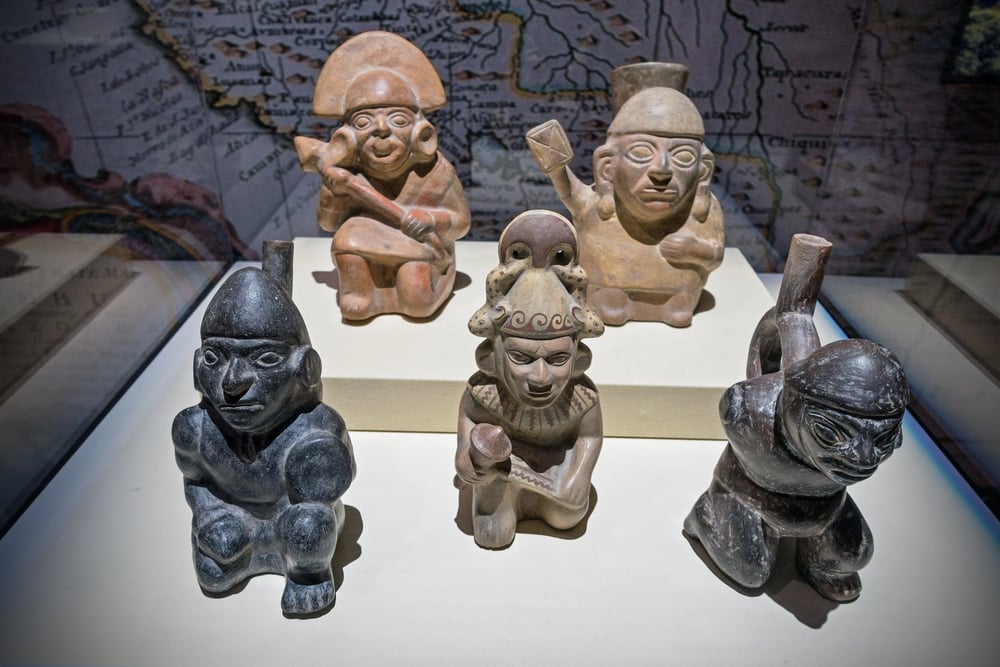
Atahualpa had crushed his brother in a brutal civil war and emerged as the undisputed ruler of the largest empire in the Americas. The Inca controlled territory stretching from modern-day Ecuador to Chile, commanded an army of seasoned veterans, and governed roughly 12 million subjects through a sophisticated administrative system.
When Francisco Pizarro arrived with 168 men, Atahualpa held every conceivable advantage. The catastrophic mistake was agreeing to meet Pizarro at Cajamarca.
Atahualpa came to the meeting with thousands of unarmed attendants, apparently viewing the encounter as a diplomatic formality rather than a potential trap (which, to be fair, was a reasonable assumption given the overwhelming disparity in numbers). But Spanish chroniclers had made their intentions clear from the start, and Atahualpa had received detailed reports about what had happened to the Aztecs just decades earlier.
When Pizarro’s men seized Atahualpa during the meeting, they didn’t just capture a ruler — they paralyzed an entire empire. The Inca administrative system was so centralized that removing the emperor left provincial governors unable to coordinate resistance.
The empire that had seemed unshakeable the day before began fragmenting immediately. Even after Atahualpa’s execution, the Spanish were able to install puppet rulers and exploit the empire’s own governmental structure to maintain control.
One meeting destroyed a civilization.
The Persian Empire Under Darius III
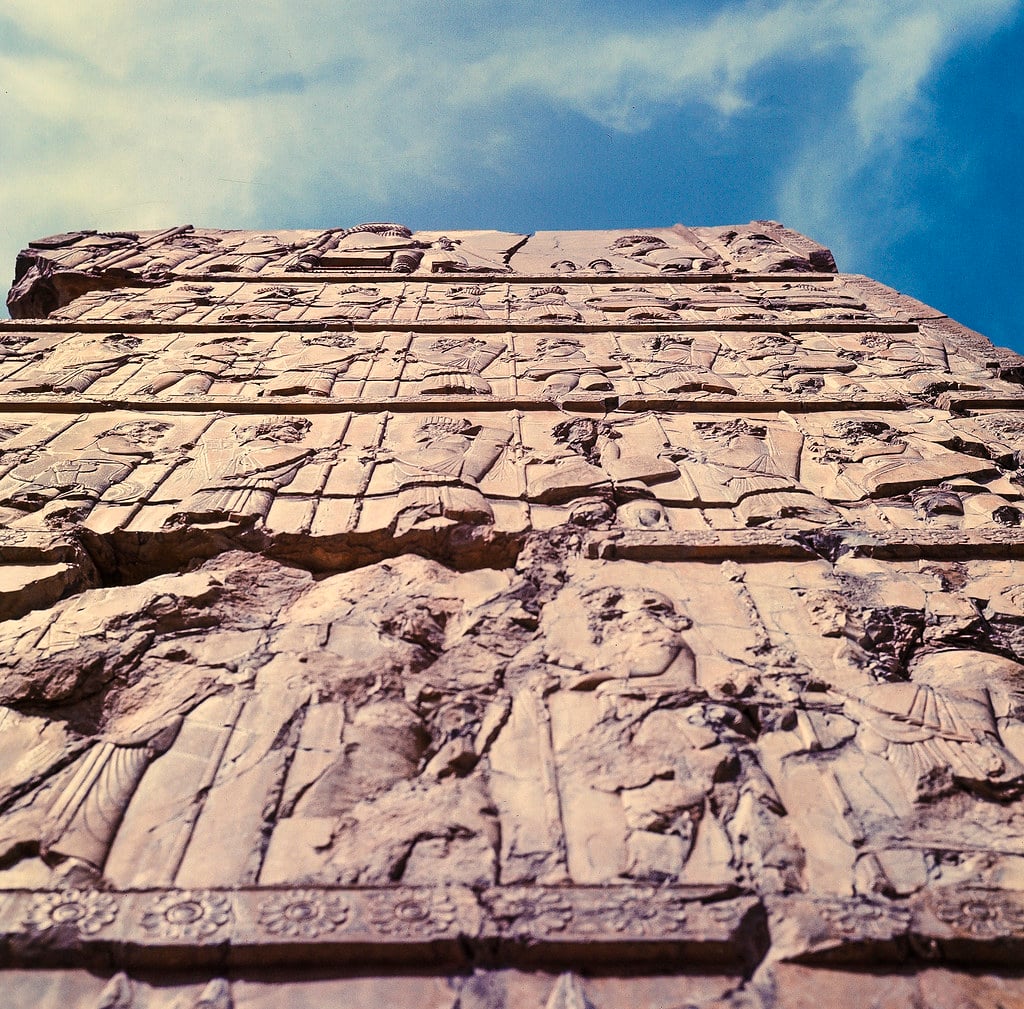
Darius III inherited an empire that stretched from India to the Mediterranean — the largest continuous empire the world had ever seen. When Alexander of Macedon invaded Asia Minor in 334 BC, Darius commanded vastly superior numbers, controlled the empire’s entire treasury, and could draw troops from dozens of satrapies across three continents.
Alexander was a talented general, but he was also fighting thousands of miles from home with no realistic prospect of reinforcement. The catastrophic mistake was fleeing from the Battle of Gaugamela.
Darius had carefully chosen the battlefield, assembled his largest army, and positioned his forces to maximize their numerical advantage. The battle was close — closer than most accounts suggest — and Persian forces were holding their ground across most of the field.
But when Alexander’s cavalry broke through one section of the Persian line, Darius panicked and fled. In that moment, Darius transformed a difficult but winnable battle into a complete rout.
Persian troops saw their emperor abandon the field and concluded the battle was lost. The army dissolved. More importantly, the empire’s provincial governors watched their supreme ruler flee from a Macedonian army half the size of his own and decided Alexander might be worth backing after all.
Darius spent the next three years as a fugitive in his own empire before being murdered by his own men. The Persian Empire, which had dominated the ancient world for over two centuries, never recovered.
The Byzantine Empire
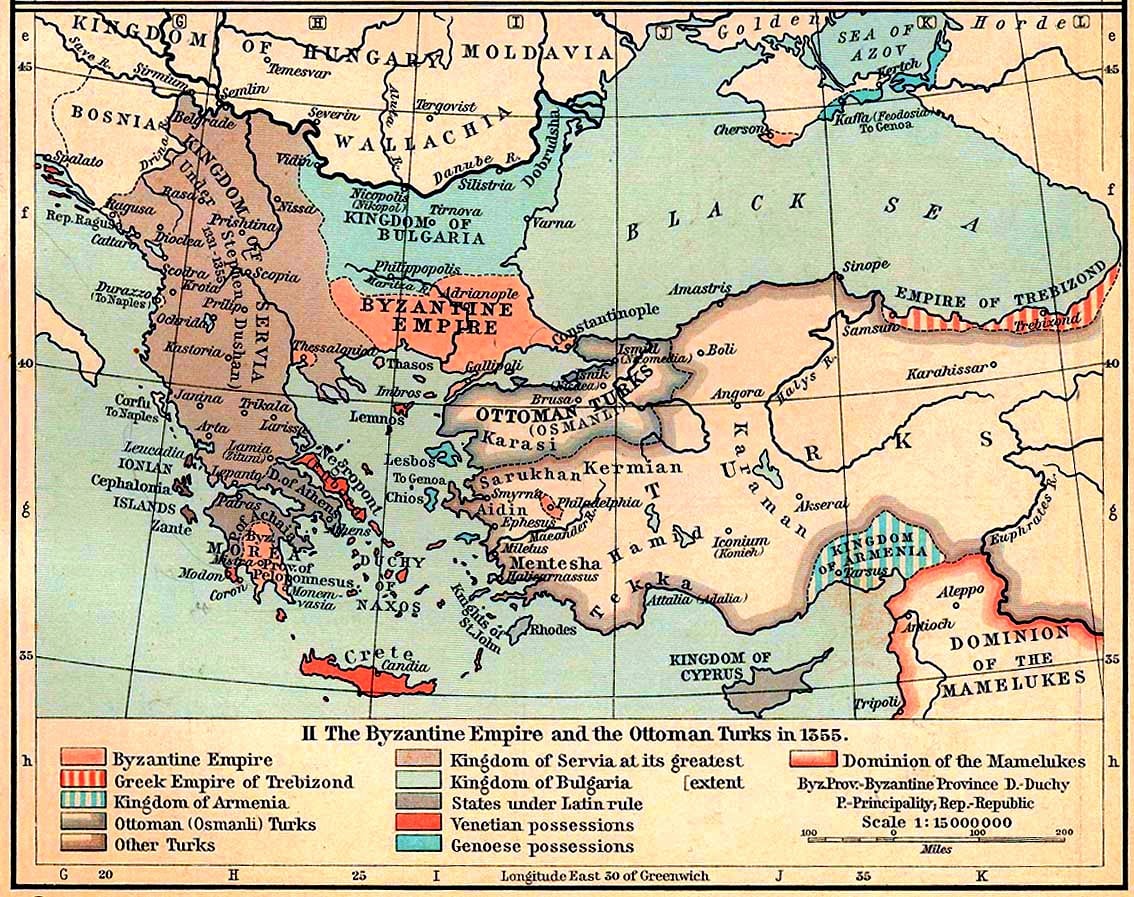
Constantinople had withstood siege after siege for over a thousand years (the city itself had been continuously occupied and fortified since the 7th century BC, and its strategic location made it one of the most naturally defensible cities in the world). When Mehmed II arrived with his Ottoman army in 1453, the Byzantines faced long odds, but the city’s legendary walls had never been breached by direct assault.
Constantine XI had successfully negotiated with previous Ottoman sultans, maintained the city’s defenses, and could reasonably expect that this siege might end like so many others — with the attackers eventually giving up and going home. The catastrophic mistake was refusing Mehmed’s final offer of surrender.
Mehmed had offered to let Constantine rule Constantinople as an Ottoman vassal, preserving both the city and some semblance of Byzantine governance. It wasn’t an unreasonable deal — the empire had been reduced to little more than the city itself anyway, and vassal status had allowed other Christian rulers to maintain local authority under Ottoman oversight.
But Constantine chose to fight instead. The decision doomed not just himself but the last remnant of an empire that had survived for over a millennium.
When Constantinople fell, the Byzantine Empire didn’t just lose its capital — it lost its last territory, its last emperor, and its last claim to existence. The empire that had preserved Roman law, Christian theology, and classical learning through the Dark Ages vanished entirely because its final emperor chose death over compromise.
The Khmer Empire
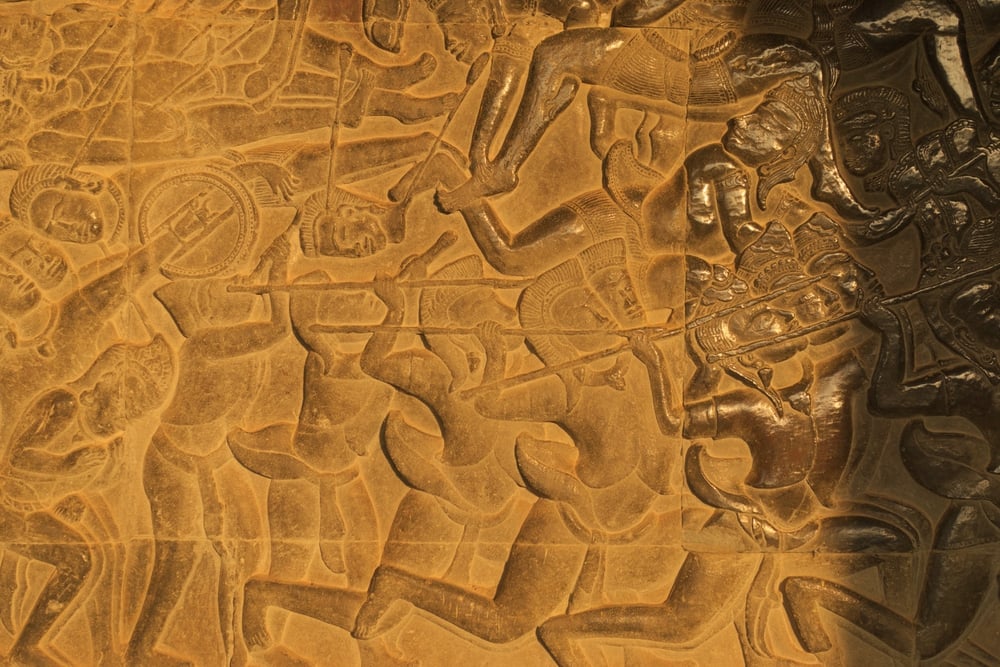
Angkor was more than just a city — it was the heart of a hydraulic empire that had dominated Southeast Asia for centuries. The Khmer had built the world’s most sophisticated water management system, creating a network of canals, reservoirs, and rice paddies that supported over a million people in what is now Cambodia.
When Siamese armies began pressuring the empire’s northern borders in the 14th century, the Khmer faced a serious but manageable threat. The catastrophic mistake was abandoning Angkor.
Rather than defending the city that had been the source of Khmer power for 600 years, King Ponhea Yat chose to relocate the capital to Phnom Penh in 1431. The decision might have made sense as a short-term military strategy — Phnom Penh was farther from Siamese forces and easier to defend — but it destroyed the foundation of Khmer civilization.
Angkor wasn’t just a ceremonial center. It was the nerve center of the irrigation system that made Khmer agriculture possible. Without constant maintenance, the canals silted up, the reservoirs filled with vegetation, and the rice paddies reverted to jungle.
The population that had supported Khmer armies scattered to find new farmland. Within decades, the empire that had built Angkor Wat had shrunk to a small kingdom struggling to maintain independence.
The jungle reclaimed Angkor so completely that European explorers in the 19th century could barely believe the ruins had once been inhabited.
The Mughal Empire
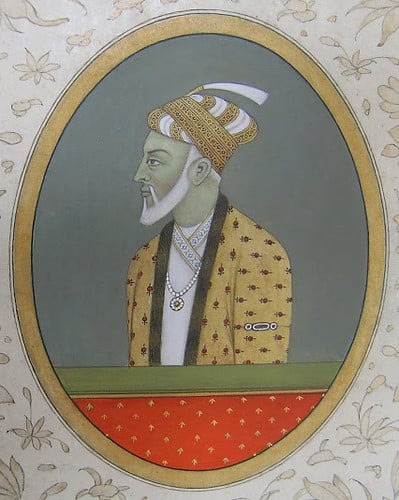
Aurangzeb ruled an empire that controlled most of the Indian subcontinent and generated roughly 25% of the world’s GDP. The Mughal military machine was formidable, the imperial treasury was vast, and the empire’s administrative system had successfully governed diverse populations for over a century.
When Aurangzeb decided to expand Mughal control into the Deccan plateau in the 1680s, he commanded resources that dwarfed any potential opposition. The catastrophic mistake was choosing to fight a total war against the Marathas instead of negotiating a settlement.
The Marathas weren’t trying to destroy the Mughal Empire — they wanted recognition of their territorial claims and some degree of autonomy within the imperial system. Aurangzeb could have granted these concessions and maintained Mughal supremacy across northern India.
Instead, he committed the empire to a 27-year war that drained the imperial treasury, exhausted Mughal armies, and turned the Deccan into a graveyard for imperial ambitions. The Marathas adapted to Mughal tactics, built their own state apparatus, and proved that the empire wasn’t invincible.
When Aurangzeb died in 1707, he left behind an empire that was technically larger than ever but practically bankrupt and politically fragmented. The regional governors who had once served the empire began carving out independent kingdoms.
The Mughal Empire never recovered its authority, and within decades, European trading companies were dictating terms to Mughal successors.
The Napoleonic Empire
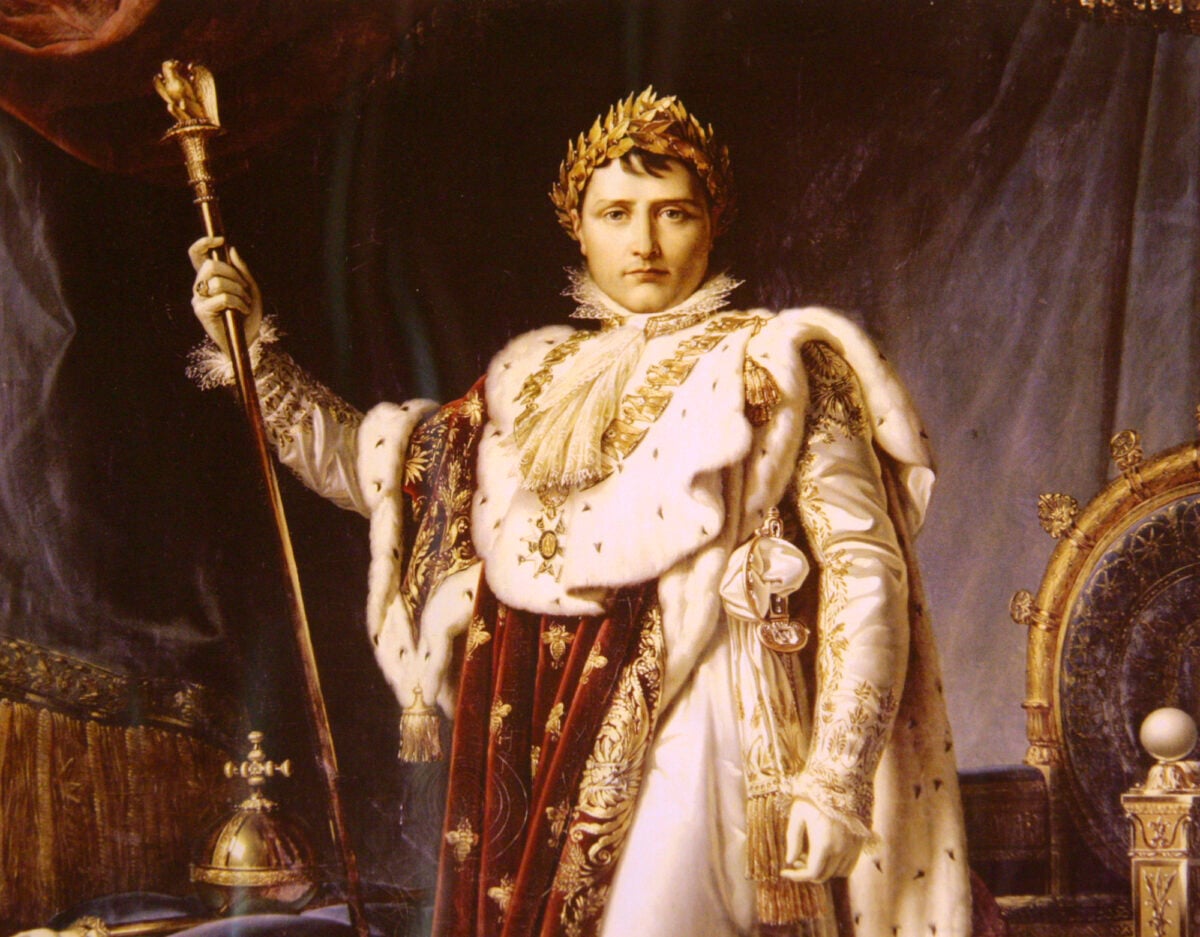
Napoleon controlled most of continental Europe by 1807. The Grande Armée had proven itself superior to every coalition the other European powers could assemble, French administrative reforms had won over conquered populations, and the Continental System was slowly strangling British trade.
Britain remained defiant, but even British leaders were beginning to question whether continued resistance made sense. The catastrophic mistake was invading Russia. Napoleon didn’t need to destroy Russia to secure his European empire — he needed to maintain the coalition that was already winning the economic war against Britain.
Tsar Alexander I had been a reluctant ally at best, but he wasn’t actively undermining French interests, and Russian territory wasn’t essential to Napoleon’s continental strategy. The invasion itself wasn’t the mistake — it was the decision to continue the campaign after taking Moscow.
Napoleon had achieved his stated objective and occupied the Russian capital, but Tsar Alexander refused to negotiate. Any competent general would have recognized that wintering in Moscow was impossible and begun withdrawing immediately.
Napoleon waited for a month, apparently believing that Alexander would eventually see reason. When French forces finally began retreating, winter had already begun.
The Grande Armée that limped back across the Niemen River bore no resemblance to the force that had crossed it six months earlier. The myth of French invincibility was shattered, and every European power that had submitted to Napoleon began preparing for war.
The Ottoman Empire
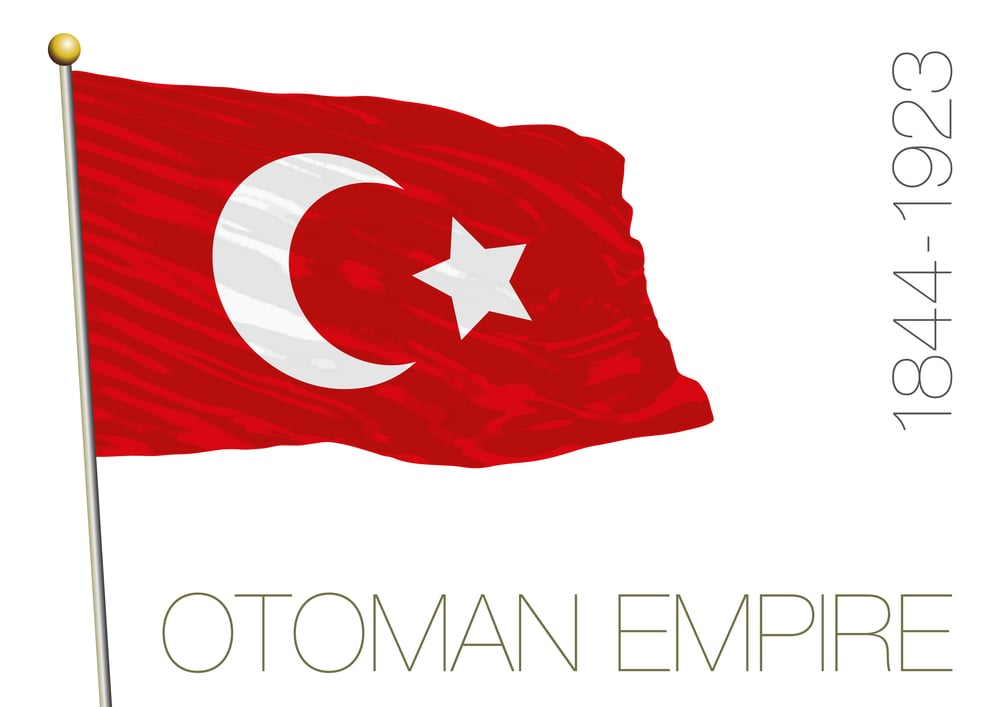
The Ottoman Empire had been the dominant power in southeastern Europe and the eastern Mediterranean for centuries. By the early 20th century, the empire faced serious challenges — nationalist movements in the Balkans, territorial losses to European powers, and internal political instability — but it still controlled vast territories across three continents and commanded the loyalty of millions of Muslim subjects.
The catastrophic mistake was entering World War I on the side of the Central Powers. The decision wasn’t inevitable — Ottoman leaders had been successfully playing European powers against each other for decades, and neutrality remained a viable option even after the war began.
But Enver Pasha and the Young Turk leadership chose to ally with Germany, apparently believing that a German victory would restore Ottoman power in Europe. The gamble failed spectacularly.
Ottoman forces were defeated on multiple fronts, the empire’s Arab territories were lost to British-backed revolts, and Turkish heartland itself was invaded by Allied forces. When the war ended, the Ottoman Empire was partitioned among the victorious powers.
The empire that had once besieged Vienna and controlled trade routes between Europe and Asia was reduced to a small rump state in central Anatolia. The modern Turkish Republic that emerged from the wreckage bore no resemblance to the empire that had entered the war just four years earlier.
The Carolingian Empire
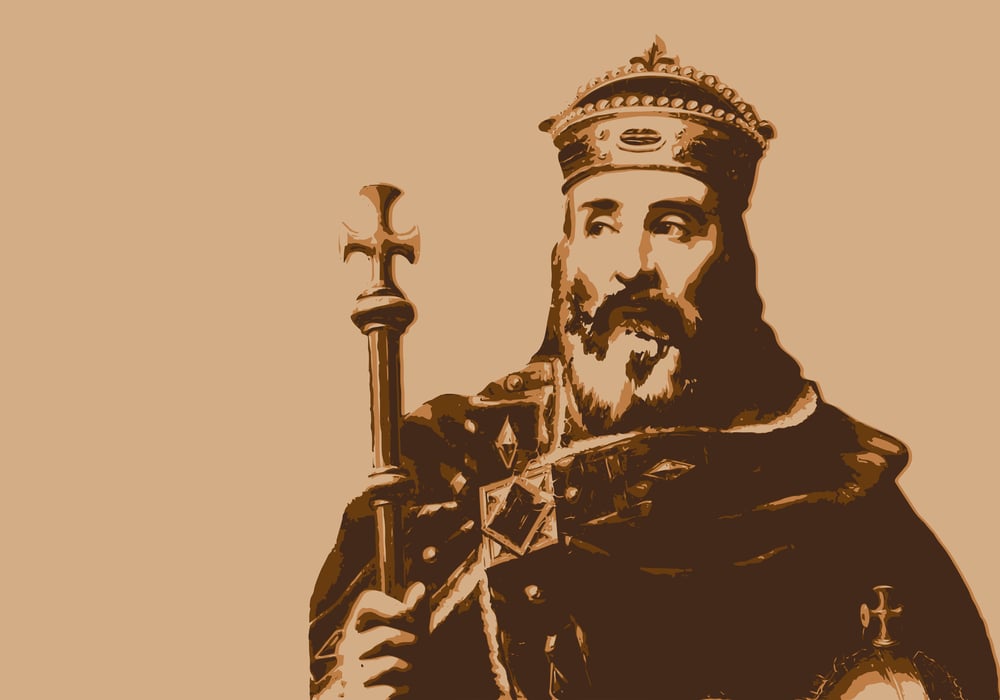
Charlemagne had created the largest empire in western Europe since Rome. The Carolingian Empire stretched from the Pyrenees to the Elbe River, commanded the loyalty of diverse populations across modern-day France, Germany, and Italy, and had received papal recognition as the legitimate successor to the Roman Empire.
When Charlemagne died in 814, his son Louis the Pious inherited a functioning imperial system that seemed capable of governing Christian Europe for centuries. The catastrophic mistake was dividing the empire among his three sons instead of maintaining imperial unity.
Louis could have designated a single heir and preserved Carolingian power, but he chose to follow Frankish custom and partition the empire equally. The Treaty of Verdun in 843 carved up the empire into three kingdoms: West Francia (roughly modern France), East Francia (roughly modern Germany), and Middle Francia (a narrow strip running from the Netherlands to Italy).
The division instantly transformed the Carolingian Empire from a dominant power into three competing kingdoms. Worse, it created permanent territorial disputes that would plague European politics for over a millennium.
The middle kingdom was particularly unstable — it was too narrow to defend effectively and too wealthy for its neighbors to ignore. Within decades, Viking raids were devastating territories that had once seemed secure under imperial protection. The empire that had briefly reunited western Europe fragmented into the feudal kingdoms that would define medieval politics.
The Songhai Empire
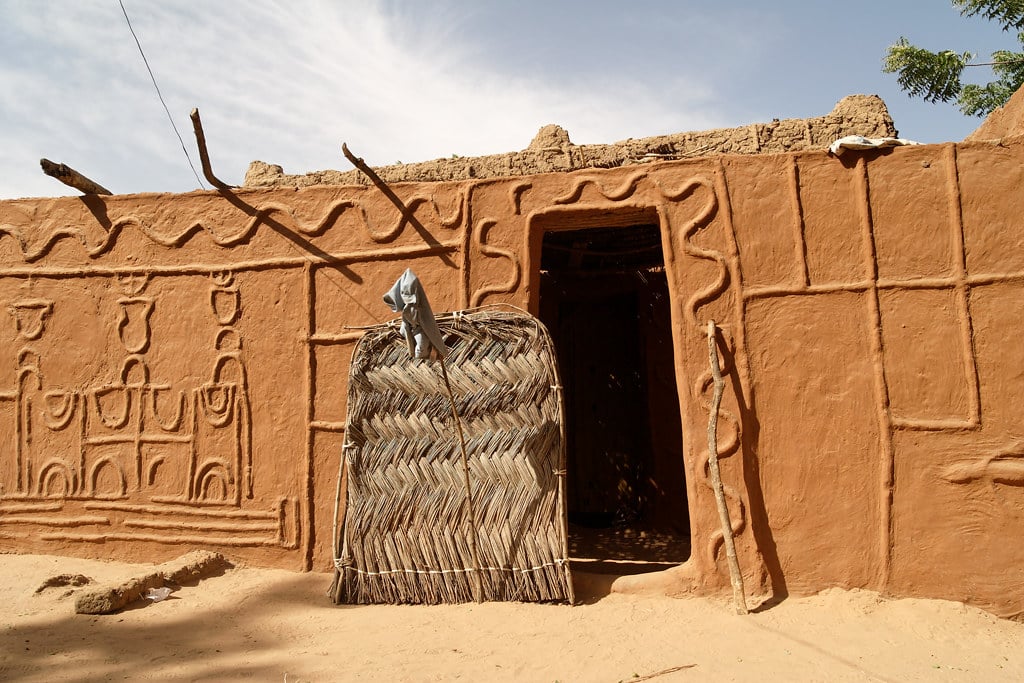
Songhai was the largest empire in African history, controlling territory roughly equivalent to modern-day Mali, Burkina Faso, and Niger and dominating trans-Saharan trade routes that connected sub-Saharan Africa with North Africa and the Mediterranean world. The empire’s military was formidable, its administrative system was sophisticated, and its control of gold and salt trade made it fabulously wealthy.
When Moroccan forces crossed the Sahara in 1590, they represented a serious threat, but not necessarily an existential one. The catastrophic mistake was fighting a conventional battle against enemies equipped with firearms.
Askia Ishaq II had received detailed reports about Moroccan military technology and knew that his enemies possessed arquebuses and cannons. The smart strategy would have been to avoid pitched battles, harass Moroccan supply lines, and force the invaders to fight the kind of desert warfare that had defeated previous expeditions.
Instead, Ishaq chose to meet the Moroccan army at Tondibi in a traditional formation that maximized Songhai numerical superiority while ignoring the tactical revolution that gunpowder had created. The battle was a massacre.
Songhai cavalry and infantry were slaughtered by enemies they couldn’t effectively engage, and the empire’s military reputation was shattered in a single afternoon. The psychological impact was as devastating as the tactical defeat — subject peoples who had accepted Songhai dominance for generations suddenly realized that their overlords were not invincible.
The empire fragmented into competing kingdoms, and Morocco was able to control the most important trade cities with a fraction of the forces that Songhai had commanded.
The Qing Dynasty
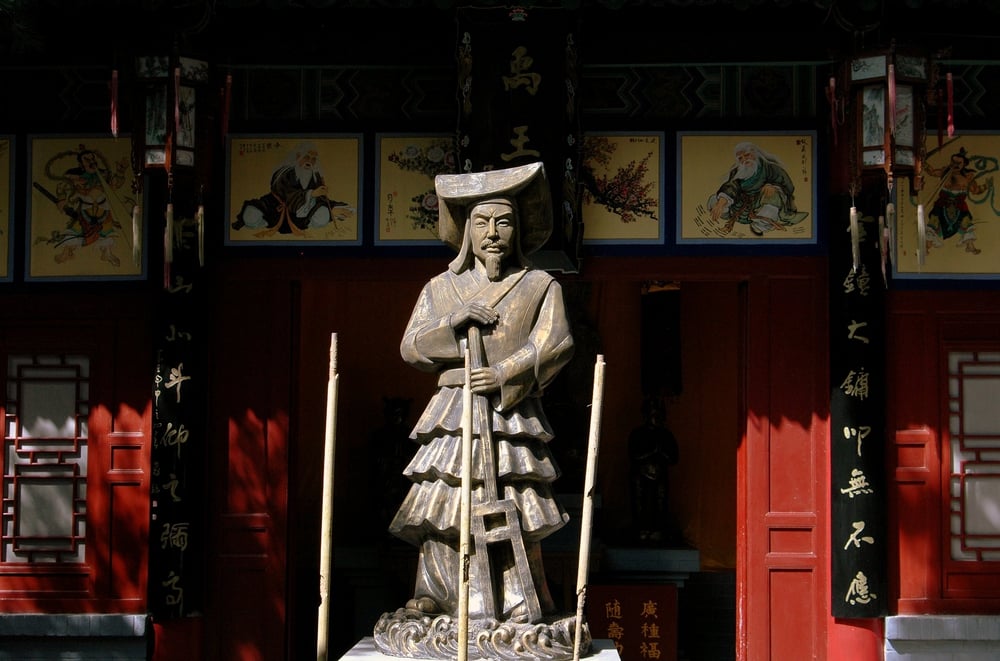
The Qing Dynasty ruled the largest empire in Chinese history, controlling not just traditional Chinese territory but also Mongolia, Tibet, and Central Asia. By the early 20th century, the dynasty faced internal rebellions and pressure from European powers, but it still governed roughly 400 million people and controlled vast natural resources.
The Xinhai Revolution that began in 1911 represented a serious challenge to imperial authority, but regional uprisings were nothing new in Chinese history. The catastrophic mistake was Emperor Puyi’s abdication in 1912.
The six-year-old emperor (or rather, his regent) could have attempted to suppress the rebellion, negotiate with revolutionary leaders, or at minimum maintained imperial authority in northern China where Qing forces were still strong. Instead, the imperial court chose to abdicate entirely, apparently believing that this would prevent further bloodshed and allow for a peaceful transition to republican government.
The decision didn’t prevent bloodshed — it guaranteed chaos. Without imperial authority to provide legitimacy, China fragmented into competing warlord territories.
The republican government that supposedly replaced the Qing Dynasty never controlled more than a fraction of Chinese territory, and the country spent the next four decades torn apart by civil wars, foreign invasions, and political instability. The empire that had been the world’s most populous and arguably most successful state simply ceased to exist because its leaders chose to quit rather than fight for survival.
The Parthian Empire
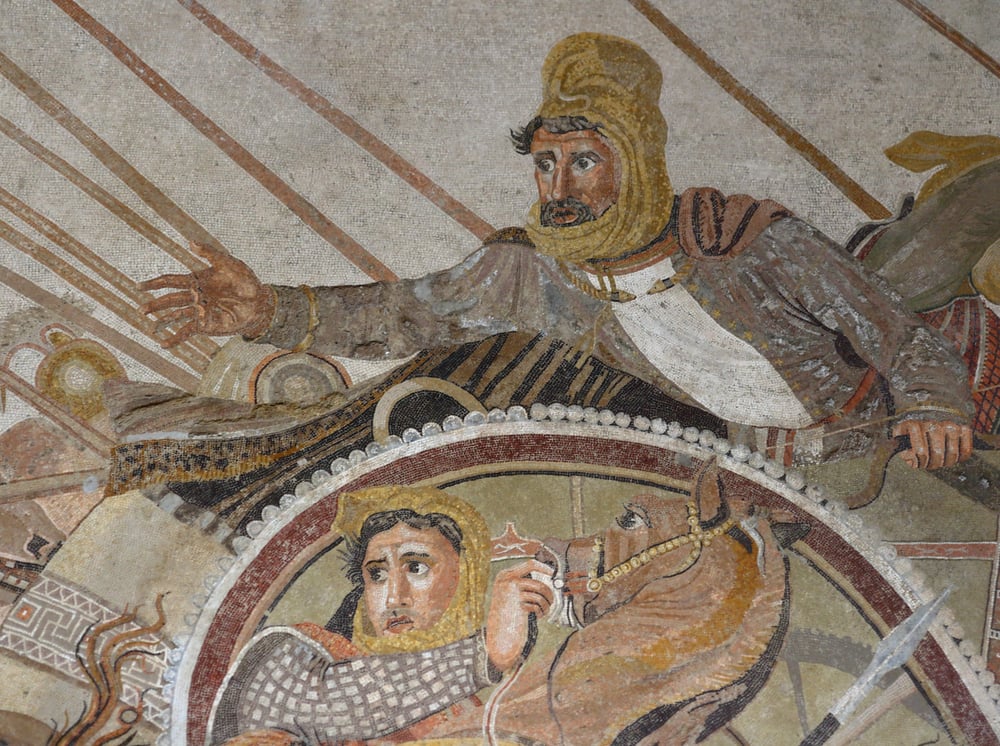
The Parthian Empire had been Rome’s primary rival for centuries, controlling territory from the Euphrates to the Indus and successfully resisting Roman expansion into Asia. Parthian heavy cavalry was legendary, the empire’s defensive strategies had humiliated Roman generals from Crassus to Mark Antony, and Parthian control of trade routes between East and West generated enormous wealth.
When internal succession disputes weakened the empire in the early 3rd century AD, the Parthians still commanded formidable resources. The catastrophic mistake was Artabanus V’s decision to fight a civil war against his brother Vologases VI instead of addressing the rising threat from the Sassanids in Fars province.
The Parthian Empire had survived succession disputes before, and both claimants to the throne were capable rulers who could have maintained imperial unity. But the brothers chose to wage a destructive civil war that lasted for years and exhausted imperial resources.
While Parthian armies were fighting each other, Ardashir I was building a new Persian kingdom in the empire’s southern provinces. By the time Artabanus recognized the Sassanid threat, it was too late. Ardash
More from Go2Tutors!

- The Romanov Crown Jewels and Their Tragic Fate
- 13 Historical Mysteries That Science Still Can’t Solve
- Famous Hoaxes That Fooled the World for Years
- 15 Child Stars with Tragic Adult Lives
- 16 Famous Jewelry Pieces in History
Like Go2Tutors’s content? Follow us on MSN.