Hogwarts Details Fans Often Overlook
Millions of people can describe the Great Hall’s enchanted ceiling or recite the house colors from memory. But spend enough time thinking about Hogwarts, and some strange questions start emerging.
Why does a school with hundreds of students only have one nurse? How do they fund everything?
Where does the plumbing go in a medieval castle? The wizarding world feels magical until you start looking at the practical details, and then things get weird.
Nobody Studies Mathematics

Hogwarts teaches Arithmancy, which sounds mathematical but deals more with predicting the future using numbers. Regular math just doesn’t exist in the curriculum.
No algebra, no geometry, no statistics. Students learn to transfigure animals and brew complex potions, but they never calculate percentages or work with fractions.
This creates some troubling implications. How do adult wizards handle money?
Do they understand interest rates? Can they calculate dosages for potions accurately without formal math training?
The wizarding economy runs on galleons, sickles, and knuts with a 29:17 conversion system that seems designed to confuse anyone without a calculator. Arthur Weasley works a government job and still struggles financially.
Part of that might just be bad luck, but part of it could be that nobody at Hogwarts taught him to budget or understand compound interest.
The House Elf Situation Gets Ignored
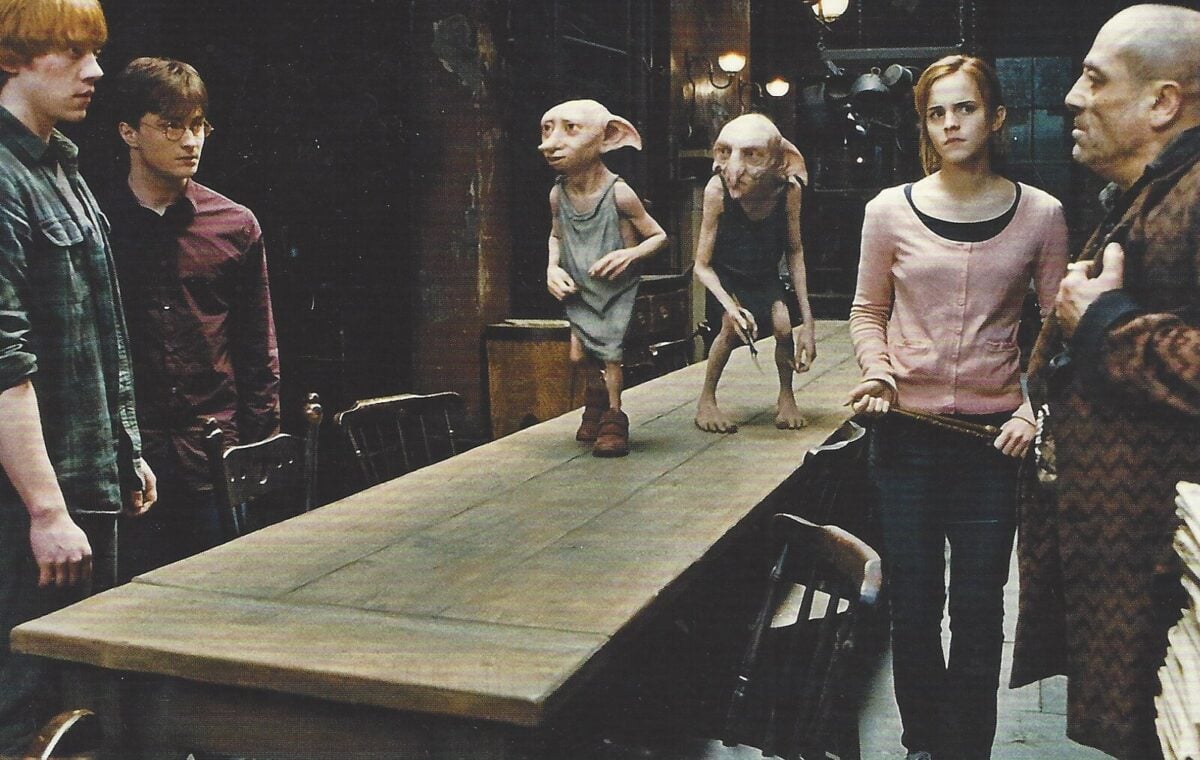
Hogwarts runs on slave labor. House elves cook every meal, clean every room, maintain the grounds, and do it all without pay or freedom.
The books acknowledge this through Hermione’s activism, but most characters treat it as normal or even good for the elves. Hundreds of house elves work in the Hogwarts kitchens.
Students walk past that kitchen entrance thousands of times without thinking about who’s preparing their food or under what conditions. The castle’s comfort depends entirely on unpaid labor, and the educational system never addresses the ethical problems with this.
Dumbledore, supposedly the moral center of the wizarding world, employs house elves and pays only one of them. He gives Dobby wages because Dobby specifically asks, implying the others remain unpaid.
The greatest wizard of the age perpetuates slavery because it’s convenient and traditional.
The Hogwarts Express Makes No Sense

A train leaves London at 11 AM and arrives in Scotland around dinnertime. The journey takes roughly six to seven hours for a trip that should take about four hours by regular train.
The Hogwarts Express apparently moves more slowly than muggle transportation. Also, this is the only way to get to school.
Every single student has to board this one train on September 1st. No exceptions for family emergencies, no alternative transportation, no flexibility.
Miss the train and you’re stuck finding your own way to a hidden castle in Scotland. The train runs exactly twice per year for each direction—once at the start of term, once at the end.
What about Christmas break?
Easter holiday? Students either stay at Hogwarts or their parents have to arrange alternative transportation.
The Knight Bus exists, but apparently children just shouldn’t use it regularly.
One Nurse for 300+ Students
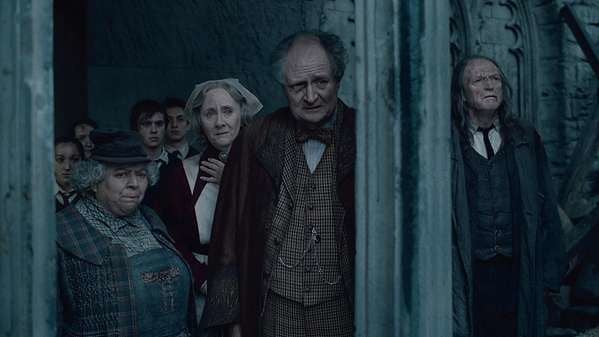
Madam Pomfrey handles all medical care for the entire school. She treats everything from common colds to bones dissolved by rogue bludgers.
She works alone, with no backup staff, no days off, and apparently no need for sleep. Students get injured constantly at Hogwarts.
Quidditch matches send multiple people to the hospital wing every week. Potions class accidents cause regular poisonings.
Defense Against the Dark Arts often involves actual cursing. Madam Pomfrey fixes all of this single-handedly.
During the Triwizard Tournament, students face actual dragons and merpeople, and the school still doesn’t hire additional medical staff. When Katie Bell gets cursed by a necklace, Madam Pomfrey treats her for months while also handling her normal patient load.
The woman deserves a raise and at least two assistants.
Hogwarts Has About Forty Teachers Total

Do the math on class sizes and you realize Hogwarts employs maybe a dozen core professors. Each teacher handles all seven years of their subject, across four houses.
Some classes combine houses, but that still means each professor teaches hundreds of students per year. McGonagall teaches Transfiguration to every single student in the school.
She also serves as Head of Gryffindor, Deputy Headmistress, and apparently has time to attend every Quidditch match. She grades papers for hundreds of students, prepares lessons, and never seems to sleep or take a vacation.
The workload seems impossible, yet teachers somehow manage it while also dealing with cursed objects, basilisks, Death Eater attacks, and teenage drama. The staff meeting to discuss school policy probably includes fewer than twenty people making decisions for hundreds of students.
Wizards Never Learn First Aid

Magic can heal most injuries, but what happens when a student gets hurt and there’s no adult around? Nobody teaches basic first aid or emergency response.
Students learn to conjure fire and water but not CPR or how to stop blood from flowing. This becomes particularly absurd when you consider Quidditch.
Students fly fifty feet in the air, are hit by heavy objects moving at high speeds, and the only safety measure is hoping Madam Pomfrey can fix it later. No helmets, no protective gear, no emergency protocols beyond “get them to the hospital wing.”
Even worse, students regularly practice dueling and casting harmful spells at each other. Sectum Sempra nearly kills Draco, and only Snape’s immediate intervention saves him.
What if a student had cast that in the corridor with no professor nearby? Would other students just watch someone lose blood because nobody taught them basic pressure point techniques?
The Restricted Section Isn’t Very Restricted

Hogwarts keeps its most dangerous books in a special section of the library, separated by a rope. A rope.
Students need written permission to access these books, but the physical security amounts to a velvet rope you could step over. These books contain information about Horcruxes, deadly curses, and dangerous dark magic.
Some of them scream when opened. The school’s defense against students accessing this knowledge is essentially the honor system plus a rope.
Harry gets into the restricted section multiple times with minimal effort. He uses his invisibility cloak, waits until night, and just walks in.
The most dangerous magical knowledge in the school sits behind less security than a museum gift shop.
Quidditch Ignores Basic Safety
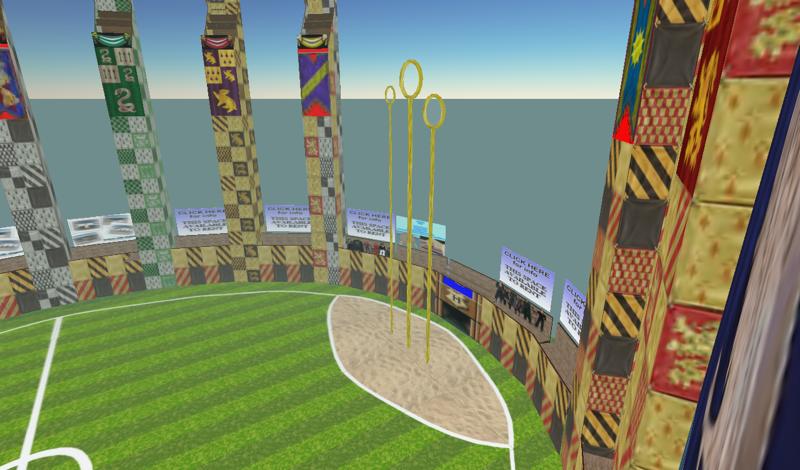
Students play a contact sport while flying at high speeds with no protective equipment. The only safety measure is that teachers can slow someone’s fall with magic—but only if they’re paying attention and close enough to react.
People die playing Quidditch. This isn’t speculation; the books mention that deaths happen regularly enough that people know about them.
Yet schools continue letting children play, with minimal supervision and no safety regulations. The bludgers alone should end this sport.
Two heavy iron projectiles fly around trying to knock players off their brooms. Players called “beaters” hit these directly at opponents.
Adult wizards designed a children’s sport that includes attempting to cause serious injury as a core game mechanic.
Room of Requirement Paradoxes

The Room of Requirement appears when someone needs it and provides whatever they require. But it can’t create food, and it apparently can’t create certain other things.
The rules about what it can and can’t do remain vague and contradictory. If the room can create thousands of objects for Dumbledore’s Army to practice with, why can’t it create food?
If it can generate furniture, books, and equipment, what’s the meaningful difference between that and creating a sandwich? Multiple people can use the room simultaneously if they need the same thing, but it can’t serve different purposes at once.
Draco uses it to repair the Vanishing Cabinet while Harry tries to hide his potions book there. The room apparently decides whose need matters more, using criteria that nobody ever explains.
The Lack of Career Counseling
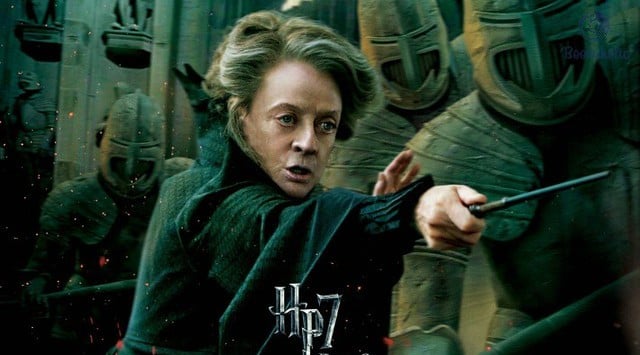
Students choose their career paths at fifteen based on a single meeting with their head of house. McGonagall asks Harry what he wants to be, he says “Auror,” and she tells him which classes he needs.
That’s the entire career counseling program. No personality assessments, no aptitude testing, no internships or job shadowing.
Students pick their future based on teenage whims and limited exposure to the actual wizarding job market. Most students have only met wizards who work at Hogwarts or in shops in Hogsmeade.
The pressure on specific classes creates bottlenecks too. Want any respectable career? You need Outstanding in your O.W.L.s for Potions, Transfiguration, and Defense Against the Dark Arts.
This means a bad grade at fifteen can permanently close career paths. No second chances, no alternative routes, no acknowledgment that teenagers might not know what they want yet.
Hogwarts Funding Remains a Mystery

Tuition appears to be free. Students pay for supplies and robes, but the education itself costs nothing to families.
So where does the money come from? The castle needs maintenance.
Teachers need salaries. Food costs money, even in the wizarding world.
The school budget must be enormous, yet there’s no mention of government funding, endowments, or fundraising. Some students are wealthy; others are poor.
The Weasleys struggle to afford books and wands, but nobody ever mentions scholarship programs or financial aid. Either Hogwarts has unlimited funds or students are expected to show up with their own supplies and the school provides everything else for free.
The economic model makes no sense. Either the Ministry of Magic funds education entirely, or Hogwarts has some massive endowment that generates enough income to run a castle, pay staff, and feed hundreds of people three meals a day forever.
The Portraits Raise Uncomfortable Questions

Magical portraits contain the personality and memories of dead people. They can think, communicate, and make decisions.
Dumbledore’s portrait advises future headmasters. Former heads of houses chat with students.
But what exactly are these portraits? Are they truly conscious beings with independent thought, or just sophisticated magical recordings?
Do they experience boredom, loneliness, or suffering? Can they learn and grow, or are they frozen at the moment their portrait was painted?
The books never address the ethics of creating these portraits. Did Dumbledore consent to spending eternity giving advice in a frame?
Do the portraits ever want to rest or stop existing? They seem happy enough, but nobody asks them, and nobody questions whether it’s right to trap human consciousness in paint.
The Four Houses Create Permanent Divisions

— Photo by madvideos.gmail.com
Hogwarts sorts eleven-year-olds into houses based on their dominant personality trait, then makes that their primary identity for seven years. The houses compete for points, maintain separate common rooms, and develop distinct cultures that often conflict.
This system guarantees division. Slytherin students grow up knowing that most of the school sees them as potential dark wizards.
Hufflepuffs get treated as the leftover house. Gryffindors and Slytherins hate each other as institutional policy.
The house system also limits friendships. Students sleep in house dormitories, eat at house tables, and take most classes with their house.
Cross-house friendships require extra effort. The school’s structure actively discourages students from getting to know people who were sorted differently at age eleven.
Students Leave Without Basic Life Skills

Hogwarts teaches students to transfigure animals and duel with wands, but nobody learns to cook, manage money, or understand muggle technology. Students graduate ready to work in the wizarding world but unprepared for practical adult life.
This creates problems when students want to live in muggle areas or marry muggle-born partners. Arthur Weasley is fascinated by muggle objects but has no idea how they work.
He can’t pronounce “electricity.” This man has a job and a family, yet the muggle world confuses him completely.
The curriculum ignores preparation for non-magical aspects of life. No classes on relationships, parenting, or maintaining a household.
Students learn seventeen ways to curse someone but not how to write a job application or file taxes.
Magic That Echoes

Centuries of magic seep into every step you take at Hogwarts. What happened before still lingers, held in stone and shadow.
Watched by painted faces along the halls, guided by voices without bodies – movement follows silence there. Not just a place for learning spells, but shaped by them over time.
Awareness hums beneath floors, behind doors, in empty rooms. Magic lives here because it was never built to keep magic out.
Even knowing each charm by heart, tracing hidden hallways in your sleep – some truths slip through. Running a place on unpaid work, risking kids year after year, splitting them into groups before they reach twelve – hard to call that safe.
Yet the wonder hides the cracks, the same way it clouds their vision inside the story. Here’s what nobody ever seems to notice – magic quietly fixes everything that should break the place apart.
While regular schools face hearings and legal trouble for less, none of it sticks here. Instead, chaos feels normal, almost cozy.
The very things that’d shut down a non-magical institution simply blend into daily life.
More from Go2Tutors!

- The Romanov Crown Jewels and Their Tragic Fate
- 13 Historical Mysteries That Science Still Can’t Solve
- Famous Hoaxes That Fooled the World for Years
- 15 Child Stars with Tragic Adult Lives
- 16 Famous Jewelry Pieces in History
Like Go2Tutors’s content? Follow us on MSN.



