Thrift Store Items That Resellers Fight Over Every Single Weekend
Every Saturday morning, the same familiar cars pull into thrift store parking lots across America. Before the doors even open, lines form.
These aren’t casual shoppers looking for a vintage sweater or cheap coffee mug. These are resellers — people who’ve turned secondhand shopping into serious business.
They know exactly what to look for, they move fast, and they’re willing to elbow past anyone who gets between them and profit. The competition is real.
Some items can turn a $3 purchase into a $300 sale, which explains why seasoned thrifters guard their trade secrets and why newcomers often leave empty-handed. But certain categories of items spark the fiercest battles every single weekend.
Vintage Band T-Shirts
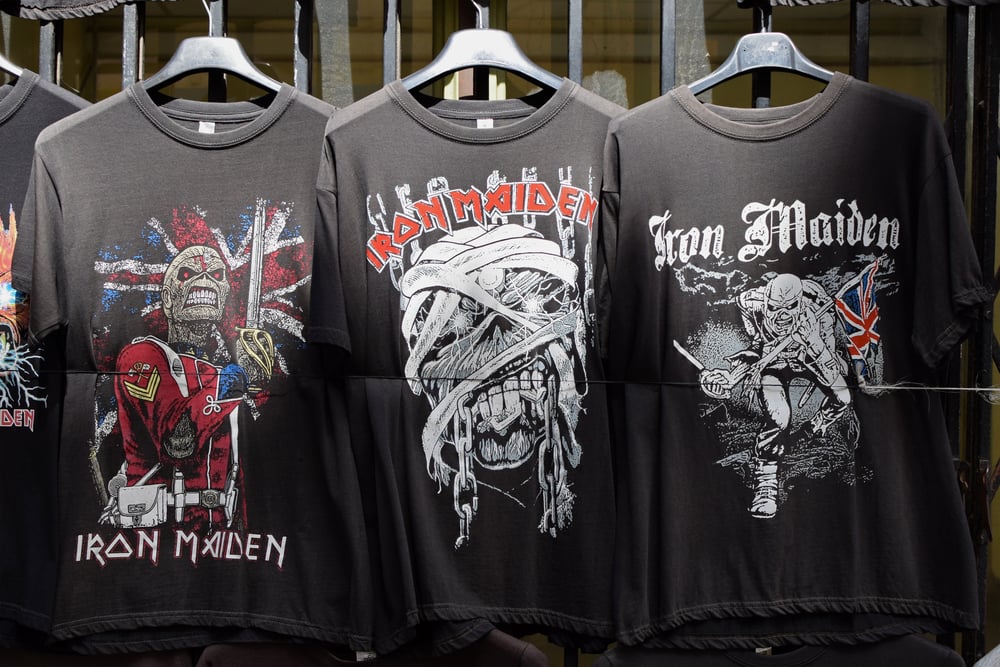
Original concert tees from the 70s, 80s, and 90s are pure gold. A genuine Metallica tour shirt can sell for hundreds online.
The problem is telling the real ones from the reprints, and most casual shoppers can’t. Resellers can spot authentic vintage band shirts from across the store — they know the fabric, the tag styles, the printing methods.
They’ll sprint to the clothing racks first thing in the morning just for these.
Mid-Century Modern Furniture
— Photo by Jshanebutt
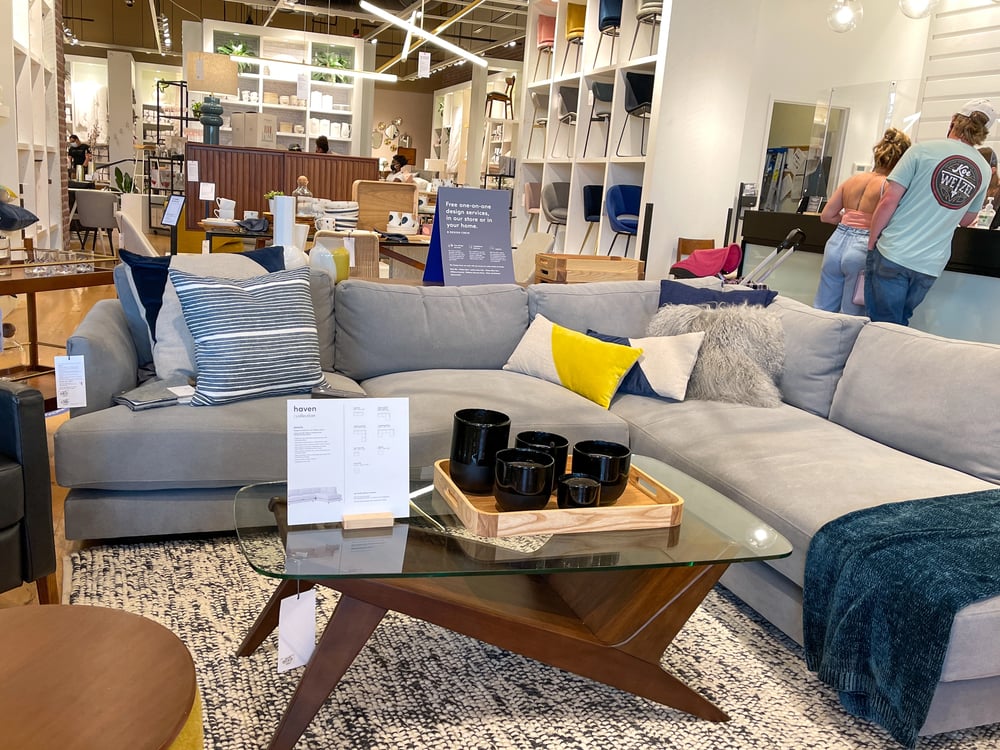
West Elm and CB2 have made mid-century style mainstream again, which means authentic pieces from the 1950s and 60s are in high demand. A real Eames chair bought for $25 at a thrift store can easily sell for over $1,000.
Even lesser-known designers from that era command serious money. The catch is that most thrift stores don’t know what they have, so everything gets priced like regular used furniture.
Resellers who specialize in furniture often arrive with measuring tapes and smartphone apps that help identify makers’ marks and authentic pieces (because reproductions flood the market, and the difference between authentic and knockoff can be thousands of dollars). And yet the really valuable pieces often look unremarkable to untrained eyes — which is exactly why the people who know what to look for can still find incredible deals, assuming they get there before the other furniture flippers do. But that’s becoming harder every year.
The competition has gotten so intense that some furniture resellers have started following estate sale companies and thrift store donation schedules. Fair enough — when a single chair can pay rent for a month, showing up early makes perfect sense.
Cast Iron Cookware
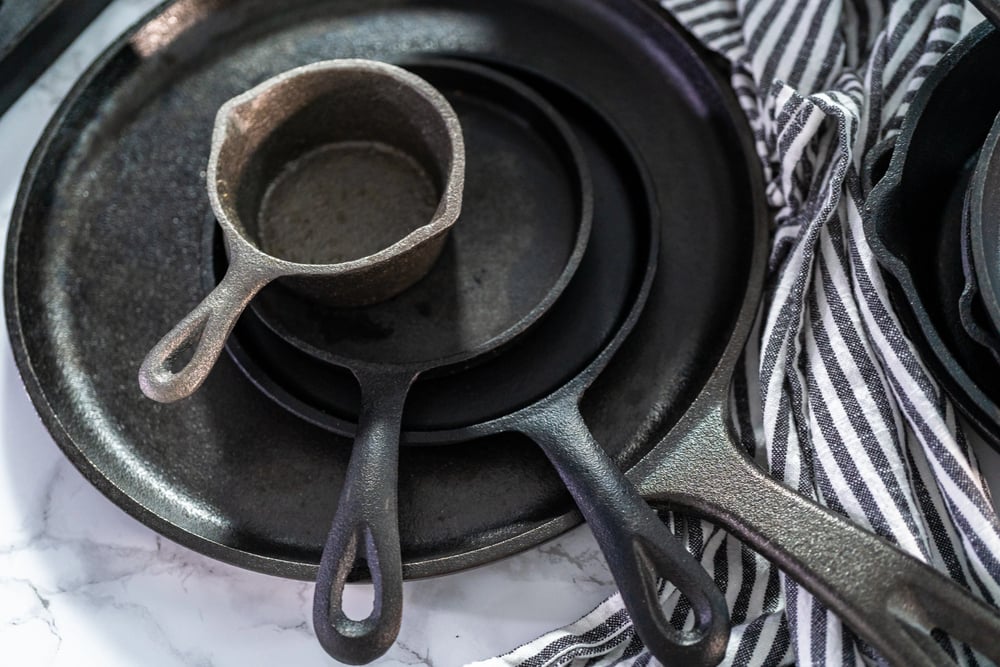
Lodge, Griswold, Wagner, and other vintage cast iron brands have developed an almost cult-like following. Food enthusiasts and collectors will pay premium prices for well-seasoned vintage skillets.
A Griswold skillet that sells for $5 at a thrift store might be worth $50-200 online, depending on size and condition. Experienced cast iron hunters can identify valuable pieces even when they’re covered in rust or sitting in a pile of unremarkable pots and pans.
They know which brands and sizes are worth restoring and which ones to skip.
Designer Handbags
— Photo by sellstock69
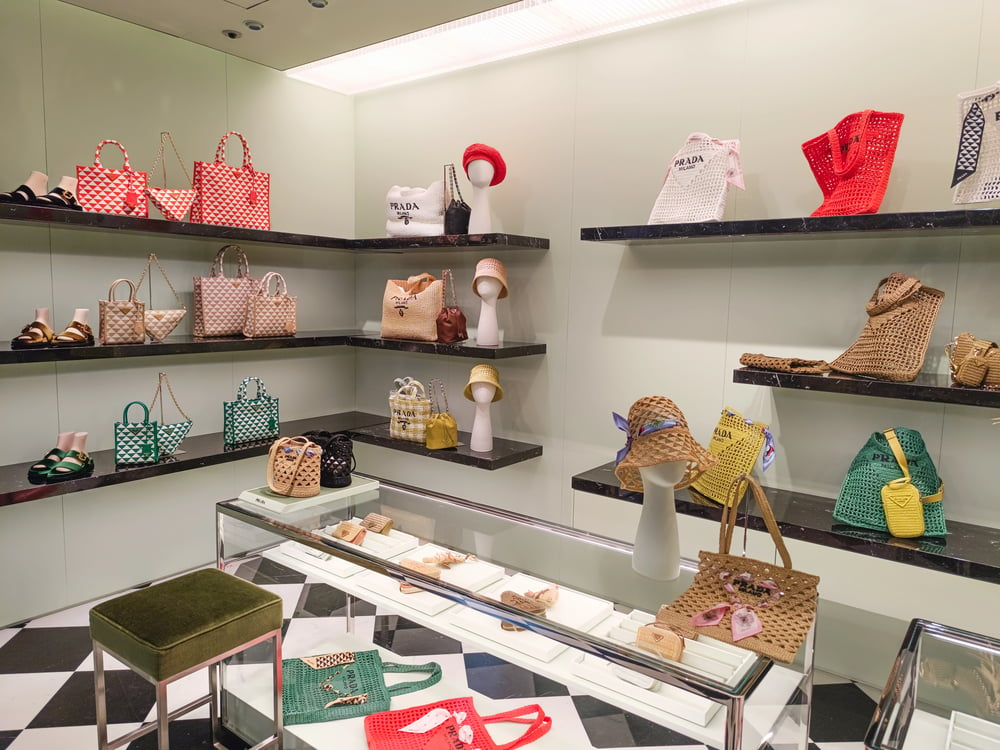
Authentication is everything here. A real Louis Vuitton, Chanel, or Hermès bag found at a thrift store represents a major score — potentially thousands of dollars in profit.
The problem is that counterfeits are everywhere, and even experienced resellers sometimes get fooled. But the payoff for finding an authentic designer bag priced as generic used goods is enormous.
Smart handbag hunters know the details that separate real from fake: stitching patterns, hardware quality, date codes, and leather texture. They also know which thrift stores in wealthy neighborhoods are most likely to receive authentic donations.
Vintage Denim

Raw denim enthusiasts and collectors pay surprising amounts for vintage Levi’s, especially pieces from the 1960s and earlier. Certain washes, cuts, and production details can make a pair of old jeans worth several hundred dollars.
Red tab Levi’s 501s in good condition are particularly sought after. The denim market moves fast, though, so resellers need to know not just what to look for but also where to sell it.
Japanese buyers, in particular, have an intense appreciation for authentic American vintage denim.
Retro Electronics and Gaming
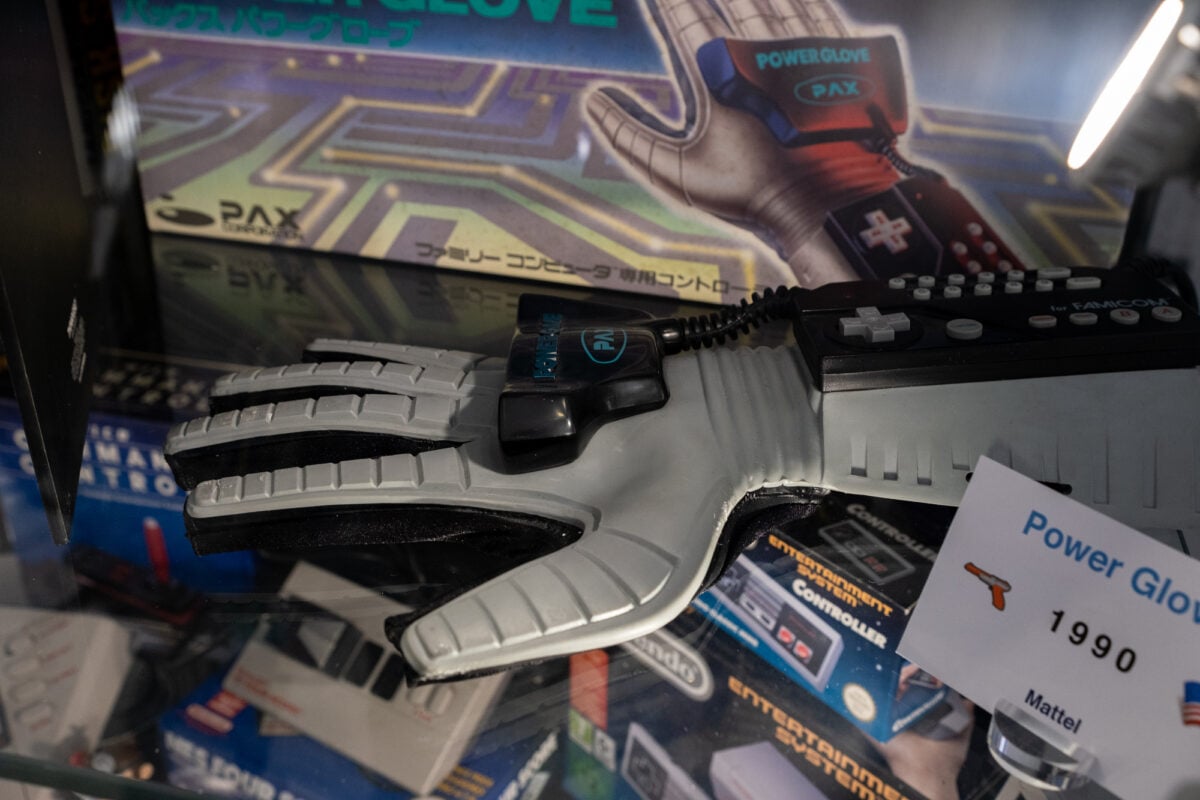
Old gaming consoles, vintage receivers, and retro electronics have found new life among collectors and enthusiasts. Original Nintendo systems, Atari consoles, and vintage stereo equipment can bring in serious money if they’re complete and functional.
The challenge lies in knowing what works and what doesn’t (since most thrift stores don’t test electronics), understanding which accessories and cables are necessary to make a system valuable, and recognizing the difference between common items and rare finds. A reseller who knows their electronics can spot a valuable turntable or amplifier that others walk past, but they’re also taking a gamble on whether the item actually functions — which is part of what keeps casual shoppers away from this category.
Sporting Goods and Outdoor Gear

Quality outdoor gear holds its value remarkably well. Patagonia jackets, North Face coats, and high-end camping equipment regularly appear at thrift stores priced far below retail value. A $300 ski jacket might sell for $15 at Goodwill and $100-150 online.
Resellers who focus on outdoor gear know which brands command premium prices and can quickly assess condition and authenticity. They also understand seasonal demand — buying winter gear in spring and summer when thrift store prices are lowest.
Books and Textbooks

First editions, out-of-print titles, and current college textbooks can be surprisingly profitable. A textbook that retails for $400 new might sell for $3 at a thrift store but still be worth $100-200 used online.
Book resellers often use smartphone apps to scan ISBN numbers and check real-time market values while they’re shopping. They’ve learned to spot first editions, understand which publishers and authors are collectible, and know how to grade conditions accurately.
Vintage Pyrex and Kitchen Items
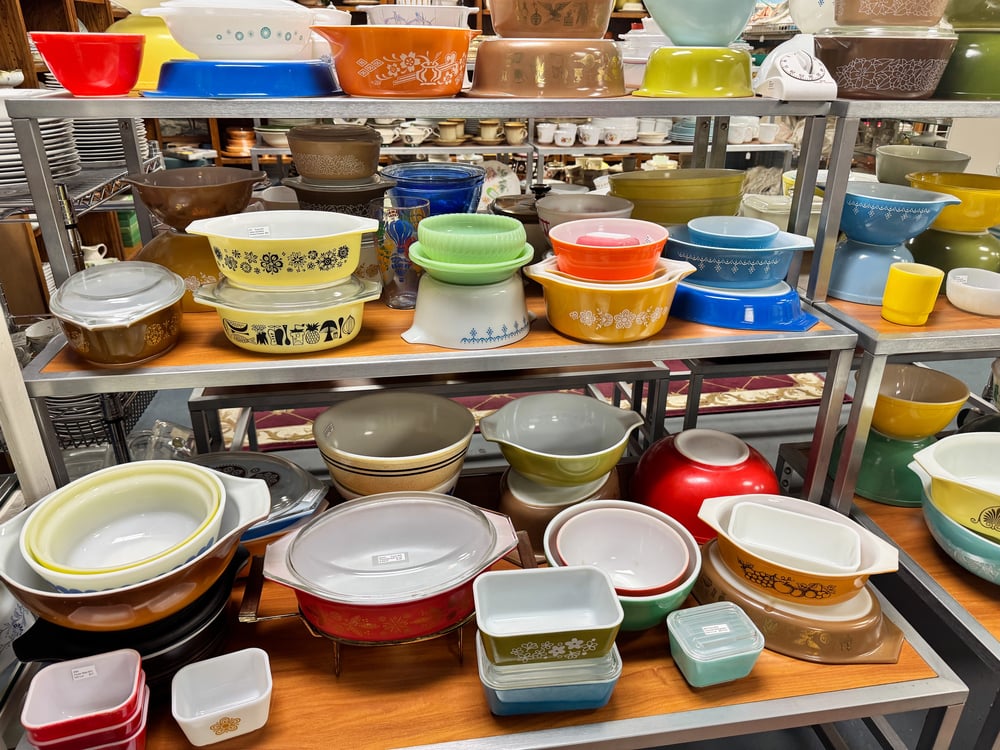
Vintage Pyrex patterns have developed an intense collector following. Certain rare patterns and colors can sell for hundreds of dollars per piece.
Even common patterns in good condition typically sell for 5-10 times their thrift store price. The Pyrex market has become so competitive that serious collectors and resellers often know each other by sight at local thrift stores.
They’re all looking for the same things: complete sets, rare patterns, and pieces without chips or fading.
Jewelry and Watches

Real gold jewelry is often priced by weight or appearance rather than actual value at thrift stores. A 14k gold chain might be priced at $5 simply because it looks old.
Estate jewelry, vintage watches, and pieces with precious stones represent major opportunities for people who know what to look for. Successful jewelry resellers carry magnifying glasses, know hallmark systems, and can quickly assess gold content and stone quality.
They also understand which costume jewelry brands have collector value.
Art and Prints

— Photo by vampy1
Original artwork, lithographs, and prints by known artists occasionally surface at thrift stores with generic pricing. A piece that looks unremarkable might be worth thousands if it’s authentic.
Art resellers study signatures, know printmaking techniques, and research artists obsessively. They also understand framing and presentation, since the same piece can sell for vastly different amounts depending on how it’s displayed.
Vintage Tools
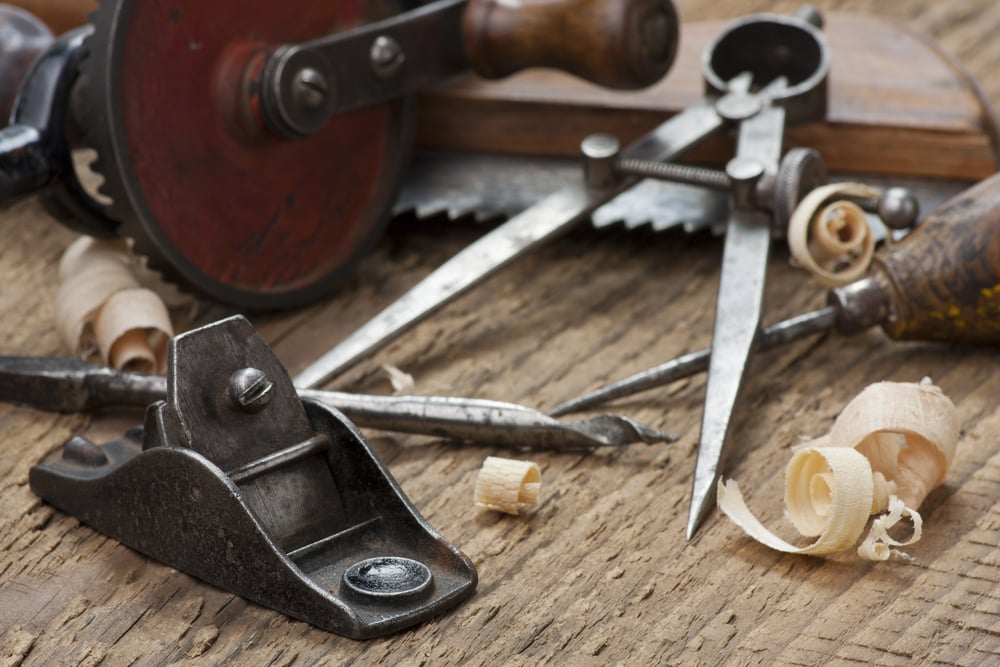
Quality vintage tools, especially from American manufacturers like Stanley, often outperform modern equivalents. Woodworkers and craftspeople will pay premium prices for well-made vintage planes, chisels, and measuring tools.
Tool resellers know which brands and models are sought after, can assess condition and completeness, and understand both user and collector markets. A $2 hand plane might sell for $50-100 to someone who appreciates quality vintage tools.
Musical Instruments

Even entry-level instruments can be profitable when bought at thrift store prices. Guitars, violins, and brass instruments often need minor repairs but can sell for many times their thrift store price once cleaned up and restrung.
Music resellers need to understand different brands, can assess repairability, and know both beginner and professional markets. They also need to factor in setup and repair costs when calculating potential profit.
The Real Competition
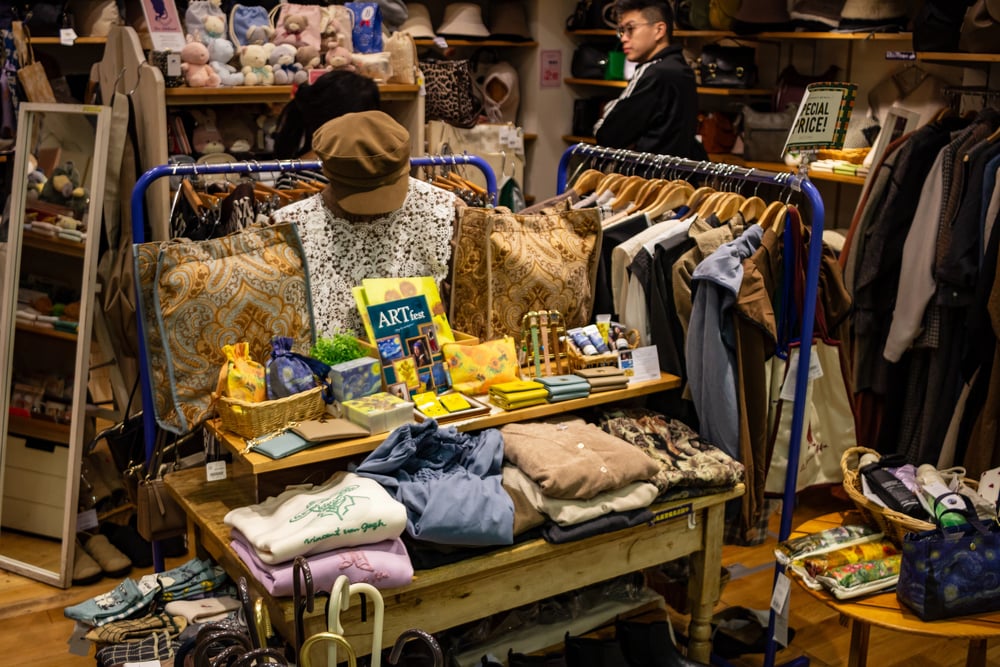
The secondhand market has become professionalized in ways that would surprise most casual thrift shoppers. What used to be a weekend hobby for some people has turned into full-time income for others.
The stakes are higher now, the knowledge base is deeper, and the competition is fiercer than ever before. But that intensity exists for good reason.
When you can turn $20 into $200 with the right knowledge and timing, showing up early and knowing what to look for stops being casual browsing and starts being a business strategy.
More from Go2Tutors!

- The Romanov Crown Jewels and Their Tragic Fate
- 13 Historical Mysteries That Science Still Can’t Solve
- Famous Hoaxes That Fooled the World for Years
- 15 Child Stars with Tragic Adult Lives
- 16 Famous Jewelry Pieces in History
Like Go2Tutors’s content? Follow us on MSN.