Toys Banned for Being Radioactive
Childhood should be about fun, laughter, and safe playtime. But decades ago, toy makers didn’t always think about the dangers hiding in their products.
Some toys actually contained radioactive materials that could harm kids who played with them. These weren’t just slightly risky items either—some of these toys glowed in the dark thanks to real radioactive substances, while others used dangerous elements in ways that seem absolutely wild today.
Let’s look at some of the most shocking toys that got pulled from shelves because they were literally radioactive.
Gilbert U-238 Atomic Energy Lab

This 1950s science kit takes the top spot for pure audacity. The set came with actual uranium ore samples, a Geiger counter, and a cloud chamber for watching radioactive decay happen right in front of young eyes.
Kids could conduct real atomic experiments in their bedrooms, which sounds like something from a scary movie rather than a Christmas gift. The kit cost about $50 back then, which would be around $600 today, making it one of the priciest and most dangerous toys ever sold.
Parents bought it thinking their children would become future scientists, not realizing they were essentially giving them radioactive materials to play with unsupervised.
Radium-painted toys from the 1920s
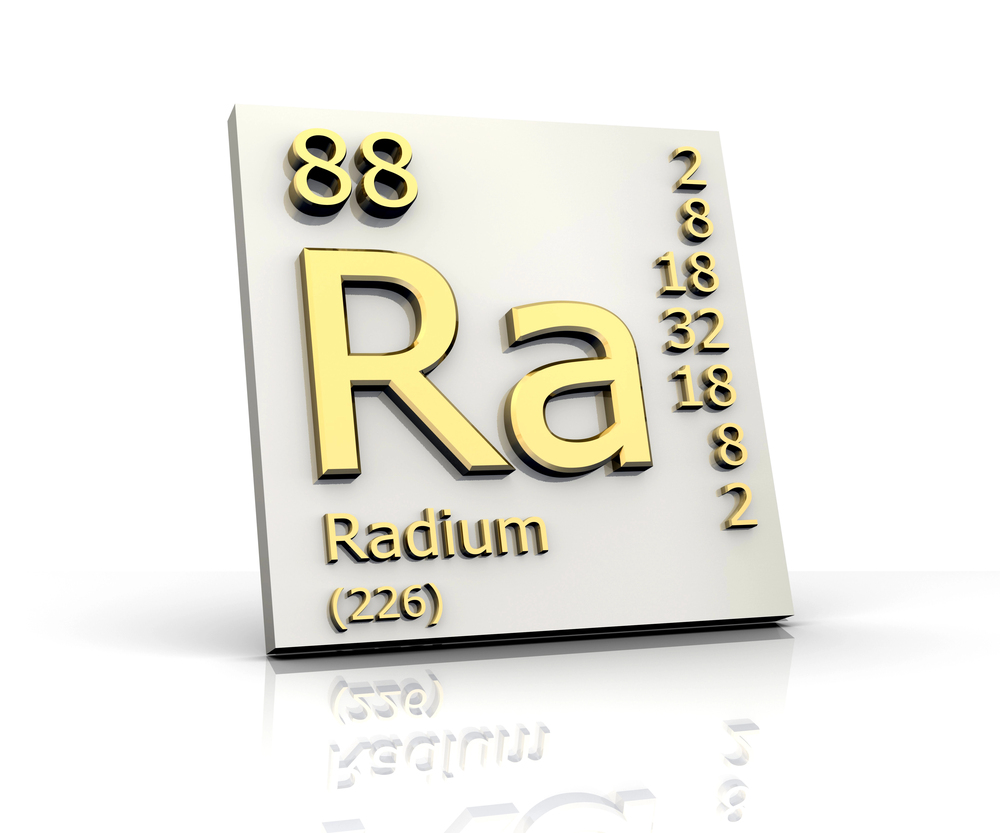
Toy companies in the early 1900s loved making things glow, and radium seemed like the perfect solution. They painted dolls, toy soldiers, and even children’s jewelry with radium-based paint that glowed beautifully in the dark.
The problem was that radium doesn’t just glow—it constantly emits radiation that can cause serious health problems. Factory workers who painted these toys, mostly young women, suffered terrible illnesses from licking their brushes to keep the points sharp.
Once people connected the dots between radium and sickness, these glowing toys disappeared fast.
Atomic Energy Lab’s radioactive prospecting kit

Another product from the atomic-obsessed 1950s, this kit lets kids pretend to be uranium miners. It included ore samples and detection equipment that would help young prospectors ‘find’ radioactive materials.
The whole concept of encouraging children to seek out radioactive substances seems bonkers now, but back then, atomic energy was seen as the exciting future of America. The kit promised to turn any kid into a ‘junior atomic scientist,’ which probably gave parents nightmares once they learned what radiation actually does.
CSI investigation kits with radioactive dust

Even in the 2000s, some companies made mistakes with radioactive materials in toys. Certain crime scene investigation kits came with dusting powder that contained low levels of radioactive elements.
The idea was to make the powder more visible under special lights, but nobody stopped to think whether putting radioactive dust in a kid’s hands was smart. These kits got recalled quickly once testing revealed the radioactive content, proving that even modern toy makers can mess up badly.
Fiestaware dishes used as toy tea sets

While not technically toys, miniature Fiestaware tea sets became popular playthings for children in the 1930s and 1940s. The bright orange and red pieces contained uranium oxide in their glaze, which made the colors incredibly vibrant and also slightly radioactive.
Kids hosting pretend tea parties were handling dishes that would make a Geiger counter click. The company eventually stopped using uranium in their glazes, but vintage pieces still show up at antique stores, glowing faintly under UV light.
Glow-in-the-dark paint sets with radium
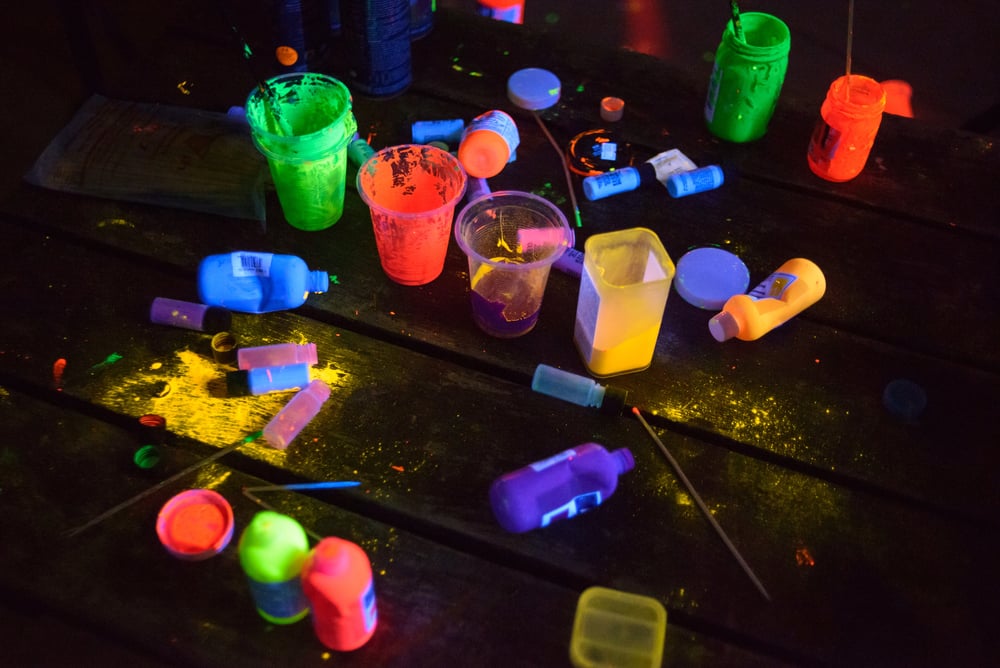
Art supply companies sold paint sets to children that contained actual radium for creating glowing artwork. Young artists could paint stars on their bedroom ceilings or create spooky pictures that glowed after the lights went out.
Each brushstroke added a bit more radiation exposure, especially since kids often got paint on their hands and faces. These kits vanished once the dangers of radium became impossible to ignore, replaced by much safer phosphorescent paints that don’t require radioactive elements.
Atomic gun and ring sets

Cereal companies gave away toy atomic rings and guns as prizes in the 1940s and 1950s. Some of these trinkets contained tiny amounts of radioactive material to make them glow or seem more ‘atomic.’
Kids wore these rings on their fingers all day long, keeping radioactive sources right against their skin. The gun toys often had glowing sights or tips that used radioactive paint.
Nobody thought twice about handing out radioactive jewelry to children through breakfast cereal boxes.
Radioactive marbles
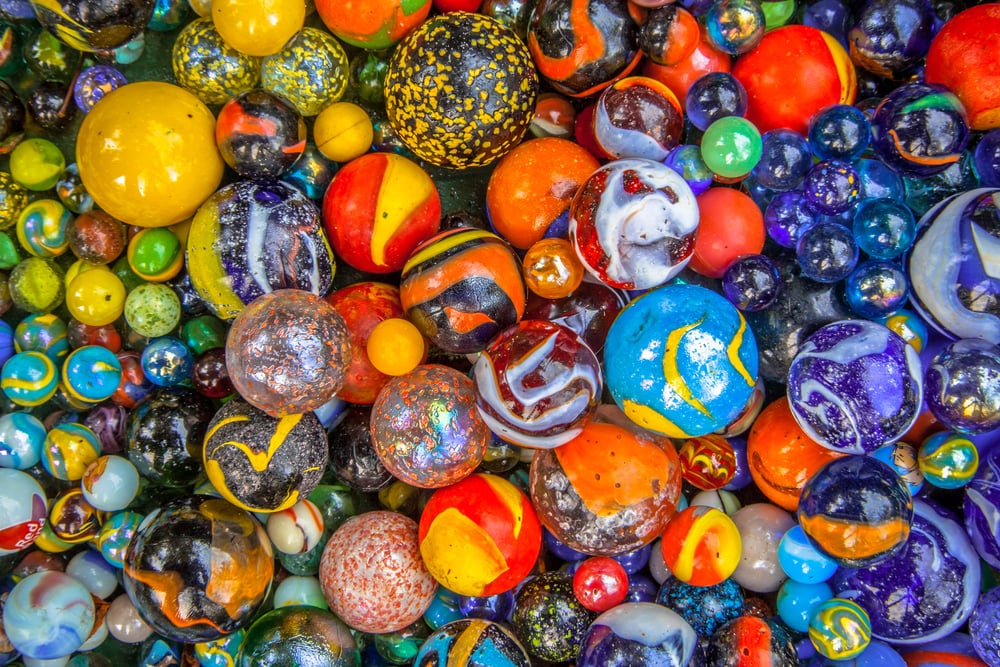
Manufacturers experimented with adding uranium to glass marbles to create beautiful, glowing spheres. These marbles would shine under black lights and had unique colors that regular glass couldn’t match.
Kids would play with these marbles for hours, rolling them around and sometimes putting them in their mouths, as children tend to do with small objects. The uranium content was relatively low, but having kids handle radioactive glass spheres for entertainment still ranks as a pretty bad idea.
Chemistry sets with thorium
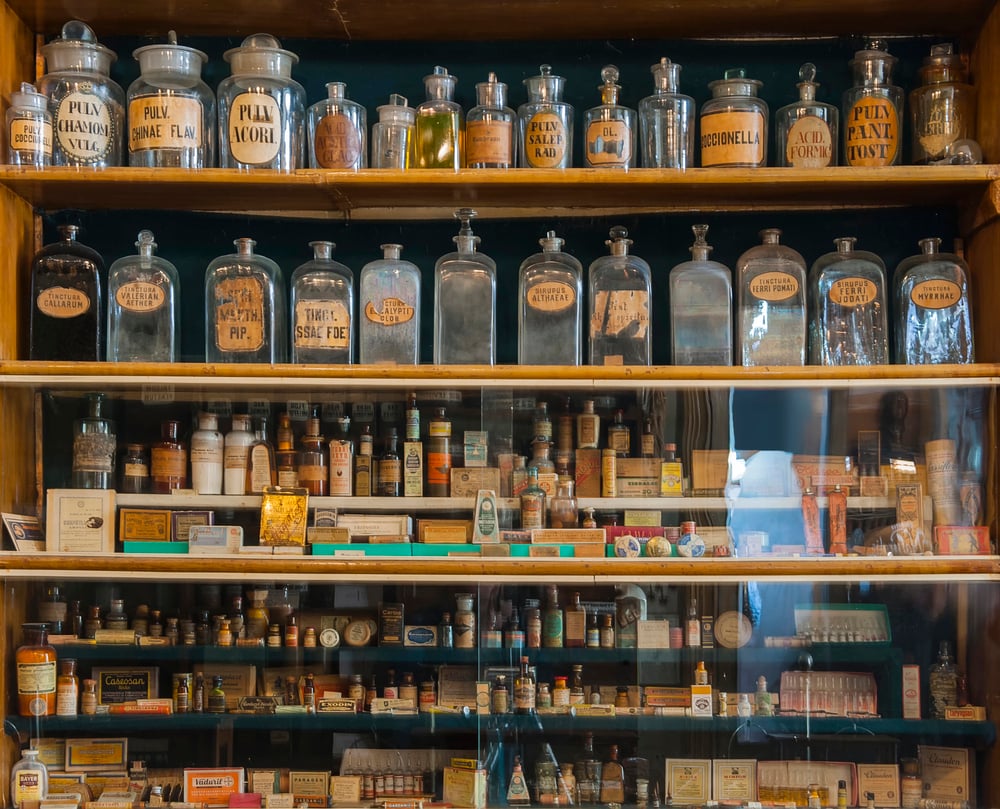
Before regulations tightened, chemistry sets for children sometimes included thorium compounds for experiments. Thorium is radioactive and can be quite dangerous when handled improperly, yet companies packaged it up for young scientists to use at home.
These sets came with minimal safety instructions, basically trusting kids not to inhale, ingest, or otherwise mishandle radioactive chemicals. The experiments were genuinely educational, but the risks far outweighed any learning benefits.
Luminous toy watches
Watch companies made special toy versions of their products for children, and many used radium paint on the hands and numbers to make them glow. Kids loved being able to check the time in the dark, not knowing they were strapping a radioactive device to their wrists.
The watches exposed children to constant low-level radiation throughout the day and night. Once health officials started measuring the radiation output from these timepieces, the luminous watches got reformulated with safer materials.
Radon health mines turned into play areas
In the mid-1900s, some facilities marketed radon exposure as healthy and even built special areas where families could visit. While not toys themselves, these places had play areas where children could spend time in radon-enriched environments.
Parents actually paid money to expose their kids to radioactive gas, believing it would cure ailments and boost health. The whole concept seems absolutely insane now, but it shows how little people understood about radiation dangers back then.
Glow sticks with early radioactive formulas
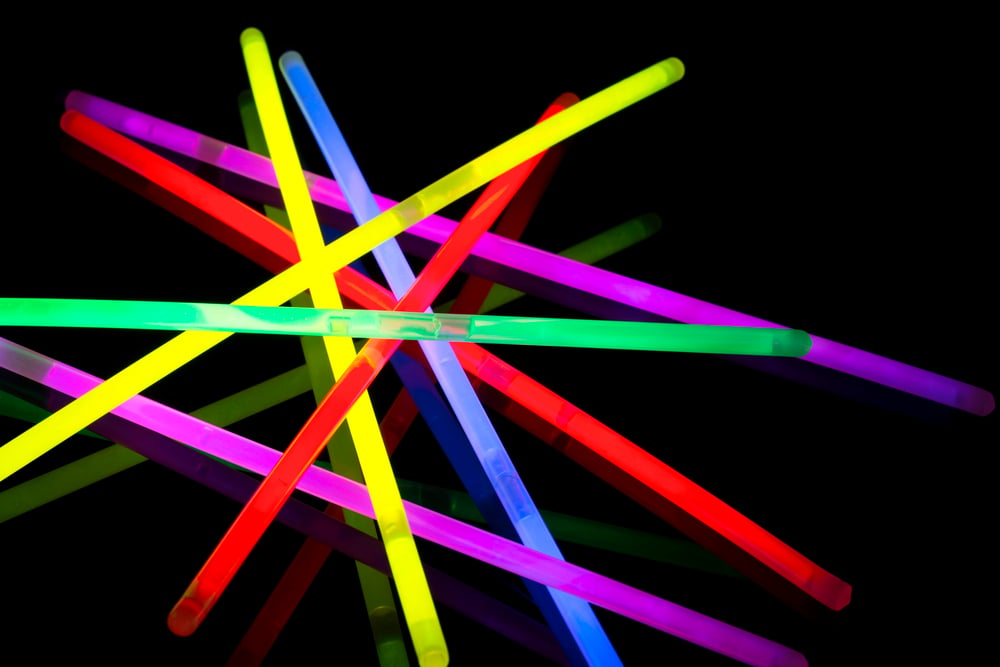
The very first attempts at creating glow sticks used radioactive materials to produce light. These early versions gave off a constant glow without needing to be ‘cracked’ or activated like modern glow sticks.
Companies handed them out at events and sold them as toys before realizing that giving children radioactive light sources probably wasn’t the best move. Once safer chemical reactions were developed for glow sticks, the radioactive versions got phased out completely.
Radioactive sand in playground sets
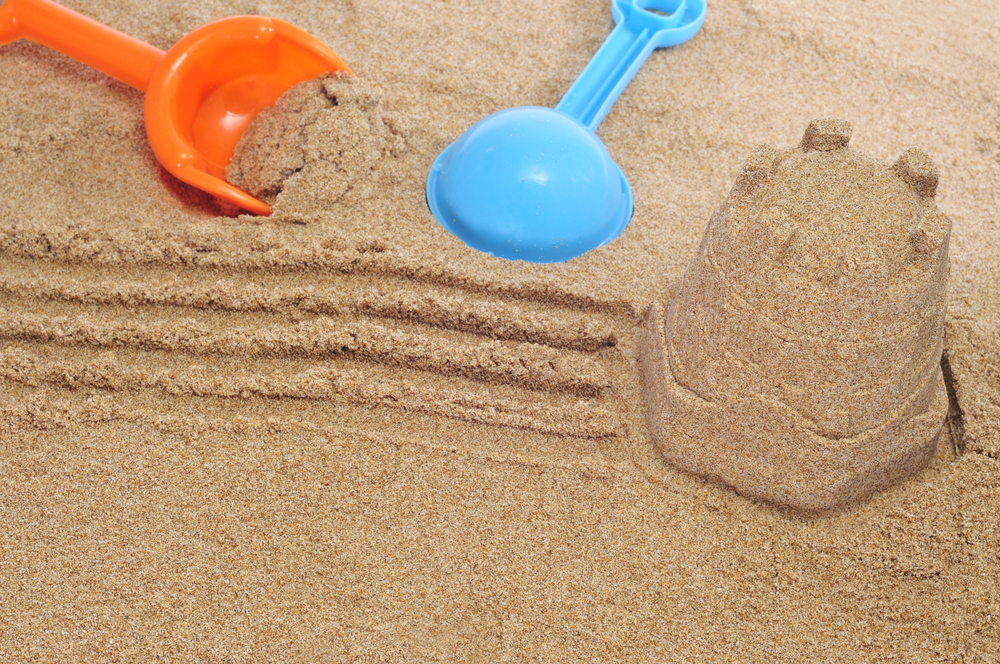
Some sandbox toys and play sand products got contaminated with naturally occurring radioactive materials during manufacturing. The contamination happened when companies sourced sand from areas with higher radiation levels, not realizing the danger.
Kids would build sandcastles and play for hours in this slightly radioactive sand, getting exposure through their hands and breathing in radioactive dust. Testing programs eventually caught these products, leading to recalls and stricter sourcing requirements.
Uranium-glazed toy pottery wheels
Craft kits that let kids make their own pottery sometimes came with glazes containing uranium for bright colors. Children would spin clay on little wheels, paint their creations, and then fire them in small kilns or home ovens.
The whole process meant handling uranium-containing materials repeatedly, from wet glaze application to touching the finished radioactive pottery. These kits combined the fun of arts and crafts with the hidden danger of radiation exposure.
Atomic reactor building sets
Starting with risky science toys, a few brands went further by designing toy nuclear reactors for young learners. Because they wanted hands-on learning, these kits held actual radioactive elements in tiny doses.
Complete with lead lining and movable rods, the models mimicked real reactor functions closely. A child might assemble one right on the kitchen table – imagine that scene mid-century.
Learning happened, true, though exposure concerns grew alongside excitement. Packing radionuclides into playthings brought danger along with discovery.
Radium-dial toy telephones
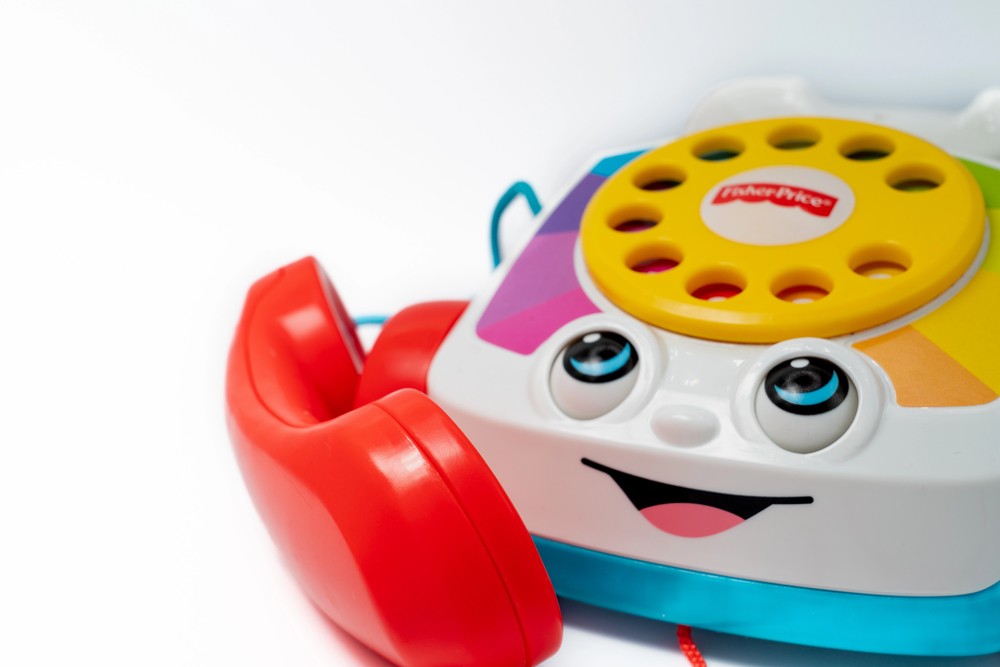
Glowing numbers on kids’ toy phones came from paint made with radium. Hours of make-believe had little faces pressed close, lips nearly touching the device.
That friendly shine? It sent invisible rays straight into growing skulls.
Fun at first glance – no one paused to question it. Only later did the truth surface: tiny bodies soak up harm faster than anyone guessed.
Only then did protection improve
Decades passed before shiny glow-in-the-dark playthings gave way to items kids could touch without risk. It wasn’t malice that kept risky designs on shelves – just blind spots, silence where warnings should’ve been, profit talking louder than caution.
Rules today stand tall only because past mistakes left scars no one can ignore. Bright trinkets once marketed as fun now sit in museums, quiet proof that new ideas need checks, particularly around little fingers reaching out.
Safety arrived late, shaped by regret more than foresight.
More from Go2Tutors!

- The Romanov Crown Jewels and Their Tragic Fate
- 13 Historical Mysteries That Science Still Can’t Solve
- Famous Hoaxes That Fooled the World for Years
- 15 Child Stars with Tragic Adult Lives
- 16 Famous Jewelry Pieces in History
Like Go2Tutors’s content? Follow us on MSN.



