Things People Kept in Their Glove Compartments in the 1980s
The glove compartment was the junk drawer of the automobile—a cramped, dark space where necessity met chaos. Unlike today’s cars, packed with digital entertainment and GPS navigation, 1980s vehicles offered drivers a single rectangular cavity to hold everything they might need on the road.
What ended up in there told a story about an era when being prepared meant carrying physical backups for everything, when getting lost was a real possibility, and when the space between your dashboard and your passenger seat became an archeological record of analog life.
Maps
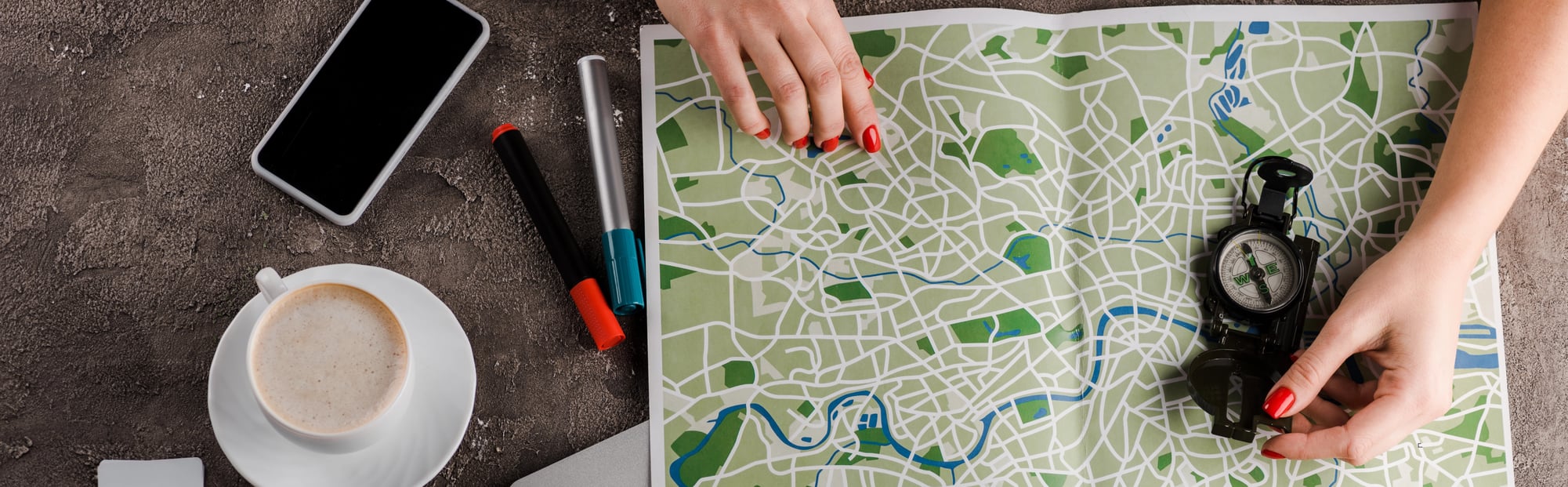
Road atlases lived in glove compartments like Bibles in hotel nightstands. Every car had at least one, usually dog-eared and coffee-stained from countless consultations at gas stations.
These weren’t suggestions—they were survival tools in an age before turn-by-turn directions whispered through speakers.
Sunglasses

Cheap aviators and oversized plastic frames competed for space alongside the maps. The glove compartment protected them from sliding around the car during sharp turns, though the lenses usually ended up scratched anyway.
Finding a pair that wasn’t cracked was like discovering buried treasure.
Registration And Insurance Papers

Bureaucracy demanded its tribute, and the glove compartment was where drivers paid it. These documents (folded into increasingly smaller squares as the years passed) represented the price of legal driving—and the perpetual anxiety that comes with never being entirely sure where you put them when a police officer approaches your window.
The papers aged there like wine, growing more brittle and illegible with each passing inspection, until the ink faded to the point where your insurance company became a ghost story told in barely visible type.
Owner’s Manual
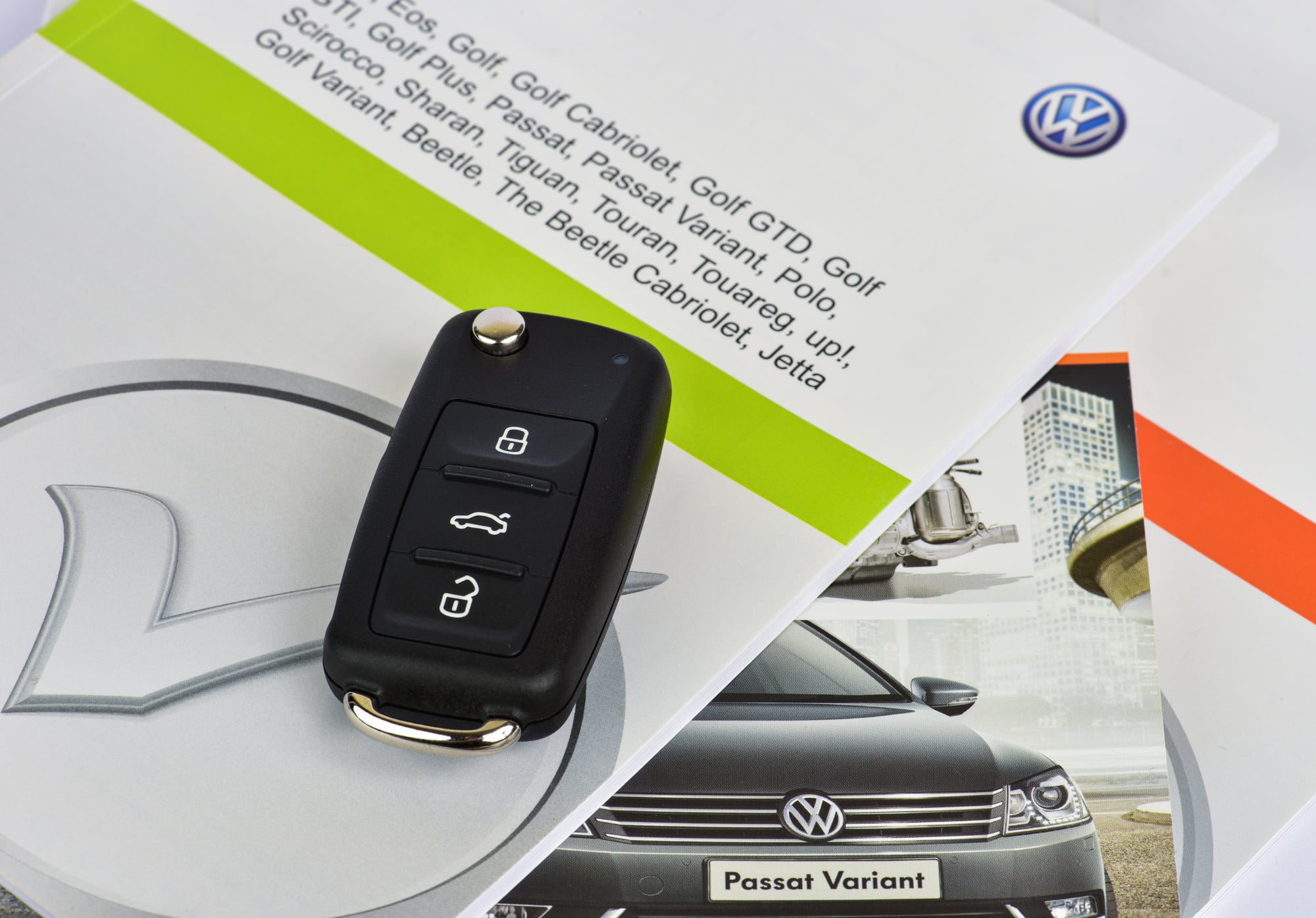
The owner’s manual represented optimism in its purest form—the belief that someday, when the car made that strange noise or the dashboard light flickered to life, someone would actually crack open that thick booklet and find the answer.
Most manuals spent years unopened, accumulating the weight of good intentions while serving as expensive bookmarks for more urgent documents stuffed between their pages.
Flashlight
Dead batteries were a given. The flashlight existed more as a security blanket than a functional tool.
When you actually needed light—say, to read that map in the dark—the flashlight would click uselessly, offering nothing but the hollow rattle of corroded batteries that had been sitting there since the Carter administration.
Pen Or Pencil
Usually broken or dried out, but always present. The pen represented preparedness for situations that never quite materialized the way people imagined them.
Phone numbers scribbled on napkins, directions written on the back of receipts, notes about strange car noises—all requiring that one working writing instrument that somehow never worked when you needed it most.
Tissues Or Napkins

These lived a double life: official purpose for runny noses, actual purpose for cleaning everything from windshields to coffee spills. Fast-food napkins accumulated like sedimentary rock, creating layers that told the story of every drive-through visit for the past six months.
And yet, when someone actually needed a tissue, the glove compartment would yield nothing but those waxy Burger King napkins that moved moisture around without absorbing it.
Spare Change

Quarters, dimes, and nickels settled into every corner like automotive archaeology. This wasn’t money saved—it was money forgotten, discovered months later when searching for something else entirely.
The coins served as emergency funds for parking meters and pay phones, assuming you could fish them out from under everything else crammed in there.
Small Tools

A tiny screwdriver or multi-tool suggested the owner’s faith in their ability to fix minor problems on the spot. These tools rarely saw action, but their presence provided psychological comfort to drivers who suspected their mechanical knowledge peaked at checking the oil.
Gum Or Mints

Peppermints turned to powder in the summer heat, while gum developed the consistency of road tar (though the connection between temperature and mint degradation somehow never deterred people from restocking their glove compartment candy supply). So the cycle continued: fresh mints in spring, mysterious white powder by August.
But you kept buying more because hope springs eternal, and maybe this time the air conditioning would protect your investment.
Emergency Phone Numbers

Before phones carried contact lists, people wrote important numbers on scraps of paper and hoped they’d be readable when catastrophe struck. Insurance companies, towing services, relatives—all reduced to pencil scratches on whatever paper was handy.
These numbers existed in a state of constant uncertainty: Was that a 6 or an 8? Did area codes change since this was written?
The handwriting often belonged to someone else entirely, leaving drivers to decode emergency information like ancient hieroglyphics.
Cig Lighter

Even non-drivers carried spare lighters for the car’s electrical outlet. These weren’t just for people who practiced the habit—they were universal tools for anything requiring 12-volt power.
The lighter represented possibility in an age when cars offered exactly one electrical connection point, making it more valuable than currency for anyone carrying electronic devices.
First Aid Supplies
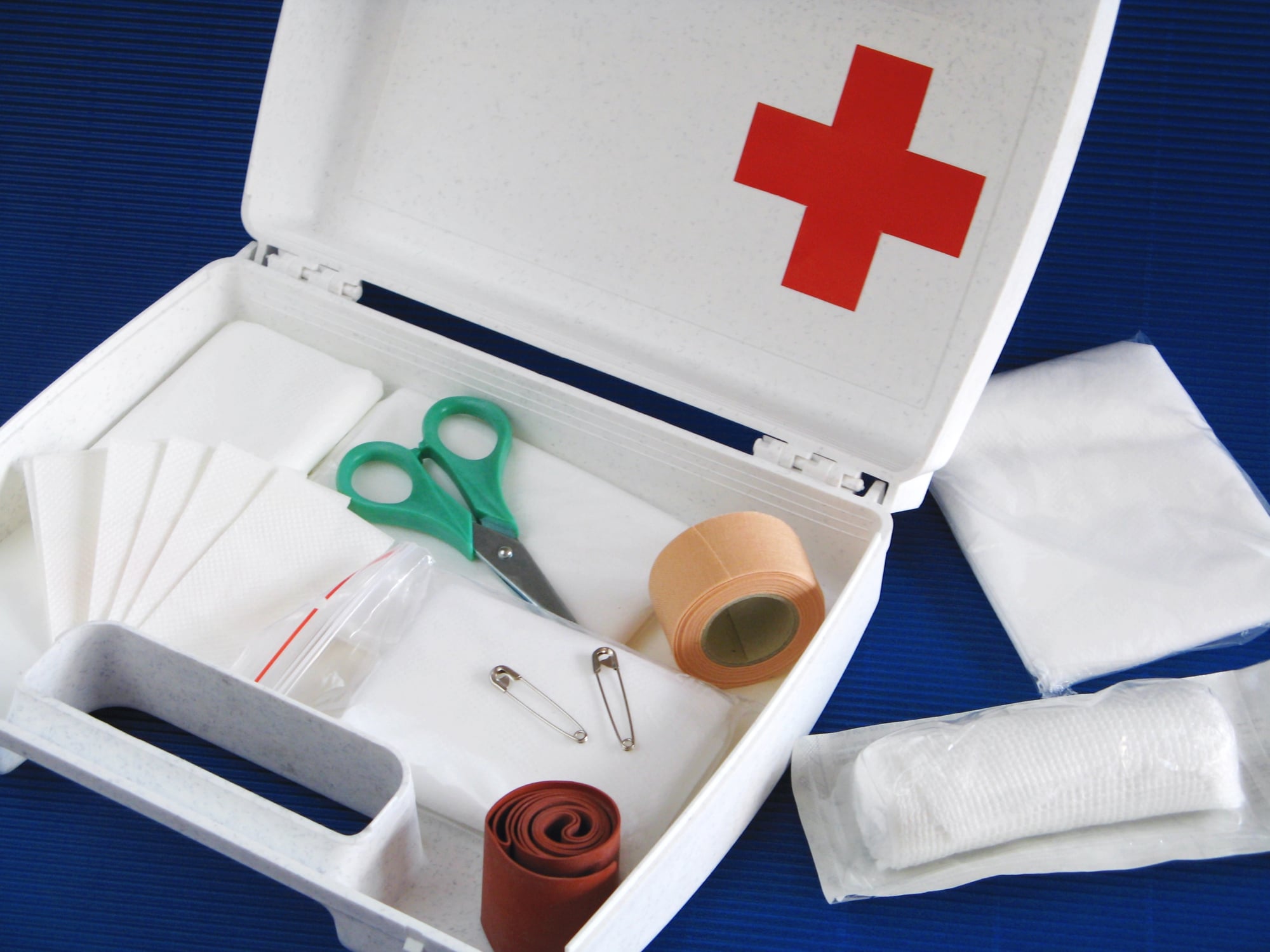
Band-aids stuck together in the heat, creating medical origami that served no useful purpose. Aspirin bottles rattled with two or three remaining pills of questionable vintage.
The first aid kit represented good intentions meeting automotive reality: extreme temperatures that turned medicine into archaeology and adhesives into abstract art.
Cassette Tapes
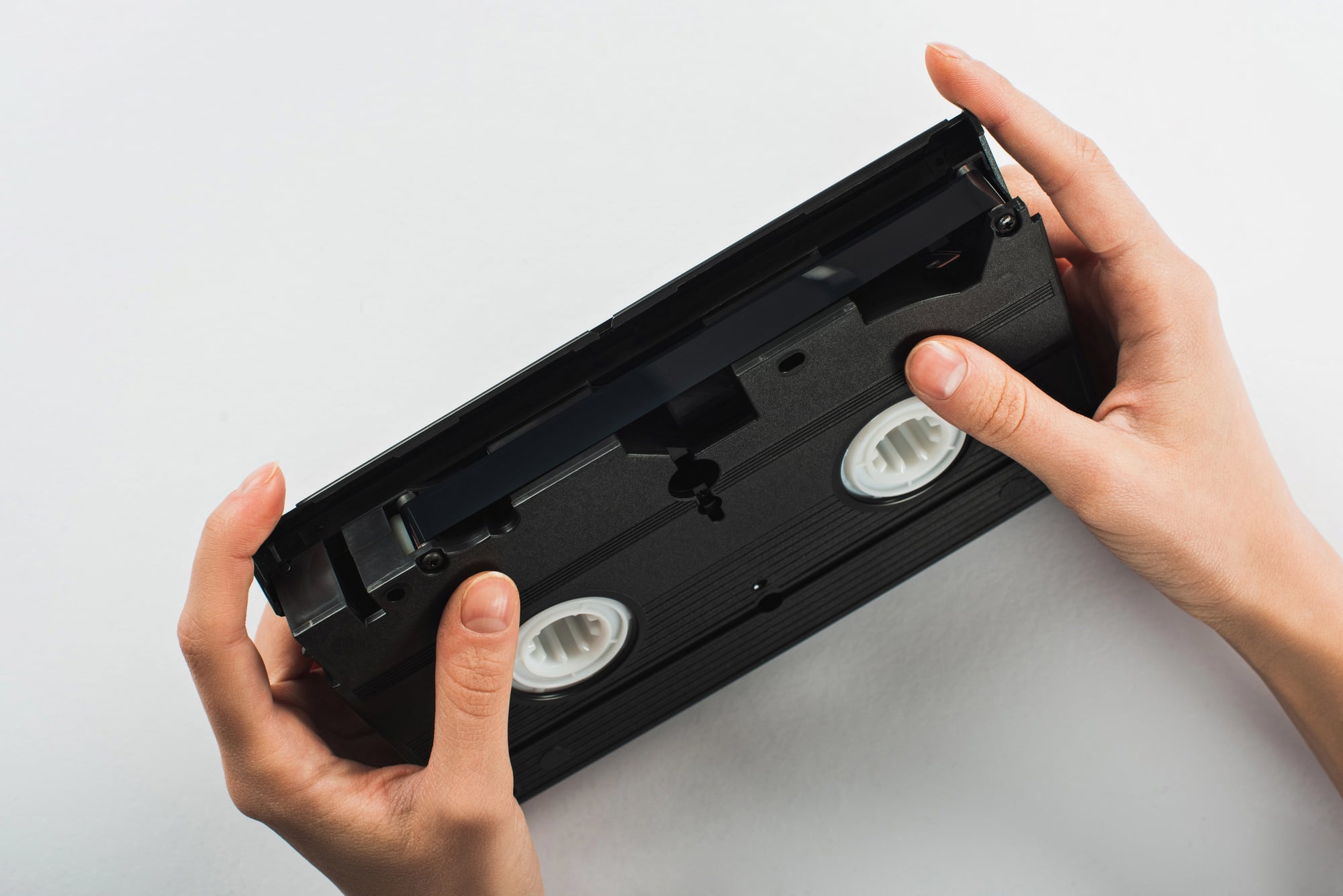
Singles and mix-tapes lived in glove compartments when they couldn’t fit in the car’s cassette storage areas. These were usually the backup tapes—not good enough for prime dashboard real estate, but too good to leave at home.
They warped in summer heat and tangled in winter cold, creating a graveyard of musical ambition that sounded increasingly like experimental noise art with each passing season.
Manual Can Opener
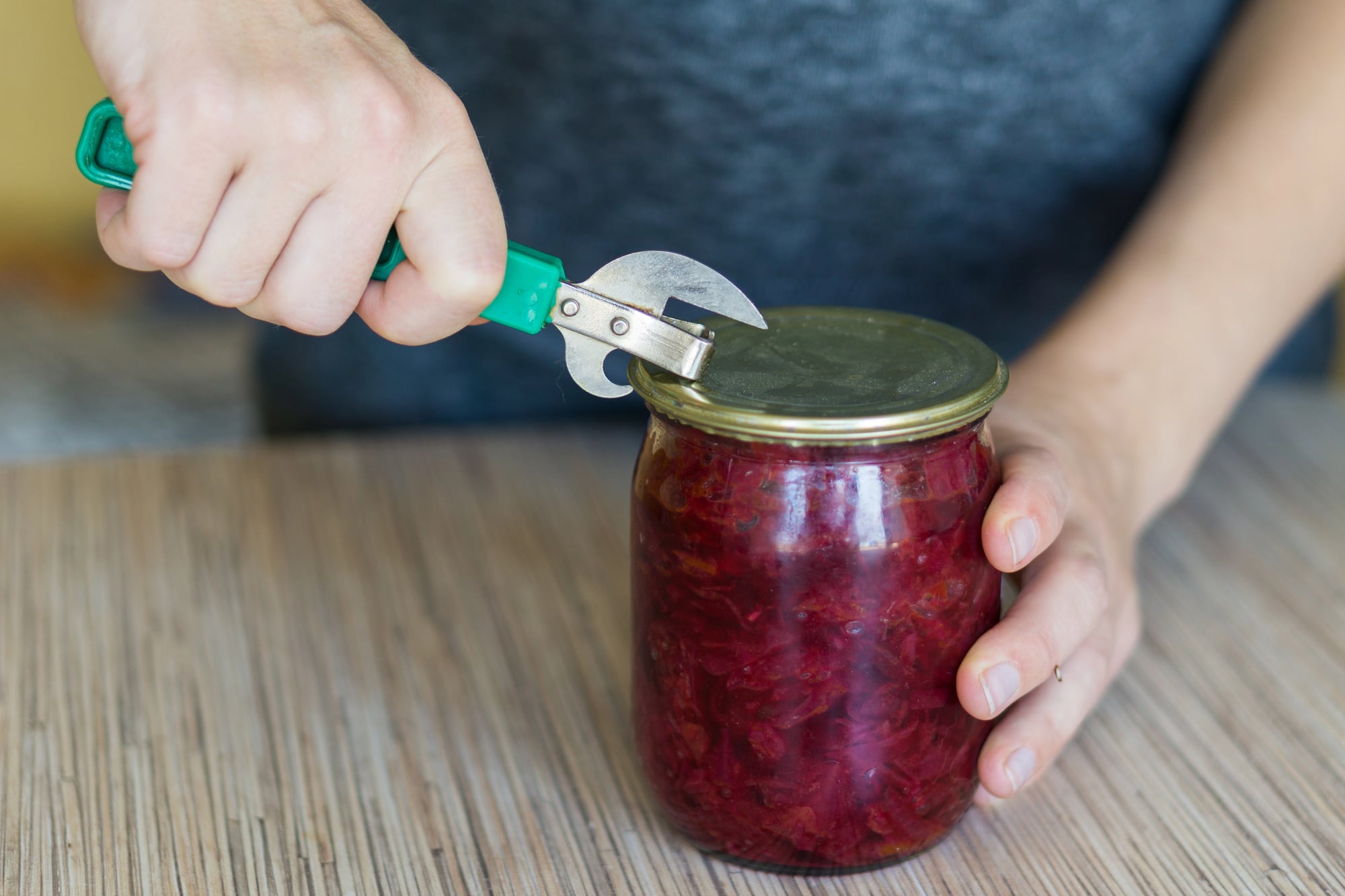
Kept there by people who remembered camping trips or anticipated emergencies that never materialized. This was peak preparedness culture: the belief that somewhere, somehow, you’d encounter a can that needed opening and civilization would fail to provide the necessary tools.
The can opener usually rusted quietly while waiting for its moment of glory.
Parking Permits Or Passes
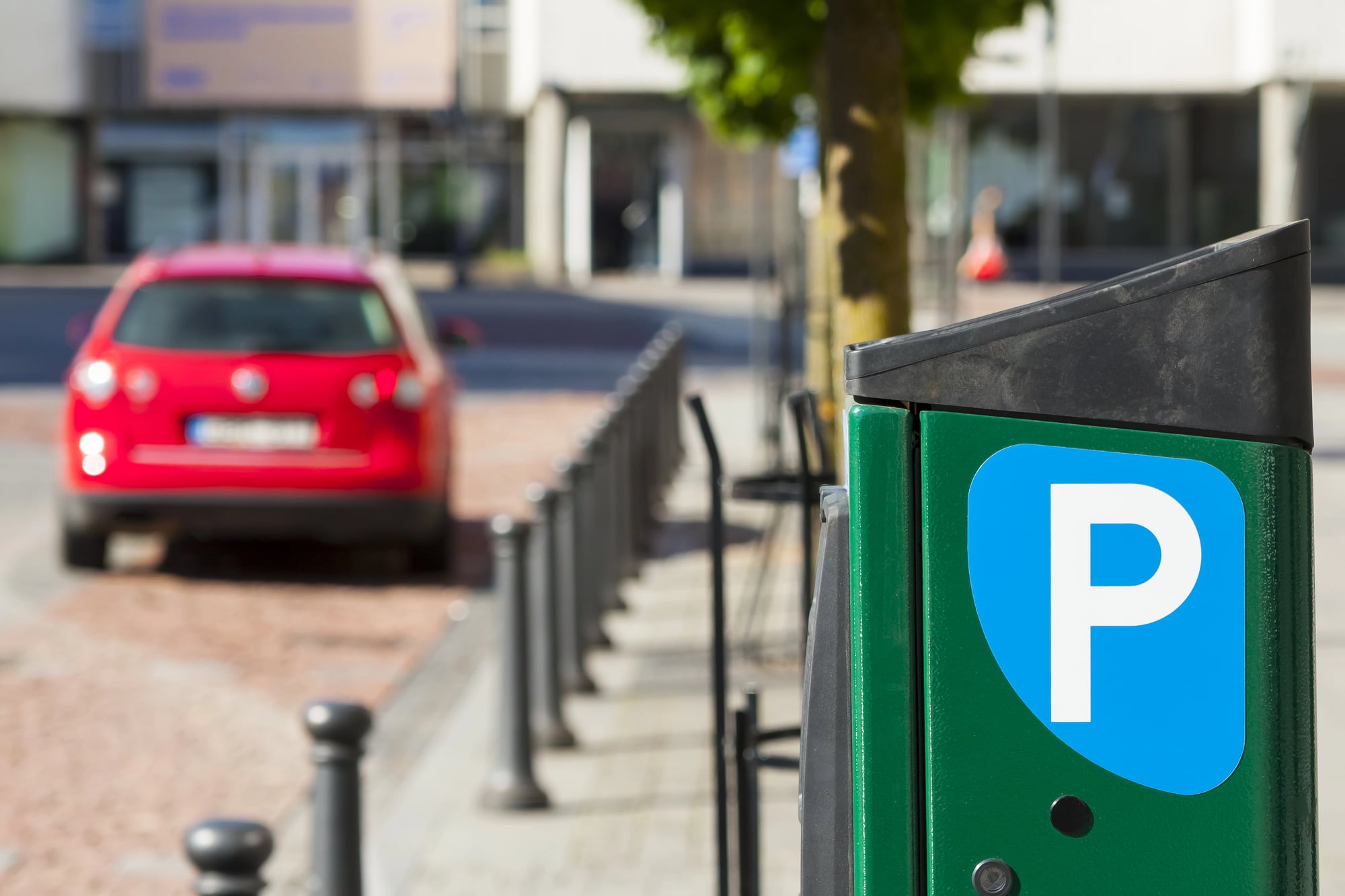
Work permits, university parking passes, and visitor badges accumulated like evidence of everywhere you belonged—or were temporarily allowed to exist. These rectangular pieces of bureaucracy represented access to specific patches of asphalt, making them more valuable than money in certain contexts and completely worthless everywhere else.
Nail File

This tiny grooming tool doubled as a surprisingly versatile implement for car maintenance. Scratching lottery tickets, cleaning small spaces, tightening loose screws—the nail file punched above its weight class in automotive utility while maintaining its official purpose for emergency manicure situations.
Antacids

Driving in the 1980s apparently demanded digestive preparation. Rolls of antacids lived alongside the aspirin, suggesting that automotive stress affected multiple organ systems simultaneously.
Whether the stomach problems came from fast food consumed during road trips or anxiety about mechanical reliability, the antacids were always within reach.
Small Notepad

For recording mileage, phone numbers, or observations about car performance that seemed important at the time but never quite merited action. The notepad represented the eternal human belief that writing something down would make it easier to remember or act upon later.
Most pages remained blank while the important information got written on whatever scrap was handy.
Tire Pressure Gauge
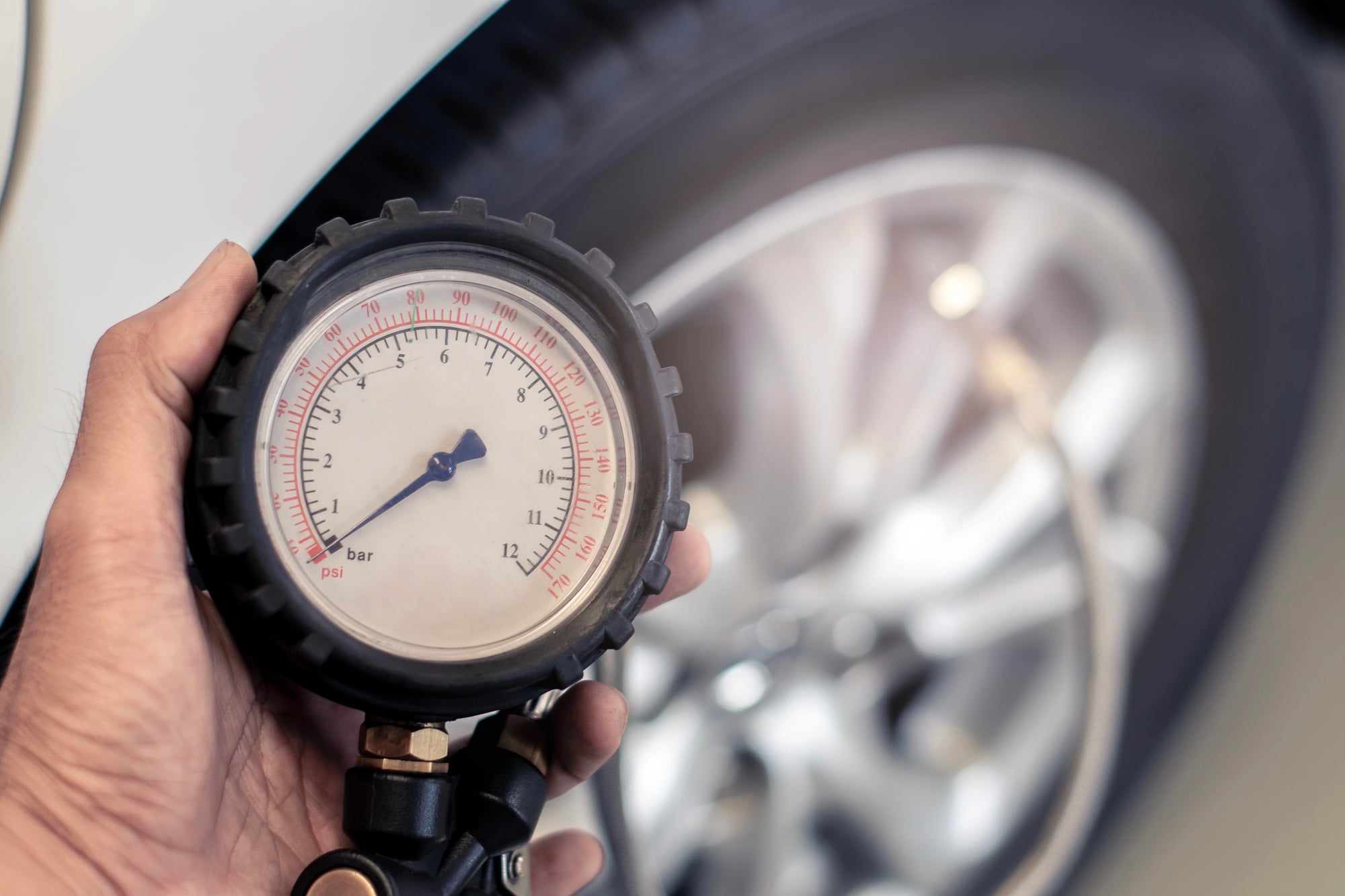
Usually broken or impossible to read, but present nonetheless. This tool embodied the gap between automotive responsibility and practical reality—everyone knew they should check tire pressure regularly, and keeping the gauge in the glove compartment felt like progress toward that goal, even if the gauge itself hadn’t been used since purchase.
The Weight Of Analog Life

The 1980s glove compartment was a museum of backup systems and physical redundancy. Every item represented preparation for scenarios that digital solutions later eliminated: getting lost without GPS, needing change for phones that disappeared, carrying paper documents that moved online, maintaining tools for problems that became someone else’s responsibility.
The clutter wasn’t chaos—it was the weight of self-reliance in an analog world, packed into a space small enough to reach while keeping your eyes on the road.
More from Go2Tutors!

- The Romanov Crown Jewels and Their Tragic Fate
- 13 Historical Mysteries That Science Still Can’t Solve
- Famous Hoaxes That Fooled the World for Years
- 15 Child Stars with Tragic Adult Lives
- 16 Famous Jewelry Pieces in History
Like Go2Tutors’s content? Follow us on MSN.