18 Little Known Facts About the Hollywood Sign
The Hollywood sign sits up there in the hills, white letters against brown scrub brush, looking exactly like every postcard and movie poster has trained you to expect.
It’s one of those landmarks that feels so familiar you might think there’s nothing left to discover about it.
Most people know it used to say “Hollywoodland” and that it’s gotten a facelift or two over the decades.
But the sign has collected stories the way hills collect shadows — quietly, in layers, with plenty of odd corners that rarely catch the light.
Some of these stories involve midnight pranks and celebrity fundraisers. Others involve hiking trails that don’t appear on tourist maps and maintenance crews who’ve seen things from up there that would surprise you.
The sign has been standing long enough to accumulate the kind of details that only surface when someone bothers to look past the obvious.
It Originally Advertised a Housing Development
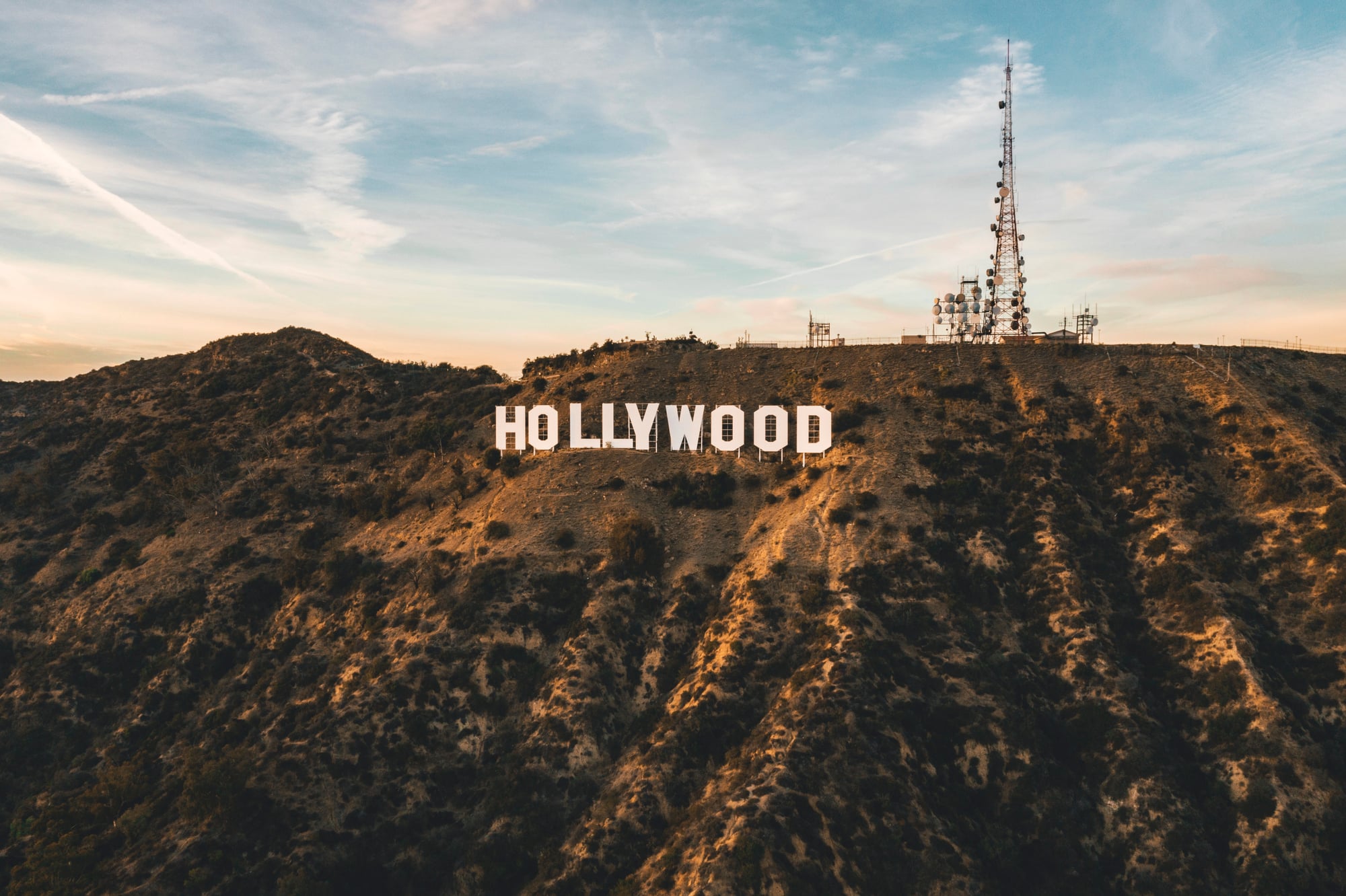
The sign went up in 1923 to sell houses.
Not to celebrate movies or mark Hollywood as the entertainment capital of the world — just to move real estate in a subdivision called Hollywoodland.
The developer hung 13 letters on the hillside, each one originally 13.5 feet wide and tall, outlined with lightbulbs that blinked in sequence after dark.
The Lightbulbs Created a Spectacle That Could Be Seen for Miles
Those 4,000 lightbulbs didn’t just spell out the development name (which was the original intent, since this was fundamentally an advertisement for a housing project) — they turned the sign into something that dominated the nighttime landscape in a way that must have felt almost surreal to anyone driving through Los Angeles in the 1920s.
The bulbs blinked in three sections: first “HOLLY,” then “WOOD,” then “LAND,” and the cycle repeated all night long, which meant that if you were anywhere in the basin with a clear view of the hills, you were watching this enormous, pulsing advertisement whether you wanted to or not.
And here’s what makes it feel different from the static landmark we know today: the sign wasn’t trying to be dignified or timeless. It was trying to grab attention — which it did.
But maintaining 4,000 lightbulbs on a hillside proved expensive and complicated.
So the spectacle didn’t last. The lights went dark during the Depression, and the sign began its slow transformation from flashy real estate pitch to the more subdued icon that exists today.
A Caretaker Actually Lived Behind the Letter L
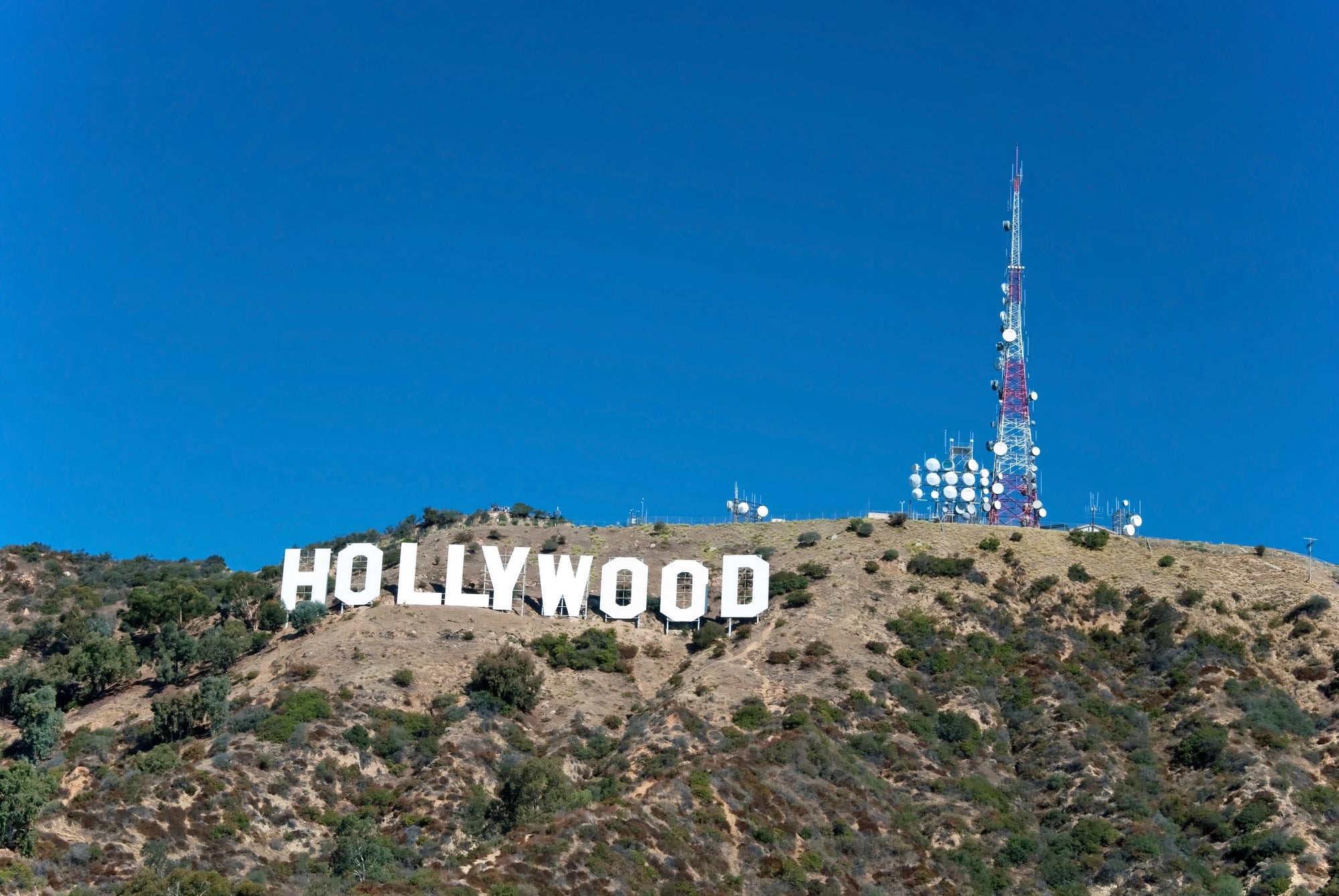
Someone had to watch over this investment, so the developers built a small cabin behind the “L” and hired a caretaker named Albert Kothe to live there.
His job was to change burned-out bulbs and keep an eye on the sign.
Kothe lived in that cabin for years, which means he spent his evenings and mornings looking out at one of the most famous views in Los Angeles — except hardly anyone knew the view existed yet.
There’s something appealingly solitary about that arrangement.
Kothe was living inside what would become one of the most photographed landmarks in the world, back when it was just a piece of infrastructure that needed maintenance.
The cabin is long gone, but for a while, the Hollywood sign had a resident.
The Sign Was Never Meant to Be Permanent
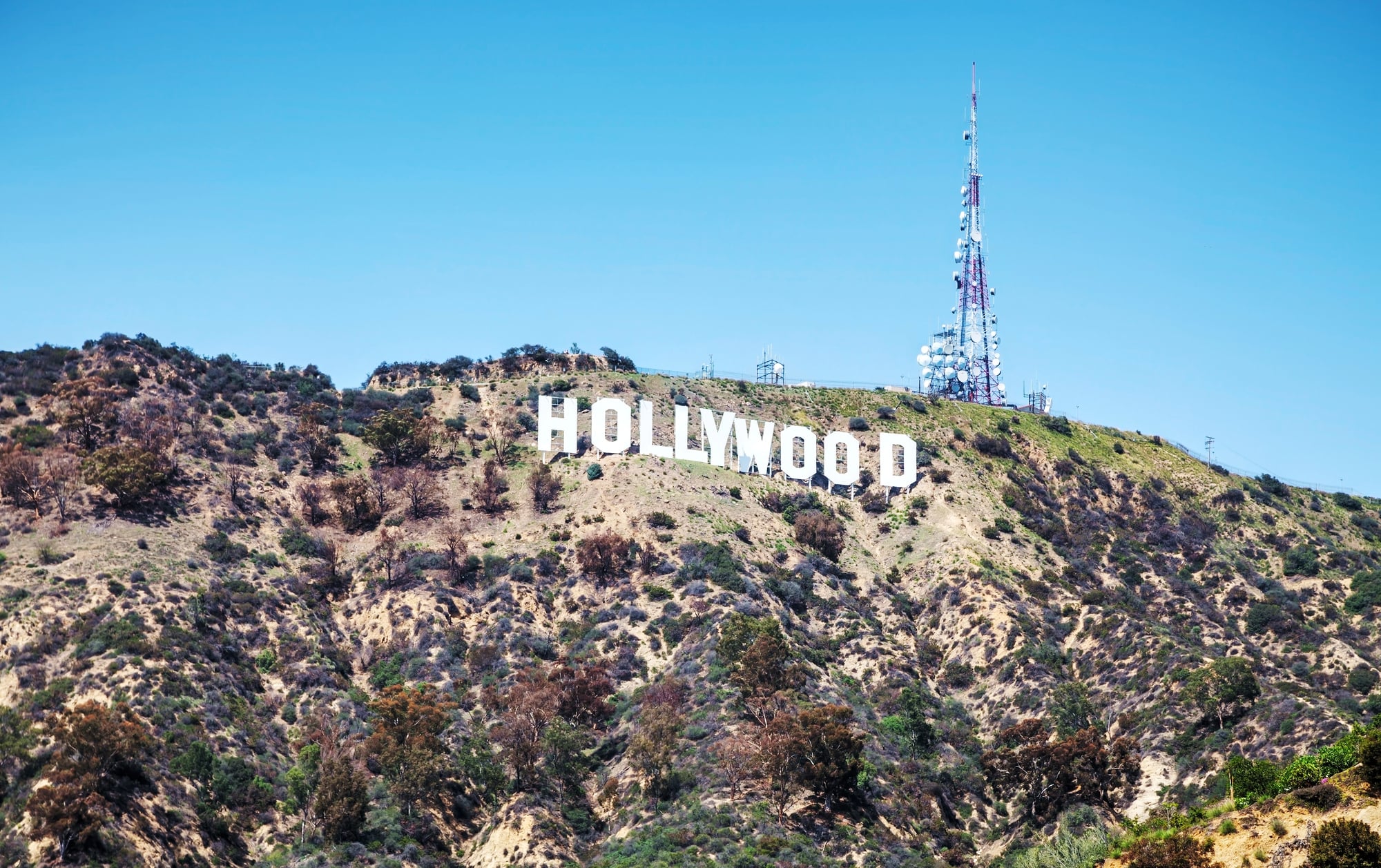
Twenty years. That’s how long the sign was supposed to last before the real estate company took it down.
It was built as a temporary advertisement, and by the 1940s, it had served its purpose — the houses in Hollywoodland had sold, and the development was complete.
The sign should have disappeared decades ago.
Instead, it accidentally became permanent because Hollywood itself was changing.
The movie industry was growing, and people started associating those letters on the hill with something larger than a housing development.
The sign found a second life by accident, which explains why it has always felt a little improvised.
It was never designed to be a monument.
The “Land” Disappeared in 1949
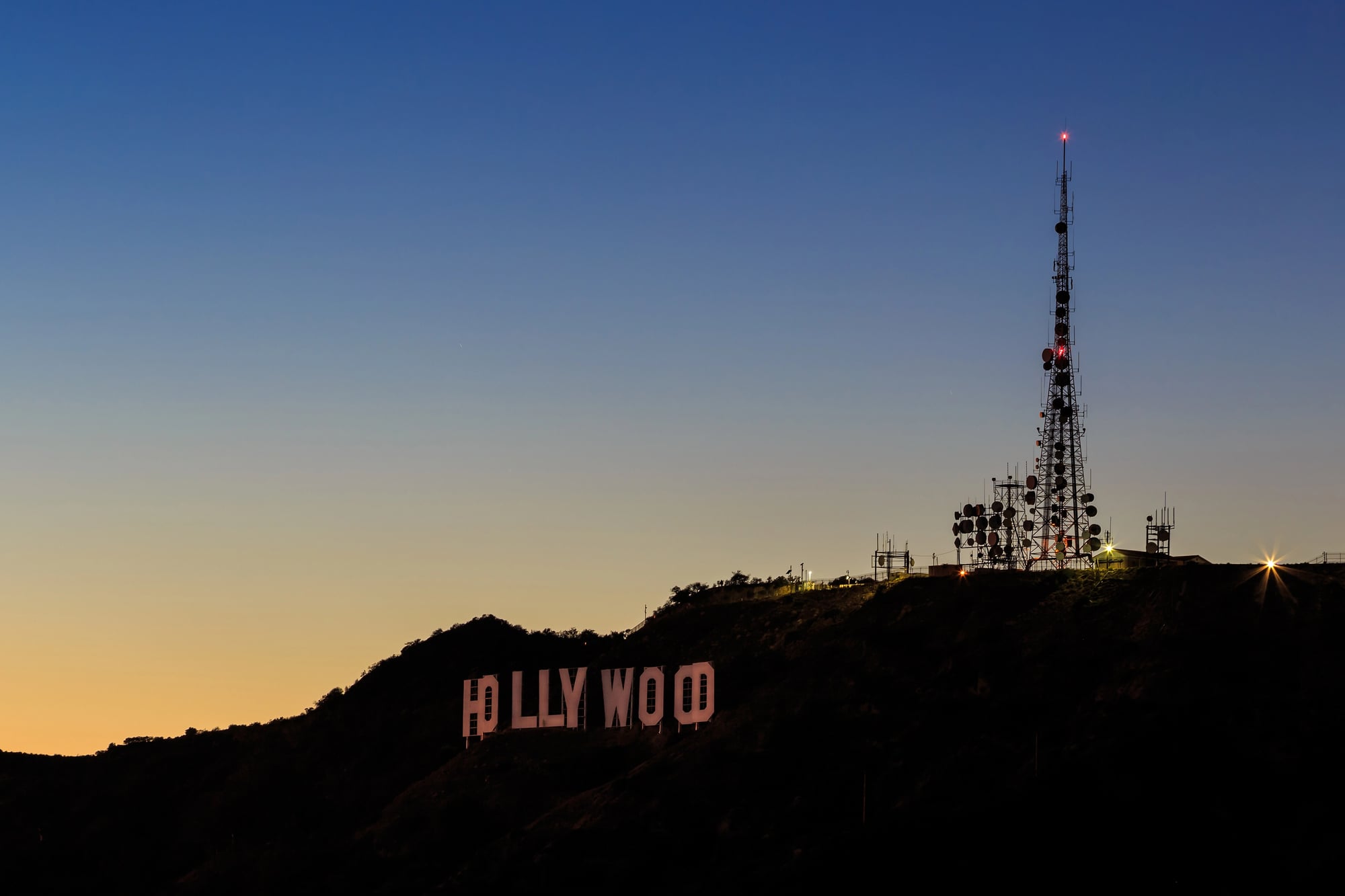
The Hollywood Chamber of Commerce stepped in when the sign was falling apart and raised money to restore it.
But they only restored nine letters.
“Land” came down, and “Hollywood” stayed up — which completed the transformation from real estate advertisement to entertainment industry symbol.
Removing those four letters changed everything about what the sign represented.
“Hollywoodland” pointed to a specific place where people lived.
“Hollywood” pointed to an idea, an industry, a concept that had grown beyond geographic boundaries.
The shorter version turned the sign into something more abstract and more powerful.
Hugh Hefner Saved It with a Fundraising Party
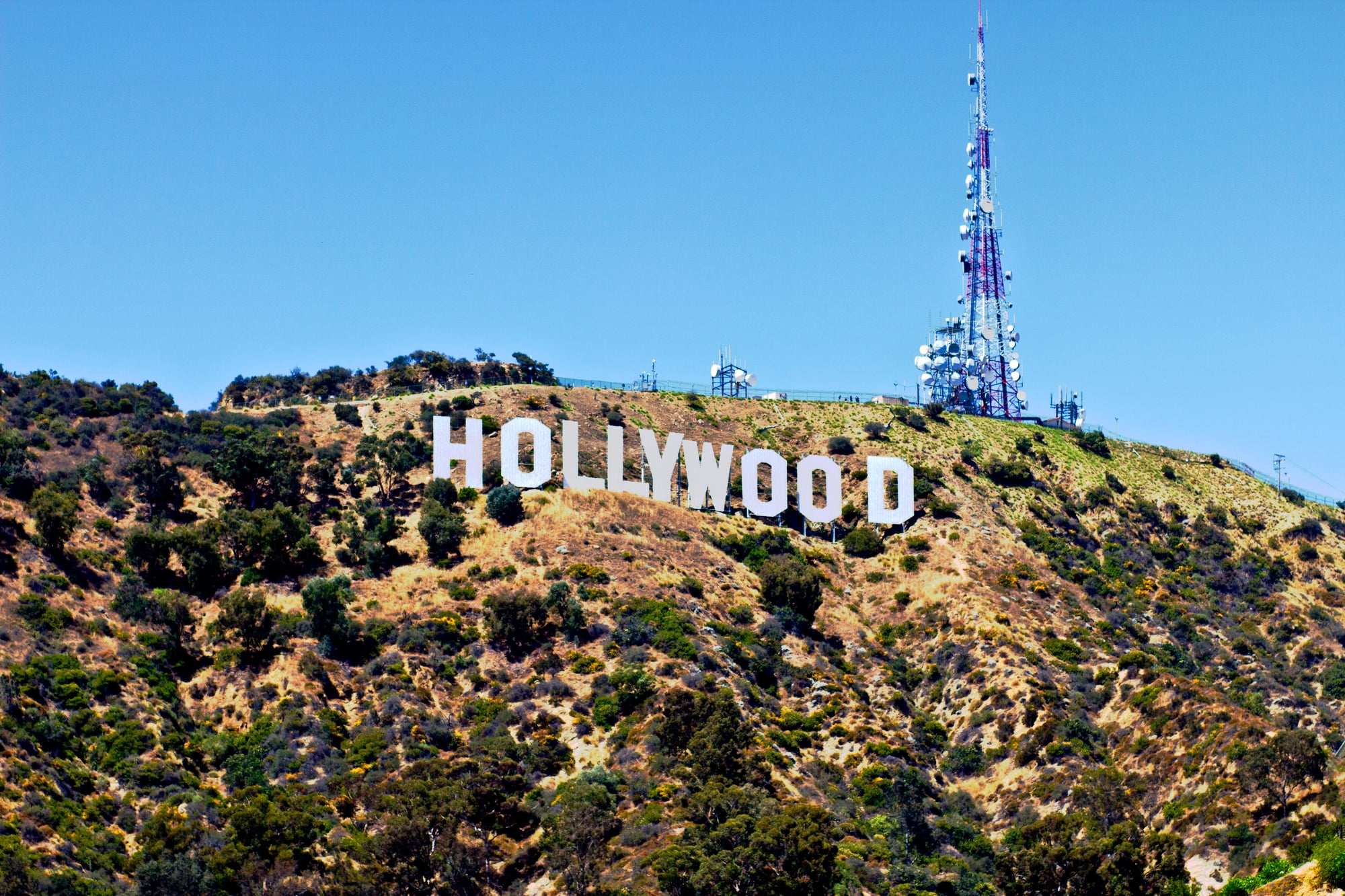
The sign was deteriorating badly by the 1970s (the second “O” had collapsed entirely, and most of the other letters were beyond repair), and the city was looking at a restoration bill that seemed impossible to manage — until Hugh Hefner decided to throw a party at the Playboy Mansion and auction off the letters to celebrities who wanted to sponsor them.
Each letter cost $27,000 to rebuild, which was serious money in 1978, but Hefner’s approach turned the fundraising into an event that people wanted to attend rather than a civic obligation they wanted to avoid.
Alice Cooper bought an “O” in memory of Groucho Marx (which feels appropriately surreal), Andy Williams sponsored an “L,” and Gene Autry took care of another letter — so the sign got rebuilt with a mix of entertainment industry money and genuine Hollywood eccentricity.
The party worked because it matched the spirit of what the sign had become: part landmark, part performance, part absurdist monument to an industry that takes itself seriously and not seriously in equal measure.
Each Letter Weighs About 480,000 Pounds
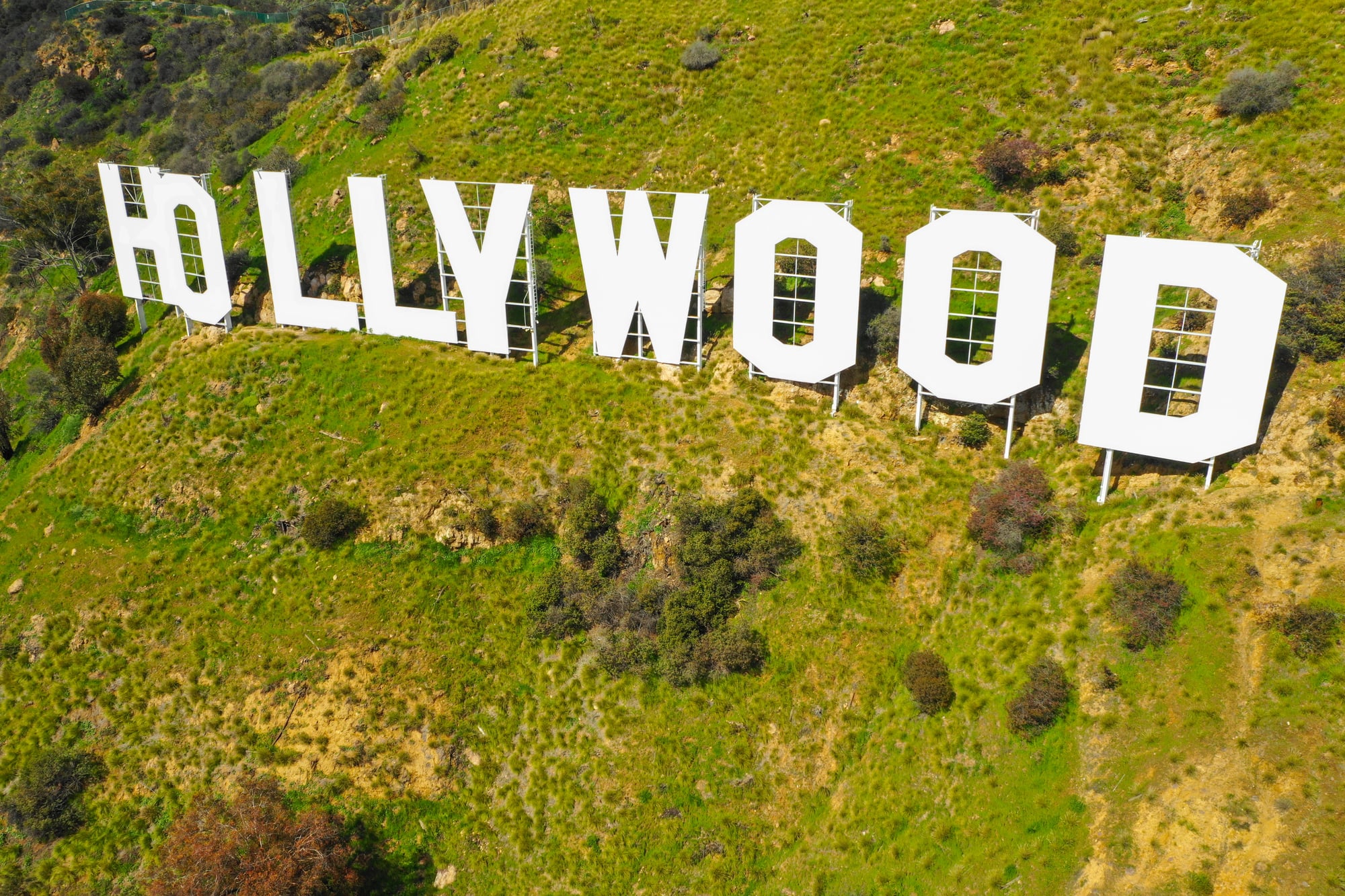
The current letters aren’t the originals.
The 1978 restoration replaced everything with steel and concrete structures that were built to last.
Each letter is anchored deep into the hillside and weighs roughly as much as a commercial airliner.
This is why the sign feels so solid when you see it up close.
It’s not a lightweight display or a piece of signage that could blow over in a windstorm.
It’s a set of architectural structures that happen to be shaped like letters.
The weight is part of what makes the sign permanent in a way the original never was.
You Can’t Actually Get Very Close to It
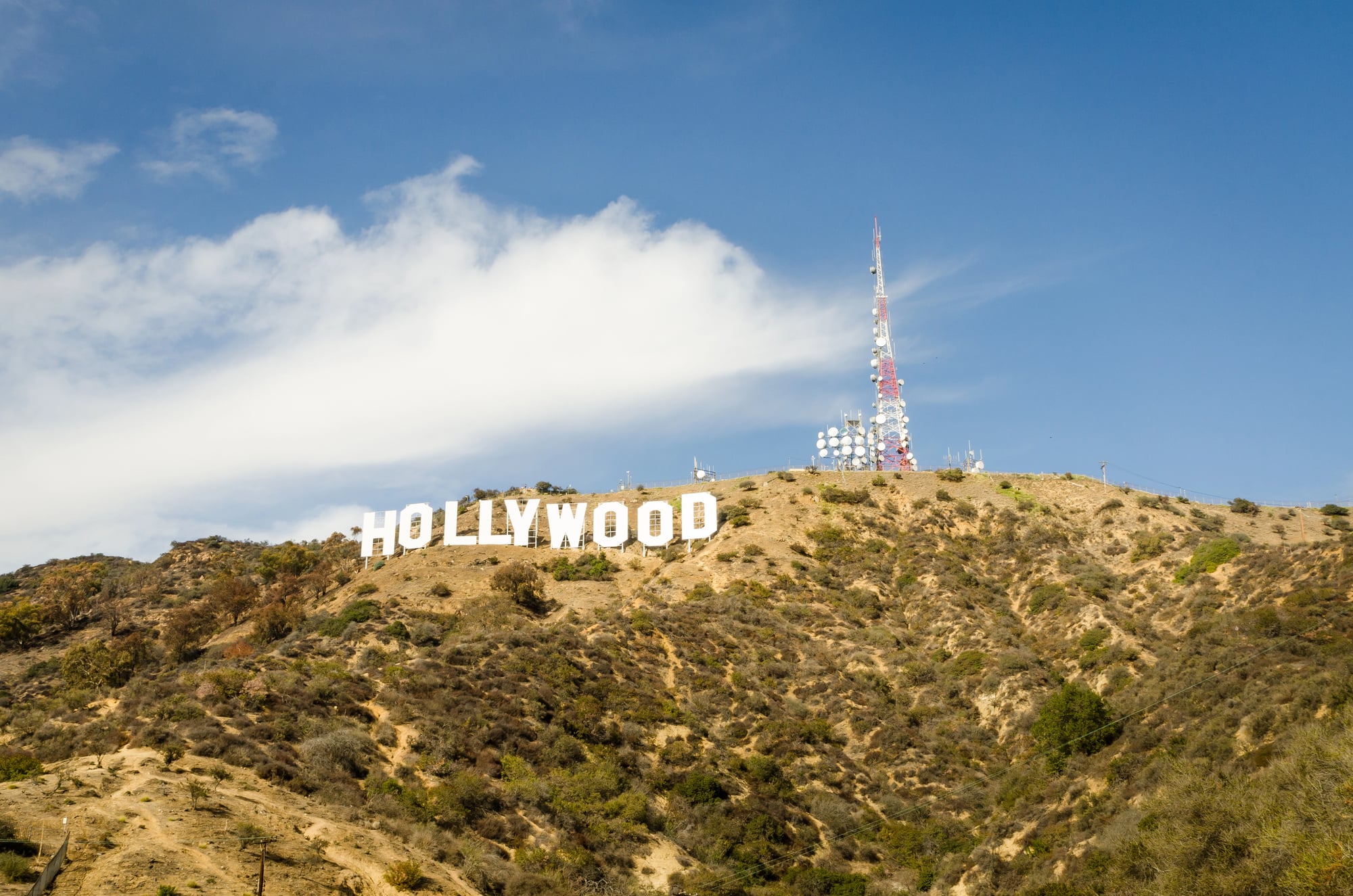
The sign is surrounded by fences, cameras, and motion sensors.
The city installed serious security after decades of people climbing on the letters, vandalizing them, and creating safety problems on the narrow mountain roads leading to the area.
The irony is that one of the most photographed landmarks in the world is also one of the most inaccessible.
Most of the famous photos of people with the Hollywood sign are taken from viewpoints that make the letters look closer than they actually are.
The sign maintains its mystique partly by keeping visitors at a distance, which probably makes it more intriguing than it would be if anyone could walk up and touch it.
It’s Been Altered for Pranks and Protests Multiple Times
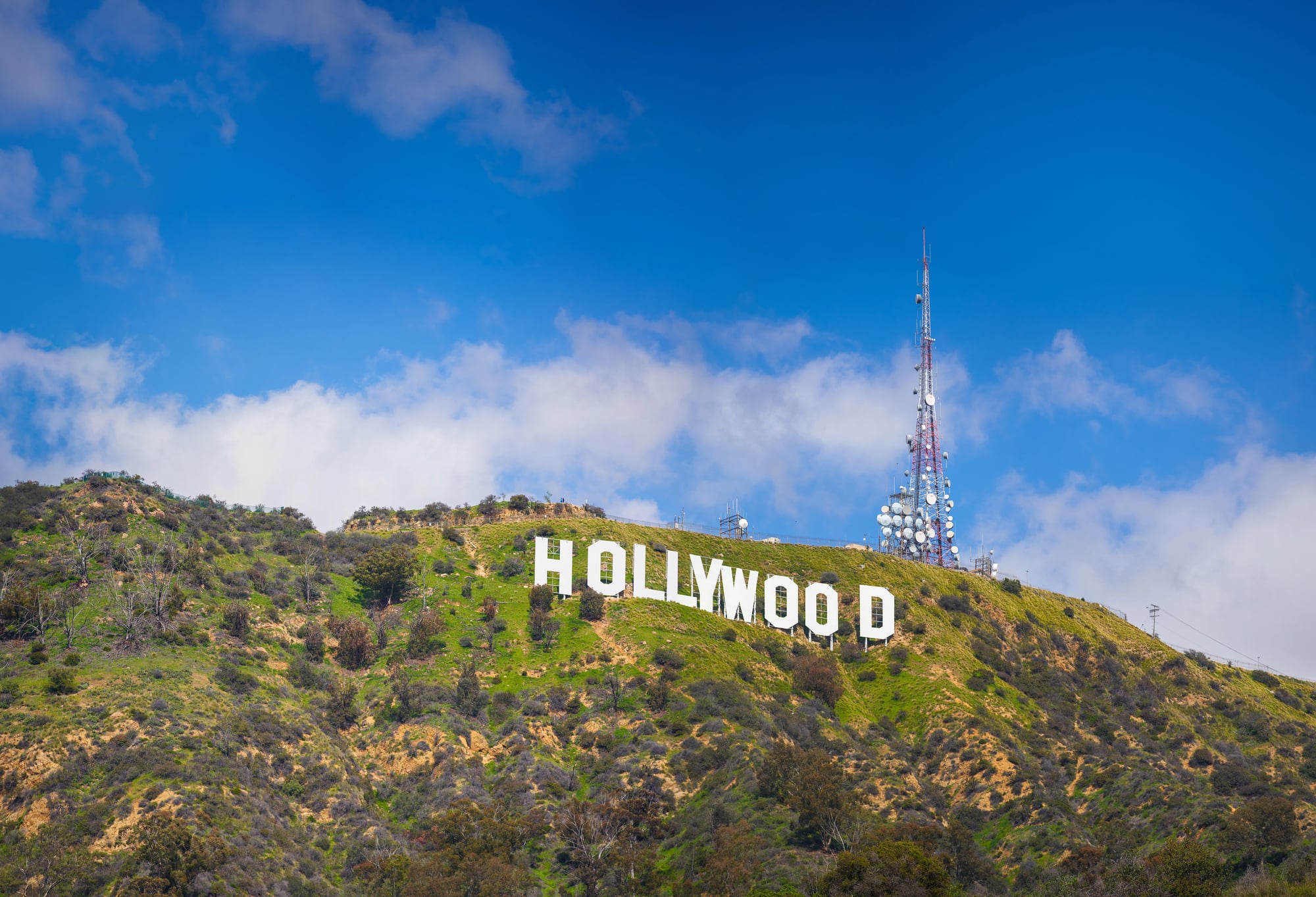
Despite the security, people have found ways to modify the sign temporarily.
It’s been changed to read “Hollyweed” twice — once in 1976 by a college student protesting marijuana laws, and again in 2017 by someone celebrating California’s cannabis legalization.
It’s also been altered to read “Holywood” and “Oil War” during the Gulf War.
These pranks work because they don’t damage the sign — they just drape fabric or tarps over parts of letters to change the message.
The alterations are usually discovered quickly and removed, but they create a moment where this very serious landmark becomes a vehicle for whoever managed to climb up there with enough fabric and creativity.
The sign’s history of being temporarily hijacked for political messages adds a layer of unpredictability to what could otherwise be a static monument.
The Sign Appears in Thousands of Movies but Usually as Stock Footage
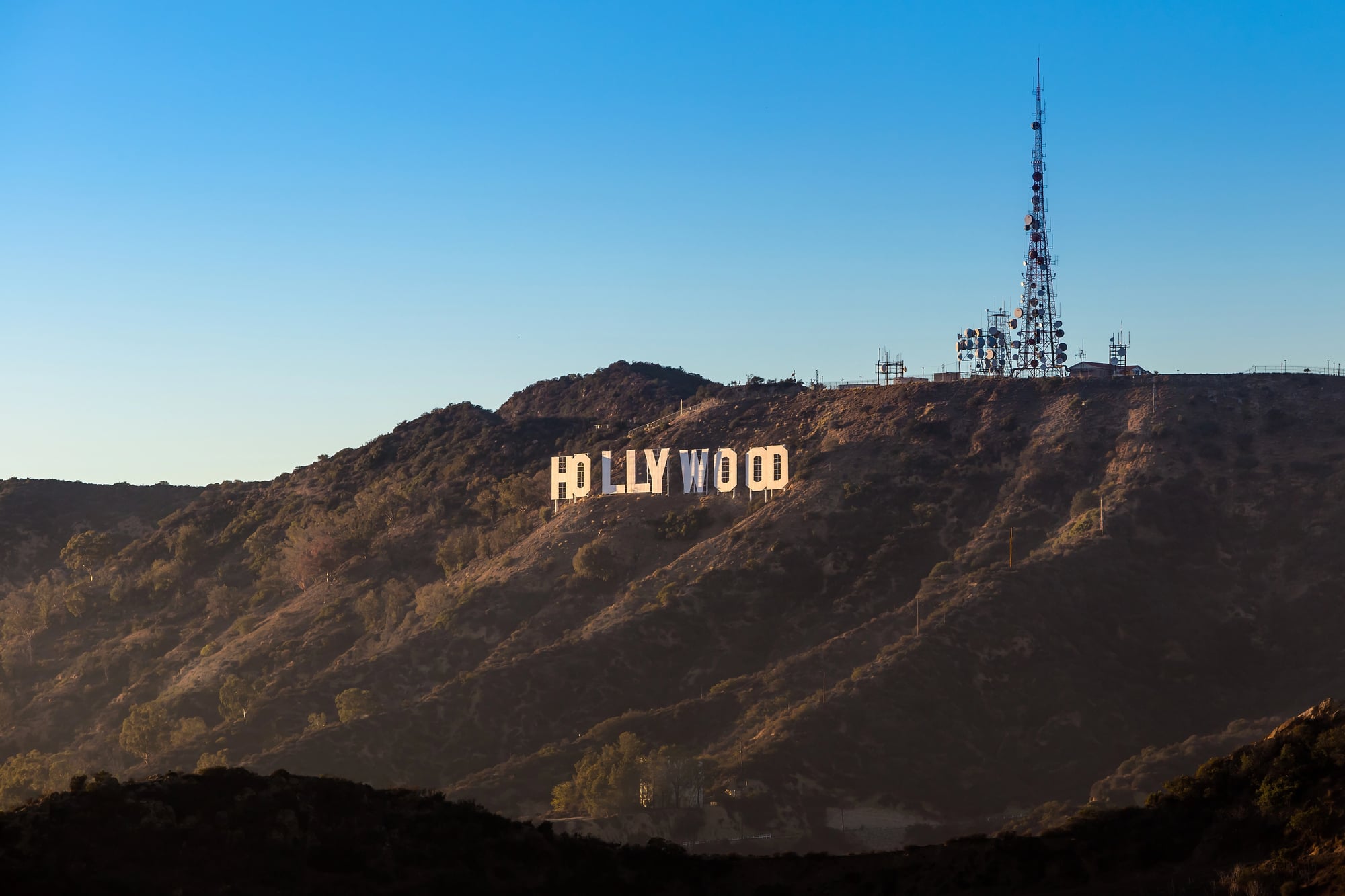
Here’s something that surprises people: most movies that show the Hollywood sign aren’t actually filming it fresh for that production.
There’s a library of stock footage that gets reused constantly, which means the same shots of the sign appear in different movies, sometimes years apart.
The sign has become shorthand for “this story is set in Los Angeles” in the same way that a shot of the Golden Gate Bridge means San Francisco.
But unlike other city landmarks that might get featured in elaborate action sequences or romantic scenes, the Hollywood sign usually just appears as establishing shot footage.
It’s more useful as a symbol than as a location, which keeps it at a remove from the stories it appears in.
Each Letter Is Maintained by a Full-Time Crew
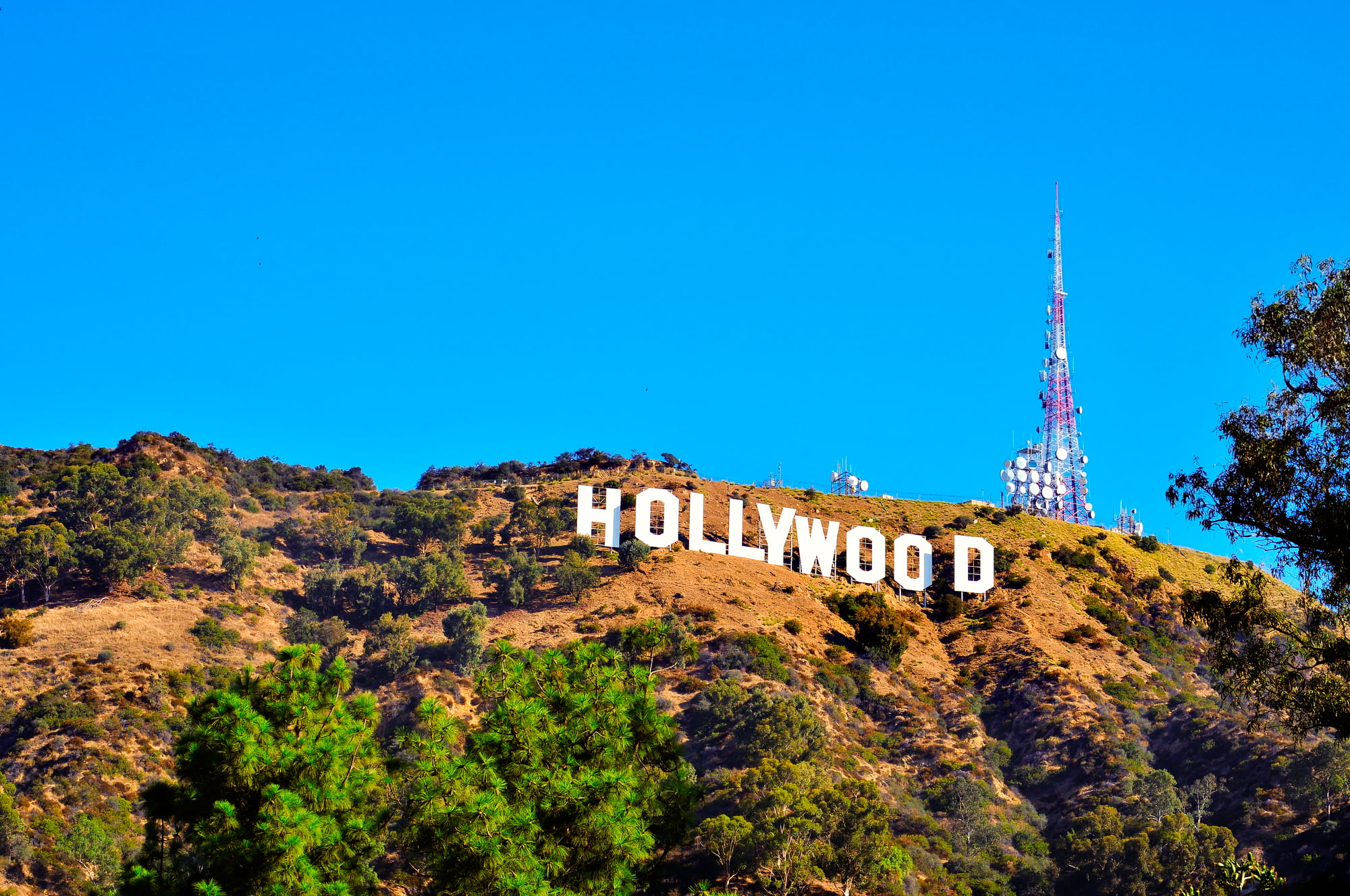
The sign has its own maintenance team that repaints the letters, checks the structural integrity, and cleans graffiti year-round.
The letters get completely repainted every few years, and the crew has to use helicopters to reach some of the structural elements.
This kind of ongoing maintenance is what keeps the sign looking crisp and white instead of weathered and faded.
The letters are essentially outdoor sculptures that need constant care, which means there are people whose job it is to keep this landmark looking exactly the way tourists expect it to look.
The maintenance is invisible when it’s done well, but without it, the sign would start looking like a relic instead of an icon.
It’s Survived Multiple Earthquakes Without Major Damage
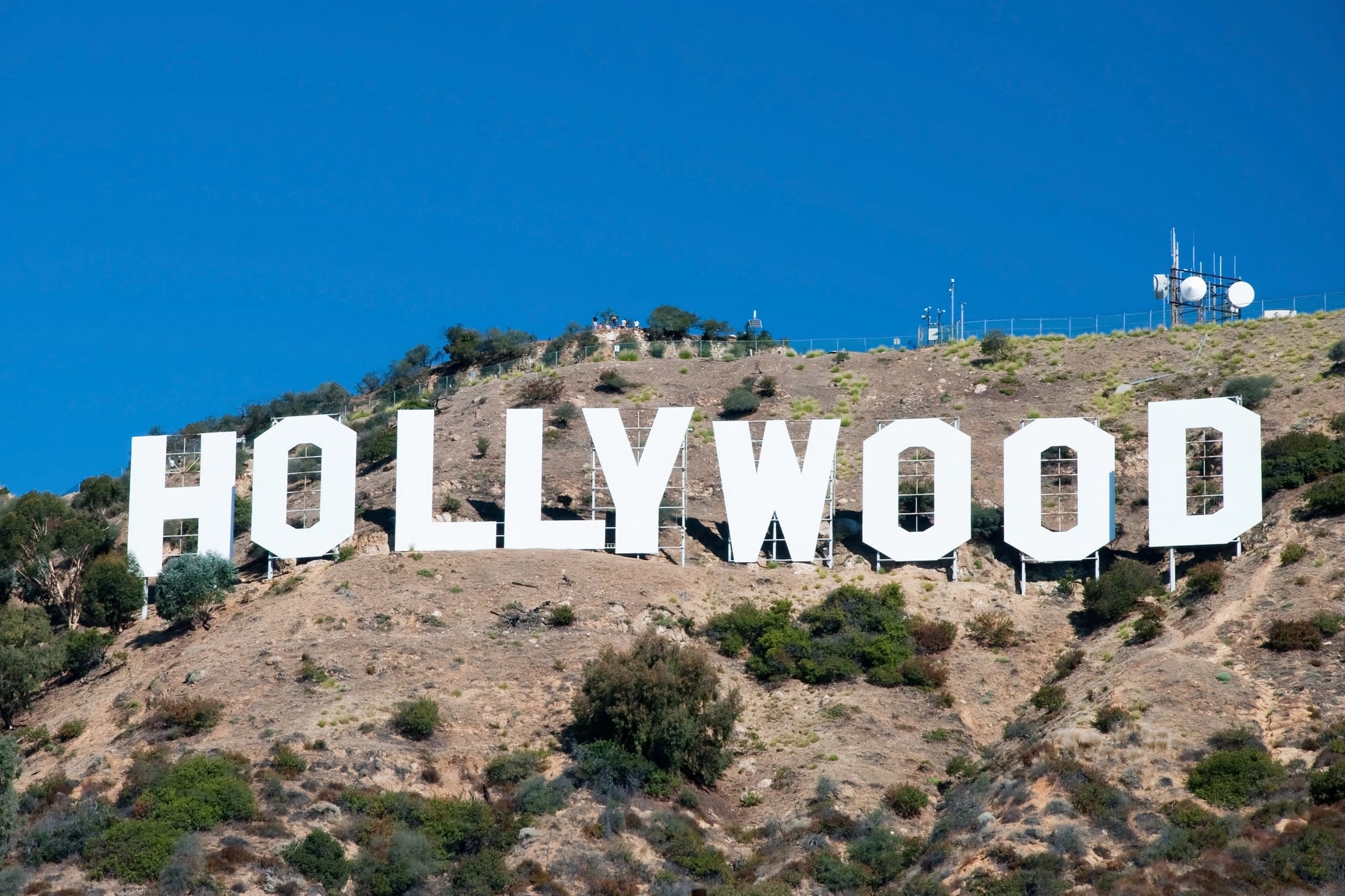
Los Angeles has experienced several significant earthquakes since the sign was rebuilt in 1978, but the current structure has held up remarkably well.
The letters are engineered to flex rather than crack, and their deep foundations distribute seismic stress across the hillside.
The sign’s earthquake resistance wasn’t an accident — it was designed specifically for Southern California conditions.
This kind of engineering is part of what makes the current version different from the original.
The 1920s sign was built to last twenty years in normal conditions.
The 1978 version was built to last indefinitely in earthquake country, which required a completely different approach to construction and anchoring.
There Are Secret Hiking Trails That Offer Better Views Than the Tourist Spots
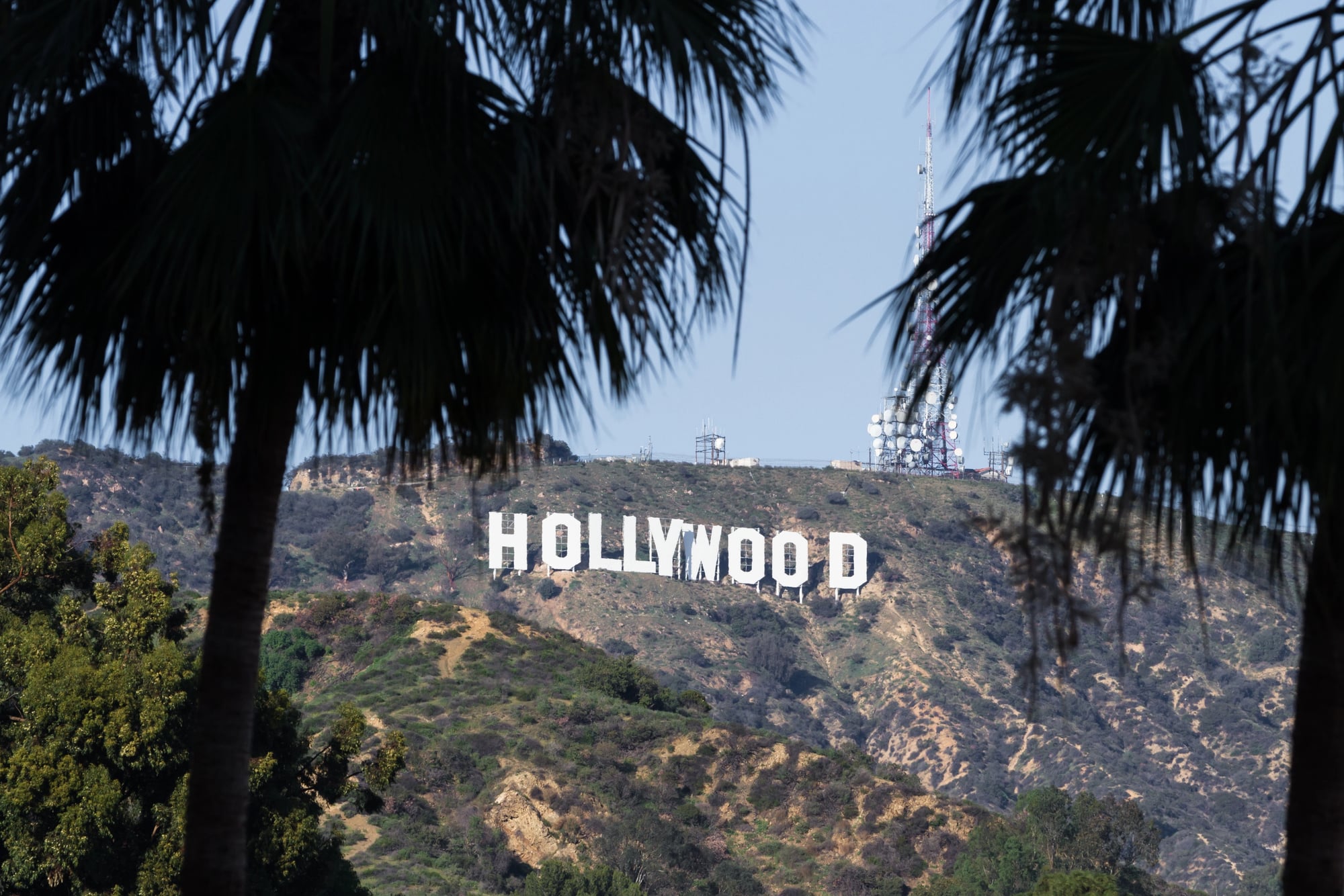
The official viewing areas for the Hollywood sign are crowded and offer distant views.
But there are unofficial trails that get much closer to the sign, used by hikers who know the area well.
These trails aren’t marked on tourist maps, and some of them cross private property, which makes them technically off-limits.
The locals who use these trails tend to be protective of them, which means the information doesn’t circulate widely.
Getting a close view of the sign without crowds requires either local knowledge or enough hiking experience to navigate unmarked trails in the Hollywood Hills.
The payoff is seeing the sign as a physical structure instead of a distant landmark, but it requires effort that most visitors aren’t willing to invest.
The Sign Has Its Own ZIP Code and Mailing Address
The Hollywood sign receives fan mail.
People send letters addressed to the sign itself, and there’s a postal system in place to handle them.
The sign has become enough of a cultural figure that some people treat it like a celebrity worth writing to.
Most of the mail gets forwarded to the Hollywood Chamber of Commerce, but the fact that people send letters to a landmark says something about how the sign functions in the popular imagination.
It’s not just a marker or a monument — it’s a destination that people feel they can communicate with, which gives it a personality that goes beyond its function as a geographic identifier.
It’s Been Proposed for Demolition Multiple Times
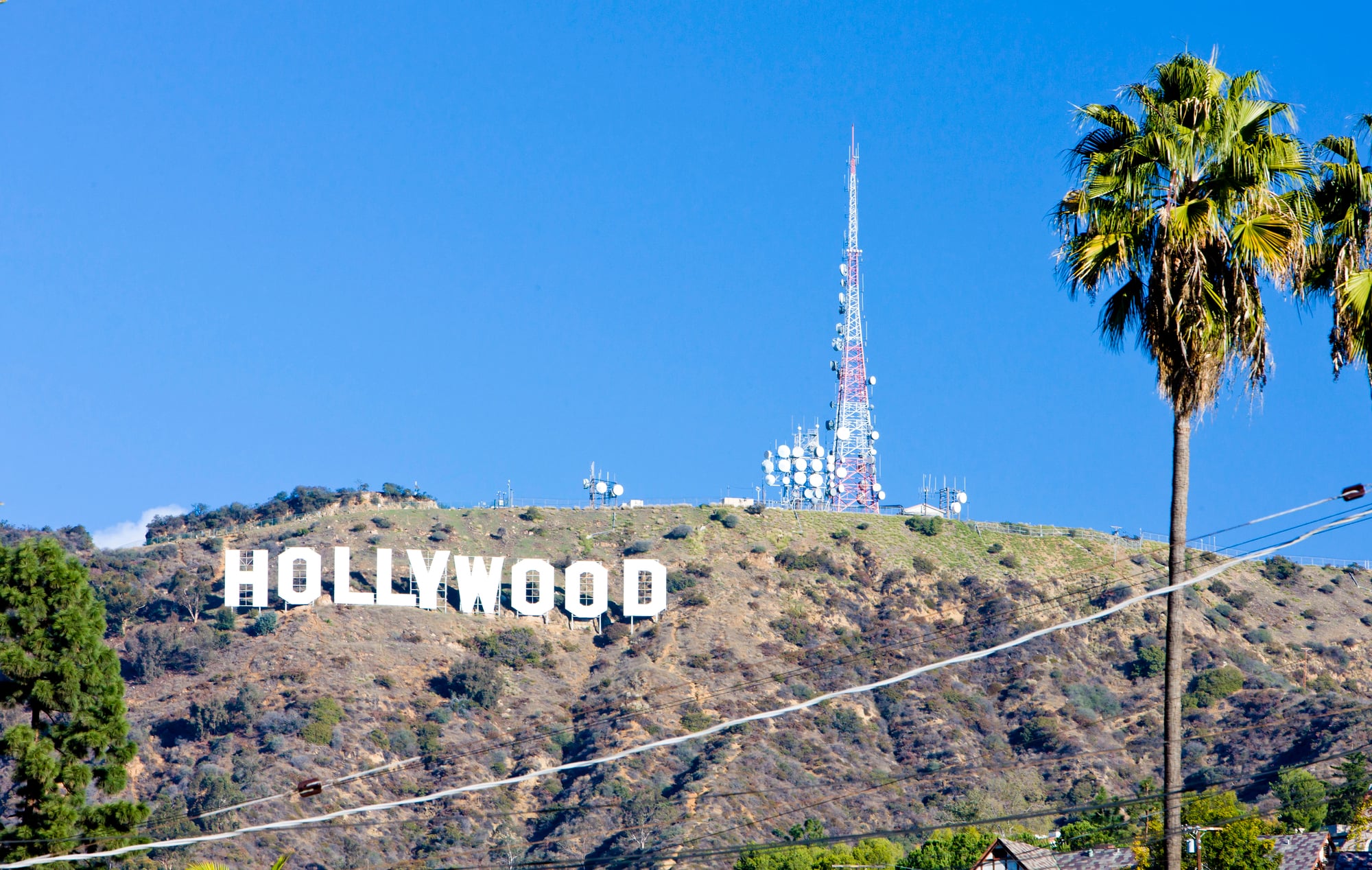
The sign has faced serious threats over the decades, usually related to development pressure or maintenance costs.
In the 1970s, before the Hefner fundraising campaign, the city seriously considered just tearing it down rather than paying for restoration.
Each time demolition has been proposed, public outcry has saved the sign.
But the threats keep coming because maintaining a landmark on a hillside in earthquake country is expensive, and the sign doesn’t generate direct revenue for the city.
Its value is cultural and symbolic, which makes it vulnerable whenever budget priorities shift.
The sign’s survival has never been guaranteed, which adds a layer of fragility to something that looks so permanent from a distance.
The Original Letters Are Scattered Across Los Angeles
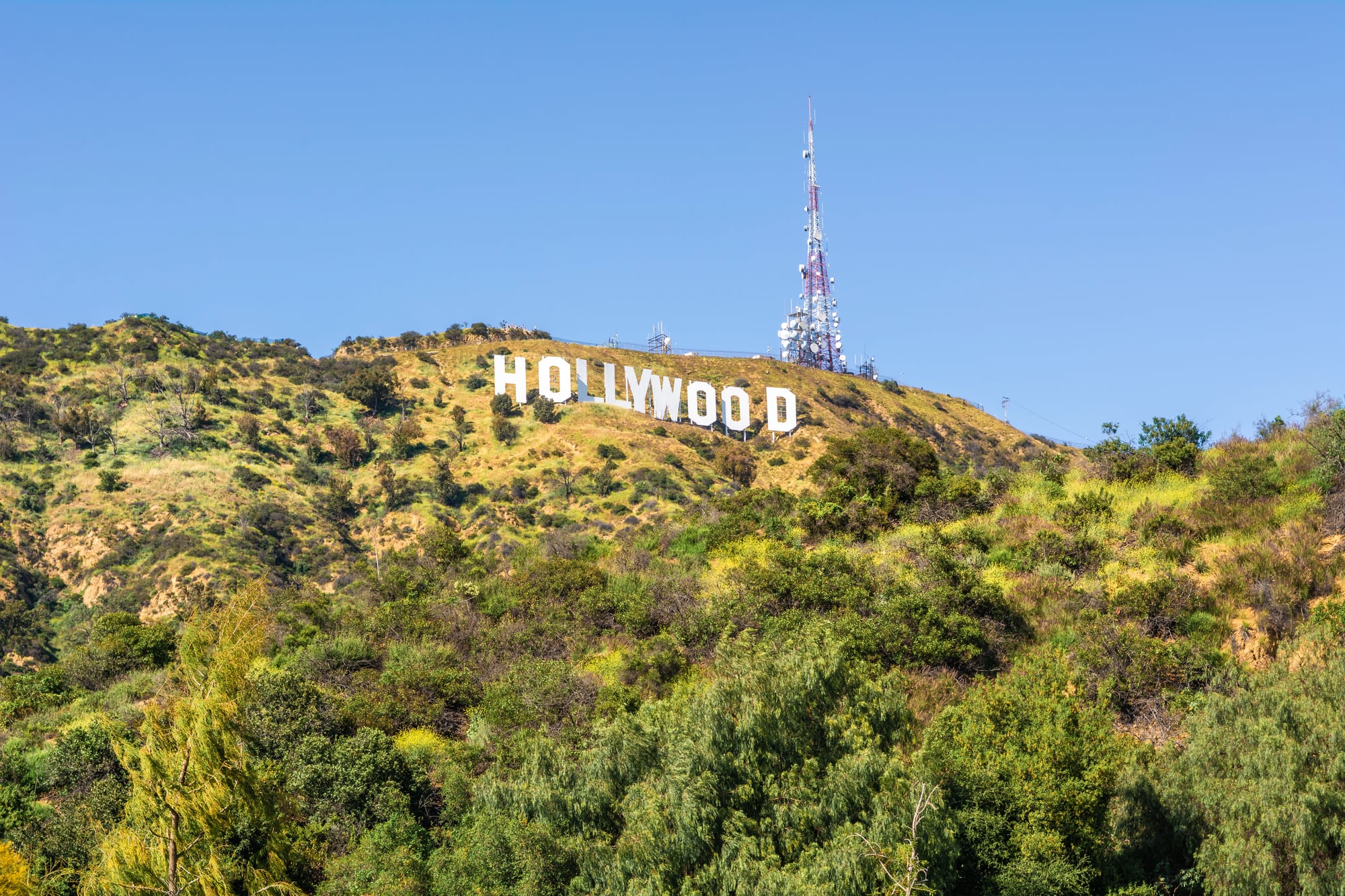
When the sign was rebuilt in 1978, the old letters were sold off rather than thrown away.
Pieces of the original Hollywood sign ended up in museums, private collections, and restaurants around the city.
Some of the letters were broken up and sold as souvenirs.
This means there are fragments of the original sign distributed all over Los Angeles, in places where most people would never think to look for them.
Finding pieces of the old letters has become a kind of treasure hunt for Hollywood history enthusiasts.
The original sign exists in pieces, scattered through the city it once advertised to, which feels appropriate for something that was always more symbol than substance.
It’s Visible from Space in High-Resolution Satellite Images
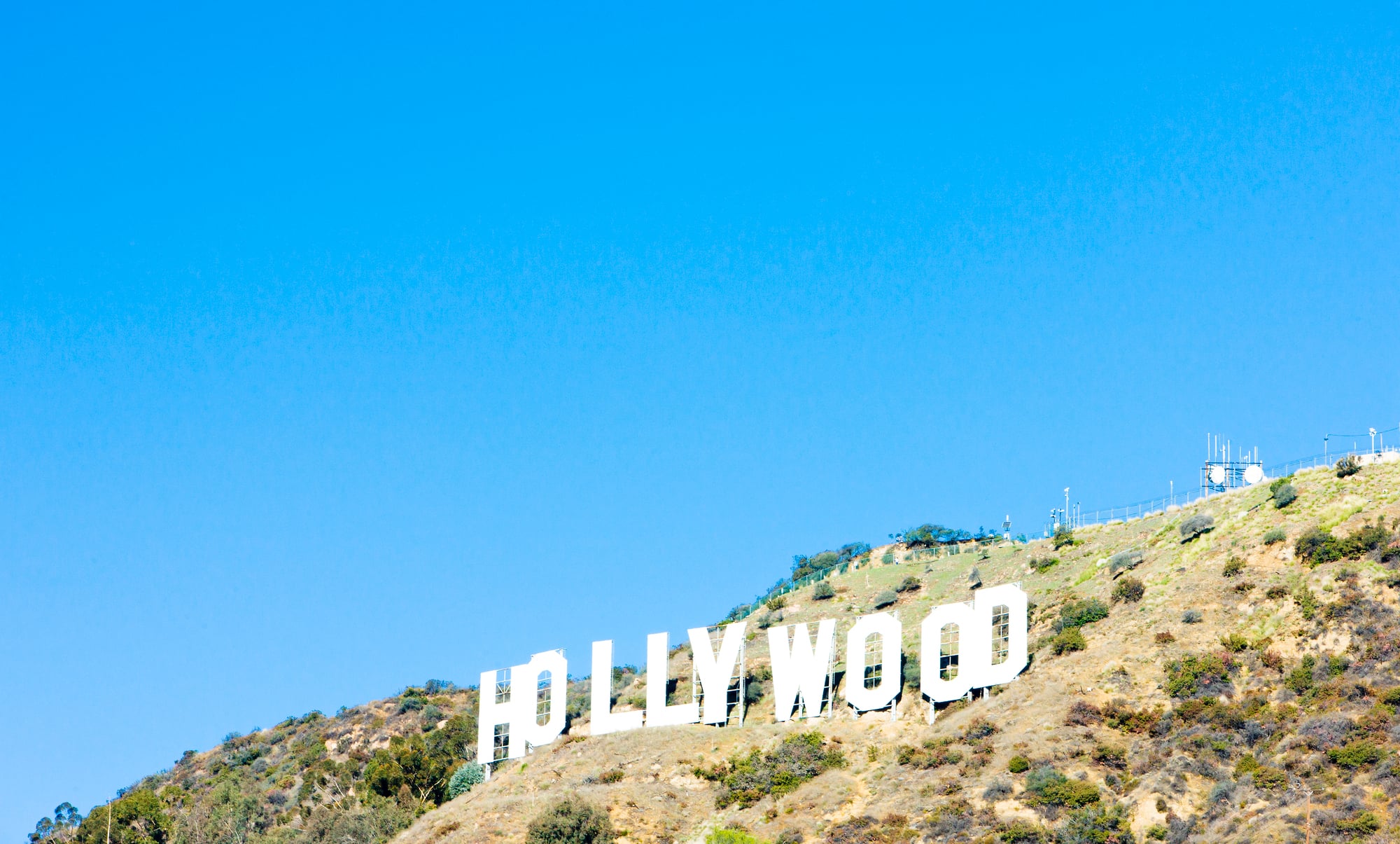
The Hollywood sign shows up clearly in satellite photos, partly because of its size but mostly because the white letters contrast sharply with the brown hillside.
Astronauts have photographed it from the International Space Station, which makes it one of the few pieces of signage visible from orbit.
This adds another layer to the sign’s status as a landmark.
It’s not just visible from around Los Angeles — it’s visible from space, which puts it in the same category as major geographic features.
The sign has achieved a scale that goes beyond its original function or even its symbolic meaning.
It’s become a feature of the landscape that registers at any altitude.
The View Goes Both Ways
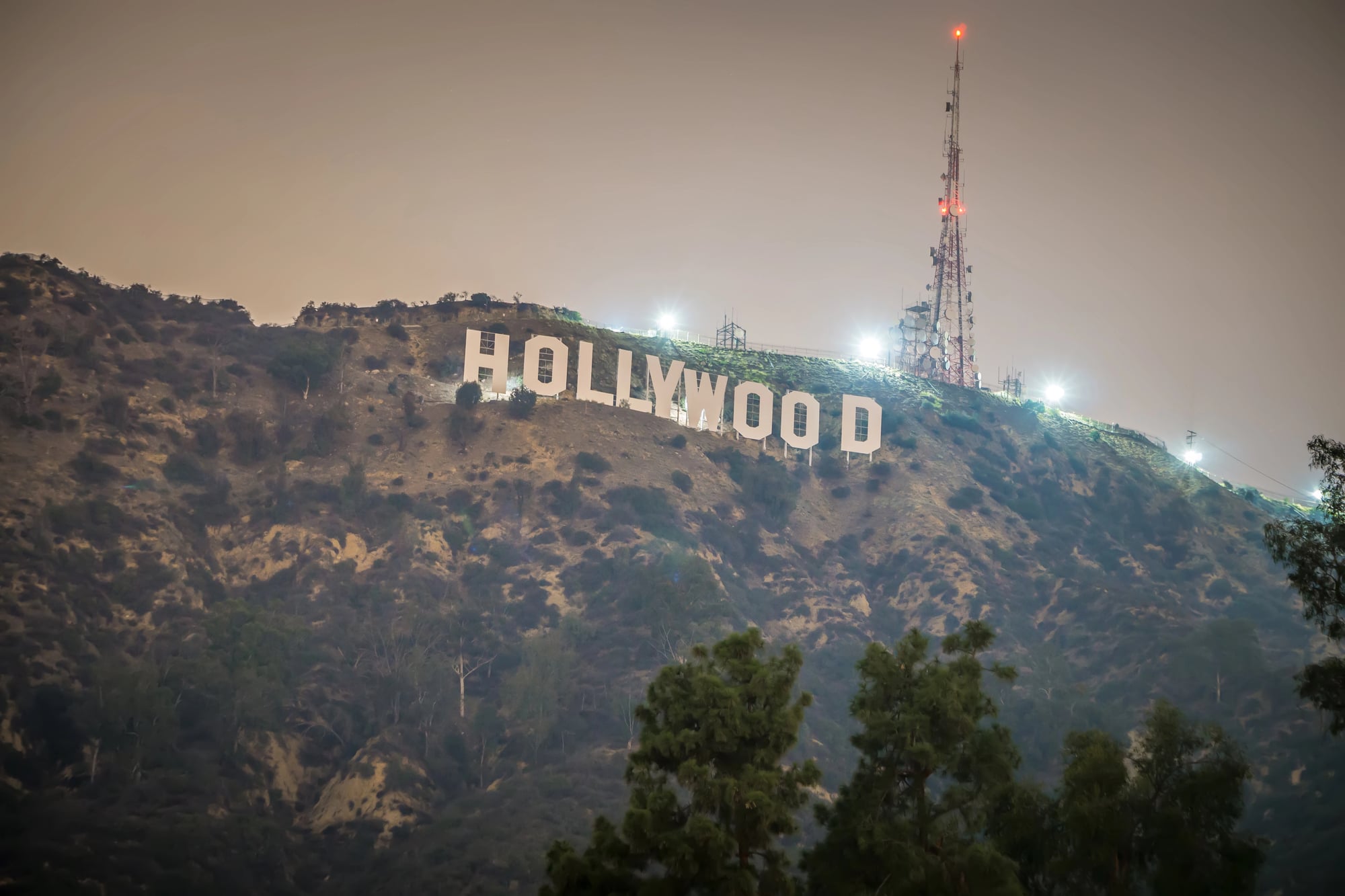
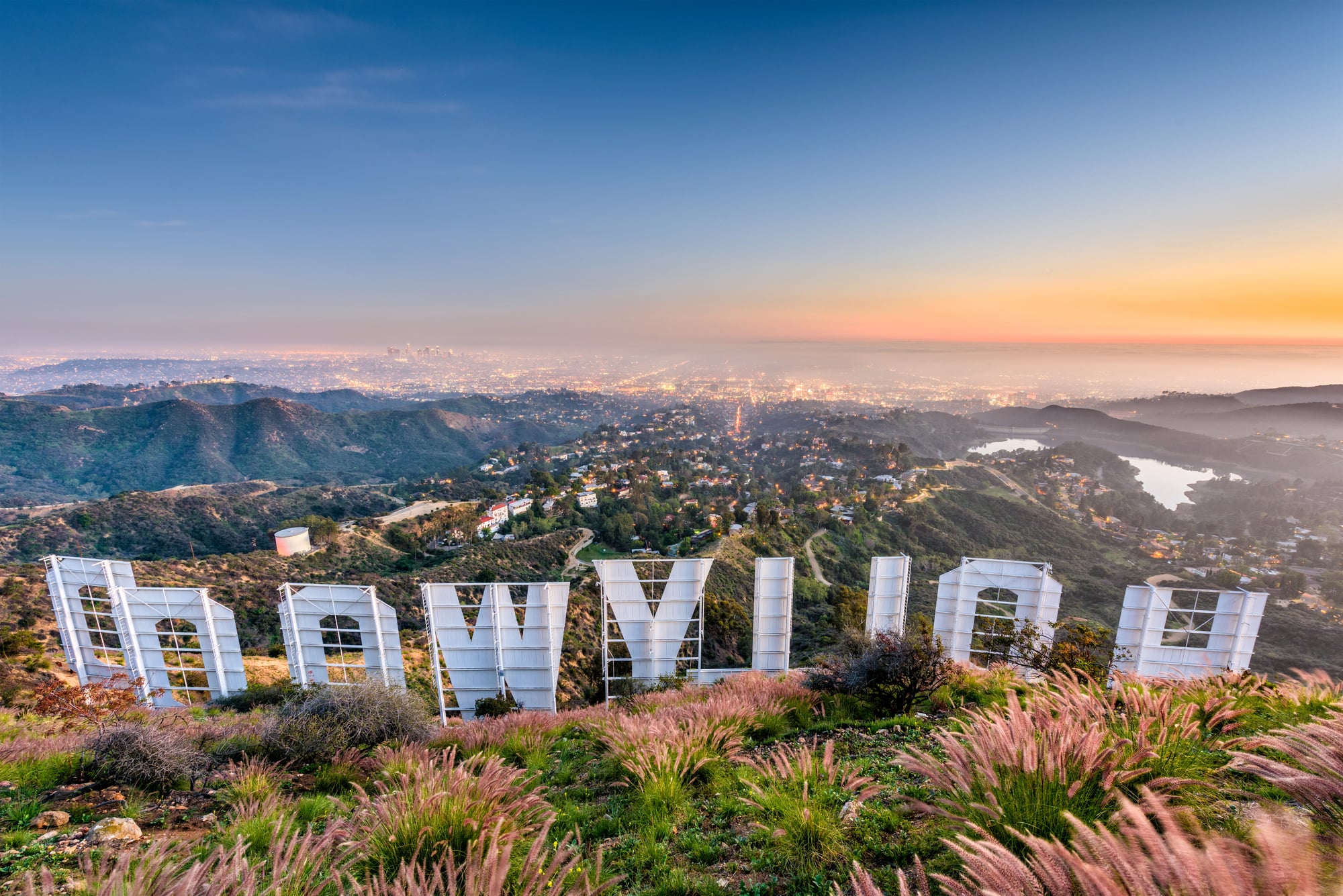
From up close, the Hollywood sign offers one of the best views in Los Angeles.
The letters sit at an elevation that provides a clear sightline across the entire basin, from downtown to the ocean.
The people maintaining the sign get to work with one of the most spectacular backdrops in the city spread out behind them.
This perspective rarely gets mentioned because most people experience the sign from the opposite direction — looking up at it from the city below.
But the sign occupies a vantage point that would be valuable even if the letters weren’t there.
It’s positioned to see everything, which makes it feel less like a passive landmark and more like a watchtower that’s been keeping an eye on Los Angeles for nearly a century.
What Endures
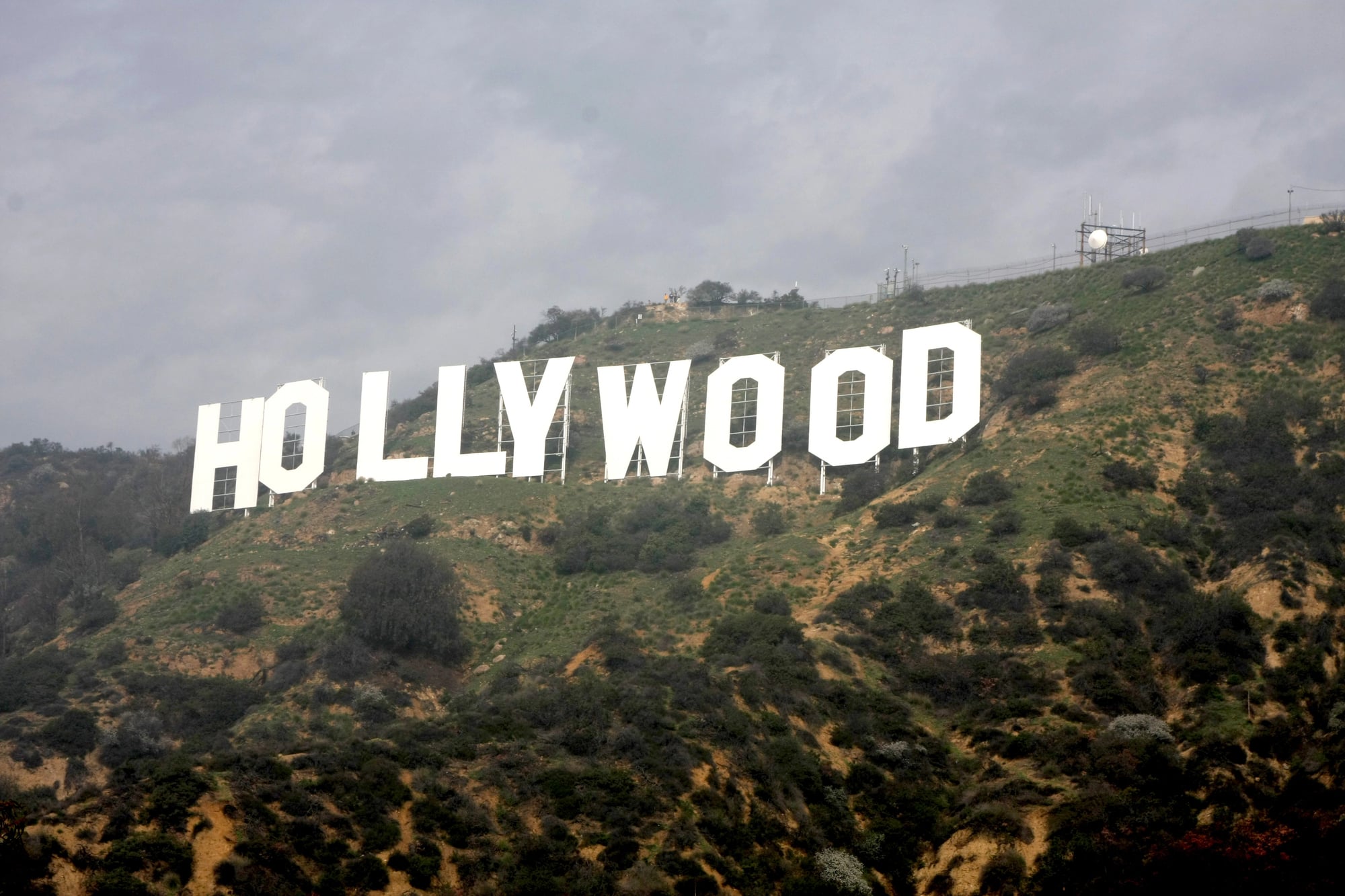
The Hollywood sign has outlasted the housing development it was built to advertise, the lightbulb technology that made it famous, and several versions of itself.
It’s survived earthquakes, budget crises, and proposals to replace it with something more practical.
What started as a temporary real estate advertisement has become a permanent fixture not through planning but through a series of accidents, fundraising campaigns, and cultural shifts that no one could have predicted.
The sign endures because it adapted.
It let go of “land” and kept “Hollywood.”
It gave up the blinking lights and became something more subtle.
It stopped trying to sell houses and started representing an idea about ambition and entertainment and the particular kind of optimism that builds dream factories on hillsides.
The sign succeeded by changing what it meant while staying exactly where it was, which might be the most Hollywood story of all.
More from Go2Tutors!

- The Romanov Crown Jewels and Their Tragic Fate
- 13 Historical Mysteries That Science Still Can’t Solve
- Famous Hoaxes That Fooled the World for Years
- 15 Child Stars with Tragic Adult Lives
- 16 Famous Jewelry Pieces in History
Like Go2Tutors’s content? Follow us on MSN.