What a Typical Grocery Store Looked Like in the 1960s Vs. Today
Step into any modern grocery store and you’re surrounded by choices that would have seemed impossible sixty years ago. The fluorescent-lit aisles stretch endlessly, packed with products from every corner of the globe, available year-round regardless of season.
But rewind to 1965, and the grocery shopping experience looked radically different. The stores were smaller, the selection limited, and the entire rhythm of food shopping moved to a different beat.
Understanding these changes reveals more than just retail evolution—it shows how dramatically American life has shifted in ways both obvious and subtle.
Store Size And Layout
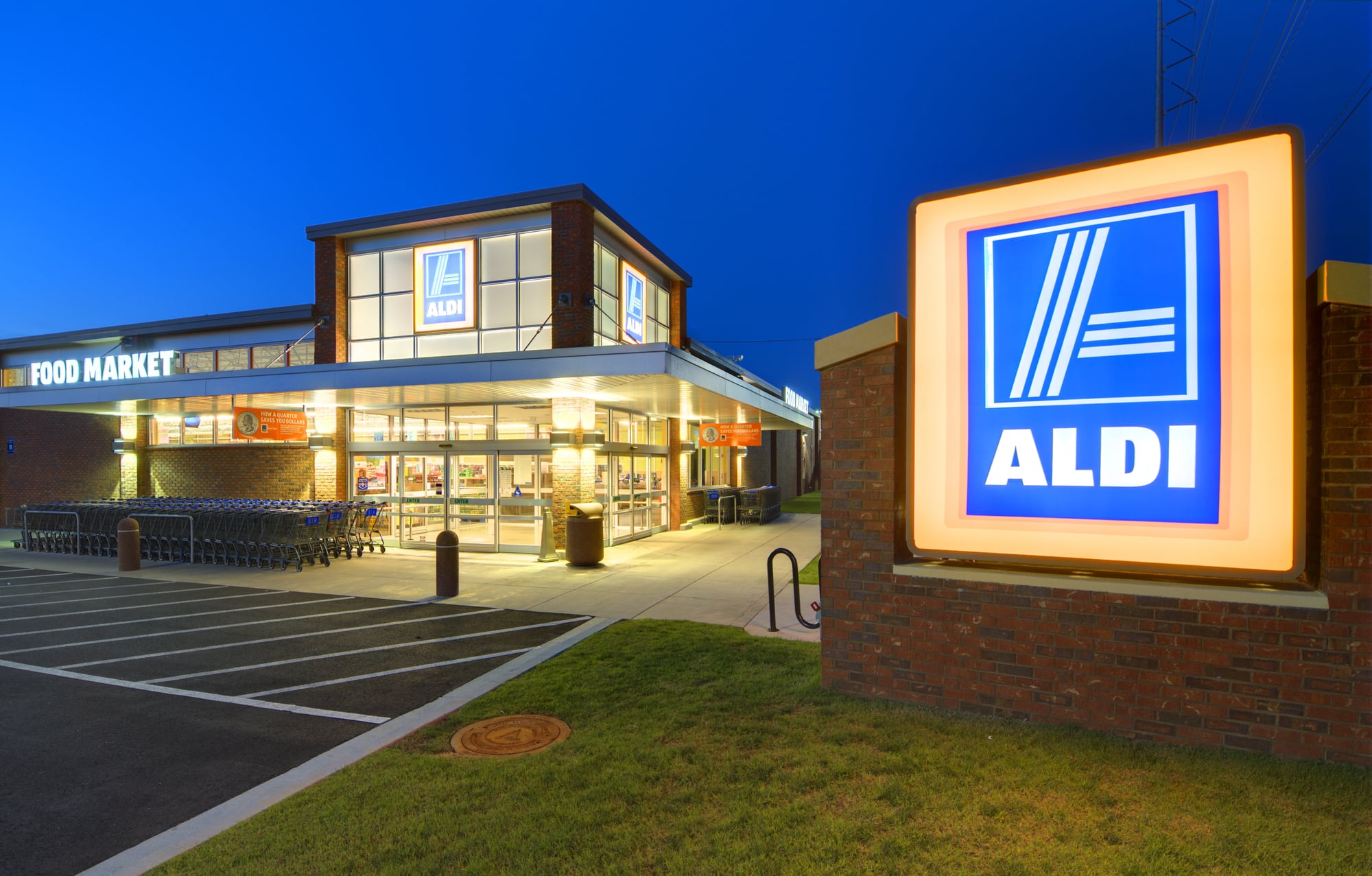
The typical 1960s grocery store occupied about 15,000 square feet. Compare that to today’s average of 51,000 square feet.
The difference isn’t just numerical—it’s experiential. Those smaller stores felt intimate in a way that had nothing to do with charm.
You knew where everything was because there weren’t that many places for things to be.
Product Selection

Cereal aisles in the 1960s offered maybe a dozen options. Today’s cereal sections stretch for hundreds of feet, housing varieties that didn’t exist in anyone’s imagination back then (and honestly, some that probably shouldn’t exist now, but that’s grocery store capitalism for everyone involved).
The explosion of choice means modern shoppers spend considerably more time making decisions that previous generations never had to make—because those decisions simply weren’t available. But here’s the thing about all those options: when there were only three types of breakfast cereal, nobody worried about whether they were making the optimal choice.
Decision fatigue wasn’t a concept because decisions were limited. And yet somehow people got fed, lived their lives, and managed to find satisfaction in Corn Flakes, Rice Krispies, and whatever else happened to be on the shelf that week.
Fresh Produce Availability
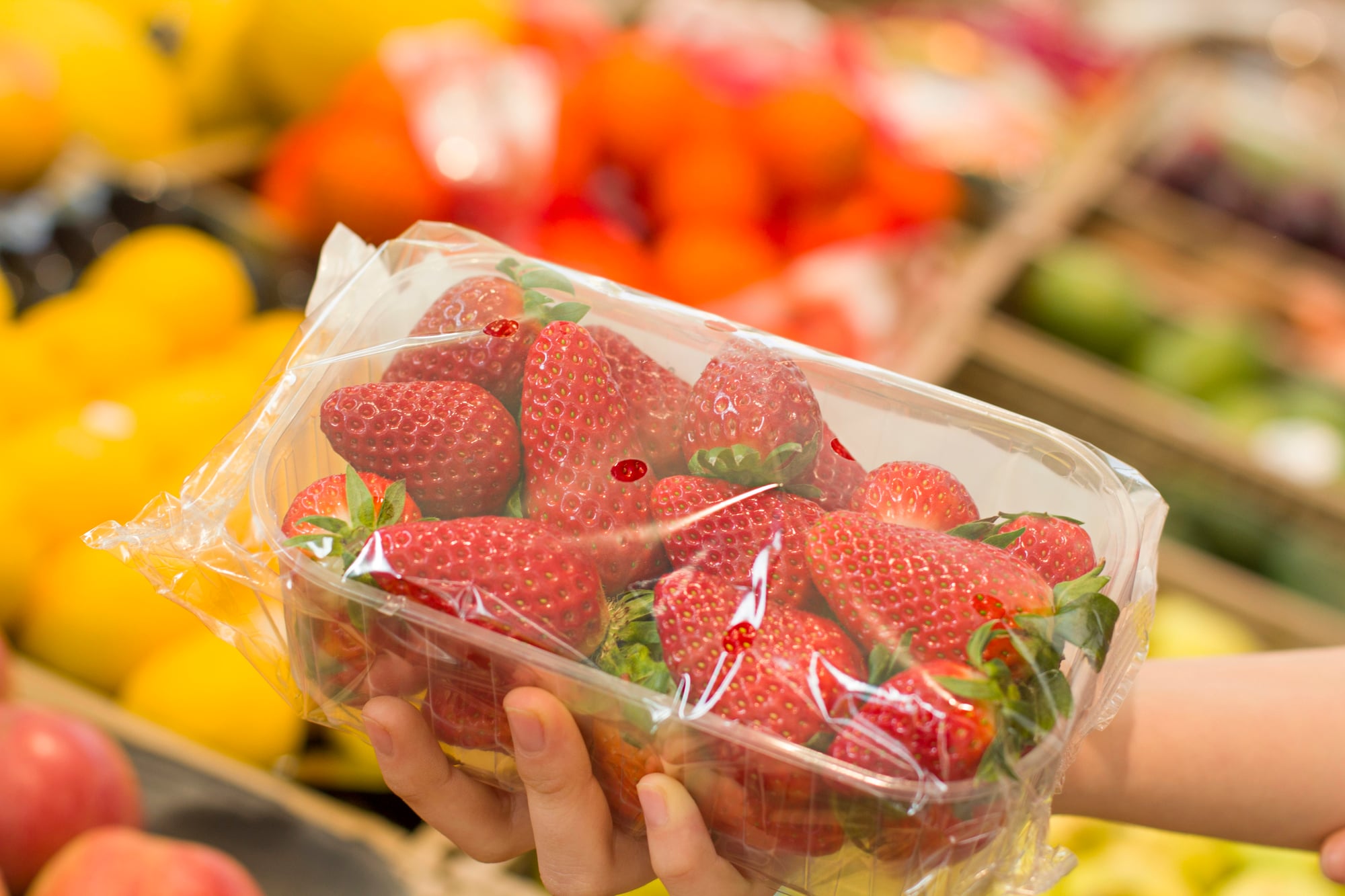
Seasonal eating wasn’t a lifestyle choice in the 1960s—it was reality imposed by logistics. Strawberries appeared in June, disappeared by August, and that was that until next year.
The produce section reflected whatever grew within trucking distance during the appropriate months. Today’s produce sections operate in a state of perpetual global harvest.
December strawberries from Chile sit next to March asparagus from Peru, while avocados from Mexico maintain their year-round presence regardless of natural growing cycles. The modern grocery store has essentially abolished seasons, at least as far as food availability goes.
Frozen Food Sections
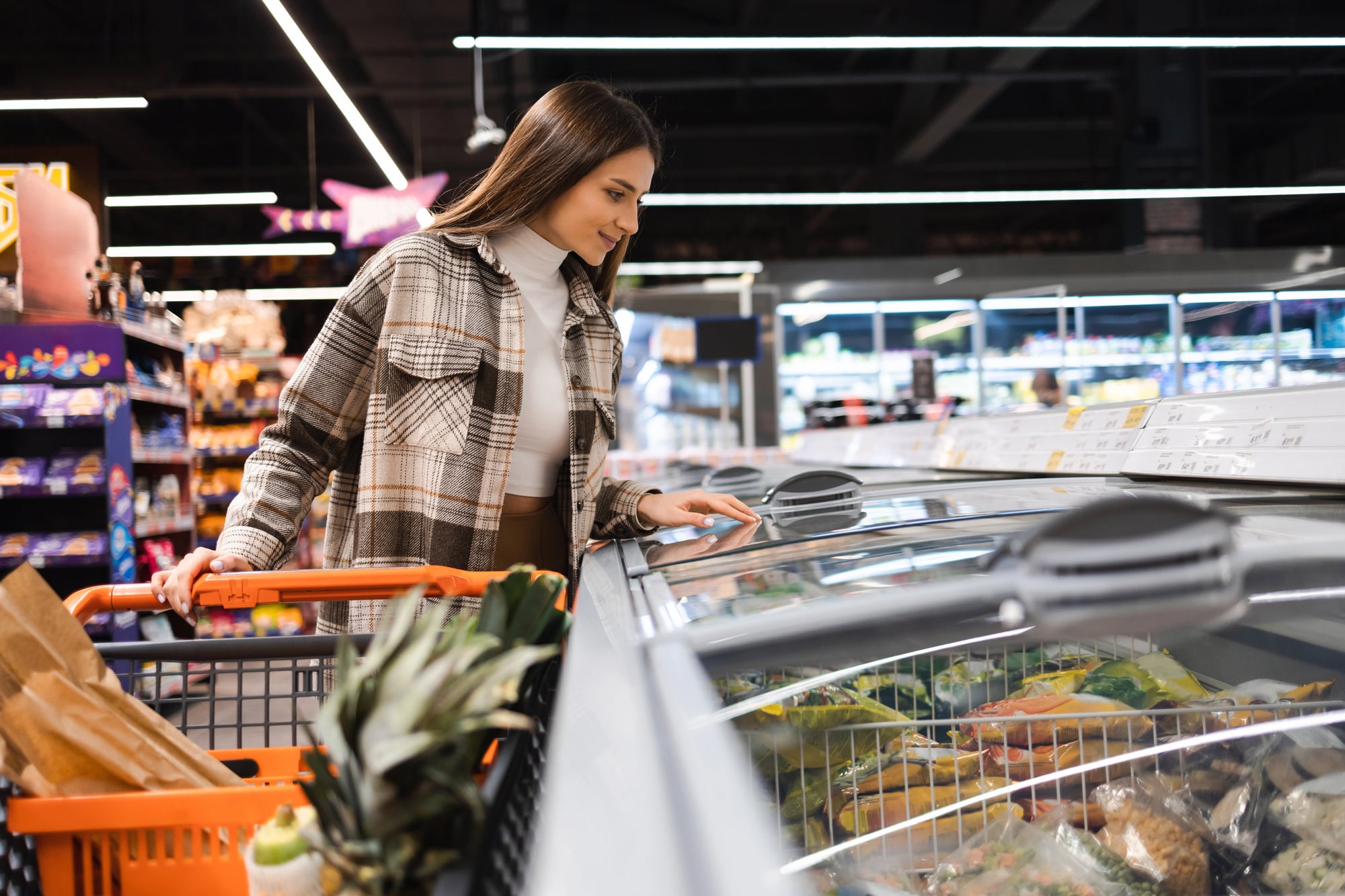
The frozen food section of a 1960s grocery store resembled a small afterthought rather than today’s sprawling frozen wonderland. A few cases held TV dinners, frozen vegetables, and ice cream.
That was about it. Modern frozen sections could house a small aircraft.
Entire walls of glass doors reveal frozen meals for every dietary restriction, cultural preference, and convenience level imaginable. The frozen pizza selection alone exceeds the entire frozen inventory of most 1960s stores.
Checkout Process
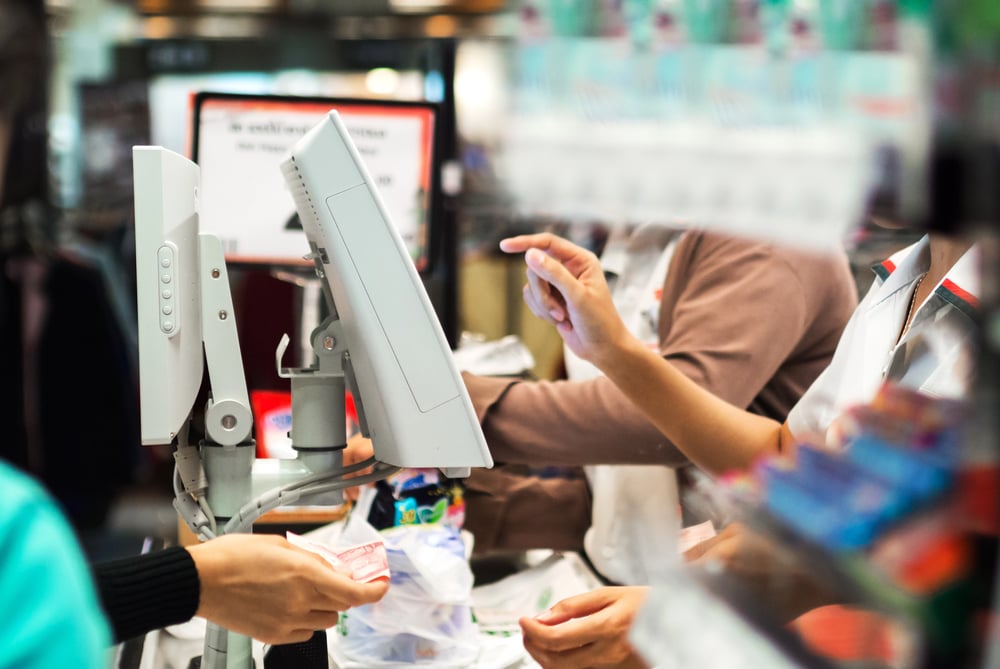
Checkout in the 1960s meant standing in line while a cashier manually rang up each item on a mechanical register. No scanning, no automation—just human hands, human eyes, and human memory for prices.
The whole process moved at human speed, which turns out to be significantly slower than laser speed. Self-checkout didn’t exist because the technology didn’t exist, which meant every transaction required human interaction.
Whether shoppers wanted that interaction or not, they got it. The efficiency gains from modern scanning systems are undeniable, though something intangible disappeared when the last price-memorizing cashier retired.
Shopping Cart Design
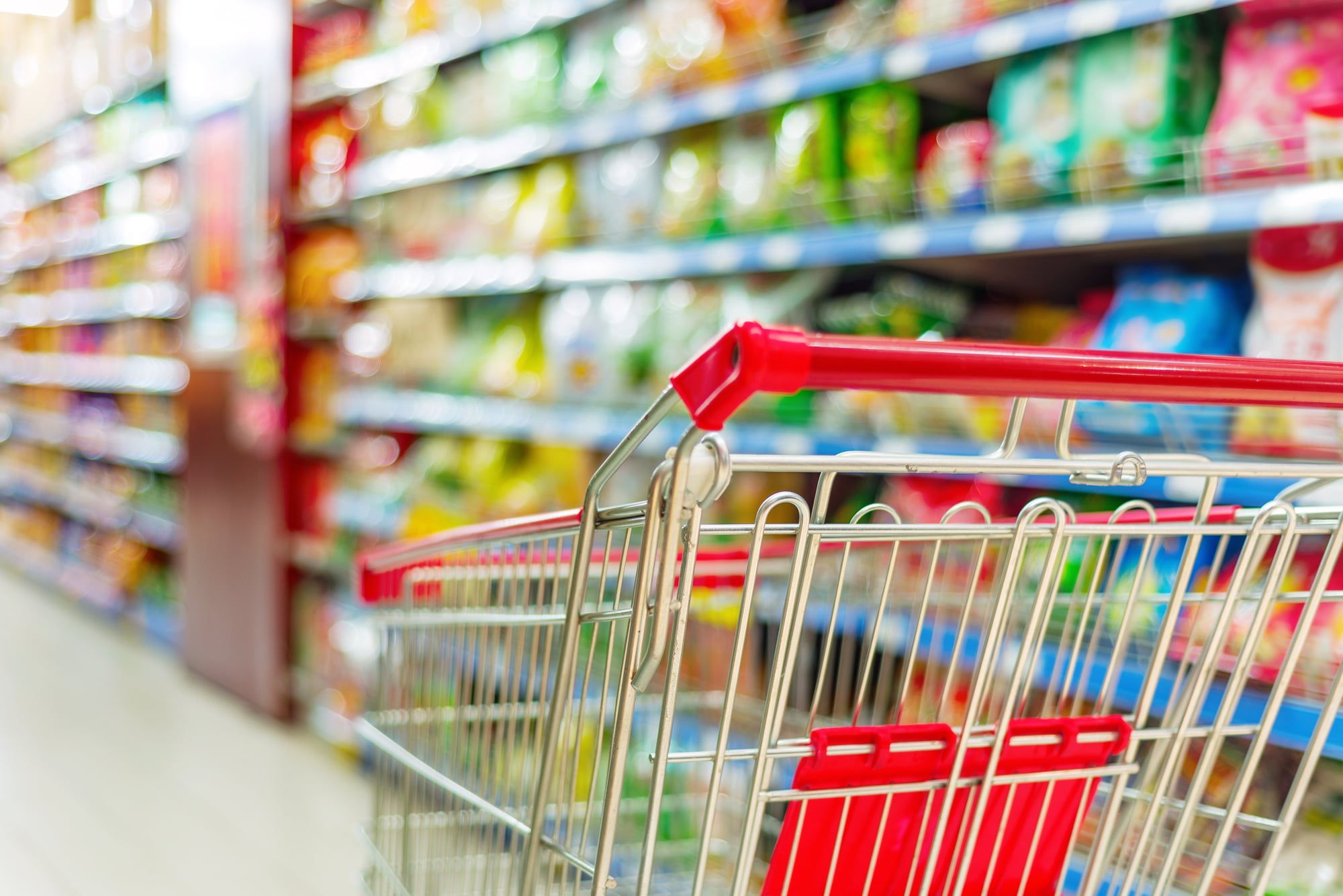
Shopping carts in 1960s grocery stores were sturdy metal contraptions built to last decades—and many of them did. They rolled on four wheels that actually pointed in the same direction, which made navigating the smaller store aisles a relatively straightforward endeavor.
Today’s shopping carts come in multiple sizes, feature cup holders, child seats with elaborate safety harnesses, and wheels that seem designed by someone who never intended them to roll in straight lines. The modern grocery cart represents both technological advancement and engineering regression, depending on which wheel decides to malfunction during any given shopping trip.
Packaging And Branding
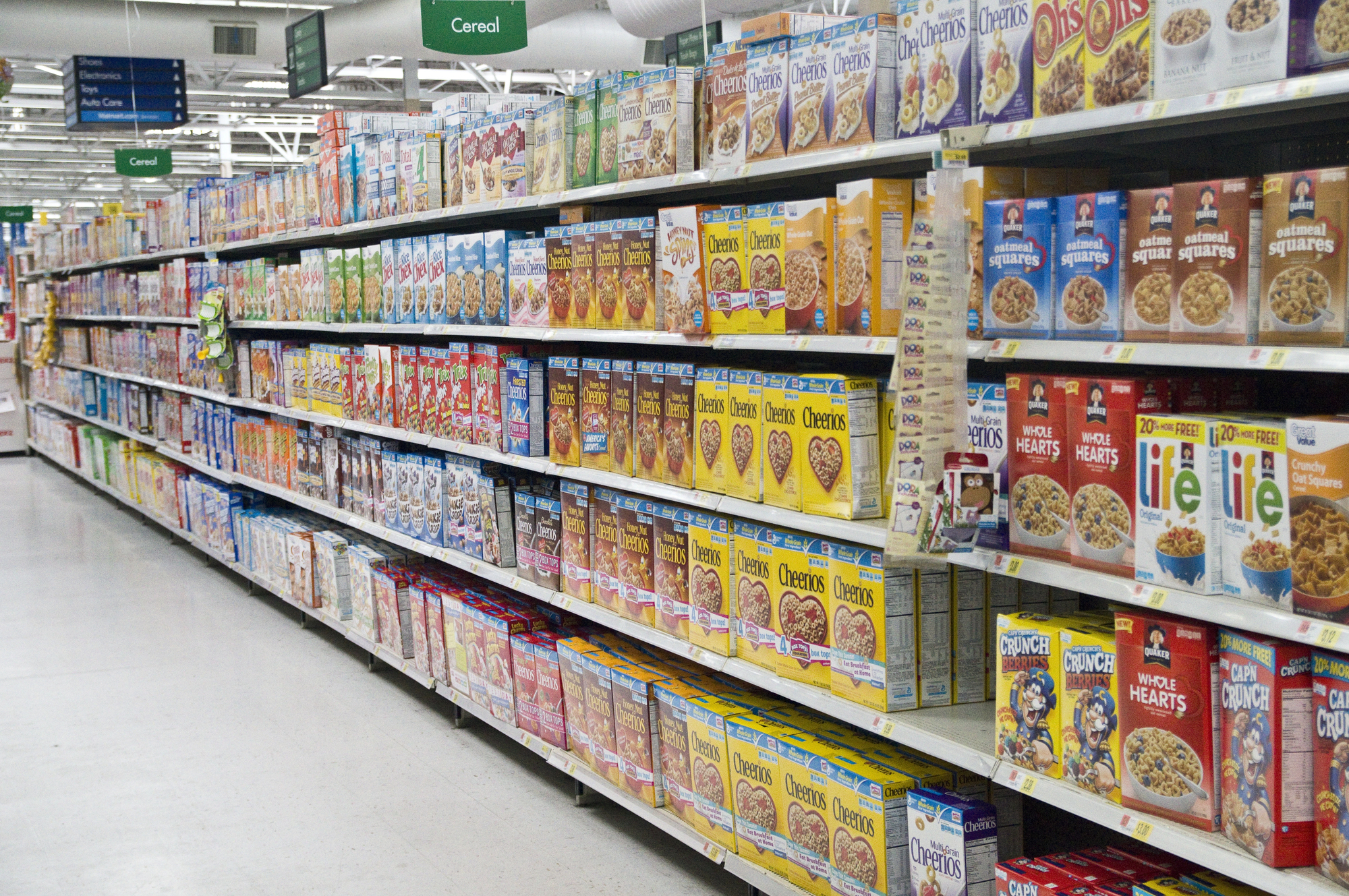
Walk down a 1960s grocery aisle and the packaging told simple stories. Products came in plain containers with straightforward labeling that stated what was inside without elaborate marketing narratives.
A can of corn contained corn, and the label said so without additional commentary about heritage, sustainability, or lifestyle alignment. Modern packaging operates more like tiny billboards competing for attention through color, font, imagery, and claims that transform mundane food items into lifestyle statements.
Every product tells an elaborate story about the type of person who purchases it, which creates a shopping experience that’s equal parts nutrition procurement and identity curation.
Store Hours And Shopping Patterns

Most 1960s grocery stores closed at 6 PM and remained shuttered on Sundays. Shopping happened during business hours or not at all, which meant grocery runs required planning around store schedules rather than personal convenience.
The shift to 24-hour grocery availability fundamentally changed when and how Americans shop for food. Late-night grocery runs became possible, Sunday shopping became routine, and the entire rhythm of food procurement loosened from the constraints of traditional business hours.
Whether this represents progress or the erosion of boundaries between work and life depends largely on perspective and employment in the retail sector.
Specialty Diet Options
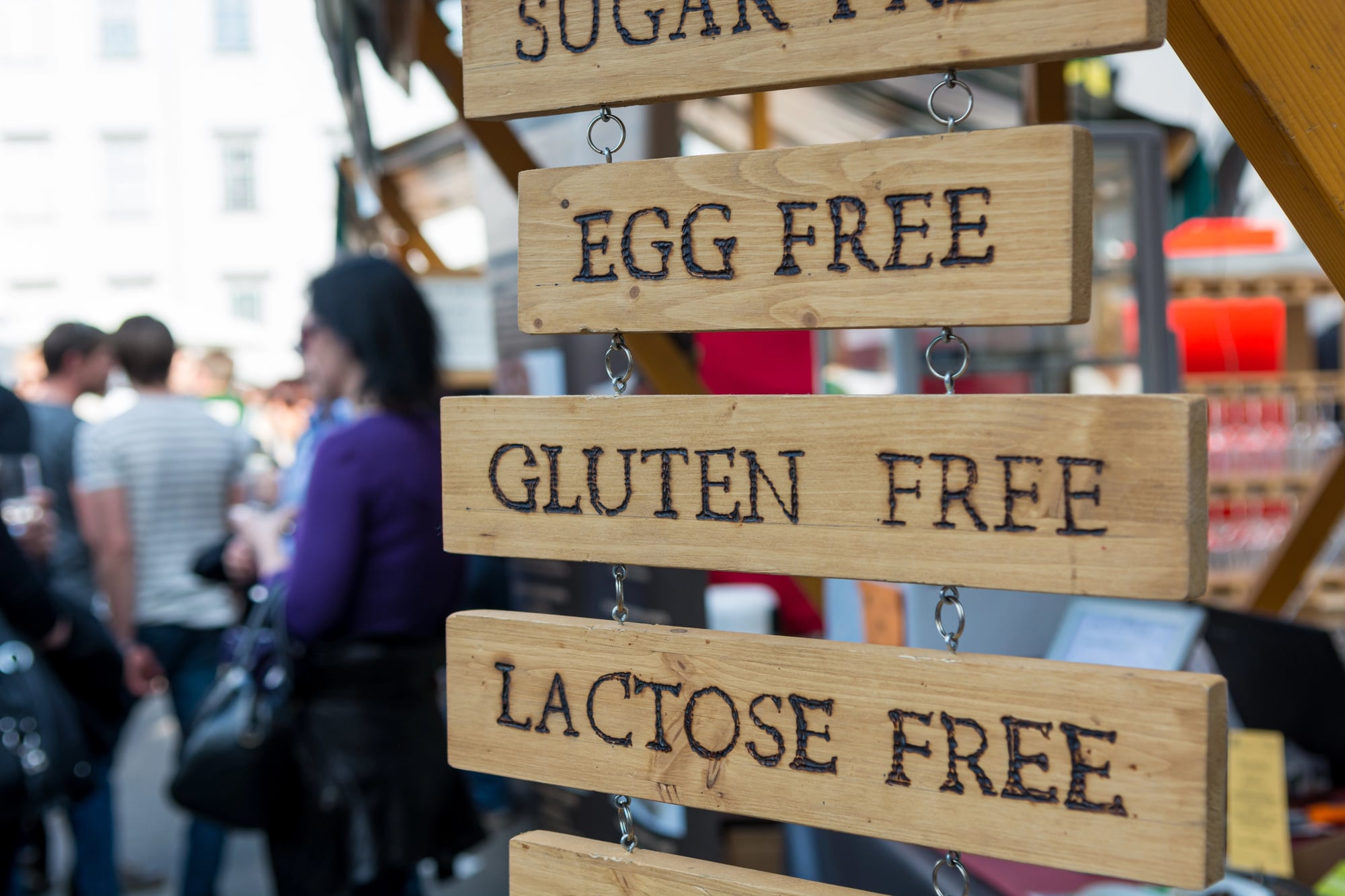
Finding food for dietary restrictions in 1960s grocery stores meant learning to read ingredient labels carefully and making do with limited options. Gluten-free products didn’t exist as a category because gluten-free wasn’t yet understood as a medical or lifestyle designation.
People with food sensitivities shopped the perimeter and figured it out. Today’s grocery stores dedicate entire sections to specialized diets: gluten-free, organic, keto, paleo, vegan, vegetarian, and combinations thereof.
The modern grocery store accommodates dietary preferences that weren’t recognized or widely understood sixty years ago, though whether this represents medical advancement or dietary overthinking remains a subject of considerable debate.
Deli And Prepared Food Services
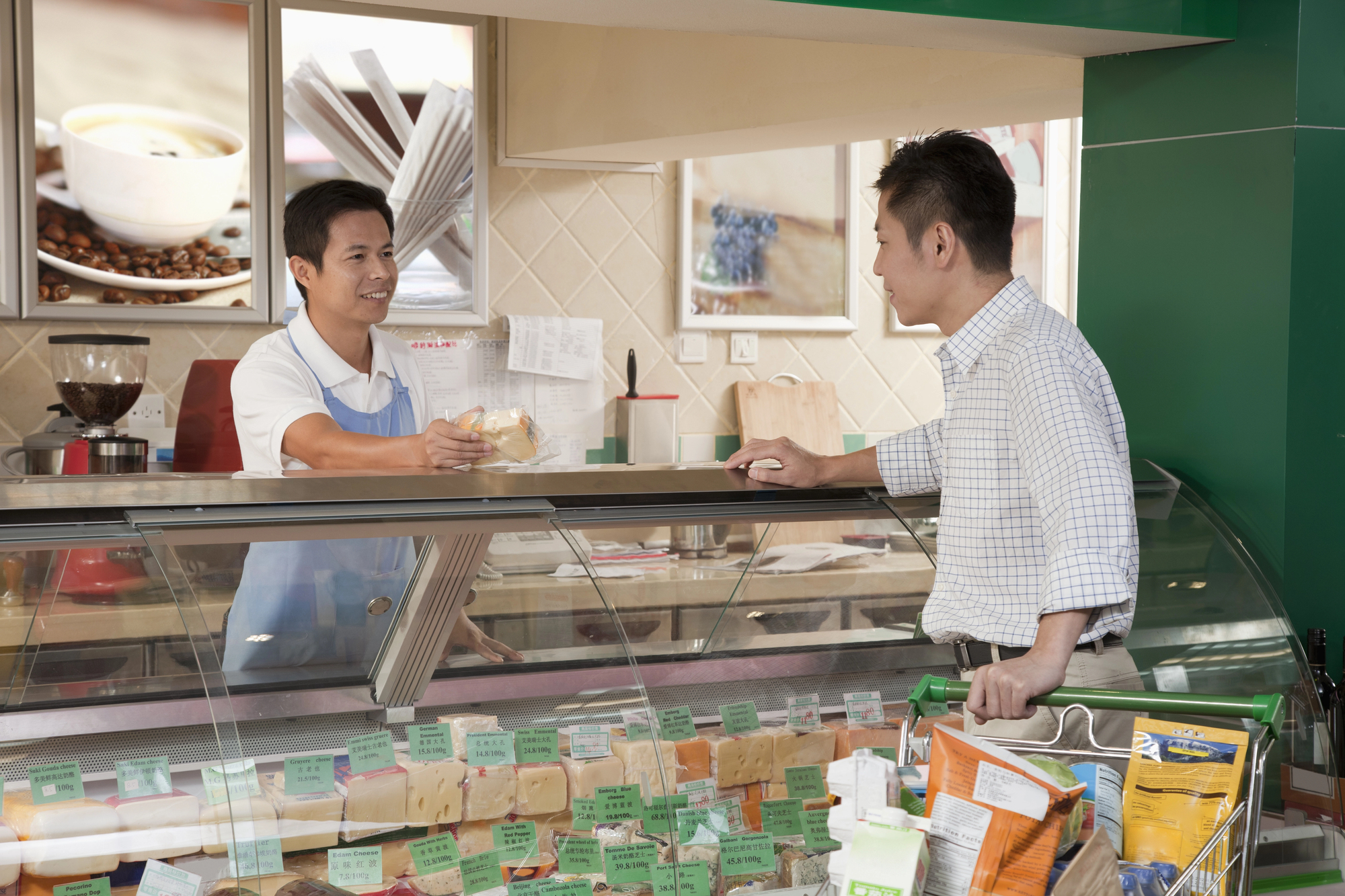
The deli counter in a 1960s grocery store, if it existed at all, offered sliced lunch meat and maybe potato salad. Prepared foods meant picking up ingredients to prepare food at home, because that’s what prepared food meant—food you prepared.
Modern grocery stores operate full-service delis, hot food bars, sushi counters, and prepared meal sections that essentially function as restaurants without waitstaff. The line between grocery shopping and dining out has blurred to the point where many grocery trips result in meals that require no additional preparation beyond microwave timing.
Organic And Health Food Options
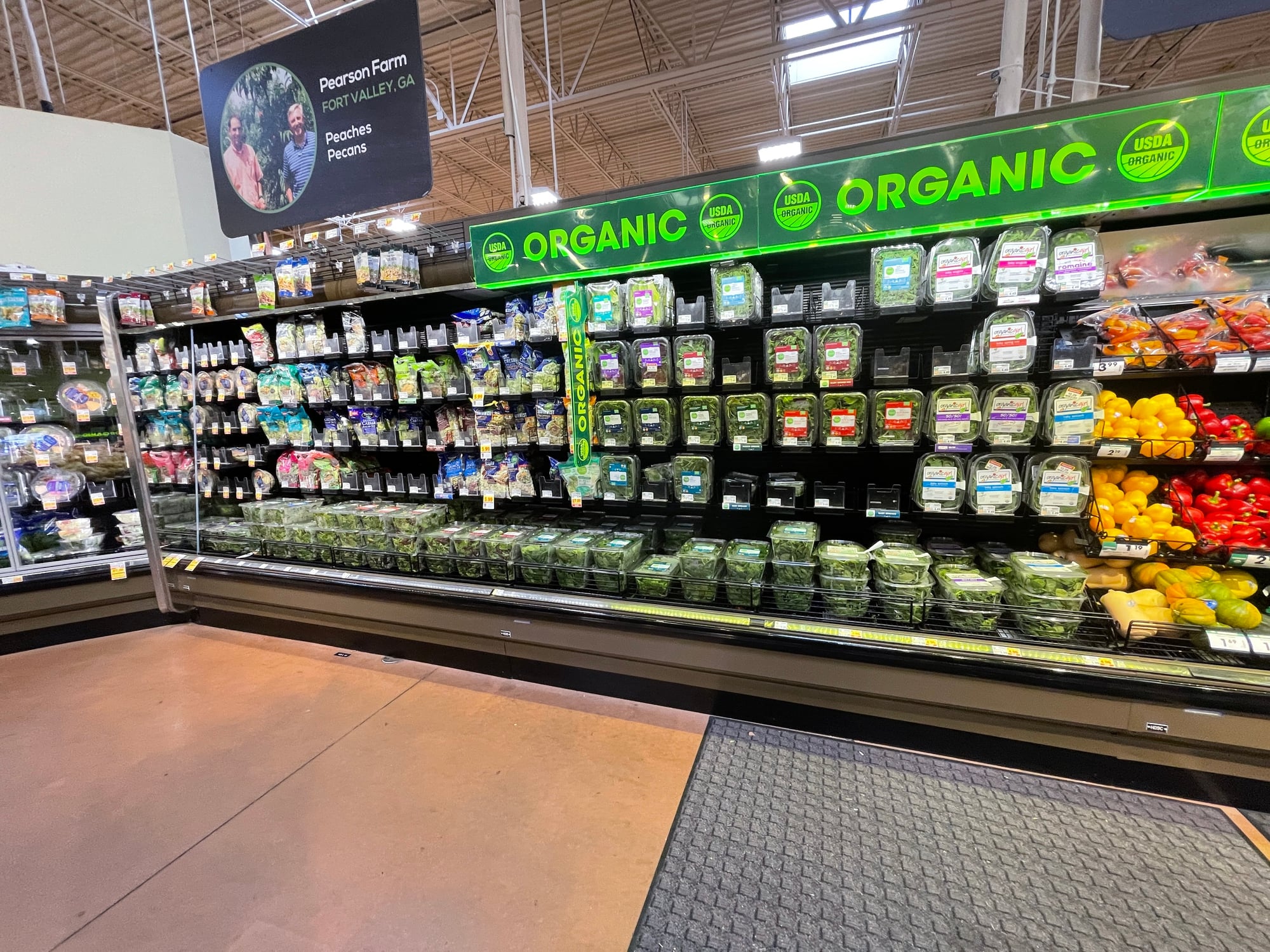
The concept of organic food existed in 1960s agriculture but hadn’t penetrated mainstream grocery retail. Health food meant fresh vegetables and fruits, not products specifically marketed for their health benefits.
Food was food, and marketing focused on taste, convenience, or price rather than nutritional optimization. Organic sections in modern grocery stores occupy significant real estate and command premium prices for products grown according to specific standards that didn’t exist as commercial categories sixty years ago.
Whether organic food represents a return to traditional farming methods or a marketing-driven response to industrial agriculture concerns depends on perspective and budget allocation.
International Food Availability
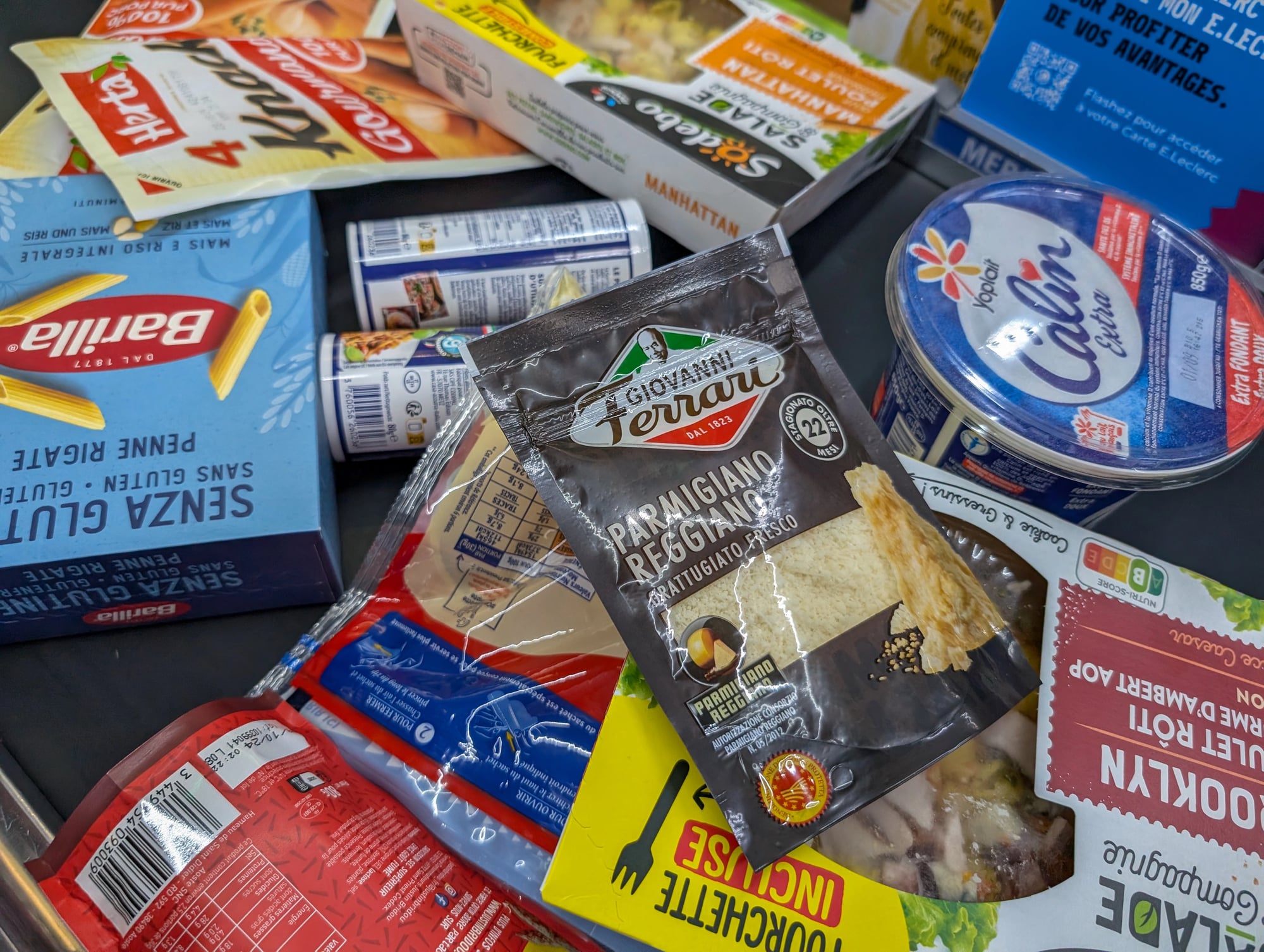
International cuisine in 1960s grocery stores was limited to a small selection of canned goods that might charitably be described as internationally inspired. Finding authentic ingredients for non-American dishes required specialty stores, if those existed in your area, or creative substitution skills.
Today’s grocery stores stock ingredients for cuisines from dozens of countries, making it possible to prepare authentic international dishes without specialized shopping trips. The globalization of grocery stores reflects broader cultural shifts toward culinary diversity, though whether this represents cultural appreciation or appropriation varies by product and preparation.
Technology Integration
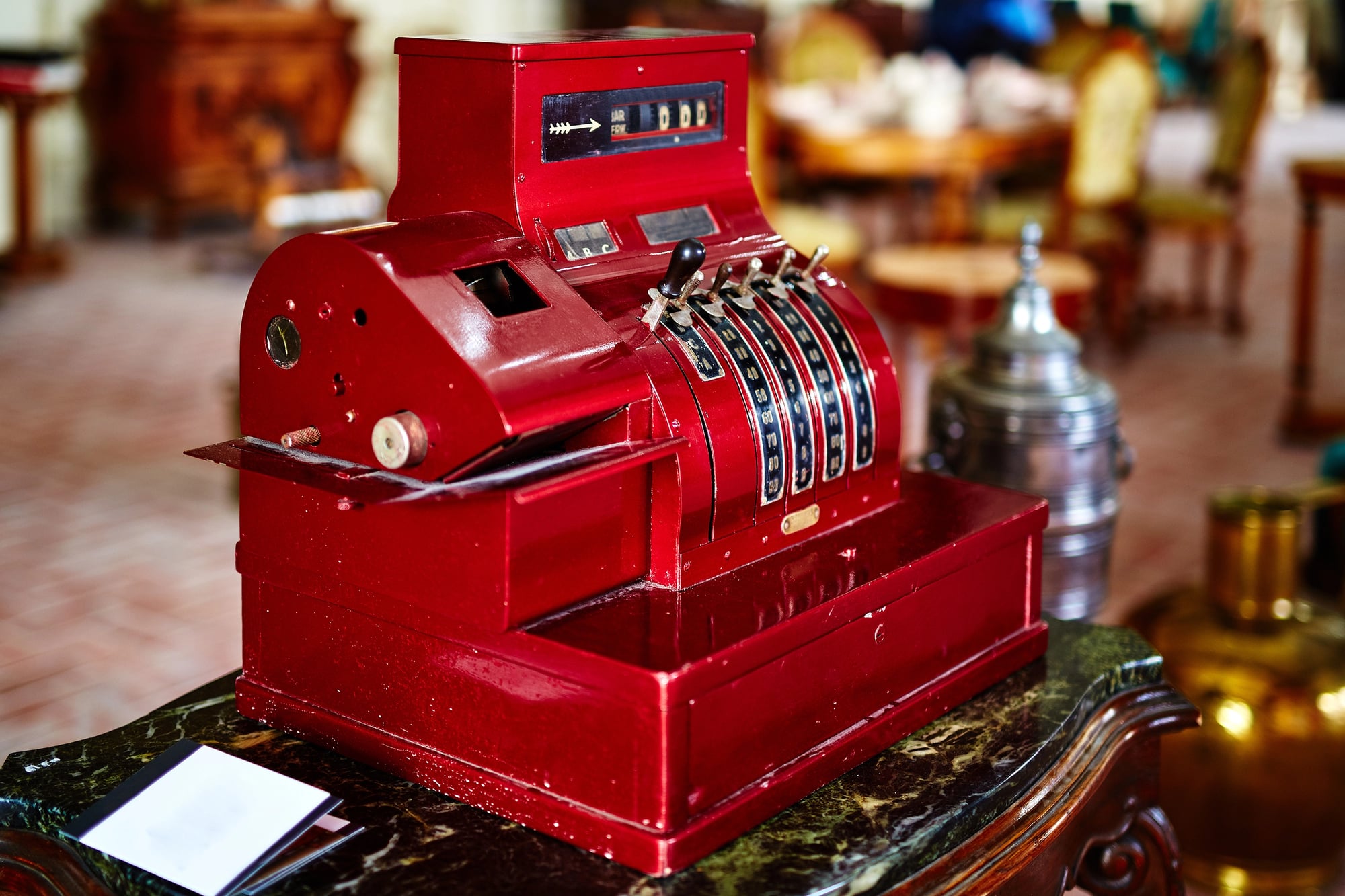
Technology in 1960s grocery stores consisted of mechanical cash registers, manual price tags, and fluorescent lighting that represented the height of retail innovation. Shopping required no electronic interaction beyond whatever background music played through overhead speakers.
Modern grocery stores integrate technology at every level: electronic shelf tags, mobile apps for coupons and shopping lists, self-checkout systems, and loyalty programs that track purchasing patterns for marketing purposes. Technology has made grocery shopping more efficient in some ways and more complicated in others, depending on comfort level with electronic interfaces and privacy concerns about data collection.
Price And Payment Methods

Grocery shopping in the 1960s was a cash-based transaction. Credit cards existed but weren’t commonly accepted at grocery stores, which meant shopping required physical money and mental math to stay within budget.
Prices were lower in absolute terms, but income levels were correspondingly different. Modern grocery stores accept multiple forms of payment including credit cards, debit cards, mobile payment apps, and various electronic benefit programs.
The convenience of electronic payment has removed the natural spending constraints imposed by carrying physical cash, though whether this represents financial convenience or encouragement of overspending depends on individual money management skills.
Customer Service Approach
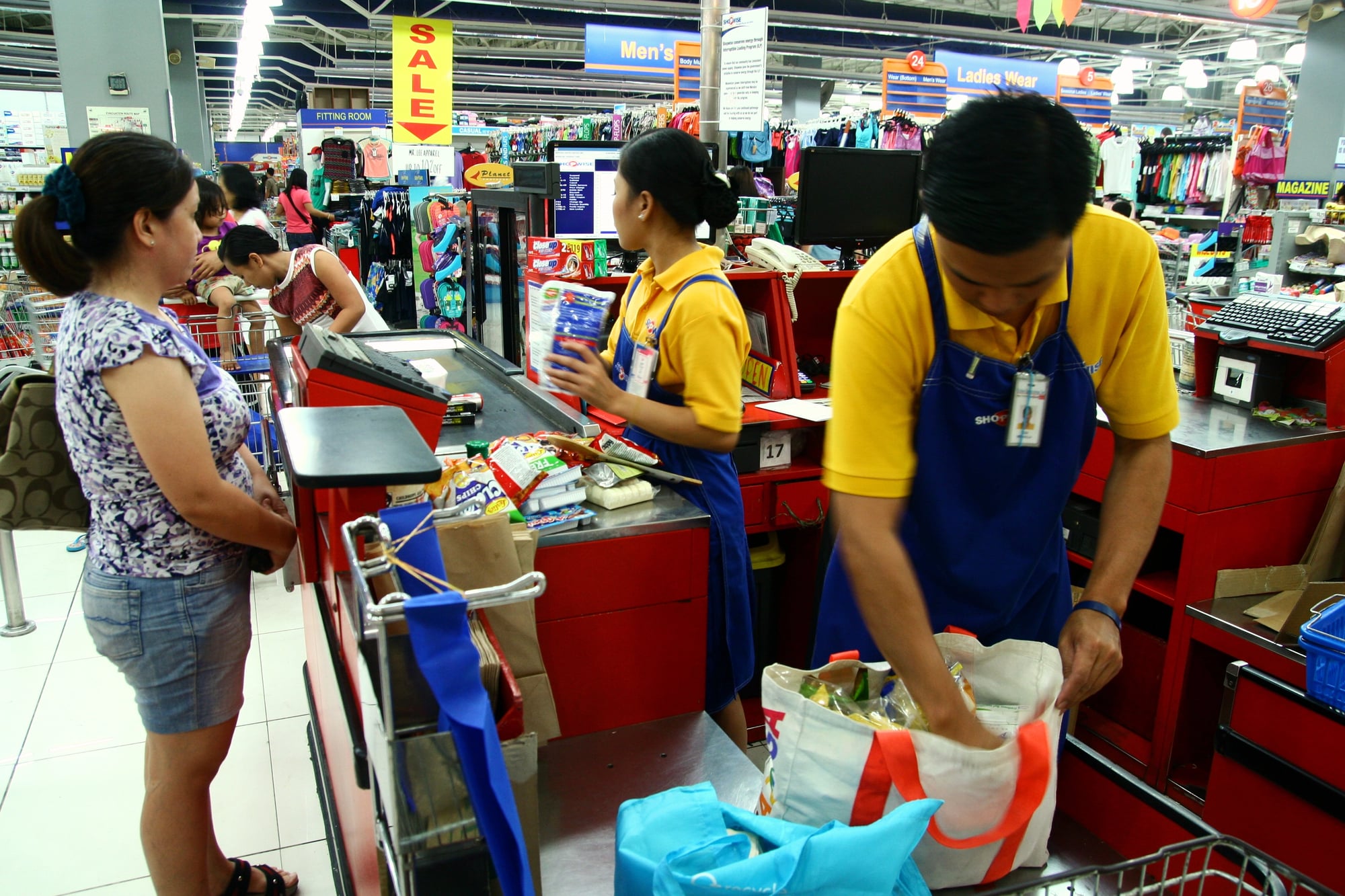
Customer service in 1960s grocery stores involved human employees who knew regular customers by name and shopping patterns. Bag boys carried groceries to cars as standard service, and store managers walked the aisles to address concerns personally.
The entire experience operated on a smaller, more personal scale. Modern grocery stores employ efficiency-focused customer service models that prioritize speed over personal connection.
Self-checkout lanes reduce human interaction, though customer service desks and specialized departments maintain human assistance for complex needs. The trade-off between efficiency and personal service reflects broader changes in retail expectations and labor economics.
Environmental And Sustainability Concerns
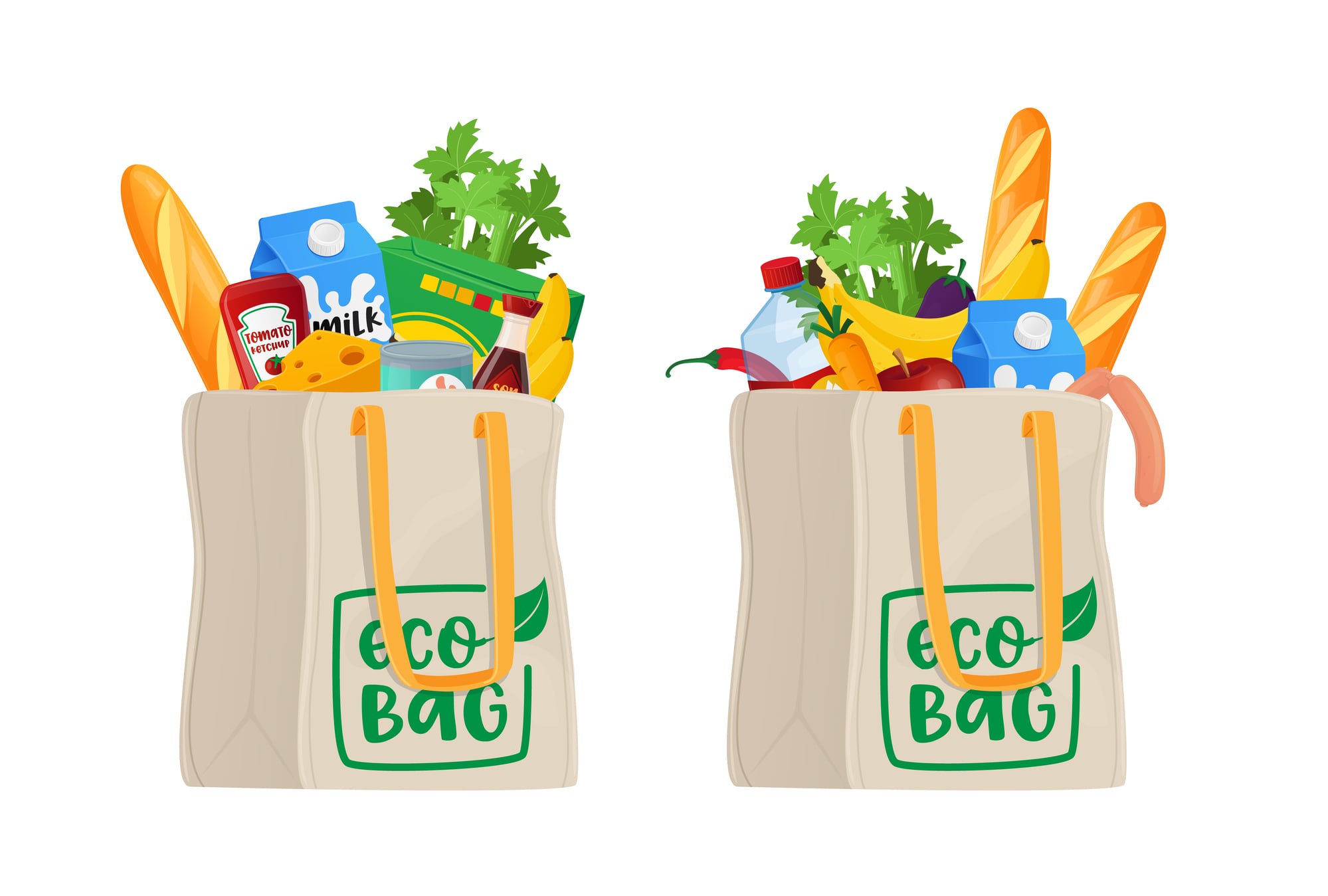
Environmental considerations didn’t factor into 1960s grocery store operations or consumer choices. Packaging focused on product protection and shelf appeal rather than environmental impact, and sustainability wasn’t a retail consideration because it wasn’t yet a widely recognized concern.
Today’s grocery stores increasingly market environmental responsibility through packaging reduction, local sourcing, and sustainable product options. Whether these changes represent genuine environmental commitment or marketing responses to consumer demand varies by store and product, but the conversation about environmental impact has become integral to modern grocery retail in ways that would have been incomprehensible sixty years ago.
The Rhythm Of Abundance
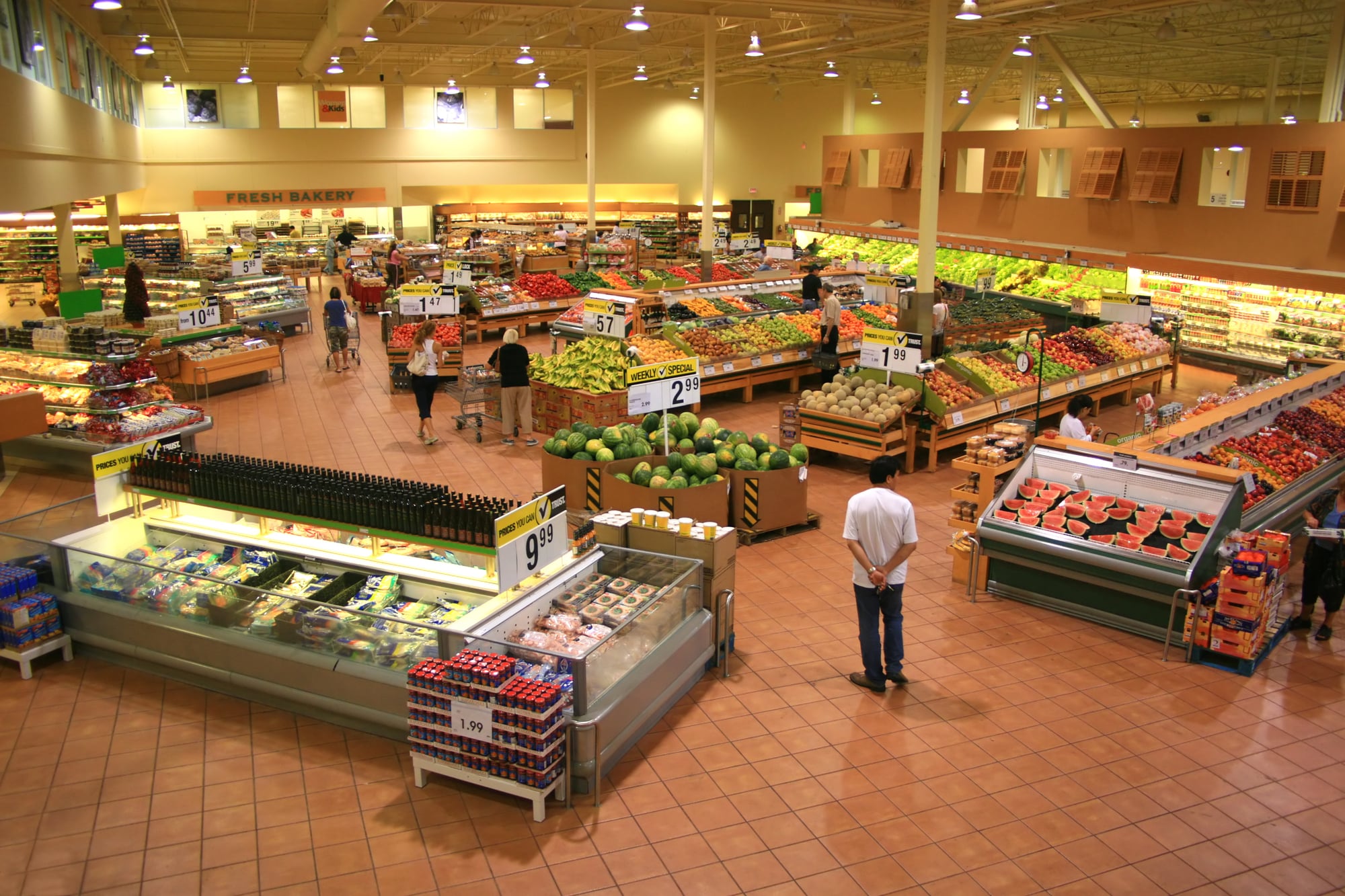
Modern grocery stores represent abundance in ways that would have seemed fantastical in 1965, but abundance carries its own complications. Every shopping trip now requires navigating hundreds of decisions that didn’t exist when choices were limited by season, geography, and available shelf space.
The 1960s grocery store operated within constraints that simplified decisions while limiting options. Today’s stores eliminate most constraints while multiplying complexity exponentially.
Whether this represents progress depends largely on what you value more: simplicity or choice, limitation or abundance, human interaction or technological efficiency.
More from Go2Tutors!

- The Romanov Crown Jewels and Their Tragic Fate
- 13 Historical Mysteries That Science Still Can’t Solve
- Famous Hoaxes That Fooled the World for Years
- 15 Child Stars with Tragic Adult Lives
- 16 Famous Jewelry Pieces in History
Like Go2Tutors’s content? Follow us on MSN