Oldest Surviving Pieces Of Clothing Ever Discovered In History
Clothing tells stories that outlast civilizations. While fabric typically decomposes within decades, certain environmental conditions — extreme cold, desiccating heat, or oxygen-free bogs — can preserve textiles for millennia.
These rare survivors offer glimpses into how our ancestors dressed, worked, and expressed themselves through what they wore. From leather shoes that walked ancient paths to silk garments that adorned forgotten nobility, these archaeological treasures connect us to the universal human desire to cover, protect, and adorn our bodies.
Tarkhan Dress
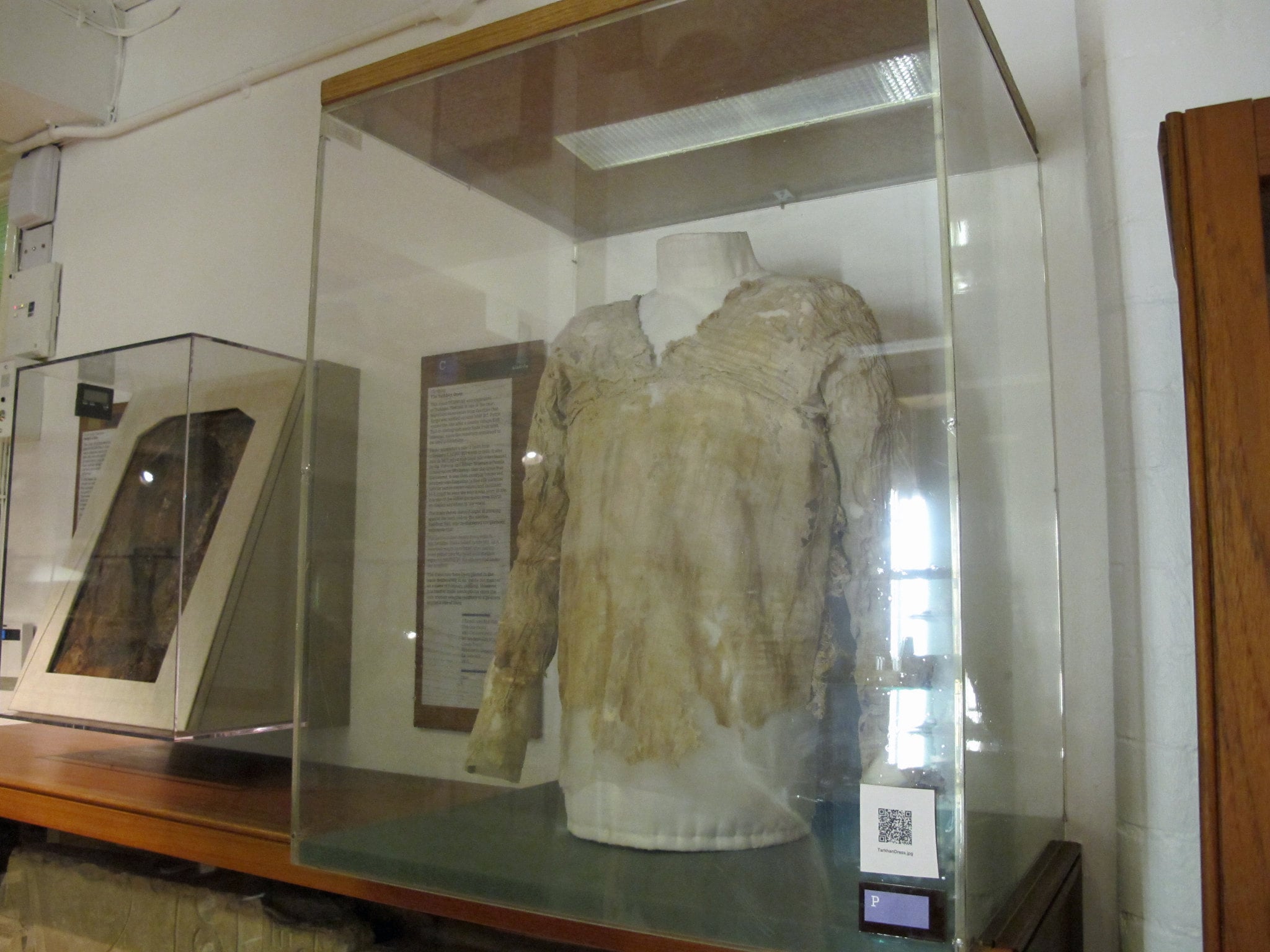
This linen garment holds the record. Dating to around 3482-3102 BCE, the Tarkhan Dress was discovered in an Egyptian cemetery and represents the oldest woven garment ever found.
The dress shows clear signs of wear around the armpit and neckline areas. Egypt’s dry climate preserved what everywhere else would have crumbled.
The dress features pleated sleeves and a V-neck — design elements that feel surprisingly modern for something crafted over 5,000 years ago.
Armenian Shoe
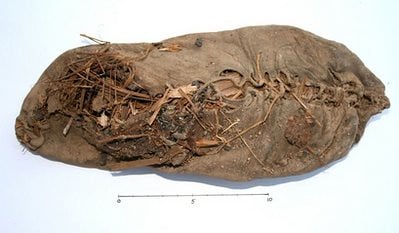
Discovered in a cave in Armenia (and dating to approximately 3,500 BCE), this leather shoe represents the oldest known leather shoe in the world. The shoe was stuffed with grass, likely for insulation, and shows the sophisticated leatherworking skills of Bronze Age craftspeople.
Remarkably well-preserved thanks to the cool, dry conditions in the cave where it was found. So here’s what strikes you about finding a single shoe from 3500 BCE: someone was walking around in its mate, probably wondering where they’d left the other one (a frustration that apparently transcends millennia), and the fact that we’re dealing with what amounts to an ancient lost-and-found situation makes this discovery both profound and oddly relatable.
And the grass stuffing — which served as both insulation and padding — suggests that comfort mattered even when your biggest concerns were avoiding saber-toothed cats and finding your next meal, because nobody, regardless of era, wants to walk around with cold feet. Even so, the craftsmanship evident in the stitching and leather preparation reveals that this wasn’t some hastily assembled foot covering.
Lengberg Castle Undergarments
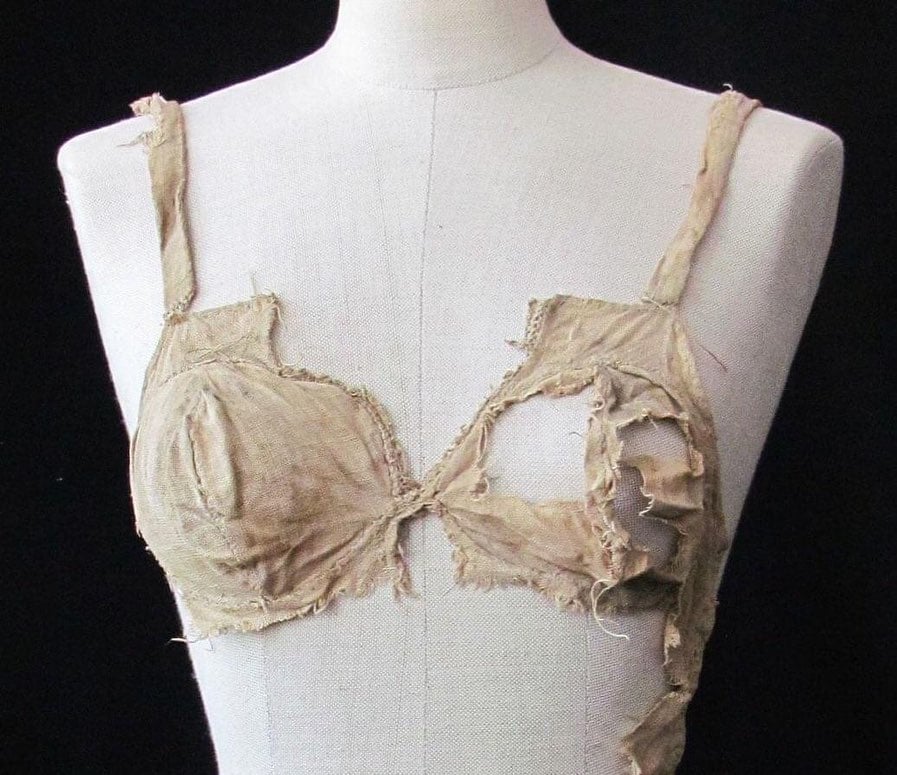
Like finding a diary tucked inside a wall, these 15th-century undergarments emerged from renovation work at an Austrian castle in 2008. Four linen bras and two pairs of underwear had been used as stuffing between floorboards — a discovery that overturned assumptions about medieval undergarments.
The bras, with their fitted cups and back closure, look disturbingly similar to modern designs. One pair of underwear even features a convenient front opening.
These weren’t crude wrappings or simple chemises, but tailored garments that suggest medieval people cared more about support and comfort than historians had assumed. Someone wore these items daily, washed them, mended them, and eventually saw them repurposed as insulation.
The intimate nature of these pieces makes them feel less like artifacts and more like secrets accidentally preserved.
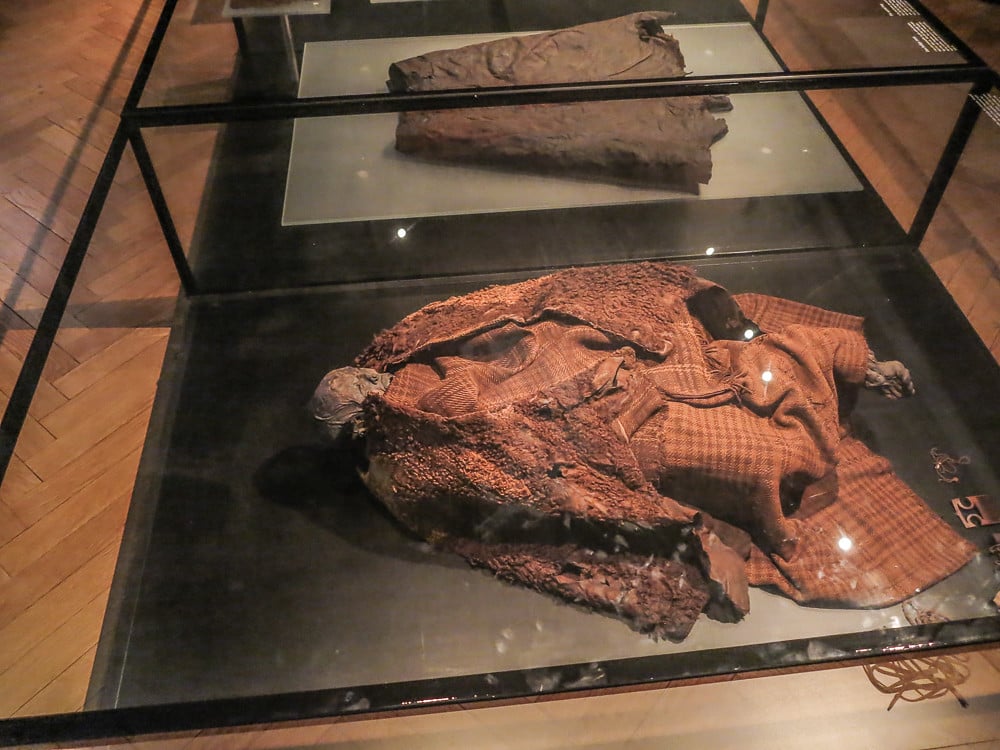
Huldremose Woman’s Outfit
Medieval underwear being sophisticated makes perfect sense. People have always wanted comfort and support — the technology just wasn’t supposed to exist yet.
This challenges every assumption about historical progress being linear. The wool and linen garments show remarkable preservation after 2,000 years in a Danish bog.
The outfit includes a woolen skirt, scarf, and sheepskin cape that still retain their original colors and textures.
Bog Bodies’ Clothing

Bog bodies across Northern Europe have yielded remarkably preserved clothing from the Iron Age. The acidic, oxygen-free environment of peat bogs creates natural mummification conditions that preserve both bodies and textiles.
These garments reveal sophisticated weaving techniques and clothing construction methods from 2,000+ years ago. The clothing shows evidence of repairs and patches (suggesting these weren’t burial garments but everyday wear), and the wool still retains much of its original texture and even some color, which is extraordinary for textiles this old, because usually organic materials decompose completely within decades rather than surviving millennia.
But here’s the thing: these people weren’t just surviving in harsh climates — they were creating complex textile patterns, dyeing fabrics in multiple colors, and constructing garments with fitted sleeves and tailored shapes that required serious technical skill. And the fact that many of these bog body garments show signs of mending and patching tells you that good clothes were valuable enough to repair rather than replace, even when (or especially when) life was brutally difficult.
Chinese Silk Han Dynasty Robes
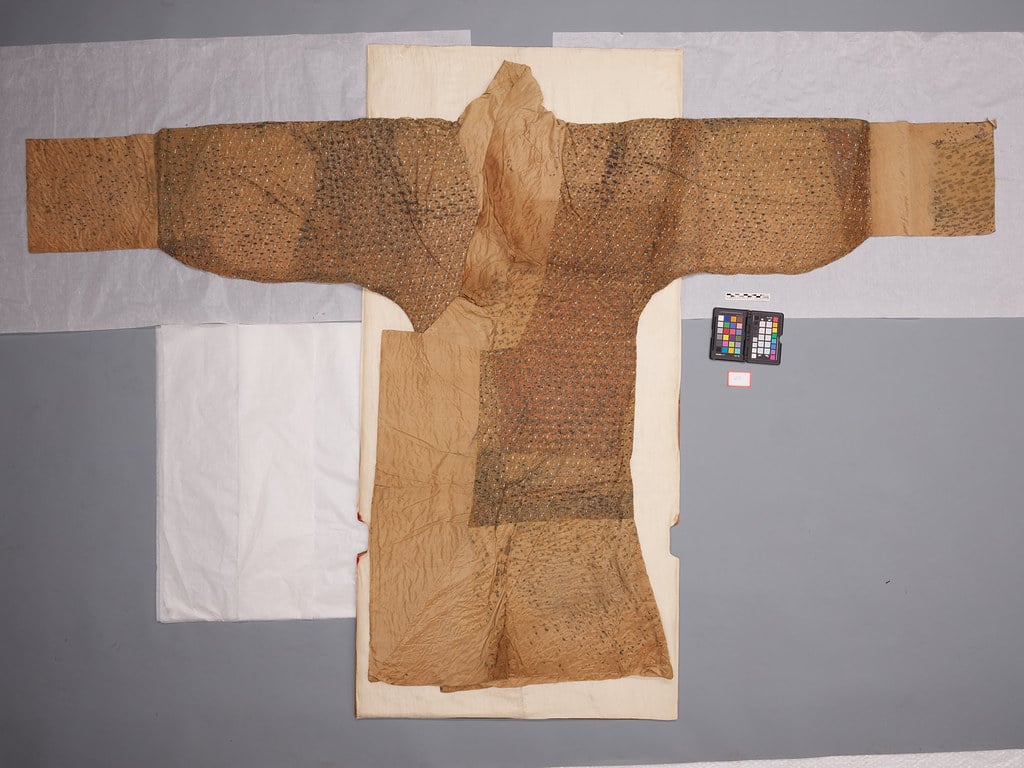
Silk catches light the way water catches reflections — both seem to hold illumination just beneath their surface before releasing it back transformed. These Han Dynasty robes, discovered in Chinese tombs dating to around 200 BCE, preserve that quality even after two millennia underground.
The colors haven’t just survived; they’ve mellowed into something richer than their original brightness. Deep crimsons have become wine-dark, brilliant yellows have settled into amber, and the intricate embroidered patterns — dragons chasing clouds, phoenixes nested in flowering branches — still pulse with the life the artisans stitched into them.
Each thread placement was deliberate, each color choice carried meaning that the tomb’s occupant understood completely. These weren’t just clothes.
They were statements about status, protection for the afterlife, and demonstrations of an empire’s reach — the silk trade routes that made such garments possible stretched across continents.
Qilakitsoq Mummies’ Clothing
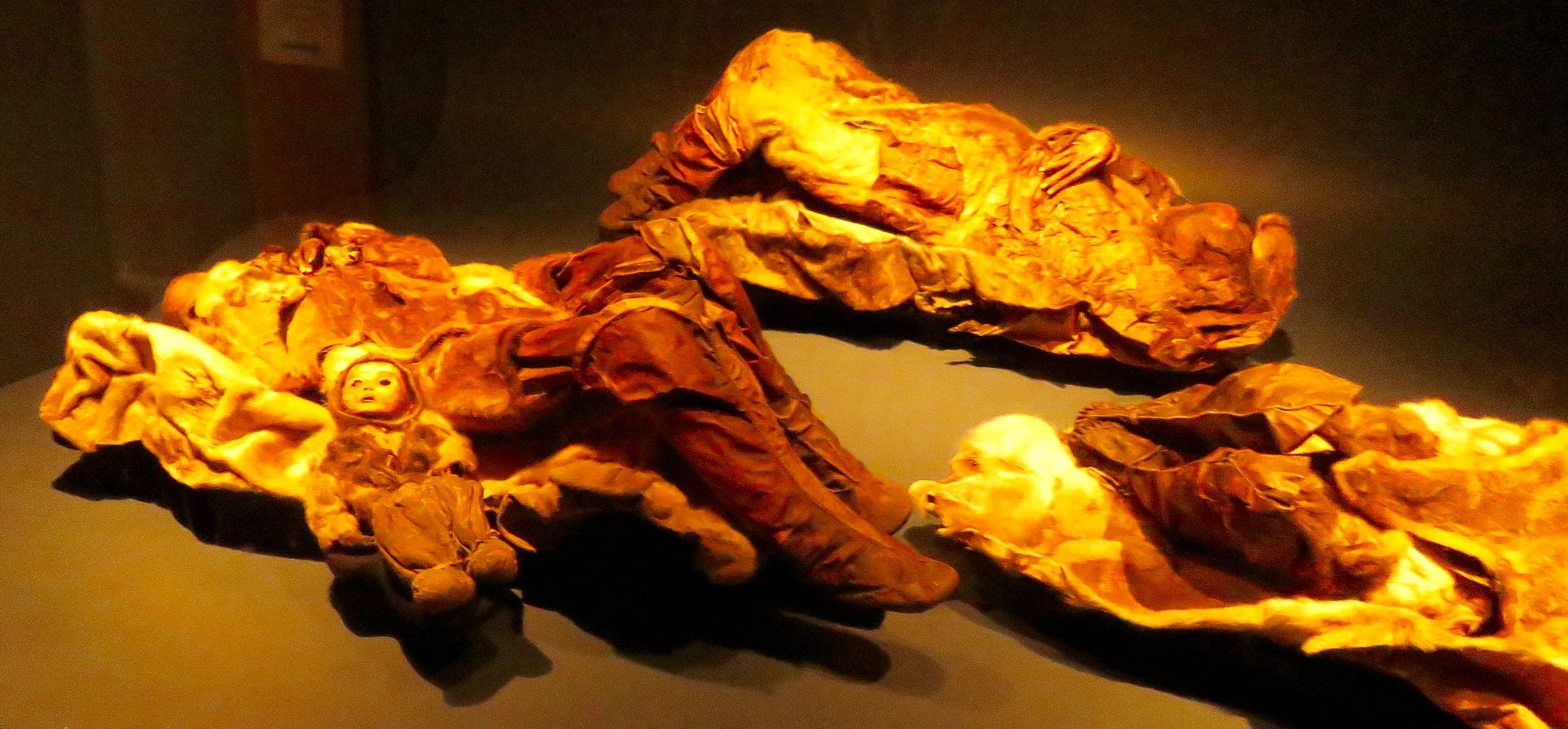
Eight 15th-century Inuit mummies discovered in Greenland were dressed in remarkably sophisticated cold-weather gear. The clothing demonstrates advanced understanding of layering systems and materials science that rivals modern outdoor equipment design.
The outer parkas were made from seal and caribou hide with the fur turned inward for maximum warmth retention. Underneath, they wore bird-skin underwear — yes, underwear made from bird skins with feathers intact, providing lightweight insulation that trapped warm air close to the skin.
These people solved problems that modern Arctic explorers still struggle with, and they did it using only materials they could hunt, gather, or trade for.
Cherchen Man’s Tartan
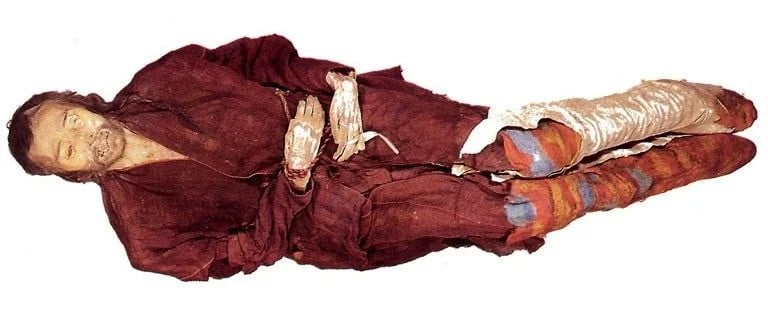
This 3,000-year-old mummy from western China wore a striking tartan-patterned wool garment that looks like it could have come from a Scottish Highland clan. The discovery challenges assumptions about ancient trade routes and cultural connections.
The wool was dyed in rich reds and blues using techniques that produced colorfast results lasting three millennia, and the tartan pattern itself (with its precise geometric repetition and color alternation) represents a level of textile planning and execution that suggests this wasn’t some accidental design but rather a deliberate cultural choice.
But here’s what makes this discovery particularly fascinating: Cherchen Man wasn’t ethnically Chinese — his physical features suggest European ancestry, which means you’re looking at evidence of ancient migration patterns and cultural exchange happening along what would later become the Silk Road, thousands of years before Marco Polo was even a distant genetic possibility. And yet the craftsmanship in this tartan rivals anything produced in medieval Scotland, proving that sophisticated textile traditions were developing independently (or perhaps not so independently) across vast distances.
Niya Silk Textiles

In the sands of western China’s Taklamakan Desert, archaeologists uncovered silk textiles from the ancient city of Niya, dating to around 200-400 CE. These fabrics showcase the height of Silk Road textile production, with intricate patterns and multiple weaving techniques combined in single pieces.
The dry desert conditions preserved details that would normally vanish — you can still see individual silk fibers, knot structures, and color gradations in patterns that demonstrate both Chinese weaving traditions and Central Asian design influences. Some pieces combine silk with wool in ways that create texture contrasts still visible today.
These textiles traveled thousands of miles before reaching their final resting place, carrying artistic traditions from multiple cultures woven literally into their structure.
Pazyryk Carpet And Textiles
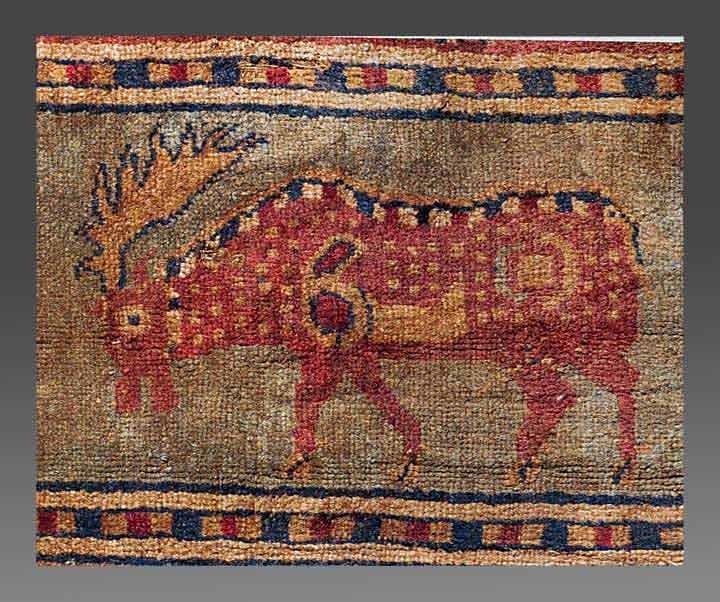
The Pazyryk culture of Siberia left behind the world’s oldest surviving pile carpet, along with felt clothing and decorative textiles dating to the 5th century BCE. Found in frozen burial mounds, these items reveal a sophisticated nomadic culture with advanced textile arts.
The carpet features a complex design with horses, elk, and griffins worked in vibrant reds and yellows that still catch the eye after 2,400 years. The felt garments show elaborate appliqué work depicting mythological creatures and hunting scenes.
This level of artistic sophistication challenges stereotypes about nomadic peoples being primitive or culturally impoverished.
Windover Archaeological Site Textiles
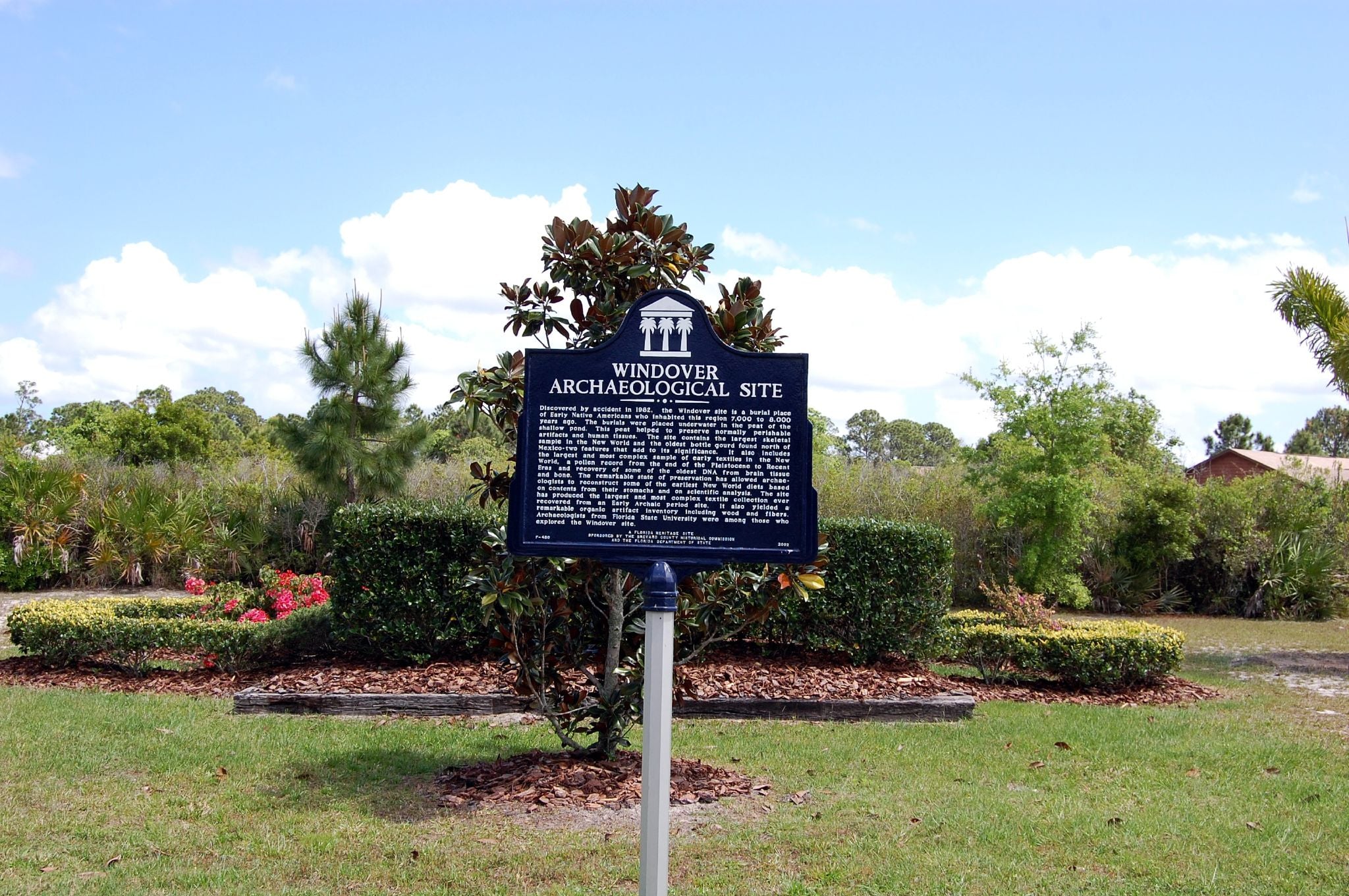
Florida’s Windover site produced some of North America’s oldest textiles, dating to around 6000-5000 BCE. The peat bog environment preserved fragments of what appears to be sophisticated fiber work created by hunter-gatherer societies.
These aren’t just simple cordage or basic weaving — the fragments show evidence of complex textile structures including twining and possibly early loom work (though the organic looms themselves didn’t survive), which pushes back the timeline for advanced textile production in North America by thousands of years, and the fibers appear to have been processed and prepared using techniques that required considerable knowledge about plant materials and their properties.
But what’s particularly interesting about Windover is that these textiles were created by people who weren’t supposed to have settled long enough to develop such sophisticated craft traditions — the conventional wisdom suggested that complex textile work required agricultural societies with permanent settlements, but these were hunter-gatherers who somehow found time and developed techniques for creating intricate fiber art.
So much for assumptions about technological development following predictable patterns.
Thorsberg Chape Textiles
Scattered among weapon deposits in a German bog, these Roman-era textile fragments from around 200-300 CE showcase the sophisticated dress of Germanic tribes. The fragments include tablet-woven bands with intricate geometric patterns and wool textiles dyed in multiple colors.
What makes these pieces remarkable isn’t just their preservation, but their context. These were likely clothing fragments from defeated warriors, offered to gods along with bent swords and broken shields.
The quality of the weaving and dyework suggests these weren’t crude barbarian garments, but sophisticated textiles that required skill and resources to produce. The geometric patterns in the tablet weaving show mathematical precision and artistic sensibility that contradicts Roman accounts of Germanic peoples as culturally backward.
Skjøldehamn Hood

This thousand-year-old wool hood discovered in northern Norway represents Viking-age clothing at its most practical. The four-panel construction and fitted shape provide maximum warmth retention while allowing peripheral vision — crucial for survival in Arctic conditions.
The wool retains much of its water-repelling lanolin, and the stitching technique creates seams that won’t split under stress. This wasn’t fashion; it was engineering designed to keep someone alive in conditions that kill unprepared travelers.
The hood’s simple elegance demonstrates that good design transcends time periods. Someone a thousand years ago solved the same problems modern outdoor gear designers still work on, and their solution still works perfectly.
Celtic Bog Textiles From Ireland
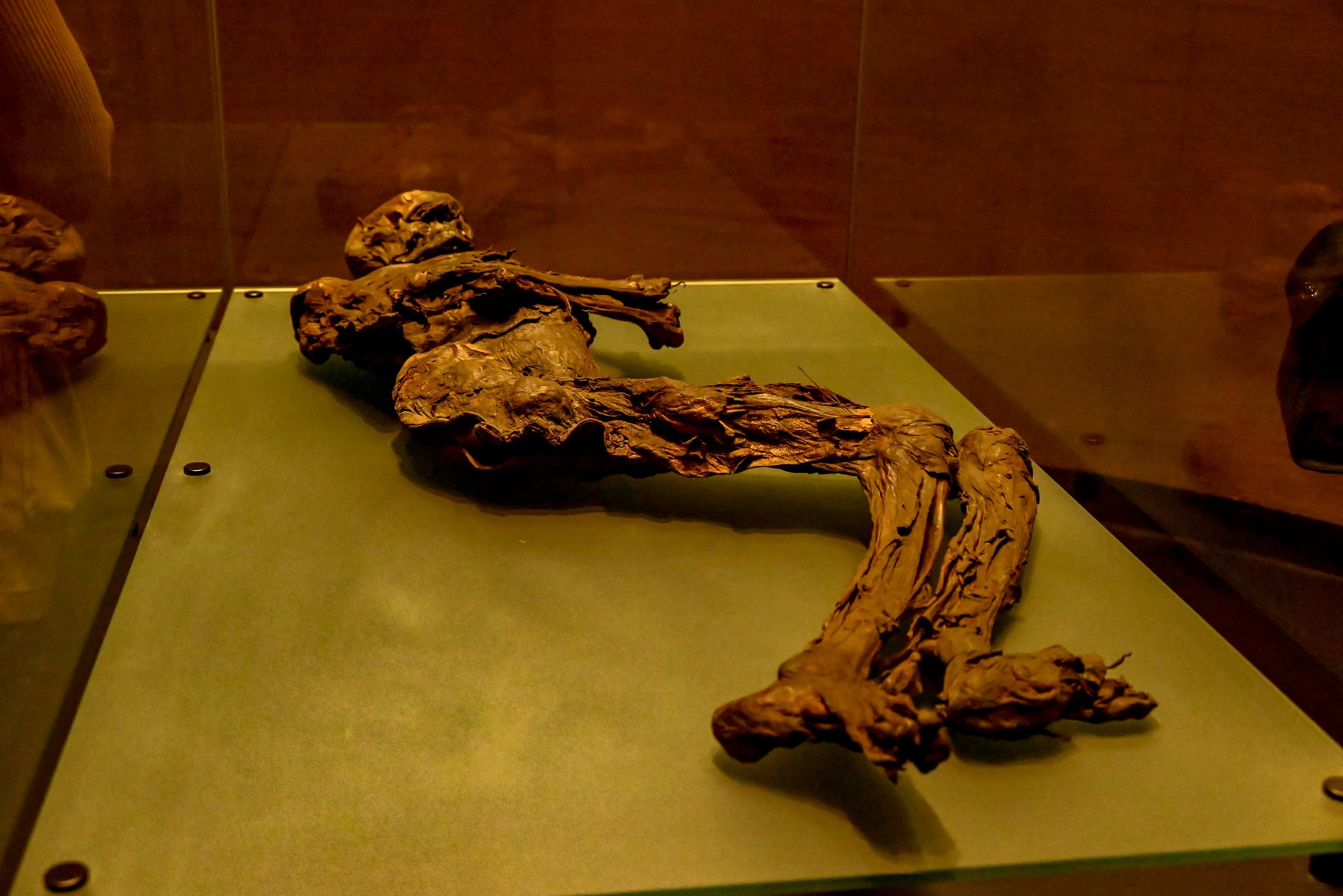
Irish bogs have yielded numerous textile fragments dating from the Iron Age through medieval periods. These pieces reveal sophisticated dyeing techniques using native plants and complex weaving patterns that influenced later Irish textile traditions.
The fragments include pieces of cloaks, tunics, and decorative bands that show both local Celtic design traditions and evidence of trade connections with continental Europe (Roman-style brooches appear alongside distinctly Celtic textile patterns), and the quality of the weaving ranges from everyday practical garments to pieces elaborate enough for ceremonial use, suggesting a society with both skilled craftspeople and enough surplus wealth to support decorative arts.
But the bog environment, while preserving these textiles, also makes them incredibly fragile — many pieces crumble when exposed to air and light, so archaeologists often have only minutes to document patterns and construction techniques before the fabric disintegrates, which means there’s probably far more sophisticated Celtic textile work that existed but couldn’t be saved for study. And the dye analysis reveals an impressive understanding of local plant chemistry — the colors weren’t just beautiful, they were permanent.
Threads That Bind Us

These ancient garments do something remarkable: they collapse the distance between past and present. Someone 5,000 years ago worried about staying warm, wanted to look good, and took pride in craftsmanship.
They mended tears, chose colors carefully, and probably had favorite pieces they wore until they fell apart. The same impulses that drive you to choose one shirt over another in the morning drove them to weave patterns, repair damage, and create beauty even when survival was uncertain.
Each preserved thread carries forward proof that being human has always meant more than just staying alive — it’s meant expressing yourself through what you choose to wear.
More from Go2Tutors!
- The Romanov Crown Jewels and Their Tragic Fate
- 13 Historical Mysteries That Science Still Can’t Solve
- Famous Hoaxes That Fooled the World for Years
- 15 Child Stars with Tragic Adult Lives
- 16 Famous Jewelry Pieces in History
Like Go2Tutors’s content? Follow us on MSN.