16 Accidental Discoveries That Changed the Course of Medicine Forever
Medicine has always had an uncomfortable relationship with serendipity. Brilliant minds spend decades in sterile labs, following protocols and testing hypotheses, only to have some of their greatest breakthroughs arrive through pure accident.
A forgotten culture dish grows the wrong bacteria. A technician makes an error that reveals something extraordinary.
A researcher notices something that wasn’t supposed to happen and decides to pay attention instead of cleaning up the mess. These moments of accidental discovery haven’t just advanced medicine — they’ve fundamentally altered how we understand disease, healing, and the human body itself.
Behind every miracle drug and revolutionary treatment, there’s often a story of someone who looked at a mistake and saw possibility instead of failure.
Penicillin
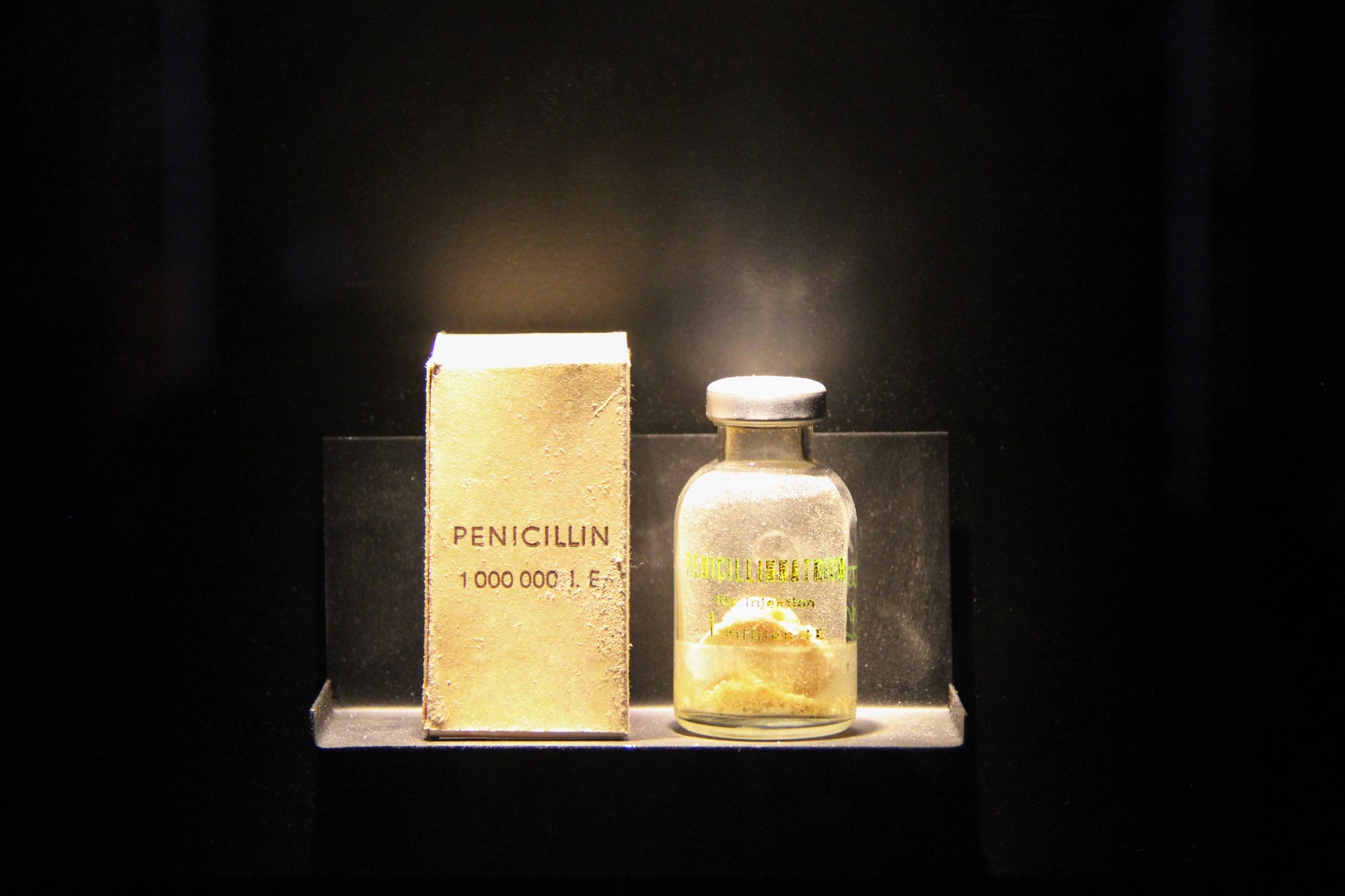
Alexander Fleming left his lab for a holiday in September 1928. Sloppy housekeeping saved millions of lives.
When Fleming returned, he found something peculiar in one of his bacterial culture dishes. A mold had contaminated the plate, and around it, the bacteria had simply died.
Fleming noticed this wasn’t just contamination — it was a weapon. That mold became penicillin, the first true antibiotic.
No planning produced this discovery. Just a forgotten dish and a scientist curious enough to look closer instead of throwing it away.
X-Rays

Wilhelm Röntgen was experimenting with cathode ray tubes in 1895, working in his darkened laboratory late into the evening (as scientists tend to do when they’re onto something, or think they are, or simply refuse to admit defeat for the day), when he noticed something that wasn’t supposed to be happening. And yet there it was: a fluorescent screen across the room was glowing, even though the tube was covered with black cardboard.
So he moved the screen further away. Still glowing.
He placed various objects between the tube and the screen — wood, aluminum, his hand — and that’s when things got genuinely strange: he could see the bones inside his fingers, dark shadows against the glowing flesh. Röntgen had stumbled onto rays that could pass through soft tissue but not bone, rays that would let doctors peer inside the human body without cutting it open.
But he had no idea what these mysterious rays were (hence the name “X-rays” — X for unknown), and for the next several weeks, he barely left his laboratory, missing meals, sleeping on a cot, obsessively documenting this impossible phenomenon that refused to make sense according to everything he knew about physics.
The first X-ray photograph was of his wife’s hand, complete with her wedding ring floating around the ghostly outline of her finger bones. When she saw it, she reportedly said, “I have seen my death.”
She was wrong about that — she was seeing the birth of diagnostic medicine.
Insulin
It’s the middle of summer 1889, and two German researchers — Oskar Minkowski and Joseph von Mering — are trying to understand how the pancreas affects digestion. They remove the pancreas from a healthy dog, expecting to see some digestive issues.
What they don’t expect is for the dog to develop symptoms that look exactly like human diabetes. This is discovery by elimination, quite literally.
Remove an organ, watch what breaks. It’s crude by today’s standards, but sometimes crude gets you there faster than elegant.
The dog’s condition pointed directly to the pancreas as the source of whatever keeps blood sugar in check. Decades would pass before Frederick Banting and Charles Best extracted insulin from pancreatic tissue, but that accidental observation in a German lab opened the door.
They weren’t looking for diabetes when they found it — they were just trying to understand why dogs need their pancreas to digest food properly.
Anesthesia

Ether parties were a thing in the 1840s. College students and socialites would gather to inhale ether vapor and giggle their way into temporary unconsciousness.
Pure entertainment, nothing medical about it. Crawford Long was a doctor who attended these parties.
He noticed that people under the influence would injure themselves — bumps, cuts, bruises — without feeling any pain. The next logical step was obvious to him: if ether could eliminate pain from accidents, it could eliminate pain from surgery.
Long performed the first surgery under ether anesthesia in 1842, removing a tumor from a patient’s neck. The patient felt nothing.
Surgery had been transformed from an exercise in speed and endurance into something approaching precision medicine.
Smallpox Vaccine

Edward Jenner noticed something about milkmaids that other people missed. They seemed immune to smallpox, one of history’s most devastating diseases.
The milkmaids themselves weren’t particularly surprised by this — they’d always known that catching cowpox from the cattle somehow protected them from the much deadlier human version. Jenner decided to test this folk wisdom scientifically.
In 1796, he deliberately infected an 8-year-old boy with cowpox, then later exposed him to smallpox. The boy remained healthy.
This was either brilliant medical insight or child endangerment, depending on your perspective. The experiment worked.
Jenner had discovered vaccination — the principle that exposure to a harmless version of a disease could prevent the dangerous one. He didn’t understand the immunological mechanisms, but he didn’t need to.
The results spoke for themselves.
Warfarin
Sometimes medical breakthroughs begin with dying livestock, which is exactly what happened in the 1920s when cattle across the northern United States started wounding to death from minor injuries. The culprit turned out to be spoiled sweet clover in their hay (sweet clover that had been improperly cured, creating a compound that interfered with blood clotting), and by the 1940s, researchers had isolated the active ingredient: a substance that would eventually become known as warfarin.
But here’s where it gets interesting — initially, warfarin wasn’t seen as medicine at all; it was marketed as rat poison, exploiting its blood-thinning properties to cause fatal hemorrhaging in rodents.
The transition from livestock killer to life-saving medication happened gradually, then suddenly, as researchers began to understand that controlled blood thinning could prevent the clots that cause heart attacks and strokes. And warfarin’s reputation got a considerable boost in 1955 when President Eisenhower survived a heart attack while taking the drug — suddenly, something that had been killing rats was saving presidents.
The irony is inescapable: a compound discovered through agricultural disaster, developed as pest control, became one of the most widely prescribed medications for preventing cardiovascular death.
Lithium For Bipolar Disorder
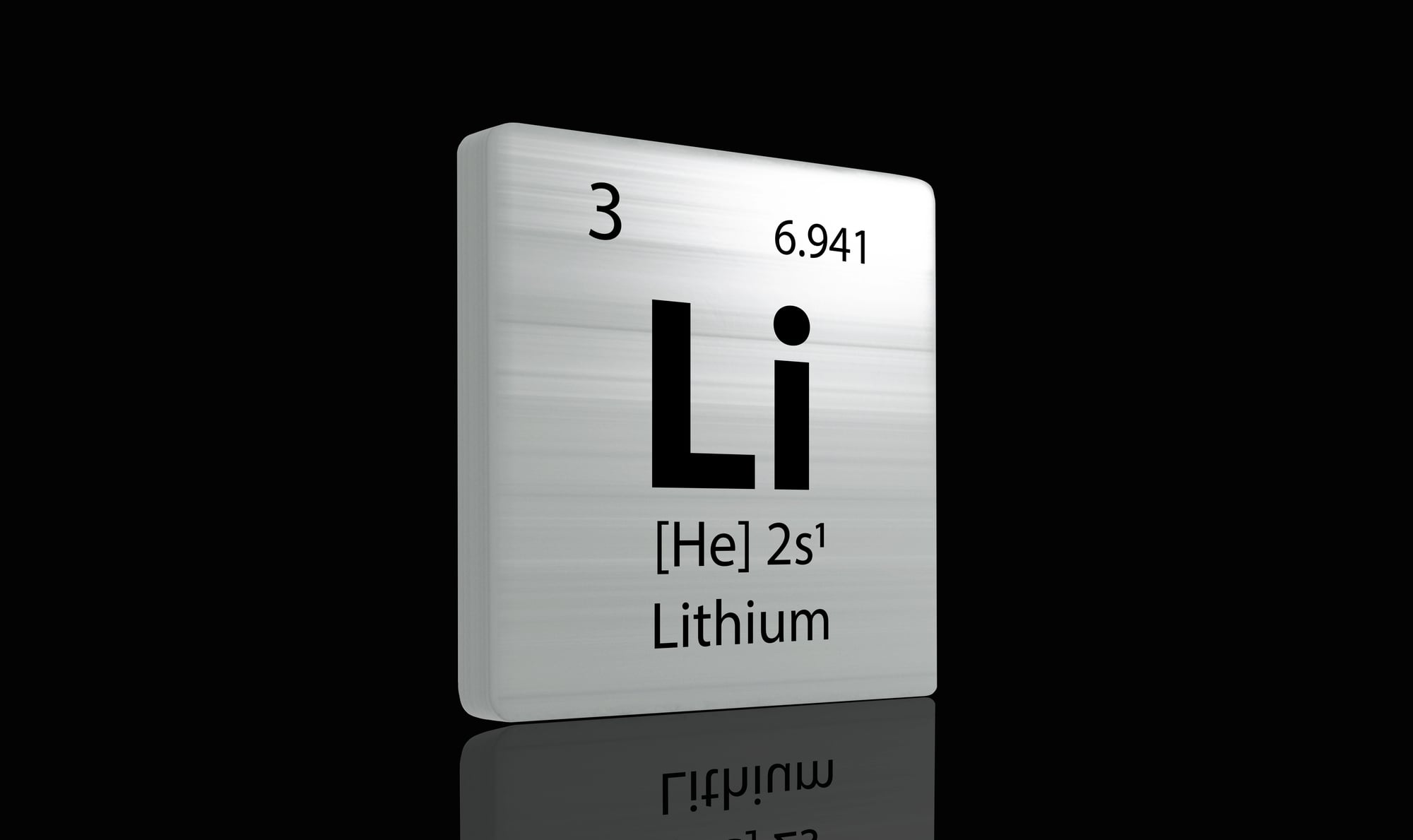
John Cade was looking for the biochemical cause of mental illness in 1948. He had a theory that manic patients were producing too much of some toxic substance, so he began injecting guinea pigs with urine from manic patients to see what would happen.
The results were erratic until Cade decided to add lithium to make the uric acid more soluble. Suddenly, the guinea pigs became remarkably calm — almost sedated.
Cade realized the lithium itself was causing this effect. He tested lithium on himself first, then on patients with mania.
The results were dramatic. Patients who had been agitated and unpredictable became stable and clear-thinking.
Cade had accidentally discovered the first effective treatment for bipolar disorder, though it would take decades for the psychiatric establishment to accept it.
Pacemakers

Wilson Greatbatch was building a heart rhythm recording device in 1958. He reached into his toolbox for a resistor and grabbed the wrong one by mistake.
The circuit he built began producing electrical pulses at a steady, rhythmic rate — about once per second. Instead of cursing his error and starting over, Greatbatch listened to the rhythm and had a thought: this sounds like a heartbeat.
He spent the next two years developing that accidental pulse generator into the first implantable pacemaker. The device was simple enough to fit inside the human chest and reliable enough to keep a failing heart beating for years.
Greatbatch’s mistake became the foundation for a technology that has kept millions of people alive.
Viagra

Pfizer researchers were developing a heart medication called sildenafil in the early 1990s. The drug was supposed to treat angina by improving blood flow to the heart.
Clinical trials showed it wasn’t particularly effective for that purpose, but trial participants reported an interesting side effect: improved function in an entirely different vascular system. The researchers could have dismissed this as irrelevant to their cardiovascular research.
Instead, they recognized they’d stumbled onto something potentially valuable. They shifted their focus from heart disease to erectile dysfunction, a condition that had few effective treatments.
Viagra became one of the most successful pharmaceutical launches in history. The heart medication that didn’t work for hearts revolutionized treatment for a condition affecting millions of men worldwide.
Botox

Botulinum toxin is one of the most poisonous substances known to science, but in 1973, ophthalmologist Alan Scott was experimenting with tiny doses to treat crossed eyes. The toxin could temporarily paralyze specific eye muscles, allowing the eyes to realign properly.
It worked, but Scott and his colleagues noticed something else: the injections were smoothing out wrinkles around patients’ eyes. This observation sat quietly in medical literature for years before anyone thought to pursue it systematically.
When they did, they discovered that the same mechanism that straightens crossed eyes — temporary muscle paralysis — could eliminate facial wrinkles by preventing the muscle contractions that cause them. The transformation from experimental eye treatment to cosmetic phenomenon happened gradually, but by the early 2000s, Botox had become synonymous with anti-aging medicine.
The deadliest toxin on earth had been domesticated into a lunch-hour procedure.
Chemotherapy

Chemical warfare research during World War I led to an unexpected medical breakthrough, though it took decades to realize it. Mustard gas, designed to maim and kill soldiers, was found to have a peculiar effect: it destroyed white blood cells and bone marrow.
This was obviously terrible if you were a soldier exposed to the gas, but researchers eventually realized it might be useful if you had a disease characterized by the overproduction of white blood cells. That disease was leukemia.
In the 1940s, researchers began testing nitrogen mustard — a cousin of the warfare chemical — on patients with blood cancers. The results were encouraging enough to launch the field of chemotherapy.
The principle behind chemotherapy remains fundamentally unchanged: use controlled doses of cell-killing chemicals to destroy cancer faster than they destroy the patient. It’s a brutal calculus, but for many cancers, it’s the difference between death and remission.
Aspirin’s Heart Benefits

Aspirin had been around for decades as a pain reliever when researchers in the 1960s began noticing something odd about heart attack patients. Those who happened to be taking aspirin for other reasons — arthritis, headaches, general aches and pains — seemed less likely to have second heart attacks.
This wasn’t a designed study or a planned investigation. It was pattern recognition: doctors noticing that patients taking a common painkiller were having fewer cardiovascular events than expected.
When researchers tested this observation systematically, they found that aspirin’s ability to prevent blood clots made it remarkably effective at preventing heart attacks and strokes. A drug that had been marketed primarily for headaches became a cornerstone of cardiovascular prevention.
The discovery changed medical recommendations worldwide: millions of people now take daily low-dose aspirin not for pain, but to keep their blood flowing smoothly through their arteries.
Antidepressants

The first antidepressants were discovered by accident in tuberculosis wards during the 1950s. Doctors were treating TB patients with a drug called iproniazid, hoping to cure their lung infections (which it did, reasonably well, though not spectacularly), when they noticed something unexpected: patients who had been depressed and withdrawn were becoming cheerful and energetic, sometimes dramatically so.
And this wasn’t just the natural relief of recovering from a serious illness — patients were reporting mood improvements that seemed disproportionate to their physical recovery.
The mechanism wasn’t understood at the time, but iproniazid was inhibiting an enzyme called monoamine oxidase, which breaks down neurotransmitters like serotonin and dopamine. So the drug was effectively increasing levels of these mood-regulating chemicals in the brain.
But the doctors treating TB patients didn’t know any of that — they just knew their patients were getting happier along with getting healthier. This observation launched modern psychopharmacology.
Within a decade, researchers had developed multiple classes of antidepressants, all based on the insight that brain chemistry could be altered to treat mood disorders.
Nitrous Oxide

Laughing gas was a party trick before it became a medical tool. In the late 1700s, people gathered at “ether frolics” and “laughing gas parties” to inhale nitrous oxide and enjoy its euphoric effects.
The drug was entertainment, not medicine. Horace Wells was a dentist who attended one of these parties.
He watched a man under the influence of nitrous oxide injure himself severely without showing any sign of pain. Wells immediately saw the medical application: if the gas could eliminate pain from accidents, it could eliminate pain from dental procedures.
Wells tested the gas on himself the next day, having a colleague extract one of his teeth while he was under the influence. He felt nothing.
Dental surgery — previously an exercise in agony — became tolerable for the first time in human history.
Minoxidil For Hair Loss

Minoxidil was developed as a blood pressure medication in the 1970s. It worked by dilating blood vessels, reducing the pressure needed to pump blood through the circulatory system.
But patients taking the drug reported an unusual side effect: excessive hair growth, sometimes in places where hair had been absent for years. For a blood pressure medication, unwanted hair growth was clearly a problem.
But researchers recognized that for people experiencing hair loss, this side effect might be exactly what they wanted. They began testing topical applications of minoxidil directly to the scalp.
The treatment worked. Minoxidil became Rogaine, one of the few FDA-approved medications for male pattern baldness.
A blood pressure drug that caused too much hair growth found its perfect application in people who wanted more hair growth.
Helicobacter Pylori And Ulcers

For most of the 20th century, stomach ulcers were blamed on stress, spicy food, and too much stomach acid. The treatment involved bland diets, stress reduction, and acid-blocking medications.
It was a chronic condition that patients managed rather than cured. Barry Marshall and Robin Warren noticed something that didn’t fit this explanation: bacteria living in the stomachs of ulcer patients.
This seemed impossible — everyone knew stomach acid was too corrosive for bacteria to survive. But the microscopic evidence was undeniable.
Marshall took the ultimate step to prove their hypothesis: he infected himself with the bacteria and developed gastritis, the precursor to ulcers. Then he cured himself with antibiotics.
This demonstrated that ulcers were actually infections, not stress-related conditions. The discovery revolutionized treatment.
Ulcers went from chronic diseases requiring lifelong management to bacterial infections curable with a short course of antibiotics.
The Beauty Of Medical Accidents

These discoveries share a common thread: they happened because someone noticed what wasn’t supposed to be there and decided to pay attention instead of looking away. Fleming’s moldy culture dish, Röntgen’s glowing screen, Wells watching a man hurt himself without feeling pain — each represents a moment when curiosity overcame the impulse to dismiss the unexpected.
Medicine advances through careful study and methodical research, but it leaps forward through accidents that reveal possibilities no one thought to look for. The best medical discoveries don’t just solve the problems we know about — they solve problems we didn’t even know we had.
More from Go2Tutors!

- The Romanov Crown Jewels and Their Tragic Fate
- 13 Historical Mysteries That Science Still Can’t Solve
- Famous Hoaxes That Fooled the World for Years
- 15 Child Stars with Tragic Adult Lives
- 16 Famous Jewelry Pieces in History
Like Go2Tutors’s content? Follow us on MSN.