Ancient Manuscripts That Rewrote History
Historians are occasionally forced to revise their preconceived notions after discovering something hidden in the shadows and dust. Ancient manuscripts are more than just remnants of antiquated ink on deteriorating paper; they are the voices of people who have long since passed away and who have revealed truths that have stood the test of time.
Timelines were rewritten by some. Others questioned revered beliefs or revealed lost philosophies.
When taken as a whole, they serve as a reminder that human civilization is still far from finished. A closer look at the manuscripts that permanently altered our perception of the ancient world is provided here.
The Dead Sea Scrolls
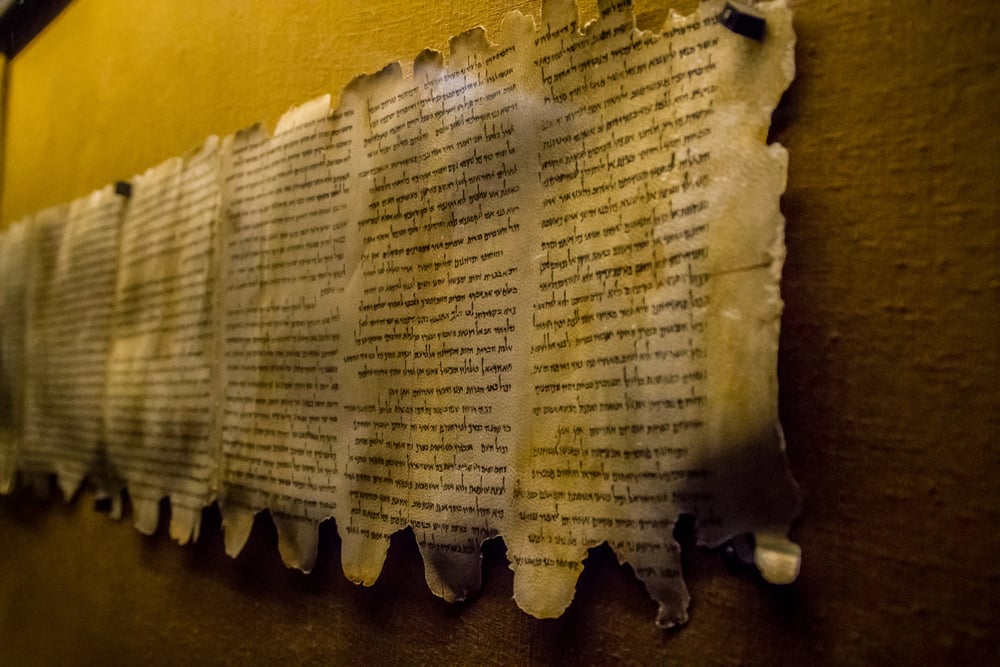
When a Bedouin shepherd tossed a stone into a cave near Qumran in the late nineteen hundreds, the echo that came back carried across centuries. Inside were jars filled with leather and papyrus scrolls — the oldest known versions of many Hebrew Bible texts, some dating back to the third century BC.
Before their discovery, the earliest Hebrew manuscripts were over a thousand years younger. The Dead Sea Scrolls didn’t just confirm the remarkable consistency of biblical tradition; they also revealed alternate versions and texts that had vanished from religious canon.
For scholars, it was a time capsule of ancient Judaism — a glimpse into how the faith evolved before Christianity took shape. They offered proof that the scriptures weren’t static but living, edited, and debated.
Suddenly, the Bible became a historical conversation, not a monolith. Even more fascinating were the community writings found alongside biblical texts — rules, prayers, and commentaries written by a mysterious sect often associated with the Essenes.
These documents illuminated how diverse ancient Jewish thought really was. The scrolls painted a portrait of a society expecting an imminent apocalypse, awaiting a Messiah who would cleanse the world.
Their discovery didn’t just shift theology — it redefined the social and political backdrop that gave rise to Christianity itself.
The Epic of Gilgamesh
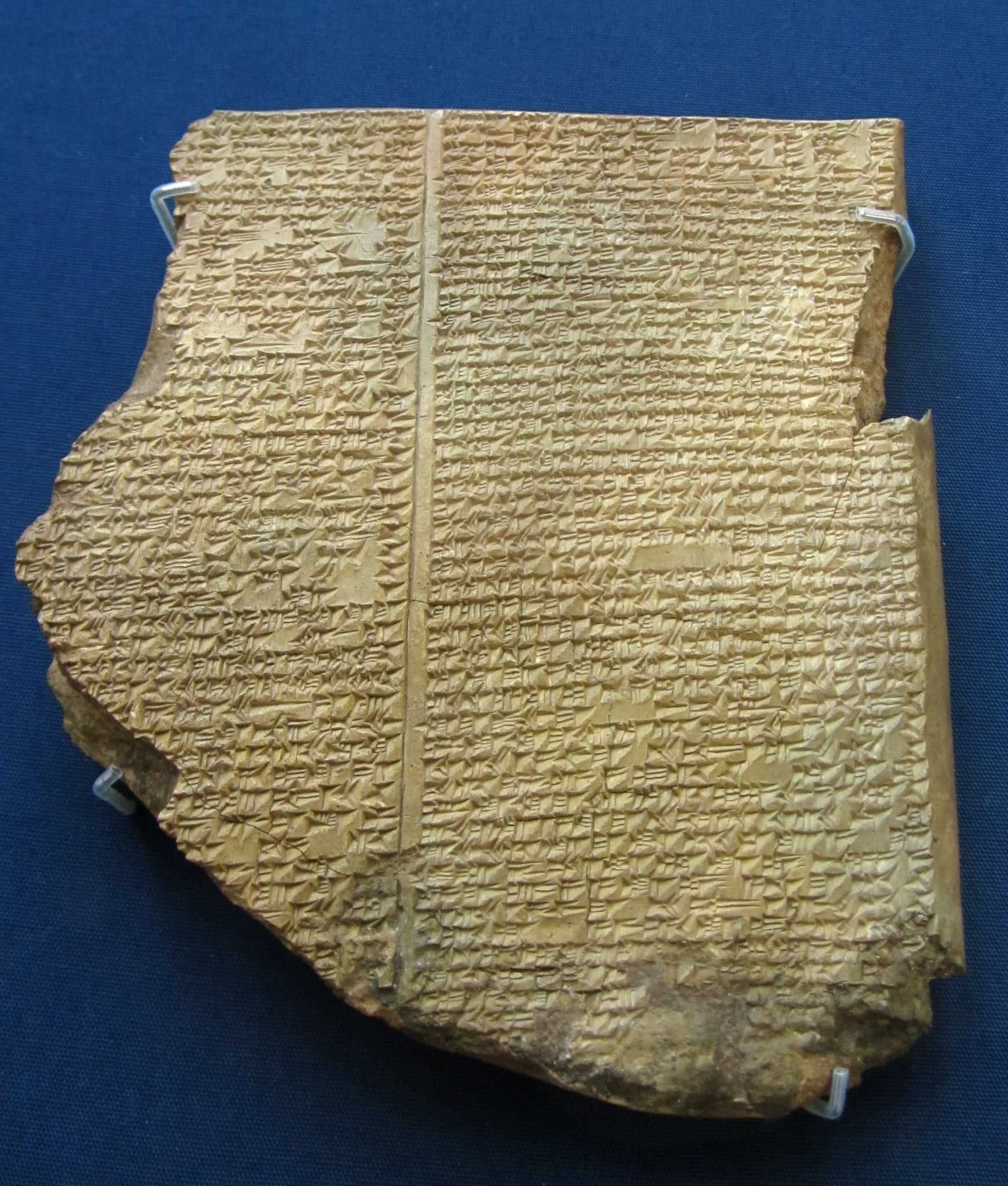
Long before Homer sang of Troy, a Sumerian poet etched humanity’s oldest recorded story into clay. The Epic of Gilgamesh, discovered in the ruins of Nineveh in the mid eighteen hundreds, pulled the curtain back on a civilization that predated the Greeks by more than a thousand years.
The poem follows King Gilgamesh on a journey through friendship, loss, and the search for immortality — themes that still strike deep chords today. What shocked historians most was its inclusion of a flood narrative nearly identical to the one found in Genesis.
It forced biblical scholars to confront the possibility that the story of Noah wasn’t unique, but part of a much older Mesopotamian tradition. The discovery didn’t diminish the Bible; it contextualized it, showing that even sacred stories were shaped by the myths and memories of civilizations before them.
Beyond religion, Gilgamesh redefined how we think about storytelling itself. It proved that literary sophistication — symbolism, character development, existential questions — existed thousands of years earlier than anyone had imagined.
It bridged the gap between ancient myth and modern humanity, suggesting that our fears and hopes haven’t changed much since the dawn of writing.
The Nag Hammadi Library
In the mid nineteen hundreds, two Egyptian farmers digging for fertilizer near the town of Nag Hammadi struck something far stranger: a sealed jar filled with ancient papyrus codices. What they had unearthed were early Christian and Gnostic writings long thought destroyed.
Texts like The Gospel of Thomas, The Gospel of Philip, and The Secret Book of John offered alternative interpretations of Jesus’ teachings — some mystical, others radically personal. Unlike the hierarchical structure of the early Church, these texts suggested that divine knowledge was available to anyone willing to look inward.
Their discovery reshaped religious scholarship, revealing that early Christianity was far more diverse than the unified picture later painted by orthodoxy. For believers and skeptics alike, the Nag Hammadi manuscripts cracked open the question of how history chooses which voices to preserve and which to silence.
These codices also gave modern historians a tangible record of the ideological battles that defined early Christianity. They showed that faith, like language, evolved through conflict and interpretation.
The Church that survived was not the only one that existed — just the one that won the argument. That realization continues to ripple through theology and philosophy today.
The Rosetta Stone
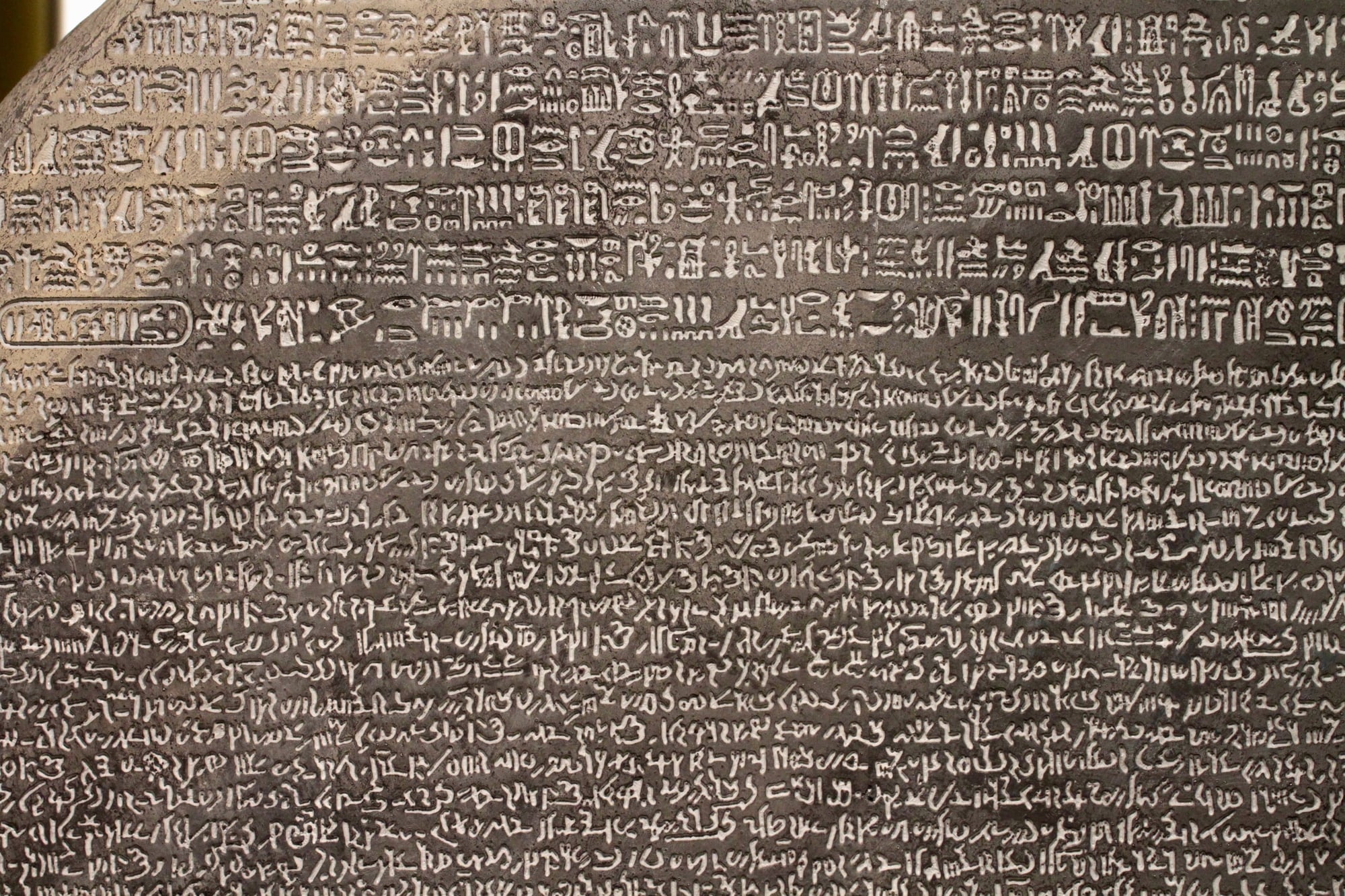
Few artifacts have done more to resurrect a lost civilization than the Rosetta Stone. Discovered by French soldiers near the Egyptian town of Rosetta in the late seventeen hundreds, the granodiorite slab carried a royal decree written in three scripts: hieroglyphic, Demotic, and ancient Greek.
For centuries, Egyptian hieroglyphs were a mystery — beautiful, silent symbols no one could read. But because scholars still understood Greek, the Rosetta Stone became the linguistic bridge that unlocked an entire language.
In the early eighteen hundreds, Jean François Champollion finally cracked the code, revealing how to read the sacred carvings that covered temples and tombs across Egypt. Overnight, a lost world began to speak again.
Pharaohs, rituals, and everyday life re-emerged in vivid detail. What had been myth became history.
Egyptology was born, and humanity gained access to thousands of years of thought, art, and ambition previously sealed in stone. The ripple effects were profound.
Egypt’s written records connected the dots between African and Mediterranean history, reshaping timelines and trade maps. It also demonstrated how language itself could be a key to unlocking entire civilizations.
The Voynich Manuscript
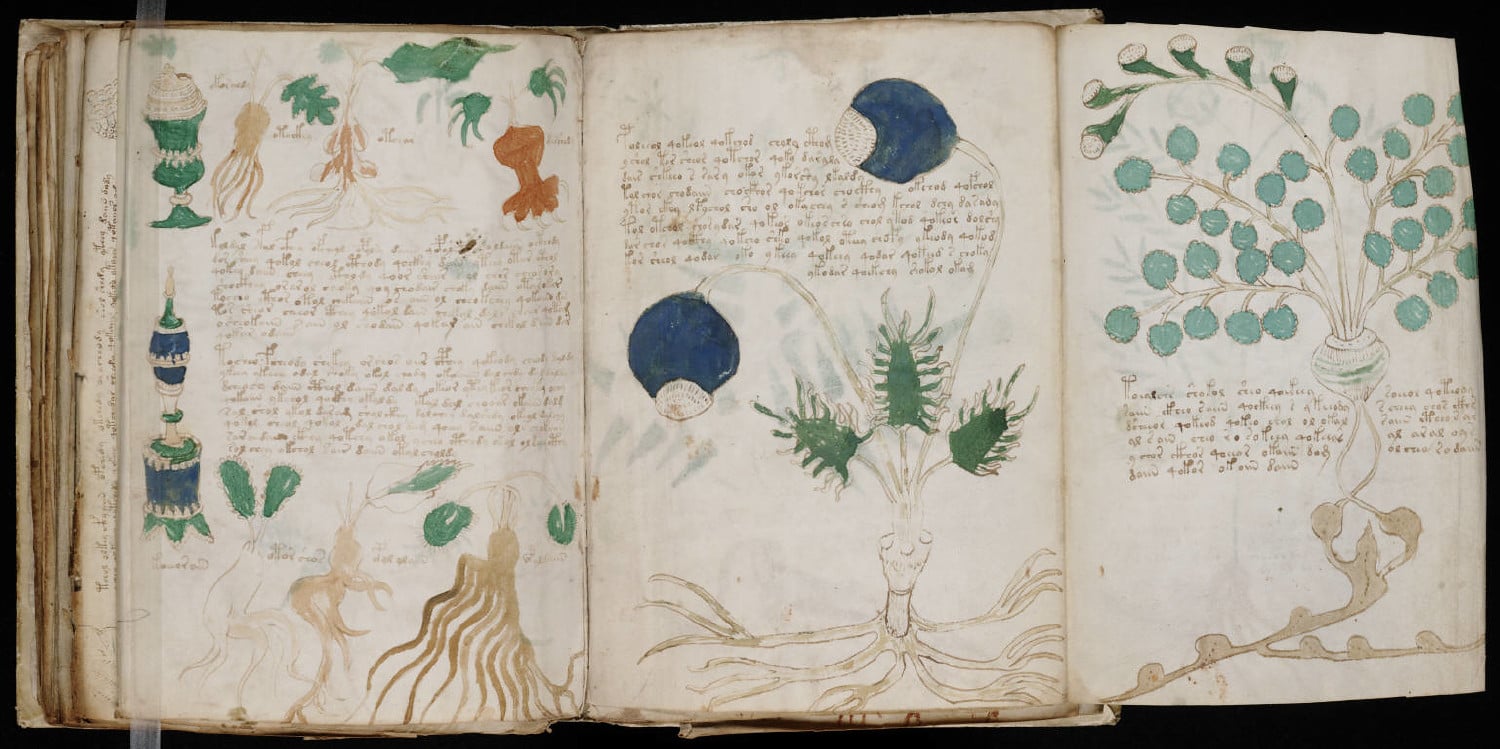
If every other manuscript in history has offered answers, the Voynich Manuscript exists purely to taunt us with questions. Purchased by book dealer Wilfrid Voynich in the early nineteen hundreds, this medieval codex is filled with drawings of unknown plants, celestial charts, and indecipherable text written in a script that matches no known language.
Radiocarbon dating places it in the early fourteen hundreds, yet no one — from cryptographers to AI linguists — has managed to decode its meaning. Some believe it’s a lost scientific treatise; others insist it’s an elaborate hoax.
Still, the Voynich Manuscript continues to challenge our understanding of knowledge in the Middle Ages. It reminds scholars that not everything from the past was primitive or fully understood, and that mystery itself has a role in pushing discovery forward.
Even in the age of supercomputers, this enigmatic text holds its secrets close, a quiet testament to human curiosity. The sheer persistence of those studying it says something profound about us.
For over a century, experts have tried to coax sense from its pages, each new theory revealing more about modern obsession than medieval wisdom. Whether the Voynich holds medical formulas, coded philosophies, or nothing at all, it stands as proof that humanity will always chase meaning — even when meaning refuses to be caught.
The Ashoka Edicts
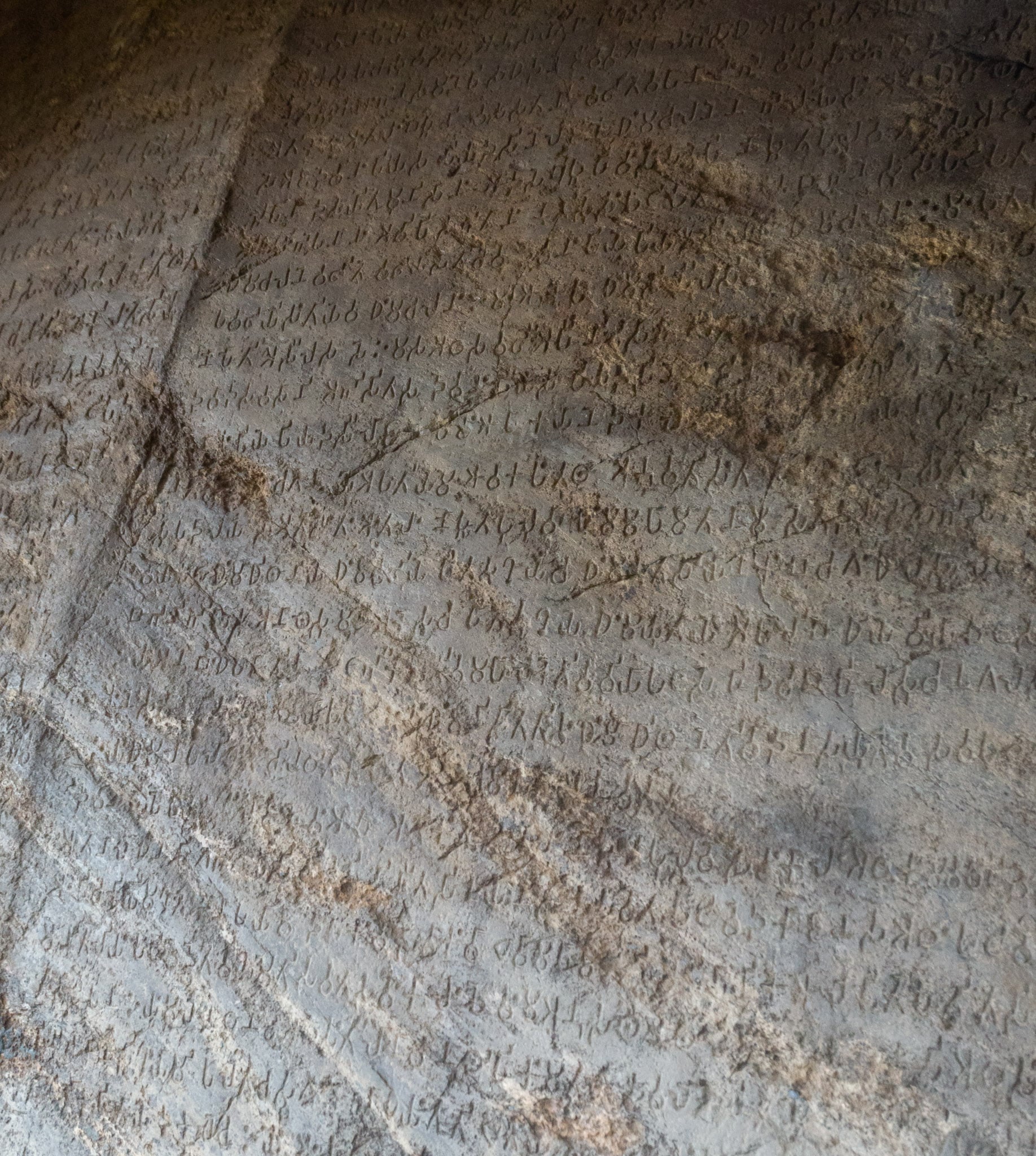
Scattered across India, Nepal, and Pakistan are pillars and rocks carved with the words of an ancient emperor named Ashoka. Once known only through legend, Ashoka emerged from myth when these inscriptions were decoded in the eighteen hundreds.
Written in multiple languages and scripts, they revealed a ruler transformed by remorse after a brutal war, dedicating his life to governance through compassion and tolerance. The edicts laid out moral principles centuries ahead of their time: religious freedom, kindness to animals, and respect for all life.
In a world dominated by conquest, Ashoka’s voice stood apart — the earliest recorded example of ethical leadership driven by conscience rather than fear. His words connected archaeology with philosophy, showing that even power could evolve toward peace.
Even more importantly, the Ashoka Edicts helped historians reconstruct the Mauryan Empire’s geography, politics, and governance systems. They bridged mythic storytelling with empirical evidence, grounding one of India’s greatest empires in verifiable history.
The Antikythera Mechanism Texts
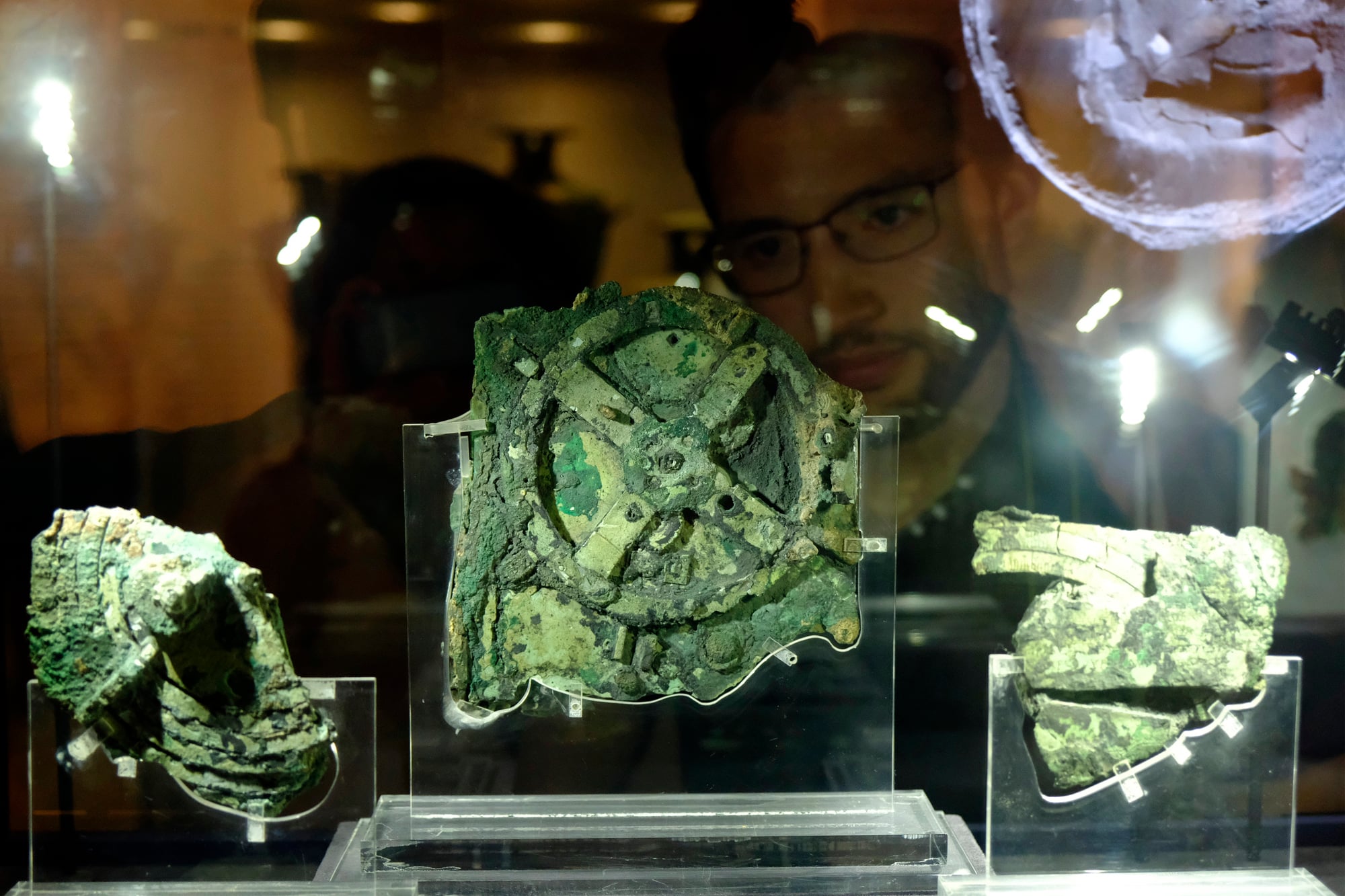
In the early nineteen hundreds, divers off the Greek island of Antikythera discovered a lump of bronze covered in barnacles. They were unaware that they had discovered the first computer ever discovered.
The Greek text on the interlocking gears inside that corroded mass was later identified as a device for predicting Olympic dates, eclipses, and planetary movements. An incredible degree of scientific knowledge from the first century BC was revealed by the inscriptions, which were meticulously deciphered using imaging technology.
Before its discovery, historians believed such mechanical sophistication didn’t appear until more than a thousand years later. The Antikythera Mechanism rewrote the boundaries of ancient technology, forcing a rethink of how advanced Greek astronomy and engineering truly were.
It showed that progress isn’t always linear — sometimes knowledge peaks, vanishes, and waits to be rediscovered. The surviving fragments also highlight a humbling truth.
History often remembers what survives, not necessarily what was most advanced. If this device was one of many, it suggests that entire eras of innovation may have been lost to shipwrecks, wars, and neglect.
Why These Discoveries Still Matter
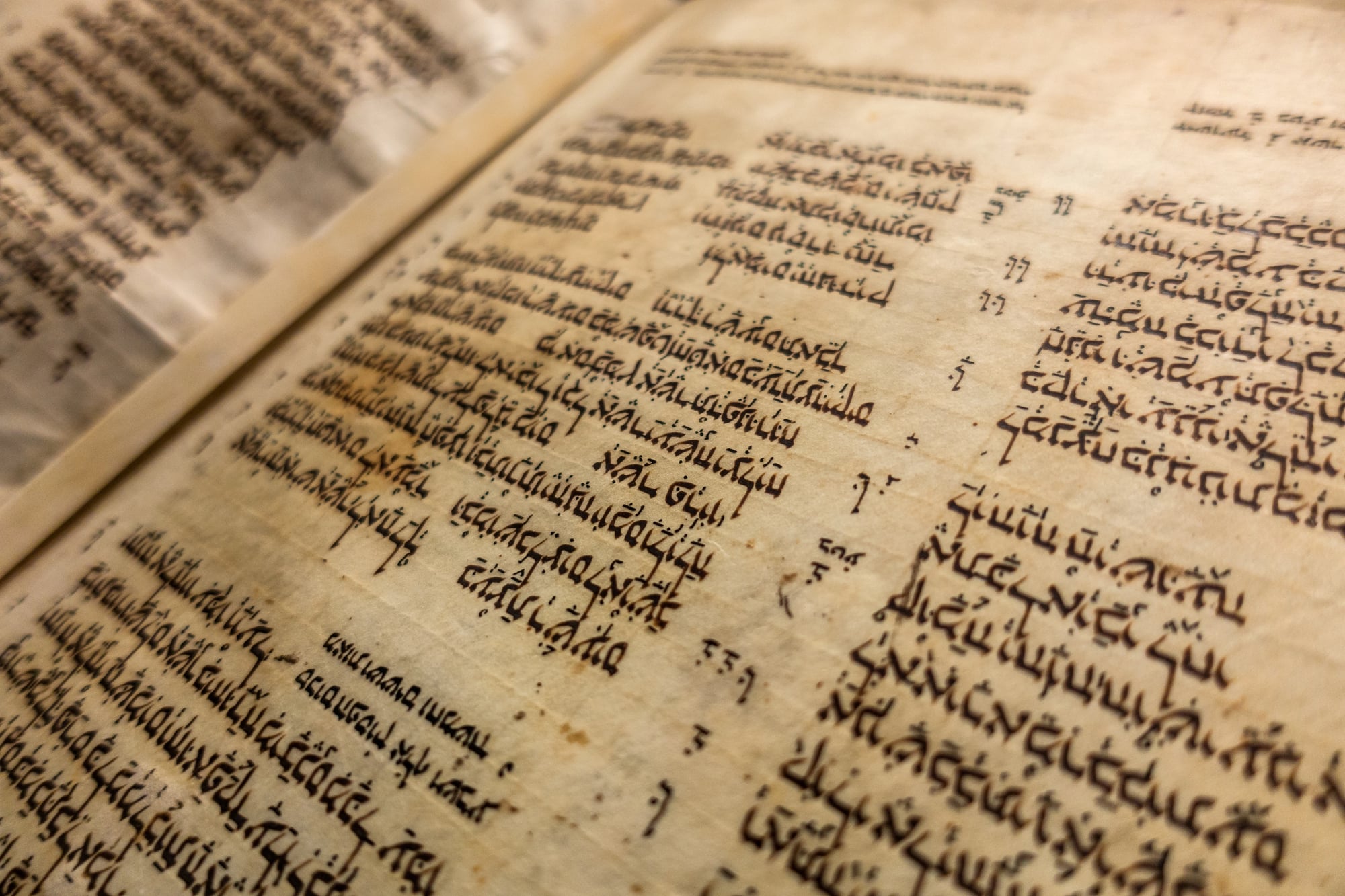
Every one of these manuscripts ripped a page from the rules of history. They demonstrated how the past is dynamic rather than static and that our forefathers were more than just far-off characters in faded mosaics; they were innovators, dreamers, and thinkers.
The inscriptions, codices, and scrolls they left behind still pose questions about contemporary notions of faith, creativity, and human potential. They also serve as a reminder that truth is rarely permanently buried.
The timeline lengthens, the knowledge map expands, and the civilizational narrative gets slightly more comprehensive with each rediscovered manuscript. We discover that progress involves more than just invention; it also involves remembering — that is, paying close attention to what the past has been attempting to teach us all along.
The ideas endure even if the parchment crumbles and the ink fades. These ancient writings ultimately serve as a reminder that we are still involved in history and are the authors of the next great chapter that has yet to be discovered, rather than merely rewriting it.
More from Go2Tutors!

- The Romanov Crown Jewels and Their Tragic Fate
- 13 Historical Mysteries That Science Still Can’t Solve
- Famous Hoaxes That Fooled the World for Years
- 15 Child Stars with Tragic Adult Lives
- 16 Famous Jewelry Pieces in History
Like Go2Tutors’s content? Follow us on MSN.



