28 Professional Athletes Who Had Completely Different Careers After Retiring
The roar of the crowd eventually fades. The lights dim on the stadium.
And then what?
For most professional athletes, retirement arrives like an unexpected guest — sometimes welcomed, sometimes dreaded, but always carrying the same question: what comes next? While some former stars slide comfortably into coaching or broadcasting, others take paths that would surprise their biggest fans.
From boardrooms to operating rooms, from Hollywood sets to political campaigns, these athletes discovered that their competitive drive translated into success in fields far removed from the sports that made them famous.
Shaquille O’Neal
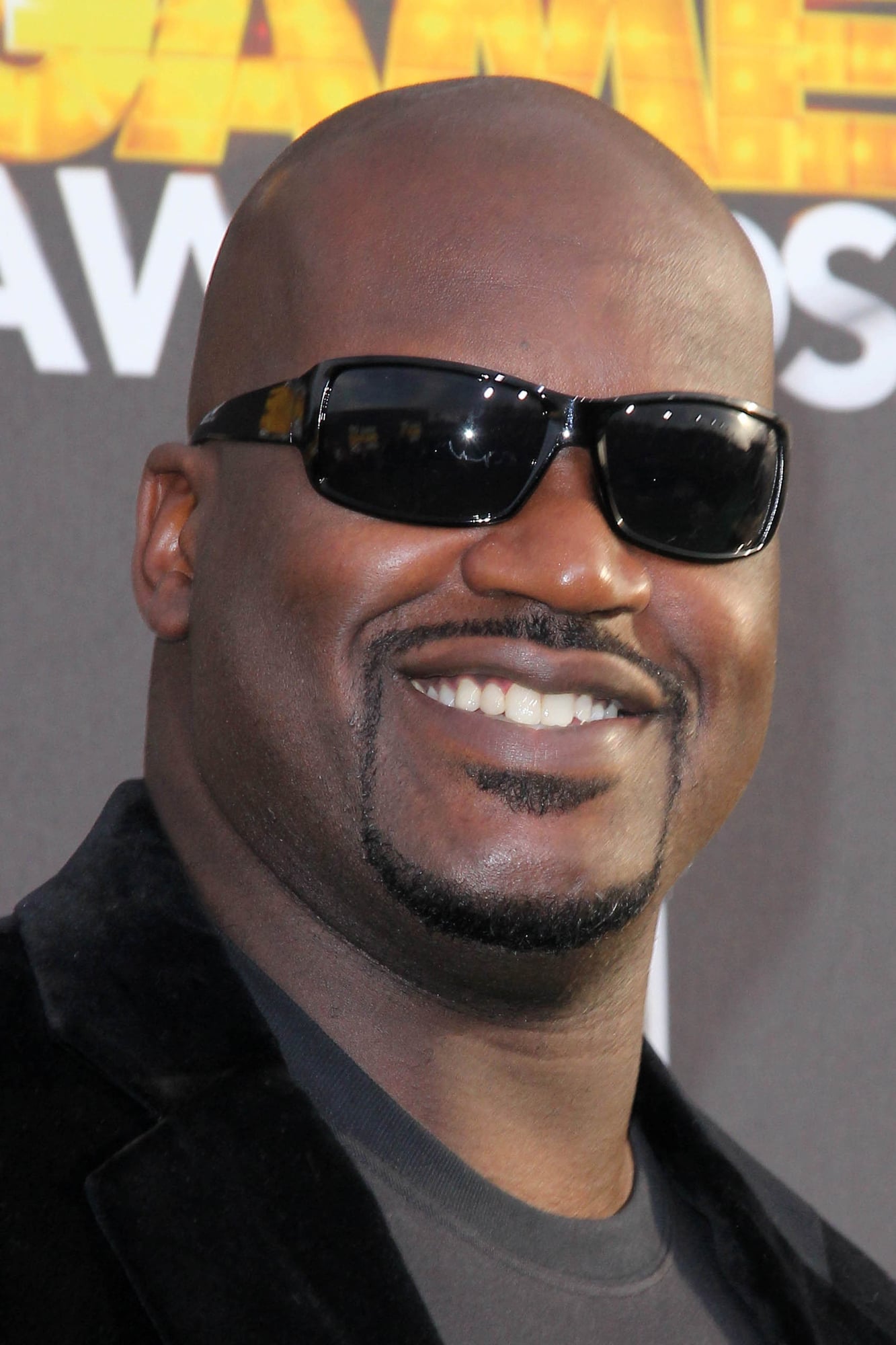
Shaq never met a business venture he didn’t like. The four-time NBA champion earned his doctorate in education from Barry University and became “Dr. O’Neal.”
At his peak he owned 155 Five Guys restaurant franchises — roughly 10% of the entire chain — before selling them all in 2016 to diversify. He also owns around 150 car washes, 40 gyms, and a nightclub empire.
His Google investment (made before the company’s IPO) and his early stake in Ring before Amazon acquired it for over a billion dollars made him considerably wealthier than some of his basketball contracts. He also serves as a reserve police officer in multiple jurisdictions, because apparently being 7’1″ wasn’t intimidating enough without a badge.
Dolph Lundgren
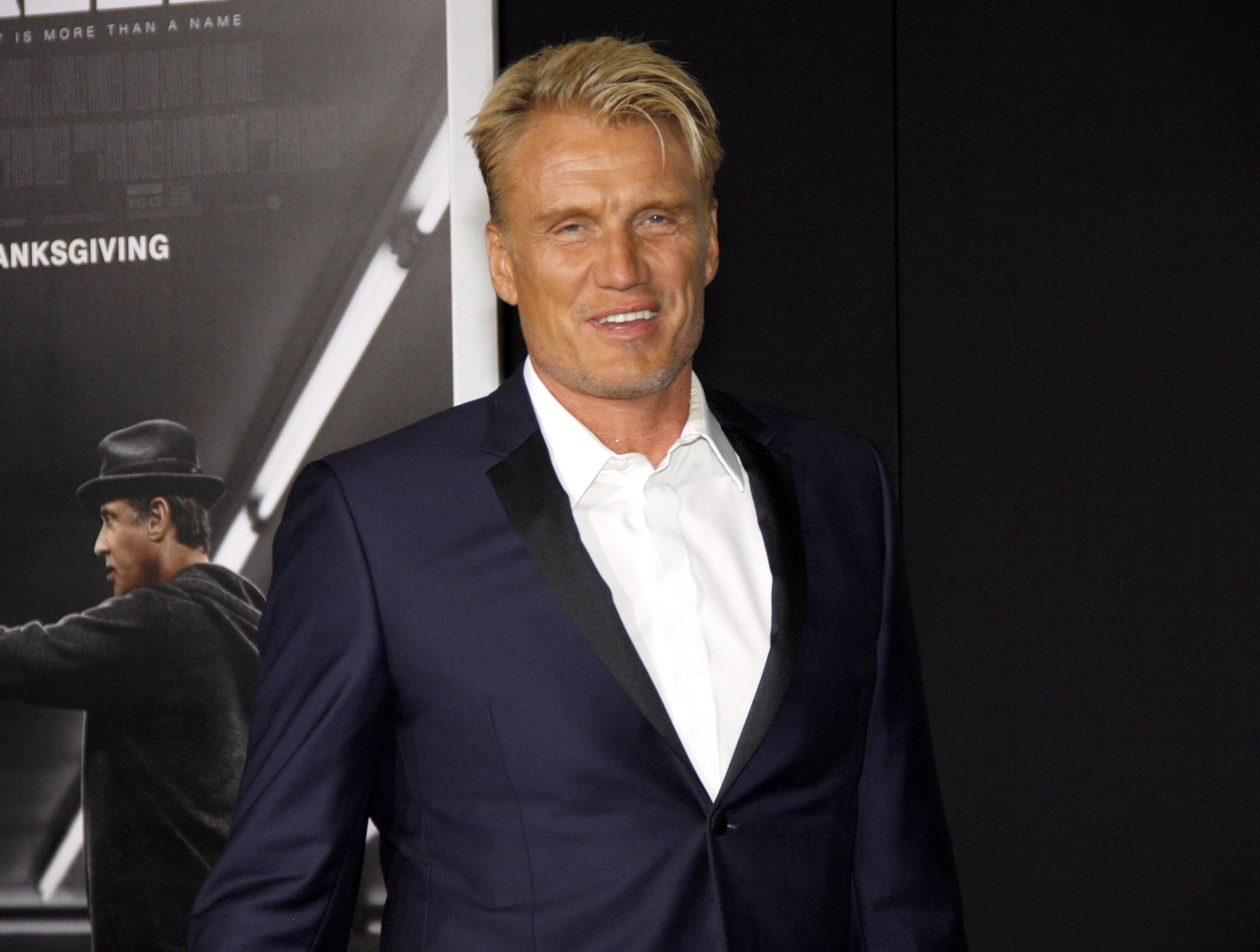
Before Ivan Drago tried to break Rocky, Lundgren was competing seriously in karate across Europe. The Swedish actor earned a master’s degree in chemical engineering from the University of Sydney and received a Fulbright scholarship to MIT — which he turned down to pursue acting, because sometimes Hollywood calls louder than academia.
His engineering background surfaces in unexpected places. Lundgren has consulted on action film stunts from a physics perspective and speaks five languages.
The man who looked like he could demolish a small building spent years studying load-bearing capacities and chemical reactions. Some people contain multitudes.
Arnold Schwarzenegger
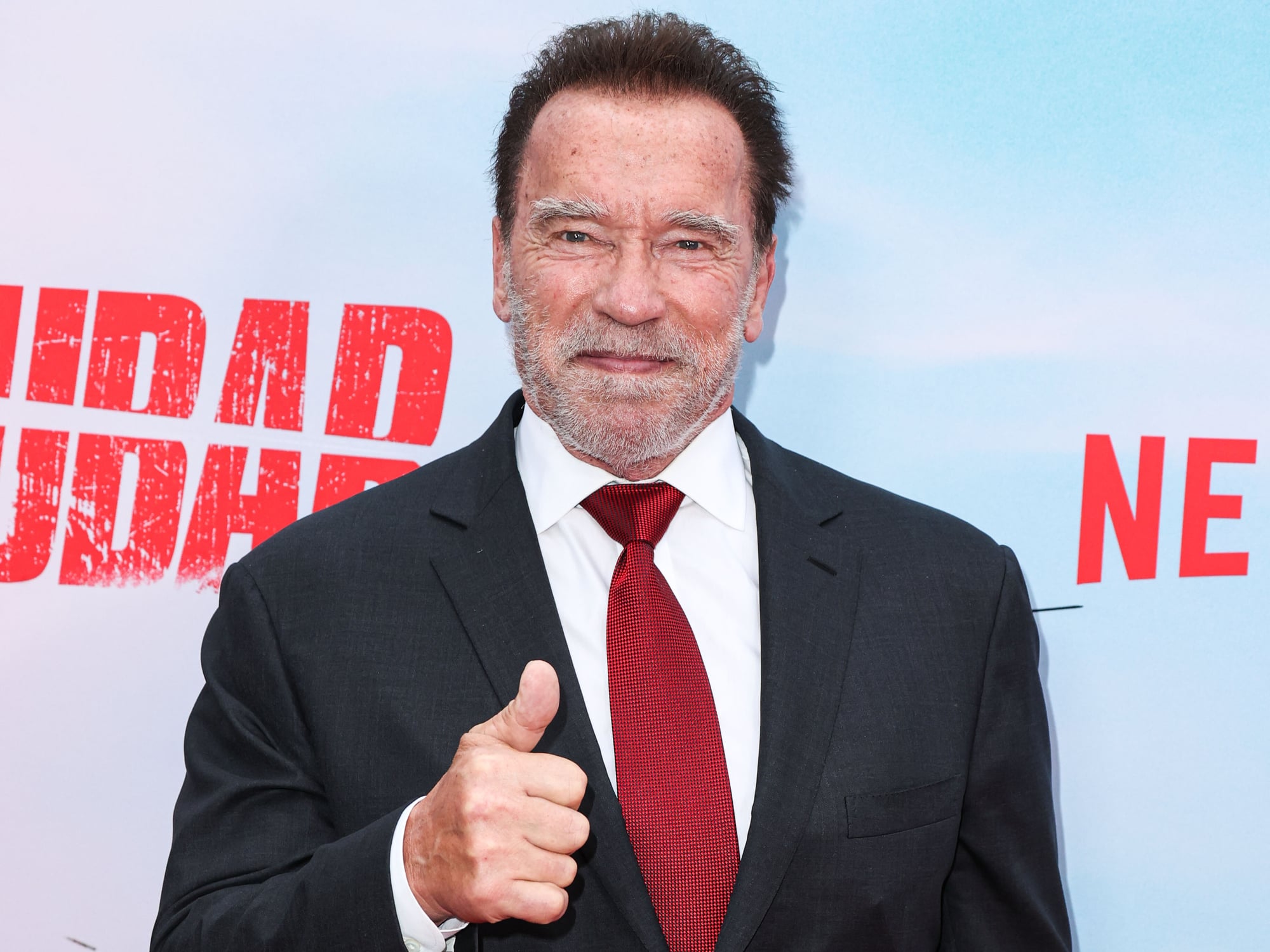
The Austrian Oak grew into something larger than bodybuilding or movies could contain. Schwarzenegger’s real estate investments in the 1970s made him a millionaire before his first major film role — he was buying apartment buildings in Santa Monica while other bodybuilders were counting protein powder scoops.
Then came the governorship of California from 2003 to 2011, where he had to balance budgets instead of defeating future rebels. He brought the same relentless focus to Sacramento that he brought to everything else.
These days he makes films and advocates for environmental causes, proof that some people simply refuse to slow down.
Magic Johnson
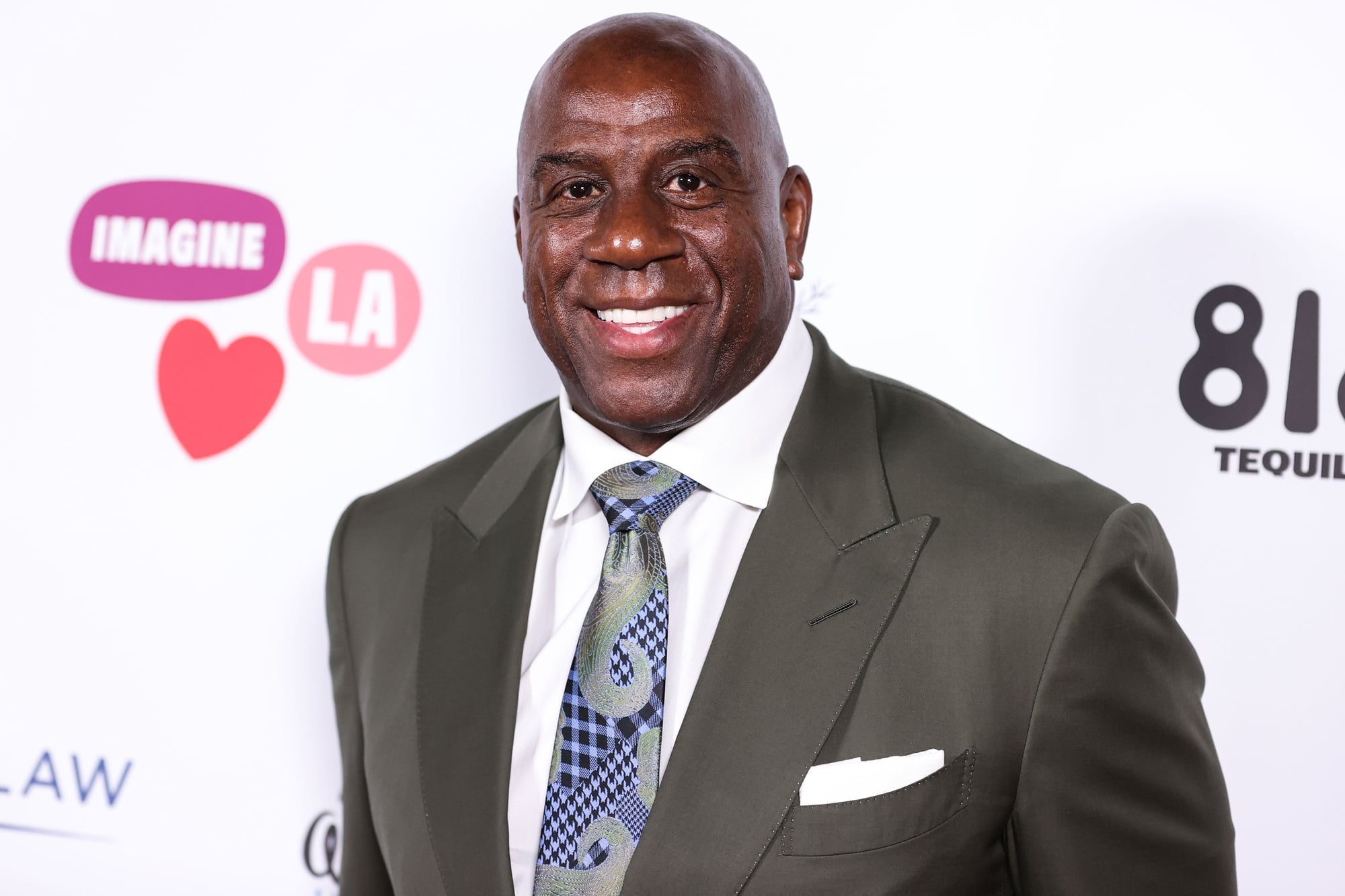
Magic’s business acumen sparkled brighter than his no-look passes. After retiring from the Lakers, Johnson built Magic Johnson Enterprises around a clear idea: bring quality businesses to underserved urban communities, including Starbucks locations in neighbourhoods other investors had written off.
He later sold his stake in the Lakers for a substantial profit. The man who made basketball look effortless made business look the same way.
Johnson now owns stakes in movie theatres, insurance companies, and sports franchises, and his HIV advocacy work permanently changed how America talked about the disease. Some people just know how to win regardless of the game.
George Foreman
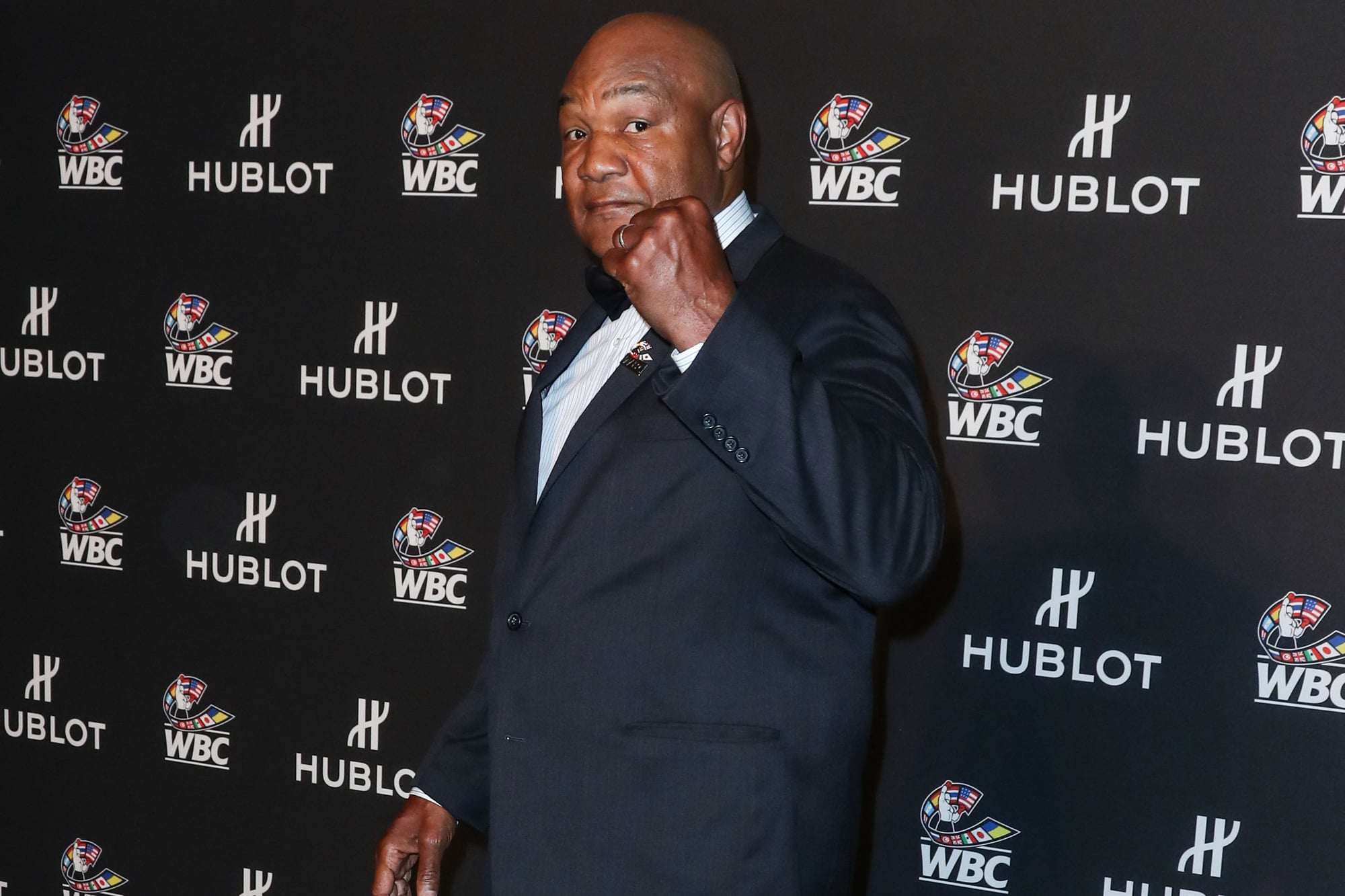
Foreman’s second act wasn’t just about grilling. The former heavyweight champion became an ordained minister and spent years working with troubled youth in Houston, building a recreation centre that kept kids off the streets and into boxing gyms — the safer kind of fighting.
Everyone knows about the grill that made him more famous than his boxing comeback. What fewer people know is that the company originally approached him to endorse a meatball maker.
He asked whether they had anything for grilling instead, and the rest became infomercial history. Sometimes the best business decisions happen by accident.
Vinny Testaverde
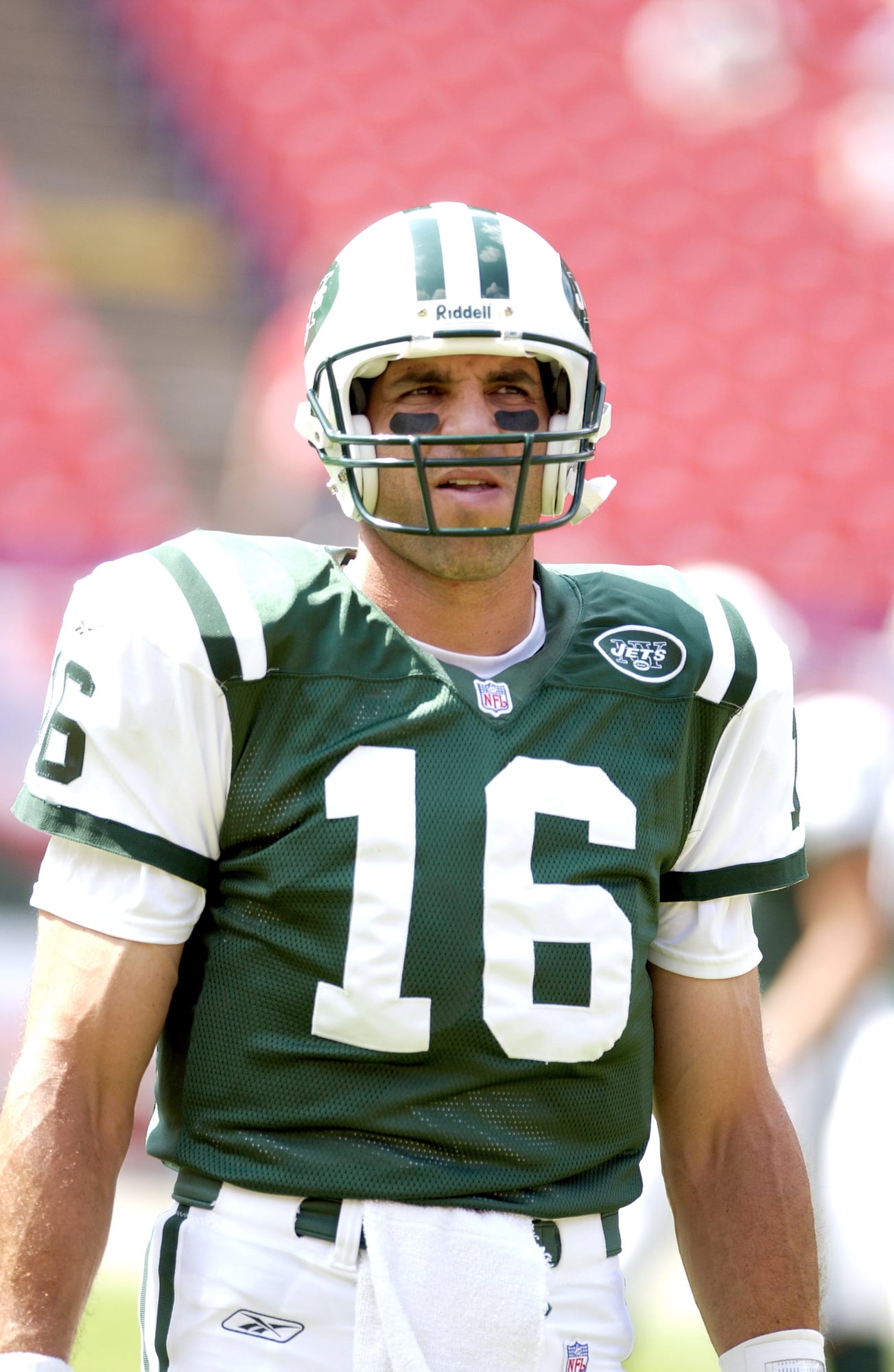
The quarterback who played for seven different NFL teams discovered his calling in restaurant kitchens after hanging up his cleats. Testaverde opened multiple restaurants in New York, including a pizzeria that holds its own in a city that takes its pizza extremely seriously.
His transition from reading defences to reading dinner crowds wasn’t entirely smooth, but Testaverde approached restaurant management the way he approached fourth-quarter comebacks: stay calm, trust your preparation, and don’t panic when things get complicated.
Junior Seau
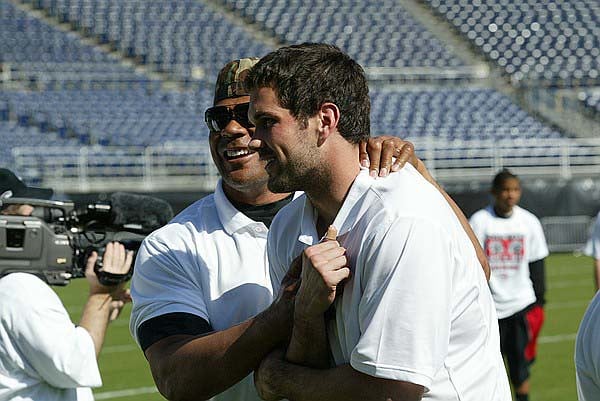
Before his tragic death in 2012, the linebacker had quietly built a restaurant business across Southern California. Seau’s restaurants became community gathering places in San Diego, and he treated the enterprise with the same intensity he brought to the football field.
He understood that successful restaurants aren’t really about food alone — they’re about creating spaces where people want to return. His approach to hospitality carried the same generosity that made him beloved by teammates and fans throughout a Hall of Fame career.
Mario Lemieux
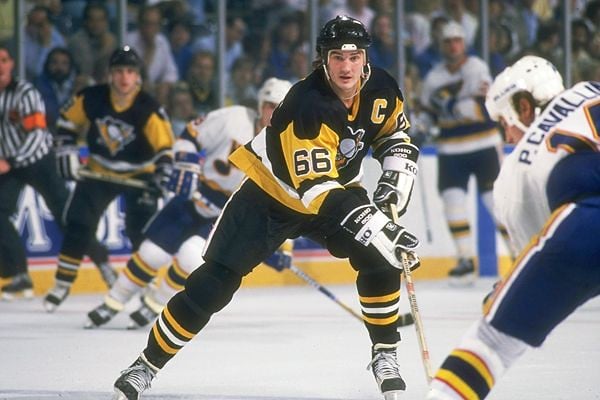
Lemieux saved the Pittsburgh Penguins twice — first as a player, then as an owner. When the franchise went bankrupt in 1999, the former centre converted his deferred salary into an ownership stake and became the first former player to own the team he once starred for.
The transition required completely different skills. Instead of scoring goals, Lemieux had to navigate salary caps, arena deals, and labour negotiations.
He brought the same strategic thinking that made him unstoppable on ice to the business side of hockey, and the Penguins won multiple Stanley Cups under his ownership.
Dave Bing
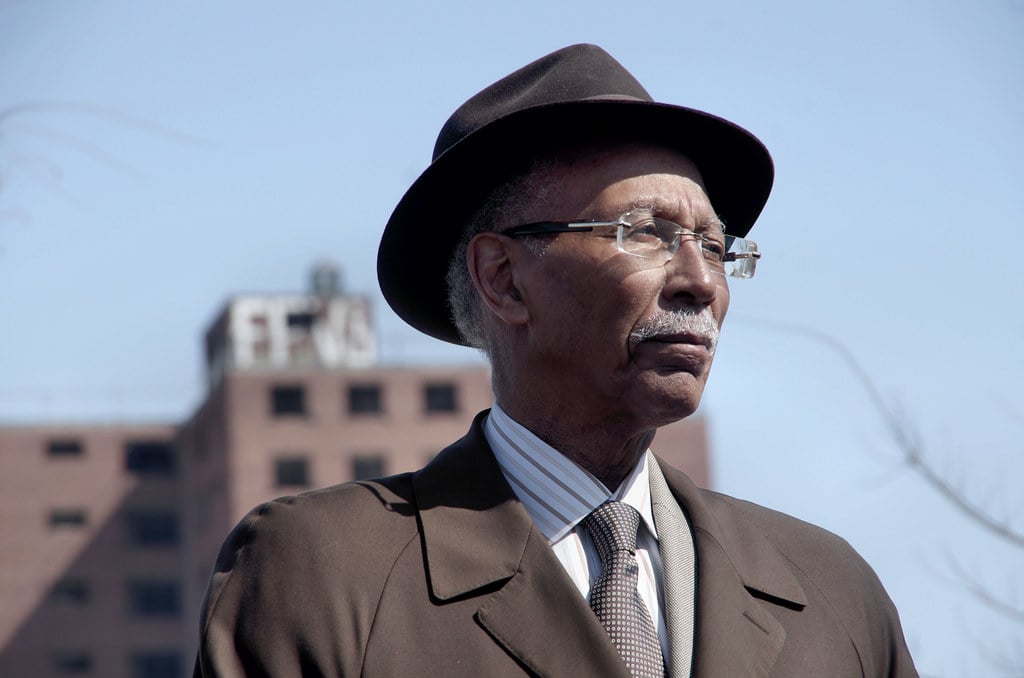
The Detroit Pistons legend took his competitive drive to the steel industry, founding Bing Steel and building it into one of the largest African American-owned manufacturing companies in the country. Bing understood that basketball success meant nothing without the business discipline to sustain it.
Later he served as mayor of Detroit from 2009 to 2013 during some of the city’s most challenging years. Managing a city in financial crisis required the same leadership skills that served him on the court, but the stakes were considerably higher and the victories far less obvious.
Jack Kemp
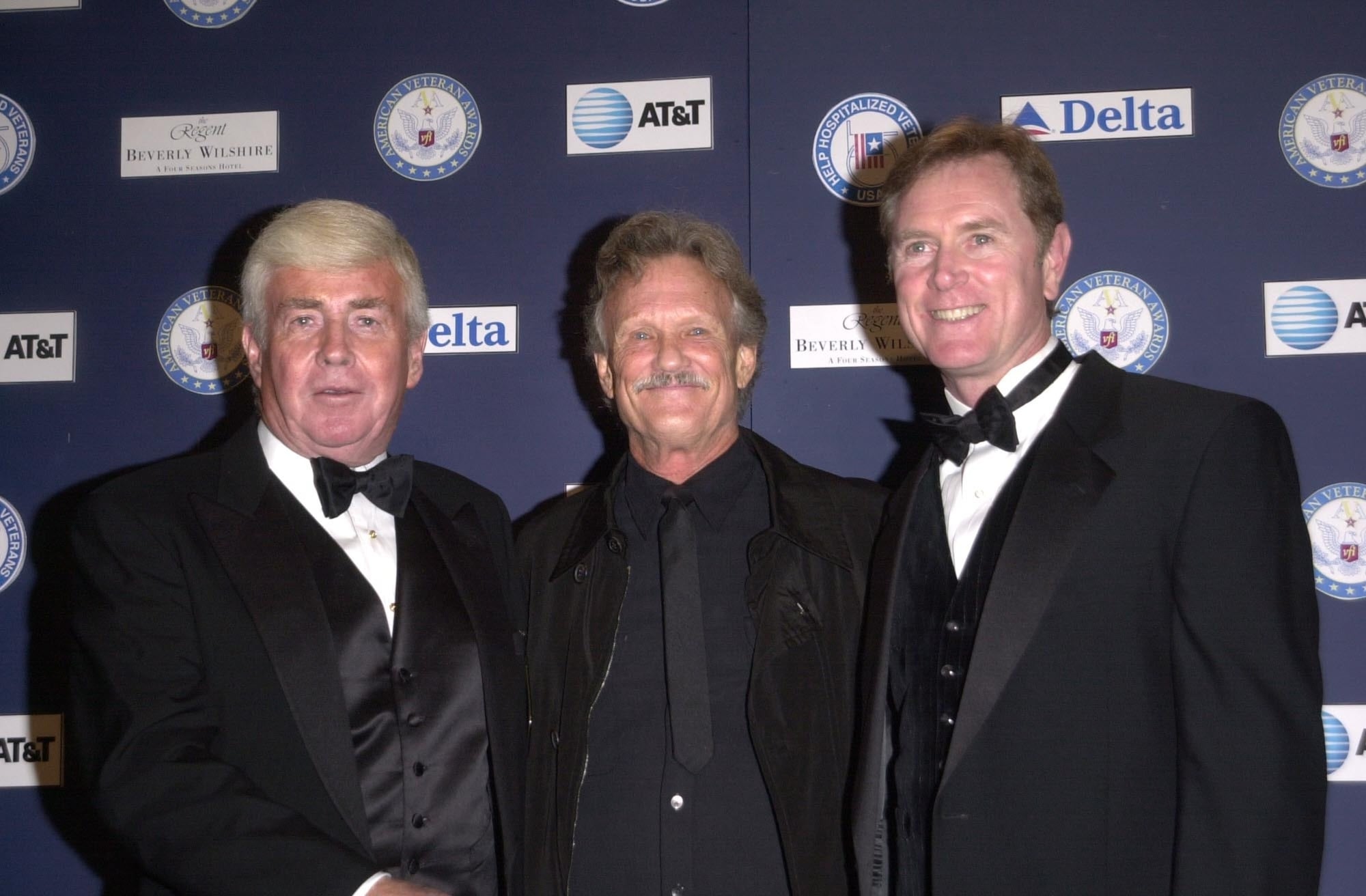
The former Buffalo Bills quarterback became one of the most influential Republican politicians of the late 20th century. Kemp served nine terms in Congress representing a Buffalo-area district and was Bob Dole’s running mate in the 1996 presidential election.
His football experience shaped his political philosophy in unexpected ways. Kemp often spoke about how integrated NFL locker rooms taught him about racial equality before it became a mainstream political issue.
He championed enterprise zones and supply-side economics with the same passion he once brought to reading defences.
Byron White
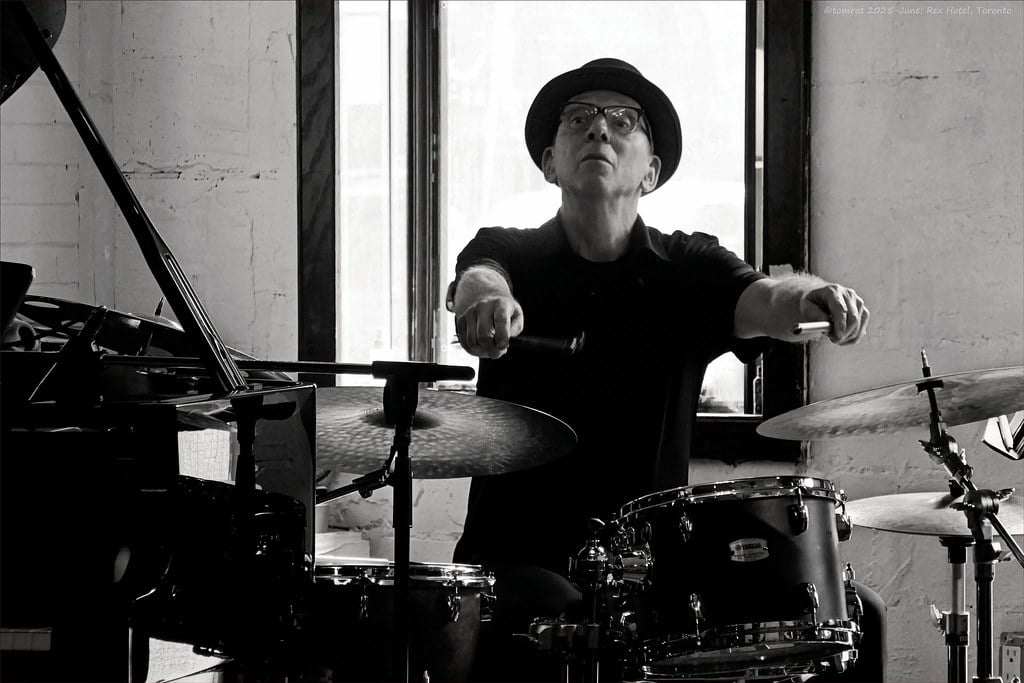
“Whizzer” White led the NFL in rushing in 1938 and 1940, but his most lasting impact came in a courtroom. After earning a law degree from Yale and serving as a naval intelligence officer in World War II, White was appointed to the Supreme Court by President Kennedy in 1962.
Justice White served for 31 years, participating in landmark decisions on civil rights and criminal procedure. His opinions were known for their precision and pragmatism — qualities that probably served him equally well when reading a defensive formation.
White proved that athletic intelligence and judicial intelligence share more than people assume.
Alan Page
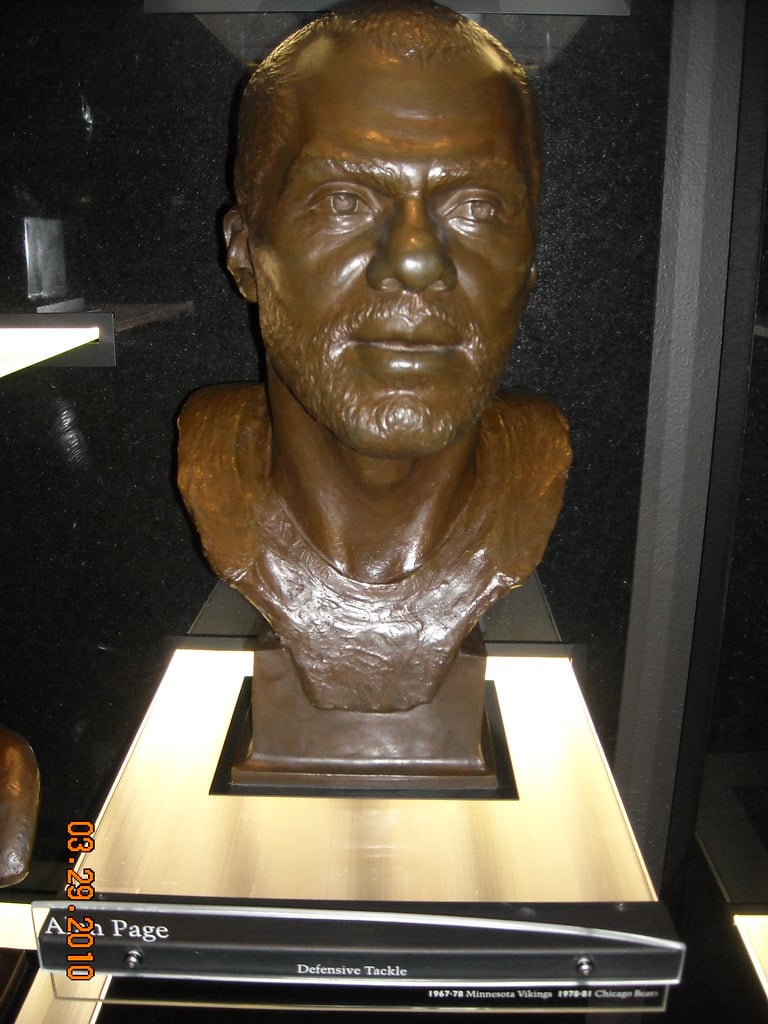
The Minnesota Vikings defensive tackle became the first defensive player to win the NFL MVP award in 1971, but his legal career proved equally impressive. Page earned his law degree from the University of Minnesota while still playing professional football, studying during off-seasons and between practices.
After retirement he became an associate justice on the Minnesota Supreme Court, serving from 1993 to 2015. He brought the same methodical preparation to legal cases that made him unstoppable on the defensive line.
His Page Education Foundation has provided scholarships to thousands of Minnesota students.
Steve Young
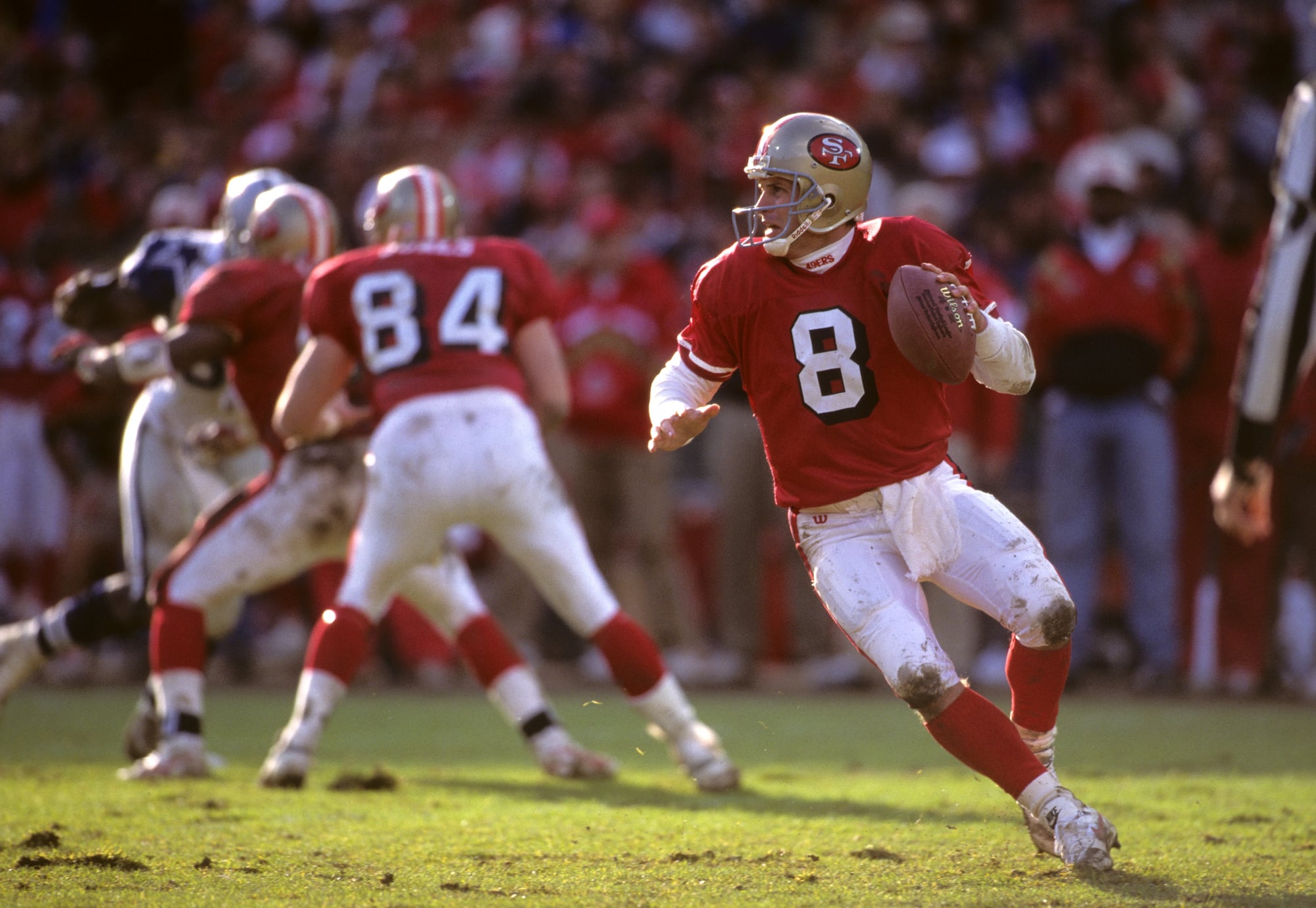
The Hall of Fame quarterback proved that his quick thinking extended beyond the pocket when he co-founded the private equity firm HGGC after retiring from the 49ers. Young’s investment strategy focused on middle-market companies, and he approached due diligence with the same attention to detail that made his play-action fakes legendary.
HGGC has grown to manage billions in assets, and Young remains actively involved in investment decisions. He also earned a law degree from BYU.
Reading defences and reading market trends, he has said, require similar pattern recognition — the ability to see what others miss before the window closes.
Pat Haden
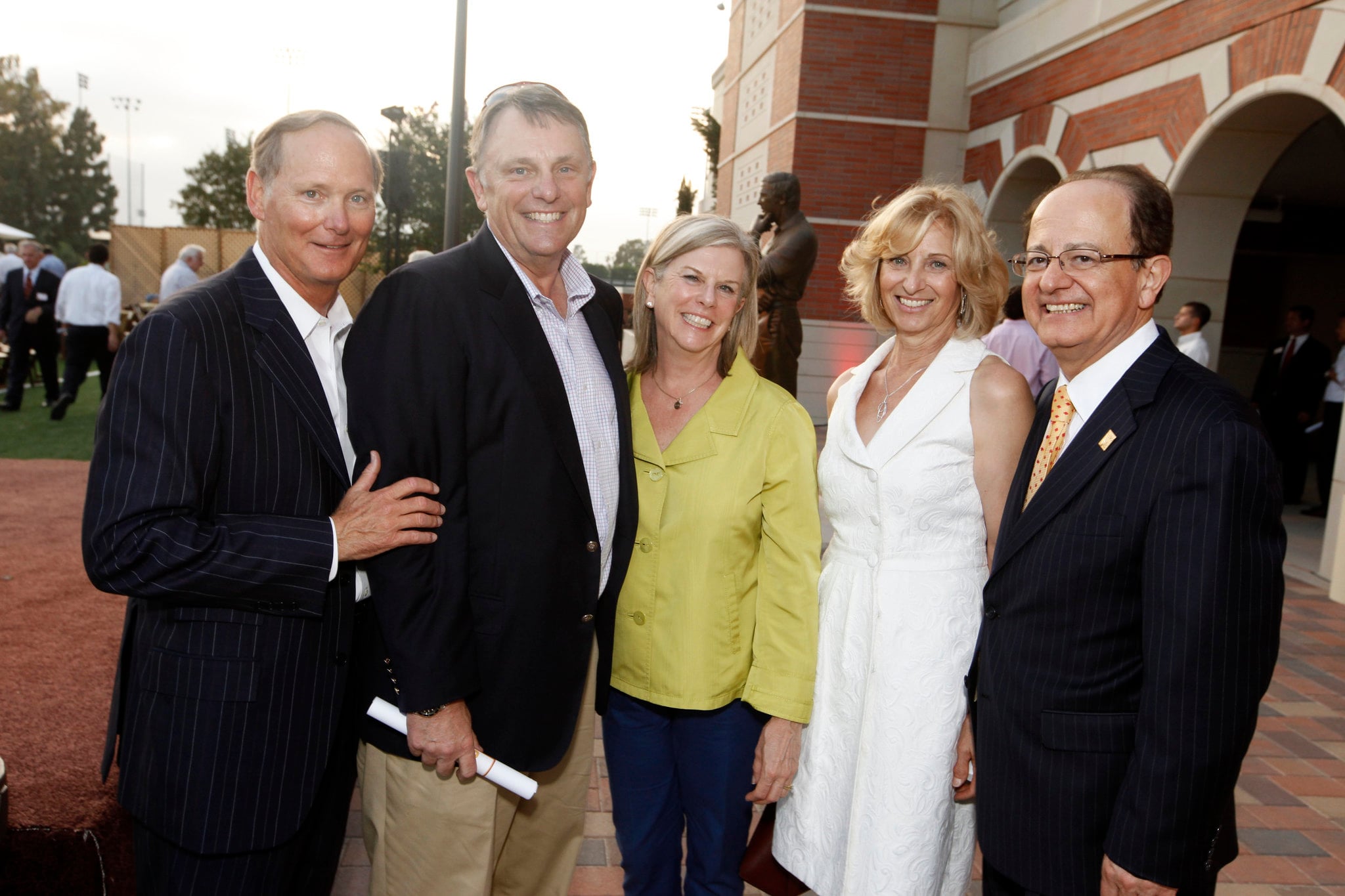
The USC quarterback became a Rhodes Scholar, earning a degree from Oxford before returning to play professionally with the Los Angeles Rams. After his playing career, Haden worked as a television analyst and then as an investment banker, eventually becoming a partner at a private equity firm.
He later served as USC’s athletic director from 2010 to 2016, navigating budget challenges and compliance issues with the same strategic thinking he once applied to the option. Haden managed to be a Rhodes Scholar and a starting NFL quarterback before turning 30 — a combination rare enough to be worth noting twice.
Darren Woodson
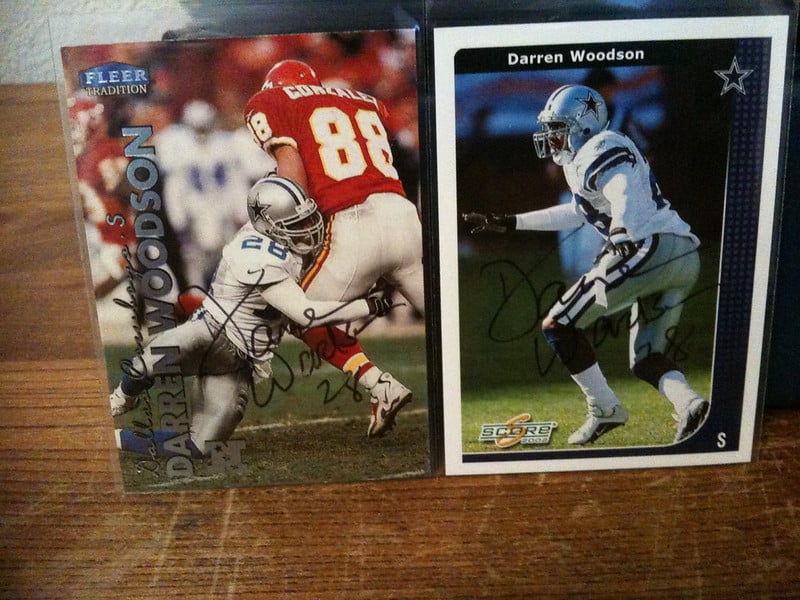
The Dallas Cowboys safety turned his strategic mind toward finance after retirement, working as a financial advisor and investment consultant. Woodson understood that managing investment portfolios required the same risk assessment that made him effective in coverage.
He also became a college football analyst for ESPN, but his business work showed a different side of his intelligence. Both jobs, he has noted, require you to see danger coming before anyone else in the room has noticed it.
Ronde Barber
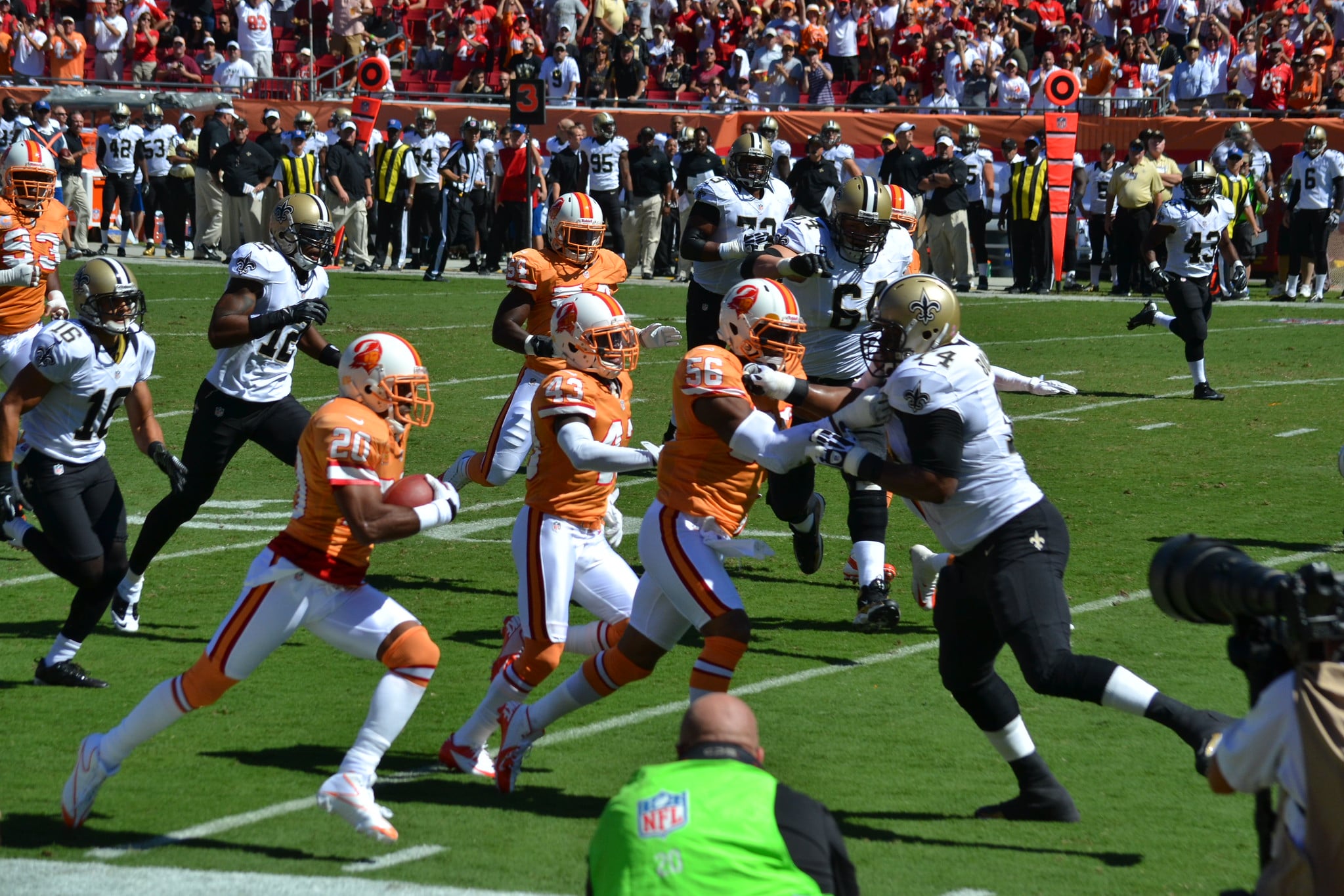
The Tampa Bay Buccaneers cornerback transitioned into television analysis after retirement, his ability to break down complex defensive schemes translating naturally to explaining football to audiences at home. Broadcasting was one part of Barber’s post-football portfolio.
He also invested in real estate and technology startups, approaching each with the same systematic thinking that made him one of the smartest defensive backs of his era. He built multiple revenue streams rather than depending on any single one.
Drew Bledsoe
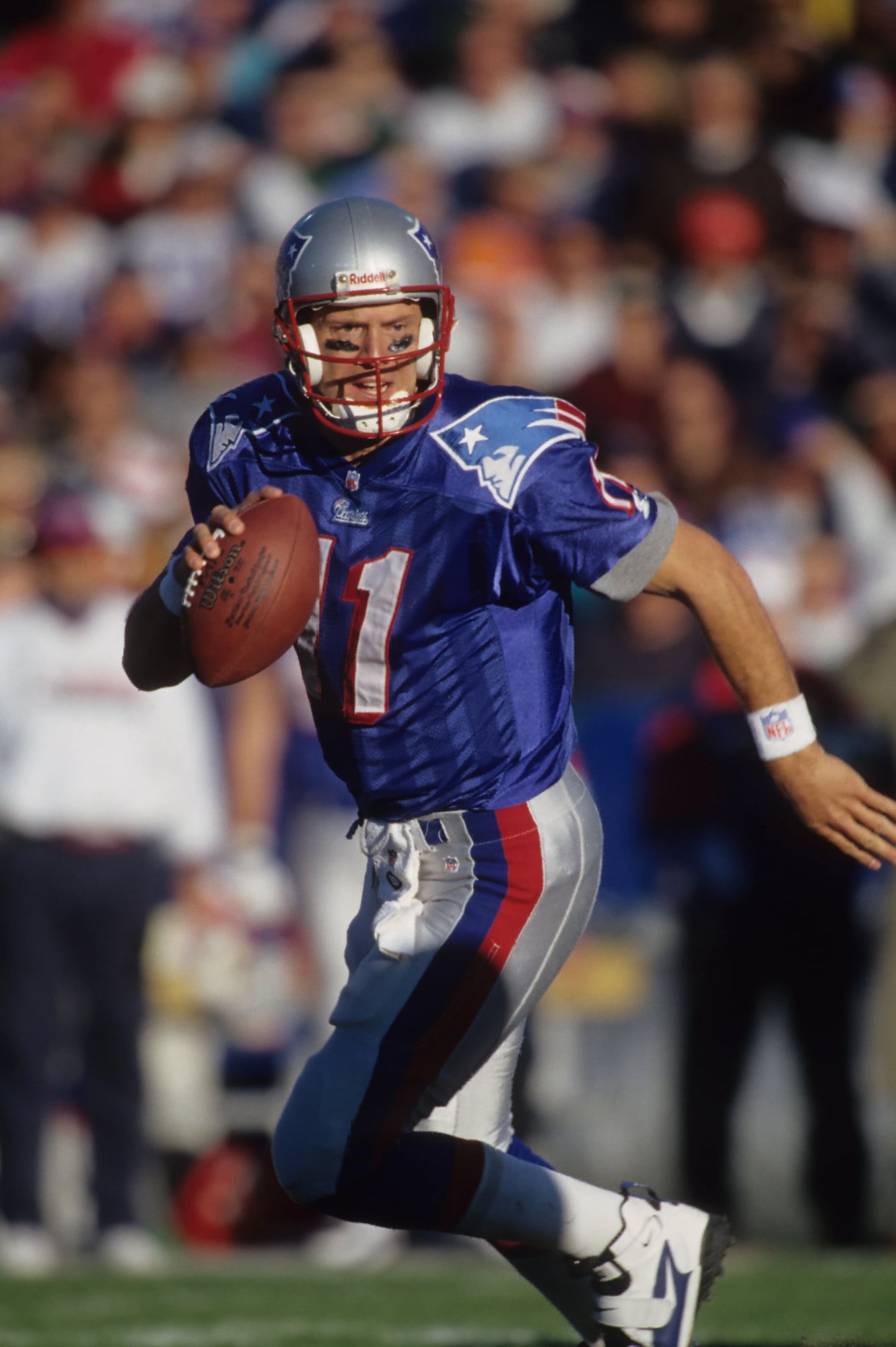
The former Patriots quarterback traded his playbook for vineyard management when he purchased land in Washington’s Walla Walla Valley and founded Doubleback Winery. Bledsoe approached winemaking with the same meticulous preparation that defined his football career.
His wines have earned serious critical attention, and he has become a respected figure in the Pacific Northwest wine community. He studies weather patterns and soil composition with the same intensity he once brought to film sessions — some people simply need something to master, and the standard they hold themselves to doesn’t change with the subject.
Roger Staubach
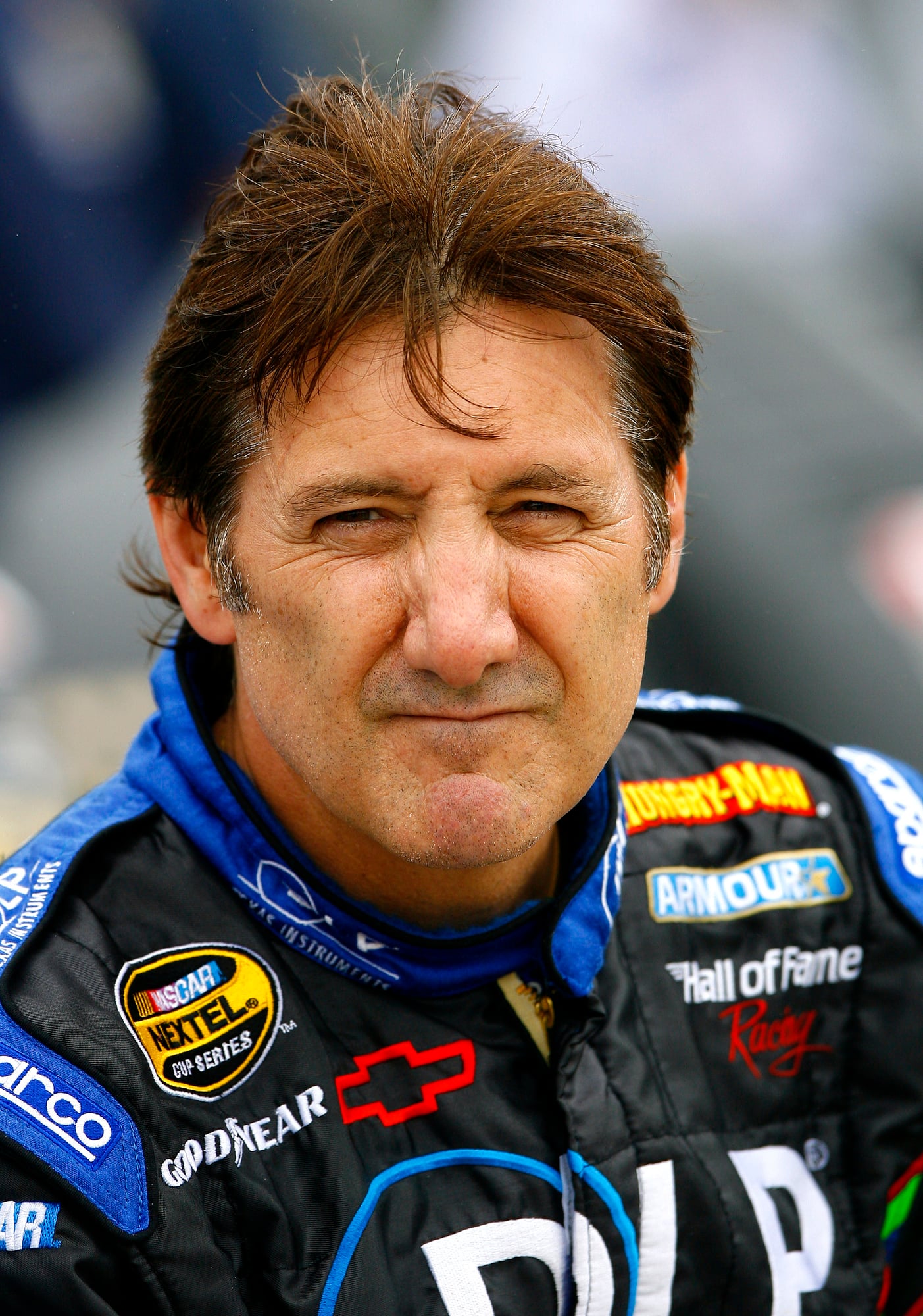
Captain America didn’t waste time after retiring from the Cowboys. Staubach built a commercial real estate firm that eventually sold to Jones Lang LaSalle for $613 million in 2008, proving that his leadership skills worked as well in boardrooms as they did in huddles.
The Staubach Company became one of the largest real estate services firms in the country under his guidance. He approached business development the way he ran two-minute drills — with precision, urgency, and the unshakeable belief that preparation controls outcomes.
His post-football success arguably eclipsed even his considerable football accomplishments.
Tiki Barber
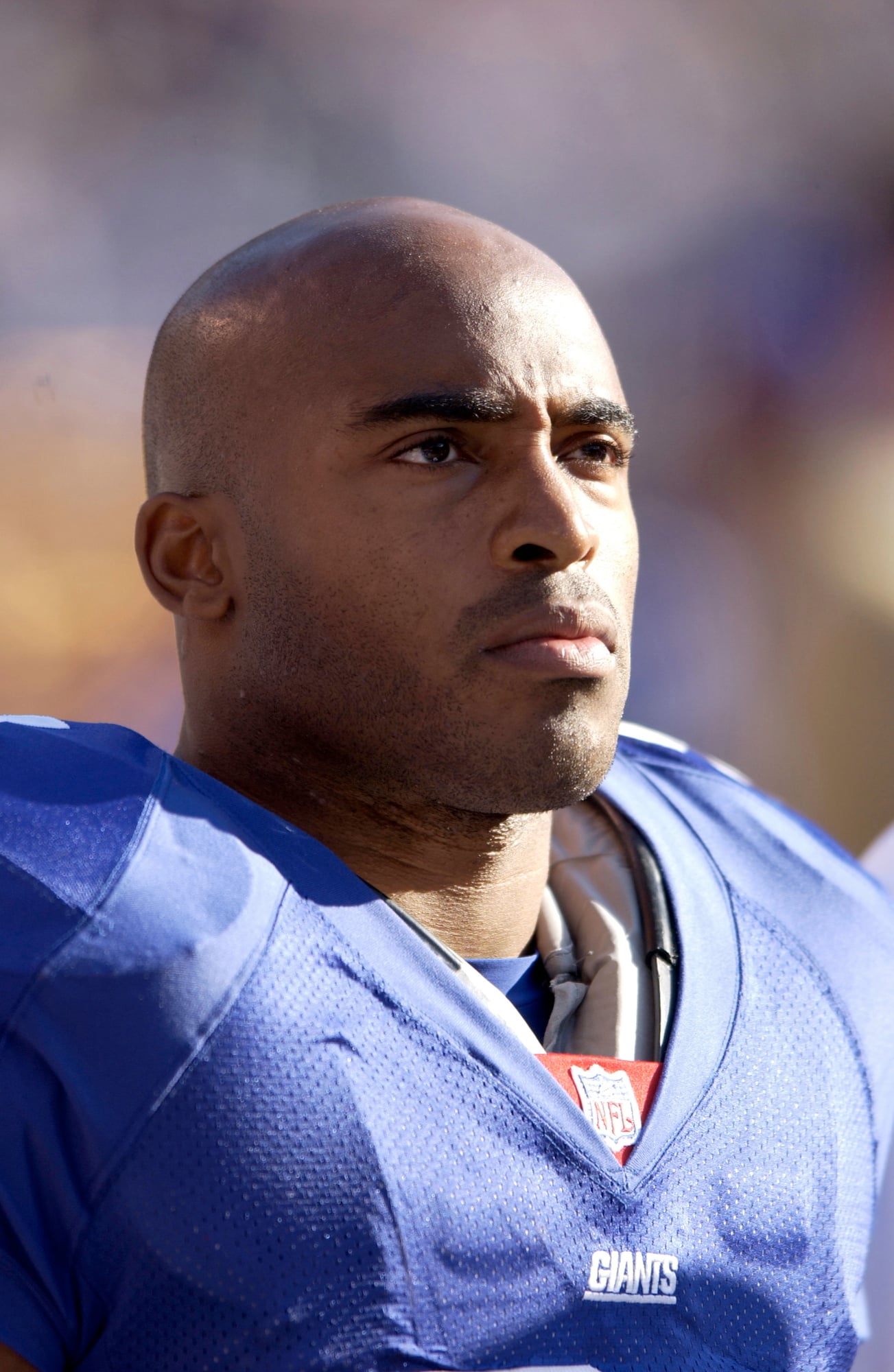
The former Giants running back moved into broadcasting after retirement, but his lasting post-football passion turned out to be writing. Barber has authored several children’s books, finding that storytelling satisfied something the game had not quite reached.
His books focus on perseverance and teamwork — themes he had a few opinions about after spending years getting tackled by people considerably larger than him. Young readers who enjoy his books probably don’t know their favourite author rushed for over 10,000 NFL yards.
Ahmad Rashad
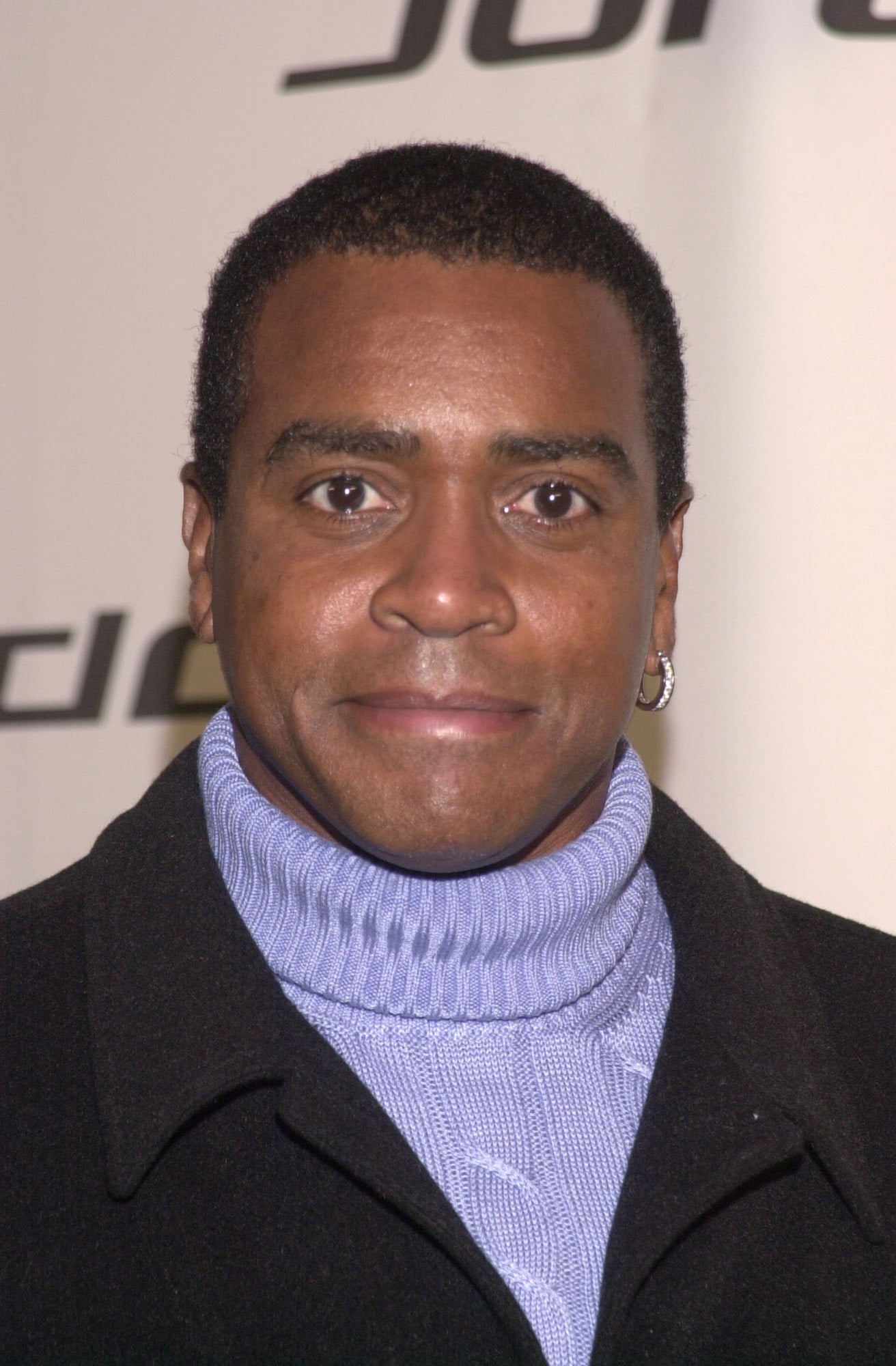
The former Vikings wide receiver became a familiar face in sports broadcasting, but his deeper work came through producing and media entrepreneurship. Rashad understood early that athletes had limited shelf lives as on-camera personalities unless they built skills behind the scenes.
He produced documentaries and developed television programming well beyond sports, building a media operation that created content for multiple networks. The strategic thinking that made him a precise route-runner translated into understanding what audiences wanted before they could articulate it themselves.
Michael Strahan
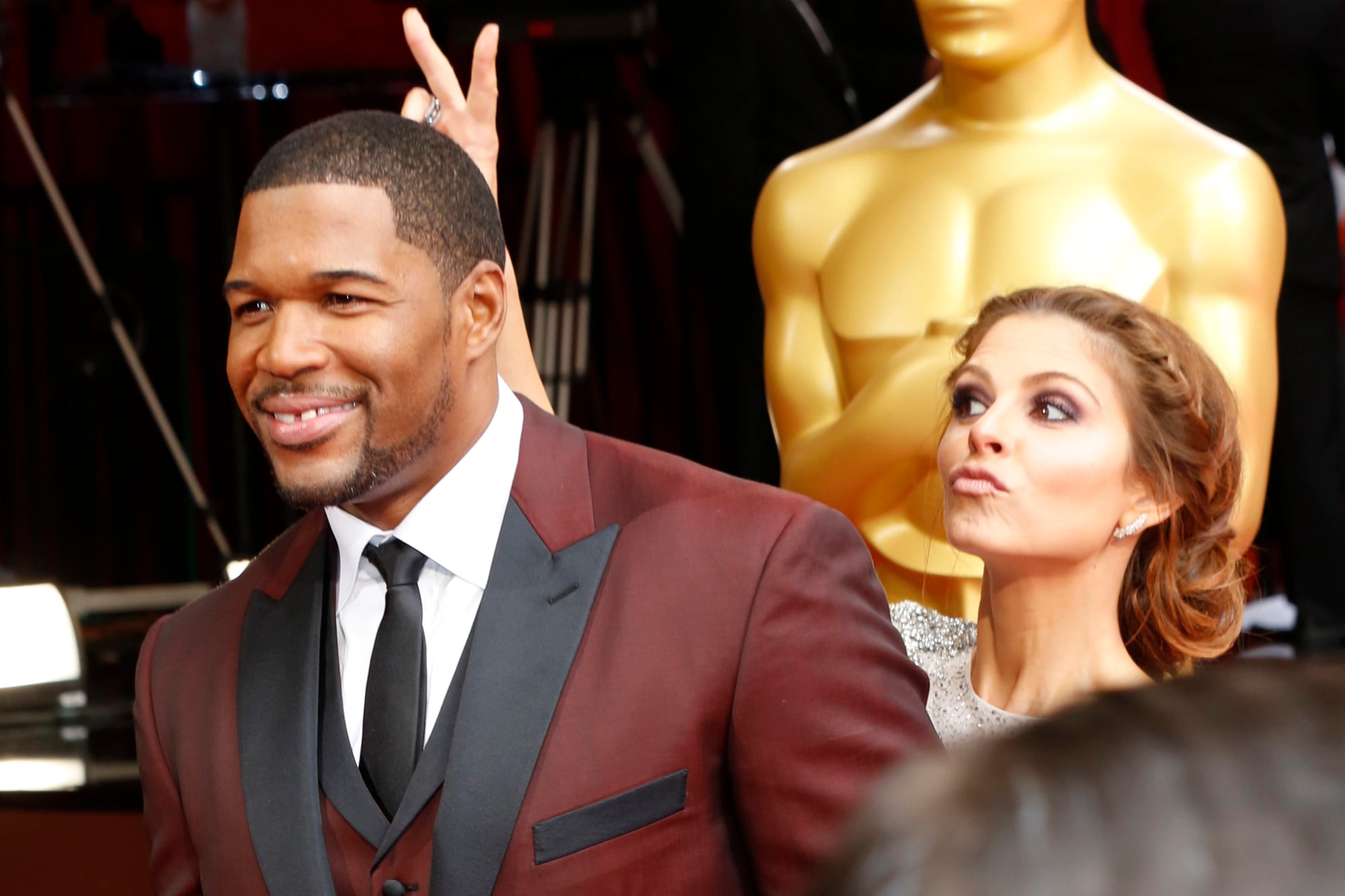
The former Giants defensive end transformed himself into one of the most successful media personalities of his generation, co-hosting Good Morning America and working across multiple television platforms. His business ventures extend well beyond television — clothing, restaurants, and brand partnerships built around a name that reaches people who never watched him play.
Strahan has said he approaches interview preparation with the same intensity he once brought to studying offensive line tendencies. The competitive drive is identical.
Only the arena changed.
Cris Carter
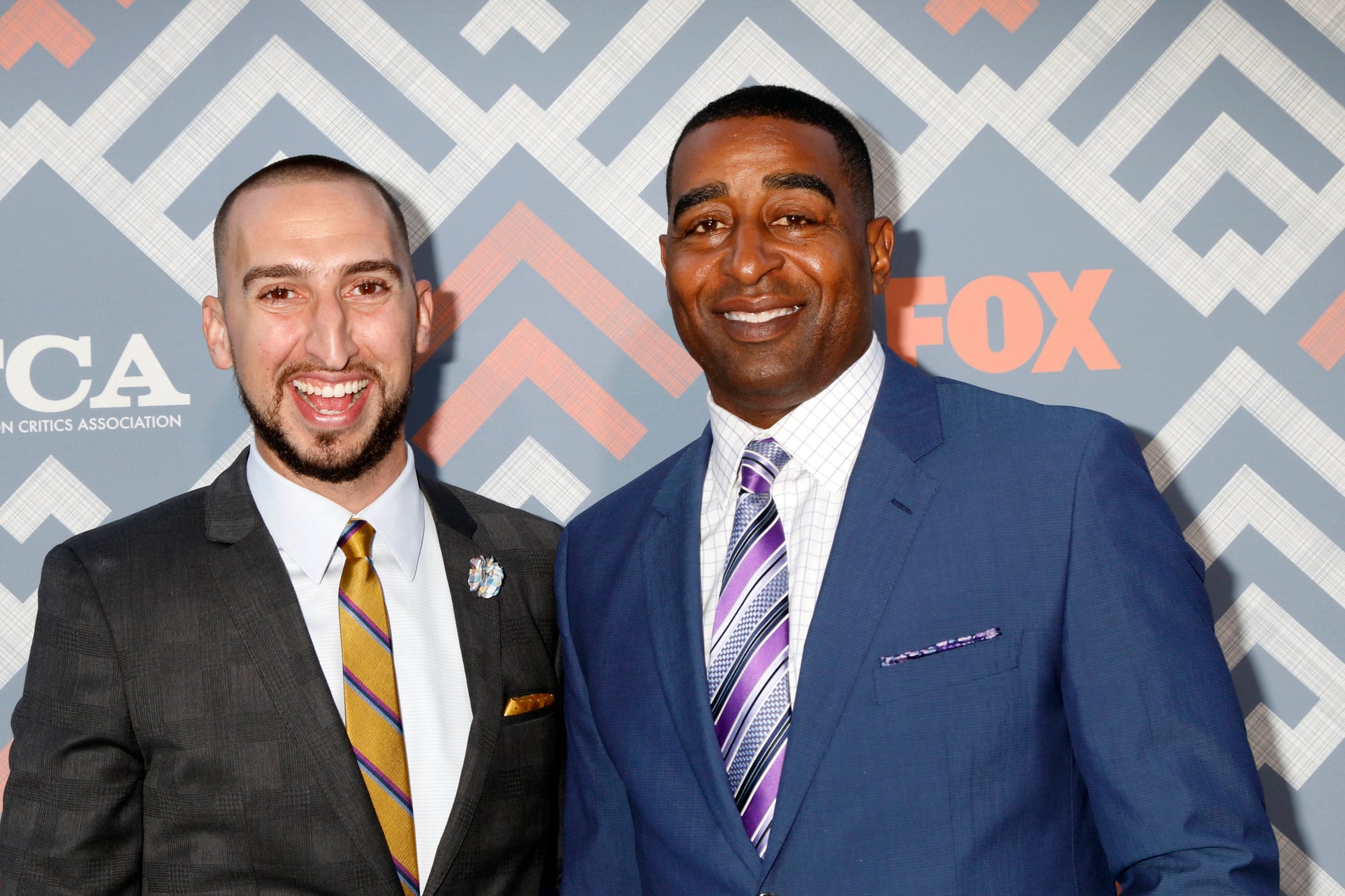
The Hall of Fame receiver became a prominent television analyst, but his deeper commitment after football was to foundation work. His All Hands and Hearts organisation focuses on disaster relief and community rebuilding, applying organisational skills to coordinating volunteers after hurricanes and floods.
Carter brings the same precision to coordinating relief efforts that made him one of the most reliable receivers in NFL history — the attention to detail that catches the dropped ball before it happens, whether on a field or in a disaster zone.
Howie Long
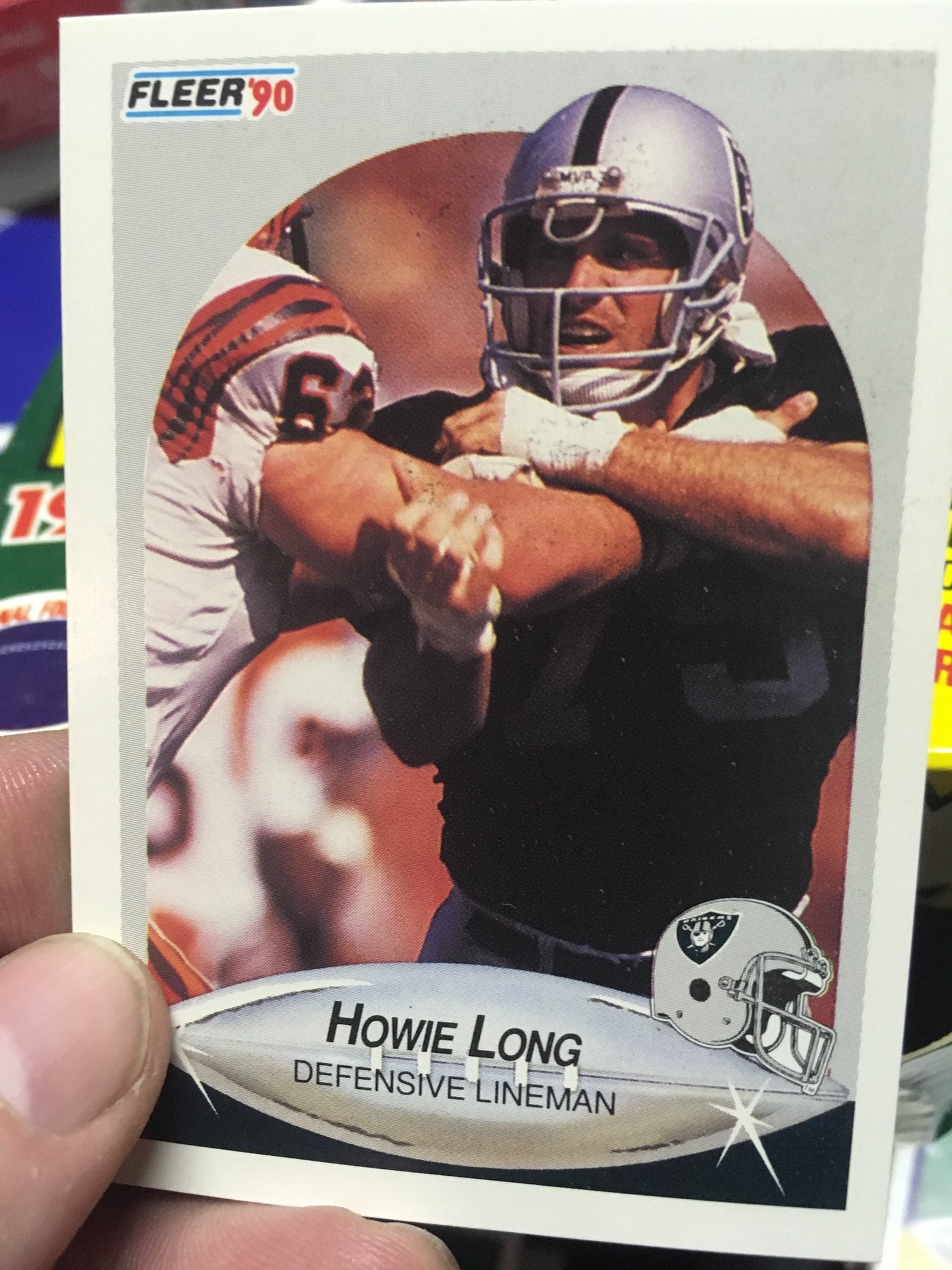
The Raiders defensive end built a steady broadcasting career at Fox Sports and appeared in a string of action films and television dramas. Hollywood never cast him as a leading man, but Long found consistent work by showing up prepared and doing the job without fuss.
His acting approach was workmanlike rather than glamorous — the same attitude that made him effective as a defensive lineman for over a decade. Consistency rather than stardom, which suited him just fine.
Terry Bradshaw
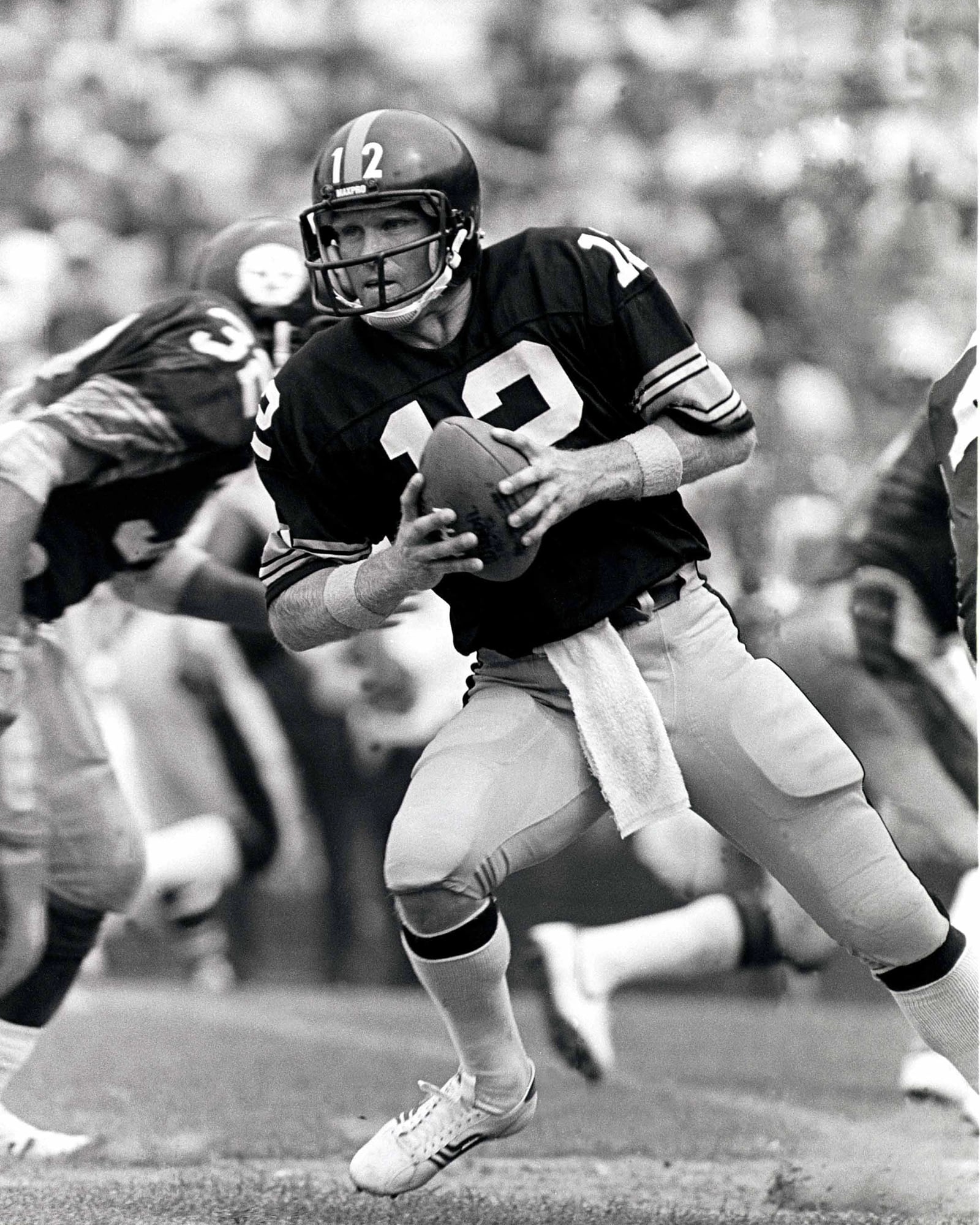
The Steelers quarterback found his real calling as an entertainer long before he retired from football. His natural charisma and self-deprecating humour translated to television, and his work as a motivational speaker and author reached audiences far beyond sports.
His books on overcoming adversity draw on a career that included plenty of both difficulty and triumph, and his ability to find humour in hard situations connects with audiences who have never thrown a pass. Sometimes the best communicators are the ones who don’t take themselves too seriously.
Troy Aikman
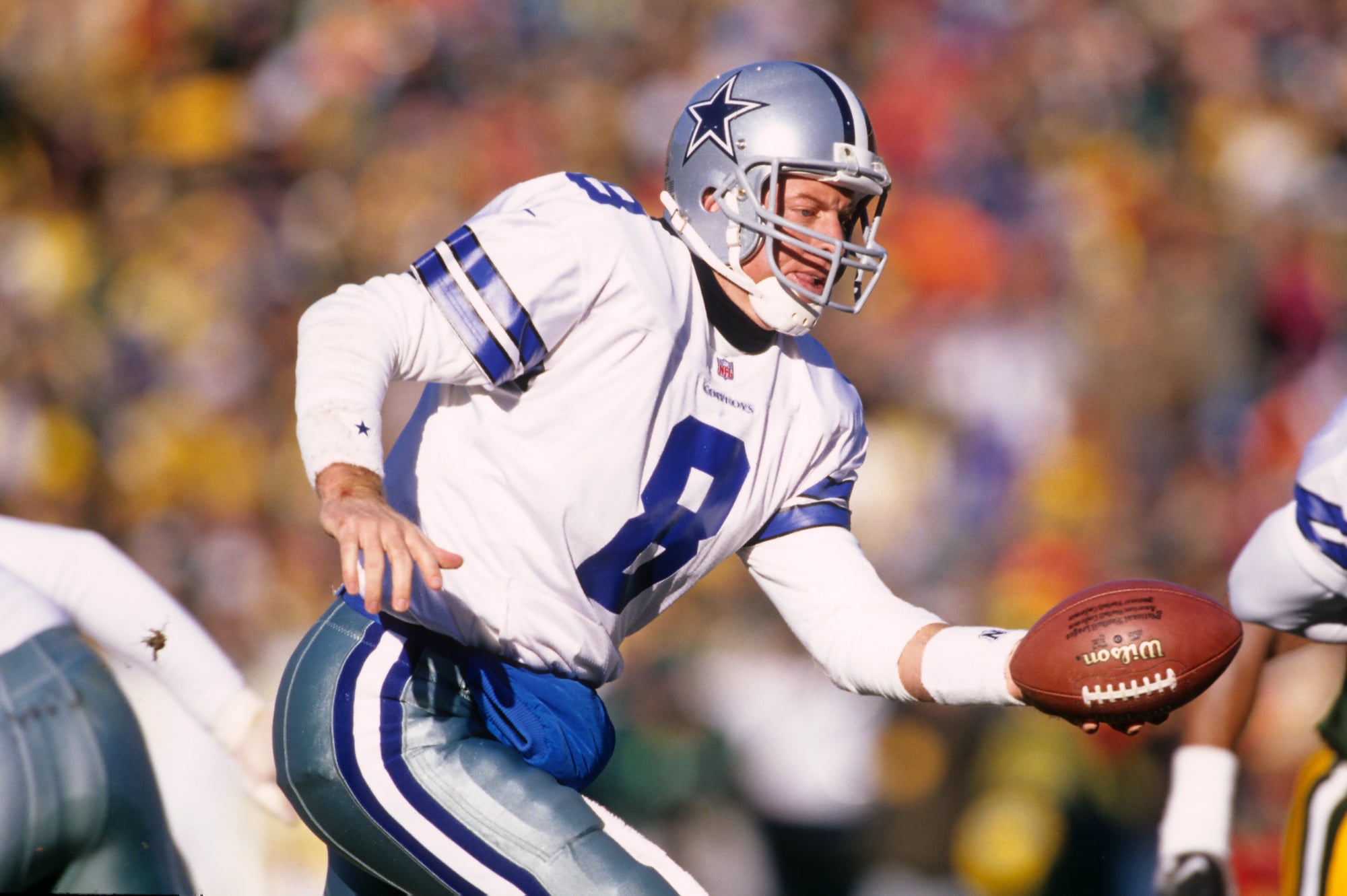
The Cowboys quarterback moved into broadcasting but also built a serious investment portfolio across car dealerships, technology companies, and other ventures. Aikman approached business development the way he approached the pocket — careful preparation, calculated risk, and patience for the right moment rather than the first one available.
His investment choices over two decades of retirement have proven consistently sound. Pattern recognition, it turns out, works across industries.
Joe Montana
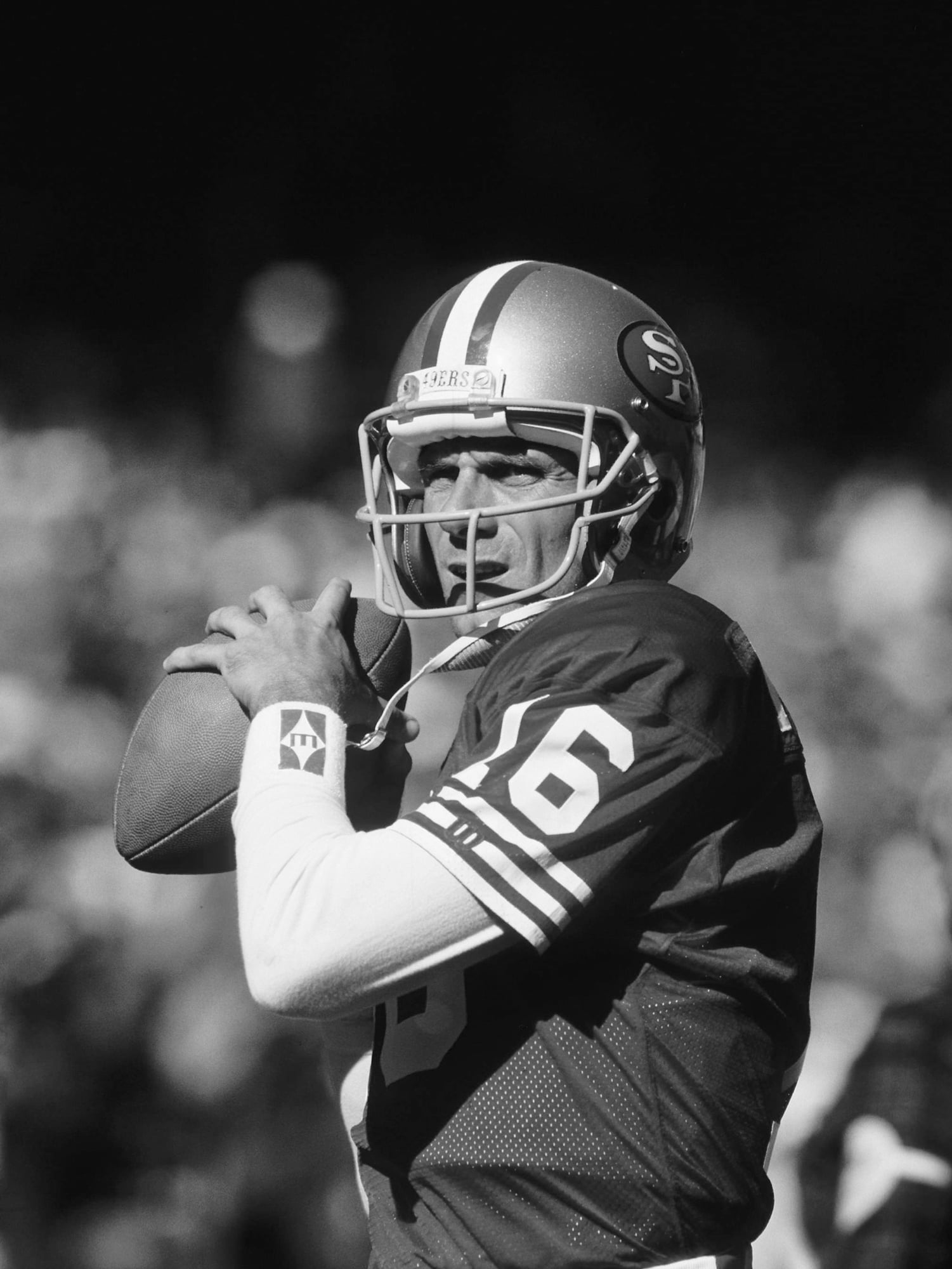
Joe Cool didn’t lose his composure when he moved into venture capital. Montana’s firm has invested in dozens of startups, with his portfolio including companies like Liquid Death and NerdWallet that have reached significant valuations.
His approach to investing mirrors his approach to quarterbacking — evaluate the options carefully, decide quickly when the window opens, and stay calm when deals get complicated. Some people perform at their best precisely when the stakes are highest, regardless of what the stakes are.
Jerry Rice
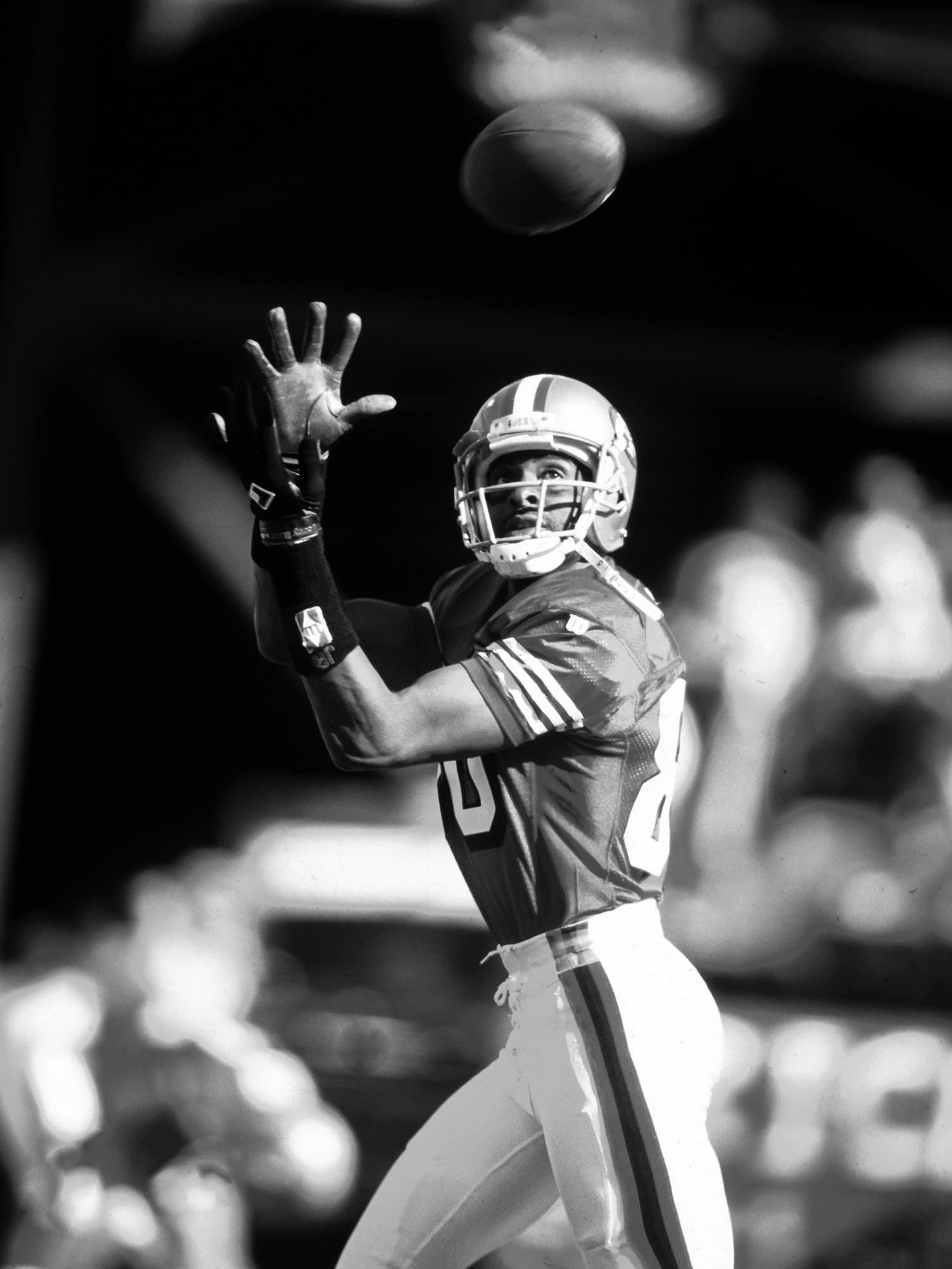
The greatest receiver in NFL history channelled his perfectionist streak into multiple business ventures, including restaurants, real estate, and youth sports programmes. The same attention to detail that made his route-running legendary translated naturally to business management.
His youth football camps emphasise fundamentals and work ethic above everything else — the principles that shaped Rice’s own career. He approaches coaching the way he once approached film study: the work is never quite finished, and there is always something to improve.
Warren Moon
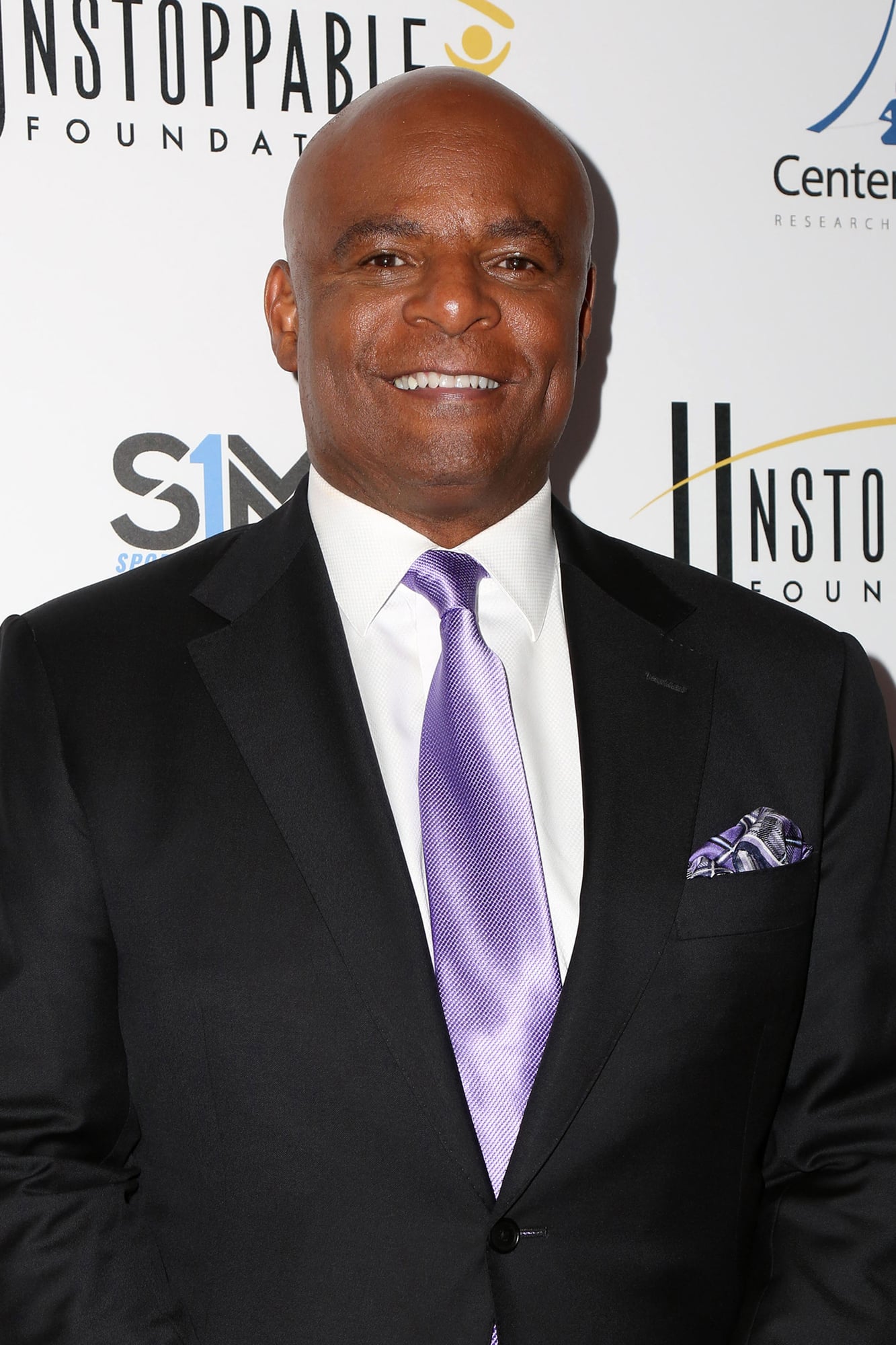
The Hall of Fame quarterback became a successful businessman and motivational speaker, but his most significant post-football impact came through his sustained advocacy for diversity in NFL front offices and coaching staffs. Moon broke barriers as one of the few Black quarterbacks to reach stardom in an era when the position was routinely steered away from Black players, and he has spent his retirement using that platform to open doors for others.
He co-founded Sports 1 Marketing with Hall of Fame receiver Drew Rosenhaus to work with athletes on brand development and business interests, and his speaking work carries the same message consistently: the skills that built a 23-year professional career don’t retire when you do. Moon is living proof.
The Career That Starts At The Final Whistle
Look across these 28 careers and a pattern emerges that has nothing to do with the specific sport or the specific second act. The athletes who built something meaningful after the game tend to be the ones who treated retirement not as an ending but as a redirection of the same energy.
The competitive drive doesn’t go anywhere when the contract expires. The discipline that produced Hall of Fame careers, the ability to prepare relentlessly and perform under pressure, the habit of studying opponents and finding their weaknesses — all of it transfers.
The field changes. The instincts don’t.
What these athletes figured out, sometimes quickly and sometimes only after a difficult adjustment, is that the skills the game built were never really about the game. They were about how to work.
And that turns out to be useful just about everywhere.
More from Go2Tutors!

- The Romanov Crown Jewels and Their Tragic Fate
- 13 Historical Mysteries That Science Still Can’t Solve
- Famous Hoaxes That Fooled the World for Years
- 15 Child Stars with Tragic Adult Lives
- 16 Famous Jewelry Pieces in History
Like Go2Tutors’s content? Follow us on MSN.