27 Old Graduation And Ceremony Programs That Paper Collectors Seek Out
There’s something quietly magnetic about finding an old graduation program tucked between the pages of a used book or spotted in a dusty antique shop bin. These remnants of celebration carry weight beyond their paper — they’re snapshots of communities gathering to mark achievement, printed with the careful attention that only comes when something feels important enough to commemorate.
Paper collectors understand this pull. While others might see yellowed booklets destined for recycling, collectors recognize these programs as windows into educational history, typography, and the social fabric of their times.
The market for vintage ceremony programs has grown steadily, driven by collectors who appreciate both their historical significance and their understated beauty.
Harvard University Commencement Programs (1800s)
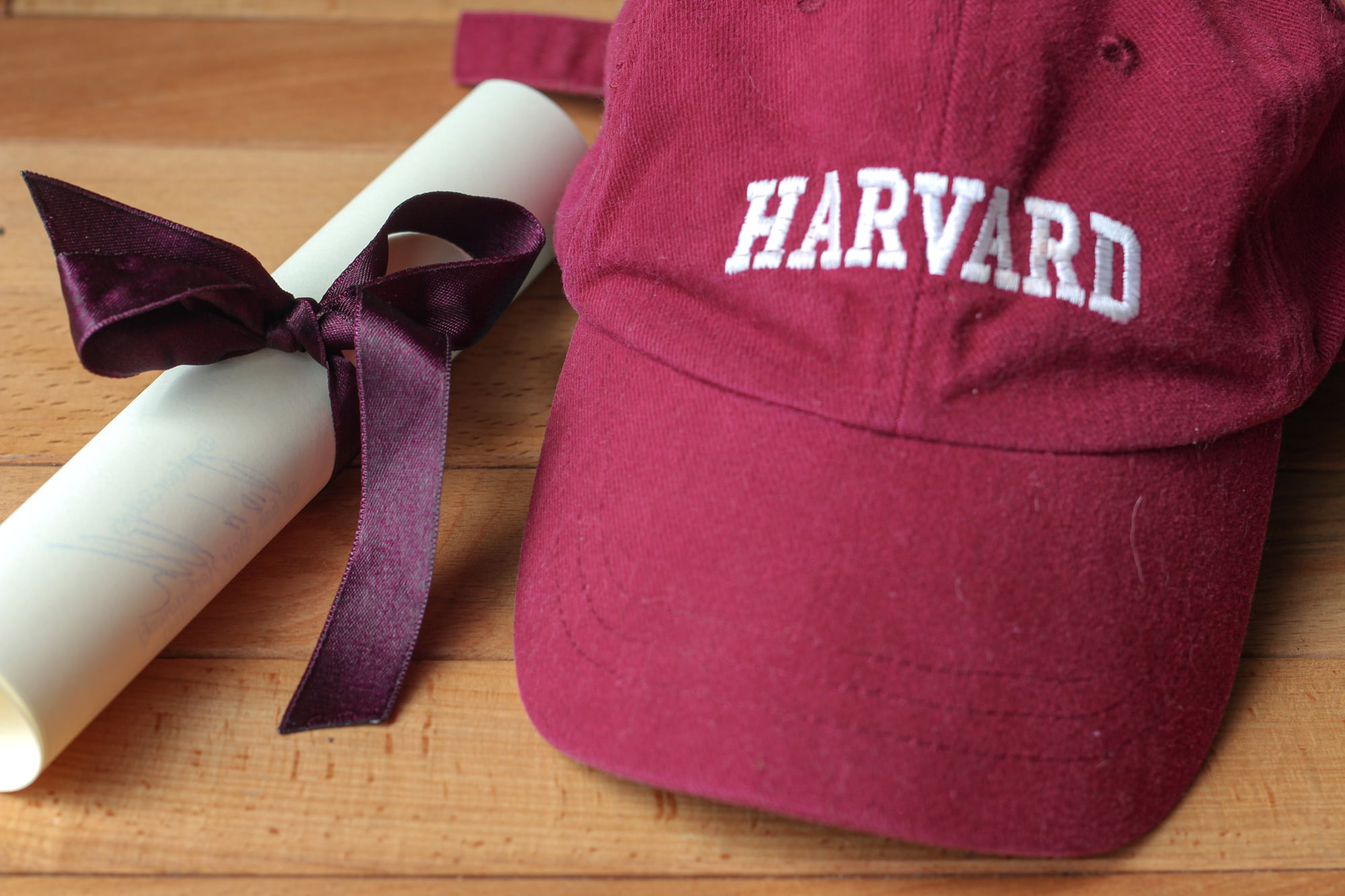
Harvard’s early commencement programs command serious attention from collectors. The typography alone tells a story — elegant serif fonts and formal Latin phrases that speak to centuries of academic tradition.
Programs from the 1800s often feature the full roster of graduates, their thesis topics, and the ceremonial order that Harvard perfected over generations.
Yale Class Day Programs (Pre-1900)
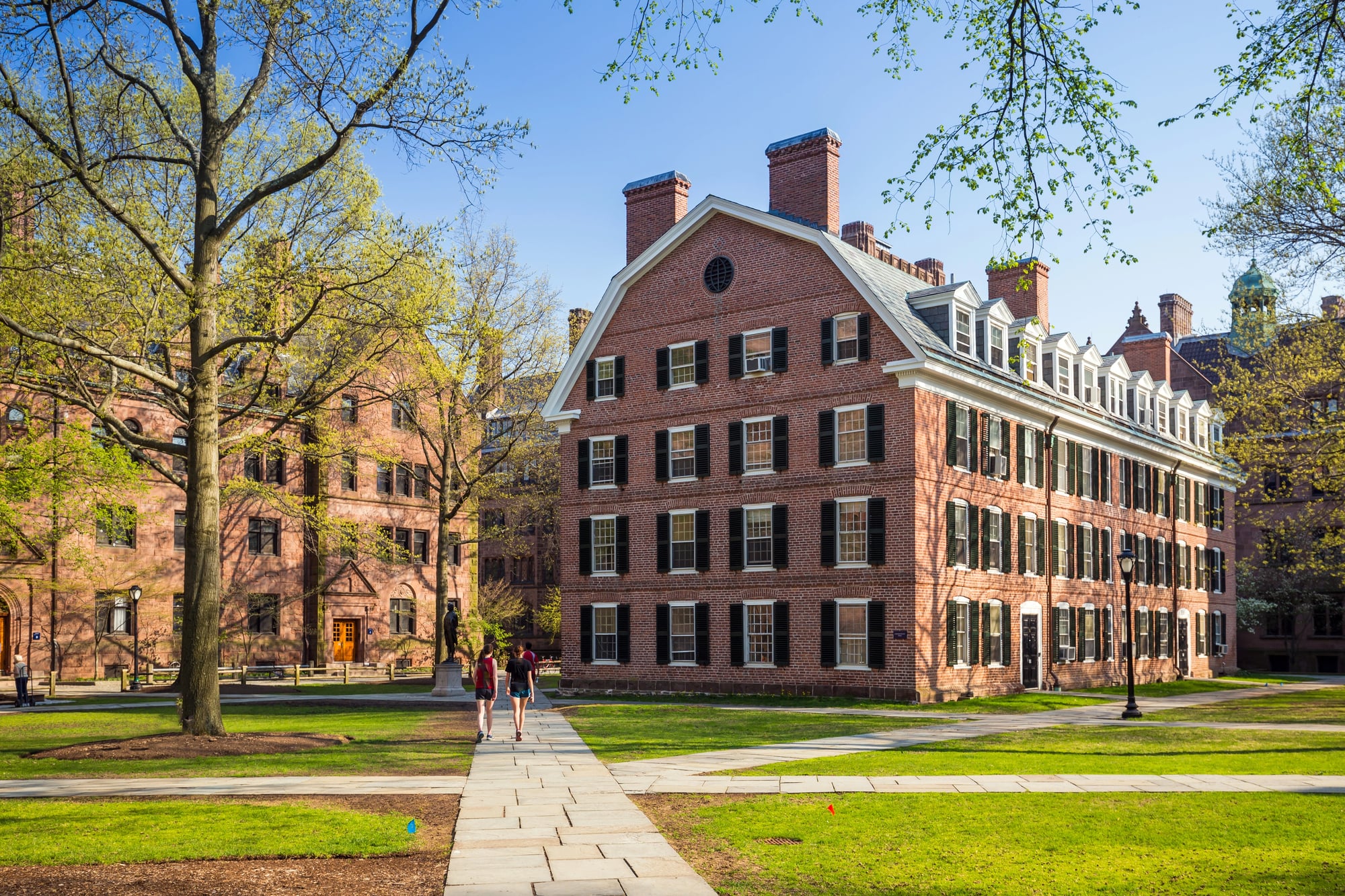
Class Day at Yale generated some of the most elaborate programs of the 19th century. These weren’t simple booklets but carefully designed keepsakes that families treasured for decades.
The earlier examples showcase Victorian design sensibilities, with ornate borders and detailed illustrations of campus buildings that no longer exist.
Oxford And Cambridge Degree Ceremonies (Victorian Era)

British university programs from this period carry an almost theatrical quality (which makes sense, given the pageantry involved in their degree ceremonies) — the language is deliberately archaic, the formatting follows centuries-old conventions, and the paper quality suggests these institutions understood they were creating historical documents, not temporary guides. And the Gothic Revival typography?
Collectors pay premium prices for programs where every letter feels carved rather than printed.
So these become more than paper ephemera. They’re artifacts of an educational world that moved slower, spoke Latin without irony, and treated graduation as a community event rather than a personal milestone.
The programs reflect this: they list not just graduates but university officials, ceremonial protocols, and even weather contingencies — because when something matters enough to formalize, you plan for everything that could go wrong.
West Point Military Academy Graduations (Civil War Era)
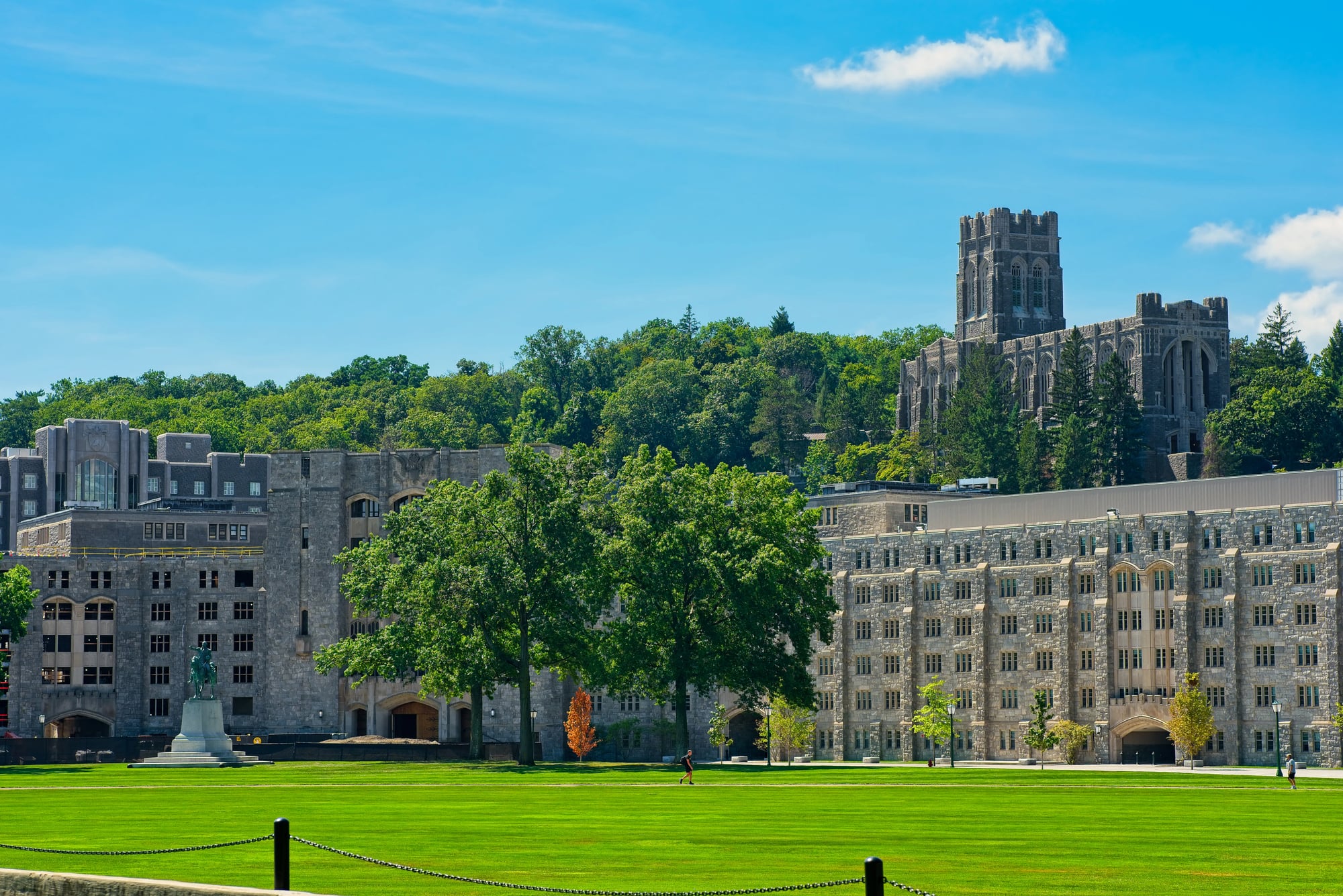
Military academy programs from the 1860s carry the weight of their historical moment. These graduating classes often included future Civil War generals, and the programs themselves reflect the martial precision that defined West Point education.
The formatting is crisp, the information organized with military efficiency, and the paper stock chosen to last.
Small Town High School Graduations (1920s-1940s)

Rural high school programs from this era capture something that larger institutions couldn’t. The intimacy shows — graduating classes of twelve or fifteen students, local business advertisements funding the printing, and commencement speakers drawn from the community rather than visiting dignitaries.
These programs feel handmade even when they’re professionally printed.
The advertisements tell their own story. Local banks, general stores, and family businesses supported these graduations, creating a time capsule of small-town commerce that collectors find irresistible.
Normal School Graduations (Early 1900s)

Teacher training programs generated some of the most thoughtfully designed graduation materials of their era, and this makes perfect sense when you consider that these institutions were graduating future educators — people who understood the power of well-designed educational materials. The programs often include pedagogical philosophies, detailed curriculum descriptions, and inspirational messages about the teaching profession that read differently now than they did then.
Collectors prize these for their earnest optimism about education’s potential to improve society, a sentiment that feels both dated and timeless.
Women’s College Commencements (1890s-1920s)
Women’s colleges approached their graduation programs with particular care during the decades when female higher education still felt revolutionary. These programs often included detailed biographies of graduates, their academic achievements, and their post-graduation plans — a level of documentation that reflected both pride and perhaps a subtle need to justify women’s educational accomplishments to skeptical observers.
The design elements tell their own story: elegant but not frivolous, substantial but not masculine, creating a visual language that asserted seriousness without abandoning femininity.
Historically Black Colleges And Universities (1900-1950)
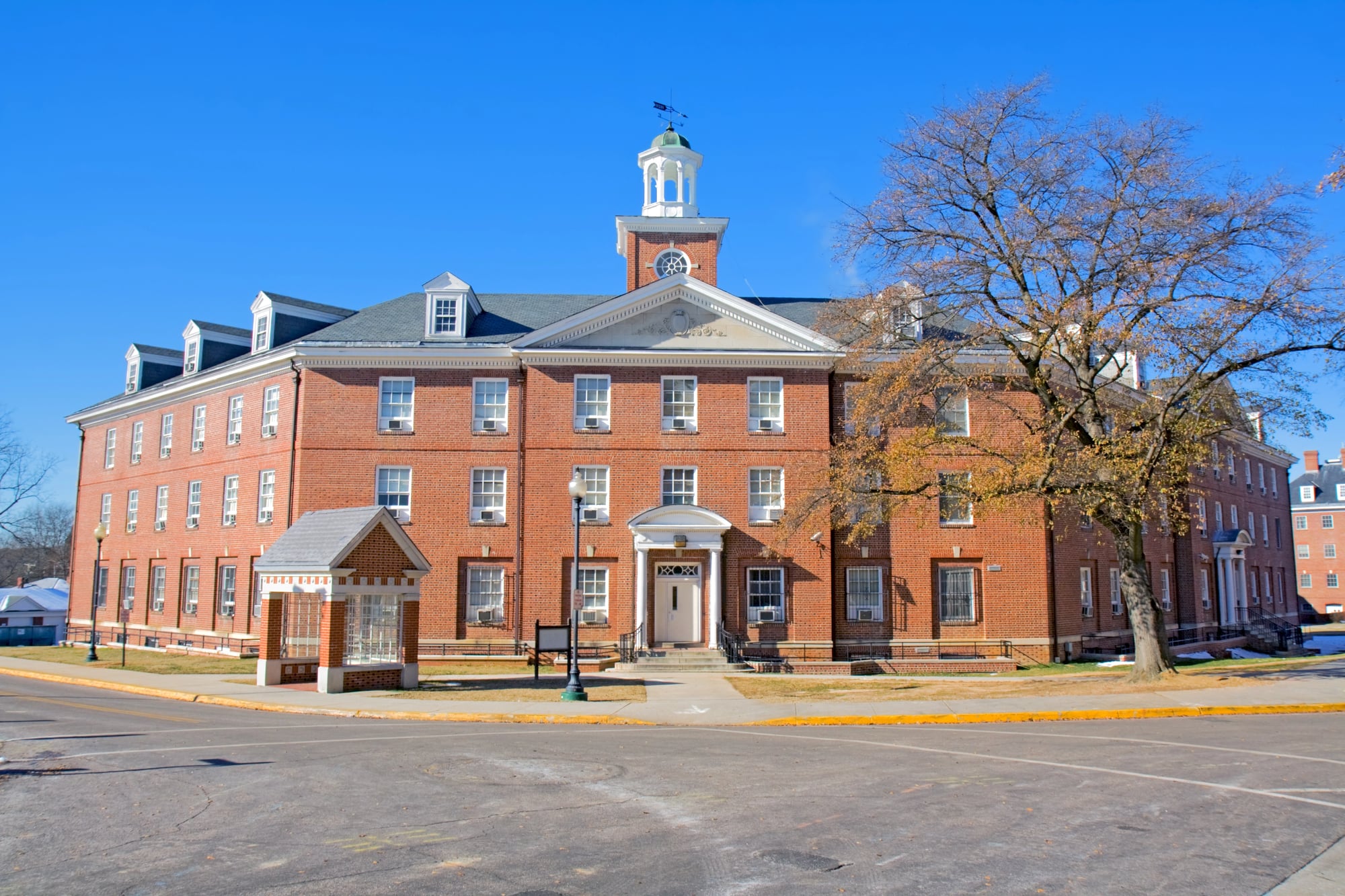
HBCU graduation programs from the early 20th century represent some of the most historically significant ceremony ephemera available to collectors. These institutions were creating educational opportunities under extraordinary circumstances, and their programs reflect both academic excellence and cultural pride that couldn’t be expressed elsewhere in American society.
Seminary And Theological School Graduations (1800s)

Religious institutions produced graduation programs that doubled as theological statements. The typography often echoes biblical texts, the paper quality suggests permanence, and the ceremonial descriptions include elements — hymns, prayers, benedictions — that transformed graduation into worship.
These programs also document the evolution of American religious education, tracking denominational priorities and theological trends through their formal presentations.
One-Room Schoolhouse Eighth Grade Graduations (1910s-1930s)

Eighth grade completion ceremonies in rural America generated surprisingly elaborate programs for such modest educational milestones. But context matters: in communities where few students continued to high school, eighth grade graduation marked real achievement.
The programs reflect this significance, often featuring student essays, community acknowledgments, and formal presentations that treated these young graduates as serious scholars.
Military Preparatory School Programs (1940s-1950s)

Wartime and post-war military prep schools created programs that balanced academic achievement with martial tradition. These documents capture a particular American moment when military service felt both necessary and honorable, reflected in ceremonial presentations that emphasized duty, honor, and service.
The typography often borrows from both academic and military design traditions, creating a hybrid aesthetic that collectors find compelling.
Art Institute And Design School Graduations (1920s-1960s)

Creative institutions approached their graduation programs as design challenges, resulting in some of the most visually interesting ceremony ephemera ever produced. These programs showcase avant-garde typography, innovative layouts, and experimental approaches to information design that were decades ahead of mainstream printing.
Collectors value these not just as historical documents but as examples of applied design thinking that influenced broader visual culture.
Nursing School Graduations (1940s-1960s)

Nursing programs created graduation materials that reflected the profession’s growing status and complexity during the mid-20th century. These programs often included the Nightingale Pledge, detailed descriptions of clinical training, and ceremonial elements — like the capping ceremony — that marked nursing’s unique position between healthcare and service.
Agricultural College Programs (1890s-1920s)

Land-grant universities and agricultural colleges produced programs that celebrated practical education with unexpected sophistication. These documents showcase detailed descriptions of experimental farms, livestock programs, and agricultural innovations that were transforming American farming.
The juxtaposition is striking: programs that discuss soil composition and crop rotation alongside classical graduation ceremonies and academic regalia.
Collectors appreciate this blend of practical and ceremonial elements that captures a unique moment in American higher education.
Music Conservatory Graduations (1900-1950)

Music schools approached their programs as performance pieces, incorporating musical notation, composer biographies, and detailed program notes that educated audiences while celebrating graduates. These programs often featured original compositions written for the ceremony, creating musical ephemera that exists nowhere else.
The typography frequently echoes musical notation, creating visual rhythms that mirror the institution’s artistic focus.
Business College Programs (1920s-1940s)

Commercial and business colleges generated programs that reflected their practical focus while maintaining ceremonial dignity. These documents showcase curriculum details that seem almost quaint now — typewriting certificates, bookkeeping diplomas, and stenography awards — but they capture the professionalization of office work during the early 20th century.
Trade School Graduations (1930s-1950s)
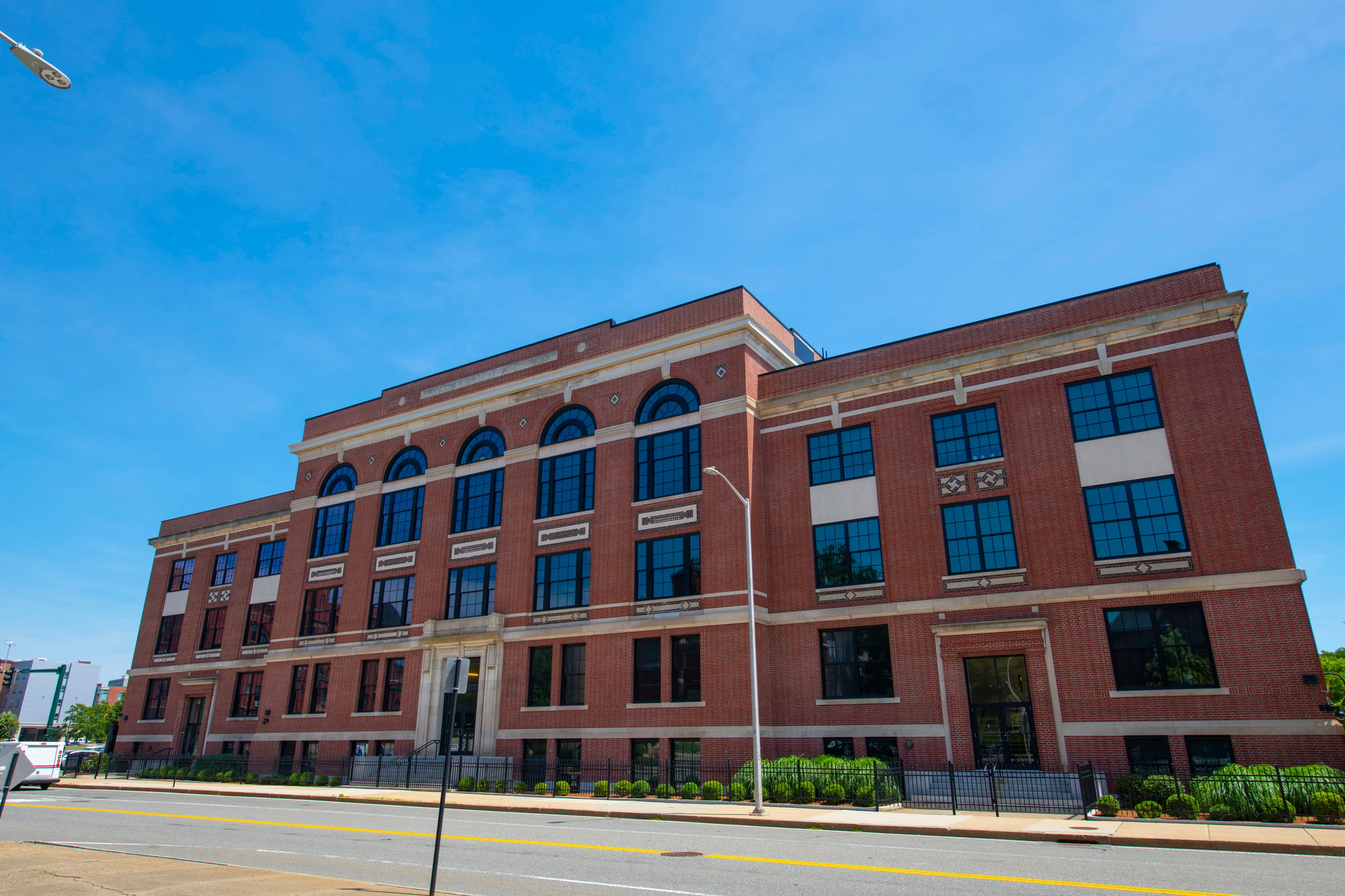
Vocational education produced some of the most honest graduation programs ever printed. These documents celebrate practical skills — automotive repair, electrical work, carpentry — with the same ceremonial language typically reserved for academic subjects.
The result feels refreshingly direct: programs that acknowledge useful work as worthy of formal recognition.
Native American School Graduations (Early 1900s)

Graduation programs from Native American educational institutions document a complex and often painful chapter in American education. These programs reflect the tension between cultural preservation and assimilationist educational policies, creating historical documents that collectors approach with appropriate sensitivity.
International School Programs (American Schools Abroad)

American schools operating overseas during the mid-20th century created programs that blended American educational traditions with local cultural elements. These hybrid documents capture the experience of American families living abroad and the challenge of maintaining educational continuity across continents.
Community College Founding Graduations (1960s-1970s)

The first graduation ceremonies at newly established community colleges generated programs that radiate institutional optimism. These documents capture the democratic idealism of the community college movement, celebrating accessible education and local partnerships that were transforming American higher education.
Reform School And Industrial School Programs (1920s-1940s)
Correctional education institutions created graduation programs that emphasized rehabilitation and second chances. These documents use ceremonial language to dignify educational achievement under difficult circumstances, creating complex artifacts that collectors handle with historical awareness.
Summer Session Graduations (1930s-1950s)

Summer graduation ceremonies generated programs with a distinctly different feel from traditional spring commencements. These documents often celebrated non-traditional students — teachers completing advanced degrees, adults returning to education, and students accelerating their studies — creating a more diverse ceremonial atmosphere.
Correspondence School Completions (1940s-1960)

Distance education programs created unique ceremonial challenges: how do you celebrate educational achievement when students never gathered in one place? The graduation programs that resulted showcase creative approaches to community building and recognition that foreshadowed modern online education.
Technical Institute Programs (1950s-1970s)

Post-war technical education generated programs that celebrated the growing complexity of American industry. These documents showcase emerging fields — electronics, aerospace technology, computer programming — alongside traditional trades, capturing the technological optimism of mid-century America.
Experimental School Graduations (1960s-1970s)

Alternative educational institutions during the counterculture era produced some of the most visually innovative graduation programs ever created. These documents often abandoned traditional ceremonial language in favor of personal statements, creative layouts, and design elements that reflected each institution’s educational philosophy.
Teacher Training Institute Programs (1920s-1950s)

Specialized teacher training created programs that functioned as educational manifestos, detailing pedagogical approaches and curricular innovations that were transforming American education. These documents showcase the professionalization of teaching through their careful attention to educational theory and practice.
Evening School And Adult Education Graduations (1940s-1960s)

Adult education programs created ceremonies that acknowledged the particular challenges of returning to school while managing work and family responsibilities. The programs often included personal stories and community acknowledgments that celebrated educational persistence under difficult circumstances.
Paper Trails Worth Following

These programs survive because someone thought they mattered enough to keep. Tucked in family Bibles, stored in cedar chests, or forgotten in desk drawers, they waited for collectors who understand that ceremony creates memory, and memory deserves preservation.
The market for these pieces continues growing, driven not by speculation but by genuine appreciation for the care that goes into marking important moments with beautiful things.
More from Go2Tutors!

- The Romanov Crown Jewels and Their Tragic Fate
- 13 Historical Mysteries That Science Still Can’t Solve
- Famous Hoaxes That Fooled the World for Years
- 15 Child Stars with Tragic Adult Lives
- 16 Famous Jewelry Pieces in History
Like Go2Tutors’s content? Follow us on MSN.