15 Cities with Iconic Skylines
Looking up at a city skyline can stop you in your tracks. Some cities just have that certain something—a mix of architecture, geography, and personality that creates a silhouette you recognize instantly.
These aren’t necessarily the tallest or most modern cities. They’re the ones that built something memorable against the sky.
New York City

The Manhattan skyline defined what a city skyline could be. When you see those jagged peaks stretching along the water, you’re looking at layers of history stacked vertically.
The Empire State Building still holds its own among newer giants, and the Freedom Tower marks the southern tip with a statement that goes beyond architecture. Brooklyn Bridge adds that perfect foreground element photographers dream about.
Hong Kong

Mountains rise behind the city, water stretches in front, and somehow Hong Kong managed to cram one of the densest collections of skyscrapers on Earth into that narrow strip between them. The result looks impossible.
Buildings climb up the hillsides like they’re escaping the harbor, and Victoria Harbour becomes a mirror that doubles the whole spectacle. The Symphony of Lights show every night proves the city knows exactly what it has.
Dubai

This skyline shouldn’t exist. The desert doesn’t typically produce vertical cities, but Dubai decided rules were optional.
The Burj Khalifa dominates everything—it’s not just the world’s tallest building, it’s a monument to ambition that makes other towers look like accessories. The sail-shaped Burj Al Arab, the twisting Cayan Tower, and the palm-tree islands visible from above create a skyline that screams “look at this” from every angle.
Singapore

Clean lines define Singapore’s skyline. The Marina Bay Sands hotel looks like someone balanced a boat on top of three towers and somehow made it work.
Gardens by the Bay adds supertree structures that light up at night, creating something between nature and architecture. The financial district towers maintain that orderly appearance, while the Esplanade’s durian-shaped domes add just enough quirk to keep things interesting.
Shanghai

The Bund shows you where Shanghai came from. Those colonial-era buildings line the waterfront with European grandeur.
Then you turn around and see Pudong—the future staring back across the river. The Oriental Pearl Tower with its pink spheres looks retro-futuristic, and the Shanghai Tower twists as it rises like the city itself spiraling upward.
Chicago

Architecture fans worship Chicago’s skyline for good reason. The city practically invented the skyscraper and never stopped refining the concept.
The Willis Tower dominated for decades, and the John Hancock Center’s X-bracing turns structural necessity into design. Lake Michigan provides the perfect viewing platform, and newer additions like the Aqua Tower add waves and curves to the traditional rectangular forms.
Tokyo
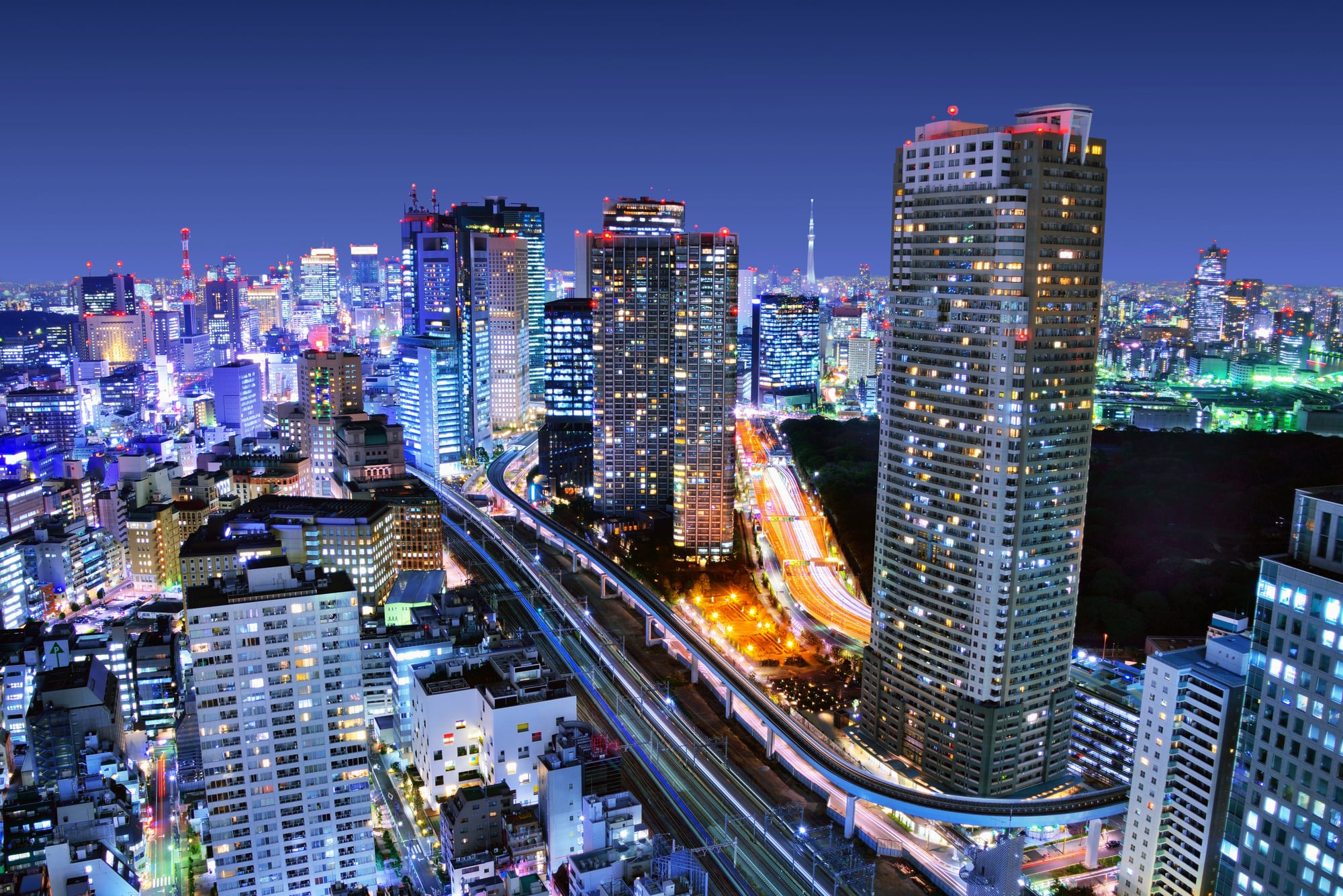
Tokyo’s skyline spreads rather than clusters. Different districts each have their own towers, creating multiple focal points across the massive city.
Tokyo Tower mimics the Eiffel Tower but with a red and white color scheme, while the Tokyo Skytree became the world’s tallest tower. Shinjuku’s cluster of government and corporate buildings creates a mini-Manhattan in western Tokyo.
Sydney

The Opera House isn’t technically a skyscraper, but it’s what makes Sydney’s skyline iconic. Those white shells on Bennelong Point create a silhouette everyone recognizes.
The Sydney Tower rises behind it, giving the city its vertical anchor. Building heights are modest compared to other global cities, letting the natural harbor do most of the work.
São Paulo

Concrete stretches in every direction. São Paulo’s skyline doesn’t look subtle—it’s a forest of apartment and office towers that goes on for miles.
The Altino Arantes Building stands out with its Art Deco style, and Avenida Paulista cuts through the center with corporate towers. The skyline tells you everything about São Paulo—it prioritizes function and density over beauty.
Toronto

The CN Tower anchored Toronto’s skyline for decades as the world’s tallest freestanding structure. That needle-thin tower with its observation deck and restaurant still defines the city’s silhouette.
Lake Ontario provides the crucial water element, and the Rogers Centre’s retractable roof adds a unique shape among rectangular towers. New developments along the waterfront keep changing the skyline, but the CN Tower remains the constant landmark.
London
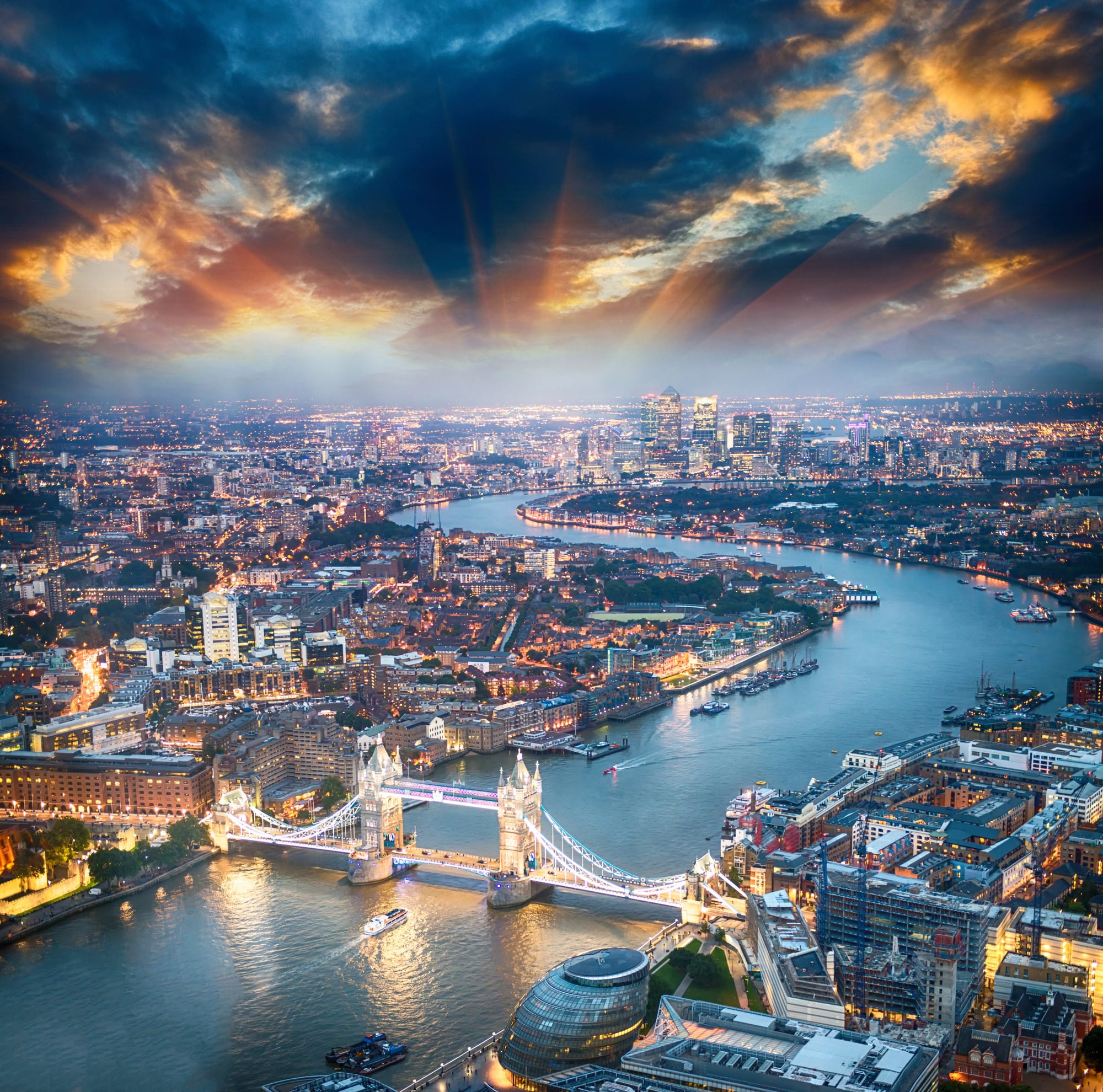
Historic and modern coexist in London’s skyline in ways that shouldn’t work but somehow do. The Shard rises like a glass pyramid, and the Gherkin’s curved form stands out among traditional towers.
The Walkie Talkie building defies conventional skyscraper logic, and the Thames winds through it all with bridges balancing the vertical towers. St. Paul’s Cathedral still holds its own despite newer construction, giving the skyline depth of history.
Los Angeles

LA’s skyline surprises people who expect it to sprawl endlessly without going vertical. Downtown’s cluster of towers rises from the basin like an island in a sea of single-story buildings.
The US Bank Tower’s crown is recognizable, and the Wilshire Grand Center became the tallest building on the West Coast. Palm trees frame the skyline, and the Hollywood sign sits in the hills above, giving a distinctly Californian feel.
Paris

The Eiffel Tower isn’t part of a traditional skyline—it stands alone, which might be exactly the point. Paris maintained strict height limits for decades, preventing vertical growth in the historic center.
La Défense business district allowed towers to cluster outside the center. Sacré-Cœur on Montmartre provides a white dome, while Notre-Dame’s towers anchor the river islands, creating a skyline that works horizontally rather than vertically.
Vancouver
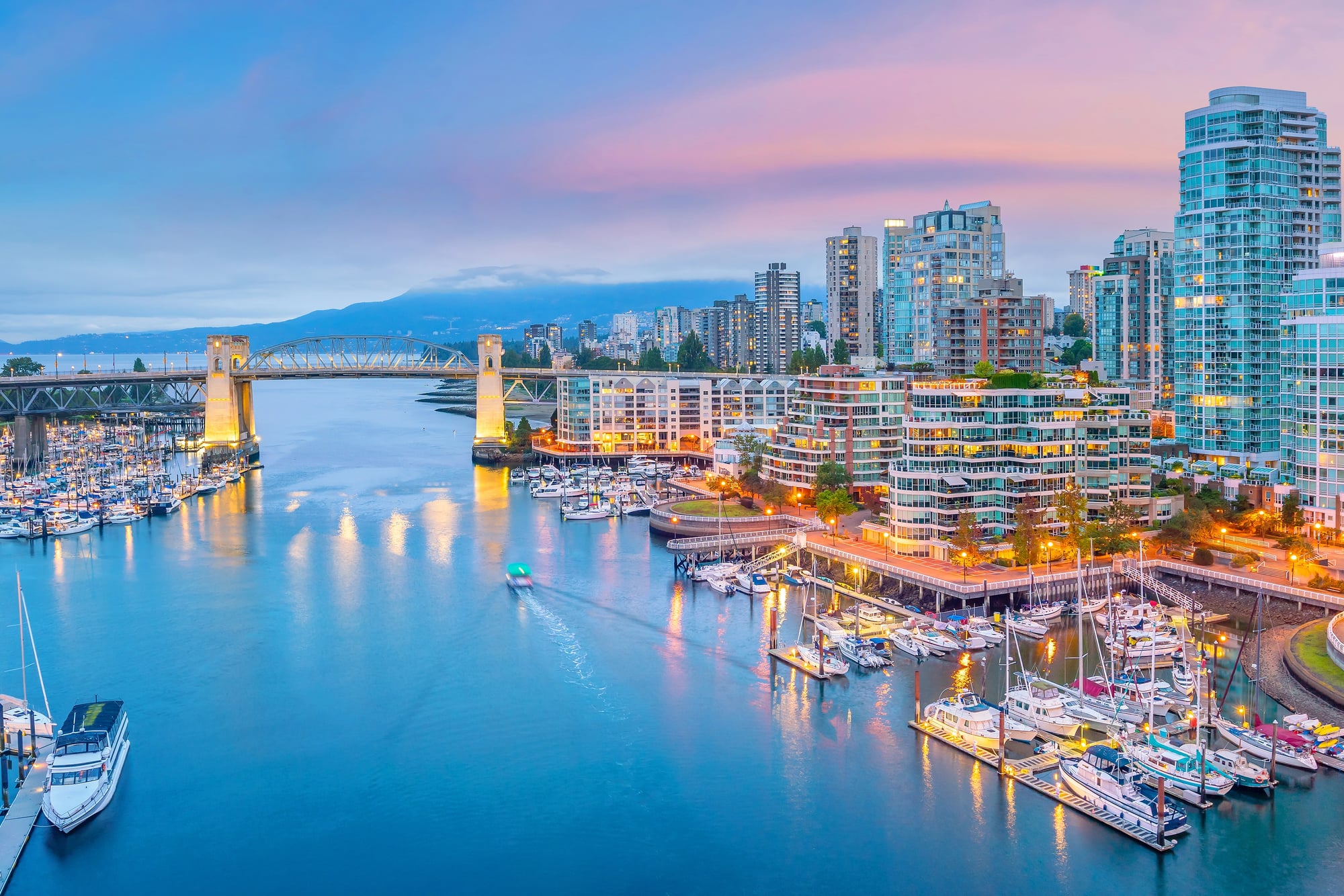
Mountains dominate Vancouver’s skyline as much as the buildings do. The North Shore rises behind the city, creating a backdrop that makes every photo look like a postcard.
Water surrounds the downtown peninsula on three sides, giving it an island-city feel. Glass towers reflect the surrounding nature, while the Marine Building’s Art Deco details provide historical texture among newer condos.
Melbourne

Melbourne’s skyline shot up quickly. Atop the Eureka Tower, a golden tip glows in sunlight, ranking high across the country.
Fresh builds near the Yarra River swapped old factory zones for rows of tall homes and offices. Federation Square’s sharp design and the Arts Centre’s tip give the river edge a unique mark while maintaining the city’s down-to-earth nature.
Where the Sky Meets the Street
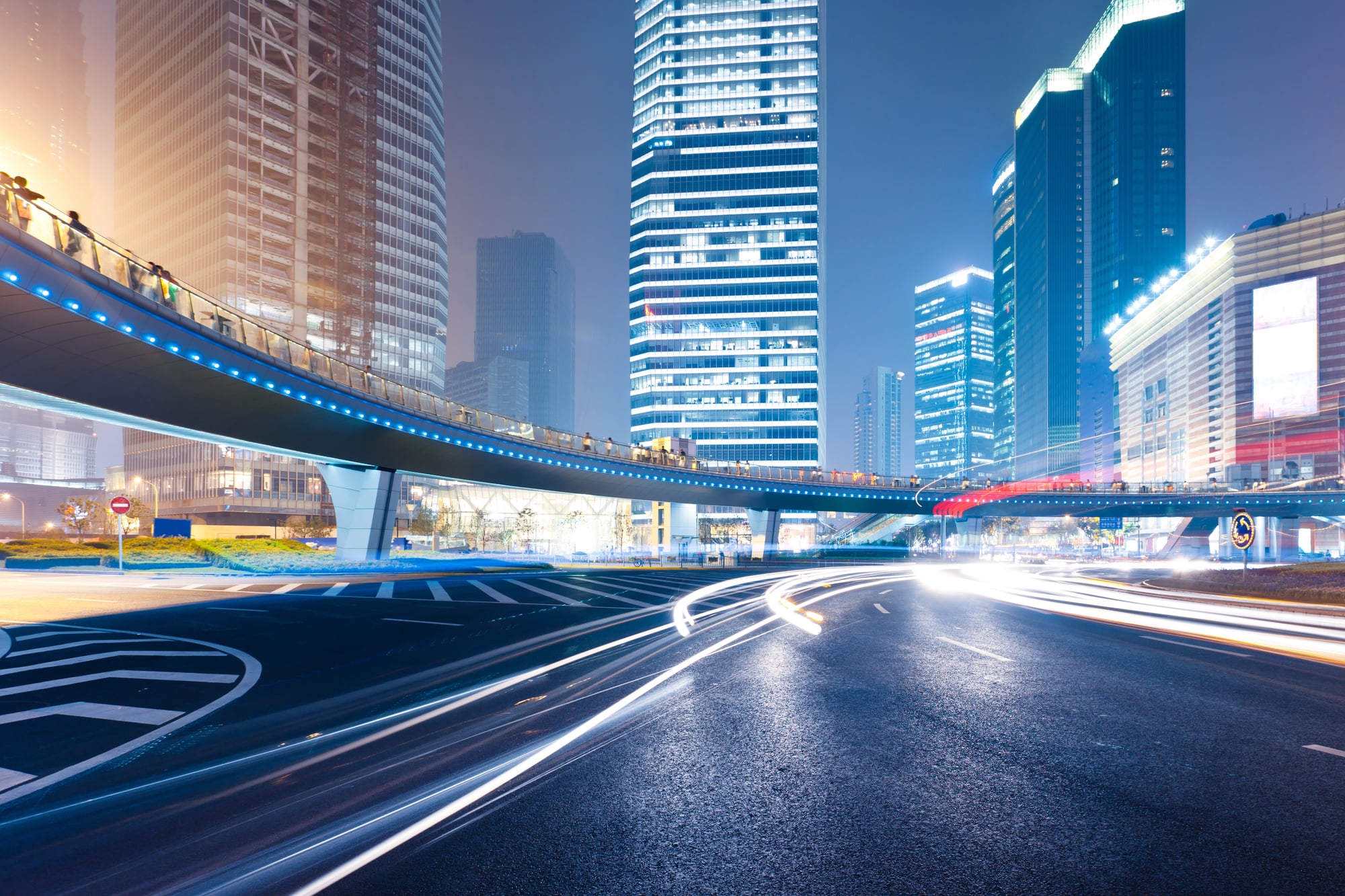
Look up in any of these cities. What you see isn’t just buildings stretching skyward—it’s what happened after many small decisions piled up over time.
Each skyline tells its own story about values, priorities, and pride. The forms become symbols, creating a distinct silhouette that yells, “this is us, this is what we built, how we claimed our piece of sky.”
More from Go2Tutors!

- The Romanov Crown Jewels and Their Tragic Fate
- 13 Historical Mysteries That Science Still Can’t Solve
- Famous Hoaxes That Fooled the World for Years
- 15 Child Stars with Tragic Adult Lives
- 16 Famous Jewelry Pieces in History
Like Go2Tutors’s content? Follow us on MSN.



