26 Trials That Changed the Legal System Forever
The courtroom has always been theater, but some performances rewrite the script entirely; these landmark cases didn’t just settle disputes—they rewrote the rules of justice, shifted the balance of power, and forced society to confront its deepest contradictions. From ancient precedents that still echo in modern law to recent verdicts that continue to spark debate, certain trials become turning points that reshape how justice is administered.
The Trial of Socrates
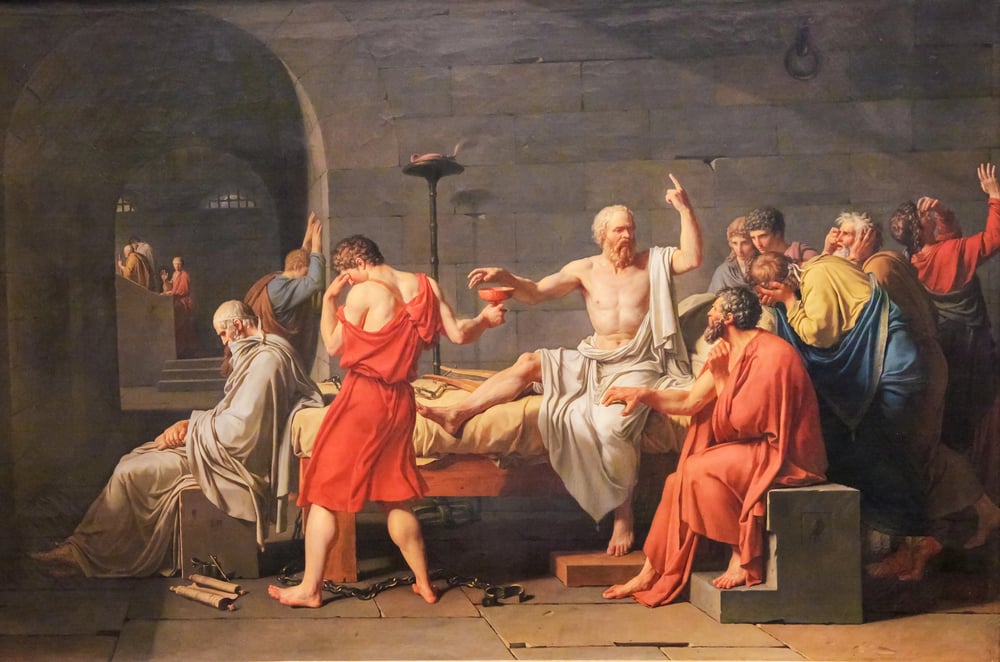
Athens sentenced its greatest philosopher to death for corrupting youth and impiety. The trial established the dangerous precedent of criminalizing ideas and speech.
Socrates chose hemlock over exile, creating the first great martyrdom for intellectual freedom. His death became a permanent reminder that democratic societies can destroy their own best minds.
The Nuremberg Trials
International law was born from the ashes of World War II. For the first time in history, individuals (not just nations) faced criminal charges for crimes against humanity and war crimes.
The trials established that “following orders” was no defense for atrocities—a principle that fundamentally changed military law and personal accountability. Twenty-four Nazi leaders stood trial, and twelve received death sentences.
Brown v. Board of Education
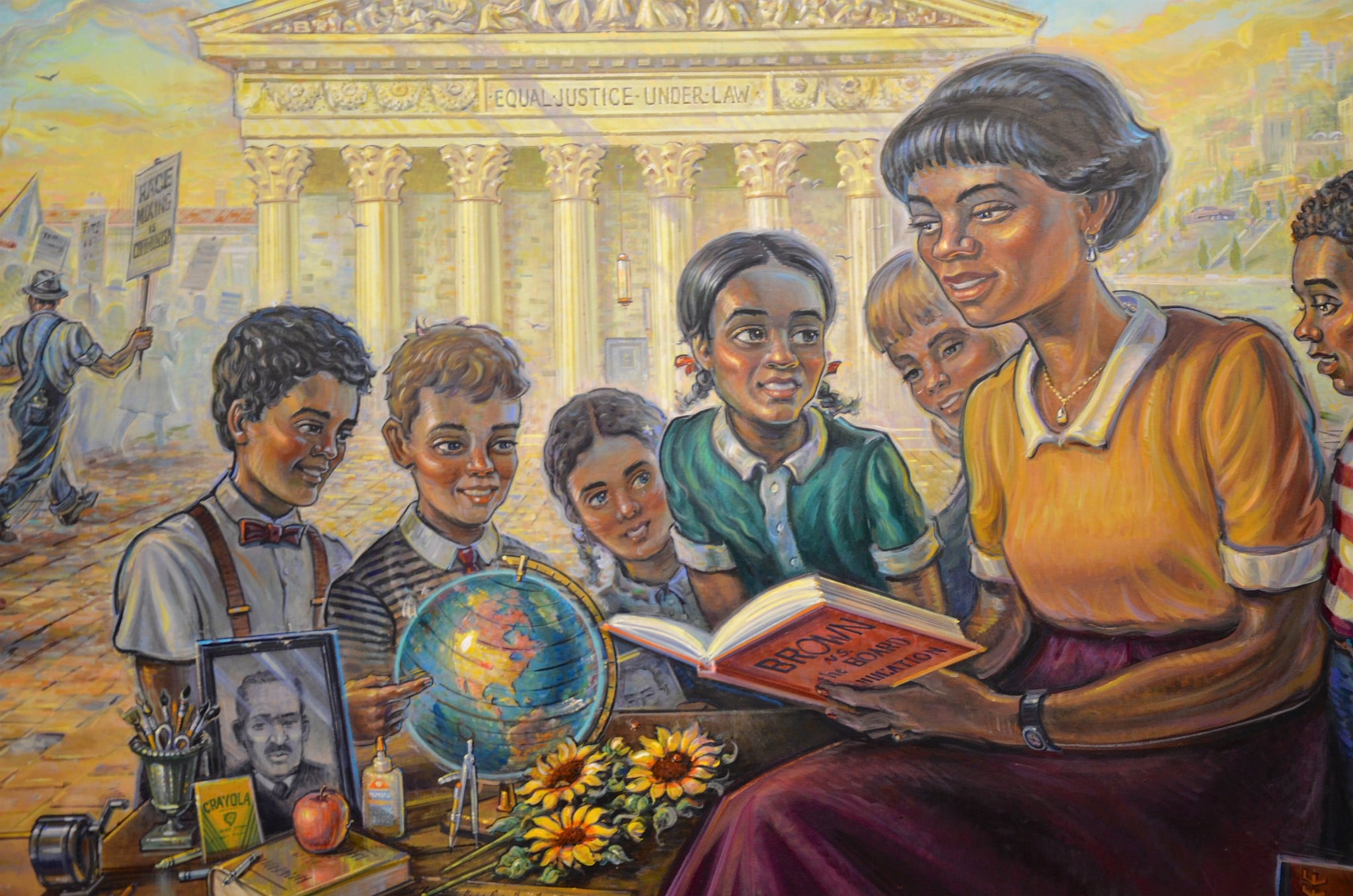
The Supreme Court’s 1954 decision didn’t just overturn “separate but equal”—it acknowledged what everyone already knew: separate was never equal; Chief Justice Warren wrote a unanimous opinion that segregated schools violated the Fourteenth Amendment, effectively launching the modern civil rights movement. The ruling forced America to confront the gap between its constitutional promises and its practiced reality.
The Trial of Galileo
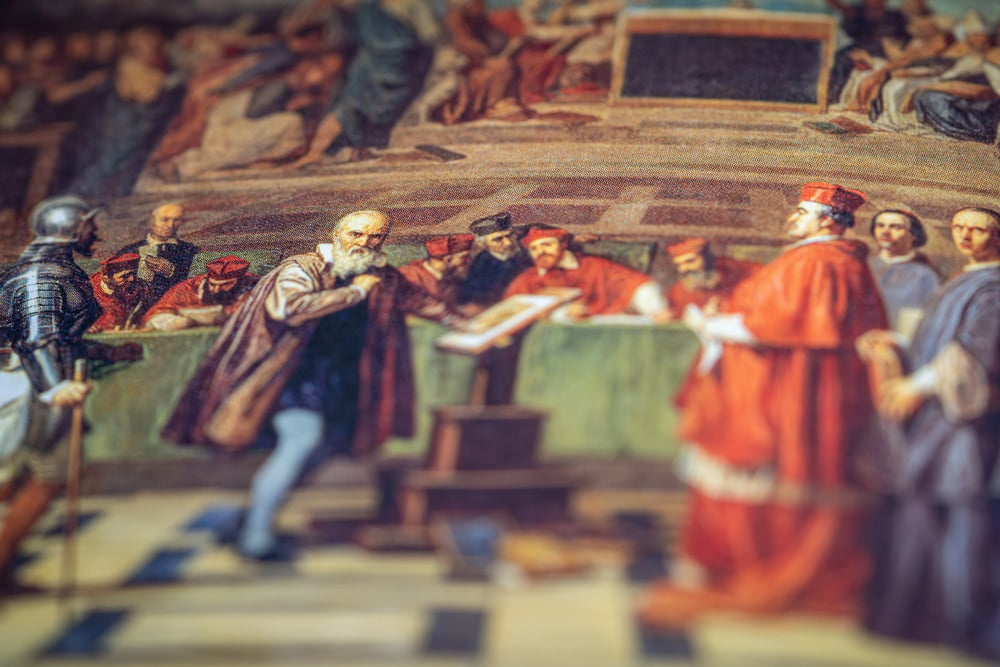
When the Catholic Church put science itself on trial in 1633, they created a moment that would define the relationship between faith and reason for centuries (and continues to influence debates about science education today, which is remarkable when you consider we’re talking about a trial from nearly four hundred years ago); Galileo’s forced recantation—and his alleged whispered “And yet it moves”—became the perfect symbol of truth surviving persecution. The Church didn’t officially admit its error until 1992.
Miranda v. Arizona
Police interrogation changed forever when the Supreme Court ruled that suspects must be informed of their constitutional rights before questioning; the decision came after Ernesto Miranda confessed to kidnapping without knowing he had the right to remain silent or to have an attorney present. Those familiar warnings—”You have the right to remain silent”—became the most recognizable legal phrase in America.
The Scopes “Monkey” Trial
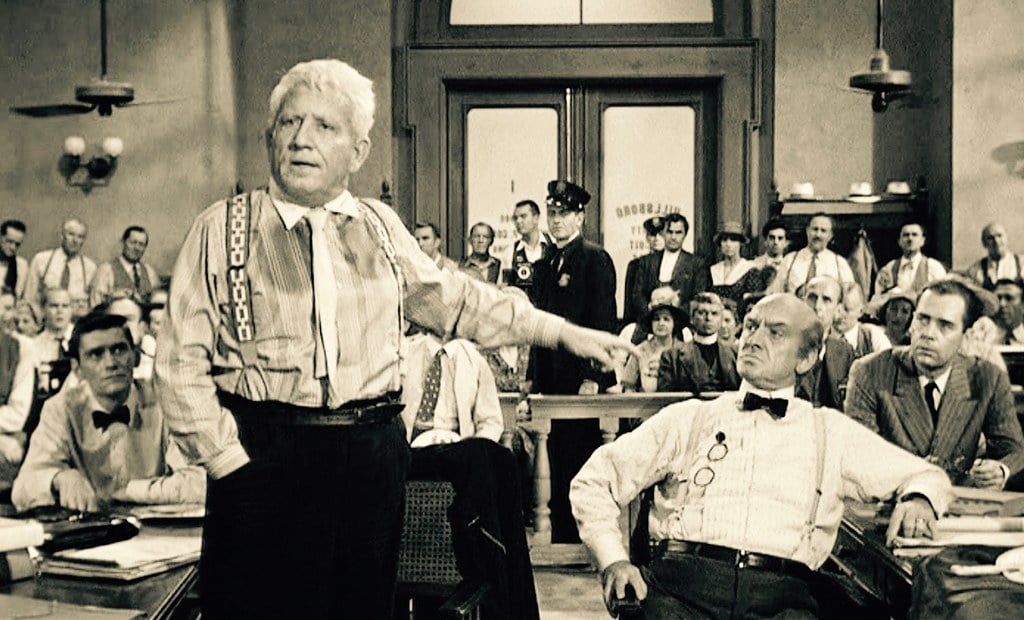
Tennessee put evolution on trial in 1925, and the entire country watched. John Scopes deliberately violated the state’s ban on teaching evolution, turning his classroom into a battlefield between science and fundamentalism.
The trial featured two of America’s most famous lawyers—William Jennings Bryan and Clarence Darrow—facing off in what became less about Scopes and more about the soul of American education. The case highlighted the tension between religious belief and scientific evidence that persists today.
The Salem Witch Trials
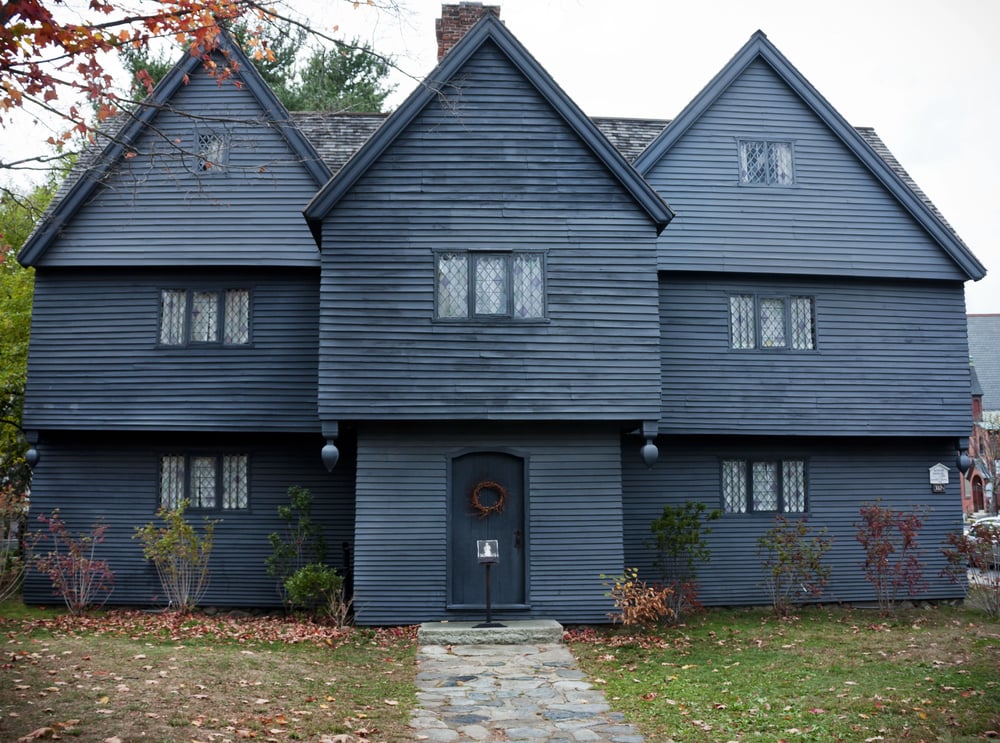
Twenty people died because of spectral evidence and mass hysteria; the 1692-1693 proceedings in Massachusetts became the cautionary tale about what happens when fear overrides reason in the justice system. The trials established important principles about the burden of proof and the dangers of admitting unreliable evidence—lessons learned through tragic experience rather than legal theory.
O.J. Simpson Criminal Trial
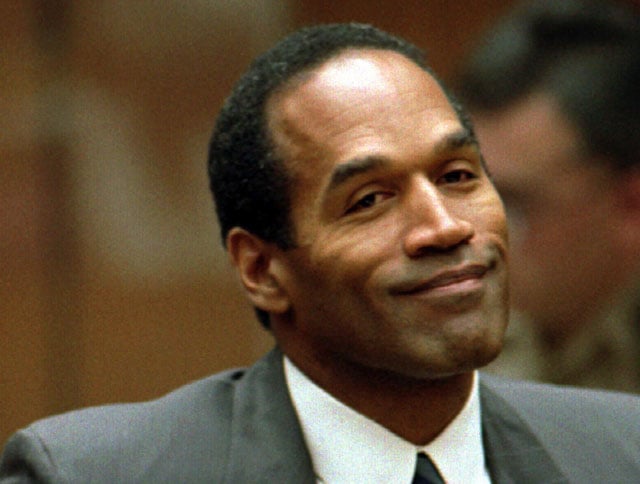
The 1995 “Trial of the Century” exposed deep racial divisions in American perceptions of justice; Simpson’s acquittal despite overwhelming physical evidence revealed how differently Black and white Americans viewed police credibility and the fairness of the criminal justice system. The trial introduced DNA evidence to mainstream public consciousness while simultaneously demonstrating its limitations when trust in institutions breaks down.
Marbury v. Madison
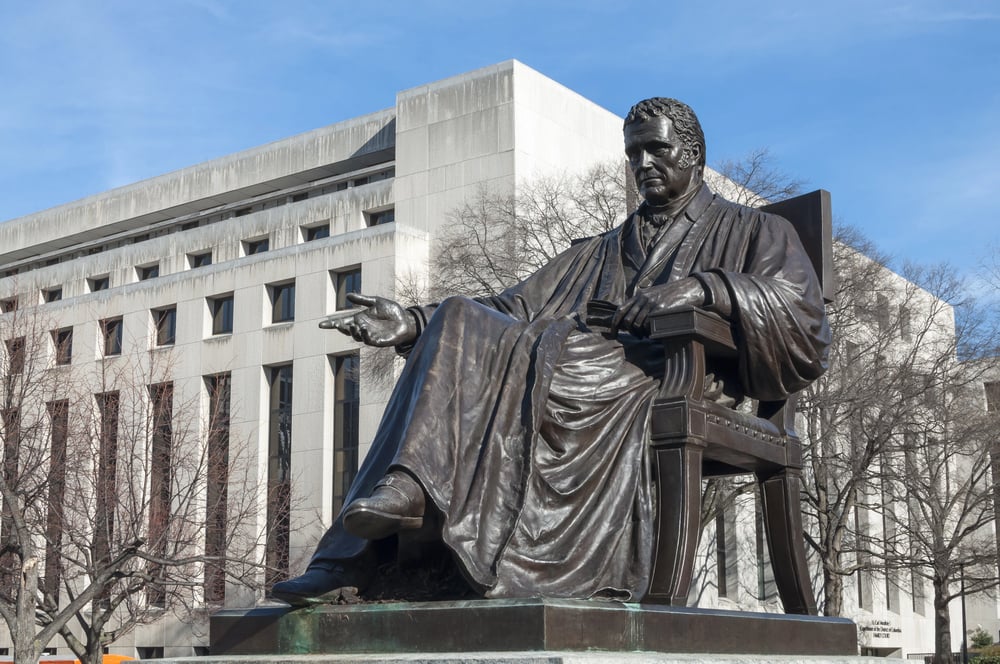
Chief Justice John Marshall established judicial review in 1803, giving the Supreme Court the power to declare laws unconstitutional—a power not explicitly granted in the Constitution; the brilliance of Marshall’s decision was political: he denied Marbury his commission but claimed vast new authority for the federal judiciary in the process. This case created the foundation for nearly every major constitutional decision that followed.
The Scottsboro Boys
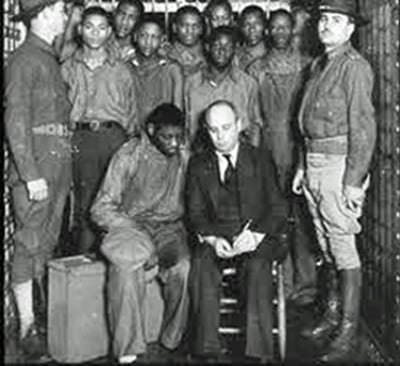
Nine African American teenagers were falsely accused of assault in Alabama in 1931, and their trials became a symbol of racial injustice in the American legal system (the initial all-white jury convicted eight of the nine defendants despite contradictory evidence and recanted testimony, which tells you everything about justice in the Jim Crow South); the case led to two landmark Supreme Court decisions: Powell v. Alabama established the right to adequate counsel, and Norris v. Alabama addressed the systematic exclusion of African Americans from juries. The trials dragged on for years, but they ultimately strengthened constitutional protections for criminal defendants.
The Eichmann Trial
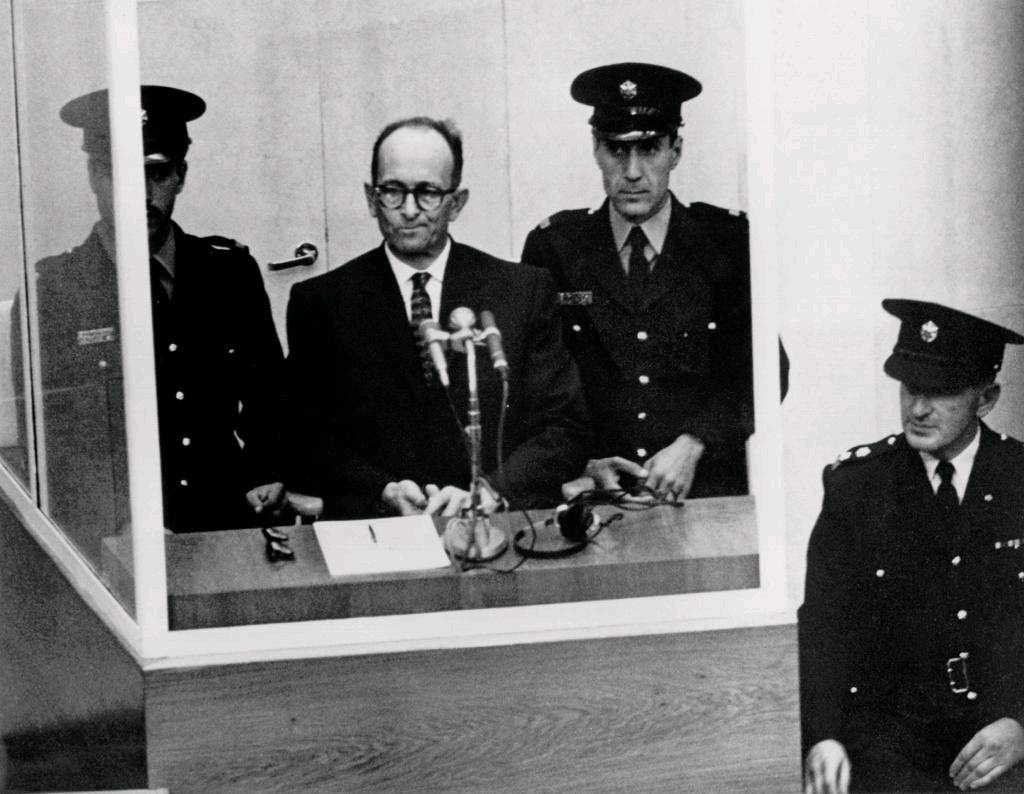
Israel’s capture and trial of Adolf Eichmann in 1961 brought Holocaust testimony into living rooms worldwide. The trial established that crimes against humanity have no statute of limitations and that universal jurisdiction applies to genocide.
Eichmann’s defense—that he was merely a bureaucrat following orders—failed completely. Hannah Arendt’s coverage introduced the concept of “the banality of evil.”
Roe v. Wade
The Supreme Court’s recognition of reproductive rights as protected by privacy interests became one of the most divisive decisions in American legal history; the 1973 ruling invalidated most state restrictions on contraception access, establishing a framework that balanced individual rights against state interests. The decision continues to shape political campaigns and judicial nominations decades later.
Gideon v. Wainwright
Public defenders exist because Clarence Earl Gideon wrote a petition from his prison cell; his 1963 Supreme Court case established that states must provide attorneys for defendants who cannot afford them in felony cases. The decision recognized that the Sixth Amendment’s promise of counsel was meaningless without actual representation—not just the theoretical right to hire a lawyer.
The Trial of Charles I
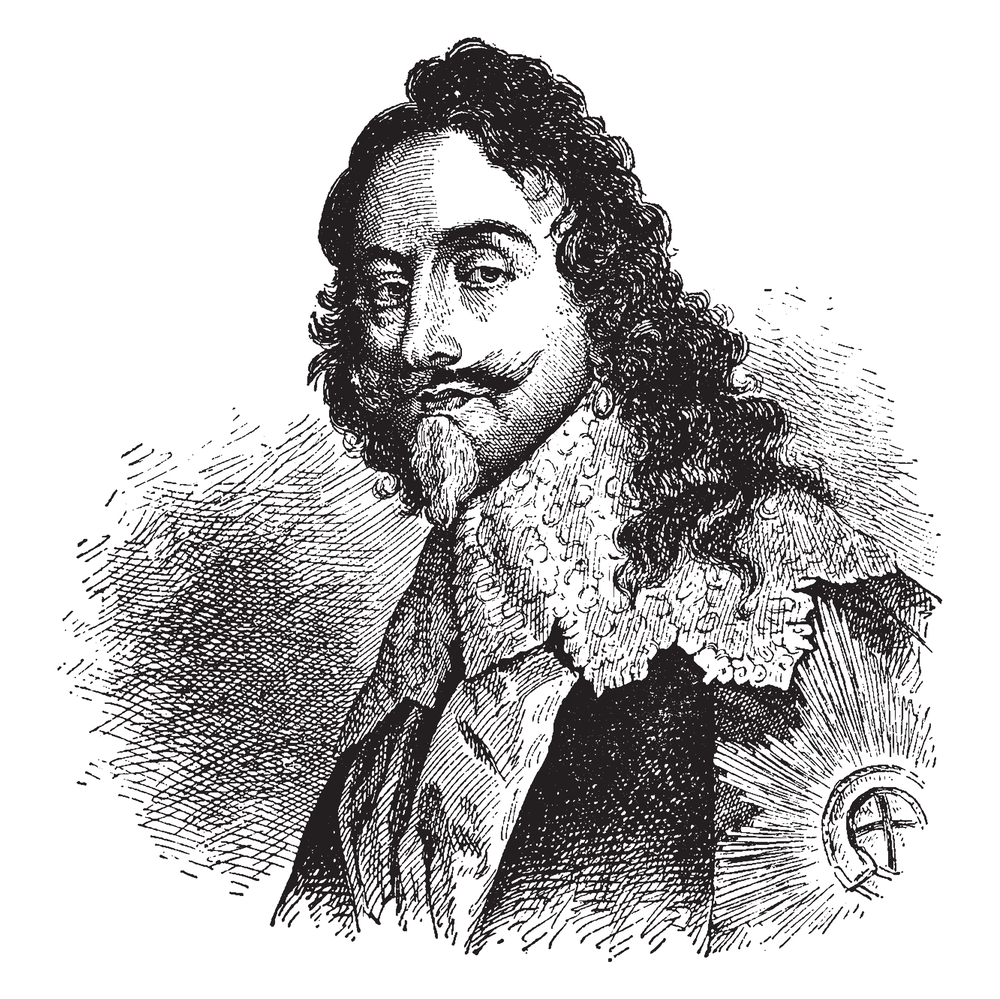
England executed its king in 1649, establishing the principle that no one is above the law—not even monarchs; Charles I refused to recognize the court’s authority, arguing that kings derive power from God, not the people. His execution created the foundation for constitutional monarchy and the idea that government derives legitimacy from popular consent rather than divine right.
McCulloch v. Maryland
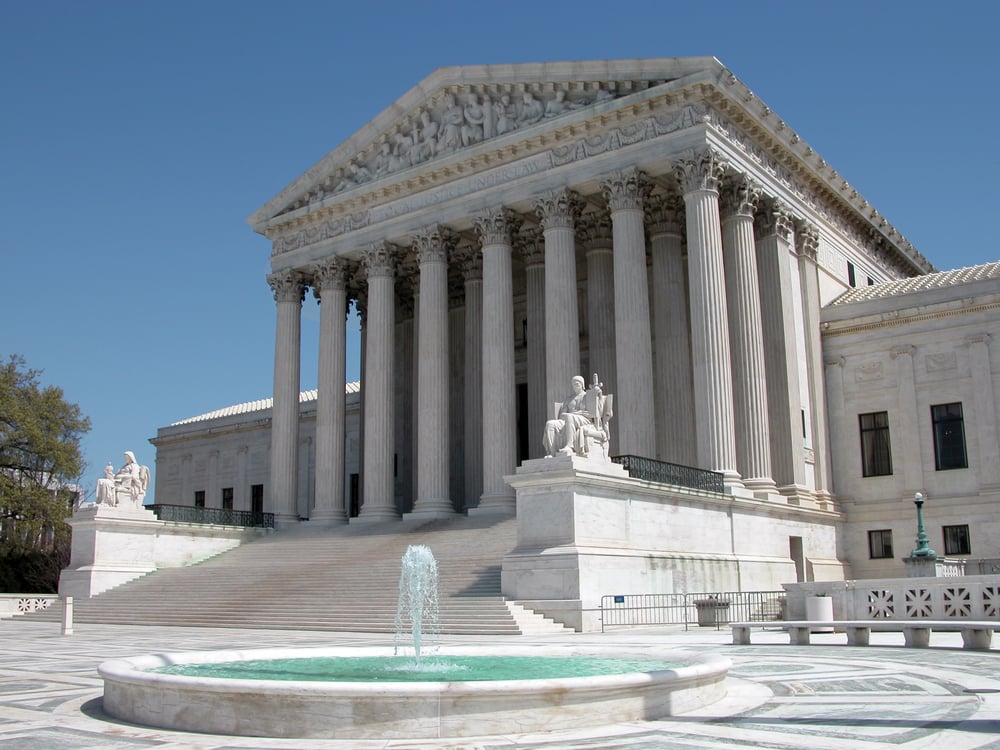
The 1819 case established federal supremacy over state authority and gave Congress broad powers under the “necessary and proper” clause (which sounds dry until you realize this decision shaped every major federal program from Social Security to civil rights enforcement); Chief Justice Marshall’s opinion created the foundation for the modern federal government by ruling that the Constitution grants implied powers beyond those explicitly listed. And the famous phrase “the power to tax involves the power to destroy” came from this case.
The Trials of the Suffragettes
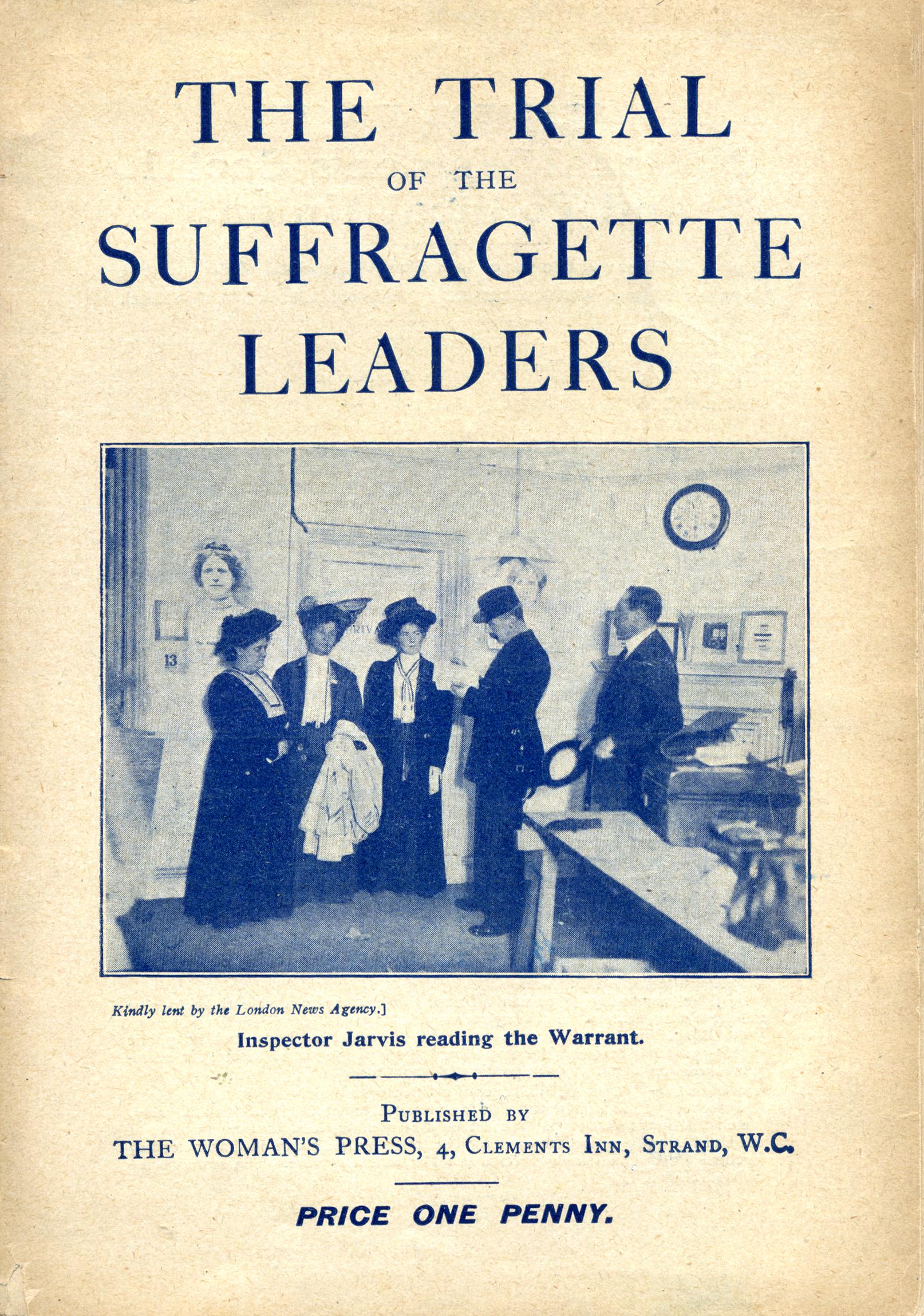
Alice Paul and other women deliberately courted arrest to expose the contradiction of imprisoning citizens for demanding the vote; their 1917 trials for picketing the White House—during which they were labeled “silent sentinels”—brought national attention to women’s disenfranchisement. The harsh treatment of imprisoned suffragettes generated public sympathy that helped secure passage of the Nineteenth Amendment.
Korematsu v. United States
The Supreme Court’s approval of Japanese American internment during World War II stands as one of the most shameful decisions in American legal history; Fred Korematsu’s challenge to the exclusion orders failed when the Court ruled that military necessity justified the mass detention of American citizens based solely on their ancestry. The decision wasn’t formally overturned until 2018—a reminder that constitutional rights mean little during moments of national panic.
The Lindbergh Baby Trial
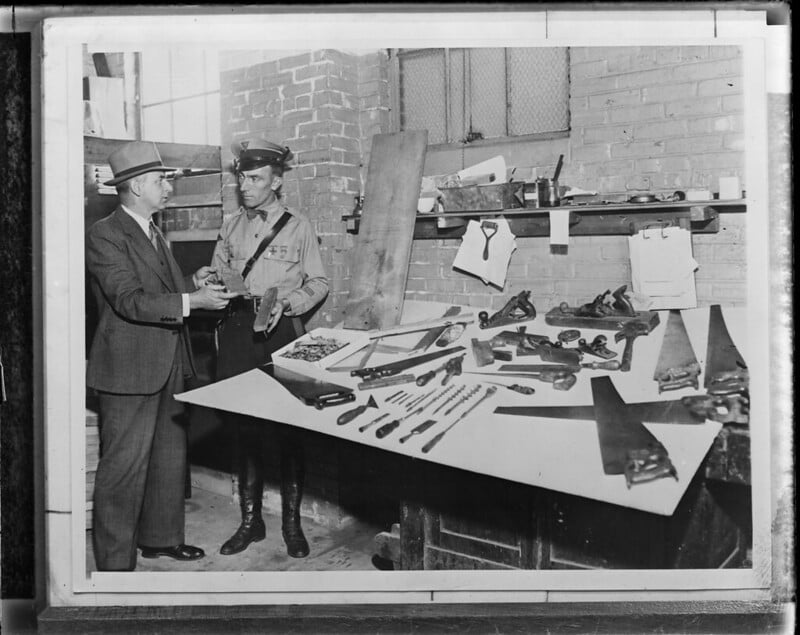
Bruno Hauptmann’s 1935 trial for kidnapping and murdering Charles Lindbergh’s infant son created the template for modern media circuses surrounding high-profile criminal cases; the intense press coverage—complete with radio broadcasts from the courthouse—forced courts to develop new rules about cameras and reporters in courtrooms. The trial demonstrated how celebrity and crime create a toxic mixture that can overwhelm the justice system.
Loving v. Virginia
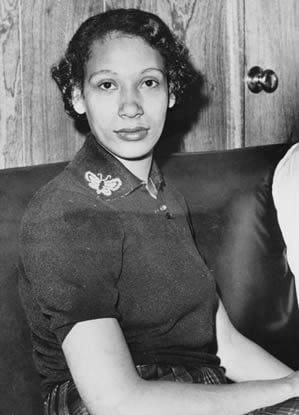
Interracial marriage became constitutionally protected when the Supreme Court struck down antimiscegenation laws in 1967; Richard and Mildred Loving’s simple desire to live as husband and wife in their home state of Virginia challenged laws that existed in sixteen states. Chief Justice Warren wrote that marriage is a fundamental civil right, establishing precedent that would later influence same-gender marriage cases.
The Chicago Seven Trial
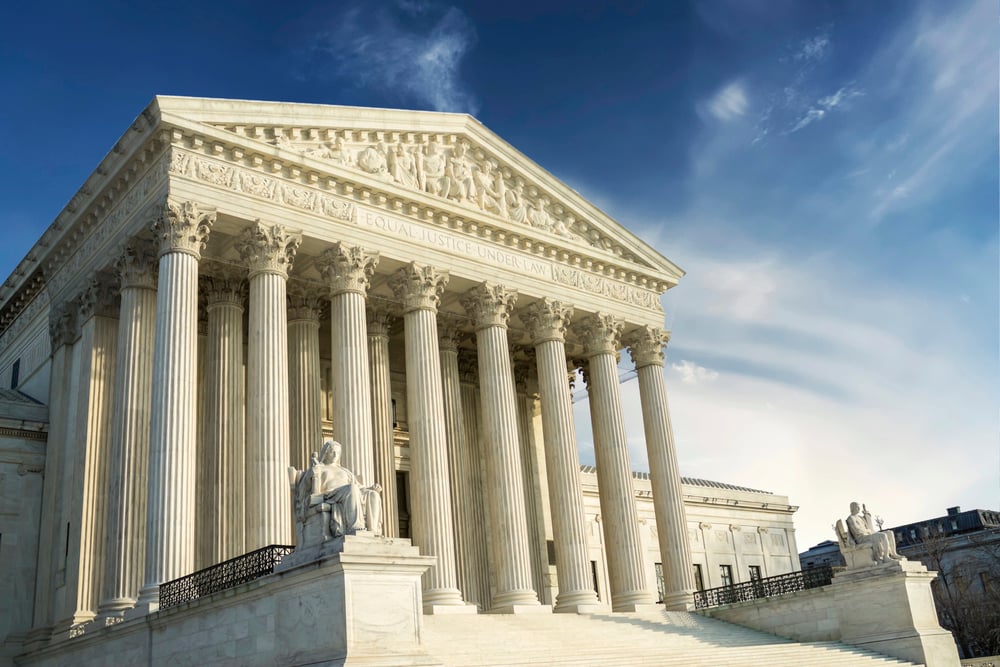
The 1969-1970 trial of anti-war protesters became a symbol of generational conflict and judicial bias during the Vietnam era; Judge Julius Hoffman’s hostile rulings and defendant Bobby Seale’s literal gagging created courtroom chaos that reflected broader social upheaval. The trial demonstrated how political prosecutions can backfire by generating sympathy for defendants and exposing government overreach.
Dred Scott v. Sandford
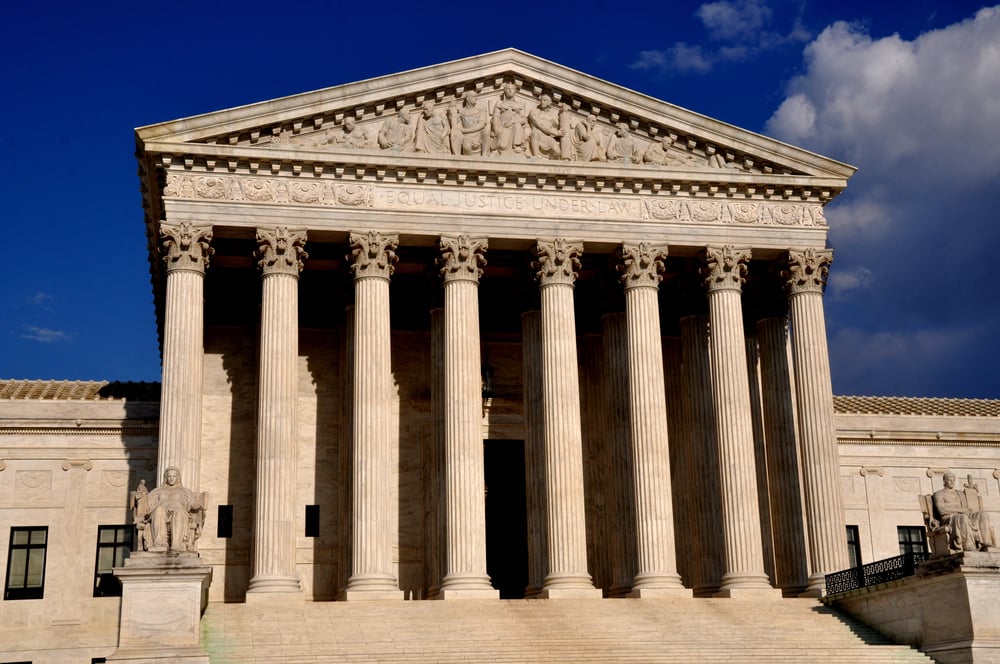
The Supreme Court’s 1857 decision denying citizenship to African Americans helped precipitate the Civil War by ruling that Black people “had no rights which the white man was bound to respect”; Chief Justice Taney’s opinion declared the Missouri Compromise unconstitutional and held that Congress lacked power to prohibit enslavement in federal territories. The decision proved that some legal questions cannot be resolved through judicial compromise.
The Watergate Hearings
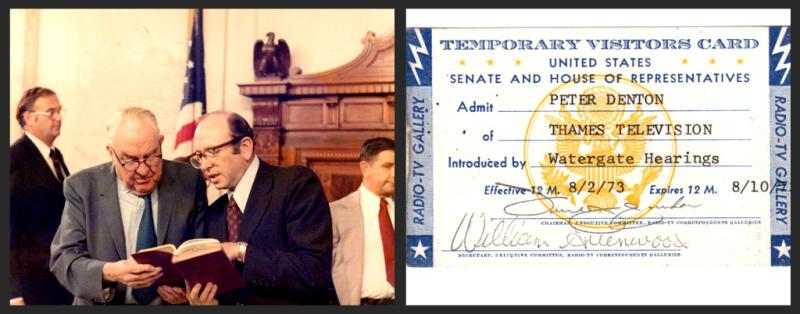
President Nixon’s claim of executive privilege collapsed when the Supreme Court unanimously ordered him to surrender the White House tapes; United States v. Nixon established that even presidents must comply with judicial subpoenas when criminal investigations are involved. The decision forced Nixon’s resignation and created permanent limits on presidential power—proving that the rule of law applies even at the highest levels of government.
The Rosenberg Trial
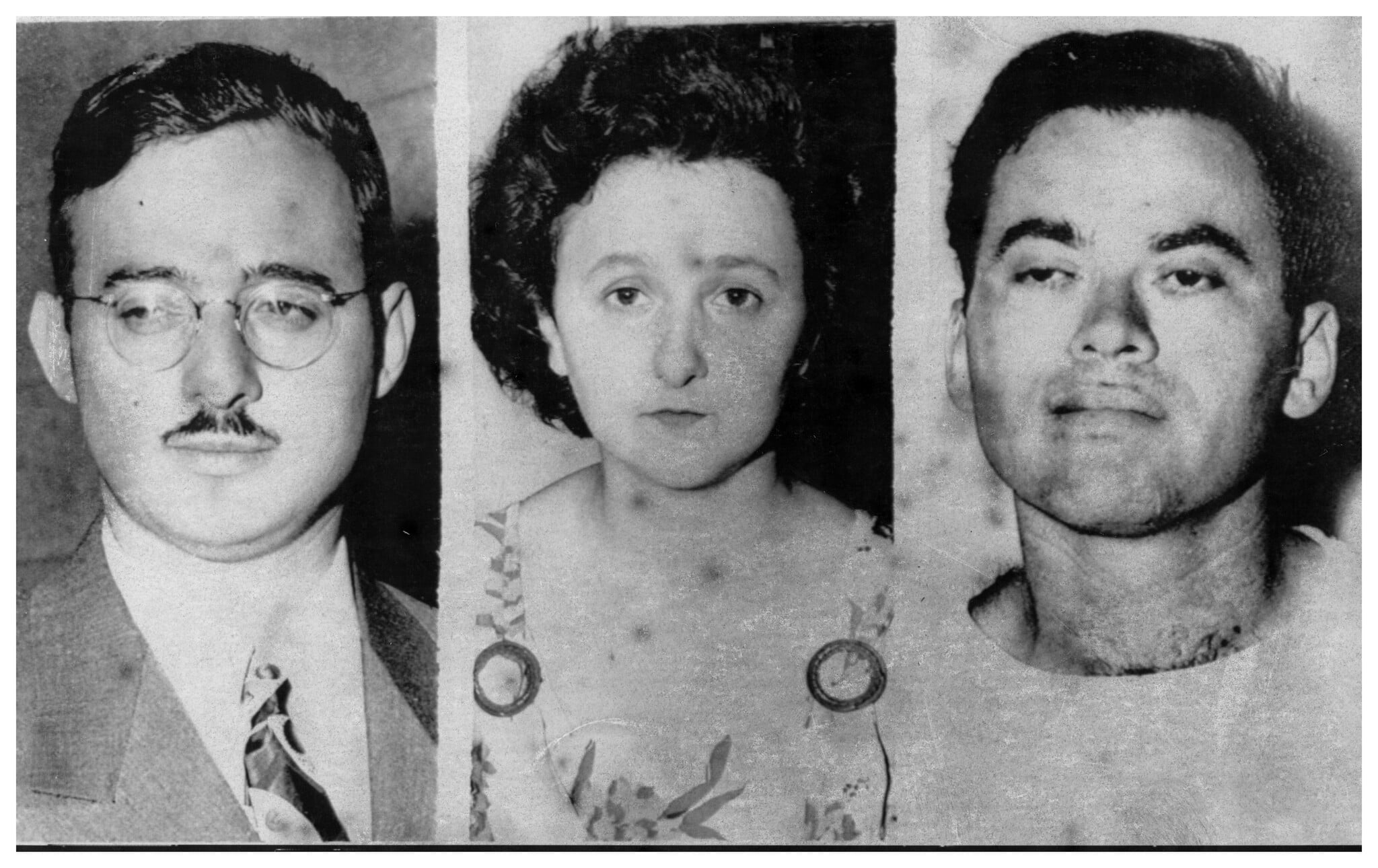
Julius and Ethel Rosenberg became the only American civilians executed for espionage during peacetime when they were convicted of passing atomic secrets to the Soviet Union; their 1951 trial occurred during the height of Cold War paranoia, and questions about the evidence and proportionality of their sentences persist decades later. The case highlighted the tension between national security and civil liberties that continues to challenge democratic societies.
Bush v. Gore

The Supreme Court effectively decided the 2000 presidential election by halting Florida’s recount; the 5-4 decision split along ideological lines and included the unusual disclaimer that it should not be considered precedent for future cases. The ruling exposed how political the highest court can become when partisan stakes are high enough—a lesson that reverberates through subsequent confirmation battles.
New York Times Co. v. Sullivan
The 1964 decision revolutionized free speech law by making it nearly impossible for public officials to win libel cases against their critics; the Court ruled that the First Amendment requires “actual malice”—knowledge of falsity or reckless disregard for truth—before public figures can recover damages for defamatory statements. The decision created breathing room for robust democratic debate by protecting criticism of government officials.
Terry v. Ohio
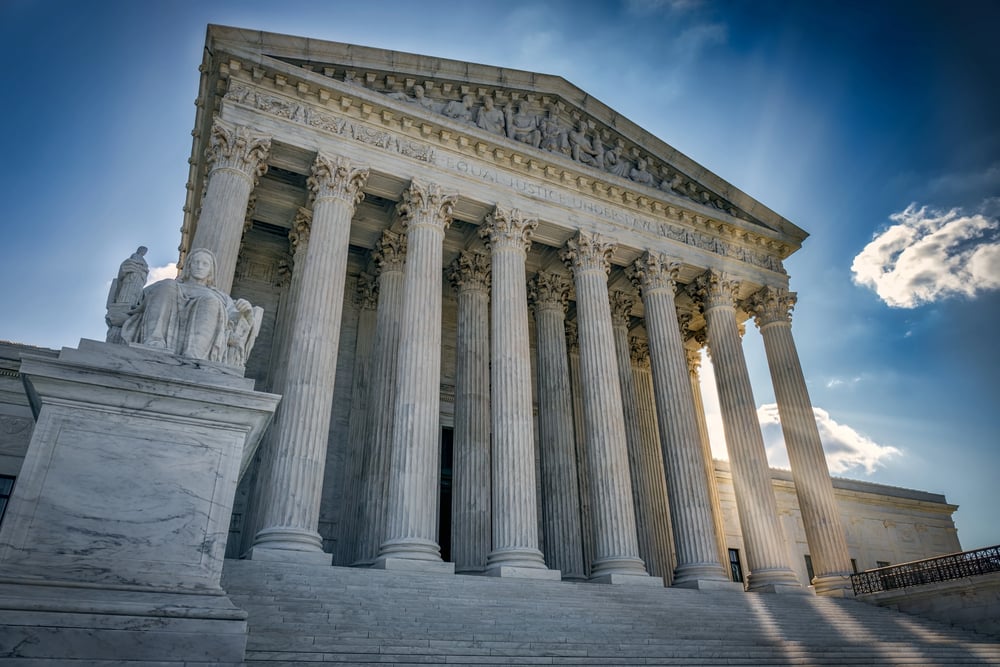
Police gained the power to stop and frisk individuals based on reasonable suspicion rather than probable cause; the 1968 decision balanced Fourth Amendment protections against officer safety concerns, but it also provided legal justification for practices that disproportionately affect minority communities. The ruling demonstrates how well-intentioned legal doctrines can enable discriminatory enforcement.
Beyond Precedent
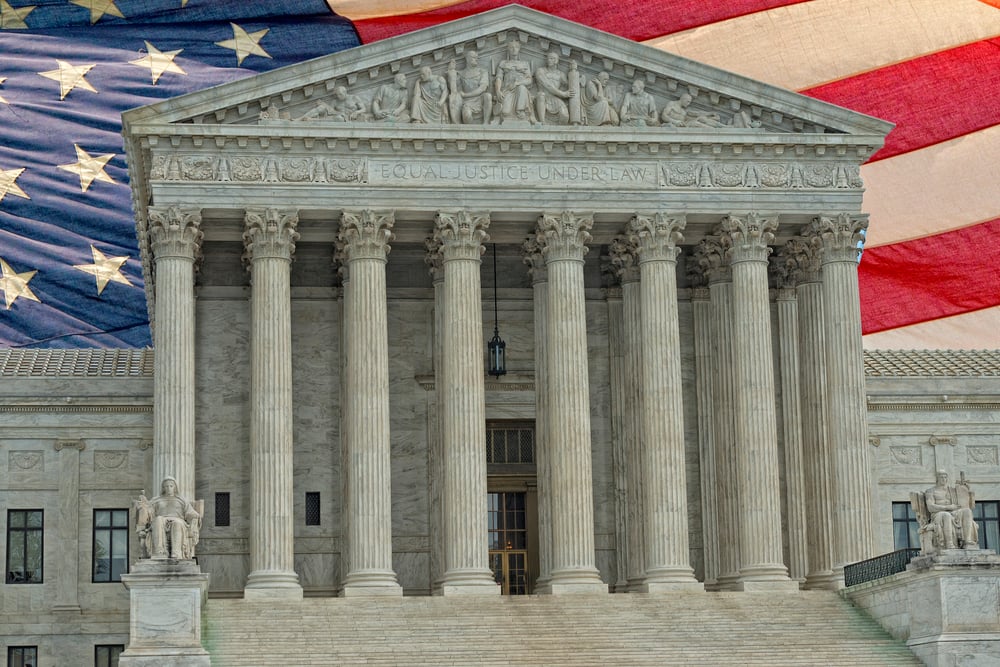
These trials remind us that legal systems are human creations, shaped by the courage of individuals willing to challenge unjust laws and the wisdom of judges who recognize when old precedents no longer serve justice; the courtroom remains one of the few places where ordinary citizens can confront the most powerful institutions in society—and sometimes win. Each of these cases proves that the arc of justice doesn’t bend automatically; it requires people willing to grab it and pull.
More from Go2Tutors!

- The Romanov Crown Jewels and Their Tragic Fate
- 13 Historical Mysteries That Science Still Can’t Solve
- Famous Hoaxes That Fooled the World for Years
- 15 Child Stars with Tragic Adult Lives
- 16 Famous Jewelry Pieces in History
Like Go2Tutors’s content? Follow us on MSN.