Places where Rainfall Broke Records
Rain can be helpful, calming, or even refreshing—but in some areas, it has poured down harder than anyone could have expected. From streets flooding in just hours to places making it into global weather history, extreme rainfall has truly made its mark. Some towns and regions have become well-known for the sheer amount of water falling from the sky.
Let’s go through some of these locations where the rain didn’t just come down—it made headlines.
Mawsynram, India
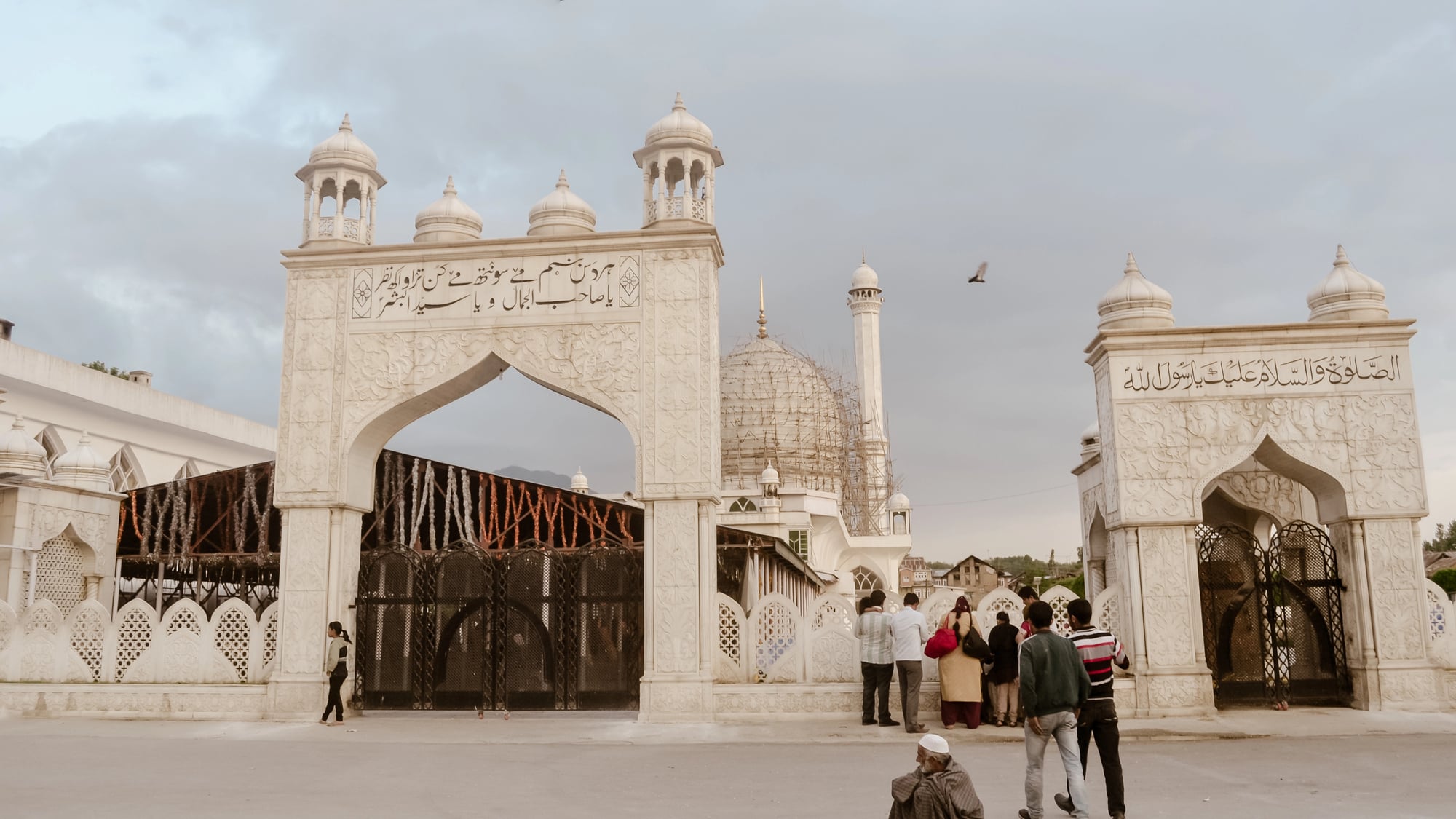
This hillside village in Meghalaya gets more rain in a year than anywhere else in the world. Mawsynram averages around 467 inches annually.
That’s like filling more than 30 full bathtubs for every person, every year. Most of it arrives during the monsoon when clouds hit the hills and can’t escape.
People in the area even use thick grass on their roofs to reduce the sound of the nonstop rain.
Foc-Foc, Réunion Island
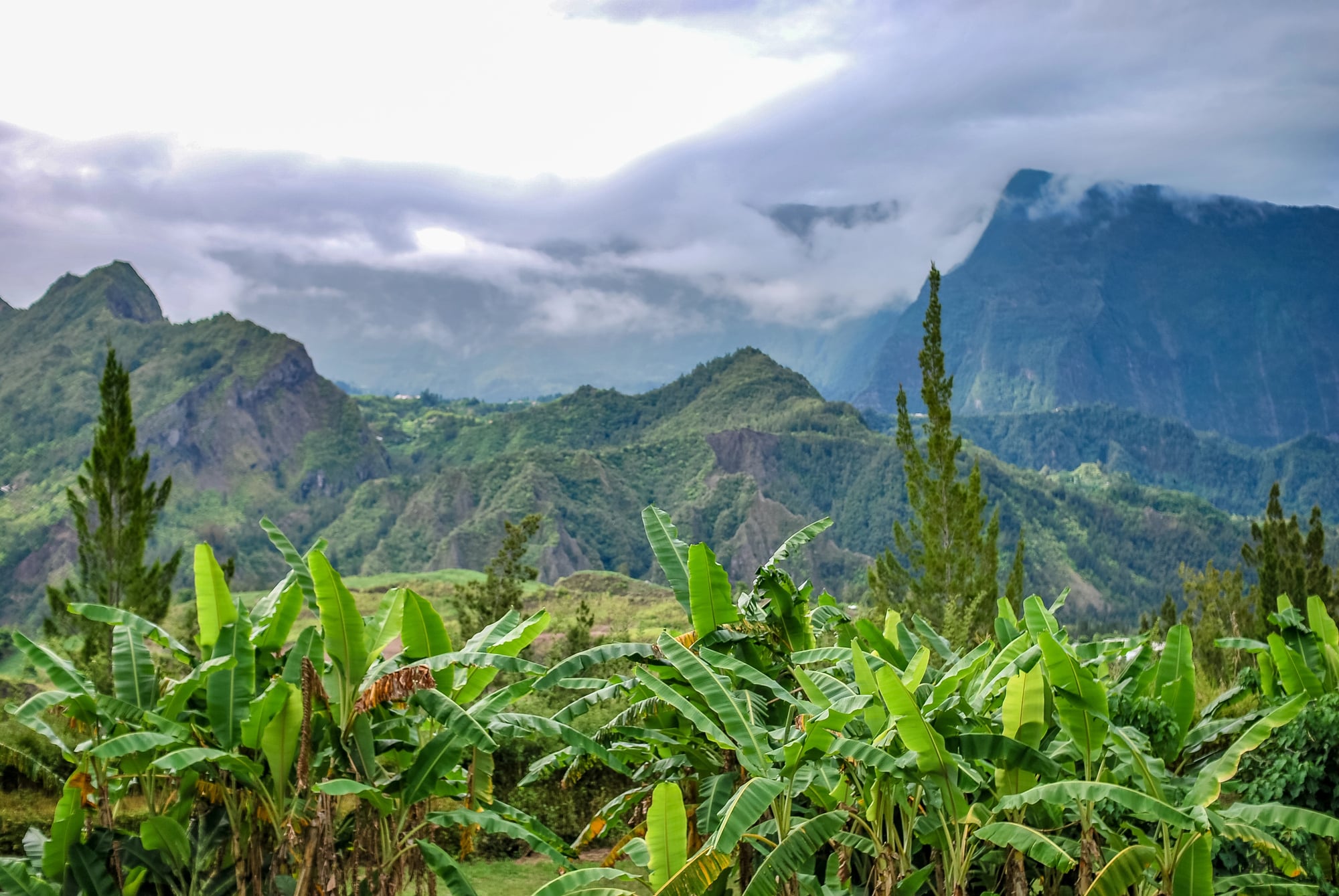
In 1952, Foc-Foc got hit with 155 inches of rain over just three days. This area is used to strong tropical storms, but that one stood out.
Short bursts of very heavy rain often lead to global records being set here. Because it’s built on steep volcanic slopes, water races downhill fast, causing quick floods.
That geography helps make the rain more intense.
La Réunion Island (again)

This island doesn’t just break records once. In 1966, it also saw the most rain ever recorded in 12 hours—over 45 inches.
That’s more than what some countries receive in an entire year. When storms hit, they drop water quickly, overwhelming roads and homes.
The damage can take weeks to clean up.
Mt. Waialeale, Hawaii

This mountain is one of the rainiest places on Earth, with rain falling almost daily—around 335 days a year. The name translates to “rippling water” in Hawaiian.
Moist air from the ocean rises and drops rain as it cools over the peak. While it doesn’t always set records, its near-constant rainfall is hard to match.
The area is thick with plant life, thanks to the never-ending water.
Kukui, Maui, Hawaii

In 1982, Kukui saw more than 57 inches of rain fall in just 24 hours. That storm made history across the United States.
The rain came from a tropical system that stayed in one place for too long. The water couldn’t drain fast enough, so roads and fields flooded.
The event caused widespread damage to local homes and farms.
Alvin, Texas, USA

Alvin experienced a weather surprise in 1979 when 43 inches of rain dropped in just one day. A slow storm hovered over the town and released huge amounts of water.
Streets became rivers, and people were rescued using boats. The rain filled ditches and canals faster than they could drain.
It still stands as a record for the U.S.
Holt, Missouri, USA

In 1947, Holt recorded almost 12 inches of rain in just 42 minutes. That’s one of the fastest rates of rainfall ever seen.
The storm was brief but strong enough to cause major flooding. At the time, there were no alerts or modern radar tools.
The event remains part of many meteorology lessons today.
Kilauea, Hawaii
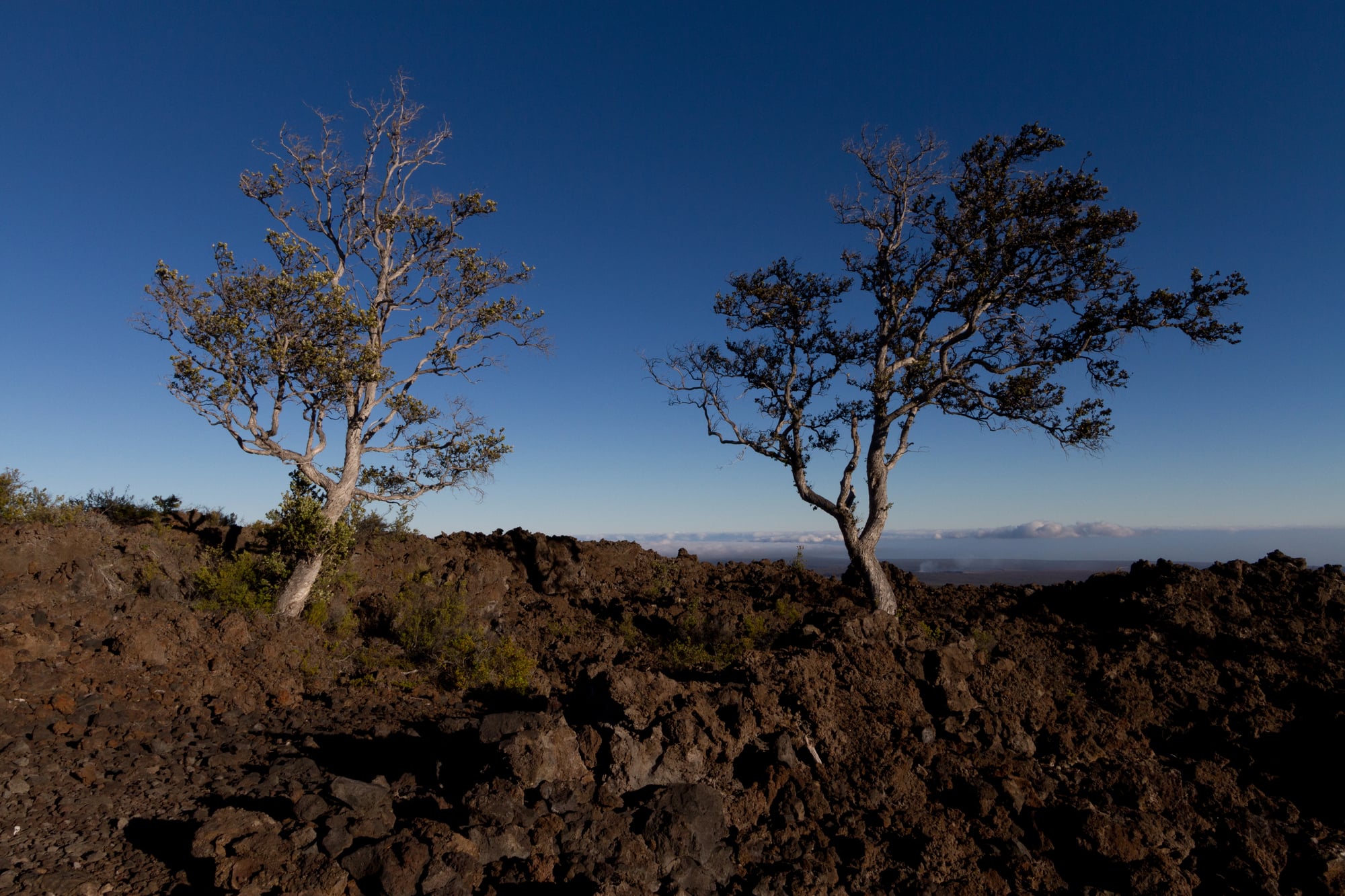
In 2018, Kilauea got slammed with rain while already dealing with a volcanic eruption. More than 50 inches fell in just a few days.
The combination of lava and rainfall made conditions dangerous. Roads became slick, and steam filled the air.
Emergency workers faced delays reaching some communities.
Hilo, Hawaii

Hilo is the wettest city in the United States, with an average of 130 inches of rainfall per year. Instead of downpours, it gets light rain spread over many days.
Residents plan their day around short showers. The greenery is always fresh because of this steady water supply.
The weather doesn’t stop daily life—it’s just part of it.
Quibdó, Colombia
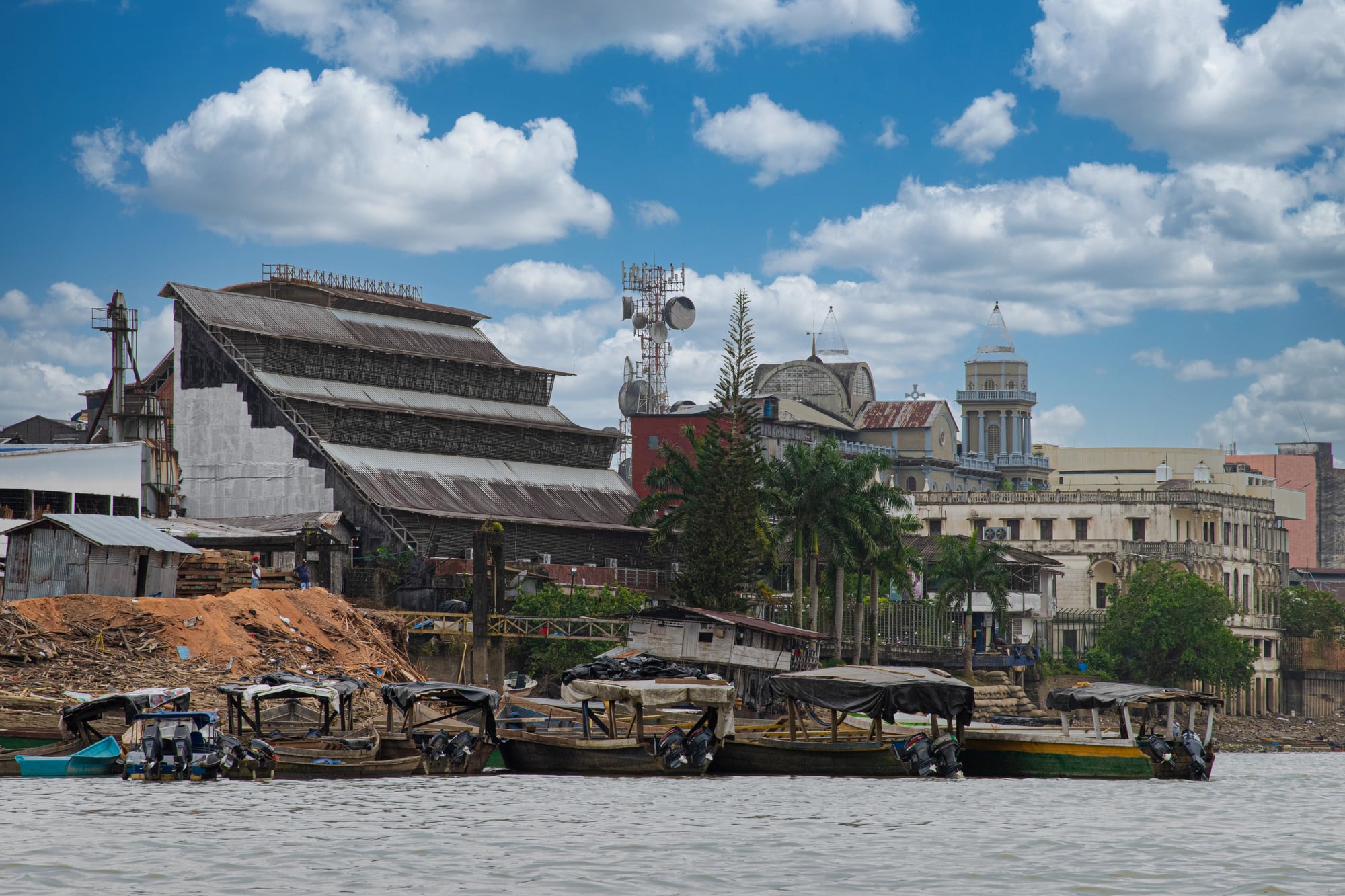
Located near the Pacific Ocean, Quibdó sees constant rain all year long. It receives over 300 inches each year.
The sky is often overcast, and the air is thick with humidity. Local rivers stay high and help with transportation and fishing.
Life goes on with raincoats and umbrellas always close by.
Bergen, Norway
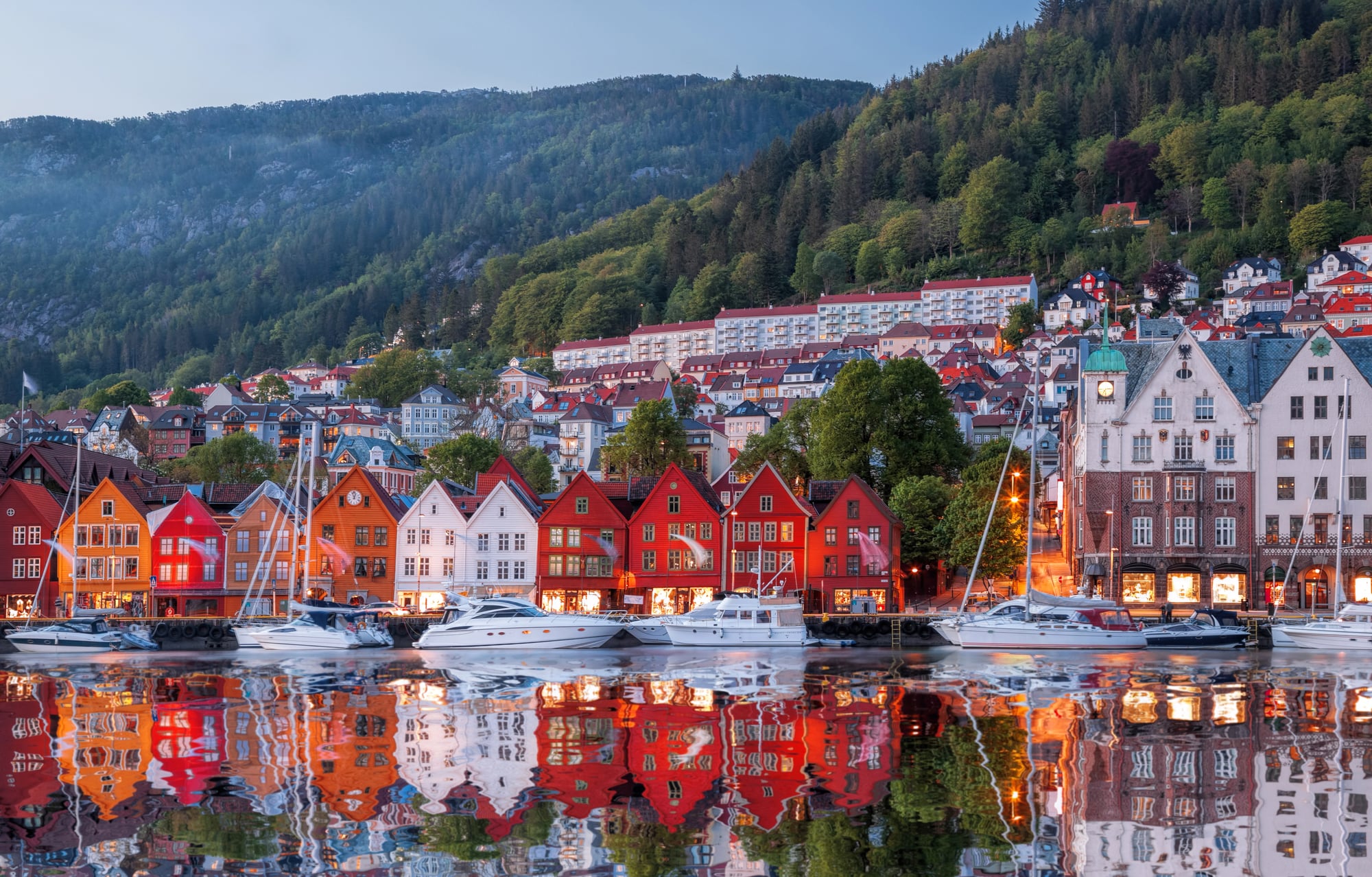
Bergen is known as the rainiest city in Europe, with more than 230 rainy days each year. While the rain isn’t always heavy, it’s frequent enough to keep things damp.
People there are used to it and just go about their day. The city remains popular thanks to its beauty and culture.
Colorful houses and cozy cafés make it easier to enjoy the weather.
When the sky doesn’t hold back
Across continents and oceans, rainfall has shaped how people live and where they build. From Indian villages to island peaks, these places have seen the sky open up like few others have.
Some face long, steady showers while others deal with fast, intense bursts. These records remind us how powerful nature can be—and how communities adapt and carry on.
The weather may come and go, but the stories it leaves behind last for generations.
More from Go2Tutors!

- The Romanov Crown Jewels and Their Tragic Fate
- 13 Historical Mysteries That Science Still Can’t Solve
- Famous Hoaxes That Fooled the World for Years
- 15 Child Stars with Tragic Adult Lives
- 16 Famous Jewelry Pieces in History
Like Go2Tutors’s content? Follow us on MSN.



