30 Vintage Lighters Worth Getting Appraised
That old lighter sitting in your drawer might be worth more than pocket change. Collectors pay serious money for vintage pieces, especially when they’re in good condition or carry a prestigious name.
The lighter market has distinct categories where value concentrates — luxury brands, wartime pieces, and unique mechanisms all command attention from buyers who know what they’re looking for.
Dunhill Rollagas
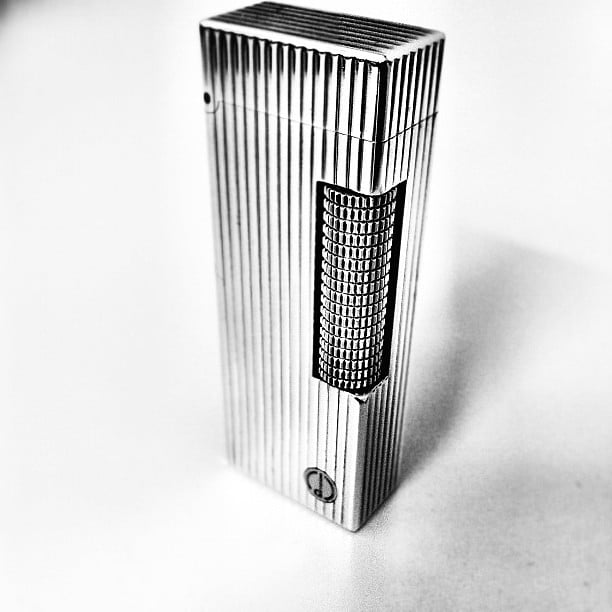
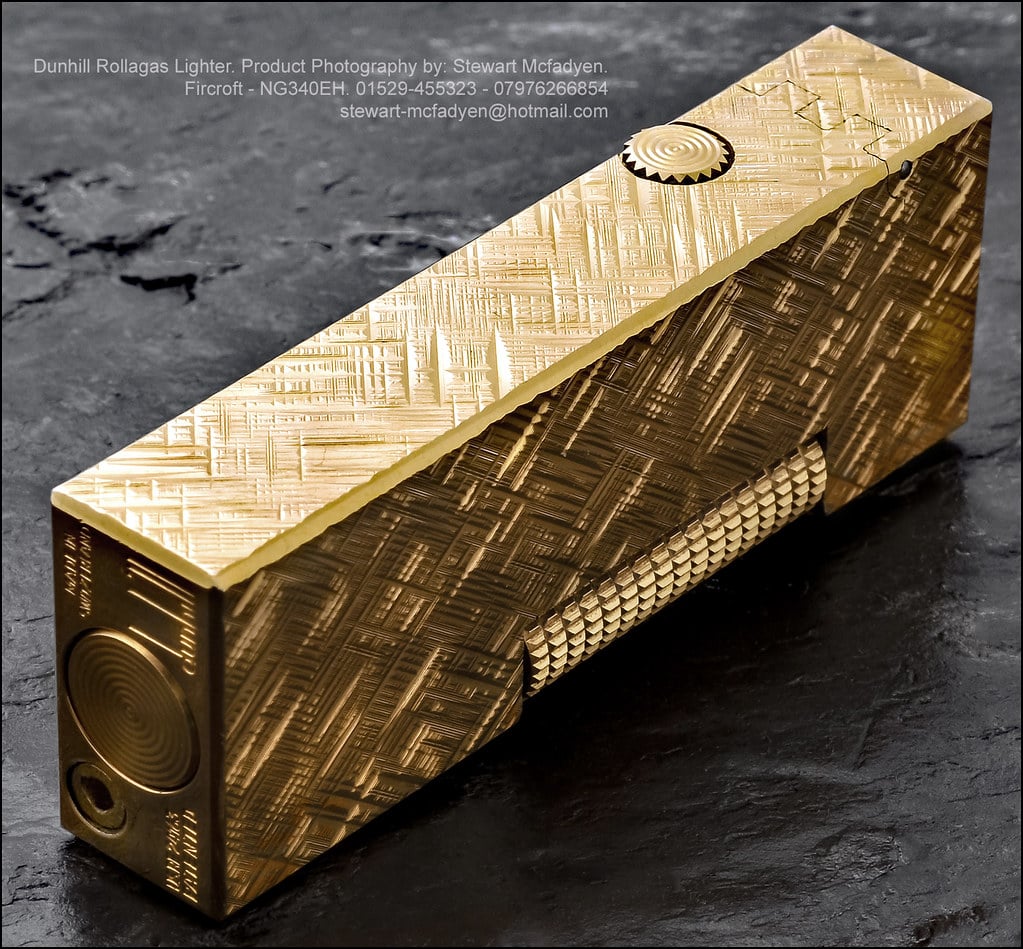
Dunhill’s Rollagas series represents the pinnacle of lighter engineering from the 1950s onward. The distinctive clicking mechanism and solid brass construction made these pieces both functional and luxurious.
Silver-plated models from the early production runs can fetch several hundred dollars, while gold-plated versions push into four-figure territory.
Zippo D-Day Commemorative
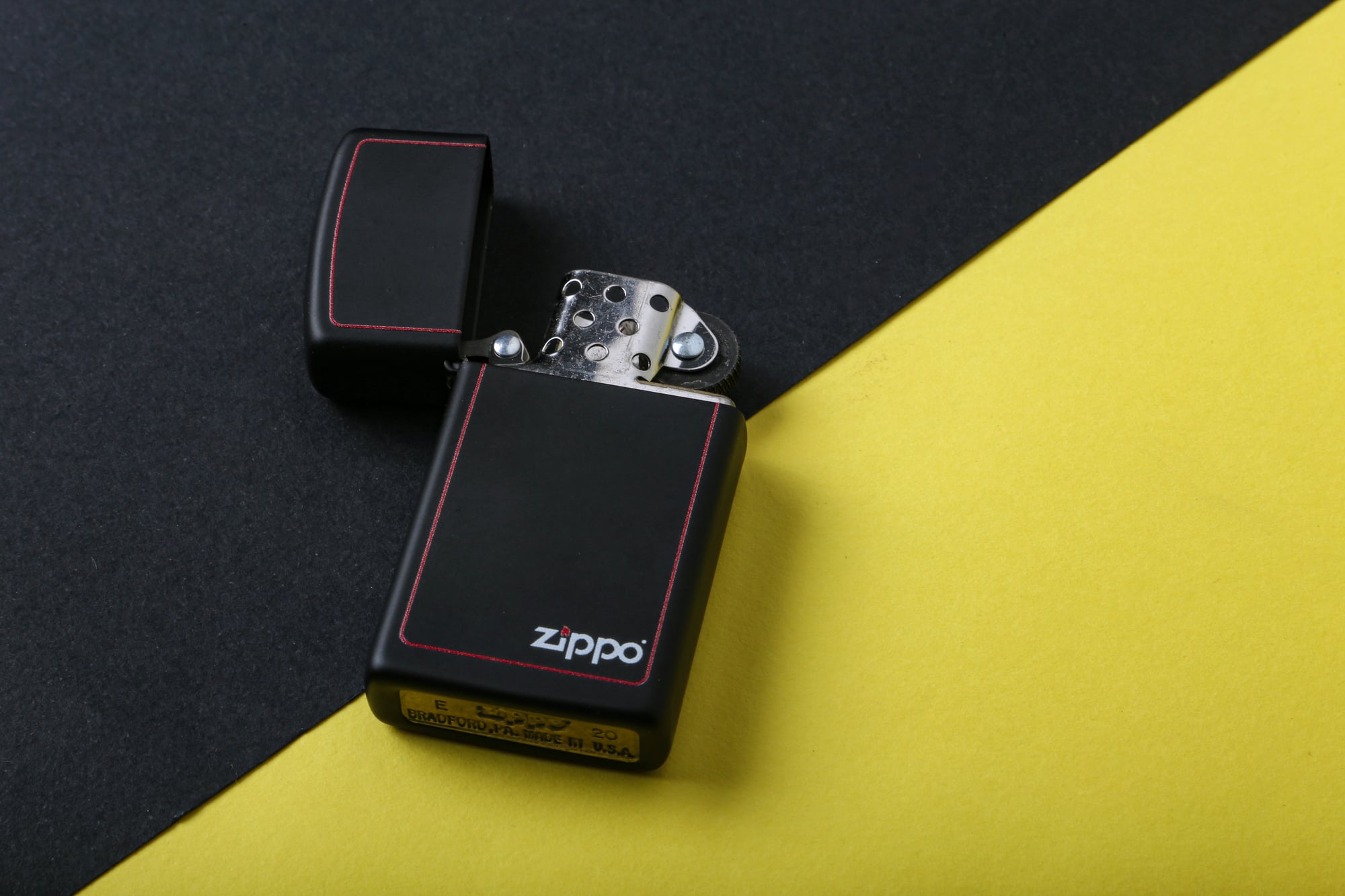
Released in limited quantities, these Zippos marked the 50th anniversary of the Normandy invasion. The engraving work alone sets them apart from standard production models (and the historical significance doesn’t hurt either).
Collectors recognize authentic pieces by the specific numbering system — which makes verification crucial before any appraisal.
S.T. Dupont Ligne 1
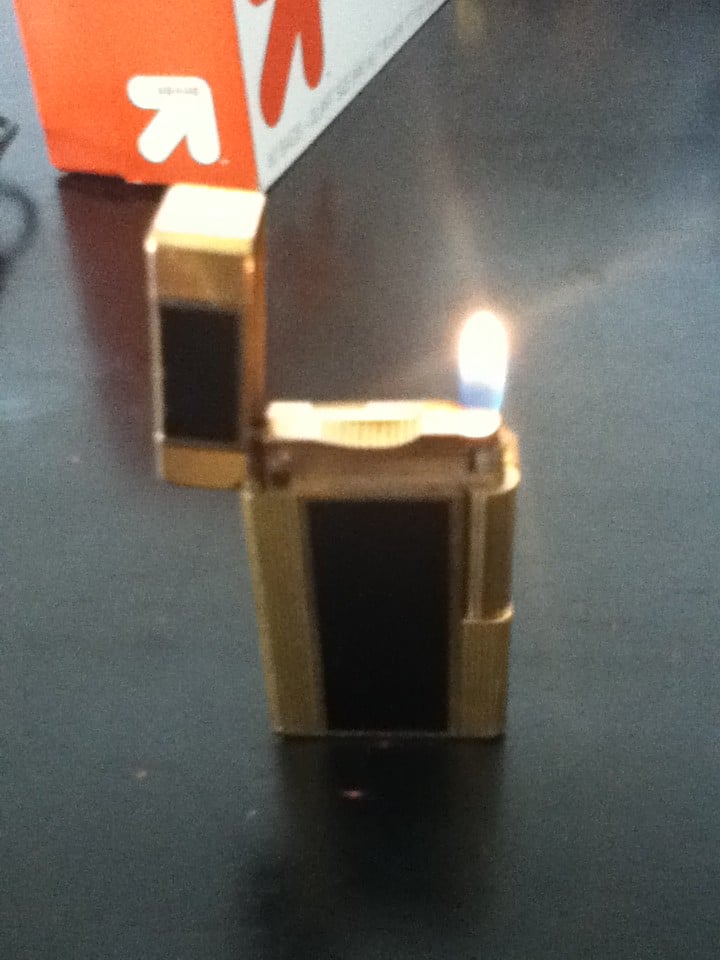
Dupont’s Ligne 1 series sits in that strange space where craftsmanship meets obsession, where the sound of the mechanism closing matters as much as the flame itself. These French-made lighters carry weight that feels deliberate — brass and gold construction that announces itself without saying a word.
And yet the real value lies in something harder to quantify: the way certain objects become talismans for the people who carry them. So many Dupont owners describe the same ritual — the satisfying click, the reliable flame, the sense that some tools are built to outlast the hands that hold them.
Ronson Crown
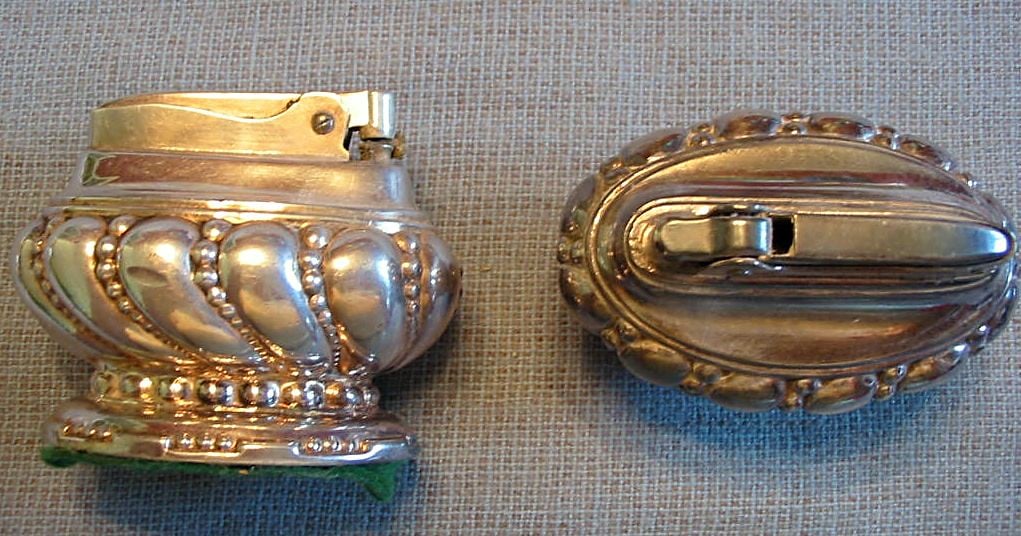
Ronson’s Crown model dominated the American market in the 1940s and 1950s. The automatic lighting mechanism was revolutionary for its time.
Chrome versions are relatively common, but gold-filled models with intact mechanisms command premium prices. Condition matters more with Ronson than most other brands.
Cartier Santos
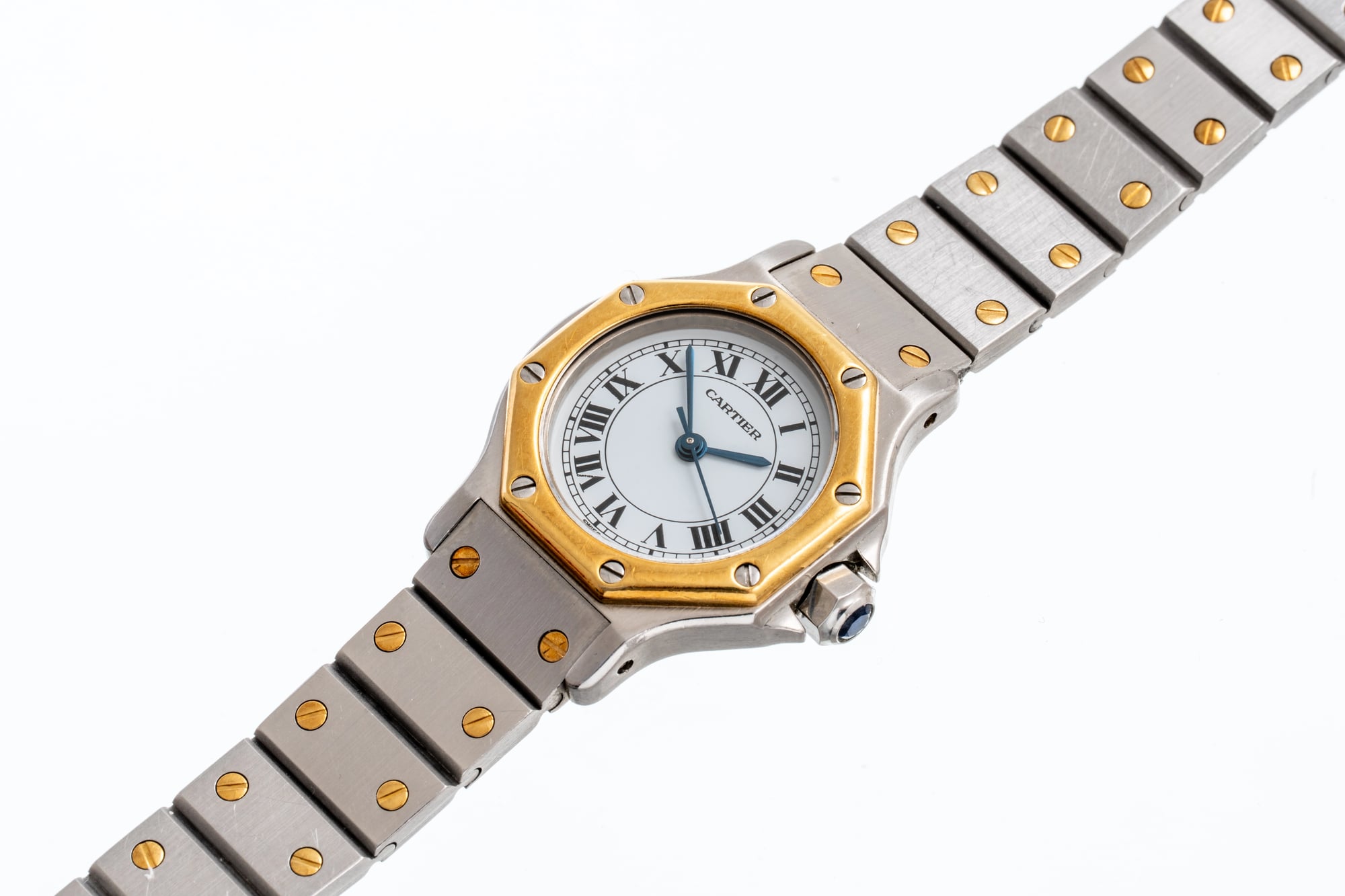
Cartier applied their jewelry expertise to lighter design with impressive results. The Santos line features precious metal construction and often includes gemstone accents.
Authentication is critical — the luxury goods market attracts skilled counterfeiters. Original Cartier boxes and papers significantly increase value.
Parker Beacon
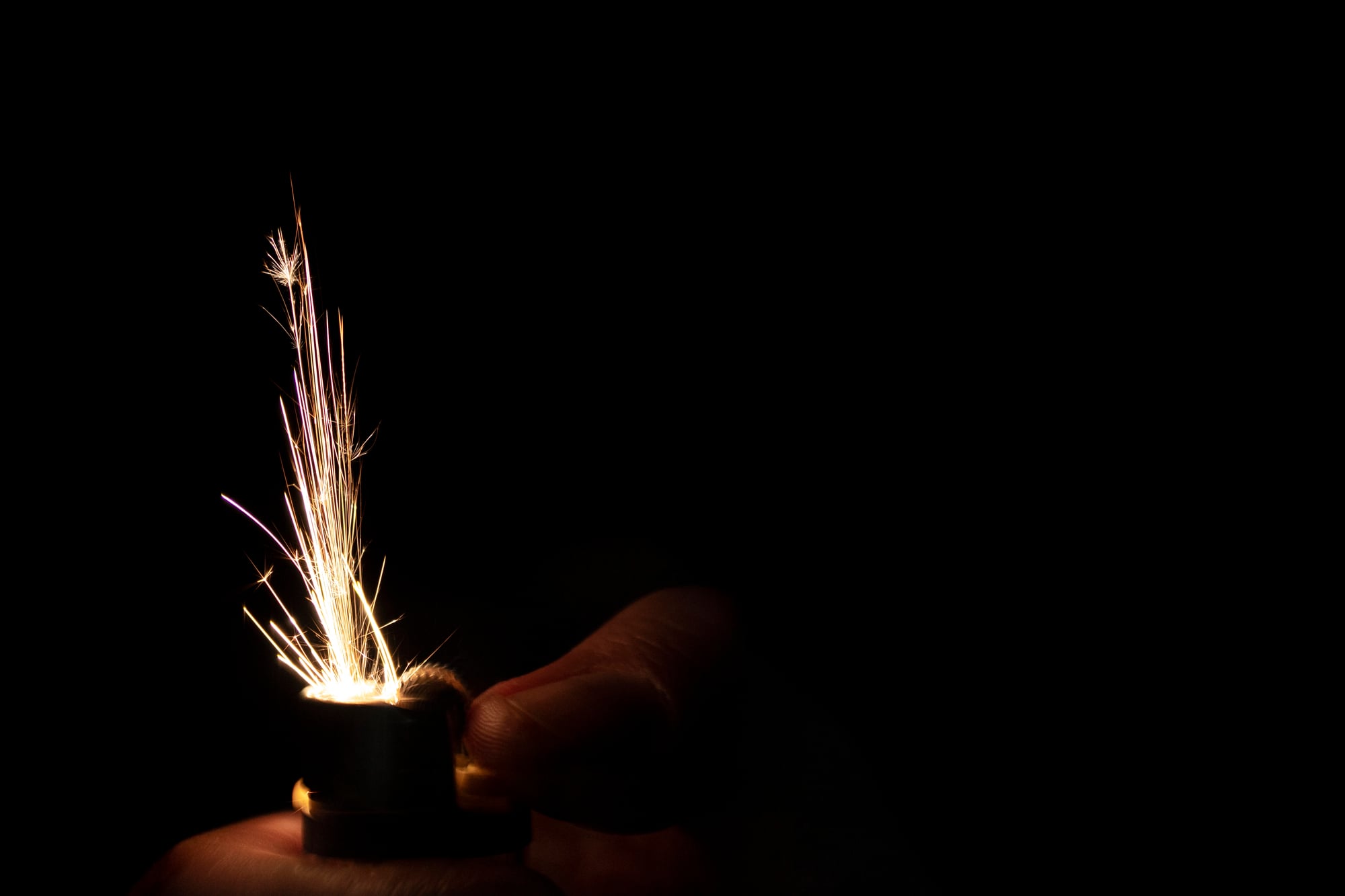
Parker made the transition from pens to lighters with characteristic attention to detail, and the Beacon line shows exactly what happens when a company treats every product like it might be their signature piece (which, in Parker’s case, it very well might have been). The mechanism operates with the same precision you’d expect from their fountain pens — smooth, deliberate, engineered to work the same way after decades of use.
But there’s something else happening here: these lighters carry the DNA of a company that understood craftsmanship as a form of communication. Each Beacon lighter speaks in the same language as their pens — understated excellence that doesn’t need to announce itself.
Zippo Slim
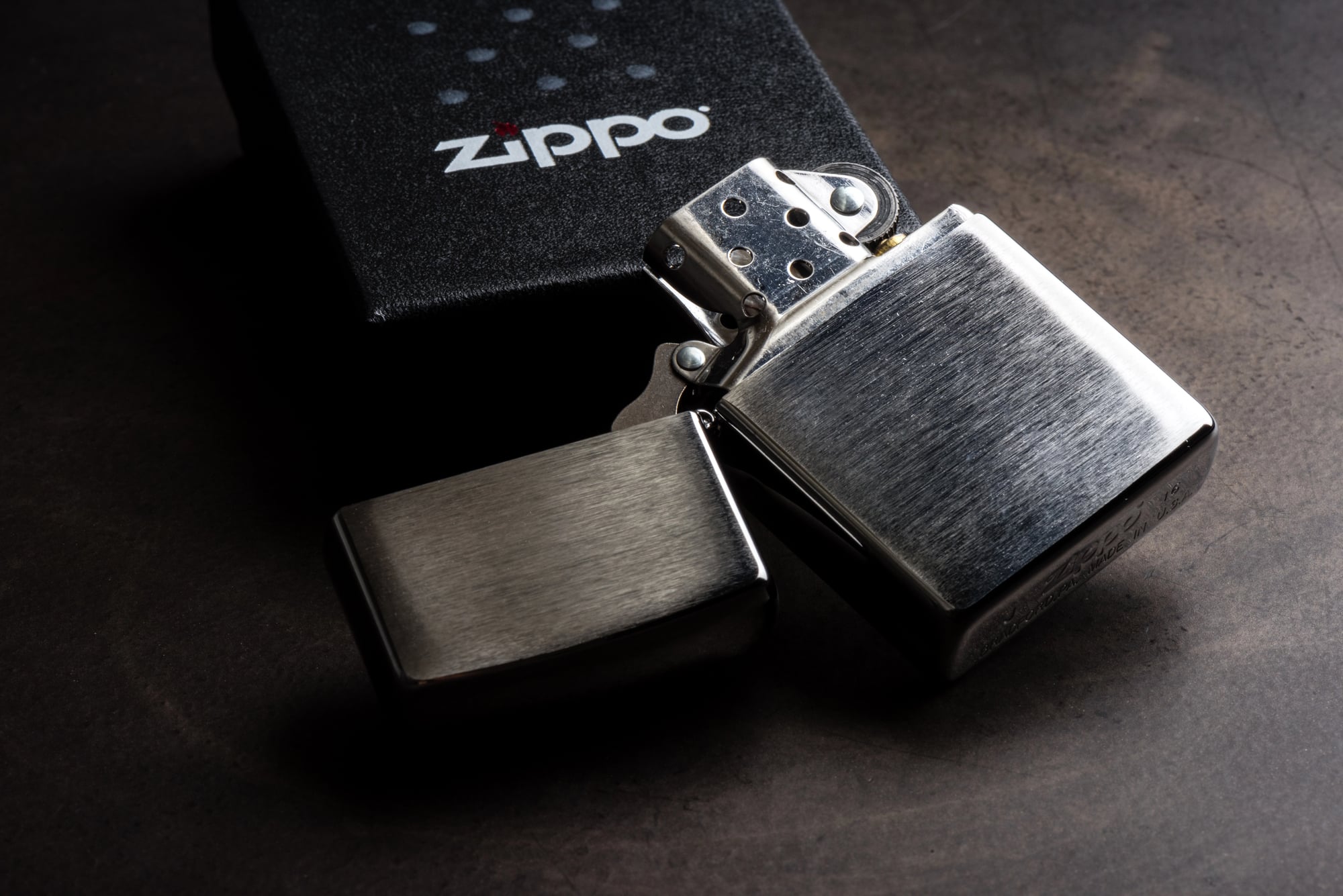
The slim-profile Zippo appeals to collectors who appreciate the engineering challenge of fitting standard components into a reduced form factor. Early slim models from the 1960s are particularly sought after.
The slimmer case required different internal arrangements, making these technically distinct from standard Zippos.
Colibri Monopol
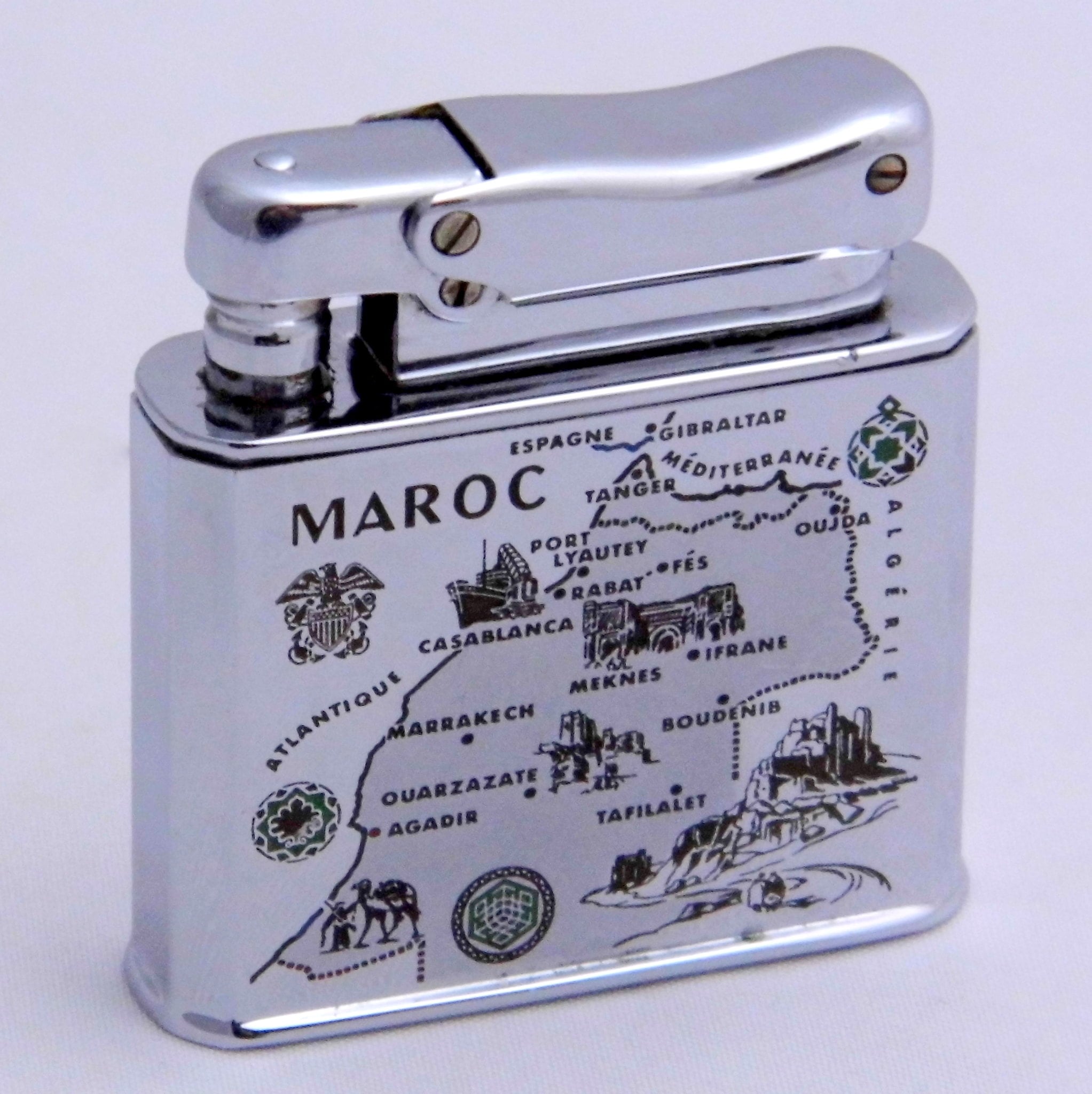
Colibri’s Monopol series represents German engineering applied to lighter design. The butane delivery system was advanced for its era.
These lighters were built to survive daily use, which means finding pristine examples requires patience. Working condition significantly impacts value.
Auer Brilant
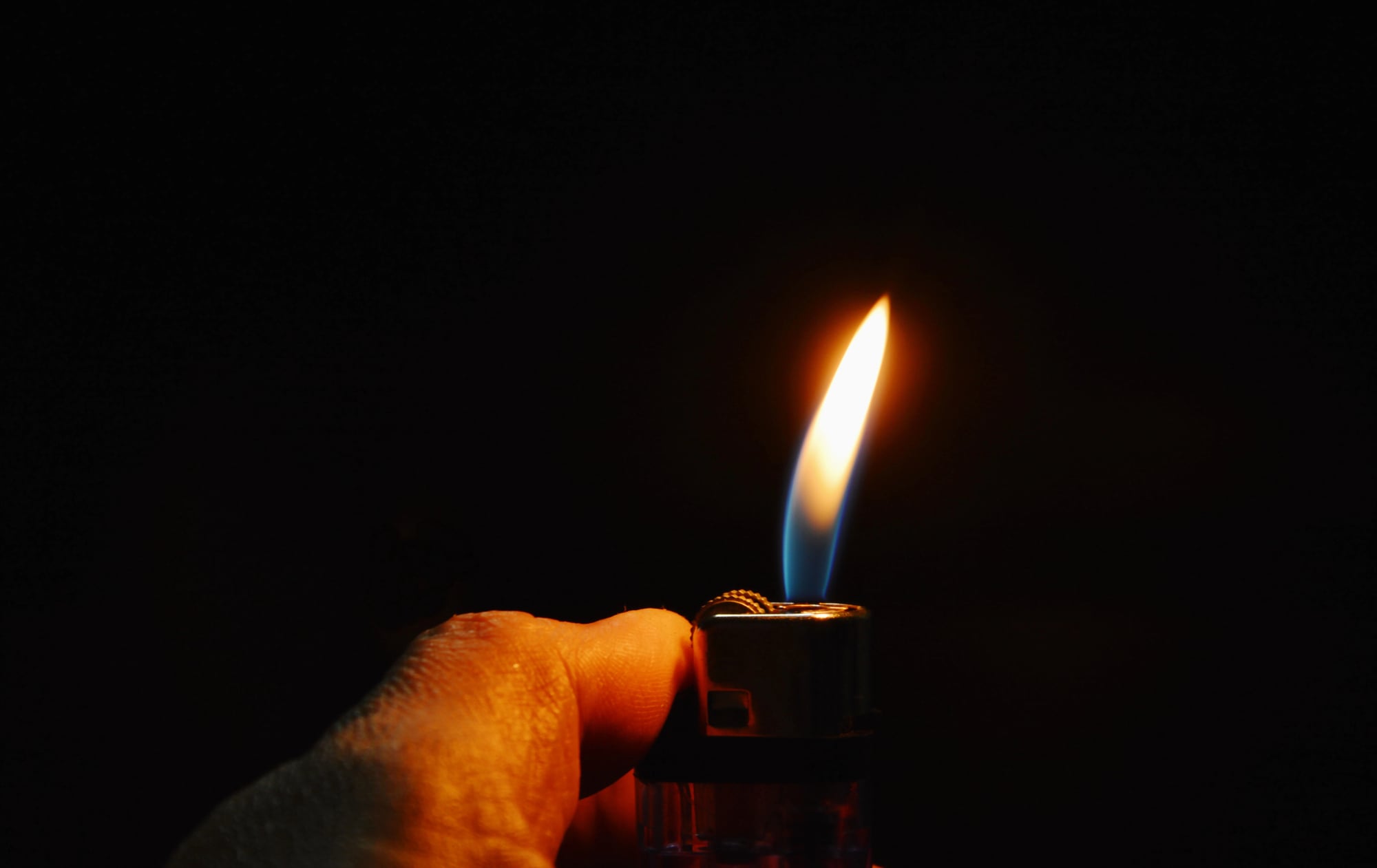
Austrian manufacturing produced the Auer Brilant, and there’s something almost stubborn about how well these lighters were made — the kind of construction that refuses to acknowledge planned obsolescence as a business model. The flint mechanism fires consistently after decades, the metal shows wear patterns that speak to regular use rather than catastrophic failure, and the overall design suggests engineers who took personal offense at the idea of disposable goods.
But the real story lives in the details: the precise fit of moving parts, the way the flame adjusts with mechanical confidence, the sense that someone built this lighter to outlast the century it was made in.
Penguin Pocket Lighter
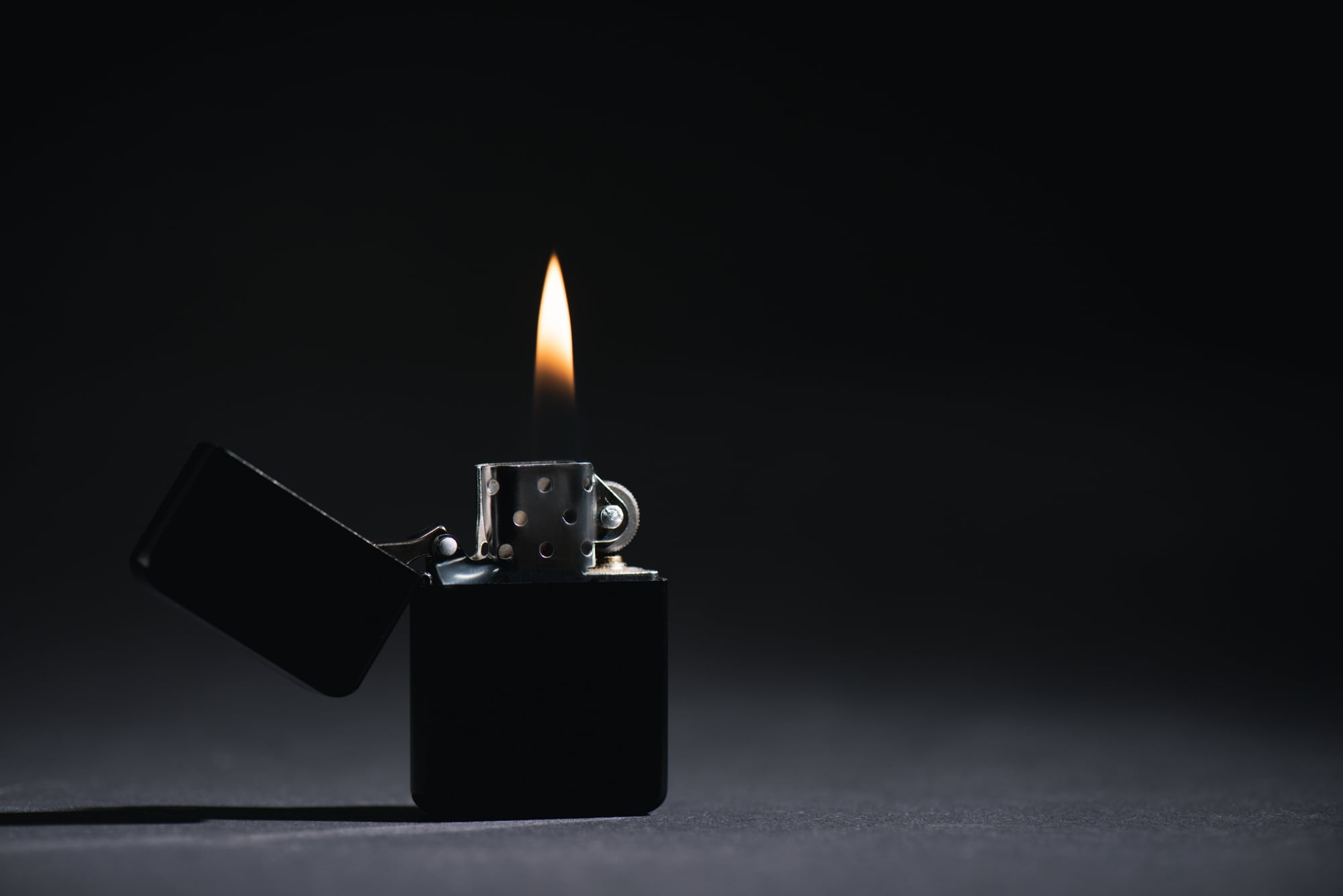
The Penguin brand produced distinctive art deco designs throughout the 1940s. These lighters feature bold geometric patterns and streamlined forms.
The pocket-friendly size made them popular with both men and women. Chrome plating wear is common, but examples with intact plating are highly valued.
Evans Trickette
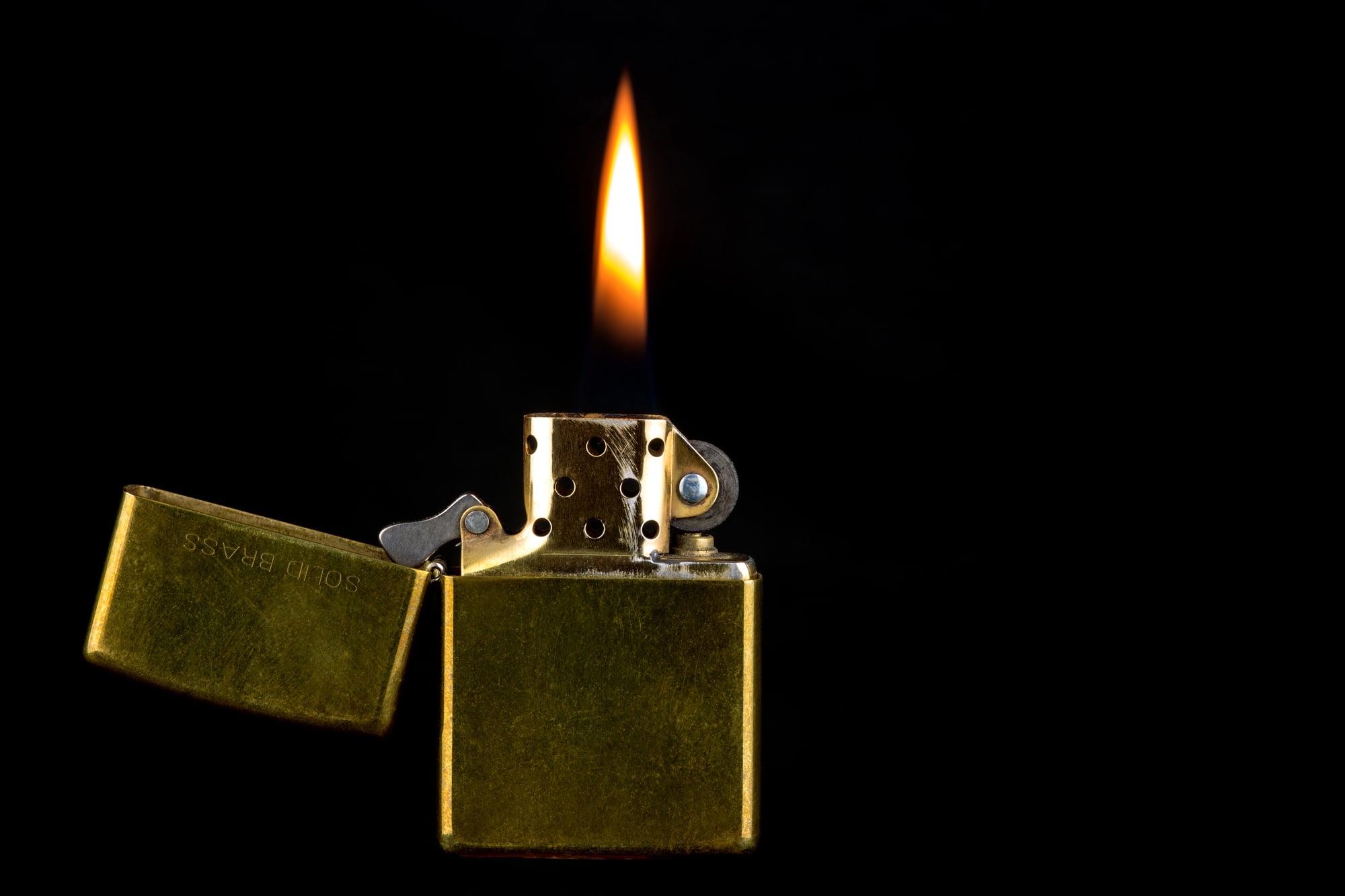
Evans specialized in combination items, and the Trickette paired a lighter with other functions like compacts or cig cases. The mechanical complexity makes working examples rare.
Women’s models with intact mirrors or powder compartments command the highest prices. These pieces represent the peak of 1940s industrial design.
Scripto VU-Lighter
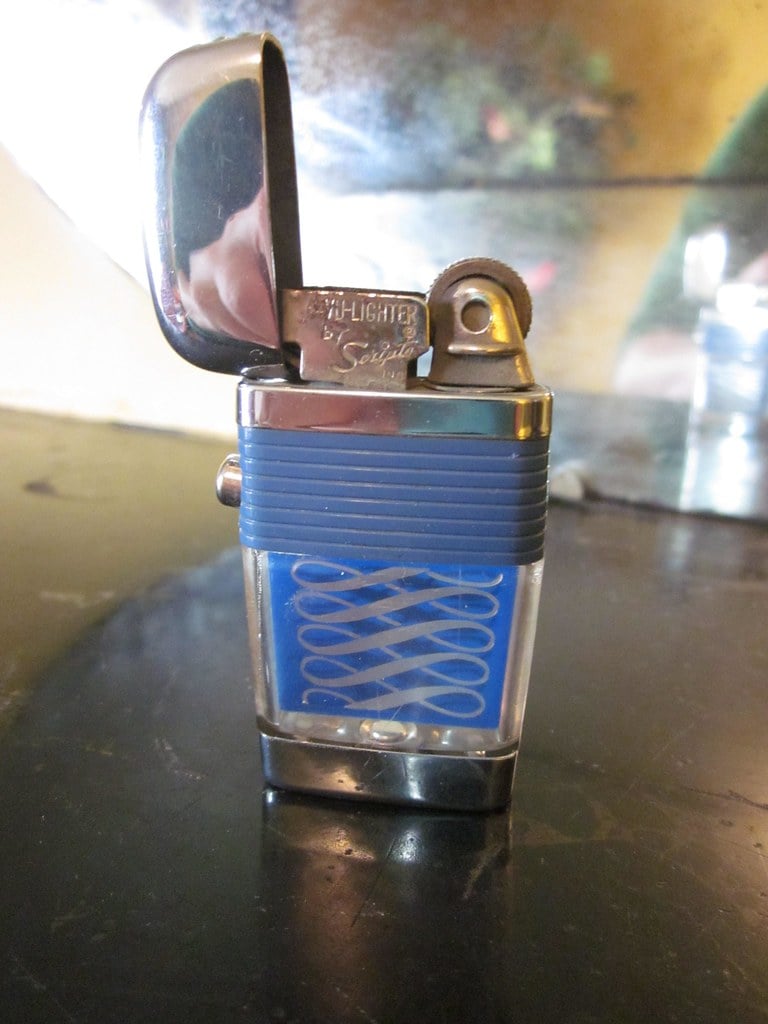
Scripto’s VU-Lighter featured a transparent fuel reservoir that let users monitor butane levels — a practical innovation that collectors appreciate for its simplicity. The clear plastic component is prone to cracking over time.
Models with clear, intact reservoirs are becoming scarce. The see-through design element gives these lighters a distinctly mid-century modern aesthetic.
Thorens
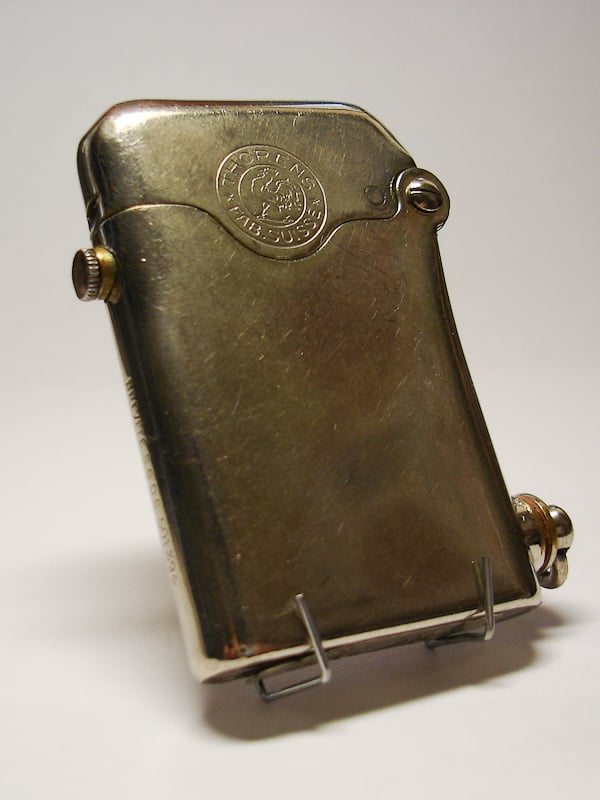
Swiss precision applied to lighter manufacturing produced Thorens pieces that function like mechanical watches — intricate, reliable, and built with tolerances that modern manufacturing rarely bothers to achieve. The fuel delivery system operates through a series of tiny mechanisms that work in concert (and when properly maintained, these lighters can outlast their owners by several decades).
And you can feel the Swiss engineering philosophy in every component: nothing included that isn’t necessary, nothing excluded that serves a purpose, every moving part calibrated to work in harmony with every other moving part. But what makes Thorens particularly fascinating is how the company treated lighter production as seriously as they treated their music box mechanisms — the same obsessive attention to detail, the same refusal to compromise on materials or assembly methods.
Beney
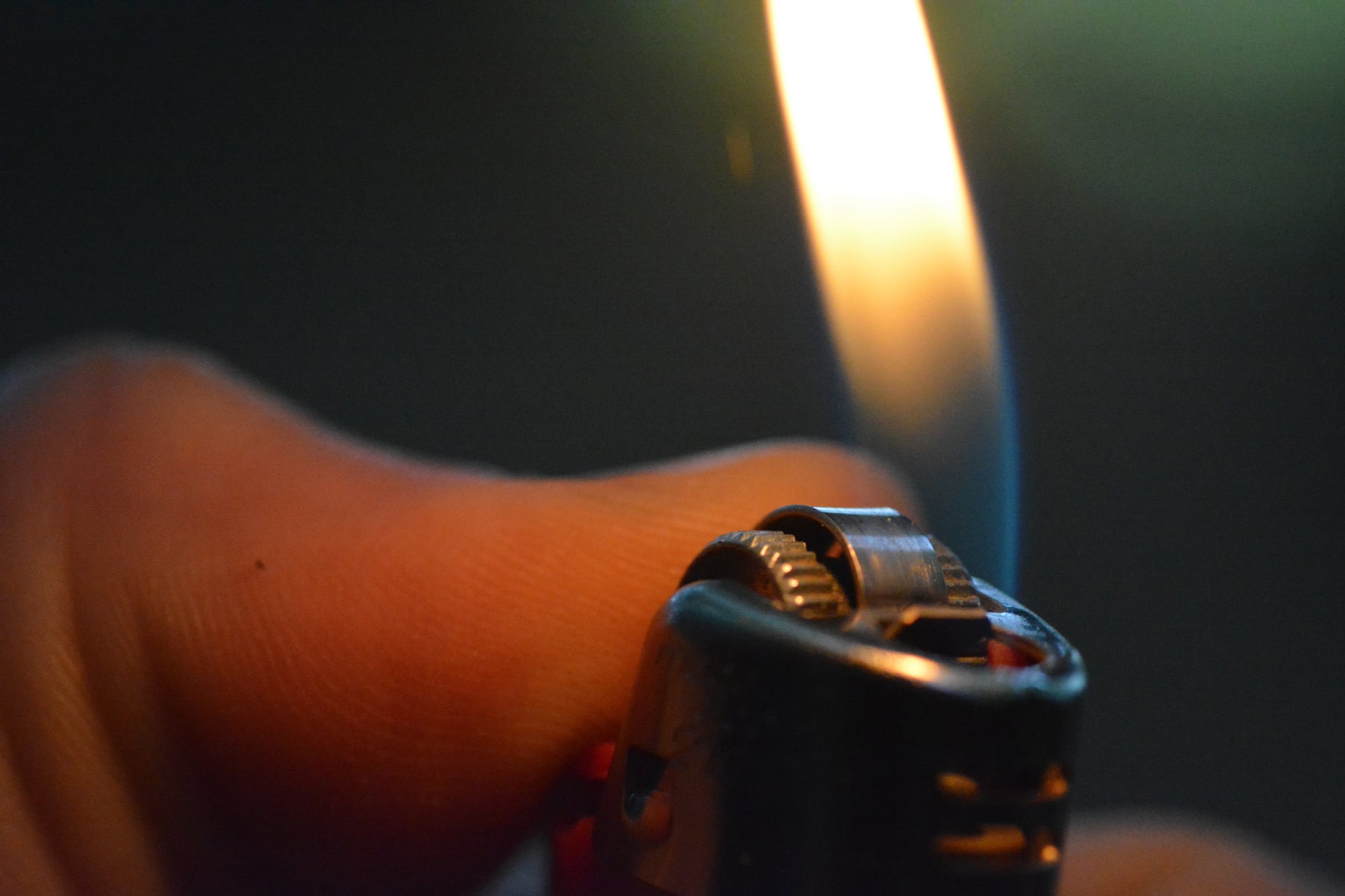
French manufacturer Beney created lighters that emphasized artistic design over pure functionality. Art nouveau influences appear throughout their product line.
Hand-engraved models represent the pinnacle of the brand. These pieces often feature intricate floral patterns or geometric designs.
Condition and artistic merit determine value more than mechanical perfection.
Alfred Dunhill Unique
The Unique mechanism predates the Rollagas and represents Dunhill’s early approach to premium lighter design. These pieces feature a distinctive wheel-operated ignition system.
Silver models with hallmarks are particularly valuable. The Unique name refers to the patented mechanism, not the rarity of the pieces.
Waterman Pocket Lighter
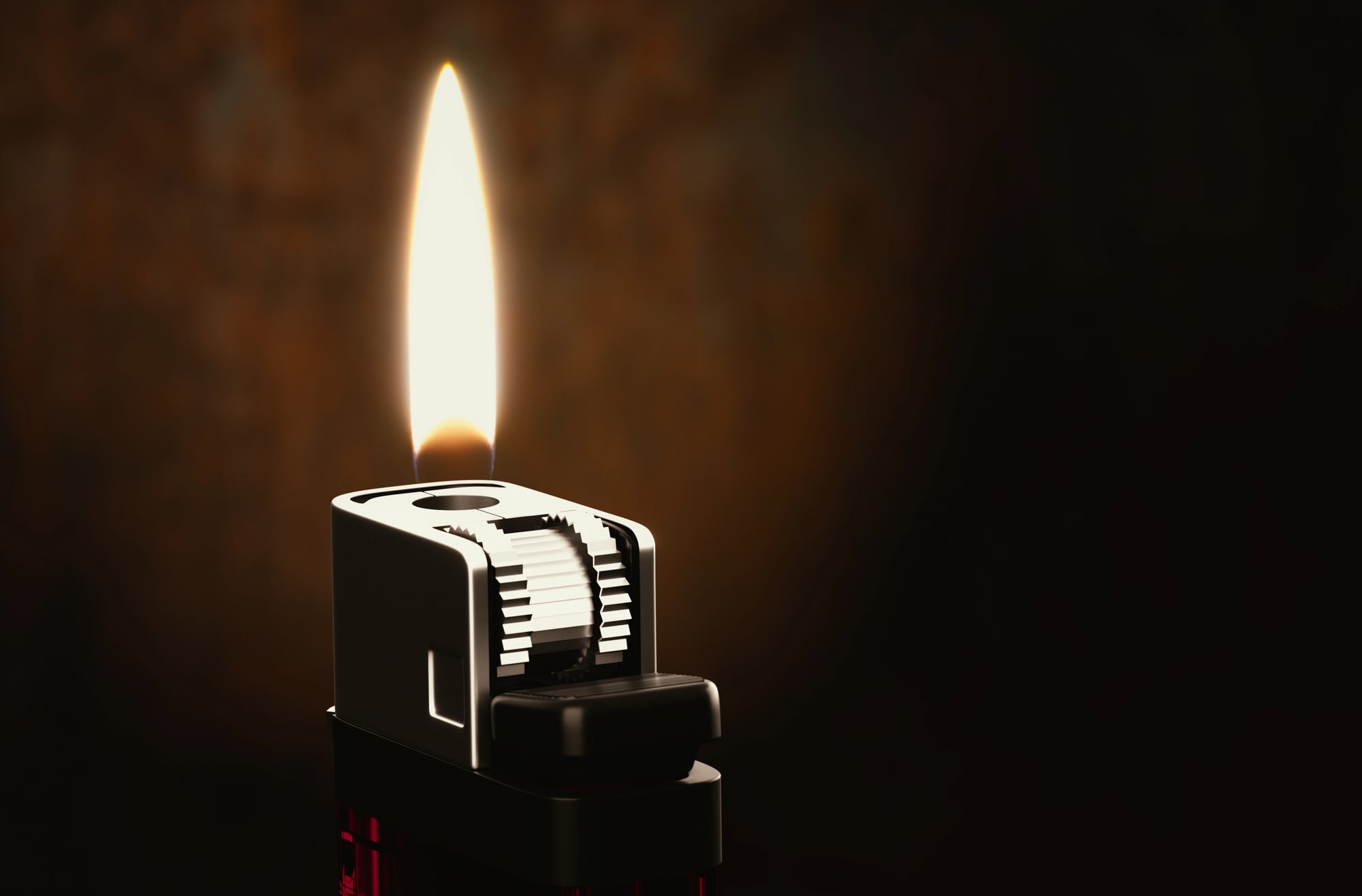
When Waterman turned their attention from fountain pens to lighters, they brought the same engineering philosophy that made their pens legendary — which turned out to be exactly the right approach for an entirely different product. The pocket lighter line operates on principles borrowed from precision writing instruments: controlled fuel flow, reliable ignition, and components that maintain their relationships under stress.
So the result feels familiar to anyone who’s used a quality pen — that sense of controlled precision, of mechanisms working exactly as intended. And yet there’s something particularly satisfying about a lighter that approaches flame production with the same seriousness that Waterman brought to ink flow.
These aren’t flashy pieces, but they work with a consistency that borders on the obsessive.
Dunhill Sylph
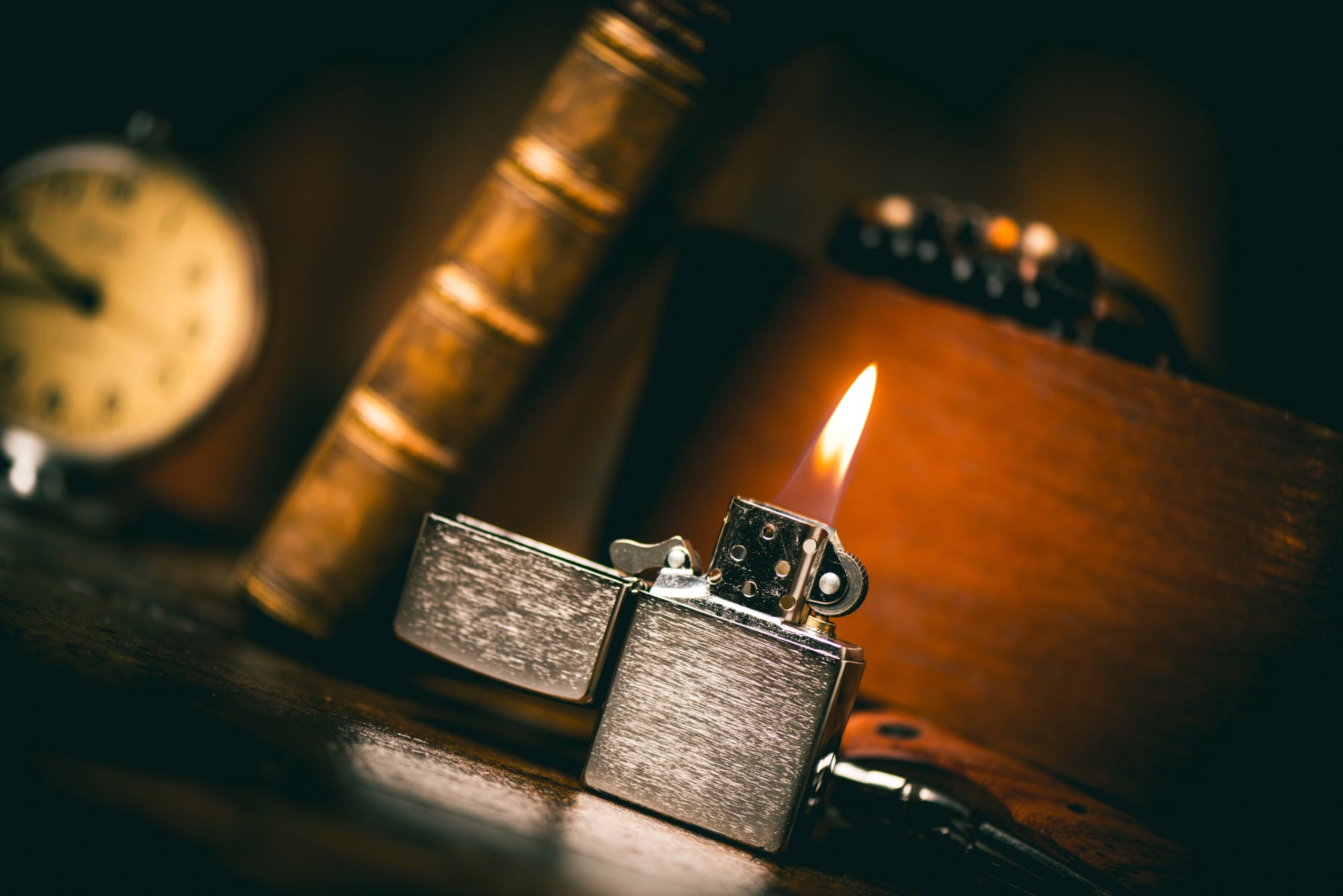
The Sylph line targeted the luxury market with gold and silver construction options. These lighters feature Dunhill’s signature craftsmanship in a more compact form.
The weight and build quality distinguish authentic pieces from later reproductions. Precious metal content directly affects valuation.
Imco Triplex
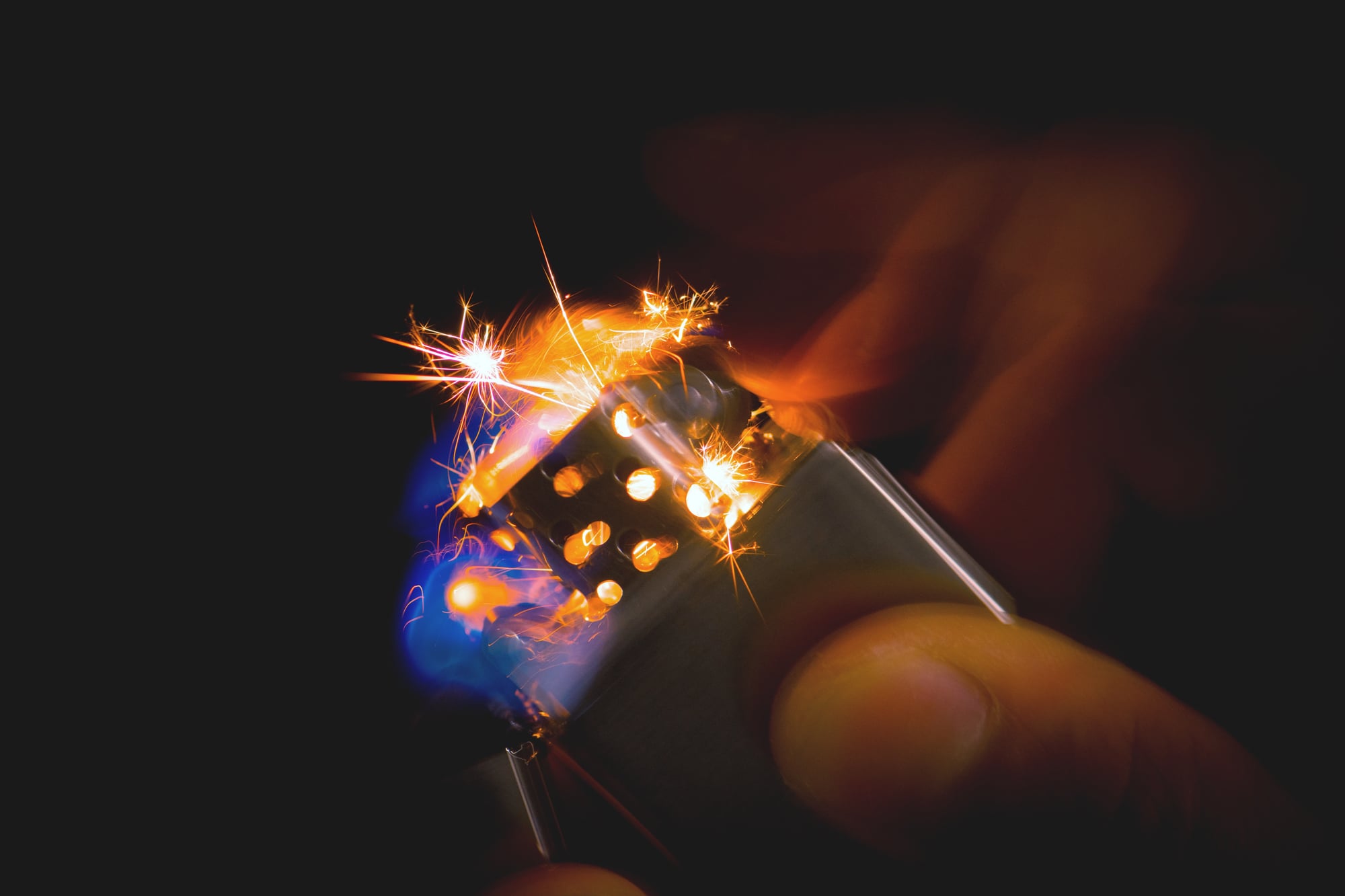
Austrian-made Imco lighters are built like small machines, and the Triplex model demonstrates exactly what happens when engineers design for durability rather than disposability. The three-piece construction creates a modular system where components can be serviced individually — the kind of practical thinking that modern manufacturing abandoned decades ago.
These lighters survive conditions that would destroy most other brands.
Rowenta Feuerzeug
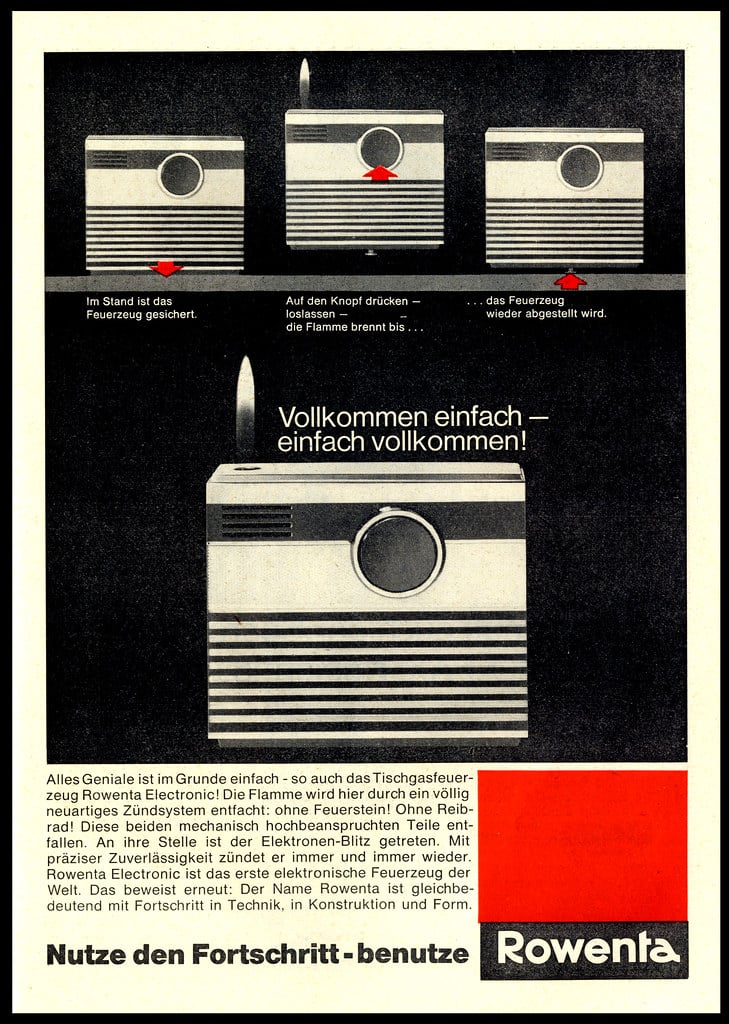
German engineering produced Rowenta lighters that prioritize mechanical reliability over decorative elements, and that priority shows in every component — from the spring-loaded mechanisms that maintain tension after decades of use to the metal alloys that resist corrosion and wear. But what makes Rowenta particularly interesting is how the company approached lighter design as an engineering problem rather than a fashion statement.
The result is a collection of lighters that look almost aggressively utilitarian, yet function with a precision that reveals itself through extended use. And the aesthetic grows on people: clean lines, purposeful forms, the kind of industrial design that treats functionality as its own form of beauty.
These lighters don’t announce their quality — they demonstrate it every time they light.
KW (Kremlin Werk)
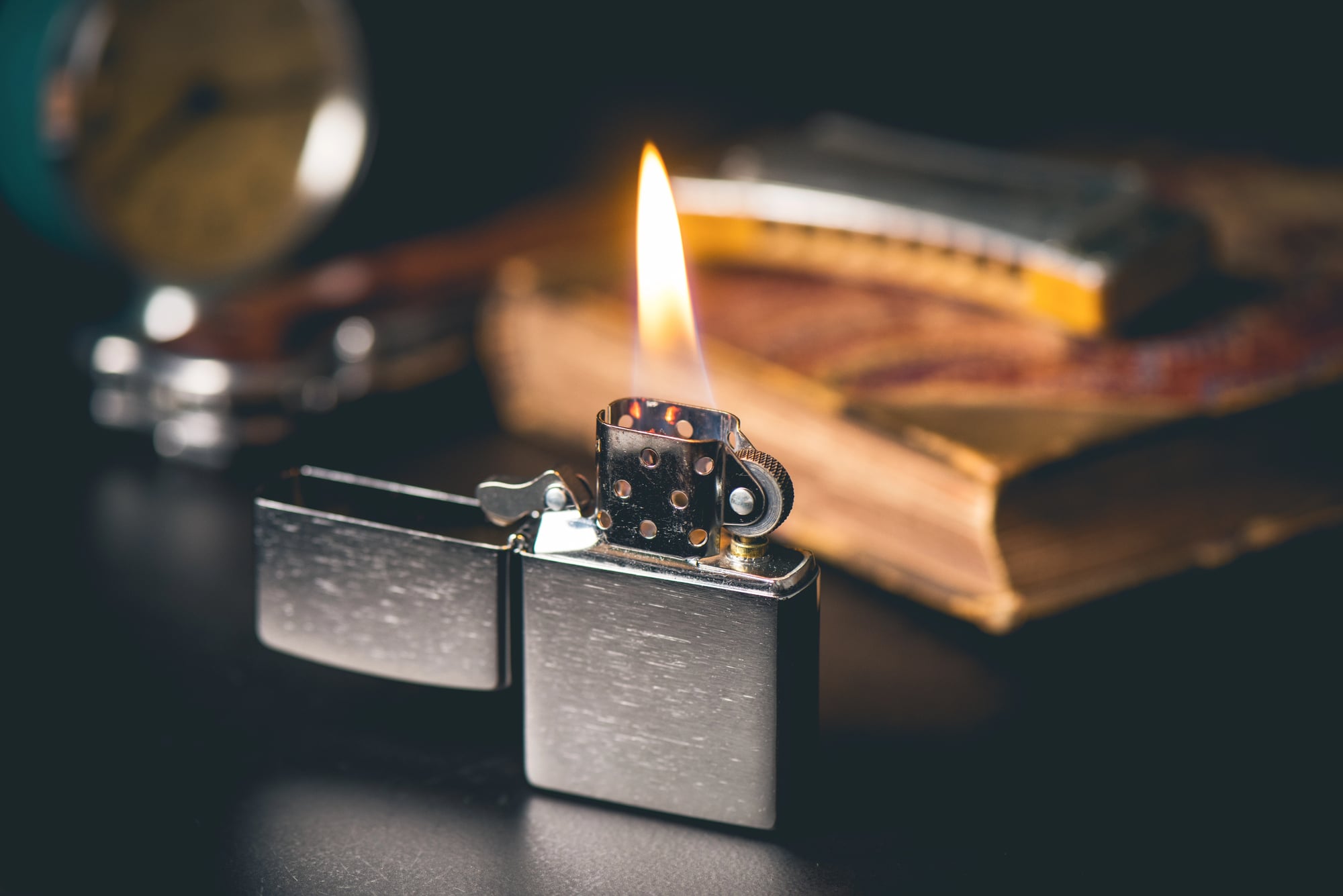
Kremlin Werk produced lighters in Germany using techniques borrowed from precision instrument manufacturing. The KW stamp indicates authentic pieces from the original production run.
These lighters feature complex internal mechanisms that require expertise to service properly. Working condition is essential for maximum value.
Vulcan Pocket
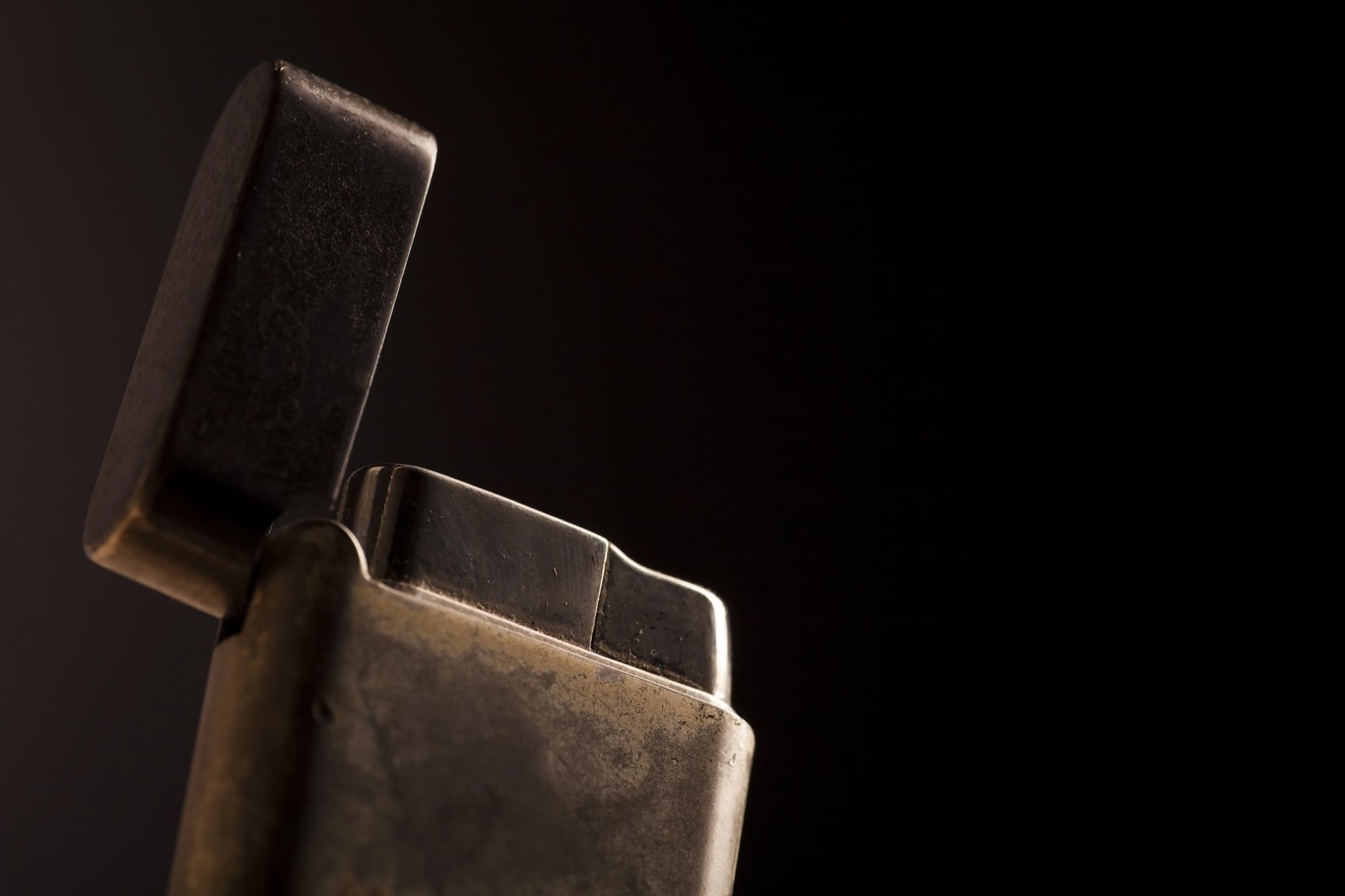
Vulcan lighters were designed for reliability under adverse conditions. The robust construction appealed to military personnel and outdoor workers.
These pieces show wear patterns that tell stories of heavy use. Examples in excellent condition are rare because most Vulcans were actually used for their intended purpose.
Elgin American Compact Lighter
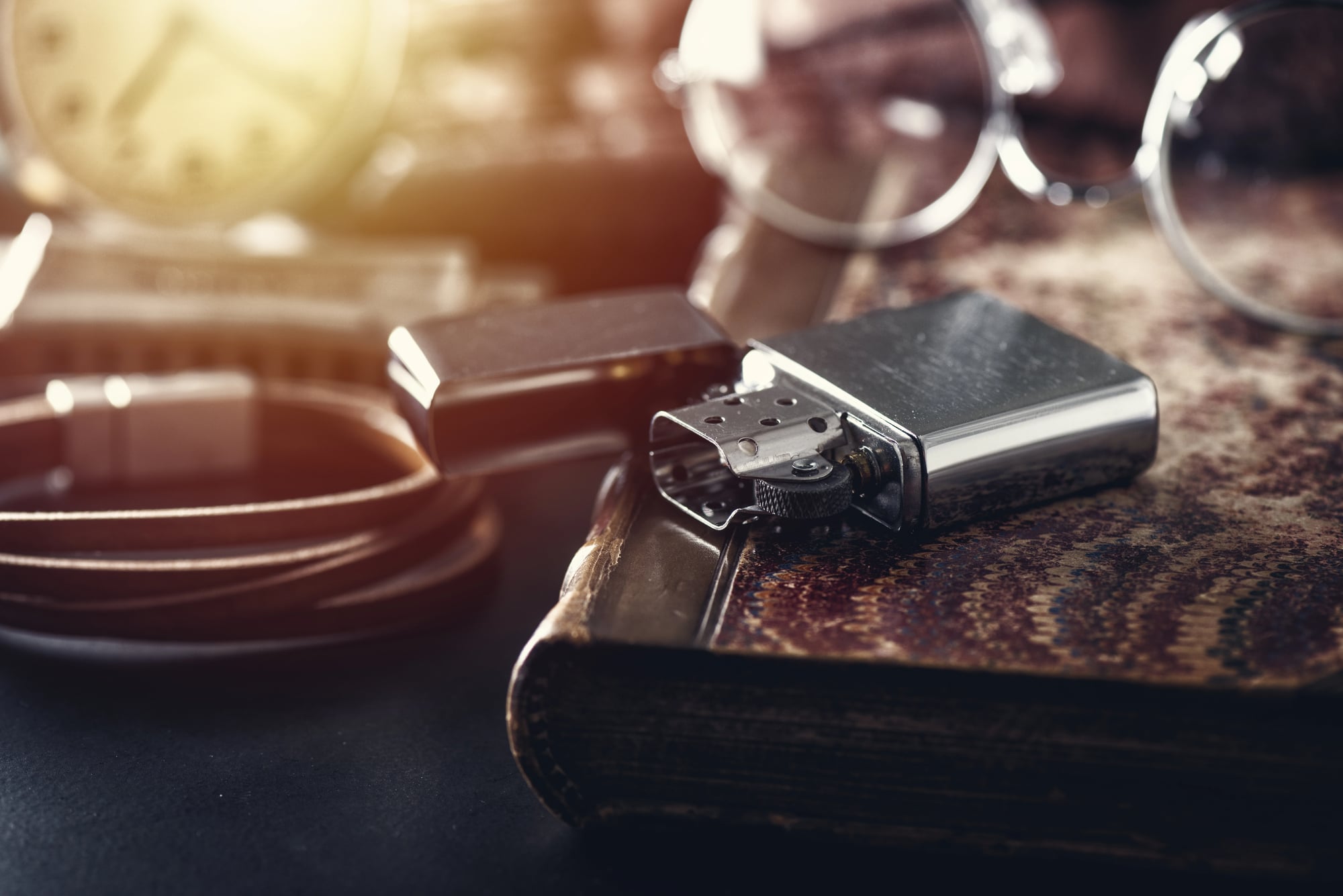
Elgin American created combination pieces that served multiple functions in elegant packages, and their compact lighters represent the peak of 1950s miniaturization — fitting lighter mechanisms, powder compartments, and mirrors into spaces barely larger than a standard lighter alone. The engineering challenge was significant: maintaining reliable ignition while accommodating other functions, all within dimensions that fit comfortably in a handbag or pocket.
And they succeeded by treating each component as part of a larger system, designing mechanisms that shared space efficiently without compromising individual performance. But the real achievement lies in how these pieces feel unified rather than cramped — compact lighters that work like single-purpose tools despite their multiple functions.
The mechanical precision required for this kind of integration explains why working examples command premium prices from collectors who appreciate engineering solutions disguised as fashion accessories.
Windmill
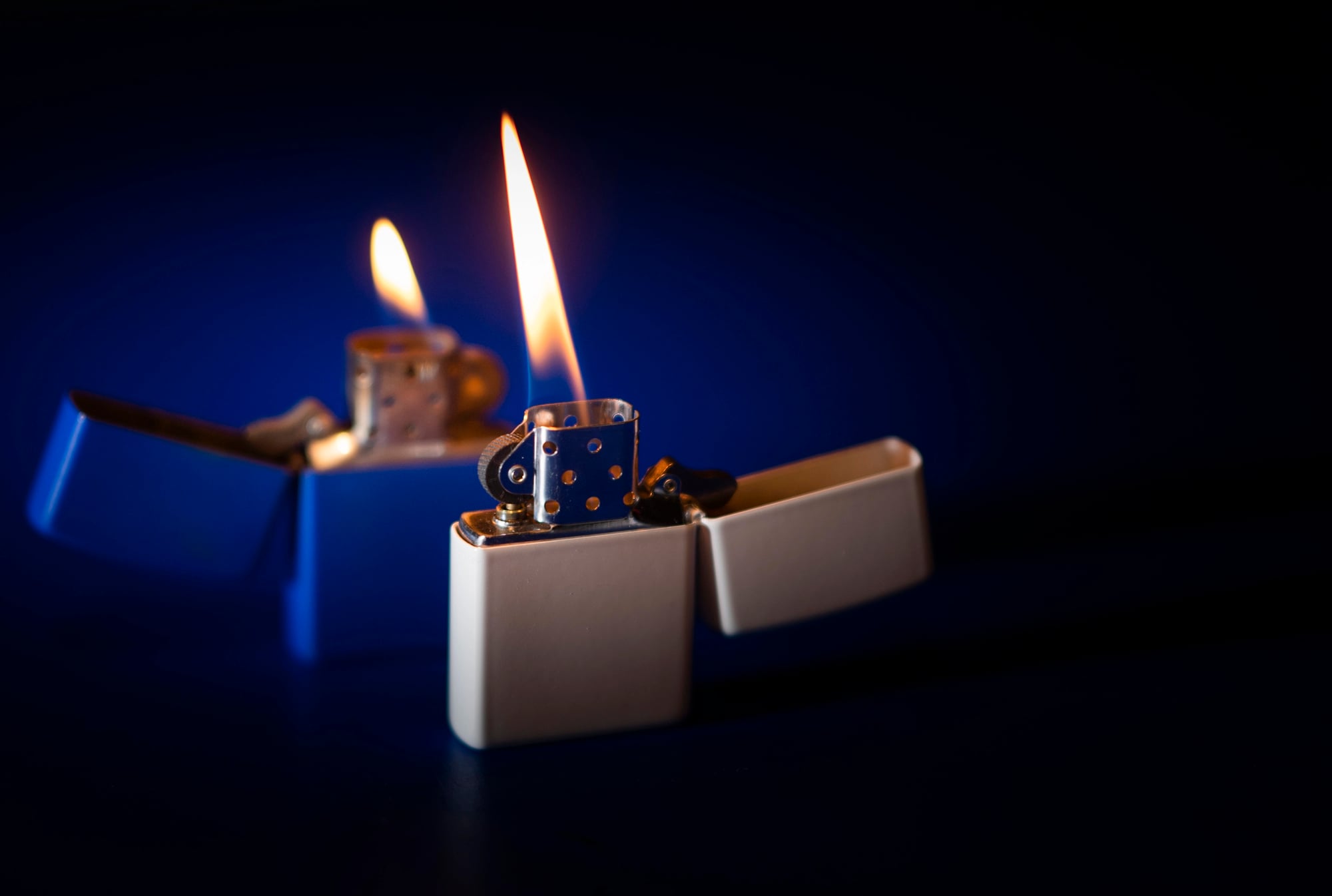
Windmill lighters feature distinctive fan-shaped flame guards that became the brand’s signature element. The Japanese manufacturer focused on wind-resistant designs for outdoor use.
These functional elements also create visual appeal that collectors appreciate. Chrome and brass models are most common, with gold-plated versions commanding higher prices.
Savinelli Pipe Lighter
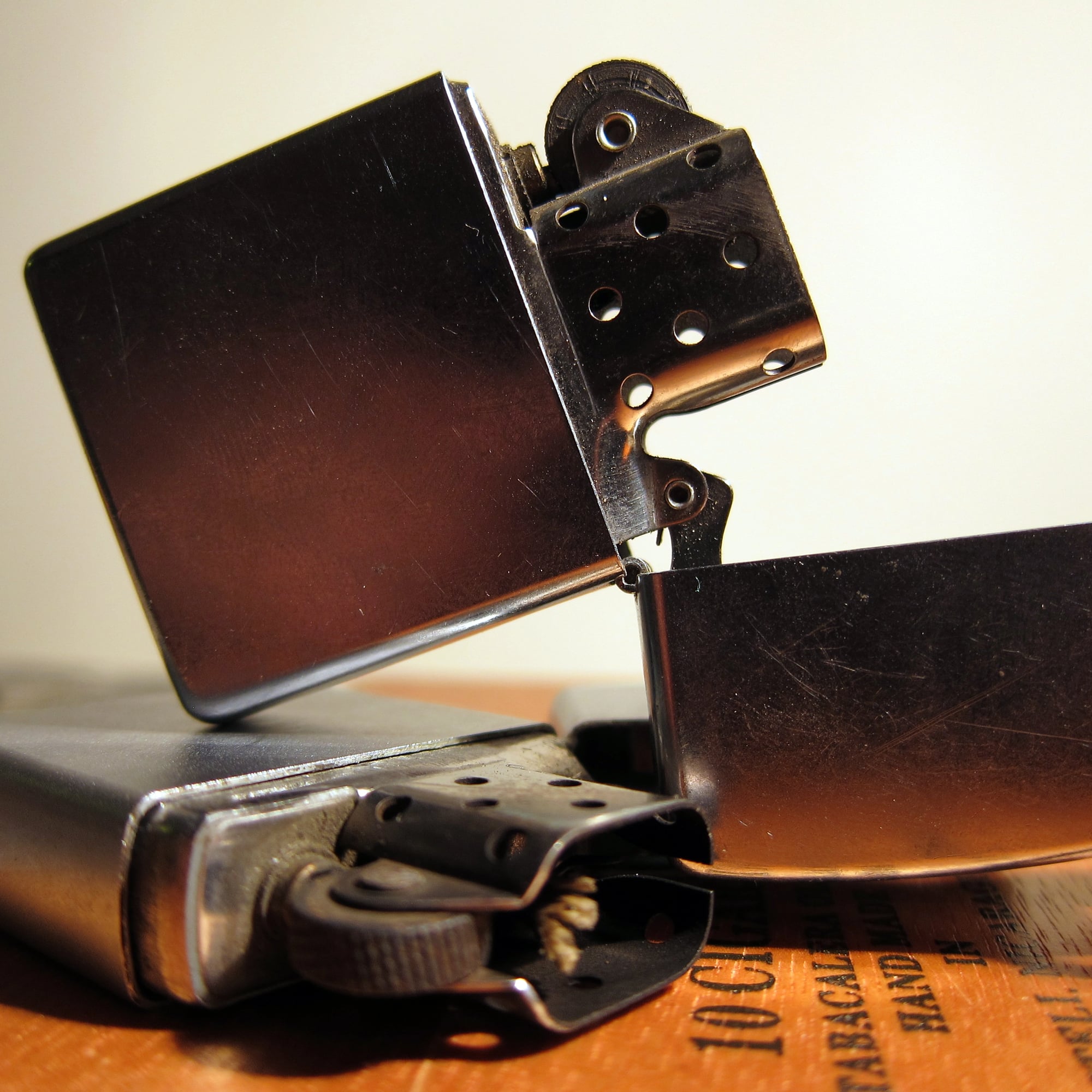
Savinelli adapted their pipe-making expertise to create lighters specifically designed for pipe lighting. The angled flame and extended reach accommodate pipe bowls better than standard lighters.
These specialized tools appeal to both lighter collectors and pipe enthusiasts. The crossover appeal often drives prices higher than general-purpose lighters.
Seville
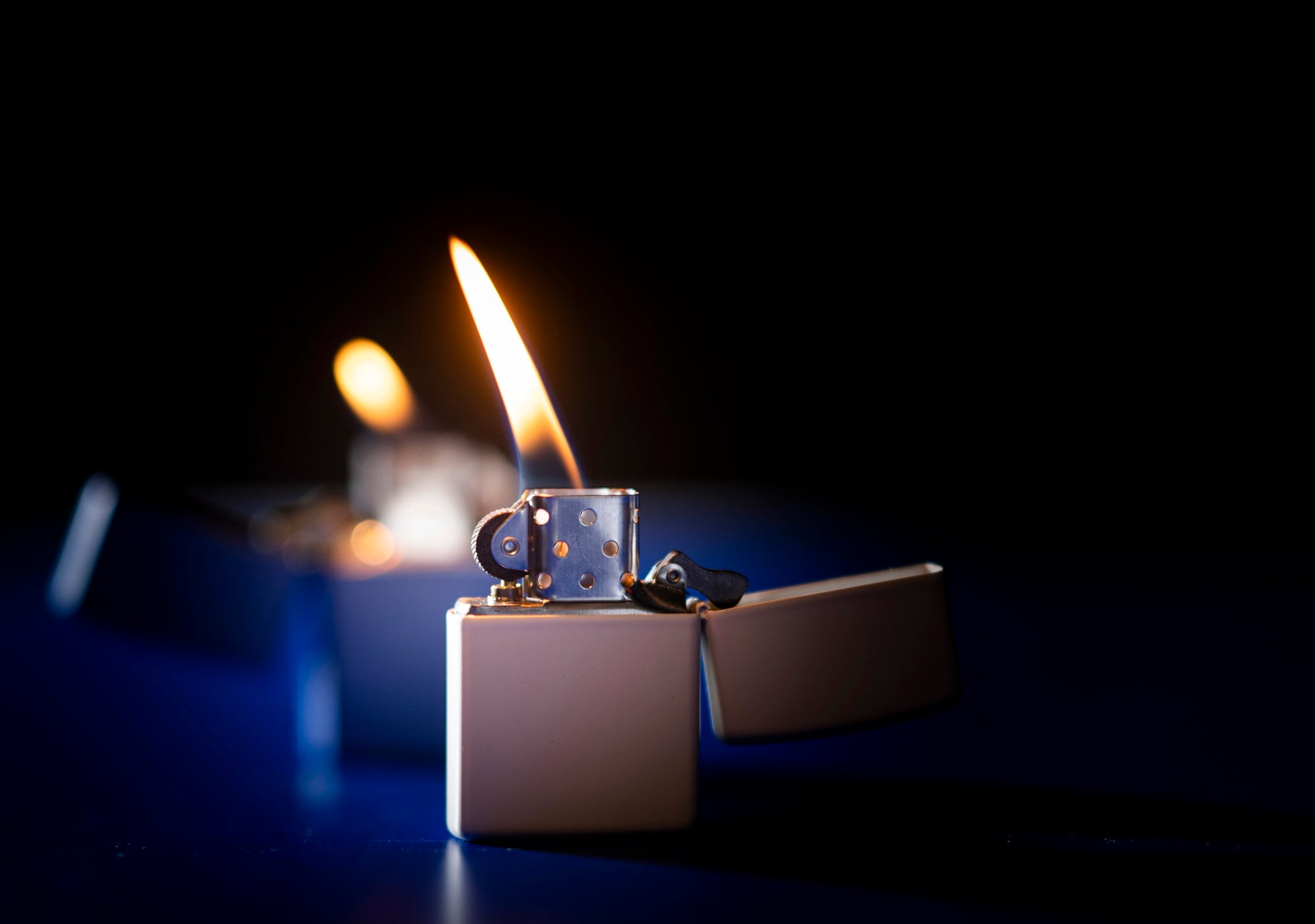
Seville lighters emphasized artistic metalwork and often featured hand-engraved designs that elevated everyday objects into something approaching decorative art. The Spanish manufacturer understood that lighters occupy a strange position in personal accessories — utilitarian tools that people handle dozens of times daily, yet also objects that express taste and style.
So they approached lighter design as sculpture that happened to produce flame. The hand-engraving work varies dramatically between pieces, with master craftsmen creating patterns that transform simple lighter cases into intricate metalwork studies.
Mosda
Swiss-made Mosda lighters represent another approach to precision manufacturing. The brand focused on mechanical innovation and reliability.
These pieces often feature unique ignition systems or fuel delivery methods. The rarity of Mosda lighters in the American market makes them particularly interesting to collectors seeking unusual pieces.
Continental
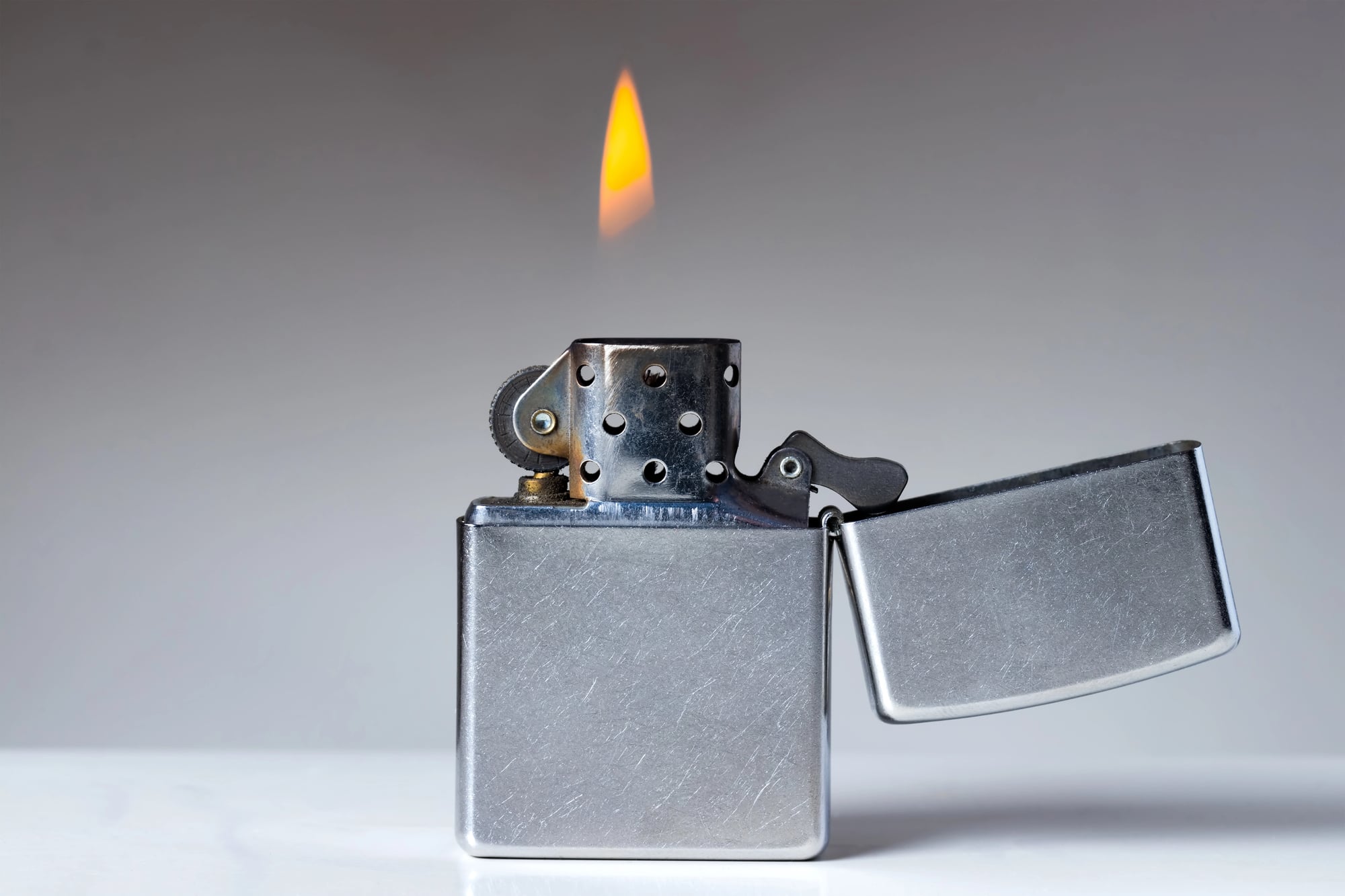
Continental lighters were produced in several countries under license, making authentication complex but rewarding for collectors willing to research production details. The brand name appeared on pieces ranging from basic models to luxury versions.
Quality varies significantly between production periods and manufacturing locations. Original documentation helps establish provenance and value.
Consul
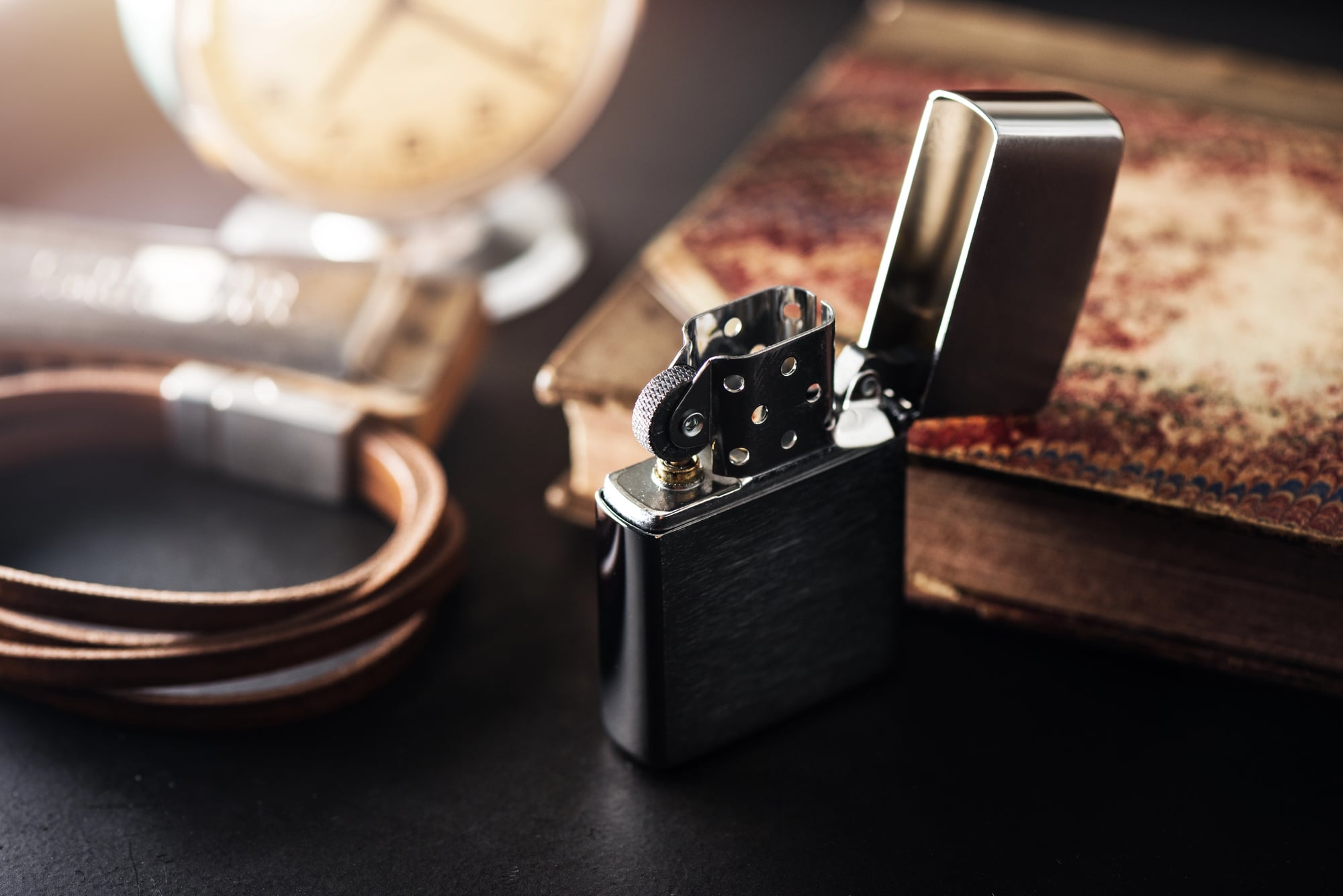
German precision engineering produced Consul lighters that treat flame production as a mechanical problem requiring Swiss-watch-level solutions — which turns out to be exactly the right approach for creating lighters that work consistently across decades of use. The internal mechanisms operate with tolerances measured in fractions of millimeters, fuel delivery systems that maintain pressure through complex valve arrangements, and ignition components that fire reliably after thousands of cycles.
And yet the external design remains understated, almost deliberately plain, as if the engineers wanted the mechanical excellence to speak for itself. But there’s something deeply satisfying about using a tool engineered to this level — the confident click of the mechanism, the reliable flame height, the sense that someone built this lighter to outlast the person who carries it.
Blazon
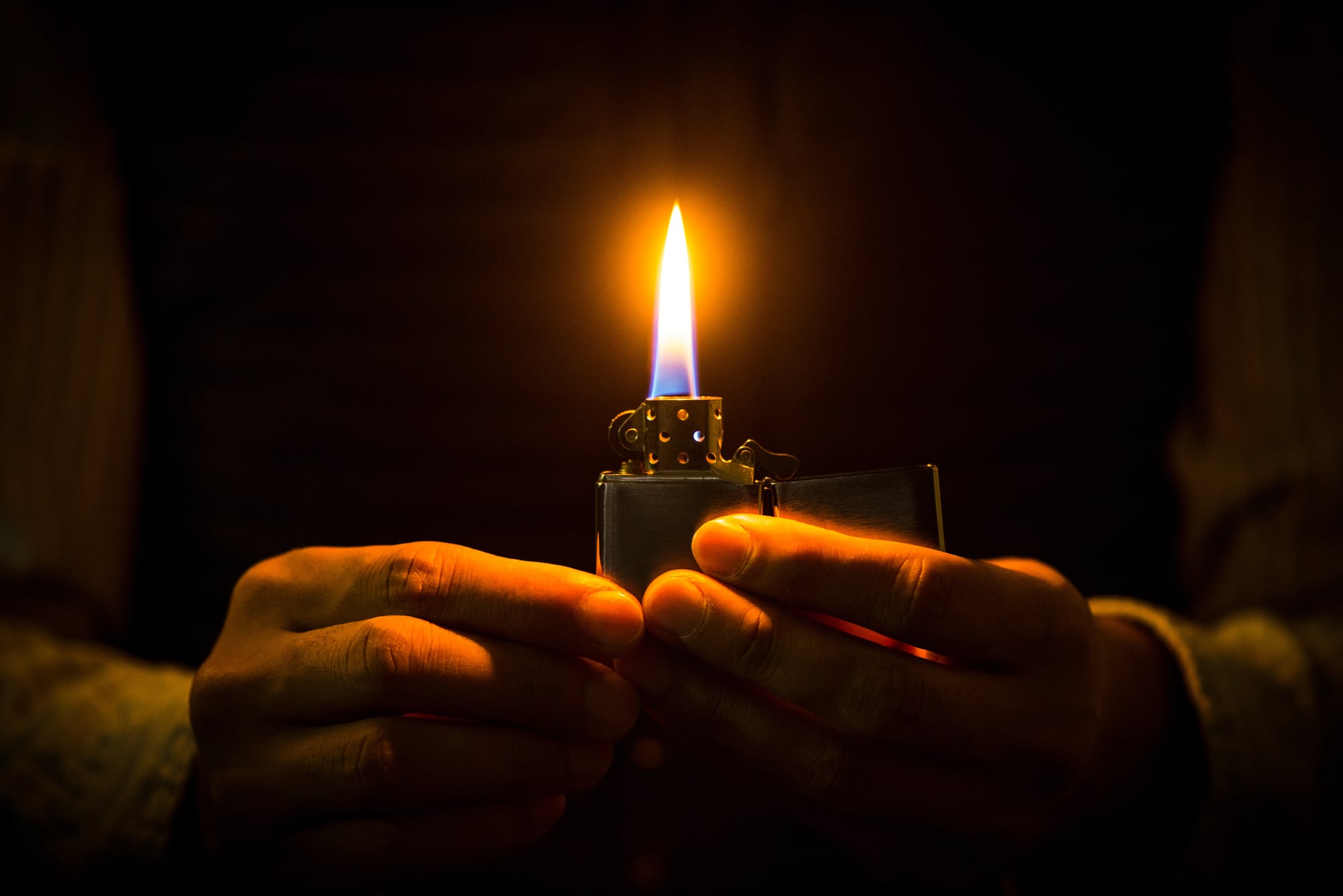
American-made Blazon lighters featured patriotic designs and often commemorated military units or historical events. These pieces appeal to both lighter collectors and militaria enthusiasts.
Authentication requires knowledge of specific unit insignia and production periods. The historical significance often matters more than mechanical condition.
Oracle
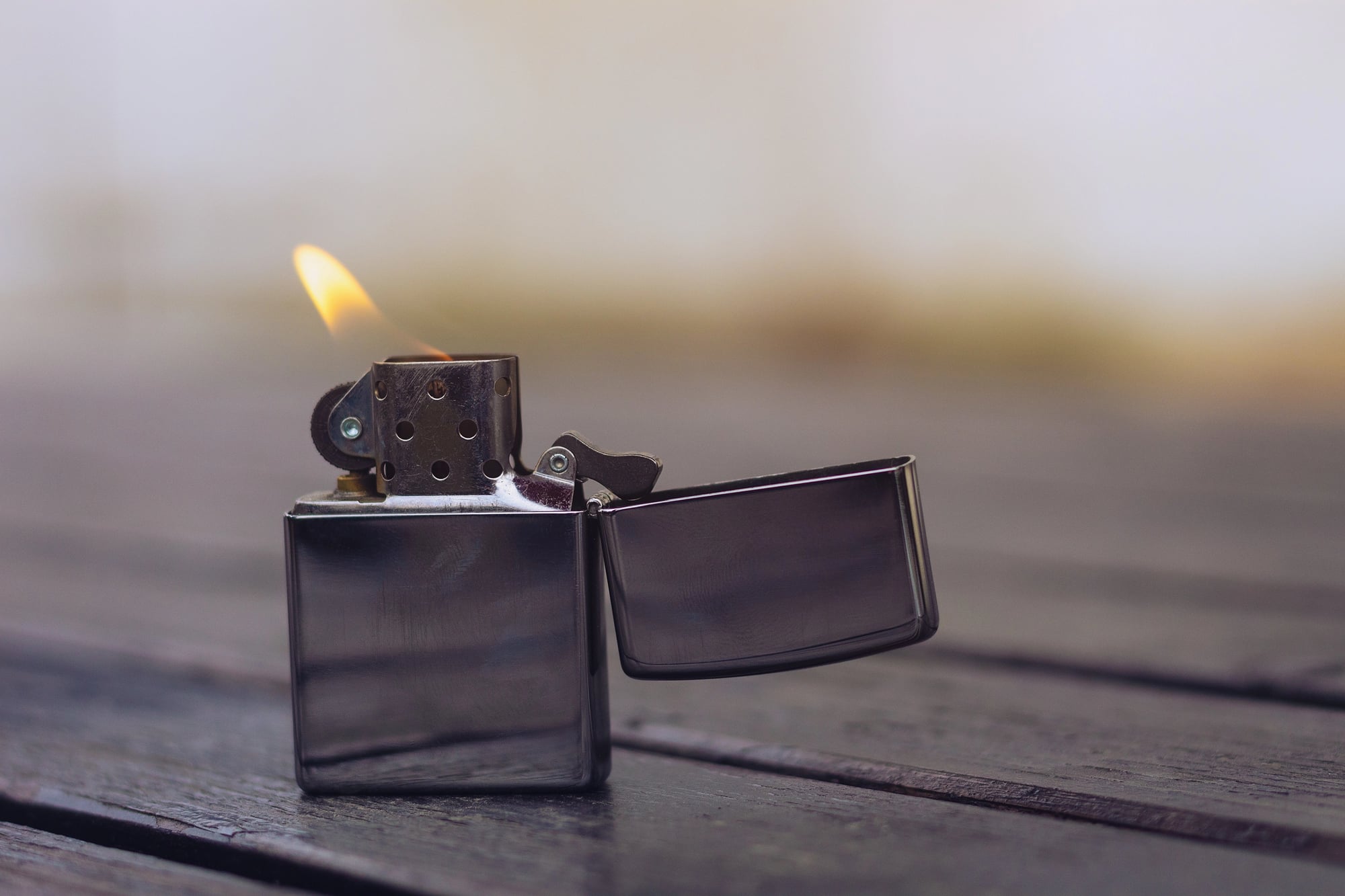
Oracle lighters represent mid-century American manufacturing at its most optimistic — designed during an era when companies believed they could engineer solutions to any problem, when planned obsolescence wasn’t yet standard practice, and when consumer goods were built to last rather than to be replaced. The mechanical systems reflect this philosophy: robust construction, repairable components, and materials chosen for longevity rather than cost savings.
And the aesthetic follows the same principles: clean lines, purposeful details, design elements that age gracefully rather than looking dated. These lighters embody a particular moment in American manufacturing when quality was assumed rather than marketed.
Keeping The Flame Alive
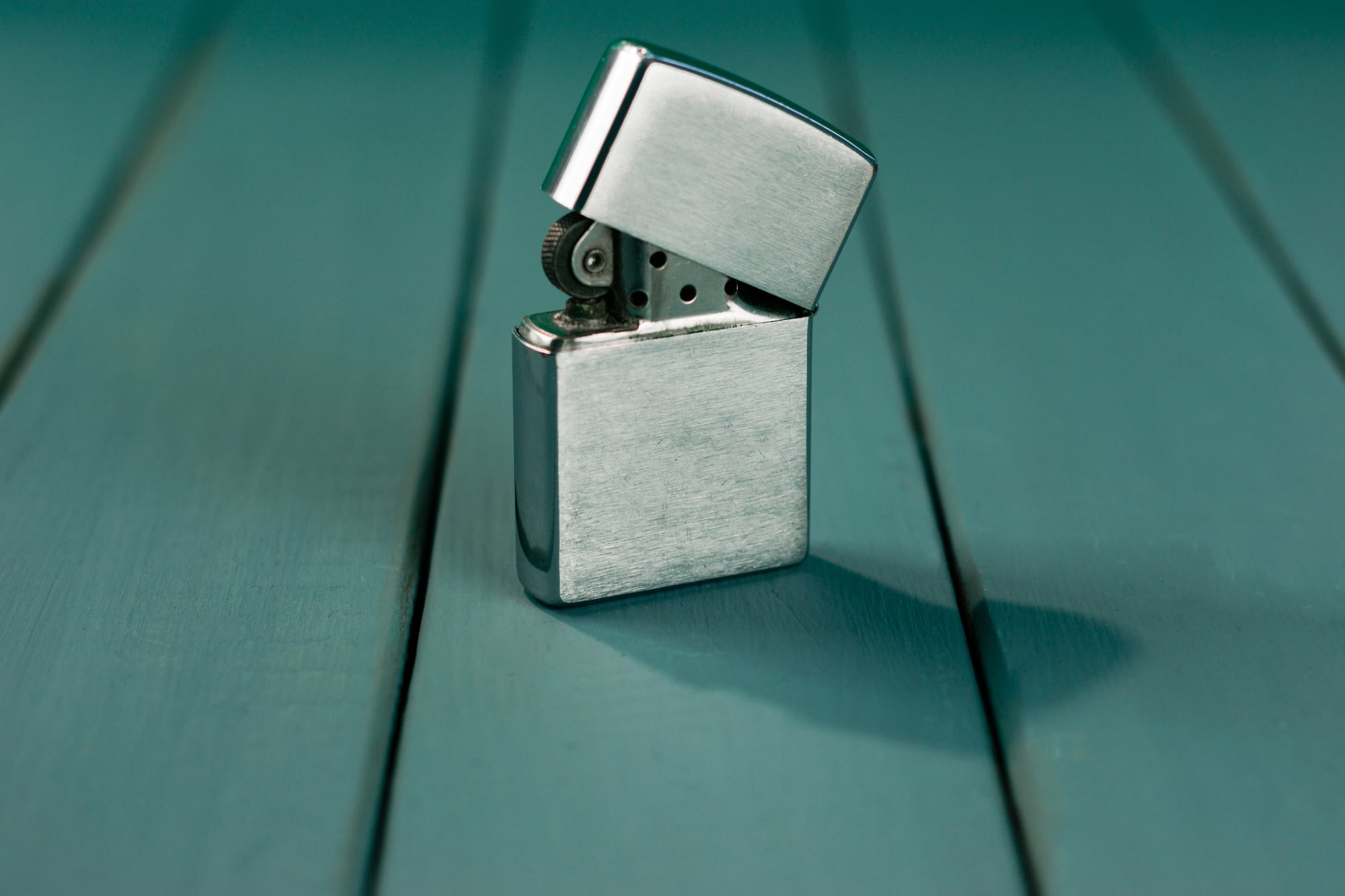
The vintage lighter market rewards knowledge more than luck. Condition, authenticity, and historical significance determine value in ways that aren’t always obvious to casual observers.
Getting proper appraisals protects both buyers and sellers, whether the goal is insurance documentation, estate planning, or simple curiosity about that lighter that’s been sitting in the family junk drawer for decades. The best pieces tell stories — about the companies that made them, the people who carried them, and the era when everyday objects were built to last lifetimes rather than seasons.
More from Go2Tutors!

- The Romanov Crown Jewels and Their Tragic Fate
- 13 Historical Mysteries That Science Still Can’t Solve
- Famous Hoaxes That Fooled the World for Years
- 15 Child Stars with Tragic Adult Lives
- 16 Famous Jewelry Pieces in History
Like Go2Tutors’s content? Follow us on MSN.