27 Vintage Toy Robots from the ’60s Worth More Than Modern Electronics
The basement cleanout was supposed to be simple. Just old boxes, forgotten holiday decorations, maybe some moldy paperbacks.
Then you spot something metallic gleaming under years of dust — a toy robot with painted silver limbs and battery-operated eyes that once lit up your childhood mornings. What seemed like worthless junk might actually fund your next vacation.
The collector market for 1960s toy robots has exploded into serious money, with some pieces selling for more than a brand-new MacBook Pro.
Robby the Robot
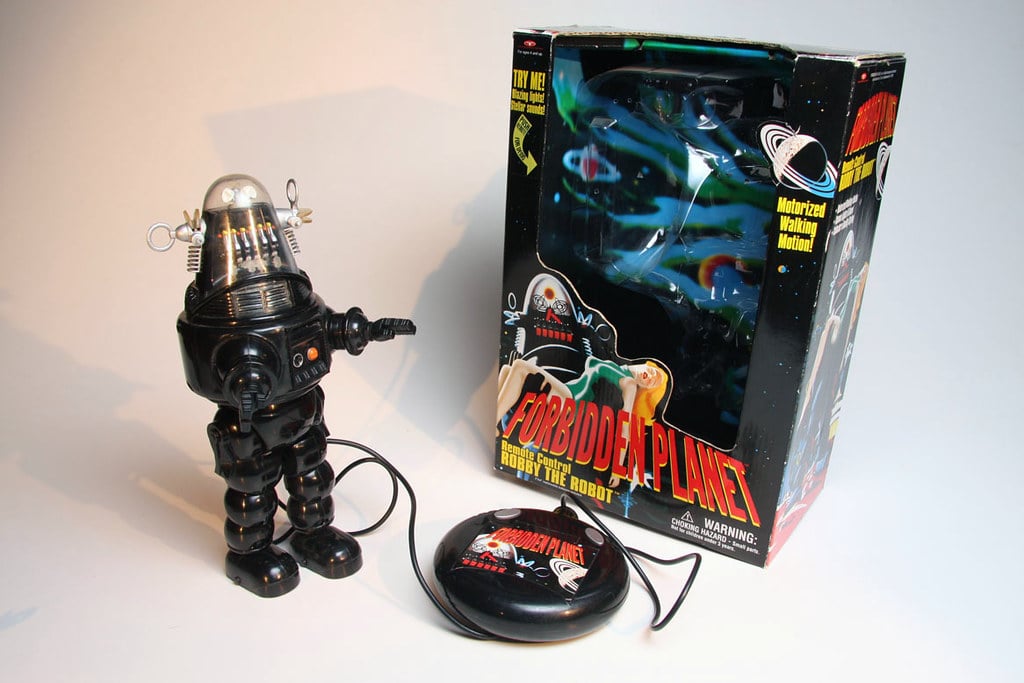
This isn’t just any toy robot — it’s the granddaddy that made every kid in 1956 (and well into the ’60s) believe the future had arrived early. Robby commands prices that make grown collectors weep, especially if you kept the original box (which nobody’s parents ever did, turns out).
The battery-operated version walks, talks, and shoots sparks from its clear dome head, assuming four decades haven’t corroded its delicate innards into worthless metal soup.
Robot Commando
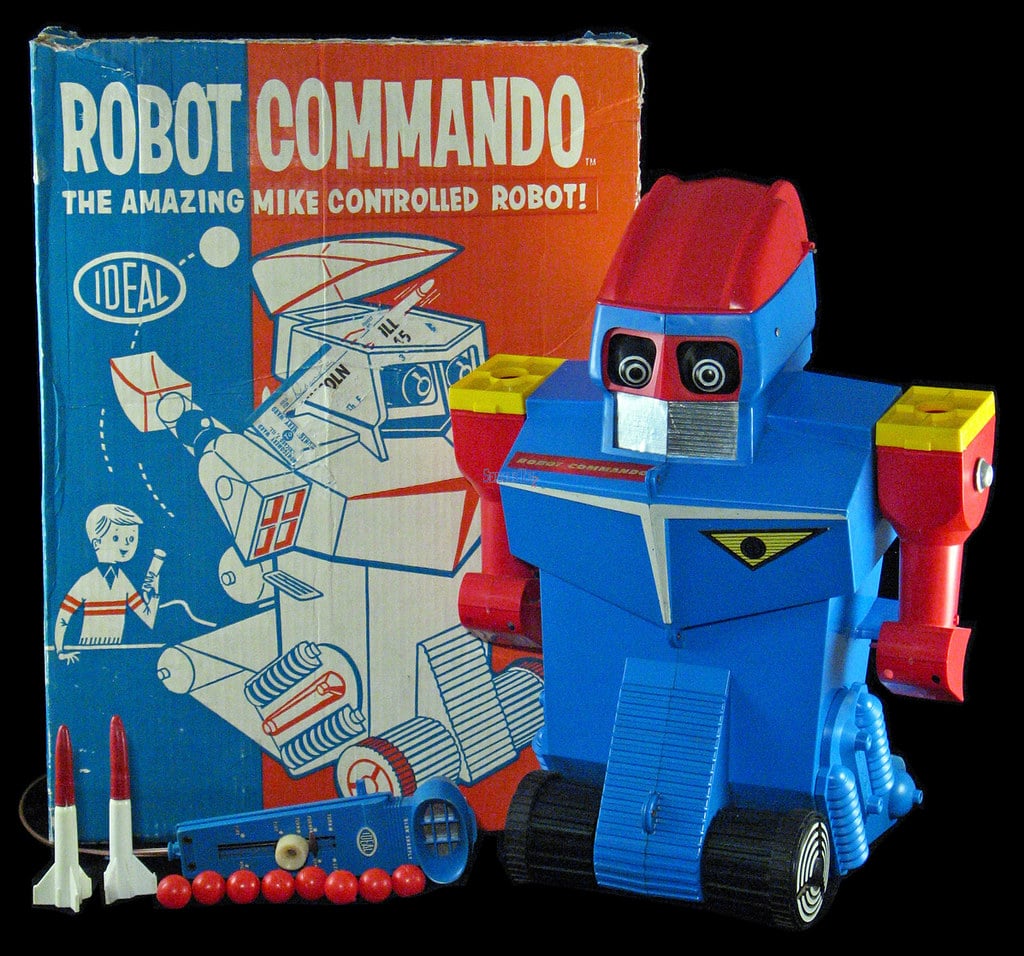
So here’s the thing about Robot Commando: it was massive, nearly two feet tall, and built like it could actually defend your bedroom from alien invasion (which, in 1961, felt like a legitimate concern worth preparing for). The remote control — a genuine marvel of pre-digital engineering — let you march this mechanical soldier around the house, fire plastic missiles from its chest, and bark orders through its built-in voice mechanism.
And the best part: unlike every modern gadget that breaks when you look at it wrong, Robot Commando was designed to survive the enthusiasm of actual children.
Great Garloo

There’s something unsettling about a robot designed to look vaguely prehistoric, as if some toy designer in 1961 couldn’t decide between making a dinosaur or a space invader and just split the difference. Great Garloo waddles forward on enormous feet, swings massive arms that can actually pick things up, and generally behaves like a mechanical caveman who learned to walk upright last Tuesday.
The remote control lets you operate his grabbing claws with surprising precision — assuming the internal gears haven’t seized up from decades of sitting motionless in someone’s attic.
Machine Man
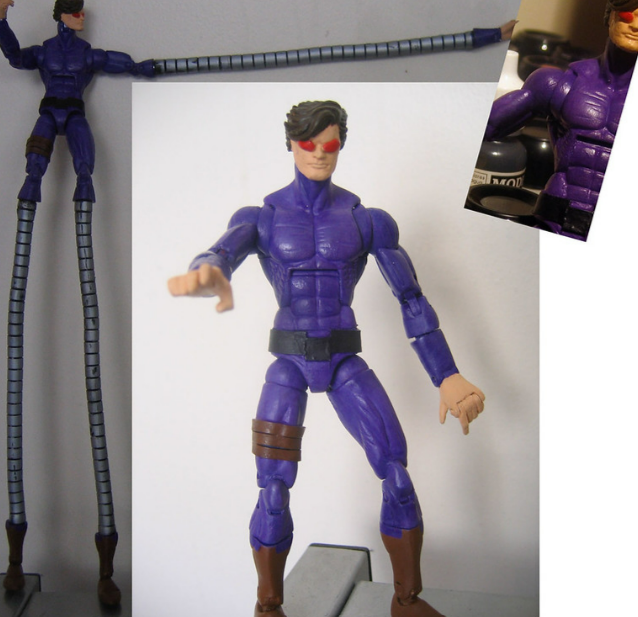
Machine Man doesn’t mess around with cute design choices or friendly colors. This robot means business, all sharp angles and industrial gray paint that suggests it escaped from a factory floor rather than a toy store shelf.
The walking mechanism produces a satisfying mechanical rhythm that sounds exactly like what robots should sound like, none of this smooth, silent movement that modern electronics pretend is better.
Spaceman (Yonezawa)

The Japanese toy makers at Yonezawa understood something American companies missed: robots should look like they actually came from space, not like someone’s attempt to make space seem less threatening to nervous parents. So Spaceman arrived with an astronaut helmet that lights up, a chest panel covered in mysterious dials and switches, and a general air of having just stepped off a rocket ship from Mars (complete with the slight bewilderment that would naturally follow such a journey).
The battery compartment, mercifully, was built to last longer than the batteries themselves — which is more than you can say for most gadgets made today.
Atomic Robot Man

This robot carries the optimism of an era when “atomic” sounded like progress rather than disaster, back when nuclear power was going to solve everything from energy shortages to bad weather. Atomic Robot Man glows with battery-powered confidence, his clear plastic chest revealing intricate mechanical details that serve no purpose except looking impressively complicated.
The walking motion involves a satisfying mechanical shuffle that announces his presence from three rooms away — subtlety was never the point.
Answer Game Machine
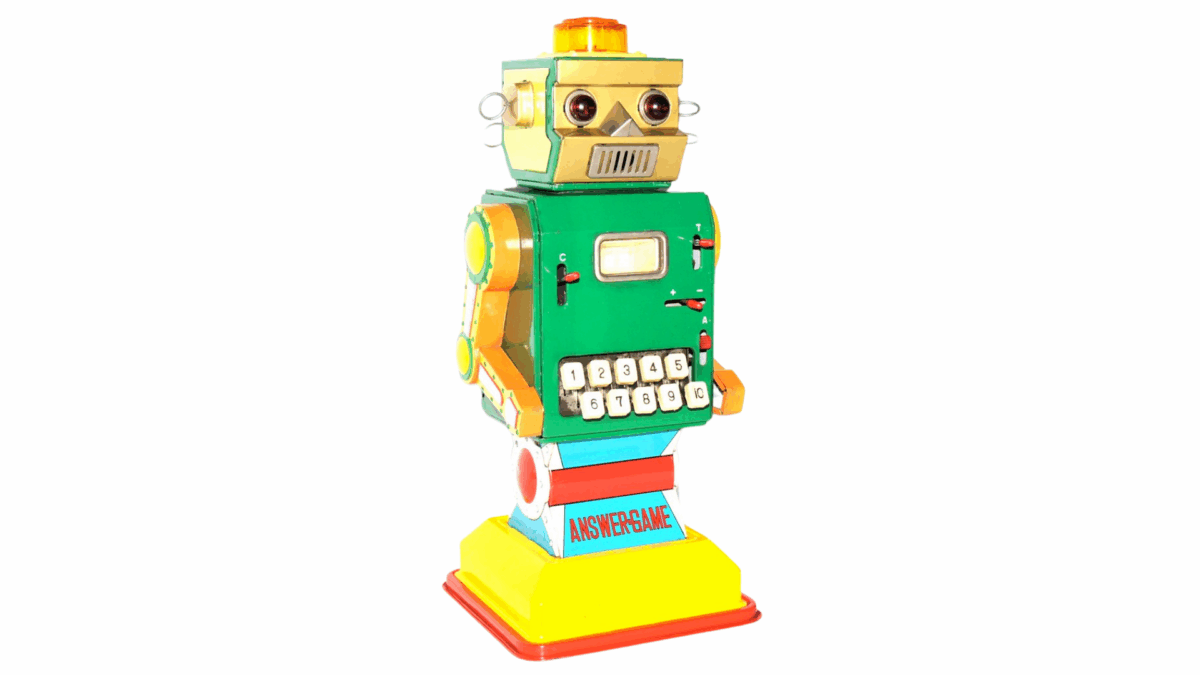
Answer Game Machine proves that educational toys don’t have to be boring, they just have to be designed by people who understand that learning works better when it involves flashing lights and mechanical sound effects. This robot asks questions, waits for your response, and delivers judgment through a combination of buzzers and blinking panels that somehow feels more engaging than any modern app.
The quiz categories lean heavily toward space facts and basic math, because in the 1960s those were the subjects that mattered for humanity’s inevitable future among the stars.
Moon Explorer
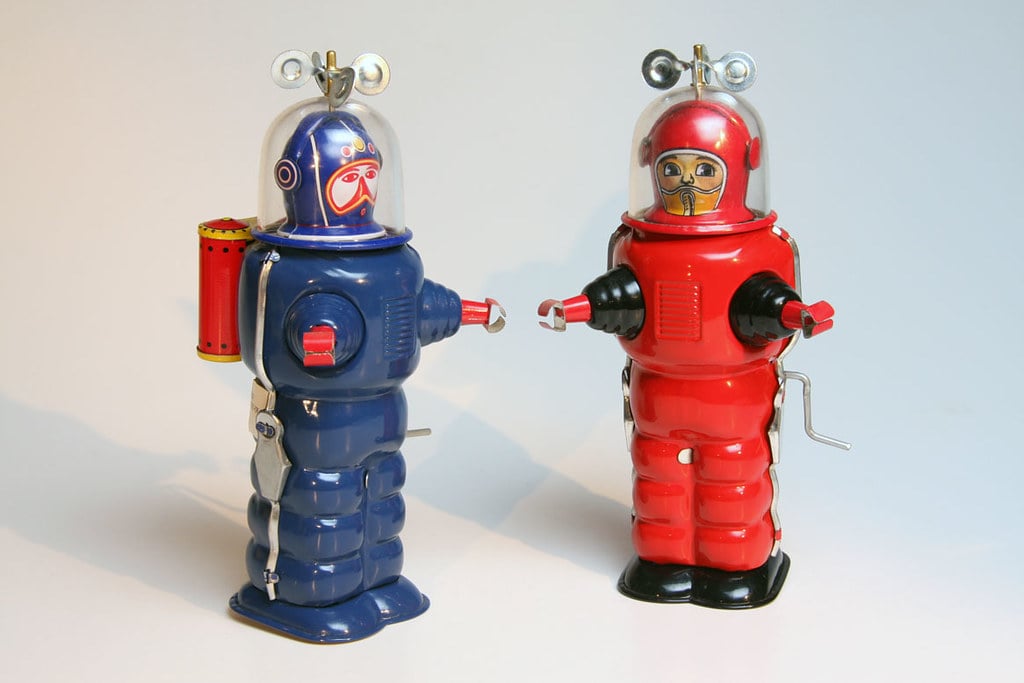
Here’s a robot that takes the space theme seriously enough to actually look like it could survive a lunar expedition, complete with tank-like treads instead of legs and a design philosophy that prioritizes function over friendliness. Moon Explorer rolls forward with mechanical determination, its antenna spinning and lights flashing in patterns that suggest it’s constantly receiving important transmissions from mission control.
The battery compartment holds enough power to keep this mechanical astronaut exploring your living room for hours, assuming you can find the right size batteries in 2024.
Lost in Space Robot
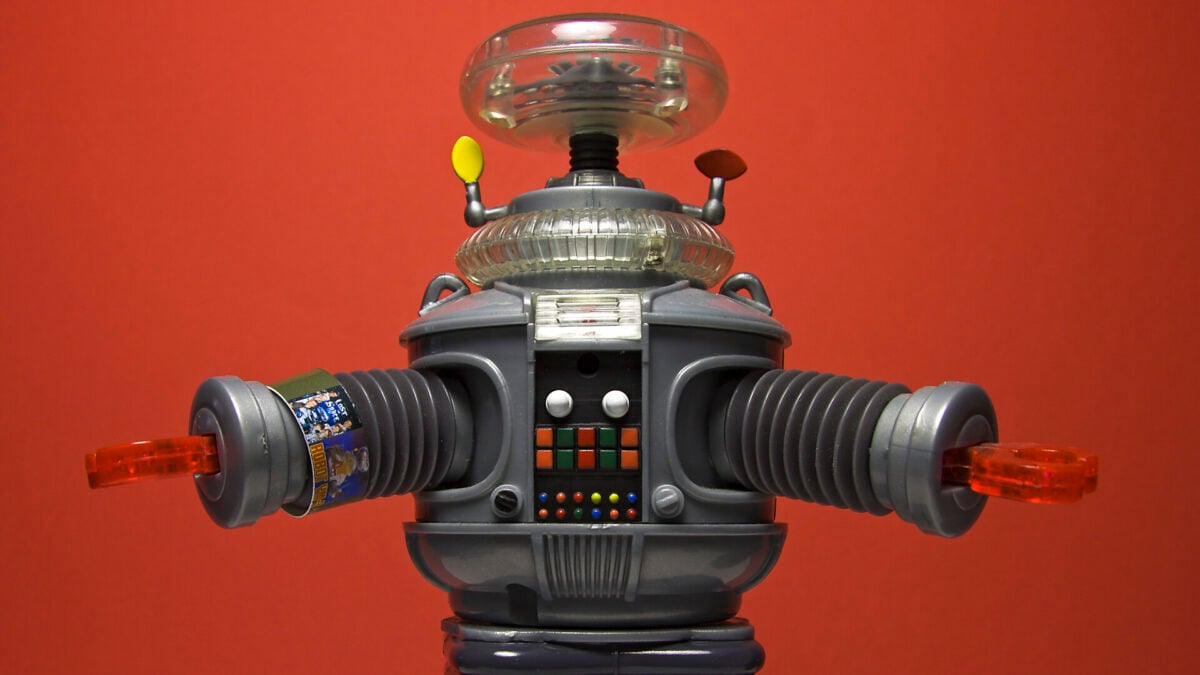
The television show made this design iconic, but the toy version captures something the screen version couldn’t: the satisfying weight and mechanical precision of genuine 1960s engineering. His arms move with deliberate robotic stiffness, his dome head rotates to survey his surroundings, and his voice box delivers warnings about danger with the kind of electronic authority that made every kid believe robots were definitely coming to run everything soon.
The flashing lights follow patterns complex enough to seem like actual computer processing, which in 1965 was probably close to accurate.
Giant Sonic Robot
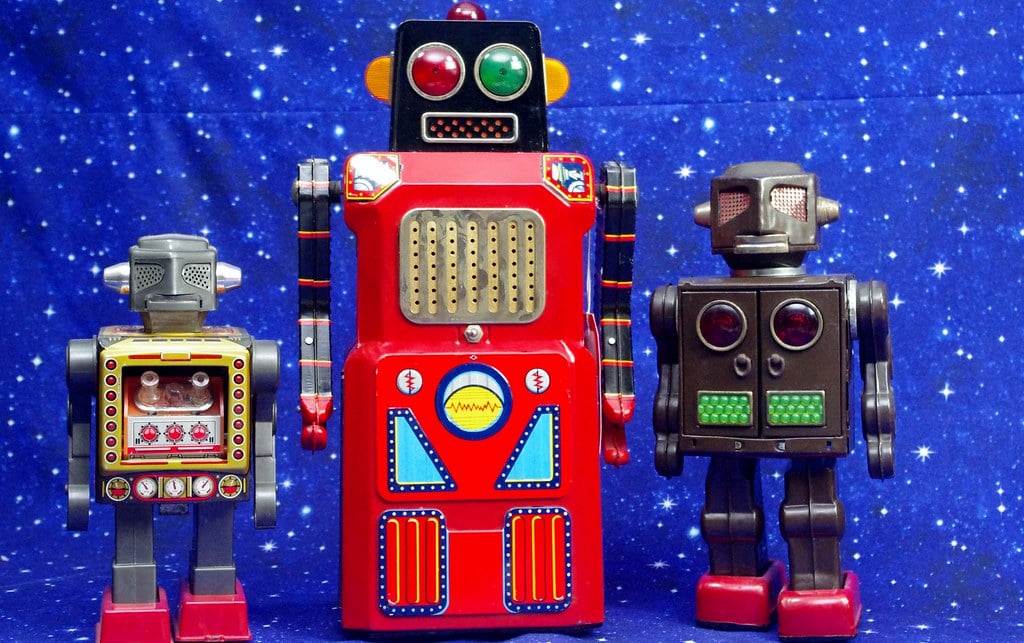
Giant Sonic Robot doesn’t whisper — this machine announces its presence with sound effects loud enough to wake sleeping pets in neighboring houses, exactly as any self-respecting robot should (the 1960s understood that robots were supposed to be impressive, not convenient). The walking mechanism produces a rhythmic clanking that sounds like genuine machinery in motion, while the chest-mounted speaker delivers electronic noises that pass for robot communication.
At nearly 15 inches tall, this isn’t a toy you lose under the couch cushions.
Space Dog

Space Dog represents the inevitable question: if humans are going to space, shouldn’t dogs get to go too — and shouldn’t those space dogs be mechanical and equipped with flashing lights and sound effects? This four-legged robot walks with the determined gait of a dog who’s late for an important appointment, complete with a clear dome head that lights up to indicate serious space dog thinking is happening inside.
The remote control lets you guide Space Dog around obstacles, though his turning radius suggests he’s better suited for wide open lunar landscapes than narrow hallways.
Radar Robot
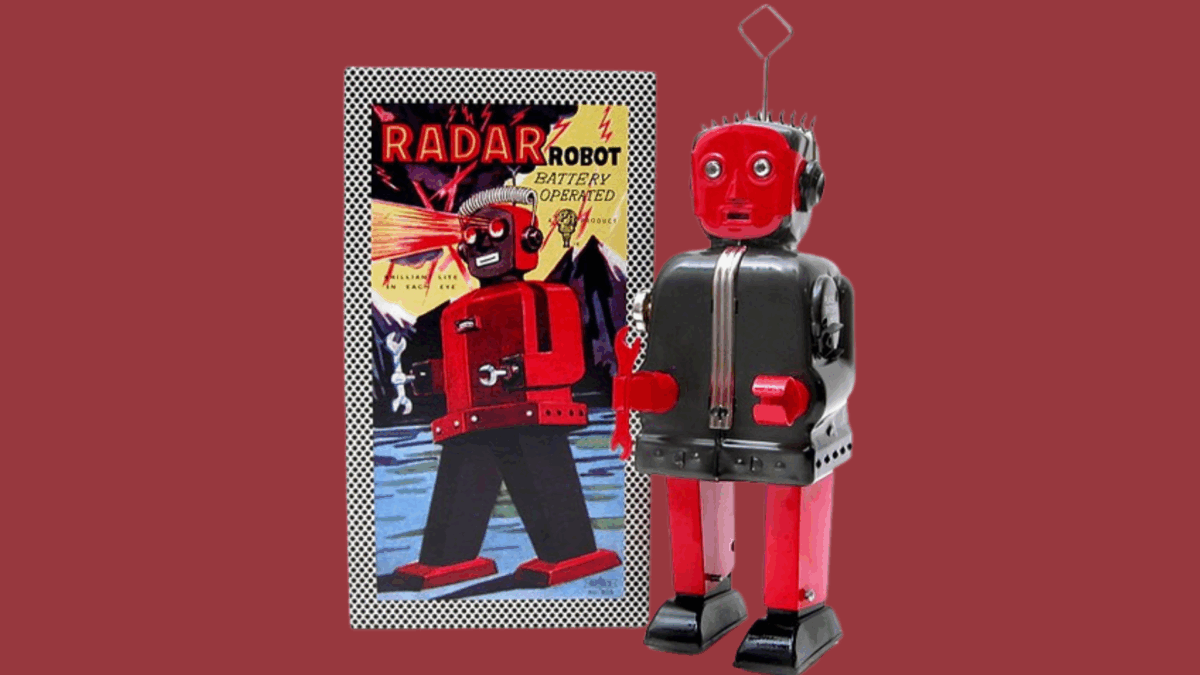
The rotating radar dish on this robot’s head actually spins, because in the 1960s toy designers understood that moving parts were always better than stationary ones, especially when those parts suggested the robot was constantly scanning for enemy spacecraft or incoming meteor showers. Radar Robot walks with mechanical precision while his dish continuously searches the skies, his chest panel blinking with lights that indicate he’s definitely detecting something important.
The battery life was designed to outlast a child’s attention span, which turned out to be excellent planning.
Captain Lazer

Captain Lazer shoots actual light beams from his chest — not LED lights, but genuine focused beams that you can see in dark rooms, making him the closest thing to a real laser weapon most kids could legally own in 1967. The walking mechanism carries him forward while he fires, creating the impression of a robot soldier advancing into battle with futuristic weapons blazing.
The sound effects include electronic buzzing that passes convincingly for laser fire, at least to anyone who’s never actually heard a laser fire (which in 1967 was pretty much everyone).
X-27 Explorer
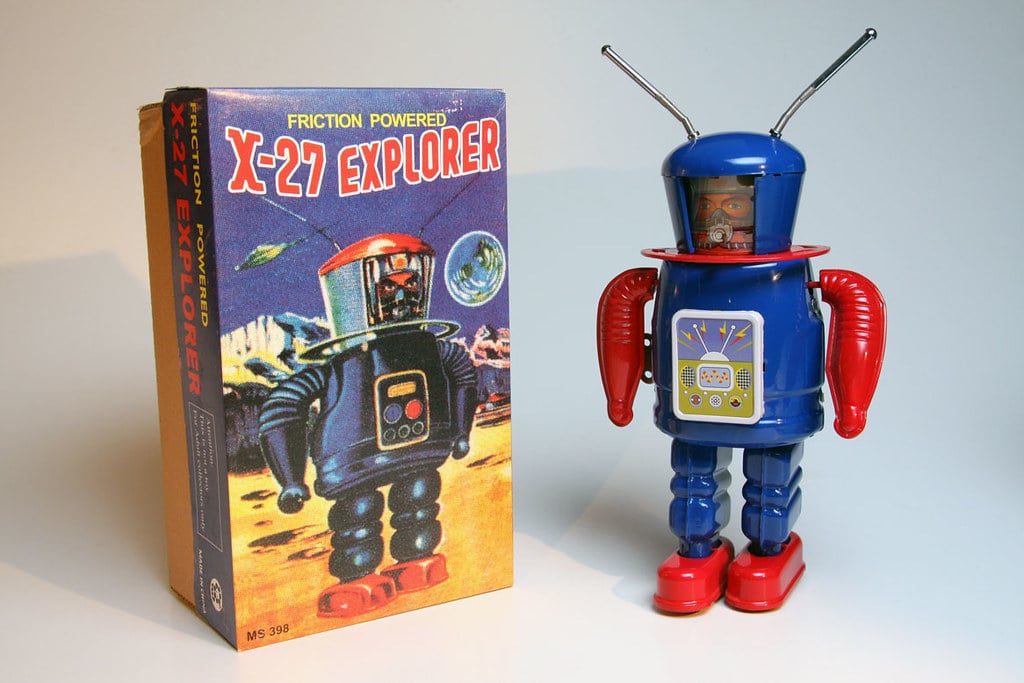
Here’s what happens when toy designers decide that robots should look more like actual space equipment and less like friendly mechanical companions: X-27 Explorer resembles a piece of scientific apparatus that gained consciousness and decided to take a walk around the laboratory. His boxy design prioritizes functionality over personality, complete with multiple antenna arrays and control panels that suggest he’s constantly monitoring atmospheric conditions or conducting geological surveys.
The mechanical movement produces the kind of precise, measured steps you’d expect from a robot built for serious exploration work rather than entertainment.
Robot Tank
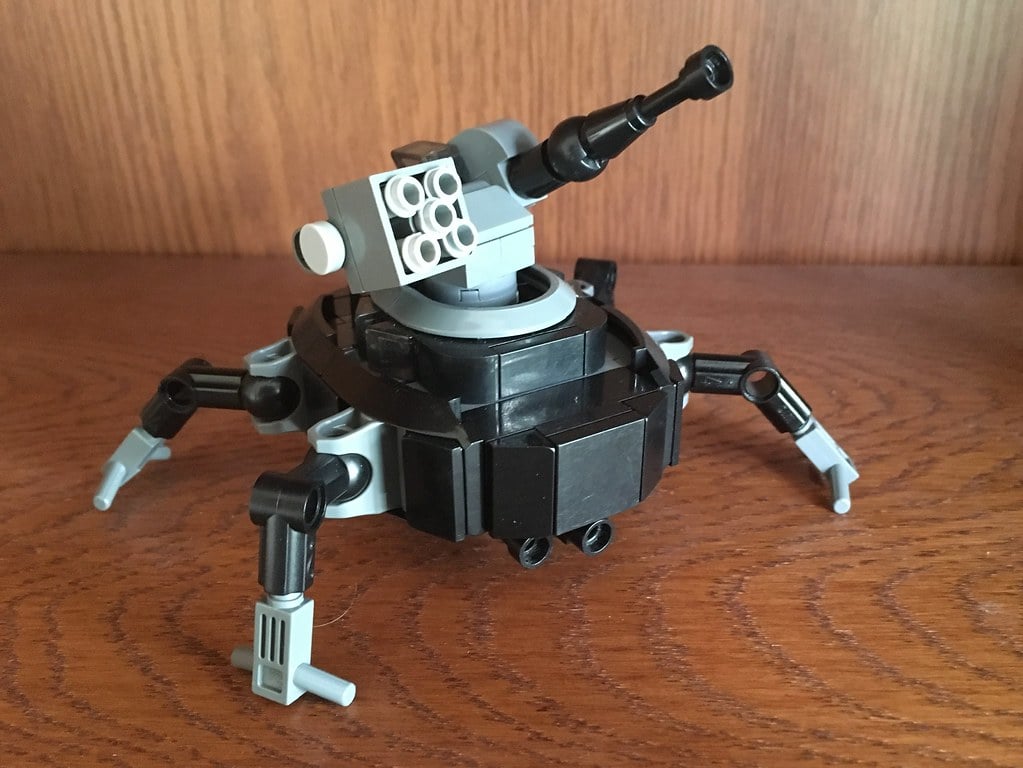
Robot Tank solves the eternal question of whether robots should be humanoid or vehicle-based by creating something that’s clearly both — a mechanical soldier that moves on tank treads but maintains the upright posture and arm movements of a walking robot. The combination works better than it should, creating a robot that seems genuinely designed for combat rather than companionship.
The firing mechanism shoots plastic projectiles with enough force to knock over other toys, which was probably the entire point of owning a robot tank in the first place.
Space Patrol
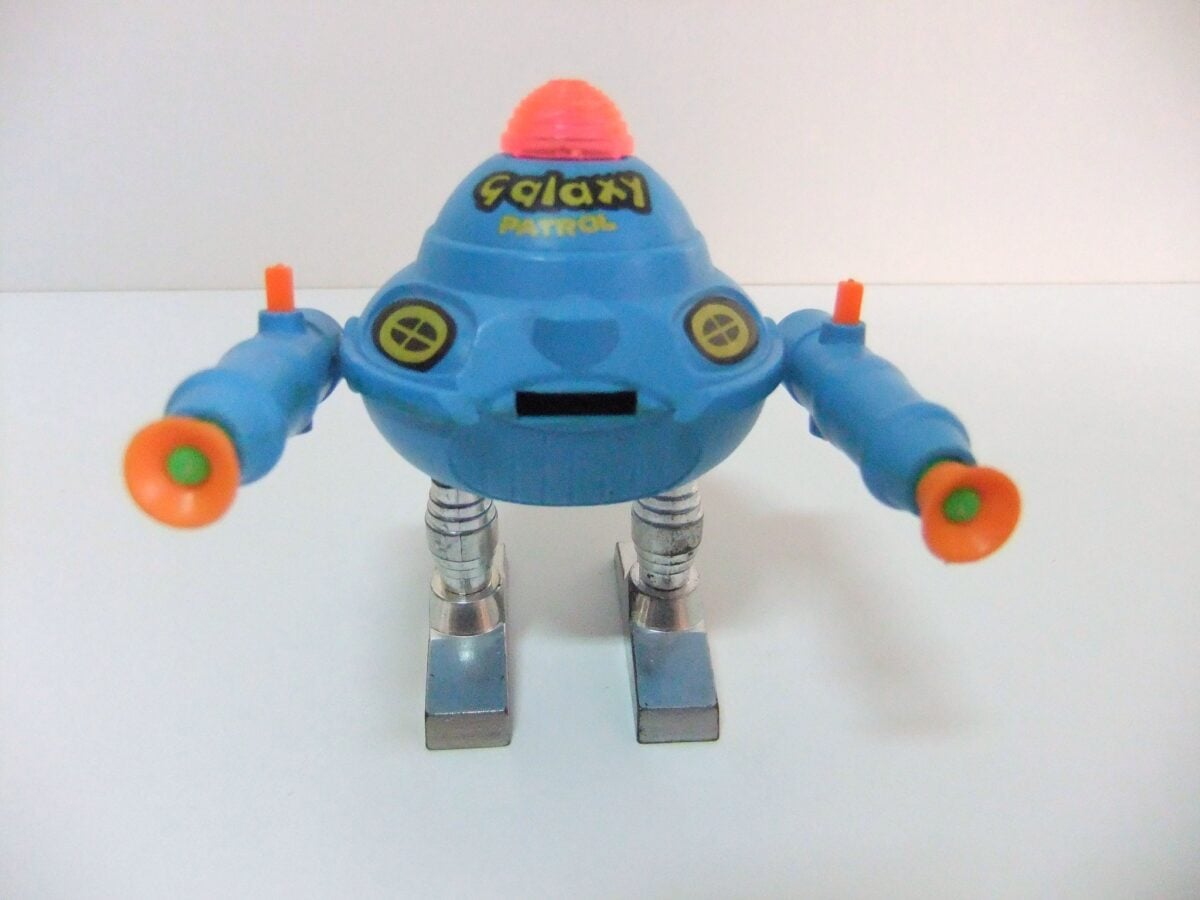
Space Patrol walks the beat with mechanical authority, his clear helmet revealing intricate internal components that suggest this robot takes law enforcement seriously enough to equip himself with visible computing power. The chest-mounted control panel blinks in patterns that could plausibly represent crime-fighting data analysis, while his steady walking pace suggests a robot who’s thoroughly patrolling his assigned sector.
The sound effects lean toward official-sounding electronic beeps rather than space battle noises, because even in the future, police work requires different audio cues than warfare.
Fighting Robot
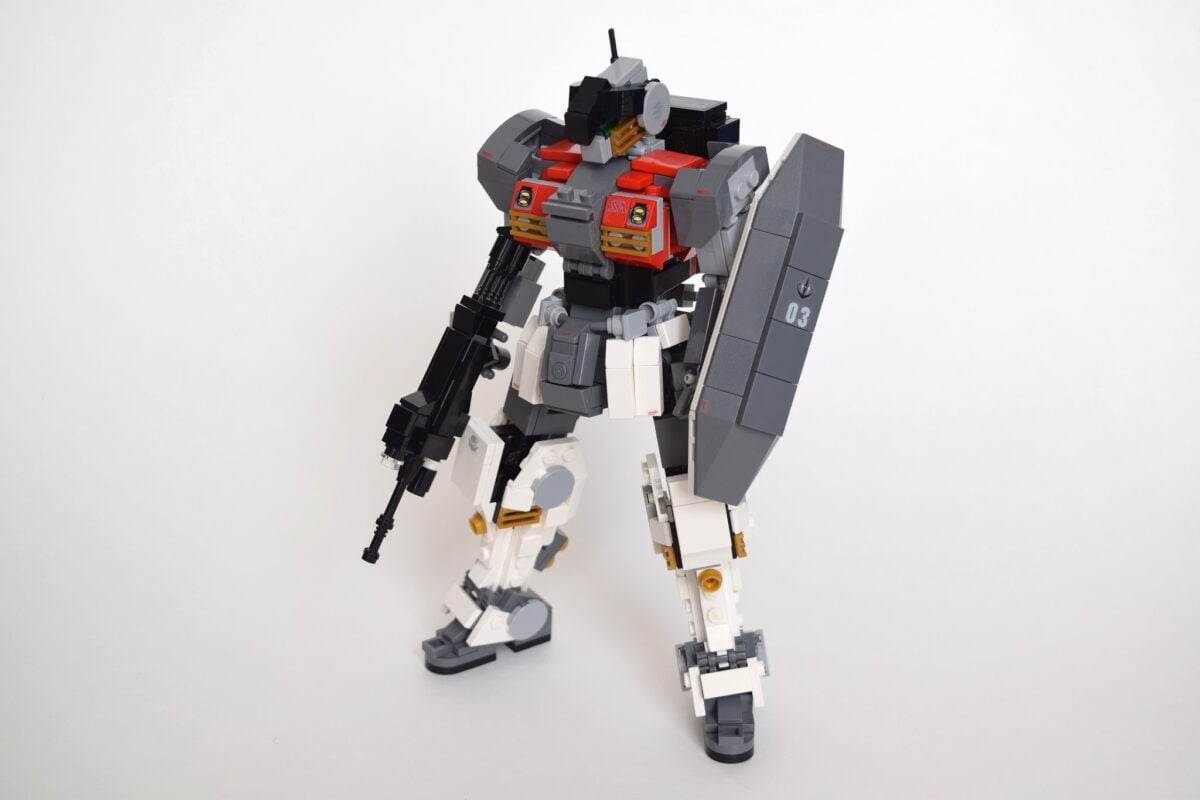
Fighting Robot doesn’t pretend to be friendly — this machine was designed for combat, complete with articulated arms that throw actual punches and a walking stance that suggests he’s ready to take on all challengers in the arena of living room floor battles. The punching mechanism works through a wind-up motor that delivers surprisingly forceful blows, enough to knock down other toys or send lightweight objects flying across the room.
And the best part: the boxing gloves are removable, so you can equip Fighting Robot with different attachments depending on what kind of mechanical mayhem the situation requires.
Mystery Action
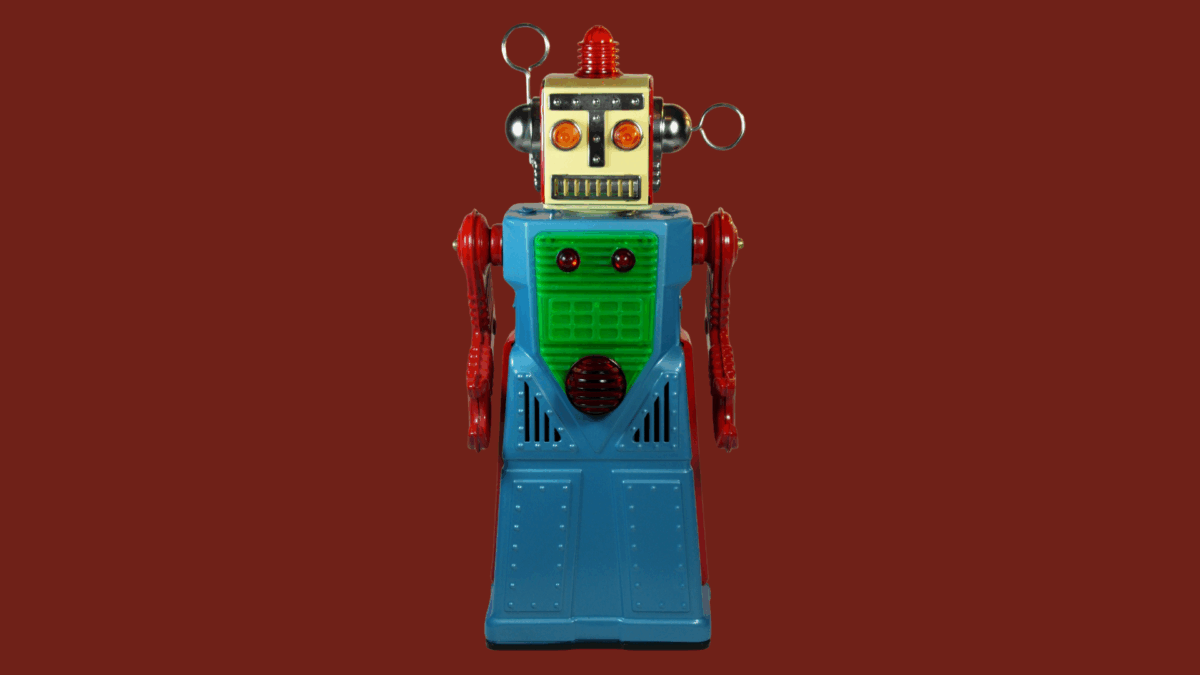
The mystery isn’t what this robot does — it walks, flashes lights, and makes appropriately robotic electronic sounds — but rather why every action feels slightly unpredictable, as if Mystery Action is making small decisions about direction and timing that keep you guessing about his next move. This behavioral randomness makes the robot genuinely engaging to watch, unlike more predictable mechanical toys that repeat the same sequence endlessly until you lose interest.
The internal mechanisms produce enough variation in movement patterns to suggest actual artificial intelligence, which in 1963 was probably optimistic but not entirely unreasonable.
Space Explorer
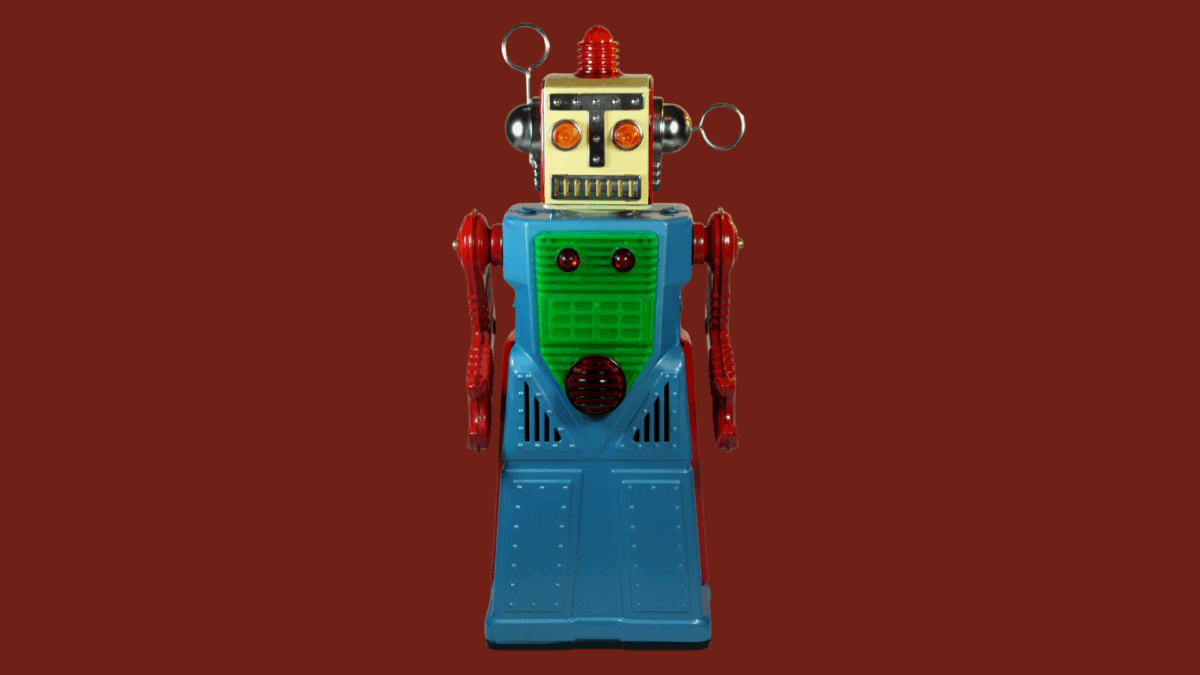
Space Explorer takes the exploration theme seriously enough to equip himself with multiple sensory devices: spinning radar, flashing analysis lights, and electronic sound effects that suggest he’s constantly discovering new information about his environment and reporting back to headquarters. The walking pattern includes occasional pauses where he stops, surveys his surroundings through rotating head movements, then continues forward — behavior that actually resembles what you’d want from a real exploration robot.
The attention to exploration-appropriate details extends to his design, which prioritizes sensors and communication equipment over weapons or entertainment features.
Gear Robot
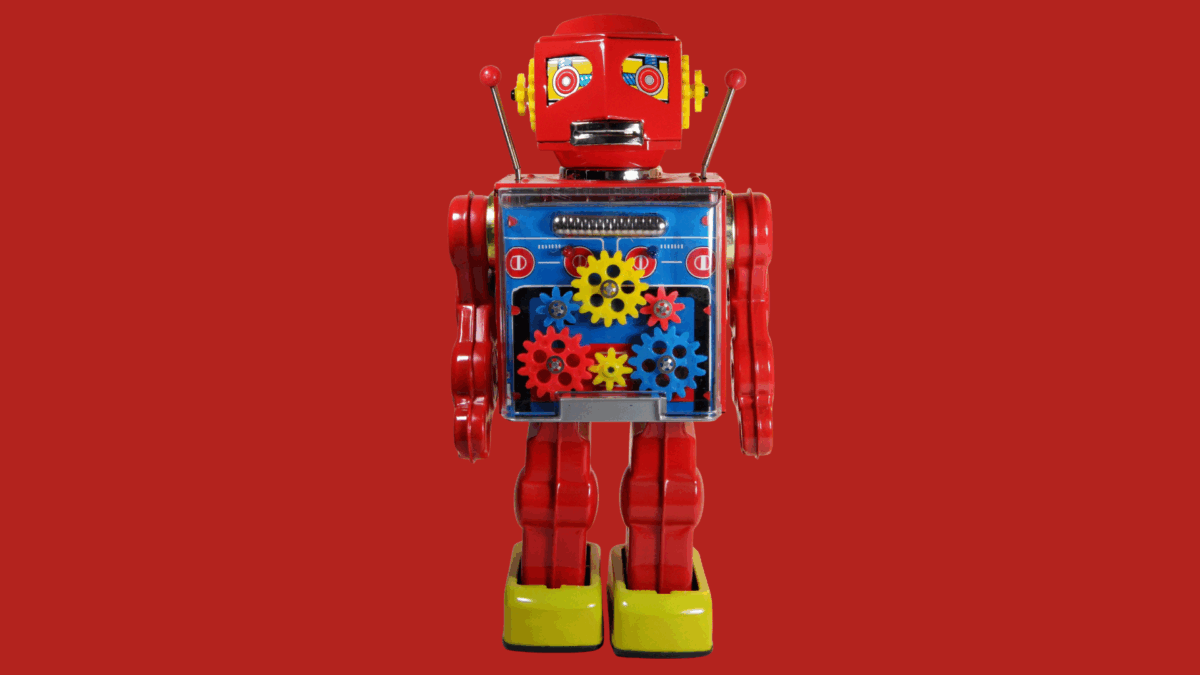
So this robot’s entire chest cavity is a transparent window into his mechanical soul: a complex arrangement of gears, wheels, and rotating components that actually move when the robot walks, creating a hypnotic display of visible clockwork that makes every step feel like witnessing precision engineering in action. Gear Robot proves that sometimes the most fascinating thing about a machine is watching how it works, rather than just seeing what it does.
And the gear system produces subtle variations in walking rhythm that keep the mechanical movement from becoming monotonous, because apparently even robot engineers in the 1960s understood that predictability gets boring after the first few minutes.
Mars King
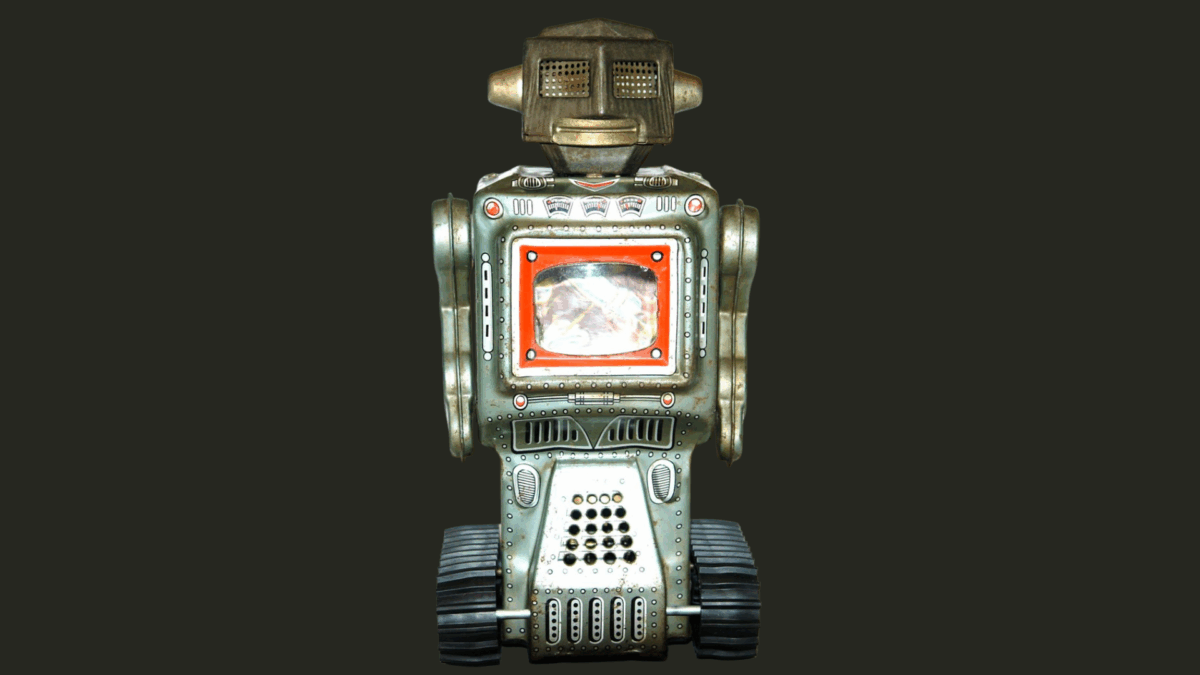
Mars King arrives from the red planet with the kind of regal bearing you’d expect from alien royalty, complete with a crown-like antenna array and a walking pace deliberate enough to suggest he’s accustomed to being followed rather than doing the following. The chest panel displays what appear to be Martian status indicators — or at least lights arranged in patterns complex enough to pass for alien technology to anyone who’s never actually seen alien technology.
The electronic sounds lean toward majestic rather than aggressive, because apparently even interplanetary conquest requires appropriate audio accompaniment.
Space Tank
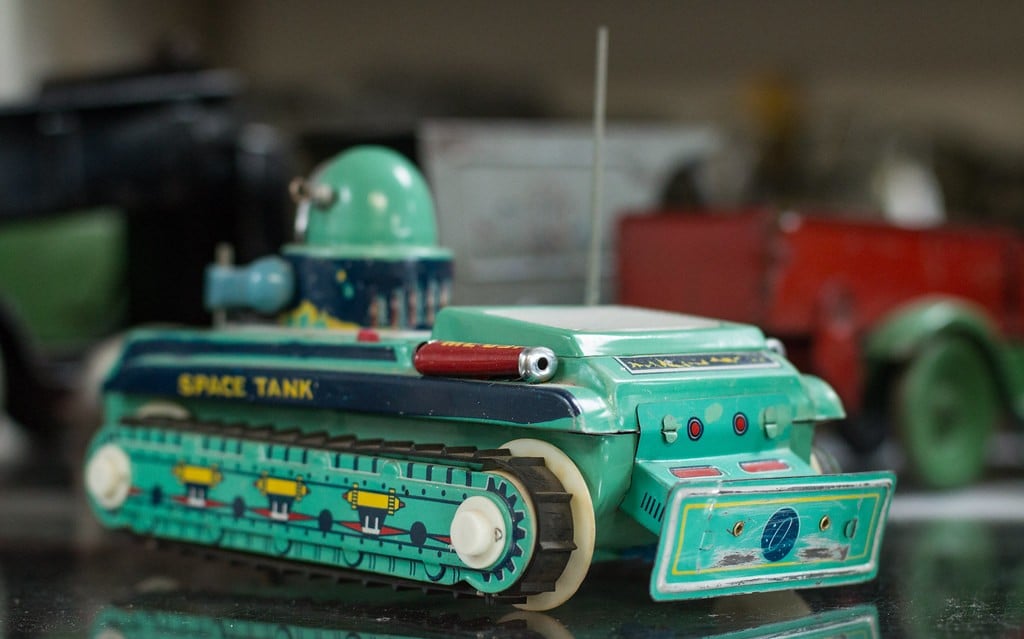
Space Tank combines the mobility of armored vehicles with the personality of humanoid robots, creating a machine that rolls forward on tank treads while maintaining an upright torso that can rotate and aim independently of the vehicle base. This design approach makes tactical sense: tanks for mobility, humanoid upper body for manipulation and combat flexibility.
The firing mechanism launches projectiles while the tank continues moving, enabling genuine mobile warfare in living room battles against other mechanical opponents or strategically arranged furniture obstacles.
Television Spaceman
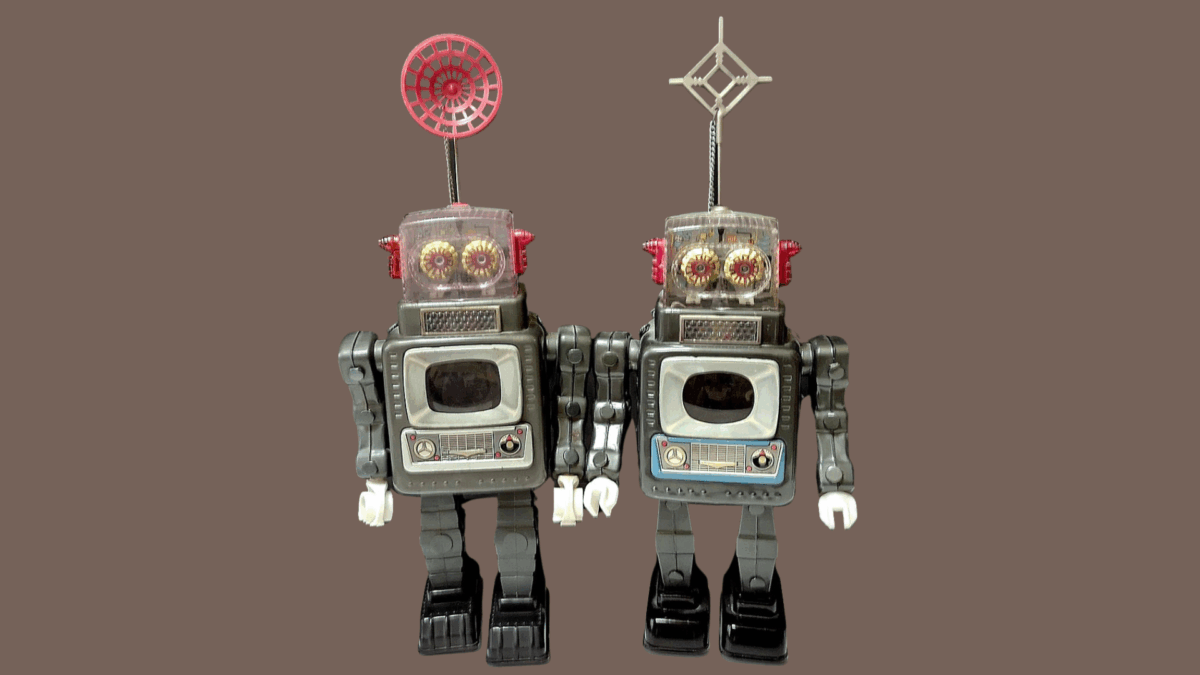
Television Spaceman features what might be the most optimistic accessory in 1960s toy history: a tiny television screen built into his chest that actually displays simple moving images, because apparently even robots from space need entertainment during those long interstellar voyages between planets. The screen shows basic geometric patterns that shift and change as he walks, creating the impression that he’s receiving important transmissions from his home world or possibly just watching the space equivalent of Saturday morning cartoons.
The viewing screen works through a simple mechanical system that’s surprisingly durable for such a delicate-seeming feature.
Engine Robot

Engine Robot wears his mechanical heart on his sleeve — or more accurately, displays his entire power plant through a clear chest panel that reveals a working engine complete with moving pistons, rotating components, and enough visible mechanical action to satisfy anyone who’s ever wondered what makes robots actually tick. The engine doesn’t just look impressive, it produces the kind of authentic mechanical sounds you’d expect from genuine machinery: rhythmic chugging, subtle gear whine, and the overall audio signature of something built to work rather than just look pretty.
This transparency turns every step into a demonstration of mechanical engineering principles.
Space Robot X-70
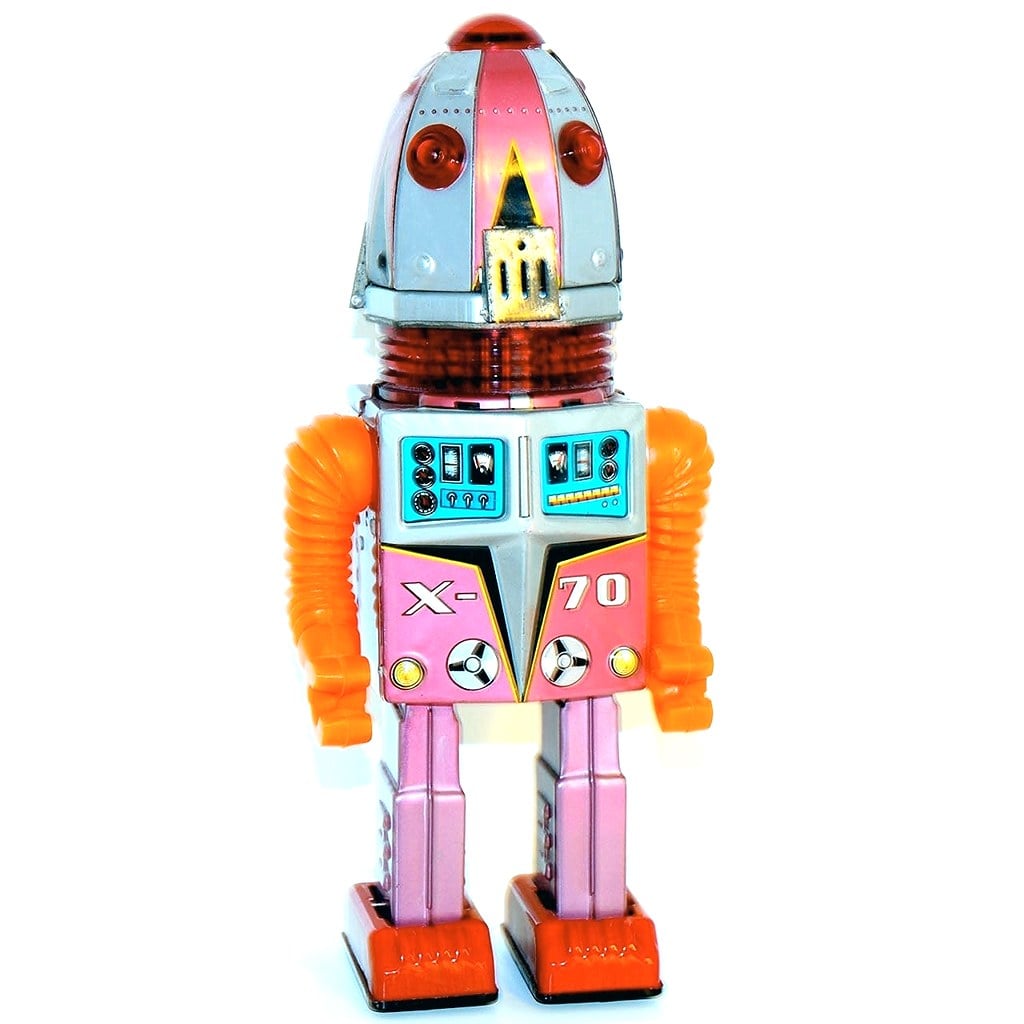
X-70 represents the apex of 1960s space robot ambition: a machine complex enough to require an actual model number, suggesting he’s part of a series of increasingly sophisticated mechanical explorers designed for serious interplanetary work. The control systems include multiple operational modes — walking, scanning, communicating — each with distinct light patterns and electronic sounds that indicate different types of robotic thinking happening inside his metal brain.
The build quality reflects serious engineering: this robot was designed to survive extended space missions, or at least extended play sessions with enthusiastic young space program participants.
Super Astronaut
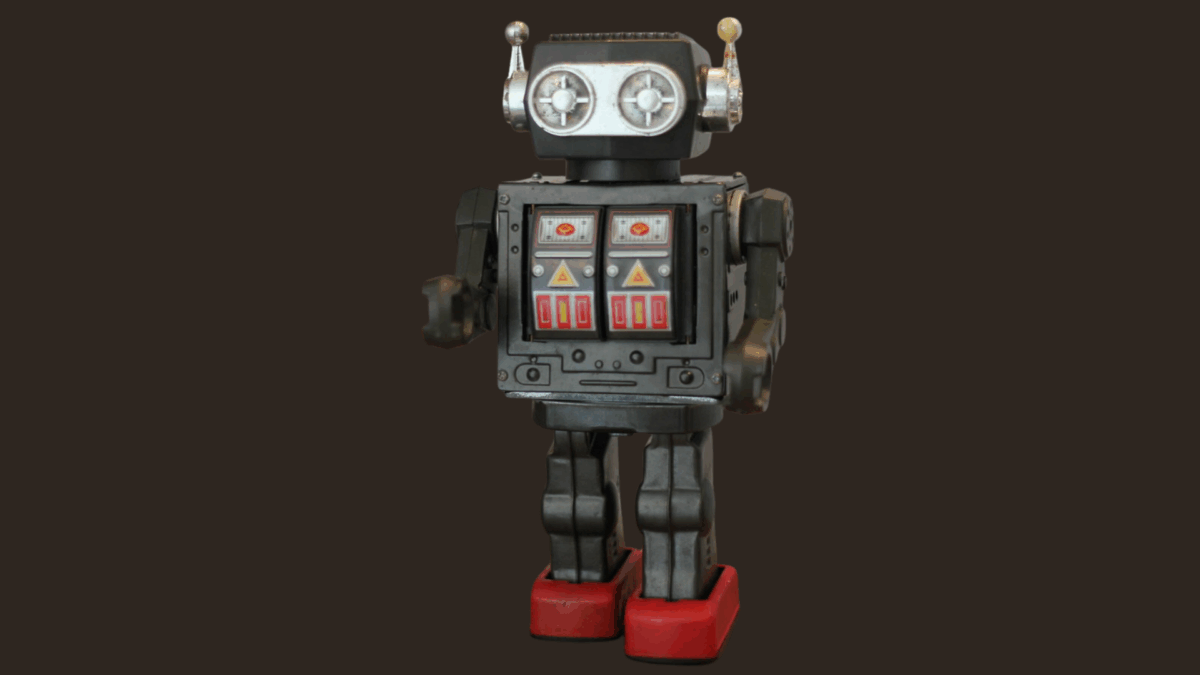
Super Astronaut doesn’t just explore space — he dominates it, complete with enhanced strength systems that let him lift and carry objects while walking, advanced communication arrays that produce more sophisticated electronic sounds than standard robots, and what appears to be genuine life support equipment visible through his helmet visor. The “super” designation isn’t just marketing: this robot includes features and capabilities that standard astronaut robots lack, from improved mobility systems to more durable construction designed to handle the kind of adventures that would disable lesser mechanical space explorers.
The attention to astronaut-appropriate details extends to realistic space suit proportions and equipment placement.
Mechanized Robot
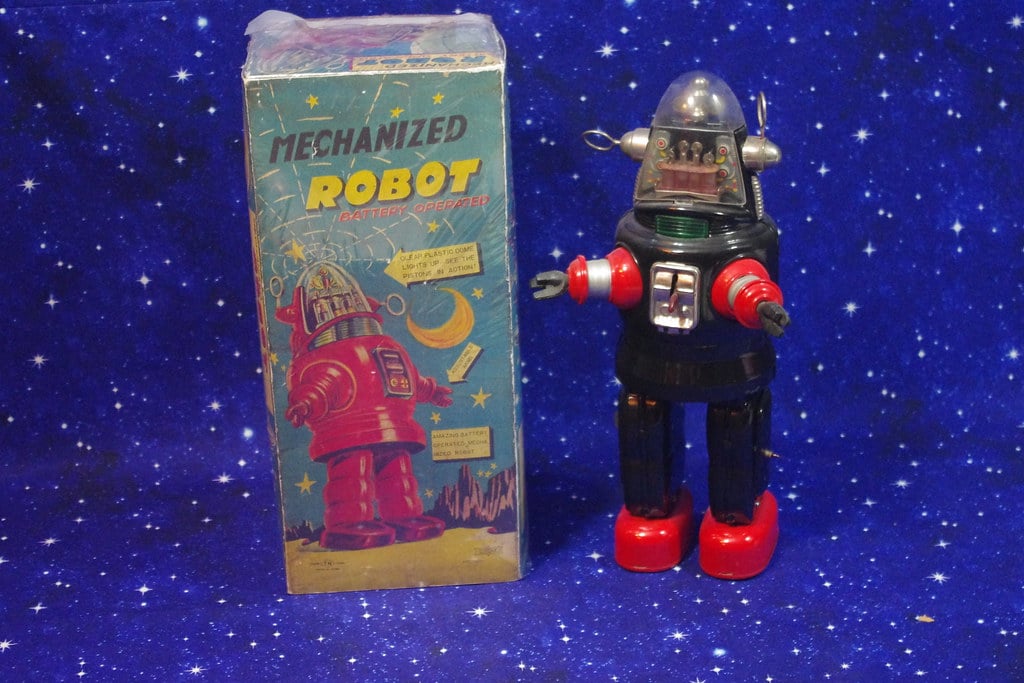
This robot strips away any pretense of friendly design and embraces pure mechanical functionality: every component serves a clear engineering purpose, every movement demonstrates mechanical principles in action, and every sound effect reinforces the impression that this machine was built for work rather than companionship. Mechanized Robot walks with the deliberate pace of heavy machinery, his movements producing the kind of substantial mechanical sounds that suggest genuine robotic power rather than toy-like electronic beeping.
The design philosophy prioritizes authentic mechanical behavior over entertainment features, creating a robot that actually behaves like the industrial machines that inspired the entire concept of mechanical workers.
Reflecting on Metal Memories
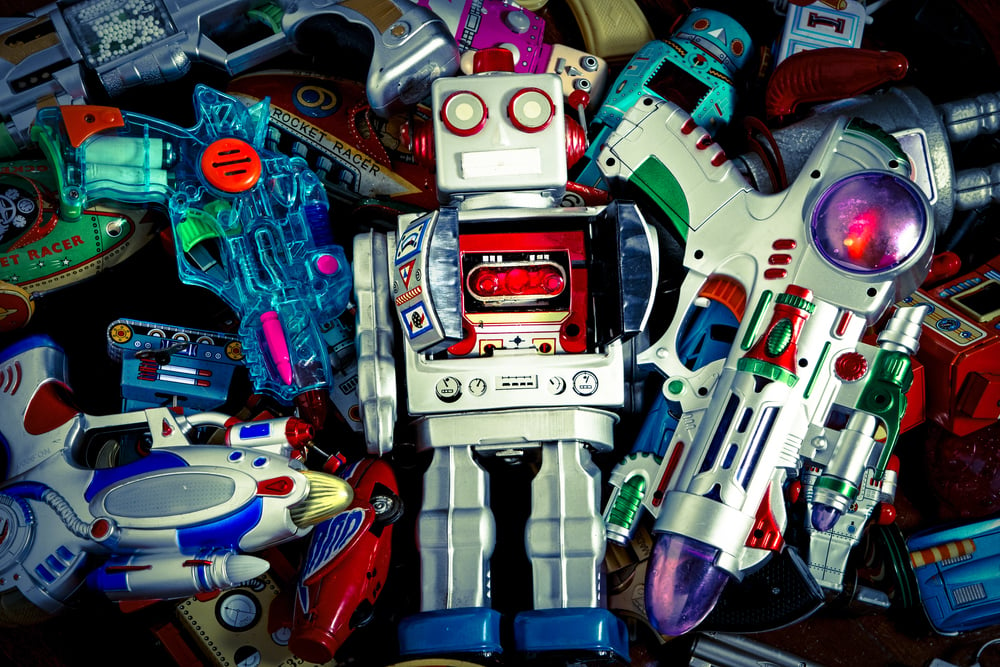
These robots represent something that modern electronics, for all their sophistication and connectivity, can’t quite replicate: the satisfying weight of real mechanical engineering combined with the boundless optimism of an era when the future seemed both exciting and achievable. Each one was built to last decades, not years, and designed to inspire rather than merely entertain.
That combination of durability and imagination explains why collectors pay premium prices for these mechanical time capsules — they’re not just toys, they’re tangible proof that someone once believed robots would make the world more wonderful rather than more complicated.
More from Go2Tutors!

- The Romanov Crown Jewels and Their Tragic Fate
- 13 Historical Mysteries That Science Still Can’t Solve
- Famous Hoaxes That Fooled the World for Years
- 15 Child Stars with Tragic Adult Lives
- 16 Famous Jewelry Pieces in History
Like Go2Tutors’s content? Follow us on MSN.