Why ’70s Kids Never Said They Were Bored in the Summer
Summer in the 1970s had a particular rhythm that today’s parents might find both enviable and terrifying. Kids disappeared after breakfast and materialized at dinner, dirty and exhausted, with stories their parents probably didn’t want to hear.
The phrase “I’m bored” simply didn’t exist in the summer vocabulary of a ’70s kid — not because boredom was impossible, but because the cure was always within walking distance.
Freedom to Roam the Neighborhood
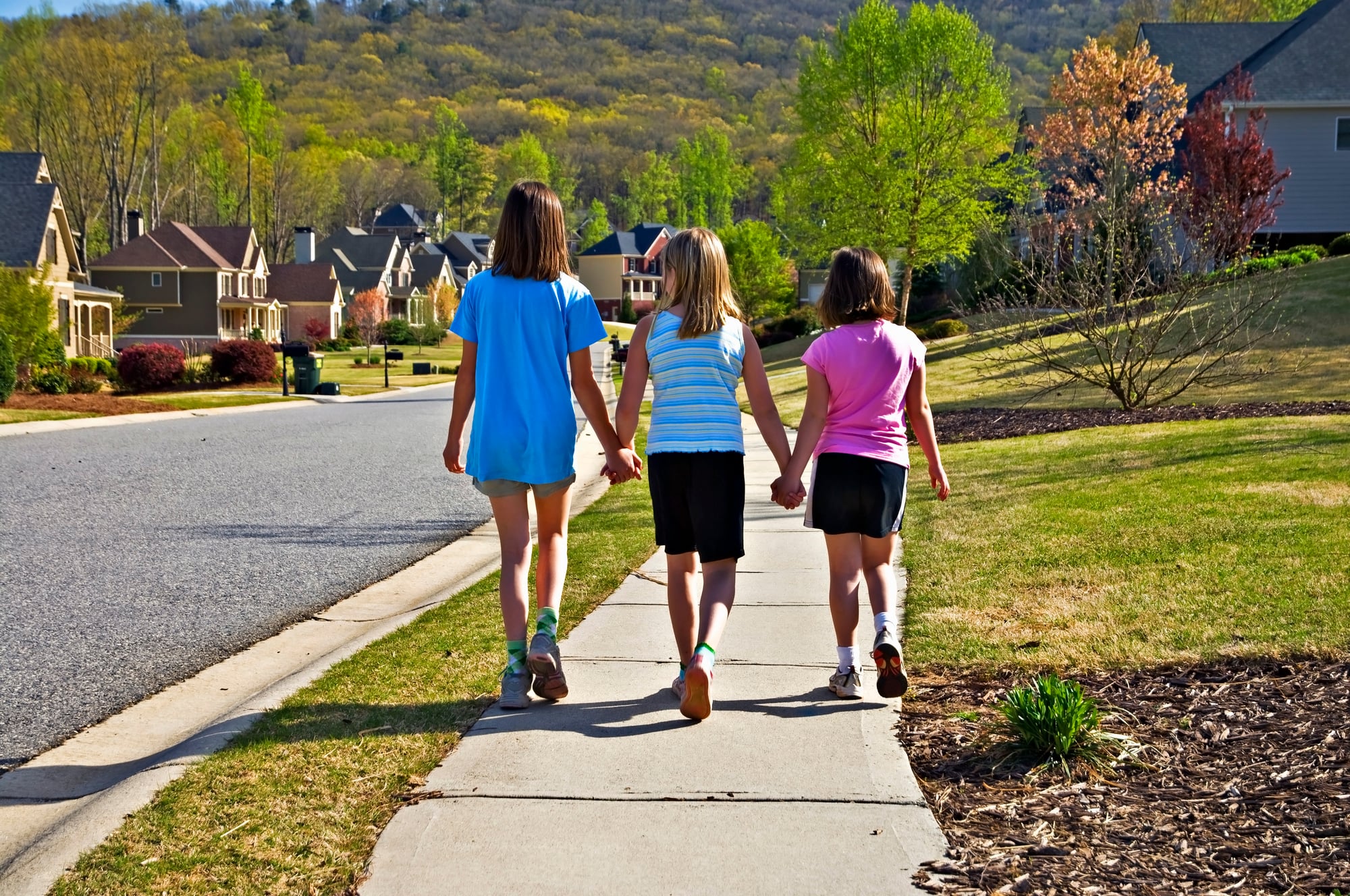
The invisible leash that keeps modern kids tethered to their front yards didn’t exist in the ’70s. Parents handed over the morning with a simple rule: be back when the streetlights come on.
That eight-to-ten-hour window contained infinite possibility.
Bike Expeditions to Unknown Territory

Adventure lived two streets over, where the familiar gave way to unexplored territory (and maybe that house with the mean dog everyone talked about but no one had actually seen). Your bike was transportation, escape vehicle, and proof of independence all rolled into one slightly rusted package.
So you pedaled until you found something worth the trip back to report.
Building Forts That Actually Mattered
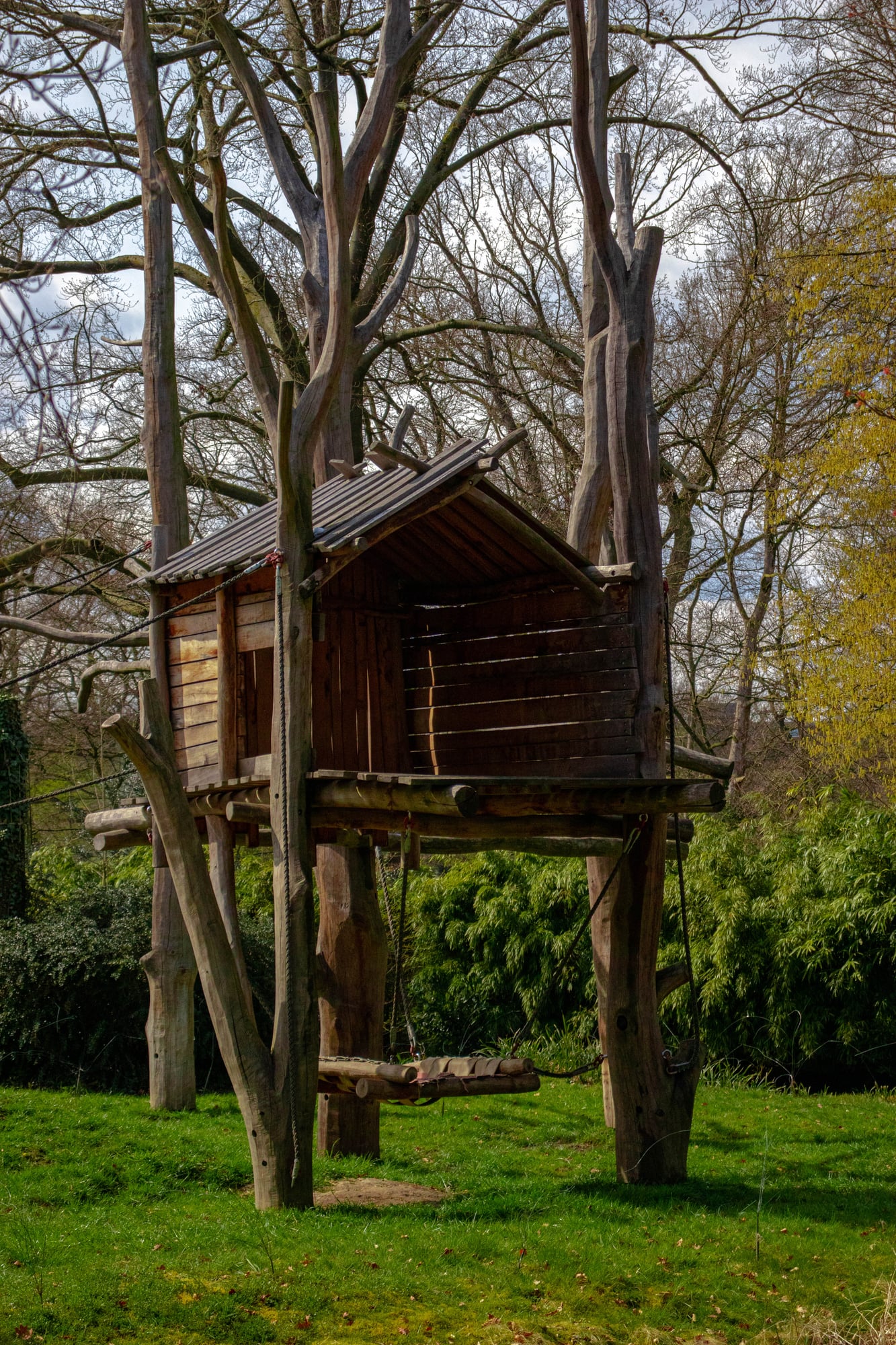
There’s something about claiming a piece of wilderness — even if it’s just the overgrown lot behind the Millers’ house — that turns children into architects of their own kingdoms. Forts weren’t weekend projects; they were summer-long campaigns that evolved with each raid on Dad’s toolshed.
The pride in something you built with your own hands (and possibly borrowed materials) couldn’t be replicated by anything that came in a box.
The Simplicity of Pick-Up Games

Organized sports were for school. Summer belonged to games that started with whoever showed up and ended when someone got called in for dinner.
No uniforms, no schedules, no parents keeping score from the sidelines — just the pure democracy of kids figuring it out themselves.
Creek Exploration and Mud Adventures
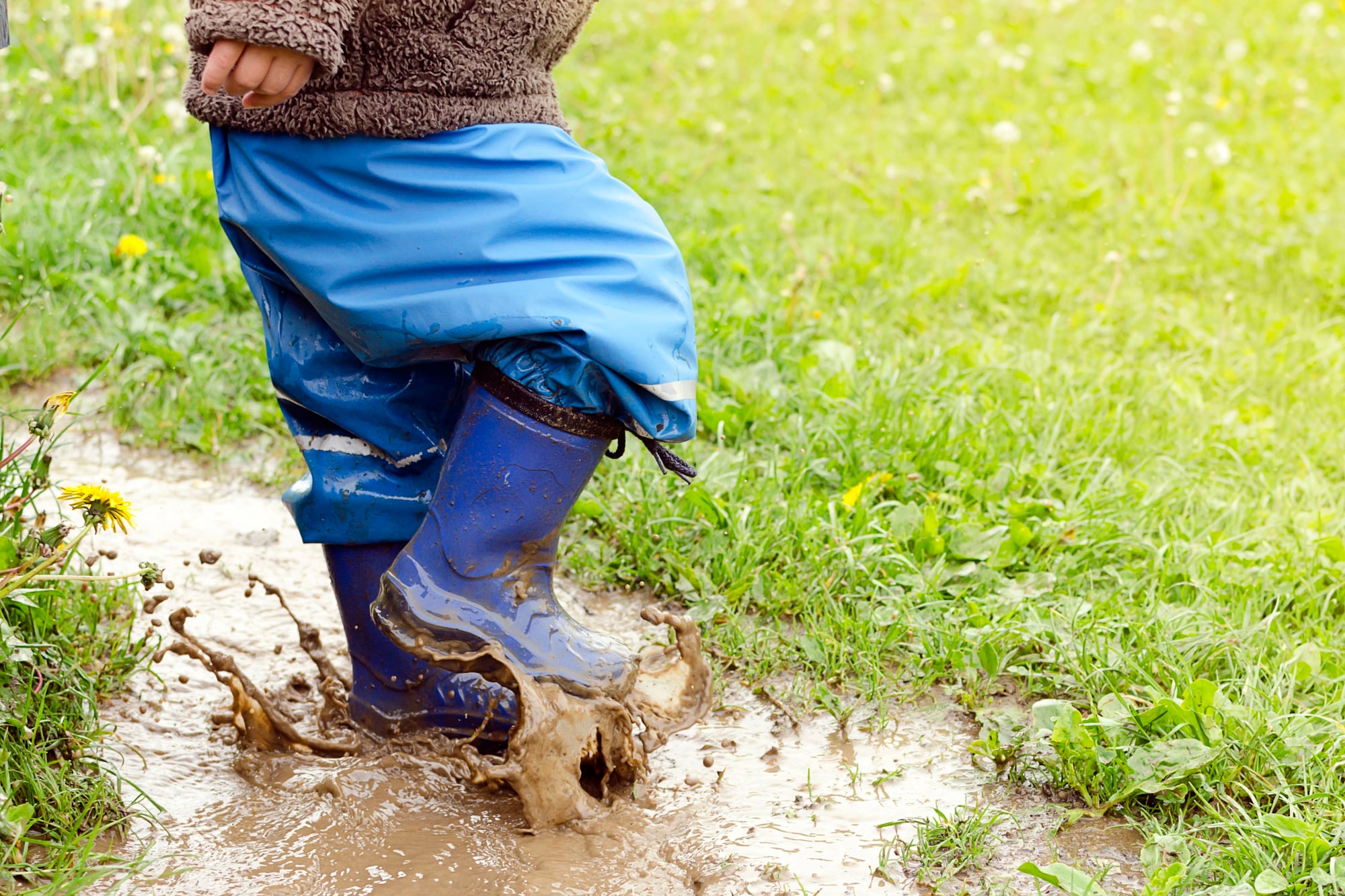
Every neighborhood had its version of wilderness, and every kid knew exactly where to find it. Creeks were highways to adventure, complete with the kind of discoveries that made you feel like a genuine explorer.
The mud on your clothes was evidence of a day well spent, even if your mother didn’t see it that way.
Imagination as the Primary Entertainment System

Before entertainment became something you consumed, it was something you created. A cardboard box wasn’t recyclable material — it was a spaceship, a fort, a race car, or whatever the afternoon demanded.
And the strange thing about imagination is that it grows stronger with use, not weaker.
The Art of Making Your Own Fun

Boredom was a temporary condition, not a permanent state of being. When the obvious entertainment options ran dry, you invented new ones — usually involving some combination of found objects, questionable physics, and the kind of creativity that emerges when you’re not being entertained by someone else every waking moment.
Innovation was born from necessity, and necessity was never in short supply.
Neighborhood Kids as a Built-In Social Network

Your social circle wasn’t curated through playdates and organized activities. It was the random collection of kids who happened to live within a few blocks, which meant you learned to get along with all types — the quiet one, the show-off, the kid with the cool older brother who taught you things your parents definitely didn’t approve of.
Real social skills, it turns out, develop when you can’t just find a different group.
Genuine Independence and Problem-Solving

When something went wrong during a day-long adventure, you couldn’t text Mom for a solution. You figured it out, improvised, or learned to live with the consequences — all of which built the kind of confidence that comes from proving you can handle whatever comes up.
Self-reliance wasn’t a goal parents worked toward; it was the natural result of being trusted with real freedom.
The Thrill of Mild Danger

Adventure required at least the possibility of actual consequences. Climbing trees that might not hold your weight, jumping creeks that might be too wide, exploring places that might get you in trouble — the slight edge of risk made everything more interesting.
Safety wasn’t the primary consideration; it was just one factor among many.
Seasonal Rhythms That Actually Mattered

Summer felt genuinely different from the school year, not just longer. The rhythm of days shifted completely — later bedtimes, longer adventures, the luxury of time that didn’t have to account for itself.
When September rolled around, you’d actually done something with your summer, not just consumed it.
Unstructured Time as Creative Fuel

Empty hours weren’t problems to be solved; they were raw material to be shaped into whatever struck your fancy. Without a schedule dictating every moment, you learned to listen to your own interests and follow them wherever they led.
Creativity thrives in unstructured space, and summer provided three months of it.
Real Stakes in Neighborhood Dynamics

The kids you spent your summer days with weren’t just playmates — they were allies, competitors, and sometimes rivals in a social ecosystem that actually mattered to your daily happiness. Friendships and feuds had real consequences when you’d be seeing the same faces every day until school started again.
So you learned to navigate relationships that couldn’t be easily abandoned.
Physical Challenges That Built Actual Strength

Entertainment often involved testing your physical limits — how fast you could run, how high you could climb, how far you could throw something. Your body wasn’t just transportation for your head; it was part of the adventure equipment.
And the strength you built came from activities that felt like play, not exercise.
Discovery of Hidden Neighborhood Secrets

Every neighborhood had its mysteries — the abandoned house, the storm drain that might lead anywhere, the woods where teenagers supposedly went to do teenage things. Summer provided the time and freedom to investigate these local legends, turning familiar streets into landscapes full of unexplored possibility.
The thrill of discovery couldn’t be replicated by anything that came with instructions.
The Magic of Returning Home with Stories

The best part of a day-long adventure was having something genuine to report at the dinner table. Real stories from real experiences, not just updates on levels conquered or shows consumed.
Your parents might not have approved of everything you’d discovered, but they couldn’t argue with the proof that you’d actually lived your day rather than just passed through it.
When Summer Actually Felt Like Summer

Perhaps the difference wasn’t really about the decade, but about a particular relationship with time and freedom that’s become harder to access. Those ’70s summers worked because they operated on kid logic rather than adult efficiency — long, unstructured, occasionally risky, and genuinely memorable.
The absence of boredom wasn’t magic; it was the natural result of having real agency over your own days and enough trust to use it.
More from Go2Tutors!

- The Romanov Crown Jewels and Their Tragic Fate
- 13 Historical Mysteries That Science Still Can’t Solve
- Famous Hoaxes That Fooled the World for Years
- 15 Child Stars with Tragic Adult Lives
- 16 Famous Jewelry Pieces in History
Like Go2Tutors’s content? Follow us on MSN.