Wine Facts That Impress At Dinner
Glass by glass, wine stretches back through millennia – though truth be told, few really grasp what swirls inside. Each bottle holds layers: echoes of tradition, quiet chemistry, places shaped by soil and sun.
Peeling back just a corner of that tale deepens the moment it touches your lips. Wine has secrets tucked into every bottle, waiting to surprise you.
Surprising details often come out during dinner talks. Stories about grapes can shift how people see the drink in their glass.
A single fact might change the whole mood of an evening. Conversations spark when someone mentions ancient vines.
People lean in when history ties to what they’re sipping. Odd truths linger longer than expected.
Details stick better when they feel like discoveries. Tonight could turn on one little-known detail shared at just the right moment.
Older Vines Make Better Wine
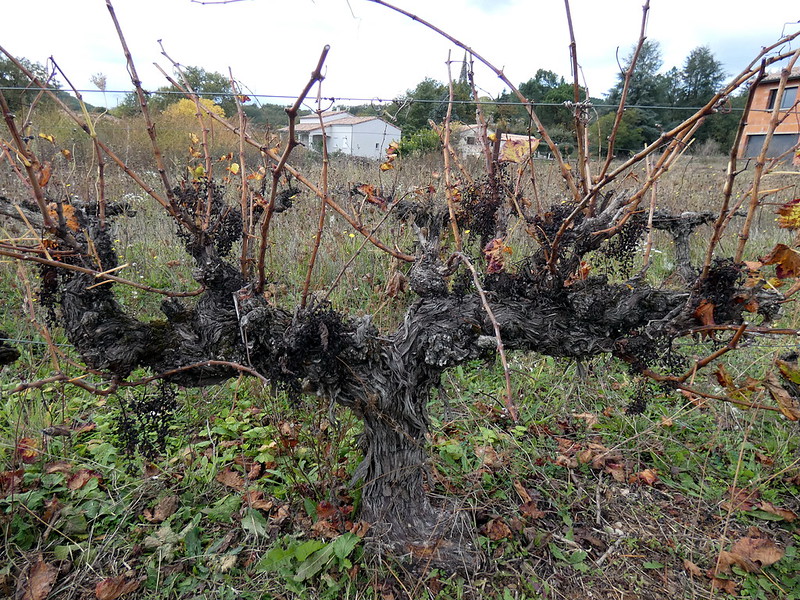
Vines past twenty-five years get called vieux vignes – French meaning old vines. Though they yield less fruit over time, each grape packs a stronger taste.
Because of this intensity, bottles from aged plants usually cost more. A single sip from a half-century-old plant holds layers a new planting can’t reach.
Ancient Wine
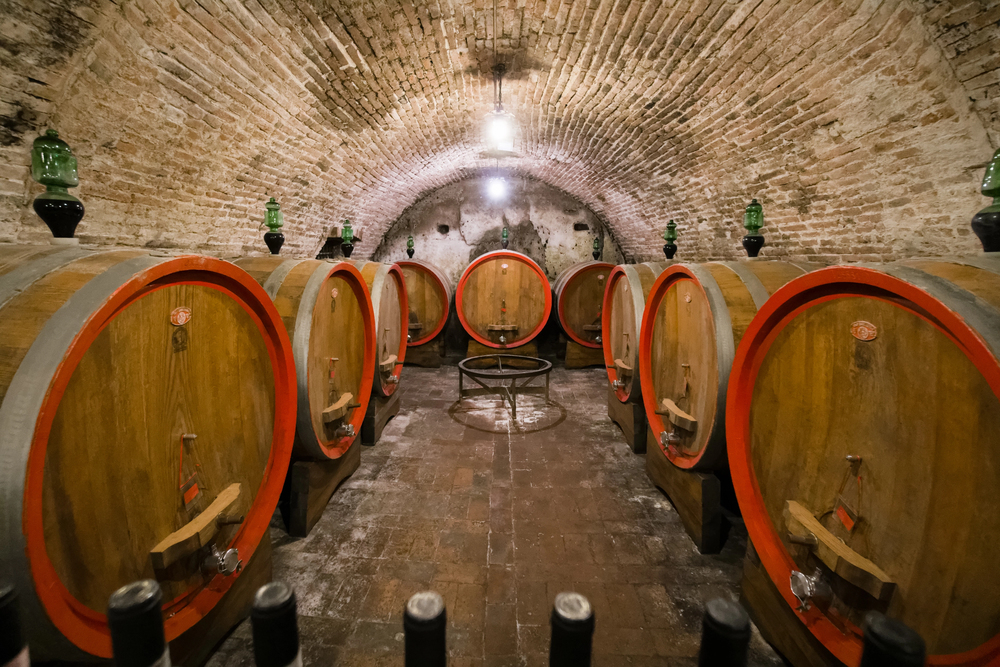
A cave in Armenia held secrets from about 4100 BCE – the earliest sign of wine-making ever uncovered. Inside, tools turned up: a press, large jars for fermenting, plus cups used for drinking.
Not random attempts at brewing, but signs of organized work spread across one site. Long before nations like France or Germany formed, people were already deep into crafting wine.
Wine And Temperature
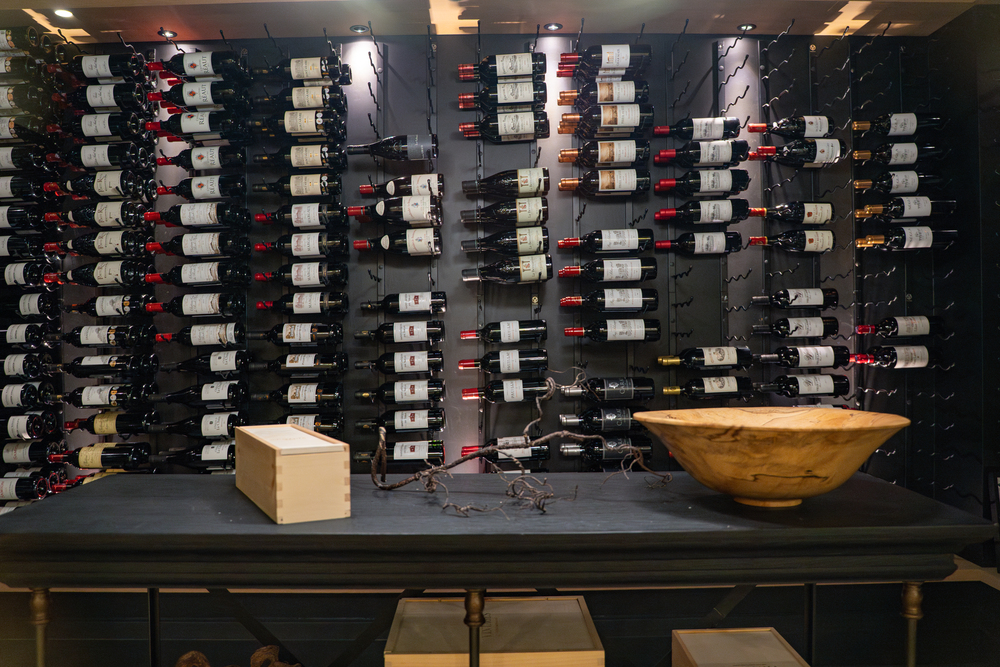
Warmth often ruins reds, most folks pour them hotter than ideal. Between sixty and sixty eight works better, far from stuffy indoor heat.
Whites tend to drown in chill, pulled stiff from refrigerators. Forty nine up to fifty five softens their edge just enough.
Taste shifts when temps align, a free tweak with real effect.
The Weight Of A Bottle
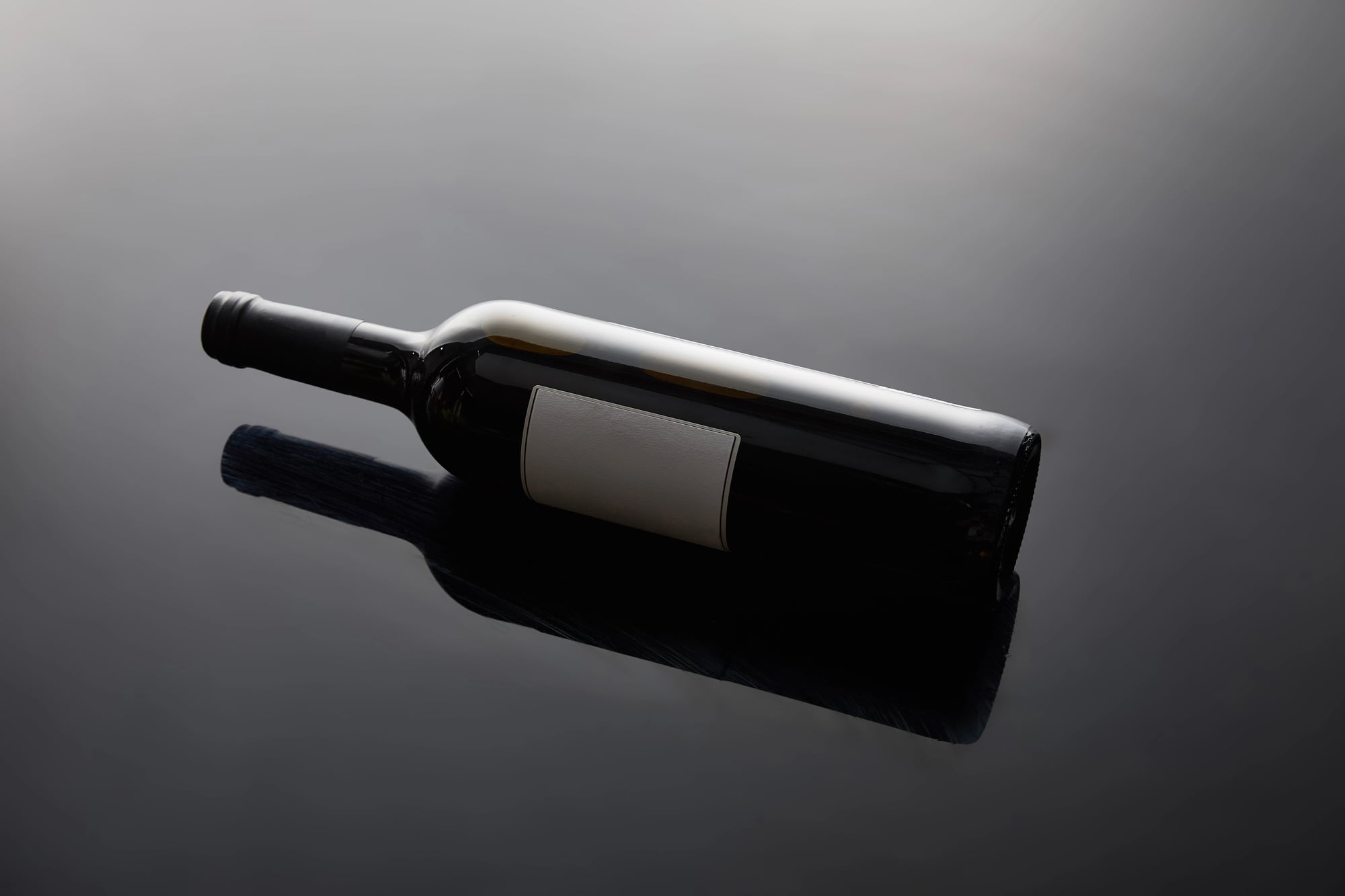
Heavy glass doesn’t prove the liquid tastes good. Looks made thick containers trendy – they seemed fancy, convinced shoppers they were buying something special.
Truth? The heft says more about money spent on packaging than flavor hidden underneath the cork. World-class vintages often arrive in slender, lightweight cases.
France Is Not The Biggest Producer
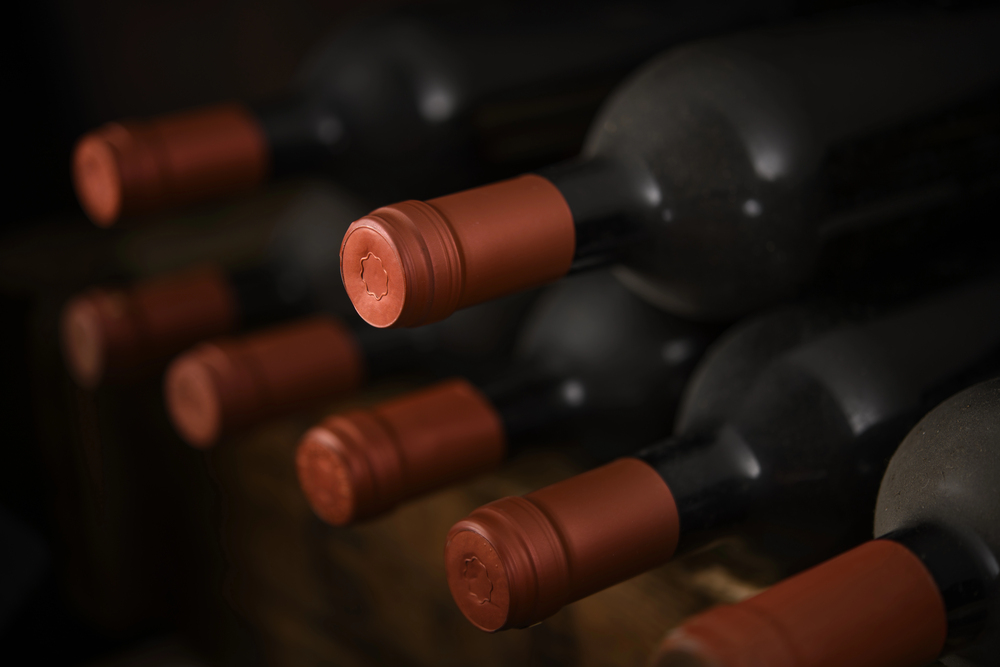
Most years, Italy edges out France in wine output, while Spain trails close behind. Fourth worldwide stands the United States, where California handles the bulk.
Prestige still follows France, yet when counting bottles, others surpass it. This fact catches many enthusiasts off guard.
Length stays true.
Cork Versus Screw Cap
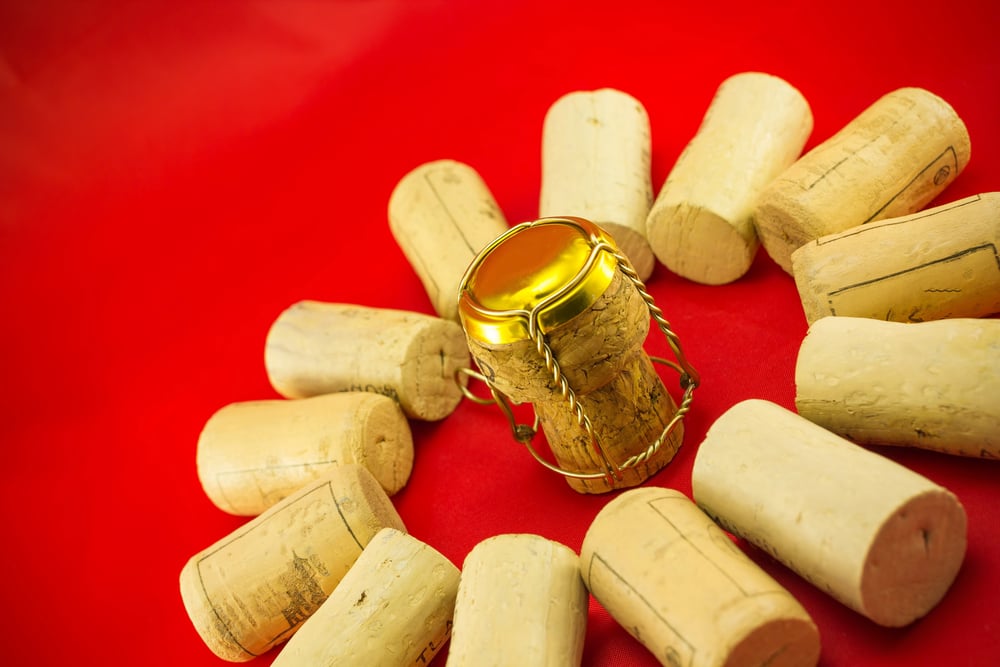
Wine quality isn’t judged by its cap. Decades back, New Zealand along with Australia began using screw tops – aim was clear: stop cork taint, that damp-smelling flaw from a chemical named TCA capable of spoiling whole bottles.
Research confirms many types age just fine under screw caps compared to natural cork. Slowly, the old doubts about twist-off seals are vanishing – and honestly, they should.
Grapes Are Naturally Sweet
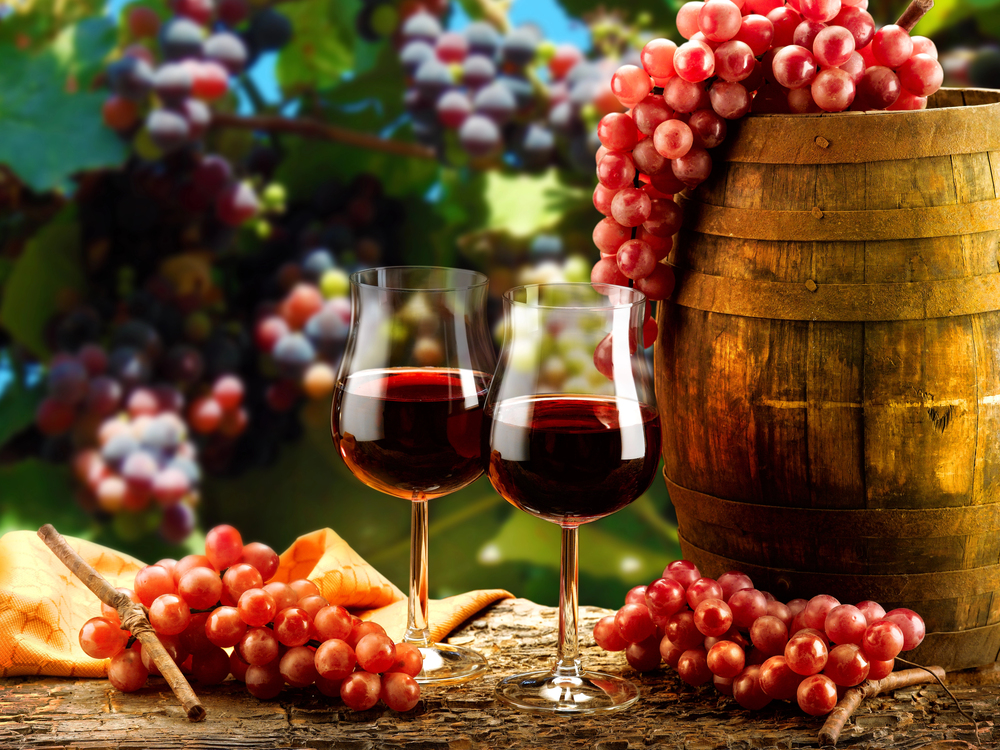
Most folks munching on grapes never taste how sweet wine varieties really are. Sugar levels run high in those types, giving yeast plenty to work with when turning juice into booze.
Fermentation chews through that sugar, transforming it slowly into alcohol. As time passes, less sugar remains behind – this explains why dry wines barely register any sweetness at all.
Halt the process sooner, though, and what ends up in your bottle keeps more of its sugary touch.
The ‘Legs’ On A Glass
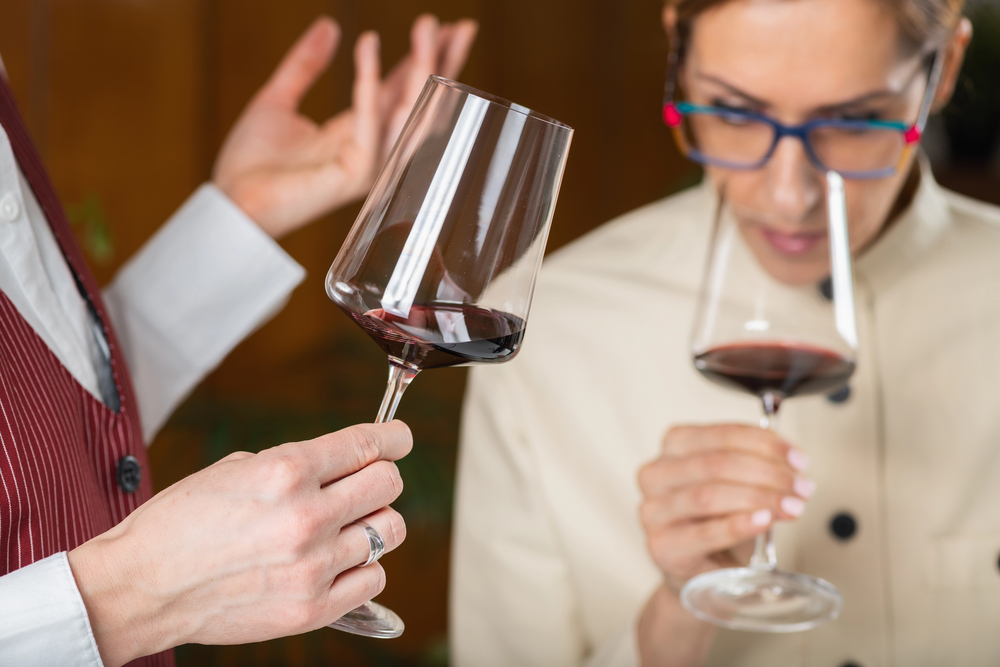
Down the inner surface of a wine glass, thin trails often form when swirled – these are known as tears or legs. While some think longer streaks mean better wine, they mainly reflect how much alcohol or sugar is present.
Wines with elevated alcohol levels usually produce heavier droplets along the rim. Impressive appearance aside, those drops reveal nothing certain about flavor or enjoyment.
Color Comes From The Skin
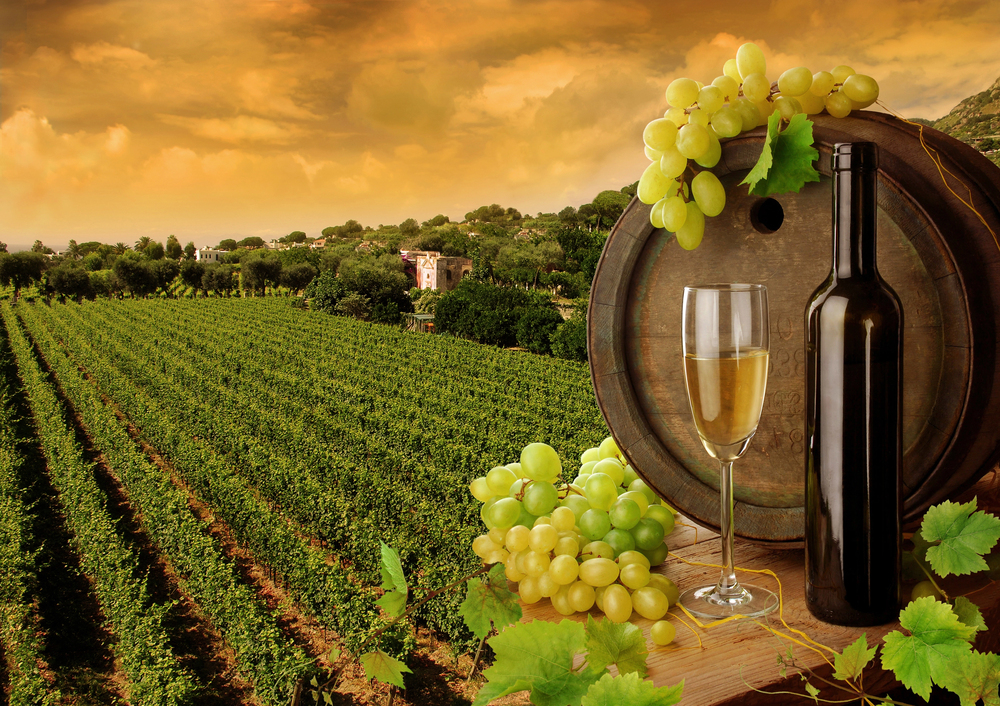
Most of the time, grape juice starts off looking almost colorless. During fermentation, if the skins stay mixed into the liquid, that is when dark tones appear.
What gives red wine its hue comes entirely from those soaked skins. For whites, workers take the skins out right away.
Surprisingly, even deeply colored grapes hold juice without tint. That fact allows sparkling wines like Champagne to use red varieties such as Pinot Noir.
Oak Changes Everything
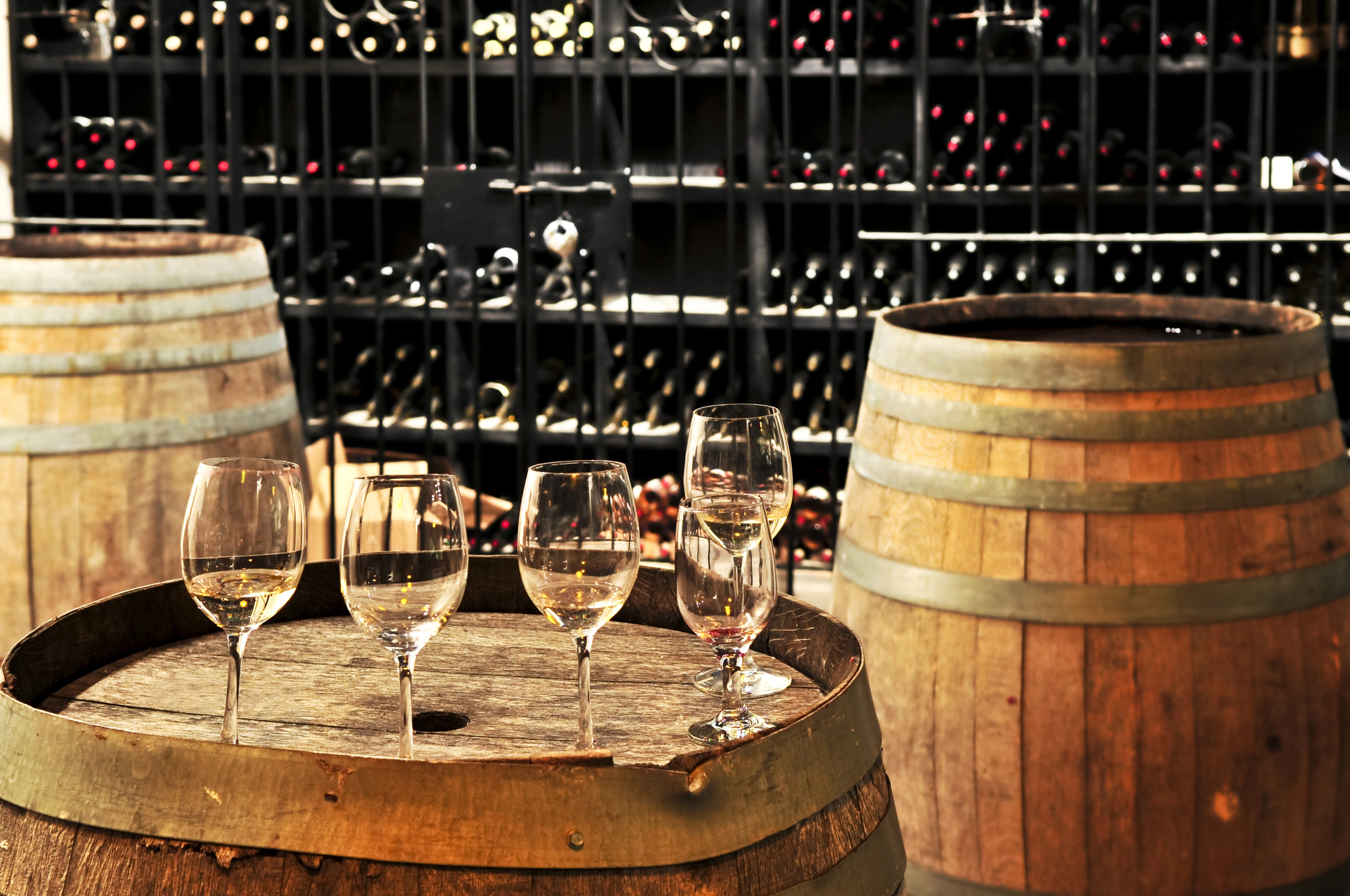
Aging wine in oak barrels is not just tradition; it genuinely changes the flavor of the wine. Oak introduces compounds that add vanilla, spice, and toasted notes to the finished product.
The size of the barrel matters too because smaller barrels give faster and more intense oak flavor. Some winemakers use oak chips or staves instead of full barrels, and critics have very strong opinions about that shortcut.
The Fear Of Wine
There is an actual phobia called ‘oenophobia,’ and it refers to the fear of wine. While that might sound unusual, it often shows up as anxiety around choosing wine correctly in social situations.
Wine culture can feel intimidating, especially when menus are long and sommeliers seem to be judging every choice. Knowing a few solid facts about wine tends to make that anxiety go away fairly quickly.
Sulfites Are Natural
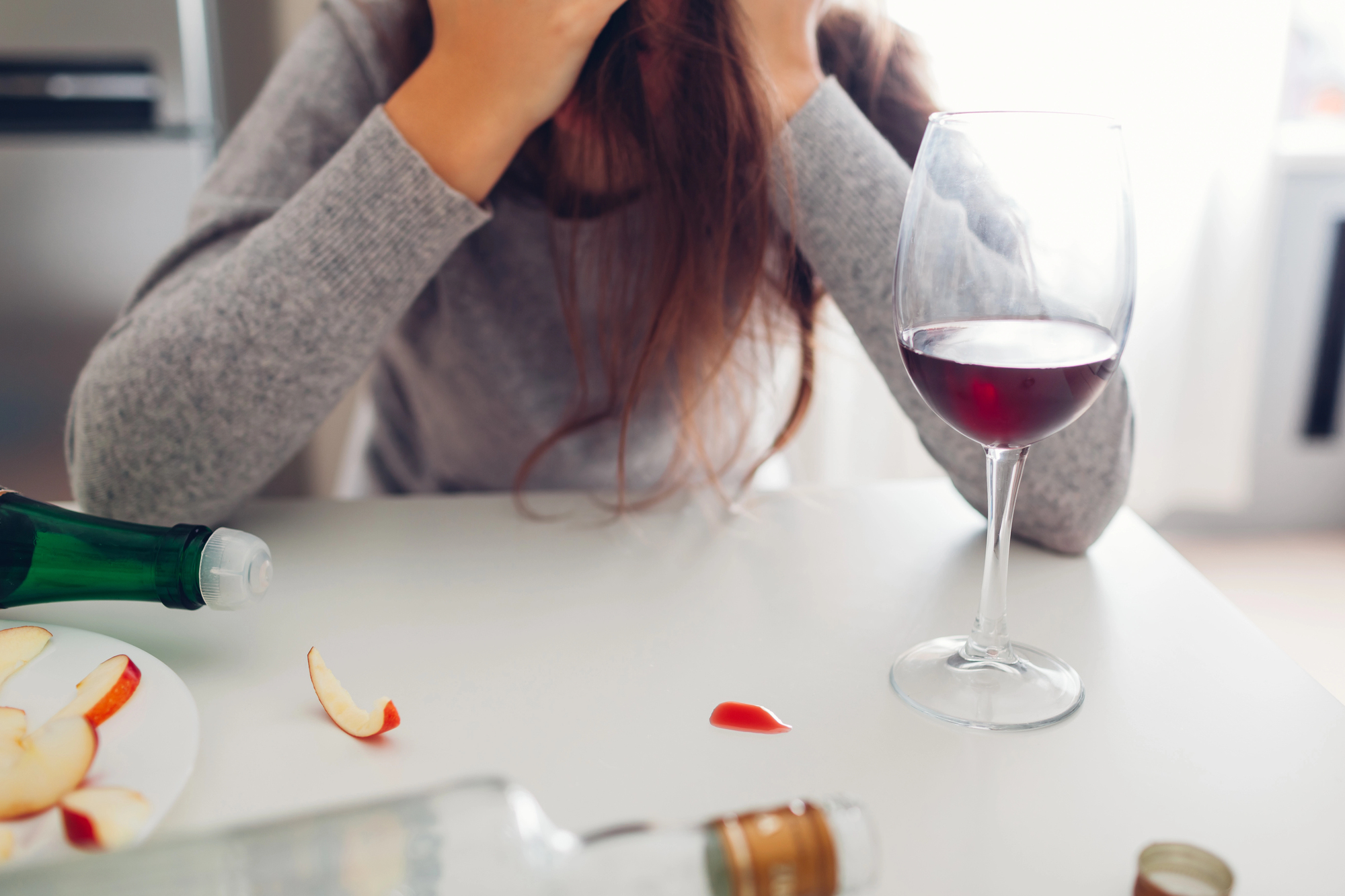
Almost every bottle of wine contains sulfites, and many people blame them for headaches the morning after drinking. Here is the thing: sulfites occur naturally during fermentation, even in bottles labeled ‘organic.’
The headache is far more likely linked to dehydration or overall alcohol intake. Dried fruit contains far more sulfites than wine, and nobody is blaming raisins.
Wine Ages In More Than Just Bottles
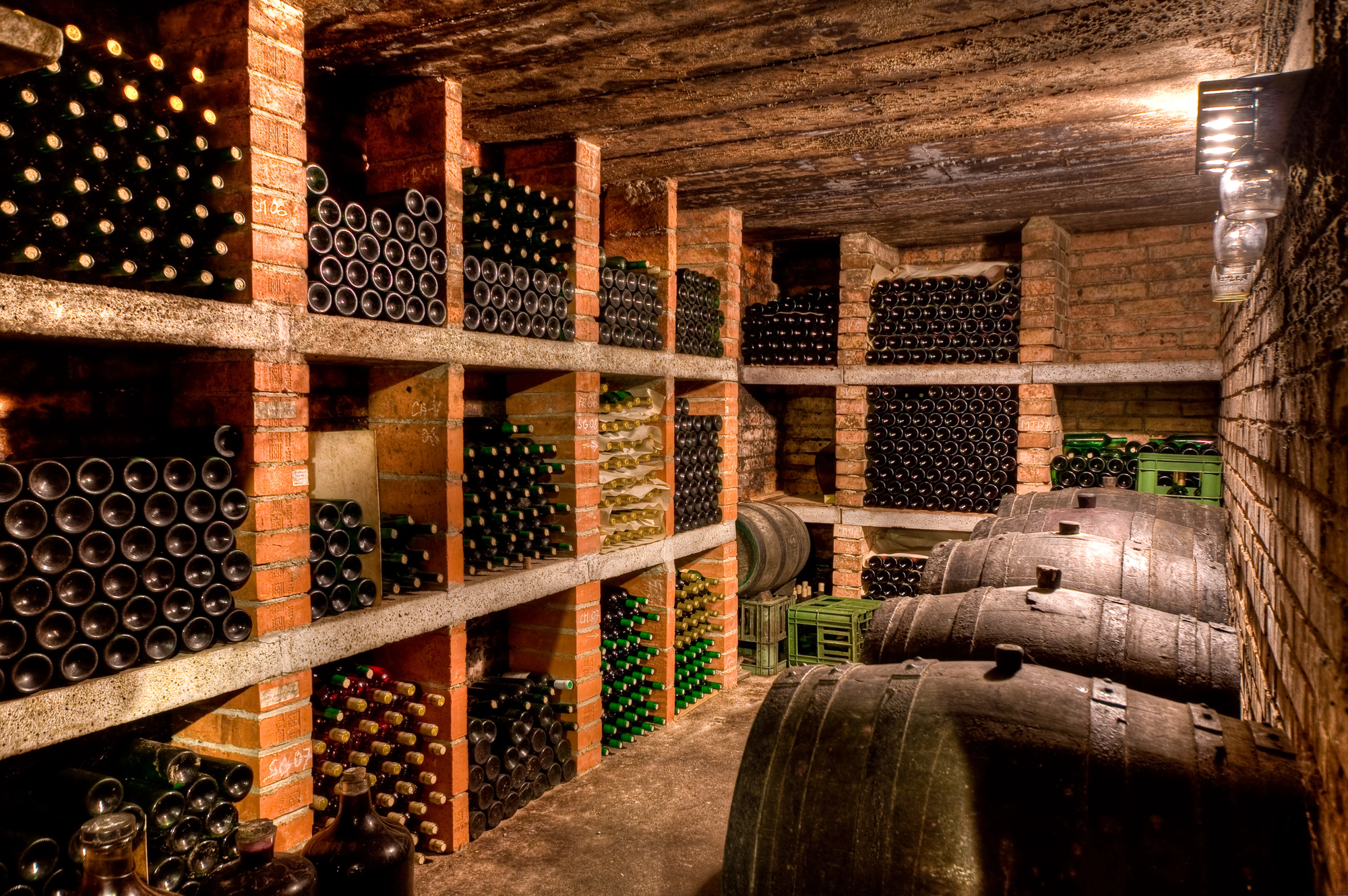
Most wines are not meant to be aged for years in a cellar. About 90 percent of all wine produced globally is made to be consumed within a year of purchase.
Only certain wines from specific regions and grape varieties actually benefit from long aging. Holding onto a bottle for decades without knowing its potential is more likely to ruin it than improve it.
The Role Of Tannins
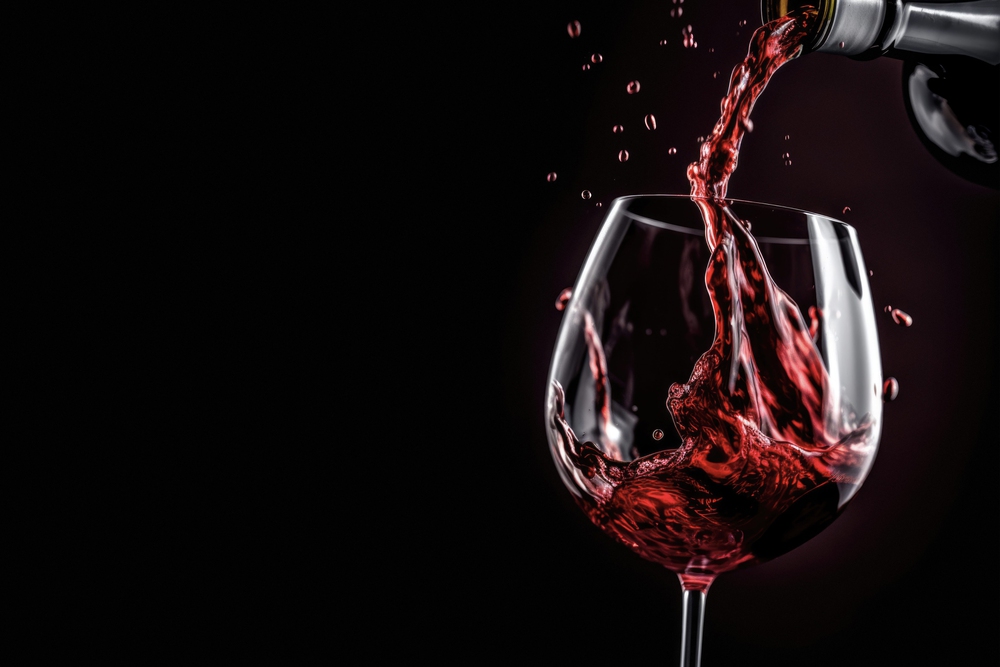
Tannins are natural compounds found in grape skins, seeds, and stems, and they are responsible for that dry, slightly gripping feeling in the mouth after sipping a bold red. They act as a natural preservative, which is one reason high-tannin wines like Cabernet Sauvignon can age for many years.
Food pairing with tannins is important too because tannins pair beautifully with fatty proteins like a good steak. The fat softens the tannin’s grip and makes both the wine and the food taste better.
Wine And The Brain
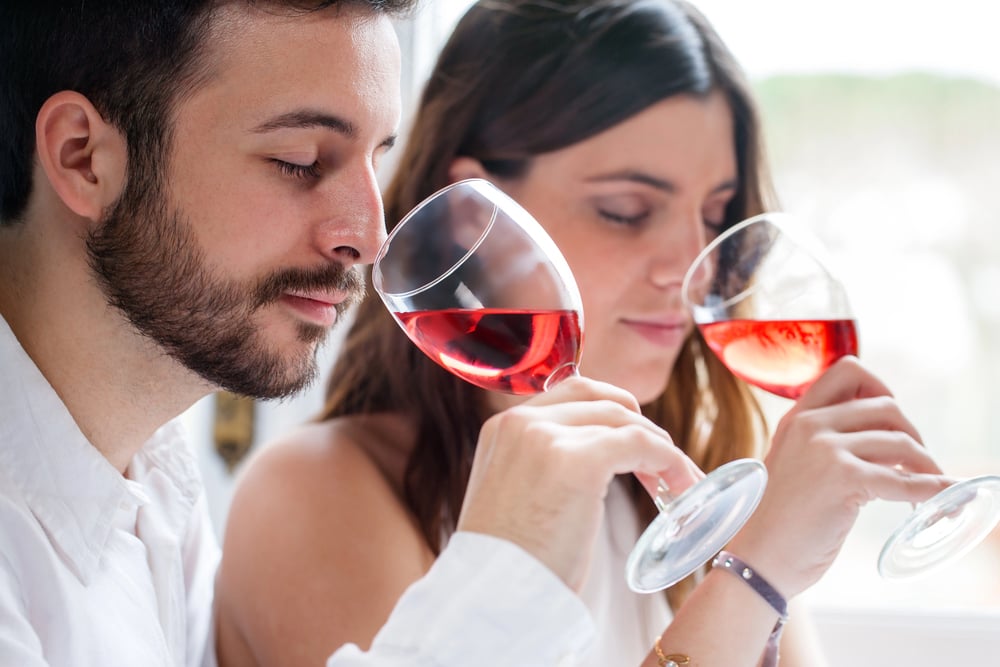
Research from Yale University found that the brain processes the flavor of wine differently depending on the price the drinker believes they paid. People consistently rate the same wine as tasting better when told it costs more.
This effect is not about being easily fooled; it is a genuine neurological response where expectation shapes perception. Pouring the same wine into different bottles for a dinner party could make for a very revealing experiment.
Still Standing After 8,000 Years
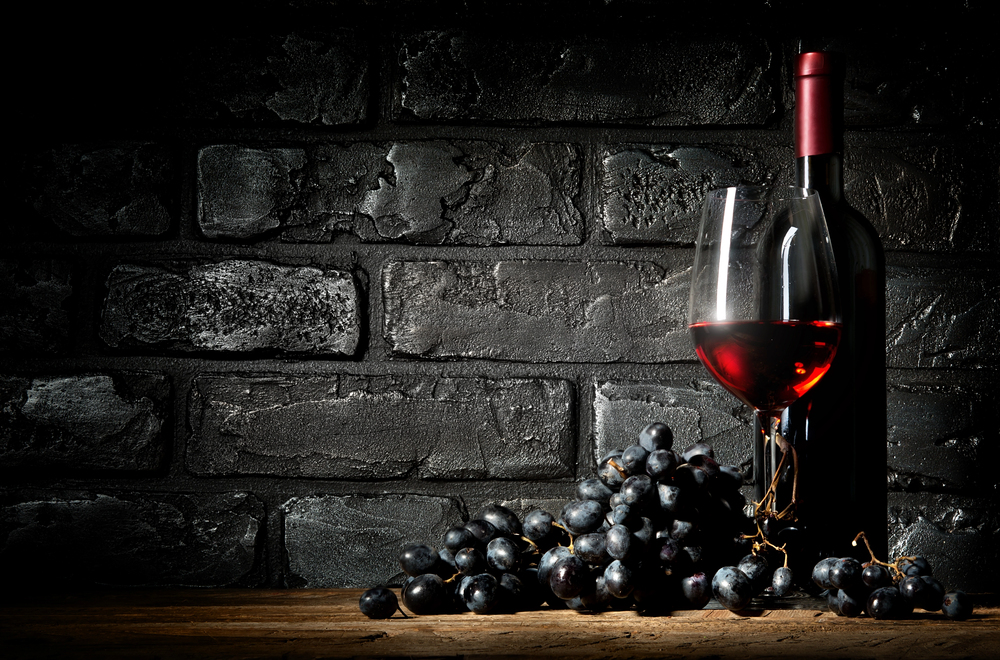
Wine has outlasted empires, survived two world wars, and adapted to climate change, shifting tastes, and the rise of craft beer. The wine industry continues to grow every year, with new regions like China and India entering the global market in serious ways.
Technology now helps winemakers track fermentation to the minute, yet many still rely on traditional methods that have not changed in centuries. The result is a drink that manages to feel both ancient and completely current at the same time.
More from Go2Tutors!

- The Romanov Crown Jewels and Their Tragic Fate
- 13 Historical Mysteries That Science Still Can’t Solve
- Famous Hoaxes That Fooled the World for Years
- 15 Child Stars with Tragic Adult Lives
- 16 Famous Jewelry Pieces in History
Like Go2Tutors’s content? Follow us on MSN.