27 Fads from the ’90s That Vanished Practically Overnight
There’s something almost scientific about the way the ’90s manufactured obsessions. One week, every kid in school had one. The next week, it was over — and nobody talked about it again.
No formal ending, no announcement, just a collective shrug and a move on to the next thing. Some of these fads lasted a summer, some barely made it through a single school year, and a few somehow convinced an entire generation that they were the future before disappearing without a trace.
If you were there, you remember exactly how real it all felt — and how completely it vanished.
Tamagotchis
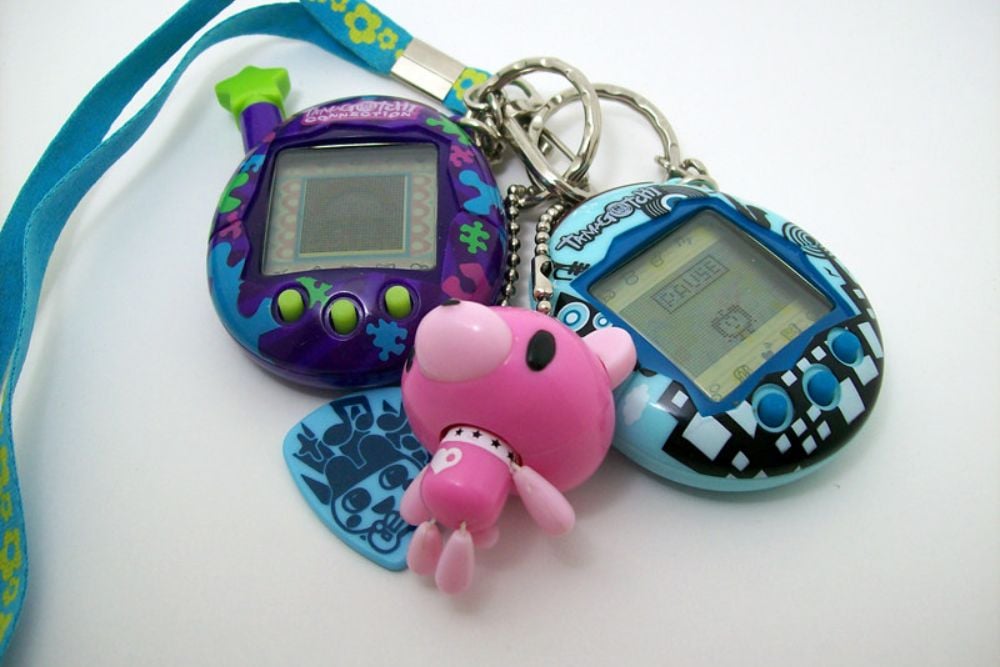
You fed it, you cleaned up after it, you woke up at 2 a.m. because it was beeping — and then one day you just… stopped. The Tamagotchi arrived in 1996 and spread through schools like a fever, the little egg-shaped digital pets demanding constant attention from millions of kids who genuinely mourned when they died.
Teachers confiscated them, parents complained about them, and then — almost without discussion — everyone put them in a drawer and forgot they existed.
Pogs
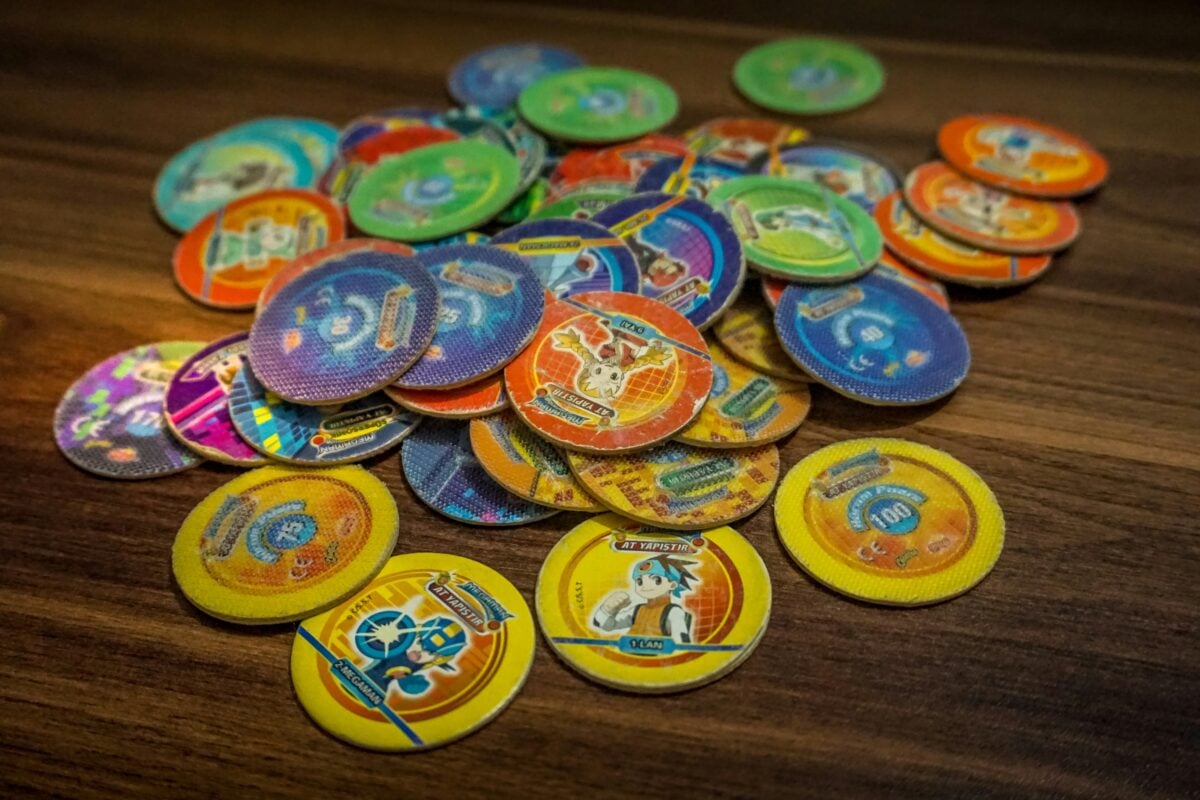
Pogs are one of the great mysteries of ’90s culture: a game that consisted of stacking cardboard discs and hitting them with a heavier disc, and somehow this was considered entertainment. The slammer — usually made of metal or thick plastic — was the prestige item, the one you showed off before the match even started.
Schools banned them. The ban, naturally, made them more desirable. And then they were gone.
Hypercolor T-Shirts
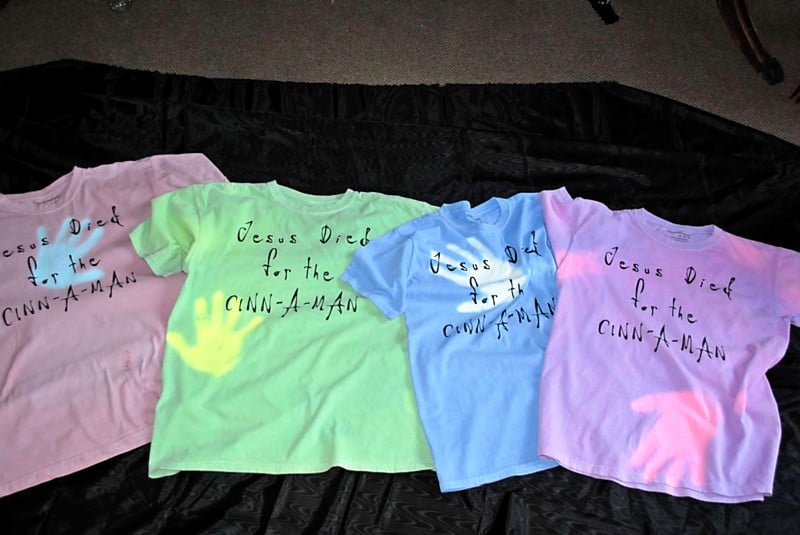
Hypercolor shirts changed color with heat, which sounds remarkable until you remember that “heat” mostly meant sweat, so the shirts reliably turned a different shade in the most unflattering spots possible. Generra launched them in 1991, and for about eighteen months they were genuinely everywhere — tie-dye’s warmer, stranger cousin, the garment that made you look like a walking mood ring.
The novelty wore off fast, the color-changing mechanism faded after a few washes, and the whole trend collapsed under the weight of its own impracticality.
Slap Bracelets
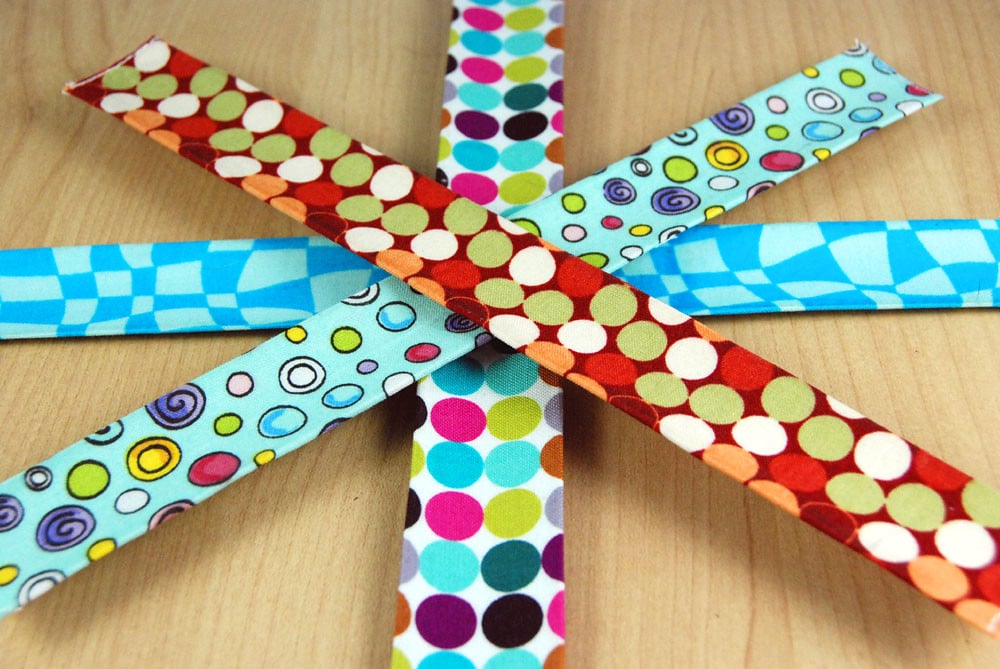
A slap bracelet is, at its core, a strip of metal wrapped in fabric that you hit against your wrist until it curls around it — and this was the toy of 1990. Stuart Anders invented them in the late ’80s, marketed under the name “Slap Wrap,” and schools across the country banned them once the fabric started wearing through and the metal underneath began cutting kids.
The ban only accelerated the fascination, the way school bans always do: you wanted one more because you couldn’t have it, and then suddenly you didn’t want one at all.
Frosted Tips

Frosted tips were a hairstyle decision that made sense at the time — at least, that’s what anyone who had them will tell you now, usually while looking slightly pained. The look required bleaching just the ends of otherwise dark hair, and it spread from boy bands like *NSYNC and Backstreet Boys outward to suburbs and small towns across America with startling speed.
And yet, by the early 2000s, frosted tips had become the universal shorthand for “this photo did not age well.”
Sky Dancers
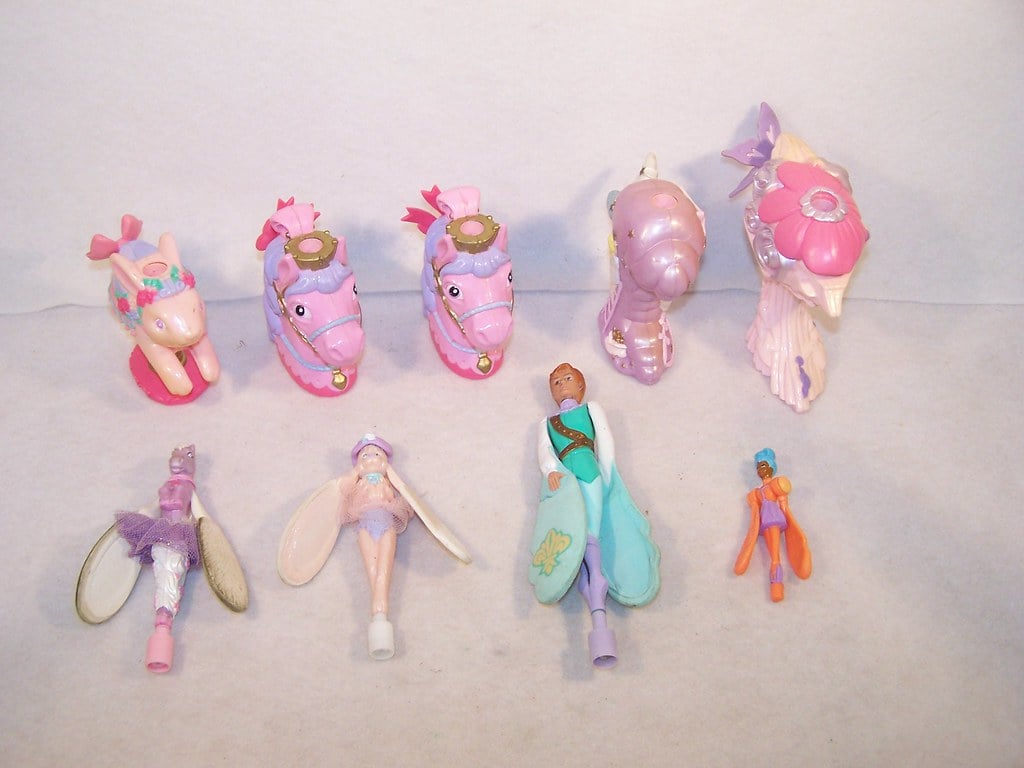
Sky Dancers were dolls with foam wings that launched off a pull-string base and spun into the air — a genuinely delightful concept that turned out to be a mild public hazard. The Consumer Product Safety Commission received reports of eye injuries, broken teeth, and facial scratches, and Galoob issued a recall of nearly nine million units in 2000.
They vanished from shelves almost overnight, which is a remarkably fast ending even by ’90s fad standards.
Furby
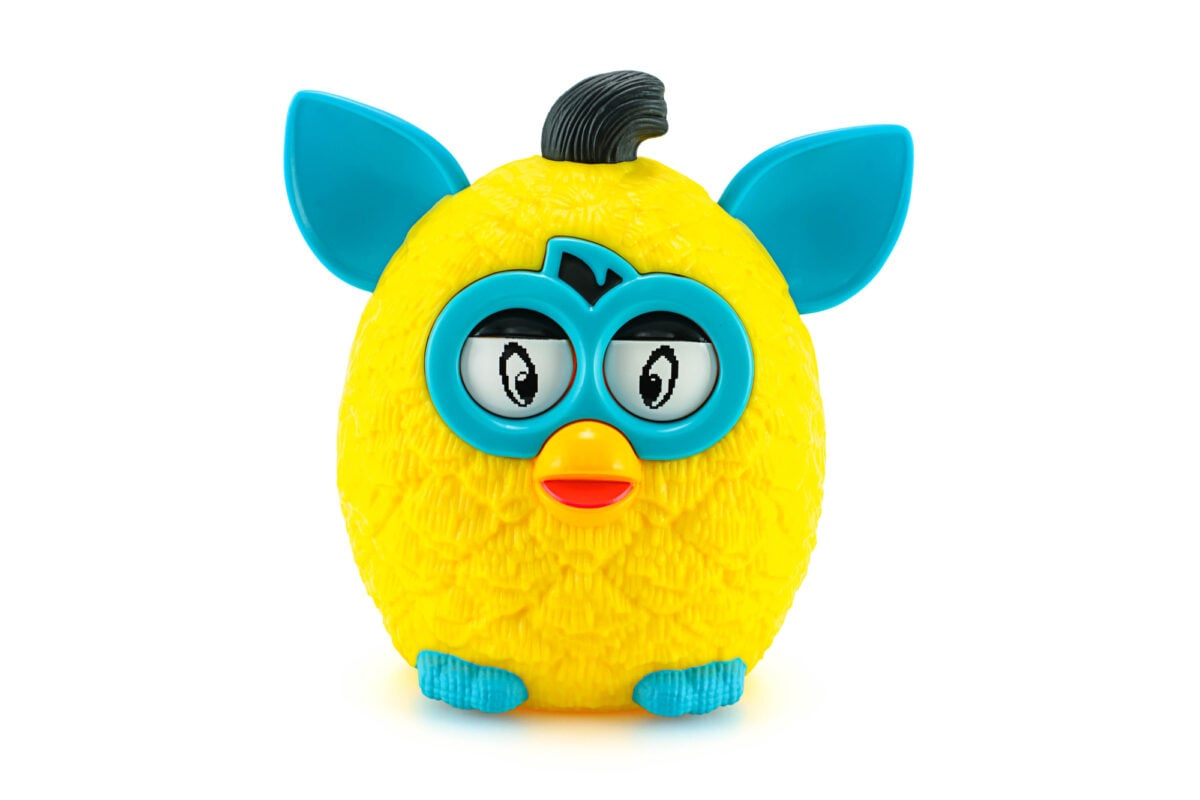
Furby arrived in 1998 and immediately unsettled everyone over the age of fifteen while charming everyone under it — the big-eyed, motorized creatures that spoke their own language (“Furbish”) and supposedly learned English the longer you owned them. Tiger Electronics sold forty million of them in the first three years, which is an astonishing number for something that looked vaguely like an owl that had survived a minor accident.
The craze burned bright and collapsed just as fast, though Furby has since returned in various forms, suggesting it has more lives than a creature that doesn’t technically need to breathe.
Bop It
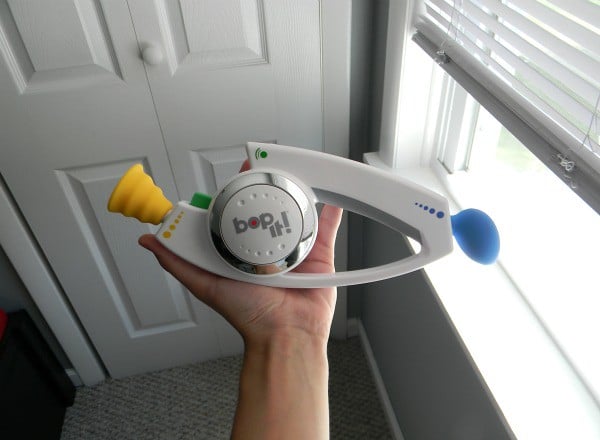
Bop It was a handheld toy that barked commands at you — “Bop it! Twist it! Pull it!” — in a voice that brooked no argument, and the game was simply to obey faster than the toy could speak. It’s a fad that looked, in retrospect, like early training for the attention economy: follow the instructions, speed up, lose, start again.
Hasbro released it in 1996 and it sold well for a few years before the novelty ran out and people remembered they could ignore commands from inanimate objects.
The Macarena
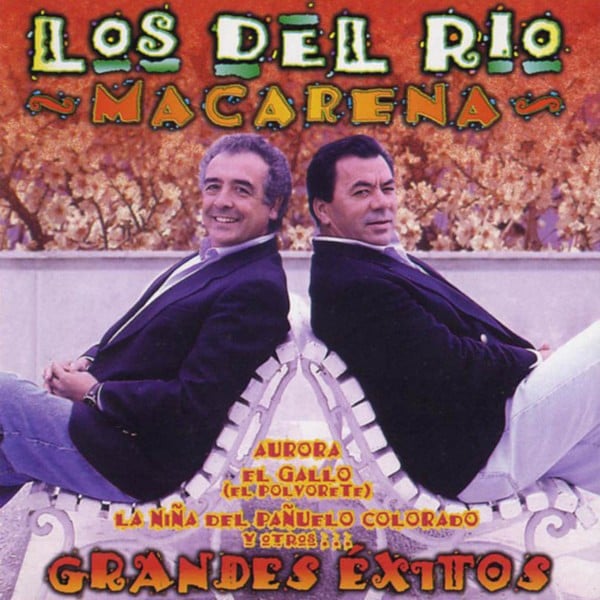
In 1996, “Macarena” by Los Del Rio became the song at every wedding, every school dance, and every event that required a group activity someone over forty had selected. The dance was simple enough — a series of arm movements capped by a hip swivel — which is exactly why it spread so fast and why it curdled so quickly.
Overexposure is the fastest route to obsolescence, and “Macarena” got more airplay in twelve months than most songs get in a decade.
Roller Blades
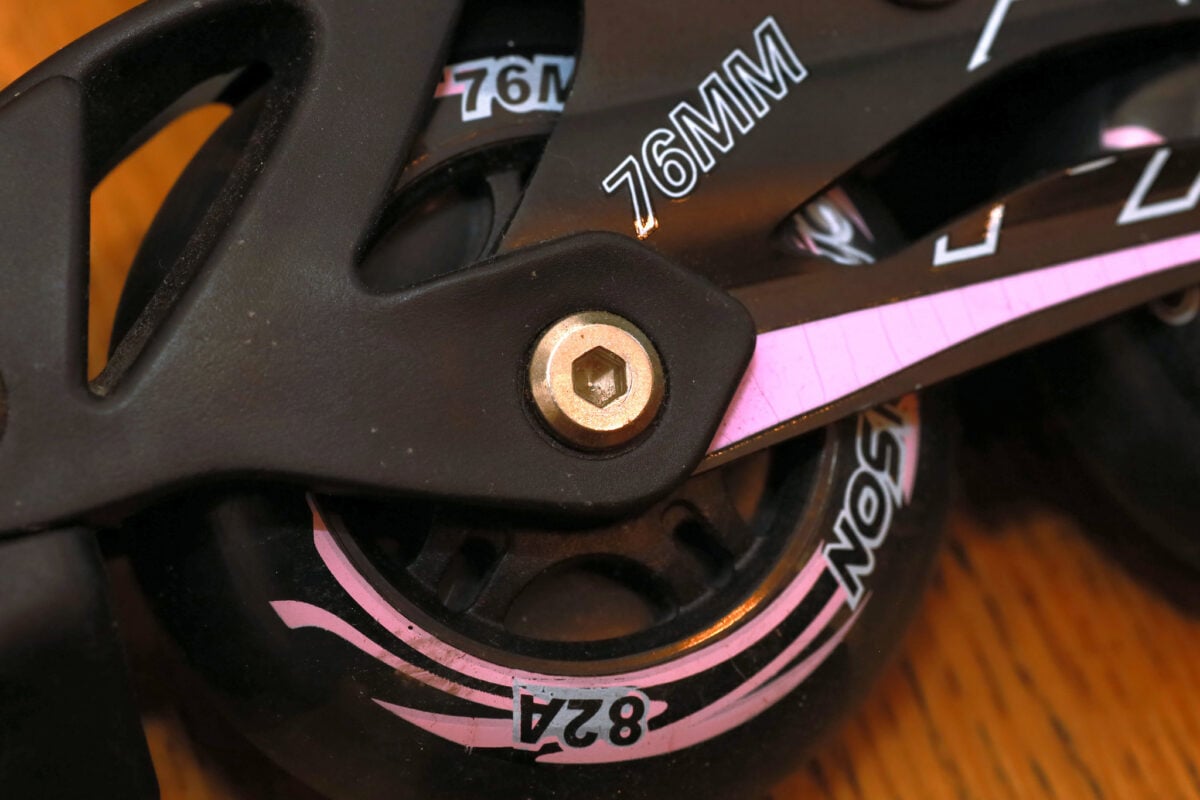
Inline skating — Rollerblades, to use the brand name everyone adopted generically — had a genuine cultural moment in the early ’90s that felt like it might actually stick. Rollerblade, the company, sold nearly a million pairs a year at the height of the craze, cities built dedicated paths, and the activity had a distinct aesthetic that crossed over into fashion, music videos, and weekend culture.
Traditional skating eventually reclaimed its audience, inline skating retreated to a niche, and the golden age of aggressive blading in mall parking lots quietly closed.
CD-ROMs

CD-ROMs were the future, and for a few years in the mid-’90s, they delivered on that promise — or something close to it. Encyclopedias shipped on disc, games required four of them to install, and putting a silver disc into a tower computer felt genuinely futuristic in a way that’s hard to reconstruct now.
The internet arrived, made the whole format redundant, and the transition happened so fast that CD-ROM towers went from cutting-edge to landfill in almost the same breath.
Snap Jewelry
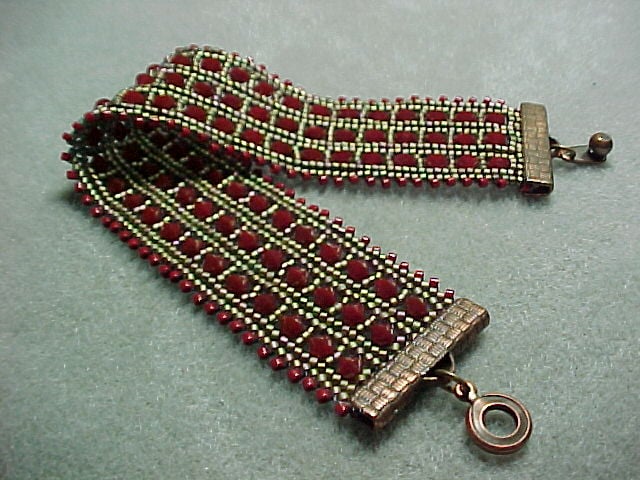
Snap jewelry — the kind made from brightly colored plastic that coiled around your wrist like a startled spring — was the precursor to slap bracelets, and it occupied a brief, gleeful window in early ’90s accessories. It came in neon colors, patterned designs, and the kind of bold geometric shapes that defined the era’s aesthetic sensibility.
Once slap bracelets arrived, snap jewelry became the less exciting option almost immediately — upstaged by a shinier version of the same basic idea.
JNCO Jeans
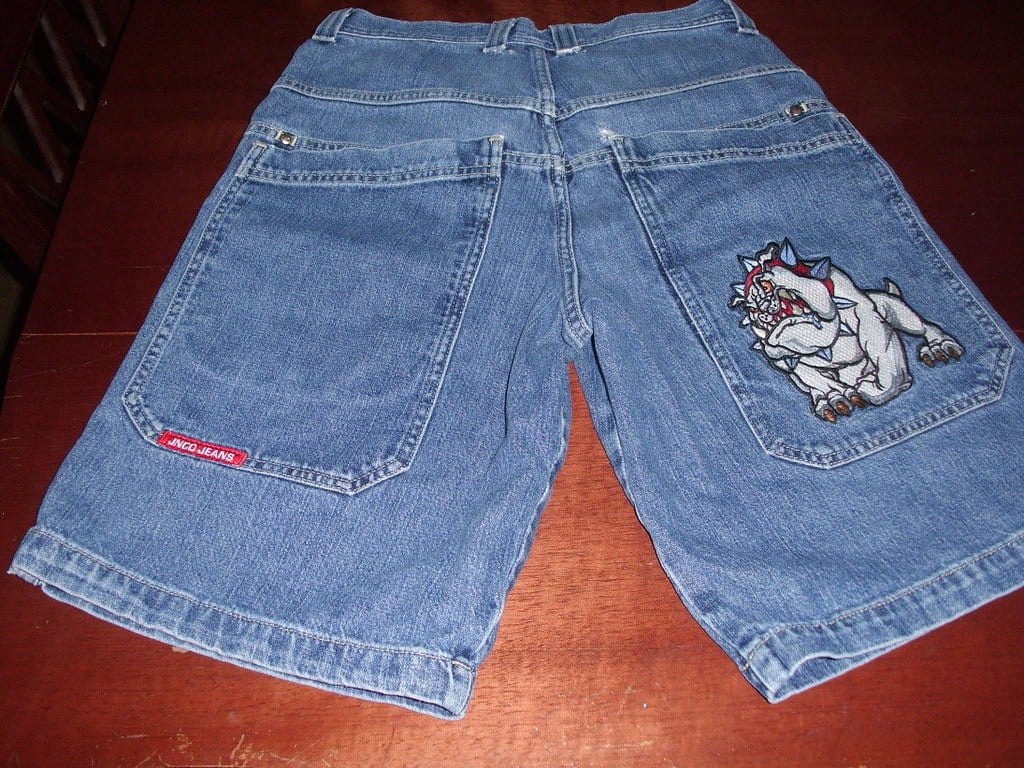
JNCO jeans had leg openings wide enough to hide a small dog in, which was apparently the point. The brand launched in 1985 but hit peak relevance in the mid-to-late ’90s, when the wider the hem, the more culturally fluent you appeared — at least within the specific social ecosystem of skate culture and raves.
Fashion has a way of making the maximalist feel inevitable right up until the moment it becomes embarrassing, and JNCO’s moment passed with remarkable finality.
Virtual Pets (Non-Tamagotchi)
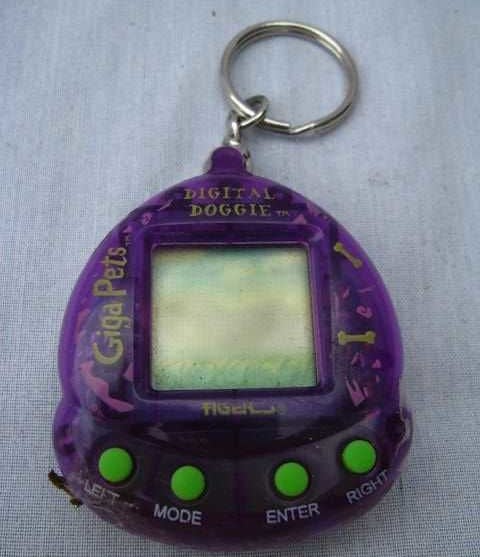
Beyond the Tamagotchi, the late ’90s produced a minor flood of imitators — Nano Pets, Giga Pets, the Digimon virtual pet — each offering a slightly different variation on the digital creature-care format. Giga Pets, Tiger Electronics’ answer to Tamagotchi, had licensed versions featuring characters like Looney Tunes and Star Wars, which gave them a brief advantage in toy aisles.
The market saturated almost instantly, every kid already had one version or another, and the whole category collapsed into a drawer somewhere around 1999.
The Rachel Haircut

Jennifer Aniston’s layered cut from Friends — known, somewhat unfairly to Aniston herself, as “The Rachel” — was the most requested hairstyle in America for the better part of the mid-’90s. Salons reportedly had photos of the cut taped to their mirrors as a reference guide because clients asked for it so often.
Aniston later called it one of the hardest styles she ever had to maintain, which might explain why she moved on from it before the rest of the country did.
Crazy Bones
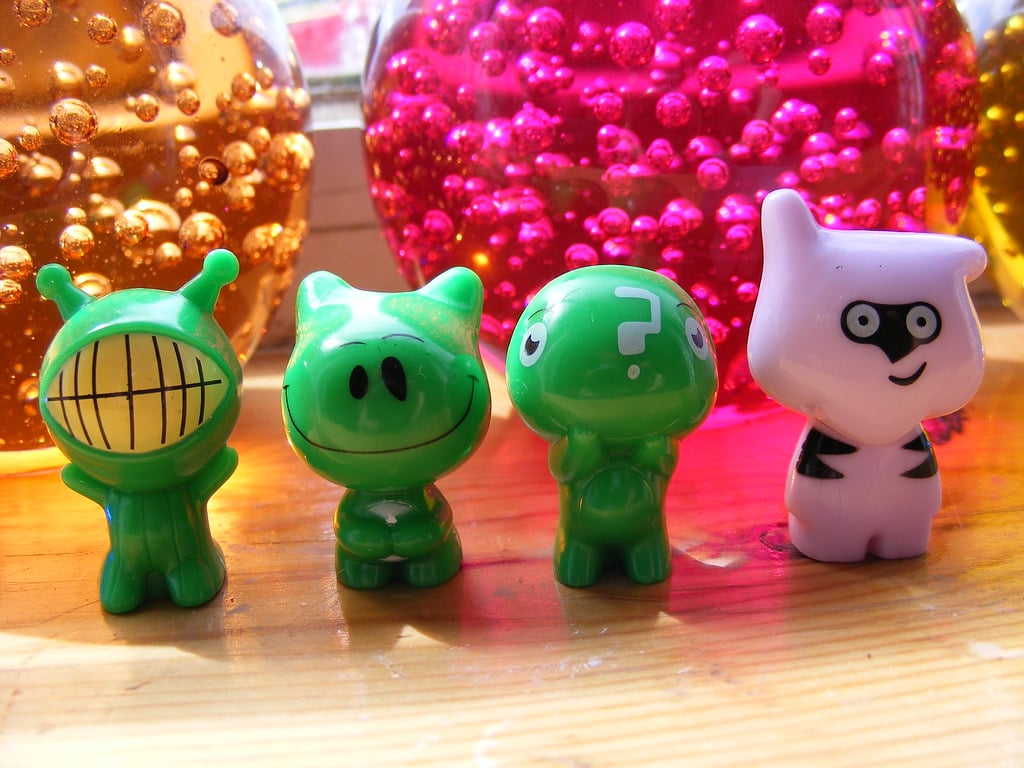
Crazy Bones were small, brightly colored figurines with names and numbers, collected and flicked at other Crazy Bones in playground competitions — a format not entirely unlike pogs, which is possibly why they arrived just as pogs were dying. PlayWorks distributed them in the U.S. starting around 1998, and they built a genuine following before the collecting craze burned itself out the way collecting crazes always do: everyone had them, no one wanted more, and then no one wanted any.
Discman
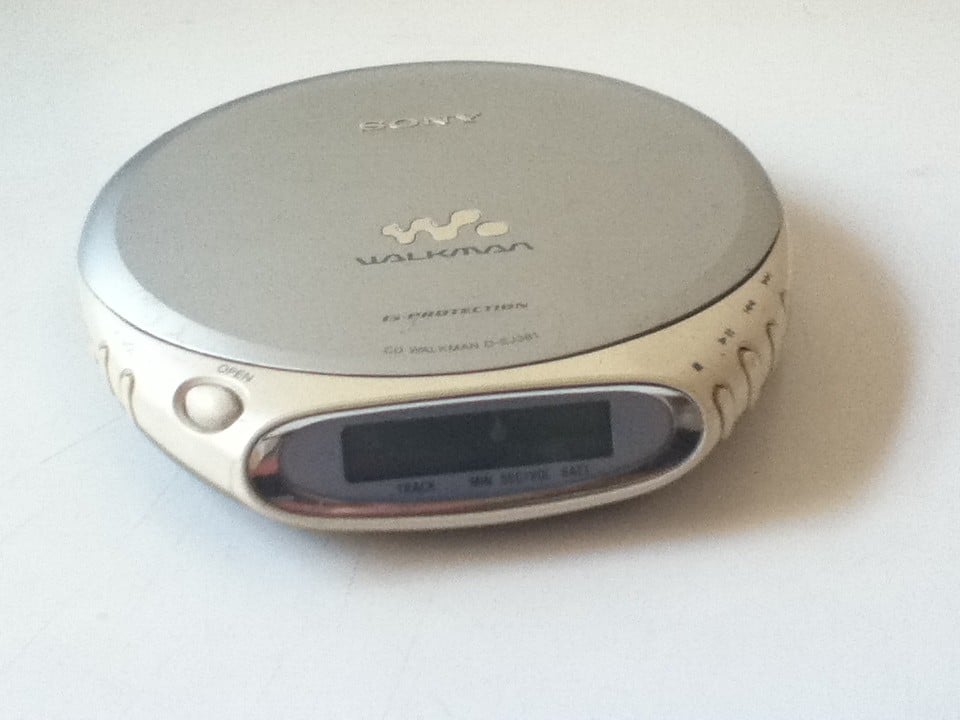
The portable CD player existed in a strange liminal space between genuinely useful technology and deeply impractical one — it skipped if you breathed too hard, the batteries lasted two hours, and the discs were roughly the diameter of a small plate. Sony’s Discman line dominated portable music through the ’90s anyway, a remarkable achievement given its limitations, until the Diamond Rio and eventually the iPod made carrying a stack of jewel cases feel comically outdated.
The Discman went from omnipresent to obsolete in under five years.
Rave Wear

Rave fashion — oversized pants, platform shoes, pacifiers worn as accessories, UV-reactive everything — was a subculture aesthetic that briefly crossed over into mainstream consciousness in the late ’90s. The platforms alone were structural achievements: some of the Buffalo boots popular in the era had soles nearly seven inches high, which made walking a commitment rather than a casual activity.
The aesthetic retreated back into its subculture as quickly as it had emerged, taking the pacifier necklaces with it.
Chain Wallets
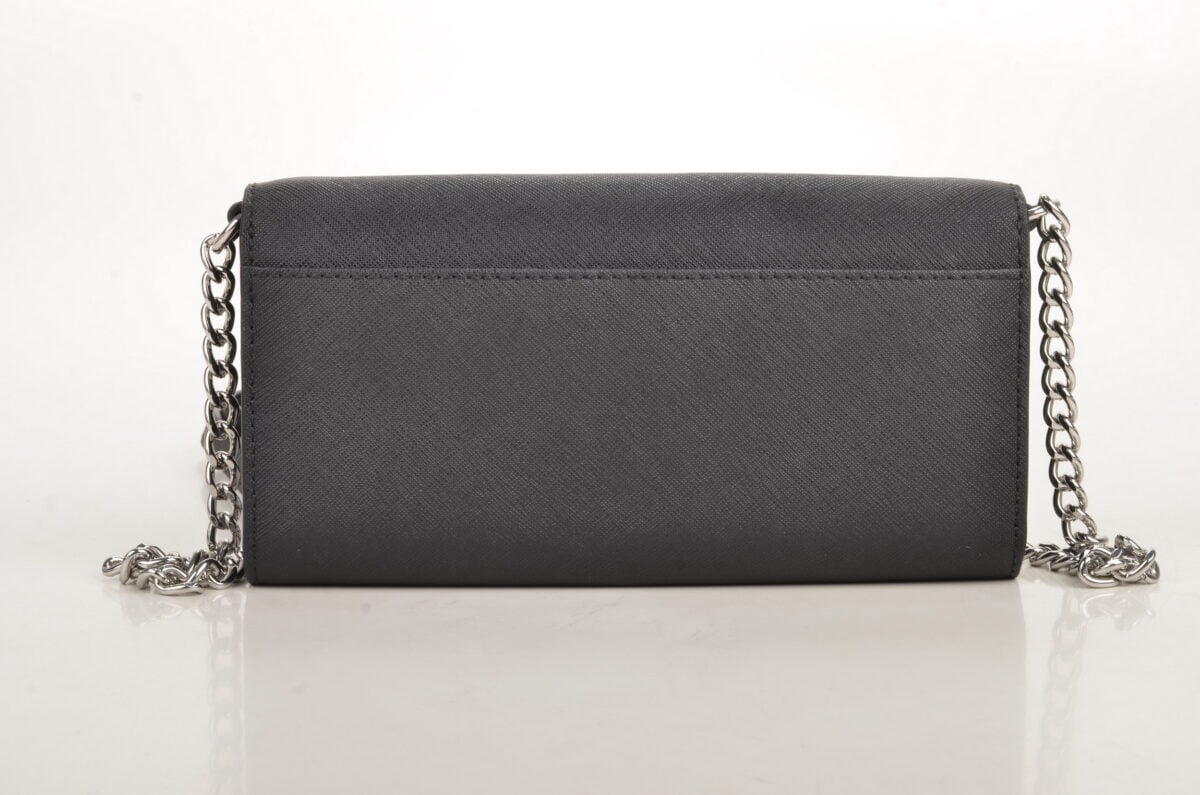
The chain wallet was practical in exactly one sense: your wallet couldn’t fall out of your pocket, which turned out to be a problem that didn’t actually require a solution that length of chain. It was an accessory that communicated a very specific attitude — slightly rebellious, aligned with skate and grunge culture — and it spread from that subculture into the suburban mainstream with the speed of any trend endorsed by teenagers who wanted to look like they didn’t care what people thought.
And then it stopped.
Spice Girls Merchandise
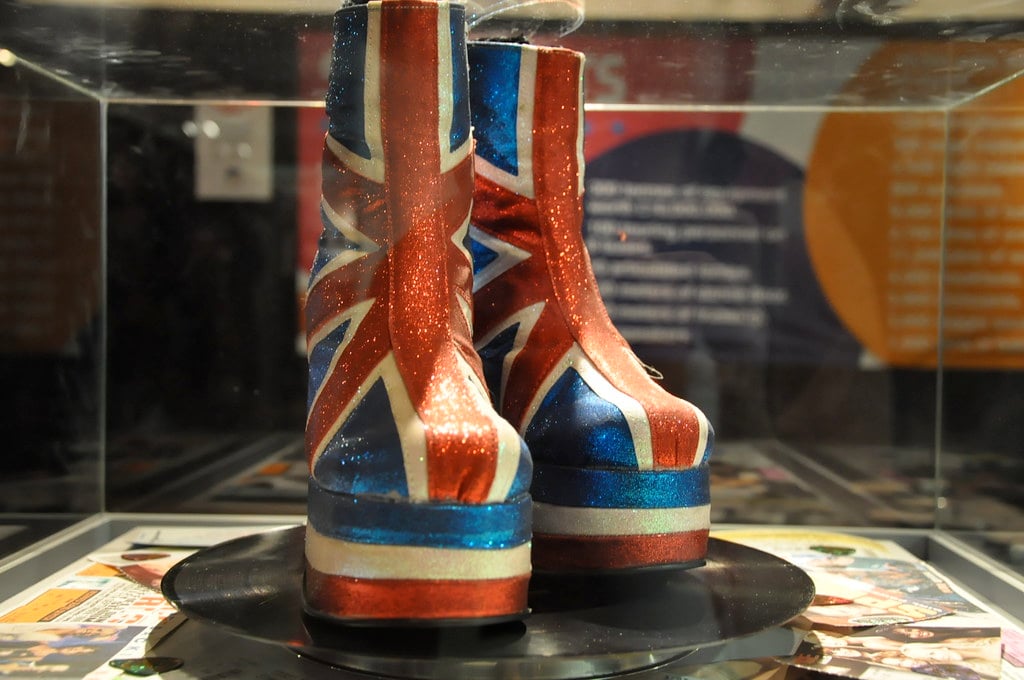
The Spice Girls phenomenon generated merchandise at a volume that felt less like a pop group and more like a product line that had also recorded some albums. Dolls, platform shoes, branded lunchboxes, video games, a feature film — the Girls’ management and record label, 19 Entertainment and Virgin Records, licensed the image onto practically every available surface between 1996 and 1998.
When the group’s commercial momentum broke, it broke fast — Geri Halliwell left in 1998, the brand lost its coherence, and the merchandise machine went quiet almost overnight.
Furbies in Classrooms
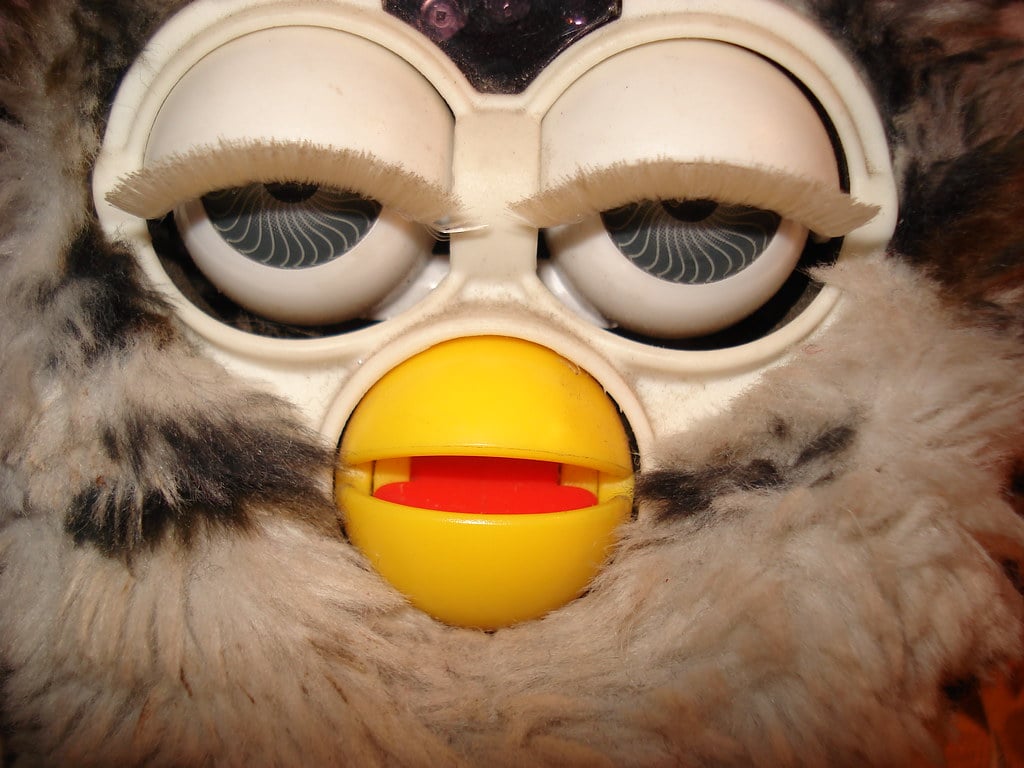
Beyond the home fad, there was a brief, optimistic moment when educators explored whether Furby could be used as a teaching tool — a kind of interactive companion for language development, particularly in early childhood settings. The idea didn’t survive contact with reality, mostly because Furby’s “learning” was pre-programmed rather than genuinely adaptive, and the novelty wore off faster in structured environments than it did at home.
It remains one of the more endearingly misguided applications of ’90s tech enthusiasm.
Inflatable Furniture

Inflatable furniture — clear PVC chairs, sofas, and ottomans that you blew up and arranged in your bedroom like the set of a science fiction film — was a brief, spectacular mistake. The aesthetic was genuinely arresting: transparent, space-age, and lit from within if you added the optional LED base.
But PVC is not comfortable to sit on for any extended period, the furniture punctured if you looked at it sideways, and the entire trend deflated — literally — within a couple of years.
Beanie Baby Collecting
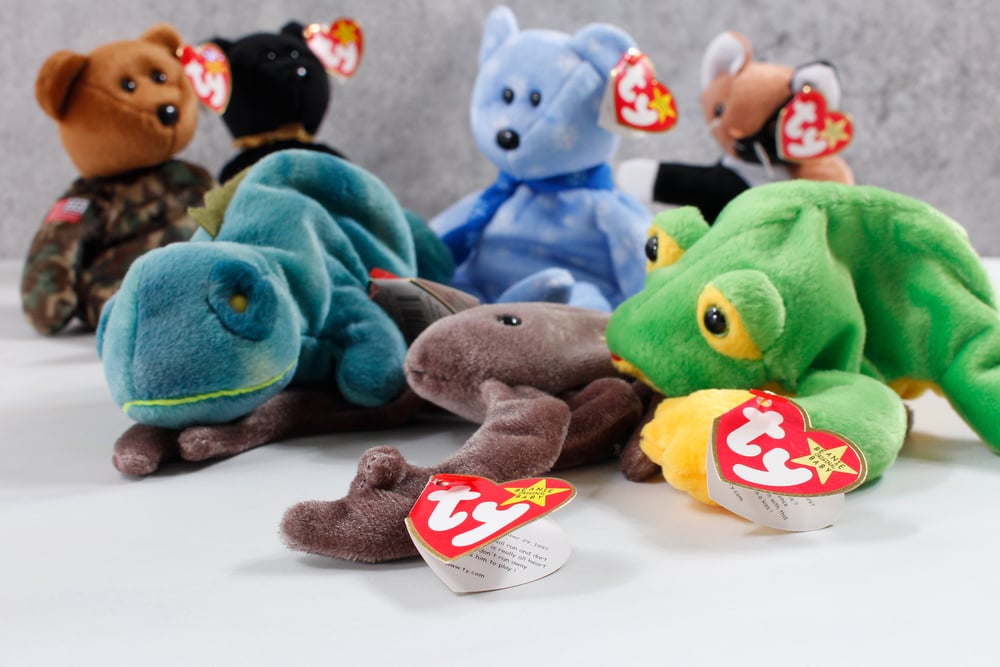
Beanie Babies crossed from children’s toy into adult investment vehicle faster than almost any product in the decade, with collectors paying hundreds of dollars for specific designs, storing them in acrylic cases to preserve their tags, and treating the secondary market like a genuine commodity exchange. Ty Inc., the manufacturer, deliberately retired designs to create scarcity — a manipulation that worked brilliantly until the market understood it was being manipulated.
The bubble collapsed around 1999, and the acrylic cases went into storage alongside the Beanies themselves.
Gel Pens
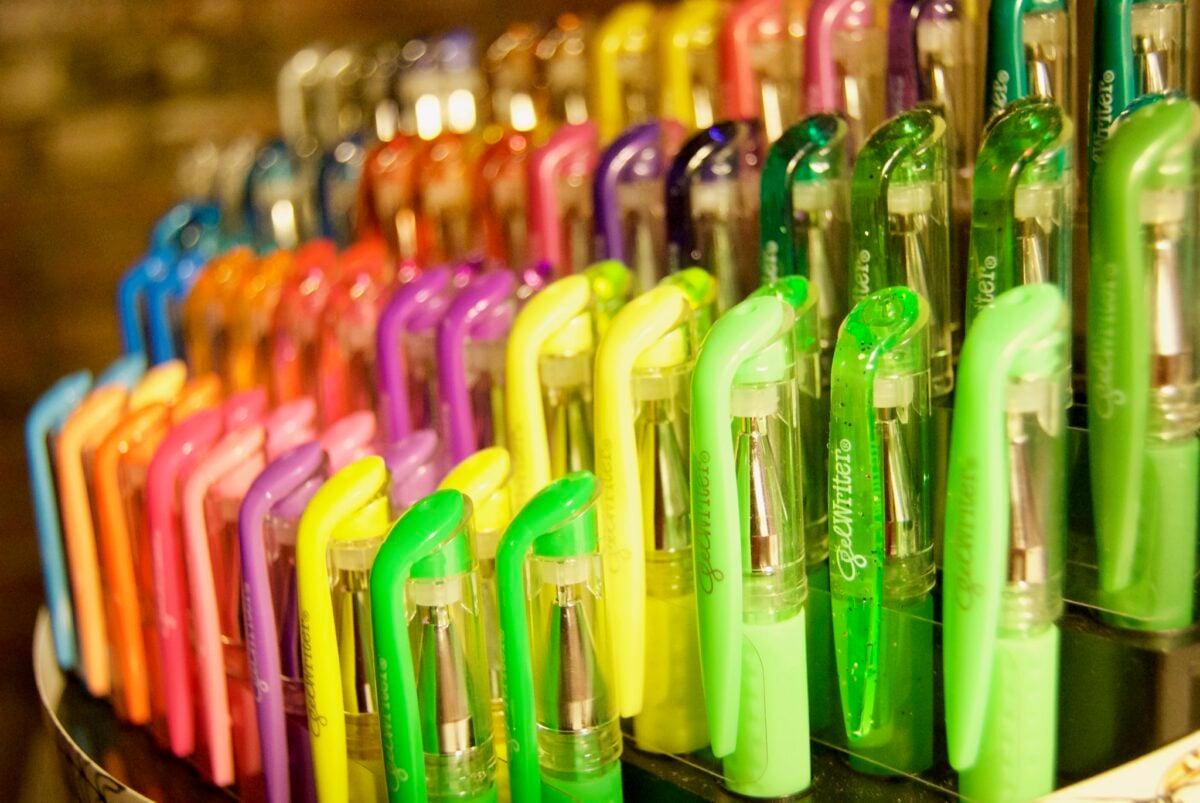
Gel pens — particularly the milky, pastel, and glitter varieties that showed up on dark paper — were a stationery phenomenon that peaked somewhere around 1998 and colonized every pencil case in every middle school in America. The Pilot G2 and the various Gelly Roll lines made writing feel like an event rather than a function, and passing notes in class acquired a new layer of aesthetic decision-making.
Digital communication eventually made decorative pen collecting feel less urgent, which is a polite way of saying the internet ate the gel pen market alive.
Platform Sneakers
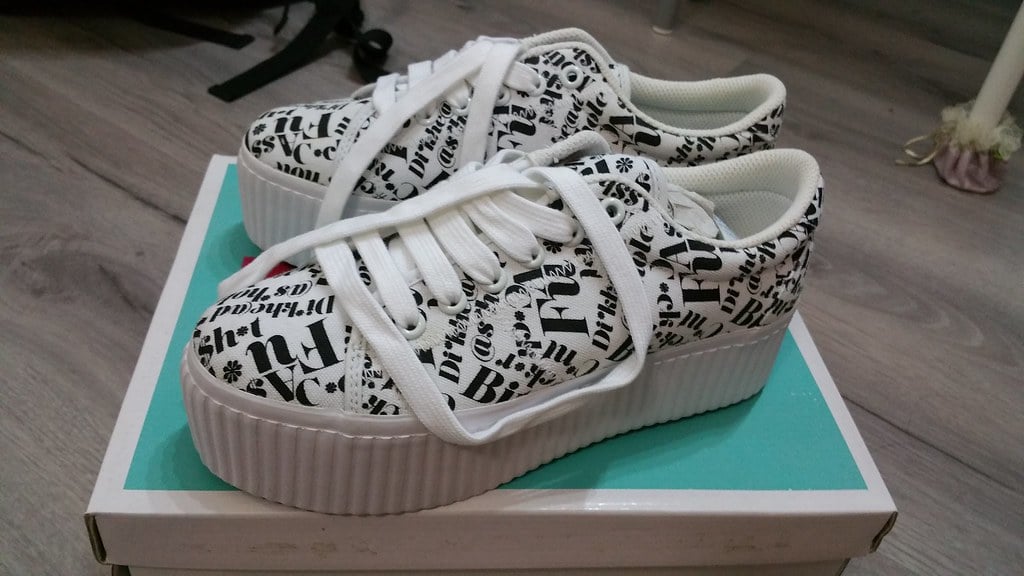
Before the chunky sneaker returned as a fashion statement in the 2010s, platforms appeared in the ’90s in a more maximalist form — thick-soled sneakers that added two to three inches of height without the commitment of a heel. Buffalo, Steve Madden, and Spice Girls-branded footwear all contributed to the moment, which felt inseparable from the pop aesthetic of the era.
The silhouette looked dated almost the instant the decade ended.
WWF/WWE Action Figures
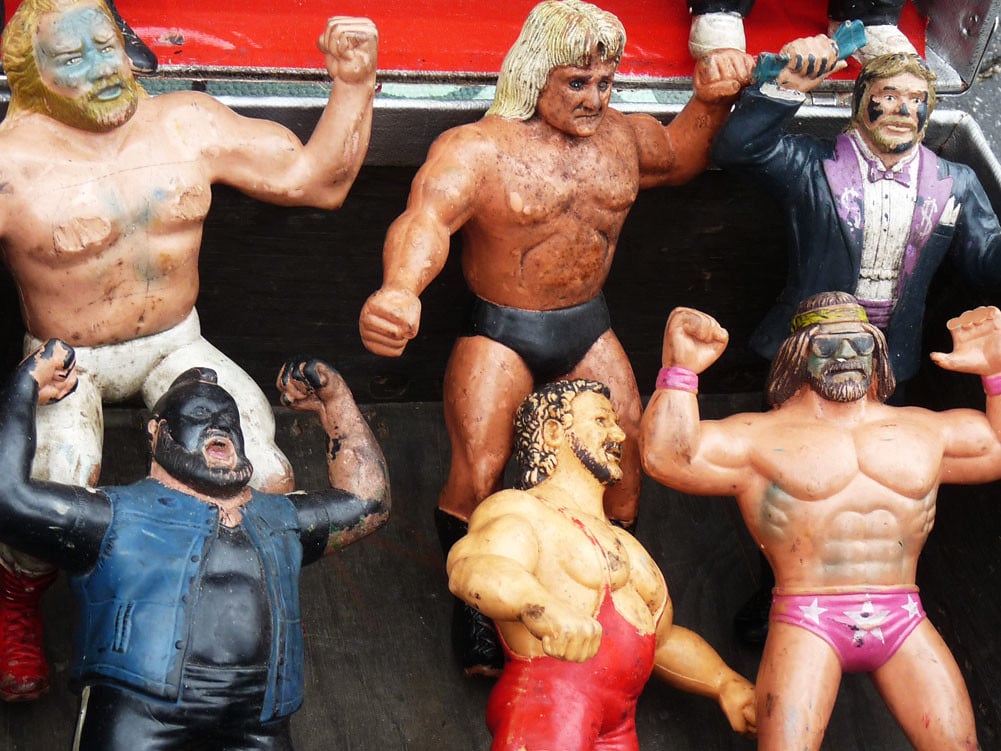
Wrestling was a cultural institution in the late ’90s — the Attitude Era, featuring performers like Stone Cold Steve Austin and The Rock, drew television ratings that the company has never matched since — and the action figure market around it was enormous. Jakks Pacific produced figures for years, and kids who didn’t particularly follow wrestling still owned them because the characters were too vivid to ignore.
The wrestling toy boom faded as the Attitude Era ended, and the action figure aisle quietly contracted.
Push Pops and Ring Pops
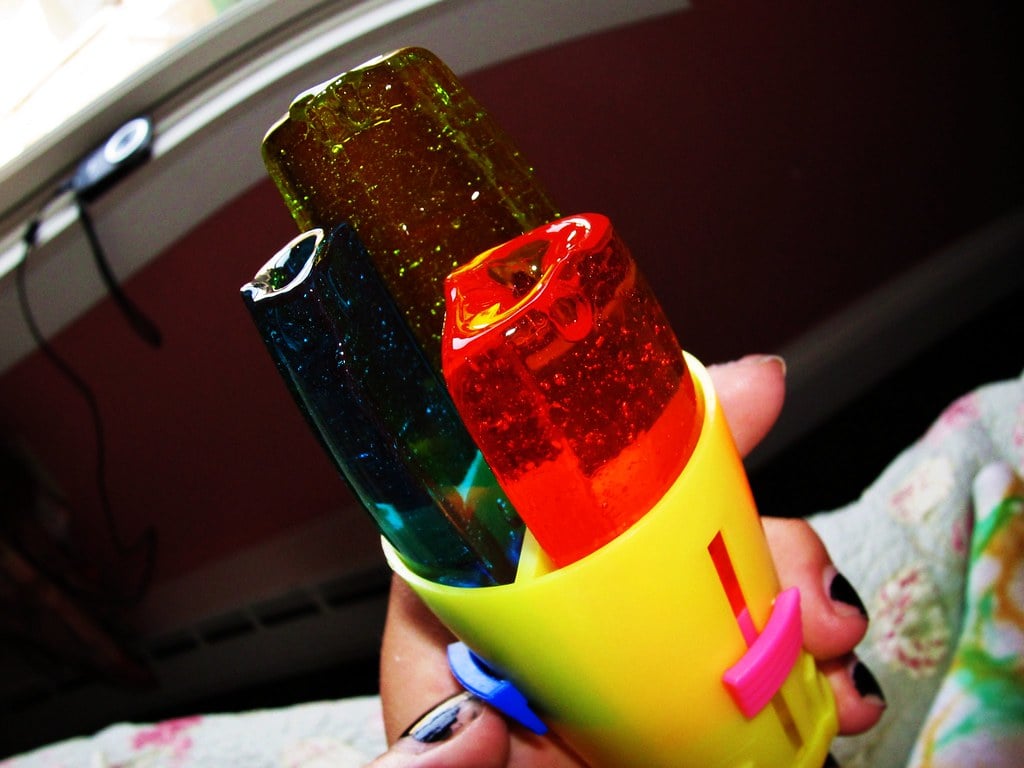
Push Pops and Ring Pops occupied a candy category that seemed to be primarily about the format rather than the flavor — the wearable lollipop, the cylinder you pushed up as you ate it. Both were Topps products that arrived in the late ’80s but hit their cultural peak in the ’90s, when being seen with a Ring Pop at school felt like a minor social flex.
They still technically exist, but the moment when they felt exciting passed with the decade.
When the Credits Roll on the Decade
The ’90s had a specific talent for making things feel permanent right before they disappeared. Beanie Babies were going to be appreciated forever. CD-ROMs were going to replace libraries. Chain wallets were going to be a timeless accessory — or at least a lasting one.
None of it lasted, and that’s not a criticism so much as an observation about how fads work: they require universal buy-in to function, and the moment enough people quietly opt out, the whole structure comes down. What’s striking, looking back, is how complete the collapses were.
These weren’t slow fades. They were exits. One moment everyone had a Tamagotchi, and then nobody did — and if you still had yours, you were the weird one.
The ’90s moved fast and forgot faster, which might be exactly why remembering it feels so specific and so strange.
More from Go2Tutors!

- The Romanov Crown Jewels and Their Tragic Fate
- 13 Historical Mysteries That Science Still Can’t Solve
- Famous Hoaxes That Fooled the World for Years
- 15 Child Stars with Tragic Adult Lives
- 16 Famous Jewelry Pieces in History
Like Go2Tutors’s content? Follow us on MSN.



