27 Uniforms From Jobs That No Longer Exist
The closet tells stories we’ve forgotten how to read. Hanging in museums and tucked away in family trunks are uniforms from jobs that vanished with the world that created them.
These weren’t just clothes — they were armor against coal dust, badges of skilled trades, and symbols of purpose in industries that technology swept away. Each uniform carries the weight of hands that wore it, the rhythm of work that no longer exists, and the quiet dignity of jobs that once defined entire communities.
Elevator Operator

White gloves, brass buttons, and a cap that meant something. Elevator operators didn’t just press buttons — they were the captains of vertical ships in an age when elevators were manual mysteries that could injure or kill if handled wrong.
The uniform projected competence because competence mattered. One wrong move and passengers were in serious danger.
The crisp jacket and polished shoes weren’t vanity. They were proof that someone trustworthy held lives in their hands for those thirty seconds between floors.
Lamplighter

Entire cities employed armies of people whose job was lighting street lamps every evening, then returning at dawn to extinguish them — which makes perfect sense when you remember that before electricity, someone had to do it. These workers needed uniforms that could handle the peculiar demands of the job: climbing ladders in all weather, carrying oil and matches, and maintaining a schedule that never allowed for delays.
The lamplighter’s uniform was built for function — sturdy wool that wouldn’t catch fire easily, deep pockets for supplies, and boots that gripped wet ladder rungs. The brass buttons weren’t just decoration: they reflected the light, making the lamplighter visible to carriages and pedestrians as he moved through the streets.
And the cap, always worn at a precise angle, marked him as someone with authority over something as fundamental as light itself.
Telegraph Operator
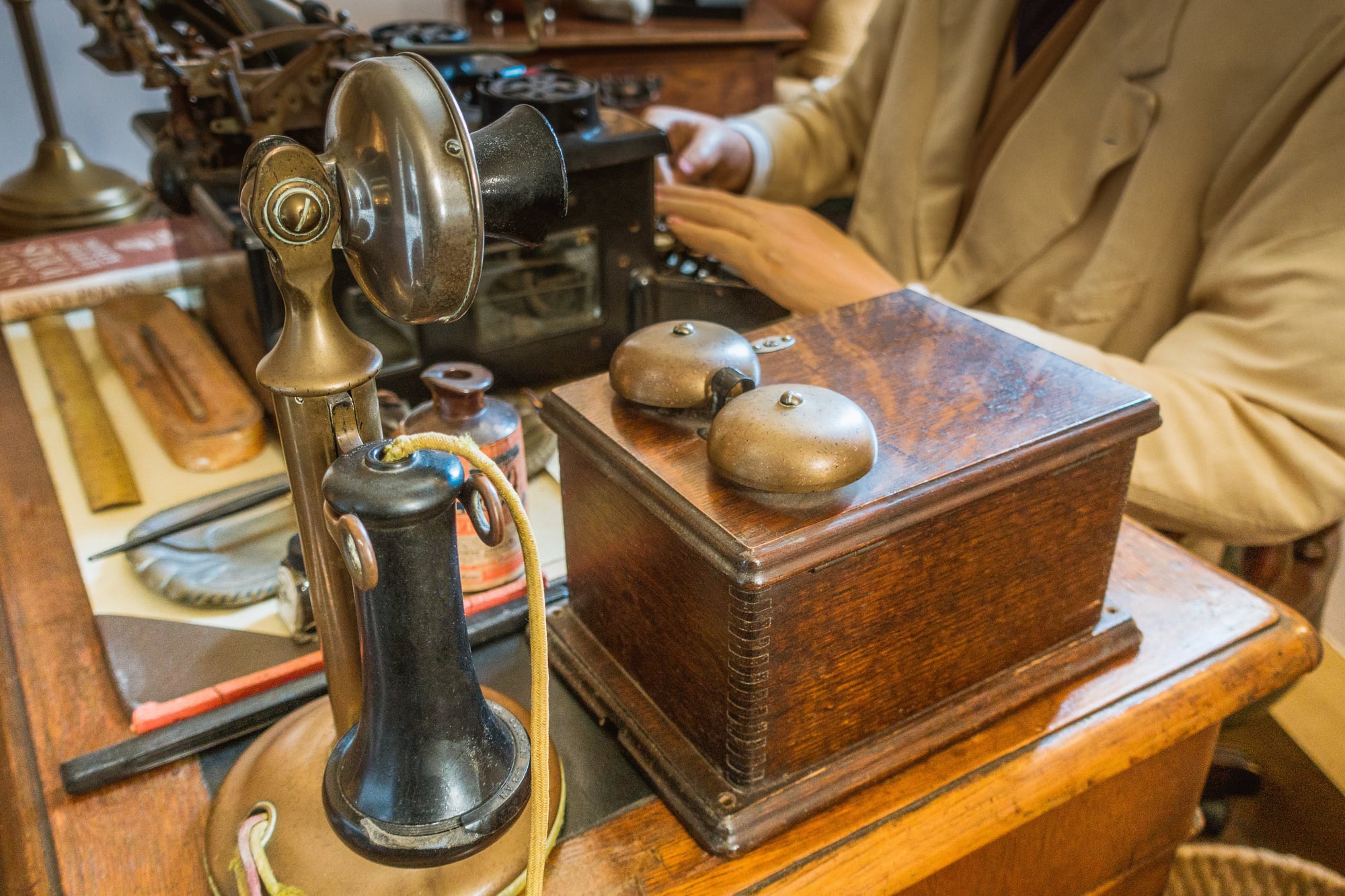
There’s something almost mystical about a job that involved translating electricity into language, then back again. Telegraph operators were the internet of their age — the human routers through whom all long-distance communication flowed.
Their uniforms reflected the precision their work demanded. The starched white shirt wasn’t optional.
A smudge of ink could mean the difference between a clear message and garbled static that delayed critical news for hours. The uniform was cut close to the body — no loose fabric to catch on delicate machinery or interfere with the rapid hand movements that Morse code required.
These operators dressed like the professionals they were: guardians of information in an age when information moved at the speed of electricity but still required human hands to guide it.
Ice Cutter

Ice cutting was brutal work that required brutal uniforms. Thick wool coats that could shed water, boots with metal spikes for grip on frozen lakes, and gloves that protected hands while allowing the dexterity needed to handle massive ice blocks with precision.
The uniform told the whole story of the job: leather aprons to protect against the saw blades, wide-brimmed hats to shield eyes from snow glare, and layers that could be shed or added as the work heated up or the weather turned.
Everything was built to last because ice cutters couldn’t afford equipment failure in the middle of a frozen lake.
Switchboard Operator
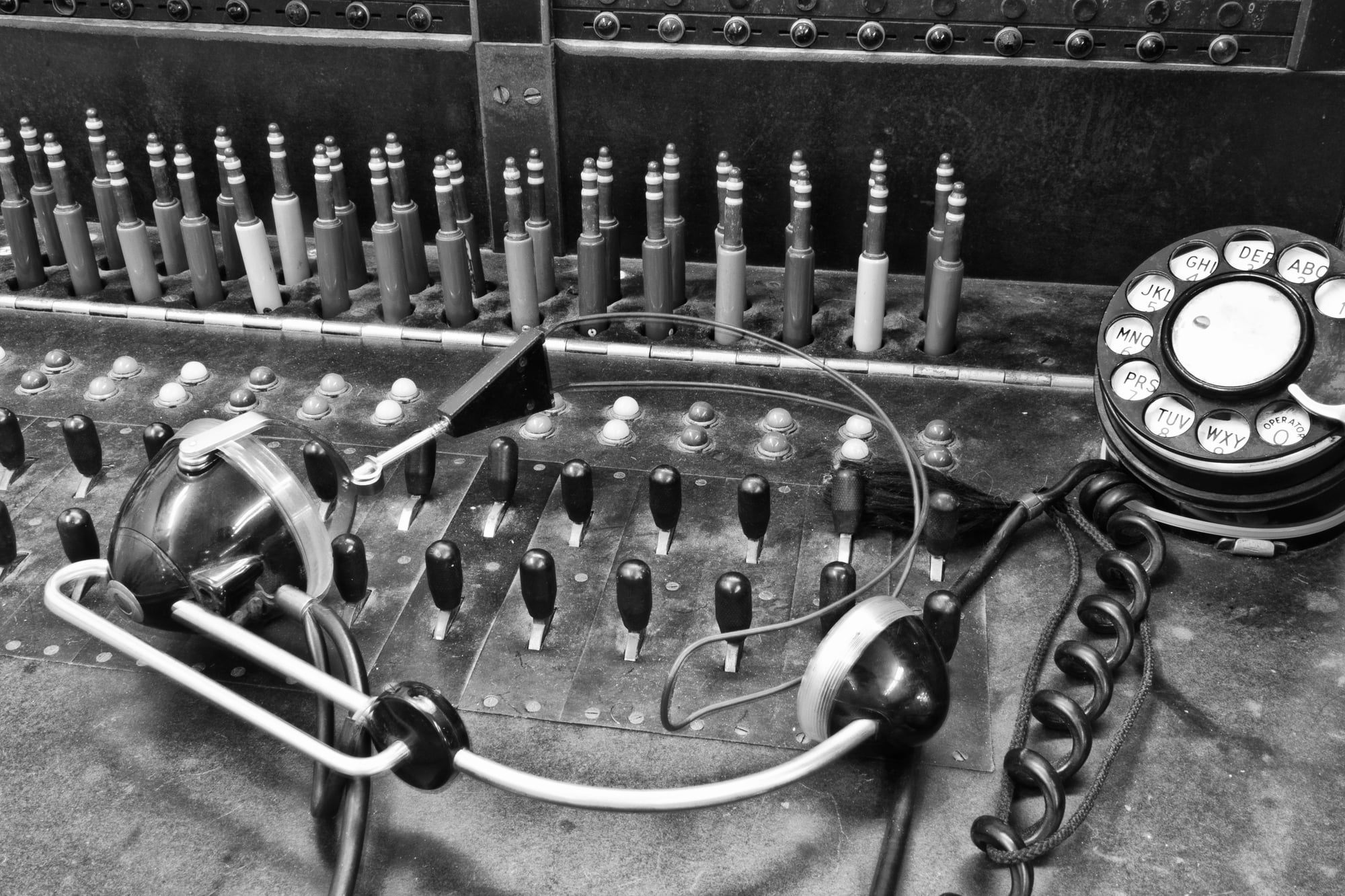
The crisp white blouse and professional skirt weren’t just about looking respectable — though in an age when women’s entry into the workforce was still relatively new, looking respectable was genuinely part of the job description. The uniform had to accommodate the specific demands of switchboard work: sleeves that stayed clear of plugs and cables, a collar that wouldn’t interfere with the headset, and fabric that could handle eight-hour shifts of reaching, connecting, and coordinating thousands of calls per day.
The white fabric served a practical purpose too — it showed when it was dirty, which mattered in a job that required absolute attention to detail.
A smudged blouse suggested careless habits, and careless habits meant dropped calls or crossed wires.
Pony Express Rider

The Pony Express uniform was designed around one principle: getting mail across 2,000 miles of hostile territory in ten days or less. Every piece of clothing had to survive extreme weather, long hours in the saddle, and the occasional encounter with people who preferred the mail didn’t get through.
The leather jacket could turn a blade. The boots were built for quick mounting and dismounting.
The hat stayed on in wind that could knock a person sideways. And the bright colors weren’t just for show — they made riders identifiable from a distance, which mattered when relay stations needed to spot their approach in time to have fresh horses ready.
This wasn’t a costume. It was survival gear for one of the most dangerous jobs in American history.
Bowling Pin Setter

Bowling used to require human pin setters, and those humans needed uniforms that could handle a job equal parts athletic and dangerous. The work involved jumping into the pin area between frames, setting pins by hand, and getting out of the way before the next ball arrived.
The uniform was designed for speed and safety: soft-soled shoes for quick movement, fitted shirts that wouldn’t catch on pins, and pants that allowed for constant crouching and reaching. The fabric had to be durable enough for the physical demands but flexible enough to allow split-second reactions.
The job disappeared when automatic pin-setting machines arrived, but the uniforms remain as evidence of a time when bowling required human reflexes at both ends of the lane.
Resurrection Man
Body snatchers — also known as resurrection men — were legitimate, if morally questionable, professionals in the 18th and early 19th centuries. Medical schools needed cadavers for anatomical study, and the legal supply was essentially limited to executed criminals, so someone had to bridge the gap.
The uniform was designed for work that had to be done in darkness, in all weather, and without getting caught: dark wool coats that didn’t show dirt, soft-soled boots for silent movement, and clothes that could be quickly cleaned or discarded.
Even resurrection men took a certain professional pride in their work. The tools were kept sharp, the techniques were refined over time, and the uniforms — while dark and practical — were still uniforms.
They marked these men as practitioners of a trade that required specific skills and considerable nerve.
Motion Picture Operator

Silent films required live musical accompaniment, but they also required skilled operators who could manage the complex machinery that kept images flowing smoothly on screen. These operators wore uniforms that reflected both the technical nature of their work and the entertainment setting they worked in.
The white shirt and tie established them as professionals, not just laborers. The dark vest and trousers were practical — they didn’t show the oil and dust that came with operating mechanical equipment.
And the uniform helped distinguish operators from other theater staff, which mattered when something went wrong with the projection and audiences needed to know who could fix it.
Soda Jerk

The white paper hat and matching apron weren’t just about looking clean — though in a job that involved handling food and drinks, looking clean was essential. The soda jerk uniform was designed for a job that combined food service with entertainment: these weren’t just people who mixed drinks, they were performers who made a show of the mixing process, flipping glasses and creating elaborate sundaes with theatrical flair.
The white fabric showed stains immediately, forcing soda jerks to work cleanly or change frequently. The paper hat could be replaced daily, ensuring a fresh appearance even during long shifts.
The overall look — crisp, clean, and slightly playful — matched the social role of the soda fountain as a gathering place in an era when entertainment options were limited.
Gas Station Attendant

Gas stations once provided full service, and the attendants who provided it wore uniforms that reflected the comprehensive nature of their work. These weren’t just people who pumped gas — they checked oil, cleaned windshields, inflated tires, and provided basic automotive advice.
The uniform projected mechanical competence: sturdy work clothes that could handle oil and grease, but clean enough to interact with customers dressed for work or social occasions. The shirt often bore the station’s logo, establishing the attendant as a representative of a brand customers could trust with their vehicles.
The job disappeared as self-service became the norm, but the uniforms remain as evidence of a time when buying gas included a level of personal service that seems almost luxurious today.
Knocker-Up
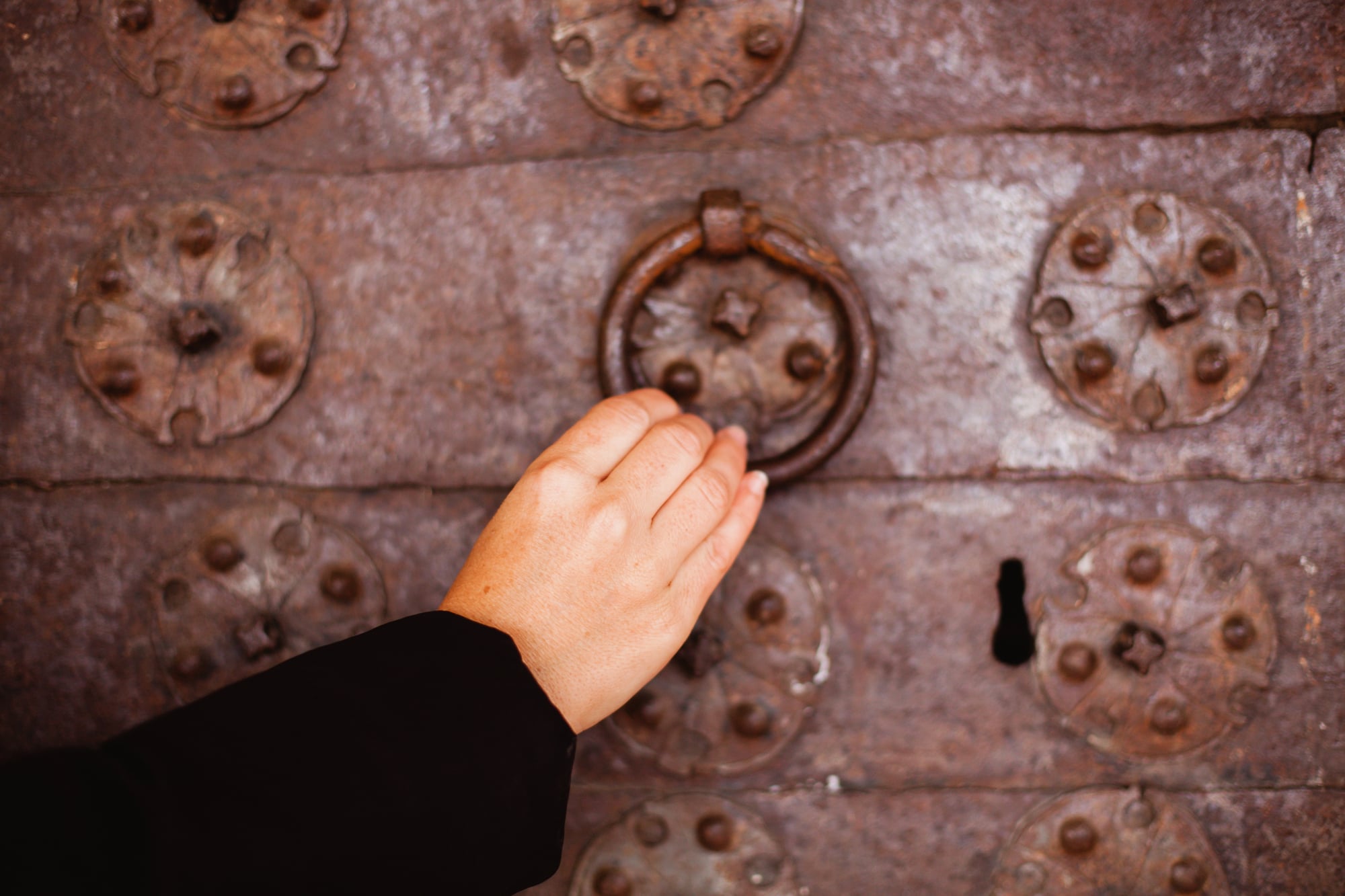
Before alarm clocks were reliable or affordable, entire neighborhoods depended on knocker-ups — people whose job was going door to door in the early morning hours, tapping on windows with long sticks to wake workers in time for their shifts. The uniform had to handle work performed in darkness, in all weather, at hours when most people were asleep.
Dark clothing kept knocker-ups unobtrusive to everyone except the people they were hired to wake. Soft-soled boots allowed quiet movement through neighborhoods.
The coat had to be warm enough for pre-dawn work but quiet enough to avoid disturbing people who didn’t need to be up yet.
Pin Boy

Before automatic scoring systems, bowling alleys employed pin boys who manually reset pins and tracked scores. The work required constant attention, quick reflexes, and the ability to communicate with bowlers about scores and pin configurations.
The uniform was designed for a job that was part athletic and part clerical: comfortable clothes that allowed quick movement, but neat enough to interact with customers paying for recreational services. The shirt often included the bowling alley’s name or logo, establishing the pin boy as part of the establishment rather than just a worker.
Daguerreotypist

Early photography required specialized knowledge and considerable skill — the chemical processes were complex and potentially dangerous, the equipment expensive and temperamental. Daguerreotypists wore uniforms that reflected the scientific nature of their work while also projecting the artistic sensibility that portrait photography demanded.
The dark suit and white shirt were professional enough for the formal portraits that were often a family’s most significant visual record, but practical enough to handle chemicals and heavy equipment. The uniform also served a marketing function: photography was new enough that customers needed reassurance.
A professional appearance suggested competence in a field where competence wasn’t yet well understood.
Lamp Trimmer
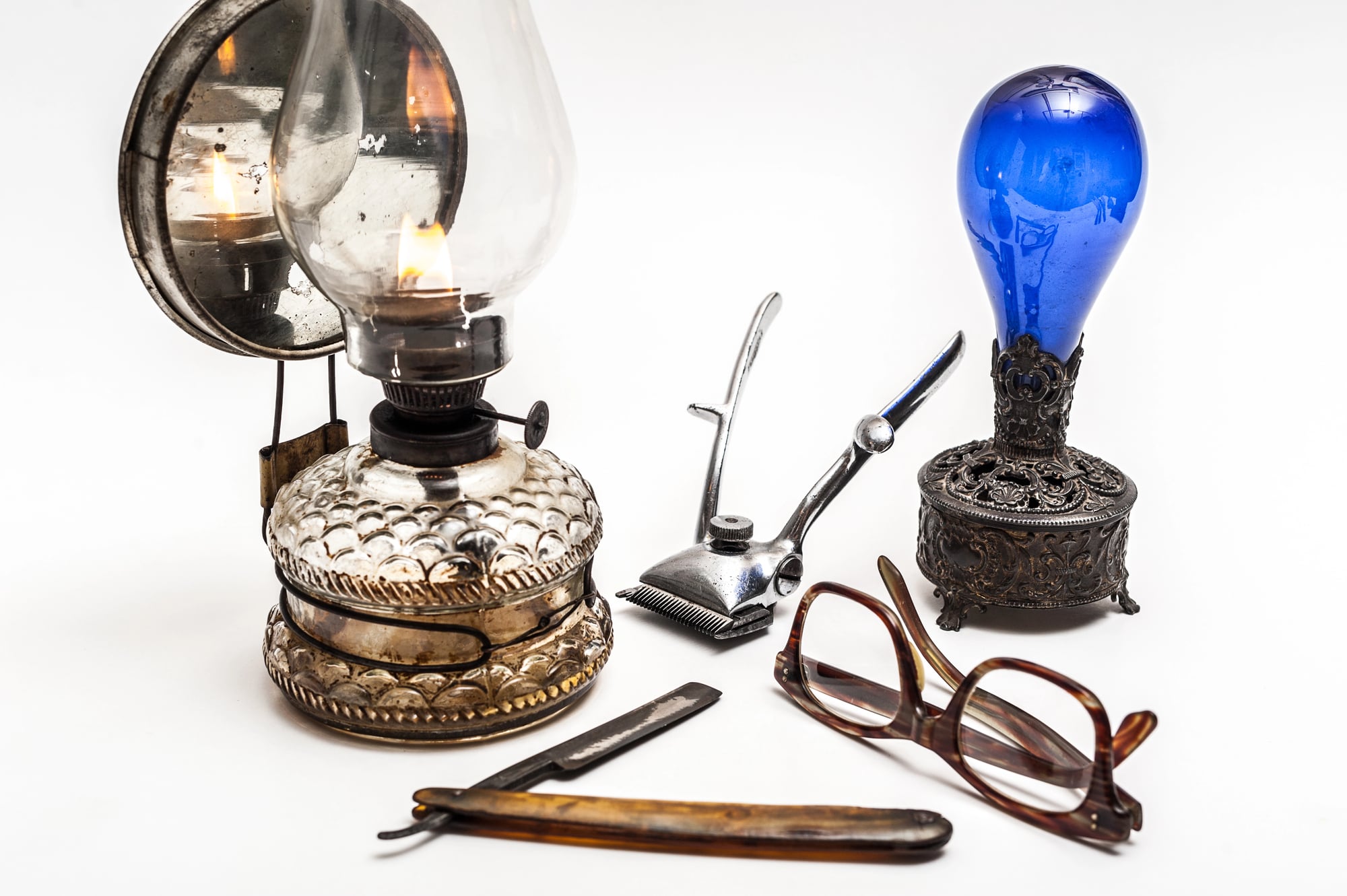
Ships required constant light for navigation and safety, but maintaining oil lamps at sea was a specialized trade that demanded both technical knowledge and the ability to work in challenging conditions. Lamp trimmers were responsible for keeping all shipboard lighting functional — working with oil, wicks, and glass in spaces that were often cramped and always moving.
The uniform had to handle the specific demands: oil-resistant fabric that could be cleaned easily, close-fitting clothes that wouldn’t catch on equipment, and layers that could be adjusted as conditions changed. The brass buttons and naval-style cut established lamp trimmers as skilled crew members rather than just laborers, reflecting both the importance of their work and the knowledge it required.
Water Carrier

Cities needed water before they had plumbing systems, and water carriers provided door-to-door delivery for drinking, cooking, and cleaning. The job required considerable physical strength — water is heavy — but also demanded reliability and trustworthiness, since customers depended on regular delivery of something essential.
The uniform projected both capability and cleanliness: sturdy clothes for the physical demands, but clean enough to reassure customers about the quality of the water being delivered. The wide belt and reinforced shoulders helped distribute the weight of full containers, and good boots with traction were essential for navigating stairs and wet surfaces.
Factory Whistle Keeper
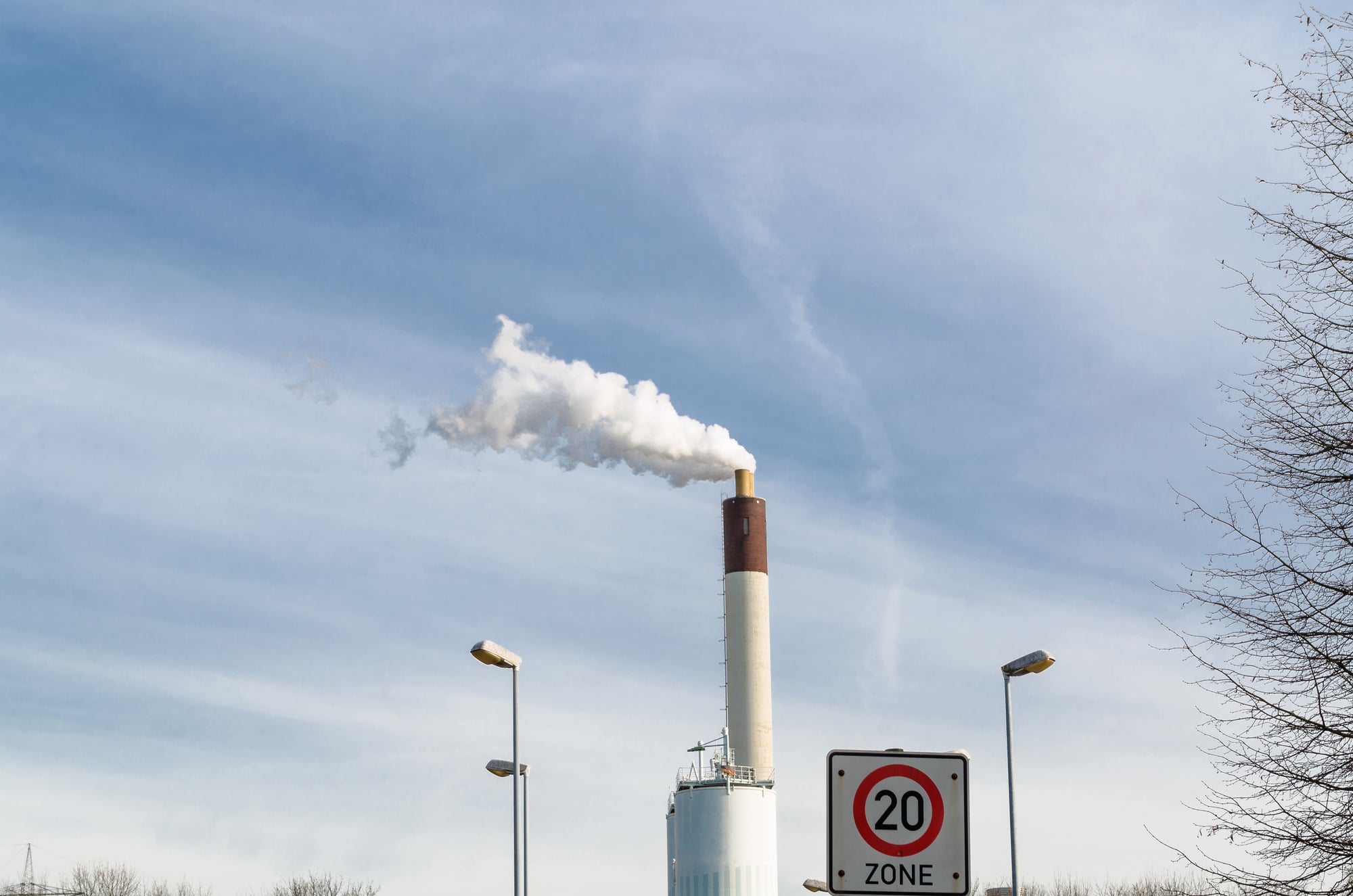
Large factories coordinated work schedules using steam whistles, and someone had to maintain those whistles and operate them at precisely the right times. The job required understanding both the mechanical systems and the scheduling needs of sometimes thousands of workers who depended on the signals.
The uniform reflected the semi-supervisory nature of the role: nicer than standard factory clothes, but practical enough to handle maintenance work. The pocket watch was often prominently displayed, emphasizing the precision the job demanded.
Professional Mourner

Funerals used to include hired mourners who provided appropriate emotional atmosphere for services, particularly when the deceased didn’t have enough family or friends to fill the space that social convention expected. The job required both acting ability and emotional stamina — mourners had to project sincere grief for strangers, sometimes for several hours.
The uniform was formal mourning attire: black clothes of high quality that showed respect for the deceased and the family, while also establishing the mourner as someone who understood the social conventions surrounding death and burial.
Computor

Before electronic computers, “computor” was an actual job title for people who performed mathematical calculations by hand, often for scientific or engineering projects. The work required extraordinary attention to detail and the ability to perform complex calculations accurately under time pressure.
The uniform projected professional competence: white shirts that showed stains immediately, encouraging careful work habits, with neat trousers and often a vest or jacket that marked computors as professional rather than clerical workers. The clothing had to be comfortable enough for long hours of detailed mental work while formal enough for interaction with the scientists and engineers who depended on the calculations.
Human Alarm Clock

Before reliable mechanical alarm clocks, some people made a living as human alarm clocks — hired to wake specific individuals at specific times. The job required absolute reliability and the ability to work during hours when most people were asleep.
The uniform prioritized functionality: warm clothes for early morning work, soft-soled shoes for quiet movement, and a pocket watch prominently displayed to emphasize punctuality.
The overall appearance had to suggest reliability without being threatening, since the job involved approaching people’s homes during dark hours.
Film Cutter
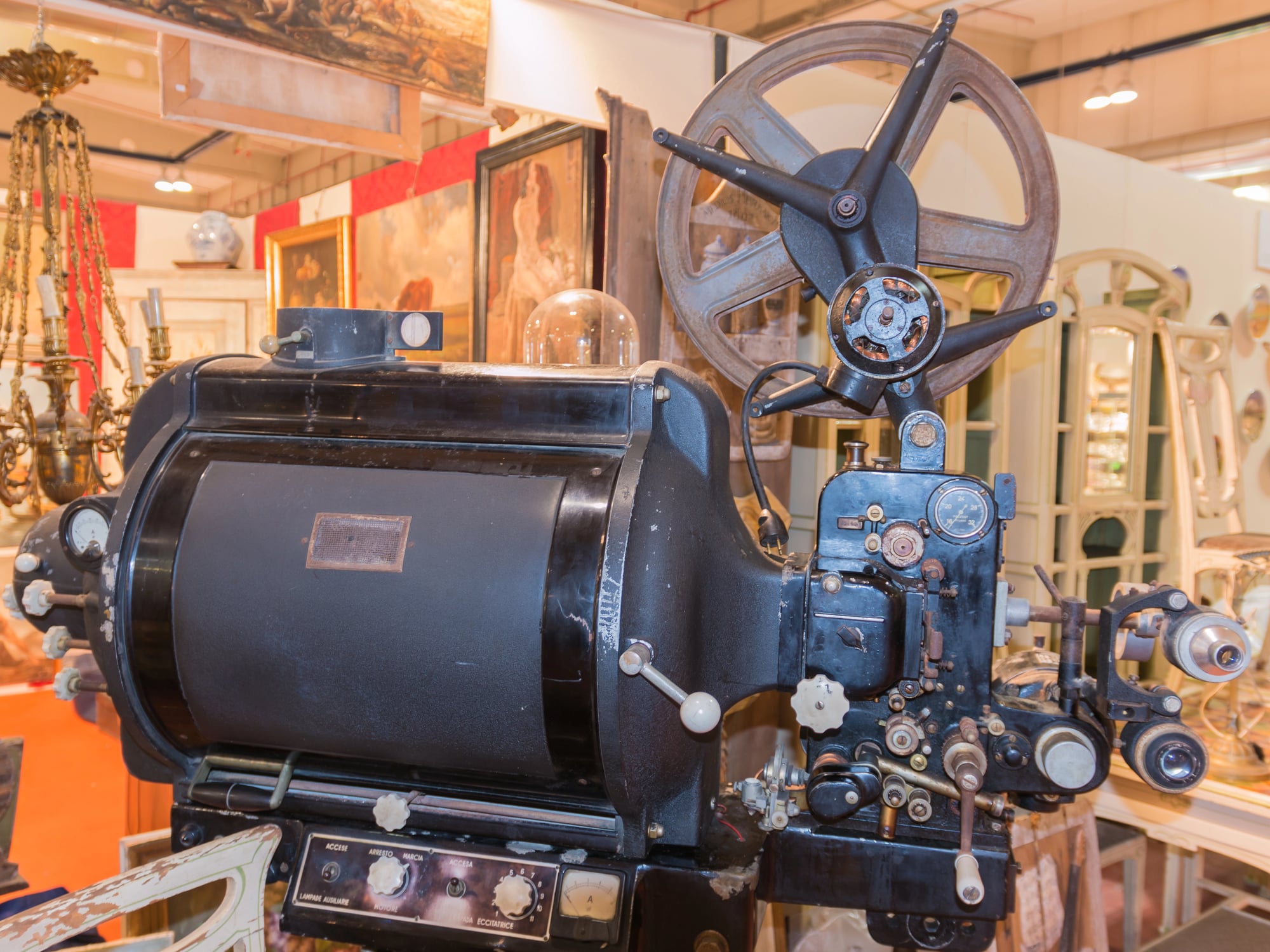
Early movies were edited by hand. Film cutters physically cut and spliced strips to create the final version of motion pictures, a job that required both technical skill and artistic judgment — understanding both the mechanical aspects of film and the storytelling requirements of effective editing.
The uniform protected against the hazards of the work: clothes that wouldn’t create static electricity (which could damage film), good lighting for detailed work, and often special magnifying equipment for examining individual frames.
The white coat was common, similar to those worn in other precision technical fields.
Chimney Sweep

Chimney sweeping was dangerous, dirty work that required specialized equipment and considerable skill. The uniform had to protect against soot, heat, and the physical demands of climbing and working in tight spaces while also being flexible enough to allow precise movements.
The dark colors hid inevitable soot stains. The fitted cut prevented loose fabric from catching on chimney walls or equipment.
And the top hat served both practical and social functions — it kept soot out of the sweep’s hair while also serving as a recognizable symbol of the trade, one that retained an association with good luck in weddings and celebrations that persists in some places today.
Radio Repairman
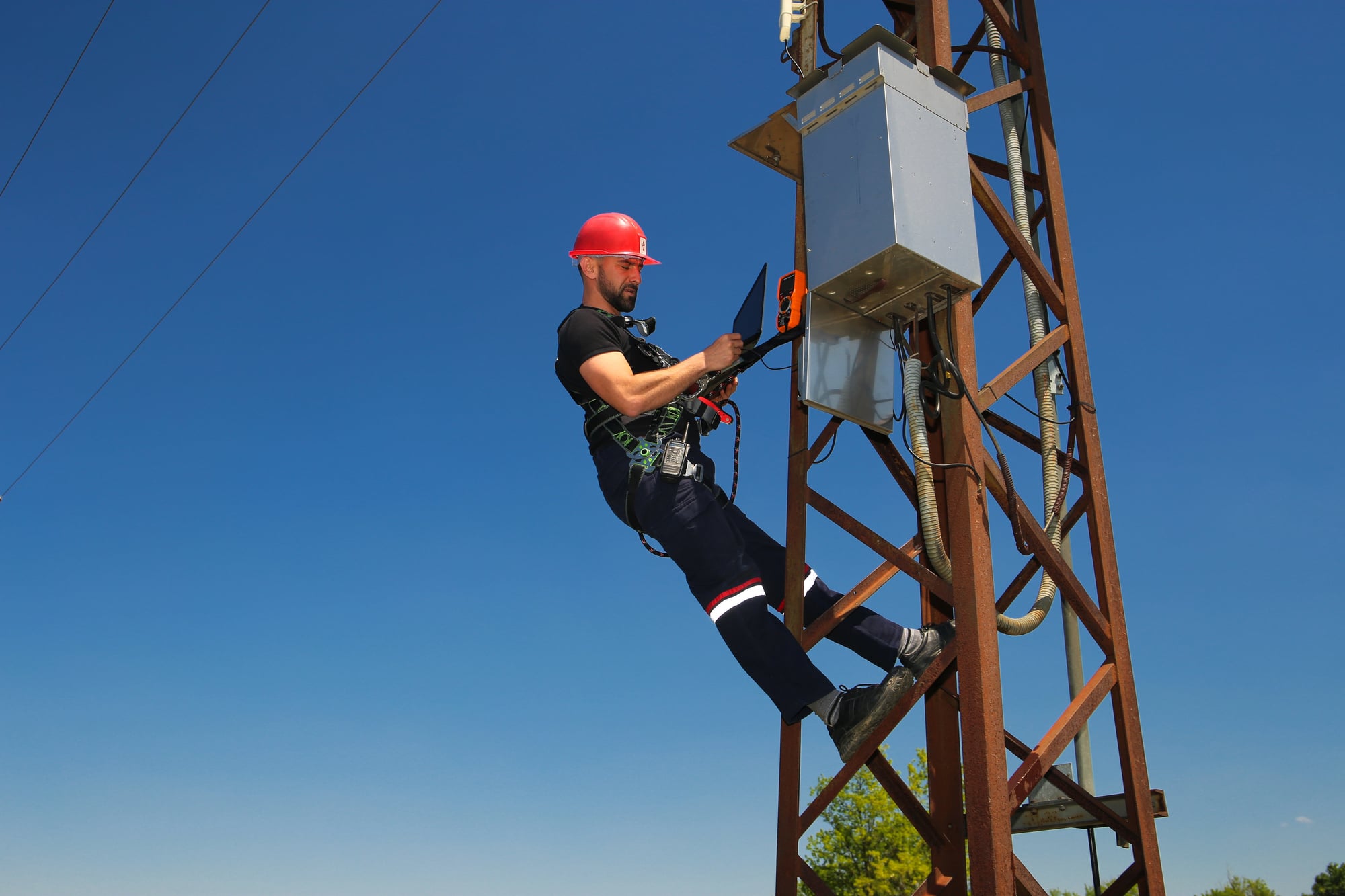
Early radios were complex and valuable enough that repair made more sense than replacement, and radio repairmen made house calls with the specialized knowledge to fix them. The job required understanding electronics, customer service skills, and the ability to work in customers’ homes with expensive, delicate equipment.
The uniform projected technical competence and trustworthiness: clean, professional clothes that reassured customers about allowing someone into their home. The shirt often included the repair shop’s name, and the pocket protector full of specialized tools became a symbol of technical expertise that outlasted the job itself.
Movie Theater Usher
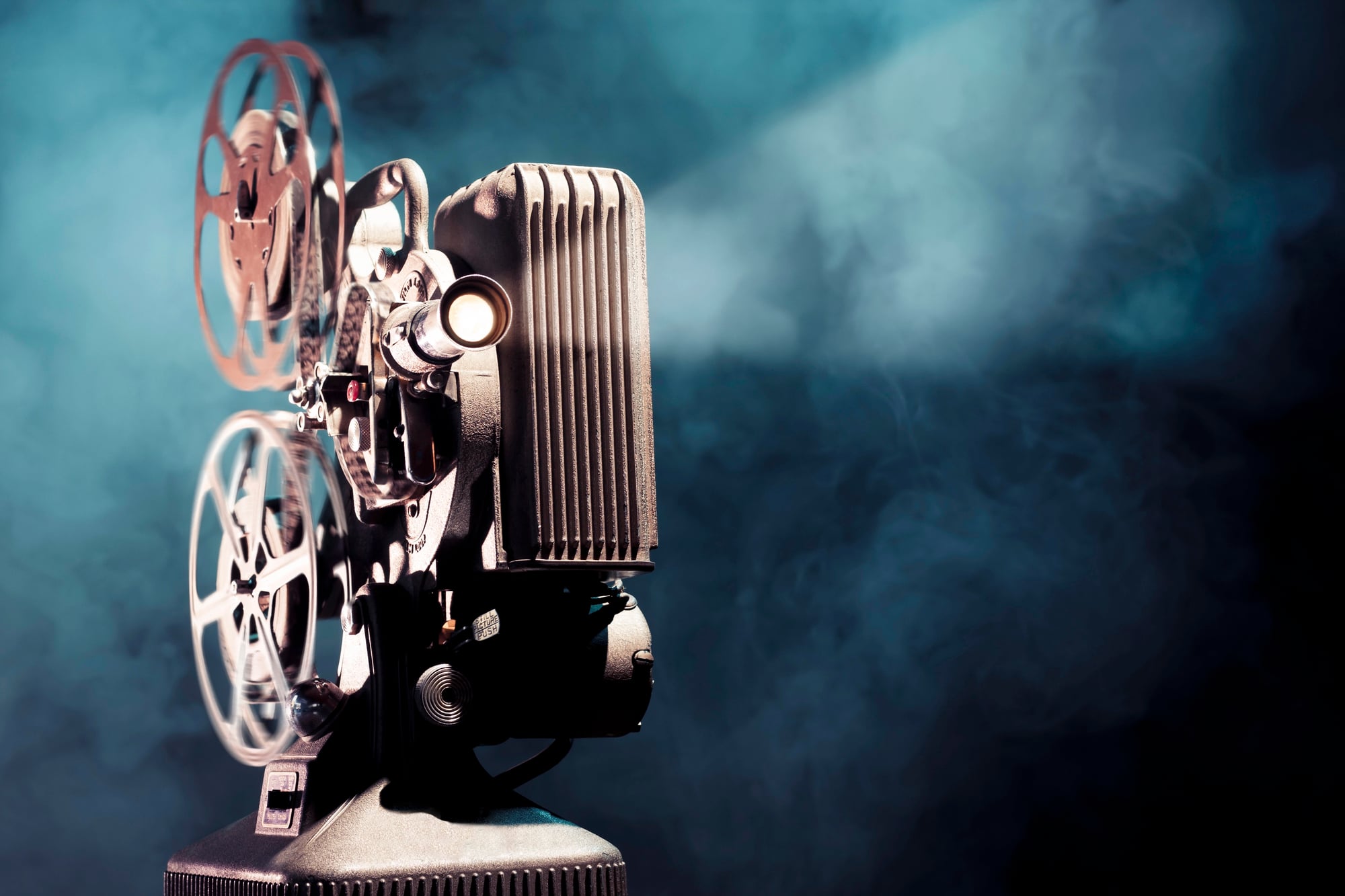
Before multiplexes and stadium seating, theaters employed ushers who guided customers to seats, maintained order during shows, and provided information about showtimes and policies. The job required both customer service skills and the authority to handle disruptions in a crowded, dark environment.
The uniform projected helpfulness and quiet authority in equal measure: formal enough to match the elegant atmosphere that many theaters cultivated, but practical enough for guiding people through dark spaces. The flashlight was both a practical tool and a symbol of office — the usher was the person who could shed light, literally, when you needed to find your seat.
Lector in the Cigar Factory
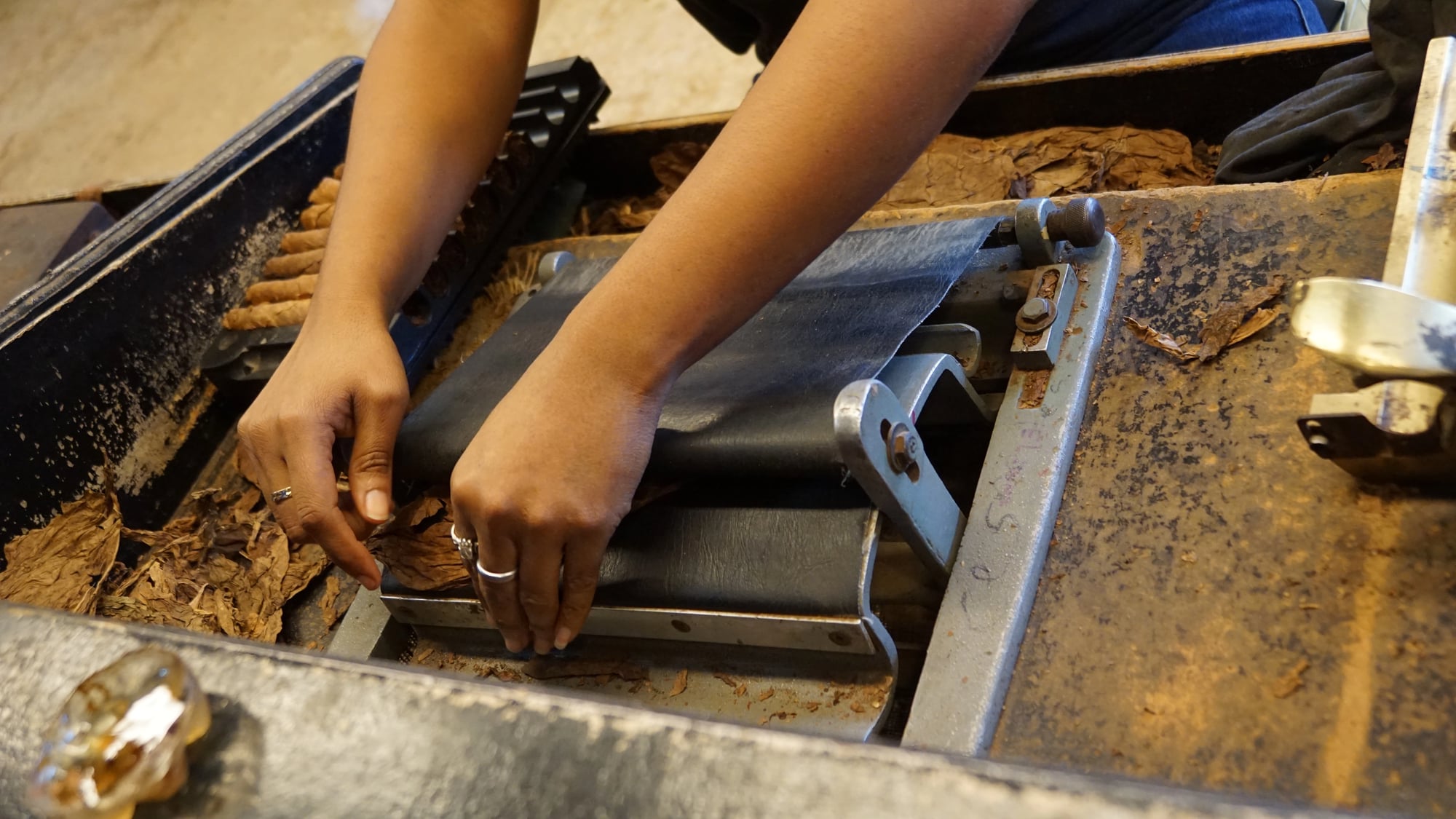
Before recorded sound, cigar factories employed lectors — readers hired to read aloud to workers during long rolling shifts. The practice was especially common in Cuba and in Cuban immigrant communities in Tampa and Key West, where workers would pool part of their wages to pay the lector’s salary. Lectors read newspapers, novels, political tracts, and whatever else the workers voted to hear.
The uniform was more formal than anything else in the factory: a suit and tie, sometimes a lectern, and a raised platform that put the lector above the rolling tables. The formality mattered because the lector was not a worker but a performer and educator, someone whose role was to expand the minds of the people listening even as their hands performed repetitive work.
The job was largely abolished when factory owners, concerned about the radical political content lectors were reading to increasingly organized workers, began installing radios instead.
Leech Gatherer

Medical practice through much of the 19th century relied heavily on leeches for bloodletting, and someone had to collect them. Leech gatherers, often women and elderly people, waded into ponds and marshes and used their own legs as bait — standing still while the leeches attached, then carefully removing them for sale to apothecaries and hospitals.
The uniform reflected the unpleasant practicality of the work: heavy skirts or trousers rolled up high, sturdy boots left on shore, and buckets and containers for transport.
The repeated leech bites left gatherers with chronic wounds and the risk of infection. It was among the most physically demanding of the less visible trades, and its disappearance — when rubber leeches and then better medical practices made bloodletting obsolete — was mourned only by those who’d depended on the income.
Gandy Dancer
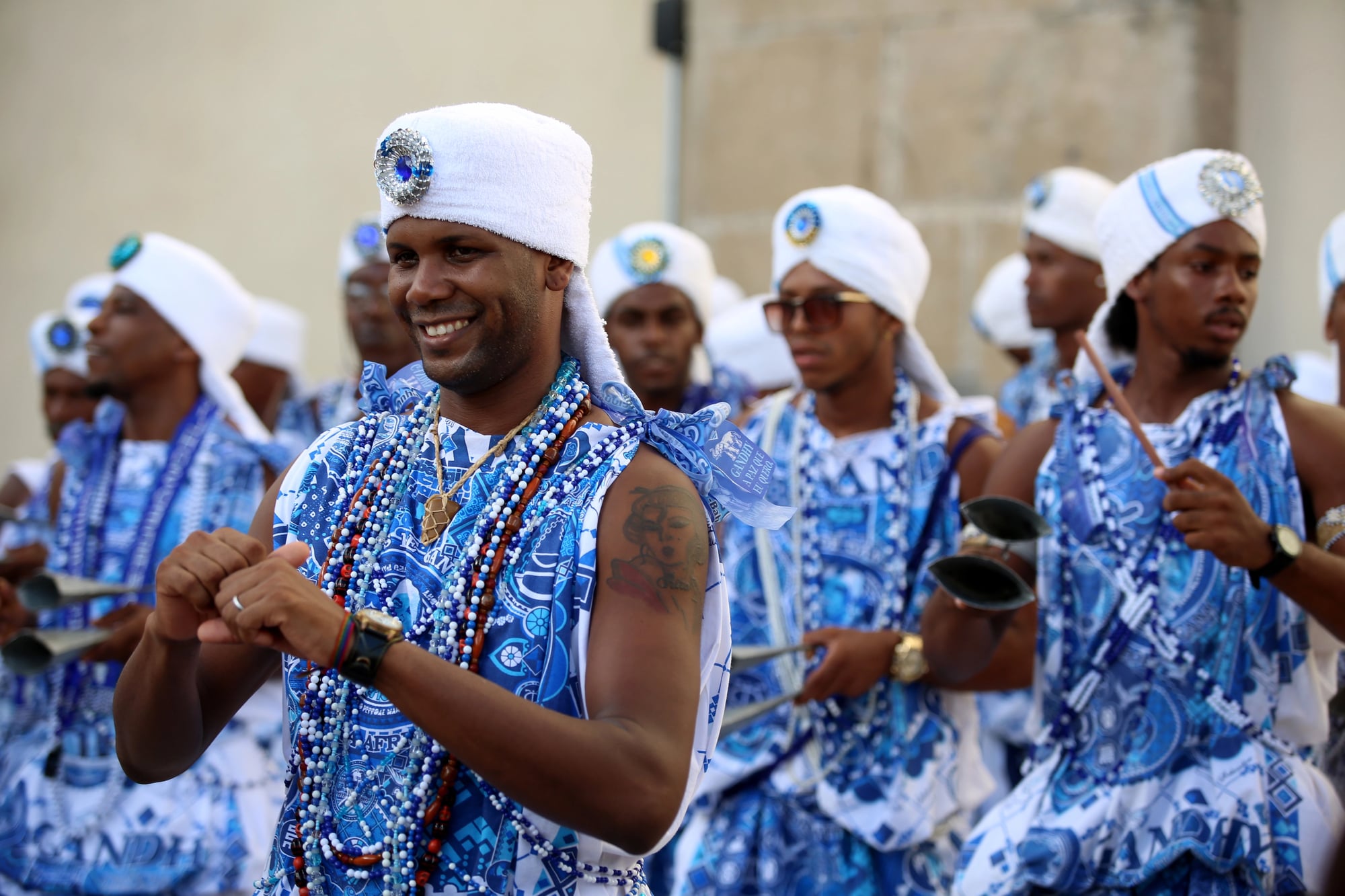
Railroad track maintenance before mechanization was performed by gandy dancers — laborers who maintained track alignment using specialized tools, working in rhythmic unison to the call of a work song leader. The name likely came from the Gandy Manufacturing Company, which made many of the tools they used, and the dance-like quality of the coordinated movements required to properly tamp and align heavy rail.
The uniform was rugged working clothes suited to outdoor labor in all weather: heavy boots, durable denim or canvas trousers, and shirts that could be layered against cold or stripped back in heat. The foreman or song leader often wore something slightly distinguishing — a different hat, or a vest — that marked his role as the person who set the rhythm the whole gang followed.
When mechanized track maintenance equipment arrived in the mid-20th century, the gandy dancer’s particular combination of physical labor and coordinated movement disappeared with it, though the work songs they developed are among the more remarkable musical traditions to come out of American industrial labor.
What The Uniform Carried

A uniform does something beyond covering a body. It locates a person in a system of work, telling both the wearer and the world what role they play and what skills they carry.
The jobs on this list are gone, but the uniforms that survive in museums and attics and old photographs still perform that locating function — placing us, for a moment, in the world that produced them.
What strikes you, looking at these uniforms, is how much thought went into each one. The lamplighter’s reflective buttons, the computor’s immaculate white shirt, the lector’s formal suit above the cigar-rolling tables — these weren’t accidents.
They were designed for the specific demands of specific work, and they carried the dignity of that work in every detail. The jobs vanished. The care that went into doing them well is worth remembering.
More from Go2Tutors!

- The Romanov Crown Jewels and Their Tragic Fate
- 13 Historical Mysteries That Science Still Can’t Solve
- Famous Hoaxes That Fooled the World for Years
- 15 Child Stars with Tragic Adult Lives
- 16 Famous Jewelry Pieces in History
Like Go2Tutors’s content? Follow us on MSN.



