13 Banned Books That You Won’t Believe Were Considered Controversial
For reasons that frequently seem puzzling in hindsight, some books have been banned, challenged, and removed from schools and libraries throughout history. Because many now-celebrated classics were originally considered too risky for public consumption, literary censorship tells a great deal about the social fears and power systems of various eras.
This collection of 13 banned books illustrates how opinions about literature change over time and may surprise you with their contentious status today.
Where the Wild Things Are
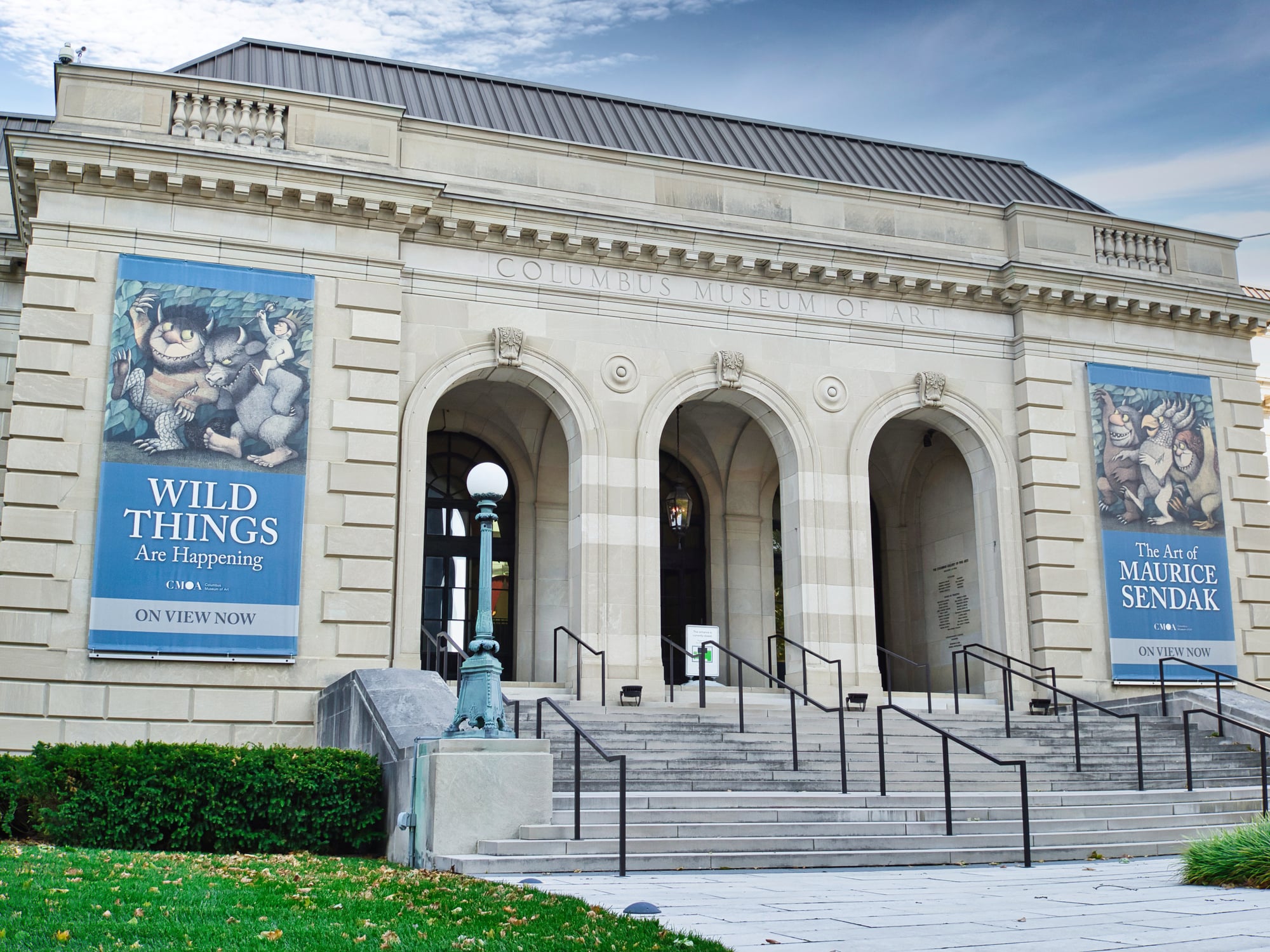
Maurice Sendak’s beloved children’s picture book faced bans shortly after its 1963 publication. Adults worried that the magical tale of Max’s journey to the land of wild creatures promoted dangerous fantasies and disrespect toward parental authority.
The illustrations were considered too frightening, and some critics even suggested the book might damage children psychologically. Today, it’s recognized as a masterpiece that helps children process complex emotions.
The Lorax
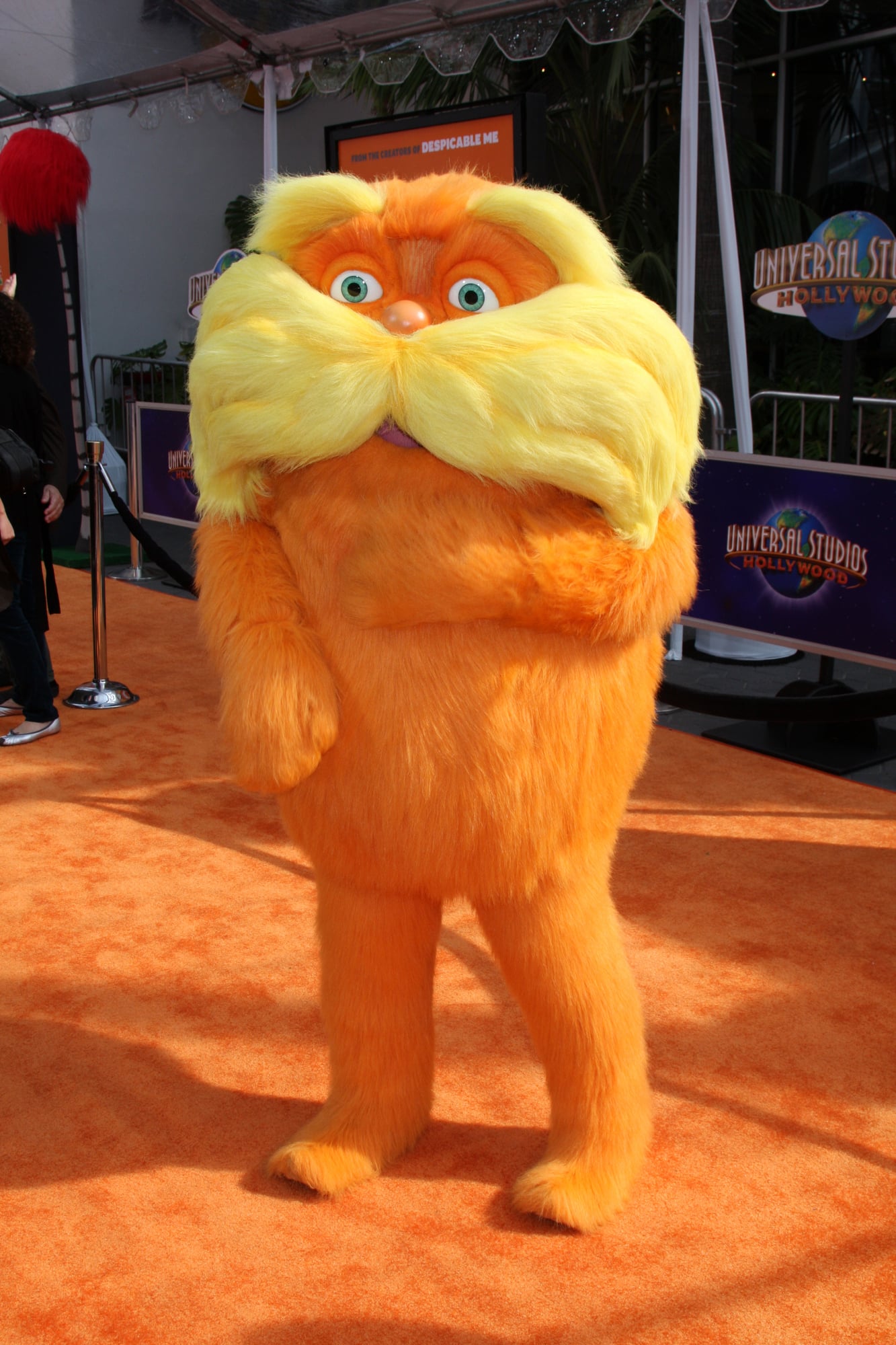
Dr. Seuss’s environmental fable was banned in several California districts with strong timber industry ties in the 1980s. Critics claimed the book unfairly demonized logging companies and indoctrinated children with environmental propaganda.
The simple tale of the mustachioed creature who ‘speaks for the trees’ was seen as a political statement rather than an environmental cautionary tale. It’s now widely recognized as a thoughtful introduction to conservation concepts for young readers.
Charlotte’s Web
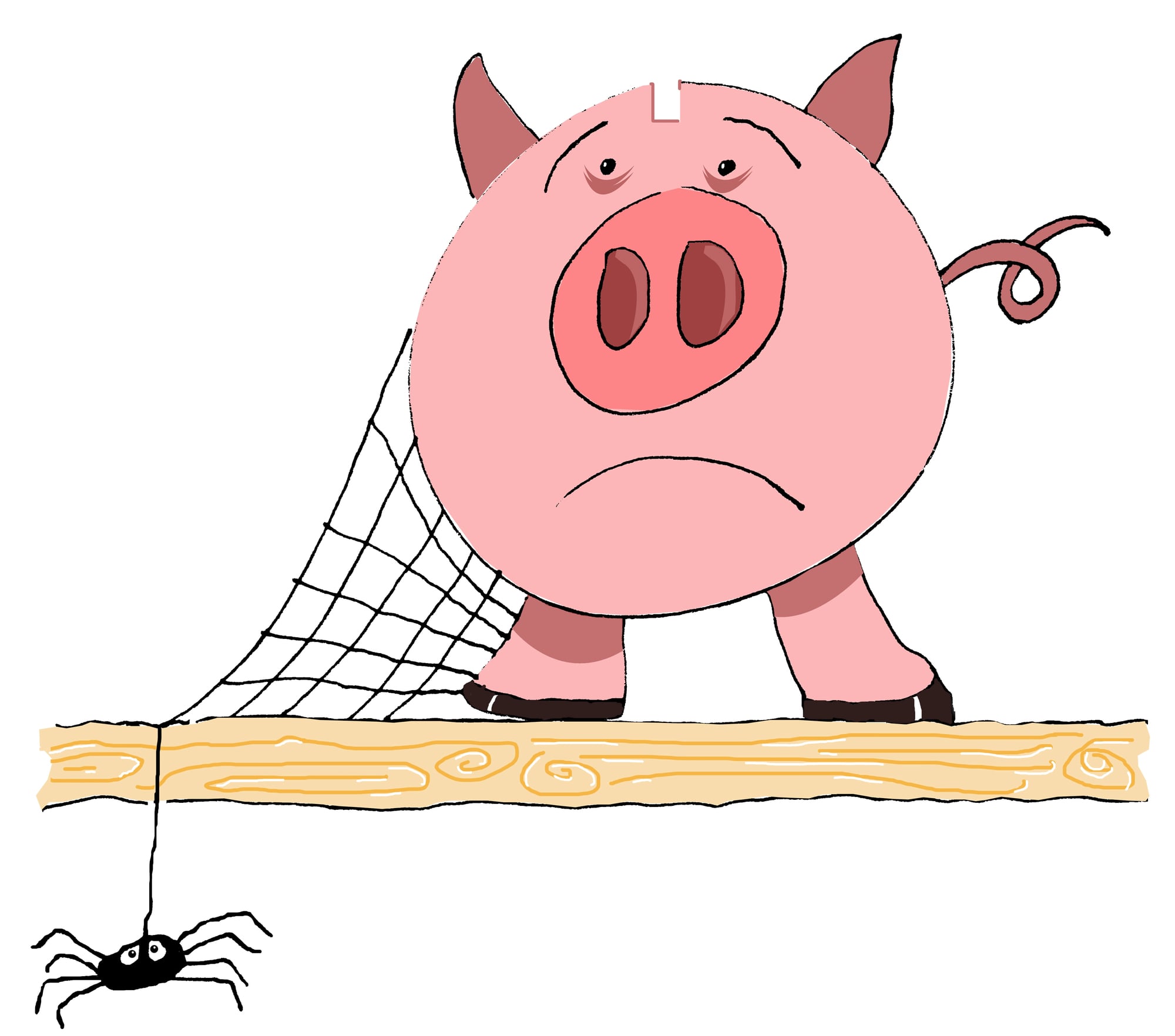
E.B. White’s farm tale about the friendship between a pig and a spider has been challenged multiple times for its depiction of talking animals. In 2006, some parents in Kansas sought its removal because they felt talking animals represented the ‘unnatural’ and went against their religious beliefs.
The book was also deemed inappropriate because it depicts death. Most modern readers see it as a touching story about friendship, loyalty, and the natural cycle of life.
Brown Bear, Brown Bear, What Do You See?
Due to a case of mistaken identity, the Texas State Board of Education banned Eric Carle’s benign picture book in 2010. Members of the board mistook the author, Bill Martin Jr., for another Bill Martin, the author of “Ethical Marxism.”
Due to this confusion, the vibrant children’s book that teaches toddlers about colors and animal names was taken off the stores for a while. When the mistake was discovered, the ban was eventually lifted.
The Giving Tree

Shel Silverstein’s seemingly simple story about a tree that gives everything to a boy has faced challenges for allegedly promoting environmental exploitation and unhealthy relationships. Some critics viewed it as sexist, interpreting the tree as female and the boy as male, suggesting it teaches girls to sacrifice everything for boys.
Others worried it encouraged selfishness in children. The book continues to generate debate about its intended message while remaining a beloved classic.
Harriet the Spy
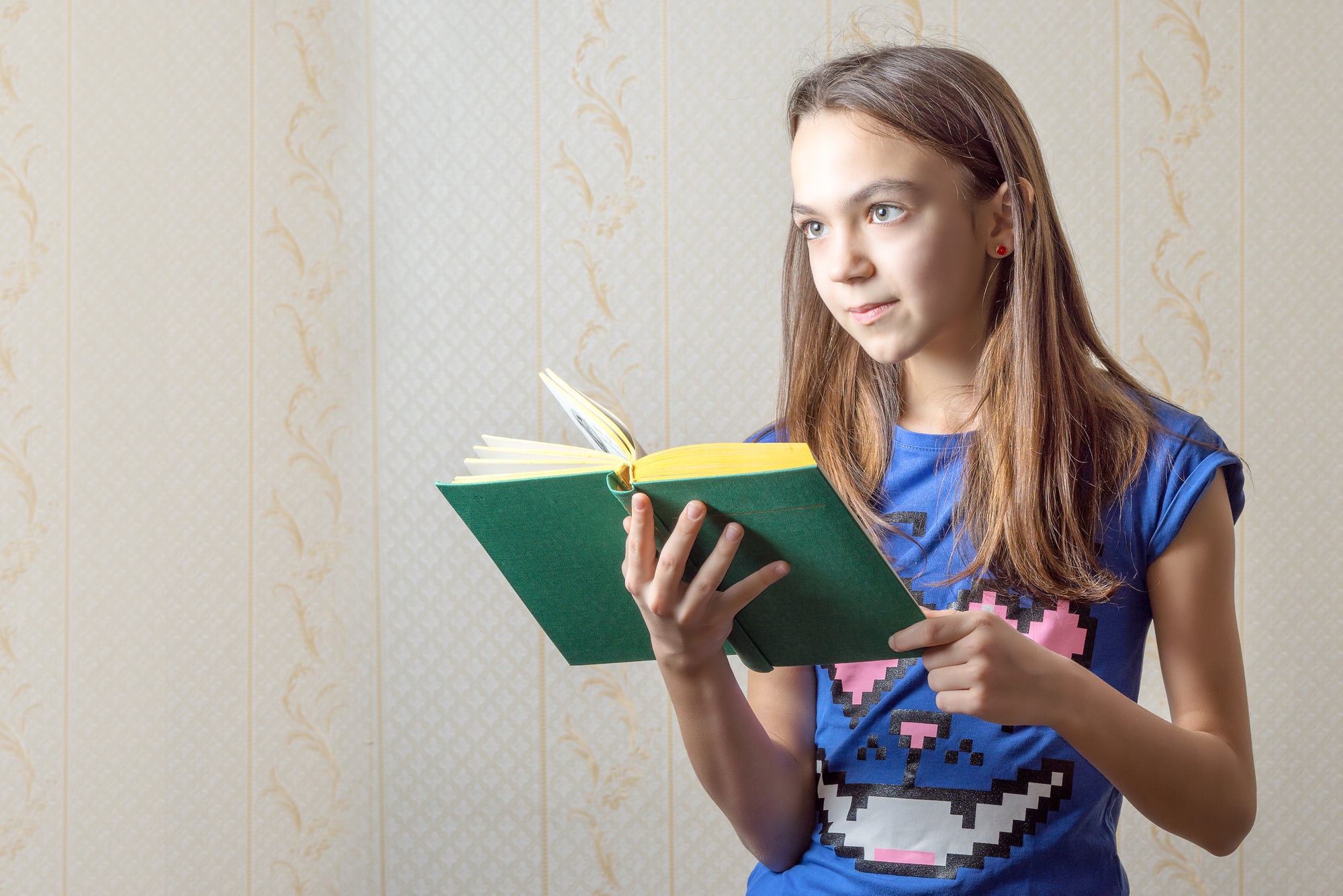
Louise Fitzhugh’s novel is about an eleven-year-old girl who keeps detailed observation journals about her neighbors, which were banned in many schools upon its 1964 release. Adults objected to Harriet’s habit of spying, lying, and talking back to adults, fearing children would imitate her behavior.
The book was also criticized for featuring a tomboy protagonist and questioning adult authority. Modern readers appreciate it for its authentic portrayal of childhood independence and critical thinking.
The Wizard of Oz
Since it was first published in 1900, L. Frank Baum’s beloved tale has been banned multiple times. It was taken out of libraries in the 1930s because it showed women in powerful leadership positions.
It was criticized in the 1950s for having a “good witch” persona, which some religious organizations viewed as occultist propaganda. It was also attacked during the Cold War for allegedly endorsing communist ideals through its portrayal of the Emerald City.
It is still a popular fantasy today and has been adapted innumerable times.
James and the Giant Peach
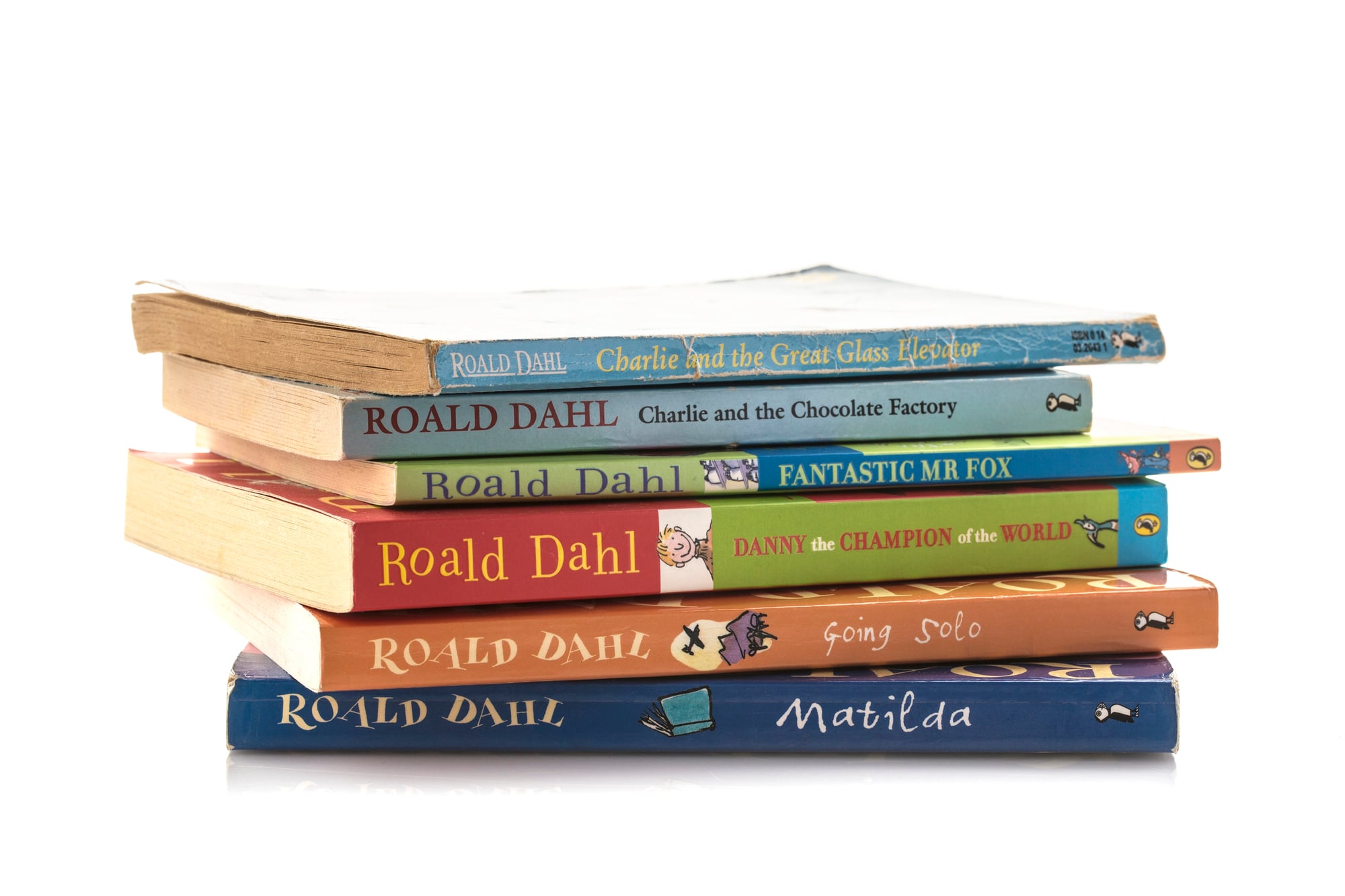
Roald Dahl’s whimsical tale about a boy who escapes his abusive aunts in a magical oversized fruit has faced bans for multiple reasons. Critics objected to its ‘magical elements,’ use of the word ‘ass,’ and scenes of the aunts being squashed by the peach.
Some religious groups even claimed the talking insects represented demonic possession. The story’s imaginative escape from harsh reality continues to captivate young readers despite these historical objections.
The Call of the Wild
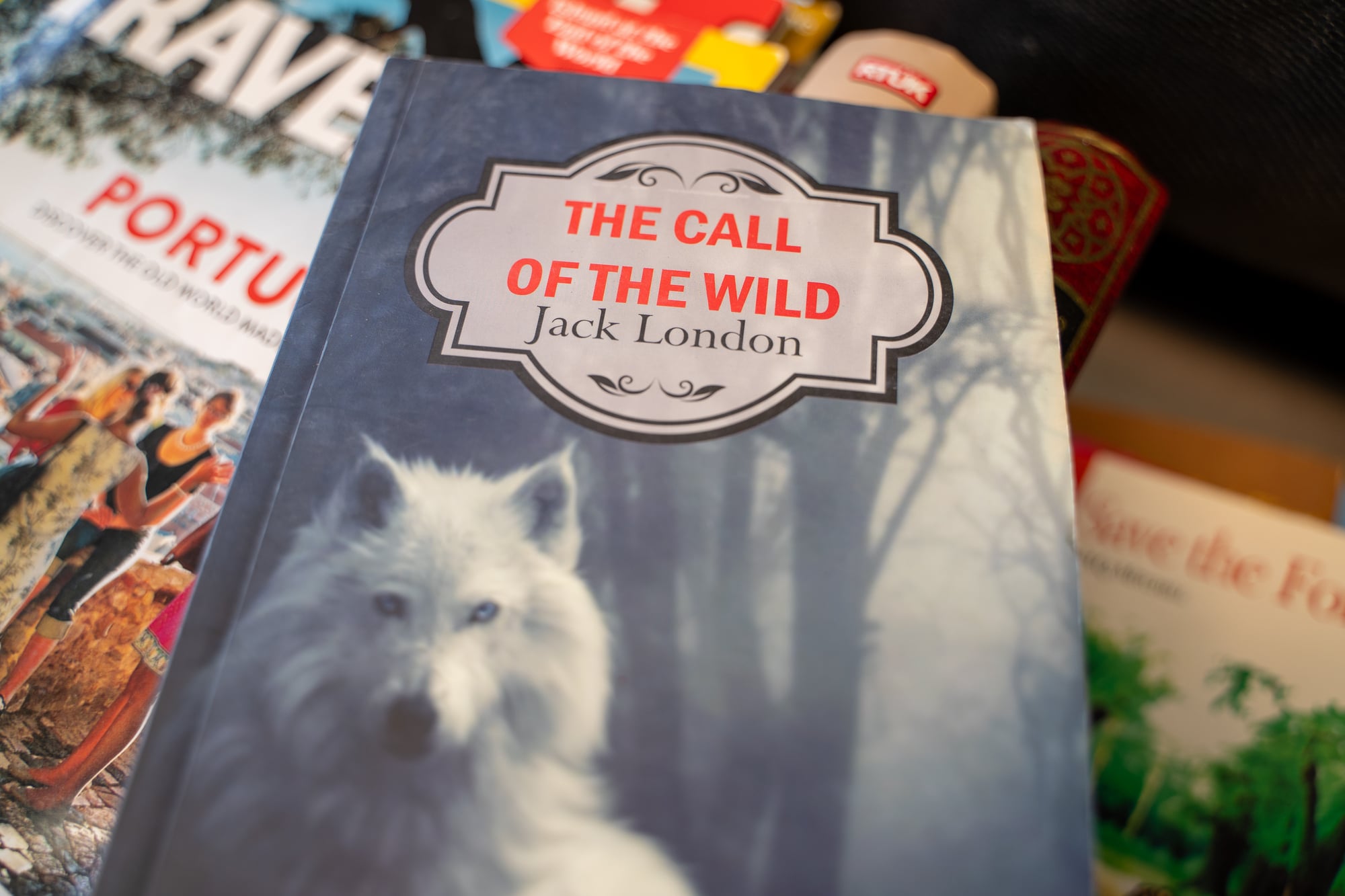
Jack London’s adventure novel about a dog returning to its wild roots was banned in Yugoslavia and Italy under fascist regimes for being ‘too radical.’ In the United States, it was frequently challenged for its realistic depictions of violence and perceived socialist themes.
The novel’s exploration of natural instincts versus civilization was deemed too provocative for young readers. Modern critics celebrate its nuanced examination of wildness and domestication.
The Diary of Anne Frank
Perhaps the most shocking entry on this list, Anne Frank’s diary has faced numerous challenges in schools. Complaints have ranged from the text being ‘too depressing’ to objections about brief passages where Anne discusses her changing body.
In 1983, an Alabama school board called it ‘a real downer,’ while others have challenged it for its ‘explicit’ content. Despite these objections, it remains one of the most powerful firsthand accounts of the Holocaust.
Winnie-the-Pooh
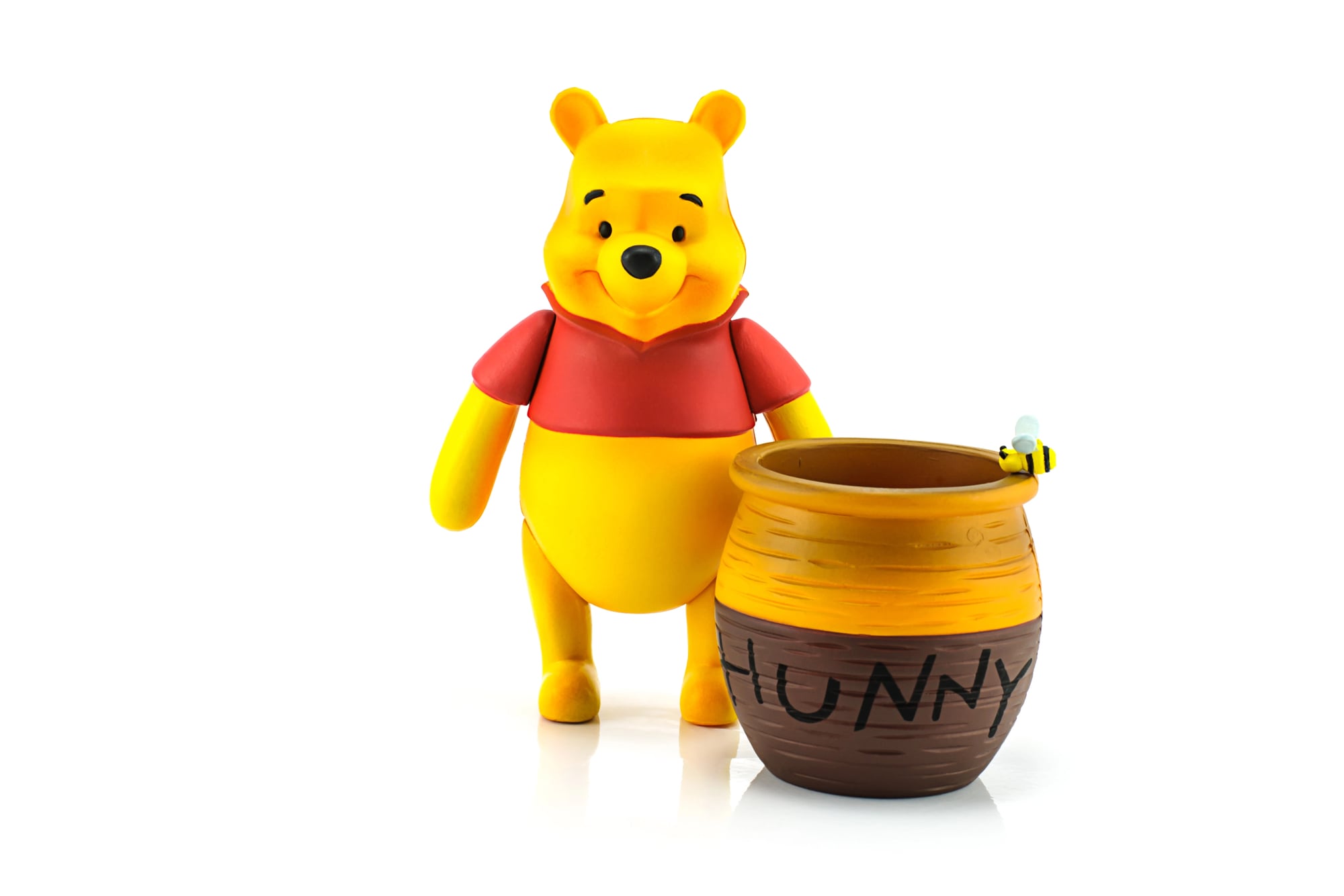
A.A. Milne’s gentle stories about the honey-loving bear were banned in various parts of the United States for promoting inappropriate behavior and featuring talking animals that might confuse children about animal capabilities. More recently, China banned digital depictions of Pooh because internet users compared the character to Chinese President Xi Jinping.
This beloved children’s classic demonstrates how even the most innocent stories can become political flashpoints.
The Lion, the Witch and the Wardrobe
C.S. Lewis’s fantasy novel has faced challenges from both religious and secular groups. Some Christians objected to the book’s mixing of biblical themes with fantasy elements and talking animals.
Simultaneously, secular critics have challenged it for its Christian allegory and religious symbolism. The novel has been removed from some school libraries for supposedly promoting witchcraft through its depiction of the White Witch character, despite the witch being portrayed as the villain.
And to Think That I Saw It on Mulberry Street
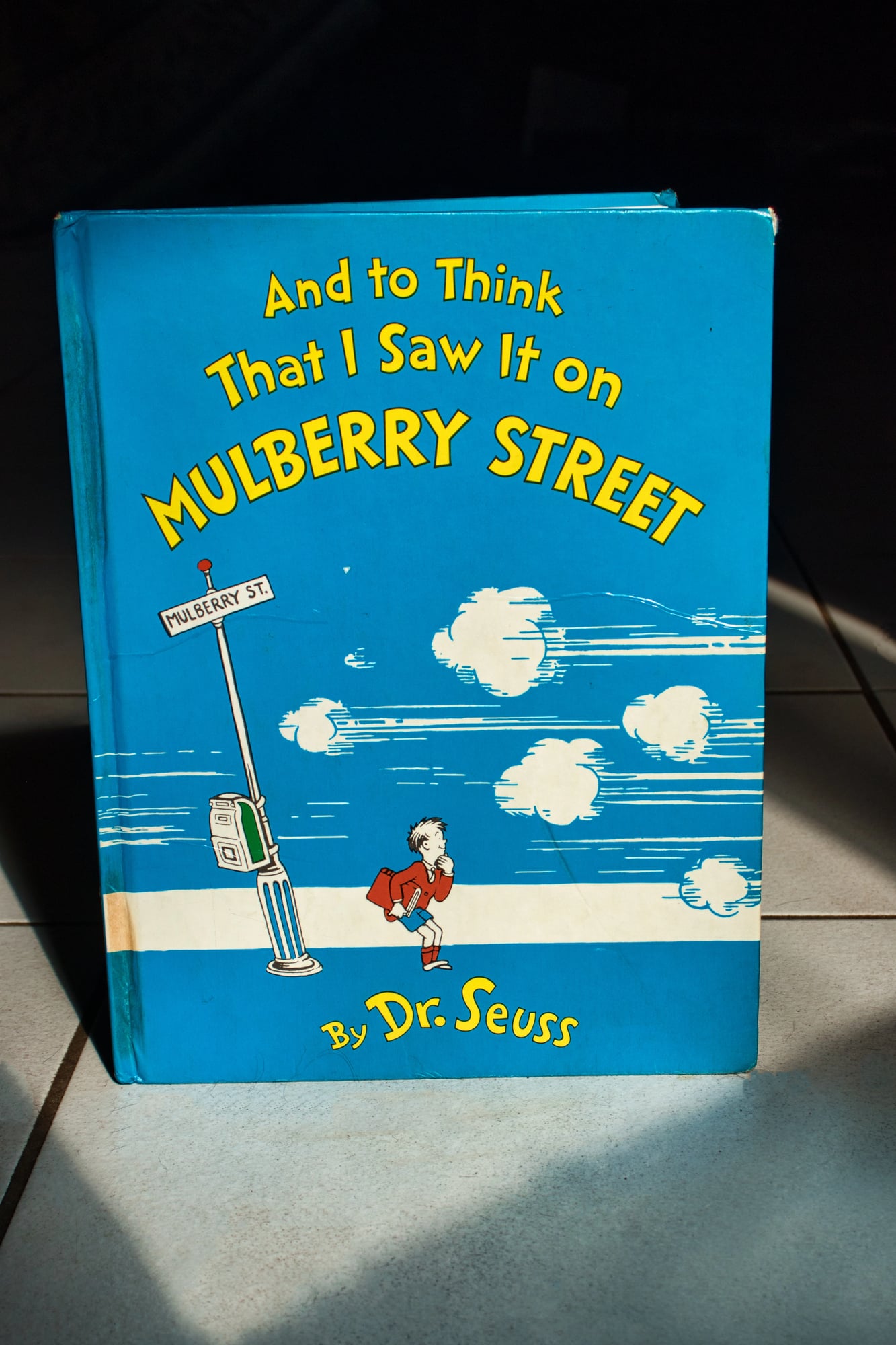
Dr. Seuss’s first children’s book faced recent controversy when the Seuss estate decided to cease its publication in 2021 due to imagery considered racially insensitive by contemporary standards. Earlier challenges also occurred due to its encouragement of imagination and ‘lying’ through the main character’s increasingly elaborate tale.
The book illustrates how standards of cultural sensitivity evolve over time, prompting ongoing reassessment of even beloved classics.
The Power of Challenged Books
These examples demonstrate how quickly cultural sensitivities and values shift across generations. Books once deemed dangerous often become recognized as valuable contributions to literature that help readers develop critical thinking and empathy.
When we examine the history of book banning, we’re really examining our evolving relationship with ideas, our fears, and our hopes for future generations.
More from Go2Tutors!

- 16 Historical Figures Who Were Nothing Like You Think
- 12 Things Sold in the 80s That Are Now Illegal
- 15 VHS Tapes That Could Be Worth Thousands
- 17 Historical “What Ifs” That Would Have Changed Everything
- 18 TV Shows That Vanished Without a Finale
Like Go2Tutors’s content? Follow us on MSN.