29 Mall Stores from the ’90s Nobody Talks About Anymore
There’s something about a ’90s mall that lives in a very specific part of your memory — the food court smell, the carpet patterns that had no business existing, the particular hum of a Saturday afternoon when the whole place felt like the center of the universe. You probably have a mental map of your local mall so detailed you could still walk it blindfolded: which stores anchored the corners, where the good bathrooms were, which kiosk sold those little airbrushed T-shirts.
But outside the usual nostalgia circuit — Hot Topic, Foot Locker, Spencer’s — there’s a whole layer of stores that quietly disappeared without anyone stopping to mark their passing. These 29 deserve at least a moment of recognition.
Afterthoughts
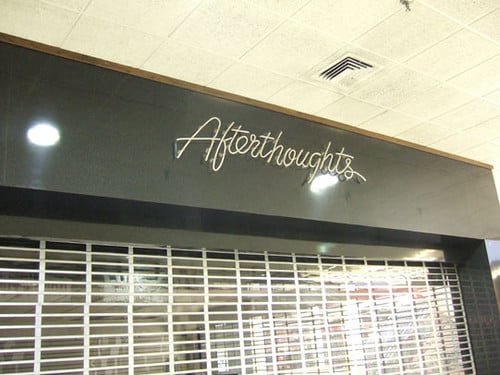
Afterthoughts were everywhere in the early ’90s and then, at some point, just weren’t. The store sold low-cost jewelry, hair accessories, and beauty accessories aimed squarely at teen girls who needed six pairs of earrings for under ten dollars.
It got absorbed into Claire’s and Icing, and the nameplate vanished so quietly that most people couldn’t tell you when.
County Seat
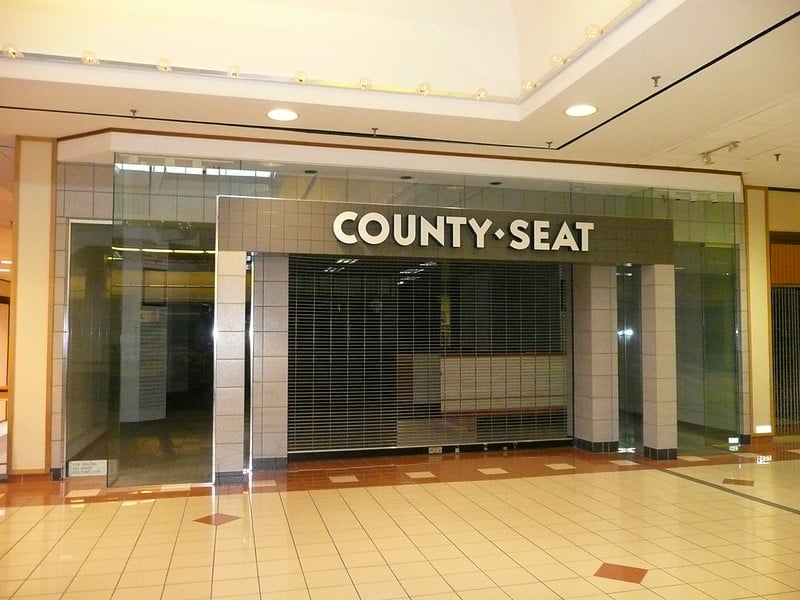
County Seat was the denim store for people who found Gap slightly too intimidating. Straight-leg jeans, flannel shirts, the occasional denim jacket — it wasn’t flashy, but it held its own.
The chain folded in 1999, and that particular lane of affordable casual basics just got quietly absorbed by everyone else.
Brauns
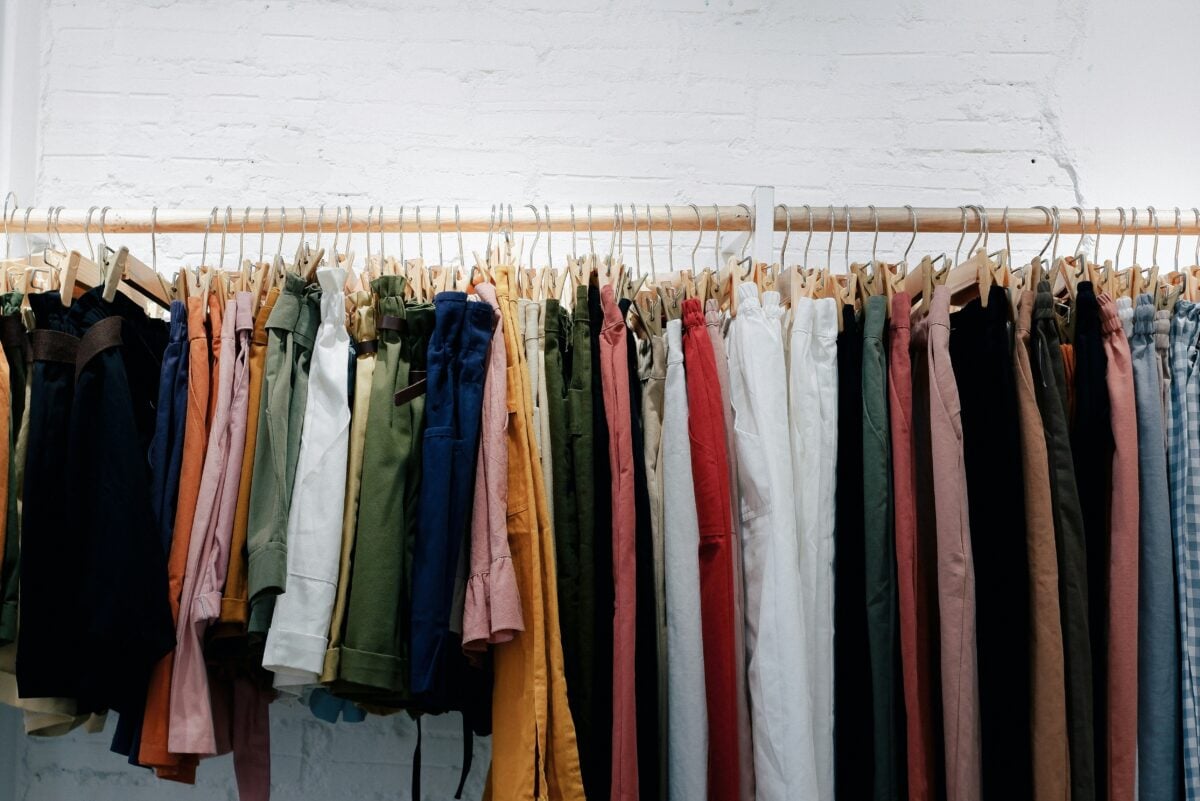
Brauns was a women’s clothing chain that operated mostly in the Midwest and never quite made it onto the national radar, which is part of why so few people outside Ohio or Michigan remember it. The clothes were modest, reasonably priced, and aimed at women who wanted something practical without surrendering to frump — a narrower target than it sounds, and the chain eventually folded in 1998 when the parent company couldn’t hold things together.
It was the kind of store that kept quiet about itself: no splashy advertising, no celebrity endorsements, just a reliable rack of blouses that your aunt swore by.
Lerners New York
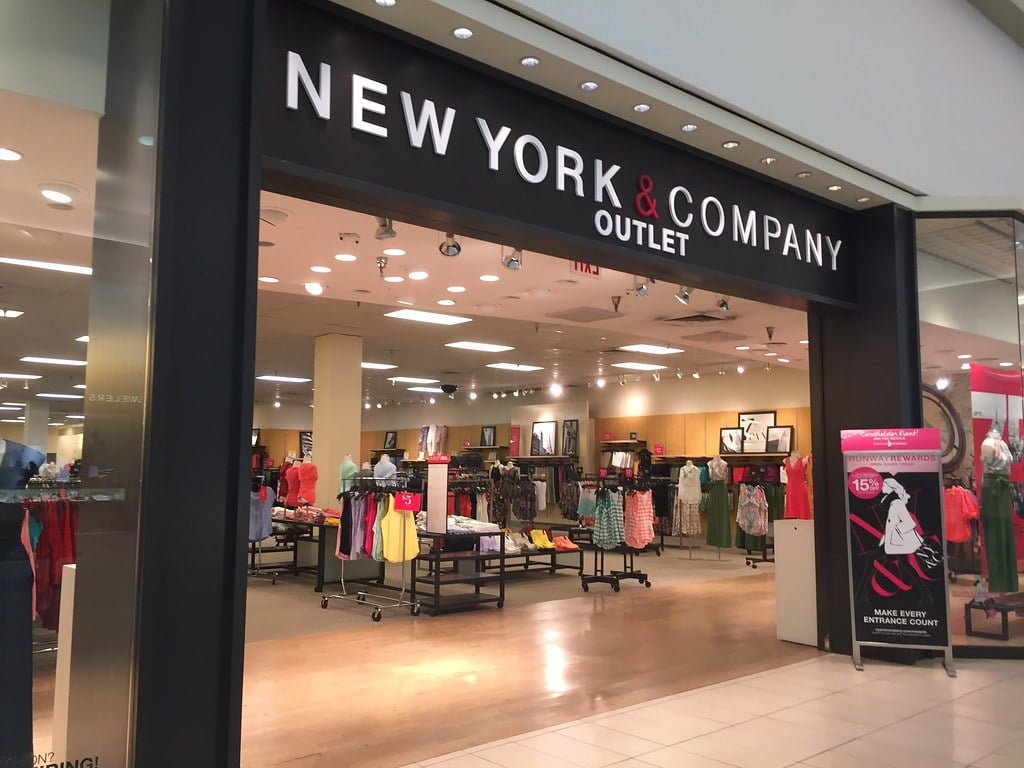
Lerners New York carried affordable women’s clothing with just enough “New York” in the name to feel aspirational without the price tag to back it up. It eventually rebranded as New York & Company, which still exists — but Lerners as a nameplate belongs entirely to the early ’90s.
The rebrand erased it so thoroughly that most people don’t realize they’re the same store.
Foxmoor
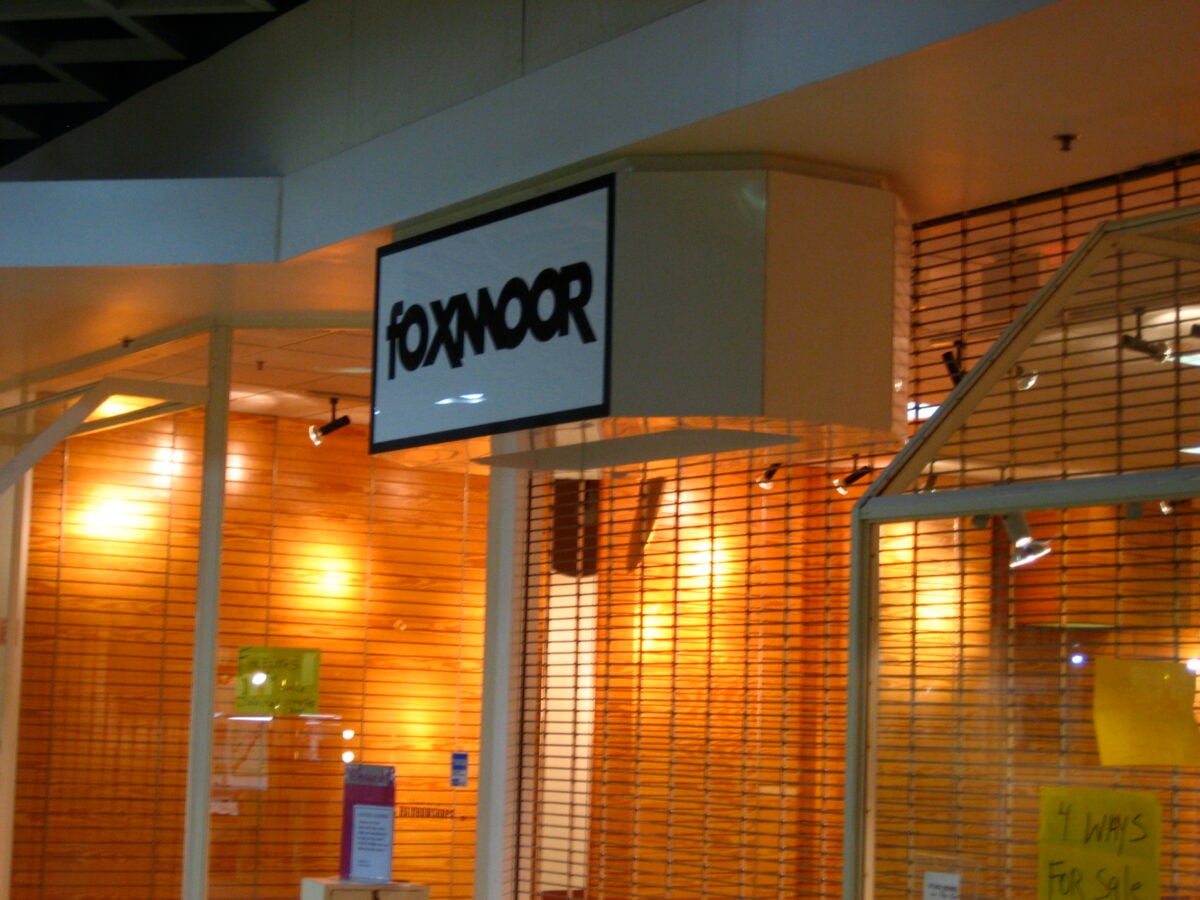
Foxmoor folded before the ’90s technically started, but it haunted enough malls in the early part of the decade through its ghost storefronts and secondhand mentions that it earns a place here. The chain sold budget-friendly women’s fashion through the ’70s and ’80s before collapsing, leaving behind a peculiar kind of retail grief — the kind where the store is gone but the memory of walking past it is still oddly crisp.
Some things leave a mark that outlasts their actual presence.
Merry-Go-Round
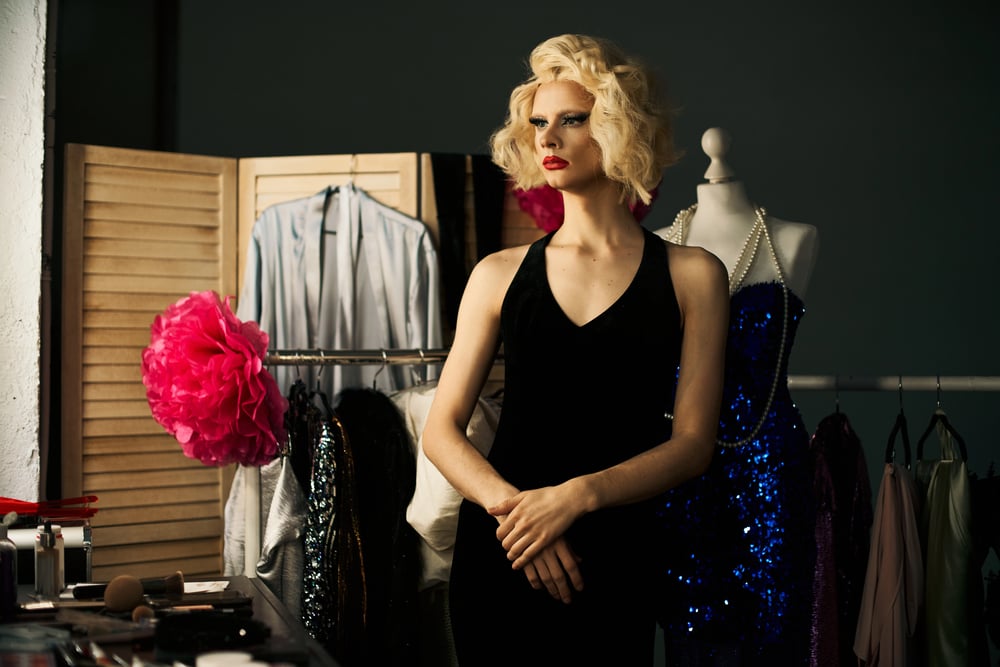
Merry-Go-Round was the place for club-ready fashion before most of its customers were old enough to go to a club. Shiny fabrics, oversized shoulders, the kind of loud prints that made a statement from thirty feet away — it dressed an entire generation of teenagers for school dances and Saturday afternoons with equal commitment.
The chain went bankrupt in 1996 and closed all its stores, which, to be fair, tracked with the era’s shifting aesthetic.
Today’s Man
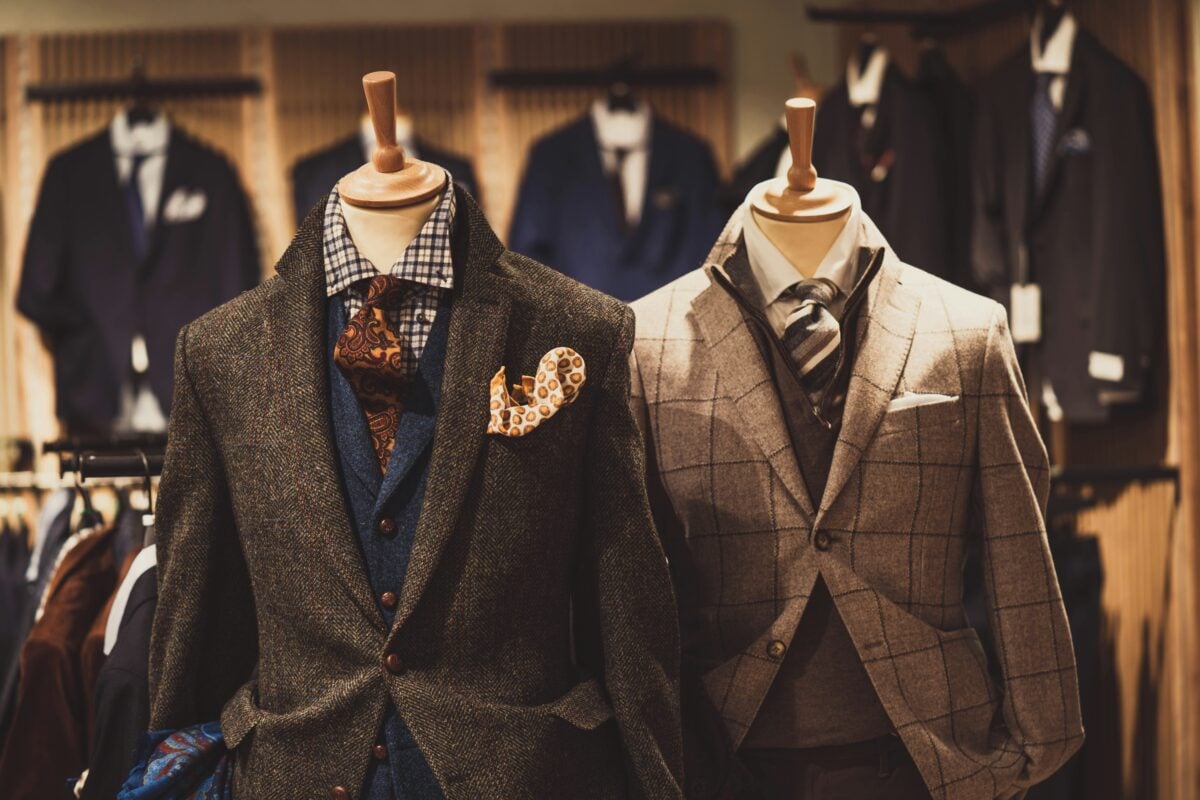
Today’s Man sold suits to guys who needed a suit but didn’t want to think too hard about it. Two-for-one deals, wide lapels, colors that technically qualified as charcoal but were doing their best to be interesting — the store made formalwear approachable in a way that didn’t always translate to timeless.
It filed for bankruptcy twice, which is something of a record even in the unforgiving world of mall retail.
Russ Berrie
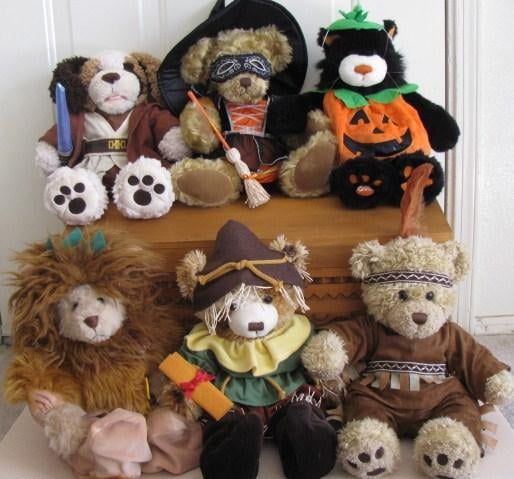
Russ Berrie stores were soft, borderline aggressively so — walls of stuffed animals, plush toys in every size, the particular hush of a room where everything is padded. The brand itself survived in different forms, but the standalone mall stores that felt like walking into a warm cloud drifted away by the mid-’90s.
You either bought something immediately or felt vaguely guilty leaving empty-handed.
Wet Seal
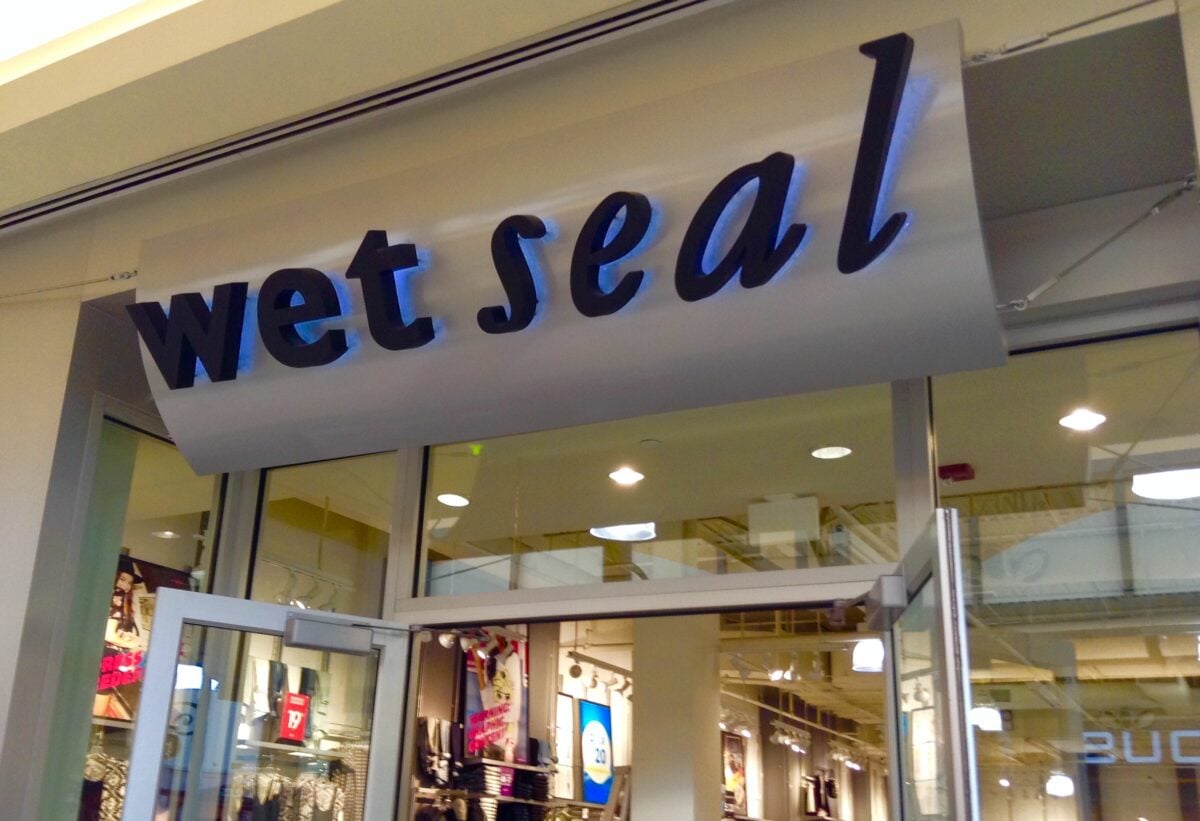
Wet Seal is the name that deserves more recognition than it gets in ’90s nostalgia conversations, mostly because it occupied a very specific slot — cheaper than bebe, cooler than Lerners, more daring than Gap. The chain survived well into the 2000s before finally closing its last stores in 2017, but its spirit was entirely a product of the ’90s mall.
Platform shoes, baby tees, and a general commitment to the aesthetic of looking like you might be in a music video: that was Wet Seal.
Regis Corporation Salons
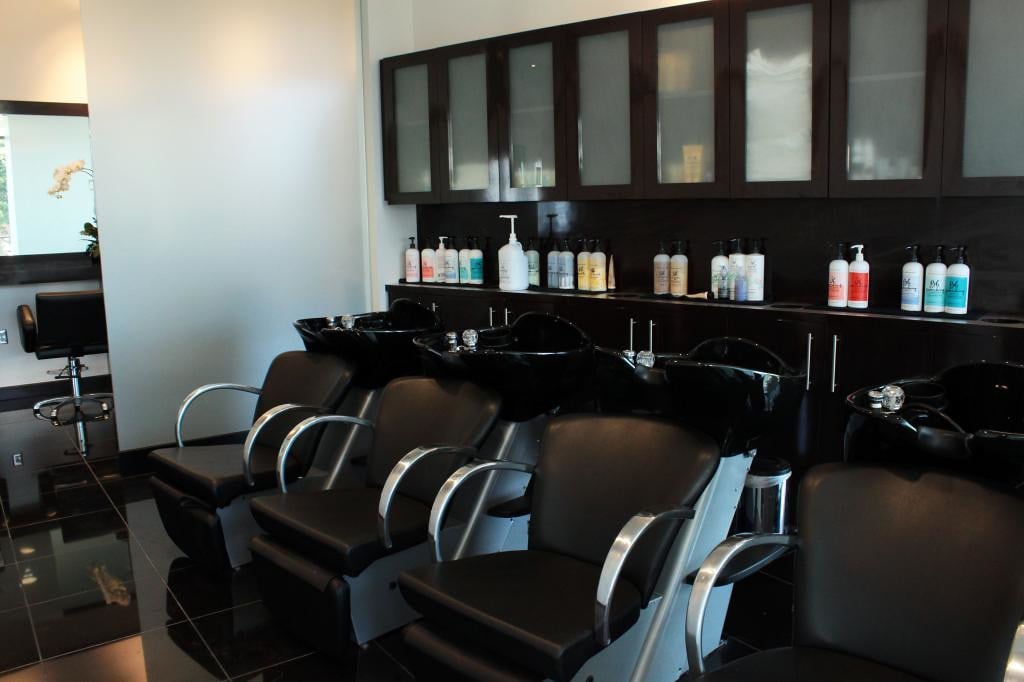
Every mall had one of these, humming along in a narrow storefront between a candle shop and a pretzel kiosk. Regis-branded salons (which also operated under names like Supercuts and MasterCuts, depending on the mall) gave practical, no-drama haircuts to millions of Americans who just needed something done without an appointment.
The experience was never remarkable, which was the entire point — and there’s a quiet dignity in that kind of reliability.
B. Dalton Bookseller
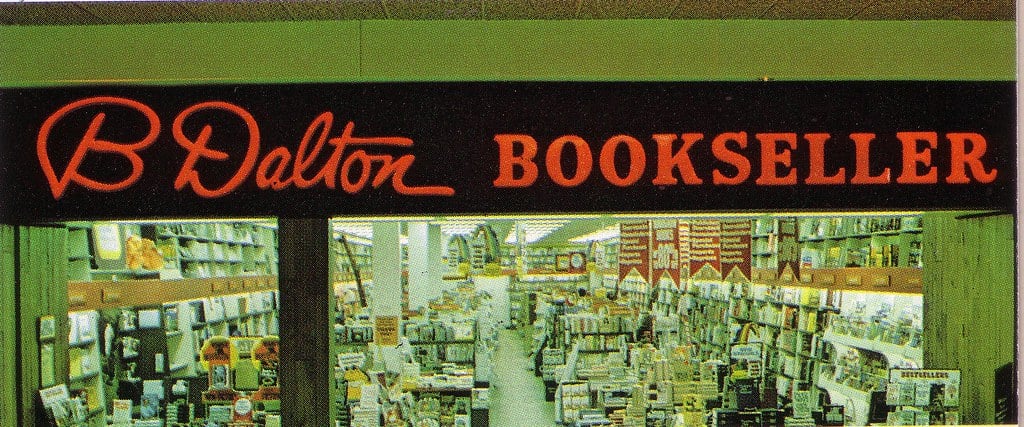
B. Dalton was the bookstore you went to when you weren’t in the mood to drive to a standalone Barnes & Noble. Narrow aisles, better-than-expected inventory for the square footage, and that particular smell of new paperbacks that no candle manufacturer has ever successfully recreated — it was a real bookstore disguised as a mall tenant.
Barnes & Noble acquired it and eventually wound the brand down by 2010, closing the last stores without much ceremony.
Waldenbooks
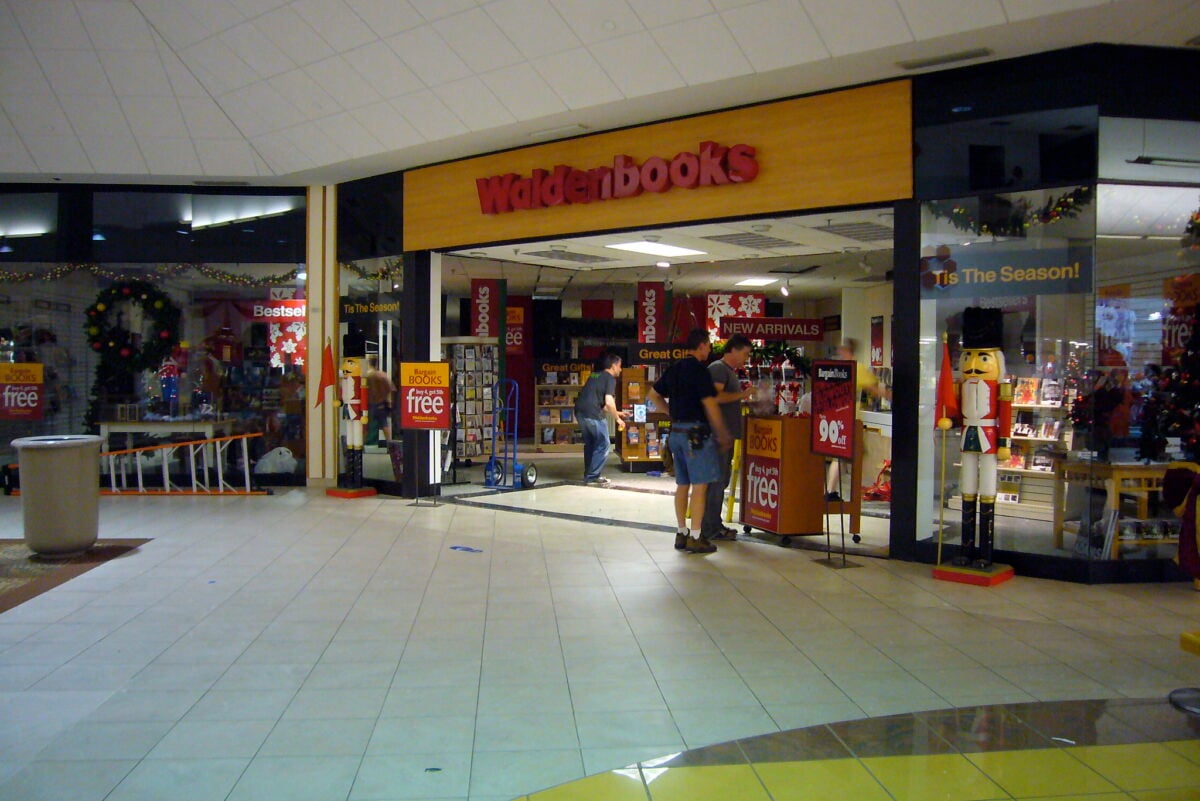
Waldenbooks and B. Dalton were the twin planets of mall bookselling, and the gravitational pull between them was real — if your mall had one, it probably had the other too, placed just far enough apart to make you walk the whole corridor. Waldenbooks leaned slightly younger, stocking more genre fiction and teen titles alongside the bestseller racks, and it had a loyalty program called Preferred Reader that felt extremely sophisticated at the time.
Borders absorbed it, and then Borders itself collapsed in 2011, so the whole lineage is gone.
Icing
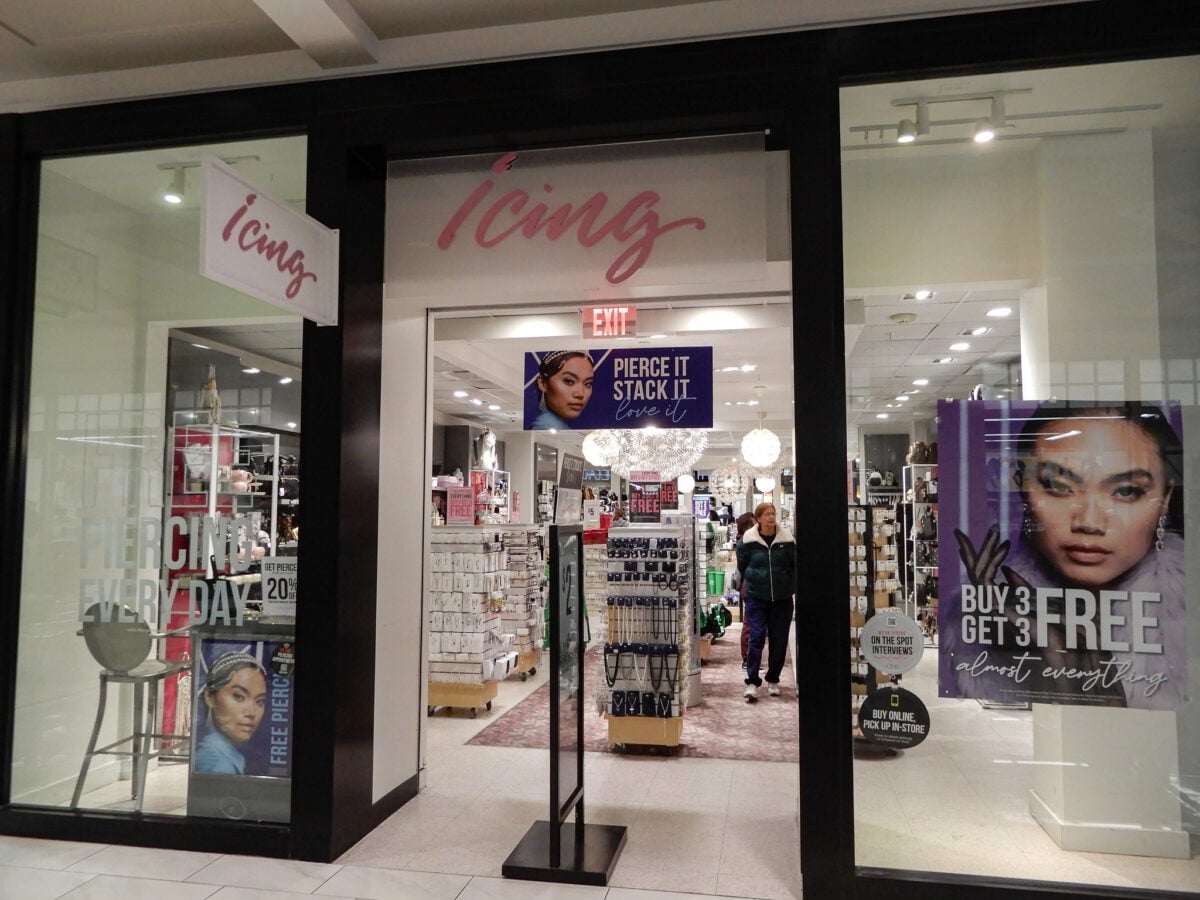
Icing was the slightly older sister of Claire’s — same parent company, slightly elevated price points, same general commitment to the idea that you can never own too many accessories. The chain still technically exists in limited form, but the full-footprint ’90s mall version, with its packed displays and intimidating earring walls, is largely a memory.
It was never the destination; it was always the detour that cost you twenty minutes and twelve dollars.
Natural Wonders

Natural Wonders sold science-adjacent gifts, nature posters, kaleidoscopes, and the kind of polished geodes that looked extraordinary in the store and slightly less so under bedroom lighting. The chain filed for bankruptcy in 1999 and closed, which was genuinely a loss — it occupied a niche that nobody else quite filled.
A store that made curiosity feel giftable deserved a longer run.
The Discovery Channel Store
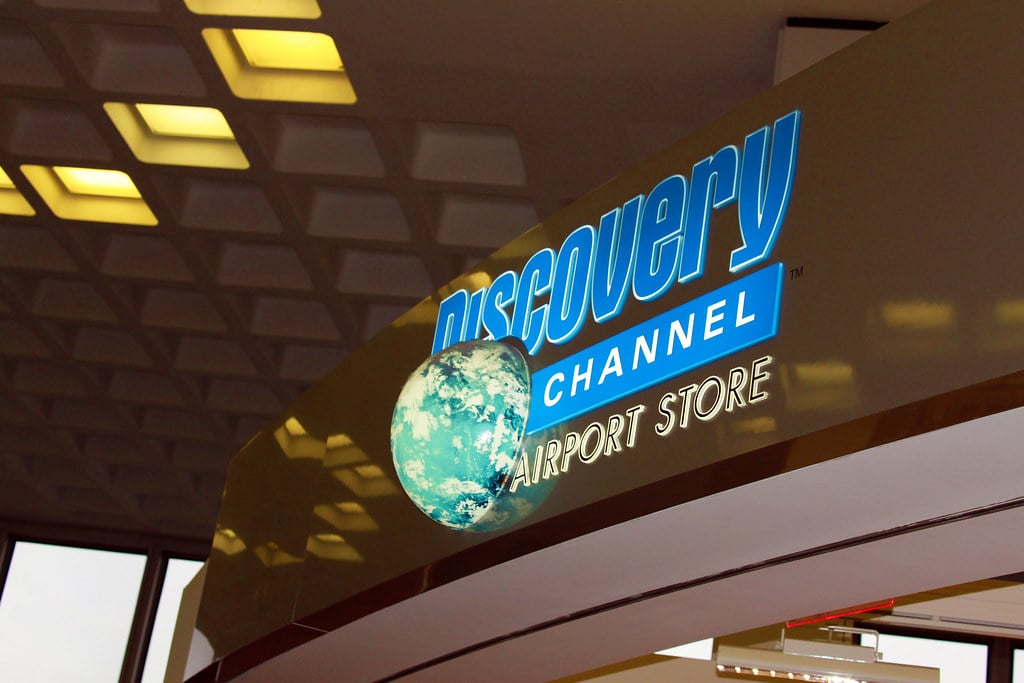
The Discovery Channel Store was the corporate retail extension of a cable channel, which sounds like it shouldn’t work and yet somehow produced one of the more interesting mall experiences of the ’90s. Dinosaur models, science kits, wildlife photography books, and enough globe-shaped objects to fill a geography classroom — the store felt like a field trip you could browse on a Saturday.
It closed all locations by 2007.
Warner Bros. Studio Store
The Warner Bros. Studio Store was what happened when Bugs Bunny got retail ambitions and a decent interior design budget. Multi-story flagship locations in major malls, animation cels framed on the walls, Looney Tunes merchandise that ranged from a reasonable baseball cap to a $400 painted jacket — the stores were genuinely impressive, and genuinely expensive.
Warner Bros. closed all locations in 2001, and the loss felt larger than it probably should have.
Sam Goody
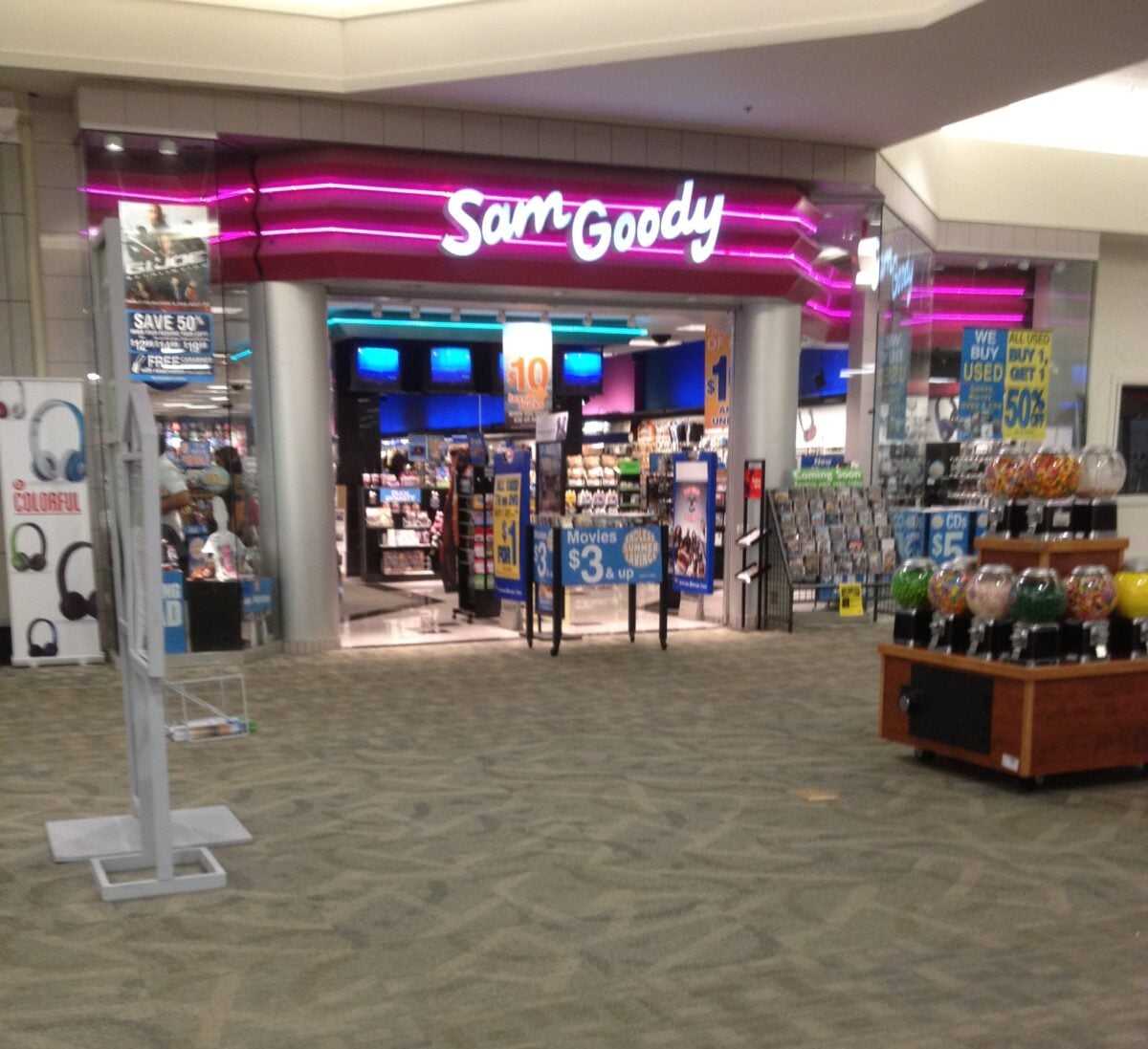
Sam Goody was the CD store, full stop. Not one of the CD stores — the CD store, with its long rows of alphabetized cases, its listening stations, and its employees who were constitutionally incapable of hiding their opinions about your selections. The chain limped through the digital music era before closing its last stores in the early 2010s, but it really stopped mattering the day iTunes launched and everyone knew it.
Camelot Music
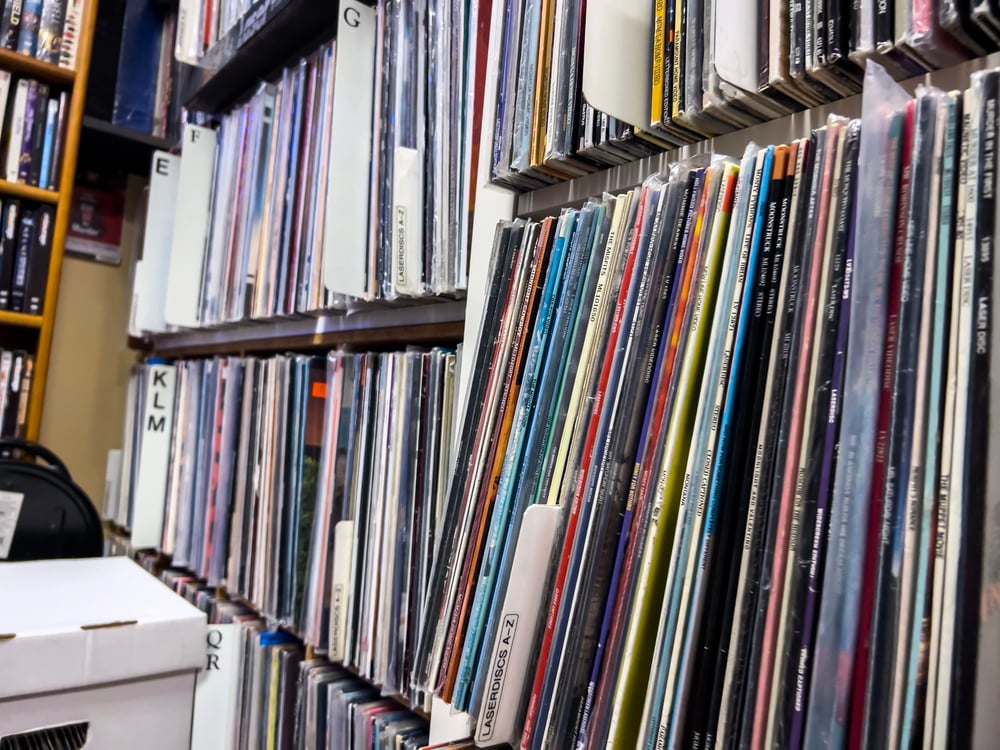
Camelot Music ran parallel to Sam Goody for most of the ’90s, offering the same basic proposition — CDs, tapes, and an impenetrable wall of posters — with slightly different branding. The parent company eventually merged Camelot into FYE (For Your Entertainment), which buried the nameplate permanently.
To be fair, FYE lasted longer than anyone predicted, which is saying something for a physical music retailer.
Wicks ‘n’ Sticks
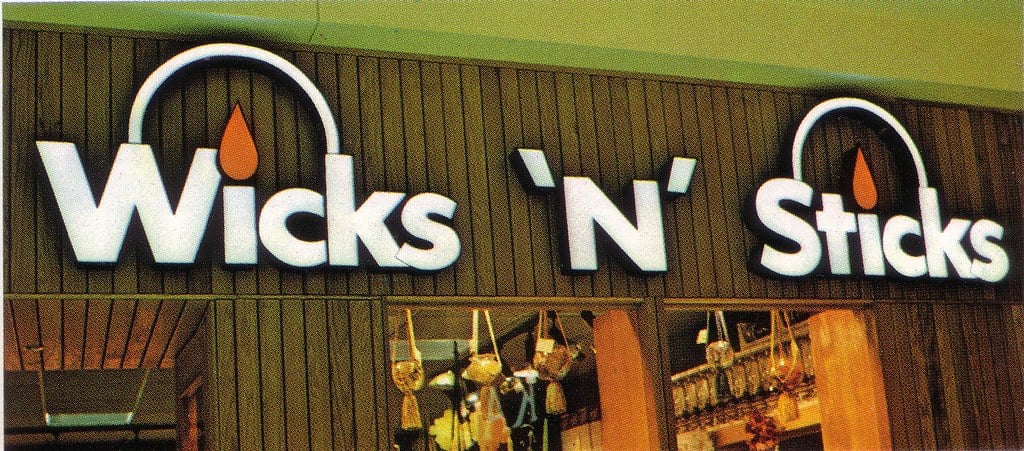
Wicks ‘n’ Sticks sold candles before candles became the lifestyle statement they are today — just candles, candle holders, and the occasional scented oil, displayed in a store that always smelled aggressively of itself. The chain was eventually absorbed by Blyth Industries in the early ’90s and faded from the mall landscape without a successor.
It was the ancestor of every Bath & Body Works candle wall you’ve stared at since.
Braids and Things
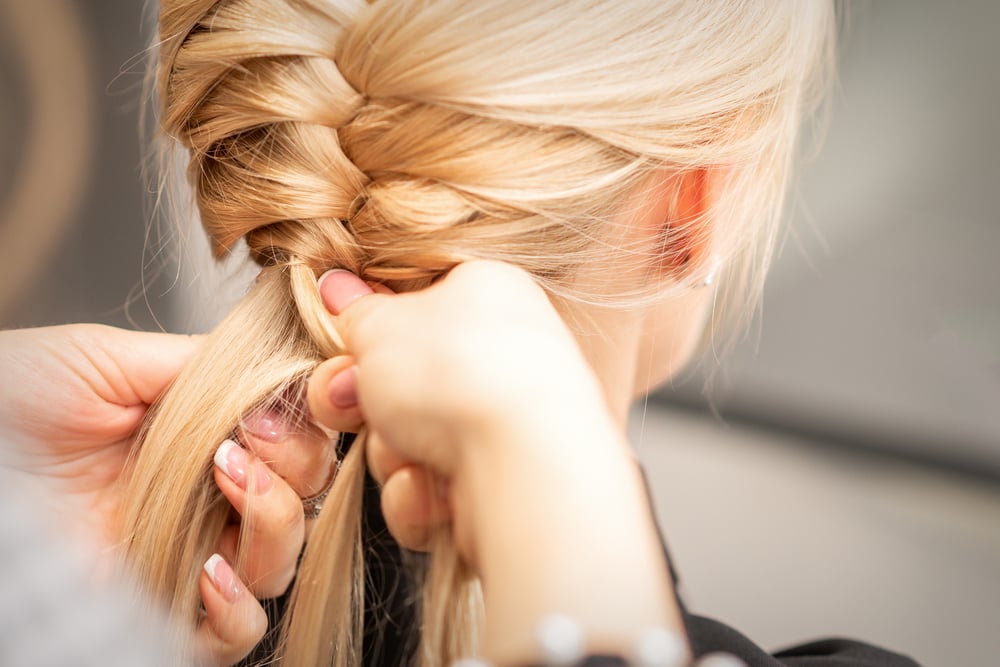
Braids and Things sat in the uncanny valley between a kiosk and an actual store, offering hair braiding services alongside a wall of accessories and extensions in colors that didn’t exist in nature. It was a genuinely useful service dressed up in neon signage, and it was busier than most of the stores anchoring the corridor.
The format survives in various mall kiosk forms, but the original chain iteration is long gone.
Software Etc.
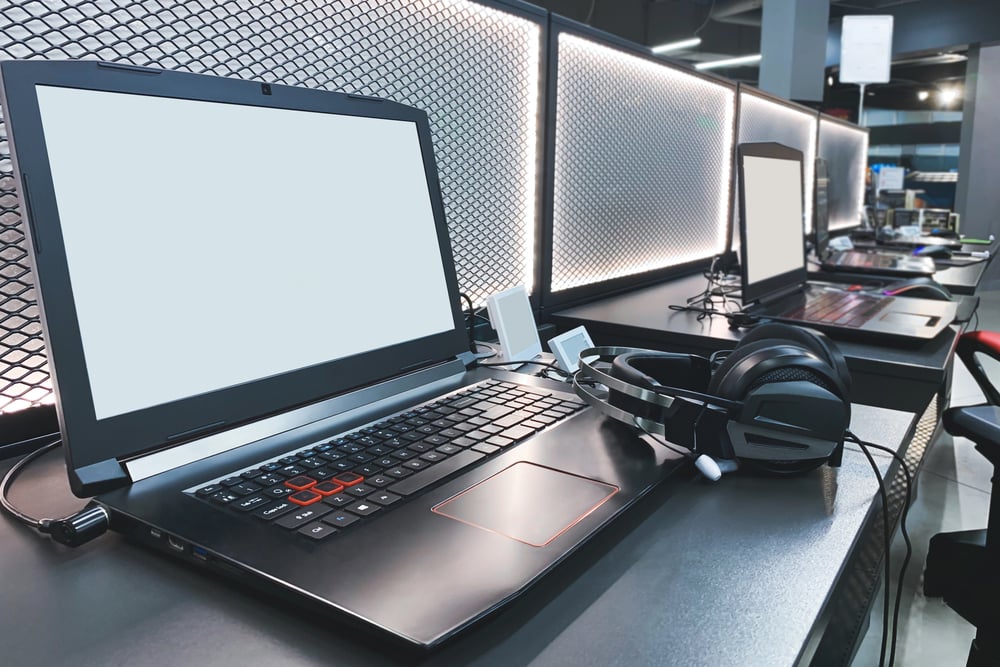
Software Etc. existed in the brief window when buying PC software in a physical store was both necessary and slightly exciting. Boxes stacked to the ceiling, demo disks taped to display cards, and the particular pleasure of reading the system requirements on the back of a box to see if your home computer qualified — it was retail for a format that the internet simply eliminated.
GameStop’s parent company eventually absorbed it.
Electronics Boutique

Electronics Boutique, known most commonly as EB, was the video game store before GameStop became the video game store. Narrow, slightly cramped, staffed by people who had extremely specific opinions about console wars — it had a distinct personality that GameStop never quite matched after the two companies merged in 2005.
The EB name disappeared, which felt like the end of something.
Lechters
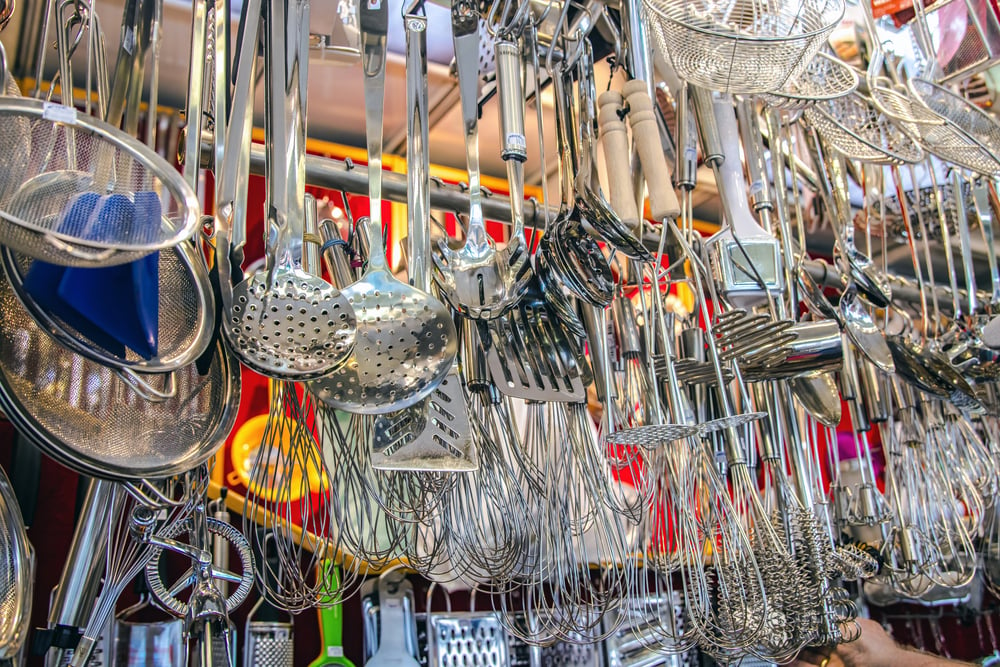
Lechters was a kitchen store that operated before Williams-Sonoma colonized the concept of aspirational cookware. Practical pots, useful gadgets, the kind of store you wandered into looking for a spatula and left with a garlic press and a pasta roller you’d use twice.
It filed for bankruptcy in 2001 and closed, which aligned neatly with the moment when everyone started buying kitchen equipment online without touching it first.
Petite Sophisticate
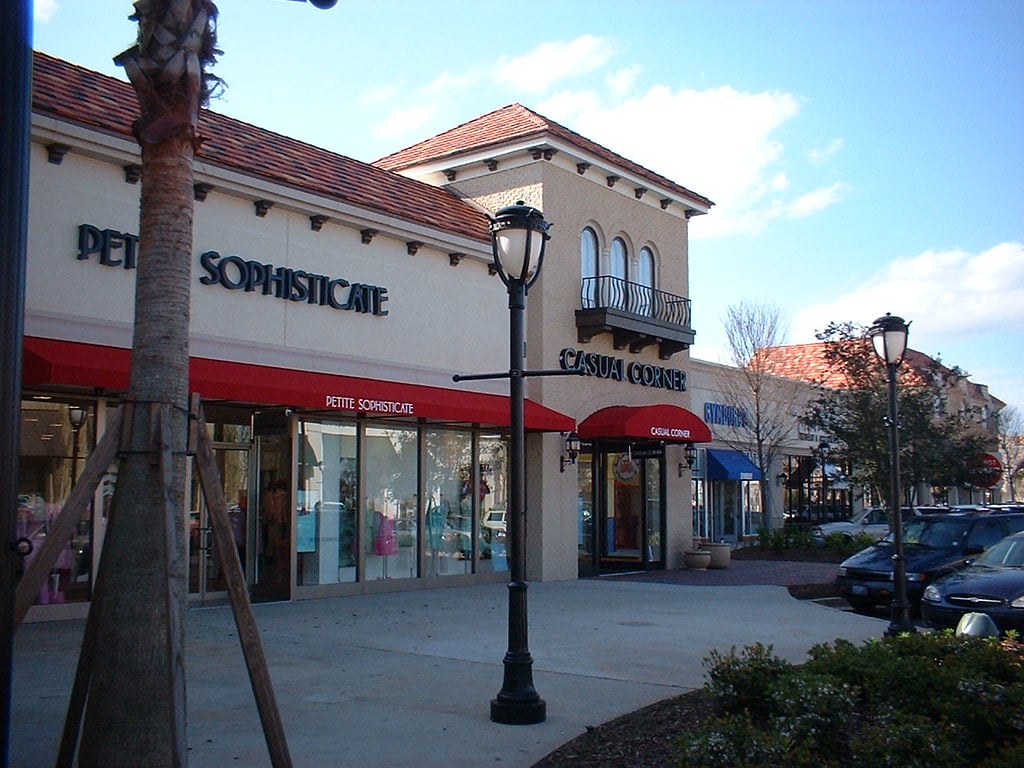
Petite Sophisticate sold professional women’s clothing in smaller sizes, which sounds niche until you consider how persistently underserved that demographic was by mainstream retailers. The clothes were genuinely well-made for the price point — structured blazers, tailored trousers, the kind of wardrobe architecture that held up over a decade.
The chain closed in 2008 after its parent company went bankrupt.
Accessory Lady

Accessory Lady was a competitor to Claire’s and Icing that most people outside its core markets have completely forgotten. It stocked similar merchandise — earrings, necklaces, headbands — but had a slightly wider reach toward adult women who still wanted affordable jewelry without the teen-focused atmosphere.
The chain contracted through the late ’90s and eventually disappeared.
Wilsons Leather
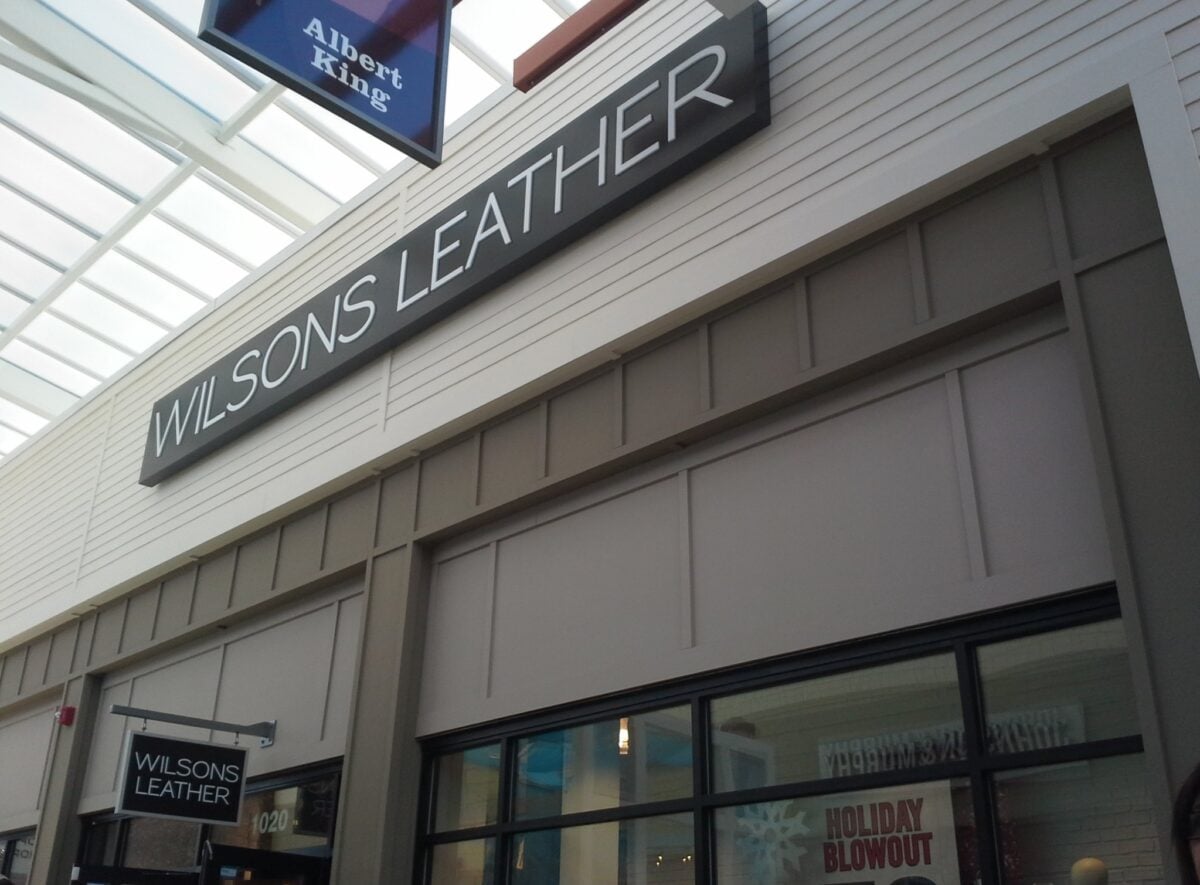
Wilsons Leather sold leather jackets, leather bags, leather wallets, and the occasional leather belt with a buckle that could stop traffic. The store smelled the way a leather store is supposed to smell — rich and slightly heavy — and it made even a Tuesday mall visit feel vaguely like a shopping occasion.
The chain still exists in outlet form, but the full-mall presence of the ’90s version is largely gone.
Things Remembered
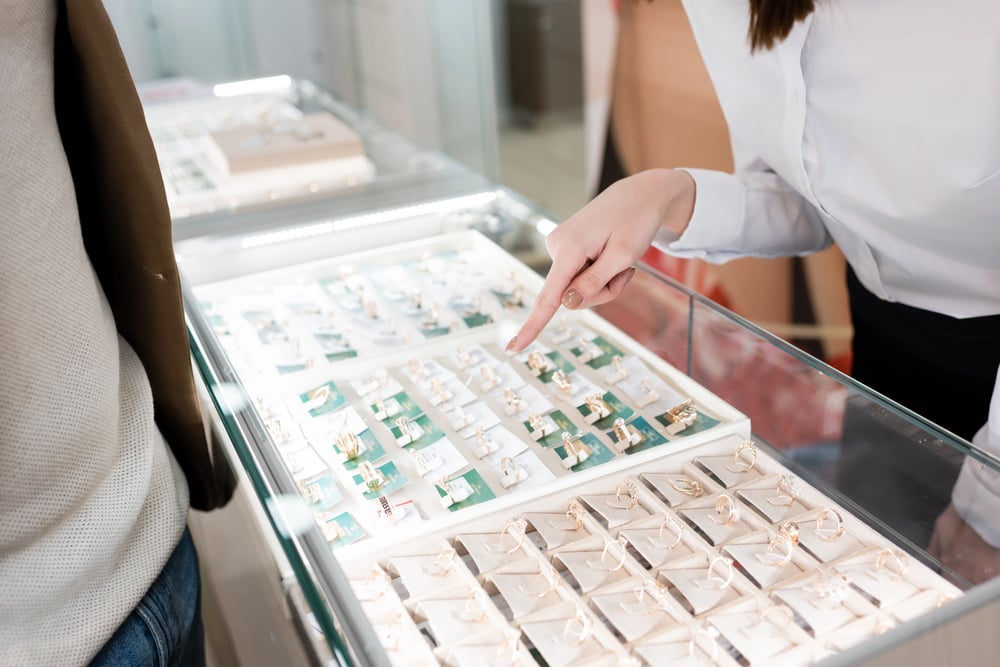
Things Remembered was the engraving store, the place you went when you needed to make a generic gift personal in a hurry. A plain silver frame, a key chain, a pewter beer mug — all of them transformed by the addition of initials and a date into something that felt considered.
The chain filed for bankruptcy in 2019, and it turns out personalization is now something an app handles in under three minutes.
Mothers Work
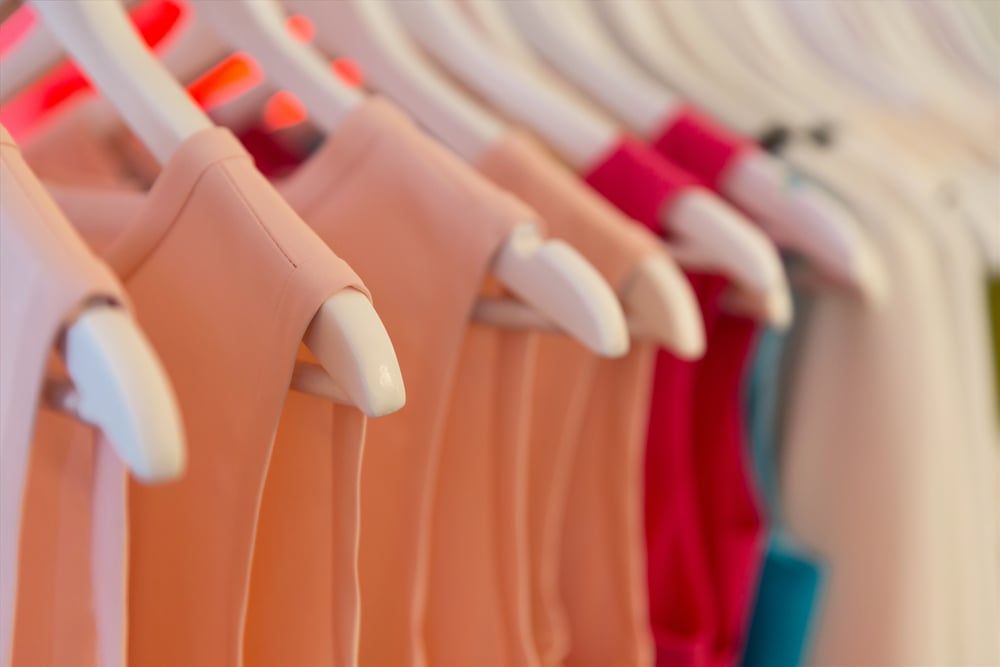
Mothers Work occupied the small but important niche of maternity professional clothing — tailored, dignified, and aimed at women who didn’t want to abandon their work wardrobes entirely for nine months. The brand was eventually rolled into Destination Maternity, which itself went bankrupt in 2019.
The original Mothers Work stores were a straightforward solution to a real problem, and that particular type of specialty retailer has largely been replaced by online ordering.
World of Science
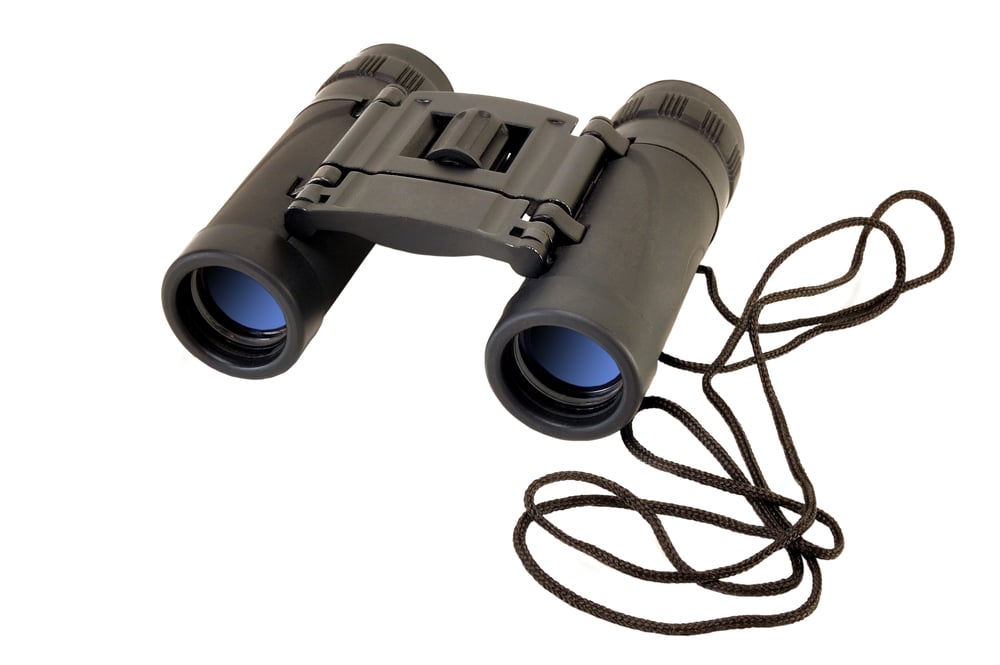
World of Science was Natural Wonders’ Canadian cousin in spirit if not in ownership — telescopes, chemistry sets, model rocket kits, and a general philosophy that learning something should feel like finding a gift. The chain operated primarily in the northeastern United States and Canada before closing in the late ’90s, leaving behind a quiet absence that science-inclined kids noticed more than most.
The Lingering Catalog of Everything We Walked Past
The strange thing about these stores isn’t that they closed — retail always closes, always reinvents, always finds a new format for the same human impulse to go somewhere and buy something. What makes them worth remembering is the texture they gave to a specific kind of Saturday: the way a whole afternoon could disappear inside a single floor of a mid-sized regional mall, moving from a software store to a leather jacket rack to a candle display without any particular plan.
You weren’t buying anything, most of the time. You were just occupying a space that felt, for a few years, like the only space that mattered.
Those stores are gone, the malls are mostly quieter, and the specific geography of that particular era has been replaced by something faster and more efficient. Efficient, sure. But it never smelled as good.
More from Go2Tutors!

- The Romanov Crown Jewels and Their Tragic Fate
- 13 Historical Mysteries That Science Still Can’t Solve
- Famous Hoaxes That Fooled the World for Years
- 15 Child Stars with Tragic Adult Lives
- 16 Famous Jewelry Pieces in History
Like Go2Tutors’s content? Follow us on MSN.



